ClickCease
+1-915-850-0900 [email protected]
Select Page
The Vagus Nerve: Key to Wellbeing and Body Health

The Vagus Nerve: Key to Wellbeing and Body Health

Learn about the vagus nerve in the body, a key player in regulating bodily functions and enhancing your health naturally.

Unlocking the Power of the Vagus Nerve: Your Body’s Chill Button for Pain Relief and Wellness

Ever wonder if your body has a secret control center that can dial down stress, soothe pain, and make you feel like you’re floating on a cloud of calm? Spoiler alert: it does, and it’s called the vagus nerve—your body’s very own superhero nerve! Think of it as the cool, laid-back DJ of your nervous system, spinning tracks of relaxation to keep your body in harmony. But when this DJ starts missing beats, things like chronic pain, stress, and even achy muscles can crash the party. This comprehensive exploration delves into what the vagus nerve is, how it teams up with the parasympathetic nervous system, and why it’s crucial for keeping pain at bay. We’ll uncover how factors like stress, poor diet, or even slouching at your desk can mess with your vagus nerve’s groove, potentially leading to body pain. Plus, we’ll spotlight how nonsurgical treatments like chiropractic care and acupuncture can crank up the vagus nerve’s chill vibes, and share lifestyle hacks to keep it humming.

What Is the Vagus Nerve? Your Body’s Superhighway of Calm

Picture the vagus nerve as the ultimate multitasker in your body—a long, winding nerve that’s like a superhighway connecting your brain to almost every major organ. Officially known as the tenth cranial nerve, it’s the longest nerve in your autonomic nervous system, stretching from your brainstem down through your neck, chest, and abdomen, touching your heart, lungs, stomach, and intestines. Its name comes from the Latin word for “wandering,” and boy, does it wander! Think of it as your body’s internal GPS, guiding signals to keep your heart rate steady, your digestion smooth, and your stress levels in check.​

The vagus nerve is the star player in the parasympathetic nervous system, the part of your body that says, “Chill out, everything’s cool.” It’s responsible for heart rate regulation, slowing your heart rate when you’re relaxed; digestion, telling your stomach and intestines to get moving; breathing, helping you breathe deeply and calmly; inflammation control, acting like a firefighter dousing inflammation; and mood and stress management, sending signals to your brain to release feel-good chemicals like serotonin.​

The vagus nerve is your body’s master regulator, keeping things balanced and preventing chaos. When it’s working well, you feel energized, calm, and pain-free. But when it’s out of tune, it can lead to all sorts of trouble, including body pain.

The Parasympathetic Nervous System: Your Body’s “Rest and Digest” Mode

If the vagus nerve is the DJ, the parasympathetic nervous system (PNS) is the chill lounge where it spins its magic. The PNS is one half of your autonomic nervous system, which controls all the stuff you don’t think about, like breathing, heart rate, and digestion. While the sympathetic nervous system is your “fight or flight” mode—kicking in when you’re running from a bear or stressing about a deadline—the PNS is your “rest and digest” mode, helping you relax, recover, and recharge.​

The parasympathetic nervous system’s job is to bring your body back to a state of calm after stress. It slows heart rate to a relaxed rhythm, saving energy for healing and recovery; boosts digestion by stimulating your gut to break down food and absorb nutrients; promotes healing by encouraging tissue repair and reducing inflammation; and calms the mind by signaling your brain to chill out, reducing anxiety and boosting mood.​

The vagus nerve is the PNS’s MVP, carrying most of its signals to your organs. When your vagus nerve is firing on all cylinders, it’s like your body’s in a cozy spa day—relaxed, healing, and ready to take on the world. But when the vagus nerve’s “vagal tone” (its strength and efficiency) is low, things can go south, leading to stress, inflammation, and even body pain.

Understanding Vagal Tone and Why It Matters

Vagal tone is like the signal strength of your vagus nerve—how well it’s communicating with your body to keep things calm and balanced. High vagal tone means your vagus nerve is strong, responsive, and great at keeping your heart rate steady, your digestion smooth, and your stress low. Low vagal tone, on the other hand, is like a weak Wi-Fi signal—your body struggles to stay calm, inflammation spikes, and pain can creep in.​

Think of vagal tone as your body’s ability to hit the brakes on stress. When it’s high, you recover quickly from stressful situations, like bouncing back after a tough workout or a heated argument. Low vagal tone means your body stays stuck in “stress mode,” which can mess with your health and lead to pain. Research shows that a higher vagal tone is associated with a lower resting heart rate, reduced blood pressure, and increased heart rate variability (HRV), which are strongly correlated with overall cardiovascular health and emotional regulation.

activate-your-calm-harnessing-the-vagus-nerve-for-health-after-40_67014a8a.pdf

Factors That Disrupt Vagus Nerve Function and Lead to Pain

Your vagus nerve is a sensitive soul—it can get thrown off by a variety of factors, from lifestyle choices to environmental stressors. When vagal tone takes a hit, it can lead to overlapping risk profiles that increase body pain.

Chronic Stress: The Vagus Nerve’s Kryptonite

Stress is like kryptonite for your vagus nerve. When you’re constantly stressed—whether from work deadlines, family drama, or scrolling doom-filled news—your sympathetic nervous system (fight or flight) goes into overdrive, suppressing the parasympathetic system and lowering vagal tone. This keeps your body in a state of high alert, spiking stress hormones like cortisol, which can tighten muscles leading to neck, shoulder, or back pain; increase inflammation, making trigger points more likely to form; and disrupt sleep, which amplifies pain sensitivity and slows recovery.​

Poor Posture and Spinal Misalignments

Slouching at your desk or hunching over your phone doesn’t just strain your muscles—it can compress the vagus nerve as it passes through your neck and chest. This can lower vagal tone, reducing its ability to calm your body and manage inflammation. Poor posture creates muscle imbalances leading to pain in your back, shoulders, or hips; increases tension in the fascia (connective tissue), forming painful trigger points; and disrupts nerve signaling, which can amplify pain perception.​

Recent research reveals the intricate connection between spinal health and vagal function. Vertebral subluxations and misalignments can interfere with the normal flow of nerve signals, potentially compromising the vagus nerve’s ability to regulate inflammation and pain responses.​

Sedentary Lifestyle and Physical Inactivity

Sitting all day or skipping exercise can weaken vagal tone by reducing the stimulation your vagus nerve needs to stay active. A sedentary lifestyle stiffens muscles and fascia, increasing the risk of painful knots; reduces blood flow, which hampers healing and ramps up inflammation; and contributes to stress and poor sleep, creating a vicious cycle of pain and low vagal tone.​

Conversely, research demonstrates that non-invasive vagal stimulation combined with regular exercise can improve cardiorespiratory fitness and attenuate inflammation, offering an inexpensive, safe, and scalable approach to improve exercise capacity and overall health.​

Dietary Factors and Inflammation

What you eat matters for your vagus nerve. Diets high in sugar and processed foods spike inflammation, which can suppress vagal tone and make pain worse. High-fat diets have been shown to induce inflammation in the nodose ganglion and hypothalamus, compromising vagal plasticity and the ability of vagal afferents to respond to various regulatory signals.​

Nutritional deficiencies in key nutrients, such as omega-3 fatty acids —which reduce inflammation and support vagal function —vitamin D and magnesium (essential for nerve health and muscle relaxation), and choline (a precursor to acetylcholine, the primary neurotransmitter of the parasympathetic nervous system), can all negatively impact vagal tone.​

Sleep Disruption and Vagal Dysfunction

Lack of sleep is a major vagal tone killer. Poor sleep disrupts the parasympathetic system, keeping your body in a stressed state and reducing the vagus nerve’s ability to regulate inflammation. The vagus nerve plays a crucial role in sleep regulation, and when it’s not functioning properly, it can lead to increased cortisol levels, disrupted sleep patterns, and contribute to insomnia and sleep apnea.​

Sleep deprivation increases muscle tension and pain sensitivity, slows recovery from injuries, makes aches linger, and worsens mood, amplifying the perception of pain.​

Environmental Toxins and Inflammation

Pollution, chemicals, and even mold exposure can stress your vagus nerve, lowering its tone and increasing inflammation. This can trigger muscle tension and pain, especially in the back or neck; disrupt gut health, which the vagus nerve relies on for optimal function; and amplify stress responses, worsening the feeling of pain.​

These factors—stress, posture, inactivity, diet, toxins, and sleep issues—create overlapping risk profiles that can weaken vagal tone, ramp up inflammation, and lead to body pain. For example, chronic stress might tighten your neck muscles, while poor posture compresses the vagus nerve, and a bad diet fuels inflammation—creating a perfect storm for aches and pains.

The Science Behind Vagus Nerve Stimulation for Pain Relief

The vagus nerve’s pain-relieving powers are backed by robust scientific research. It’s part of the cholinergic anti-inflammatory pathway, where it releases acetylcholine to dampen inflammation, a major cause of pain. The inflammatory reflex is a centrally integrated physiological mechanism in which afferent vagus nerve signaling, activated by cytokines or pathogen-derived molecules, conveys signals to the brain and subsequent efferent vagus nerve activity suppresses peripheral inflammation.​

Studies show that high vagal tone is linked to lower pain sensitivity and faster recovery from injuries. The vagus nerve regulates the dynamic interplay between cardiac and respiratory functions. Heart rate variability (HRV), which measures the intervals between heartbeats, captures the dynamic balance between sympathetic and parasympathetic inputs to the heart.​

Research demonstrates that vagus nerve stimulation (VNS) can modulate vagal activity and neuro-immune communication, producing analgesic effects by projecting to many brain regions related to pain processing. The anti-inflammatory property of VNS contributes to its pain-inhibitory effects, making it particularly promising for chronic musculoskeletal pain conditions.​

Chiropractic Care: Optimizing Vagus Nerve Function for Pain Relief

Chiropractic care is like a tune-up for your vagus nerve, helping it hit all the right notes to reduce pain and restore balance. By focusing on spinal alignment and muscle tension, chiropractors can stimulate the vagus nerve and improve vagal tone, which calms inflammation and eases body pain.​

How Chiropractic Care Enhances Vagal Function

Spinal Adjustments: Misaligned vertebrae (subluxations) in the neck or upper back can compress the vagus nerve, reducing its function. Gentle chiropractic adjustments realign the spine, relieving pressure and boosting nerve signaling. The PulStar, for example, delivers rapid, low-force mechanical impulses to targeted spinal segments, offering precision that manual techniques can’t match. The vagus nerve interfaces closely with structures in the upper cervical spine—particularly around the atlas (C1) and axis (C2) vertebrae.​

Myofascial Release: Chiropractors use soft-tissue techniques to release tight muscles and fascia, which can improve vagal tone by reducing tension around the nerve. This helps with conditions like myofascial pain syndrome, where trigger points cause widespread aches.​

Reducing Inflammation: By improving nerve function and blood flow, chiropractic care helps the vagus nerve dial down inflammation, a key driver of chronic pain.​

Stress Relief: Adjustments stimulate the parasympathetic system, lowering stress hormones and promoting relaxation, which can ease tension-related pain.​

Research shows that chiropractic adjustments can improve vagal tone by reducing spinal stress, easing pain in conditions like myofascial pain syndrome. A literature review found that 88% of pediatric patients experienced a significant reduction in the frequency and severity of epileptic seizures following chiropractic care, potentially through vagus nerve stimulation mechanisms.​

Acupuncture: Ancient Wisdom Meets Modern Neuroscience

Acupuncture is another powerful treatment for boosting vagal tone and easing pain. By inserting tiny needles into specific points on the body, acupuncture stimulates the nervous system, including the vagus nerve, to promote relaxation and healing.​

How Acupuncture Stimulates the Vagus Nerve

Direct Vagus Nerve Stimulation: Certain acupuncture points, like those in the ear or neck, directly activate the vagus nerve, improving its tone and calming the body. Auricular acupuncture (ear acupuncture) involves needling specific points on the ear, and several of these points stimulate the vagus nerve through the auricular branch.​

Pain Reduction: Acupuncture releases endorphins and other pain-relieving chemicals, reducing muscle tension and trigger point pain. Studies show that acupuncture can stimulate the vagus nerve to promote anti-inflammatory effects, transmitting signals that mediate anti-inflammatory responses in the spleen.​

Inflammation Control: By boosting vagal tone, acupuncture helps the vagus nerve suppress inflammation, easing conditions like myofascial pain or fibromyalgia.​

Key Acupuncture Points for Vagus Nerve Stimulation

Several acupuncture points can effectively stimulate the vagus nerve:​

  • Conception Vessel 12 (CV 12): Located on the midline of the abdomen, used to stimulate the vagus nerve, promoting digestion and relaxation

  • Conception Vessel 17 (CV 17): Located in the center of the chest, it helps regulate the vagus nerve, improving respiratory function and reducing stress

  • Heart 7 (HT 7): Located on the wrist, powerful for stimulating the vagus nerve, promoting relaxation, and reducing anxiety

  • Stomach 36 (ST 36): Located on the leg, helps regulate the vagus nerve, promoting digestion and reducing stress

  • Pericardium 6 (PC 6): Located on the inner wrist, it activates the parasympathetic nervous system and increases vagal activity

  • Auricular points: The ear contains numerous points that can stimulate the vagus nerve, including the cymba conchae, the tragus, and the cavum conchae

Myofascial Release and the Vagus-Fascia Connection

The connection between fascia and the vagus nerve represents a fascinating frontier in pain management. Fascia is not static—it’s constantly evolving and adapting to influences including sustained postures, stress responses, and biochemical factors.​

Fascia receptors communicate directly with both branches of the autonomic nervous system. When activated, the sympathetic nervous system releases neurotransmitters that can increase tension in fascia throughout the body. Chronic activation due to ongoing stress can lead to increased tone and stiffness in fascial structures.​

Strong vagal tone helps counterbalance sympathetic-induced fascial tension. When the vagus nerve is properly engaged, it can facilitate the release of fascial restrictions that may have developed during chronic or traumatic stress. Myofascial release can stimulate the vagus nerve by releasing tension in the fascia, indirectly activating it and triggering a cascade of relaxation responses throughout the body.​

Managing Myofascial Pain Syndrome Through Vagus Nerve Stimulation

Myofascial pain syndrome (MPS) manifests as discomfort due to taut bands and trigger points affecting muscles, tendons, ligaments, and fascia. This prevalent condition affects approximately 12% of the population, notably among individuals aged 30-50.​

Recent research demonstrates that auricular vagus nerve stimulation (VNS) applied from both ears can significantly improve pain severity, trigger point sensitivity, grip strength, quality of life, and autonomic functions in MPS patients. The study found that adding VNS to ischemic compression and stretching exercises resulted in statistically higher improvements compared to conventional treatment alone.​

Clinical trials are currently investigating the effects of vagus nerve stimulation on trapezius trigger points, recognizing that MPS is characterized by these hyperirritable spots in skeletal muscle, which are associated with pain, stiffness, and dysfunction.​

Fibromyalgia and Vagus Nerve Dysfunction

Fibromyalgia, characterized by heightened central sensitization and dysregulated inflammatory responses, often poses significant challenges to traditional pharmacological treatments. Non-invasive vagus nerve stimulation presents a promising alternative, effectively targeting both peripheral and central inflammatory pathways.​

Clinical studies support significant reductions in pain levels and improvements in fibromyalgia symptoms such as fatigue and anxiety. In fibromyalgia, VNS reduces pain intensity, enhances sleep quality, and improves overall well-being by suppressing pro-inflammatory cytokines and neuropeptides such as substance P and CGRP, along with normalizing autonomic dysfunction.​

Current clinical trials are investigating transcutaneous vagus nerve stimulation in fibromyalgia patients. Researchers hypothesize that stimulating the auricular branch of the vagus nerve can lead to better pain control and quality of life by normalizing autonomic and immune system dysfunction.​

Heart Rate Variability: The Window into Vagal Health

Heart rate variability (HRV) serves as a non-invasive marker that provides profound insight into vagal nerve activity, often termed vagal tone. HRV reflects the interplay between autonomic inputs and cardiac function by analyzing the fluctuations between successive heartbeats.​

HRV is strongly associated with the body’s ability to adapt to metabolic demands and external challenges, making it an essential indicator of physiological resilience. Specific metrics, such as RMSSD (root mean square of successive differences) and high-frequency (HF) power, are particularly indicative of vagus nerve-mediated HRV, which reflects parasympathetic cardiac control.​

Higher HRV levels, mediated by the vagus nerve, signify robust autonomic balance, emotional regulation, and cognitive function. These attributes enhance resilience to stress and disease, positioning vagus nerve-mediated HRV as a vital marker of overall well-being.​

Lifestyle Strategies for Optimizing Vagus Nerve Health

Keeping your vagus nerve happy is like giving your body a daily dose of zen—and it can help prevent pain before it starts. Here are evidence-based lifestyle strategies to boost vagal tone and keep aches at bay:

Deep Breathing and Meditation

Slow, deep breathing directly stimulates the vagus nerve, boosting its tone and calming your body. Diaphragmatic breathing, where you breathe deep into your belly rather than taking shallow chest breaths, is particularly effective. The key is to keep your exhales longer than your inhales—this helps activate the vagus nerve and signals the parasympathetic nervous system to enter rest and digest territory.​

Try the 4-7-8 breathing method: inhale for four seconds, hold for seven seconds, and exhale for eight seconds. This breathing exercise helps slow the heart rate and promotes a state of calmness.​

Regular Exercise and Movement

Moderate exercise, like walking, yoga, or swimming, boosts vagal tone by stimulating the parasympathetic system. Research suggests that endurance and interval training stimulate the vagus nerve and control parasympathetic activity in the brain.​

Yoga poses that focus on relaxation, such as Child’s Pose or Cat-Cow, can activate the vagus nerve. Yin yoga, a slower style where you hold each pose for three to five minutes, is particularly effective for vagus nerve stimulation. The combination of sustained poses and mindful breathing makes this practice effective for vagus nerve activation.​

Anti-Inflammatory Nutrition

A literature review examining the role of nutrition on heart rate variability found several foods and nutrients associated with increased vagal tone:​

  • Omega-3 fatty acids: Found in salmon, walnuts, and flaxseeds, these anti-inflammatory fats may be linked to vagus nerve activity​

  • Mediterranean diet: Rich in anti-inflammatory compounds that support overall vagal function​

  • Probiotic foods: Since gut bacteria affect the vagus nerve and brain, maintaining a diverse microbiome is vital. Include kimchi, yogurt, miso, kefir, tempeh, and kombucha​

  • High-choline foods: Choline is a precursor to acetylcholine, the primary neurotransmitter of the parasympathetic nervous system. Include eggs, fish, nuts, and seeds​

  • Prebiotic foods: Garlic, onions, chicory root, leeks, bananas, oats, and barley support beneficial gut bacteria​

Quality Sleep Optimization

The vagus nerve plays a crucial role in sleep regulation, helping your body transition into a state of relaxation. Research shows that transcutaneous vagus nerve stimulation can improve sleep quality in patients with primary insomnia.​

Aim for 7-9 hours of sleep nightly to support vagal tone. Create a bedtime routine that includes no screens 1 hour before bed, using blackout curtains or a sleep mask, and consider incorporating vagus nerve exercises like gentle humming or deep breathing before sleep.​

Stress Management Techniques

Chronic stress tanks vagal tone, so implementing effective stress management strategies is crucial. Mindfulness practices like journaling, gratitude exercises, and meditation can help maintain healthy vagal function. Controlled laughter naturally creates rhythmic breathing and diaphragmatic movement that stimulates the parasympathetic nervous system.​

Cold Exposure and Hydrotherapy

Cold exposure, such as splashing cold water on your face or taking brief cold showers, activates the vagus nerve and signals the body to relax. This technique can be particularly helpful as part of a pre-sleep routine or when you need to quickly activate your parasympathetic nervous system.​

Posture Awareness and Ergonomics

Good posture keeps the vagus nerve free from compression. Use ergonomic chairs or standing desks to avoid slouching, and perform regular posture checks: ears over shoulders, shoulders over hips. This reduces muscle tension and supports vagal function, preventing pain.​

Advanced Diagnostic Approaches

Modern healthcare is incorporating advanced diagnostic tools to assess vagal function and its relationship to pain. Heart rate variability testing can measure vagal tone, revealing if low tone is linked to chronic pain conditions. Functional assessments evaluate how well the nervous system, including the vagus nerve, is functioning.​

Advanced imaging, like MRI and CT scans, can visualize spinal misalignments or soft-tissue issues that may compress the vagus nerve, contributing to pain. Lab tests can identify inflammation markers or nutritional deficiencies that impair vagal function and fuel pain.​

These comprehensive approaches allow healthcare providers to create tailored treatment plans that not only relieve pain but also boost vagal tone, promoting long-term wellness.

Emerging Research and Future Directions

The field of vagus nerve research is rapidly expanding, with promising developments in non-invasive stimulation techniques. Recent studies have shown that vagus nerve stimulation can reduce inflammation in cardiovascular disease, leading to smaller infarct sizes and a lower incidence of ventricular arrhythmias during reperfusion.​

Clinical trials are investigating vagus nerve stimulation for various chronic pain conditions, including an evaluation of 148 people with chronic lower back pain showing that vagus nerve stimulation halved pain in around 60% of users. The FDA has approved certain VNS devices for specific pain conditions, reinforcing the therapeutic potential of this approach.​

Research continues to explore the synergistic effects of combining VNS with other therapeutic modalities, such as pharmacotherapy and psychotherapy, to enhance patient outcomes. The development of wearable devices for vagus nerve stimulation is making this therapy more accessible and practical for daily use.​

When to Seek Professional Help

If you’re dealing with persistent pain, especially in your neck, back, or shoulders, or if stress, poor sleep, or digestive issues are piling on, it might be time to check in with a professional. Signs your vagus nerve needs help include chronic pain that doesn’t budge with rest or over-the-counter medications; frequent tension headaches or muscle knots; feeling wired but tired, with poor sleep or high stress; and digestive issues like bloating or sluggishness, which can signal vagal dysfunction.​

Healthcare providers can use diagnostic tools like HRV tests to confirm if vagal tone is contributing to symptoms, guiding targeted treatment plans that may include chiropractic care, acupuncture, lifestyle modifications, and emerging vagus nerve stimulation therapies.​

Conclusion

The vagus nerve stands as a remarkable biological system that bridges the gap between mind and body, offering unprecedented opportunities for natural pain relief and wellness optimization. As research continues to unveil the intricate connections between vagal function, inflammation, and pain perception, we’re discovering that this “wandering nerve” may hold keys to treating chronic pain conditions that have long challenged conventional medicine.

The evidence is clear: when the vagus nerve functions optimally, it serves as a powerful anti-inflammatory pathway, helping regulate pain signals, promote healing, and maintain the delicate balance between stress and relaxation. Conversely, when vagal tone is compromised by factors like chronic stress, poor posture, sedentary lifestyle, inflammatory diet, or sleep disruption, the body becomes more susceptible to chronic pain and inflammation.

The integration of traditional therapies like chiropractic care and acupuncture with the modern understanding of vagal function represents a paradigm shift in pain management. These approaches don’t just mask symptoms—they address underlying dysfunction in the body’s own regulatory systems. Meanwhile, simple lifestyle interventions, including proper breathing techniques, regular movement, anti-inflammatory nutrition, quality sleep, and stress management, can significantly enhance vagal tone and prevent pain before it starts.

As we move forward, the future of pain management increasingly points toward personalized, integrative approaches that harness the body’s innate healing mechanisms. The vagus nerve, with its extensive connections throughout the body and its powerful anti-inflammatory properties, represents a promising frontier in this evolution. Whether through professional treatments or daily self-care practices, optimizing vagal function offers a pathway to not just pain relief, but enhanced overall wellness and resilience.

Serious Note: This article provides educational insights into the vagus nerve and its role in pain management, but chronic pain or suspected vagal dysfunction should be addressed with professional medical care. Untreated issues can lead to long-term complications, so always consult a qualified healthcare provider for proper diagnosis and treatment.

References

Chiropractic Care and Peripheral Neuropathy Recovery

Chiropractic Care and Peripheral Neuropathy Recovery

Discover effective treatments for peripheral neuropathy with chiropractic care to manage symptoms and enhance mobility.

Chiropractic Care for Peripheral Neuropathy: A Comprehensive Guide to Reducing Nerve Pain

Peripheral neuropathy is like that one friend who shows up uninvited and overstays their welcome, causing all sorts of chaos. It’s a condition where the peripheral nerves—the ones that carry messages between your brain, spinal cord, and the rest of your body—decide to throw a tantrum, leading to symptoms like tingling, numbness, or burning pain. If you’ve ever felt like your hands or feet are throwing a pins-and-needles party without your permission, you might be dealing with peripheral neuropathy. But don’t worry—there’s hope! Chiropractic care, particularly through the expertise of practitioners like Dr. Alexander Jimenez, DC, APRN, FNP-BC, in El Paso, Texas, can help manage this nerve-racking condition (pun intended). In this blog post, we’ll dive into the clinical rationale for why chiropractic care can reduce nerve pain associated with peripheral neuropathy, explore the musculoskeletal system’s role, and highlight how Dr. Jimenez’s unique approach makes him a go-to for personal injury cases in El Paso. Let’s get started!

What Is Peripheral Neuropathy? The Nerve of It All!

Imagine your body as a massive communication network, with your brain and spinal cord as the control center and your peripheral nerves as the Wi-Fi signals carrying messages to your limbs, organs, and muscles. Peripheral neuropathy happens when these signals get scrambled, damaged, or completely cut off. It’s like trying to stream your favorite show with a spotty internet connection—frustrating and disruptive.

Peripheral neuropathy refers to damage to the peripheral nervous system, which sends signals between the central nervous system (brain and spinal cord) and the rest of the body. This damage can cause symptoms like numbness, tingling, burning sensations, muscle weakness, or even loss of balance. It’s not just one condition but a group of disorders caused by various factors, including diabetes, chemotherapy, infections, autoimmune diseases, or physical trauma like motor vehicle accidents (MVAs) (National Institute of Neurological Disorders and Stroke, n.d.).

The prevalence of peripheral neuropathy is no small matter. It affects millions of people worldwide, with diabetic peripheral neuropathy being one of the most common forms, impacting up to 50% of people with diabetes (Hicks & Selvin, 2019). Chemotherapy-induced peripheral neuropathy (CIPN) is another major player, affecting 19-85% of cancer patients undergoing treatment (Seretny et al., 2014). These numbers show just how widespread this condition is, and for those dealing with it, the impact on daily life can be profound.

References

The Musculoskeletal System’s Role in Peripheral Neuropathy

Your musculoskeletal system—your bones, muscles, ligaments, tendons, and connective tissues—is like the scaffolding that keeps your body upright and moving. But when peripheral neuropathy enters the scene, it’s like someone’s shaking that scaffolding, causing all sorts of problems. The peripheral nerves are responsible for sending sensory and motor signals to your muscles and joints. When these nerves are damaged, the musculoskeletal system can take a hit, leading to symptoms that mess with your daily routine.

How Peripheral Neuropathy Affects the Musculoskeletal System

Peripheral neuropathy can disrupt the communication between your nerves and muscles, leading to:

  • Muscle Weakness: Damaged nerves may fail to send proper signals to muscles, causing weakness or difficulty moving. For example, you might struggle to grip a coffee mug or climb stairs without feeling like you’re auditioning for a slow-motion scene.
  • Loss of Coordination: Nerves help with balance and proprioception (knowing where your body is in space). Neuropathy can make you feel like you’re walking on a tightrope after a few too many spins.
  • Muscle Cramps and Spasms: Irritated or damaged nerves can cause muscles to contract involuntarily, leading to painful cramps or twitches.
  • Joint Instability: Weak muscles can’t support joints properly, increasing the risk of falls or injuries, especially in the ankles or knees.
  • Pain and Discomfort: Neuropathic pain, often described as burning, stabbing, or electric shocks, can radiate to muscles and joints, causing significant discomfort (personalinjurydoctorgroup.com, 2020).

These issues can turn simple tasks—like walking to the mailbox or tying your shoes—into a Herculean effort. For instance, someone with peripheral neuropathy might find their morning jog feels more like trudging through molasses, or they might drop their phone because their fingers have lost coordination.

Impact on Daily Routine

The musculoskeletal fallout from peripheral neuropathy can significantly disrupt daily life. Imagine trying to cook dinner when your hands feel like they’re wearing oven mitts, or attempting to drive when your feet can’t tell the difference between the gas and brake pedals. These symptoms can lead to:

  • Reduced Mobility: Difficulty walking or standing for long periods, limiting activities like shopping or socializing.
  • Decreased Independence: Tasks like dressing or bathing may require assistance, which can be a blow to self-esteem.
  • Increased Risk of Falls: Loss of sensation or balance can make falls more likely, especially for older adults.
  • Chronic Pain: Persistent nerve pain can sap energy, disrupt sleep, and even lead to mood changes like anxiety or depression.

References


Peripheral Neuropathy: A Successful Recovery Story- Video


Why Chiropractic Care? The Clinical Rationale

Now, let’s talk about the superhero of this story: chiropractic care. It’s not just about cracking backs and making you feel like a human pretzel—it’s a science-backed approach to improving nerve function and reducing pain. Chiropractic care focuses on the spine and musculoskeletal system to remove nerve interference, which is particularly relevant for peripheral neuropathy.

The Science Behind Chiropractic Care for Nerve Pain

The spine is like the central highway of your nervous system. If there’s a traffic jam—say, a misaligned vertebra or a compressed nerve—it can disrupt the signals traveling to and from your peripheral nerves. Chiropractic adjustments aim to clear these jams by realigning the spine and reducing pressure on nerves. Here’s why this matters for peripheral neuropathy:

  • Reducing Nerve Compression: Misalignments (subluxations) in the spine can compress nerve roots, exacerbating neuropathic symptoms like tingling or numbness. Adjustments restore alignment, relieving pressure on these nerves (elpasobackclinic.com, 2023).
  • Improving Blood Flow: Proper spinal alignment enhances blood circulation, which is crucial for nerve health. Damaged nerves need oxygen and nutrients to heal, and chiropractic care can help ensure they get it.
  • Modulating Pain Signals: Chiropractic adjustments can influence the central nervous system, reducing the perception of pain. Think of it like turning down the volume on a screaming nerve (Woolf & Salter, 2000).
  • Enhancing Autonomic Function: The autonomic nervous system, which controls involuntary functions like heart rate and digestion, can be affected by neuropathy. Chiropractic care may help regulate these functions by improving spinal health (Vagal, 2020).

Research supports these benefits. A study on spinal canal compression suggests that nerve root insults, whether chemical (from inflammation) or mechanical (from compression), can contribute to polyneuropathy-like symptoms. Chiropractic care addresses these insults by correcting spinal misalignments and reducing inflammation (Kulikov et al., 2016). Another study found that nonpharmacologic interventions, including manual therapies like chiropractic care, can reduce symptoms of chemotherapy-induced peripheral neuropathy (CIPN) by improving nerve function and reducing pain (Oh et al., 2023).

Dr. Alexander Jimenez’s Approach

Enter Dr. Alexander Jimenez, El Paso’s nerve-whisperer. With over 25 years of experience as a chiropractor and board-certified Family Nurse Practitioner (FNP-BC), Dr. Jimenez brings a unique, dual-scope approach to treating peripheral neuropathy. His practice at El Paso’s Premier Wellness and Injury Care Clinic combines chiropractic expertise with advanced medical diagnostics, making him a standout in managing nerve pain (Jimenez, 2025a).

Dr. Jimenez uses a holistic, evidence-based approach inspired by functional medicine. He doesn’t just slap a Band-Aid on symptoms—he digs deep to find the root cause. For example, suppose your neuropathy stems from a car accident. In that case, he might identify a spinal misalignment pinching a nerve while also checking for inflammation or metabolic imbalances that could slow healing (Jimenez, 2023b). His methods include:

  • Advanced Imaging: Using X-rays, MRIs, or CT scans to pinpoint issues like herniated discs or nerve compression (Jimenez, 2023c).
  • Diagnostic Evaluations: Neurological tests and motion studies to assess nerve function and biomechanical dysfunction.
  • Dual-Scope Procedures: Combining chiropractic adjustments with medical interventions like nutritional counseling or physical therapy to address both musculoskeletal and systemic factors.
  • Manual Therapies: Techniques like spinal decompression, joint mobilization, and myofascial release to relieve nerve pressure and improve mobility.

References

Peripheral Neuropathy and Personal Injury Cases in El Paso

El Paso, Texas, is a bustling city with heavy traffic, which unfortunately means motor vehicle accidents (MVAs) are all too common. These accidents can cause nerve injuries, including peripheral neuropathy, especially when whiplash or spinal trauma is involved. If you’ve ever been rear-ended and felt like your nerves were playing a game of telephone with the wrong number, you know what I mean. This is where chiropractic care, and specifically Dr. Alexander Jimenez, shines.

The Link Between MVAs and Peripheral Neuropathy

MVAs can cause nerve damage through:

  • Mechanical Insults: The force of a collision can compress or stretch nerves, leading to symptoms like numbness or tingling. For example, whiplash can pinch nerves in the cervical spine, radiating pain to the arms or hands (Jimenez, 2025b).
  • Chemical Insults: Inflammation from soft tissue injuries can irritate nerves, contributing to neuropathic pain (Woolf & Thompson, 1991).
  • Spinal Canal Compression: Trauma can narrow the spinal canal, pressing on nerve roots and mimicking polyneuropathy symptoms (Kulikov et al., 2016).

These injuries don’t just hurt—they can disrupt your life, making it hard to work, drive, or even enjoy a Netflix binge without pain. In personal injury cases, proving the link between the accident and your symptoms is crucial for fair compensation, and that’s where Dr. Jimenez’s expertise comes in.

Dr. Jimenez: The Legal-Medical Liaison

Dr. Jimenez isn’t just a chiropractor—he’s a board-certified nurse practitioner with a knack for bridging medical care and legal documentation. His dual licensure allows him to:

  • Diagnose with Precision: Using advanced imaging (like MRIs) and neurological tests, he identifies the exact cause of nerve pain, whether it’s a herniated disc or a pinched nerve (Jimenez, 2023c).
  • Document for Legal Cases: He provides detailed reports that connect your injuries to the accident, strengthening your insurance or legal claims. Think of him as a translator who speaks both “doctor” and “lawyer” fluently (Jimenez, 2025a).
  • Deliver Holistic Care: His treatments combine spinal adjustments, physical therapy, and functional medicine to address both symptoms and underlying causes, helping you recover faster.

For example, if you’re dealing with post-accident neuropathy, Dr. Jimenez might use an MRI to spot a herniated disc, then apply spinal decompression to relieve nerve pressure. He’ll also check for metabolic issues (like vitamin deficiencies) that could worsen neuropathy, ensuring a comprehensive recovery plan (Jimenez, 2025b). His patients rave about his ability to get them back on their feet, as seen in testimonials on his social media (Jimenez, 2023f).

References

Addressing Overlapping Risk Profiles

Peripheral neuropathy often comes with a side of extra baggage—overlapping risk factors that make symptoms worse. These include diabetes, chemotherapy, poor nutrition, or even stress from an injury. Chiropractic care, especially Dr. Jimenez’s integrative approach, can help manage these risks.

Common Risk Factors for Peripheral Neuropathy

  • Diabetic Peripheral Neuropathy: High blood sugar damages nerves over time, leading to numbness or pain, especially in the feet. Up to 50% of diabetic patients develop neuropathy (Hicks & Selvin, 2019).
  • Chemotherapy-Induced Peripheral Neuropathy (CIPN): Cancer treatments like platinum-based drugs can damage nerves, causing tingling or burning sensations (Seretny et al., 2014).
  • Trauma from MVAs: Physical injuries can compress or inflame nerves, contributing to neuropathic symptoms (Jimenez, 2025b).
  • Nutritional Deficiencies: Lack of B vitamins or other nutrients can impair nerve health, worsening symptoms (Oh et al., 2023).

How Chiropractic Care Helps

Dr. Jimenez’s approach tackles these risk factors head-on:

  • Diabetic Neuropathy: He combines spinal adjustments with nutritional counseling to stabilize blood sugar and support nerve repair. For example, he might recommend a diet rich in B vitamins to nourish nerves (Jimenez, 2025a).
  • CIPN: Chiropractic adjustments and therapies like acupuncture can reduce pain and improve nerve function, complementing nonpharmacologic interventions (Oh et al., 2023).
  • Post-Trauma Neuropathy: By addressing spinal misalignments and inflammation, Dr. Jimenez reduces nerve irritation from MVAs, helping patients regain mobility (Jimenez, 2025b).
  • Autonomic Nervous System Support: Chiropractic care can regulate the autonomic nervous system, which is often disrupted in neuropathy, improving symptoms like dizziness or digestive issues (Vagal, 2020).

His functional medicine approach also includes tools like the Neural Zoomer Plus, a blood test that analyzes neurological autoantibodies to pinpoint the causes of nerve damage (Jimenez, 2019). This allows for tailored treatments that address both symptoms and underlying risk factors.

References

The Chiropractic Process: What to Expect

So, what’s it like to visit a chiropractor like Dr. Jimenez for peripheral neuropathy? It’s not like walking into a magic show where someone waves a wand and poof—your pain’s gone. It’s a structured, evidence-based process that’s more like a well-choreographed dance between science and care.

Initial Consultation

Your first visit is like a detective mission. Dr. Jimenez will:

  • Take a detailed health history to understand your symptoms, lifestyle, and any trauma (like that fender-bender you thought was no big deal).
  • Perform a physical exam to assess nerve function, reflexes, and muscle strength.
  • Order advanced imaging (X-rays, MRIs) or tests like the Neural Zoomer Plus to get a clear picture of what’s going on (Jimenez, 2019).

Treatment Plan

Once the culprit is identified, Dr. Jimenez crafts a personalized plan, which might include:

  • Spinal Adjustments: Gentle manipulations to realign the spine and relieve nerve pressure.
  • Manual Therapies: Techniques like myofascial release or trigger point therapy to relax muscles and improve circulation.
  • Rehabilitation Exercises: Stretches and strength training to support muscles and joints affected by neuropathy.
  • Functional Medicine: Nutritional advice or supplements to address deficiencies that worsen nerve damage.
  • Legal Documentation: For personal injury cases, detailed reports linking your symptoms to the accident, ensuring you have the evidence needed for claims (Jimenez, 2025a).

Ongoing Care

Recovery isn’t a one-and-done deal. Dr. Jimenez monitors progress with regular check-ins, adjusting the plan as needed. You might start with weekly adjustments, then taper off as symptoms improve. It’s like training for a marathon—steady progress wins the race.

References

Benefits of Chiropractic Care for Peripheral Neuropathy

Chiropractic care isn’t just about feeling better—it’s about getting your life back. Here are some key benefits for neuropathy patients:

  • Pain Reduction: Adjustments and therapies can lower pain levels, making daily tasks more manageable (Oh et al., 2023).
  • Improved Mobility: By addressing musculoskeletal issues, chiropractic care helps you move more freely, whether it’s walking or picking up your grandkids.
  • Non-Invasive Approach: Unlike medications or surgery, chiropractic care is gentle and low-risk, avoiding side effects like those seen with intravenous lidocaine (Schwenk et al., 2023).
  • Holistic Healing: Dr. Jimenez’s integrative approach tackles both symptoms and causes, from spinal misalignments to nutritional deficiencies.
  • Legal Support: For MVA-related neuropathy, Dr. Jimenez’s documentation ensures your injuries are properly represented in legal claims, helping you secure fair compensation (Jimenez, 2025a).

References

Real-Life Impact: Patient Stories

Let’s take a moment to hear from patients who’ve walked this path. One patient, after a car accident, described feeling like their feet were “on fire” from neuropathy. After working with Dr. Jimenez, they reported less pain and better balance, allowing them to return to their job as a delivery driver (Jimenez, 2023f). Another patient with CIPN said chiropractic care, combined with nutritional changes, helped them reduce tingling enough to enjoy gardening again. These stories highlight how Dr. Jimenez’s care can transform lives, one adjustment at a time.

References

Why El Paso Chooses Dr. Jimenez

In El Paso, Dr. Jimenez is a household name for personal injury and neuropathy care. His clinic, Injury Medical & Chiropractic Clinic, is a hub for holistic healing, equipped with advanced tools and a compassionate team. Voted a top chiropractor and wellness provider, Dr. Jimenez’s dual expertise as a chiropractor and nurse practitioner sets him apart (Jimenez, 2025a). His ability to integrate medical diagnostics with chiropractic care ensures patients get the best of both worlds—effective treatment and solid legal support for personal injury cases.

References

Conclusion

Peripheral neuropathy can be a challenging condition, but chiropractic care offers a promising, non-invasive solution to reduce nerve pain and improve quality of life. By addressing spinal misalignments, improving blood flow, and tackling underlying risk factors, chiropractors like Dr. Alexander Jimenez in El Paso, Texas, help patients regain mobility and independence. His dual-scope approach, combining advanced imaging, diagnostic evaluations, and holistic therapies, makes him a trusted ally for those dealing with neuropathy, especially from personal injuries like motor vehicle accidents. For El Paso residents, Dr. Jimenez’s expertise as a medical-legal liaison ensures that your recovery is supported both clinically and legally, paving the way for a pain-free, active life.

Disclaimer: This blog post is for informational purposes only and is not intended to replace professional medical advice. Always consult a qualified healthcare provider, such as Dr. Alexander Jimenez, DC, APRN, FNP-BC, for personalized diagnosis and treatment. The information provided is based on current research and clinical insights, but should not be used as a substitute for a one-on-one consultation with a licensed professional. For more information or to discuss your specific condition, contact Dr. Jimenez at 915-850-0900 or visit dralexjimenez.com.

Hamstring Syndrome Relief: Effective Strategies

Hamstring Syndrome Relief: Effective Strategies

Individuals dealing with pain in the buttocks and in the back of the thigh, along with numbness and tingling down to the bottom of the foot, may be experiencing hamstring syndrome, a condition caused by pressure on the sciatic nerve. What is the recommended treatment?

Hamstring Syndrome Relief: Effective Strategies

Hamstring-Syndrome Relief

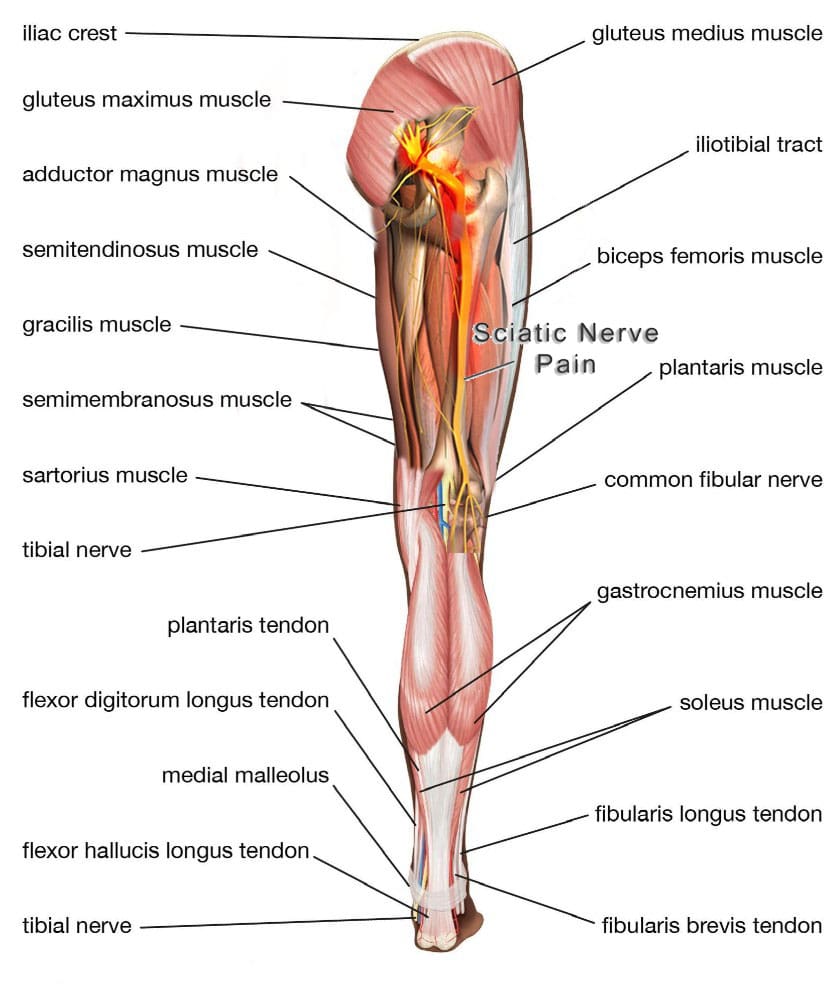
The hamstrings are three muscles in the back of the thigh, extending from the pelvis or upper thigh across the back of the knee to the leg. This muscle group is important for bending the knee, straightening the hip, and stabilizing the knee. The sciatic nerve is a large nerve that runs from the lower back down the legs. It usually passes near or through these muscles, and the pelvis then runs under these muscles in the thigh. Hamstring syndrome refers to pain in the buttock and back of the thigh, often radiating down the leg, caused by compression or irritation of the sciatic nerve at the hamstring-insertion point on the ischial tuberosity, typically due to tight or scarred tissue. (Sakari Orava, 1997)

Pain Location

The pain is primarily felt in the buttock and back of the thigh, sometimes extending down the leg. It’s characterized by pressure on the sciatic nerve, which runs through the buttock and into the back of the thigh, where it supplies the hamstring muscles. (Kaiser Permanente, 2024)

Mechanism

This pressure can occur due to: (Sakari Orava, 1997) (Kaiser Permanente, 2024)

Fibrotic Bands

  • Tight, tendon-like, or scarred bands of tissue at the hamstring’s insertion point/ischial tuberosity can irritate the sciatic nerve.

Compression

  • These bands can compress the nerve, especially when sitting or during activities that involve hip flexion and knee extension.

Traction

  • The sciatic nerve can also be stretched or irritated by the hamstring tendons.

Symptoms

  • Pain in the buttock and back of the thigh may radiate down the leg.
  • Pain that is worse when sitting, stretching the hamstrings, or during activities like running. (Puranen J. & Orava S. 1988)
  • Numbness or tingling in the back of the leg

Differential Diagnosis

It’s important to differentiate hamstring syndrome from other conditions that could be causing similar symptoms, including:

  • Piriformis syndrome
  • Ischiogluteal bursitis
  • Hamstring muscle strains

Treatment

Hamstring syndrome relief may consist of the following:

Conservative

  • Initial treatment focuses on rest, ice, stretching, and over-the-counter pain relievers.

Physical Therapy

Injections

  • In some cases, injections with cortisone and numbing medicine may be used to reduce nerve inflammation and pain. (Lower Limb Surgery, 2024)

Surgery

  • In severe cases, surgery may be necessary to release the compressing bands and free the sciatic nerve. (Lower Limb Surgery, 2024)

Injury Medical Chiropractic & Functional Medicine Clinic

Talk to a healthcare provider about what interventions would help the most. Injury Medical Chiropractic and Functional Medicine Clinic works with primary healthcare providers and specialists to develop an optimal health and wellness solution. We focus on what works for you to relieve pain, restore function, and prevent injury. Regarding musculoskeletal pain, specialists like chiropractors, acupuncturists, and massage therapists can help mitigate the pain through spinal adjustments that help the body realign itself. They can also work with other medical professionals to integrate a treatment plan to resolve musculoskeletal issues.


Sciatica: Causes, Symptoms and Tips


References

Orava, Sakari. (1997). Hamstring syndrome. Operative Techniques in Sports Medicine, 5(3). https://doi.org/https://doi.org/10.1016/S1060-1872(97)80035-4.

Kaiser Permanente. (2024). Hamstring Syndrome: Care Instructions. https://healthy.kaiserpermanente.org/health-wellness/health-encyclopedia/he.hamstring-syndrome-care-instructions.abr3618

Puranen, J., & Orava, S. (1988). The hamstring syndrome. A new diagnosis of gluteal sciatic pain. The American Journal of Sports Medicine, 16(5), 517–521. https://doi.org/10.1177/036354658801600515

Zion Physical Therapy. (2023). Hamstring Tendinitis Vs. Hamstring Syndrome. https://www.zionpt.com/post/hamstring-tendinitis-vs-hamstring-syndrome

Lower Limb Surgery. (2024). Hamstring Syndrome. https://www.lowerlimbsurgery.com/hamstring syndrome#:~:text=General%20Treatment%20Considerations,%E2%80%8B

Personal TENS: Your Solution to Chronic Pain

Personal TENS: Your Solution to Chronic Pain

For individuals managing chronic pain conditions, can incorporating a personal TENS device help?

Personal TENS: Your Solution to Chronic Pain

Personal TENS Device

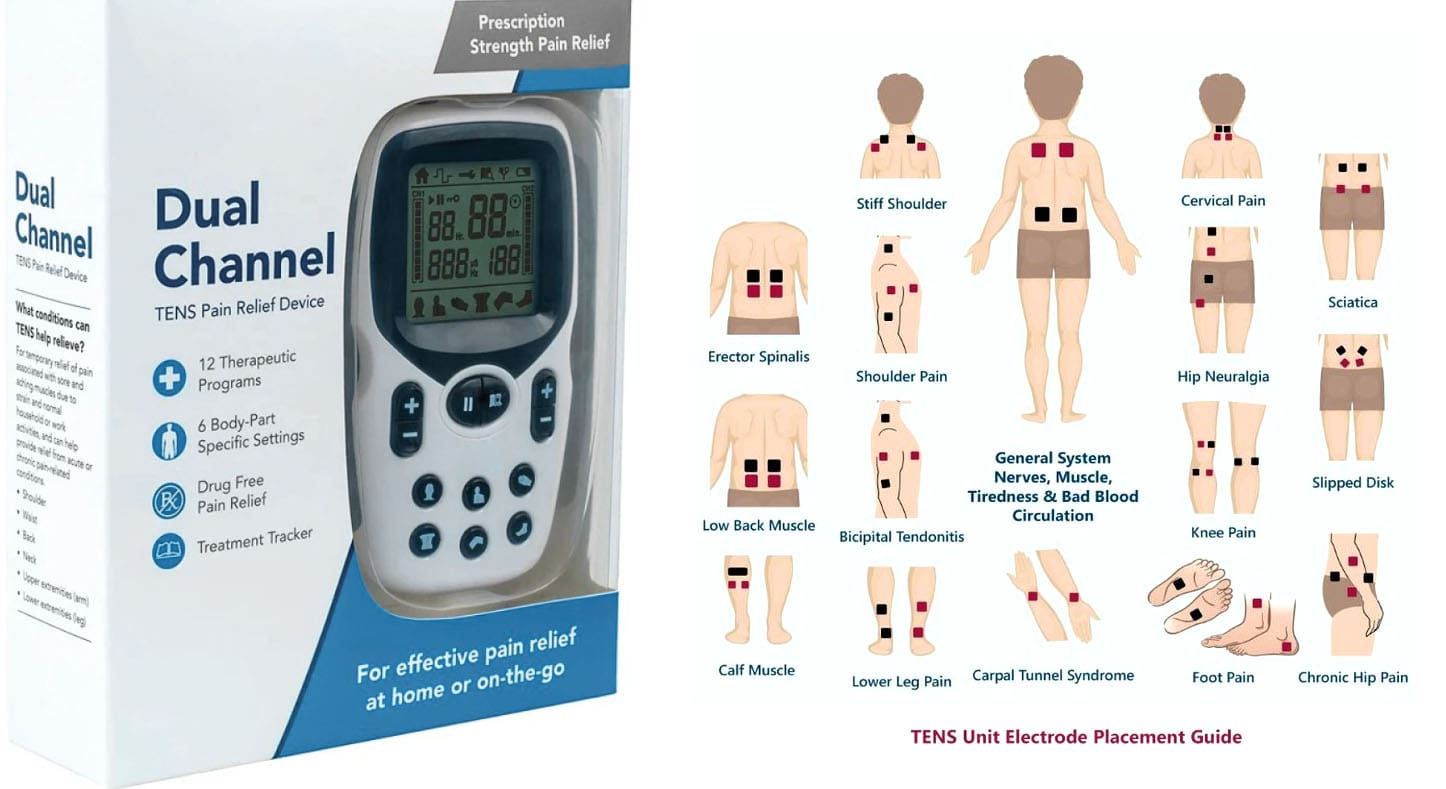
Almost all physical therapy, chiropractic, acupuncture, and massage clinic healthcare providers offer TENS (transcutaneous electrical nerve stimulation) therapy. Individuals can buy a TENS unit for on-the-go and home care use. A personal TENS unit is a small, battery-powered device that uses low-voltage electrical currents delivered through electrodes placed on the skin to help relieve pain.

How It Works

TENS units work by stimulating nerve fibers in pain, which can help block pain signals from reaching the brain or by stimulating the release of endorphins, the body’s natural pain-killing chemicals.

Uses

TENS units are used to treat a variety of conditions, including:

  • Arthritis
  • Muscle cramps
  • Neck pain
  • Back pain
  • Pelvic pain
  • Knee pain
  • Osteoarthritis
  • Fibromyalgia
  • Tendinitis
  • Bursitis
  • Diabetes-related neuropathy
  • Pelvic pain from periods or endometriosis

Features

Portability

  • TENS units are small, lightweight, and portable, making them convenient for home or on the go. It can be held in a pocket or clipped to a belt. (National Health Service UK, 2025)

Electrodes

  • The unit is connected to a series of electrodes placed on the skin to deliver the electrical charge.

Adjustable Settings

  • Many TENS units allow users to adjust the electrical pulses’ intensity, frequency, and duration.

Benefits

Non-Invasive

  • TENS therapy is a non-invasive method for relieving pain.

Drug-Free

  • It can provide pain relief without the need for medication.

Convenient

  • TENS units are small, portable, and relatively discrete.

Precautions

Consult a healthcare provider before using a TENS device to ensure its safety for you and your injury/condition. The treatment should not be used for individuals who are pregnant, have epilepsy, poor sensation, a heart problem, a pacemaker, or another electrical or metal implant in their body. (National Health Service UK, 2025) The electrodes should not be placed on certain areas of the body, including (Teoli D, Dua A, An J. 2025)

  • Head
  • Eyes
  • Mouth
  • Front of the Neck
  • Chest and upper back at the same time
  • Numb areas
  • Broken skin
  • Tumors

There is a minor risk of skin irritation, particularly if allergic to the adhesive pads.

Effectiveness

Researchers are still determining how effective TENS units are for relieving and reducing pain. A study found that TENS was effective in relieving pain for patients with fibromyalgia. (Dailey D. L. et al., 2013) Another study suggested that TENS may improve bone pain for cancer patients, but the results were inconclusive because of the limited number of randomized trials. (Vance C. G. et al., 2014)

Research suggests that some factors can impact the effectiveness of the intervention. Varying the intensity and frequency may help it be more effective so the body doesn’t develop a tolerance to it. In addition, using the electrodes in areas that are acupuncture points may help to reduce pain. While further study is needed, TENS is considered a safe pain-relief option for many conditions because it’s non-invasive and doesn’t require medication. (Vance C. G. et al., 2014)

Injury Medical Chiropractic & Functional Medicine Clinic

Individuals interested in trying a personal TENS unit should consult their healthcare provider. They may be able to refer them to a physical therapist, who can show them which type and how to use it for their particular condition. Injury Medical Chiropractic and Functional Medicine Clinic works with primary healthcare providers and specialists to develop an optimal health and wellness solution. We focus on what works for you to relieve pain, restore function, and prevent injury. Regarding musculoskeletal pain, specialists like chiropractors, acupuncturists, and massage therapists can help mitigate the pain through spinal adjustments that help the body realign itself. They can also work with other medical professionals to integrate a treatment plan to resolve musculoskeletal issues.


Don’t Ignore Post-Accident Pain


References

National Health Service UK. (2025). TENS (transcutaneous electrical nerve stimulation). https://www.nhs.uk/conditions/transcutaneous-electrical-nerve-stimulation-tens/

Teoli, D., Dua, A., & An, J. (2025). Transcutaneous Electrical Nerve Stimulation. In StatPearls. https://www.ncbi.nlm.nih.gov/pubmed/30725873

Dailey, D. L., Rakel, B. A., Vance, C. G. T., Liebano, R. E., Amrit, A. S., Bush, H. M., Lee, K. S., Lee, J. E., & Sluka, K. A. (2013). Transcutaneous electrical nerve stimulation reduces pain, fatigue, and hyperalgesia while restoring central inhibition in primary fibromyalgia. Pain, 154(11), 2554–2562. https://doi.org/10.1016/j.pain.2013.07.043

Vance, C. G., Dailey, D. L., Rakel, B. A., & Sluka, K. A. (2014). Using TENS for pain control: the state of the evidence. Pain management, 4(3), 197–209. https://doi.org/10.2217/pmt.14.13

Pinched Nerve in the Neck: When to Seek Help

Pinched Nerve in the Neck: When to Seek Help

Can physical therapy help individuals with a pinched nerve in the neck?

Pinched Nerve in the Neck: When to Seek Help

Pinched Nerve In The Neck

A pinched nerve in the neck can cause pain, numbness, and weakness that extends through the neck, shoulder, and arm. (American Academy of Orthopaedic Surgeons, 2024) Over-the-counter pain medications, resting the muscles, and gentle stretching can help. However, if you’re still in pain after a few days, see a healthcare provider. Common treatments include:

  • Rest
  • Over-the-counter (OTC) pain meds
  • Physical therapy
  • Steroid injections
  • Wearing a neck collar

Surgery is rarely needed, but it can provide relief if other treatments don’t help. Most of the time, a pinched nerve resolves within days or weeks.

How a Pinched Nerve in the Neck Feels

The term for neck nerve pain is cervical radiculopathy (cervical spine pain). Common symptoms of a pinched nerve in the neck are: (American Academy of Orthopaedic Surgeons, 2024)

  • Sharp pain that extends into the shoulder and arm.
  • The pain worsens, or there is a shooting sensation when turning the head.
  • Tingling or feeling of pins-and-needles in the fingers or hand.
  • Weakness in the arm, shoulder, or hand.
  • Numbness or loss of feeling.

Often, these symptoms occur only on one side. Some find their pain less when they lift their hand onto their head, which can relieve pressure on the nerve.

Causes

The cervical spine is the spinal cord area around the neck. It’s made up of seven vertebrae. Nerves branch off the spinal cords in the spaces between the vertebrae. Nerve compression occurs when the space between two vertebrae is reduced, putting pressure on the nerve, pinching it, and causing pain. Pinched nerves develop from age because the spinal discs between the vertebrae become compressed over time. Age causes about 70% to 80% of nerve compression. Other factors that cause pinched nerves include: (Harvard Health Publishing, 2021)

  • Degenerative disc disease
  • A herniated disc
  • Injuries like car accidents falls, or other trauma to the spine
  • Spinal stenosis

Self-Care Relief

If you have nerve pain and think it is a pinched nerve, self-care can help (National Institute of Neurological Disorders and Stroke, 2025)

Rest

  • Find a comfortable position and try to allow the muscles in your neck to relax and rest.

Heat or Ice

  • Warmth and coolness can relieve pain and inflammation.
  • Use a warm or cool compress for 15 minutes at a time.

Over-The-Counter Pain Medications

  • Pain medications, including nonsteroidal anti-inflammatory drugs (NSAIDs), can help bring relief.

Treatment for Severe Symptoms

If pain doesn’t resolve within a few days, or if it is so bad that you can’t go about daily activities, it’s recommended to see a healthcare provider. They can diagnose a pinched nerve after a physical exam and may also recommend imaging, including an X-ray, CT scan, MRI, or EMG, to reveal what’s causing the symptoms. After diagnosing the condition, the healthcare provider will develop a personalized treatment plan, which may include the following (Harvard Health Publishing, 2021)

Physical Therapy

  • Physical therapy can help build strength and flexibility in the neck.
  • This is especially important if there is frequent nerve pain in the same spot.

Cervical Collar

  • A soft cervical collar is a brace that fits around the neck.
  • It supports your head so the neck muscles can relax, facilitating healing.
  • The collar can also keep the head from turning in painful ways.

Oral Corticosteroids

  • Oral steroids like prednisone can help reduce inflammation.
  • If inflammation or swelling in the neck puts more pressure on the nerve, they can help.

Steroid Injections

  • Steroid shots right into the painful tissue reduce inflammation right away.

Muscle Relaxers

  • These medications keep the muscles in the neck from seizing up.
  • As the muscles relax, this brings pain relief.

Narcotic Pain Medications

  • Narcotic pain medications can be used short-term by individuals who have severe pain.
  • A healthcare provider will inform the patient of the benefits and drawbacks of these medications, which include opiates.

Neck Exercises

Gentle stretches can help alleviate the pain and strengthen the muscles. (National Health Service, 2025)

Chin to chest

  • Bring your chin toward your chest.
  • Hold for 20 seconds, then return to a neutral position.
  • Do this five times.

Eyes to Sky

  • Lean your head back and look toward the sky.
  • Hold for 20 seconds, then return to your starting position.
  • Do this five times.

Side to Side

  • Turn your head to the right as far as possible, bringing your chin in line with your shoulder.
  • Hold for 20 seconds, then turn as far as possible toward the left.
  • Repeat four times.

Ear to Shoulder

  • Bring your ear down toward your shoulder.
  • Hold for 20 seconds, then repeat the exercise on the other side.
  • Alternate between the right and left, stretching each side five times.

While it’s normal for exercises to hurt from stretching the muscles, they should never hurt more than a five on a pain scale of 1 to 10. If they do, stop exercising (National Health Service, 2025)

Healing Time

Healing and recovery depend on the severity of the injury. Some individuals find that the pain from a pinched nerve goes away in days, while for others, it can last for weeks. The pain goes away and then returns. If pain doesn’t go away with the conservative treatments or lasts more than a few days, talk with a healthcare provider or return for a second visit. Rarely do individuals need surgery to bring pain relief. The healthcare provider will discuss whether surgery is the best option and what to expect regarding pain relief. (American Academy of Orthopaedic Surgeons, 2024)

Injury Medical Chiropractic and Functional Medicine Clinic

Injury Medical Chiropractic and Functional Medicine Clinic works with primary healthcare providers and specialists to build optimal health and wellness solutions. We focus on what works for you to relieve pain, restore function, prevent injury, and mitigate issues through adjustments that help the body realign itself. The clinic can also work with other medical professionals to integrate a treatment plan to resolve musculoskeletal problems.


Revitalize and Rebuild with Chiropractic


References

American Academy of Orthopaedic Surgeons. OrthoInfo. (2024). Cervical radiculopathy (pinched nerve). https://orthoinfo.aaos.org/en/diseases–conditions/cervical-radiculopathy-pinched-nerve/

Harvard Health Publishing. Publishing, H. H. (2021). Treating a pinched nerve. https://www.health.harvard.edu/pain/treating-a-pinched-nerve

National Institute of Neurological Disorders and Stroke. (2025). Pinched Nerve Definition. Retrieved from https://www.ninds.nih.gov/health-information/disorders/glossary-neurological-terms#-P-

National Health Service. Service, N. H. (2025). Exercises for neck problems. https://www.nhsinform.scot/illnesses-and-conditions/muscle-bone-and-joints/neck-and-back-problems-and-conditions/exercises-for-neck-problems

Cauda Equina Symptoms and Urgency for Treatment

Cauda Equina Symptoms and Urgency for Treatment

Cauda equina syndrome/CES is a rare condition in which the nerves in the lower back are compressed. It can include sciatica as one of its symptoms. Individuals presenting with symptoms that could be CES are advised to see a healthcare provider as soon as possible, as delaying treatment can lead to permanent damage.

Cauda Equina Symptoms and Urgency for Treatment

Cauda Equina Syndrome

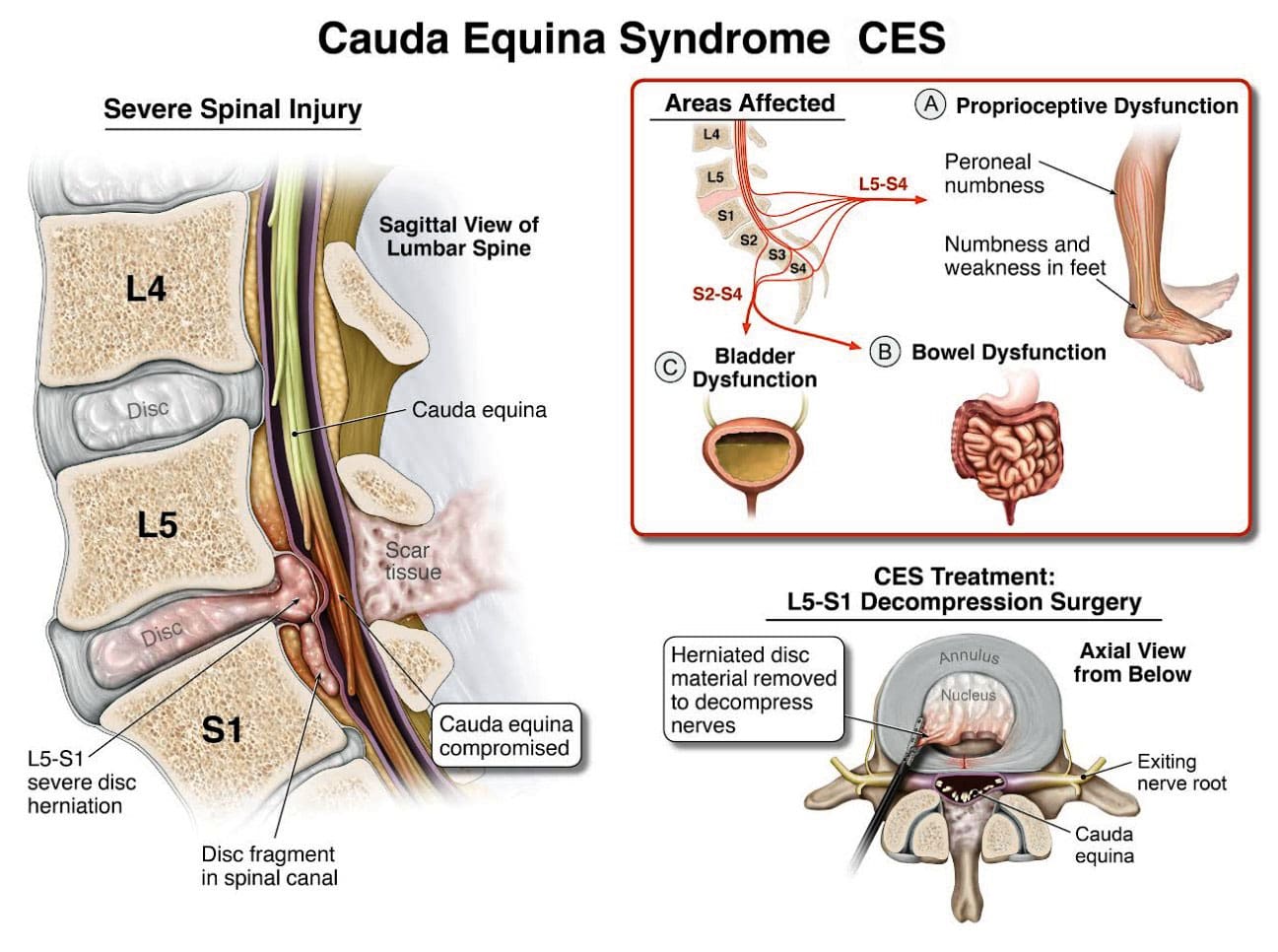
A cluster of nerve roots called the cauda equina, Latin for horse’s tail, sends and receives messages to the legs, bladder, and other body parts. Cauda equina syndrome is a rare condition in which nerve roots in the lower spinal cord are compressed. This compresses the nerves and disrupts motor and sensory function in the bladder and lower extremities. The most common cause is a ruptured or herniated disc in the lumbar area. This usually occurs when a severe disc herniation compresses the nerve bundle at the base of the spinal cord, causing significant neurological dysfunction like bladder/bowel issues and numbness in the saddle area. If found early, it is treated with surgery within 24 to 48 hours of symptom onset.


Initial Signs

Symptoms can occur acutely, in hours, or gradually over weeks or months. One of the first signs and most common symptoms is urinary retention, where the bladder fills, but there is no normal sensation or urge to urinate. (American Association of Neurological Surgeons, 2024) Other symptoms include: (Gardner A., Gardner E., & Morley T. 2011)

  • Severe low back pain
  • Sciatica
  • Pain, numbness, or weakness in one or both legs
  • Saddle anesthesia, which is numbness or other nerve sensations around the anus and the area that sits.
  • A loss of reflexes in the extremities
  • Sexual dysfunction that comes suddenly
  • Loss of bowel control
  • Overflow urination

There are two stages based on urinary symptoms (Fairbank J., & Mallen C. 2014)

CES-Incomplete CES-I

CES-Retention CES-R

  • Bladder control is completely lost.

Causes

The most common cause is a ruptured or herniated disc in the lumbar area. Other possible causes may include: (American Association of Neurological Surgeons, 2024)

Trauma or injury to the spine

  • that leads to fractures or dislocations (gunshots, falls, auto accidents)

Tumors or Infections

  • It can compress the cauda equina nerve bundle.

Spinal Stenosis

  • Narrowing of the spinal column can be either congenital or acquired.

Bone Spurs

Tuberculosis or Pott’s Paralysis

  • Pott’s paralysis is a neurological complication of tuberculosis (TB) of the spine.
  • TB is a bacterial infection that usually affects the lungs but can spread to the spine.

Iatrogenic Side Effects

  • Injuries or illnesses that result from medical or surgical treatment

Spinal Lesions or Malignant Tumors

  • A spinal lesion refers to any abnormal growth or damage within the spine.
  • It can include benign (noncancerous) and malignant (cancerous) tumors.
  • A malignant tumor is a cancerous growth within the spine; essentially, a malignant tumor is a type of spinal lesion with the potential to spread to other parts of the body.

Spinal Infection, Inflammation, Hemorrhage, or Fracture

  • A spinal infection refers to a bacterial, fungal, or viral infection that occurs within the bones of the spine (vertebrae) or the surrounding tissues, potentially causing pain, inflammation, and, in severe cases, neurological complications like weakness or paralysis;
  • Spinal inflammation is a general term for swelling or irritation within the spinal column.
  • Spinal hemorrhage” indicates bleeding within the spinal canal.
  • A spinal fracture refers to a break in one or more of the vertebrae in the spine.

Spinal Arteriovenous Malformations (AVMs)

  • A spinal arteriovenous malformation (AVM) is a rare condition in which the arteries and veins in the spinal cord tangle abnormally.
  • This can damage the spinal cord over time.

Complications from Lumbar Surgery

  • Lumbar surgery can have several complications, including infections, blood clots, nerve damage, and spinal fluid leaks.

Spinal Anesthesia

  • Spinal anesthesia is a regional anesthesia that blocks pain and sensation in the lower body.
  • It involves injecting a local anesthetic medication into the subarachnoid space surrounding the spinal cord.
  • The exact cause is not fully understood, but it can involve direct nerve root injury from the needle, inflammation caused by the anesthetic, or a spinal hematoma compressing the nerve roots.

Spinal Birth Defects

Diagnosis

Diagnosis requires a medical history of symptoms, general health, activity level, and a physical exam to assess strength, reflexes, sensation, stability, alignment, and motion. (​American Association of Neurological Surgeons, 2024) Testing includes:

Blood Tests

  • These test for infections.

MRI

Myelography

  • X-ray or computerized tomography (CT) imaging is enhanced by the injection of contrast material into the cerebrospinal fluid spaces, which can show displacement of the spinal cord or spinal nerves.

Specialized Nerve Testing

  • This could be nerve conduction velocity tests and testing electrical activity in muscles or electromyography.

Treatment

The extent of urinary problems can determine treatment protocols. A CES diagnosis is usually followed by emergency surgery within 24 to 48 hours to relieve compression of the nerves. Moving quickly is essential to prevent permanent complications such as nerve damage, incontinence, or leg paralysis. (American Association of Neurological Surgeons, 2024)

  • Depending on the cause, corticosteroids also may be prescribed to reduce swelling.
  • Antibiotics may be needed if an infection is responsible for CES.
  • For situations in which a tumor is the cause, surgery to remove it may be necessary, followed by chemotherapy and/or radiation.
  • The outcome with CES-I during surgery is generally favorable.
  • Those whose CES has deteriorated to CES-R tend to have a less favorable prognosis.

Post Surgery Therapy

After surgery, CES can be challenging to deal with. If bladder function has been impaired, recovery of control can take time.

  • It may be necessary to use a catheter or to wear disposable underwear. (American Association of Neurological Surgeons, 2024)
  • Frequent urinary infections are also a potential complication.
  • Loss of bladder or bowel control can be psychologically distressing, impacting social life, work, and relationships.
  • Sexual dysfunction can also occur, contributing to relationship difficulties or depression.

Therapy with a mental health professional may be recommended. When damage is permanent, it will be important to include family and friends in the adjustment to living with a chronic condition. Psychological counseling and/or a support group can be helpful. Other specialists who can help include: (American Academy of Orthopaedic Surgeons, 2024)

  • Occupational therapist
  • Physical therapist
  • Physiotherapist
  • Sex therapist
  • Social worker

Injury Medical Chiropractic and Functional Medicine Clinic

Injury Medical Chiropractic and Functional Medicine Clinic works with primary healthcare providers and specialists to build optimal health and wellness solutions. We focus on what works for you to relieve pain, restore function, prevent injury, and mitigate issues through adjustments that help the body realign itself. The clinic can also work with other medical professionals to integrate a treatment plan to resolve musculoskeletal problems.


Disc Herniation


References

American Association of Neurological Surgeons. (2024). Cauda Equina Syndrome. https://www.aans.org/patients/conditions-treatments/cauda-equina-syndrome/

Gardner, A., Gardner, E., & Morley, T. (2011). Cauda equina syndrome: a review of the current clinical and medico-legal position. European Spine Journal: official publication of the European Spine Society, the European Spinal Deformity Society, and the European Section of the Cervical Spine Research Society, 20(5), 690–697. https://doi.org/10.1007/s00586-010-1668-3

Fairbank, J., & Mallen, C. (2014). Cauda equina syndrome: implications for primary care. The British journal of general practice: the journal of the Royal College of General Practitioners, 64(619), 67–68. https://doi.org/10.3399/bjgp14X676988

American Academy of Orthopaedic Surgeons. (2024). Cauda equina syndrome. https://orthoinfo.aaos.org/en/diseases–conditions/cauda-equina-syndrome

Managing Alcoholic Peripheral Neuropathy: Treatment Options

Managing Alcoholic Peripheral Neuropathy: Treatment Options

Excessive alcohol consumption: what is alcoholic peripheral neuropathy?

Managing Alcoholic Peripheral Neuropathy: Treatment Options

Alcoholic Peripheral Neuropathy

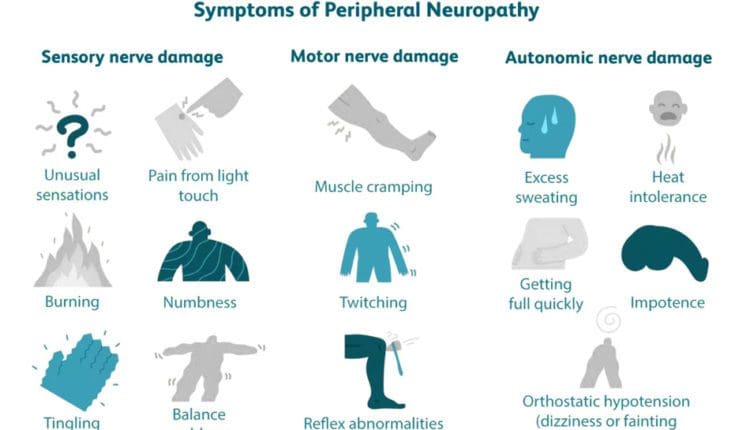
Alcoholic peripheral neuropathy (ALN) is a condition that damages the nerves in the body due to chronic alcohol consumption. It can cause sensory, motor, and autonomic dysfunction, which can lead to disability. This damage prevents the nerves from communicating information. Most symptoms generally start as mild but typically worsen over time as the neuropathy progresses. The most common symptoms are: (National Library of Medicine, 2023)

  • Numbness or tingling sensation in the extremities
  • Pain or a burning sensation in the extremities
  • Difficulty walking
  • Difficulty urinating
  • Difficulty talking or swallowing

Affected nerves include the peripheral and autonomic nerves, which help regulate internal body functions. Around 46% of chronic alcohol users will eventually develop the condition. (Julian T., Glascow N., Syeed R., & Zis P. 2019)

Causes

The exact cause of alcoholic neuropathy is unclear. But it is directly related to heavy and long-term alcohol consumption. (Julian T., Glascow N., Syeed R., & Zis P. 2019) It is believed overconsumption of alcohol can directly harm and hinder the nerves’ ability to communicate information. Unhealthy nutritional habits are often associated with it as well. Research shows that decreased thiamine/B vitamin plays a role, while others suggest an overall dietary deficiency may play a role. (Julian T., Glascow N., Syeed R., & Zis P. 2019) However, alcoholic neuropathy can also occur without the presence of malnutrition. (Julian T., Glascow N., Syeed R., & Zis P. 2019)

Neuropathy Development and Progression

Alcoholic peripheral neuropathy develops depending on many factors, including the amount of daily/nightly alcohol consumed, age and overall health, nutritional intake, and other individual factors. In most cases, the neuropathy takes several years or decades to develop, depending on the amount of alcohol consumed.

Symptoms

Symptoms are usually related to nerve dysfunction and include: (National Library of Medicine, 2023)

  • A tingling or pins-and-needles sensation in the extremities.
  • Numbness of the extremities, most commonly in the legs or feet. (Julian T., Glascow N., Syeed R., & Zis P. 2019)
  • Pain or burning sensation in the arms, legs, or feet.
  • Symptoms that occur in the arms and legs typically affect both sides.
  • Cramps, aches, or weakness of the muscles.
  • Constipation or diarrhea.
  • Nausea and vomiting.
  • Difficulty urinating or incontinence.
  • Difficulty walking.
  • Difficulty talking or swallowing.
  • Heat intolerance.
  • Erection difficulties.

Most symptoms begin as mild and usually worsen over time as the neuropathy progresses. Alcoholic neuropathy affects individuals who consume excessive amounts of alcohol over a long time. (Julian T., Glascow N., Syeed R., & Zis P. 2019)

Diagnosis

Symptoms can vary significantly so that a diagnosis may take time. It usually involves a combination of the following (National Institute of Neurological Disorders and Stroke, 2024)

Medical History

  • Healthcare providers will collect data involving past medical history and all current symptoms.

Physical Exam

  • This exam looks at other medical conditions contributing to symptoms, like diabetes or high blood pressure.

Neurological Exam

  • This is a noninvasive exam to determine the location and extent of neurological damage.
  • Healthcare providers may ask patients several questions and have them complete a series of small movements to check neurological function.

Blood and Urine Tests

  • These tests can detect diabetes, liver and kidney problems, infections, vitamin deficiencies, and other conditions that can cause neuropathic conditions.

Chronic alcohol use can also affect how the body stores and uses vitamins necessary for healthy nerve function. Vitamin levels that a healthcare provider may check include: (National Library of Medicine, 2023)

  • Vitamin A
  • Biotin
  • Folic acid
  • Niacin, or vitamin B3
  • Pyridoxine, or vitamin B6
  • Pantothenic acid

Liver Disease

Individuals with chronic liver disease often have neuropathy. The severity and stage are associated with a higher incidence of neuropathy. (Pasha MB, Ather MM, Tanveer MA, et al. 2019)

Treatment

Alcoholic neuropathy is not reversible, even when quitting drinking. However, individuals with the condition can make healthy changes to minimize symptoms and receive help for chronic alcohol use. The first step is stopping alcohol consumption. (Chopra K., & Tiwari V. 2012) Talk to a healthcare provider about what options are available. Treatment can include:

  • In-patient or outpatient rehab
  • Therapy
  • Medication
  • Social support from groups like Alcoholics Anonymous

A combination of treatments will likely be utilized. Other treatment options involve symptom management and preventing further injuries and may include:

  • Physical therapy
  • Keeping the head elevated while sleeping.
  • Orthopedic splints to maintain limb function and positioning.
  • Wearing compression stockings.
  • Adding vitamins and supplements.
  • Eating extra salt for those without hypertension
  • Medications to reduce pain and discomfort.
  • Intermittent catheterization or manual expression of urine for those with difficulty urinating.

Individuals with neuropathy may have reduced sensitivity in the arms and legs. If this occurs, additional steps need to be taken to prevent other injuries, that include (National Library of Medicine, 2023)

  • Wear special footwear to prevent foot injuries.
  • Checking feet daily for wounds.
  • Prevent burns by ensuring that bath and shower water is not too hot.

Injury Medical Chiropractic and Functional Medicine Clinic

Injury Medical Chiropractic and Functional Medicine Clinic works with primary healthcare providers and specialists to build optimal health and wellness solutions. We focus on what works for you to relieve pain, restore function, prevent injury, and help mitigate issues through adjustments that help the body realign itself. They can also work with other medical professionals to integrate a treatment plan to resolve musculoskeletal problems.


Peripheral Neuropathy Myths and Facts


References

National Library of Medicine. (2023). Alcoholic neuropathy. Retrieved from https://medlineplus.gov/ency/article/000714.htm

Julian, T., Glascow, N., Syeed, R., & Zis, P. (2019). Alcohol-related peripheral neuropathy: a systematic review and meta-analysis. Journal of Neurology, 266(12), 2907–2919. https://doi.org/10.1007/s00415-018-9123-1

National Institute of Neurological Disorders and Stroke. (2024). Peripheral neuropathy. Retrieved from https://www.ninds.nih.gov/health-information/disorders/peripheral-neuropathy

Pasha MB, A. M., Tanveer MA, et al. (2019). Frequency of peripheral neuropathy in chronic liver disease. Med Forum Monthly, 30(8), 23-26. https://medicalforummonthly.com/index.php/mfm/article/view/3761

Chopra, K., & Tiwari, V. (2012). Alcoholic neuropathy: possible mechanisms and future treatment possibilities. British journal of clinical pharmacology, 73(3), 348–362. https://doi.org/10.1111/j.1365-2125.2011.04111.x

Mastodon