Can individuals with sensory nerve dysfunction incorporate nonsurgical decompression to restore sensory-mobility function to their bodies?
Introduction
The spinal column in the musculoskeletal system comprises bones, joints, and nerves that work together with various muscles and tissues to ensure that the spinal cord is protected. The spinal cord is part of the central nervous system where the nerve roots are spread out to the upper and lower body parts that supply sensory-motor functions. This allows the body to move and function without pain or discomfort. However, when the body and spine ages or when a person is dealing with injuries, the nerve roots can become irritated and cause weird sensations like numbness or tingling, often correlating with body pain. This can cause a socio-economic burden on many individuals and, if not treated right away, can lead to chronic pain. To that point, it can lead to many individuals dealing with body extremity pain associated with sensory nerve dysfunction. This causes many individuals dealing with musculoskeletal disorders to start looking for treatment. Today’s article examines how nerve dysfunction affects the extremities and how nonsurgical decompression can help reduce nerve dysfunction to allow mobility back to the upper and lower limbs. We speak with certified medical providers who incorporate our patients’ information to provide nonsurgical solutions like decompression to help individuals with nerve dysfunction. We also inform patients how nonsurgical decompression can restore mobility-sensory to the upper and lower extremities. We encourage our patients to ask intricated and educational questions to our associated medical providers about the pain-like symptoms they are experiencing correlating with the sensory nerve dysfunction. Dr. Alex Jimenez, D.C., utilizes this information as an academic service. Disclaimer.
How Nerve Dysfunction Affects The Extremities
Do you experience tingling or numb sensations in your hands or feet that don’t want to go away? Do you feel pain in different back portions that can only be relieved through stretching or resting? Or does it hurt to walk for long distances that you feel like you need to rest constantly? Many pain-like scenarios are associated with sensory nerve dysfunction that can affect the upper and lower extremities. When many individuals experience sensory nerve dysfunction and deal with weird sensations in their extremities, many think it is due to musculoskeletal pain in their neck, shoulders, or back. This is only part of the issue, as many environmental factors can be associated with sensory nerve pain, as the nerve roots are being compressed and agitated, causing sensory nerve dysfunction in the extremities. Since the nerve roots are spread out from the spinal cord, the brain sends the neuron information to the nerve roots to allow sensory-mobility function in the upper and lower extremities. This allows the body to be mobile without discomfort or pain and functional through daily activities. However, when many individuals start to do repetitive motions that cause the spinal disc to be compressed constantly, it can lead to potential disc herniation and musculoskeletal disorders. Since numerous nerve roots are spread to the different extremities, when the main nerve roots are aggravated, it can send pain signals to each extremity. Hence, many people are dealing with nerve entrapment that leads to lower back, buttock, and leg pain that can affect their daily routine. (Karl et al., 2022) At the same time, many people with sciatica are dealing with sensory nerve dysfunction that affects their walking ability. With sciatica, it can be associated with spinal disc pathology and causes many individuals to seek treatment. (Bush et al., 1992)
Sciatica Secrets Revealed-Video
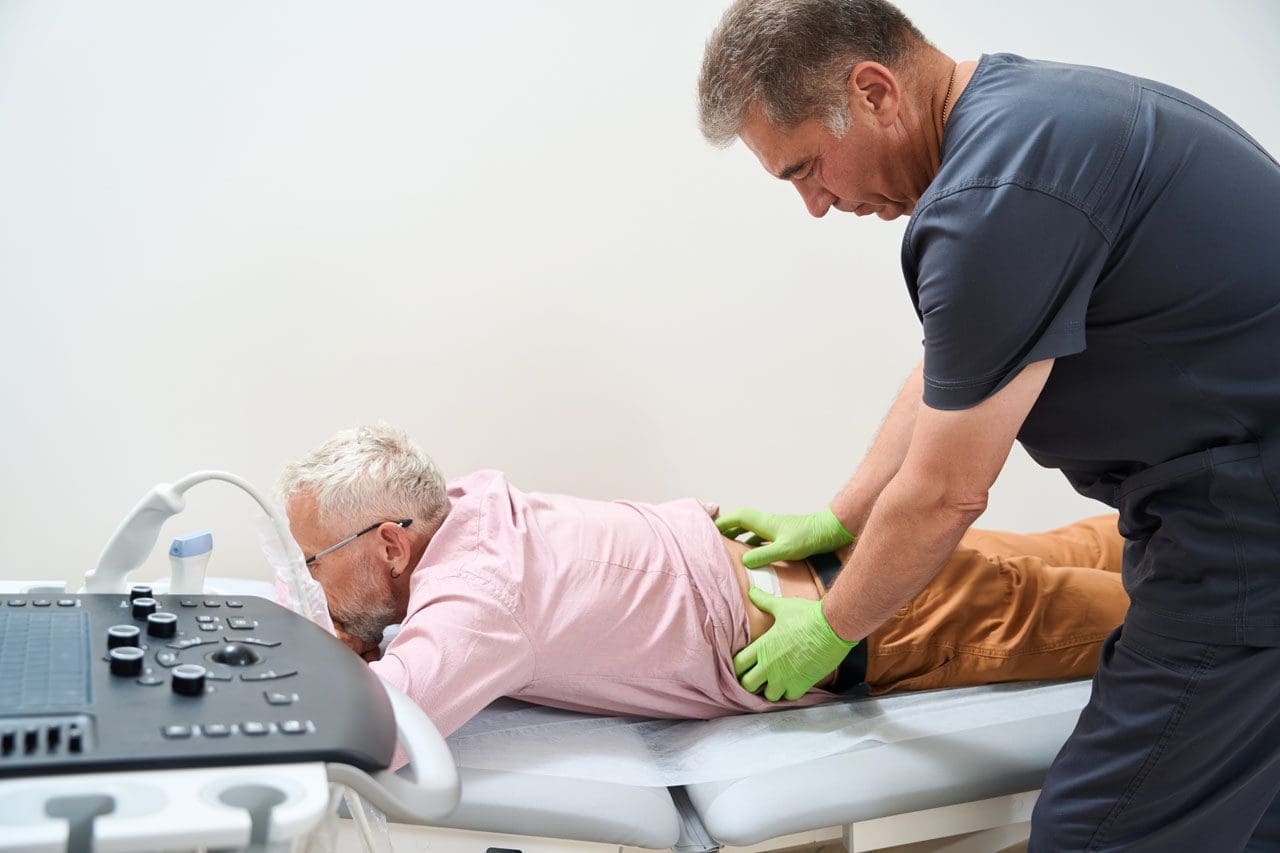
When it comes to looking for treatment to reduce sensory nerve dysfunction, many individuals will opt for nonsurgical solutions to minimize the pain-like symptoms and reduce the pain signals that are causing the upper and lower extremities to suffer. Nonsurgical treatment solutions like decompression can help restore sensory nerve function through gentle traction by causing the spinal disc to lay off the aggravated nerve root and start the body’s natural healing process. At the same time, it helps reduce musculoskeletal disorders from returning. The video above shows how sciatica associated with sensory nerve dysfunction can be decreased through nonsurgical treatments to allow the body’s extremities to feel better.
Nonsurgical treatments can help reduce low back pain associated with sensory nerve dysfunction to restore sensory-motor function to the upper and lower extremities. Many individuals who incorporate nonsurgical treatments like decompression as part of their health and wellness routine can see improvement after consecutive treatment. (Chou et al., 2007) Since many healthcare practitioners incorporate nonsurgical treatments like decompression into their practices, there has been quite an improvement in pain management. (Bronfort et al., 2008)
When many individuals start to use nonsurgical decompression for sensory nerve dysfunction, many will see improvement in their pain, mobility, and activities of their daily living. (Gose et al., 1998). What spinal decompression does for the nerve roots is that it helps the affected disc that is aggravating the nerve root, pulls the disc back to its original position, and rehydrates it. (Ramos & Martin, 1994) When many individuals start thinking about their health and wellness, nonsurgical treatments can be effective for them due to their affordable cost and how they can be combined with other therapies to manage better the pain associated with nerve dysfunction affecting their body extremities.
References
Bronfort, G., Haas, M., Evans, R., Kawchuk, G., & Dagenais, S. (2008). Evidence-informed management of chronic low back pain with spinal manipulation and mobilization. Spine J, 8(1), 213-225. https://doi.org/10.1016/j.spinee.2007.10.023
Bush, K., Cowan, N., Katz, D. E., & Gishen, P. (1992). The natural history of sciatica associated with disc pathology. A prospective study with clinical and independent radiologic follow-up. Spine (Phila Pa 1976), 17(10), 1205-1212. https://doi.org/10.1097/00007632-199210000-00013
Chou, R., Huffman, L. H., American Pain, S., & American College of, P. (2007). Nonpharmacologic therapies for acute and chronic low back pain: a review of the evidence for an American Pain Society/American College of Physicians clinical practice guideline. Ann Intern Med, 147(7), 492-504. https://doi.org/10.7326/0003-4819-147-7-200710020-00007
Gose, E. E., Naguszewski, W. K., & Naguszewski, R. K. (1998). Vertebral axial decompression therapy for pain associated with herniated or degenerated discs or facet syndrome: an outcome study. Neurol Res, 20(3), 186-190. https://doi.org/10.1080/01616412.1998.11740504
Karl, H. W., Helm, S., & Trescot, A. M. (2022). Superior and Middle Cluneal Nerve Entrapment: A Cause of Low Back and Radicular Pain. Pain Physician, 25(4), E503-E521. https://www.ncbi.nlm.nih.gov/pubmed/35793175
Ramos, G., & Martin, W. (1994). Effects of vertebral axial decompression on intradiscal pressure. J Neurosurg, 81(3), 350-353. https://doi.org/10.3171/jns.1994.81.3.0350
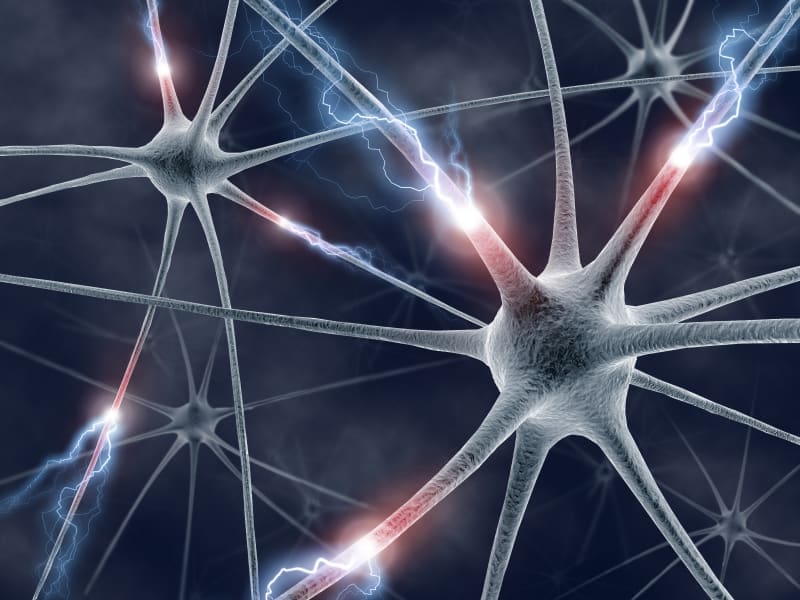
The central nervous system transmits information between the brain, muscles, and organs through 31 nerve roots from the spinal cord. These nerve roots are interconnected with the body’s muscles and organs, ensuring each body section is connected to the upper and lower extremities. The neuron signals transmitted through these nerve roots provide sympathetic and parasympathetic signaling, allowing the body and its systems to function correctly. However, injuries and pathogens affecting the nerve roots can cause the neuron signals to become unstable, involving the muscles, tissues, and vital organs and leading to chronic conditions and pain-like symptoms. Fortunately, small changes in diet and supplements can help reduce nerve pain and improve a person’s quality of life. This article will discuss nerve pain and its symptoms, how nutrients and supplements can help reduce it, and non-surgical treatments that can help restore the body from nerve pain. We work with certified medical providers who use our patients’ valuable information to provide non-surgical treatments for nerve pain combined with nutrients and supplements from reoccurring. We encourage patients to ask essential questions and seek education from our associated medical providers about their condition. Dr. Jimenez, D.C., provides this information as an educational service. Disclaimer
How Does Nerve Pain Occur In The Body?
Have you been experiencing pins and needles in your hands or feet or constant muscle twitches? Maybe you’re feeling pain in your upper or lower extremities. If you’ve had these sensations all over your body, it could be due to nerve pain affecting your musculoskeletal system. Research studies have shown nerve pain is often caused by a lesion or disease that is affecting the brain’s somatosensory system. This can cause an imbalance in neuron signaling and disrupt information traveling to the brain. The somatosensory system is responsible for our ability to feel, touch, and experience pressure and pain. When it’s affected by injuries or pathogens, information can be disrupted in the spinal cord and brain. Additional research studies revealed that nerve pain could be caused by compressed nerve roots, leading to ongoing or intermittent pain that may spread to different areas and cause structural changes involving peripheral and central sensitization. This can lead to associated symptoms that can disrupt normal body functions.
Nerve Pain Symptoms
It might be nerve pain if you are feeling pain in your upper or lower extremities. Research studies revealed that this type of pain can cause symptoms that feel like pain in your muscles or organs, but neurological disorders may cause it. The severity and specific symptoms can vary from person to person. Some common symptoms of nerve pain include:
Referred pain
Numbness
Tingling
Cognitive deficits
Loss of sensory and motor function
Inflammation
Pain to light touches
Nerve pain is a common issue for those with chronic conditions, and research shows that nociceptive and neuropathic pain mechanisms are interconnected. For instance, back pain and radiculopathy are often linked, causing referred pain. This means that the pain receptors are in a different location from where the pain originated. However, there are ways to alleviate nerve pain symptoms and address underlying factors contributing to this discomfort.
The Functional Medicine Approach- Video
Suppose you suffer from nerve pain and seek to alleviate the symptoms and restore your body’s natural state. While making small changes can help, they may not provide quick results. However, functional medicine and non-surgical treatments can help with nerve pain and associated symptoms. The video above explains how functional medicine is safe and personalized and can be combined with other therapies to strengthen surrounding muscles and ligaments. By being more mindful of your body’s needs, you can find relief from nerve pain and improve your overall health.
Nutrients For Nerve Pain
Dr. Eric Kaplan, D.C., FIAMA, and Dr. Perry Bard, D.C., wrote “The Ultimate Spinal Decompression” and explained that our body’s nerves require constant nutrients for maintenance and repair. It’s crucial to incorporate various nutrients and supplements to reduce nerve pain and its symptoms. Here are some essential body nutrients that can help alleviate nerve pain.
Nitric Oxide
The body produces a vital nitric oxide nutrient, which can help alleviate nerve pain. Insufficient nitric oxide production can result in health issues such as high blood pressure, erectile dysfunction, and respiratory and cardiovascular problems. Nitric oxide works as a vasodilator, relaxing the blood vessels in the inner muscles, promoting increased blood flow, and reducing elevated blood pressure levels. Nitric oxide is crucial in supporting the nervous and cardiovascular systems, ensuring that neuron signals in nerve roots remain stable. Research studies indicate that taking nitric oxide supplements can enhance exercise performance.
ATP
ATP is a crucial nutrient that the human body naturally produces. Its primary role is to store and generate energy within the cells. ATP plays a significant role in the proper functioning of various organs and muscles in the body. The body’s metabolic pathway, cellular respiration, creates ATP, one of the most efficient processes. We use ATP in our daily lives by consuming food and drinks, and the air we breathe helps break down ATP, thus producing water in the body. Additionally, when the body is in motion, ATP works with nitric oxide to produce energy output in the nerves, muscles, and organs.
Supplements For Nerve Pain
The body requires supplements in addition to nutrients to alleviate symptoms of fatigue, inflammation, and pain caused by nerve pain. Nerve pain can affect the parasympathetic and sympathetic nerves, leading to disrupted neuron signals, resulting in the brain sending the immune system to attack healthy cellular structures as if they were foreign invaders. However, research has shown that incorporating supplements can help reduce the inflammatory effects of nerve pain, improve neural regeneration, reduce oxidative stress, and enhance motor and functional recovery from injured nerves.
Treatments For Nerve Pain
To effectively reduce the impact of nerve pain, individuals often consult with their primary doctor to develop a personalized treatment plan. Nutrients and supplements are only half of the recovery process. Non-surgical treatments such as chiropractic care, physical therapy, and spinal decompression can significantly lower chronic conditions associated with nerve pain. Studies have shown that compressed nerve roots caused by pathological factors can lead to overlapping risk profiles that affect the body. Spinal decompression is a treatment that relieves compressed nerves through gentle traction on the spinal disc. Spinal decompression, combined with a healthy diet, exercise, and other therapies, can educate people on preventing nerve pain from returning.
Conclusion
Nerve pain can severely impact a person’s life, causing disability and reduced quality of life due to its potential risks to muscles, organs, and tissues. However, incorporating a variety of nutrients and supplements into the body can help reduce the effects of nerve pain. By combining these methods with non-surgical treatments, individuals can better understand what’s happening to their bodies and work to restore them to normal. A personalized plan for health and wellness that includes these techniques can alleviate nerve pain and its symptoms and promote natural healing.
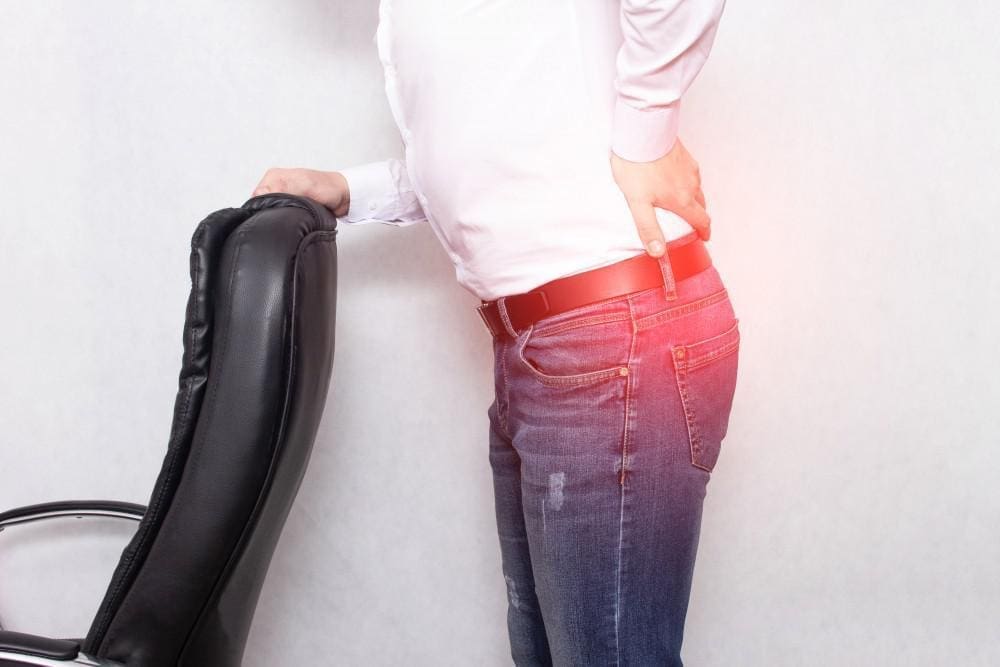
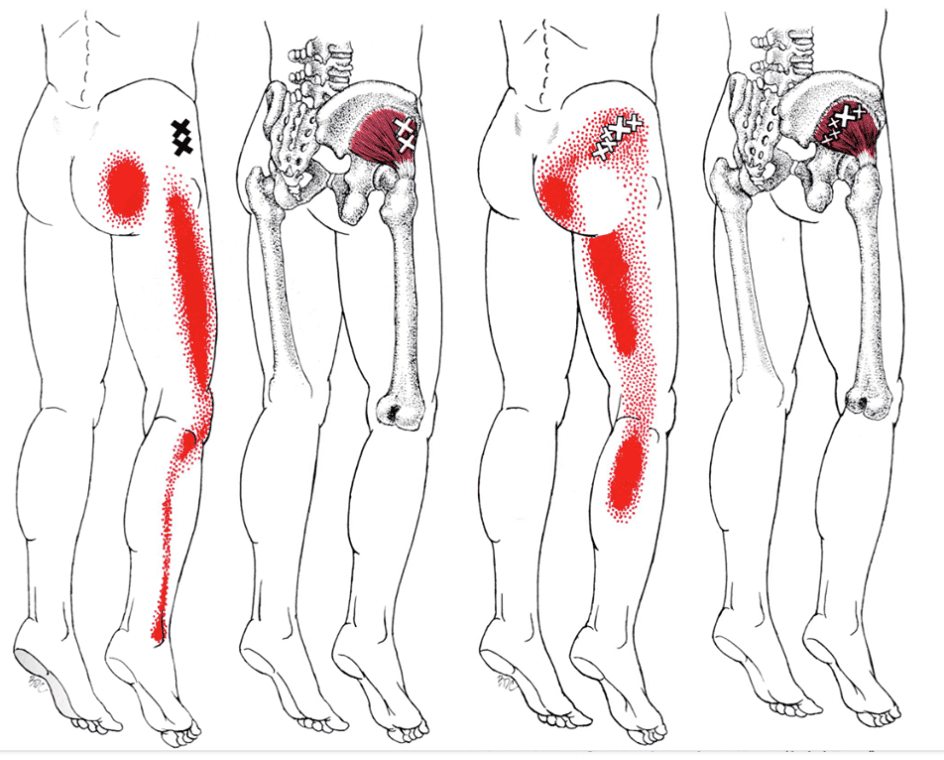
The buttock and the lower back have a casual relationship to the body, as the lower back has various muscles and nerves surrounding the spinal column. In contrast, the buttock region has multiple muscles and the sciatic nerve to keep the body upright. The sciatic nerve travels from the lumbar region of the spine across the gluteus muscles and down to the legs. The gluteus muscles include the Maximus, medius, and minimus, and they work with the sciatic nerve regarding good posture. When normal or traumatic factors begin to affect the body, like sciatica or poor posture, it can lead to developing trigger points associated with the gluteus minimus affecting the sciatic nerve. Today’s article examines the gluteus minimus, how trigger points mimic sciatic pain on the gluteus minimus, and various treatments to relieve sciatic nerve pain. We refer patients to certified providers who incorporate multiple methods in the lower body extremities, like sciatic pain treatments related to trigger points, to aid individuals dealing with pain symptoms along the gluteus medius muscles associated with sciatica. We encourage and appreciate patients by referring them to associated medical providers based on their diagnosis, especially when it is appropriate. We understand that education is an excellent solution to asking our providers complex questions at the patient’s request. Dr. Jimenez, D.C., utilizes this information as an educational service only. Disclaimer
What Is The Gluteus Minimus?
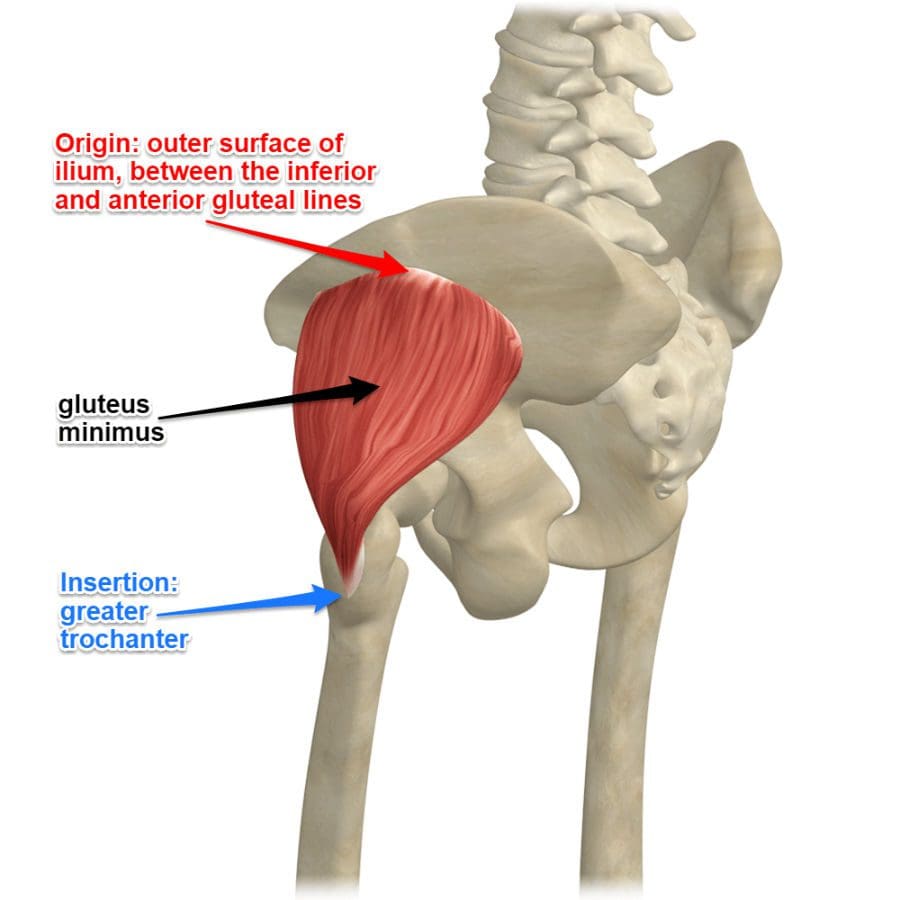
Have you been experiencing radiating pain traveling down to your leg? Do you have difficulty walking or sitting down? Do you feel tenderness or referred pain near your buttock region? Some of the issues correlate with trigger points affecting the gluteus minimus, causing pain in the sciatic nerve. As the smallest muscle in the gluteal region of the buttock, the gluteus minimus shares similar characteristics to the gluteus medius while being located beneath the medius muscle. One of the primary functions of the gluteus minimus is that it predominantly acts as a hip stabilizer and abductor. The nerves from the gluteal muscles include the sciatic nerve, which is on top of the gluteus muscles and the other nerves help supply the muscles to function in the posterior region of the body. Studies reveal that the structural integrity of the gluteus minimus muscles is the key to the lateral hip muscle, which contributes to pelvic stability and lower extremity function. However, when issues affect the gluteal muscles’ posterior region could trigger point pain mimicking sciatica.
How Trigger Points Mimic Sciatic Pain On The Gluteus Minimus?
When the lower body extremities begin to suffer from multiple issues that cause the individual to have mobility dysfunction, various factors could correlate to the dysfunction. When the gluteus minimus muscles have been overused or been through a traumatic experience, they can develop trigger points along the muscle fibers and even cause nerve entrapment along the sciatic nerve. Trigger points along the gluteus minimus can mimic sciatic nerve pain down to the back or even the side of the legs that causes excruciating and deep pain in the posterior region. Studies reveal that pain in the buttock region is a deep gluteal syndrome caused by non-discogenic pain that causes sciatic nerve entrapment.
The book, “Myofascial Pain and Dysfunction,” written by Dr. Janet G. Travell, M.D., states that many patients with active trigger points located in their gluteus minimus would complain about hip pain that could cause them to limp-walk when they are going to places. The pain caused by the active trigger points can make it difficult to stand up from a seated position due to the painful movements. The associated pain that the trigger points are causing to the gluteus minimus can be constant and excruciating; even small stretches can not alleviate the pain. The book also mentioned that trigger points could cause referred pain to the gluteus minimus that can cause various somato-visceral issues to the hips, legs, and knees if the pain worsens.
Sciatic Type Pain: Gluteus Minimus Trigger Points- Video
Are you dealing with pain in your hips, low back, and legs? Do you find it difficult to walk or stand up constantly? Or are you experiencing sciatic nerve pain that is radiating down your leg? All these pain-like symptoms are associated with trigger points along the gluteus minimus affecting the sciatic nerve. The gluteus minimus is the smallest of the gluteal muscles with the same function as the gluteus medius and predominately acts as the hip’s stabilizer and abductor. When the gluteus minimus muscles have been overused from traumatic events or normal factors, they can develop trigger points in the muscle fibers, entrap the sciatic nerve and irritate the nerve causing sciatica. The video above explain where the gluteus minimus is located and pinpoints where the trigger points are in the muscle fibers. Trigger points along the gluteus minimus can mimic sciatica by causing referred pain to travel down the leg. This can cause the individual to be unable to walk or even stand up due to the excruciating pain that they are in. Luckily, trigger points are treatable even though they are tricky to diagnose.
Various Treatments To Release Sciatic Nerve Pain
Even though trigger points along the gluteus minimus are tricky to diagnose, they are treatable through various treatments to alleviate the pain that the person is experiencing and can reduce sciatic nerve pain from causing more issues in the legs. Studies reveal that the effectiveness of active soft tissue release and trigger point block treatments combined can release entrapped nerves from the gluteus minimus and reduce low back and sciatic pain from the lower extremities. Now the treatments alone can only do so much to the individual, as many doctors tell their patients to take corrective actions or techniques to reduce the chances of trigger points from forming again on the gluteus minimus. Techniques like glute stretches, ischemic compressions, or using a foam roller can break the myofascial triggers from the gluteus minimus muscles and reduce the pain in the glutes and legs. This will help bring mobility back to the lower extremities.
Conclusion
As the smallest muscle in the body’s gluteal region, the gluteus minimus is the lower body’s predominant hip stabilizer and abductor. The gluteus minimus contributes to pelvic stability and lower extremity functionality that can be overused and can develop trigger points associated with sciatica. Trigger points along the gluteus minimus can cause referred pain to the legs and lower back while mimicking sciatic nerve pain. Thankfully various treatments and techniques can help reduce the chances of trigger points forming along the gluteus minimus and release nerve entrapment from the aggravated muscles pressing on the sciatic nerve, bringing back lower extremity mobility to the body.
References
Greco, Anthony J, and Renato C Vilella. “Anatomy, Bony Pelvis and Lower Limb, Gluteus Minimus Muscle.” In: StatPearls [Internet]. Treasure Island (FL), StatPearls Publishing, 29 May 2022, https://www.ncbi.nlm.nih.gov/books/NBK556144/.
Kameda, Masahiro, and Hideyuki Tanimae. “Effectiveness of Active Soft Tissue Release and Trigger Point Block for the Diagnosis and Treatment of Low Back and Leg Pain of Predominantly Gluteus Medius Origin: A Report of 115 Cases.” Journal of Physical Therapy Science, The Society of Physical Therapy Science, Feb. 2019, https://www.ncbi.nlm.nih.gov/pmc/articles/PMC6382483/.
Martin, Hal David, et al. “Deep Gluteal Syndrome.” Journal of Hip Preservation Surgery, Oxford University Press, July 2015, https://www.ncbi.nlm.nih.gov/pmc/articles/PMC4718497/.
Travell, J. G., et al. Myofascial Pain and Dysfunction: The Trigger Point Manual: Vol. 2:the Lower Extremities. Williams & Wilkins, 1999.
Whiler, Lisa, et al. “Gluteus Medius and Minimus Muscle Structure, Strength, and Function in Healthy Adults: Brief Report.” Physiotherapy Canada. Physiotherapie Canada, University of Toronto Press, 2017, https://www.ncbi.nlm.nih.gov/pmc/articles/PMC5963550/.
Doctor of Chiropractic, Dr. Alexander Jimenez looks at high heels at what they do to the back.
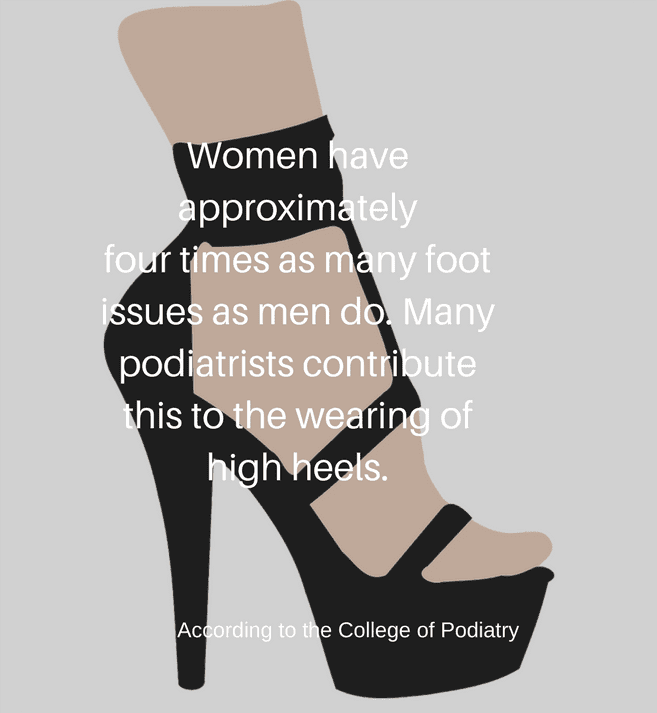
Ladies, ever wonder why you suffer from regular bouts of lower back pain?� Achy hips?� How about crazy tight leg muscles?� Don�t blame it on your cycling class, or too many squats or, the trainer you only see once or twice a week.� Look down.� Are you wearing high heels?� Bingo!� You�ve heard high heels are bad for you.� But it�s not just because they cause all kinds of pain and trauma to your feet.� High heels are also messing up your physical fitness. �They throw you out of proper postural alignment causing your joints and spine to take on more�wear and tear, which means aches and pains.
Is it possible to still look rockin� and save your joints? �My suggestion is more Athleisure-wear. �I know some fashion hard-liners say, no way will I walk around in yoga pants on a weekday!� But we�ve come a long way since those flare-leg, fold-over yoga pants.
Let�s chat for a moment about the evils of high heels.
First there�s the obvious.� They make your feet hurt.� Blisters, calluses and swelling are par for the course.� And pointy toes, fuhgeddaboutit!� I�m sure they were invented by someone on the Marquis de Sade�s payroll.� Second, they can lead to foot injuries like plantar fasciitis (usually from a bone spur that makes your heels hurt), hammertoes, bunions, and neuromas.� �Then there�s the domino effect.
Not only do high heels make your feet hurt, but problems with the feet can travel up the leg and cause injuries in the back, knees and hips. �Your knees take on extra pressure from the weight being pushed forward onto the balls of the feet. �Walking in this position makes your hip flexors and calf muscles short and tight. �And it doesn�t stop there.� Back problems are incredibly common in women who don�t give up their high heels.
Back Problems are incredibly common in women who don�t give up their high heels
Here�s why:
ext”>
Postural changes:�The S-curve of your spine has cushiony discs in between the vertebrae that act as a shock absorbers to protect them from stress. Like when you�re bending or jumping. �Wearing heels causes the lower back to arch more than normal because the body weight is pushed forward.� To compensate, the upper body has to lean back to maintain balance.� This puts extra stress on the discs. ��Spending hours with your body in funky alignment can lead to muscle spasms and back pain. �Tight hamstring muscles, which�attach to back of the pelvis and lower back, can also make your back ache.
Anatomical changes: Wearing high heels on a daily, or very regular basis, over years, can actually cause anatomical changes to your body.� In addition to the extra strain on your back and knees, the calf muscles can also shorten and the tendons can get tighter and thicker.
And It Can Get Even Nastier If You Get One Of These Spine Injuries:
Spondylolisthesis: it�s a mouthful, but is a common injury that can happen in the lower back from too much hyperextension (arching the back).� It�s when one vertebra slips forward over another.
Foraminal stenosis: I have this one congenitally and it sucks. This is a spine and nerve issue that occurs when anatomical abnormalities reduce the spaces the nerves travel through as they exit the spinal column.� The spaces are called foramina, and when they get blocked, the nerves get squeezed.� The pain can radiate through the buttocks and down the legs.� Symptoms are shooting pains, numbness, tingling, muscle weakness, spasms and, or cramping.
Sciatica:�The sciatic nerve is the longest one in the body. �It runs from the bottom of the lumbar spine all the ways down the legs. �When the sciatic nerve gets compressed it causes radiating pain, tingling, numbness and muscle weakness down the leg and can The pain can travel all the way to the bottom of the foot.
What Can You Do? �My Case for Athleisure-Wear To Combat Back Pain
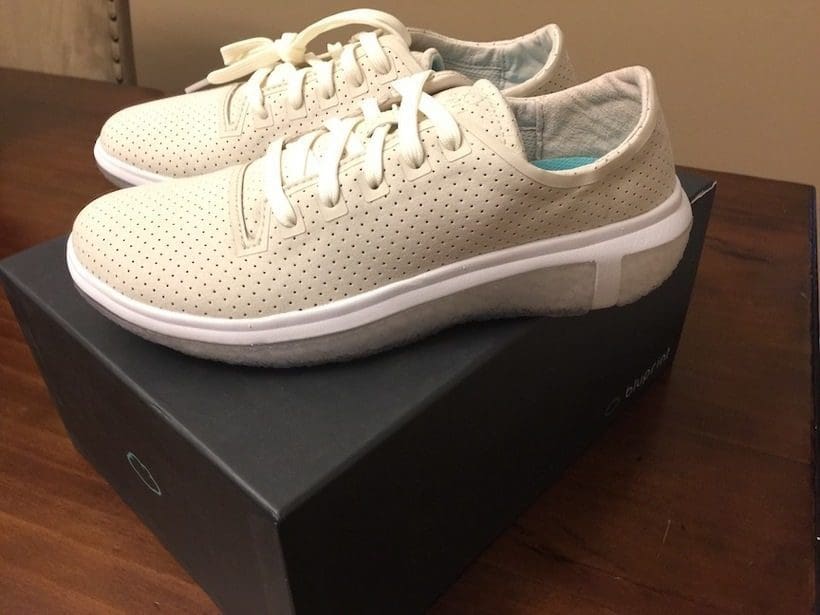
It�s time for stuffy office attire to retire. �Comfy clothes and flat shoes can be very chic. �Have you seen the boards on Pinterest?� Thanks to this hopefully permanent fashion style, my jeans and heels spend more time in my closet than on my body.� Leggings and cute kicks are my go to�s.� Night out?� No prob.� I reach for my sleek workout leggings, a ruched top or off the shoulder top with some high heel sneaks (they�re wedges so not nearly as bad for you). �I also discovered these by Bluprint which I put to the test at 2 huge conventions where I walking and standing for hours on end.� The soles made of memory foam � like those beds!
My podiatrist friend, Steven Rosenberg, DPM has been preaching the need for comfy shoes to his female clients for years. �(Fortunately for his practice, not everyone listens!) �Dr. Steve says, wearing shoes designed more for comfort can help you live more pain-free. ��Because comfort shoes are made of�soft cushiony materials�with soft foam innersoles, those are what you should turn to for shopping, walking or standing for long periods of time to avoid�blisters, muscle spasms or arch cramps.� � He also says to check for arch support in your shoes. �If there�s none, you can buy ones to put inside.
Even after reading this, you may still not be willing to give up high heels for good. �Me either.� I still get glammed up once in a while.
Here Are Some Tips For When You Must:
Wear them for as little time as possible.
Try to opt for heels around 2� high
Steer clear of pointy toes.
Buy shoes with leather insoles to so your foot doesn�t slide.
Buy arch inserts or use orthotics to support your arches.
Vary your footwear so you�re not wearing high heels every day.
Gradual or lower slopes are a little better, go for platforms or wedges instead of stilettos
Thicker heels are better than spiky heels
Stretch and strengthen the overworked muscles.
Here�s How:
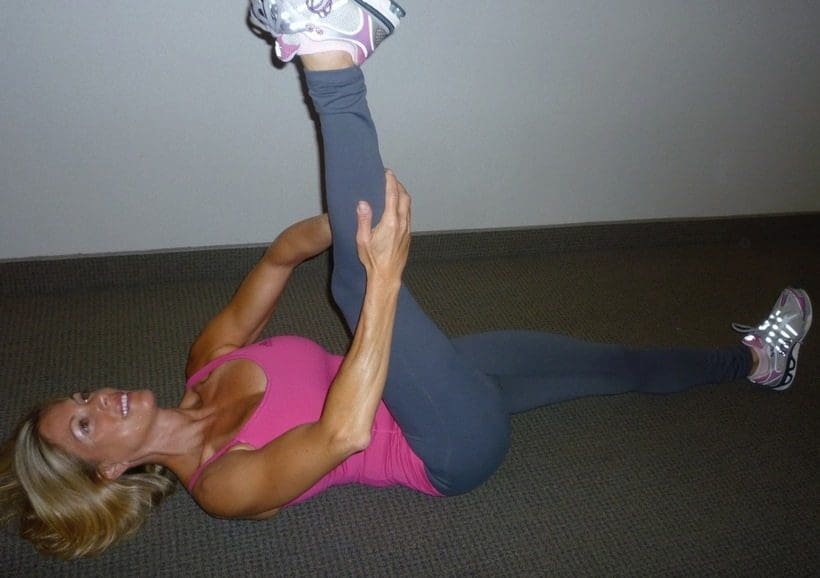
Stretch your leg muscles and hip flexors before and after wearing heels.� For the calves, stand on a step and let one heel hang down until you feel a stretch.
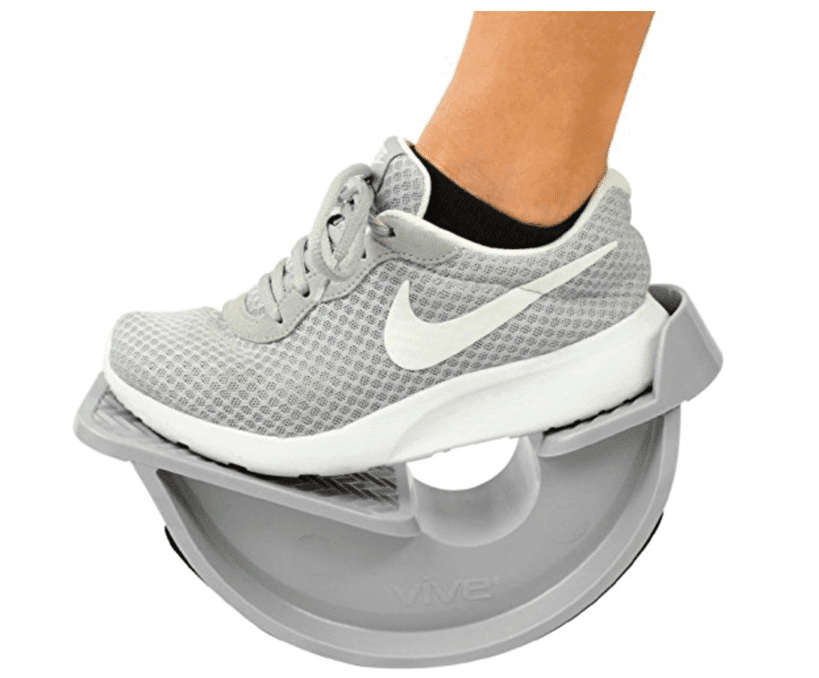
Try this convenient device, the foot rocker by Vive.� It stretches the calf and the sole of the foot relieving pain from plantar fasciitis.
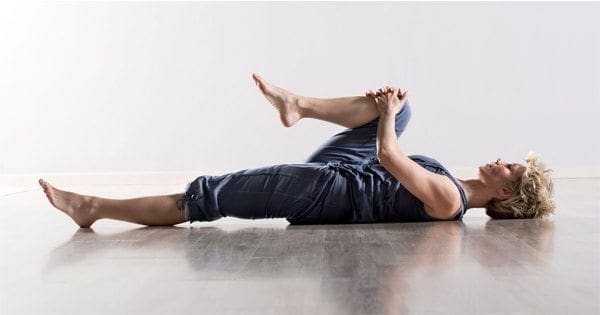
Front of the hip and thigh stretch for before and after wearing high heels
Hamstring stretch for before and after wearing high heels
Massage and stretch the muscles in the soles of your feet.� Roll your foot on a golf ball before and after wearing heels and, get regular foot massages.
Strengthen and increase the range of motion in your ankles and feet.� Put a rag on the floor.� Using your foot, write the letters of the alphabet.� Also put a bunch of marbles on the floor.� Pick one or a few of them up using just your foot.� Put them down about 6 inches away without lifting your foot off the floor.� Try that 10 times.� If you don�t have marbles, you can do it with a hand towel.
So next time you�re shopping for shoes, think about your foot fitness first. �Look for fashion that keeps you closer to the ground and that will hopefully keep you farther away from the doctor.
El Paso, TX. Chiropractor Dr. Alex Jimenez examines if sciatica can radiate to the arms.
Muscular pain that comes on suddenly in your lower back is indicative of a muscle spasm. Your muscles will feel as though they have locked up, and the pain can be unbearable.
Sciatica
Several lumbar spine (lower back) disorders can cause sciatica � Sometimes doctors call sciatica a radiculopathy. Radiculopathy is a medical term used to describe pain, numbness, tingling, and weakness in the arms or legs caused �
No the sciatic nerve only affects the legs. No the sciatic nerve only affects the legs. Yes it can � a number of years ago i was in a car accident that left me with sever whiplash. as the years went on and i grew older the nerves between c6 �
Sciatica is defined as a severe pain in a leg along the course of the sciatic nerve. The pain is felt in the back of the leg running from the buttock down �
Another important stretch that I usually prescribe is a lumbar extension stretch. This one is especially important if the cause of your sciatic nerve pain is due to a �
Recovery time after back surgery for a herniated disc can take several weeks to months as the muscles and ligaments in the back heal. Most people who undergo such a surgery will find relief from their previous � There is also a danger of damaging the nerves of the back and spine.
Relief, Washington
Many people suffer from sciatica, a painful lower back condition caused by a pinched nerve. Sciatica can cause severe mobility problems and debilitating pain. In serious cases, the condition can lead to progressive lower extremity �
You can�t help but notice the biting, shooting pain that comes with sciatica. This condition affects the sciatic nerve that runs across the buttock and down the �
It is a widely accepted theory that a pinched nerve cause chest pain. These pinched nerves occur when exceeding amounts of pressure applied to surrounding bones �
Sciatica is a disabling condition characterised by pain in the leg along the distribution of the sciatic nerve. It can be accompanied by back pain, tingling, numbness, reduced strength and reflex changes in the leg.
Sciatica is most commonly caused by irritation of the nerve roots emerging from the lower spine. For this reason it is often considered a type of nerve pain.
It is estimated that around 5 to 10% of people with low back pain have sciatica, equating to around 200,000 to 400,000 Australians. It is notoriously difficult to treat sciatica with over-the-counter medications and complementary therapies.
Our study released today examines the commonly prescribed nerve pain treatment pregabalin for acute and chronic sciatica. The results show that pregabalin does not improve pain symptoms or function, but is associated with unwanted side effects such as dizziness when compared to a placebo.
Huge Uptake Of New Drug
Medicines that have shown to be effective for treating nerve pain were considered to be an exciting new treatment option for sciatica.
Pregabalin became subsidised by the Australian government for nerve pain in 2013 and quickly became widely prescribed for conditions such as sciatica. In its first year of listing, nearly 1.4 million prescriptions were written and in its second year, this figure increased to 2.4 million. This was 32% more than the government predicted.
Since its first approval in 2004 pregabalin has become the most widely prescribed medicine for nerve pain globally, with worldwide sales of between US$3-5 billion annually. The astonishing growth is likely to be a consequence of many factors but may partly be a reflection of the lack of effective treatments for sciatica.
But while pregabalin has been shown to be effective for other types of nerve pain, there was little evidence it helped patients with sciatica. There were also emerging concerns of increased harmful effects, including risk of suicidality and misuse.
We designed our study to examine whether pregabalin is effective and has tolerable side effects in patients with sciatica.
Pregabalin Does Not Work For Sciatica
The research compared the effects of pregabalin against placebo (identical inactive capsules) in 207 patients with sciatica.
Patients were randomly assigned to take up to eight weeks of pregabalin or placebo, prescribed and monitored by a general practitioner or a medical specialist. To keep the results as unbiased as possible, patients, doctors and study staff were kept blinded to who was treated with pregabalin and who received placebo capsules.
This study found after eight weeks there was no difference in the severity of leg pain between those who took pregabalin and those who took placebo capsules. The same result was seen at one year. There were also no differences in other relevant outcomes, such as back pain severity and function, at either eight weeks or one year.
However, people who took pregabalin reported more adverse effects. The most common adverse effect reported in the trial was dizziness.
The study shows that taking pregabalin does not improve your sciatic symptoms when compared with placebo, but you are more likely to have adverse effects when taking pregabalin.
Treatment Options For Sciatica
Few alternative treatment options exist for people suffering from sciatica.
There is limited data describing the effects of nonsurgical treatments such as exercise, spinal manipulation or acupuncture on sciatica.
There is also no convincing evidence to show medicines such as anti-inflammatory drugs, oral corticosteroids or opioid analgesic medicines are effective. Epidural corticosteroid injections have been shown to have a small benefit in the short-term only.
Surgery confers a short-term effect in selected patients with sciatica, but after a year people with sciatica who have not had surgery do just as well as people who�ve had the procedure.
The good news is that sciatica does get better with time. It�s important to stay as active as possible and to avoid prolonged bed rest (as this can delay recovery).
If you�re currently taking pregabalin, speak to a doctor about your condition, and mention any improvement or adverse effects you�ve experienced since starting pregabalin. It�s important not to stop pregabalin abruptly � usually doses should be reduced slowly over a few weeks. Abruptly stopping pregabalin can have some ill effects and should be done with care, close monitoring and advice from a doctor.
It�s unfortunate, but we do not currently have a lot of effective treatment options for people with sciatica. Speak to your doctor or treating clinician (such as a physiotherapist) about what may be appropriate for you, including specific advice on how you can stay as active as possible.
Sciatica specifically refers to pain, weakness, numbness, or tingling in the leg, along the distribution of the the sciatic nerve down the back of the leg. Most commonly however, people will refer to any condition that causes back pain in association with leg symptoms as sciatica.
Common Causes:
True sciatica occurs when there is pressure on, or damage to, the sciatic nerve. This nerve starts in the lower spine and runs down the back of each leg. This nerve controls the muscles of the back of the knee and lower leg and provides senation to the back of the thigh, part of the lower leg and the sole of the foot.
As previously mentioned, the term “sciatica” is often used by patients to describe any condition where there is back pain together with associated leg symptoms. This being the case, there are a number of other conditions that will actually mimic sciatic nerve pain. Sacroiliac joint irritation (sacroiliac joint syndrome), lumbar facet joint irritation (lumbar facet joint syndrome), and piriformis syndrome all frequently produce leg symptoms, and are therefore commonly mistaken for sciatica.
Common Symptoms:
Sciatica pain can vary widely. It may feel like a mild tingling, a dull ache, or even a burning sensation, while in other cases, the pain can be servere enough to make movement practically impossible. Most commonly, sciatica effects only one leg.
Treatment:
Treatment begins with first determining whether a patient is suffering from true sciatic nerve involvement, or if they are actually suffering from one of the other conditions that frequently mimics sciatica. From there treatment is directed towards reducing inflammation, pain, and spasm, while restoring movement and function to the effected spinal levels. Once normal spinal mechanics are restored, patients are given a simple home exercise program in order to help maintain normal function and to help prevent re-occurances.
What is sciatic nerve pain? Sciatic nerve pain is one of the most tough [ https://www.youtube.com/watch?v=FUcGA-BvmIQ dolore sciatica] problems for physicians, also those experienced in treating back pain as well as sciatica patients, to determine as well as treat. Sciatica usually presents itself as a prickling and/or numbness, like the sensation one may experience with a pulled hamstring muscle mass, the biceps femoris at the back of the leg. The experience could be plain, almost an ache, with durations of prickling and/or tingling happening throughout specific activities. The prickling and/or numbness experienced, if not dealt with, may develop into a full-on constantly [ https://www.youtube.com/watch?v=SrFQWAtJtZU click resources] severe phase with discomfort capturing throughout the butts and also radiating down the leg. Sciatic nerve pain might influence one or both legs, typically one, starting as a pain radiating from some point in the lower back, the lumbar spine, after that throughout the gluteal muscle mass (the buttocks), as well as ultimately down the rear of the leg. In innovative instances, sciatic nerve pain gets to right right into the feet as well as toes, triggering discomfort as well as an eventual loss of feeling.
Remarkably, sciatica is not a details condition, it is just a catch-all clinical term put on a constellation of symptoms in order to explain a state the back pain victim remains in. In this instance, sciatic nerve pain is utilized to define a patient’s complaint of pain radiating across the butts, down the leg, and also right into the feet and toes … along with the connected tingling and/or feeling numb. Sciatica could be brought on by a variety of conditions, from stress and anxiety and trauma at a particular area on the spinal column, the reduced back or back curvature, to a much more general condition such as obesity or pregnancy. There are a number of other problems associated with sciatica, all needing varying degrees of clinical intervention and also treatment. A few of the conditions likely to present with sciatica are:
1. Osteomyelitis: An infection of the bone or bone marrow. Osteomyelitis might be debilitating and also in severe cases may also create death. It is tough to identify as well as might go undetected for a long period of time unless appropriate blood examinations are purchased and also the doctor is well trained in contagious diseases influencing the bones.
2. Growths on or near the spine: Lumps, particularly tumors or abnormal growth (e.g., scar tissue) affecting the nerves or nerve roots as they exit the spinal canal and intervertebral foramen, will certainly sciatic nerve pain or sciatic nerve pain.
3. Degenerative Disc Disease: Again, degenerative disc condition is not an illness anymore than sciatic nerve pain, called sciatica, is a specific problem. Degenerative disc condition is a break down of the IVDs, the intervertebral discs, and also is generally an effect old combined with the any or every one of the 5 primary elements influencing the spine as we age.
o Excess weight and/or obesity
o Muscle weakness
o Muscle Imbalance
o Poor nourishment and also diet plan
o Poor hydration or dehydration
4. Herniated (i.e., burst) or protruding disc: This problem might be particularly bothersome if the herniated disc or bulging disc is extending posteriorly (to the back) and right into the spine canal, or impinging on the nerve origin at the intervertebral foramen, hence putting pressure on the spine and/or nerve root; and, sciatica is the result in lots of instances.
IFM's Find A Practitioner tool is the largest referral network in Functional Medicine, created to help patients locate Functional Medicine practitioners anywhere in the world. IFM Certified Practitioners are listed first in the search results, given their extensive education in Functional Medicine