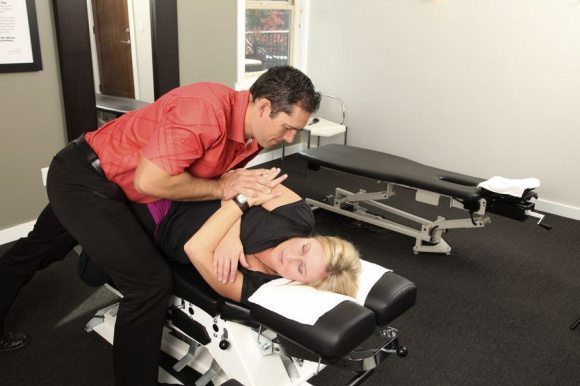
El Paso, TX. Chiropractor Dr. Alex Jimenez takes a look at driving and how it effects the spine.
Daily, nearly 90% of journeys and 92% of miles traveled are made in autos or ground transportation (buses, trucks). On average, guys drive 44 miles as well as girls drive 34 miles each day. For many Americans, driving a motorized road vehicle is their job: truck drivers, bus drivers, ambulance and fire trucks, police, taxis etc.
Modern car and truck layouts have come a long way in their own design over the past 20 years, with better fuel efficiency, better features, better styling and better relaxation. But is there any signs that the look of contemporary bus, car or truck seats and driving might play a part in causing a few of the back injuries that plague�Americans each year?
Exactly Why Is Driving Different To Ordinary Sitting?
In case your own car is not moving, then sitting in a driving seat probably isn’t substantially different to sitting in a chair that is cushioned, but as soon as the vehicle begins moving things change. Additionally, when driving the feet are actively being used, the right foot on the gas (accelerator) pedal, the left on the brake, and in a stick-shift also on the clutch. When the feet are active they can’t be utilized to support and stabilize the reduced body when they’re put on the floor during regular sitting in a chair, as usually occurs. There is evidence the blend of those variables, coupled with the look of the car seat itself, can increase the possibility of back problems for many people.
Is Driving Linked With Back Problems?
Lab studies have examined the effects of whole-body vibration when a person is sitting in a car seat. The lumbar spine has a natural resonant frequency of 4-5 Hz , and results show that this natural frequency can be excited by lab simulated vehicle driving, and this may result in high spinal loadings in the lower back, and also this in turn could result in greater postural distress and an increased hazard of low back pain and injury.
Quite a few research studies have investigated potential associations between back and driving problems, and usually these studies have found significant consequences.
Drivers in the USA and in Sweden found that in each country 50% of those questioned reported low back pain.�
Investigation of the potential reasons for this revealed that long term vibration exposure from driving was among the greatest risk factors for neck, back and low back problems.
Gender generally seems to play an important part in the possibility of developing driving-related back problems. A survey of over 7000 Parisians found that even though severity and the prevalence of low back pain was higher in women, driving was just connected with back problems in guys. The need for driving as a risk factor improved with driving time, and was especially important for guys who drove 4 hours or more each day.
A survey of over 1400 urban transportation system motorists showed that issues using the capacity to accurately adjust the seat that was driving have significant effects on the prevalence of low back problems.
Nevertheless, it appears that driving need not consistently raise the chance of back problems.
Is There An Ideal Car Seat Layout?
Based on a comprehensive evaluation of advice from peer-reviewed scientific journals and texts, automotive engineering reports, and also the National Library of Medicine a string of requirements for the best car seat layout have been developed. Ideally, the optimal car seat should have:
1. Adjustable seat back incline (100 degrees from horizontal is ideal)
2. Changeable seat bottom depth (from seat back to front edge)
3. Adjustable seat height
4. Flexible seat bottom incline
5. Seat bottom cushion with solid (dense) foam
6. Adjustable lumbar support (horizontally and vertically adjustable)
7. Depth pulsating lumbar support to lessen static load
8. Flexible bilateral arm rests
9. Flexible seat back incline (100-degrees from horizontal is optimal
10. Flexible head restraint with pad that is lordosis
11. Frequencies between 1- 20 Hz to dampen
12. Linear front-back seat traveling to allow otherwise sized drivers to reach the pedals
13. Seat back damped to reduce bouncing of the torso in rear end impacts
Driving Safety
What To Check For In A Great Car Seat Layout When You Buy The Next Car
It is likely that most automobiles available on the market today won’t have the features listed above that are desirable in the optimal car seat all, but some will have more than others pick wisely. Pay close focus on the subsequent 5 guidelines which should help you to protect your back when you drive.
1) Car Seat Comfort
You’ve fixed this to suit your body and when you sit in the car seat does it feel comfortable. Otherwise, you will be most likely caused by then the car seat rear discomfort issues should you drive for any length of time. Rebound up and down in the seat to find out the way that it adapts vibration. Take the automobile on a test drive.
2) Car Seat Adjustments
Can you correct each of the features of the car seat you want to adjust? At a minimum you need to have the ability to adapt:
Seat space to accommodate different leg lengths
Seat height to accommodate different leg lengths
Backrest angle to sit down in either an upright or more reclined posture
You Should�Look For Other Adjustments That Are Useful:
Seat tilt to angle the front of the seat down or up so that this does not press against the back of your knees
Look for a car seat that supplies you with great low back support that can be corrected for depth (frequently the seat has an inflatable cushion) and is height adjustable
Headrest for neck support
Arms rests which are broad, cushioned and comfortable, and preferably height flexible
3) Shift Your Position
Remember to go your position from time to time. Wait until driving conditions are right to enable you to wriggle in the seat to relieve postural fatigue.
4) Take Breaks
Driving is exhausting work and to prevent driver fatigue and minimize postural discomfort it is good move around and take to pretty frequent rest breaks that enable you to stand up.
You can select a number of car seat accessories that will enhance seat comfort for you personally, from fleece covers to soften the seat to bead backrests to provide for some type of back massage while you drive. Select anything you find adds to your driving comfort.
5) Seat Accessories
You’re able to pick a number of car seat accessories which will improve seat comfort for you personally, from fleece covers to soften the seat to bead backrests to provide for some sort of back massage while you drive. Choose anything you locate adds to your driving comfort.
El Paso TX. Chiropractor Dr. Alex Jimenez looks at the work environment to see if it is in fact spine friendly.
While work can be a pain, it doesn’t have to cause pain. Creating your office work room in order to avoid back and neck strain is easier than you may think. Plus, rethinking your work environment is a fantastic chance to brush up on other healthy work habits as well as your posture.
Here are five ways you are able to design your office together with your back in your mind.
#1. Perfect Your Sitting�Posture
If you’re not sitting right even with the top equipment, your back will suffer. Pay attention to the situation of legs, hands, and your head when sitting. To avoid back pain, make sure to do the following:
Sit erect with your back and shoulders against the trunk of your chair
Consider using a hands free headset to stop shoulder and neck pain
Don’t slouch
Arms should rest on the armrests of your chair to avoid nerve pressure or circulatory difficulties
Keep your feet flat on the flooring�don�t cross your legs
Rest your shoulders while typing
#2. Get A Good�Chair
A good-constructed ergonomic seat to help increase your blood flow, reduce fatigue, stress, and decrease the chance of injury to your own neck and back. Getting the chair that is best is important, which means this is one product which should be tried in the store as opposed to purchasing online so you know before purchasing it, the way that it feels. Make fully sure your office chair has got the following:
A good backrest that provides lumbar support
The capability to recline (Sitting erect at a 90� angle is not good for your spine; a 100-degrees to 110-degrees angle is much better.)
Flexible height (You don�t want the seat to be overly high�your feet must be flat on the floor)
The ability to rotate or swivel, so you can easily�change tasks
#3. Invest In A Desk That Offers More Than Just Storage
One of the biggest pitfalls of a spine-friendly work routine is staying in one position for a long time. Switching between sitting and standing is the best strategy, and some desks�known as sit-stand desks or sit-to-stand desks � encourage one to mix up your position through the entire workday.
Sit-to-stand desks offer you the choice to work comfortably in both sitting and standing poses�and they been discovered to simply help burn off calories. They come in various price points and styles, and a growing variety of companies are considering this investment to boost workplace wellness.
If you�re looking to boost the ergonomic quality of a traditional desk make sure the desk is:
Secure (not wobbly)
Suitably high (generally 28″ to 30″ above the floor)
Large enough for your computer, with surface space for writing along with other jobs.
Not�so large that you have to over reach to do your work, which could cause excessive stress on the back
#4. Look At Your Computer
Since so much office work is done on computers, wherever your equipment is put can really make a difference when you are at work, in how your back feels. Try the following hints:
Tilt the keyboard down and slightly away from you for better wrist posture
Be sure your mouse is close enough so you can use it with your arms relaxed, and let it be as close to your body as possible
Set the monitor right in front of you at eye level, not off to the side, in order to avoid eye and neck strain. Adjustable monitor stands are available to find an ideal height.
If using a notebook, consider getting an external monitor or keyboard (or both). This enables each of those parts individually to move to develop a comfortable arrangement.
#5.�Take A Break
Not just a coffee break but a spine break. Stretch, take a quick walk, get the blood flowing. It�s simple to get caught up in work jobs and forget that you�ve been sitting or typing for a straight hour. Whether it�s a 15-minute walk or two-minute stretch session, occasional breaks can help revive your muscles, and perhaps you can find feel more productive, too.
You spend lots of time at work�why not take a few extra steps to develop a space that does your back a number of favors in return?
The understanding the spine is somehow involved in health and wellness, in addition to the practice of utilizing manual manipulation as a way to obtain healing, dates back to the time of the ancient Greek philosophers. In fact, Hippocrates once said, “Get understanding of the back, for this is the requisite for several ailments.”
The First�Chiropractic Adjustment
Modern chiropractic, however, indicates its beginnings in the late 1800s, �when a Canadian living in the US, Daniel David Palmer, a self educated teacher and healer, performed the very first spinal manipulation on a patient.
That patient was Harvey Lillard, a janitor who worked in Palmer’s building. Lillard was almost totally deaf and mentioned to Palmer that he lost his hearing many years before when he was bending over and felt a “pop” in his upper back.
Palmer, who had been a practitioner of magnet therapy (a common therapy of the time) was fairly learned in physiology and incredibly interested in how a spine interacts with all the remainder of the entire body’s systems.
He found a difficulty with one of his vertebra and examined Lillard’s back. Palmer manipulated Lillard’s vertebra and an amazing event occurred�Lillard’s hearing was restored. Today, this process is referred to as a chiropractic adjustment.
Palmer soon found that alterations could alleviate patients’ pain as well as other symptoms. These problems with vertebrae are called chiropractic subluxations.
He started to use these “hand treatments” to treat many different ailments, including sciatica, migraine headaches, stomach complaints, epilepsy, and heart trouble. In 1898, he started the Palmer School & Infirmary in Davenport, Iowa, and began teaching his chiropractic techniques.
Initial Resistance In The Medical Community
The medical community failed to immediately embrace techniques and Palmer’s chiropractic theories. The called him a “quack” and refused to recognize his achievements. At one point, Palmer spent time in jail because of his violation and was indicted for practicing medicine with no license.
Research has shown that Palmer was not the fish monger that was unlearned that some in the health care profession claim. An investigation of this library, which he quoted in his letters, showed that he was up to date in his knowledge at the turn of the 20th century. Obviously, his theories, in the light of 21st century knowledge, seem uneducated.
Chiropractic Today
Today, chiropractors are licensed in most European countries, Canadian provinces, all the US states, Australia and New Zealand. There tend to be more than 50,000 practicing chiropractors in the US alone . Despite its North American roots, there are more chiropractic educational programs beyond North America.
Chiropractors think that good health is decided by way of a healthy nervous system, particularly a healthy spinal column. Sometimes, vertebrae become misaligned and put pressure on the nerves exiting the spinal cord. The misalignment of a vertebra is called a chiropractic subluxation.
Chiropractors use specific methods to return the vertebrae in their proper locations or muster them to allow them to go freely when subluxations happen. These techniques are called spinal manipulations or adjustments. During an adjustment, the vertebra is freed in the misaligned location and returned to the right place in the spinal column. The adjustment permits the entire body to cure and preserve homeostasis once performed.
Chiropractors Are Trained In Many Different Adjustment Techniques
Some are done by hand; some necessitate using specialized instruments. Since each patient is different, your chiropractor will pick the best technique for the state. Nevertheless, don’t hesitate to ask the chiropractor which technique she or he will be doing and the way that it will be achieved.
Common Adjustment Techniques Employed By Chiropractors Are The Following:
Toggle Drop – this is when the chiropractor presses down firmly on a specific part of the back. Subsequently, using a drive that is precise and rapid, the chiropractor aligns the spine. This really is accomplished to enhance mobility in the vertebral joints.
Motion Palpation – this hand-on procedure is performed to determine in case your vertebrae are moving freely inside their normal planes of motion.
Lumbar Spin -the chiropractor positions the patient on her or his side, then implements a thrust that is quick and precise returning it to its proper place.
Release Work – the chiropractor applies gentle pressure using her or his fingertips to separate the vertebrae.
The chiropractor applies a quick thrust at once the table drops. The dropping of the table allows for a lighter adjustment without the twisting postures that can accompany the manual adaptation.
Instrument adjustments – of correcting the spinal column frequently the gentlest ways. The patient lies on the table while a string is used by the chiropractor face down – filled activator instrument to do the adjustment. This technique is frequently used to perform adjustments on creatures too.
Manipulation done under anesthesia (or twilight sedation) – this is performed by a chiropractor certified in this technique in a hospital outpatient setting when you’re unresponsive to traditional adjustments
Keep in mind that before you experience complete relief out of your symptoms you may really need to go back to the chiropractor’s office for additional adjustments.
You get up with it. You go to sleep with it. An incredible number of men and women live with chronic back or neck pain every day. What’s chronic pain? It is technically defined as pain that lasts for 12 weeks or more�even after pain isn’t any longer acute (short-term, serious pain) or the injury has healed.
Accurate Analysis
Getting an exact identification of the reason for neck pain or your back is vital to the outcome of your treatment plan. Depending on the severity and cause of your pain that is chronic, you might need to find out different specialists in addition to your own primary care physician�pain medicine specialist, orthopaedic spine surgeon, neurosurgeon, physiatrist, rheumatologist, physical therapist among others. Over time your chronic pain need to be reevaluated, and may transform, which might affect the way it is handled.
Your chronic back or neck pain treatment generally features a variety of treatments to maximize results that are great. A number of the treatments your doctor prescribes and recommends may include:
Physical Therapy:
Extending and strengthening muscles is vital in the treatment of neck pain or chronic back.
Chiropractic Care:
Depending on your own diagnosis, chiropractic care may be recommended by your doctor. Studies have demonstrated that two weeks of day-to-day exploitation by a chiropractor can result in considerable progress in a few patients with persistent low back pain and referred leg pain.
Medicines:
There are lots of different prescription medications to take care of neuropathic pain, inflammation, muscle spasms, and pain. Additionally, you will find drugs to treat conditions that often accompany chronic pain, including drugs that will help you sleep, alleviate depression, and reduce nervousness.
Processes:
Your doctor may recommend a spinal cord stimulator, spinal injections, drug heart, or spine surgery. You can get a second opinion, in the event you might be uncertain about the treatment plan recommended.
Coping skills:
Never underestimate the power of your head. Your mood and mental perspective can greatly make an impact on your level of pain. Talk with a trained specialist to understand relaxation and coping skills.
Complementary Treatments:
Many physicians recommend acupuncture and other types of traditional Chinese medicine. Speak to your doctor about these choices.
A couple of words about …. age, fitness, body weight
You probably involve some control over body weight and your level of fitness, although you can�t stop aging or its effects. While you can�t stop the clock on the cellular changes that are recognized to accompany aging�such as loss of muscle mass and bone density �you can take little steps today to build a more stronger�you tomorrow.
It�s understood that patients with chronic back or neck pain may not feel like being active, going to the gym and even adhering to a home exercise program. Yet, being active can help chronic pain because during exercise your body releases endorphins�your body�s natural painkiller.
Moreover, by teaming up together with and/or your physician physical therapist you can start to build abdominal muscles that are strong �essential to your own body�s center strength which helps support your back.
Did you know that by simply losing even 5 to 10 pounds you can reduce back pain? It�s true. Carrying around extra weight translates to added stress to the low back that may exacerbate pain.
Conclusion
In many instances, aggressive and early treatment of chronic back or neck pain can make a life-changing difference. But remember that knowledge is power: Be certain you comprehend your alternatives before deciding which route to take.
Physical therapists (PT’s) are healthcare professionals who treat patients of all ages with back or neck ailments. Your spine surgeon, physiatrist, orthopedist, primary care physician, neurosurgeon and your chiropractor may refer you to a physical therapist as portion of your non-operative plan of treatment. An organized physical therapy plan may be an intrinsic portion of your after-care following back surgery. PT’s practice in a variety of settings for example hospitals, outpatient clinics, rehabilitation centers, and nursing homes. �Myself, I am a Chiropractor. �There are clear differences that sometimes creates confusion, and for that reason I have posted this in order to create conversation regarding the similarities and contrasts.
Goals of Physical Therapy
The primary goals�of physical therapy include: maintain practical skill and improve, build endurance and physical strength, increase flexibility, reduce pain, and prevent impairment. PTs also instruct patients the best way to exercise to enhance overall physical fitness, move about safely (biomechanics and ergonomics), and injury prevention. Physical therapists also help patients with long-term physical incapacity (eg, spinal cord injury).
Physical therapy may contain passive modalities; the individual is administered to treatments by the PT. Modalities include myofascial release, different types of massage, ultrasound, ice or heat. Some of these treatments could be administered before lively therapeutic exercise.
Rebuild endurance, flexibility and strength after back surgery, also as specific physical needs associated with surgical aftercare.
Coordinated Care
Your physical therapist may work directly for or with your physician, therapist, chiropractor and other healthcare providers to organize aspects of your physical treatment. For instance, your doctor may send the physical therapist pertinent parts of your graph, such as present medications, your analysis, and results of imaging studies.
During the first consultation, the physical therapist talks with you about symptoms, analysis, and your medical history. Many patients with a back or neck ailment experience pain that is severe, chronic, and/or episodic. Severity the location, type, and variables that decrease or increase pain are significant, and the PT will ask you many questions regarding pain.
Education and Clinical Training
Physical therapists are healthcare professionals who passed a state licensing examination and have completed an accredited physical therapy program. The program includes medical ethics academic learning, and evidence-based medicine with clinical use outside the classroom. After graduation, a PT may advance experience and knowledge by participating in areas of their interest. Now all physical therapists graduate with a Doctor of Physical Therapy (DPT) degree.
Through the American Board of Physical Therapy Specialties, a PT can eventually be a board certified specialist in a specific area such as orthopaedics, pediatrics, or geriatrics. There are various areas of specialization.
Selecting A Physical Therapist
Many states permit you to attend a physical therapist without a physician�s referral. What questions should you keep in mind about picking out a physical therapist, even though you can definitely ask your physician for a recommendation? Listed below are some questions to consider.
What is the physical therapist�s training and educational history?
Does the physical therapist frequently treat patients with my difficulty?
How many times per week do I need physical therapy?
Will I Be provided by the physical therapist with a customized home exercise plan?
Am I comfortable with a female or male physical therapist?
Taking Charge
Bear in mind a physical therapist is a precious healthcare professional and member of your medical team. While physical therapy may be challenging or demanding at first, you are offered many benefits by a PT. It’s an opportunity to take charge of your back or neck pain, while building a stronger more resilient body.
Call Today!
Source:
American Association of Physical Therapists. www.apta.org
Whiplash is�a common injury, annually affecting about 2 million individuals within the U.S. Generally due to a car accident, whiplash also can be a consequence of falling, engaging in sports &�being shaken or punched.
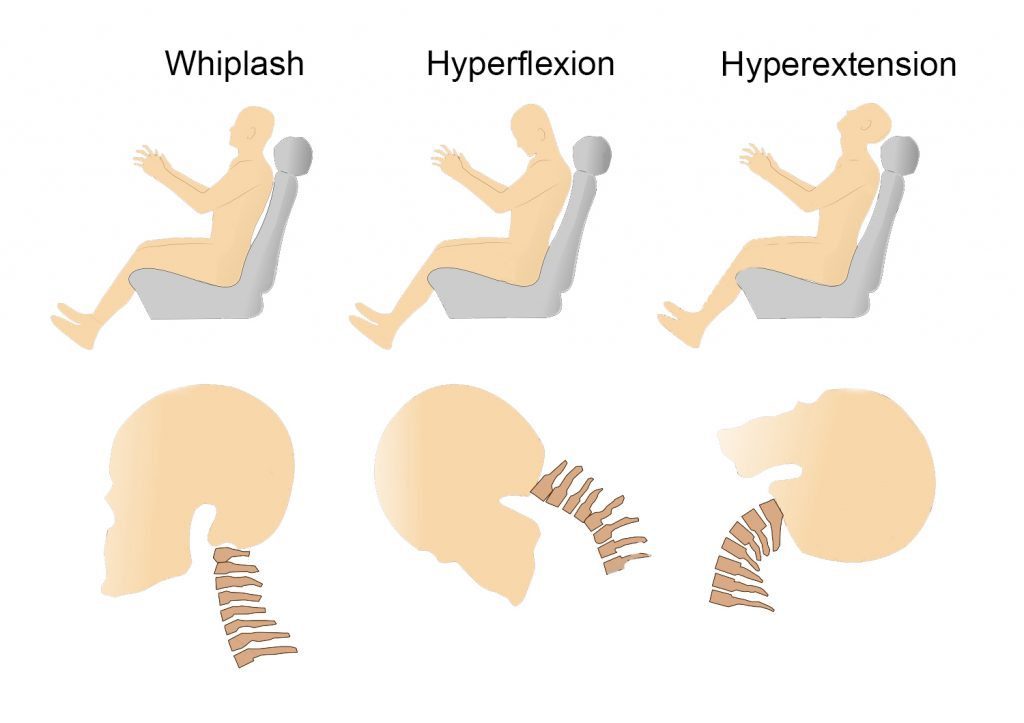
Whiplash may be the common term�for�neck damage or stress caused by hyperextension (see image below) and hyperflexion (see image below). It frequently does not cause immediate symptoms: over-time, it might produce actually. Since whiplash could cause long-lasting results to the back, it is vital that you see your physician if you have been injured, even if you don�t have pain.
The cervical spine (throat) is really a sophisticated structure consists of vertebrae (spinal bones), intervertebral disks (behave as shock absorbers), muscles, ligaments, and nerves. The throat is is flexible and will move it different guidelines (jerk, swivel) while supporting the total weight of the head. However, that mobility can make the throat at risk of injury. Throughout a whiplash event, your throat goes swiftly and vigorously backward and forward. Pain can continue despite the injury itself has healed.
Whiplash can result in reduced productivity, temporary impairment, and perhaps substantial medical expenses.
Not Just Pain In The Neck
A person with whiplash’s chief criticism is upper back pain or neck pain. Other symptoms may include:
Pain
Stiffness
Pain within the arm and/or shoulder that may expand to the hand(s).
Paresthesias (including numbness or tingling) and/or weakness that’ll expand into the hand(s).
Headache
You might possibly experience dizziness, nausea, ringing�in the ears, weakness, jaw pain, and blurred vision.
A Condition With�An Impact
The most frequent cause of whiplash is definitely a car accident in which the person�s vehicle (often stopped) is rear-ended by another car or truck. Because of this, the neck’s bones are forced�into a hyperextended position, while the upper vertebrae are hyperflexed, leading to an unusual S-shaped curve. This cycle typically damages the delicate tissues (structures, tendons, muscles) of the neck.
How Do I Realize I Have Whiplash?
Your doctor works a neurological and physical exam and carefully reviews your medical history. Because x rays don�t show injuries to delicate tissues, a CT (computerized tomography) scan or MRI (magnetic resonance imaging) could be executed.
What Does Treatment Involve?
Treatment is determined by the extent and level of the whiplash, and factor is given to general health and your age. Initial therapy can include:
Short term rest (a day or two)
Ice, for first day or two; then alternate ice and temperature
Gentle�range-of-motion exercises
Anti-inflammatory drugs (over-the-counter or prescription)
Muscle relaxants
*When using ice, make certain the cool source is draped in a towel to safeguard your skin area. Don’t apply ice for longer than 15 minutes at a time.
If your pain does not disappear inside a reasonable timeframe, or when it is serious, your doctor may recommend trigger-point injections, physical treatment, chiropractic, massage, acupuncture, and/or use of a transcutaneous electrical nerve stimulation (TENS) device.
Soft�collars, although once trusted for whiplash, are not employed so frequently anymore, since by immobilizing the neck, the muscles can weaken and delay recovery.
Surgery is rarely warranted by whiplash. If your pain persists even after you’ve undergone nonsurgical treatment, your doctor might advise surgery, according to what structures have already been injured and how serious the harm is. It is vital that you understand the risks carried with surgery. Thus, you should have a thorough conversation with your doctor.
Call Today!
Sources
Whiplash. Mayo Clinic. http://www.mayoclinic.org/disorders-situations/whiplash/basics/meaning/con-20033090.
IFM's Find A Practitioner tool is the largest referral network in Functional Medicine, created to help patients locate Functional Medicine practitioners anywhere in the world. IFM Certified Practitioners are listed first in the search results, given their extensive education in Functional Medicine