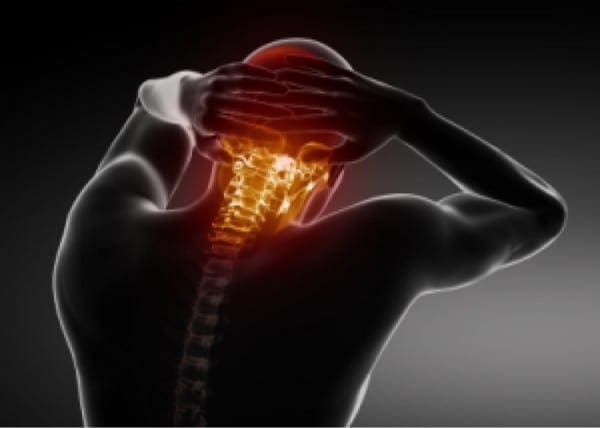
If you have pain in any part of your body, it can range from uncomfortable to downright debilitating. In the case of your neck, any degree of irritation can impede your ability to function. Because of this, it is important that you learn about how chiropractic relieves neck pain so that you can find the assistance you need.
When you first visit a chiropractor, you should take along medical records that relate to your neck pain. This includes any medical history that outlines the description and symptoms of your condition by another physician. For instance, whether the pains are sharp or dull, throbbing or steady can provide valuable information to your chiropractor.
You should also make sure to get a copy of your latest x-rays. If you do not have any, that is okay because most chiropractors will either perform them on-site or refer you to a radiology clinic off-site.
Depending on the chiropractor�s approach, a typical first visit includes an initial consultation, examination and x-rays. If the chiropractor has time, he or she may go over the results of the aforementioned the same day.
However, many chiropractors prefer to study and review your case before determining if they can or cannot help you. So, even though you�re in pain, be patient for the chiropractor�s full recommendations which may not be available until the following day.
With that said, most chiropractors won�t leave you hanging. They�re compassionate to your pain. In other words, they�ll administer some form of pain relief the same day as your initial visit until a complete diagnosis is available.
During this initial waiting period, your local chiropractor may administer the following pain relief methods for neck pain:
Ice
Light soft tissue work using a topical analgesic like BioFreeze�
Interferential therapy, electrical stimulation and/or other physical therapy modalities
Heat (if the condition isn�t acute)
Additionally, your local chiropractor may make pain relief recommendations that you can use back home to help reduce your neck pain until your next visit. These typically include the proper use of ice as well as the administration of a topical analgesic like BioFreeze�.
During your subsequent visit, a detailed treatment plan will be presented to you if your chiropractor believes he or she can help correct the problem. If so, be consistent with the treatment plan your diagnosis warrants so that your neck pain is not only relieved but potentially corrected.
Remember, your local chiropractor is not only concerned about relieving your neck pain but even more concerned about finding and fixing the cause of the problem. Misalignments of the spine (aka vertebral subluxations) don�t just happen over night (unless there is some form of blunt force that caused it). So correcting these subluxations through multiple chiropractic adjustments may take time, even when the pain disappears.
Regardless, when people are experiencing neck pain, it can diminish their quality of life. It becomes difficult to perform regular tasks such as driving. Visiting a chiropractor and allowing them to treat the area is a smart choice. These professionals have undergone extensive training in their field and are capable of treating neck pain effectively. So if you or a loved one are experiencing neck pain, give us a call. We�re here to help!
This article is copyrighted by Blogging Chiros LLC for its Doctor of Chiropractic members and may not be copied or duplicated in any manner including printed or electronic media, regardless of whether for a fee or gratis without the prior written permission of Blogging Chiros, LLC.
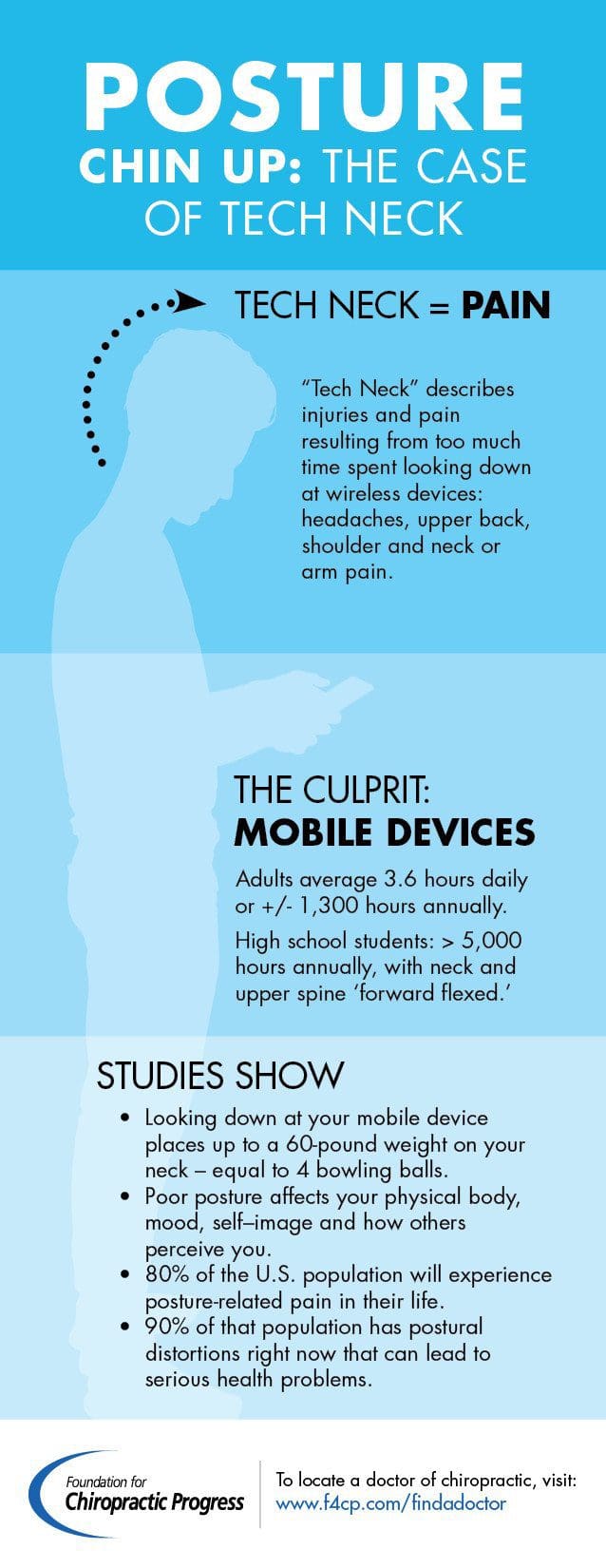
Did you know people send an average of 250 million texts daily? Along with the convenience that technology provides, also comes the need to avoid or minimize injuries. This is particularly true of young people, who are still growing.
With the ever increasing daily use of mobile devices such as smartphones, tablets and handheld games, chiropractors are seeing an increase in corresponding Repetitive Strain Injuries (RSI’s), known by names like text neck and Blackberry thumb. RSIs are injuries of the musculoskeletal and nervous systems that are often caused by repetitive activities, forceful exertions, vibrations, mechanical compression (pressing against hard surfaces), or sustained awkward positions.
What Is Text Neck?
Text neck shows itself as curved shoulders, head hanging forward and down and is caused by poor posture from being�hunched over a mobile device for a long time. This prolonged poor posture is often related to chronic headaches, shoulder, neck pain and can have long term impact.
For every inch of forward head posture, it can increase the weight of the head�on the backbone by an additional 10 pounds.
Physiology Of Joints & Technology
Young men and women are especially at risk as they are heavy users of advancing technology i.e. smartphones and handheld gaming devices.
Text neck and neck strain can cause postural abnormalities and change the growth pattern, especially in the spine.
Technology isn’t going anywhere, so how can we help our children minimize the risks? The trick is to stress the importance of posture and how to attain it, since text neck is a postural abnormality.
Chiropractic And Strong Posture
Recommendations To Avoid Text Neck
There are several things parents and young people can incorporate into their daily activities to alleviate the symptoms of text neck, related RSIs and fortify their posture:
Sit up straight with chest out and shoulders back.
Bring your arms up to eye level so you don’t have to look down to see the screen.
If you must look down, tuck your chin into your neck instead of hanging your head forward.
If you use your mobile device for extensive typing, consider investing in an external keyboard.
Rest your forearms on a pillow while typing to minimize neck tension.
Avoid using mobile devices in bright sunlight. Straining to see the screen often leads forward chin movement which, strain the head muscles.
Try For A Balanced Lifestyle
The best way to minimize the risk of RSIs related to mobile devices is to balance the use of these devices and all around techology.
Balance is critical. Encourage your child to take breaks from devices that are mobile and get regular physical activity to offset the effects of leaning over a smartphone, tablet or computer.
“You want to neutralize the stress,” says Doctor of chiropractic Brian Gushaty. “Strenuous physical activity for the upper body, such as racquet sports, can provide a good counterbalance for the strain caused by poor posture.”
Another key element is to introduce your child to a regular stretching program:
Hand stretches and squeezing a stress ball can help fingers.
Pull shoulder blades down and back to help alleviate neck and shoulder strain.
Stretch the chest by standing up straight with arms down at your side. Turn forearms until thumbs are pointing at the wall behind you.
Posture strengthening programs, like Straighten Up Alberta, is a fun, fast and effortless method to incorporate stretching into your daily routine.
If you are worried your child is suffering from a repetitive strain injury like text neck, speak to a health care provider. A chiropractor is trained to treat RSI’s in all age groups and can provide advice on achieving a balanced healthy lifestyle for your whole family.
Pain is defined as a physical discomfort caused by illness or injury. Most cases of pain are temporary, or they disappear once the source of the symptom is treated or healed, however, what happens when the pain becomes persistent?
How can you diagnose chronic pain?
Diagnosing chronic pain can be a long procedure. Because there are lots of possible causes behind the painful symptoms, the health care provider may need to conduct a variety of examinations and tests to attempt to find the source of your own pain. Below are a few of the methods the physician may try to diagnose chronic pain.
Medical History
Your doctor will take a comprehensive health history, going over any injuries, illnesses, and medical problems that run in your family. It is essential to be thorough so that the doctor can take a look at the full assortment of causes because chronic pain can generally be a result after injury or illness.
You’ll also have to be very particular about your pain: description, frequency, intensity, duration, activities that make it worse, even whether it is better at a certain time of day, etc.. It may be a good idea to initiate a pain journal where you record details of your pain. You’ll be better able to share information with the healthcare professional.
Physical, Neurological, and Mental Health Exams
For the physical examination, the physician will see your range of movement (that is how well and how much you can move specific joints), posture, and general physical condition. He or she will make note of any movements that increase or cause you pain.
The neurological examination will test your nerves, so this test is particularly critical for chronic pain. The doctor will test your reflexes, muscle power, and how well it is possible to feel. The physician might test if you can feel a touch in your skin. That may indicate nerve damage if you can’t. The healthcare provider will see whether your pain is currently spreading through the examination, �or whether you came in complaining of back pain.
Because chronic pain frequently has an emotional or psychological element, you might have to have a mental health examination. This is to check for symptoms such as stress or depression, that could develop alongside pain. The health exam may also give your doctor a complete picture of your overall health and wellness.
Diagnostic Tests
To see if there is an injury or identifiable illness causing your chronic pain, the healthcare professional will need to conduct diagnostic tests. For the imaging evaluations (x-rays, MRIs), you may have to go to an imaging center to have these done; the results will probably be sent back to your physician, who will interpret them for you.
Some possible diagnostic tests include:
Blood evaluation: Your doctor may be able to tell if you have specific forms of arthritis or a disease based on a blood test.�A blood test also allows the doctor to check your liver and kidney functions.
Bone scan: To help your doctor detect spinal problems such as osteoarthritis, sacroiliac joint dysfunction, fractures, or illnesses (which can all lead to chronic pain), you could have a bone scan. You will have a small amount of radioactive substance. That can travel through your blood flow and be absorbed by your bones. An area where there is abnormal action, like an inflammation, will absorb substances. A scanner can detect the quantity of radiation from all your muscles and also show the “hot spots” (the areas with more radioactive material) to help your doctor figure out where the issue is.
CT scan: A CT scan, which stands for computerized axial tomography, reveals the bones, but in addition, it reveals the soft tissues and nerves.
EMG: An electromyography (EMG) will check if your muscles are responding well to nerve stimuli.
MRI: An MRI, which stands for magnetic resonance imaging, shows the bones, but in addition, it shows the soft tissues and nerves. MRIs do not expose you to radiation by using magnets to get the picture.
Myelogram: To see whether you have a spinal canal or spinal cord disorder, maybe nerve compression causing weakness and pain, you might need a myelogram. In this evaluation, you’ll have a special dye injected into the fluid that surrounds your spinal cord and nerves. Then you’ll have a CT scan or an x-ray. The image will offer a detailed anatomic picture of your spine of the bones, which will assist your doctor.
NCV: A nerve conduction velocity (NCV) test will help the doctor evaluate your nerves and ascertain if there is any damage. This test is done together using the EMG test.
Nerve block: When the doctor suspects that a particular nerve is damaged and that is what is causing your chronic, they may do a nerve block. This is a special type of injection that may help identify if the nerve is the source of pain.
X-ray: This gives your doctor a clear picture of your bones.
The scope of our information is limited to chiropractic and spinal injuries and conditions. To discuss options on the subject matter, please feel free to ask Dr. Jimenez or contact us at 915-850-0900 .�
By Dr. Alex Jimenez
Additional Topics: Wellness
Overall health and wellness are essential towards maintaining the proper mental and physical balance in the body. From eating a balanced nutrition as well as exercising and participating in physical activities, to sleeping a healthy amount of time on a regular basis, following the best health and wellness tips can ultimately help maintain overall well-being. Eating plenty of fruits and vegetables can go a long way towards helping people become healthy.
Question: I work at a desk all day and have started to feel pain in my neck, back, shoulders and arms. Can chiropractors help with sitting posture and general posture?
El Paso, TX. Chiropractor, Dr. Alexander Jimenez provides insight into proper sitting posture and general posture through chiropractic.
Have people asked you about using a posture brace to help correct their sitting habits? Chiropractic patients with moderate posture problems, meaning that they may be chronic but are not tied to any spinal column or other medical condition, may benefit from a posture back brace to improve this condition. There are a number of great ones available, and you can see more information about some of the top ones here.
A patient such as this will almost certainly enjoy the quick referral as well as the relatively fast results, and chiropractors get an easy opportunity to help people, which explains why many enter the profession in the first place.
But if the patient does have an underlying chiropractic ailment, a back brace will probably do little if any good. These issues are usually easily diagnosed using a quick examination, and afterwards, treatment is relatively straightforward as well.
Diagnosing Conditions
All good exams begin with thorough health history, because in most cases, family history is among the most powerful indicators about current issues.
Next, observe the individual’s gait, as how someone walks shows a number of issues. For instance, those who stand or walk with their legs abnormally spread might have fallen arches. Because the bottom of the foot isn’t in appropriate contact with the floor, the whole body has been thrown off kilter, resulting in poor posture. While it isn’t really a chiropractic condition, fallen arches are, as simple as, a referral to an orthopedist.
Moreover, if the patient is experiencing pain, the location can be an indicator as to where the muscles may be weak and there is too much strain on the spine or a different region of the body. Muscle weakness is among the leading causes of poor posture. So, follow-up tests that measure muscle strength and range of movement are usually a good idea.
If the gait examination signals issues in a particular area of the body, the professional should concentrate further diagnostic efforts in that region.
Ultimately, one of the most simple and effective evaluations is just holding a yardstick or comparable object against the patient’s back, so the two of you can definitely see any abnormalities. This comprehensive approach generally describes some of the very frequent chiropractic posture issues, including:
Tissue Damage:
If the neck, lower back, mid back, or any other area is weak and/or inflexible, the individual will probably not see very much posture improvement until these conditions are adjusted and the muscles have been strengthened.
Kyphosis:
Hunchback is a degenerative spine condition that’s very prevalent in women over 60. While more advanced cases may be life threatening and may require spinal fusion surgery, most men and women respond well to therapeutic adjustments and other treatments.
Scoliosis:
This condition is much like genetically-induced kyphosis, since there’s no cure but there are several therapies available. In extreme cases, surgery may be necessary.
Un-Level Pelvis/Pelvic Tilt:
A pelvic tilt, a lower sacral base, and a femur head discrepancy can indicate a lower extremity source, but not�whether it is an anatomical or functional short leg. A clinical postural exam with lower extremity screening is the only way to make this determination.
Forward Head Posture:
The anterior positioning of the cervical spine. This posture is sometimes called Scholar’s Neck, Wearsie Neck, Hunch & or Reading Neck.It is a posture problem that is due to several factors including sleeping with the head raised too high, prolonged use of computers and cellphones, lack of developed back muscle strength and deficiency of nutrients like calcium. Potential negative effects include tingling and numbness in the arms, and a burning pain between the shoulder blades.
Treatment
As stated previously, back braces frequently mend postural issues, like slouching. As for structural problems, like scoliosis, more aggressive treatments are needed.
Conventional treatment consists of:
Heat
Massage
Stretching
Strength exercises
Supportive braces
There are a number of biofeedback tools that accurately evaluate patient progress.
As a chiropractor, your patients count on you to get much better. That almost always means accurately assessing the problem, which also means a quick and capable referral or an aggressive and well thought out therapy regimen.
Millions of people live with some form of back or neck pain every day. While most of these are only temporary and resolve on their own, many others will continue to experience painful symptoms long after the source of their pain has been treated or healed. Unfortunately, the exact cause of chronic pain is often misunderstood.
What causes chronic pain?
First of all, what is chronic pain? It is technically defined as pain that lasts for 12 weeks or longer, even after the pain is no longer acute (short-term, acute pain) or the injury has healed. Naturally there are numerous causes of chronic pain that can influence any level of the spine, cervical (neck), mid back (thoracic), low back (lumbar), sacral (sacrum) or a combination of levels (eg, lumbosacral).
Common Causes of Chronic Pain
Back pain, among one of the most common forms of chronic pain, is a great example to use for this particular cause. Let’s say that over time and through normal wear and tear, you’ve worn out the cartilage that surrounds the joints in your spine (the facet joints). The joints subsequently become swollen, and you develop osteoarthritis in the spine. This inflammation makes it quite painful for you to move, and it is a source of pain. Your damaged facet joints and cartilage may have developed into chronic pain. That’s only one example. Other common back pain causes include:
Trauma or injury:�In a car accident, injury and trauma can occur and it might still cause pain once it’s healed.
Bad posture: Years of slumping over can cause parts of your spine to wear out faster resulting in chronic pain.
Obesity: It’s well-documented that excessive weight puts strain and pressure on the spine. It can wear quicker or simply not work out as well, possibly leading to chronic pain.
Aging: Various areas of the spinal anatomy, as well as other joints, may wear out over time (a process called degeneration). There is no guarantee that spine degeneration will be debilitating, however: it depends on how it is affected by the degeneration process, to begin with.
The medical community is not certain severe (short-term) pain occasionally develops to chronic, (long-term) pain after the original pain source was treated. It is possible to learn more about chronic pain, in addition to other kinds of chronic pain, such as fibromyalgia or rheumatoid arthritis.
Chronic Pain Due to Nerve Damage
Nerves can be damaged or injured in a variety of ways. For instance, a nerve root may be pinched by a herniated disc, causing pain. After healing the herniated disc, the pain can persist because of �the initial nerve damage. Nerves may be injured by arachnoiditis (inflammation of a tissue that protects the nerve roots), arthritis (again, the inflammation may compress the nerve), diabetes, cancer, Lyme disease, an infection, and more. Nerves may have trouble relaying essential neurological communications between the brain and the rest of the body, if they’ve been damaged. One theory about pain is that the nerves don’t stop sending pain signals to the mind, even after the source of pain exists.
Unknown Causes of Chronic Pain
As you can tell from the preceding two sections, there’s a good deal of doubt when it comes to chronic pain. Through study, the community is starting to better understand pain and its causes, but they can’t pinpoint a cause for chronic pain. That does not mean that they can’t help you find pain relief and approaches to take control of your life again. It’s possible to achieve this with the proper diagnosis and treatments, although it’ll be a process.
Accurate Diagnosis
Obtaining an accurate diagnosis of the cause of your neck or back pain is essential for the result of your treatment plan. Depending upon the severity and cause of your chronic pain, you may have to seek the help of other healthcare professionals, such as pain medicine specialists, spine surgeons, neurosurgeons, physical therapists and/or chiropractors. Over time your pain may need to be reevaluated, and might vary in the way it is managed.
Your chronic neck or back pain treatment generally includes a combination of therapies to optimize outcomes. Some of the treatments your doctor prescribes and recommends may include:
Physical Therapy: Stretching and strengthening muscles is critical in treating chronic back or neck pain. Your physical treatment may include ice, heat, transcutaneous electrical nerve stimulation (TENS), ultrasound, and myofascial release.
Chiropractic Care: Based on your diagnosis, chiropractic care may be recommended by your physician. Studies have shown that two weeks of manipulation by a chiropractor may bring about significant improvement in some patients with chronic low back pain and referred leg pain, or sciatica.
Medications: There are many prescription drugs to treat inflammation, pain, muscle spasms, and pain. Furthermore, there are medications to treat conditions that often accompany chronic pain, such as medication to assist you alleviate depression, sleep, and decrease anxiety.
Procedures: Your doctor may recommend spinal cord stimulator spinal injections, drug pump, or spinal column operation. You can acquire a second opinion if you are not certain regarding the treatment program recommended.
Coping skills: Never underestimate the ability of the mind. Your mood and mental prognosis can impact your degree of pain. Assess with a professional to find out relaxation and coping skills.
Complementary Treatments: Doctors recommend acupuncture and other forms of traditional Chinese medicine. Speak to your doctor.
Fitness and Chronic Pain
While there’s some things you can’t stop from affecting your chronic pain, like the cellular changes which reduce muscle mass and/or bone density, it is possible to take steps to improve fitness which may benefit your symptoms.
It’s known that patients with chronic neck or back pain may not feel like going to the gym, being active or even following a house exercise program. However, being active can help improve chronic pain because during exercise, the body releases endorphins, your body’s natural painkiller.
Furthermore, by teaming up with your physical therapist, it is possible to start to construct abdominal muscles, essential for the core strength which helps support your spine of your body. Several studies show that aerobic exercise is successful in maintaining the integrity of the intervertebral discs in the lower spine, which can lessen back pain.
Were you aware that by losing even 5 to 10 pounds you can reduce back pain? It is true. Carrying around extra weight translates to added stress. In many cases, a difference can be made by early and aggressive therapy of chronic back or neck pain. But keep in mind that knowledge is power: Be certain that you understand your options.
The scope of our information is limited to chiropractic and spinal injuries and conditions. To discuss options on the subject matter, please feel free to ask Dr. Jimenez or contact us at 915-850-0900 .�
By Dr. Alex Jimenez
Additional Topics: Wellness
Overall health and wellness are essential towards maintaining the proper mental and physical balance in the body. From eating a balanced nutrition as well as exercising and participating in physical activities, to sleeping a healthy amount of time on a regular basis, following the best health and wellness tips can ultimately help maintain overall well-being. Eating plenty of fruits and vegetables can go a long way towards helping people become healthy.
Should you be worried about that nagging neck pain that’s been bothering you for the previous couple of days? If you wait until it goes away or do you call a doctor and/or chiropractor?
It Could Be A Muscle Strain
Did you lift something heavy recently? Or maybe you slept wrong on your neck last night? If that’s the case, your neck muscles may have been hyperextended (you stretched them past normal range), which may be causing stiffness. Muscle strains on your neck usually are not severe, but that isn’t always true. Watch your symptoms over the next few days.�If they get worse, call your doctor or chiropractor.
It Could Be Whiplash
Whiplash can cause acute neck pain, which means your pain and soreness lasts a few days or weeks. It usually goes away by itself. If you notice that your pain is getting worse or develop other symptoms, i.e. weakness, numbness, and tingling, call your doctor right away.If you have been in an auto accident, it’s important to get checked out. Sometimes ligaments can stretch and lead to spine problems.
It Could Be Poor Posture
If you’re sitting hunched over a desk all day, tight neck muscles may be causing your neck pain. Chronically tense muscles never get a break, so work with a chiropractor, physical therapist or personal trainer who will teach you easy neck exercises in addition to how to keep good posture. Also, take frequent stretch breaks throughout the afternoon, and elevate your monitor so you don’t need to hunch over it.
It Could Be A Herniated Or Bulging Disc
For those who have neck pain that does not go away even with rest, it might be a herniated or bulging disc. This usually means an intervertebral disc in your cervical spine (neck) may be pressing on a nerve, which could be causing pain. Or it may lead to pain down your arm and into your hand. Let your physician or chiropractor know if you experience these symptoms.
When To Call Your Doctor
Call your doctor immediately if your neck pain becomes worse and you develop other symptoms, including tingling, weakness, dizziness, or loss of bowel or bladder control. It’s far better to be safe when it comes to your neck health. The bottom line is that you never really know whether that neck pain is severe or not, so don’t be afraid to talk about your health.
Question: My car was rear-ended. Since then, my neck hurts, feels rigid, and I have upper back pain. My wife says it’s whiplash and that I should see a physician. Is there anything that I can do to accelerate my recovery? Should I see my physician and/or chiropractor? How long will my pain last?
El Paso, TX
Answer: Your symptoms are typical of a whiplash injury caused by a vehicle accident. Whiplash is cervical spine strain caused when the head and neck are thrust quickly forward and backward. To fully grasp how whiplash can lead to neck pain, you want to recognize the head, which weighs 8-13 pounds and is supported and moved by the neck. Because of this, it’s easy to understand how soft neck muscles and ligaments are stretched during a whiplash accident!
The seriousness of whiplash is dependent on the force of the impact, the way you were seated in your vehicle, and if you were properly restrained with a shoulder and seat belt. By way of instance, if your head was turned, your neck injury may be more painful.
Whiplash Home Treatment Tips
1. Even though your neck injury occurred last week, you may try ice and heat. Ice will help to reduce swollen overstretched muscles and ligaments. Heat increases circulation and eases tight stiff muscles.
Ice: Apply an ice pack for 15 minutes as often as once each hour.
Heat: Apply warmth (moist is greatest!) For 15 minutes every 2 or 3 hours.
Skin Safety:
Never sleep with a ice or heat pack!
Wrap heat or ice in a towel to protect your skin.
Discard punctured store-bought ice or heat products.
2. If your doctor agrees, try an over-the-counter anti-inflammatory medication.
3. Move your neck softly to assist in preventing additional stiffness.
4. Should you work in a computer or desk, take regular breaks to relax your neck muscles.
5. Avoid cradling the phone between your shoulder and head.
6. Avoid carrying heavy packages, especially things such as a pocket book or backpack slung over only one shoulder.
Check With Your Doctor & Chiropractor
Neck pain is common either immediately after or several days following a whiplash injury. Other symptoms can develop too. Fortunately, most symptoms go away in two to four weeks. If your symptoms worsen, or you develop headache, dizziness, blurred vision, difficulty swallowing, arm or hand numbness, check-in with your physician or chiropractor. If necessary, you’ll be referred to a spine specialist.
Your physician or chiropractor will carry out a physical and neurological examination, and acquire a neck X-ray. After they produce a diagnosis, treatment is coordinated for your recovery! Treatment may include prescription pain medication, anti inflammatory drugs, muscle relaxants, a cervical collar, massage and physical therapy.
Other�Symptoms Associated With Whiplash Or Neck Strain:
Headache
Dizziness
Ringing in your ears
Blurred vision
Difficulty concentrating
Difficulty chewing or swallowing
Hoarse voice
Upper back, shoulder, and/ or arm pain
Back pain
Abnormal sensations such as numbness, burning or prickling
Fatigue and sleep problems
Keep in Mind
Most individuals with whiplash improve quickly within a matter of weeks. When you have concerns, we recommend you to speak to a doctor or chiropractor.
IFM's Find A Practitioner tool is the largest referral network in Functional Medicine, created to help patients locate Functional Medicine practitioners anywhere in the world. IFM Certified Practitioners are listed first in the search results, given their extensive education in Functional Medicine


 For every inch of forward head posture, it can increase the weight of the head�on the backbone by an additional 10 pounds.







 It Could Be Poor Posture