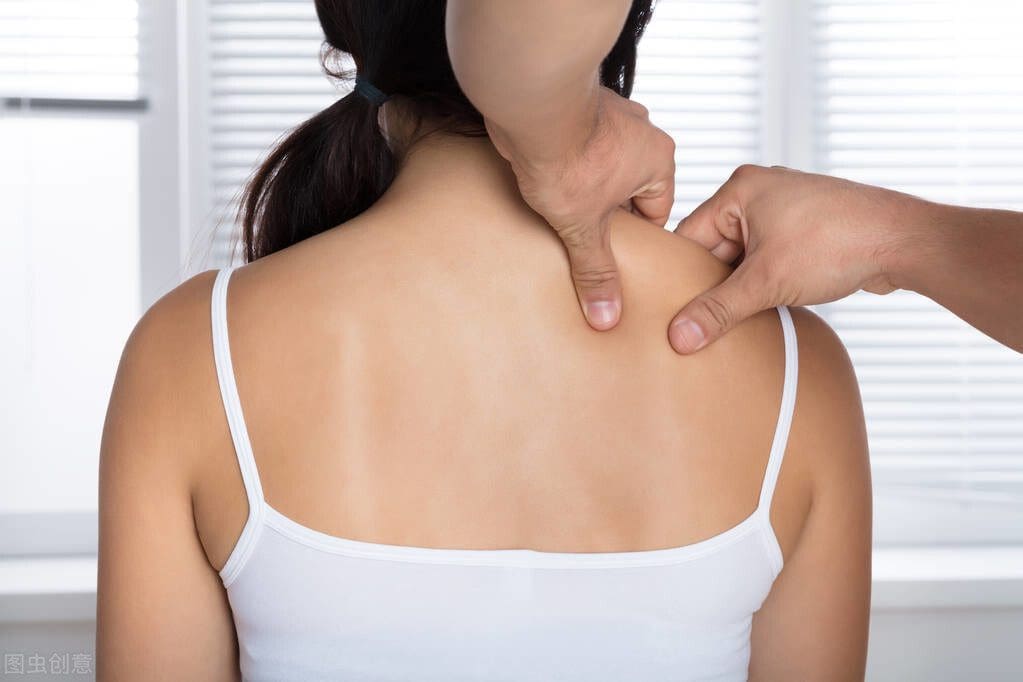
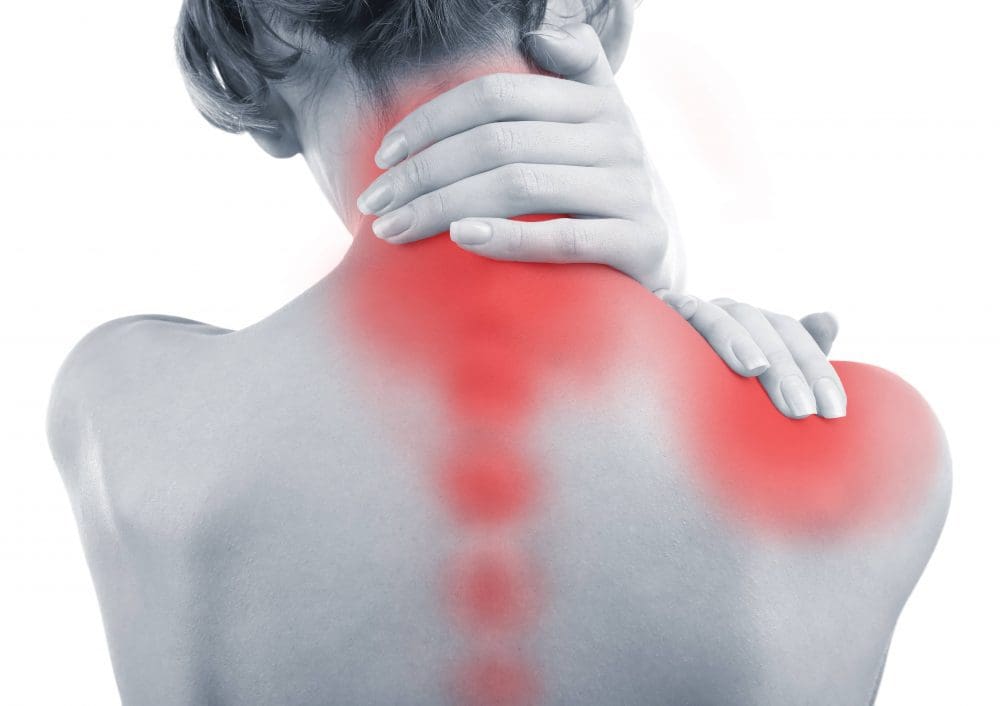
The neck is vital in keeping the head upright in a casual relationship with the cervical spine. The neck is home to the thyroid organ and the surrounding muscles that help support the neck to the rest of the body. One of the muscles that help support the neck is the sternocleidomastoid muscle. When traumatic forces begin to affect the neck, over time can lead to the development of chronic conditions associated with pain. When individuals start to feel pain affecting their neck, it can cause them to be miserable and find ways to relieve the pain they are experiencing. Today’s article focuses on the sternocleidomastoid muscle, how trigger pain affects this muscle, and ways to relieve SCM pain. We refer patients to certified providers who specialize in musculoskeletal treatments to aid individuals suffering from SCM associated with trigger pain along the neck. We also guide our patients by referring them to our associated medical providers based on their examination when appropriate. We ensure to find that education is the solution to asking our providers insightful questions. Dr. Jimenez DC observes this information as an educational service only. Disclaimer
What Is The Sternocleidomastoid Muscle?
Have you been experiencing pain along the sides of your neck? What about limited mobility when you turn your neck from side to side? Or do headaches seem to worsen throughout the entire day? Some of these symptoms are associated with pain along the neck and could affect the surrounding muscles that are connected. One of the surrounding muscles that sit behind the thyroid is known as SCM or sternocleidomastoid muscle. The sternocleidomastoid muscle is a long muscle with dual innervation and multiple functions in the neck. The SCM is connected to the trapezius muscle that helps flex the neck, pulling the head forward while bringing the chin down to the chest. The SCM and the trapezius muscle work together to help stabilize and fix the head position while the host is talking or eating. When factors affect the neck over time, the SCM also gets involved.
How Does Trigger Pain Affect The Sternocleidomastoid?
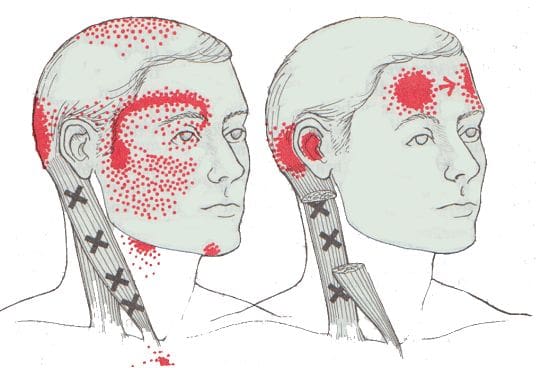
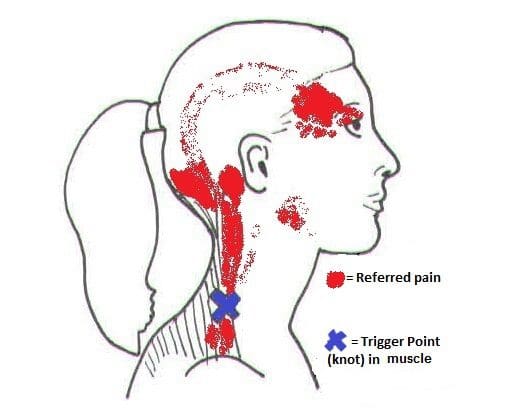
When factors affect SCM associated with the neck, many issues will start to affect the neck and overlap pain near the eyes, ears, sides of the cheeks, and forehead. Studies reveal that SCM may develop myofascial trigger points in the head, causing referred pain. Trigger points are usually formed when traumatic forces affect certain areas in the body. For SCM to be affected by trigger pain, tiny knots along the taut band of the SCM muscle fibers become sensitive to pressure when compressed, and many people often describe the pain as deep and dull. To that point, the symptoms associated with SCM trigger pain may appear in numerous combinations or together depending on how severe the pain is on the person. Some of the symptoms related to SCM trigger pain include:
Headaches (sinus, cluster, or tension)
Sore throat
Ear pain (popping sounds in the ears)
Blurred vision
Vertigo
Dizzyness
Balance issues
Muscle soreness
SCM Pain & Trigger Points- Video
Have you been dealing with headaches throughout the entire day? What about muscle tenderness in certain areas near your neck or shoulders? Or have you been feeling dizzy that it is affecting your daily activities? Many people with these symptoms may be dealing with SCM pain associated with trigger pain. The video above offers an insightful overview of how does trigger pain may be involved with SCM pain. SCM or sternocleidomastoid muscle is a long muscle that surrounds the sides of the neck and is connected to the trapezius muscle. When factors begin to affect the SCM, the muscle is at risk of developing trigger pain along the muscle fibers. Studies reveal that trigger pain along the SCM may affect SCM’s normal muscle functions, like chewing due to hyperactivity. Fortunately, there are ways to relieve SCM pain associated with trigger pain affecting the neck.
Ways To Relieve SCM Pain In The Neck
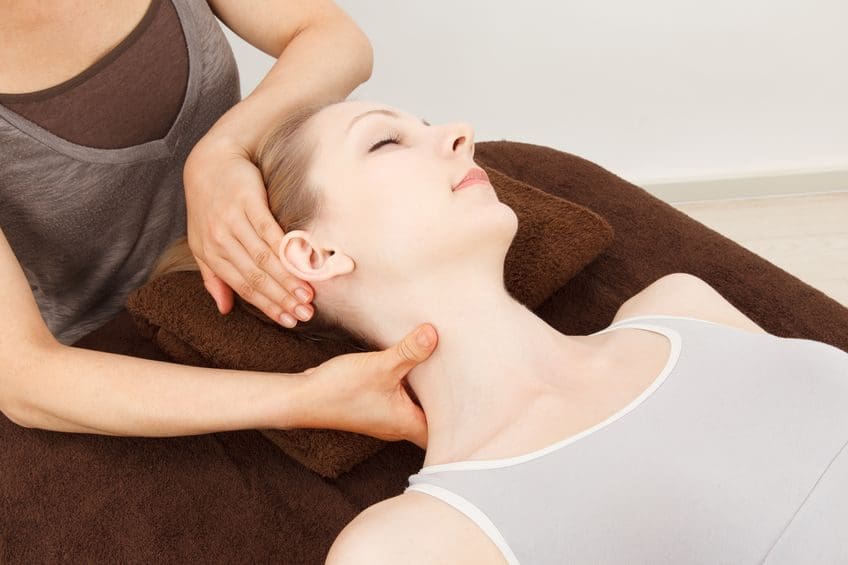
When it comes to SCM pain associated with trigger pain along the neck, many individuals find ways to relieve the related symptoms that are causing the pain. Some individuals will take over-the-counter medication to relieve their neck, shoulders, and head pain. At the same time, others do stretches to release the tension on their head, neck, and shoulders. However, trigger pain is a bit complex and challenging to diagnose since it mimics other conditions that affect the body. As luck would have it, many doctors will refer musculoskeletal specialists like massage therapists, physical therapists, and chiropractors who can help relieve SCM pain in the neck. Studies reveal that a combination of physiotherapy, classical massages, and stretching exercises can be applied to alleviate SCM pain in the neck. By stretching and massaging the SCM, many individuals can begin to feel pain relief in their neck, increase their range of motion, and have endurance in their neck. Integrating these various treatments for the SCM (sternocleidomastoid muscle) pain in the neck can help revitalize a person’s sense of well-being without being in pain.
Conclusion
The SCM, or sternocleidomastoid muscle, is a long muscle that sits behind the thyroid organ and is connected with the trapezius muscle. This muscle helps stabilize and holds the head position while flexing the neck and bringing the chin down to the chest. When environmental or traumatic factors affect the neck muscles, it can lead to chronic conditions over time, thus inflicting pain and tenderness along the SCM. These are known as trigger points and can be hard to diagnose due to them mimicking other chronic symptoms associated with the neck, head, and shoulders. Thankfully, various treatments like physiotherapy, stretching exercises, and classical massages can help relieve the trigger points along the SCM and relieve the neck and surrounding muscles.
References
Bordoni, Bruno, and Matthew Varacallo. “Anatomy, Head and Neck, Sternocleidomastoid Muscle.” In: StatPearls [Internet]. Treasure Island (FL), StatPearls Publishing, 5 Apr. 2022, https://www.ncbi.nlm.nih.gov/books/NBK532881/.
Büyükturan, Buket, et al. “The Effects of Combined Sternocleidomastoid Muscle Stretching and Massage on Pain, Disability, Endurance, Kinesiophobia, and Range of Motion in Individuals with Chronic Neck Pain: A Randomized, Single-Blind Study.” Musculoskeletal Science & Practice, U.S. National Library of Medicine, 12 June 2021, https://pubmed.ncbi.nlm.nih.gov/34147954/.
Kohno, S, et al. “Pain in the Sternocleidomastoid Muscle and Occlusal Interferences.” Journal of Oral Rehabilitation, U.S. National Library of Medicine, July 1988, https://pubmed.ncbi.nlm.nih.gov/3171759/.
Missaghi, Babak. “Sternocleidomastoid Syndrome: A Case Study.” The Journal of the Canadian Chiropractic Association, Canadian Chiropractic Association, Sept. 2004, https://www.ncbi.nlm.nih.gov/pmc/articles/PMC1769463/.
The body incorporates different muscles that have specific jobs to help mobilize the skeletal joints while providing function to the arms, neck, legs, and back. Many individuals use their muscles for everyday uses like lifting and carrying objects, moving from one place to another, and protecting vital organs from damage. To that point, issues like traumatic events, injuries, and environmental factors can affect the body and cause damage to the muscles. When the muscles are affected by these factors, tiny knots can form along the taut muscle band that can cause painful symptoms that affect specific areas in the body. One of the muscles affected by pain is the trapezius muscle, known as the “coat hanger” muscle, which can be associated with chronic symptoms of myofascial pain syndrome. Today’s article examines the trapezius muscle, how myofascial pain affects the trapezius muscle, and how to manage myofascial trapezius pain. We refer patients to certified providers specializing in musculoskeletal treatments to aid individuals suffering from trapezius muscle pain associated with myofascial pain. We also guide our patients by referring them to our associated medical providers based on their examination when it’s appropriate. We find that education is the solution to asking our providers insightful questions. Dr. Jimenez DC provides this information as an educational service only. Disclaimer
What Is The Trapezius Muscle?
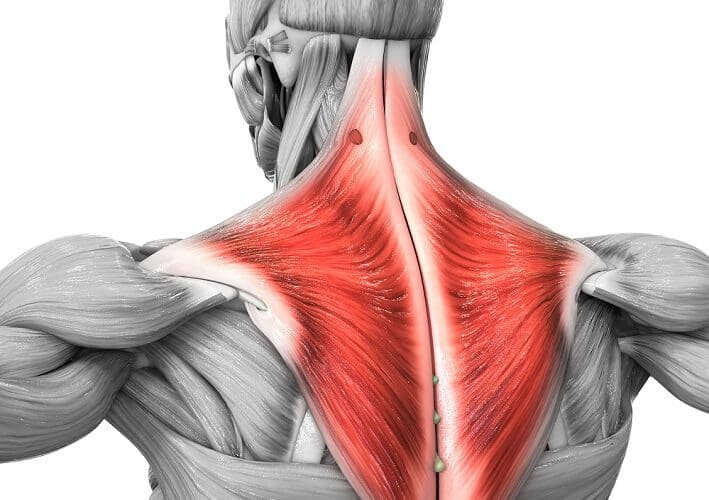
Have you experienced pain in your neck, shoulders, or mid-upper back? Do you feel headaches occurring near your temples? What about tenderness in certain areas of your body? Some of these symptoms may appear in your trapezius muscles. The trapezius muscle is located across the back that looks like a simple trapezoid with upper, middle, and lower muscle fibers that have different functions for the upper-middle back, shoulders, and neck. While the entire trapezius muscle helps rotates, elevate, and retract the scapula while extending the head and neck, and turning the chin by itself. At the same time, the entire muscle can help with assisting the extension of the cervical and thoracic spine.
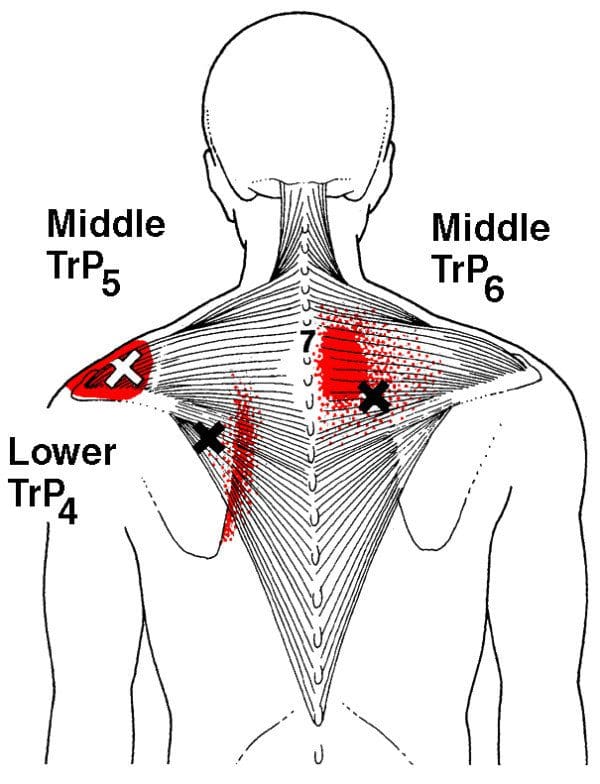
Upper Trapezius muscles: allow the shoulders to rise, bend the head and neck, and help support the weight of the upper extremities of the body, including the arms.
Middle Trapezius muscles: assist with flexion and abduction of the arms around the shoulders at a nearly full range.
Lower Trapezius muscles: Helps retract the scapula while rotating the glenoid fossa upwards by decompressing the vertebral borders of the scapula. These fibers help assist the flexion and abduction of the arms.
When traumatic forces or injuries affect the trapezius muscles, painful symptoms begin to affect the muscles, causing them to be tender to the touch and affecting different areas in the body.
How Does Myofascial Pain Affect The Trapezius Muscle?
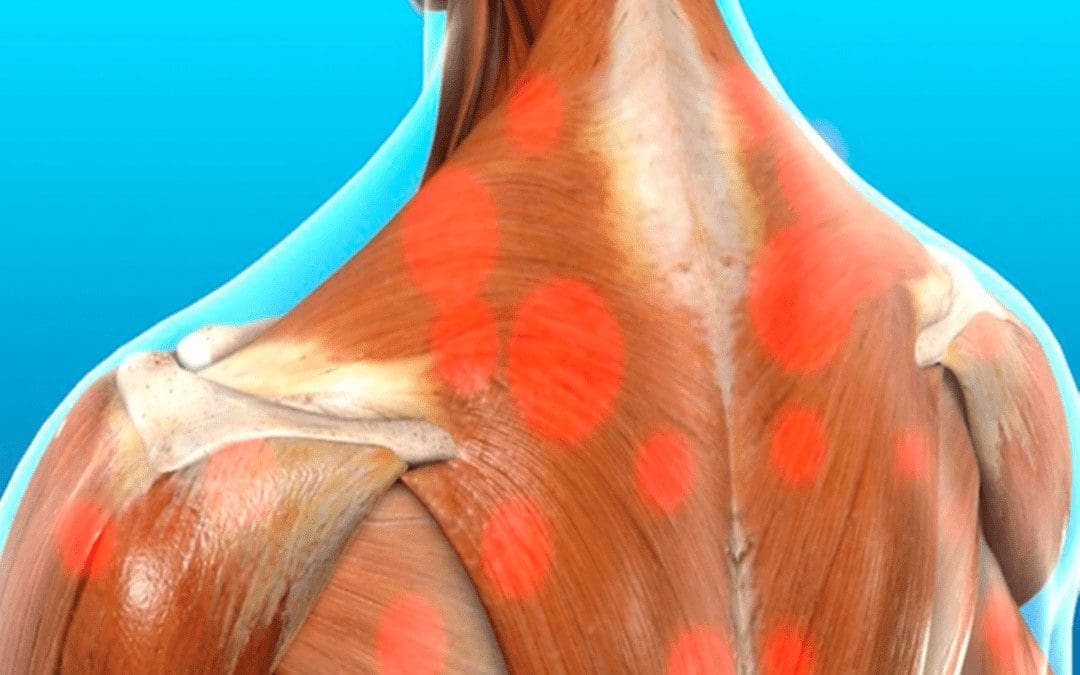
When traumatic forces or injuries affect the trapezius muscles, certain parts of the shoulders, neck, and upper-mid back will experience pain-related symptoms. When people experience headaches and shoulder and neck pain in their bodies while feeling tenderness in their trapezius muscles, this is known as referred pain associated with myofascial pain. Myofascial pain is when tiny knots along the taut muscle bands begin to make the muscle area tender to the touch. Individuals who suffer from myofascial pain in their trapezius muscles might experience hyperirritable spots that inflict pain and motor dysfunction. Studies reveal that individuals who work in food services may have symptoms of shoulder pain associated with myofascial pain due to repetitive motions on the upper trapezius muscles affecting their upper bodies. Myofascial trigger pain is a bit challenging to diagnose since the pain can be in different locations and mimic various ailments in the body. To that point, when the trapezius muscles are affected by trigger pain may potentially be involved with cervical myofascial pain. Cervical myofascial pain is a disorder that causes pain from muscle overuse or trauma in the neck. When the pain affects the neck muscles, it can travel down to the trapezius muscles causing tenderness and sensitivity in the affected muscle area. Stress, postural mechanics, or repetitive movements can develop myofascial pain syndrome and affect the surrounding muscles.
Trapezius Trigger Points- Video
Have you felt sore around your shoulders, neck, and upper-mid back? What about muscle tenderness in certain areas of your body? Do you feel tension along your neck or near the temples of your head? If you have been dealing with any of these symptoms, then you might be experiencing myofascial trapezius pain. The video above explains how trigger points from traumatic events can affect the trapezius muscle and cause referred pain that overlaps other conditions that may affect the body. Studies reveal that trigger points in the head and neck muscles of many suffering individuals have tension-type headaches. Tension-type headaches are one of the symptoms associated with myofascial trapezius pain. Some of the other symptoms related to myofascial pain affecting the trapezius muscle include:
Deep aching pain
Stiffness
Muscle spasms
Tightness around the shoulder and neck
Tenderness along the shoulders, neck, and upper back
Occipital headaches
How To Manage Myofascial Trapezius Pain
When many individuals suffer from myofascial trapezius pain, many would go to their primary doctor and explain to them that they are experiencing tension headaches constantly. Since myofascial pain is associated with the trapezius muscle is a bit complex and challenging for doctors to diagnose since every person’s pain is different. Many doctors will refer their patients to associated specialists like physical therapists, massage therapists, or chiropractors to determine where the pain is located along the trapezius muscle. Different treatments can help alleviate stiff muscles, and studies reveal that spinal manipulative therapy can help manage chronic pain from myofascial origins. Spinal subluxations or misalignment could potentially involve the corresponding spinal nerve root causing antinociceptive effects to the tender muscle, thus causing pain to the trapezius muscle. Utilizing various treatments to treat myofascial trapezius pain can provide individuals with beneficial relief from their pain along with managing their associated symptoms.
Conclusion
The trapezius muscle is a large superficial trapezoid-shaped muscle located in the back. The upper, middle, and lower muscle fibers have different functions in the head, neck, shoulders, and arms. The trapezius muscle also helps with assisting the extension of the cervical and thoracic spine. When traumatic events or injuries affect the trapezius muscle, it can be developed over time to create trigger points along the taut muscle band of the trapezius muscle and cause referred pain to the upper extremities of the body. Luckily various treatments can help manage the associated pain symptoms from myofascial trapezius pain and can help many individuals get back on their health and wellness journey.
References
Fernández-de-Las-Peñas, César, et al. “Myofascial Trigger Points and Their Relationship to Headache Clinical Parameters in Chronic Tension-Type Headache.” Headache, U.S. National Library of Medicine, Sept. 2006, https://pubmed.ncbi.nlm.nih.gov/16942471/.
Hwang, Ui-Jae, et al. “Predictors of Upper Trapezius Pain with Myofascial Trigger Points in Food Service Workers: The Strobe Study.” Medicine, Wolters Kluwer Health, June 2017, https://www.ncbi.nlm.nih.gov/pmc/articles/PMC5500039.
Laframboise, Michelle A, et al. “Effect of Two Consecutive Spinal Manipulations in a Single Session on Myofascial Pain Pressure Sensitivity: A Randomized Controlled Trial.” The Journal of the Canadian Chiropractic Association, Canadian Chiropractic Association, June 2016, https://www.ncbi.nlm.nih.gov/pmc/articles/PMC4915475/.
Ourieff, Jared, et al. “Anatomy, Back, Trapezius – StatPearls – NCBI Bookshelf.” In: StatPearls [Internet]. Treasure Island (FL), StatPearls Publishing, 26 July 2021, https://www.ncbi.nlm.nih.gov/books/NBK518994/.
Touma, Jeffrey, et al. “Cervical Myofascial Pain – Statpearls – NCBI Bookshelf.” In: StatPearls [Internet]. Treasure Island (FL), StatPearls Publishing, 4 July 2022, https://www.ncbi.nlm.nih.gov/books/NBK507825/.
The neck ensures that the head is upright in the body while providing mobility to rotate, bend, and tilt in various directions. The neck is part of the cervical spine and provides sensory-motor functions from the nerve pathways spread out along the shoulders and upper back. When traumatic events or injuries affect the cervical spine and cause pain to the neck over time, however, if not treated, it can lead to problematic symptoms associated with muscle pain. Neck pain can lead to muscle stiffness and cause myofascial trigger pain associated with referred pain along the rest of the upper body. Today’s article looks at the effects of neck pain, how it is associated with myofascial trigger pain, and ways to manage neck pain associated with myofascial trigger pain. We refer patients to certified providers specializing in musculoskeletal treatments to aid individuals suffering from neck pain associated with myofascial trigger pain. We also guide our patients by referring them to our associated medical providers based on their examination when it’s appropriate. We find that education is the solution to asking our providers insightful questions. Dr. Jimenez DC provides this information as an educational service only. Disclaimer
The Effects Of Neck Pain
Have you been feeling muscle stiffness around your neck and shoulders? Do you experience random headaches that affect your day? What about feeling tingling sensations along your arms and hands? These symptoms are associated with neck pain and can affect many individuals if not treated over time. Many people who suffer from neck pain will feel muscle stiffness that affects not only the sides of the neck but around the shoulders and their upper back. Studies reveal that neck pain is a multifactorial musculoskeletal disorder that affects the worldwide population and can become a chronic problem. Risk factors associated with the contributing development of neck pain include:
Stress
Poor posture
Anxiety
Sleep position
Neuromusculoskeletal disorders
Auto accidents
Traumatic events
Many of these risk factors associated with neck pain can cause pain symptoms and cause pain in different locations of the body, making diagnosing the pain source problematic for doctors.
Neck Pain Associated With Myofascial Trigger Pain
Since neck pain is common for many individuals, one of the symptoms associated with muscle stiffness and tenderness is myofascial trigger pain overlapping neck pain. Studies reveal that the formation of trigger points is caused when various physical activities begin to yield repetitive stress or cause micro-tears in the definite muscle groups that can cause tension within the muscle fibers. To that point, knots in the taut band of the muscles become hypersensitive and produce referred pain, tenderness, motor dysfunction, and autonomic phenomena. When the neck suffers from a traumatic event that affects the spine, over time can create trigger points or myofascial pain. It is difficult to diagnose where the pain is located in the body because myofascial trigger pain often mimics other pain conditions. It can confuse many individuals as they think they are suffering from one pain, but it’s a different pain that affects their body. Other studies reveal that individuals with myofascial pain syndrome associated with neck pain have a tender point within the tight muscular band, causing local discomfort. To that point, myofascial pain can cause referral pain in remote areas like cervical spine disorders like herniation can often be confused with myofascial pain when there is referral pain in the upper extremities of the body. Some of the symptoms associated with myofascial trigger pain that affects the neck include:
Deep, aching pain
Headaches
Muscle tenderness in the neck or shoulders
Tingling sensation or numbness down the arms and hands
Muscle stiffness
Neck Pain & Trigger Points- Video
Are you experiencing numbness that is running down your shoulders to your hands? What about muscle stiffness along the sides of the neck or shoulders? Or do headaches seem to pop out of nowhere and affect your day? You could risk suffering from neck pain associated with myofascial trigger pain. The video above explains how neck pain is associated with trigger points and how to trigger pain can be primary or secondary to neck pain. Studies reveal that myofascial pain syndrome is a common muscular pain disorder that is misunderstood and involves referred pain to form minor, tender trigger points within the muscles. To that point, myofascial pain associated with neck pain may be consistent with specific patterns of pain associated with each trigger point, contributing factors like emotional, postural, and behavioral factors that cause tension in the neck and frequently related symptoms from various conditions make diagnosing difficult. Since myofascial trigger points are complex and mimic other conditions that affect a different body part, many believe that different ailments affect their body than the actual ailment itself. Thankfully there are ways to manage neck pain associated with myofascial trigger pain and relieve muscle pain.
Ways To Manage Neck Pain Associated With Myofascial Trigger Pain
Since myofascial trigger pain associated with the neck can be a bit complex and challenging to diagnose, many doctors will refer patients to a physical therapist, a chiropractor, or another spine specialist to examine the trigger points causing neck pain. Various treatments can range from home remedies to severe muscle injections, depending on how severe the injuries are since everyone’s pain is different. Some of the available treatments that can reduce and manage myofascial neck pain include:
Exercising (helps stretch and strengthen neck and upper back muscles)
Massage (helps loosen stiff muscles in the neck and shoulders)
Heat therapy (helps relax and increase blood flow to the affected area)
Chiropractic care (uses spinal manipulation to prevent further pain issues from happening)
Acupuncture (helps to relax the trigger point and relieve pain)
Incorporating these various treatments can provide beneficial relief to those suffering from myofascial neck pain and help manage the symptoms associated with the body.
Conclusion
The neck provides mobility to the head as it can rotate, bend, and tilt in various directions while providing sensory-motor functions to the shoulders and upper back from the nerve roots in the cervical spine. When traumatic forces impact the neck, myofascial trigger pain can lead to neck pain. Myofascial trigger pain associated with neck pain is where tiny knots in the affected neck muscles become tender and stiff, which causes referred pain to different locations in the body. Myofascial neck pain is challenging to diagnose but manageable to treat with various treatments and techniques that can release the knots from the affected muscle and prevent future symptoms from happening. This allows many individuals to feel relief from their neck pain and continue their wellness journey.
References
Alghadir, Ahmad H, et al. “Efficacy of Combination Therapies on Neck Pain and Muscle Tenderness in Male Patients with Upper Trapezius Active Myofascial Trigger Points.” BioMed Research International, Hindawi, 10 Mar. 2020, https://www.ncbi.nlm.nih.gov/pmc/articles/PMC7085833/.
Ezzati, Kamran, et al. “Prevalence of Cervical Myofascial Pain Syndrome and Its Correlation with the Severity of Pain and Disability in Patients with Chronic Non-Specific Neck Pain.” The Archives of Bone and Joint Surgery, Mashhad University of Medical Sciences, Mar. 2021, https://www.ncbi.nlm.nih.gov/pmc/articles/PMC8121028/.
Fricton, J R, et al. “Myofascial Pain Syndrome of the Head and Neck: A Review of Clinical Characteristics of 164 Patients.” Oral Surgery, Oral Medicine, and Oral Pathology, U.S. National Library of Medicine, Dec. 1985, https://pubmed.ncbi.nlm.nih.gov/3865133/.
Kazeminasab, Somaye, et al. “Neck Pain: Global Epidemiology, Trends and Risk Factors.” BMC Musculoskeletal Disorders, BioMed Central, 3 Jan. 2022, https://www.ncbi.nlm.nih.gov/pmc/articles/PMC8725362/.
The neck has two functions that allow the body to make sure that it holds the head up. The motor functions enable the neck to be mobile with the head as it can turn, twist and rotate without any discomfort or pain affecting it. For the sensory functions, the neck can feel when it has been stretched or adjusted or feel pain when it is injured. These two functions ensure that the neck is working correctly, but when injuries or unwanted events occur and affect the neck, it can cause unwanted problems. Neck injuries have a wide range of painful symptoms that can affect the spine’s head, neck, and cervical region. Today’s article will focus on myelopathy neck pain, its causes and symptoms, and how decompression therapy can help alleviate myelopathy neck pain for many individuals. Referring patients to qualified and skilled providers who specialize in spinal decompression therapy. We guide our patients by referring to our associated medical providers based on their examination when it’s appropriate. We find that education is essential for asking insightful questions to our providers. Dr. Alex Jimenez DC provides this information as an educational service only. Disclaimer
Can my insurance cover it? Yes, it may. If you are uncertain, here is the link to all the insurance providers we cover. If you have any questions or concerns, please call Dr. Jimenez at 915-850-0900.
What Is Myelopathy Pain?
Have you been experiencing upper back or neck pain? Do you feel a tingling sensation running from your neck down to your hands? Or have you experienced difficulty in simple tasks like writing or putting on clothes? Experiencing these symptoms might show that you are suffering from myelopathy pain in the neck and cervical area of the spine. Research studies have defined myelopathy pain as when the neck suffers from a traumatic injury that causes severe compression on the spinal cord in the cervical area. The spinal cord in the spine has nerve roots that are branched out in the cervical region and allow the signals to be transported from the brain to the rest of the body. When traumatic injuries cause an impact on the spine, the blunt force will compress the spinal cord causing unwanted symptoms that affects either the cervical or lumbar portions of the spine. When the spinal cord becomes compressed, it can cause issues to the cervical part of the spine’s sensory and motor neck functions.
The Symptoms & Causes
When a person is suffering from myelopathy pain in the cervical regions of their spine, research studies have shown that the symptoms that myelopathy pain causes are motor dysfunction, where a person is having difficulty doing ordinary activities like getting ready for the day. Other symptoms that cervical myelopathy can cause to the neck are sensory dysfunctions, where the arms and hands feel numb to the touch. This tingling sensation gives off a pins and needles feeling to the body, and it can become uncomfortable for many individuals experiencing this sensation. This could be due to the cervical nerves and the spinal cord nerves being in pain. Additional research has mentioned that cervical myelopathy is caused when osteoarthritic changes in the spinal column that causes the spinal canal to be reduced. Myelopathy cervical pain can also be caused by cervical herniation in the neck, where the spinal discs aggravate the nerve roots. Other causes for the development of myelopathy are:
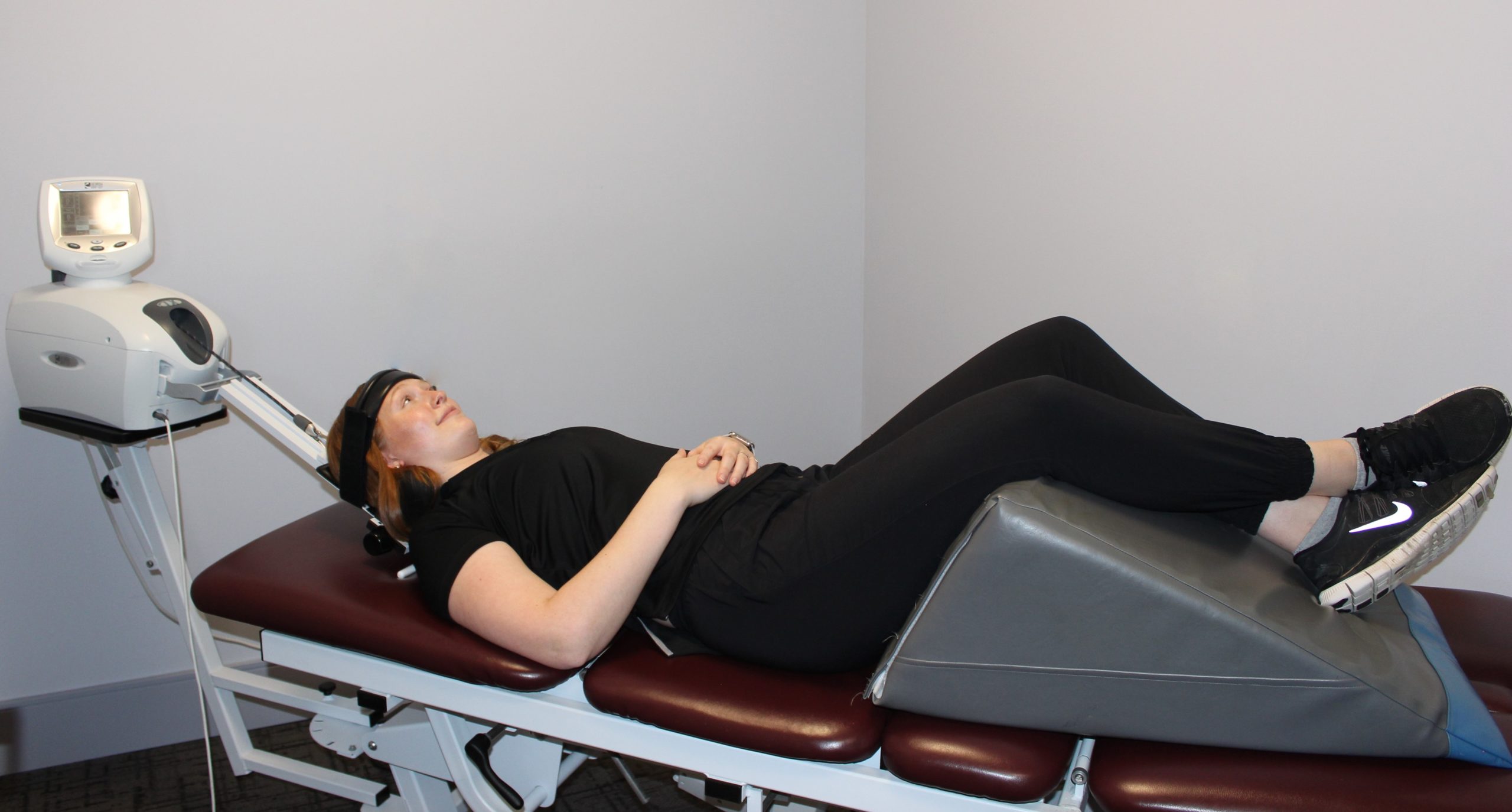
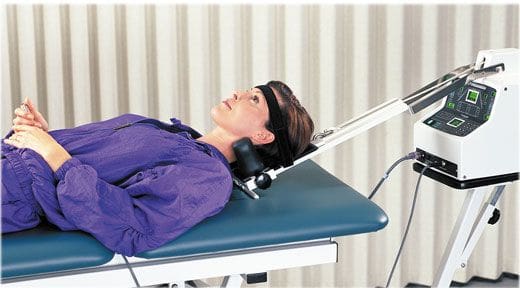
Feeling a tingling sensation running down from your shoulders to your hands? How about muscle stiffness from your neck turning it side to side? Is it difficult to do simple tasks like brushing your hair or buttoning up a shirt? Perhaps you are experiencing cervical myelopathy in the neck that is causing these symptoms, and decompression/traction treatments could be the relief you need. The video above shows how to assemble the Chatanooga decompression machine for cervical decompression/traction treatments. This treatment allows the individual to lay their head on the traction table and be secured. The device enables moderate pulling to release the pinched nerves from causing more pain to the neck and upper half of the body. Cervical decompression/traction can also help with neck and spinal issues like cervical herniation, radicular pain, and muscle stiffness. Cervical decompression/traction therapy has many beneficial factors in a person’s wellness treatment. This link will explainhow cervical decompression offers impressive relief for many people who suffer from neck pain and cervical myelopathy.
How Decompression Therapy Helps Alleviate Myelopathy Neck Pain
With myelopathy, neck pain causing not only neck pain but also upper body pain that hinders a person’s ability to do simple tasks. Research studies have shown that decompression surgery can help alleviate myelopathy neck pain by restoring the neurological motor function back in the spinal cord and providing relief to the cervical nerve roots. Other research studies have found that decompression treatments for myelopathy neck pain can help improve neck functionality, reduce neck disability, and even help restore a person’s quality of life by bringing back their motor function for the upper extremities that are associated with the neck.
Conclusion
Overall, having myelopathy neck pain can cause a person to lose their motor and sensory functions in their upper body. The factors like herniation, spinal spondylolysis, and spinal injuries are some of the causes of the development of myelopathy. It can make a person deal with constant neck pain without finding relief. Decompression treatments help many suffering individuals dealing with myelopathy neck pain by relieving the tension from the cervical nerve root that is causing the pain signals in the cervical area. By reducing the inflamed cervical nerve, people can feel the relief they desire when incorporating decompression treatments into their wellness journey.
References
Cheung, W Y, et al. “Neurological Recovery after Surgical Decompression in Patients with Cervical Spondylotic Myelopathy – a Prospective Study.” International Orthopaedics, Springer-Verlag, Apr. 2008, https://www.ncbi.nlm.nih.gov/pmc/articles/PMC2269013/.
Donnally, Chester J, et al. “Cervical Myelopathy.” In: StatPearls [Internet]. Treasure Island (FL), StatPearls Publishing, 6 Mar. 2022, https://www.ncbi.nlm.nih.gov/books/NBK482312/.
Fehlings;Wilson JR;Kopjar B;Yoon ST;Arnold PM;Massicotte EM;Vaccaro AR;Brodke DS;Shaffrey CI;Smith JS;Woodard EJ;Banco RJ;Chapman JR;Janssen ME;Bono CM;Sasso RC;Dekutoski MB;Gokaslan ZL;, Michael G. “Efficacy and Safety of Surgical Decompression in Patients with Cervical Spondylotic Myelopathy: Results of the Aospine North America Prospective Multi-Center Study.” The Journal of Bone and Joint Surgery. American Volume, U.S. National Library of Medicine, 18 Sept. 2013, https://pubmed.ncbi.nlm.nih.gov/24048552/.
Medical Professionals, Cleveland Clinic. “Myelopathy: Symptoms, Causes and Treatments.” Cleveland Clinic, 2 Oct. 2021, https://my.clevelandclinic.org/health/diseases/21966-myelopathy.
Milligan, James, et al. “Degenerative Cervical Myelopathy: Diagnosis and Management in Primary Care.” Canadian Family Physician Medecin De Famille Canadien, College of Family Physicians of Canada, Sept. 2019, https://www.ncbi.nlm.nih.gov/pmc/articles/PMC6741789/.
The neck allows the head to turn up, down, left, right, and side to side while supporting it. The neck is also part of the cervical spine as ligaments, muscles, and spinal discs surround it. However, just like the lower back, the neck is sustainable to suffer from neck-related injuries or pulled muscles that can cause many individuals to suffer from neck pain. Luckily there are ways to treat neck pain like gentle stretches, chiropractic adjustments, massages, and decompression therapy. Today’s article will discuss the cervical nerves, what happens to the neck when these nerves are pinched, and how cervical decompression therapy can help alleviate the pinched cervical nerves from the neck. By referring patients to qualified and skilled providers specializing in spinal decompression therapy. To that end, and when appropriate, we advise our patients to refer to our associated medical providers based on their examination. We find that education is the key to asking valuable questions to our providers. Dr. Alex Jimenez DC provides this information as an educational service only. Disclaimer
Can my insurance cover it? Yes, it may. If you are uncertain, here is the link to all the insurance providers we cover. If you have any questions, please call Dr. Jimenez at 915-850-0900.
The Cervical Nerves
The cervical nerve’s function is to conduct information on the motor and sensory skills that the neck is allowed to do. Since the neck’s primary function is to keep the head upright, research studies have found that the cervical regions of the spinal cord are where the cervical nerves lie. The cervical nerves branched out all over the neck muscles as the central nervous system allows the neuron signals to send the information to the cervical nerves. These nerve functions help control the head, neck, shoulders, and upper limbs to move in any direction without feeling pain. However, just like the lower back, the neck can also suffer from injuries, pulled muscles, or chronic conditions that can cause a person to be in pain.
What Happens When The Cervical Nerves Are Pinched?
Have you ever felt your back, neck, arms, or legs stiff? How about the sensations of feeling tingles on your shoulders, lower back, or even your arms? This might be due to pinched nerves if you suffer from these conditions. When the neck suffers from an injury or the muscles have become tense, this is due to a pinched cervical nerve. Research studies have found that a pinched nerve in the cervical area of the spine is mostly a compressed nerve due to a herniated disc. This causes pressure on the cervical nerve roots and causes radiating pain from the neck to the shoulders and down to the arms.
The cervical nerves send out radiating pain signals to the upper body and neck due to being compressed, causing the individual to be miserable. Other research studies have found that when the cervical nerve roots are being pinched, it can cause a condition known as cervical radiculopathy. This causes symptoms of pain, sensory and motor deficits, and even diminishes reflexes from the neck to the arms. When this happens to the neck, it can cause many problems for the individual. Research studies have stated that mechanical and degenerative factors are presented for many suffering from chronic neck pain. In contrast, those suffering from cervical spondylosis complain about neck stiffness, degenerative changes, and neurological complications to the body and neck.
Treating Pinched Nerves With Decompression Therapy-Video
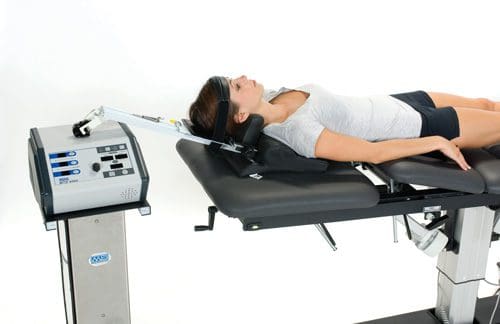
Has your neck been feeling stiff lately? Does it hurt when you are turning your head from side to side? You could be experiencing a pinched nerve in the cervical area of the spine, and decompression therapy could be the answer. Cervical decompression allows a person to lay on a motorized traction table, and the machine gently pulls on the cervical spine and takes the pressure off the cervical nerve root. When the cervical decompression machine gently pulls the cervical spine, it allows the necessary nutrients to rehydrate the herniated disc and reduce the pain that the neck muscles were suffering from, causing them to relax. In case you want to learn more about cervical decompression therapy, this link will explain its benefits and how it can alleviate pinched cervical nerves.
As stated earlier, many treatments can help many dealing with neck pain and compressed cervical pinch nerves. One of these treatments is cervical traction decompression therapy, and it can help alleviate not only neck pain but also reduce it. Research studies have found that many individuals suffering from cervical radiculopathy utilize cervical traction to increase the intervertebral disc gap while also relieving the pressure off the cervical root. This allows the neck muscles to relax and pull the herniated cervical disc back to the spine. When people utilize cervical decompression to alleviate their neck pain, they can feel relief after a few sessions.
Conclusion
Overall, cervical decompression therapy allows the individual to feel relief through gentle stretching on the cervical spinal discs and takes the pressure off the cervical roots. When the cervical roots are compressed, it causes a wide variety of symptoms that causes problems from the neck down to the arms. Some of these symptoms can even affect a person’s quality of life and make them miserable if not treated right away. Utilizing decompression therapy and other non-surgical treatments allows the person to be pain-free and continue their wellness journey.
References
Binder, Allan I. “Cervical Spondylosis and Neck Pain.” BMJ (Clinical Research Ed.), BMJ Publishing Group Ltd., 10 Mar. 2007, https://www.ncbi.nlm.nih.gov/pmc/articles/PMC1819511/.
Iyer, Sravisht, and Han Jo Kim. “Cervical Radiculopathy.” Current Reviews in Musculoskeletal Medicine, Springer US, Sept. 2016, https://www.ncbi.nlm.nih.gov/pmc/articles/PMC4958381/.
Khan, Rehan Ramzan, et al. “A Randomized Controlled Trial of Intermittent Cervical Traction in Sitting vs. Supine Position for the Management of Cervical Radiculopathy.” Pakistan Journal of Medical Sciences, Professional Medical Publications, 2017, https://www.ncbi.nlm.nih.gov/pmc/articles/PMC5768820/.
Waxenbaum, Joshua A, et al. “Anatomy, Head and Neck, Cervical Nerves.” StatPearls [Internet]. Treasure Island (FL), StatPearls Publishing, 26 July 2021, https://www.ncbi.nlm.nih.gov/books/NBK538136/.
Do you ever get that stiff feeling just by turning your head, or do your shoulders start to feel tense after a stressful day at work? How about feeling a headache coming on for no apparent reason? This is due to neck pain, and many factors can cause a person to have neck pain. Even though neck pain can be a nuisance to many individuals, there are therapeutic ways to alleviate neck pain: one of them is cervical decompression therapy. This article will look at what neck pain is, its symptoms, and how decompression therapy can help alleviate neck pain for many individuals. By referring patients to qualified and skilled providers specializing in spinal decompression therapy. To that end, and when appropriate, we advise our patients to refer to our associated medical providers based on their examination. We find that education is the key to asking valuable questions to our providers. Dr. Alex Jimenez DC provides this information as an educational service only. Disclaimer
Can my insurance cover it? Yes, it may. If you are uncertain, here is the link to all the insurance providers we cover. If you have any questions, please call Dr. Jimenez at 915-850-0900.
What Is Neck Pain?
As part of the cervical spine, the neck supports the head while surrounding and protecting the spinal cord and allows a wide range of motion. Research studies have found that the neck has a coordinated network of nerves, bones, joints, and muscles that have an essential job but have several problems that can cause pain. Neck pain is a common complaint among many individuals, as the neck muscles are strained for long periods due to poor posture. Other research studies have found any injuries or conditions affecting the neck, causing a restricted range of motion. This can be scary for many individuals due to being hunched over by looking at their phones, being on the computer, even minor things like reading a book or suffering from an auto accident, and having rheumatoid arthritis can affect the neck.
The Symptoms For Dealing With Neck Pain
Pain can come in two types of forms, which are acute and chronic. Acute pain can become a dull, mild ache that can last from a few hours to a few days, depending on where the person is injured. Chronic pain, however, can become a nuisance as it can send constant radiating pain that can cause a hindrance to any part of the body. As research has shown, the pain can vary for neck pain as it can become mild and uncomfortable to excruciating, where excess movement can make it worst. Some of the most common neck pain symptoms usually involve:
Even though neck pain can become a nuisance for many individuals, there are ways to alleviate the symptoms of neck pain and provide relief.
Cervical Decompression Therapy-Video
Research studies have found that manipulation, stretching, and strengthening of the neck muscle can reduce the chronic pain symptoms that it has caused. The video above shows what cervical decompression does for many individuals suffering from cervical pain and neck pain. Cervical decompression therapy lets individuals lay their heads on the traction table and are strapped in. The traction machine gently stretches the cervical spine to release the compressed spinal disc. Cervical decompression therapy allows the compressed spinal nerve roots to be alleviated from the cervical spine. It will enable the beneficial oxygen to come back into the spinal disc and increase the disc height for the neck. If you want to learn more about spinal decompression therapy, this link will explain the benefits of spinal decompression and how it can alleviate low back pain symptoms.
How Can Decompression Therapy Help With Neck Pain
As stated earlier in the article, feeling stiffness when turning your head, feeling the tension in the shoulders, and having headaches pop up out of nowhere is scary when you don’t know how they happened. When these symptoms start to turn into chronic issues, it can be hard to find relief to get rid of the pain. Luckily there is a solution for alleviating neck pain, and cervical decompression therapy could help get rid of the pain. Cervical decompression therapy allows individuals to lay their heads on the traction table and be strapped in, causing the traction machine to stretch the neck to alleviate the painful symptoms gently. Research studies have found that cervical decompression therapy can relieve tension headaches and improve the range of motion. This will cause the spinal disc to be stretched and alleviate symptoms caused by cervical herniated discs. Combined with light stretching, cervical decompression therapy can also improve cervical disc herniation symptoms. Research shows that this combination of treatments promotes neuromuscular tissue edema and inflammatory absorption from the cervical herniated disc. This will allow the restoration of the curvature of the cervical vertebrae and reduce disc pressure by improving it.
Conclusion
Having any neck pain is a nuisance, and if it is not treated right away, it can become an issue over time. Neck pain can cause stiffness to the neck muscles and disrupt the range of motion, making it unbearable for the individual to turn their heads from left to right and up and down. Luckily treatments like cervical decompression therapy allow individuals to feel relief from neck pain. Cervical decompression therapy provides traction to the individual by stretching the neck ligament gently to release the compressed cervical spinal discs and will enable the reduction of pain that is causing discomfort to the neck. When this happens, many individuals suffering from neck pain will feel instant relief and an improvement in their range of motion from their necks.
References
Binder, Allan I. “Neck Pain.” BMJ Clinical Evidence, BMJ Publishing Group, 4 Aug. 2008, https://www.ncbi.nlm.nih.gov/pmc/articles/PMC2907992/.
Landers, Merrill R, et al. “Anterior Cervical Decompression and Fusion on Neck Range of Motion, Pain, and Function: A Prospective Analysis.” The Spine Journal: Official Journal of the North American Spine Society, U.S. National Library of Medicine, Nov. 2013, https://pubmed.ncbi.nlm.nih.gov/24041918/.
Staff, Mayo Clinic. “Neck Pain.” Mayo Clinic, Mayo Foundation for Medical Education and Research, 31 July 2020, https://www.mayoclinic.org/diseases-conditions/neck-pain/symptoms-causes/syc-20375581.
Xu, Qing, et al. “Nonsurgical Spinal Decompression System Traction Combined with Electroacupuncture in the Treatment of Multi-Segmental Cervical Disc Herniation: A Case Report.” Medicine, Lippincott Williams & Wilkins, 21 Jan. 2022, https://www.ncbi.nlm.nih.gov/pmc/articles/PMC8772752/.
Rheumatoid arthritis, or RA, is a chronic health issue which affects approximately 1 percent of the population in the United States. RA is an autoimmune disorder that causes the inflammation and degeneration of the synovial tissue, specific cells and tissue which form the lining of the joints within the human body. Rheumatoid arthritis may and generally does affect every joint in the body, especially as people get older. RA commonly develops in the joints of the hands and feet, severely restricting an individual’s ability to move, however, those with significant disease in the spine are at risk of damage like paraplegia. Rheumatoid arthritis of the spine is frequent in three areas, causing different clinical problems.
The first is basilar invagination, also referred to as cranial settling or superior migration of the odontoid, a health issue where degeneration from rheumatoid arthritis at the base of the skull causes the it to “settle” into the spinal column, causing the compression or impingement of the spinal cord between the skull and the 1st cervical nerves. The second health issue, and also the most frequent, is atlanto-axial instability. A synovitis and erosion of the ligaments and joints connecting the 1st (atlas) and the 2nd (axis) cervical vertebrae causes instability of the joint, which may ultimately result in dislocation and spinal cord compression. In addition, a pannus, or localized mass/swelling of rheumatoid synovial tissue, can also form in this region, causing further spinal cord compression. The third health issues is a subaxial subluxation which causes the degeneration of the cervical vertebrae (C3-C7) and often results in other problems like spinal stenosis.
Imaging studies are crucial to properly diagnose patients with rheumatoid arthritis of the cervical spine. X-rays will demonstrate the alignment of the spine, and if there is obvious cranial settling or instability. It can also be difficult to demonstrate the anatomy at the bottom of the skull, therefore, computed tomography scanning, or CT scan, with an injection of dye within the thecal sac is arranged. Magnetic resonance imaging, or MRI, is beneficial to assess the severity of nerve compression or spinal cord injury, and allows visualization of structures, including the nerves, muscles, and soft tissues. Flexion/extension x-rays of the cervical spine are usually obtained to evaluate for signs of ligamentous instability. These imaging studies entails a plain lateral x-ray being taken with the patient bending forward and the other lateral x-ray being taken with the individual extending the neck backwards.�The scope of our information is limited to chiropractic, spinal injuries, and conditions. To discuss the subject matter, please feel free to ask Dr. Jimenez or contact us at�915-850-0900�.
Curated by Dr. Alex Jimenez
Additional Topics: Neck Pain and Auto Injury
Whiplash is one of the most common causes of neck pain after an automobile accident. A whiplash-associated disorder occurs when a person’s head and neck moves abruptly back-and-forth, in any direction, due to the force of an impact. Although whiplash most commonly occurs following a rear-end car crash, it can also result from sports injuries. During an auto accident, the sudden motion of the human body can cause the muscles, ligaments, and other soft tissues of the neck to extend beyond their natural range of motion, causing damage or injury to the complex structures surrounding the cervical spine. While whiplash-associated disorders are considered to be relatively mild health issues, these can cause long-term pain and discomfort if left untreated. Diagnosis is essential.
IFM's Find A Practitioner tool is the largest referral network in Functional Medicine, created to help patients locate Functional Medicine practitioners anywhere in the world. IFM Certified Practitioners are listed first in the search results, given their extensive education in Functional Medicine