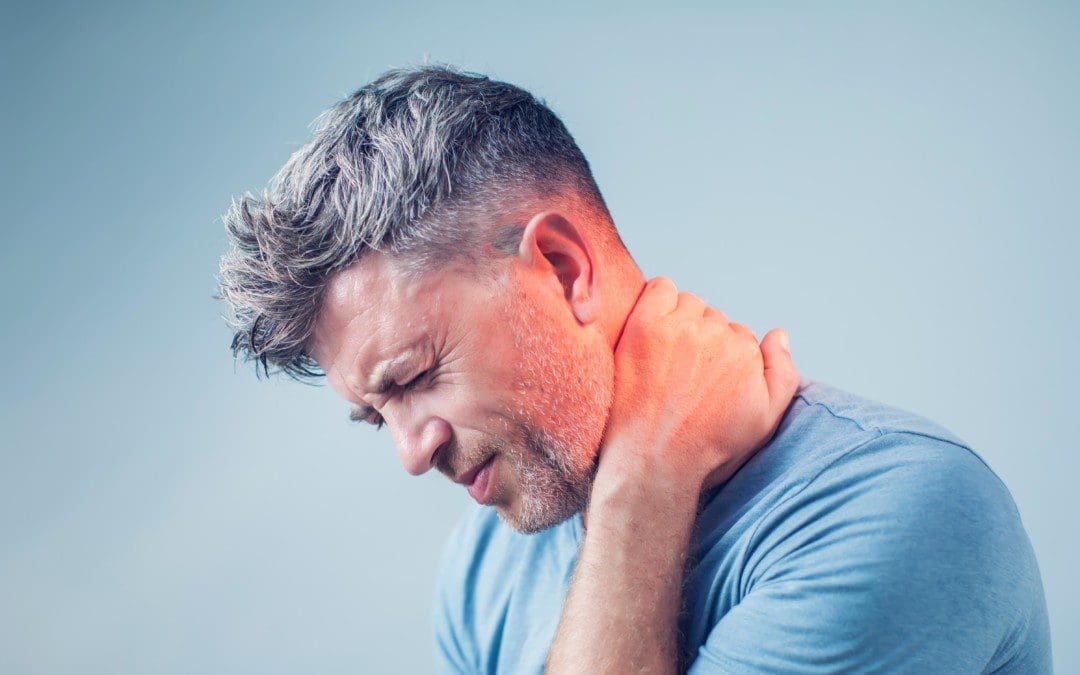
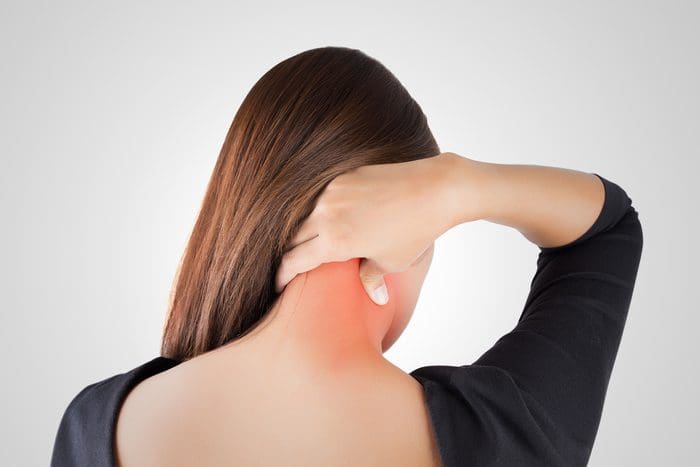
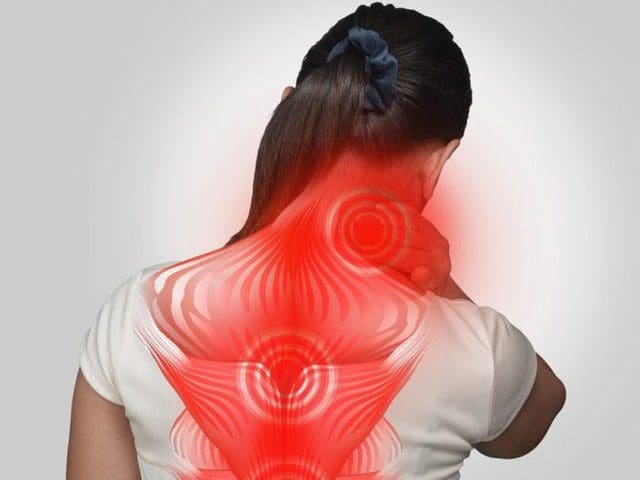
Neck injuries are more common than people realize and can lead to mobility issues, affecting the head and shoulders. This is caused by herniated or compressed cervical discs, which can irritate spinal nerve roots. Neck muscles can also be injured, resulting in shoulder pain, stiffness, or headaches. Neck pain is the second most common problem after back pain. Poor posture, phone usage, and computer work can all contribute to neck pain, which can worsen over time if left untreated. Fortunately, therapies are available to gently stretch affected muscles and realign cervical discs, providing relief. Our article discusses how neck pain affects the body, factors related to anterior cervical compression, and how spinal decompression can alleviate neck pain. We work with certified medical providers who use our patients’ valuable information to provide cervical disc treatments for individuals with neck pain affecting their cervical spine and causing mobility issues. We encourage patients to ask essential questions and seek education from our associated medical providers about their condition. Dr. Jimenez, D.C., provides this information as an educational service. Disclaimer
How Does Neck Pain Affect The Body?
Are you experiencing muscle stiffness between your neck and shoulders? Do you feel discomfort when working for long periods in a hunched position? Or are you suffering from persistent headaches that won’t go away? These symptoms could be caused by neck pain associated with anterior cervical disc compression, a common issue affecting many people. Neck pain is the second most common pain-related problem after low back pain, and it carries corresponding risk profiles that can lead to its development. Research studies revealed that cervical disc herniation associated with neck pain can affect the upper body extremities, ranging from mild to severe symptoms. The spine has three regions: cervical, thoracic, and lumbar, which protect the spinal cord that branches out the nerve roots, allowing mobility and flexibility for the head, neck, and shoulders. When the cervical discs become herniated, they can aggravate the nerve roots, leading to numerous symptoms that can affect the surrounding muscles in the neck and shoulders. Further research studies have revealed that when the cervical intervertebral discs are compressed, they become a common source of neck pain, usually accompanied by neck stiffness and other overlapping risk profiles that can cause referred pain to the upper body extremities. Therefore, neck pain associated with anterior cervical disc compression can become an issue when multiple environmental factors are involved.
Factors Associated With Anterior Cervical Compression To The Neck
Neck pain caused by anterior cervical compression can be due to numerous factors such as poor posture, degenerative disc disease (DDD), spinal stenosis, constantly looking down at a cell phone, being in a hunched or slouched position at work, and repetitive lifting of heavy objects. When individuals engage in repetitive motions that strain the neck, it can result in cervical compression that affects the nerve roots, causing abnormal neuron signals and shoulder or neck pain, according to research studies. This can also lead to overlapping risk profiles, causing referred pain to the upper extremities and somato-visceral pain. Additionally, anterior cervical compression can affect the cardiovascular system, resulting in unwanted symptoms like headaches and neck stiffness, causing significant discomfort.
Chiropractic Recovery Testimony-Video
Are you experiencing frequent headaches or stiffness between your shoulders and neck? Do you feel pain when stretching your neck from side to side? These symptoms may be related to anterior cervical compression in your cervical spine, which can cause herniation of the spinal disc and affect the nerve roots within muscle and tissue fibers. This can lead to referred pain in the neck and shoulder regions. Fortunately, there are various ways to alleviate pain and stiffness in the neck and treat chronic conditions associated with cervical disc herniation. Non-surgical treatments like chiropractic care can relieve neck and shoulder pain caused by cervical disc herniation. Combining non-surgical treatments with other therapies can prevent neck pain from recurring and improve posture. Chiropractic care can also alleviate referred pain caused by neck pain through manual and mechanical manipulation. Check out the video above for more information on non-surgical treatments for cervical disc herniation.
How Spinal Decompression Can Alleviate Neck Pain
Neck pain can be confusing because it can affect the shoulders and chest, leading to referred visceral-somatic pain. Fortunately, many treatments are available to alleviate neck pain and its associated symptoms. According to “The Ultimate Spinal Decompression” by Dr. Eric Kaplan, D.C., FIAMA, and Dr. Perry Bard, D.C., unwanted pressure on the cervical spinal disc can cause damage and ongoing pain by pressing the nerve root. If this happens, some people choose anterior cervical discectomy, which involves a small incision in the neck to remove the damaged disc and relieve pressure on the nerve root. Others opt for spinal decompression if the disc is herniated and aggravates the nerve root in the cervical spine region.
Studies have shown that spinal decompression can help ease neck and shoulder pain by gently stretching the spine through traction. This allows the herniated disc to be pulled back to its original position, relieving pressure on the affected nerve root and muscles. Spinal decompression is a safe and non-invasive treatment option that can be combined with other non-surgical therapies. It is also cost-effective and can benefit individuals who incorporate it into their health and wellness plans.
Conclusion
Neck pain is commonly caused by cervical disc herniation, leading to discomfort in the upper extremities around the neck. Repetitive motions associated with normal activities, such as poor posture, phone usage, and desk work, can also contribute to neck pain. Fortunately, non-surgical treatments like spinal decompression are available. This gentle technique uses traction to stretch the spine and alleviate pain from disc herniation, making it a cost-efficient option. By combining spinal decompression with other therapies, individuals can prevent the recurrence of neck pain and enjoy a pain-free life.
References
Kaplan, E., & Bard, P. (2023). The Ultimate Spinal Decompression. JETLAUNCH.
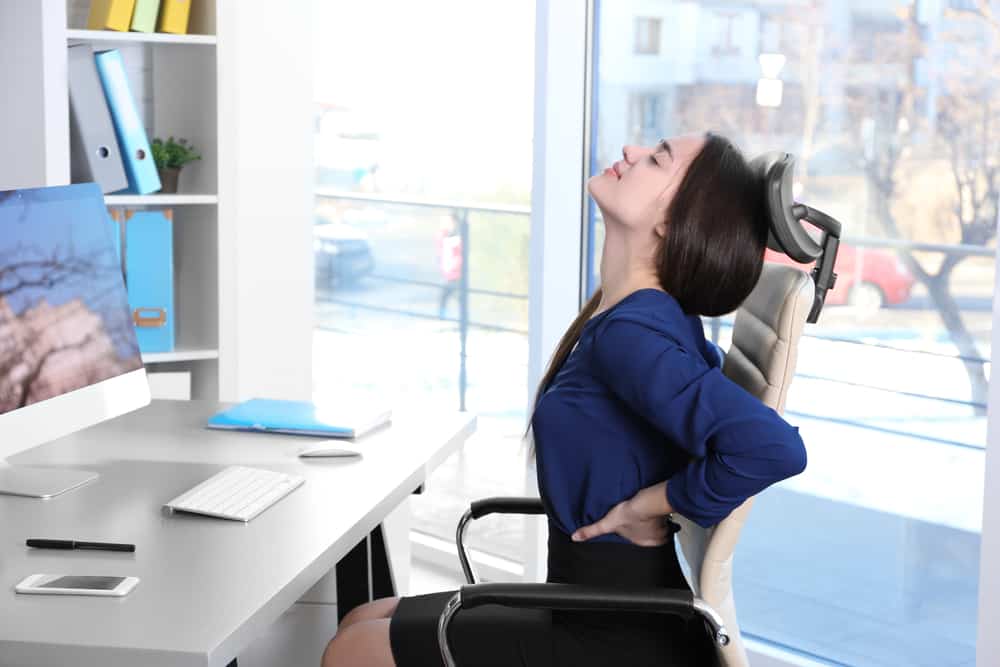
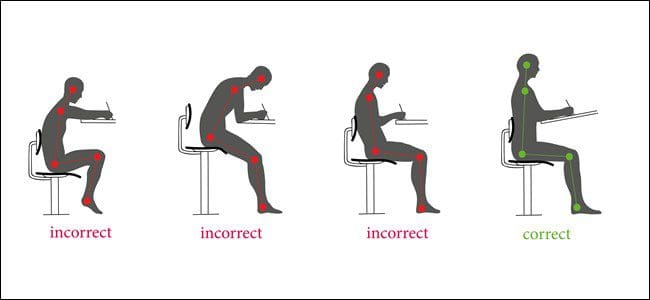
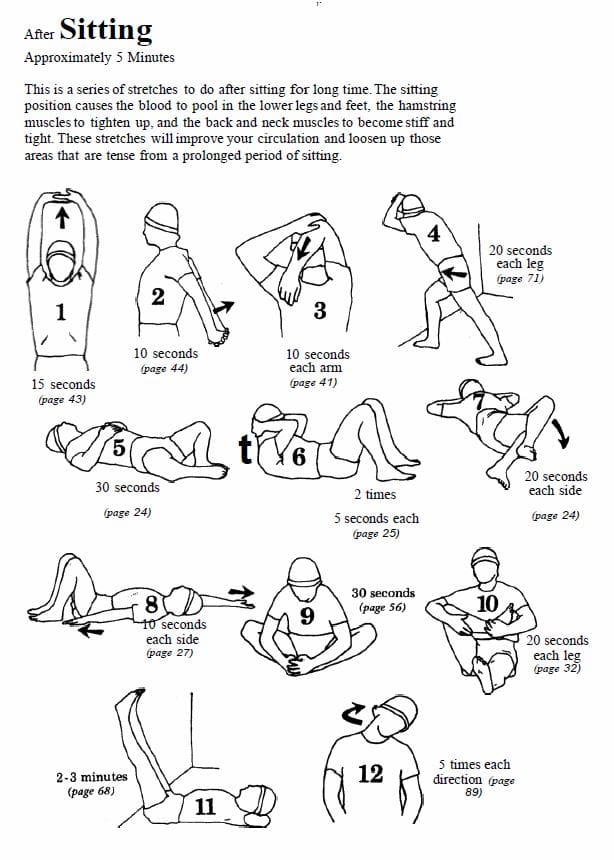
From a young age, parents will always tell their kids to sit up straight or else they will have bad posture. As kids, we would tend to recline on the couch or chair, which would not affect our backs in the long run. However, as we age, move around more, and have jobs that require prolonged sitting or constantly looking down at our phones, our bodies are hunched or slouched for long periods. When the upper extremities, like the neck, shoulders, and thoracic region of the back, are hunched over, it can develop into future issues that cause musculoskeletal symptoms over time. When this happens, the muscle tissues begin to be overstretched. They could lead to overlapping problems that can cause many individuals to be dealing with upper back pain and areas of complaint. Today we are looking at the effects of poor posture, how prolonged sitting causes numerous symptoms, and how the MET technique relieves poor posture. We provide valuable information about our patients to certified medical providers offering available therapy treatments like the MET technique for individuals with poor posture and neck and back pain due to prolonged sitting. We encourage each patient appropriately by referring them to our associated medical providers based on their diagnosis results. We accept that education is a spectacular way when asking our providers the most crucial questions at the patient’s acknowledgment. Dr. Alex Jimenez, D.C., assesses this information as an educational service. Disclaimer
The Effects Of Poor Posture
Have you been dealing with muscle strains in your upper back, neck, and shoulders? Are you constantly hunched over at your desk or looking down at your phone? Or are you experience sciatic nerve pain from sitting down always? Many of these issues from prolonged sitting can rapidly develop into poor posture and affect the musculoskeletal system and the spine. Studies reveal that when many individuals spend a significant amount of time sitting, especially in an awkward position, which can cause an increased risk of spinal pain and other effects on the various muscle groups in the shoulders, neck, and thoracic region. Not only that but according to the book written by Leon Chaitow, N.D, D.O., and Judith Walker DeLany, L.M.T, “Clinical Application of Neuromuscular Techniques,” mentioned the muscles in the cervical, thoracic, and lumbar region of the body are among the first to be showing signs of changes in response to postural defects. To that point, when a person is slumped in a sitting position will cause strain to each muscle group in the back and affect both the upper and lower extremities of the body.
Prolonged Sitting & Symptoms
When many individuals are sitting down constantly, whether at a desk job or driving in a vehicle, it can take a toll on the entire body. When the body hasn’t been moving for a long time, it cause the individual to feel muscle strain and tightness in their upper body and a nagging sensation in their lower body. Studies reveal that prolonged sitting can cause discomfort in the lower back and causes reduced muscle endurance in the lower back, and could cause an increased risk of musculoskeletal disorders like sciatic nerve pain, where the gluteal muscles irritate the sciatic nerve causing radiating pain to travel down the legs. Another research study also reveals that being in a forced position for an extended period can cause an impact on the seating position of the upper body and can be associated with upper musculoskeletal disorders causing an area of complaints in the chin, back, neck, shoulders, arms, and hands. When a person has been sitting for an extended amount of time without taking a stretch break, the muscles begin to be in a constant state of contraction and become short and tense.
The Benefits Of Good Posture-Video
Have you noticed that you have been leaning forward when walking from one location to another? Do you feel muscle tightness or irritating pain in your shoulders or legs? Or have you been experiencing unwanted pain in your neck and lower back? Many of these issues are due to having a slouched or hunched-over posture that can develop neck and back pain. Poor posture can lead to unwanted symptoms affecting the muscles and joints. Poor posture is due to everyday factors like being hunched over, looking down at the phone, or leaning forward to the computer. These little actions may not initially cause muscle pain but will cause issues over time. Luckily, there are various treatments to reduce the effects of poor posture and help restore the body. The video above explains the benefits of having good posture and trying to prevent future injuries and muscle strain from returning.
The MET Technique For Poor Posture
There are numerous ways to reduce the effects of poor posture from further affecting the body and reducing pain in the various muscles and joints. A good way to relieve stiffness in the neck and back is to do multiple stretches to restore blood flow back to the muscles. Another way to prevent neck and back pain is to incorporate MET (muscle energy treatment) techniques. Studies reveal that when individuals utilize MET treatments combined with posture correction exercises and stretches, it can significantly decrease pain in the neck and back while improving the range of motion to the muscles and soft tissues. Doing light stretches can help relieve tense muscles and promote good posture, as many individuals are becoming more aware of how they present themselves when they are not hunched over.
Conclusion
When it comes to our bodies, it is important to know that being hunched over can lead to poor posture, and sitting down for an extended period can develop neck and back pain associated with overlapping symptoms. Poor posture can cause the muscles to become tense, short, and stiff, and when a person stretches from being hunched over will experience pain. Luckily, incorporating various stretches and using the MET technique allows the muscles to be stretched and prevent future injuries from reoccurring while allowing the individual to be more aware of their posture.
References
Chaitow, Leon, and Judith Walker DeLany. Clinical Application of Neuromuscular Techniques. Churchill Livingstone, 2002.
Joshi, Reema, and Nishita Poojary. “The Effect of Muscle Energy Technique and Posture Correction Exercises on Pain and Function in Patients with Non-Specific Chronic Neck Pain Having Forward Head Posture-a Randomized Controlled Trail.” International Journal of Therapeutic Massage & Bodywork, U.S. National Library of Medicine, 1 June 2022, https://www.ncbi.nlm.nih.gov/pmc/articles/PMC9134480/.
Jung, Kyoung-Sim, et al. “Effects of Prolonged Sitting with Slumped Posture on Trunk Muscular Fatigue in Adolescents with and without Chronic Lower Back Pain.” Medicina (Kaunas, Lithuania), U.S. National Library of Medicine, 23 Dec. 2020, https://www.ncbi.nlm.nih.gov/pmc/articles/PMC7822118/.
Kuo, Yi-Liang, et al. “Sitting Posture during Prolonged Computer Typing with and without a Wearable Biofeedback Sensor.” Int J Environ Res Public Health, 19 May 2021, ncbi.nlm.nih.gov/pmc/articles/PMC8161121/.
Ohlendorf, Daniela, et al. “Influence of Ergonomic Layout of Musician Chairs on Posture and Seat Pressure in Musicians of Different Playing Levels.” PloS One, U.S. National Library of Medicine, 11 Dec. 2018, https://www.ncbi.nlm.nih.gov/pmc/articles/PMC6289455/.
Many individuals are constantly in their vehicles and driving from one place to another in the quickest amount of time. When auto accidents occur, numerous effects can affect many individuals, especially their bodies and mentality. The emotional impact of an auto accident can change a person’s quality of life and take a toll on the person as they become miserable. Then there is the physical side, where the body lunges forward rapidly, causing excruciating pain in the upper and lower portions. The muscles, ligaments, and tissues become overstretched beyond their capacity causing pain-like symptoms to develop and overlap other risk profiles. Today’s article discusses the effects of an auto accident occurs on the body, the symptoms associated with auto accidents, and how treatment like chiropractic care utilizes techniques like the MET technique to assess the body. We provide information about our patients to certified medical providers that offer available therapy techniques like MET (muscle energy techniques) for individuals dealing with back and neck pain associated with auto accidents. We encourage each patient appropriately by referring them to our associated medical providers based on their diagnosis results. We accept that education is a spectacular way when asking our providers the most crucial questions at the patient’s acknowledgment. Dr. Alex Jimenez, D.C., assesses this information as an educational service. Disclaimer
The Effects Of An Auto Accident On The Body
Have you been dealing with excruciating pain in your neck or back after an automobile collision? Have you noticed any of your muscles feeling stiffed or strained? Or have you been dealing with unwanted pain-like symptoms affecting your daily life? When a person has been through an auto accident, the spine, neck, and back along with their associated muscle groups, are affected by pain. When it comes to the effects of an auto accident on the body, we have to look at how the body reacts when the vehicles collide. Research studies have revealed neck pain is a common complaint to many adults involved in an auto accident. When a person collides with another car, their necks are lunged forward rapidly, causing a whiplash effect on the neck and shoulder muscles. Not only the neck is being affected, but also the back. Additional studies have mentioned that low back pain associated with vehicle collisions can cause the lumbar back muscles to be overstretched and develop non-fatal physical injuries over time, either during or the day after the accident. To that point, it can lead to unwanted symptoms associated with auto accidents and correlate with overlap risk profiles.
Symptoms Associated With Auto Accidents
The symptoms associated with auto accidents affecting neck and back muscles vary depending on the collision’s severity. According to “Clinical Application of Neuromuscular Techniques,” Leon Chaitow, N.D., D.O., and Judith Walker DeLany, L.M.T., stated that when someone suffers from an auto accident, the traumatic forces affect not only the cervical or temporomandibular muscles but also the lumbar muscles. This causes the muscle tissue fibers to be torn and damaged, which causes muscle pain. The book also mentioned that a person injured in a collision could develop nociceptive modulated neck, shoulders, and back muscle dysfunction. To that point, the flexor and extensor muscles are hyperextended, shortened, and strained, which is the result of causing muscle stiffness, pain, and limited range of motion to the neck, shoulder, and back.
Unlocking Pain Relief: How We Assess Motion To Alleviate Pain-Video
Have you been experiencing a limited range of motion to your shoulders, neck, and back? What about feeling muscle stiffness when stretching? Or do you feel muscle tenderness in certain body areas after an auto accident? Many of these pain-like symptoms are associated with auto accidents affecting the neck, shoulders, and back. This causes constant body pain, and many issues develop over time in the various muscle groups. Luckily there are ways to reduce the pain and help restore the body to function. The video above explains how chiropractic care is used to assess the body through spinal manipulation. Chiropractic care uses various techniques to help with spinal subluxation and loosen up stiff, tight muscles to help relax and restore each muscle group while relieving unwanted pain from the muscle tissues and ligaments.
Chiropractic Care & The MET Technique Assessing The Body
Studies reveal that auto accidents are a major cause of spinal and muscle injuries treated by chiropractic care. When a person suffers after an auto accident, they will experience pain all over their bodies and try to find ways to relieve the pain affecting their daily lives through treatment. One of the treatments that can help reduce pain and restore the body is chiropractic care. When chiropractors are treating the body to reduce pain, they use various techniques like the MET technique (muscle energy technique) to stretch and strengthen soft tissue and use manual manipulation to realign the spine, work out the tight muscles, nerves, and ligaments to prevent further damage on the body while getting the affected individuals back to shape. Chiropractic care also has a close relationship with other treatments like physical therapy to help strengthen the muscles in the body and help many people be aware of how their bodies function.
Conclusion
Overall, when a person has experience pain in their back, neck, and shoulder muscles from an auto accident, it can affect their emotional and physical well-being. The effects of an auto accident cause unwanted pain symptoms to develop and correlate with nociceptive modulated dysfunction. To that point, it can cause issues like muscle stiffness and tenderness in the affected areas. Fortunately, treatments like chiropractic care allow the body to be restored through manual manipulation and the MET technique to gently stretch the soft tissues and muscles and realign the body back to functioning. Incorporating chiropractic care with the MET technique, the body will experience relief, and the host can be pain-free.
References
Chaitow, Leon, and Judith Walker DeLany. Clinical Application of Neuromuscular Techniques. Churchill Livingstone, 2002.
Dies, Stephen, and J Walter Strapp. “Chiropractic Treatment of Patients in Motor Vehicle Accidents: A Statistical Analysis.” The Journal of the Canadian Chiropractic Association, U.S. National Library of Medicine, Sept. 1992, https://www.ncbi.nlm.nih.gov/pmc/articles/PMC2484939/.
Fewster, Kayla M, et al. “Low-Velocity Motor Vehicle Collision Characteristics Associated with Claimed Low Back Pain.” Traffic Injury Prevention, U.S. National Library of Medicine, 10 May 2019, https://pubmed.ncbi.nlm.nih.gov/31074647/.
Vos, Cees J, et al. “Impact of Motor Vehicle Accidents on Neck Pain and Disability in General Practice.” The British Journal of General Practice : the Journal of the Royal College of General Practitioners, U.S. National Library of Medicine, Sept. 2008, https://www.ncbi.nlm.nih.gov/pmc/articles/PMC2529200/.
The body is a functional machine that requires many muscles, organs, ligaments, joints, and tissues that provide everyday movements. In the upper extremities, the head, neck, and shoulders have many muscles, ligaments, and tissues that work together with the nerve roots from the nervous system that provides sensory-motor function to make the fingers move, the shoulders rotate, and the head turns from side to side. When injuries or common issues affect the muscles in the head, neck, or shoulders, it can cause small nodules to form along the muscle fibers of the affected muscle area and cause referred pain in different locations of the body. Today’s article looks at the scalene muscles, how trigger points affect the scalene muscles while mimicking shoulder pain, and how to manage chronic pain associated with trigger points. We refer patients to certified providers who specialize in musculoskeletal treatments to aid individuals suffering from trigger points related to the shoulders affecting the scalene muscles. We also guide our patients by referring them to our associated medical providers based on their examination when appropriate. We ensure to find that education is the solution to asking our providers insightful questions. Dr. Jimenez DC observes this information as an educational service only. Disclaimer
What Are The Scalene Muscles?
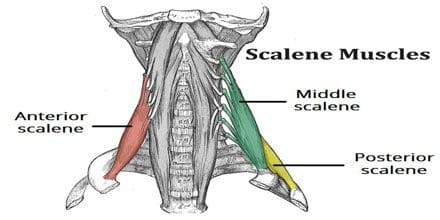
Have you been experiencing tingling sensations running down your fingertips? Do you feel stiffness when rotating your neck or shoulders? Or do you feel muscle soreness in your shoulders? Many individuals who are feeling any of these symptoms affecting their neck or shoulders could be dealing with trigger point pain along the scalene muscles. The scalene muscles play a crucial part in the head and neck as they are deep muscles positioned laterally on the cervical tract of the spine. These muscles have three different branches: the anterior, medius, and posterior, which play the role of being accessory breathing muscles while being an important contributor to head and neck movement. To that point, it allows stability to the cervical spine. The scalene muscles even help support and elevate the upper rib cage when a person is lifting, pulling, or carrying heavy objects. However, like most muscles in the body, the scalene muscles can be prone to injury and can develop issues that can affect the upper extremities of the body.
Trigger Points Affects The Scalene Muscles Mimicking Shoulder Pain
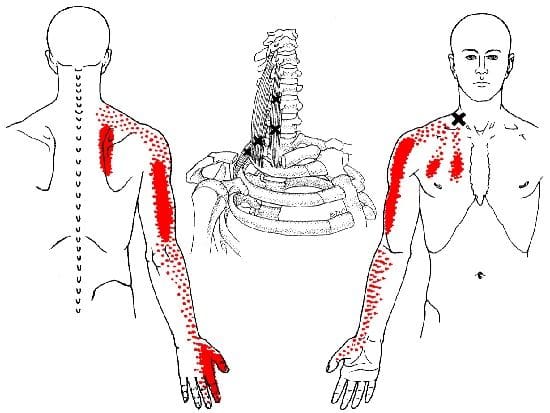
When common injuries like pulling a muscle when carrying a heavy object or even a traumatic injury like being involved in an auto accident can cause pain in the affected area, over time, if not treated, can cause various symptoms to overlap and affect the muscles. When the scalene muscles are affected by injuries, they can develop tiny nodules along the taut muscle fibers and become hyperirritable to the surrounding areas of the upper half of the body. This is known as trigger point pain and can mimic other chronic issues that affect different body areas. To that point, trigger points affecting the scalene muscles may mimic shoulder pain in the upper half of the body. Studies reveal that scalene myofascial pain is a regional pain syndrome that originates pain in the neck area and radiates pain down to the arm. Since trigger points mimic other chronic issues, it is often misdiagnosed as another neck pain associated with radiculopathy when the scalene muscles are affected. When this happens, the muscles become stiff and weak, causing a reduction in the range of movement.
Studies reveal that when individuals suffer from acute whiplash-associated disorders, the local and referred pain can be elicited from active trigger points to reproduce neck and shoulder pain. This causes a higher disability that exhibits widespread pressure causing the muscles to be hypersensitive and reducing the cervical range of motion. Many individuals often complain about shoulder pain while rubbing the upper parts of their arms. The scalene muscle is affected by active trigger points, thus mimicking shoulder pain.
Scalenes Trigger Points-Video
Have you been feeling muscle stiffness in your neck or shoulders? Have you been experiencing a numbing sensation along your arms? Have you felt tenderness along your shoulders when you touch them? Many of these pain symptoms are associated with trigger points along the scalene muscles. The video above explains where the trigger points are located along the scalene muscles and how they are causing referred pain in the neck and shoulder areas. Many factors can lead to the causation of trigger point pain and overlap with other chronic issues that can affect the upper extremities of the body, using sleep as an example. Studies reveal that poor sleeping posture can affect the neck and shoulders, leading to muscle stiffness along the scalene muscles and developing trigger points over time. Fortunately, various ways to manage referred shoulder pain are associated with trigger points.
Management Of Chronic Shoulder Pain Associated With Trigger Points
Many individuals are referred to pain specialists that can alleviate trigger points along the scalene muscle to reduce the effects of shoulder and neck pain. When referred pain along the scalene muscles causes chronic shoulder pain associated with trigger points, many people often do various movements to alleviate the pain. However, it can cause more pain in the affected area and prevent relief from the neck and shoulders. Studies reveal that various treatments like physiotherapy, trigger point injections, manipulation of the cervical spine, or acupuncture can help relax and lengthen the muscle fibers associated with the scalene muscle. To that point, this allows the neck to extend further without pain and reduces the overlapping symptoms that affect the upper extremities of the body.
Conclusion
The scalene muscles play a crucial part in the head and neck area as deep muscles are positioned laterally on the cervical tract of the spine. These muscles help elevate the upper chest and laterally bend the neck from side to side. When injuries affect the scalene muscles and form tiny nodules known as trigger points, it can cause referred pain to the shoulders and the neck. To that point, symptoms like numbing or tingling sensations can travel down the arms and fingers. Fortunately, available treatments can reduce the symptoms and manage myofascial trigger pain along the shoulders and neck associated with the scalene muscles. This allows a better range of motion to the neck and shoulder and prevents future trigger points from forming in the scalene muscles.
References
Abd Jalil, Nizar, et al. “Scalene Myofascial Pain Syndrome Mimicking Cervical Disc Prolapse: A Report of Two Cases.” The Malaysian Journal of Medical Sciences : MJMS, Penerbit Universiti Sains Malaysia, Jan. 2010, https://www.ncbi.nlm.nih.gov/pmc/articles/PMC3216145/.
Bordoni, Bruno, and Matthew Varacallo. “Anatomy, Head and Neck, Scalenus Muscle.” In: StatPearls [Internet]. Treasure Island (FL), StatPearls Publishing, 16 Apr. 2022, https://www.ncbi.nlm.nih.gov/books/NBK519058/.
Fernández-Pérez, Antonio Manuel, et al. “Muscle Trigger Points, Pressure Pain Threshold, and Cervical Range of Motion in Patients with High Level of Disability Related to Acute Whiplash Injury.” The Journal of Orthopaedic and Sports Physical Therapy, U.S. National Library of Medicine, July 2012, https://pubmed.ncbi.nlm.nih.gov/22677576/.
Lee, Won-Hwee, and Min-Seok Ko. “Effect of Sleep Posture on Neck Muscle Activity.” Journal of Physical Therapy Science, The Society of Physical Therapy Science, June 2017, https://www.ncbi.nlm.nih.gov/pmc/articles/PMC5468189/.
Thapa, Deepak, et al. “Management of Chronic Shoulder Pain with Restricted Mobility – a Case Series.” Indian Journal of Anaesthesia, Medknow Publications & Media Pvt Ltd, Nov. 2016, https://www.ncbi.nlm.nih.gov/pmc/articles/PMC5125193/.
The muscles in the body help provide motion and protect the skeletal joints from harm. Each muscle group has ligaments, tissues, and muscle fibers that retract, stretch, and contract the body while helping the host to do everyday movements, breath, digest food, stabilize, and even rest. When a person is dealing with pain from a traumatic event or making repetitive motions, it can affect the muscles over time. Factors like not drinking enough water, constantly looking down on the phones, and being hunched over can cause strain on the muscles, causing overlapping pain on top of other chronic issues that may develop. When the muscles begin to cause pain along the shoulders and neck, it can become a risk of developing trigger points in the levator scapulae muscles. Today’s article examines the levator scapulae muscles, how trigger points affect these muscles, and how treatments can help manage the trigger points on the levator scapulae muscles. We refer patients to certified providers who specialize in musculoskeletal treatments to aid individuals suffering from trigger points associated with the neck and shoulders affecting the levator scapulae muscles. We also guide our patients by referring them to our associated medical providers based on their examination when appropriate. We ensure to find that education is the solution to asking our providers insightful questions. Dr. Jimenez DC observes this information as an educational service only. Disclaimer
What Is The Levator Scapulae?
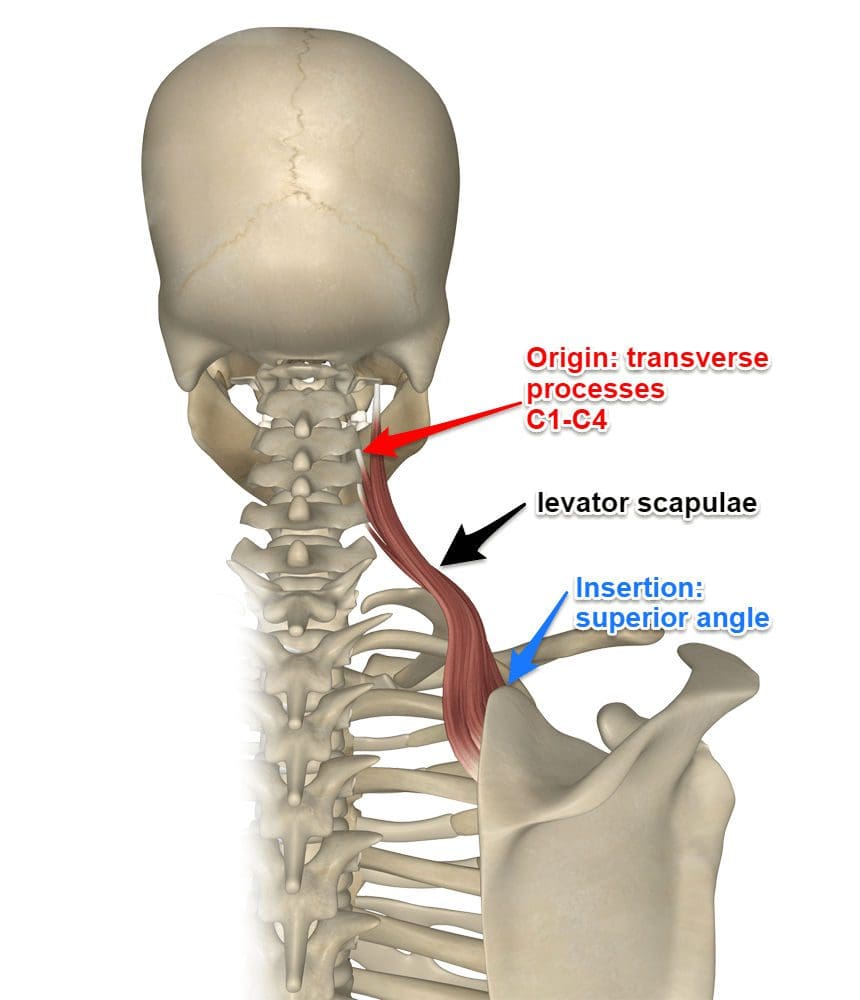
Have you been dealing with pain along the neck or shoulders? Do you feel stiffness when turning your head from side to side? Or do you feel tenderness in the base of your neck and shoulders? Many individuals with shoulder and neck pain risk developing trigger points along the levator scapulae. The levator scapulae muscles originate from the posterior tubercles of the C1 through C4 vertebrae in the neck that is between the superior angle and the root of the scapulae spine. This superficial muscle’s primary function is to elevate the scapulae or the shoulder blades while working together with the trapezius and rhomboid muscles to assist the movement. The levator scapulae muscles also assist in providing neck extension, ipsilateral rotation, and lateral flexion. When pathologies like fibromyalgia, levator scapulae syndrome, or cervical myofascial pain begin to affect the levator scapulae muscles, the symptoms can potentially involve the shoulders and neck to cause referred pain to the upper extremities.
How Trigger Points Affect The Levator Scapulae?
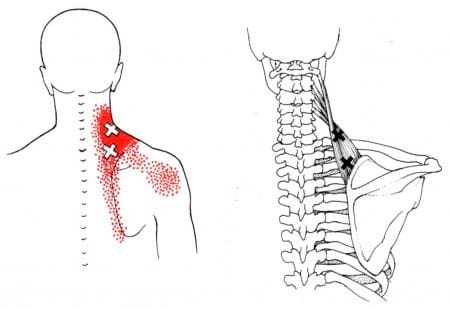
Many individuals with shoulder and neck pain have described radiating pain from their neck to their shoulders. Known as referred pain, the pain is located in one area of the body but in a different location. Studies reveal that when pain radiates from the neck and shoulders, any movements that are overstretching the levator scapulae can aggravate overlapping symptoms on the affected side. This allows small nodules to form along the levator scapulae muscle fibers, causing trigger points to affect the shoulder and neck muscles.
Trigger point associated with the levator scapulae muscles causes the individual to have pain-like symptoms in the neck that causes muscle stiffness. This causes an emphasis on referred pain symptoms from the levator scapulae, like neck tension and restriction of range of motion on the neck. Studies reveal that pain over the superior angle of the levator scapulae is a common musculoskeletal disorder that is often accompanied by radiating pain on the neck, head, and shoulders. Some of the ways that trigger points form along the levator scapulae muscle can be due to ordinary factors like:
Stress
Posture
Over-exercising
Upper respiratory infections
Some of these factors above can shorten the levator scapulae muscle and restrict muscle movement to provide a full range of motion for the head and neck to turn. To that point, treatments are available to help loosen up and stretch the levator scapulae muscles to allow rotation and flexion on the neck and shoulders.
Trigger Points Anatomy On The Levator Scapulae- Video
Have you been dealing with stress that is affecting your neck and shoulders? Have you been dealing with neck stiffness when turning your head? Or have you been feeling muscle tenderness between the neck and shoulders? Some of these symptoms are associated with trigger points affecting the levator scapulae muscles between the neck and shoulder. The video above overviews common trigger points and how they affect the levator scapulae, causing shoulder and neck pain. Since the levator scapulae muscles lay behind the trapezius muscle, studies reveal that trigger points or myofascial pain syndrome can cause hyperirritability in the muscle tissues and affect mobility functions in the nerve ends. Even though referred pain affects the neck and shoulder of the body, treatments are available to manage trigger points on the levator scapulae and relieve neck and shoulder pain.
Treatments To Manage Trigger Points On The Levator Scapulae
When there is trigger point pain affecting the levator scapulae, some common complaints that many individuals often complain about are neck and shoulder pain. However, various ways can alleviate the pain symptoms from the neck and shoulders while managing trigger points associated with the levator scapulae. Studies reveal that stretching the levator scapulae muscle in a seated position can improve muscle length along the levator scapulae and the cervical range of motion. Stretching the levator scapulae muscle can help reduce the pain along the levator muscle. To that point, it even helps reduce muscle imbalances and movement dysfunction along the cervical joints. Many individuals are referred to pain specialists like chiropractors by their doctors to reduce pain and functionality disability in the neck and realign the spine to loosen up the stiff muscles caused by subluxation. Realigning the cervical spine and stretching can reduce future trigger points and reduce pain symptoms from affecting the muscle.
Conclusion
The levator scapulae muscles in the body provide movement functionality to the neck and shoulders. The levator scapulae work together with the trapezius and rhomboid muscles to elevate the shoulder blades and assist with neck extension, ipsilateral rotation, and lateral flexion. When pathologies affect the levator scapulae muscles, they can develop trigger point pain along the muscle and cause neck and shoulder pain. The factors that cause trigger point pain can either be ordinary or traumatic and cause referred pain to the neck and shoulders. Fortunately, treatments like stretching and adjustments can help reduce the pain and loosen up stiff muscles along the levator scapulae. This will allow a cervical range of motion back to the neck and shoulder and elongate the levator scapulae.
References
Akamatsu, Flávia Emi, et al. “Trigger Points: An Anatomical Substratum.” BioMed Research International, Hindawi Publishing Corporation, 2015, https://www.ncbi.nlm.nih.gov/pmc/articles/PMC4355109/.
Henry, James P, and Sunil Munakomi. “Anatomy, Head and Neck, Levator Scapulae Muscles.” In: StatPearls [Internet]. Treasure Island (FL), StatPearls Publishing, 13 Aug. 2021, https://www.ncbi.nlm.nih.gov/books/NBK553120/.
Jeong , Hyo-Jung, et al. “Stretching Position Can Affect Levator Scapular Muscle Activity, Length, and Cervical Range of Motion in People with a Shortened Levator Scapulae.” Physical Therapy in Sport : Official Journal of the Association of Chartered Physiotherapists in Sports Medicine, U.S. National Library of Medicine, 4 Apr. 2017, https://pubmed.ncbi.nlm.nih.gov/28578252/.
Kulow, Charlotte, et al. “Levator Scapulae and Rhomboid Minor Are United.” Annals of Anatomy = Anatomischer Anzeiger : Official Organ of the Anatomische Gesellschaft, U.S. National Library of Medicine, Aug. 2022, https://pubmed.ncbi.nlm.nih.gov/35367623/.
Menachen, A, et al. “Levator Scapulae Syndrome: An Anatomic-Clinical Study.” Bulletin (Hospital for Joint Diseases (New York, N.Y.)), U.S. National Library of Medicine, 1993, https://pubmed.ncbi.nlm.nih.gov/8374486/.
The cervical spine has a casual relationship with the central nervous system as the brain and spinal cord works together to send neuron signals through the nerve pathways spread throughout the entire body. The cervical spine is part of the neck, where ligaments and muscles encompass the cervical joints to stabilize the head, neck, and shoulders. The neck has various muscles that support the head and can succumb to various injuries that can cause muscle strain and other associated symptoms that can affect the upper extremities of the body. Today’s article looks at the posterior cervical muscles, how trigger points affect the posterior cervical muscles, and how non-invasive treatments can help manage myofascial cervical pain. We refer patients to certified providers who specialize in musculoskeletal treatments to aid individuals suffering from myofascial trigger pain associated with the neck affecting the posterior cervical muscles. We also guide our patients by referring them to our associated medical providers based on their examination when appropriate. We ensure to find that education is the solution to asking our providers insightful questions. Dr. Jimenez DC observes this information as an educational service only. Disclaimer
What Are The Posterior Cervical Muscles?
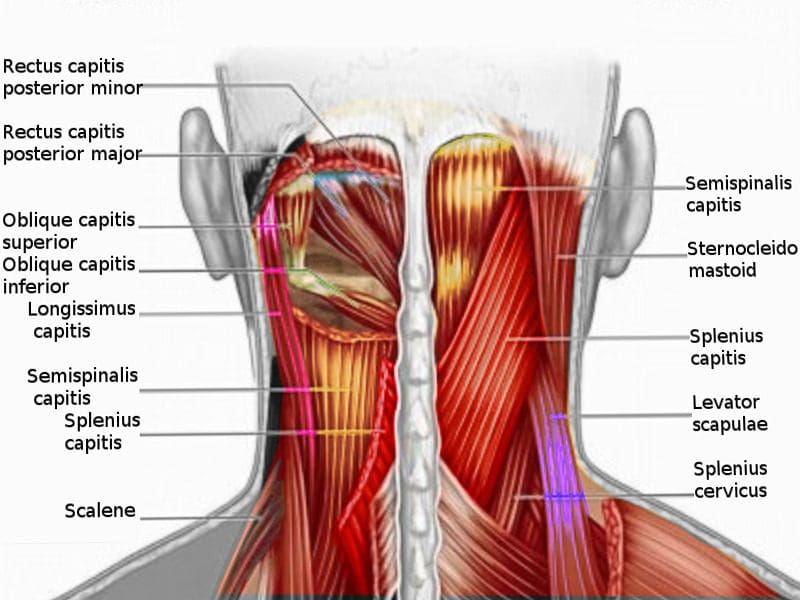
Have you been experiencing random headaches that affect your day? Do you feel any tension in your neck? Or do you experience stiffness and limited mobility when turning your neck? Most of these symptoms are associated with trigger pain affecting the posterior cervical muscle on the neck. The posterior cervical muscles function in the neck’s anatomic region while protecting the cervical spine. The muscles in the cervical spine form a triangle on the neck while providing functionality and movement to the neck, the head, shoulder, and upper back. Some of the muscles that work together with the cervical spine include:
Levator scapulae
SCM (Sternocleidomastiod)
Trapezius
Erector spinae
Deep cervical flexors
Suboccipitals
Semispinalis
Splenius
These muscles and soft tissues provide stability to the neck and work together with the tendons and ligaments to rotate, extend, and retract the head, neck, shoulders, and upper back. To that point, if the neck muscles become strained, it can lead to various issues that can cause pain to the neck and cervical spine.
How Trigger Points Affect The Posterior Cervical Muscles
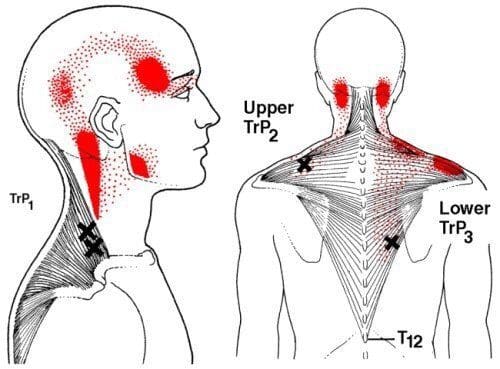
Studies reveal that a musculoskeletal disorder known as cervical myofascial pain causes the surrounding muscles in the neck and shoulder regions to become tender to the touch and evoke pain in different areas of the body. When the posterior cervical muscle has become strained from various issues like poor posture, over-exercising, getting involved in an auto accident, or have suffered from a degenerative condition, it can cause the muscles to be overused, hypersensitive, and stiff while potentially being at risk of developing trigger points along the neck and shoulder muscles. Trigger points are a bit problematic as they are associated with referred pain and can be either latent or active as they create tiny nodules along the taut muscle fibers in the area. Research studies reveal that referred pain from cervical myofascial pain can be elicited by active trigger points on the affected muscle. To that point, the active trigger points can mimic other pain symptoms along the upper extremities, making diagnosing myofascial pain challenging. Thankfully there are ways to manage trigger point pain associated with the posterior cervical muscles along the neck and cervical spine.
Exercises For Neck & Shoulder Pain-Video
Have you been experiencing stiffness along the sides of your neck or on your shoulders? Do headaches make it impossible to get through an entire day? Or have you been feeling tightness along your jawline? Many people with neck pain and its associated symptoms could risk developing myofascial trigger pain along the posterior cervical muscles. Having myofascial trigger pain associated with the posterior cervical muscle and affecting the neck and upper extremities can cause many people to be miserable; however, there are many ways that people can utilize to relieve the pain along the posterior cervical muscles and manage myofascial cervical pain associated with the neck. The video above provides various neck and shoulder pain exercises correlating with myofascial trigger points. To that point, finding non-invasive available treatments to manage myofascial cervical pain can help reduce the effects of pain along the neck and posterior cervical muscles.
Non-Invasive Treatments To Manage Myofascial Cervical Pain
Many people suffer from neck pain associated with myofascial cervical pain; many factors can contribute to developing tiny nodules along the posterior muscles. Studies reveal that activities, whether work-related or for entertainment, can yield repetitive stress on the muscle groups that cause chronic tension in the muscle fibers to form trigger points. To that point, myofascial trigger pain causes the taut muscle bands to be hyper-sensitive and affect the muscle area. Many people suffering from myofascial trigger pain can utilize non-invasive treatments to manage myofascial pain associated with the posterior cervical muscle. Some of the treatments that help manage myofascial cervical pain include:
Acupuncture
Trigger point release therapy
Chiropractic care
Heat therapy
Exercise/stretching
Many of these treatments help release the trigger points from the affected muscles and help prevent them from re-occurring on the affected muscles along the upper extremities.
Conclusion
The neck has many muscles, ligaments, and tissues that help support the upper extremities of the body. When issues begin to affect the functionality of the neck muscles, it can lead to the development of myofascial trigger pain in the posterior cervical muscles along the neck to cause painful symptoms. This can lead to overlapping chronic issues like stiffness and tenderness in the upper extremities. Non-invasive treatments can help alleviate the pain and manage the symptoms caused by myofascial cervical pain in the upper extremities of the body. This allows the affected muscle to return to its functionality and prevents future issues from affecting the body.
References
Alghadir, Ahmad H, et al. “Efficacy of Combination Therapies on Neck Pain and Muscle Tenderness in Male Patients with Upper Trapezius Active Myofascial Trigger Points.” BioMed Research International, Hindawi, 10 Mar. 2020, https://www.ncbi.nlm.nih.gov/pmc/articles/PMC7085833/.
Fernández-de-Las-Peñas, César, et al. “The Role of Myofascial Trigger Points in Musculoskeletal Pain Syndromes of the Head and Neck.” Current Pain and Headache Reports, U.S. National Library of Medicine, Oct. 2007, https://pubmed.ncbi.nlm.nih.gov/17894927/.
Stathakios, James, and Michael A Carron. “Anatomy, Head and Neck, Posterior Cervical Region.” In: StatPearls [Internet]. Treasure Island (FL), StatPearls Publishing, 27 July 2021, https://www.ncbi.nlm.nih.gov/books/NBK551521/.
Touma, Jeffrey, et al. “Cervical Myofascial Pain.” In: StatPearls [Internet]. Treasure Island (FL), StatPearls Publishing, 4 July 2022, https://www.ncbi.nlm.nih.gov/books/NBK507825/.
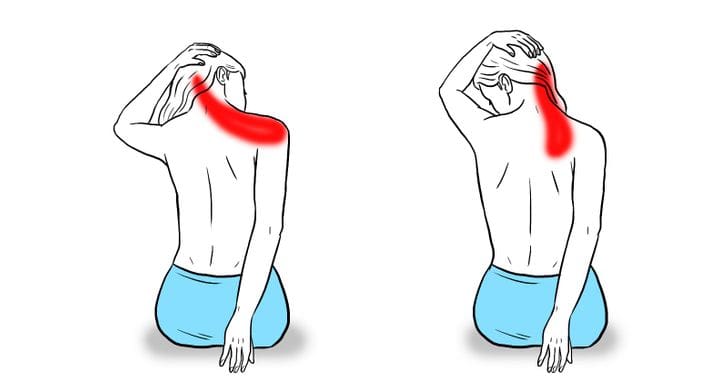
The neck is the connector to the head and shoulders, allowing mobility and functionality to stabilize the head from dropping down. The neck is also part of the cervical spine, where many neuron pathways, ligaments, and muscles work with the central nervous system to provide sensory-motor signals to the brain. The neck muscles also work together with the shoulder and upper back muscles to function for the upper extremities. These are known as the splenius muscles and help support the cervical spine. However, like all muscles in the body, the neck can succumb to traumatic injuries or common factors that can cause the neck muscles to be overused, injured, and strained to cause the nerves to send out disruptive signals to the brain and issues to develop. Today’s article looks at the splenius muscles on the neck, how trigger points affect the splenius muscles, and how to manage neck pain associated with trigger points. We refer patients to certified providers who specialize in musculoskeletal treatments to aid individuals suffering from myofascial trigger pain associated with neck pain affecting the splenius muscles. We also guide our patients by referring them to our associated medical providers based on their examination when appropriate. We ensure to find that education is the solution to asking our providers insightful questions. Dr. Jimenez DC observes this information as an educational service only. Disclaimer
The Splenius Muscles On The Neck
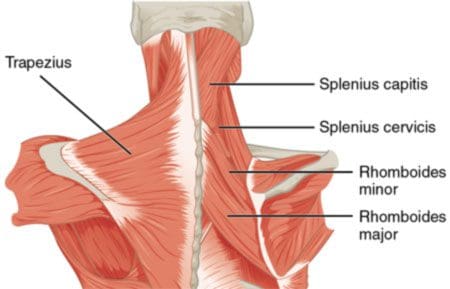
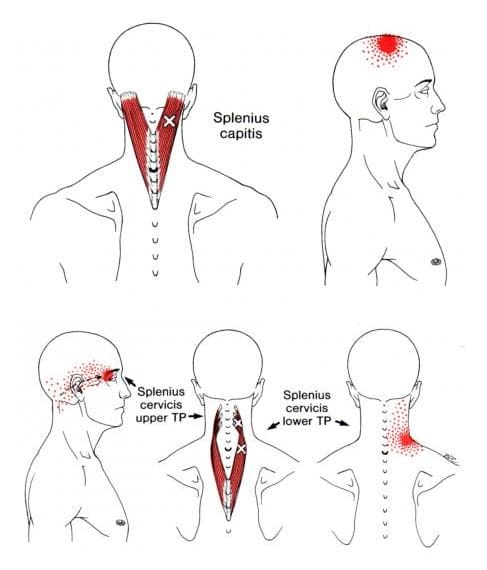
Have you been experiencing muscle pain in your neck? What about feeling tightness on the sides of your neck when you move your head from side to side? Or do random headaches seem to pop out of nowhere and affect your day? Most of these symptoms are associated with neck pain affecting the splenius muscles and can cause overlapping issues affecting the neck and the upper back. The splenius muscles are split into two muscle groups: the splenius capitis and the splenius cervicis. Both of the splenius muscles each have a job for neck functionality. The splenius capitis provides rotation and extension to the head, while the splenius cervicis provides rotation and extends to the cervical spine. The splenius capitis fibers are connected with the SCM (sternocleidomastoid) muscles that help move the head. The splenius cervicis encompasses the upper three cervical vertebrae and attach their muscle fibers to scapulae muscles. Even though these two muscles offer different functions, they could potentially be involved in injuries that can cause neck and upper back issues.
How Trigger Points Affect The Splenius Muscles
One of the most common complaints many people seem to be impacted is shoulder and neck pain. Various factors can cause an impact on the shoulders and neck due to overusing the splenius muscles connected to the neck and shoulders and developing trigger points associated with the splenius muscles. Studies reveal that trigger points or myofascial pain can make the splenius muscles hypersensitive and tender along the taut band of the splenius muscles. To that point, the splenius muscles become palpable and produce localized pain to other structures along the neck, shoulders, and head. Trigger points are a bit complex to diagnose because they mimic other chronic issues that affect the body and potentially involve many common symptoms that could happen daily. Studies reveal that common symptoms like headaches are associated with trigger points along the head, neck, and shoulder muscles. Since trigger points are challenging to diagnose, they can make the taut band of the musculoskeletal fibers and become either active or latent when pressure is on the affected area. To that point, causes tension occurs in the body’s head, neck, and shoulders. Fortunately, various ways to manage trigger point pain are associated with neck pain along the splenius muscles.
Trigger Points & Splenius Muscles- Video
Have you been dealing with random headaches that randomly occur throughout the day? What about experiencing muscle stiffness and tenderness located on your neck and shoulders? Or have you been experiencing poor sleep throughout the night? Most of these symptoms are associated with trigger point pain associated with neck pain along the splenius muscles. The video above explains how trigger points affect the splenius muscles and some of the causes that lead to the development of trigger point pain along the splenius muscles. Many people dealing with trigger points associated with neck pain often explain to their doctors that they have been feeling muscle stiffness along their neck, causing limited mobility. Studies reveal that active myofascial trigger points along the neck and shoulder muscles elicited referred pain to contribute to symptoms of pain intensity, disability, and poor sleep quality to mechanical neck pain. To that point, many individuals try to incorporate various treatments to alleviate the symptoms and manage neck pain associated with trigger points.
Managing Neck Pain Associated With Trigger Points
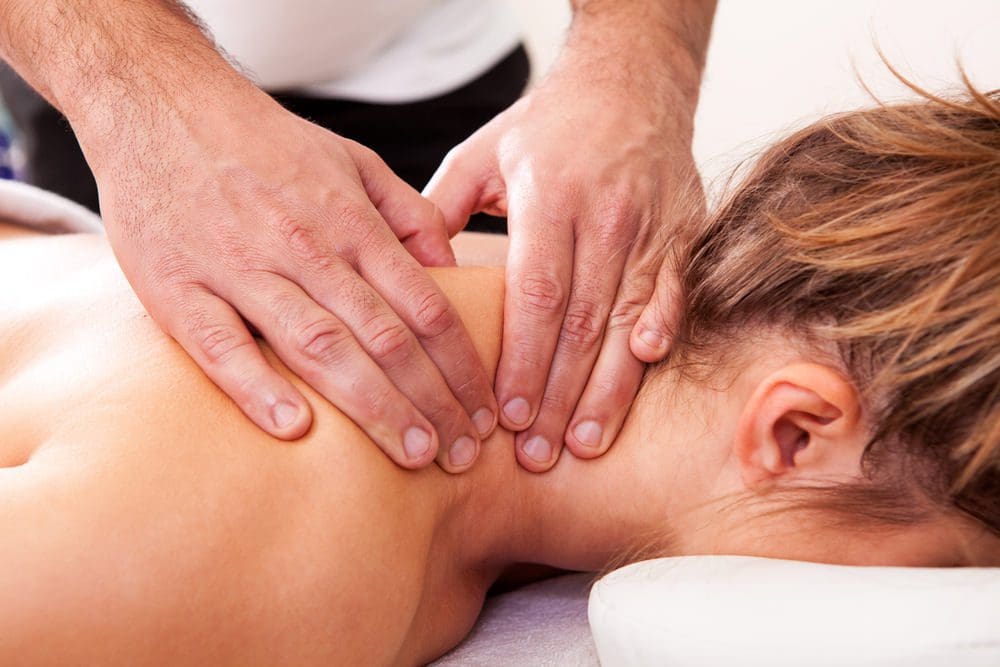
Many people dealing with neck pain associated with trigger points along the splenius muscles often don’t realize that some causes affect how the muscles are used. Ordinary factors like poor posture, looking down at the phones, or leaning closer to any screens can cause strain on the splenius muscles. In contrast, traumatic factors like whiplash or auto accidents can inflict pain on the muscle fibers. Various ways to manage neck pain associated with trigger points are non-invasive unless the pain is severe. When a person goes to their primary doctor for a routine check-up, they describe the symptoms of pain affecting their bodies while the doctor examines them. Once the issue is diagnosed, many doctors will refer their patients to a pain specialist specializing in the matter. So say if a person is dealing with neck pain associated with trigger point pain along their splenius muscles that is causing them headaches, would be referred to a pain specialist like a chiropractor to relieve myofascial trigger pain along the splenius muscles that are suffering from spinal subluxation in the musculoskeletal system. Spinal adjustments allow the stiff muscles to become loose and even break up the adhesion of the trigger points on the muscle. Incorporating chiropractic care to treat neck pain associated with trigger points can bring back functionality to the body.
Conclusion
The neck allows the head to be mobile and help keeps it stable. As part of the cervical spine, the neck has many neuron pathways, ligaments, and muscles that work with the central nervous system to provide sensory-motor function. The muscles that provide functionality to the shoulders, neck, and upper back are called the splenius muscles. The splenius muscles consist of two groups: the capitis and cervicis, which have different jobs for neck functionality. However, like any muscle in the body may potentially be impacted by various issues that can cause neck and upper back issues. Common and traumatic issues can lead to the development of myofascial trigger pain along the neck muscles. To that point causes neck pain and disability to the neck. When this happens, various treatments are available to manage neck pain associated with myofascial pain and alleviate the symptoms, causing relief to the neck.
References
Chatchawan, Uraiwan, et al. “Characteristics and Distributions of Myofascial Trigger Points in Individuals with Chronic Tension-Type Headaches.” Journal of Physical Therapy Science, The Society of Physical Therapy Science, Apr. 2019, https://www.ncbi.nlm.nih.gov/pmc/articles/PMC6451952/.
Henson, Brandi, et al. “Anatomy, Back, Muscles – StatPearls – NCBI Bookshelf.” In: StatPearls [Internet]. Treasure Island (FL), StatPearls Publishing, 10 Aug. 2021, https://www.ncbi.nlm.nih.gov/books/NBK537074/.
Muñoz-Muñoz , Sonsoles, et al. “Myofascial Trigger Points, Pain, Disability, and Sleep Quality in Individuals with Mechanical Neck Pain.” Journal of Manipulative and Physiological Therapeutics, U.S. National Library of Medicine, Oct. 2012, https://pubmed.ncbi.nlm.nih.gov/23158466/.
Ribeiro, Daniel Cury, et al. “The Prevalence of Myofascial Trigger Points in Neck and Shoulder-Related Disorders: A Systematic Review of the Literature.” BMC Musculoskeletal Disorders, BioMed Central, 25 July 2018, https://www.ncbi.nlm.nih.gov/pmc/articles/PMC6060458/.
IFM's Find A Practitioner tool is the largest referral network in Functional Medicine, created to help patients locate Functional Medicine practitioners anywhere in the world. IFM Certified Practitioners are listed first in the search results, given their extensive education in Functional Medicine