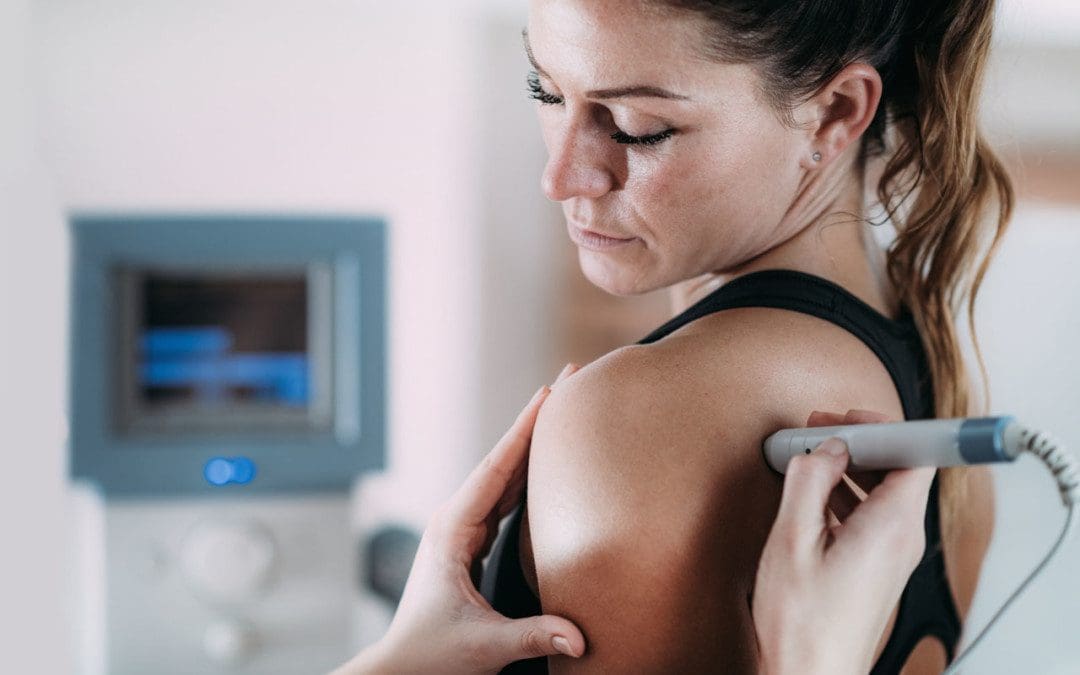
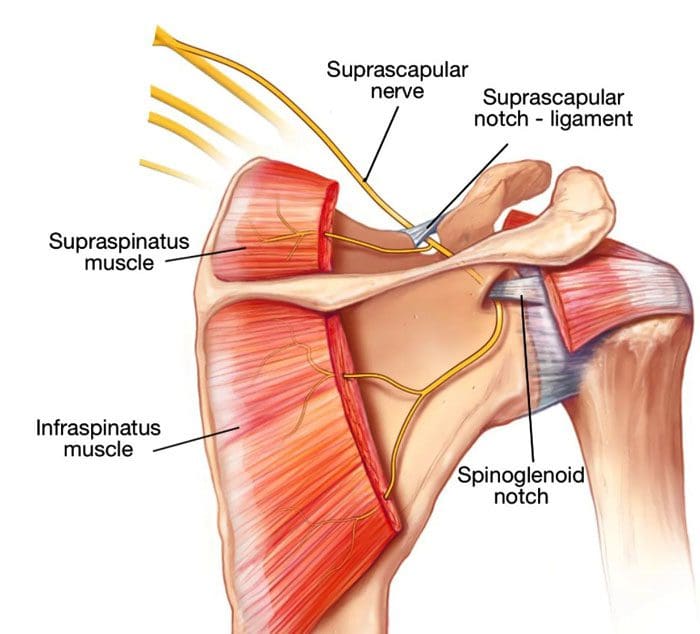
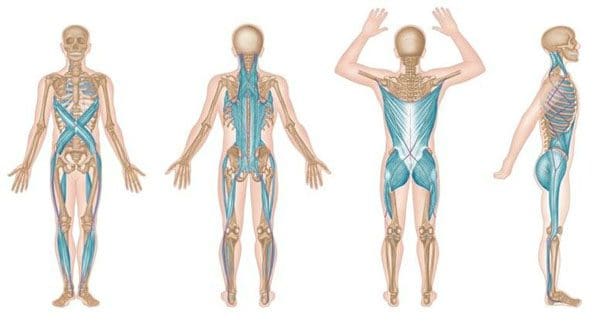
The shoulder is a ball-and-socket joint. The shoulder has several muscles that help it move and allow a wide range of motion. A strain or pulled shoulder muscle can affect the slightest movements, making simple activities difficult and painful. Pulling a muscle in the shoulder can be caused by an injury, overuse, and general wear and tear. Minor shoulder injuries usually heal on their own with rest and self-care. Severe shoulder muscle injuries should be addressed by a medical professional.
Pulled Shoulder Muscle Causes
Pulling a muscle in the shoulder can happen quickly. This could be from falling on the shoulder, an auto accident, or a work accident. It can develop after weeks, months, and years of repetitive motion and overuse. It is common among individuals that play certain sports or jobs that require repetitive activities with the shoulders. They can also happen with no apparent cause. Treatment and recovery depend on the type and severity of the injury.
How to Tell If It’s a Pulled Muscle
It can be hard to tell the cause unless the individual has experienced the specific type of pain before. Otherwise, it is recommended to consult a medical professional like a physical therapist or chiropractor. This is because shoulder pain can be caused by inflammation of the tendons and joints and/or the joint itself.
Pulled Muscle Shoulder Symptoms
A pulled muscle is characterized by:
Tenderness
Dull, sore, or aching pain.
Sometimes it can cause shooting pain between the shoulder blades in the front or back.
Pain when the shoulder is at rest.
Pain when the specific muscle is used.
Swelling of the area.
Shoulder instability.
The shoulder feels fragile.
Movement causes pain.
A bump may develop at the top of the shoulder near the end of the collarbone.
Inability to use the muscle at all.
If the pain is persistent, it could signify that there is something other than a pulled muscle like a pinched nerve or a joint issue.
Treatment and Recovery Options
Treatment and recovery vary and depend on the severity of the pull and the individual’s overall health. Many find that their pain is reduced with self-care in 2 or 3 weeks. Chiropractic treatment for a pulled shoulder muscle can provide relief within 1 or 2 weeks.
Self Care
Depending on the severity of the pull and how much pain is being experienced, individuals could be recommended to take an NSAID like Ibuprofen to reduce pain and swelling. Self-care can include:
Ice To Reduce Swelling
Applying ice or a cold pack to the area can help reduce swelling.
Place a cloth or towel between the skin and the cold pack.
Apply it for 20 minutes an hour.
The swelling should reduce in a day or two.
Rest
It is recommended to rest the shoulder for no more than 2 or 3 days.
This begins the healing process and prevents worsening the injury.
Wrap or Sling
During rest days, it can be hard to keep the shoulder from moving.
To avoid this, use a shoulder wrap or a sling to support the arm.
However, they should not be used for more than 2 or 3 days.
Gentle Stretching
It is essential to get the muscle working again after 2 or 3 days of rest.
Stretches will help the muscle group heal and gain strength.
Not stretching the muscle could prolong recovery and worsen the injury, and possibly cause new injuries.
Stretches For a Pulled Shoulder
Stretching a pulled shoulder muscle after a few days of rest is recommended because not working out the injured muscle can cause more problems. Not using the muscle can cause it to atrophy, which will take longer to heal, and the surrounding muscles become weak.
Pendulum Stretch
Slightly bent support the body by placing the unaffected arm on a table or chair.
Let the injured arm hang straight down.
Swing the arm in small circles clockwise as far as the pain or discomfort allows.
Perform for 1 minute.
Go counterclockwise for one minute.
Repeat 4 to 8 times throughout the day.
Chiropractic
If self-care is not providing sufficient relief, then chiropractic treatment is recommended. A doctor of chiropractic can advise on the best treatment options and get to the root of the issue. Chiropractors have a treatment arsenal of modalities and approaches to help treat pulled muscles. These include:
A somatotype is the overall shape and composition of the human body. Body types based on physique have three generalized divisions:
Endomorph
Mesomorph
Ectomorph
However, it is rare for someone to fall entirely into one somatotype. Individuals can have a combination of qualities from two somatotypes, like an ectomorph-endomorph hybrid or an endomorph-ectomorph, for example.
Ectomorphs
Naturally lean with long limbs, ectomorphs typically possess a slender look no matter what type of diet.
A lot of endurance runners and swimmers are ectomorphs.
Ectomorphs may have a decent amount of muscle but may appear to have less muscle development because of their long limb length.
Body fat also seems to get hidden by the long, slender figure, which means they can get away with a few extra pounds of fat.
However, if ectomorphs do not watch their health, they can become skinny fat.
Mesomorphs
Mesomorphs have a natural athletic look.
They can achieve a muscular physique without really trying.
The physiology tends to include:
Narrow hips
Wide back
A large frame contributes to a muscular appearance.
Many professional fighters, football, and basketball players are mesomorphs.
Endomorphs
Endomorphs have a larger structure with wide hips and shoulders.
Shorter arms and legs.
This type of body shape is excellent for activities that require a lot of strength.
Rugby players, strength athletes, and powerlifters are endomorphs.
This body type is considered to be a contributing performance factor in Ironman athletes.
References
Blache, Y et al. “Superficial shoulder muscle co-activations during lifting tasks: Influence of lifting height, weight, and phase.” Journal of electromyography and kinesiology: official journal of the International Society of Electrophysiological Kinesiology vol. 25,2 (2015): 355-62. doi:10.1016/j.jelekin.2014.11.004
Brantingham, James W et al. “Manipulative therapy for shoulder pain and disorders: expansion of a systematic review.” Journal of manipulative and physiological therapeutics vol. 34,5 (2011): 314-46. doi:10.1016/j.jmpt.2011.04.002
Kandel, Michel et al. “Somatotype, training and performance in Ironman athletes.” European journal of sports science vol. 14,4 (2014): 301-8. doi:10.1080/17461391.2013.813971
McFarland, Daniel C et al. “Spatial dependency of shoulder muscle demand during dynamic unimanual and bimanual pushing and pulling.” Applied ergonomics vol. 73 (2018): 199-205. doi:10.1016/j.apergo.2018.07.011
The body is a well-working machine that can endure anything that is thrown in its way. However, when it gets an injury, the body’s natural healing process will ensure that the body can get back to its daily activities. The healing process of an injured muscle varies throughout the body. Depending on how severe the damage is and how long the healing process will take, the body can recover to a mere few days to a few months. One of the most gruelly healing processes that the body has to endure is a ruptured calcaneal tendon.
The Calcaneal Tendon
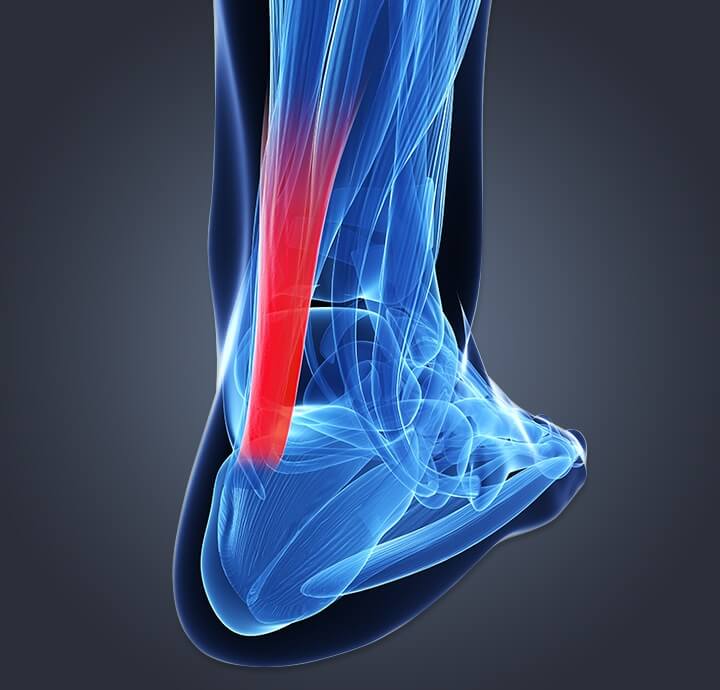
The calcaneal tendon or the Achilles tendon is a thick tendon that is located in the back of the leg. This muscle-tendon is what makes the body move while walking, running, or even jumping. Not only that, the calcaneal tendon is the strongest tendon in the body, and it connects the gastrocnemius and soleus muscles at the heel bone. When the calcaneal tendon is ruptured, the healing process can last from weeks to months until it is fully healed.
The Healing Effects of Low Laser Therapy
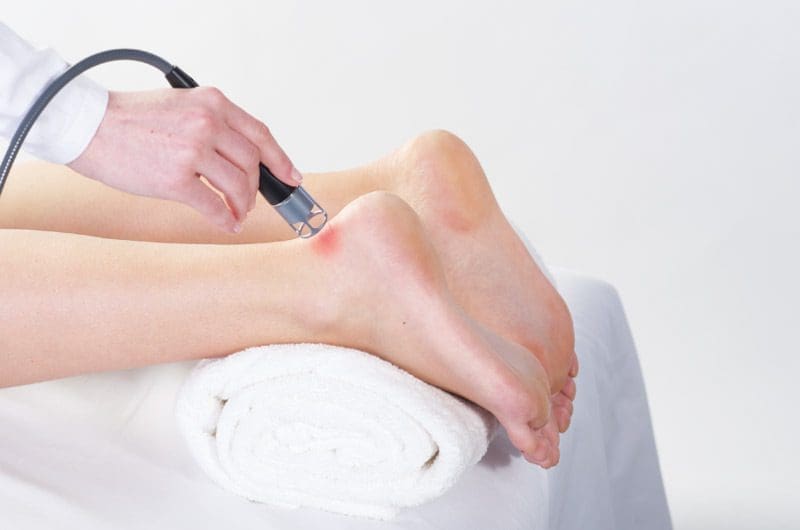
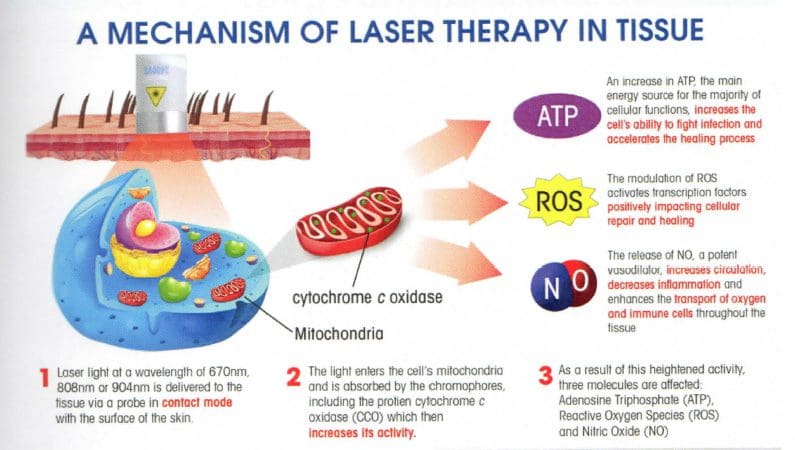
One of the ways that can help the damaged calcaneal tendons’ healing process is low laser therapy. Studies have shown that low laser therapy can speed up the damaged tendon repair after a partial lesion. Not only that but the combination of ultrasound and low laser therapy has been studied to be the physical agents for treating tendon injuries. The studies showed that the combination of low laser therapy and ultrasound has beneficial properties during the recovery process of treating calcaneal tendon injuries.
The study found that when patients are being treated for their calcaneal tendons, their hydroxyproline levels around the treated area are significantly increased with ultrasound and low laser therapy. The body’s natural biochemical and biomechanical structures on the injured tendon increase, thus affecting the healing process. Another study has shown that low laser therapy can help reduce fibrosis and prevent oxidative stress in the traumatized calcaneal tendon. The study even showed that after the calcaneal tendon is traumatized, inflammation, angiogenesis, vasodilation, and the extracellular matrix are formed in the affected area. So when patients are being treated with low laser therapy for about fourteen to twenty-one days, their histological abnormalities are alleviated, reducing collagen concentration and fibrosis; preventing oxidative stress from increasing in the body.
Conclusion
Overall, it is said that the effects of low laser therapy can help speed up the healing process of repairing the calcaneal tendon. The promising results have been proven since low laser therapy can help repair the damaged tendon, reducing oxidative stress and preventing fibrosis from escalating, causing more problems on the injured tendon. And with the combination of ultrasound, the calcaneal tendon can recover faster so the body can continue its everyday activities without any prolonged injuries.
References:
Demir, Huseyin, et al. “Comparison of the Effects of Laser, Ultrasound, and Combined Laser + Ultrasound Treatments in Experimental Tendon Healing.” Lasers in Surgery and Medicine, U.S. National Library of Medicine, 2004, https://pubmed.ncbi.nlm.nih.gov/15278933/.
Fillipin, Lidiane Isabel, et al. “Low-Level Laser Therapy (LLLT) Prevents Oxidative Stress and Reduces Fibrosis in Rat Traumatized Achilles Tendon.” Lasers in Surgery and Medicine, U.S. National Library of Medicine, Oct. 2005, https://pubmed.ncbi.nlm.nih.gov/16196040/.
Oliveira, Fla’via Schlittler, et al. Effect of Low Level Laser Therapy (830 Nm … – Medical Laser. 2009, http://medical.summuslaser.com/data/files/86/1585171501_uLg8u2FrJP7ZHcA.pdf.
Wood, Viviane T, et al. “Collagen Changes and Realignment Induced by Low-Level Laser Therapy and Low-Intensity Ultrasound in the Calcaneal Tendon.” Lasers in Surgery and Medicine, U.S. National Library of Medicine, 2010, https://pubmed.ncbi.nlm.nih.gov/20662033/.
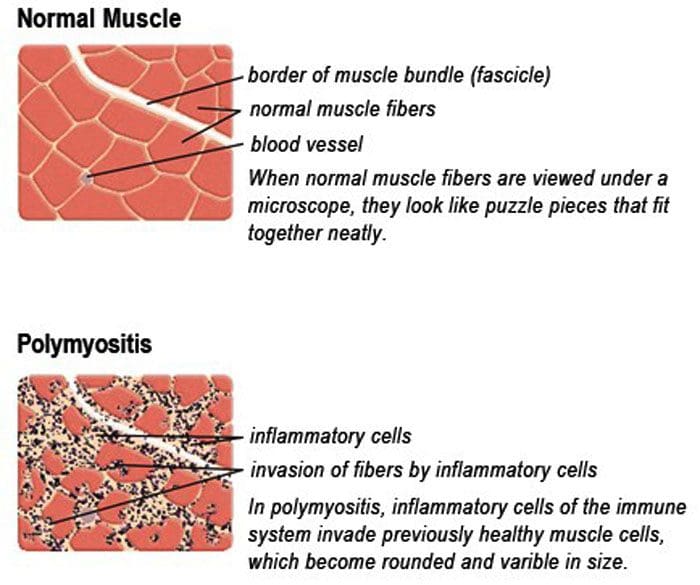
Polymyositis is a disease that causes the body’s muscles to become irritated and inflamed. It can affect the muscles all over the body. The muscles gradually begin to break down and weaken, making everyday movements difficult. This disease falls into a category known as inflammatory myopathies.
Polymyositis Unknown Causation
The causes of polymyositis are currently unknown. However, experts believe it could be associated with or triggered by a virus or an autoimmune reaction. An autoimmune response is when the body attacks itself along with the body’s tissues. It’s seen in individuals ages 31 to 60 and is rarely seen in individuals younger than 18. In some instances, medication can lead to an allergic reaction/response that causes muscle irritation and damage. But in most cases, healthcare experts are not able to find the exact cause.
Symptoms
The condition can affect the muscles all over the body. Physical activities like walking, getting up from a chair, or lifting objects can become difficult to perform. It can also affect the muscles that allow for eating and breathing. The muscles at the center of the body tend to be affected the most. Common symptoms include:
Muscle pain.
Muscle stiffness.
Muscle weakness, specifically in the abdomen, shoulders, upper arms, and hips.
Joint pain and stiffness.
Breathing problems.
Problems swallowing.
Abnormal weight loss can become an issue if there are problems with swallowing.
Irregular heart rhythms if the heart muscle/myocardium becomes inflamed.
Individuals may notice they have trouble climbing stairs or lifting their arms.
The inflammation can worsen, causing pain and weakness that affects the wrists, lower arms, and ankles.
Diagnosis
Diagnosis begins with the individual’s medical history, family medical history if necessary, and a physical examination. The examination includes seeing and feeling the strength of the muscles. Tests will be required that include:
Blood Tests
Blood tests allow the doctor to see if there are signs of muscle inflammation.
They also show if there are abnormal proteins that form in autoimmune diseases.
Electromyogram EMG
This test can be used to find abnormal electrical activity in the affected muscles.
MRI
Magnets and computer graphic imagery are used to help the doctor inspect for inflammation in the body.
Muscle Biopsy
A small piece of muscle tissue is removed to be analyzed with a microscope.
Treatment
Treatment depends on how severe the condition is,individual symptoms, age, and overall health. Currently, there is no cure for polymyositis, but symptoms can be managed. Individuals are recommended to utilize more than one type of treatment because the treatment plan may also need to be changed as treatment progresses. Treatments include:
Anti-inflammatory Medication
Steroid medication can help manage the disease and reduce symptoms, and corticosteroids can help ease inflammation in the body. The symptoms improve within 4 to 6 weeks, and a healthcare provider can lower the dosage after the symptoms decrease to reduce and ease any side effects.
Immunosuppressive Medication
These medications block or slow down the body’s immune system responses.
Talk with a doctor about the risks, benefits, and side effects of all medications.
Chiropractic and Physical therapy
Chiropractic treatment and physical therapy can help:
Aligning the spine to provide optimal nerve energy and blood circulation.
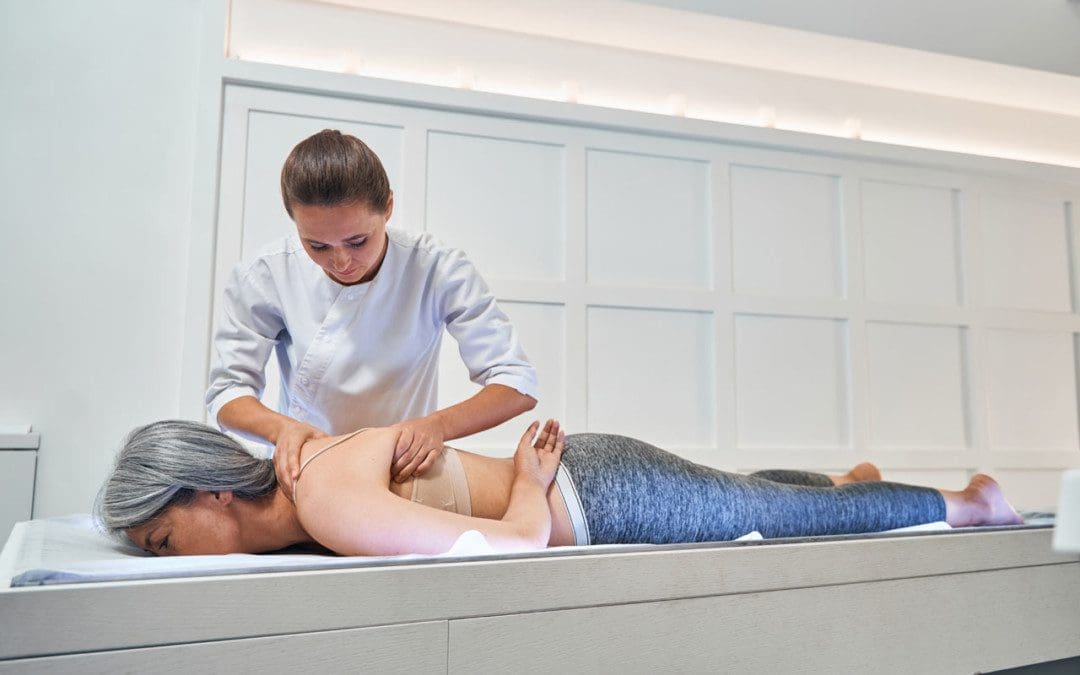
Therapeutic massage to stimulate and keep the muscles loose.
Specific exercises to help stretch and strengthen the muscles.
These can help keep the muscles from shrinking.
Heat therapy and Rest
Heat therapy and allowing the body to rest thoroughly can help decrease pain symptoms.
Special Braces
Body, hip, and leg braces can help support the muscles and help with mobility.
Complications
Polymyositis left untreated can lead to severe complications. The muscles become weaker, increasing the risk of falling and limiting daily activities.
If the chest muscles are affected, there could be problems with breathing that can lead to respiratory failure.
If the digestive tract is affected, malnutrition and unintentional weight loss can result.
Polymyositis poorly managed well can cause severe disability.
Body Composition
Nutrition and Muscle Growth
Protein
Protein is the foundation for gaining muscle.
This essential component is for all of the body’s daily functions.
It is essential to balance protein increase with overall diet.
Carbs should be a daily element of nutritional intake because they are the primary component.
Acquiring energy
Preventing muscle weakness and degradation
Consuming Carbs
Understanding how accurate results only happen when both sides work together.
Healthy consumption of protein and carbohydrates can help muscle growth and sustain optimal health for all body types.
References
Corrado, Bruno et al. “Supervised Physical Therapy and Polymyositis/Dermatomyositis-A Systematic Review of the Literature.” Neurology international vol. 12,3 77-88. 24 Nov. 2020, doi:10.3390/neurolint12030015
Findlay, Andrew R et al. “An overview of polymyositis and dermatomyositis.” Muscle & nerve vol. 51,5 (2015): 638-56. doi:10.1002/mus.24566
Sasaki, Hirokazu, and Hitoshi Kohsaka. “Current diagnosis and treatment of polymyositis and dermatomyositis.” Modern rheumatology vol. 28,6 (2018): 913-921. doi:10.1080/14397595.2018.1467257
Van Thillo, Anna et al. “Physical therapy in adult inflammatory myopathy patients: a systematic review.” Clinical rheumatology vol. 38,8 (2019): 2039-2051. doi:10.1007/s10067-019-04571-9
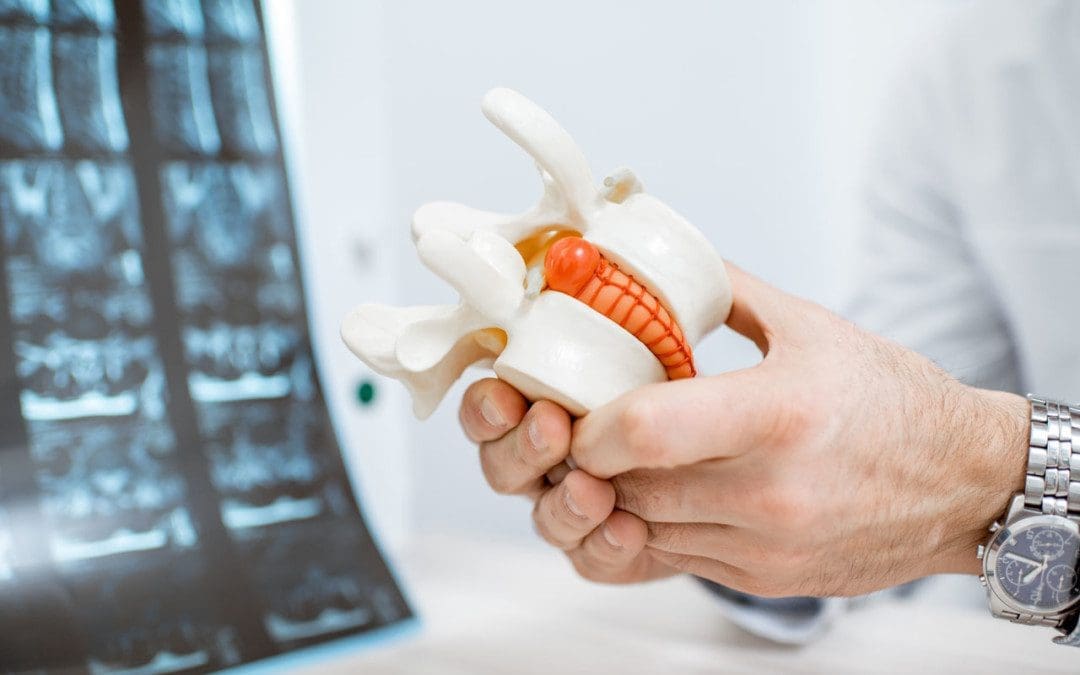
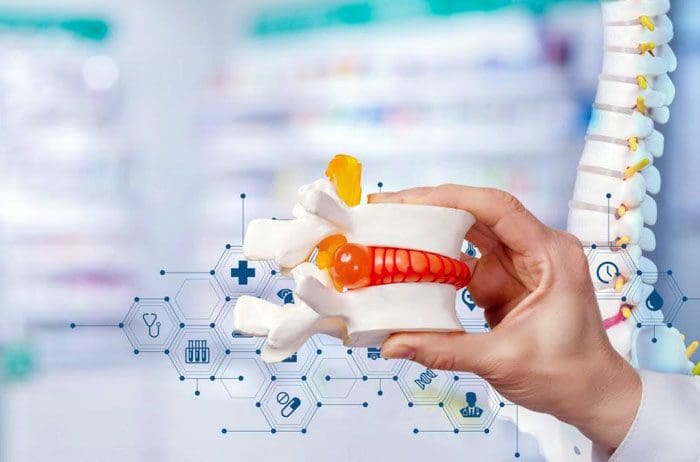
Herniated discs, although common, can be challenging to treat depending on the size. Over 3mm is considered a large herniated disc. However, it can progressively get more extensive, and this can cause severe side effects. The size can make the disc slip out of place and start compressing on surrounding nerves, leading to muscle weakness and nerve damage.
X-Ray and MRI
X-rays can’t detect herniated discs, and this is because they highlight calcium in the bones. Because the vertebral discs and the nearby nerves lack calcium, they don’t show up. They do help doctors see other problems that could be causing symptoms like a tumor. A herniated disc will show on an MRI and identify the size and position. Then a medical professional can get a closer look into the bone and surrounding nerves.
Degenerative Disc Disease
A herniated disc is not the same as degenerative disc disease. Degenerative disc disease is when the cartilage and tissues around the disc wear out and down, causing the discs to slowly slide out of their normal position. A herniated disc is the disc getting pulled/yanked out of place.
Tests
Specific tests will help a medical professional like a chiropractor understand the severity of a herniated disc. These include a nerve conduction study and electromyography.
Nerve Conduction Study
A nerve conduction study records electrical impulses in the nerves. Electrode patches are placed on various areas with varying electrical intensities to see different readings. Through the study, medical professionals are better able to understand the health of the nerves.
Electromyography
Electromyography is similar to nerve conduction but uses needles. Electrode patches are placed around the body; then, tiny needles are inserted into a surrounding muscle. The patches then record the reaction of the nerves.
Physical Therapy and Chiropractic Treatment
A herniated disc will usually heal without surgery in around six weeks. However, a herniated disc growing in size can take longer because of a treatment plan that has to be updated accordingly as the treatment progresses.
Physical Therapy
Physical therapy is very useful in working out herniated disc symptoms.
The therapy will slowly help the body recover by using equipment and stretching techniques to strengthen and restore flexibility. One technique is water therapy. Water helps relax the body, and the buoyancy prevents pressure build-up on the spine. This allows the body to stay flexible while avoiding strain and pressure on the herniated disc.
Chiropractic
Chiropractors specialize in herniated discs. Chiropractic works on repairing the whole musculoskeletal system. Once imaging tests have been examined and a personalized treatment plan developed, they perform the necessary adjustments. These include:
Flexion-distraction
This technique uses a segmented table that raises and lowers to release pressure on the spine. The movement also keeps the disc from touching the surrounding nerves, significantly reducing pain.
Pelvic block
The pelvic blocking adjustment utilizes cushions placed under the pelvis. As the chiropractor adjusts the spine, the cushions help to pull the disc back into place gradually.
Therapeutic Massage
Many chiropractors utilize massage therapy as it is highly beneficial for relieving pain and expedites recovery time. One recommended massage for herniated discs is deep tissue massage. The benefits include:
Relieving pressure around the nerves.
Reduces muscle spasms.
Improves the spine’s range of motion.
Releases the body’s natural painkillers.
Recommendations
Individuals are recommended not to overextend the spine. Avoid engaging in physical activities that require a lot of bending, twisting, reaching, etc. However, resting for too long can worsen the condition as the body needs movement to recover correctly. Too much rest can lead to the muscles contracting, leading to painful spasms. Safe activities include:
Herniated discs often result from an injury, but they could also be caused by weakened joints and muscles. If the body does not get enough calcium, magnesium, or vitamin C, the discs can slip out of place more easily. Taking supplements will help strengthen the area by assisting in the production of collagen. Collagen attaches itself around the discs, ensuring they stay in place and are protected. Foods rich in calcium, magnesium, and vitamin c will also help. Foods include:
Red peppers
Pumpkin seeds
Lemons
Almonds
Milk
Healthy yogurt
Peas
Brussel sprouts
Hydration
Hydrating the body with plenty of water can reduce pain. Water increases the fluid around a herniated disc. The fluid works as a cushion between the herniated disc and the surrounding nerves, helping to not press on them. Drinking water will also help with movement and sleep.
Body Composition
What Happens To The Body When Eating Fruit
At the basic macronutrient level, fruit is made up of simple sugar called fructose. The natural sugar the body gets from a piece of fruit is not the same as industrial fructose added to processed products like high fructose corn syrup. Processed foods are filled with empty calories and little to no nutrition. When the body takes in fruit, the liver processes fructose before getting absorbed through the small intestine.
Research shows that adding more fiber-rich foods like fruit increases gut ecology to an anti-obese condition. This happens by increasing the lean-type bacteria and reducing obese-type bacteria. Fruit can help boost healthy bacteria that can help prevent weight gain.
Essential nutrients from fruit include Folate, Vitamin C, and Vitamin B1. The USDA recommends 2 cups of fruit a day, depending on age. Making half of each meal fruit and vegetables can be an effective strategy for weight maintenance. Fruit provides the body with a carbohydrate energy source, and fruit sources can also help meet dietary balance needs and promote long-term weight maintenance.
References
Deniz Bayraktar, Arzu Guclu-Gunduz, Johan Lambeck, Gokhan Yazici, Sukru Aykol & Harun Demirci (2016) A comparison of water-based and land-based core stability exercises in patients with lumbar disc herniation: a pilot study, Disability, and Rehabilitation, 38:12, 1163-1171, DOI: 10.3109/09638288.2015.1075608
Gupta, Anmol et al. “Does Size Matter? An Analysis of the Effect of Lumbar Disc Herniation Size on the Success of Nonoperative Treatment.” Global spine journal vol. 10,7 (2020): 881-887. doi:10.1177/2192568219880822
Polkinghorn BS, Colloca CJ. Treatment of symptomatic lumbar disc herniation using activator methods chiropractic technique. Journal of Manipulative and Physiological Therapeutics. 1998 Mar-Apr;21(3):187-196. PMID: 9567239.
Sharma, Satya P et al. “Paradoxical Effects of Fruit on Obesity.” Nutrients vol. 8,10 633. 14 Oct. 2016, doi:10.3390/nu8100633
Stress in the workplace is a serious issue. Working is rewarding, but it can become a cause for major stress as well. Studies have shown that more than 40% of workers find their job to be a workplace stressor. Stress takes a toll on the body both mentally and physically. Numerous factors can result in being stressed. This includes:
Working for long hours regularly
Large amounts of work to complete
Meeting deadlines
Job insecurity
Workplace Stress Can Hurt The Body
Workplace stress fatigues and agitates the body and can cause major health issues. These include:
Sometimes stress can be so intense that the heart races. For some, this can lead to panic attacks. To help calm the body down, breathing exercises can help.
One exercise to relieve stress is to take one deep inhale and hold it for three seconds.
After three seconds, with the front teeth over the edge of the upper lip.
Slowly exhale.
Wait a few seconds
Repeat until you feel calm.
Second exercise
Close your eyes and breathe in and out like blowing up a balloon.
Take a long inhale, pretend the stomach is a balloon and hold the air for seconds.
Exhaling, pretend the air escaping is like a balloon releasing the air.
This helps to slow down the heart and releases tension.
Stay Aware of Body Posture
When intensely working on something standing or hunched over for a long time, muscle tension is occurring.
When sitting, make sure the feet are planted firmly on the floor.
Keep the shoulders back and aligned.
Investing in an ergonomic chair with lumbar support can help.
Low back support will automatically encourage the body to maintain proper posture while also providing comfort.
Never cross the legs when sitting. This can place pressure on the pelvis that can lead to low back pain.
It’s important to keep the body moving as it promotes circulation and maintains muscle strength and flexibility. Not moving around can make the body feel lethargic and irritated.
By getting up and walking around, tension is released, which helps reduce stress.
Make an effort to get out and walk regularly.
Walking has been proven to reduce stress and strengthen the bones.
Therapeutic Massage
Another way to manage stress in the workplace is to get a therapeutic massage. It will soothe and relax the body, helping you feel more at ease at work and home. Benefits of massage include:
Improves flexibility
Boosts immune system function
Increases energy
Reduces anxiety symptoms
Types of massages that help with reducing tension and stress are:
Fast food and junk food can bring temporary/false relief, but eating poorly regularly will increase stress in the body. The food does not supply the body with the nutrients it needs to get large amounts of work done. Individuals get a quick jolt of energy then crash rapidly and feel worse creating an unhealthy cycle. To help manage stress, some of the best foods include:
Adjustments can be helpful to manage workplace stress. The benefits are able to release tension throughout the body and increase flexibility. Chiropractic can improve blood circulation which can reduce symptoms caused by hypertension and nerve damage. Some chiropractic techniques used include:
This can improve how the body responds to stress. Keeping the body stress-free while working will help to be more productive, and encouraged to live healthier. The nervous system is responsible for adapting to the environment, especially a stressful environment. A properly aligned spine and nervous system allow the body to manage stress better.
Body Composition
High blood pressure and diabetes prevention
Living a healthy lifestyle reduces the risk of chronic diseases, that includes diabetes and hypertension. Too much:
Sodium
Alcohol
Saturated fat
Combined with:
Smoking
Lack or no physical activity
Mental stress
These are all factors that can affect overall health and longevity.
The American Heart Association recommends at least 150 minutes a week of moderate-intense aerobic activity or 75 minutes a week of intense aerobic activity. Moderate-intense activities include:
Jamison, J R. “Stress management: an exploratory study of chiropractic patients.” Journal of manipulative and physiological therapeutics vol. 23,1 (2000): 32-6. doi:10.1016/s0161-4754(00)90111-8
Muscle cramp and muscle spasm: Three types of muscles make up the body.
Cardiac muscle makes up the heart.
Smooth muscle cells line the blood vessels, gastrointestinal tract, and organs.
Skeletal muscles attach to the bones and are used for voluntary movements.
A muscle spasm happens when skeletal muscle contracts and does not go back to its relaxed state. Spasms are forceful and involuntary. A muscle spasm that sustains/continues is a muscle cramp. The leg muscles, especially the quadriceps/thigh, hamstrings/back of the thigh, and gastrocnemius/calves, are prone to cramping, but any skeletal muscle can cramp. Charley horse is another name for a muscle cramp.
Causes
There can be a variety of causes for muscle cramps. This includes:
Physical exertion in hot weather
Overexertion
Dehydration
Electrolyte imbalance
Physical deconditioning
Certain medications and supplements could contribute to muscle cramping.
They can interfere with electrolyte levels, contribute to the breakdown of muscle tissue, and/or interfere with blood circulation. Any medication-related muscle cramping should be reported to a doctor.
Night Cramping
Night cramping, especially in the calves, is common and affects up to 60% of adults. Women are more prone to night-leg cramps than men. They are also common with age and a common contributor to insomnia. Muscle fatigue and nerve dysfunction are believed to be a factor. Management remedies include:
Stretching
Self-Massage
Topical muscle pain ointments/creams
Ice therapy
Remedies and Treatment
The majority of cramps resolve on their own within a few minutes without treatment.
It is recommended that as soon as a cramp begins, stop the activity.
Stretch and massage the area,
Hydrate with water and, if necessary healthy sports drink to replenish sodium, vitamins, electrolytes, and more.
Apply heat to help relax the muscle.
Apply an ice pack.
Nonsteroidal anti-inflammatory medications (NSAIDs) can help if the pain is substantial.
Consult a doctor if cramps are severe or are recurring often.
Prevention
Strategies for reducing the risk include:
To vary exercise routines
Maintain proper hydration
Maintain proper levels of electrolytes. Sodium and potassium are lost during physical activity, especially in the heat and with consistent sweating.
Regular Stretching
Warm-up with a quick jog or quick walk before stretching the body.
Body Composition
Insulin and the body
Insulin assists the transport and storage of energy glucose to cells, tissues, and organs. These include the body’s glucose storage like the skeletal muscles and liver. Once the blood sugar returns to a base level as the glucose is absorbed, the pancreas begins producing glucagon instead of insulin. Glucagontells the liver to release the stored sugar, which typically happens between meals. What happens to the body when eating too much sugar and carbohydrates than the glucose-storing organs can handle?
Individuals with Type 1 diabetes have a pancreas that does not produce insulin. Type 1 diabetics need to control their glucose levels with lifelong insulin therapy.
With Type 2 diabetes, the pancreas ends up producing insulin through frequent outbursts. When this starts to happen more than normal, the cells eventually lessen their insulin sensitivity. The body becomes numb to the signaling that there is excess blood sugar in the body. This is what happens in individuals with insulin resistance or Type 2 diabetes. This type of diabetes can be managed or prevented with diet adjustments.
References
AAOS: “Muscle Cramps.” Jun. 2017.
American Academy of Orthopedic Surgeons: “Muscle Cramp.”
American Academy Physician: “AAN Recommendations on Symptomatic Treatment for Muscle Cramps.”
American Family Physician: “Nocturnal Leg Cramps.”
American Osteopathic Association: “Muscle Cramp – A Common Pain.”
Journal of the American Academy of Orthopedic Surgeons: “The Athlete With Muscular Cramps: Clinical Approach.”
National Cancer Institute: “Muscle Types.”
National Institute of Mental Health: “What Is Generalized Anxiety Disorder?”
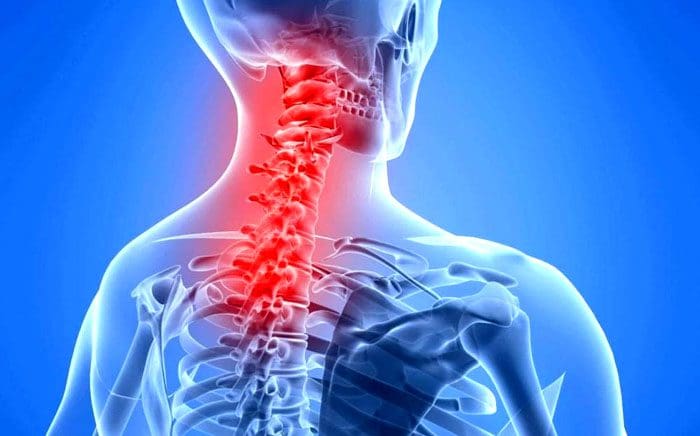
Many individuals will be looking up at the fireworks this 4th of July weekend. A word of caution when keeping the neck in one position for too long can cause neck discomfort and/or pain. Neck discomfort and pain can cause significant disruption with everyday activities. The neck is an area that is constantly in motion. Keeping it in one position for an extended period can cause damage/injury and spinal misalignment. Although neck pain often resolves on its own in a few days. However, it can lead to headaches or an inability to concentrate, affecting an individual’s quality of life. Here are some potential causes and remedies for decreasing neck discomfort and pain.
Keeping The Neck In One Position For Too Long Can Cause
Mechanical issues and imbalances in the upper spine, known as the cervical spine
Muscle tension
Muscle strain
Spinal misalignment
Poor posture
Sleeping problems
Injury or trauma to the neck from the force and weight
Chronic neck misalignment
If symptoms come on suddenly, are severe, or result in neurological issues like severe shooting pain, tingling, numbness, or sudden loss of arm strength, seek medical attention immediately.
Treatment
When the neck is strained or out of alignment, it disrupts nerve circulation integrity. Spinal misalignment is subtle in nature and can be difficult to detect without a professional examination. A chiropractor is trained to recognize any underlying issues to reset/realign the entire spine to optimal form. They will assess, guide, and treat the issue/s specific to the individual’s needs. Once the nerves are working uninhibited, a chiropractor can recommend neck exercises, stretches, and more to strengthen and prevent neck problems. When spinal alignment is restored, the body will begin to operate at full potential.
Healthy Body Composition
Meal Prep to Success
For individuals that want to eat less and change eating habits, change up the approach.
Meal prepping is a healthy habit that many have had success with because it helps achieve sustainable outcomes in weight loss. Every meal plan will vary for everyone.
First, individuals have different health goals.
Second, everyone has a different approach to their diet choices. For example, an individual might want to go low-carb and goes with the ketogenic diet. In comparison, some individuals are comfortable planning a week in advance and freezing labeled plastic containers.
Regardless of goals, dietary, or fitness preferences, a workable meal plan is recommended. The ultimate goal is to prevent feeling overwhelmed about planning the next healthy meal and resort to a junk food meal. To steer clear of unhealthy food choices and achieve a healthy body composition, here is a real-world tip to create and stick to a healthy meal plan.
Have a well-stocked fridge and pantry
Keeping to a meal plan is easier with a well-stocked fridge and pantry. Ensure to keep a list of essential groceries whenever going to the store to ensure plenty. This list of staples includes:
Having these ingredients ready to go means a healthy meal can be quickly put together when short on time.
Be realistic and make room for crazy days
You don’t have to come up with a seven-day weekly meal plan. It is important to change up the routine, so boredom doesn’t set in. Before planning and prepping several meals, double-check the calendar. Allow yourself some slack. This could be one or two lunches or dinners in a week just in case something comes up. If batch cooking, even schedule days for leftovers for that extra flexibility.
References
BMJ. 2017 Advances in the diagnosis and management of neck pain. Available at: https://pubmed.ncbi.nlm.nih.gov/28807894/
Mayo Clin Proc. 2015. Epidemiology, diagnosis, and treatment of neck pain. Available at: https://pubmed.ncbi.nlm.nih.gov/25659245/
Open Orthop J. 2016. A Qualitative Description of Chronic Neck Pain has Implications for Outcome Assessment and Classification. Available at: https://www.ncbi.nlm.nih.gov/pmc/articles/PMC5301418/
Phys Ther. 2018. A Mechanism-Based Approach to Physical Therapist Management of Pain. Available at: https://www.ncbi.nlm.nih.gov/pmc/articles/PMC6256939/
IFM's Find A Practitioner tool is the largest referral network in Functional Medicine, created to help patients locate Functional Medicine practitioners anywhere in the world. IFM Certified Practitioners are listed first in the search results, given their extensive education in Functional Medicine