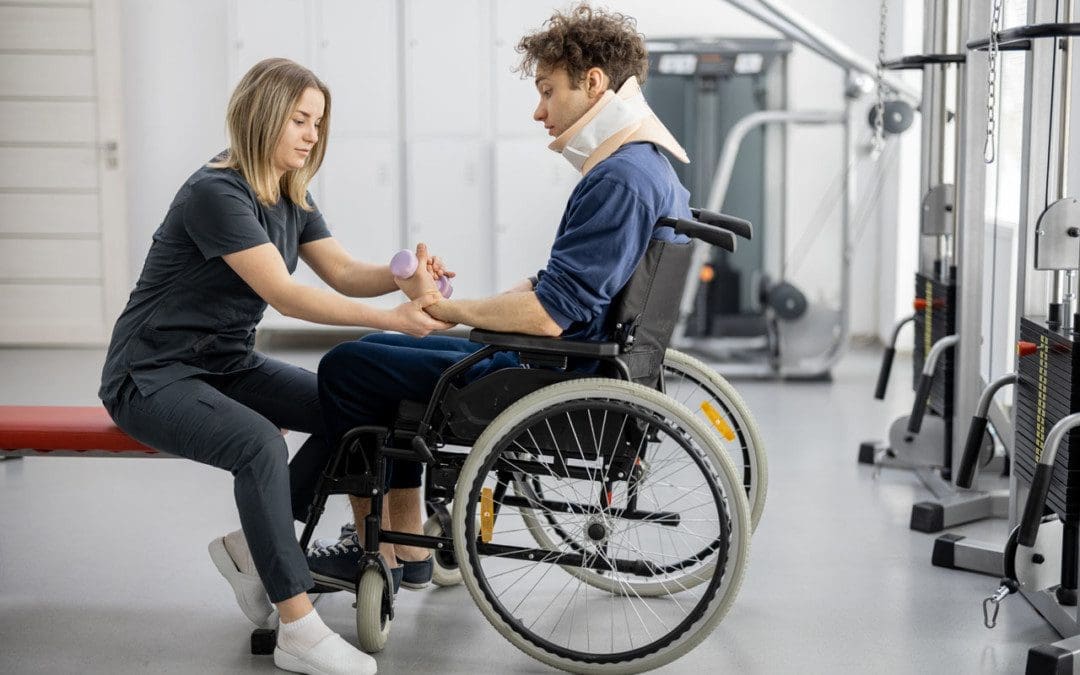
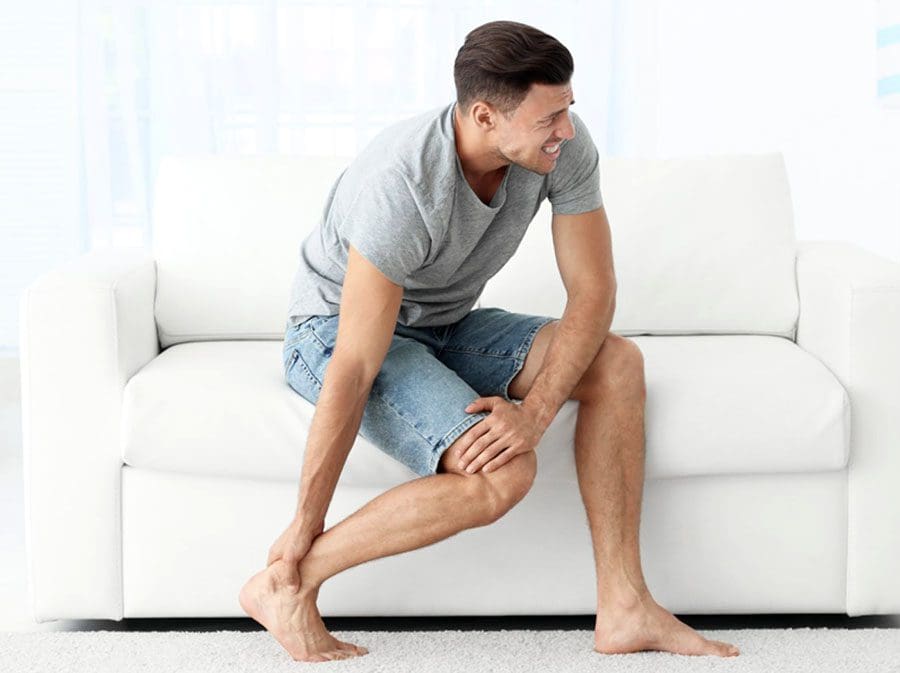
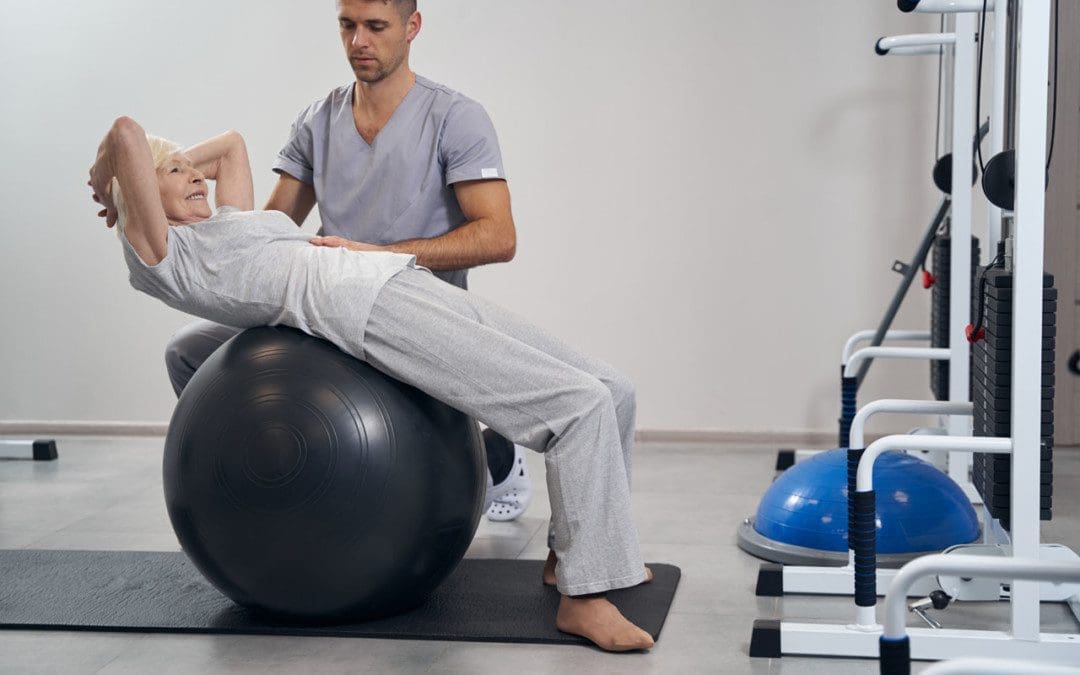
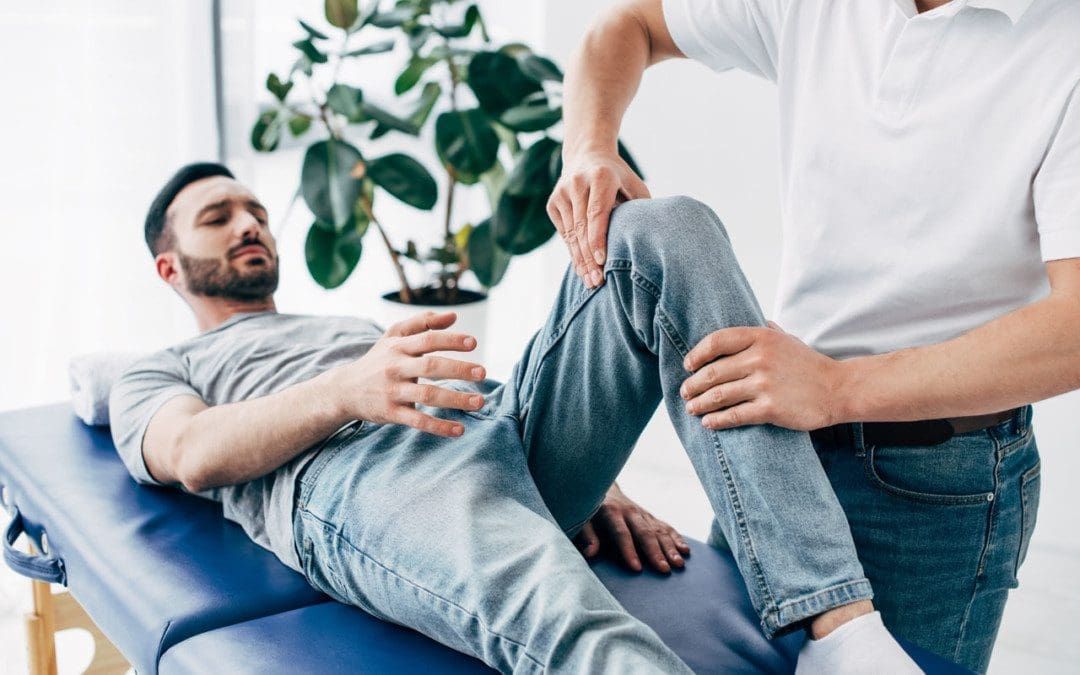
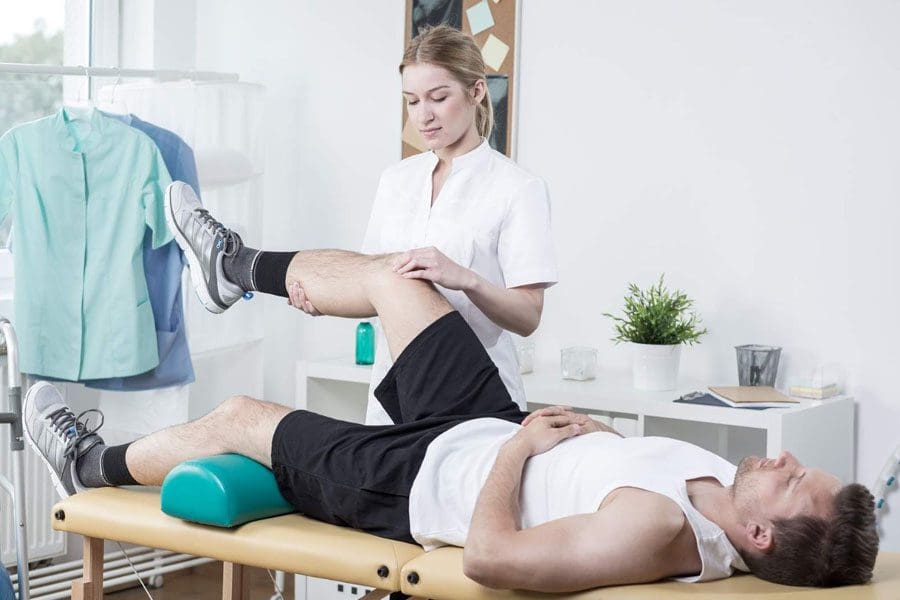
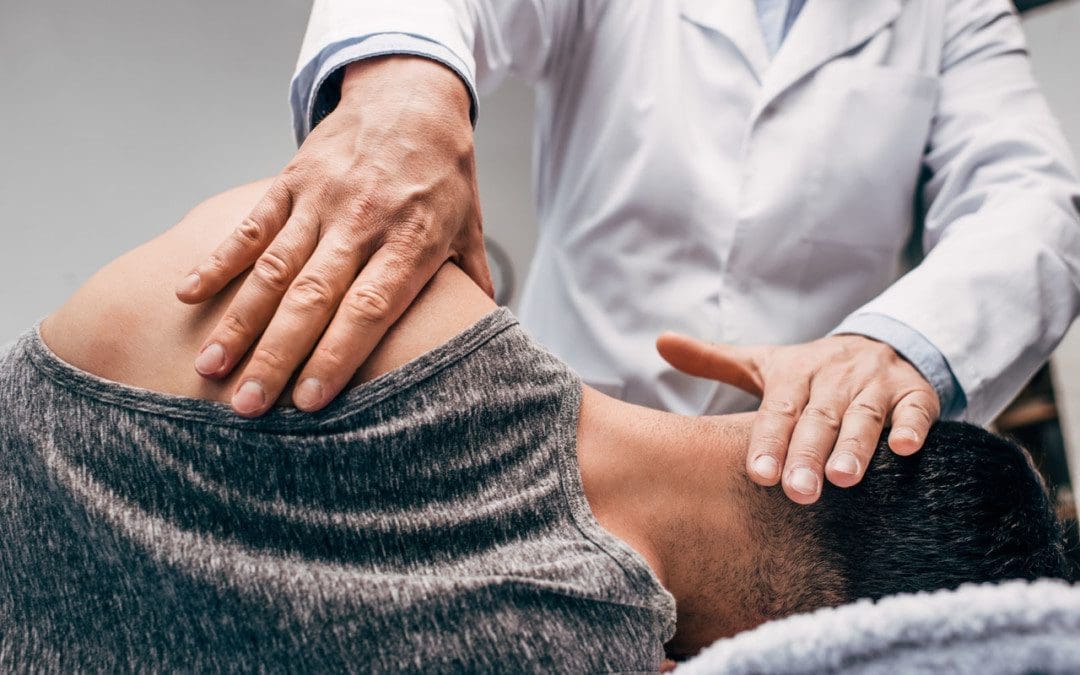
Reflex pain is a complex condition that involves the body’s pain withdrawal reflexfailing to turn off after the event that triggered the pain, so the pain sensations continue. This is a neurological condition known as the withdrawal reflex. It occurs when the body and brain undergo a chain of reactions to remove an affected body part from dangerous situations/stimuli. A typical example is a vehicle crash or accident. During the process, the body’s reflex muscle\s in the injured area tighten to protect the specific body part/s from further damage.
The reflex can feel like a muscle spasm that goes away over time. However, in the case of reflex pain, the signals keep firing. Reflex pain can occur all over the body as the muscles overcompensate to handle the prolonged pain; secondary injuries often develop. An example could be reflex pain in the ankle caused by injury or problems in the hips and back, where the individual tries to avoid moving the ankle in a specific way to prevent and avoid the pain symptoms. Individuals with reflex pain also experience headaches and referred spine and extremity pain. Reflex pain can become a cycle of symptoms that include:
Unusual tightness
Stiffness
Pain
Contracture – hardening or shortening of the affected muscles, tendons, or other tissues.
Decreased functional abilities.
Somatic Pain
Somatic pain causes receptors in tissues including the skin, muscles, connective tissues, joints, and skeleton to be activated. Stimuli like force trauma, vibration, extreme temperature, or inflammation/swelling activate these receptors. The pain is often described as:
Aching
Gnawing
Cramping
Sharp
Somatic pain is often localized to a particular area that is constant and stimulated by movement. There are two types.
Superficial painoccurs when everyday injuries activate pain receptors in the skin and mucous membranes.
Deep somatic pain occurs when stimuli activate pain receptors deeper in the body, including the tendons, joints, bones, and muscles. Deep body pain usually feels more like aching.
Pain can be confined to a local area or radiate to other areas of the body, depending on the extent of the injury.
Somatic pain can come from a variety of different potential causes that include:
Injury to joints or bones.
Trauma.
Fall or collision that damages connective tissues.
Sometimes these reflexes can stay in the on position and keep the body from achieving full relaxation.
In the nervous system, a body part is stimulated, and the message travels through the spinal cord and into the brain. The information is processed, then sent back through the spinal cord to the level that activates the specific body part. The reflexes transmit faster staying at the same spinal level without having to travel to the brain and back again.
During reflex pain, the body’s muscles are unable to relax, which is necessary for motion/movement. This prolonged contraction generates added pain and causes imbalances that can decrease excitabilityin the muscles. This can increase the activation of brain receptors that receive pain signals to respond by telling them to shorten and contract.
Therapy
Body misalignment can cause muscles to spasm, causing the nerves to stretch in an awkward way, compress, and get twisted and tangled around other nerves or other tissues. This disrupts communication resulting in pain, illness, and ailments that can lead to other health problems. Chiropractic care can address reflex pain by realigning the spine and improving joint motion and nerve conduction.
Chiropractic restores the body to its full and proper function by activating the natural healing abilities. Manual and mechanical spinal decompression realigns the vertebrae, reducing swelling, blockages, and nerve stress. A comprehensive examination will identify potential dysfunctional areas of the body using palpitations to identify which muscles are involved. Once identified, chiropractic, massage, and physical therapy options can be prescribed to rebalance the body’s muscles, and restore their ability to contract and relax normally.
Patient education will be provided concerning self-assessment techniques, instruction on how to treat pain, and an anti-inflammatory diet.
An exercise and stretching program will help maintain the adjustments, keep the body flexible, and strengthen the body.
Patients are helped to understand how to take control of their pain.
Spinal Decompression Testimonials
References
Biurrun-Manresa J, Neziry A, Curatolo M, Arendt-Nielson L, Anderson O. Test-retest reliability of the nociceptive withdrawal reflex and electrical pain thresholds after single and repeated stimulation in patients with chronic low back pain. Eur J Appl Physiol. 2011;111:83-92
Derderian C, Tadi P. Physiology, Withdrawal Response. [Updated 2021 Nov 12]. In: StatPearls [Internet]. Treasure Island (FL): StatPearls Publishing; 2022 Jan-. Available from: https://www.ncbi.nlm.nih.gov/books/NBK544292/
Muir, J M, and H Vernon. “Complex regional pain syndrome and chiropractic.” Journal of manipulative and physiological therapeutics vol. 23,7 (2000): 490-7. doi:10.1067/mmt.2000.108816
Neziri A, Haesler S, Steen P, et al. Generalized expansion of nociceptive reflex receptive fields in chronic pain patients. Pain. 2010;151(3):798-805
Szynkowicz, Peter, and Anthony Petrucci 4th. “Chiropractic Care of a Patient With Complex Regional Pain Syndrome Type 1 (CRPS-1): A Case Report.” Journal of chiropractic medicine vol. 19,2 (2020): 145-151. doi:10.1016/j.jcm.2020.05.001
Yezierski R, Vierck C. Reflex and pain behaviors are not equivalent: Lessons from spinal cord injury. Pain. 2010;151(3):569-577
Bicycling at any level is excellent healthwise, but the specific physical repetitive motions and postures can wear on a cyclist’s body, causing strains and injury to the:
Muscles
Ligaments
Tendons
Nerves
Spine
Injuries can be caused by falls, overused muscles, joints, posture, and/or balance problems, whether riding a bicycle for fun, health, or sport. Chiropractic decompression can treat cycling-related injuries and help prevent common injuries by helping cyclists with conditioning and exercises. Chiropractic adjustments, combined with health coaching and nutrition planning, can maximize the body’s overall athletic ability and increase/improve:
Many cyclists suffer from back pain overuse injuries that are caused by:
Incorrect saddle/seat height or an uneven seat/saddle
Not bending the knee at the end of a pedal stroke forces the cyclist to rock the pelvis side to side to generate enough power, placing added stress on the low back muscles.
Handlebars that are too far forward can cause over-stretching of the spine.
Constantly tilting the head can cause neck and shoulder pain.
Staying in the same position for an extended period strains the spine.
Repetitive hip flexion causes the muscles to become tight and perform less efficiently, straining the rest of the body to make up for the lost support.
Hamstrings that become tight can shorten in length, causing the body to pull on the pelvis and the spine.
Lack of core strength allows more stress to penetrate the glutes, back, and hips.
Riding on bumpy or rough terrain increases body jarring and spinal compression.
Chiropractic Decompression
Chiropractic decompression for cyclists can rehabilitate the body from injuries, alleviate pain, improve blood and nerve circulation and maintain the body’s flexibility. Advanced decompression techniques personalized to the individual realign and release the body from obstructions and toxins in the neural pathways. Nutritional and supplementation recommendations are incorporated to enhance the body’s natural healing abilities, and exercise/stretches to sustain the adjustments.
Spinal Decompress
References
Schultz, Samantha J, and Susan J Gordon. “Recreational cyclists: The relationship between low back pain and training characteristics.” International journal of exercise science vol. 3,3 79-85. 15 Jul. 2010
Silberman, Marc R. “Bicycling injuries.” Current sports medicine reports vol. 12,5 (2013): 337-45. doi:10.1249/JSR.0b013e3182a4bab7
Streisfeld, Gabriel M et al. “Relationship Between Body Positioning, Muscle Activity, and Spinal Kinematics in Cyclists With and Without Low Back Pain: A Systematic Review.” Sports health vol. 9,1 (2017): 75-79. doi:10.1177/1941738116676260
Thompson, M J, and F P Rivara. “Bicycle-related injuries.” American family physician vol. 63,10 (2001): 2007-14.
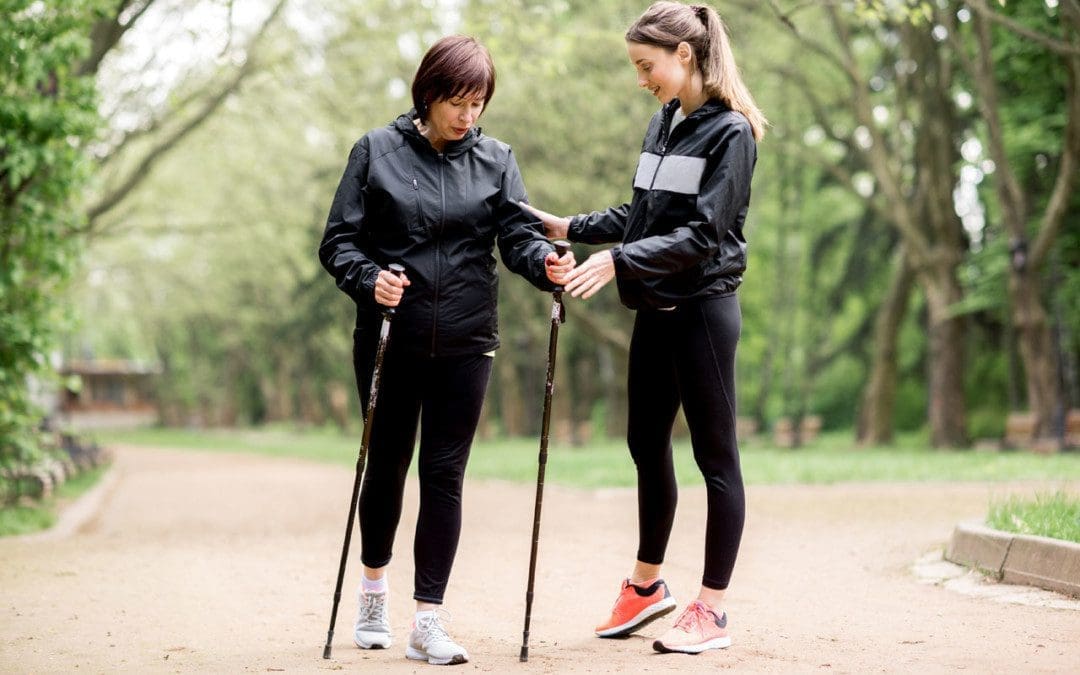
Walking is the most natural form of physical activity for optimal body health. It is low impact and can provide health and longevity benefits. Walking is second nature, but sometimes individuals can forget how to walk correctly and begin to present with musculoskeletal discomfort and injuries. The proper walking technique increases breathing function, reduces stress on the body and mind, and is a recommended form of self-care for aches and pains, injuries, and conditions. Proper walking techniques rely on the simple form, proper body mechanics, and active adjustments. Walking technique improvement can be achieved through chiropractic musculoskeletal rehabilitation and retraining to keep the body balanced and in top health.
Walking Problems
Forgetting proper walking technique is like forgetting healthy posture, which can lead to problems that include:
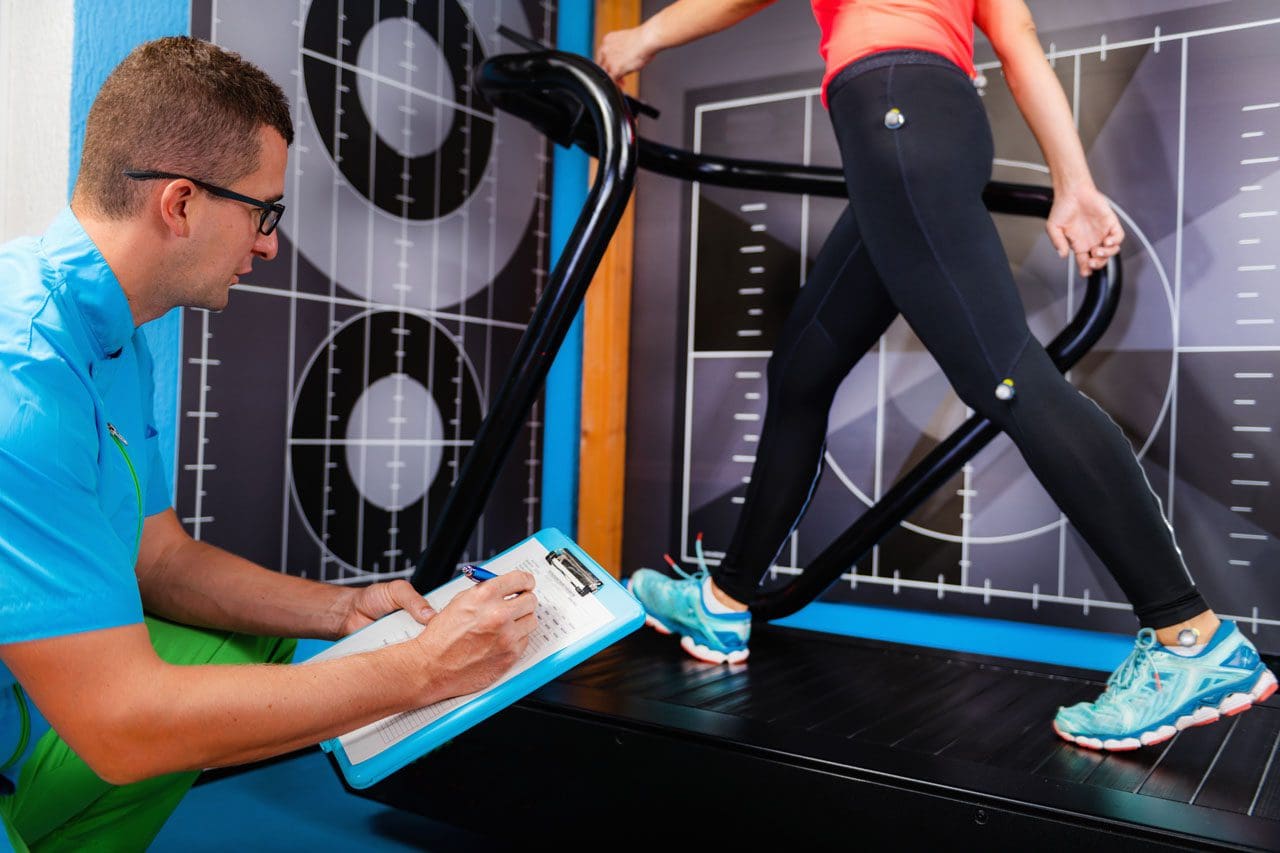
Gait is the manner or way an individual walks. The average gait could be described as placing one foot in front of the other in a continuous motion from the heel to the ball of the foot. Walking problems are often brought on by poor posture, injury, or physical condition. Typical gait abnormalities:
Propulsive gait
This gait is a stooped, stiff posture with the head and neck bent forward.
Scissors gait
This gait is when the legs flex slightly at the hips and knees like a crouch, with the knees and thighs hitting or crossing in a scissors-like movement.
Spastic gait
This gait is a stiff, foot-dragging walk caused by a prolonged muscle contraction on one side.
Steppage gait
This gait causes foot drop where the foot hangs with the toes pointing down, causing the toes to scrape while walking, requiring the individual to lift the leg higher.
Waddling gait
This gait is a duck-like walk that can show up in childhood or later in life.
Walking Problem Causes
Different diseases and conditions can affect gait and lead to walking issues. They include:
Foot problems, including corns, calluses, and sores
Injuries, such as fractures/broken bones, sprains, and tendinitis
Arthritis of the spine, hips, knees, ankles, or feet
Neurologic diseases – multiple sclerosis and peripheral nerve disorders
Cerebellar disorders of the brain that control coordination and balance
Movement disorders like Parkinson’s disease
Infections
Abnormal development of the muscles or bones of the spine, legs, or feet
Vision problems
Walking Technique Improvement
Body posture continually needs to be assessed and adjusted. When an individual least realizes it they start to forget healthy walking techniques, posture, and their shoulders begin to bow forward or become rounded or their feet start turning out when they shouldn’t. Poor walking posture leads to body aches and pains. Walking technique improvement consists of:
Standing up straight like a string is attached to the head maintaining a plumb line with the sky.
Keeping the chin parallel to the ground.
Shoulders are back and relaxed to relieve tension.
Focusing on around 15-20 feet in front, so the head follows where the eyes are looking.
The body relies on muscle/form memory. Chiropractic adjustments make it possible to keep the body in alignment, allowing mobility and flexibility without pain. Walking with proper form will strengthen the muscles that support the spine, eliminate stress on the body, and relieve aches and pains. Circulation will improve, bringing vitamins and minerals to the muscles and tissues.
DRX9000 Patient Testimonials Spinal Decompression
References
Buldt, Andrew K et al. “The relationship between foot posture and plantar pressure during walking in adults: A systematic review.” Gait & posture vol. 62 (2018): 56-67. doi:10.1016/j.gaitpost.2018.02.026
Chambers, April J et al. “The Effect of Prolonged Walking With Intermittent Standing on Erector Spinae and Soleus Muscle Oxygenation and Discomfort.” Journal of sports science & medicine vol. 18,2 337-343. 1 Jun. 2019
Hackford, Jessie, et al. “The effects of walking posture on affective and physiological states during stress.” Journal of behavior therapy and experimental psychiatry vol. 62 (2019): 80-87. doi:10.1016/j.jbtep.2018.09.004
Russell, Brent S et al. “Walking Gait Before and After Chiropractic Care Following Fifth Metatarsal Fractures: A Single Case Kinetic and Kinematic Study.” Journal of chiropractic medicine vol. 17,2 (2018): 106-116. doi:10.1016/j.jcm.2018.02.002
Body Flexibleness: The body loses a small amount of flexibility during normal aging. Decreased body flexibility can negatively impact everyday life by preventing normal function. If the muscles are not taken through their full range of motion to maintain length, strength is lost, and decreased flexibility increases. This can happen from:
Water loss in the tissues and spine.
Increased stiffness in the joints.
Loss of elasticity throughout the muscle tendons and surrounding tissues.
Body Flexibleness
Individuals of all ages struggle with flexibility, but there is a difference in age stiffness. However, a sedentary lifestyle can make everyday activities feel more strenuous than before. Less flexibleness can also cause pain. For example, if the muscles in the front of the legs become tight, it can limit movement in the pelvis and hips, leading to low back pain.
Several problems can result from decreased flexibility, including:
Shorter steps while walking.
Slower walking speed.
Back pain.
Increased risk of falls.
Flexibleness improves overall movement and helps prevent simple strains and injuries, including:
Back injury.
Muscle strains.
Shoulder injury.
Hip injury.
Leg injury.
A stretching program for the hip muscles can improve walking speed and step length. This will result in improved walking function with improved and increased control, decreasing the risk of injury. Step length is also critical in preventing injuries. More distance while walking and longer steps mean better balance, making it essential to maintain flexibility in the leg muscles.
Chiropractic Decompression
Routine chiropractic adjustments and spinal decompression can slow the progression of joint degeneration, improve movement, and decrease the risk of injury. When the vertebrae are properly aligned, the entire body operates at its optimal level. There is proper lubrication of joints and muscles, improving mobility and function and removing stress on the nerves, muscles, ligaments, and tendons. Chiropractic treats the joints, bones, and muscles to improve body flexibleness through manual and motorized decompression, adjustments, and massage, combined with health coaching, nutrition, stretching, and exercises to do at home.
DRX Spinal Decompression
References
“American College of Sports Medicine Position Stand. The recommended quantity and quality of exercise for developing and maintaining cardiorespiratory and muscular fitness, and flexibility in healthy adults.” Medicine and science in sports and exercise vol. 30,6 (1998): 975-91. doi:10.1097/00005768-199806000-00032
Choi, Jioun, et al. “Influences of spinal decompression therapy and general traction therapy on the pain, disability, and straight leg raising of patients with intervertebral disc herniation.” Journal of physical therapy science vol. 27,2 (2015): 481-3. doi:10.1589/jpts.27.481
Tseng, Shiuan-Yu, et al. “Effect of Two Frequencies of Whole-Body Vibration Training on Balance and Flexibility of the Elderly: A Randomized Controlled Trial.” American journal of physical medicine & rehabilitation vol. 95,10 (2016): 730-7. doi:10.1097/PHM.0000000000000477
Individuals drive to jobs, to school, run errands, take road trips, spending a lot of time on the road. Accidents and crashes happen more frequently with all kinds of injuries. The National Highway Traffic Safety Commission has found that 37% of car accidents and crashes involve leg injuries and damage. Chiropractic physical rehabilitation and functional medicine can help heal injuries getting the individual back to everyday life.
Bruising and cuts are typical from the impact and the body getting slammed around. Lacerations can be noticed right away, but bruising comes from blood pooling underneath the skin and can take time to present, possibly 24 to 48 hours. Most bruises and cuts heal independently from home first aid care. A standard recovery used to take care of bruising is R.I.C.E or rest, ice, compression, and elevation. This helps the healing process; however, if the injury/s are more severe, chiropractic can help with therapeutic massage to relieve pain and strengthen the injured muscles, tendons, and ligaments.
ACL Injuries
The femur or thigh bone has several bands of tissue connecting it to the patella or kneecap and tibia or shin bone. One of the bands is the anterior cruciate ligament or ACL. Injuries to this band of tissue are common in sports. Car accidents and crashes are another common cause, specifically tearing the ligament. Individuals experiencing a tear may notice some or all of the following symptoms:
A cracking or popping sound when the accident or crash took place.
Swelling in and around the knee.
Severe pain in and around the knee.
Unstable and unsteady when walking or standing.
Reduced range of motion that makes walking or moving difficult.
A chiropractor can help treat the injury and help correct any muscular imbalances.
Meniscus Tears
Tears to the meniscus are also common in car accidents and crashes. The meniscusis a part of the knee. Two wedge-shaped pieces of cartilage provide a cushion where the femur and tibia meet to absorb shock. The wedges are called menisci.
When the meniscus tears, individuals might feel or hear a pop and could feel the leg suddenly give out.
Swelling in the knee.
Some pain but still be able to walk.
The knee will be stiff for the next few days.
More difficulty bearing weight or walking.
The RICE method is a recommended method of self-care. Many meniscus tears do not require surgery to improve knee function. Mild to moderate meniscus tears can be successfully treated with chiropractic techniques like soft tissue work, corrective stretches, and exercises. Surgery could eventually be necessary for severe cases to repair the meniscus to prevent long-term complications.
Chiropractic care can help the body heal and recover from a bone fracture. A patient’s bone density is evaluated and tested with an individualized treatment plan to help regain and maintain optimal bone strength. The treatments strengthen the muscles, reduce stiffness, improve nutrition, and relieve pain. Manipulation adjustments, rehabilitation, relaxation techniques, and dietary health coaching help individuals heal faster and strengthen their bones. The objective is to help regain increased mobility and range of motion.
Sciatica
Car accidents and crashes are one instance where the spine can be damaged enough to bring on sciatic pain where no back problems were present before. The impact from a car accident can cause the discs to be knocked out of place, damaged, and/or rupture around the surrounding tissue. Any of these results can pinch the sciatic nerve, leading to pain and other sciatica symptoms. Chiropractic can realign the spine and relieve pressure from the nerve/s.
DOC Spinal Decompression Table
References
Atkinson, T, and P Atkinson. “Knee injuries in motor vehicle collisions: a study of the National Accident Sampling System database for the years 1979-1995.” Accident; analysis and prevention vol. 32,6 (2000): 779-86. doi:10.1016/s0001-4575(99)00131-1
Foulk, David M, and Brian H Mullis. “Hip dislocation: evaluation and management.” The Journal of the American Academy of Orthopaedic Surgeons vol. 18,4 (2010): 199-209. doi:10.5435/00124635-201004000-00003
Wilson, L S Jr et al. “Foot and ankle injuries in motor vehicle accidents.” Foot & ankle international vol. 22,8 (2001): 649-52. doi:10.1177/107110070102200806
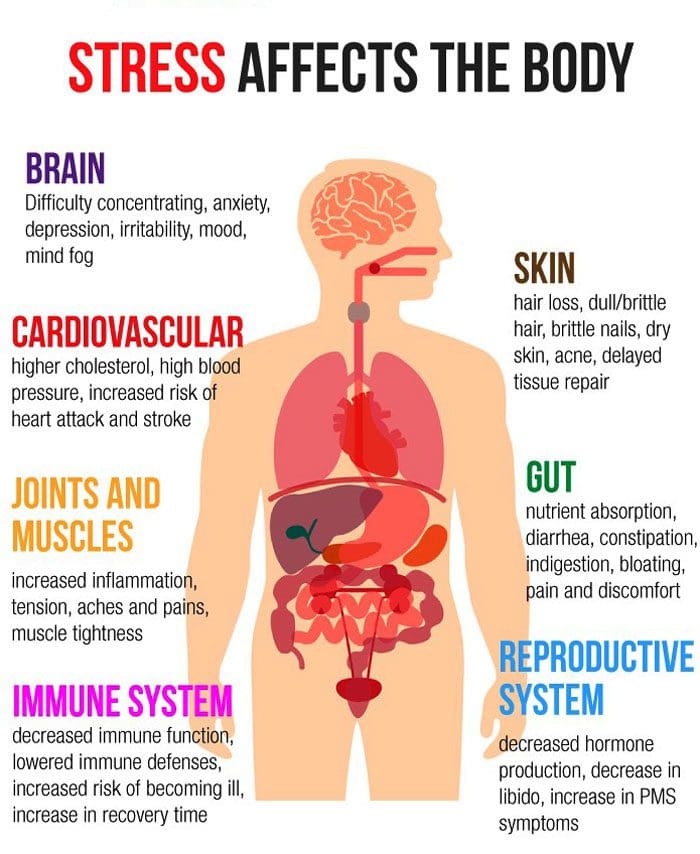
Stress health recognizes how stress affects the body, thoughts, feelings, and behavior. Stress that’s left untreated can contribute to various health problems. These include:
Chiropractic serves as a powerful intervention for anxiety-related symptoms.
Stress Health Blood Pressure and Heart Rate Balance
Chiropractic benefits cardiovascular health as it directly affects the nervous and other body systems that include the spinal system, the bones, joints, and muscular system, affecting the function of the cardiovascular system. Chiropractic regulates these system’s functions allowing for a moderate heart rate and blood pressure. Balanced blood pressure and heart rate can help minimize stress and anxiety, making it much easier to stay relaxed and focused. Individuals report experiencing decreased blood pressure and lower heart rate with long-term chiropractic treatment.
Mental Clarity
Cerebrospinal fluid/CSF is necessary for detoxifying the brain and helping to protect the brain. CSF transports oxygen and nutrients to the brain, helping to increase brain function efficiency. Chiropractic has been shown to increase the amount of cerebrospinal fluid delivered to the brain. This is because the spine is aligned correctly, allowing for a smooth flow of blood and nerve energy from the brain through the spine to the rest of the body. This provides:
Chiropractic can help increase energy levels in different ways for different individuals.
For some, this works by eliminating headaches, migraines, and other nerve dysfunction/s.
For others, this happens by decreasing or eliminating pain symptoms.
These conditions can contribute to lowered energy levels. Constant stress can change the body’s chemistry, leading to increased stress hormones like cortisol. Over time, these hormone releases can decrease energy, causing interference with the body/brain’s natural rejuvenating processes that reduce stress. With chiropractic, the therapeutic effects help correct body chemistry and improve energy levels.
Body Composition
Increase Immune Function
Lymphatic fluid has a vital role in stress health and the function of the immune system. Lymphatic fluid helps separate and release:
Toxins
Viruses
Fungus
Bacteria from the body.
When lymphatic fluid flows smoothly and is not impeded or trapped in tissues, joints, or muscles, the immune system operates at a high level. Chiropractic helps drive lymphatic fluid out of the tissues, joints, and muscles of the body, facilitating optimal immune function.
References
Dragoş, Dorin, and Maria Daniela Tănăsescu. “The effect of stress on the defense systems.” Journal of medicine and life vol. 3,1 (2010): 10-8.
Meier, Jacqueline Katharina et al. “Stress Alters the Neural Context for Building New Memories.” Journal of cognitive neuroscience vol. 32,12 (2020): 2226-2240. doi:10.1162/jocn_a_01613
Pickar, Joel G. “Neurophysiological effects of spinal manipulation.” The spine journal: official journal of the North American Spine Society vol. 2,5 (2002): 357-71. doi:10.1016/s1529-9430(02)00400-x
Delayed Onset Muscle Soreness – DOMS is when muscle pain or stiffness develops a day or two after playing sports, weight lifting, exercise, or work that involves concentrated physical activity like lifting and carrying objects. DOMS is considered a normal response to extended exertion and is part of the adaptation process that the recovering muscles experience as they undergo hypertrophy or an increase in muscle size. It is common in individuals who have just started exercising, increased the duration or intensity of their workouts, or just beginning a physically demanding job.
DOMS
When muscle contracts as it lengthens is known as eccentric muscle contractions, which is most associated with DOMS. It is related to increased stress in muscle fibers as they are exerted excessively. This also happens when engaging in movements the muscles are not used to, like a new exercise or helping a friend move heavy boxes, furniture, etc. Examples include:
Individuals will not feel DOMS during the workout or physical activity. Delayed symptoms include:
Swelling in the affected muscles.
Muscles feel tender to the touch.
Muscle fatigue.
Reduced range of motion and movement.
Pain and stiffness when moving.
Decreased muscle strength.
Treatment Options
Time and waiting for the muscles to repair themselves is the natural healing process, but steps can be taken to ease the soreness, stiffness, and pain. This includes:
It is different for everybody; personal experience will determine which works best for the individual.
Active Recovery
Active recovery is a technique that uses low-impact aerobic exercise right after a workout to increase blood flow to the muscles.
The increased blood supply can help relieve the inflammation.
RICE
This technique is used for acute injuries but can be applied to delayed onset muscle soreness. It stands for:
Rest
Ice
Compression
Elevation
Chiropractic
A chiropractic massage is for healing sore muscles, tendons, ligaments after an intense game, workout, etc. Chiropractic increases the blood and nerve circulation around the muscles delivering added oxygen and nutrients. This type of massage helps loosen the muscles/connecting tissues allowing the body to recover and heal quicker.
Body Composition
When Muscles Are Not Rested
Not taking time to recover because of overtraining/working can have consequences on the body. Inflammation that is not given the time to heal can lead to:
Injuries.
Weakened immune system.
Muscle mass loss.
Mental health issues.
The body’s immune system cannot function at total capacity during intense physical stress. This causes difficulty when trying to fight off germs and viruses. Studies have found preventing inflammation and injury requires prioritizing rest. Constantly being on the go and under intense physical stress can take a toll not only on the body but the brain as well. This can lead to irritability, frustration, anger, which leads to other health problems generating a vicious cycle.
References
Cheung, Karoline et al. “Delayed onset muscle soreness: treatment strategies and performance factors.” Sports medicine (Auckland, N.Z.) vol. 33,2 (2003): 145-64. doi:10.2165/00007256-200333020-00005
Guo, Jianmin et al. “Massage Alleviates Delayed Onset Muscle Soreness after Strenuous Exercise: A Systematic Review and Meta-Analysis.” Frontiers in physiology vol. 8 747. 27 Sep. 2017, doi:10.3389/fphys.2017.00747
Reinke, Simon et al. “The influence of recovery and training phases on body composition, peripheral vascular function and immune system of professional soccer players.” PloS one vol. 4,3 (2009): e4910. doi:10.1371/journal.pone.0004910
IFM's Find A Practitioner tool is the largest referral network in Functional Medicine, created to help patients locate Functional Medicine practitioners anywhere in the world. IFM Certified Practitioners are listed first in the search results, given their extensive education in Functional Medicine