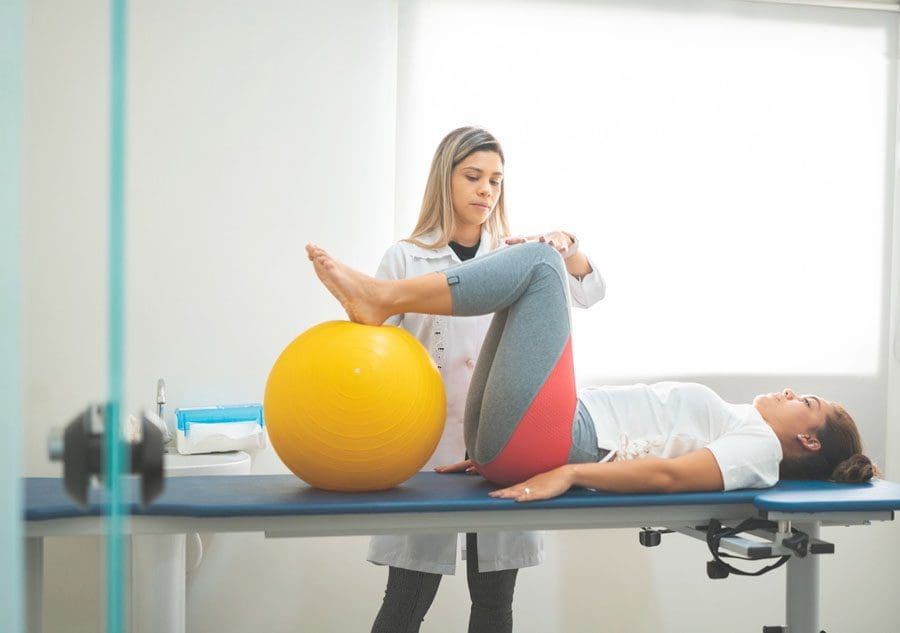
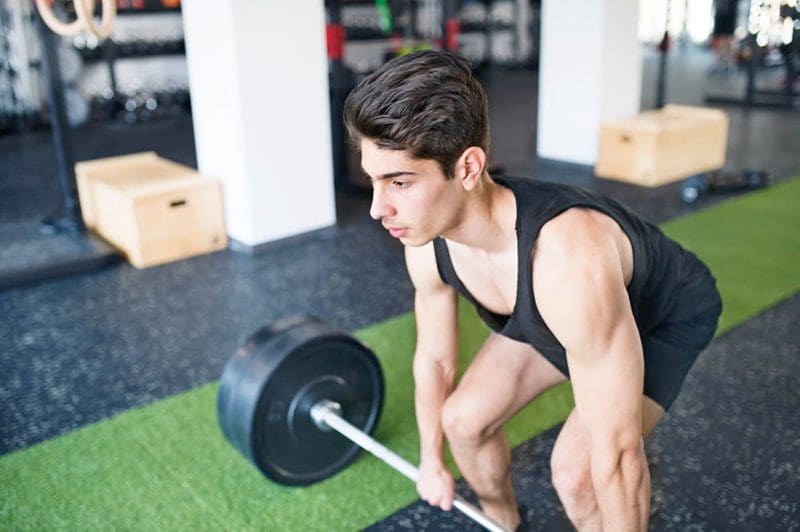
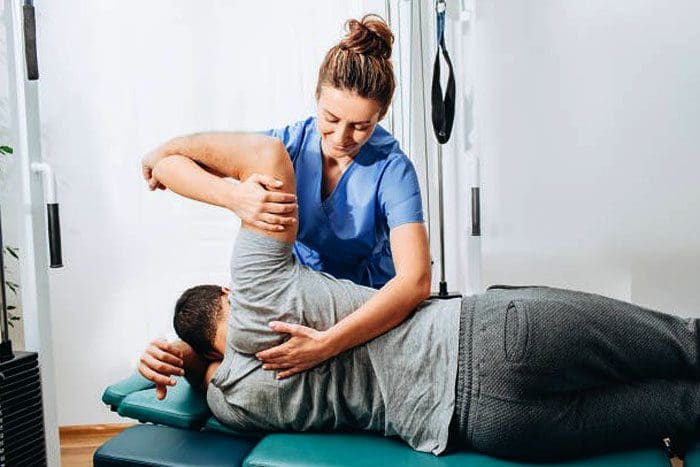
Sports chiropractic athletes: A sports chiropractor is a specialist that works with athletes to improve their performance. These doctors specialize in assessing and treating sports injuries. Treatment also prevents future damage/injury by providing a customized rehabilitation, strengthening, flexibility, and mobility program, that includes:
Exercise prescription
Ergonomic recommendations
Health coaching/counseling
Therapeutic sports massage
Sports chiropractic deals with preventing, diagnosing, and treating sports-athletic-based injuries to muscles, tendons, ligaments, and joints. Sports chiropractors have extensive training in evaluating muscular-skeletal problems related to sports participation overuse. Diagnosis is acquired through:
Chiropractors are masters of the human body and trained to use advanced diagnostics tools. A sports chiropractor evaluates individuals from all levels of sports and fitness, including:
Athletes – professional or recreational
Weekend warriors
Military personnel
The objective is to identify musculoskeletal problems related to sporting activity or overuse, alleviate pain, rehabilitate, and strengthen to prevent future injury. They can diagnose and treat sports-related injuries from common overuse injuries like:
Hip pain from frequently running on pavement.
Shoulder pain from damage caused by continued overhead throwing or hitting.
Low back and leg issues from twisting, bending, jumping, and reaching.
Balance
Athletes need a healthy balance of endurance, strength, and structure. Through biomechanics training, sports chiropractic restores the body’s natural balance and proper function. The goal is to get the athlete re-engaged and protected against further injury and play without any problems or limitations. Sports chiropractic athletes can return in a short amount of time from injuries that include:
Torn ACLs
MCL Sprain
Ankle Sprain
Achilles Tendonitis
Rotator cuff tears
Quadriceps Strains
Hamstrings Strains
Shin Splints
Sports Hernia
Neck Pain
Back Pain
Spondylolisthesis
Prevention Regimen
They can recommend prevention programs to prevent potential problems before an athlete gets hurt. A chiropractor will detect developing muscle imbalances before they turn into a chronic condition that can lead to damage to the rest of the body. Additional therapies include:
Massage
Hot/cold treatments
Ultrasound therapy
Low-level laser therapy
Adjustments, stretching, core training, therapeutic sports massage, health coaching, and nutritional counseling will strengthen the body, allowing for performing physical activities and sports at optimum levels.
Body Composition
Sports Performance
Working with sports chiropractic athletes means achieving a balance of lean mass to maintain sports performance and reduce the risk of injury. Athletes, doctors, and trainers monitor gains over time to maximize performance and watch for signs of potential injury. A method of monitoring for potential injury is the ECW/TBW Analysis. When training and engaging in sports, the body is under physical stress. The proper amount of rest and recovery are needed to allow muscles to recover and regrow. Inflammation is reflected in the ECW/TBW by monitoring changes over time. A steady increase can indicate a sign of overtraining or improper recovery. Monitoring this progression can alert doctors and trainers that an athlete needs a less intense workout or longer recovery to reduce the potential for overtraining injury.
References
Corcoran, Kelsey L et al. “Association Between Chiropractic Use and Opioid Receipt Among Patients with Spinal Pain: A Systematic Review and Meta-analysis.” Pain medicine (Malden, Mass.) vol. 21,2 (2020): e139-e145. doi:10.1093/pm/pnz219
Naqvi U, Sherman Al. Muscle Strength Grading. [Updated 2021 Sep 2]. In: StatPearls [Internet]. Treasure Island (F.L.): StatPearls Publishing; 2022 Jan-. Available from: https://www.ncbi.nlm.nih.gov/books/NBK436008/
Nelson, Luke et al. “A descriptive study of sports chiropractors with an International Chiropractic Sports Science Practitioner qualification: a cross-sectional survey.” Chiropractic & manual therapies vol. 29,1 51. 13 Dec. 2021, doi:10.1186/s12998-021-00405-1
Williams, Sean et al. “Kinesio taping in treatment and prevention of sports injuries: a meta-analysis of the evidence for its effectiveness.” Sports medicine (Auckland, N.Z.) vol. 42,2 (2012): 153-64. doi:10.2165/11594960-000000000-00000
Chiropractic can enhance the effectiveness of an exercise program. Chiropractic works on the neuromusculoskeletal system, which comprises the nervous, muscular, and skeletal systems. It produces an indirect effect on the immune system, involving the body’s processes resulting from exercise and muscle development. Most individuals are familiar with the benefits of regular exercise and physical activity. Regular physical activity and exercise:
Increases circulation
Improves strength
Increases immune system function
Produces brain-boosting endorphins and chemicals
Improves mood
Increase muscle mass
Contributes to enhanced flexibility and mobility
Exercise-boosting practices can multiply the effectiveness of a workout program. Exercise-enhancing methods that are well known include:
Incorporating rest days
Staying hydrated
Consistent and high-quality sleep
Utilizing supplements that enhance the body’s ability to produce and sustain muscle.
A chiropractor can develop a personalized treatment plan to support and enhance an individual’s workout/exercise program. This plan can include specific interventions to improve alignment or maintain muscle relaxation and prescribed stretches and movements to decrease the strain from an exercise regimen.
Nervous System
Chiropractic helps to balance the nervous system. Treatment allows pressure to be removed from compressed, bruised, and severed nerves. Chiropractic decreases and eliminates pain originating from inflamed muscles, joints, and tissues. When it comes to exercising, nerve pain usually originates from vigorous movement. Swelling and inflammation in the body can cause nerves to become inflamed or compressed. Misalignment in the spinal structure and joints can occur during strenuous exercise, particularly when weight resistance is involved. It can also constrict/pinch nerves, contributing to sciatic pain, which originates in the lower back and spreads down the gluteal muscles and back of the legs. Chiropractic can help:
Reduce pain and discomfort
Improve physical responsiveness
Decrease inflammation
Improve immune function
Muscular System
The muscular system is interconnected with the nervous and skeletal systems. Manual chiropractic manipulation helps to:
Reduce pain in inflamed muscles that have been utilized during exercise
Release tense and strained muscles
Remove muscular knots
Accelerate muscle repair
Improve exercise performance
Skeletal System
The skeletal system is the foundation for all physical movements and activities. It plays a role in physical activity/exercise, recovery, and the development of strength and musculature. During exercise routines, the joints can become misaligned, especially with weight-bearing or lifting activities. Chiropractic for the skeletal system can:
Rebalance the system
Realign bones and joints
Decrease muscular strain
Improve posture and form
Reduce and eliminate pain in the knees, wrists, and shoulders
Increase the body’s capacity for taking on additional weight healthfully
Keep The Chiropractor Informed
To receive enhanced exercise and performance-related benefits from chiropractic care, individuals must keep their chiropractor informed of goals and style of physical activity. The more the chiropractor knows about the types of exercises, the more they will provide a customized treatment plan for an individual’s specific needs. Any injury or strain experienced during an exercise session or a specific part of the body seems to be recovering at a slower rate than the rest of the body, inform the chiropractor. They can survey posture, stance, determine imbalances, and discover other body areas that may be over-straining to compensate.
Time Sessions Appropriately
Depending on the type of physical activity and exercises, individuals may be advised to seek care on rest days or the same days of the workout. Discuss with the chiropractor what days of the week are best for treatment and before or after workouts.
Health Goals
Movement and exercise practices are unique and vary with each individual. Individuals have different goals for their regimens that range from:
Increasing flexibility and agility
Building strength, endurance, and muscle mass.
Identify health goals and share them with the chiropractor. Depending on the purpose of the exercise routine, treatment may vary to support and enhance specific objectives.
Body Composition
Improve Insulin Sensitivity
When consuming carbohydrates, it is broken down into sugar. The body needs a certain amount of sugar to function. However, cellular damage occurs if the levels become too high for too long, like in diabetes. Insulin’s role is to guide excess sugar – glucose into the safety of the cells. However, more individuals are experiencing high blood insulin levels, called hyperinsulinemia. It’s dangerous to let glucose levels remain elevated, which is why more insulin is produced to bring the blood sugar down. After a time, constant hyperinsulinemia results in a condition called insulin resistance, where the cells become resistant to the effects of insulin and less effective.
Insulin Sensitivity and Weight Loss
A high insulin level in the blood can trigger weight gain and make it difficult to shed excess fat. Research shows that high insulin:
Erion, Karel A, and Barbara E Corkey. “Hyperinsulinemia: a Cause of Obesity?.” Current obesity reports vol. 6,2 (2017): 178-186. doi:10.1007/s13679-017-0261-z
Hawk, Cheryl et al. “Best Practices for Chiropractic Management of Patients with Chronic Musculoskeletal Pain: A Clinical Practice Guideline.” Journal of alternative and complementary medicine (New York, N.Y.) vol. 26,10 (2020): 884-901. doi:10.1089/acm.2020.0181
Hoogvliet, Peter et al. “Does the effectiveness of exercise therapy and mobilization techniques offer guidance for the treatment of lateral and medial epicondylitis? A systematic review.” British journal of sports medicine vol. 47,17 (2013): 1112-9. doi:10.1136/bjsports-2012-091990
Peluso, Marco Aurélio Monteiro, and Laura Helena Silveira Guerra de Andrade. “Physical activity and mental health: the association between exercise and mood.” Clinics (Sao Paulo, Brazil) vol. 60,1 (2005): 61-70. doi:10.1590/s1807-59322005000100012
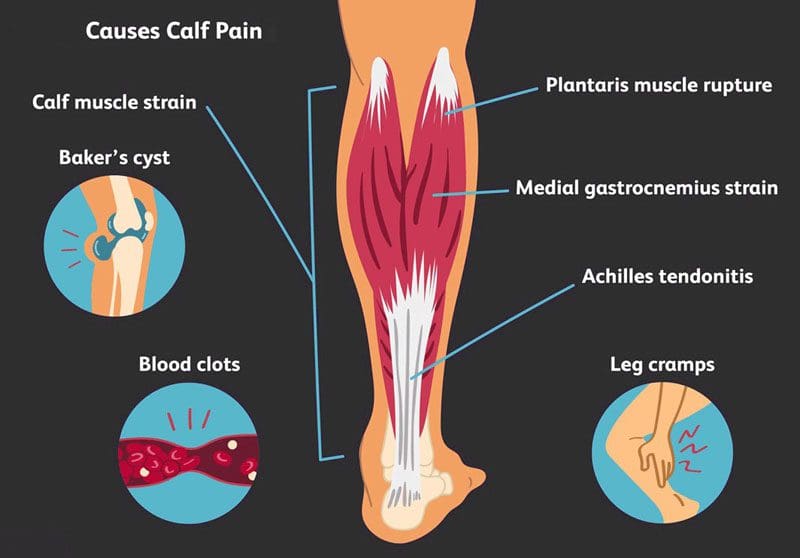
Calf pain is common in individuals who spend a lot of time on their feet, whether standing at work, school, or training athletes. The calf muscle/s take on a tremendous amount of load throughout the day. Climbing stairs, jogging, running, and hiking increase strain on the muscles. In most cases, calf pain results from an overuse injury of the calf muscles. Improper footwear can also contribute to issues around the foot and ankle that include:
Tightness
Loss of strength of the foot
Decreased mobility
Short or tight calves can lead to dysfunctional movement, cramping symptoms, chronic pain, and stiffness. A combination of chiropractic active release treatment and physical therapy can help quickly eliminate calf pain.
Anatomy
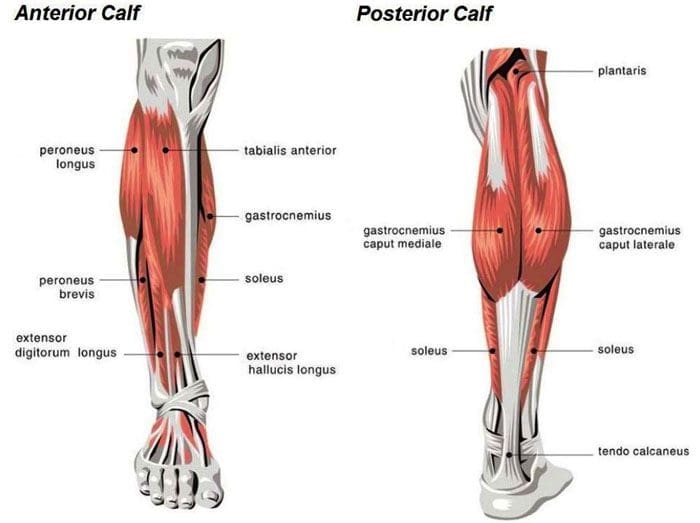
The calves are comprised of two muscles, the gastrocnemius, and soleus.
The gastroc originates just above the knee.
The soleus is below the knee.
They both insert on the back of the ankle as they join to form the Achilles tendon. The gastrocnemius is the power muscle used for explosive movements like jumping. The soleus muscle is predominately a slow-twitch muscle. This means it is very active during extended activities, like standing, walking, exercising, and running. When dealing with calf and ankle issues, other muscles can also contribute. These include:
The posterior tibialis lies deep in the inner portion of the calf and plays a role in foot and ankle function.
Most commonly, calf pain is caused by the overuse of the calf muscles. This is often the result of the consistent pounding of the feet and lower legs from standing, walking, and working. Over time, the repetitive pounding can cause tiny tears in the muscles of the lower legs and calves. If detected, early rest and recovery are recommended to allow the muscles to relax, loosen, and heal. However, repeated use can lead to more severe injury without proper treatment, like compartment syndrome. Certain types of calf pain can signify a medical emergency that requires immediate treatment.
Compartment Syndrome
A tough and fibrous covering surrounds the calf called the fascia. During physical activity or exercise, blood flows into these muscles, causing them to increase in size. If the fascia cannot stretch enough when these muscles enlarge, pain and tightness can develop. This is known as chronic posterior compartment syndrome. The discomfort typically goes away when the activity stops but is likely to return without proper treatment.
Calf Overuse Injury
Soreness, tightness, and pain are usually felt along the back or inside of the lower leg. The calf muscles are generally not painful to touch but maybe tender when deep pressure is applied. Calf pain and tightness often come with extended physical activity, exercise and disappear once the activity is stopped. If the injury becomes chronic, calf stiffness can present even when not active, along with numbness and/or tingling in the lower leg or foot.
Treatment
It is recommended not to ignore any discomfort, pain, and stiffness in the calves. Continued overuse can lead to scar tissue formation and chronic pain potential without proper care. Active Release – ART, and chiropractic effectively treat this type of injury. ART breaks up scar tissue, returning normal function to the calf muscles. And chiropractic loosens up stiff joints in the hips, ankles, and feet that may be contributing to wear and tear on the calves. Together they can quickly and eliminate calf pain. Part of a treatment plan includes:
Aerobic exercise substantially impacts the body’s muscles’ energy production system and cardiovascular adaptation. The blood delivers oxygen to the muscle cells to produce energy that powers all the exercise being done. Aerobic exercise primarily relies on oxidative energy production, which takes place within the cells called mitochondria. Aerobic exercise also breaks down fat molecules for energy, which can only happen within mitochondria.
Aerobic exercise training improves the muscle cells’ ability to burn fat by generating more mitochondria and enhancing their functionality. Specifically, the body burns more fat than usual in the hours following each training session.
With more precise quality and quantity of fat-burning machinery, aerobic training can increase the resting metabolic rate, resulting in more calories burned.
High-intensity aerobic exercise also increases the excess post-exercise oxygen consumption – EPOC, resulting in increased calorie burn in addition to what was burned during the exercising.
References
Alfredson, H et al. “Heavy-load eccentric calf muscle training for the treatment of chronic Achilles tendinosis.” The American journal of sports medicine vol. 26,3 (1998): 360-6. doi:10.1177/03635465980260030301
Bright, Jacob Michael et al. “Ultrasound Diagnosis of Calf Injuries.” Sports health vol. 9,4 (2017): 352-355. doi:10.1177/1941738117696019
Campbell, John T. “Posterior calf injury.” Foot and ankle clinics vol. 14,4 (2009): 761-71. doi:10.1016/j.fcl.2009.07.005
Green, Brady, and Tania Pizzari. “Calf muscle strain injuries in sport: a systematic review of risk factors for injury.” British journal of sports medicine vol. 51,16 (2017): 1189-1194. doi:10.1136/bjsports-2016-097177
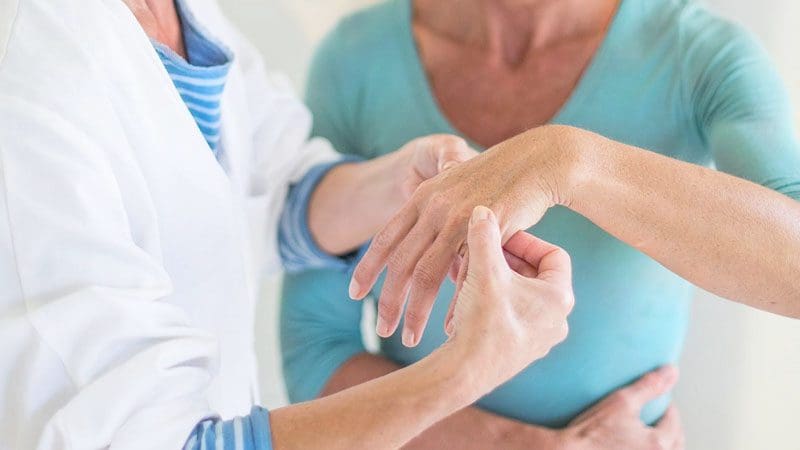
Arthritis can be a debilitating disease that interferes with everyday life. There are over 20% of adults aged 65 and older that have arthritis along with all the symptoms like pain, stiffness, swelling, and decreased range of motion. The most commonly affected joints include the shoulders, hands, spine, hips, and knees. Arthritis results from damage to joint cartilage from various factors such as age, wear and tear, injury, being overweight, and disease. While medication and surgery are the most common treatment options, an arthritis chiropractor can offer a conservative, natural, non-invasive option to manage symptoms.
Arthritis Chiropractor Helps By
While arthritis, either caused by wear and tear – Osteoarthritis or disease – Rheumatoid Arthritis cannot be cured. An arthritis chiropractor can help manage symptoms and prevent progression. Chiropractors are trained to use various techniques to help alleviate pain and tension, including arthritis. Chiropractic treatment aims to alleviate pain by adjusting, massaging, and realigning the musculoskeletal system to relieve stress, stretch the muscles, ligaments, tendons, and restore balance within the body. They open the body to allow proper/optimal nerve energy and blood circulation. This is beneficial for arthritic joints to reduce unnecessary strain, translating to reduced wear on the joints and keeping the body active.
Benefits
There are significant benefits that regular chiropractic treatment can offer. These include:
Restored range of motion
Joint pain relief
Inflammation alleviation
Improved nerve function for optimal tissue healing
Regular adjustments will keep the body optimally aligned and functioning smoothly.
Arthritis chiropractors can recognize the most subtle changes.
Lifestyle Adjustments
Healthy lifestyle adjustments help manage arthritis.
Guidance on healthy habits that include:
Anti-inflammatory foods
Weight loss
Proper sleep habits
Exercise training
Stress management
The sooner chiropractic care is sought out, the better to prevent symptoms from worsening. Chiropractic can generate great results with less need for medication/s or surgery.
Body Composition
Identifying The Risk of Sarcopenia and Decreased Mobility
As the body ages, it begins to lose muscle mass, and as more sedentary behavior is adopted, the rate of loss increases along with age-related injury. Identifying these age-related changes in muscle and how they relate to frailty risk can be challenging to identify and track. By accurately measuring fat-free mass in each region of the body, Skeletal Muscle Index – SMI quickly specifies muscle mass and frailty risk. Sarcopenia and frailty specifically affect the elderly population, affecting mortality, cognitive function, and quality of life. Loss of muscle in the arms and legs is associated with:
Reductions in mobility
Increased risk of falls
Frailty
Extended hospital stays
Falls and fractures frequently result in a cycle of muscle deterioration. Analysis tools can help track body composition changes to minimize muscle wasting and the risk of impaired mobility. Assessing skeletal muscle mass in outpatient and hospital settings can decrease debilitating outcomes before they happen. The InBody analysis is quick and easy, providing a calculation for skeletal muscle index and the sum of the lean mass in the arms and legs. The ease of performing the InBody test provides physicians more time to work with and educate individuals on adopting lifestyle changes to help prevent sarcopenia.
References
Aletaha, Daniel. “Precision medicine and management of rheumatoid arthritis.” Journal of autoimmunity vol. 110 (2020): 102405. doi:10.1016/j.jaut.2020.102405
Beasley, Jeanine. “Osteoarthritis and rheumatoid arthritis: conservative therapeutic management.” Journal of hand therapy: official journal of the American Society of Hand Therapists vol. 25,2 (2012): 163-71; quiz 172. doi:10.1016/j.jht.2011.11.001
Demoruelle, M Kristen, and Kevin D Deane. “Treatment strategies in early rheumatoid arthritis and prevention of rheumatoid arthritis.” Current rheumatology reports vol. 14,5 (2012): 472-80. doi:10.1007/s11926-012-0275-1
Kavuncu, Vural, and Deniz Evcik. “Physiotherapy in rheumatoid arthritis.” MedGenMed: Medscape general medicine vol. 6,2 3. 17 May. 2004
Moon, Jeong Jae et al. “New Skeletal Muscle Mass Index in Diagnosis of Sarcopenia.” Journal of bone metabolism vol. 25,1 (2018): 15-21. doi:10.11005/jbm.2018.25.1.15
Moving every part of the body freely, without pain or stiffness, is necessary for a high quality of life. As the body ages, it begins to lose its natural flexibility. One of the most common problems with mobility and flexibility is tight and misaligned backs, shoulders, necks, and legs that can cause pain when moving. This means having a limited range of motion that can cause negative body compensation patterns that can lead to further dysfunction and injury. Maintaining healthy mobility requires a conscious effort to keep every joint, muscle, ligament, and tendon in shape. Chiropractic treatment can restore range of motion and strengthen the body.
Restore Range of Motion
Range of motion or R.O.M. is the measurement of movement around a joint or body part expressed in degrees. It is tied with the flexibility around a joint and plays a role in moving well without pain or discomfort. After an injury, trauma, or medical problem, the range of motion can be limited. Individuals with back, neck, shoulder, and leg pain feel stiff, tight, and sore in these areas and cannot move freely. Range of motion is vital for physical activity, athletic activity, and preventing injuries. When an individual pushes the body too hard and tries to move in an uncomfortable way, they can cause a tear or sprain, leading to added inflammation, stiffness, and further limited mobility.
Factors That Contribute To A Lack Of Flexibility
Age
Body age impacts flexibility. As the body gets older, it becomes stiff and can begin to present with pain, which restricts movements.
Limited Physical Activity or Exercise
Being sedentary with minimal physical activity contributes to a lack of flexibility, muscle loss, disrupted circulation, and weight gain.
Work
An individual’s profession can affect the body’s flexibility. A job that has little to no movement regularly, like being seated for most of the time, will contribute to reduced flexibility.
Obesity
Carrying additional body weight can significantly limit movement and decrease flexibility.
Flexibility Improvement
Staying Active
Regular physical activity/exercise will help maintain body health and flexibility. Activities can include:
Sports
Walking
Jogging
Weight lifting
Swimming
Yoga
Regular Stretching
Regular stretching will keep the muscles loose and the joints flexible. Incorporate stretching into a daily routine throughout the day and a wind-down stretch before going to bed.
Maintaining Proper Hydration
When the body is dehydrated, it causes the muscles to stiffen and tighten up, decreasing elasticity. Staying hydrated will help maintain flexibility by re-lubricating the muscles, ligaments, and tendons.
Healthy Diet
Losing excess weight and maintaining a healthy weight range through proper nutrition will reduce inflammation, improve mobility and flexibility.
Chiropractic Restoration
When normal movement is not possible, discomfort and pain will worsen as the muscles become tighter, causing the tendons and ligaments to shorten and stick together, placing added stress on the areas, leading to pain and inflammation. The body was made to be in motion, and when it does not move and stretch out, it stiffens up. Trying to use the muscles even when they are stiff and strained can make the condition worse, limiting the range of motion further causing the slightest movements to cause discomfort and pain. A chiropractor can provide adjustments, soft and deep-tissue massage to the tight areas to loosen the muscles, improve circulation, flexibility, mobility, and restore range of motion.
Body Composition
Myth Eating at Night Causes Fat Gain
The myth is eating right before sleeping causes the body to turn whatever was eaten straight into fat. However, the fact is that it is not about when an individual eats but rather the calorie intake and exercise level. According to the C.D.C., it’s the calories that are burned over a 24-hour period that determine fat gain/loss, and not when those calories are taken in. Far from being a fat gain guarantee, healthy nighttime meals were shown to:
They had no effect on weight gain among overweight and obese individuals that participated in a high-intensity cardiovascular exercise program during the day.
What can make the myth true is when eating and drinking foods/drinks with a high caloric content: This includes:
An extra 500-1000 calories after 8 pm is easy to add if not careful. Remember, it’s about the calories themselves, not the time.
References
Marcano-Fernández, Francesc et al. “Physical outcome measures: The role of strength and range of motion in orthopedic research.” Injury vol. 51 Suppl 2 (2020): S106-S110. doi:10.1016/j.injury.2019.11.017
Mortazavi, Fatemeh, and Ali Nadian-Ghomsheh. “Stability of Kinect for a range of motion analysis in static stretching exercises.” PloS one vol. 13,7 e0200992. 24 Jul. 2018, doi:10.1371/journal.pone.0200992
O’Sullivan, Kieran et al. “The effect of warm-up, static stretching and dynamic stretching on hamstring flexibility in previously injured subjects.” B.M.C. musculoskeletal disorders vol. 10 37. 16 Apr. 2009, doi:10.1186/1471-2474-10-37
Simão, Roberto et al. “The influence of strength, flexibility, and simultaneous training on flexibility and strength gains.” Journal of strength and conditioning research vol. 25,5 (2011): 1333-8. doi:10.1519/JSC.0b013e3181da85bf
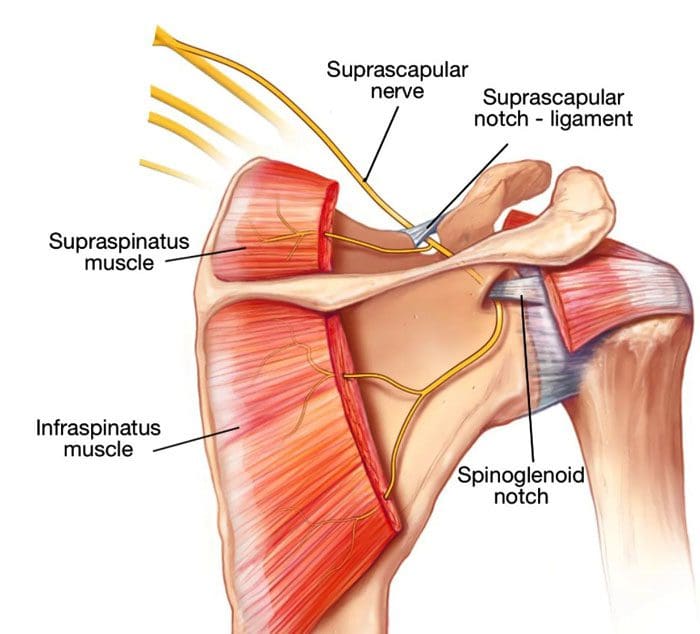
The shoulder is a ball-and-socket joint. The shoulder has several muscles that help it move and allow a wide range of motion. A strain or pulled shoulder muscle can affect the slightest movements, making simple activities difficult and painful. Pulling a muscle in the shoulder can be caused by an injury, overuse, and general wear and tear. Minor shoulder injuries usually heal on their own with rest and self-care. Severe shoulder muscle injuries should be addressed by a medical professional.
Pulled Shoulder Muscle Causes
Pulling a muscle in the shoulder can happen quickly. This could be from falling on the shoulder, an auto accident, or a work accident. It can develop after weeks, months, and years of repetitive motion and overuse. It is common among individuals that play certain sports or jobs that require repetitive activities with the shoulders. They can also happen with no apparent cause. Treatment and recovery depend on the type and severity of the injury.
How to Tell If It’s a Pulled Muscle
It can be hard to tell the cause unless the individual has experienced the specific type of pain before. Otherwise, it is recommended to consult a medical professional like a physical therapist or chiropractor. This is because shoulder pain can be caused by inflammation of the tendons and joints and/or the joint itself.
Pulled Muscle Shoulder Symptoms
A pulled muscle is characterized by:
Tenderness
Dull, sore, or aching pain.
Sometimes it can cause shooting pain between the shoulder blades in the front or back.
Pain when the shoulder is at rest.
Pain when the specific muscle is used.
Swelling of the area.
Shoulder instability.
The shoulder feels fragile.
Movement causes pain.
A bump may develop at the top of the shoulder near the end of the collarbone.
Inability to use the muscle at all.
If the pain is persistent, it could signify that there is something other than a pulled muscle like a pinched nerve or a joint issue.
Treatment and Recovery Options
Treatment and recovery vary and depend on the severity of the pull and the individual’s overall health. Many find that their pain is reduced with self-care in 2 or 3 weeks. Chiropractic treatment for a pulled shoulder muscle can provide relief within 1 or 2 weeks.
Self Care
Depending on the severity of the pull and how much pain is being experienced, individuals could be recommended to take an NSAID like Ibuprofen to reduce pain and swelling. Self-care can include:
Ice To Reduce Swelling
Applying ice or a cold pack to the area can help reduce swelling.
Place a cloth or towel between the skin and the cold pack.
Apply it for 20 minutes an hour.
The swelling should reduce in a day or two.
Rest
It is recommended to rest the shoulder for no more than 2 or 3 days.
This begins the healing process and prevents worsening the injury.
Wrap or Sling
During rest days, it can be hard to keep the shoulder from moving.
To avoid this, use a shoulder wrap or a sling to support the arm.
However, they should not be used for more than 2 or 3 days.
Gentle Stretching
It is essential to get the muscle working again after 2 or 3 days of rest.
Stretches will help the muscle group heal and gain strength.
Not stretching the muscle could prolong recovery and worsen the injury, and possibly cause new injuries.
Stretches For a Pulled Shoulder
Stretching a pulled shoulder muscle after a few days of rest is recommended because not working out the injured muscle can cause more problems. Not using the muscle can cause it to atrophy, which will take longer to heal, and the surrounding muscles become weak.
Pendulum Stretch
Slightly bent support the body by placing the unaffected arm on a table or chair.
Let the injured arm hang straight down.
Swing the arm in small circles clockwise as far as the pain or discomfort allows.
Perform for 1 minute.
Go counterclockwise for one minute.
Repeat 4 to 8 times throughout the day.
Chiropractic
If self-care is not providing sufficient relief, then chiropractic treatment is recommended. A doctor of chiropractic can advise on the best treatment options and get to the root of the issue. Chiropractors have a treatment arsenal of modalities and approaches to help treat pulled muscles. These include:
A somatotype is the overall shape and composition of the human body. Body types based on physique have three generalized divisions:
Endomorph
Mesomorph
Ectomorph
However, it is rare for someone to fall entirely into one somatotype. Individuals can have a combination of qualities from two somatotypes, like an ectomorph-endomorph hybrid or an endomorph-ectomorph, for example.
Ectomorphs
Naturally lean with long limbs, ectomorphs typically possess a slender look no matter what type of diet.
A lot of endurance runners and swimmers are ectomorphs.
Ectomorphs may have a decent amount of muscle but may appear to have less muscle development because of their long limb length.
Body fat also seems to get hidden by the long, slender figure, which means they can get away with a few extra pounds of fat.
However, if ectomorphs do not watch their health, they can become skinny fat.
Mesomorphs
Mesomorphs have a natural athletic look.
They can achieve a muscular physique without really trying.
The physiology tends to include:
Narrow hips
Wide back
A large frame contributes to a muscular appearance.
Many professional fighters, football, and basketball players are mesomorphs.
Endomorphs
Endomorphs have a larger structure with wide hips and shoulders.
Shorter arms and legs.
This type of body shape is excellent for activities that require a lot of strength.
Rugby players, strength athletes, and powerlifters are endomorphs.
This body type is considered to be a contributing performance factor in Ironman athletes.
References
Blache, Y et al. “Superficial shoulder muscle co-activations during lifting tasks: Influence of lifting height, weight, and phase.” Journal of electromyography and kinesiology: official journal of the International Society of Electrophysiological Kinesiology vol. 25,2 (2015): 355-62. doi:10.1016/j.jelekin.2014.11.004
Brantingham, James W et al. “Manipulative therapy for shoulder pain and disorders: expansion of a systematic review.” Journal of manipulative and physiological therapeutics vol. 34,5 (2011): 314-46. doi:10.1016/j.jmpt.2011.04.002
Kandel, Michel et al. “Somatotype, training and performance in Ironman athletes.” European journal of sports science vol. 14,4 (2014): 301-8. doi:10.1080/17461391.2013.813971
McFarland, Daniel C et al. “Spatial dependency of shoulder muscle demand during dynamic unimanual and bimanual pushing and pulling.” Applied ergonomics vol. 73 (2018): 199-205. doi:10.1016/j.apergo.2018.07.011
Calf pain is common in individuals that are on their feet for long periods. This could be standing, walking, as part of a job or jogging, and running. In most cases, calf soreness and/or pain result from repetitive/overuse strain/injury/tear of the calf muscles. Pain along with stiffness presents with physical activity, exercise, movement. Chiropractic treatment and Active Release can help alleviate and eliminate calf pain.
Calf Muscles
The calf muscle is in the back of the lower leg, behind the shin bone, and consists of three muscles. The calf muscle supports the body when standing and enables movement of the foot and lower leg. The calf muscles support the body when:
Walking
Running
Jumping
Standing on the toes.
Flexing the foot – lifting the toes toward the knee.
It helps push the body forward and allows jumping, ankle rotation, and flexing of the foot.
Causes, Conditions, and Disorders
The overuse of the calf muscles usually causes calf soreness, discomfort, and pain. Over time, tiny tears develop in the muscles of the lower legs and calves. Repeated use can lead to more severe injury or condition without proper treatment. Conditions include:
Strain
The most common injury is a strain. Strains happen when the muscle fibers are overused and get stretched too far and/or tear. However, the fibers may not tear in that instance, and so the tear could occur at a later time while doing a basic movement like slightly bending or kneeling to tie a shoe. This is when individuals wonder how a tear happened with a simple action. But the tear was already present, just not fully torn.
Cramps
Muscle cramps and muscle spasms in the calves can be excruciating limiting mobility. Calf cramps can happen during the day or at night. They can result from several factors that include:
Healthcare providers call this strain tennis leg because it happens when the leg extends and the foot flexes. Tennis players are in this position when they serve and push themselves off into motion; however, it can happen in any sport, job, chore that involves the same movement. This type of muscle strain injury affects the gastrocnemius muscle.
Compartment syndrome
Compartment syndrome happens when pressure builds up inside a muscle. The pressure significantly reduces the flow of blood and oxygen. It can result from trauma like a fracture or strenuous exercise/activity.
Symptoms
Calf muscle issues can cause calf muscle:
Pain
Tightness
Stiffness
Pain may be sharp or dull
Pain can start as mild pain and progressively worsen.
Limited mobility
Limited range of motion
Muscle weakness
A bump, bulge, or lump in the back of the lower leg.
Tenderness
Bruising
General leg cramps are common and are more likely to happen as the body ages.
Healthcare professionals estimate around 75% of individuals over 50 have had leg cramps and pain.
Calf Health
To prevent and avoid problems with the calf muscles, individuals are recommended to:
Maintain a healthy diet and weight
Individuals that are overweight are more likely to pull or strain a muscle.
Excess pounds add pressure on the legs placing individuals at a higher risk of an injury.
If obese or overweight, talk to a healthcare professional about healthy weight.
Stay hydrated
Drink the proper amount of water and other fluids
This decreases the chance of causing a cramp.
Stretch and warm-up
Warmed-up calf muscles are less likely to stretch too far or tear.
Before engaging in physical activity at work or school, do a few warm-up stretches to increase flexibility.
When exercising, gradually increase the intensity.
Talk to a doctor about taking another medication that does not cause these side effects.
Body Composition
Nutrients of Protein
Protein is necessary for all of the body’s physiological functions. Protein and amino acids are the building blocks of the muscle tissue in the body. The body’s muscles are a house, protein is the bricks, and the amino acids that form protein are the building blocks of muscle. The body manufactures various amino acids, but nine are essential amino acids – EAA because they are not made in the body. Individuals have to consume EAAs from food sources like:
Meat
Beans
Nuts
Soy
A diet that consists of mixed amino acids can help maximize muscle protein synthesis. Protein is essential in building muscle because amino acids help repair and maintain muscle tissue. After a strenuous activity or a workout, protein helps the body repair muscles that are slightly torn. To build a healthy body, the body needs to have the right amount of protein. Protein is an essential component of:
Muscle development
Bone density
Muscle mass
Lean tissue
References
Binstead JT, Munjal A, Varacallo M. Anatomy, Bony Pelvis, and Lower Limb, Calf. [Updated 2020 Aug 22]. In: StatPearls [Internet]. Treasure Island (FL): StatPearls Publishing; 2021 Jan-. . Accessed 6/4/2021.https://www.ncbi.nlm.nih.gov/books/NBK459362/ (https://www.ncbi.nlm.nih.gov/books/NBK459362/)
Bright JM, Fields KB, Draper R. Ultrasound Diagnosis of Calf Injuries. Sports Health. 2017 Jul-Aug;9(4):352-355. . Accessed
6/4/2021.https://www.ncbi.nlm.nih.gov/pmc/articles/PMC5496702/ (https://www.ncbi.nlm.nih.gov/pmc/articles/PMC5496702/)
Young G. Leg cramps. BMJ Clinical Evidence. 2015 May 13;2015:1113. . Accessed 6/4/2021.https://www.ncbi.nlm.nih.gov/pmc/articles/PMC4429847/ (https://www.ncbi.nlm.nih.gov/pmc/articles/PMC4429847/)
IFM's Find A Practitioner tool is the largest referral network in Functional Medicine, created to help patients locate Functional Medicine practitioners anywhere in the world. IFM Certified Practitioners are listed first in the search results, given their extensive education in Functional Medicine