Lower back pain is a condition that pretty much affects most of us at some point in our lives. Some find:
Sitting
Standing
Walking
can be painfully difficult or helpful, depending on the position or the activity they’re involved in.
Low back pain varies from person to person, yet there remains no consensus on the optimal way to diagnose and treat patients.
Lower back pain can be caused by a multitude of factors and can be difficult to diagnose the exact cause. However, there is an advanced method of diagnosing and treating individuals with musculoskeletal conditions/injuries.
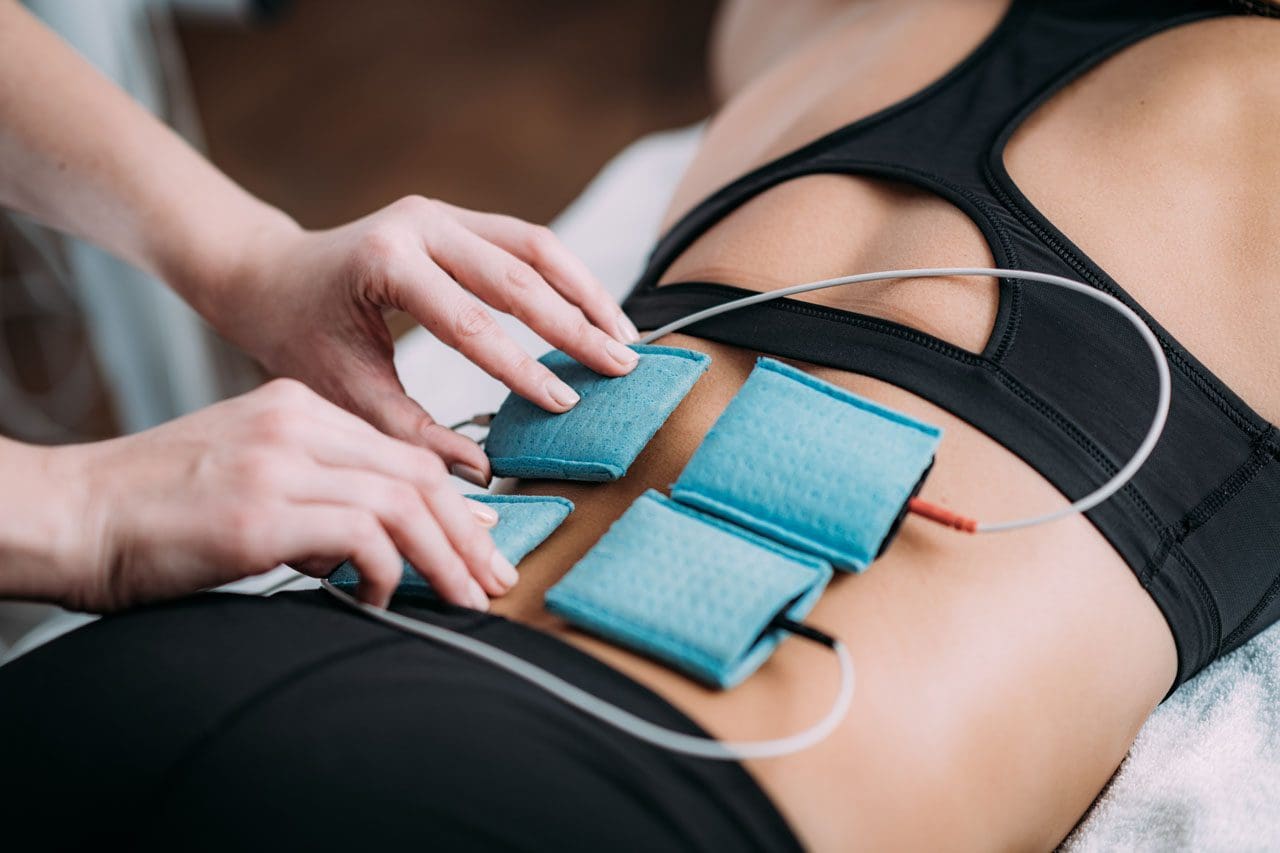
TENS, Transcutaneous Electrical Nerve Stimulation in Physical Therapy. Therapist Positioning Electrodes onto Patient’s Lower Back
Successful treatment
Dividing patients with lower back pain into more similar groups based on the same factors that aggravate and alleviate the pain means that a more custom based treatment plan can be created.
The one size fits all method just doesn’t cut it. A more focused approach for every individual leads to better results.
Patients find that placing their bodies in certain positions and certain physical activities can:
Activate
Aggravate
Deactivate their back pain.
Patients also find the pain being either better or worse.
Understanding why sitting, standing, and walking can change the severity of low back pain can be helpful in diagnosis.
These are important cues that help to diagnose and treat low back pain.
People sit, stand, and walk all day. This is why so much research has been conducted on how these specific positions and activities contribute to low back pain.
Spine Anatomy
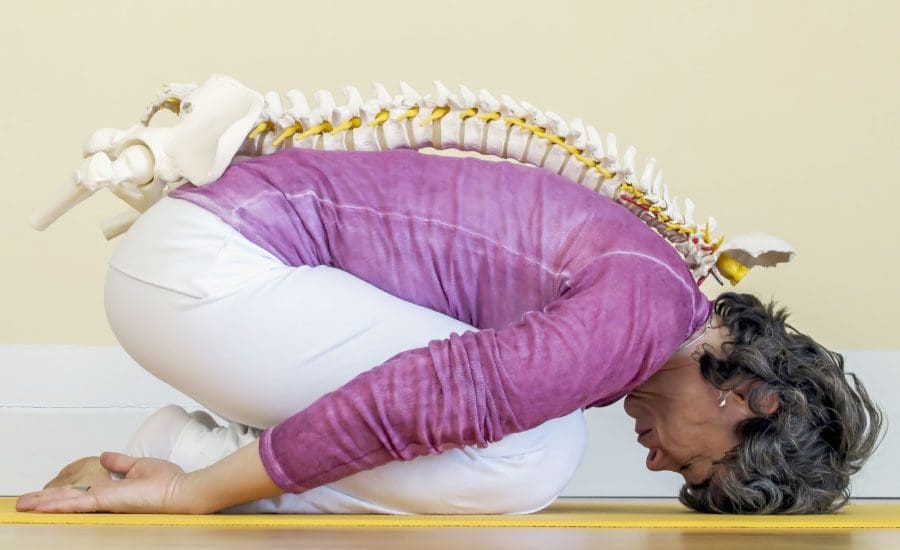
The alignment of the spinal column, from the skull to the pelvis, is S-shaped.
The cervical and lumbar spinal segments curve towards the front of the body, and so are lordotic,�while the thoracic spine curves towards the back of the body and is kyphotic.
The amount of curvature does not stay in one place and changes based on body position.
Compared to standing, sitting decreases lumbar lordosis by about 50%.
Changes in lumbar lordosis can relieve pain from certain forms of back pain but can aggravate others.
Picture The Spine Bending
Imagine you are holding a garden hose. Holding it vertically in front of you. The hollow part of the tube represents the spinal canal, the part of the hose facing you is the posterior spinal column, and the part of the hose facing away from you is the anterior spinal column.
Bend the hose in half. The hose on the outward-facing side of the curve will stretch out, while the hose on the inward-facing side of the tube will be compressed.
This exercise helps visualize that an object being bent will experience two forces, either:
Compression
Tension
Increasing lumbar curvature will compress the posterior column�and stretch out the anterior column vertebrae and discs.
Decreasing lumbar curvature will�stretch out�the posterior column and�compress�the anterior column. This is the basis of why certain body positions can relieve back pain symptoms for some people and make it worse for others.
Prolonged sitting, and especially if poor posture is involved, can cause overstretching of spinal muscles.
Arthritis can affect the joints.
The facet joints are posterior based structures and can become compressed with increased curvature. When the facet joints are the primary cause of back pain, patients usually find that sitting improves the pain, while standing and walking make it worse.
When the discs are the pain generator, sitting seems to aggravate the pain as there is more compression in the tissue.
With certain types of disc herniations, sitting can compress the disc to the point that the herniated tissue starts to press against a nerve root causing radicular pain or pain that radiates out to another area of the body like the legs. In this case, walking seems to alleviate the pain.
Spinal Conditions
Various spinal conditions definitely contribute to back pain and have the same presentations and alleviations.
Spinal Stenosis which means the narrowing of the spinal canal. Patients with this type of spine pain improve with leaning forward sitting. This is because the posture increases/opens the size of the canal�and decreases the nerve root compression.
Spondylolisthesis is when one vertebra slips forward over the vertebra right underneath. This is more commonly known as a slipped disc. There are various forms of this condition. But the pain occurs immediately when sitting, bending or walking and is usually relieved when standing still or in a neutral position for short periods.
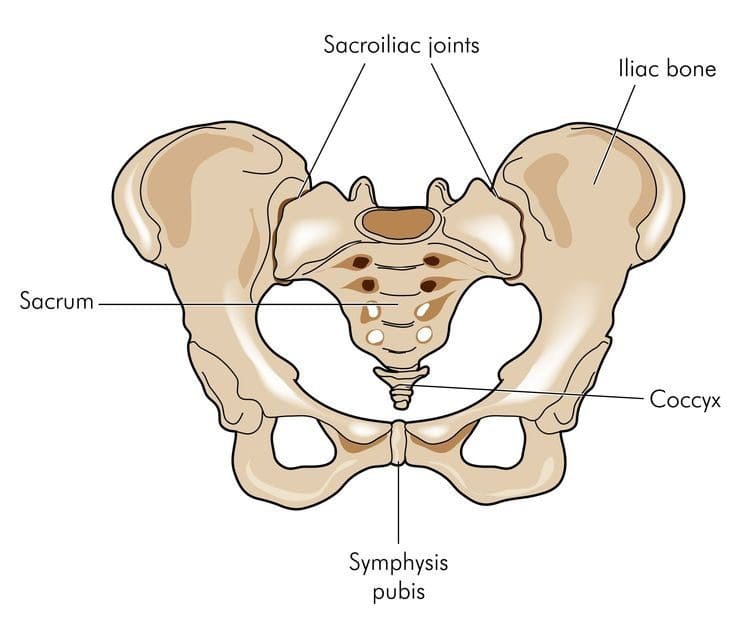
Sacroiliac Joint Dysfunction comes from the sacroiliac joint becoming inflamed. Pain is usually aggravated when sitting or about to sit. especially when there is added weight on the affected side. This can be difficult to diagnose because of trying to figure out if it’s the hip or low back causing the pain.
Locating the Pain Generator
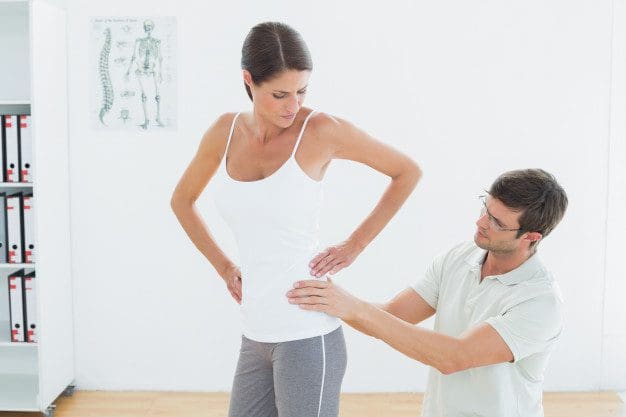
Sitting, standing, walking low back pain causes are different for everyone. But finding the root cause helps to prescribe the best treatment possible. A chiropractor uses many different techniques to relieve pain. These include:
Applied pressure
Massage
Hands-on manipulation (adjustments)
X-rays
MRI’s
Lab work
Health coaching
Chiropractors don�t prescribe medications, but they do recommend therapeutic, rehabilitative exercises and nutritional lifestyle counseling to help the body heal itself.
Low Back Pain Treatment El Paso, Texas
NCBI Resources
A chiropractor sets up treatment approaches based on the individual. This begins with the natural, non-invasive treatments before moving on to more aggressive techniques. And as an added bonus patient�s who have received chiropractic treatment have experienced improvements to their digestive health and have reported better and deeper sleep after a chiropractic visit.
Q: Dr. Jimenez, I read one of your articles about physical therapy and spinal stenosis exercises that focus on stretches for relieving pain. I was wondering if it was also possible to do aerobic exercise with a spinal condition and can you recommend a safe cardiovascular program?
I’m a 65-year-old with spinal stenosis, and I want to stay in shape. I try to ride a stationary bike for 20 minutes at least 2 times a week, but with my low back pain, I don’t always finish the workout.
How else can I stay in shape
A: I do recommend aerobic exercise for everyone, but especially for people with spinal conditions.
Aerobic exercise increases the blood flow to the body’s tissues, and people with high levels of cardiovascular fitness generally do better dealing with spinal problems.
However, before anyone with a spine condition or any medical condition for that matter, starts a wellness and fitness program, they should check with their primary caregiver, to clear the individual as fit to exercise.
Example: Someone with cardiovascular (heart problems) can have restrictions when it comes to certain types of exercise.
A physical exam will make sure your body is ready for exercise.
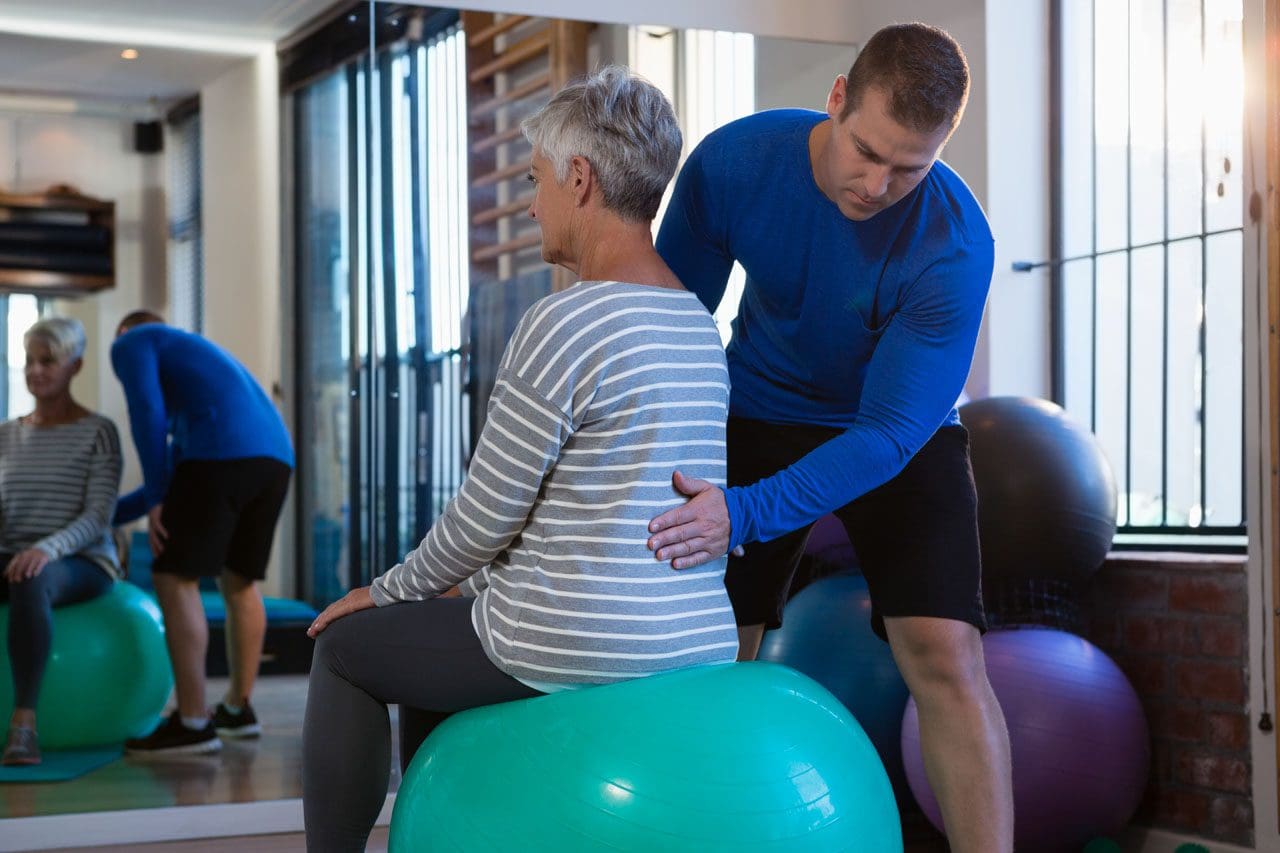
Physiotherapist assisting a senior woman with exercise ball at a chiropractic rehabilitation clinic
Low-impact aerobic exercise is recommended�
Walking
Swimming
These are excellent examples of low-impact aerobic exercise. They increase heart rate and are easy on the body.
Riding a stationary bike is another recommended form of low-impact aerobic exercise.
It can be tiring, but if recommended by a caregiver/therapist, then realize they did so for a reason/s to get you healthy.
By biking, you are building up endurance, and that is exactly what you want, as it speeds up recovery.
Walking is a great exercise for spinal conditions. It is low-impact, and you can control the pace to fit your needs.��
Daily walks after lunch or after getting home are a great way to exercise.
If exercise does begin to increase back pain or another type of pain, tell your caregiver or physical therapist right away.
The phrase, no pain, no gain does not apply when there are spinal conditions. So do not try to push through the pain or think that the hurt is good.
Also, do not try to do take on too much right away. Even if you feel good, follow the fitness plan.
But if you want to mix it up, discuss with your chiropractor/physical therapist if adding walking and swimming to the plan will be beneficial, as well.
It can be tempting to not exercise with a spinal condition. But remember that if there is no movement at all, you could make the pain worse. Knowing what your body can handle and sticking to a workable schedule, these healthy steps will relieve you and help with your low back pain.
Chiropractic Care Sports Injury Rehabilitation El Paso, TX
Daniel Alvarado, the owner of Push-as-RX Fitness, discusses how he carries out his PUSHasRx Functional Fitness Workouts personal injury rehabilitation and athletic training program as a part of Dr. Alex Jimenez’s chiropractic rehabilitation plan.
Physical therapy (PT), also referred to as physiotherapy, is one of the allied health professions which, by utilizing mechanical force and motions (bio-mechanics or kinesiology), manual therapy, exercise therapy, and electrotherapy, remediates impairments and promotes mobility and purpose.
Physical therapy is used to enhance a patient’s quality of life through:
Examination
Diagnosis
Prognosis
Physical intervention
NCBI Resources
Exercise is an essential part of good health. It can help with weight loss and plays a crucial role in preventing many chronic health conditions like hypertension, diabetes, and heart disease. Regular exercise has also been shown to help with depression and anxiety. It is what nature intended; as humans, we are supposed to be active. The more active you are, the better you will look and feel � and the healthier you will be.
A doctor will rule out these causes to make a proper diagnosis.
Diagnosing
A doctor utilizes medical history and physical exam to diagnose coccydynia.
Imaging scans are usually not necessary, but a doctor may order:
Computed tomography (CT) scan
Magnetic resonance imaging (MRI) scan
If they believe a separate:
Bone
Nerve
Tissue
Problem to be the cause of tailbone pain.
Medical history is important, a doctor wants to know if a
Fall
Accident
Recent trauma
Might have caused the pain.
A physical exam is next in line along with symptoms.
The pain is usually localized in the tailbone, making it straightforward to diagnose.
A doctor will want to know if the pain strikes when sitting or leaning back and which is worse.
A doctor might ask the patient to point to where they’re feeling the pain.
Pointing could be enough for the doctor to tell if the pain is coccydynia when compared to other low back pain conditions.
The doctor will want to palpate the tailbone area for signs of inflammation.
Non-surgical Treatment
Conservative treatment is extremely effective for coccydynia.
Ninety percent of people experience pain reduction using non-surgical means or any medical intervention.
It is first treated with noninvasive methods:
Ice or heating pad can help provide immediate, short-term relief.
Donut/Wedge cushion provides extra padding taking the pressure off the coccyx when sitting. These cushions are available at pharmacies.
Avoid sitting for long times, like a long flight will help prevent additional pain and injury.
Rest is very important to help avoid further injury during recovery.
If there is still pain after these therapies, a doctor may recommend over-the-counter or prescription-strength non-steroidal anti-inflammatory drugs (NSAIDs) or other pain medications.
If the medication doesn’t work then a doctor may try cortisone injection or local spine blocker to send strong medicine directly to the tailbone area.
Surgical Procedure
If none of the conservative treatments work then surgery could be the next step.
The procedure is called a coccygectomy, which means the removal of the tailbone.
A surgeon will discuss the procedure in great detail before it is performed.
These risks include:
Infection
Hematoma (abnormal collection of blood outside an artery or vein)
Perineal hernia (weakened pelvic muscles)
Chronic Coccydynia
A small portion of people can develop chronic coccydynia, which means the pain lasts for more than 2 months.
Chronic coccydynia can take a major toll on the quality of life. Talk to a doctor if symptoms are not resolving.
They may refer you to a doctor that specializes in coccydynia management.
Protecting the Tailbone
There is no exact way or method to prevent coccydynia,
However, reducing the risk of tailbone pain can be achieved by using caution when participating in sports like:
Skating – Ice, Inline, and Roller
Biking
Horseback riding
And take extra care when walking on icy/slippery/hazardous conditions so nobody falls.
El Paso, TX Severe Back Pain Chiropractic Treatment
Gale Grijalva suffered from acute back pain because of an automobile incident injury. Where it was once very tough to do her routine daily tasks, Gale Grijalva is now able to take part in physical activities she was not able to engage in earlier thanks to Dr. Alex Jimenez, a chiropractor in El Paso, TX. Gale Grijalva clarifies how patient Dr. Jimenez is and she discusses how completely he’s been able to help her, such as answering any concerns she might have.
Severe chronic back pain is a serious, recurring condition that affects an individual’s everyday life. Back pain lasting over three weeks is deemed chronic. The backbone is an essential component of the body. Severe chronic back pain might be the backbone’s way of telling the body that there’s a problem. The spine consists of bony vertebrae, soft spinal discs, facet joints, tendons, ligaments, and tendons. Within the bony vertebral artery lies that the spinal cord, the delicate but effective nerve pathway of the central nervous system.
NCBI Resources
Before you run screaming in horror to the medicine cabinet, one of the best reasons to participate in chiropractic treatment is that it helps reduce the chance of a recurrence. By working on the total body and getting it in the best shape possible, the patient is stronger and more balanced to handle their workload and other strenuous activities. Chiropractors also impart advice on how to minimize the chances of re-aggravating the lower back.
Millions of people suffer from back pain each year, and some never visit a chiropractor. Those who do choose�chiropractic treatment�are privy to treatment that reduces their pain, increases healing, shortens their downtime and lessens their chances of a recurrence. If over the counter medication and ice packs haven�t worked within a few days, it�s time to make an appointment for a consultation with a licensed chiropractor. You will be happy you did.
Over-the-counter or OTC remedies don’t do anything but give some temporary relief, if any at all, but the thing to take away here is that this kind of treatment can exacerbate the issue.
An example of this remedy solution is using store-bought shoe inserts that don’t provide support for the feet and can worsen the condition.
Over the counter, treatment can cost more money in the end, and all this without relief.
These types of insoles are not designed for long-term, daily use. This means they have to be replaced sooner.
Options like wraps and tape also give short-term relief but are not designed to treat the root cause to get rid of it.
Work with a professional to help you get a customized plant like an orthotic insole that will effectively treat the plantar fasciitis and bring long-lasting relief.
Self-Diagnosing & Treatment
This condition can be difficult to identify because of the varying symptoms. Patients could have all or only a few of them.
Symptoms include:
Sharp pain when waking up
Heel spurs
Painful arches
The causes can also vary and include:
Lifestyle
Weight
Age
Gender
Unique composition, shape, and size of the foot
Since it is different for everyone, many try to self-diagnose and do it incorrectly.
Then they try to create their own treatment plans which can be ineffective and dangerous.
Proper treatment requires professional medical attention and not just looking up symptoms online. Treatment is also more than just changing shoes or buying an insole at the local drug or shoe store.
Looking up symptoms and self-diagnosing is not a bad thing, but get a second opinion from a health professional like a chiropractor to make sure that you’re correct and to guide you in obtaining the proper treatment.
Pain Reliever Overuse
Pain relievers are not for treating pain caused by plantar fasciitis.
The convenience of pain relievers like Tylenol and acetaminophen makes it easy to take as soon as the pain kicks in.
The problem is that overuse can be dangerous to the body and can cause:
Kidney problems
Mask symptoms
Disguise other serious issues
Addiction potential�
The best treatment does not require pain relievers.
A professional can help you find relief without pills.
Not Listening to Professional Advice
Trying to schedule a doctor�s appointment can be overwhelming.
Trying to figure out what your insurance covers
Trying to find the time to see a doctor
Finding the right one
Many avoid it altogether and hope the pain goes away.
Many make assumptions about treatment that makes them avoid the doctor,
People have anxiety and are scared of the doctor or what the doctor will find.
There are plenty of excuses for not seeing a qualified professional that specializes in whatever condition you may have.
This is not the case here, the physical therapy or chiropractic care doesn’t go on for weeks or a bunch of follow up appointments.
Relief can be as simple as a customized orthotic insole and an adjustment to the lower back.
Reach out to a chiropractor that can identify, treat and get you moving and pain-free.
Pain and discomfort do not have to be part of normal life.
Saying age or lifestyle is the cause and there’s nothing you can do about it is ridiculous. Remember there are solutions to help prevent and maintain comfort within your body. Give us a call and let us help you live your life pain-free.
Plantar Fasciitis, Reduce *FOOT PAIN* with Custom Orthotics | El Paso, TX (2019)
Gloria Casillas experienced painful symptoms before visiting Dr. Alex Jimenez, a chiropractor in El Paso, TX. Gloria describes how her foot pain gradually developed into plantar fasciitis and how it tremendously affected her quality of life. Gloria Casillas discusses how custom foot orthotics helped her achieve foot pain relief from her plantar fasciitis. Gloria highly recommends Dr. Jimenez as the non-surgical choice for foot pain and plantar fasciitis. Gloria Casillas is grateful for the use of custom foot orthotics.
NCBI Resources
Feet are important. When you consider what your feet go through, taking 8,000 steps over the course of a day, according to the�Illinois Podiatric Medical Association�(IPMA), it�s easy to see how 75 percent of all Americans will have some type of�foot pain�at some point in their lives.�Plantar fasciitis is a common and very painful foot condition that can become chronic if not treated. It is also a condition that responds very well to chiropractic care. Chiropractic adjustments made to the heel and foot take the pressure off of the plantar fascia, allowing it to relax.
There are those that can predict approaching storms, and weather change based on the way, their joints behave.
Similarly, individuals with chronic back pain can at times sense a change in how they feel when the weather shifts.
The connection between weather and back pain is not fully understood but here are a few beliefs on why people feel pain based on the season/weather.
There is not a great deal of research on weather’s effects on spinal conditions. said Dr. Alexander Jimenez, D.C. in El Paso, Texas.
Some spinal conditions have been shown to have a clear link to cold weather. An example is sciatica patients that would experience worsened pain when the weather would shift.
Chiropractor Alexander Jimenez breaks down how weather can affect back pain and explains six ways to help weather-related back pain.
Weather and Osteoarthritis
Dr. Jimenez talks of a study that examined joint pain differencesbetween older people with osteoarthritis that were weather-sensitive versus those who also had osteoarthritis but were not weather-sensitive.
More than two-thirds said weather affected their osteoarthritis pain
Researchers found that weather sensitivity and pain:
More prevalent among women
People with anxiety conditions
Weather and season change alters how we feel mentally and emotionally.
That link is definitely true between depression and back pain.
Dr. Jimenez sees the shift in spine health from the hot summer months into the cold ones and that is when the health problems peak.
Winter brings cloudier weather, and that increasesmelatonin from the brain, which causes drowsiness and less energy.
Sunlight increases serotonin, which causes feelings of happiness.
Cold, dark, winter weather can deplete energy and makes people stay indoors. This is not good because being outside, involved in activity and exercise definitely helps with joint pain.
Staying inside and not moving will worsen pain and possibly lead to severe conditions.
When the seasons begin to change, it also brings to realization the holiday season, which can cause all kinds of:
Anxiety
Stress
Tension
The holiday season can cause major stress, and the changes in weather are a reminder of that upcoming stress.
Theories
A common theory suggests that when the temperature drops it affects the viscosity of the synovial fluid in the joints.
This could be one of the reasons why people with spinal joint pain experience flare-ups during the cold shift.
Dr. Jimenez says that the structures within your:
Joints
Tendons
Ligaments
Muscles
Connective tissues
All have different densities and react differently to temperature changes.
In the cold, some connective tissues are looser than others.
So those that are tighter take longer to warm up, and if not then there is a perfect set-up for joint dysfunction.
Another theory is that barometric pressure is what causes the pain. This theory supports people with joint pain that can tell when it�s about to rain.
Some rheumatologists believe the joint capsule and tissues around the joint are like a balloon.
The barometric pressure squeezes this balloon, causing the balloon to expand/inflammation that causes pain.
Moving to Warmer Climate
Mental
Emotional
Physical
Factors play into how pain affects the individual and moving to a sunny place is not necessarily the answer.
Dr. Jimenez says that warmer climates have been thought to be healthier for various conditions.
In a sunny climate, one is likely to be in the sun, being active physically/mentally,� getting plenty of vitamin D, which is good for bones and joints and makes for a good mood all around.
But moving to a warm climate isn�t always an option, so lifestyle changes can do the trick.
Clinical treatments, like infrared sauna, can bring�the sun’s benefits during dark winter days.
People with chronic pain have said they feel pain-free and relaxed after sitting in an infrared sauna.
An infrared sauna does not give off ultraviolet rays, but healthy light.
The light penetrates into the tissues, warms the body, and makes the connective tissue stretchier and looser, which moves easier and doesn’t hurt.
6 Tips
There is no need to move to a sunny climate.
Dr. Jimenez says you can minimize the weather�s effects with these tips:
Diet
Dr. Jimenez recommends reducing consumption of inflammation-inducing foods like:
Red meats
Fried foods
Sugars
Processed starches
Quitting smoking tobacco is essential for finding pain relief.
Proper Hydration
Alcoholic beverages dehydrate and can worsen depression and anxiety.
Dr. Jimenez says drinking plenty of water is important for the spine, and is often overlooked by the senior community.
Older adults don’t have an active thirst like a young person, and can, therefore, dehydrate rapidly.�
Stay Warm
Layer clothing or keep the house warm.
Keep a humidifier running with the heater to prevent respiratory problems caused by the dry heat.
Get Into The Sun Regularly
Natural light helps wards off depression, and it improves productivity in the workplace
Exercise
Physical activity plays a huge part in particularly with low back conditions, walking, which he said engages the postural muscles in the spine.
Dr. Jimenez personally sees the benefits of this: When I�m working out, I don�t feel my hip pain. And I continue because I know that I’m strengthening my body for the better, especially since I help others with their pain.
Hobbies Can Help
A hobby creates a diversion from the pain and releases endorphins, the body’s natural painkillers.
A hobby allows you to focus on something else besides the pain.
Depression & Chronic pain | El Paso, Tx
Chronic pain caused by accidents and/or aggravated conditions can often be one of the primary reasons for depression in patients. When painful symptoms induce patients to struggle with their everyday physical activities, their mental health can be tremendously influenced. Chiropractic care utilizes spinal adjustments and manual manipulations which could help restore the initial integrity of the backbone. Patients describe how chiropractic care has helped them recover their well-being and they highly recommend Dr. Alex Jimenez, doctor of chiropractic, as the non-surgical choice for chronic pain and depression, one of a variety of other common health issues.
NCBI Resources
Back pain can be debilitating, causing immobility, inflexibility, and have a significant impact on a person�s quality of life. It can make even the most mundane daily activities extremely difficult � and even excruciating. Building the muscles that make up your core (abdominals and back) can help support your spine and reduce back pain. In many cases, strengthening these muscles can assist a patient to avoid medication with its unpleasant side effects and even avoid surgery. With just a few smart moves you can significantly decrease your�back pain, increase your mobility, and take back your life.
Sciatica doesn�t have to prevent you from being able to travel.
Sometimes a journey can create a series of challenges for people with sciatic nerve pain in the low back and leg.
A common issue among individuals is to prevent sciatica from flaring up when on the road or in the air.
A solution for this is to find ways to keep moving. However, easier said than done, but it can be done!
Flying and driving often mean long periods of sitting and sitting in a position typically not friendly with sciatic pain.
“When we drive or fly for an extended trip, it means long sitting times, and sitting in a position that can cause sciatica to flare up at any time,” says Dr. Alexander Jimenez, D.C. in El Paso, Texas, and member of the American Chiropractic Association (ACA).
Dr. Jimenez shares some basic tips for keeping mobility up, all the while pain-free, when flying and driving with sciatica.
He also offers additional advice to keep radiating pain from starting, upon arrival.
Flying with Sciatica
Sciatica pain radiates through the lower body meaning:
The low back
Hips
Buttocks
Legs
So when a flight anchors you to a seat, this can aggravate the area and cause pain.
The first thing to consider is the seat choice.
An aisle seat allows you the easiest access out of the seat, allowing you to move more during the flight.
Also when flying with sciatica, tell the flight crew about your condition.
When the seatbelt off light comes on, get up, stretch your legs and move around anywhere you can find room.
With a good portion of the population suffering from sciatica, most crews have seen people with this condition, and will usually let you do some stretching if they’re not busy.
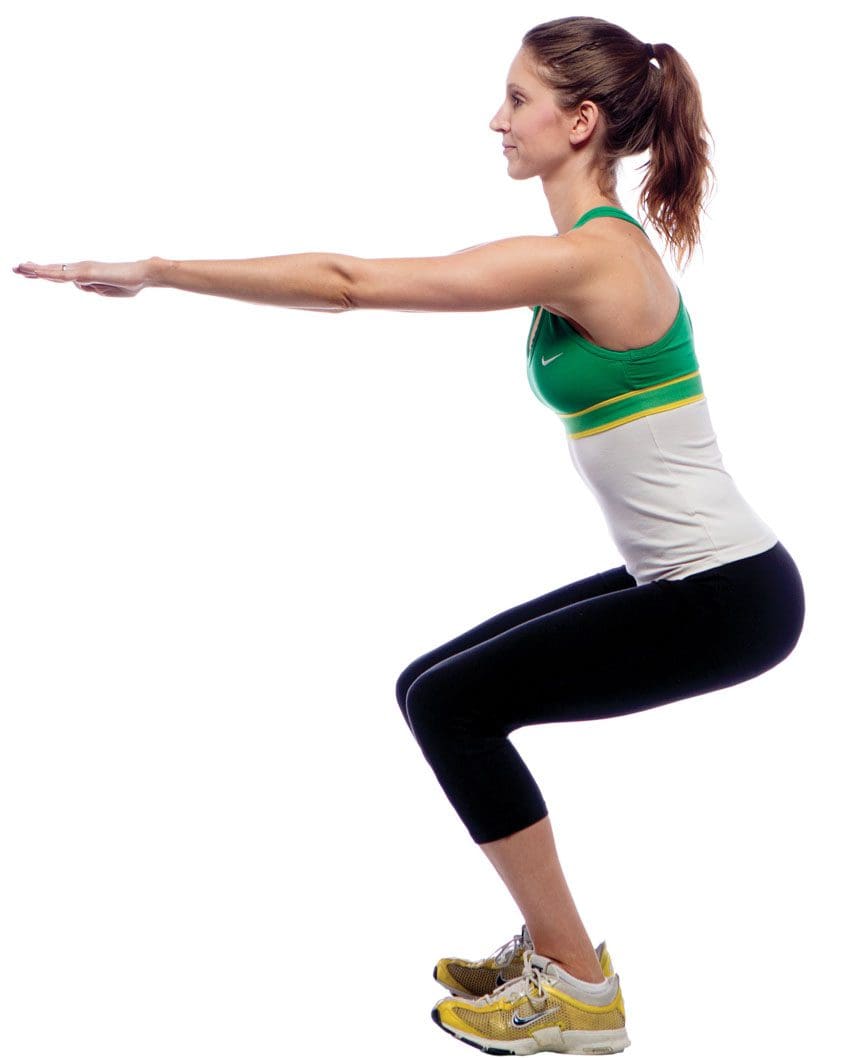
A good sciatica stretch is to put your hands on something stable and do some deep knee bends.
This will use the upper body weight to stretch the lumbar spine comfortably.
Do a few and make sure you feel and return to your seat stretched and refreshed.
When taking a long flight, do this every hour to feel better when landing.
Sciatica Road Trip
Road trips, on the other hand, are easier to stop and move around. However, it can also create over-concentration on the drive and forgetting how much you are hurting until the pain is unbearable.
Dr. Jimenez advises frequentstops, if possible every hour is best to prevent pain.
On the stops walk two or three laps around the car/Suv/truck.
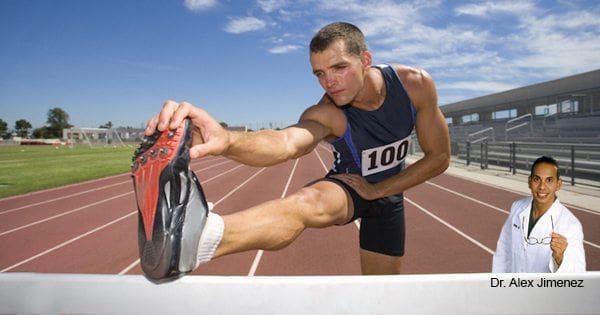
Rear bumper stretching prop
Place one foot on the bumper, and the other a few feet behind, lean into the bumper and square the hips with the lead foot.
This is like a hurdle stretch.
Stretch both legs on each break.
Regular stretching helps relieve the pressure on the low back so you can drive comfortably.
Arrival
Packing light is a healthy tip because hauling heavy luggage will aggravate sciatic nerve pain.
There are a few things that Dr. Jimenez recommends packing or getting upon arrival.
Gel ice pack you can keep in the refrigerator or freezer in a hotel.
Apply the cold pack to the low back for 20-minute increments will go a long way toward relieving pain.
Topical agent/cream/gel that has menthol or camphor, that you can apply to any area of tenderness or pain before the ice gel pack.
This increases the ice pack’s power by helping relax muscles and decreasing pain.
Supportive shoes or custom foot orthotics
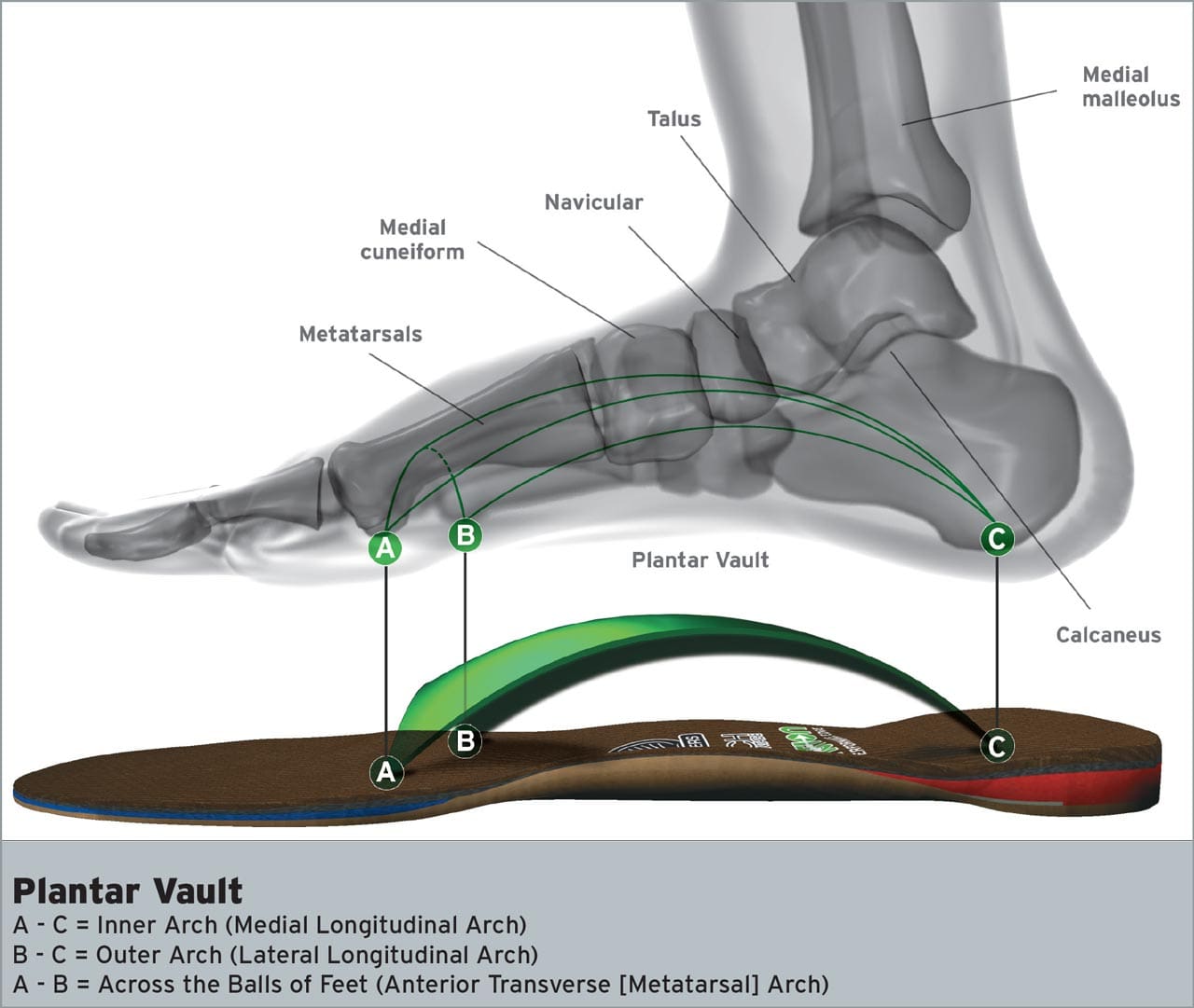
People with sciatica should choose footwear or orthotics that support all three arches of the foot.
Leg length is usually not equal on each side, and proper arch supports can be custom made for you by your chiropractor to compensate for the difference.
Even a 5mm difference can cause chronic back pain.
And if possible, ask your chiropractor or primary physician if they can recommend a chiropractor, physical/massage therapist,� or acupuncturist that you can see in case you need emergency treatment.
This can give you some peace of mind.
Keep Your Exercise/Stretching Routine When Traveling
When we travel especially on vacations it can be easy to let healthy lifestyle habits you practice at home slide.
All are sciatica�s natural enemies make sure to bring these healthy practices with you to your destination.
Use the same good sense when you travel just like at home getting:
Get plenty of rest
Drink plenty of water
Don’t overeat
You will need more rest when you travel and don’t forget when you travel to:
Walk
Stretch
Stay mobile
Difference Foot Orthotics Make to *REDUCE FOOT PAIN* & Correct Posture | El Paso, TX (2019)
Custom made foot orthotics can help control foot motion and posture. Healthcare professionals prescribe custom foot orthotics to help patients focus on their foot posture and mobility control. Research studies have ascertained that using custom foot orthotics for posture and mobility control can help fix excessive foot pronation and supination to prevent a variety of foot health problems. The subsequent video describes how custom foot orthotics will help control foot posture and mobility to improve health and wellness.
NCBI Resources
Sciatica is generally caused by the compression of lumbar or sacral nerves or by compression of the sciatic nerve. When sciatica is caused by compression of a dorsal nerve root, it’s known as lumbar radiculopathy. This can occur because of a spinal disk bulge or spinal disk herniation (a herniated intervertebral disc), or by roughening, enlarging, or misalignment (spondylolisthesis) of the fascia, or as a consequence of degenerated discs which can reduce the diameter of the lateral foramen by which nerve roots exit the spine.
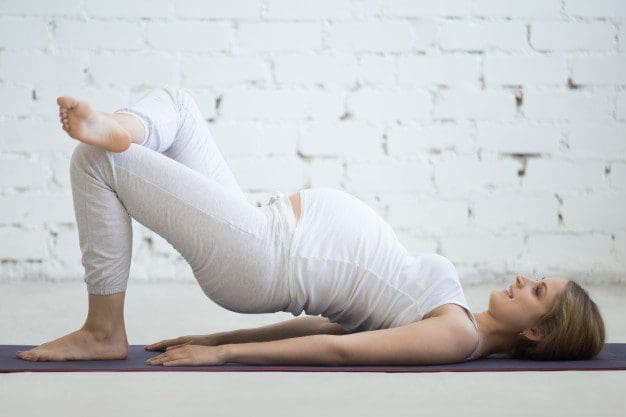
Pelvic tilts to gently awaken the transverse abdominals
Side-stretching helps� expand the spine
Stretching the sides of your body allows for space between the ribs.
It alleviates back pain and improves breathing.
As pregnancy advances, the middle area of your body can feel tighter.
This is one reason you may feel out of breath.
My massage therapist shared a stretch that helps to open up this space.
Sit cross-legged and raise both arms toward the ceiling
Put your right hand down and, with the left hand, reach over toward the right side of the room
Repeat on the opposite side
Take deep breaths
The goal is to reach up and over to improve breathing.
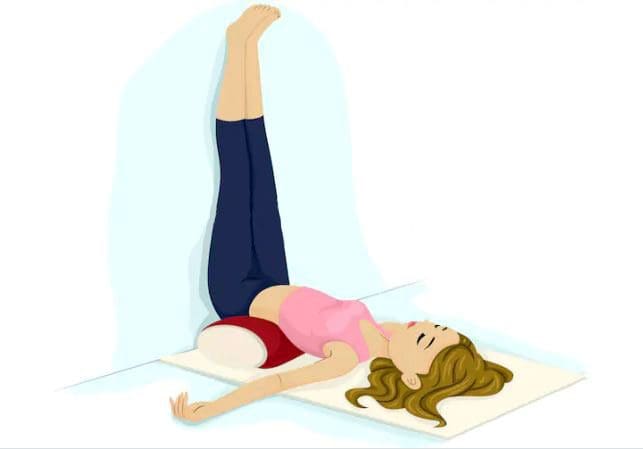
Legs up the wall
Your legs, knees, and feet will begin to feel the effects of added bodyweight and pressure.
A restorative yoga pose that involves placing a yoga mat or blanket as a back cushion next to a wall.
Lie on the floor against the wall
Let your legs climb up the wall
Stretch arms outward and turn your palms up
Take deep breaths
This reverses the blood flow and gives your joints a much-needed break.
Hang out and enjoy.
If the back of your legs feel like it’s too much to stretch all the way up, bring the soles of your feet together and let the knees butterfly out to the sides.
Make it a Daily habit
It can be a struggle to do daily stretches and exercises, especially as things get crazier and busier.
But this is what makes these home exercises/tips work.
Get into the habit to make it more personal and make body-care a top priority.
Children and life will try to take over but your wellness needs to come first before the care of others.
Living with back pain is something I would not recommend trying. Instead, see a chiropractor/doctor and learn these exercises and more tips so you can work out the discomfort/pain whenever it presents and enjoy your pregnancy to the fullest.
Lower Back Pain Pregnancy Chiropractic Treatment El Paso, TX
Truide Torres, office supervisor, first considered chiropractic care with Dr. Alex Jimenez throughout her pregnancy as a consequence of her lower back pain. Mrs. Torres experienced aggravating symptoms throughout different stages of her pregnancy, which led her to seek a pure remedy strategy for her well-being, particularly because of her child in the womb. After Truide Torres began chiropractic therapy with Dr. Alex Jimenez, she recovered her overall well-being and managed to go back to her first state of well-being. As a professional manager, Truide Torres additionally receives regular chiropractic care for any lower back pain that might occur as a result of her occupation. Mrs. Truide expresses how important it is to keep her spinal care and she recommends Dr. Alex Jimenez as the non-surgical pick for several health difficulties.
Low back pain, or LBP, is a normal health problem between the muscles, nerves, and bones of the spine. Pain could differ, often called a dull persistent pain or any sudden sharp sense. Low back pain could be classified by length and severity, including acute (pain lasting less than 6 weeks ), sub-chronic (6 to 12 months ), or chronic (over 12 weeks ). The status could be further categorized together with the inherent causes as both bodily, non-mechanical, or referred pain. The signs of lower back pain may generally improve in a couple of weeks, but a few instances may require further treatment. In virtually all episodes of lower back pain, a certain underlying cause is not identified or properly cared for, and health care professionals might feature it to muscle or joint strain.
What’s Afoot
The human body is an intricate machine, and everything is connected so when something goes wrong in one area, it can cause problems in other areas. The back carries a lot of the stress in the body so when there is a problem with the hips, knees, or a foot dysfunction, the spine can bear at least some of the brunt of the pain and other effects.
NCBI Resources
Chiropractic a preferred treatment for pregnancy low back pain. The chiropractor may perform a spinal subluxation to bring the spine back into alignment and the body back into balance. Regular chiropractic care�and following the doctor�s instructions can help greatly decrease low back pain for the mom to be so that she can better enjoy the excitement and joy of her pregnancy.
IFM's Find A Practitioner tool is the largest referral network in Functional Medicine, created to help patients locate Functional Medicine practitioners anywhere in the world. IFM Certified Practitioners are listed first in the search results, given their extensive education in Functional Medicine