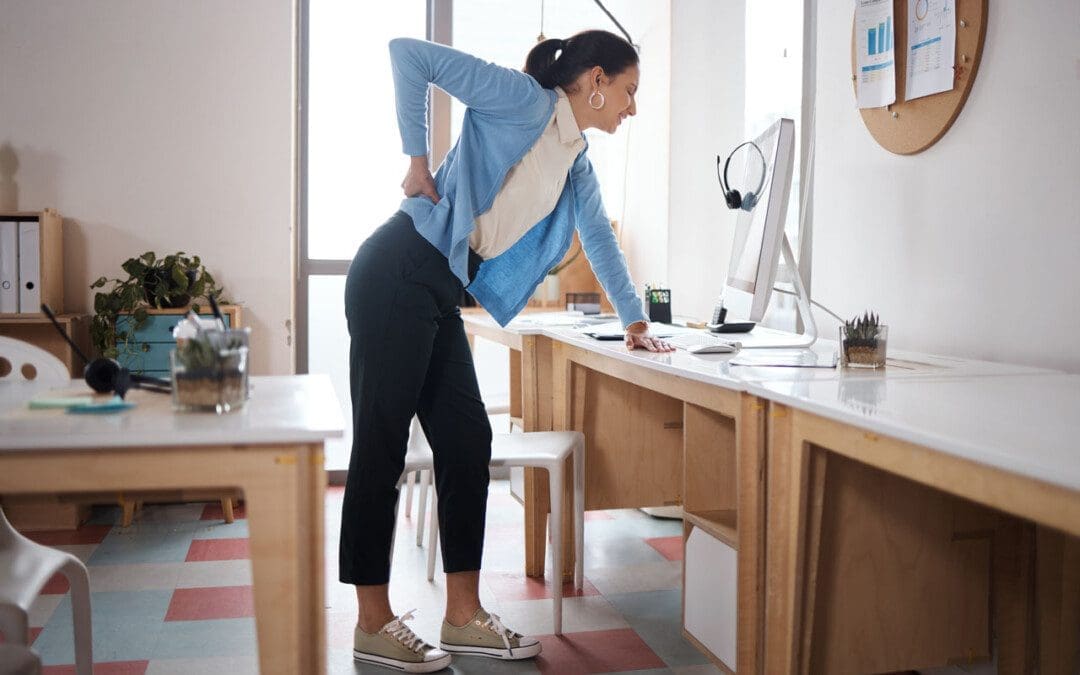
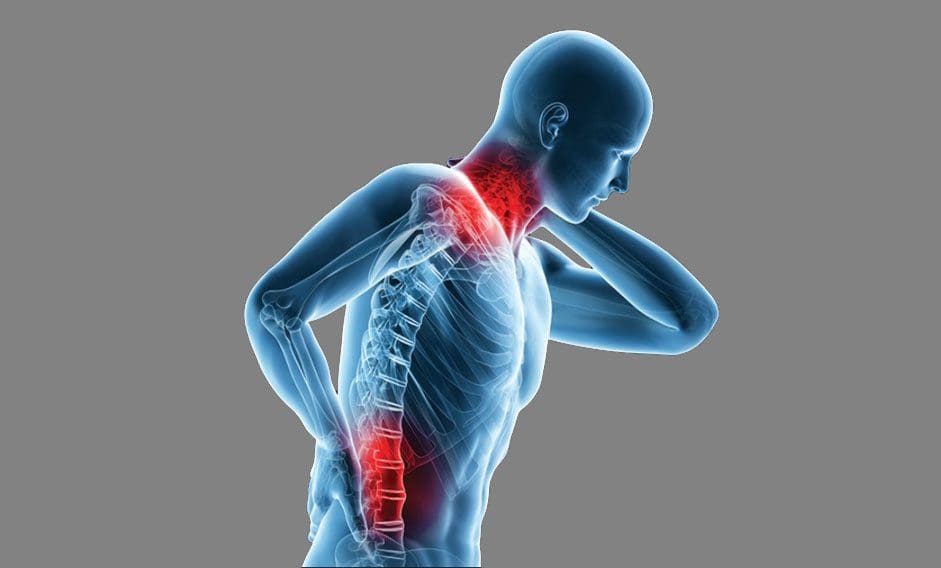
Many individuals attribute to some degree, their neck or back pain to unhealthy posture. Can knowing the causes and underlying factors help guide lifestyle adjustments and seeking medical rehabilitative treatment?
Unhealthy Posture Causes
Numerous factors can cause individuals to practice unhealthy postures regularly.
Unhealthy posture can also be brought on by an injury, illness, or genetics.
A combination of these factors is also common.
Practicing healthy posture is a form of exercise where the muscles support the skeleton in stable and efficient alignment that is present in stillness and movement.
Injury and Muscle Guarding
After an injury, muscles can spasm to protect the body and help stabilize injuries and protect against further injury.
However, movements become limited and can lead to pain symptoms.
Prolonged muscle spasms lead to weakened muscles over time.
The imbalance between muscles guarding the injury and those still operating normally can lead to posture problems.
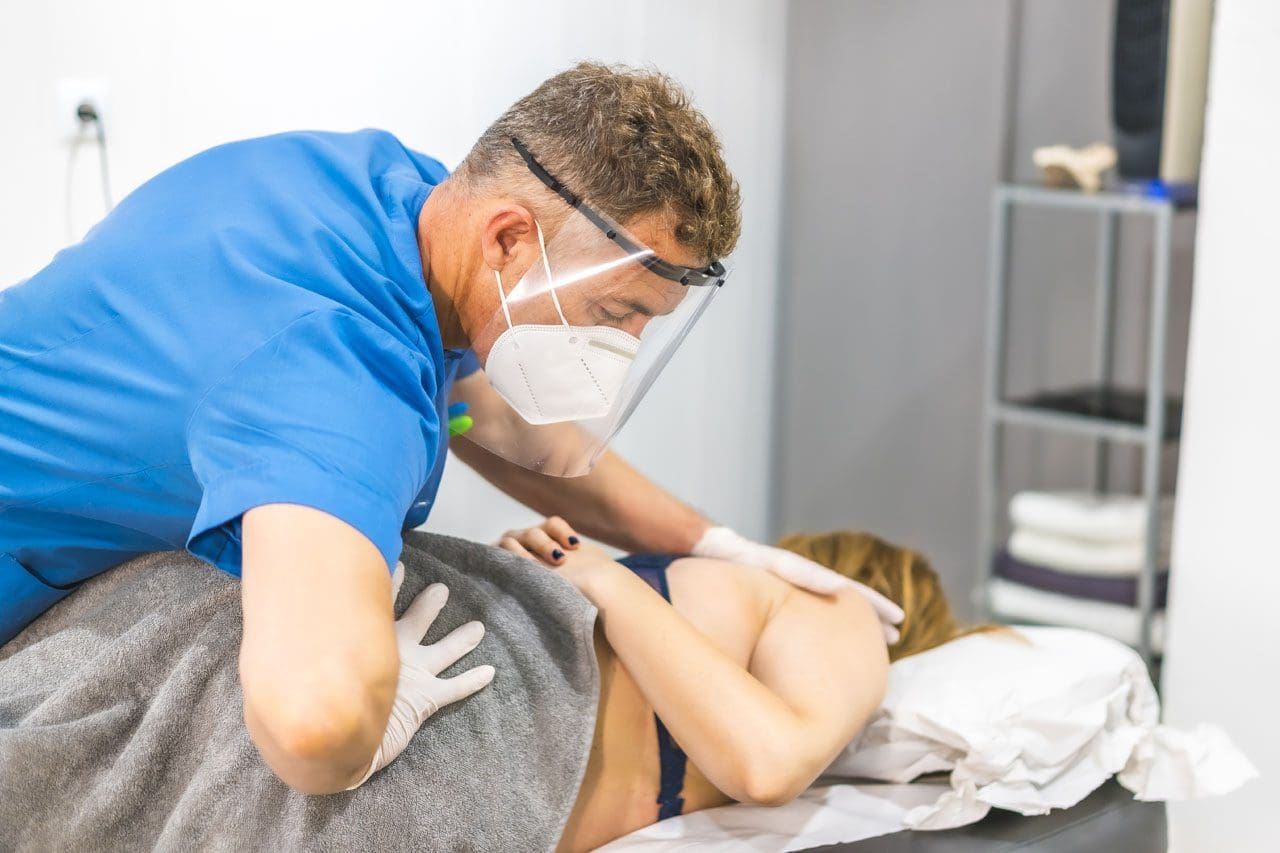
Musculoskeletal treatment with massage, chiropractic, and physical therapy can help restore optimal functioning.
Muscle Tension and Weakness
If certain muscle groups become weak or tense, posture can be affected, and pain symptoms can develop.
Muscle weakness or tension can develop when individuals hold a prolonged position day after day or when performing routine tasks and chores in a way that places tension on the muscles or uses them in an unbalanced way.
Postural retraining and physical therapy adjustments can help strengthen the muscles and relieve pain symptoms.
Daily Habits
As individuals find ways to accommodate muscle spasms, weakness, tension, and/or imbalances, the mind and body can forget and abandon healthy posture.
The body then begins compensating using alternate, awkward, and counterproductive muscle contractions and stretching that compromise body and spinal alignment.
Use of Technology
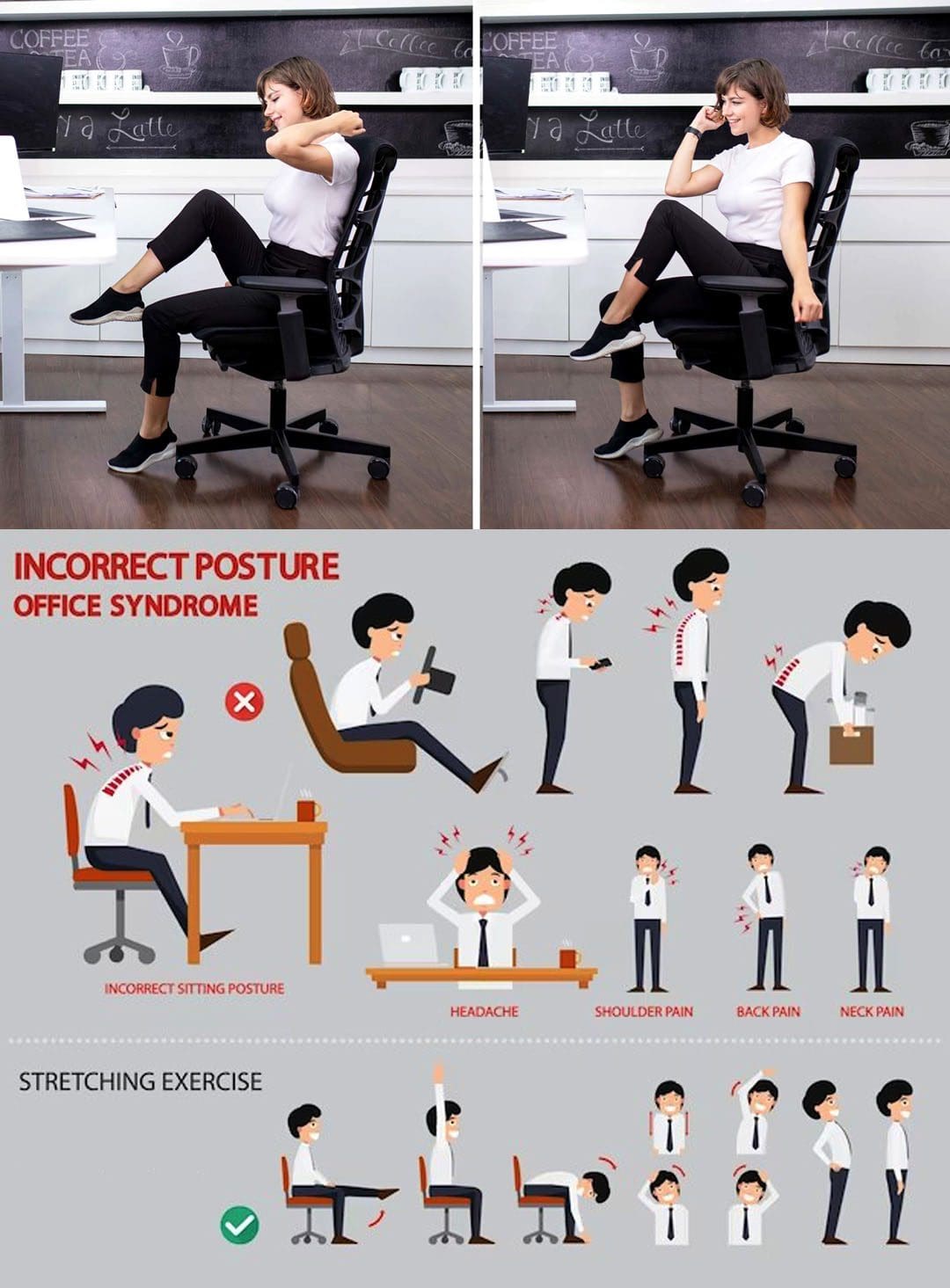
Technology – whether sitting at a desk/workstation, using a tablet or cell phone, or working with several devices can gradually shift the body out of alignment. (Parisa Nejati, et al., 2015)
Individuals constantly looking down at their phone may develop a text neck, a condition in which the neck is held in flexion or forward tilting too long, which can lead to pain.
Mental Attitude and Stress
Individuals under stress or are experiencing stressful situations can begin to have posture problems. (Shwetha Nair et al., 2015)
Stress can contribute to over-contracting muscles, which can cause muscle tension, shallow breathing, posture problems, and pain symptoms.
Being aware of body position and correcting and adjusting posture can help to counteract stress. (Shwetha Nair et al., 2015)
Wearing down the outside or inside of the shoes faster from things like weight-bearing habits will imbalance kinetic forces that translate up the ankle, knee, hip, and lower back leading to pain symptoms in any or all of these joints.
Heredity and Genetics
Sometimes the cause is hereditary.
For example, Scheuermann’s disease is a condition in which adolescent males develop a pronounced kyphosis curve in the thoracic spine. (Nemours. KidsHealth. 2022)
Consult Injury Medical Chiropractic and Functional Medicine Clinic for an evaluation, and let us help you by developing a personalized treatment and rehabilitation program.
The Path To Healing
References
Czaprowski, D., Stoliński, Ł., Tyrakowski, M., Kozinoga, M., & Kotwicki, T. (2018). Non-structural misalignments of body posture in the sagittal plane. Scoliosis and spinal disorders, 13, 6. https://doi.org/10.1186/s13013-018-0151-5
Nejati, P., Lotfian, S., Moezy, A., & Nejati, M. (2015). The study of correlation between forward head posture and neck pain in Iranian office workers. International journal of occupational medicine and environmental health, 28(2), 295–303. https://doi.org/10.13075/ijomeh.1896.00352
Nair, S., Sagar, M., Sollers, J., 3rd, Consedine, N., & Broadbent, E. (2015). Do slumped and upright postures affect stress responses? A randomized trial. Health psychology : official journal of the Division of Health Psychology, American Psychological Association, 34(6), 632–641. https://doi.org/10.1037/hea0000146
Silva, A. M., de Siqueira, G. R., & da Silva, G. A. (2013). Implications of high-heeled shoes on body posture of adolescents. Revista paulista de pediatria : orgao oficial da Sociedade de Pediatria de Sao Paulo, 31(2), 265–271. https://doi.org/10.1590/s0103-05822013000200020
For individuals dealing with chronic sciatica, when pain and other symptoms significantly impact daily activities and the ability to walk, can a musculoskeletal healthcare provider help relieve and manage symptoms through a multidisciplinary treatment plan?
Chronic Sciatica
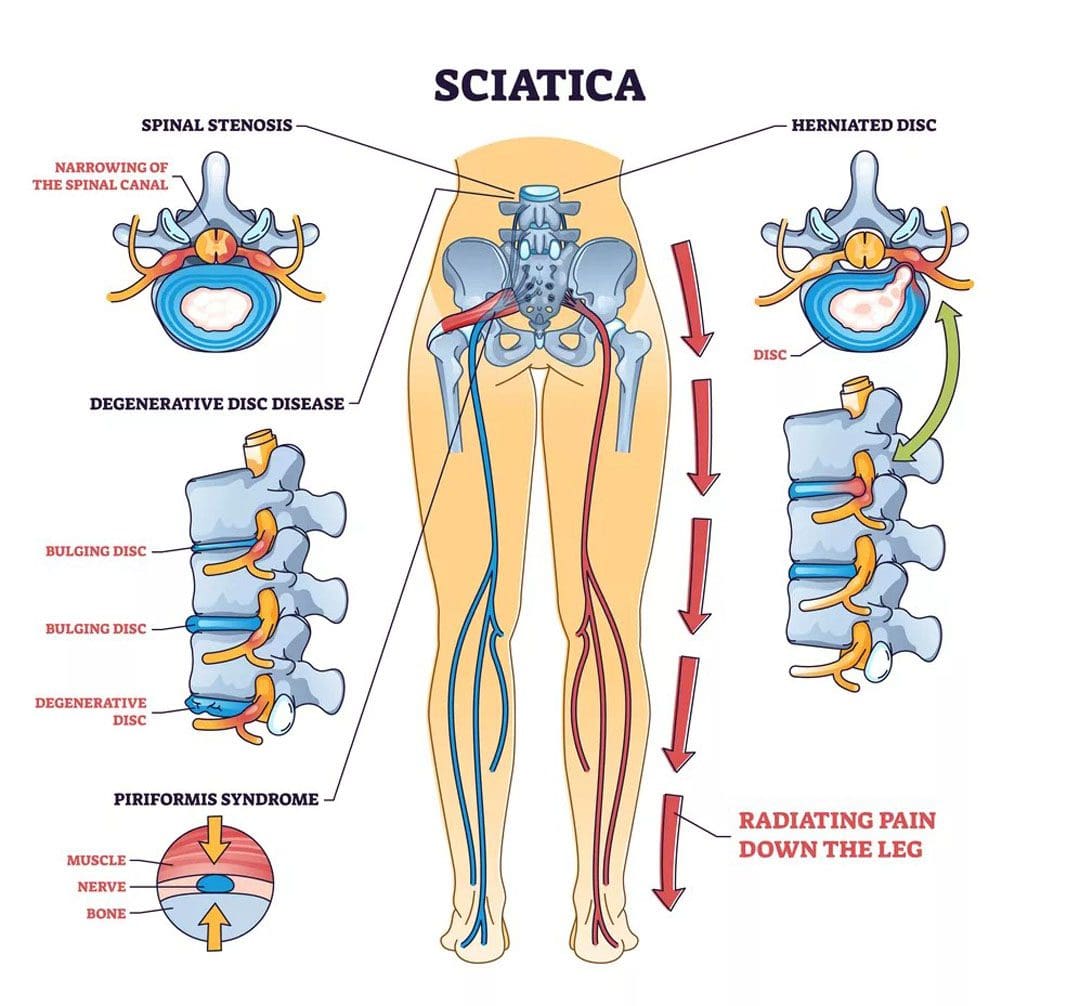
Sciatica is a common condition that results from compression of the sciatic nerve in the lower back or leg. Chronic sciatica occurs when symptoms last for 12 months or longer.
Advanced Sciatica Symptoms
Advanced or chronic sciatica usually produces pain that radiates or travels down the back of the leg. Long-term sciatic nerve compression can result in:
Leg pain
Numbness
Tingling
Electrical or burning sensations
Weakness
Weakness
Instability of the legs, which can impact the ability to walk.
Severe nerve compression can progress to leg paralysis if the nerve is significantly damaged from chronic compression. (Antonio L Aguilar-Shea, et al., 2022)
Sciatica can progress to nerve damage of the smaller nerves and travel into the legs and feet. Nerve damage/neuropathy can result in pain, tingling, and loss of sensation. (Jacob Wycher Bosma, et al., 2014)
Disabling Sciatica Treatment Options
When sciatica becomes disabling, affecting an individual’s ability to walk, more involved treatment is needed to bring relief. Many cases of chronic and disabling sciatica are caused by problems with the lumbar spine. Compression of the nerve roots that form the sciatic nerve can occur from bulging or herniated discs or spinal stenosis. If symptoms of sciatica persist beyond 12 months with little or no relief from physical therapy, non-surgical mechanical decompression, stretches and exercises, or pain management techniques, surgical procedures may be needed. (Lucy Dove, et al., 2023)
Lumbar decompression surgery encompasses several procedures to create more space in the lumbar spine and relieve nerve compression. Lumbar decompression surgery can include: (Mayfield Clinic. 2021)
Discectomy
This procedure removes a portion of a damaged disc between vertebrae to alleviate root compression from a bulging or herniated disc.
Laminectomy
This procedure removes the lamina, a portion of the vertebrae causing nerve compression, especially if there is a bone spur due to arthritic and degenerative changes in the spine.
Foraminotomy
This procedure widens the foramina, the openings in the vertebrae where the nerve roots exit to relieve compression.
Spinal Fusion
This procedure takes two or more vertebrae fusing them together with metal rods and screws for stabilization.
The procedure can be performed if:
An entire disc is removed.
Multiple laminectomies were performed.
One vertebra has slipped forward over another.
Daily Relief Management for Advanced Sciatica
Achieving relief from advanced sciatica symptoms at home can include regularly practicing methods like taking a hot bath or shower massage, and applying a heating pad to the lower back or glutes to relax tight muscles to help release the tightness surrounding the sciatic nerve.
Corrective or therapeutic exercises like sciatic nerve glides can help reduce tension along the nerve while low-back exercises that move the spine into forward or backward bending can reduce compression. (Witold Golonka, et al., 2021)
Medications like nonsteroidal anti-inflammatory drugs/NSAIDs, muscle relaxants, or nerve-pain medications may be recommended. (Antonio L Aguilar-Shea, et al., 2022)
Advanced sciatica may not be as responsive to conservative treatment methods, as the injury has set in and the nerve and surrounding tissues have become significantly restricted.
Sciatica symptoms lasting longer than 12 months require more involved treatment like injections or surgery to address symptoms effectively. (Antonio L Aguilar-Shea, et al., 2022)
Healing Chronic Sciatica
If the underlying cause can be effectively treated then chronic sciatica can be healed. Chronic sciatica often results from spinal conditions like herniated discs or lumbar spinal stenosis. These conditions narrow the space around the nerve roots that exit from the spinal cord and merge to form the sciatica nerve. Surgery is performed to open the space in the spine. (Mayfield Clinic. 2021) Sometimes sciatica is brought on by less common causes like a tumor or a spinal infection. In these cases, symptoms will not resolve until the underlying cause is addressed. Tumors may need to be surgically removed while infections require aggressive antibiotics to prevent spreading to other regions of the body. (Hospital for Special Surgery. 2023)
Pain Specialist Treatment Plan Development
Ongoing pain, numbness, tingling, and weakness are all symptoms that should be addressed with a healthcare provider. A pain specialist can help create a treatment plan that involves: (Hospital for Special Surgery. 2023)
Aguilar-Shea, A. L., Gallardo-Mayo, C., Sanz-González, R., & Paredes, I. (2022). Sciatica. Management for family physicians. Journal of family medicine and primary care, 11(8), 4174–4179. https://doi.org/10.4103/jfmpc.jfmpc_1061_21
Bosma, J. W., Wijntjes, J., Hilgevoord, T. A., & Veenstra, J. (2014). Severe isolated sciatic neuropathy due to a modified lotus position. World journal of clinical cases, 2(2), 39–41. https://doi.org/10.12998/wjcc.v2.i2.39
Dove, L., Jones, G., Kelsey, L. A., Cairns, M. C., & Schmid, A. B. (2023). How effective are physiotherapy interventions in treating people with sciatica? A systematic review and meta-analysis. European spine journal : official publication of the European Spine Society, the European Spinal Deformity Society, and the European Section of the Cervical Spine Research Society, 32(2), 517–533. https://doi.org/10.1007/s00586-022-07356-y
Golonka, W., Raschka, C., Harandi, V. M., Domokos, B., Alfredson, H., Alfen, F. M., & Spang, C. (2021). Isolated Lumbar Extension Resistance Exercise in Limited Range of Motion for Patients with Lumbar Radiculopathy and Disk Herniation-Clinical Outcome and Influencing Factors. Journal of clinical medicine, 10(11), 2430. https://doi.org/10.3390/jcm10112430
For individuals dealing with chronic pain conditions can having a better understanding of pain management specialists help in developing effective multidisciplinary treatment plans?
Pain Management Specialists
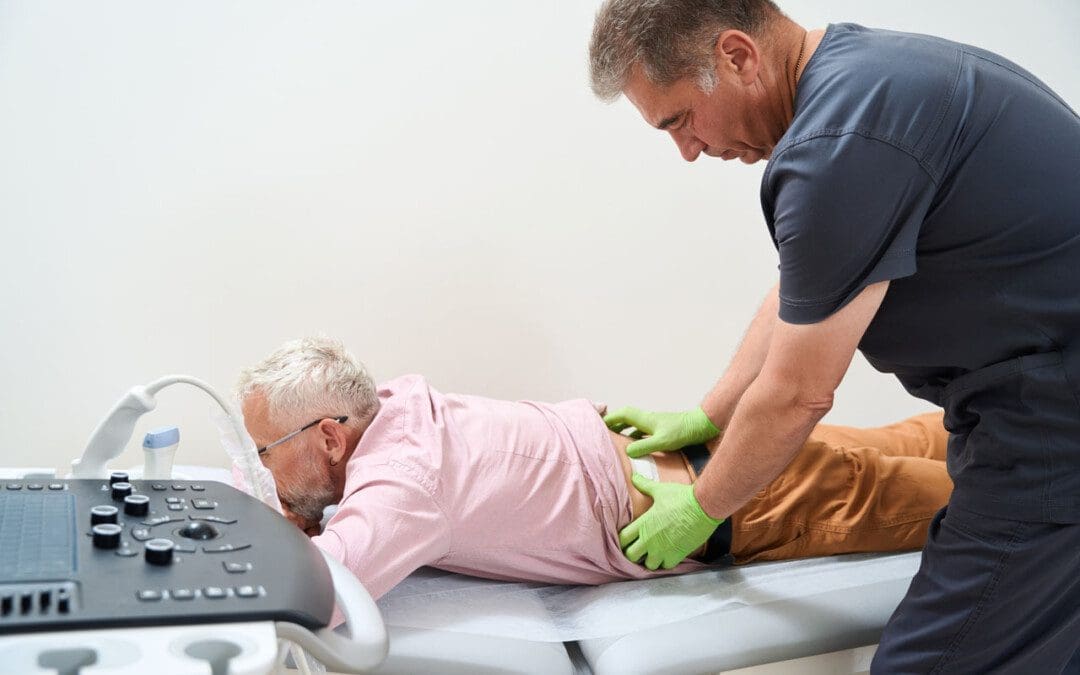
Pain management is a growing medical specialty that takes a multi-disciplinary approach to treating all types of pain. It is a branch of medicine that applies scientifically proven techniques and methods to relieve, reduce, and manage pain symptoms and sensations. Pain management specialists evaluate, rehabilitate, and treat a spectrum of conditions, including neuropathic pain, sciatica, postoperative pain, chronic pain conditions, and more. Many primary healthcare providers refer their patients to pain management specialists if pain symptoms are ongoing or significant in their manifestation.
Specialists
Healthcare providers specializing in pain management recognize the complex nature of pain and approach the problem from all directions. Treatment at a pain clinic is patient-centric but depends on the clinic’s available resources. Currently, there are no set standards for the types of disciplines needed, another reason treatment options vary from clinic to clinic. Experts say that a facility should offer patients:
A coordinating practitioner specializing in pain management and consulting specialists on the patient’s behalf.
Other specialties represented in pain management are anesthesiology, neurosurgery, and internal medicine. A coordinating healthcare provider may refer an individual for services from:
A healthcare provider should have completed additional training and credentialing in pain medicine and be an MD with board certification in at least one of the following (American Board of Medical Specialties. 2023)
Anesthesiology
Physical rehabilitation
Psychiatry
Neurology
A pain management physician should also have their practice limited to the specialty they hold the certification.
Management Goals
The field of pain management treats all types of pain as a disease. Chronic, such as headaches; acute, from surgery, and more. This allows for applying science and the latest medical advances to pain relief. There are now many modalities, including:
Medication
Interventional pain management techniques – nerve blocks, spinal cord stimulators, and similar treatments.
Physical therapy
Alternative medicine
The objective is to minimize and make symptoms manageable.
Individuals determined that surgery does not benefit their condition.
A better understanding of pain syndromes by communities and insurance companies and increased pain studies will help increase insurance coverage for treatments and technology to improve interventional outcomes.
Nalamachu S. (2013). An overview of pain management: the clinical efficacy and value of treatment. The American journal of managed care, 19(14 Suppl), s261–s266.
American Society of Interventional Pain Physicians. (2023). Pain Physician.
For individuals watching their food intake during the Thanksgiving holiday, can knowing the nutritional value of turkey help maintain diet health?
Nutrition and Benefits
Minimally processed turkey can be a beneficial source of protein, vitamins, and minerals. However, processed turkey can be high in sugar, unhealthy fats, and sodium.
Sarcopenia, or muscle wasting, commonly leads to frailty in elderly individuals.
Getting enough protein at every meal is essential for older adults to maintain muscle mass and physical mobility.
Turkey can help meet guidelines suggesting lean meat consumption 4-5 times a week to maintain muscle health with aging. (Anna Maria Martone, et al., 2017)
Reduces Diverticulitis Flare-Ups
Diverticulitis is inflammation of the colon. Dietary factors that influence the risk of diverticulitis include:
Fiber intake – lowers risk.
Processed red meat intake – raises risk.
Intake of red meat with higher total fat – raises risk.
Researchers studied 253 men with diverticulitis and determined that replacing one serving of red meat with a serving of poultry or fish reduces the risk of diverticulitis by 20%. (Yin Cao et al., 2018)
The study’s limitations are that the meat intake was recorded in men only, the intake was self-reported, and the amount consumed at each eating episode was not recorded.
It may be a helpful substitution for anyone at risk for diverticulitis.
Turkey is a lean alternative to other low-sodium meats, especially if the skin is removed and cooked fresh.
Turkey is also high in the amino acid arginine.
Arginine can help keep arteries open and relaxed as a precursor to nitric oxide. (Patrick J. Skerrett, 2012)
Allergies
Meat allergies can happen at any age. A turkey allergy is possible and may be associated with allergies to other types of poultry and red meat. Symptoms can include: (American College of Allergy, Asthma & Immunology. 2019)
Martone, A. M., Marzetti, E., Calvani, R., Picca, A., Tosato, M., Santoro, L., Di Giorgio, A., Nesci, A., Sisto, A., Santoliquido, A., & Landi, F. (2017). Exercise and Protein Intake: A Synergistic Approach against Sarcopenia. BioMed research international, 2017, 2672435. https://doi.org/10.1155/2017/2672435
Cao, Y., Strate, L. L., Keeley, B. R., Tam, I., Wu, K., Giovannucci, E. L., & Chan, A. T. (2018). Meat intake and risk of diverticulitis among men. Gut, 67(3), 466–472. https://doi.org/10.1136/gutjnl-2016-313082
For older individuals experiencing posture problems, slumping, slouching, and upper back pain, could adding rib cage exercises help bring relief and prevent the condition from worsening?
Improved Posture
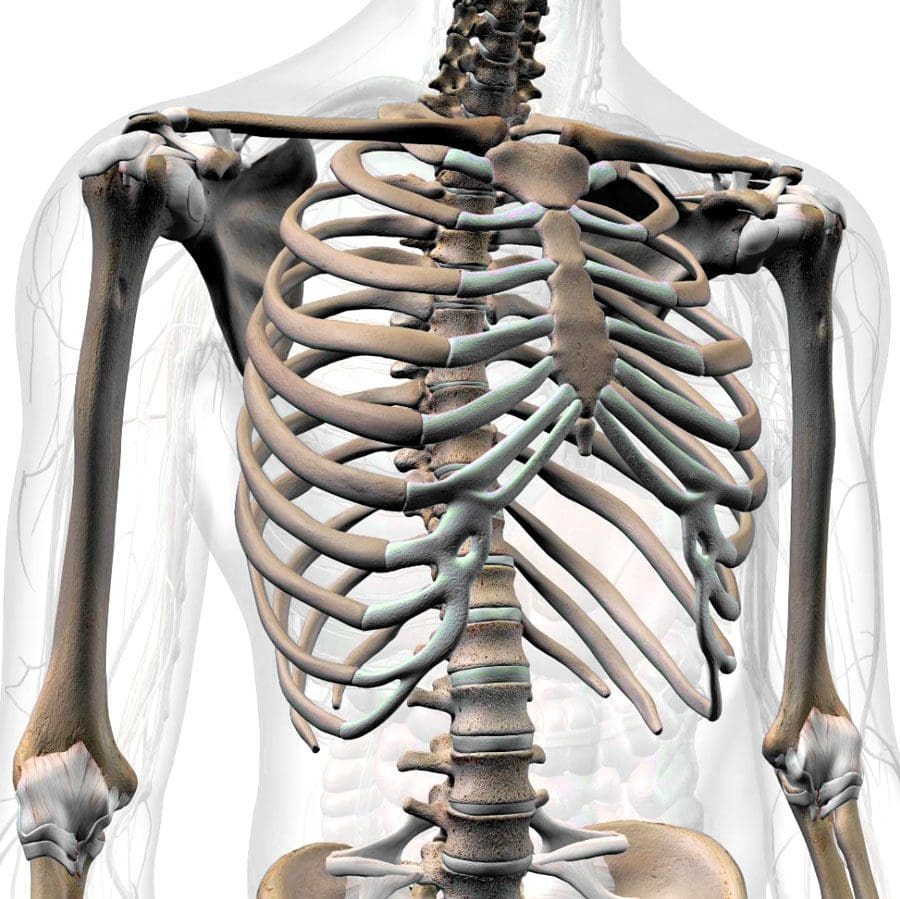
It’s common to associate a collapsed upper back posture with age, but other factors can also contribute to the problems. (Justyna Drzał-Grabiec, et al., 2013) The rib cage and the pelvis are important to body structure and comprise much of the core. If these bone structures become misaligned due to unhealthy posture, the muscles that attach to them become tight, weak, or both, and the surrounding muscles have to compensate, causing a worsening of the condition and further injury.
Unhealthy postures can be caused by a rib cage that compresses down onto the pelvic bone.
As the upper back slumps or compresses, height can begin to decrease.
Posture awareness exercises can help lift the rib cage off the pelvic bone.
Rib Cage Exercises
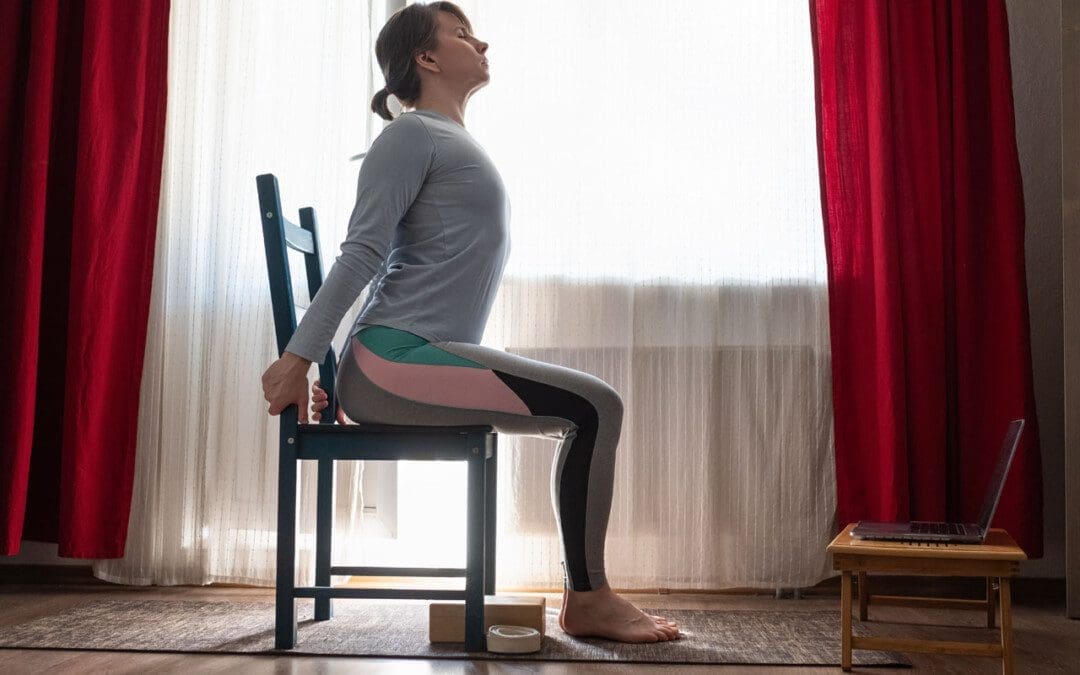
This exercise can be done sitting or standing. A daily routine can help improve posture and relieve back problems and pain.
The sitting version helps keep the focus on doing the exercise right.
The standing version challenges body awareness, allowing the individual to feel how the rib cage and upper back movements affect pelvic and lower back posture.
To begin, it is recommended to start in a sitting position.
Once the basics are learned, then certainly progress to standing.
Exercise
Position the pelvis so it is in a slight forward tilt.
This forward tilt will exaggerate the low back curve slightly while tightening the lower back muscles in a good way.
Establishing and maintaining this curve in the sitting position should feel natural.
Inhale and exaggerate the upward lift of the rib cage.
Inhaling causes the spine and ribs to extend slightly.
Exhale and allow the rib cage and upper back to return to their natural position.
Repeat up to 10 times once or twice a day.
For this exercise, use breathing to develop the rib cage’s lift and carriage incrementally.
Don’t max out on the spinal extension.
Instead, focus on how breathing/inhaling supports the movement of the ribs and upper back and develops the muscles from there.
Try to lift the rib cage equally on both sides as the body allows.
With practice, individuals will realize the healthy posture changes and increased distance between the ribs and pelvis.
Guidance and Variation
Perform the exercise with the back against a wall for upper back guidance.
Another variation of the pelvis and rib cage posture training exercise is to raise the arms.
This will create a different posture awareness training perspective.
Focus on rib cage movement when the arms are raised.
Does lifting the arms make the exercise easier, harder, or different?
To enhance posture improvement, stretch the pectoral muscles.
Yoga
Individuals looking for more ways to strengthen healthy posture should consider yoga.
A study published in the International Journal of Yoga suggests that a great way to activate the core may be to include a variety of yoga postures into the routine. (Mrithunjay Rathore et al., 2017) The ab muscles attach to various places on the rib cage and play a role in posture, alignment, and balance. The researchers identified two muscles, the external obliques, and the transverse abdominal, as key to a healthily aligned posture.
Core Strength
References
Drzał-Grabiec, J., Snela, S., Rykała, J., Podgórska, J., & Banaś, A. (2013). Changes in the body posture of women occurring with age. BMC geriatrics, 13, 108. https://doi.org/10.1186/1471-2318-13-108
Rathore, M., Trivedi, S., Abraham, J., & Sinha, M. B. (2017). Anatomical Correlation of Core Muscle Activation in Different Yogic Postures. International journal of yoga, 10(2), 59–66. https://doi.org/10.4103/0973-6131.205515
Papegaaij, S., Taube, W., Baudry, S., Otten, E., & Hortobágyi, T. (2014). Aging causes a reorganization of cortical and spinal control of posture. Frontiers in aging neuroscience, 6, 28. https://doi.org/10.3389/fnagi.2014.00028
For individuals trying to get into a regular fitness regimen, could using the FITT Principle help structure exercise, track progress, and achieve fitness goals?
FITT Principle
The FITT principle is a set of guidelines for adjusting, revising, and improving exercise workouts. FITT is an acronym for:
Frequency
Intensity
Time
Type of exercise
Individuals take these elements to create and adjust workouts that fit their goals and fitness levels.
For example, this could be a workout of 3 to 5 days combined with low, medium, and high-intensity exercises for 30 to 60 minutes each session that incorporates cardio and strength training. Focusing on these details and progressing over time helps create an effective program.
Frequency
Workout frequency and how often the individual is going to exercise is the first thing to look at.
Frequency depends on various factors, including the type of workout being done, how hard the workout is, fitness levels, and exercise goals.
General exercise guidelines developed by the American College of Sports Medicine offer recommendations. (Carol Ewing Garber, et al., 2011)
Cardiovascular Workouts
Cardio workouts are usually scheduled more often.
Depending on goals, guidelines recommend moderate cardio exercise five or more days a week or intense cardio three days a week to improve health.
Individuals can adjust the exercise intensity level easily on a treadmill to provide excellent and convenient cardiovascular workouts.
Individuals who want to lose weight may want to work up to more workouts gradually.
However, more is not always better, and recovery time is essential. (Pete McCall. 2018)
For individuals following a split routine, like upper body one day and lower body the next, workouts can be more frequent than total body workouts.
Intensity
Workout intensity involves how hard the individual is pushing themselves during exercise. How it is increased or decreased depends on the type of workout. (Carol Ewing Garber, et al., 2011)
Cardiovascular Workouts
For cardio, individuals will monitor workout intensity by:
The general recommendation is to work at a moderate intensity for steady workouts.
Interval training is done at a higher intensity for a shorter period.
It’s recommended to mix up low, medium, and high-intensity cardio exercises to stimulate different energy systems and prevent overtraining. (Nathan Cardoos. 2015)
Strength Training
Individual intensity comprises the amount of weight being lifted and the number of reps and sets done.
The intensity can change based on health goals.
Beginners looking to build stability, endurance, and muscle are recommended to use a lighter weight and do fewer sets with high repetitions – for example, two or three sets of 12 to 20 reps.
Individuals wanting to grow muscle are recommended to do more sets with a moderate amount of reps – for example, four sets of 10 to 12 reps each.
Individuals who want to build strength are recommended to use heavy weights and do more sets with fewer reps – for example, five sets of three reps each.
The next element of the plan is how long the exercise will be during each session. Exercise length depends on individual fitness level and the type of workout being done.
Cardiovascular Workouts
The exercise guidelines suggest 30 to 60 minutes of cardio, but workout duration will depend on fitness level and type of exercise. ((Carol Ewing Garber, et al., 2011)
Beginners are recommended to start with a 15- to 20-minute workout.
Individuals with some workout experience and are doing steady-state cardio, like jogging or using a cardio machine, might exercise for 30 to 60 minutes.
For individuals doing interval training and working at very high intensity, the workout will be shorter, around 10 to 15 minutes of high-intensity interval training.
Having a variety of workouts of different intensities and durations will provide a solid, balanced cardiovascular program.
Strength Training
How long an individual strength trains will depend on the type of workout and schedule.
A total body workout can take over an hour.
A split routine can take less time by working fewer muscle groups in one session.
Type
The type of exercise you do is the last part of the FIIT principle.
It is easy to manipulate to avoid overuse injuries or weight loss plateaus.
Cardiovascular Workouts
Cardio is easy to adjust and change because any activity that increases heart rate counts.
Walking, dancing, running, cycling, swimming, and using an elliptical trainer are a few activities that can be incorporated.
Having multiple cardio activities is recommended to reduce burnout and keep workouts fresh.
Strength Training
Strength training workouts can also be varied.
They include any exercise where some type of resistance – bands, dumbbells, machines, etc. are used to work the muscles.
Bodyweight exercises can also be considered a form of strength training.
Strength workouts can be changed from total body training to adding, for example, supersets or pyramid training.
Incorporating new exercises for each body area is another way to vary the type of workouts.
Spending a few weeks working on functional strength movements, then switching to hypertrophy or strength-based training.
Each modality includes various alternative types of strength-based exercises.
Using FITT
The FITT principle outlines how to adjust workout programs to achieve better results. It also helps figure out how to change workouts to avoid burnout, overuse injuries, and plateaus.
For example, walking three times a week for 30 minutes at a moderate pace is recommended for a beginner to start out with. After a few weeks, the body adapts to the workout. This results in burning fewer calories, burnout, or weight management efforts, and goals are put on hold. This is where the FITT principles come in. For example, a change-up could include:
Changing frequency by adding another day of walking or jogging.
Changing intensity by walking faster, adding more challenging terrain like a hill, or jogging at certain intervals.
Walking for a longer time each workout day.
Changing the type of workout by swapping one or more of the walk sessions for cycling or aerobics.
Even just changing one element can make a big difference in the workout and how the body responds to exercise.
It’s important to change things up regularly to keep the body healthy and mind engaged.
Injury Prevention
One of the best things about using FITT is that it allows individuals to monitor the length and intensity of their workouts. When individuals work out too frequently or don’t get enough rest, they run the risk of overuse injuries, burnout, and muscle strains. The FITT principle encourages adding variety to workouts. When following this practice, it allows the body to rest and recover properly. Because individuals are not working the same muscle groups over and over again, better results are achieved.
Fighting Inflammation Naturally
References
Garber, C. E., Blissmer, B., Deschenes, M. R., Franklin, B. A., Lamonte, M. J., Lee, I. M., Nieman, D. C., Swain, D. P., & American College of Sports Medicine (2011). American College of Sports Medicine position stand. Quantity and quality of exercise for developing and maintaining cardiorespiratory, musculoskeletal, and neuromotor fitness in apparently healthy adults: guidance for prescribing exercise. Medicine and science in sports and exercise, 43(7), 1334–1359. https://doi.org/10.1249/MSS.0b013e318213fefb
McCall Pete. 8 reasons to take a rest day. (2018) American Council on Exercise.
National Strength and Conditioning Association. (2017) Determination of resistance training frequency.
Schoenfeld, B. J., Ogborn, D., & Krieger, J. W. (2016). Effects of Resistance Training Frequency on Measures of Muscle Hypertrophy: A Systematic Review and Meta-Analysis. Sports medicine (Auckland, N.Z.), 46(11), 1689–1697. https://doi.org/10.1007/s40279-016-0543-8
Cardoos, Nathan MD. Overtraining Syndrome. (May/June 2015). Current Sports Medicine Reports 14(3):p 157-158. DOI: 10.1249/JSR.0000000000000145
For individuals trying to achieve healthy posture, could using posture awareness training be effective in treatment and prevention?
Posture Awareness
Spinal curves help support the body’s weight, movement, and balance. Five areas include the neck, upper back, lower back, sacrum, and coccyx. The bottom of the spine or sacrum rests between the two hip bones that comprise the pelvis. Because of this location, the movements made with the pelvis significantly affect the spine. (Ibrahim Alkatout, et al., 2021) When the pelvis moves, the spine moves.
Posture-related back pain and associated symptoms are often caused by a weakened strength and flexibility ratio between the opposing muscle groups that hold the body upright.
Achieving healthy posture requires technique and consistent practice for maintaining a healthy pelvis and low back curve. (DeokJu Kim, et al., 2015)
Finding the low back curve and exploring how it responds when moving the pelvis is important to effective posture awareness training.
Kim, D., Cho, M., Park, Y., & Yang, Y. (2015). Effect of an exercise program for posture correction on musculoskeletal pain. Journal of physical therapy science, 27(6), 1791–1794. https://doi.org/10.1589/jpts.27.1791
Alkatout, I., Wedel, T., Pape, J., Possover, M., & Dhanawat, J. (2021). Review: Pelvic nerves - from anatomy and physiology to clinical applications. Translational neuroscience, 12(1), 362–378. https://doi.org/10.1515/tnsci-2020-0184
Żurawski, A. Ł., Kiebzak, W. P., Kowalski, I. M., Śliwiński, G., & Śliwiński, Z. (2020). Evaluation of the association between postural control and sagittal curvature of the spine. PloS one, 15(10), e0241228. https://doi.org/10.1371/journal.pone.0241228
Zemková, E., & Zapletalová, L. (2021). Back Problems: Pros and Cons of Core Strengthening Exercises as a Part of Athlete Training. International journal of environmental research and public health, 18(10), 5400. https://doi.org/10.3390/ijerph18105400
IFM's Find A Practitioner tool is the largest referral network in Functional Medicine, created to help patients locate Functional Medicine practitioners anywhere in the world. IFM Certified Practitioners are listed first in the search results, given their extensive education in Functional Medicine