Individuals diagnosed with peripheral neuropathy, or with small fiber neuropathy, can understanding symptoms and causes help with potential treatments?
Small Fiber Neuropathy
Small fiber neuropathy is a specific classification of neuropathy, as there are different types, which are nerve injury, damage, disease, and/or dysfunction. Symptoms can result in pain, loss of sensation, and digestive and urinary symptoms. Most cases of neuropathy like peripheral neuropathy involve small and large fibers. Common causes include long-term diabetes, nutritional deficiencies, alcohol consumption, and chemotherapy.
Small fiber neuropathy is diagnosed after diagnostic testing showing it is clear that the small nerve fibers are involved.
The small nerve fibers detect sensation, temperature, and pain and help regulate involuntary functions.
Isolated small-fiber neuropathy is rare, but research is ongoing on the type of nerve damage and potential treatments. (Stephen A. Johnson, et al., 2021)
Small fiber neuropathy is not specifically dangerous but is a sign/symptom of an underlying cause/condition that is damaging the body’s nerves.
Pain – symptoms can range from mild or moderate discomfort to severe distress and can happen at any time.
Loss of sensation.
Because the small nerve fibers help with digestion, blood pressure, and bladder control – symptoms of autonomic dysfunction can vary and can include:
Constipation, diarrhea, incontinence, urinary retention – the inability to completely drain the bladder.
If there is progressing nerve damage, the intensity of the pain can decrease, but the loss of normal sensation and autonomic symptoms can worsen. (Josef Finsterer, Fulvio A. Scorza. 2022)
Hypersensitivity to touch and pain sensations can cause pain without a trigger.
The loss of sensation can make individuals unable to accurately detect sensations of touch, temperature, and pain in affected areas, which can lead to various types of injuries.
Although more research is needed, certain disorders that were not considered neuropathies may have small fiber neuropathy components involved.
A study suggested that neurogenic rosacea, a skin condition, could have some elements of small fiber neuropathy. (Min Li, et al., 2023)
These small nerve fibers are distributed throughout the body including the tops of the fingers and toes, trunk, and internal organs.
These fibers are usually located in the superficial areas of the body, such as close to the skin’s surface. (Mohammad A. Khoshnoodi, et al., 2016)
The small nerve fibers that get damaged are involved in transmitting pain and temperature sensations.
Most nerves have a special type of insulation called myelin that protects them and increases the speed of nerve impulses.
Small nerve fibers may have a thin sheath, making them more susceptible to injury and damage at earlier stages of conditions and diseases. (Heidrun H. Krämer, et al., 2023)
Individuals At Risk
Most types of peripheral neuropathy cause damage to the small and large peripheral nerve fibers. Because of this, most neuropathies are a mix of small-fiber and large-fiber neuropathy. Common risk factors for mixed fiber neuropathy include: (Stephen A. Johnson, et al., 2021)
Diabetes
Nutritional deficiencies
Overconsumption of alcohol
Autoimmune disorders
Medication toxicity
Isolated small-fiber neuropathy is rare, but there are conditions that are known to contribute to the cause and include: (Stephen A. Johnson, et al., 2021)
Sjogren Syndrome
This autoimmune disorder causes dry eyes and mouth, dental problems, and joint pain.
It can also cause nerve damage throughout the body.
Fabry Disease
This condition causes a buildup of certain fats/lipids in the body that can lead to neurological effects.
Amyloidosis
This is a rare disorder that causes a buildup of proteins in the body.
The proteins can damage tissues like the heart or nerves.
Lewy Body Disease
This is a neurological disorder that causes dementia and impaired movement and can lead to nerve damage.
Lupus
This is an autoimmune disease that affects joints, skin, and sometimes nerve tissue.
Viral Infection
These infections typically cause a cold or gastrointestinal/GI upsetness.
Less often they can cause other effects like small fiber neuropathy.
These conditions have been seen to cause isolated small-fiber neuropathy or begin as small-fiber neuropathy before progressing to the large nerve fibers. They can also begin as a mixed neuropathy, with small and large fibers.
Progression
Often the damage progresses at a relatively moderate rate, leading to added symptoms within months or years. The fiber nerves that are affected by the underlying condition usually progressively deteriorate, regardless of where they are located. (Mohammad A. Khoshnoodi, et al., 2016) Medications can help alleviate damage to the peripheral nerves. For individuals that are diagnosed in the early stage, it is possible to stop the progression, and potentially prevent involvement of the large fibers.
Treatments
Treatment toward preventing the progression requires controlling the underlying medical condition with treatment options depending on the cause. Treatments that can help prevent the progression include:
Blood sugar control for individuals with diabetes.
Immune suppression for control of autoimmune diseases.
Plasmapheresis – blood is taken and the plasma is treated and returned or exchanged for the treatment of autoimmune diseases.
Symptom Treatment
Individuals can get treatment for the symptoms that will not reverse or cure the condition but can help with temporary relief. Symptomatic treatment can include: (Josef Finsterer, Fulvio A. Scorza. 2022)
Pain management can include medications and/or topical analgesics.
Physical therapy – stretching, massage, decompression, and adjustments to keep the body relaxed and flexible.
Rehabilitation to help improve coordination, which can be impaired by loss of sensation.
Medications to relieve GI symptoms.
Wearing specialized clothes such as neuropathy socks to help with foot pain symptoms.
Treatment and medical management of neuropathies usually involve a neurologist. A neurologist may prescribe medication to help alleviate pain symptoms and provide medical interventions like immunotherapy if there is concern that an autoimmune process could be the cause. Additionally, treatment could include the care of a physical medicine and rehabilitation physician or a physical therapy team to provide stretches and exercises to help strengthen the body and maintain mobility and flexibility.
Peripheral Neuropathy Myths & Facts
References
Johnson, S. A., Shouman, K., Shelly, S., Sandroni, P., Berini, S. E., Dyck, P. J. B., Hoffman, E. M., Mandrekar, J., Niu, Z., Lamb, C. J., Low, P. A., Singer, W., Mauermann, M. L., Mills, J., Dubey, D., Staff, N. P., & Klein, C. J. (2021). Small Fiber Neuropathy Incidence, Prevalence, Longitudinal Impairments, and Disability. Neurology, 97(22), e2236–e2247. https://doi.org/10.1212/WNL.0000000000012894
Finsterer, J., & Scorza, F. A. (2022). Small fiber neuropathy. Acta neurologica Scandinavica, 145(5), 493–503. https://doi.org/10.1111/ane.13591
Krämer, H. H., Bücker, P., Jeibmann, A., Richter, H., Rosenbohm, A., Jeske, J., Baka, P., Geber, C., Wassenberg, M., Fangerau, T., Karst, U., Schänzer, A., & van Thriel, C. (2023). Gadolinium contrast agents: dermal deposits and potential effects on epidermal small nerve fibers. Journal of neurology, 270(8), 3981–3991. https://doi.org/10.1007/s00415-023-11740-z
Li, M., Tao, M., Zhang, Y., Pan, R., Gu, D., & Xu, Y. (2023). Neurogenic rosacea could be a small fiber neuropathy. Frontiers in pain research (Lausanne, Switzerland), 4, 1122134. https://doi.org/10.3389/fpain.2023.1122134
Khoshnoodi, M. A., Truelove, S., Burakgazi, A., Hoke, A., Mammen, A. L., & Polydefkis, M. (2016). Longitudinal Assessment of Small Fiber Neuropathy: Evidence of a Non-Length-Dependent Distal Axonopathy. JAMA neurology, 73(6), 684–690. https://doi.org/10.1001/jamaneurol.2016.0057
Individuals need to eat more fiber for optimal gut health. Can adding avocado to their diet help improve the gut microbe diversity?
Avocado Gut Support
A diverse gut microbiome is beneficial to overall health. According to a recent study, eating one avocado a day can help maintain the gut microbes healthy, diverse, and balanced. (Sharon V. Thompson, et al., 2021) The researchers observed positive changes in gut bacteria and increased bacterial diversity in individuals who consumed an avocado every day for 12 weeks. (Susanne M Henning, et al., 2019)
Gut Diversity
The gut microbiome refers to the microorganisms living in the intestines. There are around 100 trillion microorganisms, including bacteria, viruses, fungi, and more, exist in the gastrointestinal tract. (Ana M. Valdes, et al., 2018) Having a diverse microbiome means that the body has a range of different organisms that offer various health benefits. Not having enough bacterial diversity has been linked to: (Ana M. Valdes, et al., 2018)
Arthritis
Obesity
Type 1 diabetes
Type 2 diabetes
Inflammatory bowel disease
Celiac disease
Arterial stiffness
Atopic eczema
Why Avocados?
The Institute of Medicine recommends a daily fiber intake ranging from 19 grams to 38 grams per day, depending on various factors like age. (Diane Quagliani, Patricia Felt-Gunderson. 2016)
Including foods like avocados in a healthy diet can help meet daily fiber requirements.
Fruit fiber like pectin, has been shown to promote a healthy gut microbiome as well. (Beukema M, et al., 2020)
Researchers suggest this could be because of pectin’s positive effect on beneficial probiotics.(Nadja Larsen, et al., 2018)
Although further research is needed fiber is believed to help protect the lining of the colon by increasing the bulk and weight of stool and expediting elimination.
Fiber also adds bulk to an individual’s diet and slows the speed of digestion, which makes the body feel fuller longer.
Improved Gut
Individuals can support a healthy microbiota by making small adjustments in their diet, including:
Eating a variety of fruits and vegetables with the skin, as this is where a majority of the nutrition is.
Fermented foods like yogurt, kombucha, sauerkraut, kimchi, and kefir.
Limiting consumption of processed foods, sugar, and artificial sweeteners.
If there are more avocados that can be eaten before they overripen, they can be frozen.
Peel and slice them first, then place them in freezer bags to have year-round.
They are rich in healthy fat, however, in moderation, they are not likely to contribute to weight gain.
Individuals can work toward having a diverse gut microbiome by paying attention to the foods they eat. Specific foods and dietary patterns can influence the different types of bacterial diversity which can support health.
Smart Choices, Better Health
References
Thompson, S. V., Bailey, M. A., Taylor, A. M., Kaczmarek, J. L., Mysonhimer, A. R., Edwards, C. G., Reeser, G. E., Burd, N. A., Khan, N. A., & Holscher, H. D. (2021). Avocado Consumption Alters Gastrointestinal Bacteria Abundance and Microbial Metabolite Concentrations among Adults with Overweight or Obesity: A Randomized Controlled Trial. The Journal of nutrition, 151(4), 753–762. https://doi.org/10.1093/jn/nxaa219
Henning, S. M., Yang, J., Woo, S. L., Lee, R. P., Huang, J., Rasmusen, A., Carpenter, C. L., Thames, G., Gilbuena, I., Tseng, C. H., Heber, D., & Li, Z. (2019). Hass Avocado Inclusion in a Weight-Loss Diet Supported Weight Loss and Altered Gut Microbiota: A 12-Week Randomized, Parallel-Controlled Trial. Current developments in nutrition, 3(8), nzz068. https://doi.org/10.1093/cdn/nzz068
Valdes, A. M., Walter, J., Segal, E., & Spector, T. D. (2018). Role of the gut microbiota in nutrition and health. BMJ (Clinical research ed.), 361, k2179. https://doi.org/10.1136/bmj.k2179
Quagliani, D., & Felt-Gunderson, P. (2016). Closing America’s Fiber Intake Gap: Communication Strategies From a Food and Fiber Summit. American journal of lifestyle medicine, 11(1), 80–85. https://doi.org/10.1177/1559827615588079
Beukema, M., Faas, M. M., & de Vos, P. (2020). The effects of different dietary fiber pectin structures on the gastrointestinal immune barrier: impact via gut microbiota and direct effects on immune cells. Experimental & molecular medicine, 52(9), 1364–1376. https://doi.org/10.1038/s12276-020-0449-2
Larsen, N., Cahú, T. B., Isay Saad, S. M., Blennow, A., & Jespersen, L. (2018). The effect of pectins on survival of probiotic Lactobacillus spp. in gastrointestinal juices is related to their structure and physical properties. Food microbiology, 74, 11–20. https://doi.org/10.1016/j.fm.2018.02.015
Ankylosing spondylitis is an inflammatory arthritis that causes changes in posture that occur over time. Can exercise and maintaining spinal alignment help improve posture problems?
Ankylosing Spondylitis Posture Improvement
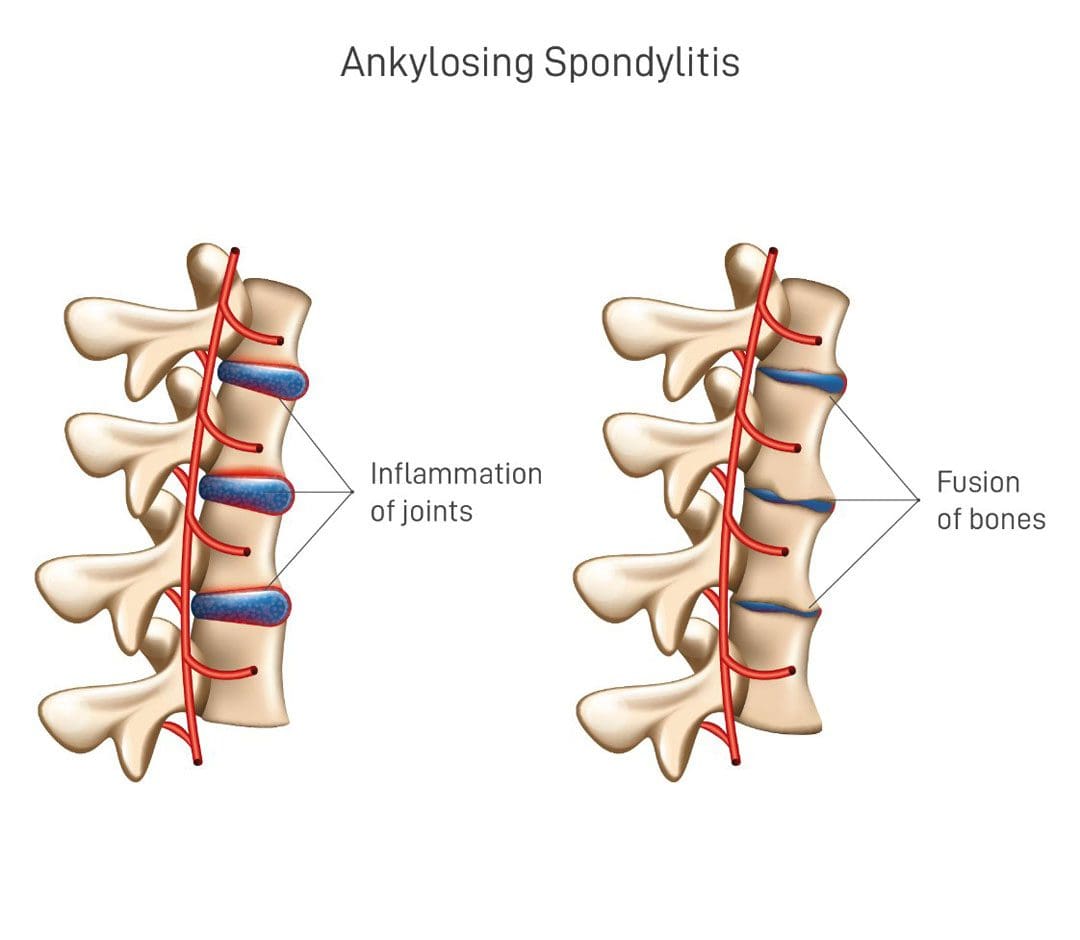
Ankylosing spondylitis/AS is an autoimmune arthritis that primarily affects the spine. It can also spread to other joints of the body and affect the internal organs. Back pain problems are a common side effect of the condition and depending on the severity of damage to the spine, it can have a serious impact on posture.
Affects Posture
The condition usually first affects the sacroiliac joints at the bottom of the spine where they attach to the pelvis. As the condition progresses it works its way to the upper spine. The spine consists of 26 vertebrae/bones stacked on top of each other.
Line up the ears, shoulders, hips, knees, and ankles in a straight line.
Squeeze the shoulder blades together and down toward the back pockets.
Relax the arms at the sides.
Look straight ahead.
Tuck the chin back slightly.
Sitting
The natural curves of the spine need support for proper posture when sitting. Try these tips when at a desk or at a table:
Position the height of the chair so the hips and knees are bent at 90-degree angles.
Place the feet flat on the floor or use a footstool based on chair height.
Place a lumbar support pillow or rolled-up towel behind the lower back.
Position the screen monitor at eye level to keep the upper back straight.
Keep the keyboard and mouse close to the body to prevent overreaching which can increase the rounding of the shoulders and upper back.
Lying Down
Ankylosing spondylitis can make lying down uncomfortable. To support the spine while lying down try to:
Sleep on a semi-firm mattress or type like memory foam to conform to the body.
Place a pillow between the knees to maintain a straight spine when lying on the side.
Use a specialized pillow to prevent placing the upper back in a rounded position.
Posture Exercises
For individuals with ankylosing spondylitis stretching and strengthening exercises can help improve body posture. Individuals are recommended to talk to their healthcare provider before beginning an exercise program.
Chin Tucks
Sit up straight.
Squeeze the shoulder blades together.
Rest the arms at your sides.
Look straight ahead, pull the chin back and in until the stretch is felt along the muscles of the neck.
Hold for three to five seconds and relax.
Repeat 10 times.
Corner Stretch
Stand facing a corner.
Raise the arms to shoulder height.
Place one forearm flat against each wall.
Stagger the feet.
Slowly shift weight over the front leg and lean in toward the corner.
Stop once the stretch is felt across the chest.
Hold for 10 to 20 seconds and relax.
Repeat three times.
Scapular Squeezes
Sit up straight with arms resting at the sides.
Squeeze the shoulder blades together like they are holding an object between them.
Hold for three seconds and relax.
Repeat 10 times.
Maintaining spinal alignment will help decrease back pain that occurs with AS.
Targeted exercises can help stretch tight muscles and strengthen the muscles responsible for maintaining spinal alignment.
Maintaining healthy posture when sitting, standing, and sleeping can help prevent deformities in the spine.
Regular physical activity can help combat stiffness and help maintain overall strength.
For an individualized exercise program, see a physical therapist or chiropractor on incorporating posture exercises to help prevent complications from developing.
Arthritis
References
National Institute of Arthritis and Musculoskeletal and Skin Diseases. Ankylosing spondylitis.
De Nunzio, A. M., Iervolino, S., Zincarelli, C., Di Gioia, L., Rengo, G., Multari, V., Peluso, R., Di Minno, M. N., & Pappone, N. (2015). Ankylosing spondylitis and posture control: the role of visual input. BioMed research international, 2015, 948674. https://doi.org/10.1155/2015/948674
Hamstring muscle injuries are common, especially in athletes and individuals with physically demanding jobs. Is there a better chance of full recovery with surgical repair and post-op rehabilitation?
Hamstring Muscle Tear
Most often, hamstring muscle injuries are partial tears of the muscle. These types of injuries are muscle strains that occur when the muscle fibers are stretched beyond their normal limits. Complete tears of the hamstring muscle are unusual, but they do occur in both athletes and non-athletes. Determining the optimal treatment plan depends on:
The severity of the tendon tear
The expectations of the injured individual.
Incomplete tears are when the hamstring muscle is stretched too far, but not completely detached.
Complete tears usually occur at the top of the muscle where the tendon tears away from the pelvis.
A complete tear usually occurs when there is a sudden flexion of the hip and extension of the knee joint – when the muscle contracts in this position, it gets stretched beyond its limits.
Basic hamstring strains can be treated with simple steps – rest, ice, anti-inflammatory medications, and conservative therapies.
Symptoms
Symptoms of a hamstring muscle strain can include pain, bruising, swelling, and movement difficulty. (American Academy of Orthopaedic Surgeons. 2021) Individuals who sustain this injury typically experience sudden sharp pain. Signs of a tear can include:
Sharp pain where the buttock and thigh meet.
Difficulty walking.
Sitting can be difficult as the edge of a chair can place pressure directly on the injury.
Spasms and cramping sensations in the back of the thigh.
Weakness in the leg, specifically when bending the knee or lifting the leg behind the body.
Numbness or burning sensations as a result of sciatic nerve irritation.
Swelling and bruising in the back of the thigh – over time it can travel down to the back of the knee and calf and possibly into the foot.
With a complete hamstring tear, there is usually significant swelling and bruising that develops in the back of the thigh.
Diagnosis
The symptoms can be difficult to spot in the early stages which is why X-rays of the hip or thigh are usually obtained.
In some situations, a fragment of bone can get pulled off the pelvis along with the hamstring muscle attachment. MRI testing can be performed to evaluate the attachment and can define critical features of a complete hamstring muscle tear, including: (American Academy of Orthopaedic Surgeons. 2021)
The number of tendons involved.
Complete versus incomplete tearing.
The amount of retraction – the amount the tendons have pulled back.
This will guide the development of treatment.
Treatment
The treatment of a complete tear will depend on different factors. The other variable is the patient and their expectations.
Treatment is more aggressive in younger individuals like high-level athletes.
Treatment is less aggressive in middle-aged individuals.
Often a single tendon tear can be treated non-surgically.
When one tendon is involved, it is typically not pulled very far from its normal attachment and will develop scar tissue in a positive position.
Conversely, when three tendons have been torn, they usually pull more than a few centimeters away from the bone. These cases have better results with surgical repair. (UW Health. 2017)
Surgeons will use patient characteristics – high-level athletes or less physically active individuals – to guide treatment recommendations.
Rehabilitation
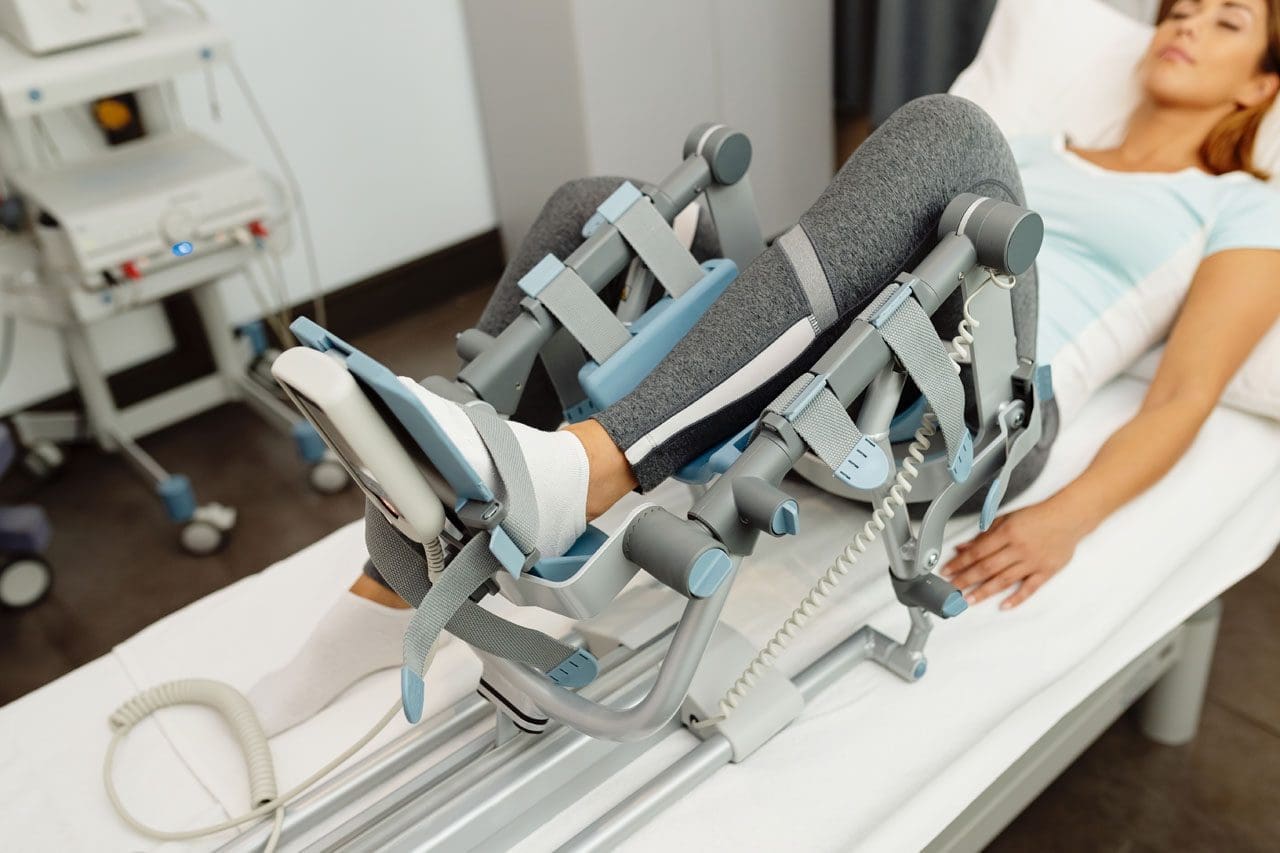
Rehabilitation following surgery can take 3-6 months or longer.
The first six weeks limit weight-bearing with the use of crutches.
Patients may be recommended to wear a brace to reduce tension on the repaired hamstring tendons.
Strengthening does not begin until three months post-op, and even light activities are usually delayed. (UW Health. 2017)
Because this injury can have a long recovery time, some individuals may choose nonsurgical treatment.
Sometimes these individuals experience symptoms of discomfort from sitting and may exhibit long-term weakness of the hamstring muscle.
Full recovery from a complete hamstring muscle injury takes time. Studies have shown high-level athletes are able to resume competitive sports after the repair and rehabilitation of an acute hamstring muscle injury. (Samuel K. Chu, Monica E. Rho. 2016)
Delaying surgical treatment may not always lead to optimal results.
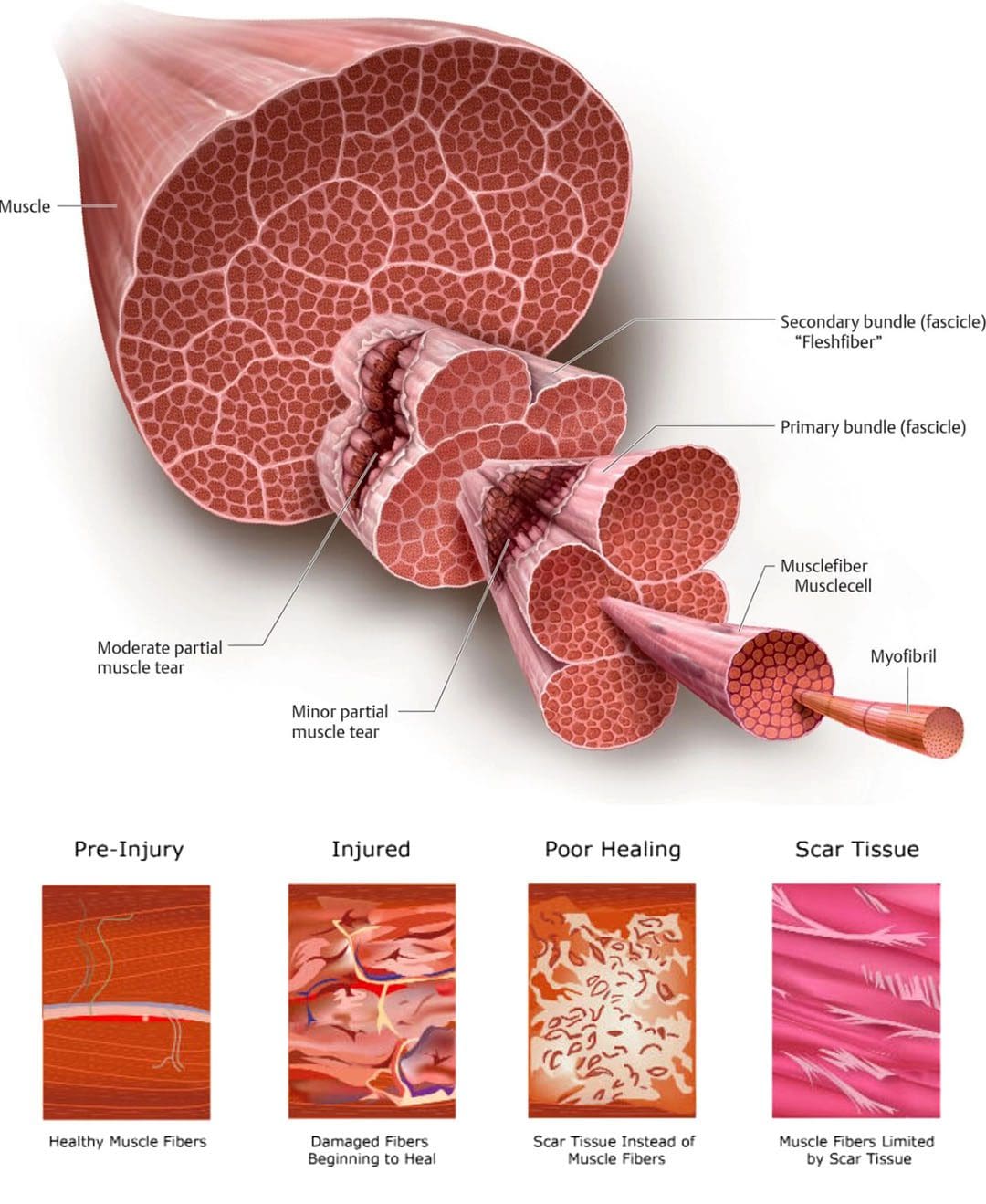
When the tendon is torn away from its normal attachment, it begins to scar around the surrounding soft tissues.
When there is a delay of more than a few weeks following the initial injury, regaining the full length of the tendon and muscle can be challenging.
This could delay the rehabilitation process and may limit the potential for full recovery. (Ho Yoon Kwak, et al., 2011)
With severe injuries, there is a better chance of full recovery with surgical repair but could involve a long recovery and commitment to a post-op rehabilitation plan.
Chu, S. K., & Rho, M. E. (2016). Hamstring Injuries in the Athlete: Diagnosis, Treatment, and Return to Play. Current sports medicine reports, 15(3), 184–190. https://doi.org/10.1249/JSR.0000000000000264
Kwak, H. Y., Bae, S. W., Choi, Y. S., & Jang, M. S. (2011). Early surgical repair of acute complete rupture of the proximal hamstring tendons. Clinics in orthopedic surgery, 3(3), 249–253. https://doi.org/10.4055/cios.2011.3.3.249
When individuals experience a neuromusculoskeletal injury strain, can following basic pulled muscle treatment protocols help in healing and a full recovery?
Pulled Muscle Treatment
A pulled muscle or muscle strain occurs when a muscle is stretched beyond its ability resulting in discomfort symptoms and mobility issues. Microscopic tears can occur within the muscle fibers potentially worsening the injury. This type of injury usually causes mild to severe pain, bruising, and immobility, and nerve injuries can develop as well. Common muscle strains include:
Pulled hamstrings
Groin strains
Pulled abdominal muscles
Calf strains
Pulled muscle treatment requires patience to promote proper healing and restoration of optimal function.
Individuals need to focus on the different stages of healing.
Gradually increase activity levels as the body allows to prevent stiffness and atrophy which can cause complications.
Symptoms
The usual symptoms of this type of injury include:
Pain
Limited mobility
Muscle spasms
Swelling
Bruising
Often individuals will feel a sudden grabbing or tearing sensation and are then unable to continue the activity.
Can limit the ability to perform certain activities.
May have moderate swelling and bruising.
Grade III
Severe injury that can cause significant pain.
Muscle spasms.
Swelling.
Significant bruising.
Basic Treatment Protocols
Most pulled muscle strain injuries heal with simple treatment. Following the right steps can ensure an expedited recovery. In the early stages after the injury, there is a balance between doing too much or not enough. The amount of activity an individual will be able to do, and the time required for recovery depends on the severity of the injury. Here are some guidelines in the right direction.
Rest
Rest is recommended for the early recovery stage.
Depending on the severity of the injury this could last from one to five days.
Immobilization is usually not necessary, and not moving at all can lead to muscle and joint stiffness.
To avoid injuries make sure the muscles are not over-exerted.
Gradually increase activity levels when starting an exercise program to build endurance.
Properly Warming Up
Warming up before taking on physical activities will help loosen the muscles and prevent injuries.
Beginning work or exercise with stiff muscles can lead to an increased chance of strain.
Studies have shown that temperature can influence the stiffness of a muscle. (K. W. Ranatunga. 2018)
Maintaining body and muscle warmth helps prevent injury and re-injury.
Injuries and Chiropractic: The Road To Recovery
References
Hospital for Special Surgery, Muscle Strain: What You Need to Know About Pulled Muscles.
Kary J. M. (2010). Diagnosis and management of quadriceps strains and contusions. Current reviews in musculoskeletal medicine, 3(1-4), 26–31. https://doi.org/10.1007/s12178-010-9064-5
Malanga, G. A., Yan, N., & Stark, J. (2015). Mechanisms and efficacy of heat and cold therapies for musculoskeletal injury. Postgraduate medicine, 127(1), 57–65. https://doi.org/10.1080/00325481.2015.992719
Mair, S. D., Seaber, A. V., Glisson, R. R., & Garrett, W. E., Jr (1996). The role of fatigue in susceptibility to acute muscle strain injury. The American journal of sports medicine, 24(2), 137–143. https://doi.org/10.1177/036354659602400203
Ranatunga K. W. (2018). Temperature Effects on Force and Actin⁻Myosin Interaction in Muscle: A Look Back on Some Experimental Findings. International journal of molecular sciences, 19(5), 1538. https://doi.org/10.3390/ijms19051538
As the body ages, individuals want to stay active and maintain a healthy pain free lifestyle. Can regenerative cells for arthritis and cartilage damage be the future of neuromusculoskeletal medicine and joint healing?
Regenerative Cells For Arthritis and Cartilage Damage
Individuals want to continue to do the physical activities they love, which require healthy joints. Scientists are learning how to harness the abilities of regenerative cells to repair and regrow damaged and deteriorated cartilage. Current stem cell treatment of cartilage problems has not been shown to reverse the effects of arthritis and while studies show clinical improvement, further research is necessary. (Bryan M. Saltzman, et al., 2016)
Cartilage and How It Gets Damaged
Cartilage is a type of connective tissue. In the joints, there are a few types of cartilage. The most commonly referred to is the smooth lining known as articular or hyaline cartilage. This type forms a smooth layer of cushion on the end of a bone at the joint. (Rocky S. Tuan, et al., 2013)
The tissue is very strong and has the ability to compress and absorb energy.
It is very smooth allowing a joint to glide effortlessly through a limb’s range of motion.
When joint cartilage is damaged, the cushioning can wear down.
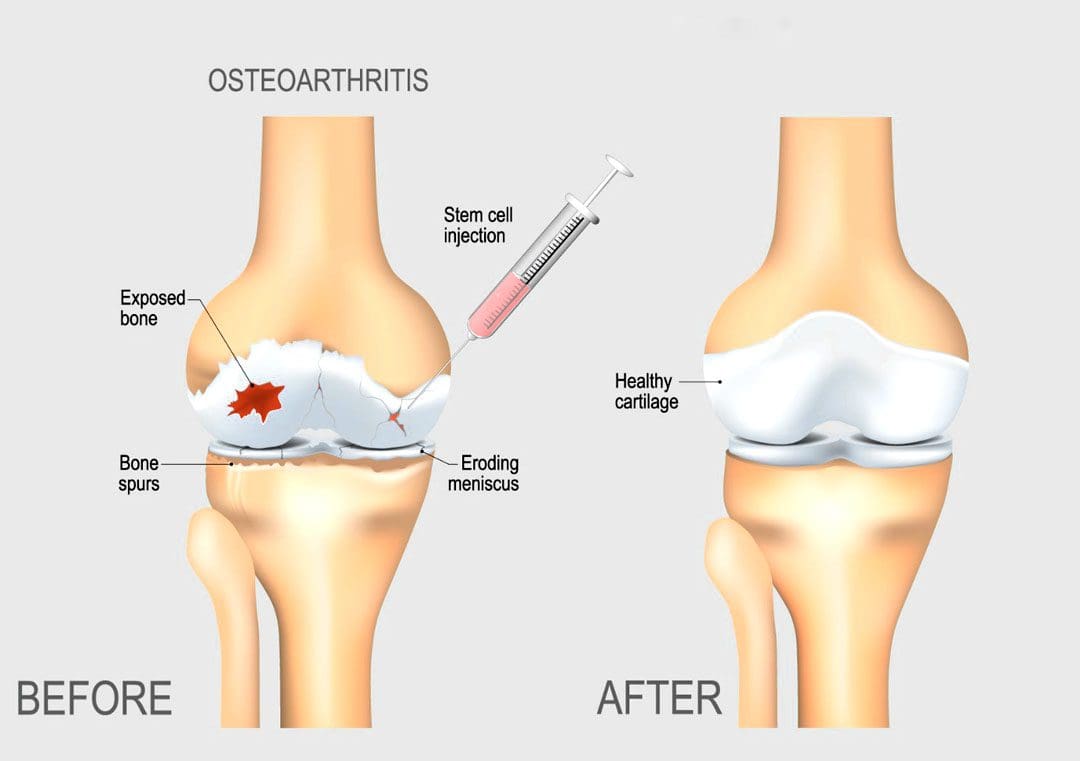
In traumatic injuries, a sudden force can cause the cartilage to break off and/or suffer damage, that exposes the underlying bone.
In osteoarthritis – degenerative or wear-and-tear arthritis, the smooth layer can wear down thin and unevenly.
Eventually, the cushion wears away, the joints become inflamed and swollen and movements become stiff and painful.
There are treatments for arthritis and cartilage damage, but these treatments are usually focused on relieving symptoms by smoothing down the damaged cartilage or replacing the joint surface with an artificial implant, like knee replacement or hip replacement surgeries. (Robert F. LaPrade, et al., 2016)
Regenerative Cells
Regenerative stem cells are special cells that have the ability to multiply and develop into different types of tissue. In an orthopedic surgery setting for joint problems, stem cells are obtained from adult stem cell primary sources which are bone marrow and fatty tissue. These cells have the ability to develop into cartilage cells, called chondrocytes. (Rocky S. Tuan, et al., 2013)
They also help by stimulating the body to reduce inflammation, stimulate cell repair, and improve blood circulation.
This process is caused by cellular signals and growth factors to stimulate the body to activate the healing processes.
Once stem cells have been obtained, they need to be delivered to the area of cartilage damage.
Cartilage is a complex tissue that is described as a scaffold structure that is composed of collagen, proteoglycans, water, and cells. (Rocky S. Tuan, et al., 2013)
To regenerate cartilage, the complex tissues must also be reconstructed.
There are studies on types of tissue scaffolds engineered to recreate a similar type of cartilage structure.
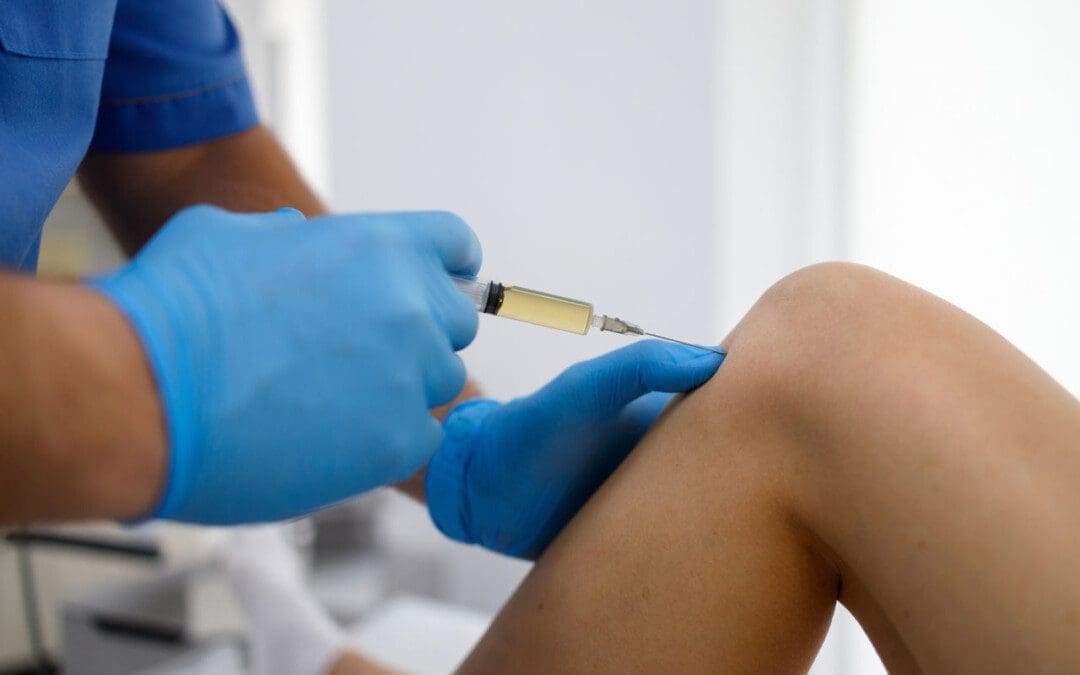
The stem cells can then be injected into the scaffold, in hopes of restoring a normal type of cartilage.
Non-Surgical Arthritis Treatments
Standard treatments such as cortisone shots or physical therapies work as well and provide benefits that could be utilized in combination with regenerative cells for arthritis and cartilage damage in the near future. Data takes time and therefore how this impacts the long-term health of a joint needs continued research in terms of tissue engineering and cell delivery to determine the best approach to help individuals.
Arthritis
References
LaPrade, R. F., Dragoo, J. L., Koh, J. L., Murray, I. R., Geeslin, A. G., & Chu, C. R. (2016). AAOS Research Symposium Updates and Consensus: Biologic Treatment of Orthopaedic Injuries. The Journal of the American Academy of Orthopaedic Surgeons, 24(7), e62–e78. https://doi.org/10.5435/JAAOS-D-16-00086
Saltzman, B. M., Kuhns, B. D., Weber, A. E., Yanke, A., & Nho, S. J. (2016). Stem Cells in Orthopedics: A Comprehensive Guide for the General Orthopedist. American journal of orthopedics (Belle Mead, N.J.), 45(5), 280–326.
Tuan, R. S., Chen, A. F., & Klatt, B. A. (2013). Cartilage regeneration. The Journal of the American Academy of Orthopaedic Surgeons, 21(5), 303–311. https://doi.org/10.5435/JAAOS-21-05-303
Individuals striving to be healthy may not know where or how to start. Can hiring a health coach help individuals start their wellness journey and reach their goals?
Hiring A Health Coach
It’s easy to get caught up in the desire to make changes, but it is another thing to actually set a consistent plan in motion. Hiring a health coach can help individuals understand the information, develop an effective wellness routine that suits their lifestyle, and achieve health and wellness goals. A primary healthcare provider could be a resource and have referrals to reputable health coaches in the area.
What Do They Do?
Health coaches are experts in helping individuals reach health and wellness goals. This can be:
Reducing stress
Improving self-care
Focusing on nutrition
Starting exercise
Improving quality of life
A health coach helps create a plan and makes it happen.
Health and wellness coaches use motivational interviewing and evidence-based approaches to empower individuals in their wellness journey. (Adam I Perlman, Abd Moain Abu Dabrh. 2020)
They help identify areas that need improvement, develop a plan, and encourage the individual all the way like a personal fitness trainer.
Health coaches work with physicians and/or other health professionals in a clinical setting or as individual providers.
Their role is to provide a holistic approach to health and wellness.
A health coach is someone who helps organize and balance various aspects of an individual’s life so they can learn to maintain optimal health.
They will help overcome barriers when struggling.
A health coach listens and provides support for whatever an individual’s goals may be.
A health coach is there until the goal is reached.
Qualifications
It is important to ensure the providers being considered have the necessary qualifications. Because some certification programs offer a focus on specific areas like nutrition, it’s recommended to identify what is needed before choosing a health coach. Health coaches do not need a university degree, however, many certifications are affiliated with colleges and have educational partnerships that qualify coursework and award college credits. Training to become a health coach consists of: (Shivaun Conn, Sharon Curtain 2019)
Health
Fitness
Goal setting
Coaching concepts
Nutritional concepts
Motivational interviewing
Stress management
Changing behaviors
Health Goal Examples
Health coaching is not a one-size-fits-all approach. A primary healthcare provider or physician provides a diagnosis and medical plan, and a health coach helps guide and support the individual through the plan. However, hiring a health coach does not require a medical condition to employ services. A few examples of health goals that health coaches address include:
There are many types of health coaches and some may specialize, therefore try to determine the expertise needed to achieve the goals.
Budget
Determine how much money will be invested, as many insurance providers do not cover the cost of a health coach.
Health coaches may charge between $50 to $300 per session.
Some will offer packages, memberships, and/or discounts.
Certifications
Look into their certification.
Is it accredited?
This will ensure choosing a coach who has received the training and expertise needed to provide quality care.
Compatibility
Consult with potential coaches.
Ask questions and see if they are compatible with specific health goals.
Interview as many as needed.
Availability/Location
Virtual sessions, in-person meetings, and/or a combination?
How long are the sessions?
Frequency of meetings?
Finding a coach that is flexible and convenient will help maintain a healthy coach/client relationship.
Multidisciplinary Evaluation and Treatment
References
Perlman, A. I., & Abu Dabrh, A. M. (2020). Health and Wellness Coaching in Serving the Needs of Today’s Patients: A Primer for Healthcare Professionals. Global advances in health and medicine, 9, 2164956120959274. https://doi.org/10.1177/2164956120959274
Conn, S., & Curtain, S. (2019). Health coaching as a lifestyle medicine process in primary care. Australian journal of general practice, 48(10), 677–680. https://doi.org/10.31128/AJGP-07-19-4984
IFM's Find A Practitioner tool is the largest referral network in Functional Medicine, created to help patients locate Functional Medicine practitioners anywhere in the world. IFM Certified Practitioners are listed first in the search results, given their extensive education in Functional Medicine