What is pseudoarthrosis of the cervical and lumbar spine?
Pseudoarthrosis of the cervical and lumbar spine
Individuals may need a spinal fusion to treat a fractured vertebra, scoliosis, or conditions like spinal stenosis, degenerative disc disease, and spondylolisthesis/slipped vertebrae. A spinal fusion reduces pain and stabilizes the spine by limiting movement between vertebrae. Pseudoarthrosis happens when the bones don’t heal after a fracture or bone surgery. When pseudoarthrosis affects the cervical or lumbar spine, it means that two vertebrae did not heal and grow together after spinal surgery to fuse them (spinal fusion). Reasons for a failed spinal fusion include:
Issues with the instruments used to stabilize the bone
Lack of bone growth
The number of vertebrae being fused.
The patient’s health and lifestyle play a role in failed fusions, which can include
Diabetes
Inflammatory health conditions increase the risk
Smoking
Long-term steroid use
In many cases, revision surgery is needed.
Surgery-Related
During a spinal fusion, surgeons insert a bone graft between two vertebrae and then apply spinal fixation hardware (instrumented spinal fusion) that includes:
Plates
Rods
Screws
The bone graft promotes growth between the two bones.
The hardware stabilizes the vertebrae and prevents movement while they fuse and grow together.
The hardware goes inside, or internal fixation.
Although rare, a severe spinal fracture or deformity may need external fixation.
A rigid frame secured outside the body helps to stabilize the bones.
If the fusion fails, it could be caused by one or more of the following surgical issues:
The surgeon must carefully plan and use the right hardware.
The type of hardware used during a spinal fusion may influence bone healing.
The instruments can come loose or break, interfering with the fusion process.
Spinal osteoporosis, having thin, weak bones, can affect fixation.
Even with the optimal surgical preparedness, weak bones significantly increase the chance of the instruments loosening and pseudoarthrosis developing.
Bone Graft
The type of bone graft used may affect the fusion.
For example, in cervical/neck spinal fusions, an autograft, which uses a small piece of bone from the patient’s body, has a higher success rate. (Verla T. et al., 2021)
Other graft options include specialized steel cages that fit between vertebrae and contain bone growth factors.
The surgeon recommends the optimal bone graft for the type of surgery, the number of vertebrae involved, and risk factors.
Risk Factors
The patient’s overall health and lifestyle impact the results of spinal fusion. Smoking increases the risk. (Berman D. et al., 2017)
Nicotine restricts blood circulation, decreases bone density, reduces new bone formation, and delays bone healing. (Hernigou J., & Schuind F., 2019)
The primary sign of pseudoarthrosis is pain in the same area as before the fusion surgery.
If the bones pinch a spinal nerve, one arm may experience pain, tingling, burning, or numbness.
Rarely does a pinched nerve affect both arms.
The pain may return shortly after the procedure.
The pain may develop gradually or not appear for many months.
However, it’s more likely to appear after several months when the individual returns to their usual activities.
Diagnosis
The healthcare provider will learn about symptoms and perform a physical exam to evaluate the back.
They’ll assess mobility and the type of movement that causes pain.
Then, they order diagnostic imaging to see the spine and identify the cause of pain.
Individuals may need a CT scan, MRI, and/or X-rays to evaluate the spinal structures and instrumentation fully.
Treatment
Treatment for pseudoarthrosis will likely start with:
Physical therapy
Pain management – especially in cases where it is important to rule out other sources of back or neck pain.
Medication
Injections
If symptoms don’t improve with conservative care or if there is severe pain, the healthcare provider may recommend revision surgery.
Revision surgery is another procedure to treat complications or correct issues that arise after the initial pseudoarthrosis surgery.
Injury Medical Chiropractic and Functional Medicine Clinic
As a Family Practice Nurse Practitioner, Dr. Jimenez combines advanced medical expertise with chiropractic care to address various conditions. Our clinic integrates Functional Medicine, Acupuncture, Electro-Acupuncture, and Sports Medicine to create customized care plans that promote natural healing, mobility, and long-term wellness. By focusing on flexibility, agility, and strength, we empower patients to thrive, regardless of age or health challenges. At El Paso’s Chiropractic Rehabilitation Clinic & Integrated Medicine Center, we passionately focus on treating patients after injuries and chronic pain syndromes. We focus on improving your ability through flexibility, mobility, and agility programs tailored for all age groups and disabilities. We use in-person and virtual health coaching and comprehensive care plans to ensure every patient’s personalized care and wellness outcomes.
Enhancing Health Together
References
Boonsirikamchai, W., Wilartratsami, S., Ruangchainikom, M., Korwutthikulrangsri, E., Tongsai, S., & Luksanapruksa, P. (2024). Pseudarthrosis risk factors in lumbar fusion: a systematic review and meta-analysis. BMC musculoskeletal disorders, 25(1), 433. https://doi.org/10.1186/s12891-024-07531-w
Verla, T., Xu, D. S., Davis, M. J., Reece, E. M., Kelly, M., Nunez, M., Winocour, S. J., & Ropper, A. E. (2021). Failure in Cervical Spinal Fusion and Current Management Modalities. Seminars in plastic surgery, 35(1), 10–13. https://doi.org/10.1055/s-0041-1722853
Berman, D., Oren, J. H., Bendo, J., & Spivak, J. (2017). The Effect of Smoking on Spinal Fusion. International journal of spine surgery, 11(4), 29. https://doi.org/10.14444/4029
Hernigou, J., & Schuind, F. (2019). Tobacco and bone fractures: A review of the facts and issues that every orthopaedic surgeon should know. Bone & joint research, 8(6), 255–265. https://doi.org/10.1302/2046-3758.86.BJR-2018-0344.R1
Scoliosis Research Society. (2023). Pseudoarthrosis. https://www.srs.org/Patients/Conditions/Pseudoarthrosis
Torres, H. M., Arnold, K. M., Oviedo, M., Westendorf, J. J., & Weaver, S. R. (2023). Inflammatory Processes Affecting Bone Health and Repair. Current osteoporosis reports, 21(6), 842–853. https://doi.org/10.1007/s11914-023-00824-4
Jiao, H., Xiao, E., & Graves, D. T. (2015). Diabetes and Its Effect on Bone and Fracture Healing. Current osteoporosis reports, 13(5), 327–335. https://doi.org/10.1007/s11914-015-0286-8
Could learning to apply healthy sleep hygiene habits help improve sleep and overall health for individuals with sleeping difficulties?
Primary Insomnia
Insomnia affects most adults at some point in their lives. Primary insomnia is a fairly common condition characterized by difficulty sleeping, and sometimes, it can resolve without treatment. A diagnosis of primary insomnia means that there is no need to worry that a medical or psychological issue is causing sleep problems. Secondary insomnia is the result of medication side effects or medical or psychological issues. However, individuals may need a diagnostic evaluation, including blood tests or an overnight sleep study, to determine an underlying cause for persistent insomnia. Managing lifestyle habits is usually effective for the relief of primary insomnia. If that doesn’t work, medical treatment may be recommended.
Symptoms
Primary insomnia means not getting enough sleep. Individuals with primary insomnia average six hours of sleep per night (Flynn-Evans E. E. et al., 2017). They often toss and turn or get out of bed frequently. Typically, primary insomnia makes it hard to fall asleep and/or stay asleep. Individuals can wake up easily by triggers like noises or even without triggers. Sleep deprivation can lead to several health problems when awake. Symptoms of insomnia fatigue include: (Salisbury-Afshar E. 2018)
Trouble waking up in the morning
Constant yawning
Feeling tired and sleepy throughout the day
Lack of energy for physical activity
Lack of motivation
Hunger
Difficulty concentrating
Irritability
Headaches
Hypersomnia or falling asleep during the day
Sensitivity to noise or lights when awake
Bouts of hyperactivity
Jumpiness
Being easily alarmed or frightened
Individuals can experience these symptoms for a few days in a row and resolve the day after a restful night of sleep or after a nap. There are times when fatigue can help with falling asleep, which helps to resolve insomnia.
Complications
Individuals can develop severe anxiety and distress about the fact that they are not getting enough sleep. This anxiety is usually more severe before going to bed or in the middle of the night, but the worry can continue during the day as well. Persistent insomnia and chronic lack of sleep can lead to depression and predispose the mind and body to health complications. (Sun, Q., & Tan, L. 2019) Insufficient sleep is associated with lowered immune system function, obesity, and heart disease. (Hung C. M. et al., 2018)
Causes
The conundrum of primary insomnia is that it does not have an identifiable cause, but certain risk factors predispose individuals to have primary insomnia. The condition persists throughout a person’s life, often worsening or improving for months or years. Primary insomnia can be more common among those who have family members with insomnia. Research has found that, while primary insomnia isn’t caused by psychiatric issues, tending to stress or a worry-prone personality might be predisposing factors. (Hung C. M. et al., 2018)
Circadian Rhythm
Research has found that primary insomnia is associated with circadian rhythm irregularities. It can result from individuals falling into deeper sleep phases earlier than those who don’t have the condition (Flynn-Evans E. E. et al., 2017). However, it can be challenging to know whether early deep sleep is a cause or an effect of primary insomnia. This is because sleep deprivation can also lead to abrupt or rapid onset of deep sleep.
Diagnosis
Getting enough sleep is a common concern throughout life. Diagnosing primary insomnia involves various steps. One of the main components of identifying insomnia is determining whether the individual needs more sleep than they are getting. For individuals who are unable to get the proper amount of sleep, the second aspect of primary insomnia diagnosis is focused on finding the reason for their lack of sleep. Diagnostic tests measure insomnia and its effects and include:
Sleep Study
A polysomnogram is an overnight sleep study measuring brain activity, muscle activity, and breathing.
The polysomnogram is expected to show decreased sleep and normal breathing patterns if it is primary insomnia. (Sun, Q., & Tan, L. 2019)
Pittsburgh Sleep Quality Index
The PSQI is a questionnaire that includes a self-assessment of sleep.
It helps identify sleep patterns and issues like using the bathroom frequently at night.
Multiple Sleep Latency Test
An MSLT is a daytime nap study in which participants are monitored to determine how fast they fall asleep.
The test results are a reflection of your sleep deprivation.
These studies help assess whether an individual is not getting enough sleep and what type of sleep interruption is experienced. Other tests might include screening questionnaires or other assessments of emotional issues like depression and anxiety. Sometimes, individuals are aware of these problems but may dismiss symptoms of depression and anxiety, and they instead manifest as insomnia.
Individuals might need to have tests to determine whether any of these underlying issues are contributing to their insomnia. Individual medical symptoms and physical examination would guide the diagnostic testing.
Sleep Hygiene Habits
Individuals can start making small lifestyle adjustments to help regulate their sleep. The key is to avoid things that prevent falling asleep when you want to. Healthy habits include:
Avoid caffeine in the afternoon or evening.
Avoid alcohol.
Avoid napping during the day.
Don’t turn on a phone, computer, or television screen in the bedroom before bed.
Staying away from bright lights for several hours before sleep.
Scheduling tasks so you feel caught up before going to sleep.
Getting enough to eat so you aren’t hungry before going to bed.
Not eating so much that you feel bloated before going to bed.
Doing some light exercise several hours before going to bed.
Medical Treatment
If lifestyle habits don’t help alleviate insomnia, talk to a healthcare provider about medical therapy. Some notice a benefit from treatment with non-prescription-based strategies like counseling, cognitive behavioral therapy for insomnia (CBT-I), or acupuncture. These approaches can have a longer-lasting effect without the risk of side effects. (Salisbury-Afshar E. 2018) A healthcare provider might recommend melatonin or may prescribe medication such as antidepressants, antihistamines, or benzodiazepines.
Injury Medical Chiropractic and Functional Medicine Clinic
Navigating insomnia can be challenging, but understanding the treatment process can significantly help the individual. A healthcare provider can determine the most effective treatment strategies. This can include physical therapy, rest, health coaching, and medication. Overcoming these limitations is possible. Injury Medical Chiropractic and Functional Medicine Clinic works with primary healthcare providers and specialists to develop an optimal health and wellness solution. We focus on what works for you to relieve pain, restore function, prevent injury, and help mitigate issues through adjustments that help the body realign itself. They can also work with other medical professionals to integrate a treatment plan to resolve musculoskeletal problems.
Building a Stronger Body
References
Flynn-Evans, E. E., Shekleton, J. A., Miller, B., Epstein, L. J., Kirsch, D., Brogna, L. A., Burke, L. M., Bremer, E., Murray, J. M., Gehrman, P., Rajaratnam, S. M. W., & Lockley, S. W. (2017). Circadian Phase and Phase Angle Disorders in Primary Insomnia. Sleep, 40(12), 10.1093/sleep/zsx163. https://doi.org/10.1093/sleep/zsx163
Salisbury-Afshar E. (2018). Management of Insomnia Disorder in Adults. American Family Physician, 98(5), 319–322.
Sun, Q., & Tan, L. (2019). Comparing primary insomnia to the insomnia occurring in major depression and general anxiety disorder. Psychiatry Research, 282, 112514. https://doi.org/10.1016/j.psychres.2019.112514
Hung, C. M., Li, Y. C., Chen, H. J., Lu, K., Liang, C. L., Liliang, P. C., Tsai, Y. D., & Wang, K. W. (2018). Risk of dementia in patients with primary insomnia: a nationwide population-based case-control study. BMC psychiatry, 18(1), 38. https://doi.org/10.1186/s12888-018-1623-0
Guo, H. M., Liu, M., Xiang, Y. T., Zhao, J., Ungvari, G. S., Correll, C. U., Ng, C. H., Chiu, H. F., & Duan, Z. P. (2017). Insomnia in Adults With Chronic Hepatitis B, Liver Failure, and Cirrhosis: A Case-Control Study. Perspectives in psychiatric care, 53(1), 67–72. https://doi.org/10.1111/ppc.12138
Can beginner workouts help individuals who want to improve their health by helping them lose weight and improve their quality of life?
Beginner Workouts
Individuals new to exercise do not need to go through intense workout sessions to gain the benefits of physical activity. Basic exercises and beginner workouts that can be done at home or outdoors, whichever is better or more convenient, are recommended when starting a fitness regimen to lose weight and improve overall health.
Health Benefits
Basic exercise sessions are the building blocks of a fitness program. They encourage habits that lead to significant weight loss and lifelong weight management skills. Here are a few workouts considered easy because they don’t require gym equipment, their intensity can be adjusted to match an individual’s physical activity level, and some can be done from a chair or bed for those who have trouble standing for long periods. Exercising offers immediate benefits, including increasing brain health and improving mood and long-term effects like decreased disease risk. (Centers for Disease Control and Prevention, 2024)
Easy Exercises
For individuals who are completely new to exercise, low-intensity activity sessions can help burn more calories so long as they don’t compensate for the hunger that the physical activity creates by eating more. Combining diet with exercise is essential if weight loss is the goal. This can involve learning to eat lean protein, fruit, and vegetables and watching portion sizes. Studies of low-intensity exercise show the body burns fat when performing basic exercise and physical activities. (Lee D. et al., 2021) Another study looked at the effect of beginner workouts on cortisol levels. Cortisol is a hormone associated with abdominal weight gain when levels stay elevated for long periods. The study found that low-intensity exercise decreased circulating cortisol levels. (Gerber M. et al., 2020) Beginner exercises to lose weight also help individuals (Vina J. et al., 2012)
Increase self-confidence
Decrease stress levels
Improve sleep
Establish healthy habits
Burn calories to stimulate weight loss and sustain weight management.
Develop strong muscles
Basic exercise remains a core component of fitness programs for many. This includes individuals with type 2 diabetes, metabolic syndrome, and cardiovascular disease. (Apostolopoulos V. et al., 2014)
Easy Workouts
Types of beginner workouts include:
Bodyweight training
Chair workouts
Dancing workouts
Online workouts
Shadowboxing
Stairclimbing
Aqua jogging
Biking
Walking
Gardening and yard work
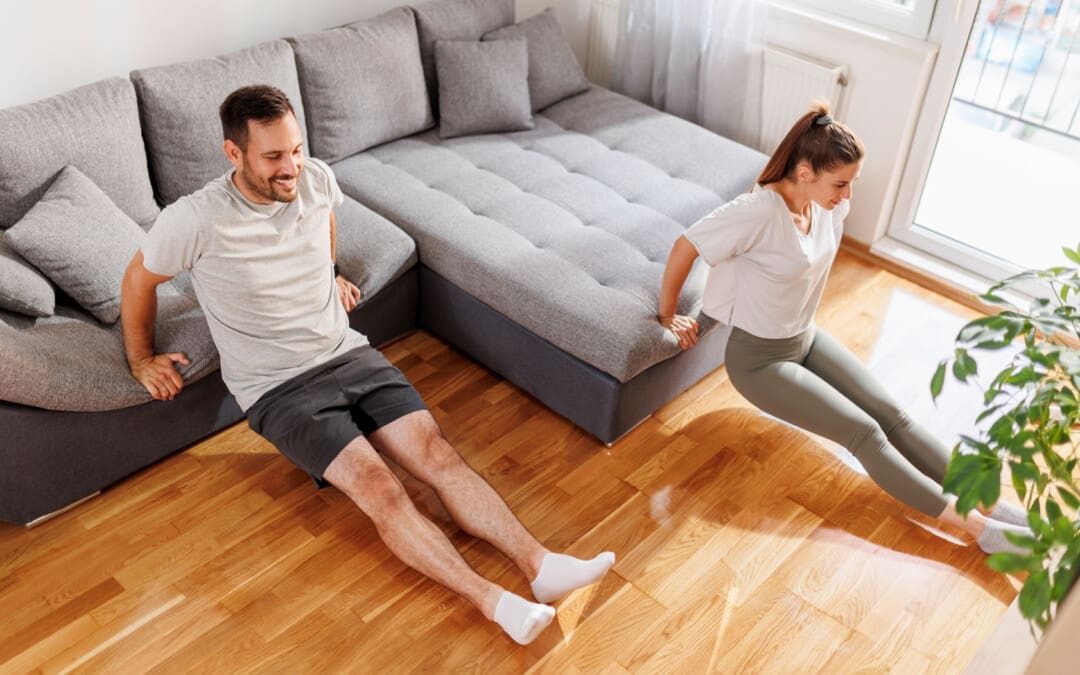
At-Home
Set short-term goals to complete three workouts during the first week, then gradually add workout days until you can perform some form of physical activity on most days. The type of exercise chosen is less important than the consistency of the program.
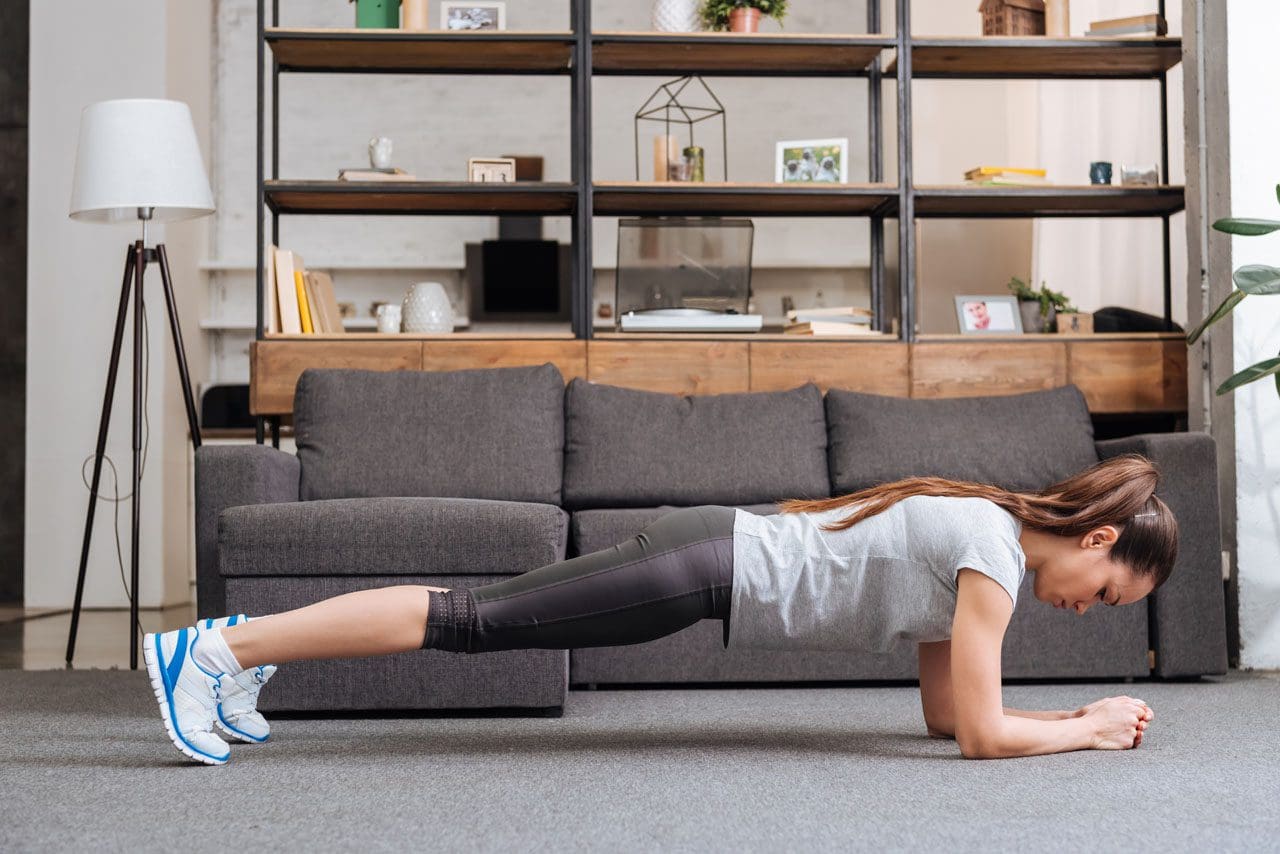
Bodyweight Training
No special gym equipment is needed to burn calories and build stronger muscles.
Take 10 to 15 minutes for five incline push-ups against a surface that allows the body to be at an incline, such as a countertop, bathroom sink, etc.
Five chair squats
Five walking lunges or stationary lunges, holding on to a countertop for support.
Repeat the sequence two to three times.
Chair Workout
Individuals who are uncomfortable standing for long periods use a sturdy chair and complete 10 to 15 minutes of movement with a seated workout several times weekly.
Dancing
Put on music and dance for 15 to 30 minutes.
No choreography is necessary.
The important thing is to move to the music.
Online Workouts
Many online workouts are free, and most offer easy workouts for beginners.
Shadowboxing
Shadowboxing is easy, with no equipment required, and it helps to decrease stress.
Stairclimbing
Take 10 minutes to walk up and down a flight of steps.
Those who don’t have a staircase available can use a step or platform.
Outdoors
Exercising outside provides extra perks. There are stress-relieving benefits to breathing fresh air and enjoying the outdoors.
Aqua Jogging
Try pool running or aqua jogging for those with joint pain when walking for long periods.
Floatation devices keep the upper body afloat.
Once in the water, walk without letting your feet touch the bottom of the pool.
If no floatation device is available, individuals can walk in the water with their feet on the pool floor.
Biking
Take a leisurely spin around the neighborhood
Ride on a continuous path or track requiring 20 to 30 minutes of pedaling.
Walking
A 30-minute walk workout can be counted as daily exercise.
Walk slowly for five minutes.
Pick up the pace for 20 minutes
Cool down and walk slowly for five minutes.
Gardening or Yard Work
Spending time in the garden or yard is a great way to work muscles and burn calories.
Digging, weeding, raking, and mowing are all recommended activities that count as exercise for beginners.
Injury Medical Chiropractic and Functional Medicine Clinic
Remember, as a beginner, the point is to get the body moving, establish a workout routine, and gradually build confidence to increase exercise enjoyment and health benefits. Workouts for beginners, especially those who still need to maintain an exercise program, are designed to develop life-long habits of well-being. At Injury Medical Chiropractic and Functional Medicine Clinic, we focus on what works for you and strive to develop fitness and better the body through research methods and total wellness programs. These natural programs use the body’s ability to achieve improvement goals, and athletes can condition themselves to excel in their sport through proper fitness and nutrition. Our providers use an integrated approach to create personalized programs, often including Functional Medicine, Acupuncture, Electro-Acupuncture, and Sports Medicine principles.
Exercise Prescription
References
Centers for Disease Control and Prevention. (2024). Benefits of Physical Activity. Retrieved from https://www.cdc.gov/physical-activity-basics/benefits/?CDC_AAref_Val=https://www.cdc.gov/physicalactivity/basics/pa-health/index.htm
Lee, D., Son, J. Y., Ju, H. M., Won, J. H., Park, S. B., & Yang, W. H. (2021). Effects of Individualized Low-Intensity Exercise and Its Duration on Recovery Ability in Adults. Healthcare (Basel, Switzerland), 9(3), 249. https://doi.org/10.3390/healthcare9030249
Gerber, M., Imboden, C., Beck, J., Brand, S., Colledge, F., Eckert, A., Holsboer-Trachsler, E., Pühse, U., & Hatzinger, M. (2020). Effects of Aerobic Exercise on Cortisol Stress Reactivity in Response to the Trier Social Stress Test in Inpatients with Major Depressive Disorders: A Randomized Controlled Trial. Journal of clinical medicine, 9(5), 1419. https://doi.org/10.3390/jcm9051419
Vina, J., Sanchis-Gomar, F., Martinez-Bello, V., & Gomez-Cabrera, M. C. (2012). Exercise acts as a drug; the pharmacological benefits of exercise. British journal of pharmacology, 167(1), 1–12. https://doi.org/10.1111/j.1476-5381.2012.01970.x
Apostolopoulos, V., Borkoles, E., Polman, R., & Stojanovska, L. (2014). Physical and immunological aspects of exercise in chronic diseases. Immunotherapy, 6(10), 1145–1157. https://doi.org/10.2217/imt.14.76
For individuals who like sweet foods but want to maintain health, how do honey and maple syrup compare nutritionally?
Honey and Maple Syrup
Cutting back on sugar intake is recommended for overall health, but that does not mean eliminating sweeteners completely for most. Honey and maple syrup can flavor various dishes, baked goods, beverages, and more. Because of their natural origins, honey and maple syrup can seem interchangeable as they are brown, thick, and sweet. Maple syrup and honey can be part of a healthy diet in moderation, sweetening everything from breakfast to dinnertime dishes. Depending on individual dietary goals or taste preferences, individuals may have a personal favorite, but neither is better than the other. The nutritional makeup of these two sweeteners is distinct, and there are recommended practices for when to include each in cooking and baking.
Nutrition
Honey is slightly higher in calories, carbohydrates, and sugar than maple syrup and somewhat lower in fat. Maple syrup comprises more micronutrients, such as calcium and manganese, but it also has more sodium than honey. Nutrition information for
For food-labeling purposes, honey and maple syrup have different serving sizes:
One tablespoon of honey
1/4 cup of maple syrup
Nutritional Comparison
Honey 1 tbsp. Maple syrup 1 tbsp.
Calories: 64 – 52
Fat: 0g – >1g
Sodium: >1mg – 2.4mg
Carbohydrates: 17.3g – 13.4g
Fiber: >1g – 0g
Sugars: 17.2g – 12.1g
Protein: >1g – >1g
Calcium: 1.26mg – 20.4mg
Manganese: 0.17mg – 0.582mg
Zinc: 0.046mg – 0.294mg
Riboflavin: 0.008mg – 0.254mg
Similarities
Honey and maple syrup are similar liquid sweeteners nutritionally. Both contain no substantial amount of fat or protein, with carbohydrates from sugar supplying all their calories. Both also contain some micronutrients and antioxidants. Research has revealed promising levels of antioxidants in honey (Schramm, D. D. et al., 2003) and maple syrup (Li, L., and Seeram, N. P. 2011) that could contribute to reducing oxidative stress, a key component in preventing some chronic diseases.
Differences
The nutrition differences between maple syrup and honey are more significant. Although a tablespoon of honey has only eight more calories than maple syrup, this can add up depending on the amount used. In a quarter cup, honey contains 32 more calories than maple syrup or 128 more calories in 1 cup. The carbohydrate count of maple syrup and honey is similar, but there is a difference of one teaspoon of added sugar. Honey and maple syrup are not identical in micronutrient levels. Honey contains small amounts of vitamins C and B, but individuals would have to consume a lot of honey to receive the benefits. In 100 grams, around five tablespoons of honey, individuals receive about 1% of the RDA for vitamin C. Maple syrup is a healthy source of manganese, riboflavin, and zinc.
Health Benefits
Honey Health Benefits
Honey’s antioxidants help clean cells of damaging free radicals. It can also be used as food and medicine during cold and flu season. Research has shown that a spoonful could be a more effective treatment for a cough than over-the-counter medications. (Oduwole, O. et al., 2018) Those with allergies may want to consider visiting a local beekeeper. While inconclusive, some studies (Asha’ari, Z. A. et al., 2013) have found that eating local raw honey can help improve seasonal allergy symptoms.
Maple Syrup Health Benefits
Maple syrup offers health benefits, particularly because it contains high amounts of manganese and riboflavin. Manganese is a trace mineral the body does not need very much of but does need to operate efficiently. It is essential to bone and tissue formation, blood clotting, proper immune response, and sexual function. Riboflavin helps create usable energy from food and could help prevent cancer and migraines. (National Institutes of Health Office of Dietary Supplements, 2022) Maple syrup also offers benefits for individuals with certain chronic health conditions. Its lower glycemic index makes it recommended for those with diabetes or other blood sugar conditions. Because of the type of sugar it contains, those with irritable bowel syndrome/IBS may be able to digest maple syrup better than honey. Maple syrup and honey both contain simple sugars; however, fructose in honey may not be digested as well in individuals with IBS who need a low FODMAP diet.
Preparation and Cooking
Honey and maple syrup have distinctive flavors, so the individual can choose where and when to use each. Maple syrup has a more earthy, woodsy taste, while honey has floral hints and a thicker texture. Honey does well in salad dressings and marinades, where it can cling to other foods, whereas maple syrup blends easily in baked goods. Both work well in various food preparations. Rules of thumb for using honey and maple syrup include:
Both can be used in place of sugar as long as the liquid in the recipe is adjusted.
For every cup of sugar replaced by honey or maple syrup, decrease other liquid ingredients by three to four tablespoons.
Scaling back a little is recommended if using either as a substitute for table sugar.
Both maple syrup and honey are sweeter than sugar; replacing sugar requires only three-fourths of either.
Lifestyle and Safety
Sometimes, when to use honey and maple syrup has nothing to do with nutrition or taste. Vegans, for example, often choose not to consume honey because it’s an insect by-product. A vegan lifestyle may prefer maple syrup, which is 100% plant-based. Parents of infants under one should keep honey off the menu. Honey can contain small amounts of the bacteria Clostridium botulinum, which can cause botulism poisoning in babies; for babies under 12 months old, maple syrup or other sweeteners are recommended in baked goods or cooked meals. However, while honey can be harvested almost anywhere honeybees live, maple syrup is native only to a small region of eastern North America, and obtaining the syrup may not be possible.
Injury Medical Chiropractic and Functional Medicine Clinic
Injury Medical Chiropractic and Functional Medicine Clinic providers use an integrated approach to create customized care plans for each patient and restore health and function to the body through nutrition and wellness, chiropractic adjustments, functional medicine, acupuncture, Electroacupuncture, and sports medicine protocols. If the individual needs other treatment, they will be referred to a clinic or physician best suited for them. Dr. Jimenez has teamed up with top surgeons, clinical specialists, medical researchers, nutritionists, and health coaches to provide the most effective clinical treatments.
Balancing Body and Metabolism
References
U.S. Department of Agriculture, FoodData Central. (2018). Syrups, maple. Retrieved from https://fdc.nal.usda.gov/fdc-app.html#/food-details/169661/nutrients
U.S. Department of Agriculture, FoodData Central. (2018). Honey. Retrieved from https://fdc.nal.usda.gov/fdc-app.html#/food-details/169640/nutrients
Schramm, D. D., Karim, M., Schrader, H. R., Holt, R. R., Cardetti, M., & Keen, C. L. (2003). Honey with high levels of antioxidants can provide protection to healthy human subjects. Journal of agricultural and food chemistry, 51(6), 1732–1735. https://doi.org/10.1021/jf025928k
Li, L., & Seeram, N. P. (2011). Further investigation into maple syrup yields 3 new lignans, a new phenylpropanoid, and 26 other phytochemicals. Journal of agricultural and food chemistry, 59(14), 7708–7716. https://doi.org/10.1021/jf2011613
Oduwole, O., Udoh, E. E., Oyo-Ita, A., & Meremikwu, M. M. (2018). Honey for acute cough in children. The Cochrane database of systematic reviews, 4(4), CD007094. https://doi.org/10.1002/14651858.CD007094.pub5
Asha’ari, Z. A., Ahmad, M. Z., Jihan, W. S., Che, C. M., & Leman, I. (2013). Ingestion of honey improves the symptoms of allergic rhinitis: evidence from a randomized placebo-controlled trial in the East coast of Peninsular Malaysia. Annals of Saudi medicine, 33(5), 469–475. https://doi.org/10.5144/0256-4947.2013.469
National Institutes of Health Office of Dietary Supplements. (2022). Riboflavin: Fact sheet for health professionals. Retrieved from https://ods.od.nih.gov/factsheets/Riboflavin-HealthProfessional/
“For individuals looking to improve their quality of life, can substituting healthy meal ingredients be a simple step toward better health?”
Food Substitutions
Eating well does not mean having to give up favorite foods. Part of the enjoyment of home cooking is putting one’s own style on each dish. Individuals soon discover they prefer healthy food substitutions to the original high-fat, high-sugar, or high-sodium ingredients. Healthy swaps can be introduced gradually to allow the taste buds to adapt. It is possible to reduce:
Calories
Unhealthy fats
Sodium
Refined sugars
Simply making smart swaps that replace some ingredients with more beneficial ones.
Ingredients for Healthier Meals
Recipes are the sum of their parts. A dish made with multiple ingredients adds its own nutrition for healthy or unhealthy. Ingredients high in calories, saturated fat, added sugars, and/or sodium can make a dish less nutritious. By making strategic food substitutions, individuals can transform a high-calorie, high-fat, sugary dish into something more nutritious. When done regularly this adjustment leads to long-term healthy behavior changes. Making small adjustments leads to improvements in weight management, heart health, and risk of chronic diseases.
Substituting Unhealthy Fats and Oils
Fat is a necessary nutrient, however, diets high in saturated fat have been linked with an increased risk of coronary artery disease, (Geng Zong, et al., 2016)
and high cholesterol levels. (American Heart Association. 2021)
Foods like butter, coconut oil, and lard are some of the most used saturated fats.
Conversely, research shows that eating more unsaturated fats is usually associated with better cardiovascular health and lower overall mortality. (Harvard T.H. Chan School of Public Health. 2016)
Instead of baking with butter, try using applesauce, mashed avocados, or mashed bananas.
These plant-based alternatives don’t overload the body with saturated fat.
Try using half butter and half an alternative to cut calories and fats.
For cooking, try sautéing, roasting, or pan-frying in olive or avocado oil.
Both contain healthy monounsaturated fats.
These oils can be used for dipping bread with dinner or for a quick snack.
Fresh herbs or a dash of balsamic vinegar can add flavor.
Refined Sugars
Enjoying sweets can be healthy, but the objective is to be mindful of how much-refined sugar is consumed. Sweet flavors send signals to the reward centers in the brain, increasing positive associations with sugar. However, eating high amounts of sugar can lead to:
An array of other herbs and spices can amplify the flavor of meals.
Purchase or create various flavor blends.
For example, cumin, chili powder, oregano, and red pepper flakes can spice up a dish or a blend of thyme, paprika, garlic powder, and onion powder can add savory notes.
A study found that adding lemon juice to recipes could reduce sodium content and add tanginess. (Sunkist Growers. 2014)
Whole Grains
Individuals don’t have to choose brown rice or whole wheat pasta for every meal but try to select whole grains half of the time. Food substitutions that can help achieve the halfway point include:
Popcorn or whole wheat crackers instead of refined flour crackers.
Whole wheat pizza crust instead of regular crust.
Substitute brown rice for white in stir-fries or casseroles.
Oatmeal instead of refined grain cereal.
Whole wheat pasta for spaghetti and meatballs or other pasta dishes.
Quinoa as a side dish instead of white rice or couscous.
More whole grains equals more fiber and B vitamins to help sustain energy, prevent blood sugar spikes, and promote digestive health. Eating more whole grains has been linked with a reduced risk of heart disease (Caleigh M Sawicki, et al. 2021) and a lower risk of colon cancer. (Glenn A. Gaesser. 2020)
Finding the right combination of each of these substitutions takes time. Go slow and taste often to see how each substitution affects a recipe’s taste and texture.
Boost Metabolism
References
Zong, G., Li, Y., Wanders, A. J., Alssema, M., Zock, P. L., Willett, W. C., Hu, F. B., & Sun, Q. (2016). Intake of individual saturated fatty acids and risk of coronary heart disease in US men and women: two prospective longitudinal cohort studies. BMJ (Clinical research ed.), 355, i5796. https://doi.org/10.1136/bmj.i5796
American Heart Association. Saturated fat.
Harvard T.H. Chan School of Public Health. Different dietary fat, different risk of mortality.
Faruque, S., Tong, J., Lacmanovic, V., Agbonghae, C., Minaya, D. M., & Czaja, K. (2019). The Dose Makes the Poison: Sugar and Obesity in the United States – a Review. Polish journal of food and nutrition sciences, 69(3), 219–233. https://doi.org/10.31883/pjfns/110735
Harvard Health Publishing. The sweet danger of sugar.
American Heart Association. How much sugar is too much?
Centers for Disease Control and Prevention. How to Reduce Sodium Intake.
Sunkist Growers. Sunkist Growers and Chefs from Johnson & Wales University Release New S’alternative® Research.
Sawicki, C. M., Jacques, P. F., Lichtenstein, A. H., Rogers, G. T., Ma, J., Saltzman, E., & McKeown, N. M. (2021). Whole- and Refined-Grain Consumption and Longitudinal Changes in Cardiometabolic Risk Factors in the Framingham Offspring Cohort. The Journal of nutrition, 151(9), 2790–2799. https://doi.org/10.1093/jn/nxab177
Gaesser G. A. (2020). Whole Grains, Refined Grains, and Cancer Risk: A Systematic Review of Meta-Analyses of Observational Studies. Nutrients, 12(12), 3756. https://doi.org/10.3390/nu12123756
Individuals striving to be healthy may not know where or how to start. Can hiring a health coach help individuals start their wellness journey and reach their goals?
Hiring A Health Coach
It’s easy to get caught up in the desire to make changes, but it is another thing to actually set a consistent plan in motion. Hiring a health coach can help individuals understand the information, develop an effective wellness routine that suits their lifestyle, and achieve health and wellness goals. A primary healthcare provider could be a resource and have referrals to reputable health coaches in the area.
What Do They Do?
Health coaches are experts in helping individuals reach health and wellness goals. This can be:
Reducing stress
Improving self-care
Focusing on nutrition
Starting exercise
Improving quality of life
A health coach helps create a plan and makes it happen.
Health and wellness coaches use motivational interviewing and evidence-based approaches to empower individuals in their wellness journey. (Adam I Perlman, Abd Moain Abu Dabrh. 2020)
They help identify areas that need improvement, develop a plan, and encourage the individual all the way like a personal fitness trainer.
Health coaches work with physicians and/or other health professionals in a clinical setting or as individual providers.
Their role is to provide a holistic approach to health and wellness.
A health coach is someone who helps organize and balance various aspects of an individual’s life so they can learn to maintain optimal health.
They will help overcome barriers when struggling.
A health coach listens and provides support for whatever an individual’s goals may be.
A health coach is there until the goal is reached.
Qualifications
It is important to ensure the providers being considered have the necessary qualifications. Because some certification programs offer a focus on specific areas like nutrition, it’s recommended to identify what is needed before choosing a health coach. Health coaches do not need a university degree, however, many certifications are affiliated with colleges and have educational partnerships that qualify coursework and award college credits. Training to become a health coach consists of: (Shivaun Conn, Sharon Curtain 2019)
Health
Fitness
Goal setting
Coaching concepts
Nutritional concepts
Motivational interviewing
Stress management
Changing behaviors
Health Goal Examples
Health coaching is not a one-size-fits-all approach. A primary healthcare provider or physician provides a diagnosis and medical plan, and a health coach helps guide and support the individual through the plan. However, hiring a health coach does not require a medical condition to employ services. A few examples of health goals that health coaches address include:
There are many types of health coaches and some may specialize, therefore try to determine the expertise needed to achieve the goals.
Budget
Determine how much money will be invested, as many insurance providers do not cover the cost of a health coach.
Health coaches may charge between $50 to $300 per session.
Some will offer packages, memberships, and/or discounts.
Certifications
Look into their certification.
Is it accredited?
This will ensure choosing a coach who has received the training and expertise needed to provide quality care.
Compatibility
Consult with potential coaches.
Ask questions and see if they are compatible with specific health goals.
Interview as many as needed.
Availability/Location
Virtual sessions, in-person meetings, and/or a combination?
How long are the sessions?
Frequency of meetings?
Finding a coach that is flexible and convenient will help maintain a healthy coach/client relationship.
Multidisciplinary Evaluation and Treatment
References
Perlman, A. I., & Abu Dabrh, A. M. (2020). Health and Wellness Coaching in Serving the Needs of Today’s Patients: A Primer for Healthcare Professionals. Global advances in health and medicine, 9, 2164956120959274. https://doi.org/10.1177/2164956120959274
Conn, S., & Curtain, S. (2019). Health coaching as a lifestyle medicine process in primary care. Australian journal of general practice, 48(10), 677–680. https://doi.org/10.31128/AJGP-07-19-4984
While a healthy, sustainable lifestyle for one individual may not be the best option for another, can experts point out signs of a healthy life?
Healthy Life
Being or living a healthy life is a phrase that can be confusing. Researchers examine some major areas of concern with constant imagery like social media’s role in shaping what behaviors people consider important to reach a physical fitness/health goal. These behaviors prioritize physical appearance and are often linked with negative psychological effects and worsening physical health outcomes. (Binder A, et al., 2021) Studies routinely show that someone’s body shape is not a good indicator of how healthy they really are. (Uhlmann LR, et al., 2018)
Living a healthy life is a multi-faceted endeavor that requires maintaining a balance. New research has shown that “adhering to both quality diet and sufficient physical activity is important for optimally reducing the risk of mortality from all causes, CVD and PDAR cancers.” (Ding D, et al., 2022) Individuals do not need to make extreme changes to these areas of their lifestyle. Studies show that making small adjustments, little by little, prepares the individual to develop long-term sustainable habits. (Adhikari P, Gollub E. 2021)
Nutritional Health
Too much salt, sugar, and saturated fat increases the risk of diseases like diabetes, heart disease, and stroke. (National Institutes of Health, 2017) It can be easy to overlook balanced nutrition and it is not all about what should be restricted and avoided. It is about making sure the body gets the proper amount of nutrient-rich foods essential to overall health. Examples include:
Deficiency of nutrients like magnesium, calcium, and vitamins A, C, D, E, and K are with sleep problems. (Ikonte CJ, et al., 2019)
Not acquiring enough protein can lead to slowed metabolism and weight gain. (Pezeshki A, et al., 2016)
Healthy fats are essential to protect against heart disease and can help maintain high energy levels. (Gammone MA, et al., 2018)
Research has found that depression and nutrition are linked.
Incorporating a diet like the Mediterranean has been associated with a reduced risk of depression symptoms. (Oddo VM, et al., 2022)
Physical Activity
Regular physical activity helps with weight management, reduces the risk of chronic diseases, maintains healthy bones and joints, and contributes to positive mental health and mood.
The Centers for Disease Control and Prevention estimates around 60 percent of the population does not get enough daily physical activity. (Surgeon General Report, CDC. 1999)
According to the research, individuals don’t exercise for consistent reasons that include: not having enough time, no access to resources, and being too tired to work out. (Yen Sin Koh, et al., 2022)
Increasing the heart rate for only 12 minutes a day can protect the cardiovascular system. (Matthew Nayor, et al., 2020)
Signs
A few signs that an individual is healthy.
Stable Energy Levels
Having energy throughout the day is a sign you’re getting high-quality sleep.
Energy levels can also offer clues on nutritional intake, particularly of fats, carbohydrates, and proteins. (Yohannes Adama Melaku, et al., 2019)
The right combination of macronutrients can be different for everyone, especially depending on factors like age, job, medical history, and physical activity.
Paying attention to energy levels at different times of the day can help guide fitness and health goals.
One sign that the mind and body are dealing with stress well is the ability to set boundaries.
Setting boundaries shows recognition and priority for their needs.
This could be boundaries for respect of thoughts and ideas, physical space, emotional needs, the time spent on certain things, sex life, and material possessions.
Fresh Breath
The mouth can show what is going on as far as the health of the body.
Poor oral hygiene can lead to a buildup of bacteria that can spread throughout the respiratory and digestive tracts.
Chronic bad breath is a common sign of poor oral health.
Studies suggest that increased bacteria entering the body can lower immune system response and increase the development of general health problems. (NIH. 2018)
Time to Change
Signs that the mind and body are not healthy include:
Always sick or feel as if you’re coming down with something.
The stomach is constantly feeling like it is bloated, backed up, or dealing with acid reflux or indigestion.
The human body, organs, and tissues are complex structures, and the signals they transmit about underlying issues can be subtle which individuals tend to not notice until the little problems become major ones. It’s important to look at life habits and be honest about changes that may need to be implemented to improve health, lessen the risk of chronic health conditions, and improve quality of life.
Multidisciplinary Evaluations and Treatment
References
Binder, A., Noetzel, S., Spielvogel, I., & Matthes, J. (2021). “Context, Please?” The Effects of Appearance- and Health-Frames and Media Context on Body-Related Outcomes. Frontiers in public health, 9, 637354. https://doi.org/10.3389/fpubh.2021.637354
Uhlmann, L. R., Donovan, C. L., Zimmer-Gembeck, M. J., Bell, H. S., & Ramme, R. A. (2018). The fit beauty ideal: A healthy alternative to thinness or a wolf in sheep’s clothing? Body image, 25, 23–30. https://doi.org/10.1016/j.bodyim.2018.01.005
Ding, D., Van Buskirk, J., Nguyen, B., Stamatakis, E., Elbarbary, M., Veronese, N., Clare, P. J., Lee, I. M., Ekelund, U., & Fontana, L. (2022). Physical activity, diet quality and all-cause cardiovascular disease and cancer mortality: a prospective study of 346 627 UK Biobank participants. British Journal of sports medicine, bj sports-2021-105195. Advanced online publication. https://doi.org/10.1136/bjsports-2021-105195
Adhikari, P., & Gollub, E. (2021). Evaluation of the Small Changes, Healthy Habits Pilot Program: Its Influence on Healthy Eating and Physical Activity Behaviors of Adults in Louisiana. European journal of investigation in health, psychology, and education, 11(1), 251–262. https://doi.org/10.3390/ejihpe11010019
How dietary factors influence disease risk. National Institutes of Health (NIH)
Ikonte, C. J., Mun, J. G., Reider, C. A., Grant, R. W., & Mitmesser, S. H. (2019). Micronutrient Inadequacy in Short Sleep: Analysis of the NHANES 2005-2016. Nutrients, 11(10), 2335. https://doi.org/10.3390/nu11102335
Pezeshki, A., Zapata, R. C., Singh, A., Yee, N. J., & Chelikani, P. K. (2016). Low protein diets produce divergent effects on energy balance. Scientific reports, 6, 25145. https://doi.org/10.1038/srep25145
Gammone, M. A., Riccioni, G., Parrinello, G., & D’Orazio, N. (2018). Omega-3 Polyunsaturated Fatty Acids: Benefits and Endpoints in Sport. Nutrients, 11(1), 46. https://doi.org/10.3390/nu11010046
Oddo, V. M., Welke, L., McLeod, A., Pezley, L., Xia, Y., Maki, P., Koenig, M. D., Kominiarek, M. A., Langenecker, S., & Tussing-Humphreys, L. (2022). Adherence to a Mediterranean Diet Is Associated with Lower Depressive Symptoms among U.S. Adults. Nutrients, 14(2), 278. https://doi.org/10.3390/nu14020278
Adults, Surgeon General Report, CDC.
Koh, Y. S., Asharani, P. V., Devi, F., Roystonn, K., Wang, P., Vaingankar, J. A., Abdin, E., Sum, C. F., Lee, E. S., Müller-Riemenschneider, F., Chong, S. A., & Subramaniam, M. (2022). A cross-sectional study on the perceived barriers to physical activity and their associations with domain-specific physical activity and sedentary behavior. BMC public health, 22(1), 1051. https://doi.org/10.1186/s12889-022-13431-2
Saint-Maurice, P. F., Graubard, B. I., Troiano, R. P., Berrigan, D., Galuska, D. A., Fulton, J. E., & Matthews, C. E. (2022). Estimated Number of Deaths Prevented Through Increased Physical Activity Among US Adults. JAMA internal medicine, 182(3), 349–352. https://doi.org/10.1001/jamainternmed.2021.7755
Nayor, M., Shah, R. V., Miller, P. E., Blodgett, J. B., Tanguay, M., Pico, A. R., Murthy, V. L., Malhotra, R., Houstis, N. E., Deik, A., Pierce, K. A., Bullock, K., Dailey, L., Velagaleti, R. S., Moore, S. A., Ho, J. E., Baggish, A. L., Clish, C. B., Larson, M. G., Vasan, R. S., … Lewis, G. D. (2020). Metabolic Architecture of Acute Exercise Response in Middle-Aged Adults in the Community. Circulation, 142(20), 1905–1924. https://doi.org/10.1161/CIRCULATIONAHA.120.050281
Melaku, Y. A., Reynolds, A. C., Gill, T. K., Appleton, S., & Adams, R. (2019). Association between Macronutrient Intake and Excessive Daytime Sleepiness: An Iso-Caloric Substitution Analysis from the North West Adelaide Health Study. Nutrients, 11(10), 2374. https://doi.org/10.3390/nu11102374
Jamieson, J. P., Black, A. E., Pelaia, L. E., Gravelding, H., Gordils, J., & Reis, H. T. (2022). Reappraising stress arousal improves affective, neuroendocrine, and academic performance outcomes in community college classrooms. Journal of experimental psychology. General, 151(1), 197–212. https://doi.org/10.1037/xge0000893
Smelling Sickness, Body Odor May Be A Sign of Disease. NIH, News in Health.https://newsinhealth.nih.gov/2018/09/smelling-sickness
Vernia, F., Di Ruscio, M., Ciccone, A., Viscido, A., Frieri, G., Stefanelli, G., & Latella, G. (2021). Sleep disorders related to nutrition and digestive diseases: a neglected clinical condition. International journal of medical sciences, 18(3), 593–603. https://doi.org/10.7150/ijms.45512
IFM's Find A Practitioner tool is the largest referral network in Functional Medicine, created to help patients locate Functional Medicine practitioners anywhere in the world. IFM Certified Practitioners are listed first in the search results, given their extensive education in Functional Medicine