Nutrition is integral to optimal health and can help treat and manage diseases that threaten the body. Mushrooms come in various shapes, sizes, and colors and have been used for their unique ability to add flavor and taste without sodium or fat. They are also healthy and tasty and contain various vitamins and minerals. Different mushrooms can provide distinct health benefits that can be increased brain function, help with hormonal balance, and as an antioxidant.
Mushroom
Research continues to uncover how mushrooms can improve everyday health and help mitigate the risk of developing health conditions like Alzheimer’s, heart disease, cancer, and diabetes. Mushrooms are recommended because they are:
Fat-free
Low in sodium
Low-calorie
Cholesterol-free
Packed with fiber
Nutritional benefits vary depending on the type of mushroom.
B vitamins
Mushrooms are rich in B vitamins: riboflavin, niacin, and pantothenic acid, which help maintain heart health. Riboflavin supports red blood cells. Niacin assists the digestive system and helps keep healthy skin. Pantothenic acid supports nervous system function and helps the body make necessary hormones.
Minerals
They are a great source of minerals – Selenium, Copper, Thiamin, Magnesium, and Phosphorus. Copper helps the body create red blood cells to deliver oxygen and maintain healthy bones and nerves. Potassium supports heart, muscle, and nerve function.
Antioxidants
Antioxidants help protect the body from damaging free radicals that can cause heart disease and cancer. They also protect against damage from aging and increase immune system function.
Beta-glucan
Beta-glucan is a soluble dietary fiber linked to improved cholesterol levels and supports heart health. It helps the body regulate blood sugar, which helps reduce the risk of type 2 diabetes.
Cordyceps
Cordyceps increases energy levels by utilizing oxygen more efficiently and enhancing circulation. This can be especially helpful for athletes or individuals who regularly work out and has been shown to improve exercise and athletic performance and speed up muscle recovery.
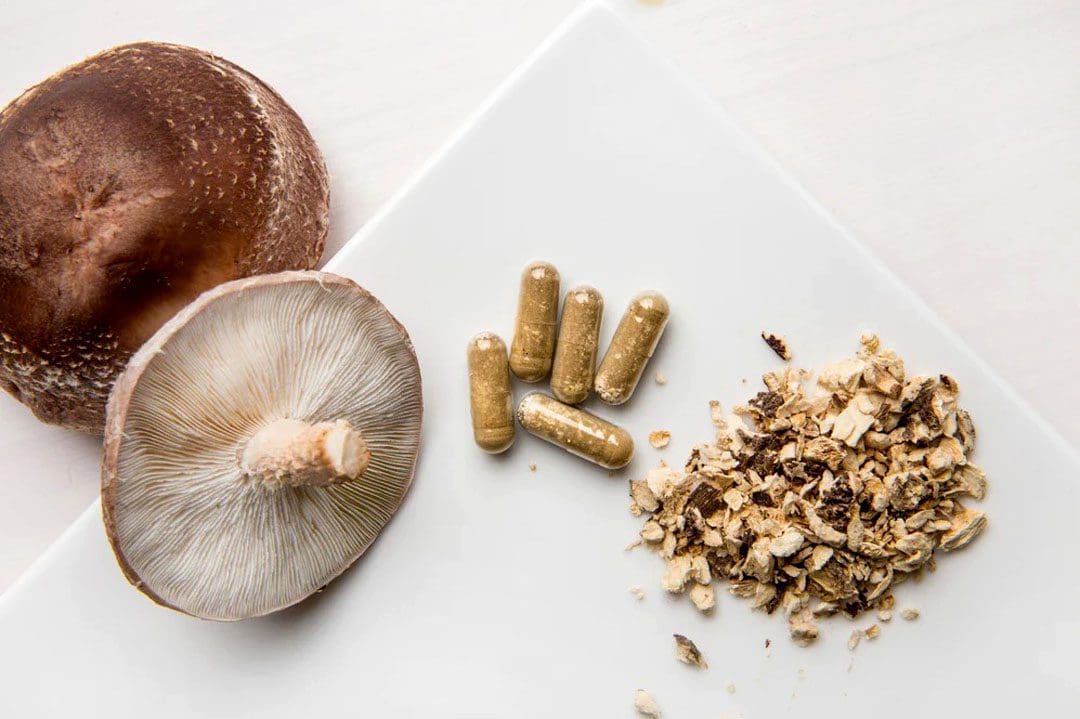
Shiitake
This mushroom has benefits that are particularly good for the heart, as they contain phytonutrients, which aid in:
Preventing plaque buildup
Maintaining blood pressure
Maintaining circulation
Lowering cholesterol
Chaga
Chaga mushrooms are full of antioxidants, making them excellent for fighting free radicals and inflammation. This mushroom combats oxidative stress, inflammation, and aging. And it can help prevent or slow cancer growth and has been found to help lower low-density lipoprotein – LDL cholesterol.
Mushroom Preparation
Mushrooms are almost always available in the produce section of any grocery or health food store. Make sure to wash them thoroughly first. Example: Cremini mushrooms can be:
Eaten raw or cooked, sliced or unsliced.
Simmered in water for 5 minutes until soft
Sauteed – cook the mushrooms in a pan with olive oil on medium heat for eight minutes, frequently stirring until they brown at the edges.
Sprinkled raw over meals to add more texture and flavor.
Ways to add mushrooms to a nutrition plan:
With eggs in the morning.
Mix into cooked beef, chicken, or turkey.
Cook mushrooms with garlic and butter for a side dish.
Add to a stir-fry with other vegetables.
Add to homemade pizza.
As an ingredient in pasta sauce.
Add to salads.
Make cream of mushroom soup.
Always talk to a doctor, nutritionist, or dietician before to confirm whether adding mushrooms is safe, especially if pregnant or using medications, as certain mushrooms can cause side effects like an upset stomach or allergies.
Food as Medicine
References
Fukushima, M et al. “Cholesterol-lowering effects of maitake (Grifola frondosa) fiber, shiitake (Lentinus edodes) fiber, and enokitake (Flammulina velutipes) fiber in rats.” Experimental biology and medicine (Maywood, N.J.) vol. 226,8 (2001): 758-65. doi:10.1177/153537020222600808
Kabir, Y et al. “Effect of shiitake (Lentinus edodes) and maitake (Grifola frondosa) mushrooms on blood pressure and plasma lipids of spontaneously hypertensive rats.” Journal of nutritional science and vitaminology vol. 33,5 (1987): 341-6. doi:10.3177/jnsv.33.341
Kolotushkina, E V et al. “The influence of Hericium erinaceus extract on myelination process in vitro.” Fiziolohichnyi zhurnal (Kiev, Ukraine : 1994) vol. 49,1 (2003): 38-45.
Ma, Gaoxing, et al. “Health benefits of edible mushroom polysaccharides and associated gut microbiota regulation.” Critical reviews in food science and nutrition vol. 62,24 (2022): 6646-6663. doi:10.1080/10408398.2021.1903385
Rop, Otakar, et al. “Beta-glucans in higher fungi and their health effects.” Nutrition reviews vol. 67,11 (2009): 624-31. doi:10.1111/j.1753-4887.2009.00230.x
Tuli, Hardeep S et al. “Pharmacological and therapeutic potential of Cordyceps with special reference to Cordycepin.” 3 Biotech vol. 4,1 (2014): 1-12. doi:10.1007/s13205-013-0121-9
Venturella, Giuseppe, et al. “Medicinal Mushrooms: Bioactive Compounds, Use, and Clinical Trials.” International journal of molecular sciences vol. 22,2 634. 10 Jan. 2021, doi:10.3390/ijms22020634
Nutritionists are medical professionals in food and nutrition and work one-on-one to develop an optimal nutrition plan for their body type, age, and health conditions. They explain the right foods to eat, how different foods impact the body, and what foods to avoid. Individuals can benefit from working with a nutritionist to help achieve a healthier lifestyle through education and healthy choices.
Working With A Nutritionist
Nutritionists work with individuals to enhance their knowledge about general nutrition, food, and health. Their focus is on food behavior, which includes developing and implementing meal plans to improve the individual’s or family’s nutrition. Nutritionists work in:
Clinical settings – hospitals, nursing homes, long-term care facilities, fitness and health, and chiropractic clinics.
Government – local health departments.
School districts – regarding school nutrition standards.
Private business – independent work in combination with other medical professionals.
Research – with various health and/or sports organizations.
Benefits
Working with a nutritionist will determine what factors are challenging an individual’s eating habits and triggers and find ways to overcome those barriers. Benefits include:
Nutrition plans are based on nutritional needs, current health, and lifestyle.
Nutrition plans cut down on grocery bills.
Shopping with a specific list cuts down on the extra foods being purchased.
Proper nutrition can help manage chronic diseases like diabetes and heart disease, combined with a primary care doctor or specialist treatment.
Nutritionists can help individuals dealing with food allergies or who have been diagnosed could require a diet change.
Nutritionists can help motivate when struggling to maintain a healthy lifestyle.
Responsibilities and Daily Activities
Nutritionists help individuals reach various goals, like weight loss, healthier eating habits, and stress management, and can be responsible for the following:
Evaluating health needs.
Screening for nutritional risk.
Discussing nutrition and eating habits.
Providing educational resources.
Developing personalized nutrition plans.
Talking about nutritional issues with individual families.
Discussing nutrition plans with primary doctors and other healthcare teams.
Equipping individuals with food behavior modification tools.
Adjusting plans as needed.
Monitoring progress.
Treating conditions and disease management through nutrition.
Functional Nutrition
References
Carrard, Isabelle et al. “Un outil pour évaluer les comportements alimentaires: ESSCA” [A tool for assessing eating behaviors: ESSCA]. Revue medicale suisse vol. 12,511 (2016): 591-6.
Golan, M, and A Weizman. “Reliability and validity of the Family Eating and Activity Habits Questionnaire.” European journal of clinical nutrition vol. 52,10 (1998): 771-7. doi:10.1038/sj.ejcn.1600647
Greenwood, Jessica L J, et al. “Healthy eating vital sign: a new assessment tool for eating behaviors.” ISRN obesity vol. 2012 734682. 22 Jul. 2012, doi:10.5402/2012/734682
Kelley, Claire P et al. “Behavioral Modification for the Management of Obesity.” Primary care vol. 43,1 (2016): 159-75, x. doi:10.1016/j.pop.2015.10.004
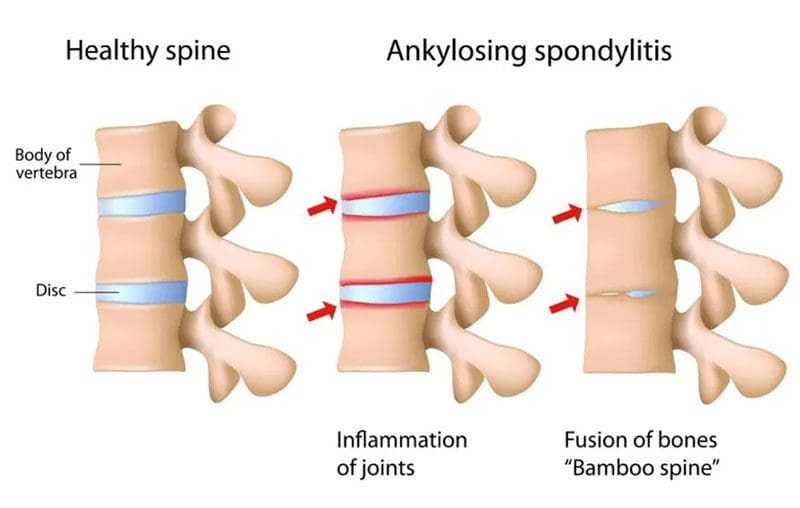
Spondylitis Anti-Inflammation Diet: Individuals who have a chronic back pain condition can be recommended to have two or more vertebrae fused to correct the problem/s and alleviate the pain. However, a form of inflammatory spinal arthritis can cause the vertebrae to fuse by themselves, known as ankylosing spondylitis. One recommended way to bring pain relief is by eating an anti-inflammatory diet. Studies have shown that a low-inflammatory diet can help improve spondylitis symptoms.
Spondylitis Anti-Inflammation Diet
Ankylosing spondylitis is a progressive inflammatory disease that primarily affects the spine; however, individual symptoms vary. Symptoms include stiffness and pain in the neck, hips, low back, and fatigue. There is no definite pattern meaning:
Symptoms can improve.
Symptoms can worsen or flare up.
Symptoms can stop for a period of time.
Women are affected more often than men with no known cause. There is no cure for ankylosing spondylitis, but treatments and self-care can slow down the disease’s progression and help manage symptoms.
Diet and Inflammation
Diet is not the root cause of inflammatory disease, but eating inflammation-causing foods can worsen symptoms. Reducing inflammation can help alleviate pain.
Eliminating foods that cause or increase inflammation is recommended to help the body become stronger and manage symptoms.
Functional medicine practitioners can help guide individuals on maximizing healthy nutrition and using it to reduce pain and symptoms.
If an individual has a genetic predisposition, their diet can be crucial to calm down the symptoms and help turn the autoimmune disease around.
A spondylitis anti-inflammation diet should be rich in vegetables, fruit, whole grains, and omega-3 fatty acids. Evidence shows that a diet low in starches can lead to less ankylosing spondylitis activity. Low-starch can also help limit the presence of Klebsiella pneumoniae, a bacteria that feeds on starch and is a known trigger for the onset and development of ankylosing spondylitis.
Foods To Eat
Leafy greens
These include spinach, kale, Swiss chard, and collard greens containing magnesiumand polyphenols that reduce inflammation.
These can be raw or cooked with garlic and olive oil added to maximize benefits.
Cruciferous vegetables
These contain sulforaphane, anantioxidantthat includes broccoli cauliflower and can be eaten raw or cooked, roasted with olive oil, sauteed, and stir-fried.
Allium Vegetables
These contain sulfuric compounds and quercetin,a flavonoidthat helps reduce inflammation.
These include red and yellow onions, leeks, garlic, and shallots.
They can be eaten raw or cooked in salads, stir-frys, and sandwiches.
Berries
These contain anthocyanin,an antioxidant flavonoid, and other antioxidants and polyphenols that help with inflammation.
These include strawberries, raspberries, blueberries, blackberries and can be eaten raw, in smoothies, in salads, with oatmeal, or mixed in unsweetened yogurt.
Fruits
Certain fruits contain quercetin and polyphenols to help with inflammation.
These include apples, cherries, oranges.
Healthy oils
Contain oleocanthalwhich acts similar to nonsteroidal anti-inflammatory medications and contains various antioxidants.
These include olive oil for low heat cooking and avocado oil for high heat cooking to replace butter and margarine.
It can be served in dressings and drizzled on foods.
Examples include walnuts, almonds, peanuts, pistachios, chia seeds, and ground flaxseeds.
These can be served as snacks, salads, mixed in side dishes, topping, or added to unsweetened yogurt or oatmeal.
Fatty fish
Omega-3 fatty acids help reduce inflammation.
Examples include salmon, cod, rainbow trout, mackerel, and sardines.
These can be baked, sauteed, grilled, mixed into salads, and stir fry.
Avoid These Foods
When making lifestyle adjustments for a spondylitis anti-inflammation diet, focus on reducing or removing processed foods and saturated fats. These include:
Sugars from all sources like soda, sugary drinks, shakes, candy, and desserts.
Trans fats, like those in fried foods like chips and fries.
Individuals may not be symptomatic with certain foods, but that doesn’t mean the foods should be consumed. Gluten, dairy, and eggs can cause potential problems as they compromise the gut and the immune system. These can set back the individual’s healing or remission.
Body Composition
What Happens To The Body When Eating Fruit
Fruit is made up of simple sugar called fructose, providing the body with a carbohydrate energy source. The natural sugar the body gets from a piece of fruit is not the same as processed fructose added to processed products like fructose corn syrup. Processed products are typically filled with empty calories and very little nutrition. When the body has fruit, the liver processes fructose before getting absorbed through the small intestine. Research shows that exposing the gut to more fiber-rich foods like fruit helps the gut achieve an anti-obese condition by increasing the good bacteria and reducing the obese bacteria. Essential nutrients from fruit include:
Folate
Vitamin C
Vitamin B1
The USDA recommends making half of each meal/plate be fruit and vegetables.
References
Harvard Health Publishing. (November 16, 2021) “Foods that Fight Inflammation.” https://www.health.harvard.edu/staying-healthy/foods-that-fight-inflammation
Macfarlane, Tatiana V et al. “Relationship between diet and ankylosing spondylitis: A systematic review.” European journal of rheumatology vol. 5,1 (2018): 45-52. doi:10.5152/eurjrheum.2017.16103
Nielsen, Forrest H. “Magnesium deficiency and increased inflammation: current perspectives.” Journal of inflammation research vol. 11 25-34. January 18 2018, doi:10.2147/JIR.S136742
Rashid T, Wilson C, Ebringer A. The Link between Ankylosing Spondylitis, Crohn’s Disease, Klebsiella, and Starch Consumption. Clin Dev Immunol. 2013;2013:872632. doi: 10.1155/2013/872632.
Sharma, Satya P et al. “Paradoxical Effects of Fruit on Obesity.” Nutrients vol. 8,10 633. 14 Oct. 2016, doi:10.3390/nu8100633
van Buul, Vincent J et al. “Misconceptions about fructose-containing sugars and their role in the obesity epidemic.” Nutrition research reviews vol. 27,1 (2014): 119-30. doi:10.1017/S0954422414000067
Stretching out for everyday wear and tear. The body was designed for movement, mobility, and physicality. When discomfort, aches, and pain present in the neck, shoulders, back, and joints, it is often from a decrease of natural body movement. Many think that sitting still and resting is the best solution to alleviate the pain. While it is important to rest, it is the type of rest that helps the body. Sitting still with no movement is not recommended. The muscles, ligaments, and tendons need to flex and stretch out to help reduce pain and prevent injury. Safe, chiropractic-approved stretches can increase mobility and fluidity, helping the body stay flexible and loose.
Stretching Out For Everyday Wear and Tear Is Important
Whether experiencing pain or are getting ready for the day, there are many reasons why stretching is important. One, stretching is essential to optimal joint health. When muscles surrounding the joints become tight/tense, this significantly reduces mobility in the joint. Regular stretching lengthens the muscles, relaxing the joints to move without discomfort/awkwardness. Stretching optimizes blood circulation to flow smoothly through the body. Routine stretching helps reduce stress and improves energy. Other benefits include:
Post-workout/exercise/physical activity soreness and pain relief
Improves athletic performance
Prevents injury/s
Helps heal existing injuries
Improves posture
Stretching Safe at Home
Chiropractors often recommend stretches for patients to follow to help improve their progress between appointments. If persistent pain is presenting, consult with a qualified chiropractic doctor before performing any stretches. If done incorrectly, they can exacerbate pain and cause further damage. No matter an individual’s lifestyle, the wear and tear of everyday life can cause tightness, inflammation, or generalized pain. Developing a regular stretching routine can address any tense, tight, sore areas that will help keep the body pain-free.
Tailbone Stretch
Most individuals feel tailbone pain from sitting for long periods of time. Reasons for tailbone pain can result from:
Falling backward
Sitting in the wrong position
Childbirth
Hypermobility
All can injure the tailbone and/or the surrounding muscles and tissue.
Tailbone stretching improves movement and flexibility in these muscles and tissue, maintaining the tailbone’s health. One recommended stretch is the piriformis cross leg stretch.
Lie flat on the back.
Bring both knees toward the hips.
Rest the right ankle across the left knee.
Wrap both hands around the left thigh
Pull toward the chest.
Hold for 20-30 seconds.
Slowly bring down both legs and return to the starting position.
Repeat on the other side.
Wrist and Hand Stretch
For those that are constantly writing, typing, or lifting regularly, wrist and hand pain can begin to present. Stretches for the hands and wrists can:
Increase flexibility
Alleviate pain
Reduce the risk of injury
The prayer stretch for the wrists and hands is specifically designed to strengthen the muscles and tendons in the wrists.
Standing with the back straight and feet shoulder-width apart.
Place hands together in a prayer position.
Hands in front of the face.
Pressing both palms together, slowly spread the elbows apart.
Begin to lower the hands to waist height
Stop once the hands become level with the belly button or when the stretch is felt.
Hold the position for 10-30 seconds.
Return to the original position.
Repeat as needed.
Knee Stretch
When tightness or soreness presents in the knee, stretching the hamstrings can help. The hamstrings go through a great deal of wear and tear, supporting the hips and knees, maintaining mobility and flexibility.
Standing with the back straight.
Step forward with the left foot.
Flex the left foot and keep the right foot flat.
Loosen the hips and bend the right knee.
As the right leg is bent, keep the left leg completely straight with the heel pressing into the ground.
If maintaining balance is difficult, use a wall for support.
Hold the position for 10-15 seconds.
Return to starting position.
Repeat on the other side.
Body Composition Health
The Gut’s Hormones
When a meal enters the stomach and intestines, it triggers the digestive tract to release hormones that create the full feeling. These are the gut’s hormones, with each having a specific set of actions and effects. Examples include PYY, GLP-1, and GIP. Gut hormones are essential because they signal the body to slow down or stop eating. Therefore, the size of a meal influences the number of gut hormones that get released. The body releases larger quantities of gut hormones in response to meals with a higher caloric density. This is because larger meals usually contain more calories. This is one reason the body feels more satisfied after a large meal. Smaller meals are less satisfying, which means an individual will want to eat again after the meal.
After eating comes the digestion and absorption of macronutrients. This is known as the postprandial state. The body is in storage mode during the postprandial state. Even though the metabolic rate increases after a meal, the contents of that meal get broken down and stored for fuel. Four hours after a meal, the body goes back to its baseline state, which primarily burns through the stored fuel. Eating frequent, small meals throughout the day means the body spends more of the day in the postprandial storage state.
References
Bandy, WD et al. “The effect of time and frequency of static stretching on flexibility of the hamstring muscles.” Physical therapy vol. 77,10 (1997): 1090-6. doi:10.1093/ptj/77.10.1090
Freitas, SR et al. “Stretching Effects: High-intensity & Moderate-duration vs. Low-intensity & Long-duration.” International journal of sports medicine vol. 37,3 (2016): 239-44. doi:10.1055/s-0035-1548946
Hotta, Kazuki et al. “Daily muscle stretching enhance blood flow, endothelial function, capillarity, vascular volume and connectivity in aged skeletal muscle.” The Journal of physiology vol. 596,10 (2018): 1903-1917. doi:10.1113/JP275459
le Roux, C W et al. “Attenuated peptide YY release in obese subjects is associated with reduced satiety.” Endocrinology vol. 147,1 (2006): 3-8. doi:10.1210/en.2005-0972
Individuals that experience frequent headaches can have sensitive headache trigger points. Every case is different and requires a thorough examination before a proper and personalized chiropractic treatment plan can begin. Headaches can be brought on from a variety of causes. This could be:
Drug reactions
Temporomandibular joint dysfunction (TMJ)
Tightness in the neck muscles
Low blood sugar
High blood pressure
Stress
Fatigue
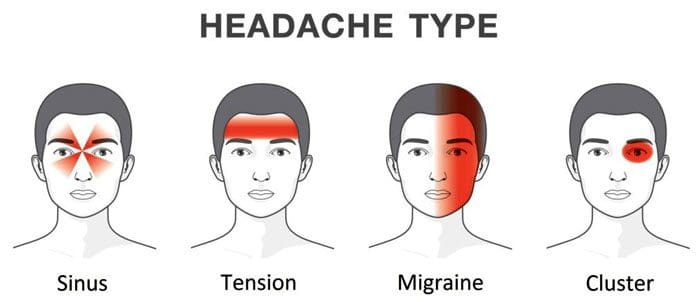
The majority of recurrent headaches fall into three types:
Tension headaches, also known as cervicogenic headaches
Tension headaches are the most common and affect around 77% of individuals experiencing chronic headaches. Most individuals describe a tension headache as a consistent dull ache on one side of the head and sometimes both sides. They are often described as having a tight band/belt around the head or behind the eyes. These headaches usually start slowly, gradually and can last for a few minutes or days. They tend to start in the middle of the day or before the end of the day.
These headaches can be the result of stress and/or poor posture. The most common cause is subluxations in the upper back and neck, usually combined with active headache trigger points. This stresses the spinal muscles in the upper back and neck. A tension headache or stress headache can last 30 minutes to a few days. Chronic tension headaches can last for months. The pain can be severe; however, these headaches are typically not associated with symptoms like throbbing, nausea, or vomiting.
If the top cervical vertebrae shift out of their position and lose their normal motion, a small muscle called the rectus capitis posterior minor/RCPM begins to spasm. This small muscle has a tendon that slips between the upper neck and the base of the skull. It attaches to a thin, sensitive tissue called the dura mater that covers the brain. The dura mater is very pain-sensitive. When the RCPM muscle goes into spasm, the tendon pulls the dura mater causing a headache. Individuals that work at a desk station for long hours tend to experience headaches from this cause. Another cause comes from referred pain caused by headache trigger points in the Sternocleidomastoid/SCM or levator muscle on the side of the neck. This cause tends to happen more to individuals that have suffered a whiplash injury with muscle damage in the neck region.
Migraine Headaches
Migraines are intense and throbbing headaches that are associated with nausea and sensitivity to light or noise. They can last for a few hours to a few days. Many experience visual symptoms known as an aura just before they come on. This is described as seeing flashing lights or when things take on a dream-like appearance. However, even in individuals that don’t experience the aura, most can tell that a migraine is getting ready to present. Individuals usually have their first attack before age 30. They tend to run in families supporting a genetic component. Some have attacks several times a month, while others can have less than one a year. Most individuals find that migraines happen less and become less severe as they get older.
These headaches are caused by the constriction of blood vessels in the brain. During the constriction period, there is a decrease in blood circulation. This is followed by dilation/enlargening of the blood vessels. This is what leads to the visual symptoms. Then the blood vessels dilate, generating a rapid increase in blood pressure inside the head. This increased pressure is what leads to a pounding headache. Every time the heart beats, it sends another shock wave through the carotid arteries in the neck into the brain. There are different theories as to why the blood vessels constrict, but they are still unknown. What is known is that several factors can trigger a migraine. This includes:
Lack of sleep
Stress
Flickering lights
Strong smells
Changing weather
Foods that are high in an amino acid known as tyramine
Cluster
Cluster headaches are very short excruciating headaches. They are usually felt on one side of the head behind the eyes. These headaches affect about 1 million individuals and are more common in men. This type of headache tends to happen at night. They are called cluster headaches because they tend to happen one to four times a day over several days. After one cluster is over, it could be months or even years before they present again. Like migraines, cluster headaches cause the dilation of the blood vessels in the brain, increasing the pressure.
Trigger Points
Headache trigger point therapy involves four muscles. These are the:
The Splenius muscles involve two individual muscles, the Splenius Capitis and the Splenius Cervicis. These muscles run along the upper back to the skull base or the upper cervical/neck vertebrae. Trigger points in the Splenius muscles are a common contributor to pain that travels through the head to the back of the eye and top of the head.
The Suboccipitals are a group of four small muscles that maintain proper movement and positioning between the first cervical vertebra and the skull base. Trigger points in these muscles can cause pain that feels like it’s happening inside the head, from the back to the eye and forehead. Individuals report that the whole side of the head hurts. This is a pain pattern similar to a migraine.
The Sternocleidomastoid muscle runs along the base of the skull, behind the ear, down the side of the neck. It attaches to the top of the sternum/breastbone. Although most are not aware of this muscle’s trigger points, the effects are evident. This includes:
Referred pain
Balance issues
Visual symptoms
Referred pain tends to be eye pain, headaches over the eye, and can even cause earaches. An unusual characteristic of SCM headache trigger points is that they can cause dizziness, nausea, and balance problems.
The trapezius muscle is the large, flat muscle in the upper and middle back. Pain can be felt in the temple and back of the head. A common trigger point is located at the top of the muscle. This particular point can activate secondary trigger pointsin the temple or jaw muscles, leading to jaw or tooth pain.
Headache Triggers
Stress can be a trigger.
Depression, anxiety, frustration, and even pleasant excitement can be associated with headache development.
A headache diary can help determine whether factors like food, weather, and/or mood correlate with headache patterns.
Repeated exposure to nitrite compounds can result in a dull headache accompanied by a flushed face. Nitrite dilates blood vessels and is found in products like heart medications, and is also used as a chemical to preserve meat. Processed meats containing sodium nitrite can contribute to headaches.
Foods prepared with monosodium glutamate or MSG can result in headaches. Soy sauce, meat tenderizers, and various packaged foods contain this chemical as a flavor enhancer.
Exposure to poisons, even household varieties like insecticides, carbon tetrachloride, and lead, can contribute.
Contact with lead batteries or lead-glazed pottery.
Foods that are high in the amino acid tyramine should be avoided. This could be ripened cheeses like cheddar, brie, chocolate, and pickled or fermented food.
Bio-Chiropractic
Chiropractic adjustments are highly effective for treating tension headaches, especially those that originate in the neck. Research has found that spinal manipulation resulted in almost immediate improvement and had fewer side effects and longer-lasting relief than taking common medications. There is a significant improvement by manipulating the upper two cervical vertebrae, combined with adjustments to the area between the cervical and thoracic spine.
Body Composition Testing
Vibration Exercise
Vibration exercise is believed to stimulate the muscle fibers without going to a gym or stressing the bones. One study broke up postmenopausal women into three groups: resistance training, vibration training combined with resistance training, or no exercise/training. Their body composition was measured before starting the study. After the study was completed, the findings included:
Both the resistance group and the resistance group with vibration training increased lean tissue mass.
The control group did not show an increase in lean tissue and, in fact, gained body fat.
The combination group, using vibration training with resistance training, showed a drop in body fat.
Another study placed male athletes in a training program that included vibration training. The first group had lower-limb strength training combined with vibration training, and the other had lower-limb strength training without vibration training. The researchers found that the athletes in the vibration training group improved leg extension strength by five percent. In addition, the vibration training groups balancing ability and vertical lift/jumping test improved as well.
References
Bryans, Roland et al. “Evidence-based guidelines for the chiropractic treatment of adults with headache.” Journal of manipulative and physiological therapeutics vol. 34,5 (2011): 274-89. doi:10.1016/j.jmpt.2011.04.008
Chaibi, Aleksander et al. “Chiropractic spinal manipulative therapy for cervicogenic headache: a single-blinded, placebo, randomized controlled trial.” BMC research notes vol. 10,1 310. 24 Jul. 2017, doi:10.1186/s13104-017-2651-4
Bryans R, Descarreaux M, Duranleau M, et al. Evidence-based guidelines for the chiropractic treatment of adults with neck pain. J Manipulative Physiol Ther 2014; 37: 42-63.
Bryans R, Descarreaux M, Duranleau M, et al. Evidence-based guidelines for the chiropractic treatment of adults with headache. J Manipulative Physiol Ther 2011; 34: 274-89.
Individuals are realizing the enhancements that chiropractic produces along with lifestyle adjustments. Chiropractic is about total body health. This includes:
Alleviating pain from injuries and musculoskeletal conditions
Reversing low energy levels
Healthy lifestyle adjustment support
Neck Pain
Back Pain
Chronic Pain
Herniated Disc/s
Headaches
Migraines
Sciatica
Sports Injuries
Healthy living and regular chiropractic adjustments will elevate the body’s health to new levels.
Chiropractic unlocks the body’s potential
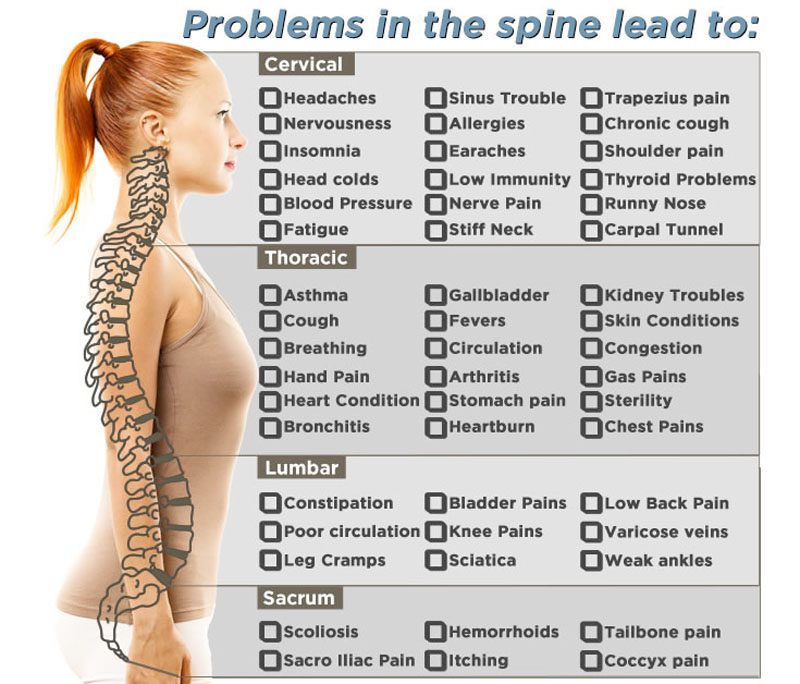
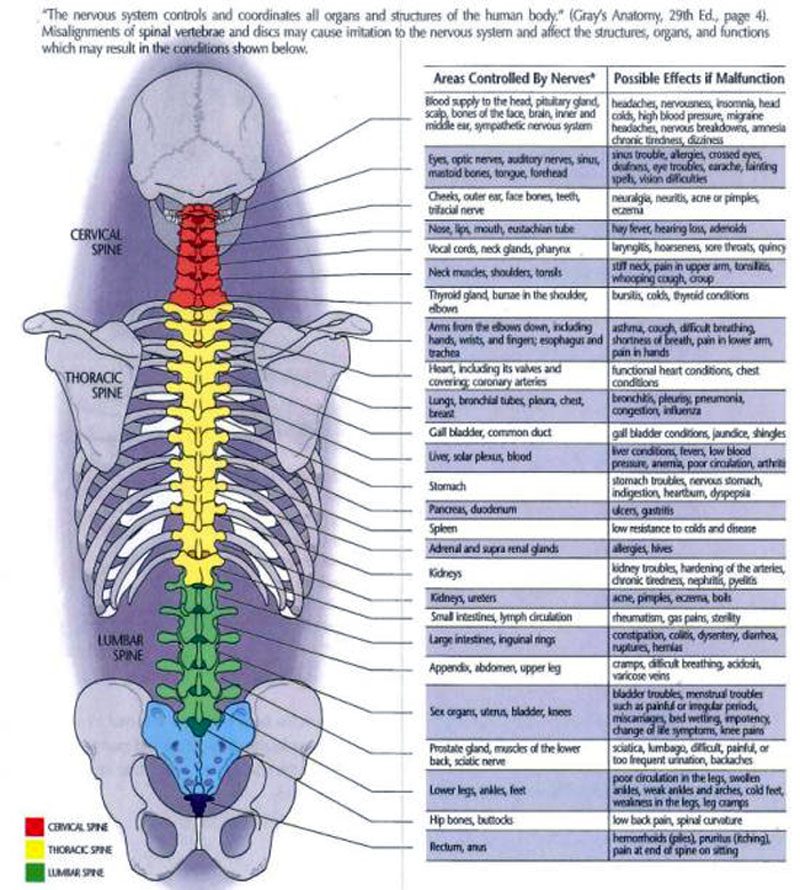
Getting to the root cause of any symptoms that are presenting and addressing themis essential before the body can be at its optimum. A common root cause of pain, low energy, and various general health complaints is spinal misalignment. Poor spinal alignment leads to poor nerve energy flow and poor blood circulation. When the body and nervous system function incorrectly, there is interference with the body’s ability to process normal functions that leads to various forms of dysfunction. A chiropractor can recognize the smallest of changes in the spine that could be affecting the body’s health.
Good Health to Optimal Health
Restoring spinal alignment is the first step in improving body health. If condition/s are present, first the pain will need to be reduced and under management, then the energy can be increased. A chiropractor will recommend lifestyle adjustments to start building a routine to take good health to optimal health. Recommendations include:
Physical Activity/Exercise
Regular physical activity/exercise for weight management, building muscle and maintaining balance. Specific exercises could be recommended for spinal alignment and core strength reinforcement.
Health Coaching/Diet
The nutrients consumed can have positive and negative effects on the body’s ability to function and heal. A health coach and nutritionist can recommend a nutrition plan that will elevate the body’s health to new levels, increasing energy and helping with weight loss if it is necessary.
Stress management techniques
Stress is a major player when it comes to poor health. Chiropractic can help develop techniques and strategies to manage stress and reduce the strain on the body’s systems. This could include sleep hygiene, mindfulness, and more.
Neutral spine training
Healthy posture is highly neglected during daily activities, especially when sitting or lying down. A chiropractor will educate the individual on how to hold the spine and posture optimally to reduce awkward positions and unnecessary strain.
Consult a Chiropractic Provider
When making lifestyle changes, a vital component is learning how to incorporate the new adjustments consistently. This encourages the adjustment into becoming a healthy habit that can maintain optimal body health.
Body Composition
Reducing stress levels
There are various techniques that support relaxation, and help turn off the stress response. Here are a few science-backed options:
Stress-related eating is associated with an increased craving for calorie-dense and highly palatable/tasty usually unhealthy foods. When stress rises, food cravings rise triggering fat gain.
Disclaimer
The information herein is not intended to replace a one-on-one relationship with a qualified health care professional, licensed physician, and is not medical advice. We encourage you to make your own health care decisions based on your research and partnership with a qualified health care professional. Our information scope is limited to chiropractic, musculoskeletal, physical medicines, wellness, sensitive health issues, functional medicine articles, topics, and discussions. We provide and present clinical collaboration with specialists from a wide array of disciplines. Each specialist is governed by their professional scope of practice and their jurisdiction of licensure. We use functional health & wellness protocols to treat and support care for the musculoskeletal system’s injuries or disorders. Our videos, posts, topics, subjects, and insights cover clinical matters, issues, and topics that relate to and support, directly or indirectly, our clinical scope of practice.* Our office has made a reasonable attempt to provide supportive citations and has identified the relevant research study or studies supporting our posts. We provide copies of supporting research studies available to regulatory boards and the public upon request. We understand that we cover matters that require an additional explanation of how it may assist in a particular care plan or treatment protocol; therefore, to further discuss the subject matter above, please feel free to ask Dr. Alex Jimenez or contact us at 915-850-0900.
Dr. Alex Jimenez DC, MSACP, CCST, IFMCP, CIFM, CTG* email: [email protected] phone: 915-850-0900 Licensed in Texas & New Mexico
References
Hawk, Cheryl et al. “Best Practices for Chiropractic Management of Patients with Chronic Musculoskeletal Pain: A Clinical Practice Guideline.” Journal of alternative and complementary medicine (New York, N.Y.) vol. 26,10 (2020): 884-901. doi:10.1089/acm.2020.0181
Walsh, Roger. “Lifestyle and mental health.” The American psychologist vol. 66,7 (2011): 579-92. doi:10.1037/a0021769
Stonerock, Gregory L, and James A Blumenthal. “Role of Counseling to Promote Adherence in Healthy Lifestyle Medicine: Strategies to Improve Exercise Adherence and Enhance Physical Activity.” Progress in cardiovascular diseases vol. 59,5 (2017): 455-462. doi:10.1016/j.pcad.2016.09.003
Making small adjustments to achieve a healthy lifestyle is not as difficult/complex as some may think. Here are some golden nutritional recommendations for longevity, and a healthy lifestyle. Understanding these golden suggestions is a first step towards developing and maintaining sustainable changes. Our health coach and nutritionist can develop an optimal customized nutritional program that is focused on teaching individuals how to promote lifelong transformations and become more connected with mind and body.
Vitamins
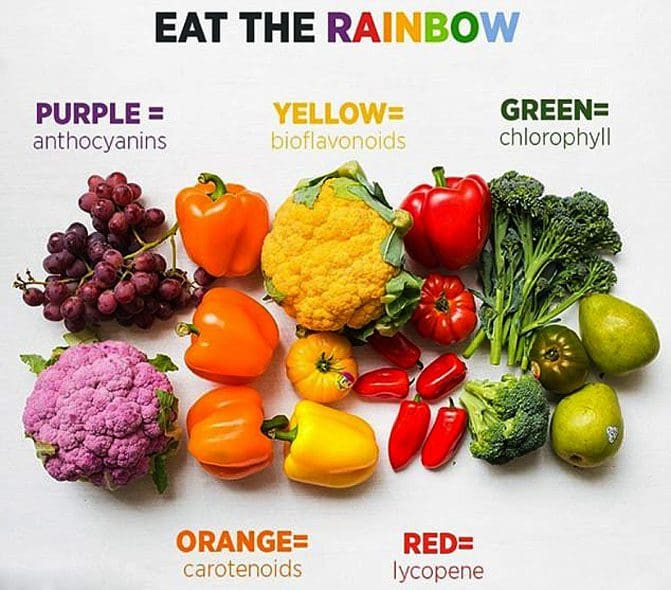
Consume plenty of fruits and vegetables at least six+ portions every day to ensure the body absorbs essential micronutrients, vitamins, minerals, phytochemicals, and fiber. A golden recommendation is to count the fruit and vegetable colors instead of calories. Eating the food rainbow is an ideal way to get a variety of vitamins.
Red foods
These foods contain phytochemicals and help reduce the risk of diabetes and heart disease. These include:
Tomatoes
Red peppers
Red onions
Strawberries
Cherries
Watermelon
Orange and yellow foods
These are packed with Vitamin A and Vitamin C to promote healthy skin and vision.
Pumpkin
Sweet potatoes
Carrots
Lemons
Are all ways to obtain orange and yellow nutrients.
Green foods
These are high in Vitamin K, antioxidants, and folates highly beneficial to bone health. These include:
Kale
Broccoli
Peas
Kiwi
Green grapes
Brussels sprouts
Blue and purple foods
These contain antioxidants that help with heart disease and protect the body’s cells. Included are:
Added sugars and refined flour have none of the essential fiber and micronutrients the body needs to feel full. Whole grains are fiber-rich. This helps increase feeling full and satisfied, which helps block sugar cravings. Go for whole wheat flour instead of refined flour. Limit sugar intake by using the natural sweetness of fruits. Add fruits to meals to increase the sweetness if necessary.
Plenty of Water
Drinking half of an individual’s body weight is essential each day. 10-12 ounces of water before a meal will help increase full satisfaction and make an individual more aware of the body�s hunger cues. Golden suggestion, use a reusable water bottle can help keep track of water intake throughout the day.
12/12 Meal Schedule
Schedule the three main meals within a 12-hour window to avoid snacking throughout the day. The body needs to rest, digest, and reset between meals and overnight.
Stop Eating 3 Hours Before Sleeping
The body’s metabolism starts to slow down around 7-8 p.m. Research shows this timeframe falls in line when the body starts to tire and wind down. Allow the body to rejuvenate cells instead of wasting energy on digesting calories that don’t get burned for energy while sleeping.
Daily Physical Activity
Daily exercise contributes to overall health and longevity. Regular exercise can help in the treatment of chronic illnesses and the prevention of cardiovascular diseases. Every day try to complete 50-60 minutes of low-impact physical activity, and 15-20 minutes of moderate-high intensity cardio. Each week make two of the 20-minute workouts to strength training.
After Workout Snacks
Recovery snacks 15-minutes after a workout will help keep cravings down. These include a healthy carbohydrate, lean protein, and healthy fat. 1-2 hours after a workout have the next balanced meal.
No Devices With Meals
Electronic devices distract from the body’s natural hunger cues. Screens should be put away during meals to pay attention to the food and proper consumption. Watching TV or scrolling through social media has been shown to increase calorie intake.
Plenty of Sleep
Sleep deprivation alters the body’s hormones that control/regulate hunger cues. When the body loses sleep, the body begins to crave more food more often. Even after the body has had the necessary nutrients. A golden recommendation is to develop a relaxing nighttime routine that will enhance the length and quality of sleep. The goal is for 8-10 hours of sleep a night.
Stress Reduction
Incorporate stress-reducing activities into a regular routine. Constant stress on the body can contribute to cardiovascular disease. Activities help take the mind off thoughts, memories, and events that cause stress and worry. These include:
The scope of our information is limited to chiropractic, musculoskeletal, physical medicines, wellness, and sensitive health issues and/or functional medicine articles, topics, and discussions. We use functional health & wellness protocols to treat and support care for injuries or disorders of the musculoskeletal system. Our posts, topics, subjects, and insights cover clinical matters, issues, and topics that relate and support directly or indirectly our clinical scope of practice.*
Our office has made a reasonable attempt to provide supportive citations and has identified the relevant research study or studies supporting our posts. We also make copies of supporting research studies available to the board and or the public upon request. We understand that we cover matters that require an additional explanation as to how it may assist in a particular care plan or treatment protocol; therefore, to further discuss the subject matter above, please feel free to ask Dr. Alex Jimenez or contact us at 915-850-0900. The provider(s) Licensed in Texas& New Mexico*
References
Braude L, Stevenson RJ. Watching television while eating increases energy intake. Examining the mechanisms in female participants. Appetite. 2014;76:9-16. doi:10.1016/j.appet.2014.01.005
Dimsdale JE. Psychological stress and cardiovascular disease. J Am Coll Cardiol. 2008;51(13):1237-1246. doi:10.1016/j.jacc.2007.12.024
Eckel-Mahan K, Sassone-Corsi P. Metabolism, and the circadian clock converge. Physiol Rev. 2013;93(1):107-135. doi:10.1152/physrev.00016.2012
Vina J, Sanchis-Gomar F, Martinez-Bello V, Gomez-Cabrera MC. Exercise acts as a drug; the pharmacological benefits of exercise. Br J Pharmacol. 2012;167(1):1-12. doi:10.1111/j.1476-5381.2012.01970.x
IFM's Find A Practitioner tool is the largest referral network in Functional Medicine, created to help patients locate Functional Medicine practitioners anywhere in the world. IFM Certified Practitioners are listed first in the search results, given their extensive education in Functional Medicine