Various muscles help support the lower legs in the body and allow movement to the host. The lower extremities include the hips, pelvis, thighs, legs, knees, and feet. At the same time, the various muscles help provide support and stability to the upper body’s weight and incorporate mobility and movement for the entire body to go from one location to another. The legs have two sections connected with the knees; the upper portion has the hips and thigh muscles, while the lower legs have the calve muscles, shin muscles, and the Achilles tendon. The calve muscles have two groups of muscles, and when the calve intense exercises, or normal factors have overused muscles may potentially lead to muscle cramps associated with trigger points. Today’s article examines one of the calve muscles known as the gastrocnemius, how the calves are affected by trigger points and corrective actions to prevent muscle cramps in the calves. We refer patients to certified providers that incorporate various techniques in the lower body extremities, like lower leg and calve pain therapies correlating to trigger points, to aid many people dealing with pain symptoms along the gastrocnemius muscles, causing muscle cramps. We encourage and appreciate each patient by referring them to associated medical providers based on their diagnosis when it is appropriate. We understand that education is an excellent way when asking our providers intricated questions at the patient’s request and understanding. Dr. Alex Jimenez, D.C., only utilizes this information as an educational service. Disclaimer
What Are The Gastrocnemius Muscles?
Have you been dealing with walking from one place to another? Do your calves feel hard or tense with the slightest touch or movement? Or are you feeling excruciating pain in your calves that make it hard to move? These pain-like symptoms are indicators of trigger points associated with the calves affecting the gastrocnemius muscles. The calves are mostly referred to as the posterior portion of the lower legs responsible for the foot and ankle plantarflexion while also engaging in activities like running or jumping. The two muscles that make up the calves are the gastrocnemius and the soleus. The gastrocnemius is a complex, superficial muscle fundamental to good posture or walking. This muscle has a casual relationship with the lower body as it affects hip movement and the lumbar area of the spine. The gastrocnemius provides a round shape for the calves to form and narrows down to the ankles, where it forms a tendon.
How Are The Calves Affected By Trigger Point Pain?
Since the gastrocnemius provides the round shape to form the calves when the muscles have become overused or injured in a sports activity, it can cause the individual to have limited mobility. Studies reveal that a tear in the gastrocnemius muscles can implicate lower leg trauma and affect the muscle function to plantar flex the foot at the ankle joint and reduce flexion on the leg to the leg knee joint. When it comes to the development of trigger points along the gastrocnemius muscles that are affecting the calves, according to “Myofascial Pain and Dysfunction,” written by Dr. Janet Travell, M.D., the book states that latent trigger points along the gastrocnemius may cause individuals to complain about calf cramps on the legs, however, when the trigger points are active, the individual is aware of the calf pain and would complain about experiencing pain in the back of their knees. The book also mentioned that trigger points associated with the gastrocnemius muscle could be mistaken for other conditions like plantar foot pain or radiculopathy in the sacroiliac joints. When trigger points affect the calf muscles, it can lead to mobility issues and causes people to be unstable when walking.
Trigger Point Of The Week: Gastrocnemius Muscle- Video
Have you been dealing with calf pain when walking for a short distance? Do your calf muscles ache or tense up when you put slight pressure when stepping down? Or do you feel that your calf muscles are hard when resting? Many of these issues affecting the calves are associated with trigger points affecting the gastrocnemius muscles. The gastrocnemius muscle is one of the muscles that make up the calves in the lower legs. This complex, superficial muscle provides a round shape to the calves and can become overused in various activities that can cause a person to have limited mobility. When the gastrocnemius muscle is overused, it can develop tiny nodules in the muscle fibers known as trigger points that mimic other conditions affecting leg mobility. The video above shows where this complex muscle is in the calves and where the trigger points are located in the muscle fibers. Trigger points along the affected muscle can cause referred pain while mimicking other conditions that can often confuse people about what they are feeling. All is not lost, however, as trigger points are treatable and can be managed through various treatments.
Corrective Actions To Prevent Muscle Cramps On The Calves
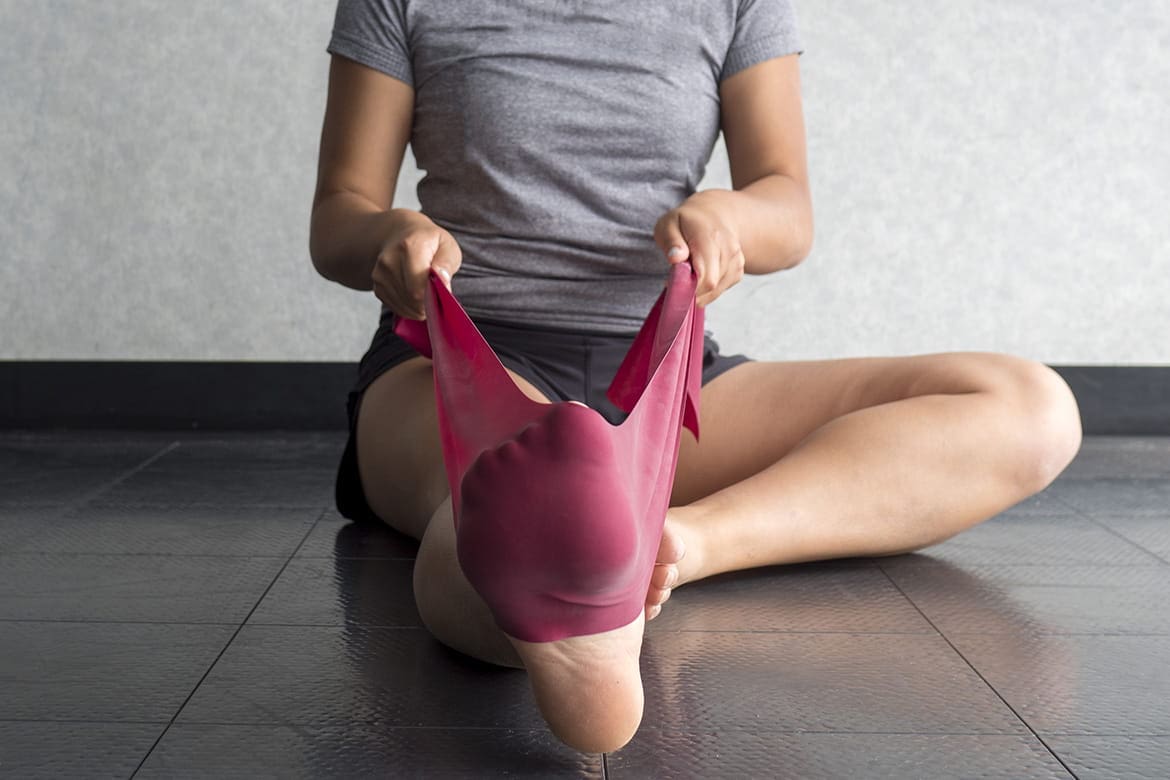
When the calf muscles like the gastrocnemius are causing symptoms of pain and muscle cramps due to trigger points, there are various treatments and corrective actions that can prevent muscle cramps from causing more issues in the legs and even help manage trigger points from re-forming in the muscle fibers. Some corrective actions that can help improve calve function are gently flexing the foot at the ankle joint to allow the calf muscles to tract and retract to reduce swelling and pain. Other correction actions that people should incorporate to prevent muscle cramping in the calves when they are sitting is to gently rock in a chair to reduce prolonged immobility to the calves and increase blood flow. Studies reveal that dry needling and other various treatments can help reduce muscle stiffness in the gastrocnemius and improve muscle strength in the calves.
Conclusion
The calves are part of the legs that allow plantarflexion at the ankle joint. Known as the gastrocnemius muscle, it makes up the calves’ round shape. The gastrocnemius muscle is complex and superficial as it forms a rounded shape at the calves and narrows down at the ankles. However, when the muscle has been through various activities and is constantly overstretched, it can affect a person’s walking mobility and develop tiny nodules known as trigger points. Trigger points in the gastrocnemius muscle can cause referred pain in the calve muscles and mimic conditions like plantar foot pain to the feet. Fortunately, various treatments and corrective actions can prevent referred pain from re-occurring in the calves and bring mobility back to the legs so a person can continue to their destination.
References
Albin, S R, et al. “The Effect of Dry Needling on Gastrocnemius Muscle Stiffness and Strength in Participants with Latent Trigger Points.” Journal of Electromyography and Kinesiology : Official Journal of the International Society of Electrophysiological Kinesiology, U.S. National Library of Medicine, 9 Oct. 2020, https://pubmed.ncbi.nlm.nih.gov/33075711/.
Binstead, Justin T, et al. “Anatomy, Bony Pelvis and Lower Limb, Calf.” In: StatPearls [Internet]. Treasure Island (FL), StatPearls Publishing, 29 May 2022, https://www.ncbi.nlm.nih.gov/books/NBK459362/.
Bordoni, Bruno, and Matthew Varacallo. “Anatomy, Bony Pelvis and Lower Limb, Gastrocnemius Muscle.” In: StatPearls [Internet]. Treasure Island (FL), StatPearls Publishing, 26 Apr. 2022, https://www.ncbi.nlm.nih.gov/books/NBK532946/.
Nsitem, Virginia. “Diagnosis and Rehabilitation of Gastrocnemius Muscle Tear: A Case Report.” The Journal of the Canadian Chiropractic Association, U.S. National Library of Medicine, Dec. 2013, https://www.ncbi.nlm.nih.gov/pmc/articles/PMC3845475/.
Travell, J. G., et al. Myofascial Pain and Dysfunction: The Trigger Point Manual: Vol. 2:the Lower Extremities. Williams & Wilkins, 1999.
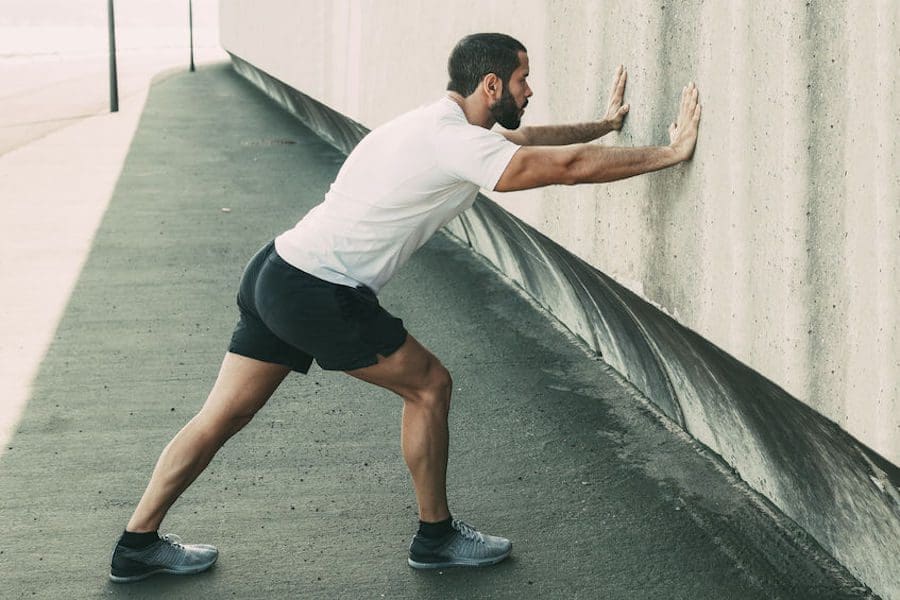
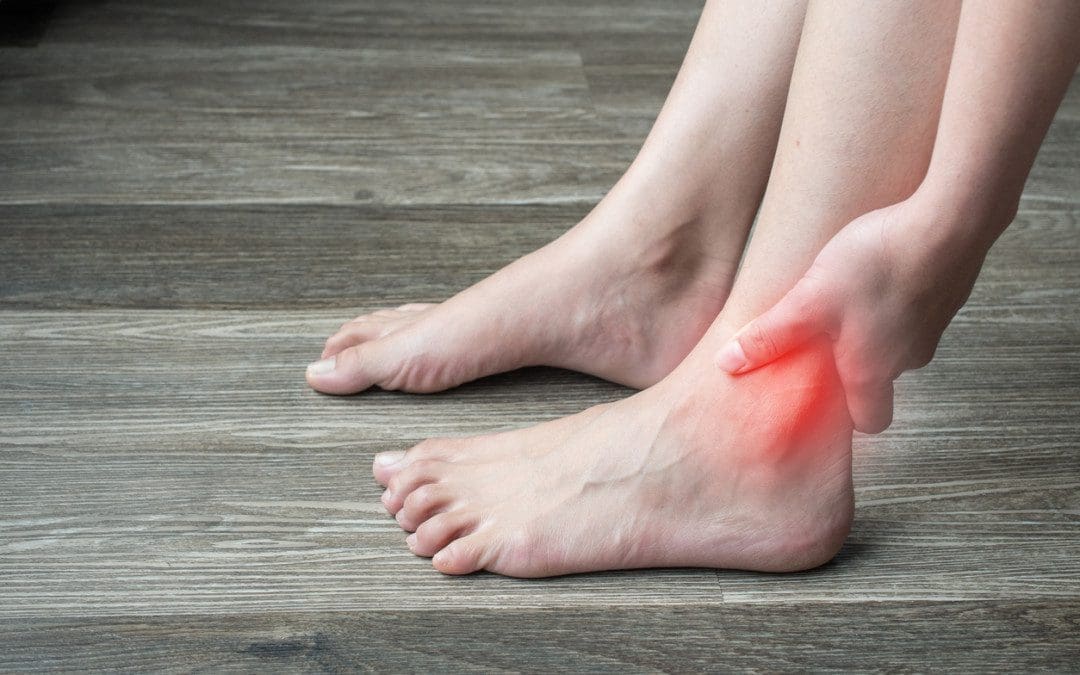
The ankles and the lower legs have a casual relationship by allowing movement to the foot that causes an up-and-down motion. The lower leg has various muscles and tendons that surround the shin bone and allows the feet to take the body from one location to another. The peroneal muscles in the legs allow ankle stability to ensure that the weight from the host’s body doesn’t cause overload to the legs and ankles. However, factors like obesity, trauma, or overexerting can cause the peroneal muscles to be inflamed and develop issues like weak ankles or trigger points that can cause referred pain to the ankles and affect how a person walks. Today’s article examines the peroneal muscles, how weak ankles correlate with trigger points, and ways to strengthen the ankles while managing trigger points. We refer patients to certified providers that incorporate various techniques in the lower body extremities, like lower leg and ankle pain therapies correlating to trigger points, to aid many people dealing with pain symptoms along the peroneal muscles, causing weak ankles. We encourage and appreciate each patient by referring them to associated medical providers based on their diagnosis when it is appropriate. We understand that education is an excellent way when asking our providers intricated questions at the patient’s request and understanding. Dr. Alex Jimenez, D.C., only utilizes this information as an educational service. Disclaimer
The Peroneal Muscles On The Ankles
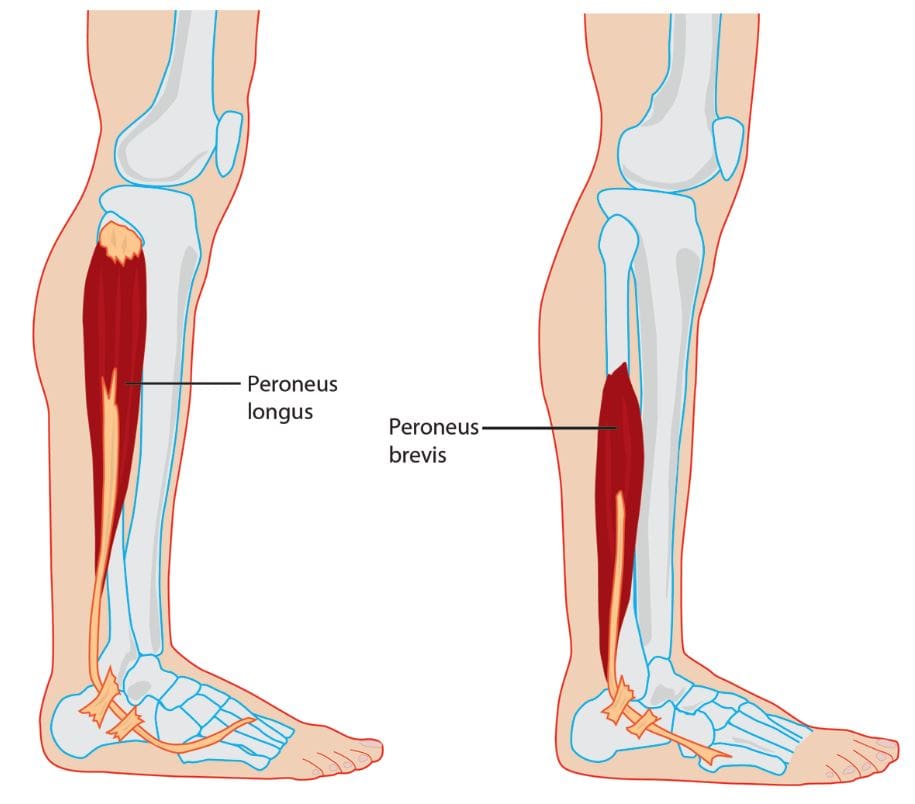
Have you been experiencing pain when walking around constantly? What about feeling a sharp or dull ache in the back or side of your legs? Or do you feel like falling when you are just standing around? Many people experiencing these issues on their legs and ankles could be dealing with trigger points along the peroneal muscles in the ankles. The peroneal muscles consist of two muscles in the lateral compartment of the lower legs: the peroneus longus and peroneus brevis. The peroneus longus is an important long muscle in the lower legs as it is at the top of the fibula and then runs down the outer leg while connecting to the foot. One of the primary functions of the peroneus longus is allowing plantarflex and evert the foot at the ankle. This means that the peroneus longus helps provide motor strength and range of motion to the ankles.
The peroneus brevis is one of the shorter peroneal muscles in the legs that go down to the ankles and provides assistance to allow eversion to the foot and plantarflexion to the ankles. This shorter muscle is important since the ankle joint is relatively mobile and needs stability from the surrounding ligaments and muscles. These two muscles work together for ankle stability when walking and positioning when the body is moving. Studies reveal that depending on a person’s environment, the peroneal muscles allow support and stability to the ankle in various positions. A good example is if the foot is placed in a sloped position, the peroneal muscles and the surrounding ligaments help stabilize the ankle so it won’t induce pain, causing the individual not to fall over.
Weak Ankles & Trigger Points
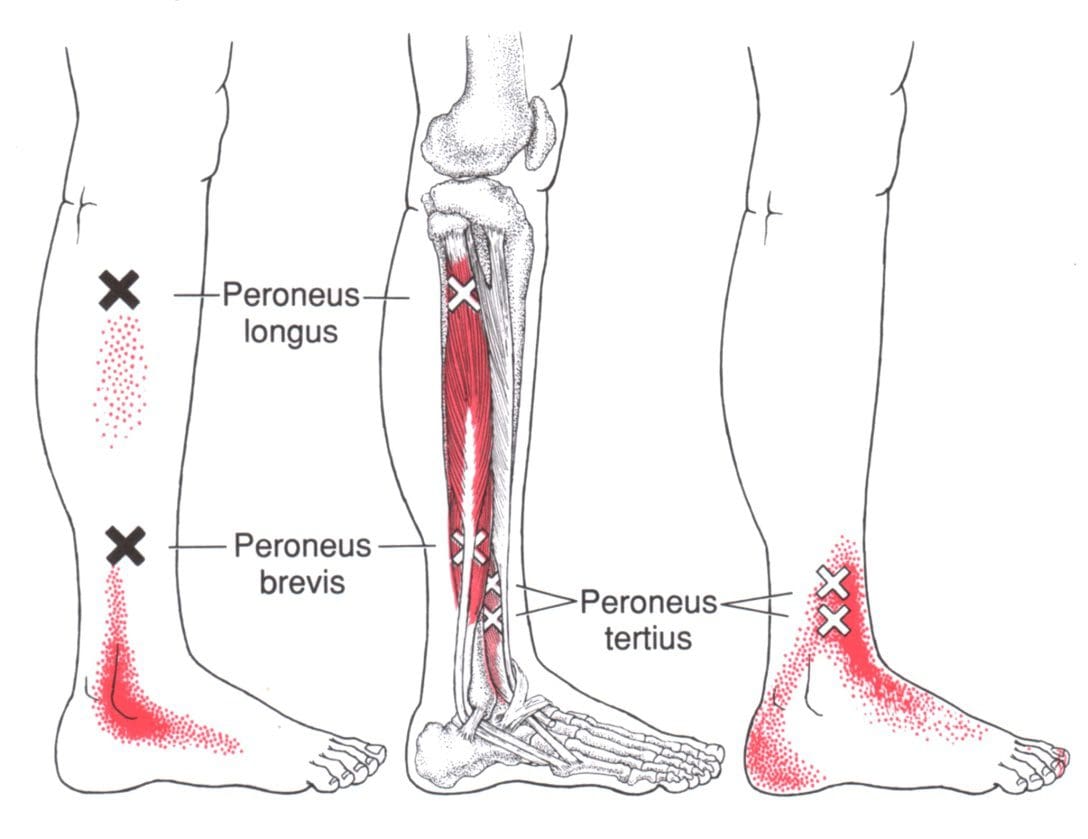
When factors like obesity, trauma, or injuries begin to affect the lower half of the body, it can cause instability in the legs and cause the surrounding muscles, tendons, and ligaments to be overstretched, take on more of an overload to the legs, or suffer from a muscle or tendon tear. These factors are associated with various issues that can invoke pain along with developing trigger points along the lower legs. When there are issues in the peroneal muscles, it can lead to muscle weakness in the ankles or “weak ankles,” which causes instability in the body and causes the individual to sprain their ankles. Studies reveal that when the peroneal tendons have a tear in the lower extremities, it can lead to lateral ankle pain that is often missed when examined. However, to that point, if the incision has been left untreated, it can lead to persistent ankle pain, instability, and ankle dysfunction. In “Myofascial Pain and Dysfunction,” written by Dr. Janet G. Travell, M.D., stated that when individuals suffer from weak ankles or have an ankle sprain, active trigger points can cause pain and tenderness to the ankles and cause the person to become unstable. If left untreated, it can cause them to lose balance and have foot drop and ankle fractures to their foot. The book also mentioned that any ruptures in the tendons and muscles might cause lateral compartment syndrome. When there is instability in the ankles, many people resort to using mobility aids like a cane or a walker to be mobile to compensate for the function lost in their feet.
Trigger Point Therapy On The Peroneal Muscles- Video
Do you feel the pain from the bottom of your feet to your ankles? Does it hurt to walk around for a short period? Or have you sprained your ankle, and there is a dull ache when you try to rotate? Some ankle issues are associated with trigger points affecting the peroneal muscles. The peroneal muscles help the lower legs by allowing eversion to the foot and plantarflexion to the ankles. The two muscles that make up the peroneal muscles are the peroneus longus and the peroneus brevis, and they, along with the other tendons and ligaments, help with ankle stability. Since the ankle is a mobile joint, it can succumb to sprains, tears, and instability in the body, allowing trigger points to develop and causing even more issues. The great news is that there are ways to manage trigger points along the peroneal muscles and reduce ankle instability. The video above shows where the peroneal muscles are located on the leg, where the trigger points are, and how to use K-tape to help support the ankle and prevent more injuries on this moveable joint.
Strengthening The Ankles & Managing Trigger Points
Instability in the ankles can be a bummer to many individuals that are on the move, but when it comes to treatment, it can prevent future injuries from re-occurring. Studies reveal that when pain specialists incorporate joint mobilization techniques and dry needling therapy into their patients, it can allow them to reduce the pain and disability to the ankles, thus managing the trigger points along the peroneal muscles. Another way many people can reduce pain in their peroneal muscles is by incorporating stretches and exercises to strengthen their ankles. This allows the peroneal muscles to be loose and gently stretched while slowly strengthening the ankles in a semi-lock position. When people utilize these techniques on their legs and ankles, it can bring mobility and stability back to the body without fear of falling or causing more issues in the ankles.
Conclusion
As one of the most mobile skeletal joints in the lower body, the ankles work together with the legs to provide mobility and stability to the body. The lower legs have various muscles, tendons, and ligaments that travel down and help support the legs and ankles. One of the muscles that provide that support is the peroneal muscle. The peroneal muscles consist of two muscles known as the peroneus longus and peroneus brevis help with eversion to the foot and allow plantarflexion to the ankle. When a person has sprained their ankle, it causes the peroneal muscle to become overstretched and develop trigger points. The great news is that trigger points are treatable, and various treatments can reduce pain in the affected muscle. This allows stability and mobility back to the ankles and improves the body’s functionality.
References
Abd-Rasid, A F, and M Y Bajuri. “Isolated Peroneus Longus Tear – Commonly Missed Diagnosis of Lateral Ankle Pain: A Case Report.” Malaysian Orthopaedic Journal, U.S. National Library of Medicine, July 2020, https://www.ncbi.nlm.nih.gov/pmc/articles/PMC7513650/.
Basit, Hajira, et al. “Anatomy, Bony Pelvis and Lower Limb, Foot Peroneus Brevis Muscle.” In: StatPearls [Internet]. Treasure Island (FL), StatPearls Publishing, 8 Feb. 2022, https://www.ncbi.nlm.nih.gov/books/NBK535427/.
Lezak, Bradley, and Matthew Varacallo. “Anatomy, Bony Pelvis and Lower Limb, Calf Peroneus Longus Muscle.” In: StatPearls [Internet]. Treasure Island (FL), StatPearls Publishing, 25 Aug. 2022, https://www.ncbi.nlm.nih.gov/books/NBK546650/.
Salom-Moreno, Jaime, et al. “Trigger Point Dry Needling and Proprioceptive Exercises for the Management of Chronic Ankle Instability: A Randomized Clinical Trial.” Evidence-Based Complementary and Alternative Medicine : ECAM, U.S. National Library of Medicine, 2015, https://www.ncbi.nlm.nih.gov/pmc/articles/PMC4430654/.
Travell, J. G., et al. Myofascial Pain and Dysfunction: The Trigger Point Manual: Vol. 2:the Lower Extremities. Williams & Wilkins, 1999.
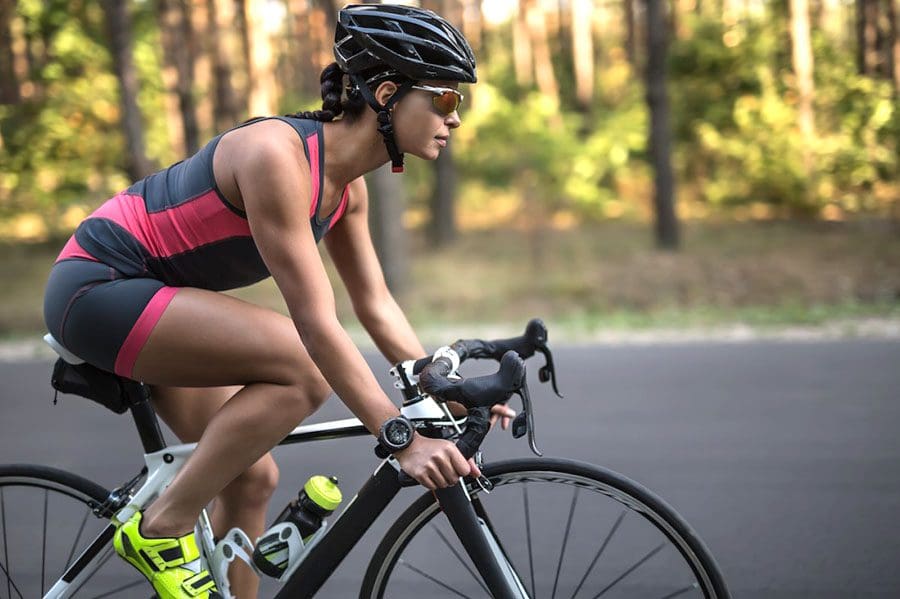
Bicycling at any level is excellent healthwise, but the specific physical repetitive motions and postures can wear on a cyclist’s body, causing strains and injury to the:
Muscles
Ligaments
Tendons
Nerves
Spine
Injuries can be caused by falls, overused muscles, joints, posture, and/or balance problems, whether riding a bicycle for fun, health, or sport. Chiropractic decompression can treat cycling-related injuries and help prevent common injuries by helping cyclists with conditioning and exercises. Chiropractic adjustments, combined with health coaching and nutrition planning, can maximize the body’s overall athletic ability and increase/improve:
Many cyclists suffer from back pain overuse injuries that are caused by:
Incorrect saddle/seat height or an uneven seat/saddle
Not bending the knee at the end of a pedal stroke forces the cyclist to rock the pelvis side to side to generate enough power, placing added stress on the low back muscles.
Handlebars that are too far forward can cause over-stretching of the spine.
Constantly tilting the head can cause neck and shoulder pain.
Staying in the same position for an extended period strains the spine.
Repetitive hip flexion causes the muscles to become tight and perform less efficiently, straining the rest of the body to make up for the lost support.
Hamstrings that become tight can shorten in length, causing the body to pull on the pelvis and the spine.
Lack of core strength allows more stress to penetrate the glutes, back, and hips.
Riding on bumpy or rough terrain increases body jarring and spinal compression.
Chiropractic Decompression
Chiropractic decompression for cyclists can rehabilitate the body from injuries, alleviate pain, improve blood and nerve circulation and maintain the body’s flexibility. Advanced decompression techniques personalized to the individual realign and release the body from obstructions and toxins in the neural pathways. Nutritional and supplementation recommendations are incorporated to enhance the body’s natural healing abilities, and exercise/stretches to sustain the adjustments.
Spinal Decompress
References
Schultz, Samantha J, and Susan J Gordon. “Recreational cyclists: The relationship between low back pain and training characteristics.” International journal of exercise science vol. 3,3 79-85. 15 Jul. 2010
Silberman, Marc R. “Bicycling injuries.” Current sports medicine reports vol. 12,5 (2013): 337-45. doi:10.1249/JSR.0b013e3182a4bab7
Streisfeld, Gabriel M et al. “Relationship Between Body Positioning, Muscle Activity, and Spinal Kinematics in Cyclists With and Without Low Back Pain: A Systematic Review.” Sports health vol. 9,1 (2017): 75-79. doi:10.1177/1941738116676260
Thompson, M J, and F P Rivara. “Bicycle-related injuries.” American family physician vol. 63,10 (2001): 2007-14.
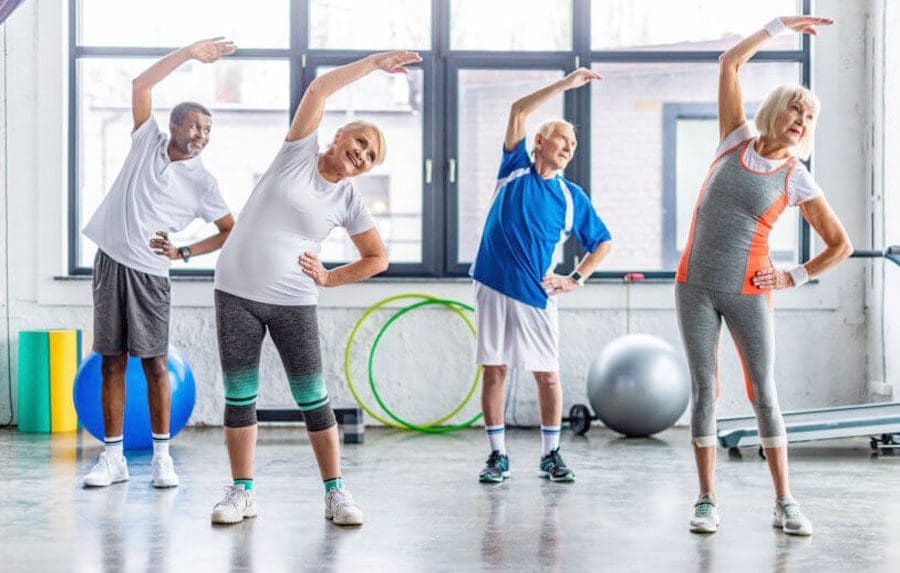
Body Flexibleness: The body loses a small amount of flexibility during normal aging. Decreased body flexibility can negatively impact everyday life by preventing normal function. If the muscles are not taken through their full range of motion to maintain length, strength is lost, and decreased flexibility increases. This can happen from:
Water loss in the tissues and spine.
Increased stiffness in the joints.
Loss of elasticity throughout the muscle tendons and surrounding tissues.
Body Flexibleness
Individuals of all ages struggle with flexibility, but there is a difference in age stiffness. However, a sedentary lifestyle can make everyday activities feel more strenuous than before. Less flexibleness can also cause pain. For example, if the muscles in the front of the legs become tight, it can limit movement in the pelvis and hips, leading to low back pain.
Several problems can result from decreased flexibility, including:
Shorter steps while walking.
Slower walking speed.
Back pain.
Increased risk of falls.
Flexibleness improves overall movement and helps prevent simple strains and injuries, including:
Back injury.
Muscle strains.
Shoulder injury.
Hip injury.
Leg injury.
A stretching program for the hip muscles can improve walking speed and step length. This will result in improved walking function with improved and increased control, decreasing the risk of injury. Step length is also critical in preventing injuries. More distance while walking and longer steps mean better balance, making it essential to maintain flexibility in the leg muscles.
Chiropractic Decompression
Routine chiropractic adjustments and spinal decompression can slow the progression of joint degeneration, improve movement, and decrease the risk of injury. When the vertebrae are properly aligned, the entire body operates at its optimal level. There is proper lubrication of joints and muscles, improving mobility and function and removing stress on the nerves, muscles, ligaments, and tendons. Chiropractic treats the joints, bones, and muscles to improve body flexibleness through manual and motorized decompression, adjustments, and massage, combined with health coaching, nutrition, stretching, and exercises to do at home.
DRX Spinal Decompression
References
“American College of Sports Medicine Position Stand. The recommended quantity and quality of exercise for developing and maintaining cardiorespiratory and muscular fitness, and flexibility in healthy adults.” Medicine and science in sports and exercise vol. 30,6 (1998): 975-91. doi:10.1097/00005768-199806000-00032
Choi, Jioun, et al. “Influences of spinal decompression therapy and general traction therapy on the pain, disability, and straight leg raising of patients with intervertebral disc herniation.” Journal of physical therapy science vol. 27,2 (2015): 481-3. doi:10.1589/jpts.27.481
Tseng, Shiuan-Yu, et al. “Effect of Two Frequencies of Whole-Body Vibration Training on Balance and Flexibility of the Elderly: A Randomized Controlled Trial.” American journal of physical medicine & rehabilitation vol. 95,10 (2016): 730-7. doi:10.1097/PHM.0000000000000477
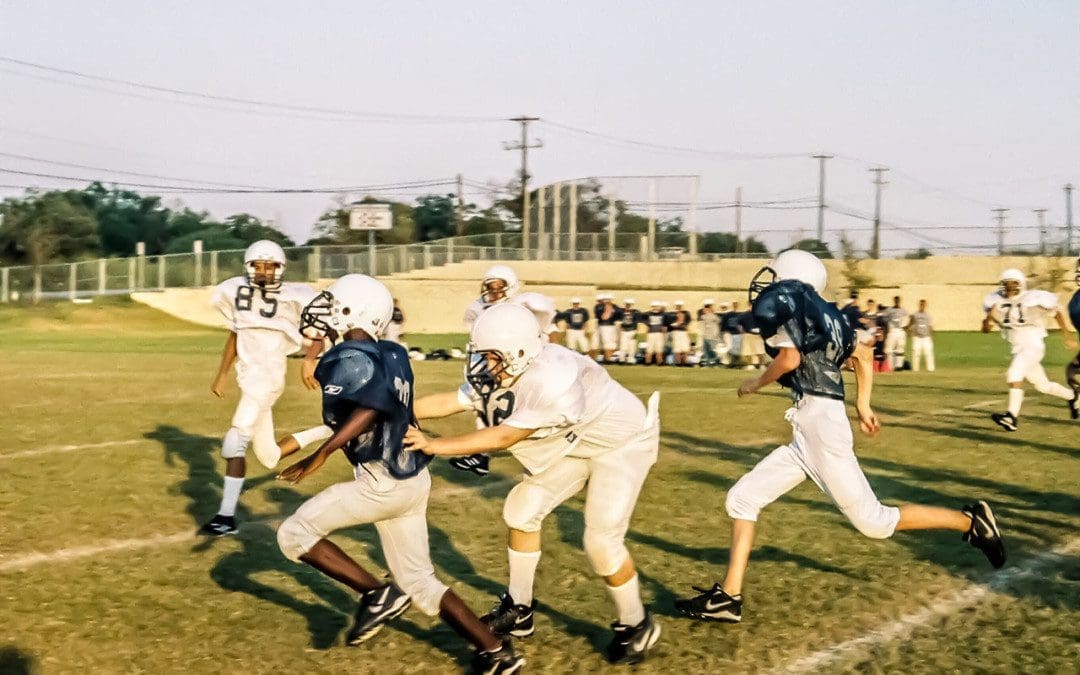
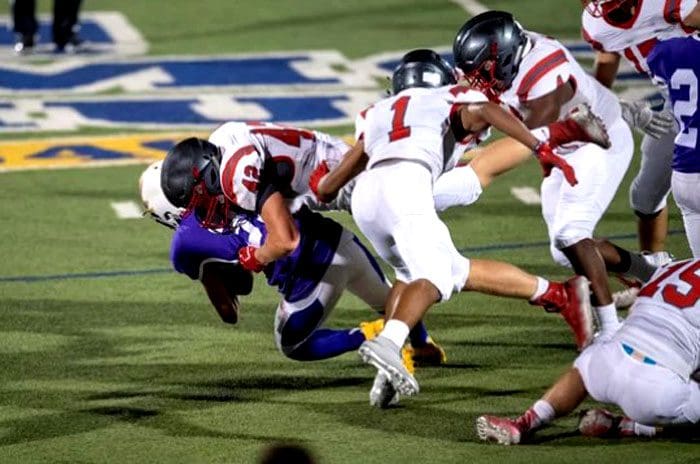
High school football takes a toll on the body. The sport can cause all kinds of injuries that can range from mild – severe. Areas that are commonly injured include:
Head
Neck
Shoulder
Arms
Hands
Spine
Legs
Knees
Ankles
Feet
Chiropractic has become a medically recommended form of treatment and rehabilitation for these injuries but also injury prevention. Today all NFL teams utilize a chiropractic team for players and staff. College teams are also discovering the benefits that chiropractic offers. There are significant benefits that high school football players can attain from chiropractic care.
Enhanced Mobility
A chiropractic adjustment, technically known as chiropractic manipulative treatment/CMT, is a primary therapy in sports medicine. It helps to increase flexibility and minimize or eliminate pain during motion/movement. Adjustments have been shown to improve athletic performance.
Injury Prevention
Athletes who regularly use chiropractic experience a decline in sports-related injuries.
Treatment increases flexibility and mobility, allowing for optimal agility that has been linked to preventing injuries. This is because the body is relaxed and stays loose, even when tackled, instead of tensing up, which is a major contributor to strains and injuries.
Enhanced Strength
Chiropractic adjustments also help increase muscular strength, making the body stronger, and more resistant to injury. It has been shown to promote strength in the muscles after a few sessions effectively. The strengthened muscles also help avoid injury by being able to withstand the hits and recover faster. The strengthened body also helps to increase endurance and stamina.
Pain Relief
Many high school players use chiropractic to ease the general pain that comes from general practice and games. Adjustments and massage are highly effective for pain management and alleviate headaches, especially those that come from constant impact to the head and neck. It helps to alleviate soreness, stiffness, and pain from the entire body.
Sports Hernia
Athletes often experience athletic pubalgia. This is one of the most common causes of injury-related groin pain. Chiropractic can relieve the discomfort within 8 weeks in combination with rehabilitative stretches and exercises. Chiropractic plays a critical role in whole-body care, pain relief and keeps the body operating and performing at the highest level.
Body Composition
Water Intoxication
When an individual overwhelms their body’s ability to excrete water and waste products consumed, water intoxication can develop. Water intoxication causes disturbances in the body’s electrolyte balance. This can cause a life-threatening condition known as hyponatremia. With a rapid decrease in the sodium levels in the blood, relative to the amount of water, symptoms can develop rapidly:
If left untreated, later symptoms can develop into:
Seizures
Coma
Death
References
Hession, E F, and G D Donald. “Treatment of multiple lumbar disk herniations in an adolescent athlete utilizing flexion distraction and rotational manipulation.” Journal of manipulative and physiological therapeutics vol. 16,3 (1993): 185-92.
Pritchett, J W. “A statistical study of physician care patterns in high school football injuries.” The American journal of sports medicine vol. 10,2 (1982): 96-9. doi:10.1177/036354658201000206
Shane, Eric R et al. “Sports chiropractic management of concussions using the Sports Concussion Assessment Tool 2 symptom scoring, serial examinations, and graded return to play protocol: a retrospective case series.” Journal of chiropractic medicine vol. 12,4 (2013): 252-9. doi:10.1016/j.jcm.2013.08.001
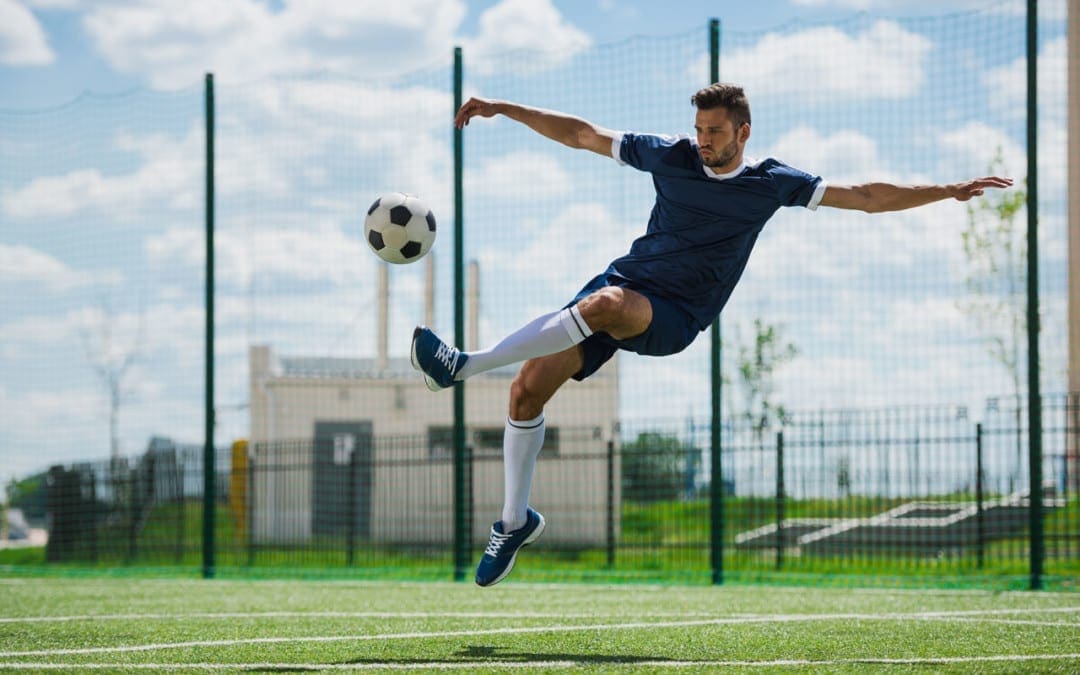
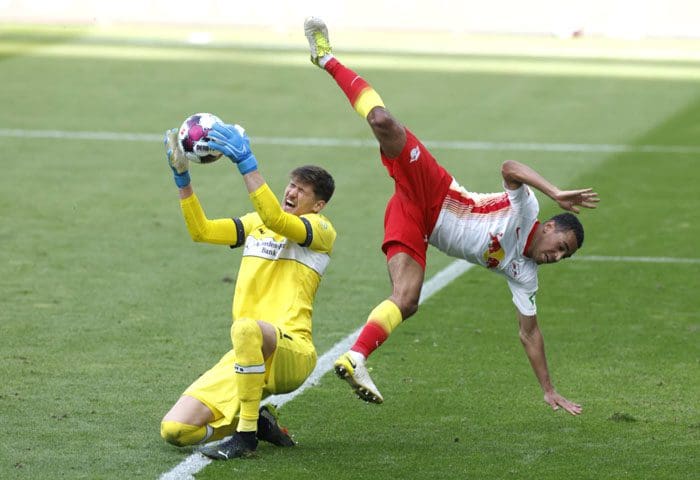
Although many soccer injuries involve the legs and lower extremities, other body areas are susceptible to injury/s as well. Acute or cumulative is how soccer injuries are generally described. Acute injuries are traumatic. They are usually caused by a slip, trip, and fall, getting hit, and crashing into other players. Cumulative injuries involve repetitive stress on a muscle, joint, or connective tissue. This triggers progressive aches, pain, and physical impairment that gets worse with time. Understanding how and why they happen is the first step in injury prevention. The more common injuries experienced among soccer athletes include.
Concussion
This is a form of mild traumatic brain injury mTBI caused by a sudden hit/impact to the head. Players are trained to head the ball; however, concussions can happen if not ready for impact or heading at an awkward position.
Ankle Sprains
Ankle sprains are when there is stretching and tearing of ligament/s that surround the ankle joint.
Lateral ankle sprains or outside of the ankle can happen when a player kicks the ball with the top of the foot.
A medial ankle sprain or inside of the ankle can happen when the toes are turned out when the foot is flexed up.
Achilles Tendonitis
This is a chronic injury that occurs from overuse with pain in the back of the ankle. Players are constantly performing repetitive and sudden movements that, over time, can cause this type of injury.
Achilles Tendon Rupture
A rupture involves a partial or complete tear of the Achilles tendon. Often players say with a popping sound. This happens when players perform fast, explosive movements. Rapid stopping, starting, shifting, jumping can all contribute.
Groin Pull/Strain
This is a type of strain that happens when the inner thigh muscles are stretched beyond their limit. As a result, a player can pull the groin when kicking and/or resistance from an opponent trying to take the ball or kick in the opposite direction.
Hamstring Injury
These injuries involve the three back muscles of the thigh and can vary from minor strains to complete ruptures/tears. This comes from running, sprinting, jumping, and stopping, leading to these types of injuries.
Iliotibial Band Syndrome
This is an overuse/repetitive injury that involves a tendon known as the IT band. This is the connective tissue that runs along the outside of the thigh. Constant running can create friction as the band gets pulled along the outside of the knee, which can cause tendonitis.
Plantar Fasciitis
This causes foot pain caused by inflammation of the tissue bands that run from the heel to the toes. Several factors can cause the condition. This could be players using inappropriate or not correctly fitting shoes, shoes that do not provide proper arch support or playing on a hard surface.
Calf Muscle Pull
This is when one of the muscles of the lower leg gets pulled from the Achilles tendon. Again, quick and spontaneous sprinting, running, or jumping is usually the cause.
Knee Injuries
The most common soccer injuries are those that involve the knee. This is because of the stopping and shifting directions quickly and suddenly. The explosive, spontaneous movements place extreme stress on the knees and the supporting ligaments. When the stress goes beyond the ligament’s limits, it can cause a sprain or tear in the joint. When there is an injury to the knee/s, it is diagnosed using a grading scale.
Grade 1 Mild sprain
Grade 2 Partial tear
Grade 3 Complete tear
Runner’s Knee
Patellofemoral pain syndrome, also known as runner’s knee, is a condition where the cartilage under the kneecap gets damaged from an injury or overuse. This happens when there is a misalignment in the knee and/or strained tendons.
ACL Injury
The anterior cruciate ligament or ACL is at the front of the knee. These are the most common knee injuries. This is because the ligaments are less retractable than muscles or tendons. And those in the knees are highly vulnerable to damage.
Cruciate Ligament Injury
This type of injury does not always cause pain but often causes a popping sound when it happens. Pain and swelling develop within 24 hours. This is followed by the loss of range of motion and tenderness around and along the joint.
Meniscus Injury
The Meniscus involves a C-shaped piece of cartilage that cushions the space between the femur and the shin bone. These tears are painful and are often the result of twisting, pivoting, decelerating, or quick/rapid impact.
Shin Splints
The term describes a variety of painful symptoms that develop in the front of the lower leg. This often happens from over/intense training, or the training gets changed. Players can also develop shin splints from training while not using appropriate shoes.
Stress Fractures
These types of fractures are usually the result of overuse or repeated impact on a bone. The result is severe bruising or a slight crack in the bone.
Tendonitis
When tendons get inflamed, it is referred to as tendonitis. This comes with repetitive overuse but can also develop from a traumatic injury that causes micro-tears in the muscle fibers.
Soccer Injuries Prevention
Many of these injuries result from overuse, overtraining, improper conditioning, and/or not warming up properly. Here are few tips to help reduce the risk.
Warm-up for at least 30 minutes before playing
Pay special attention to stretching the:
Groin
Hips
Hamstrings
Achilles’ tendons
Quadriceps
Wear protective gear
This includes:
Mouthguards
Shin guards
Kinesio tape
Ankle supports
Eye protection
Ensure they are correctly sized and maintained.
Check the field
Check for anything that could cause injury/s. This includes:
Holes
Puddles
Broken glass
Stones
Debris
Avoid playing in bad weather
Or immediately after heavy rain when the field is especially slick and muddy.
Allow enough time to heal after an injury.
This also goes for minor soccer injuries. Trying too fast to get back increases the risk of worsening the injury, re-injury, and/or creating new injuries.
Utilize carb-loading to help them increase energy storage for long runs, bike rides, swims, etc. When timed effectively, carb-loading has been shown to increase muscle glycogen, leading to improved performance.
Bodybuilders and fitness athletes
Use carbo-loading to build size and mass before competitions. The timing and efficacy of carb-loading vary from person to person. Make sure to experiment before the next big competition.
References
Fairchild, Timothy J et al. “Rapid carbohydrate loading after a short bout of near maximal-intensity exercise.” Medicine and science in sports and exercise vol. 34,6 (2002): 980-6. doi:10.1097/00005768-200206000-00012
Kilic O, Kemler E, Gouttebarge V. The “sequence of prevention” for musculoskeletal injuries among adult recreational footballers: A systematic review of the scientific literature. Phys Ther Sport. 2018;32:308-322. doi:10.1016/j.ptsp.2018.01.007
Lingsma H, Maas A. Heading in soccer: More than a subconcussive event?. Neurology. 2017;88(9):822-823. doi:10.1212/WNL.0000000000003679
Pfirrmann D, Herbst M, Ingelfinger P, Simon P, Tug S. Analysis of Injury Incidences in Male Professional Adult and Elite Youth Soccer Players: A Systematic Review. J Athl Train. 2016;51(5):410–424. doi:10.4085/1062-6050-51.6.03
A chiropractor is a doctor who specializes in musculoskeletal and nervous system problems. It is the belief of the chiropractic community that problems in these areas can cause adverse health issues, including lowered resistance to disease, illness, and injury.
Chiropractors manipulate the spine to realign spinal joints in their patients. By doing so, patients are expected to experience optimum health without the assistance of drugs or surgery. Instead, chiropractors expect the body will heal itself once the spine and spinal joints are in proper alignment. Additionally, chiropractors consider and address other lifestyle factors which are commonly recognized as significantly affecting health such as diet, rest, exercise, heredity, and environmental factors. They also make other recommendations for changes which are expected to improve the patient�s overall health.
Chiropractors perform many of the same tasks as other general and specialty doctors. Patient health histories are gathered, physical, neurological, and orthopedic examinations are performed, and various laboratory tests, x-rays, and diagnostic imaging tools are used to diagnose and analyze the patient�s condition. Other forms of treatment may be used or recommended by the chiropractor including ultrasound, massage, heat, water, acupuncture, or electric currents. Prescription drugs and surgery are not part of the services provided by chiropractors. Chiropractors may recommend patients to see other doctors or specialists to address health issues or concerns outside of their area of expertise. Some chiropractors choose to specialize in a certain type of practice, such as orthopedics, neurology, sports injuries, internal disorders, diagnostic imaging, or pediatrics.
The Bureau of Labor Statistics predicts a job growth increase of 17% in the chiropractic field over the next seven years. An increasing public interest in alternative healthcare methods is beneficial to the chiropractic field. The public is seeking healthy living options which do not include prescription medicines or surgery; instead, a substantial number of people are searching for solutions which emphasize healthy lifestyles. The non-invasive procedures provided by chiropractors in answer to their patients health issues and concerns appeals to the segment of the public looking for these types of answers.
SELECTING THE RIGHT CHIROPRACTIC COLLEGE
Chiropractor students should select a college which offers a strong science degree or pre-medical program. Some colleges may have an affiliation with chiropractic training schools, which all future chiropractors must successfully complete. Research chiropractic schools to determine which one you are most interested in attending; this will help you to determine if the school is linked to any of the colleges you are considering. Courses in biology, chemistry, and physics will be important to individuals looking to work in a medical field. Electives may be concentrated in health, fitness, and nutrition. Students should, if given the opportunity, study topics and courses related to kinesiology and sports medicine. Courses in psychology and sociology will also help students to gain a more comprehensive understanding of people and society, better preparing them to serve the public. Additionally, business courses ensure that future professionals understand how to successfully manage a business in the complex healthcare field, as medical professionals must understand finances, medical insurance processing, business laws, business practices, business ethics, and medical records maintenance.
CHIROPRACTIC SCHOOLS
Students must attend chiropractic college in order to enter the profession. Upon completion of the program, students will have earned a doctorate in chiropractic medicine. The Council on Chiropractic Education, or CCE, is the nationally recognized accrediting agency by the United States Secretary of Education which regulates the quality of the curriculum offered at chiropractic colleges. Currently there are 15 CCE accredited chiropractic institutions in the United States. These include, as listed on the CCE website:
Students attend chiropractic college for four years. During this time, students are taught the scientific and academic skills and knowledge required to become experts in the field of chiropractic medicine. The final year is spent in practice, performing the functions of a chiropractic doctor under the supervision of an experienced professional. The curriculum includes intensive study of neuromusculoskeletal conditions, nutritional and holistic health, specialized and focused curriculum in areas of acupuncture and oriental medicine, applied nutrition, and various other disciplines. Students will complete extensive course hours in diagnosis, biochemistry, anatomy, chiropractic technique, and philosophy and ancillary therapeutic procedures.
TAKING THE NATIONAL BOARD EXAM
The National Board Exam for chiropractors is administered by the NBCE. The test is given twice each year. The exam consists of three parts. Part one is 110 multiple choice questions relating to general anatomy, spinal anatomy, physiology, chemistry, pathology, microbiology, and public health. The second part also consists of 110 multiple choice questions, but in the areas of general diagnosis, neuromusculoskeletal diagnosis, diagnostic imaging, and principles of chiropractic, chiropractic practice, and associated clinical sciences. Part three of the test consists of another 110 multiple choice questions and 10 case vignettes covering the areas of diagnosis or clinical impression, clinical laboratory and special studies examination, chiropractic techniques, case management, physical examination, case history, and roentgenologic examination. Each part of the test is timed. Additional specialized testing is offered for applicants who choose to pursue an area of specialization.
LICENSING FOR CHIROPRACTORS
After successful completion of an accredited chiropractic program, graduates will need to obtain a license to practice in their resident state or the state in which they intend to practice. State licensure regulations may vary from state to state. It is important to research your state�s regulations prior to completion of the doctor of chiropractic program to ensure all conditions are met. The Federation of Chiropractic Licensing Boards is a nonprofit organization which provides a link to the licensure information in all states. Locate information for each state through this directory.
The information provided includes licensing fees, renewal requirements, national board testing requirements, security and criminal check requirements, additional certification requirements, continuing education, and malpractice insurance requirements. A link to each state licensing board is also provided.
CONTINUING EDUCATION FOR CHIROPRACTORS
The chiropractic field is experiencing an increase in advancements in technology and knowledge through research and academic exploration. Changing regulations are also an area in which chiropractic doctors will need to remain current. Each state maintains their own continuing education requirements upon which licensing will be contingent. Twenty-four credit hours of continuing education every two years is a common requirement. All programs must be board approved and conducted by approved colleges or chiropractic associations or organizations. Check with your state licensing board to determine if the program has been approved prior to enrollment.
PRACTICING AS A CHIROPRACTOR
After obtaining a doctorate and passing the licensing examination, a new chiropractor has many options ahead of them. Most chiropractors will end up working solo or in a group practice, with about one in three being self-employed. A small group will work in hospitals or physicians� offices. The median pay for Chiropractors in 2016 was $67,520, with the lowest 10 percent earning less than $32,380, and the highest earning more than $141,030. Chiropractors can further increase their salary by building up a strong client base and developing their own practice. Many times, chiropractors will work in the evening or on weekends to accommodate their patients.
DAY TO DAY PRACTICE
Chiropractors will spend a lot of time on their feet as they examine and treat patients. Some of the most important qualities that a chiropractor can have include decision-making, detail-oriented, dexterity, empathy, and interpersonal skills. If the chiropractor is operating his or her own practice, the ability to manage a staff of employees like secretaries and nurses is vital to the success of the practice. An understanding of the current healthcare system is also important, as that will determine what kind of payments a chiropractor may be able to receive, unless they work in a cash-only system. More information can be found in the Occupational Outlook Handbook provided by the BLS.
CHIROPRACTIC SPECIALTIES AND CERTIFICATIONS
Another way for chiropractors to increase their annual earnings or skills would be to specialize in one or more areas. Specializations can help a chiropractor better diagnose and treat chronic illnesses, sports injuries, and/or complex occupational injuries. The American Chiropractic Association and American Board of Chiropractic Specialties (ABCS) lists 14 specialties and provides guidance to maintain standards of chiropractic certification. These include, as listed on the American Chiropractic Association website:
Chiropractic Physiotherapy and Rehabilitation (DACRB) Specialist
Has had extensive postgraduate training in physiologic therapeutics and rehabilitation to better treat injuries that may have resulted from an accident or a sports injury.
Treats a wide variety of health conditions that include all body systems and tissues, and focuses special attention on the relationship between the spine, nervous system, and the meridian system.
Is trained to encourage and promote a more advanced knowledge and use of nutrition in the practice of chiropractic for the maintenance of health and the prevention of disease.
Has special knowledge of both the normal function and diseases of the bones, joints, capsules, discs, muscles, ligaments, and tendons, as well as their complete neurological components, referred organ systems and contiguous tissues, and is able to diagnose and treat the conditions related to them.
Diplomate of the American Board of Forensic Professionals (DABFP)
Performs an orderly analysis, investigation, inquiry, test, inspection, and examination in an attempt to obtain the facts of a case, from which to form an expert opinion.
Is trained in chiropractic sports medicine and exercise science in order to treat sports injuries, enhance athletic performance, and promote physical fitness.
Chiropractic Occupational Health (DACBOH) Specialist
A DC trained in health care diagnosis and treatment choices for workplace neuromusculoskeletal injuries who is able to provide a broad range of work-related injury and illness prevention services for employee populations.
Diplomate in Clinical Chiropractic Pediatrics (DICCP)
Support members who take care of children in their chiropractic practices, and to promote the acceptance and advancement of pediatric chiropractic care.
These specialty �degrees� are given by their corresponding boards, which also maintain the level of expected qualifications and standards of excellency.
IFM's Find A Practitioner tool is the largest referral network in Functional Medicine, created to help patients locate Functional Medicine practitioners anywhere in the world. IFM Certified Practitioners are listed first in the search results, given their extensive education in Functional Medicine