As one of the stabilizers for the body, the knees are located between the thighs and legs, allowing flexion and extension. The knees help the hips by supporting the upper body’s weight and allowing the legs to move from one place to another without feeling pain. The knee has various muscles and ligaments surrounding the knee joint, allowing the leg to be bent when active. One of the muscles is located behind the knee, known as the popliteus, and supports the legs. However, minor injuries or actions can affect the knees causing the joint to be in a “lock” position and develop myofascial trigger points that can induce muscle spasms in the knees. Today’s article focuses on the popliteus muscle, how knee pain is associated with trigger points, and how to manage knee pain through various treatments. We refer patients to certified providers that incorporate multiple methods in the lower body extremities, like knee pain treatments correlating to myofascial trigger points, to aid many people dealing with pain symptoms along the popliteus muscles. We encourage and appreciate each patient by referring them to associated medical providers based on their diagnosis, especially when appropriate. We understand that education is an excellent source to asking our providers intricated questions at the patient’s request. Dr. Alex Jimenez, D.C., only utilizes this information as an educational service. Disclaimer
What Is The Popliteus Muscle?
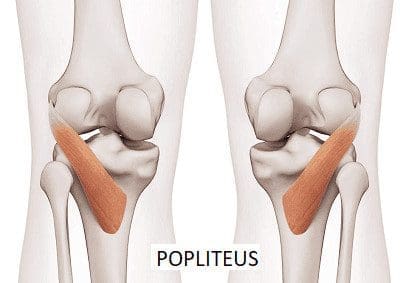
Have you been dealing with pain behind your knees? Do you have issues bending your knees when climbing up or down the stairs? Or do your back knee muscles start to twitch uncontrollably, causing muscle spasms? Many knee issues correlate with various factors that can affect the popliteus muscle and develop trigger points. The popliteus is a small muscle with a very important job as it is a major stabilizing muscle to the knees. The popliteus muscle originates from the lateral side of the femur and inserts itself into the posterior surface of the tibia. Some attachments are between the popliteus and lateral meniscus, allowing the knees to be in motion and providing flexion without pain and entrapment. Additional studies reveal that when a person exercises, the popliteus’s basic function helps bring about and maintain internal rotation of the tibia on the femur. The popliteus also helps prevent the foot from external rotation and allows the individual to stand correctly. However, injuries to the knee could overstretch the popliteus muscle and cause mobility issues to the knee flexion.
Knee Pain Associated With Trigger Points
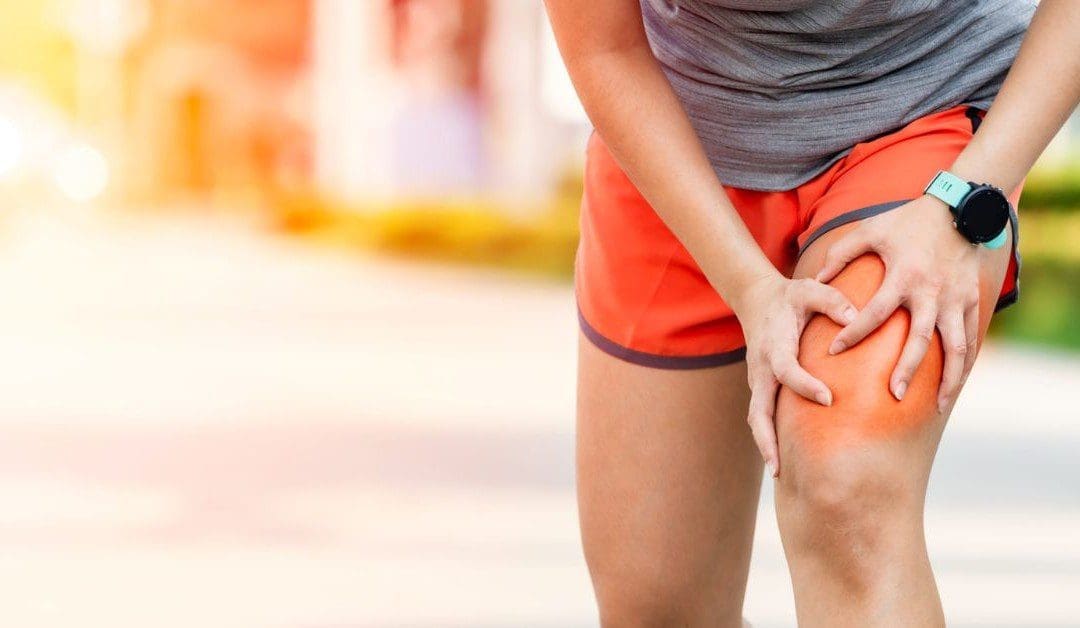
When dealing with knee pain, it could often be a joint disorder like osteoarthritis or a musculoskeletal condition like sciatica pain associated with the knee. These issues could be due to normal factors like constantly sitting down or bending down to lift heavy objects that cause the knees to buckle. However, when the popliteus muscle has been continuously overused from being bent, it can form tiny nodules known as trigger points to cause knee pain. Studies reveal that trigger points on the muscles surrounding the knee are often ignored during a clinical diagnosis. Trigger points cause referred pain to the surrounding muscles, accompanied by various sensory sensations like heaviness, tingling, and hypersensitivity to the popliteus muscle. In “Myofascial Pain and Dysfunction,” written by Dr. Travell, M.D. stated that one of the chief complaints that many patients often talk to their doctors about is the pain they feel in the back of their knees when they are in a crouch position. The book also states when normal actions like running or twisting have overloaded the popliteus muscle, it can cause trauma or strain to the popliteus muscle and tear the posterior cruciate ligament to the knees.
How To Find Trigger Points In The Popliteus- Video
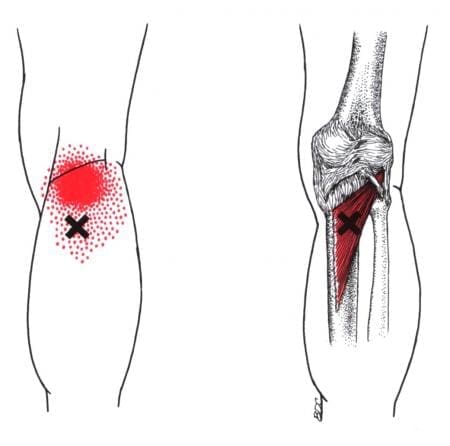
Have you been having knee issues that make walking difficult for a long period? Do you feel like your knees are locking up constantly? What about feeling unstable when standing or carrying objects around? These issues that affect the knees are associated with trigger points along the popliteus muscles. The popliteus muscle is small, located at the back of the knees, and assists with knee flexion. When the popliteus muscle becomes overused, it can cause trigger points to form and cause knee issues. Studies reveal that various issues, like tendon injuries, are associated with repetitive mechanical stresses that can cause degenerative knee lesions. Any trauma or muscle strain can affect the knee’s function of flexing and bending without pain for trigger points to form along the popliteus muscles. The video above focuses on the popliteus muscle, where the trigger points are located, and where the referred pain patterns are situated in the knees. On the bright side, all is not lost, as various treatments offer ways to manage knee pain associated with trigger points.
Managing Knee Pain Through Various Treatments
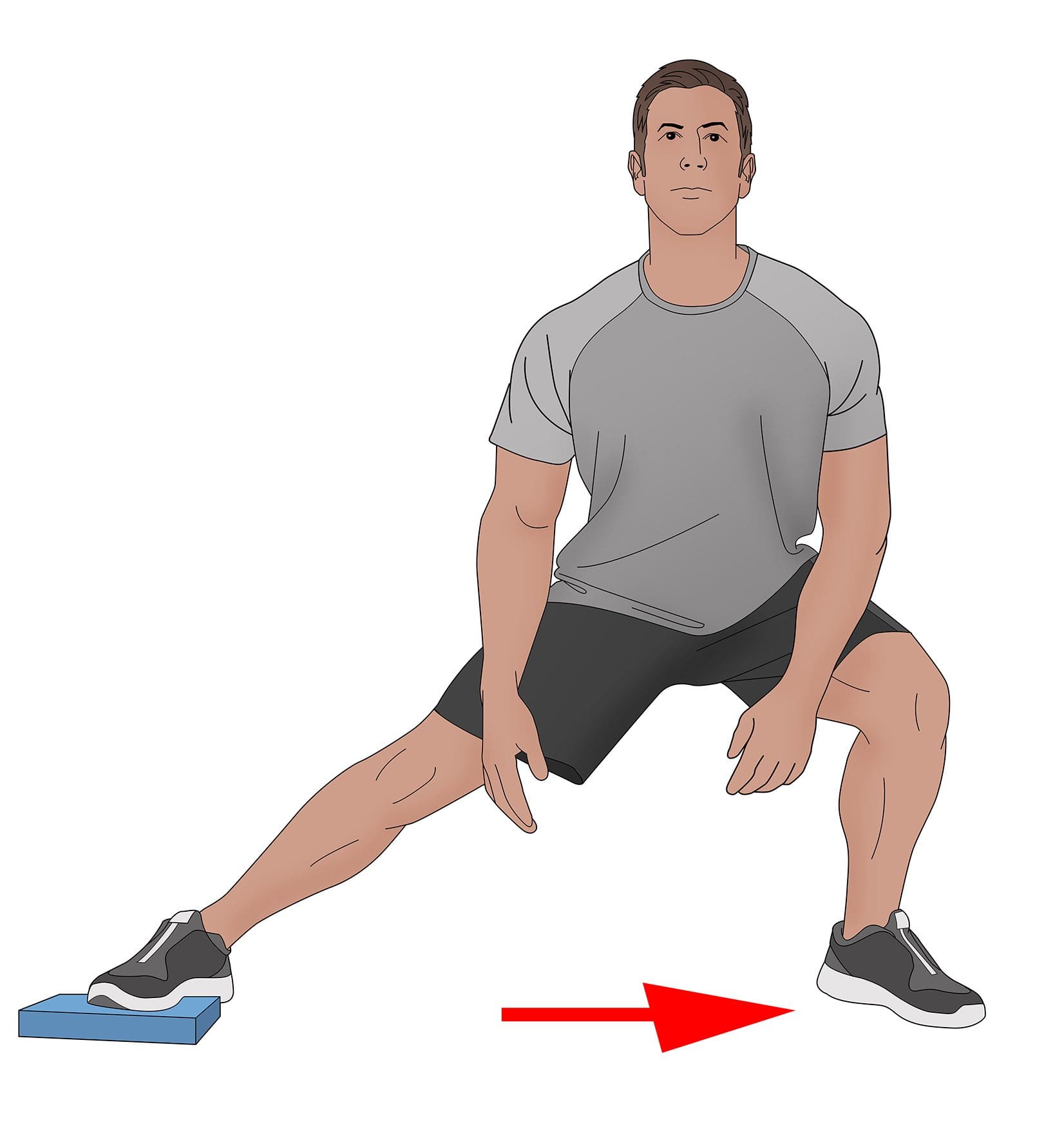
When it comes to knee pain, many individuals will apply an ice or heat compress to allow the surrounding muscles to relax while reducing the pain and swelling. Other individuals use over-the-counter medicines to eliminate the pain for a few hours. While these work at managing knee pain, various treatments target trigger points and can help improve flexion mobility back to the knees. Studies reveal that muscle stretching on the popliteus muscle contributes to joint position sense to knee joint stability and function. Stretching the popliteus muscles can reduce the pain in the back of the knee while elongating the muscle fibers to manage trigger points from forming again. Other treatments that people can do to avoid trigger points from returning is to avoid walking or running in a lateral sloped area to prevent the knees from locking up. Incorporating these treatments to prevent knee issues and allow the knee to function properly.
Conclusion
The knees are one of the stabilizers in the body that are located between the thighs and legs, allowing flexion and extension. As a small muscle located in the back of the knees, the popliteus stabilizes the knees and enables them to be in motion without pain. However, when the popliteus muscle becomes overstretched and overused, it can develop trigger points in the popliteus that invoke referred pain to the surrounding muscles and cause the knees to lock up. To that point, it causes the body to be unstable and mimics knee pain issues. Fortunately, trigger points are treatable through various treatments that help relieve the pain and reduce the trigger points from returning. When these treatments are utilized on the knees, the surrounding muscles regain flexion mobility in the lower body.
References
English, S, and D Perret. “Posterior Knee Pain.” Current Reviews in Musculoskeletal Medicine, U.S. National Library of Medicine, 12 June 2010, https://www.ncbi.nlm.nih.gov/pmc/articles/PMC2941578/.
Ghaffarinejad, Farahnaz, et al. “Effect of Static Stretching of Muscles Surrounding the Knee on Knee Joint Position Sense.” British Journal of Sports Medicine, U.S. National Library of Medicine, Oct. 2007, https://www.ncbi.nlm.nih.gov/pmc/articles/PMC2465159/.
Hyland, Scott, and Matthew Varacallo. “Anatomy, Bony Pelvis and Lower Limb, Popliteus Muscle.” In: StatPearls [Internet]. Treasure Island (FL), StatPearls Publishing, 6 June 2022, https://www.ncbi.nlm.nih.gov/books/NBK526084/.
Mann, R A, and J L Hagy. “The Popliteus Muscle.” The Journal of Bone and Joint Surgery. American Volume, U.S. National Library of Medicine, Oct. 1977, https://pubmed.ncbi.nlm.nih.gov/908724/.
Sánchez Romero, Eleuterio A, et al. “Prevalence of Myofascial Trigger Points in Patients with Mild to Moderate Painful Knee Osteoarthritis: A Secondary Analysis.” Journal of Clinical Medicine, U.S. National Library of Medicine, 7 Aug. 2020, https://www.ncbi.nlm.nih.gov/pmc/articles/PMC7464556/.
Travell, J. G., et al. Myofascial Pain and Dysfunction: The Trigger Point Manual: Vol. 2:the Lower Extremities. Williams & Wilkins, 1999.
When many individuals begin to work out or start training for an event, they incorporate various muscles to give optimal output and strength when doing a set of exercises. Many athletes or individuals trying to train for an event or to better themselves have to do a pre-workout routine involving various stretches to warm up the muscles before the actual workout and do stretches post-workout again. This ensures that the muscles are ready to give it their all when a person is working out. The body has various parts with different functions and jobs that help the body’s motor function. The upper body has the shoulders, arms, hands, elbows, neck, head, and chest to allow movements and stability. At the same time, the lower body has the hips, low back, thighs, legs, knees, pelvis, and feet to support the upper body’s weight and stabilize the lower extremities from collapsing. When various factors affect the body, it can lead to dysfunction and causes referred pain to different body locations that can mask chronic conditions. Today’s article looks at one of the lower body muscles located at the inner thighs, known as the pectineus muscle, how trigger point pain affects the inner thighs, and various stretches to strengthen the hip adductors. We refer patients to certified providers who incorporate multiple methods in the lower body extremities, like thigh and hip pain treatments correlating to trigger point pain, to aid individuals dealing with pain symptoms along the pectineus muscle. We encourage and appreciate patients by referring them to associated medical providers based on their diagnosis, especially when appropriate. We understand that education is an excellent solution to asking our providers complex questions at the patient’s request. Dr. Jimenez, D.C., utilizes this information as an educational service only. Disclaimer
What Is The Pectineus Muscle?
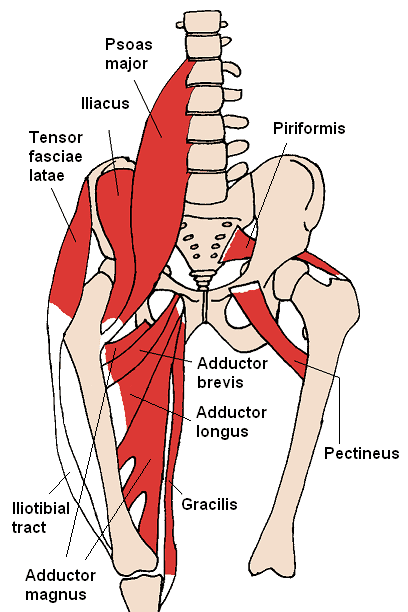
Have you been experiencing pain in your inner thighs? Do you find it difficult to play various sports? Do you feel tenderness or soreness in your thighs or near your groin? Most of these symptoms are associated with trigger point pain along the pectineus muscles that affect the thighs. The pectineus is part of the anterior thigh muscles that extend the leg to the knee joint. The pectineus works with another muscle known as the sartorius and a muscle group known as the quadriceps femoris. The pectineus muscle is responsible for flexion, adduction, and medial rotation since it is a hip adductor for the thighs. This muscle is important for various sports activities like running, skating, soccer, or basketball and can become overused due to overstretching the legs too far, thus developing trigger points in the pectineus muscle.
Trigger Point Pain Affecting The Inner Thighs
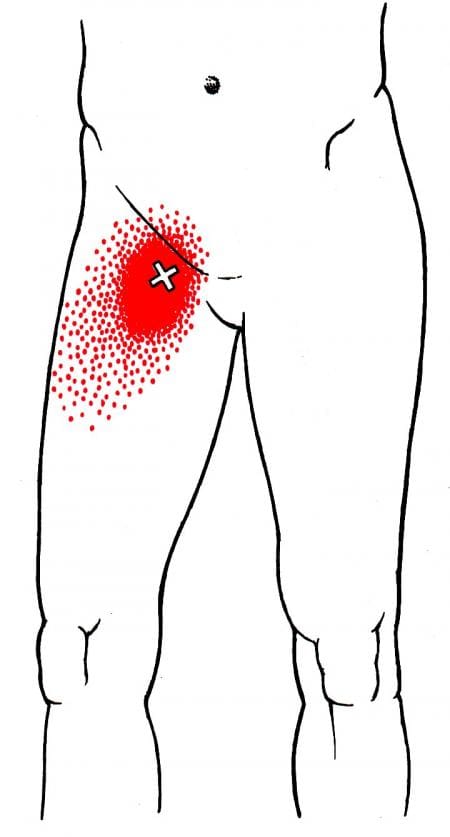
When athletes overuse their legs and overstretch the pectineus muscle, it can cause issues with the thighs, hips, and legs’ mobility causing referred pain to the lower body. This is known as trigger point pain and can be challenging when diagnosing where the pain is located. Studies reveal that trigger point pain affecting the inner thighs, especially the pectineus muscle, can mimic groin and hip pain, causing various symptoms in the lower extremities. The multiple symptoms can include:
Weak adductor muscles
Muscle fatigue
Decreased range of motion
Leg-length discrepancy
Various reasons can lead to the development of trigger point pain associated with the inner thighs along the pectineus; according to “Myofascial Pain and Dysfunction,” written by Dr. Janet G. Travell, M.D., stated that when patients are dealing with pectineus trigger points would complain about the referred pain surrounding the muscle but not the muscle itself. The book also mentioned that nerve entrapment could also be an issue since trigger points like to mimic other chronic conditions. Trigger points along the pectineus muscle can also develop associated with hip joint diseases like advanced osteoarthritis.
Treating Trigger Points In Hip Adductors- Video
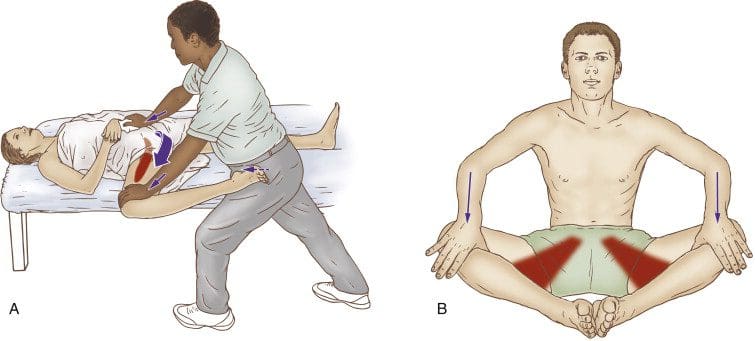
Are you experiencing issues when moving around constantly? Do you experience pain in your inner thighs and hips? Or do you have difficulty rotating your thighs or hips? If you have been dealing with these issues throughout your entire life, it could be due to your pectineus muscles being affected by trigger points along your inner thighs. Trigger points (myofascial pain syndrome) develop tiny nodules along the muscle fibers, causing referred pain to the surrounding muscles that can cause dysfunction in the lower extremities. Studies reveal that myofascial trigger points can cause the affected muscles to be intensely sensitive and irritable, predominantly near the reflex muscle. To that point, it causes hip and thigh disability in the lower body. Fortunately, there are ways to reduce the pain and manage the trigger point pain along the pectineus muscle, as shown in the video above. The hip adductor muscles are being stretched and treated for trigger point pain and allowing mobility back to the hips and inner thighs.
Various Stretches To Strengthen Hip Adductor
Since the pectineus muscle is part of the hip adductor muscles, various stretches can reduce the chances of trigger points from future development while minimizing the pain that it is causing along the surrounding muscles. Studies reveal that multiple exercises and stretches for the pectineus muscle can help with hip flexion and stabilization. These stretches can help stretch and strengthen the hip adductor muscles while preventing groin pain associated with trigger points. Incorporating these stretches before and after a workout can reduce trigger points and allow hip mobility and thigh rotation back to the legs. This ensures that the trigger points along the pectineus muscle are managed, and the individual doesn’t have to suffer from referred pain issues on the thighs and can move around without pain.
Conclusion
As part of the hip adductor muscles, the pectineus is a small muscle that extends the leg to the knees and allows the thighs to flex, adduct, and rotate without pain. This muscle is important for many athletes participating in sports and can be easily overstretched to cause referred pain around the thighs. To that point, it can develop trigger points along the pectineus muscles can correlate to groin pain in the lower extremities. All is not lost, as various stretches and exercises can strengthen the hip adductor muscles and improve thigh and hip mobility. This allows athletes and individuals to continue playing the sport they enjoy.
References
Giphart, J Erik, et al. “Recruitment and Activity of the Pectineus and Piriformis Muscles during Hip Rehabilitation Exercises: An Electromyography Study.” The American Journal of Sports Medicine, U.S. National Library of Medicine, July 2012, https://pubmed.ncbi.nlm.nih.gov/22523373/.
Khan, Ayesha, and Abdul Arain. “Anatomy, Bony Pelvis and Lower Limb, Anterior Thigh Muscles.” In: StatPearls [Internet]. Treasure Island (FL), StatPearls Publishing, 10 June 2022, https://www.ncbi.nlm.nih.gov/books/NBK538425/.
Kiel, John, and Kimberly Kaiser. “Adductor Strain.” In: StatPearls [Internet]. Treasure Island (FL), StatPearls Publishing, 21 June 2022, https://www.ncbi.nlm.nih.gov/books/NBK493166/.
Simons, D. G., and L. S. Simons. Myofascial Pain and Dysfunction: The Trigger Point Manual: Vol. 2:the Lower Extremities. Williams & Wilkins, 1999.
Wada, Juliano T, et al. “An Anatomical Basis for the Myofascial Trigger Points of the Abductor Hallucis Muscle.” BioMed Research International, Hindawi, 22 Jan. 2020, https://www.ncbi.nlm.nih.gov/pmc/articles/PMC6998759/.
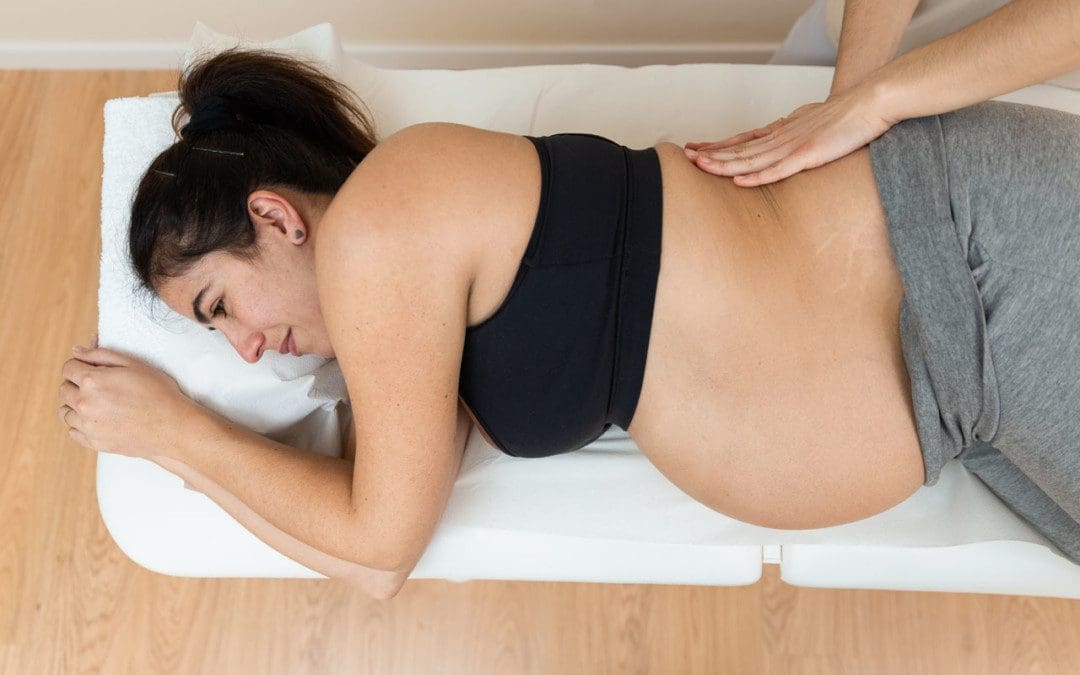
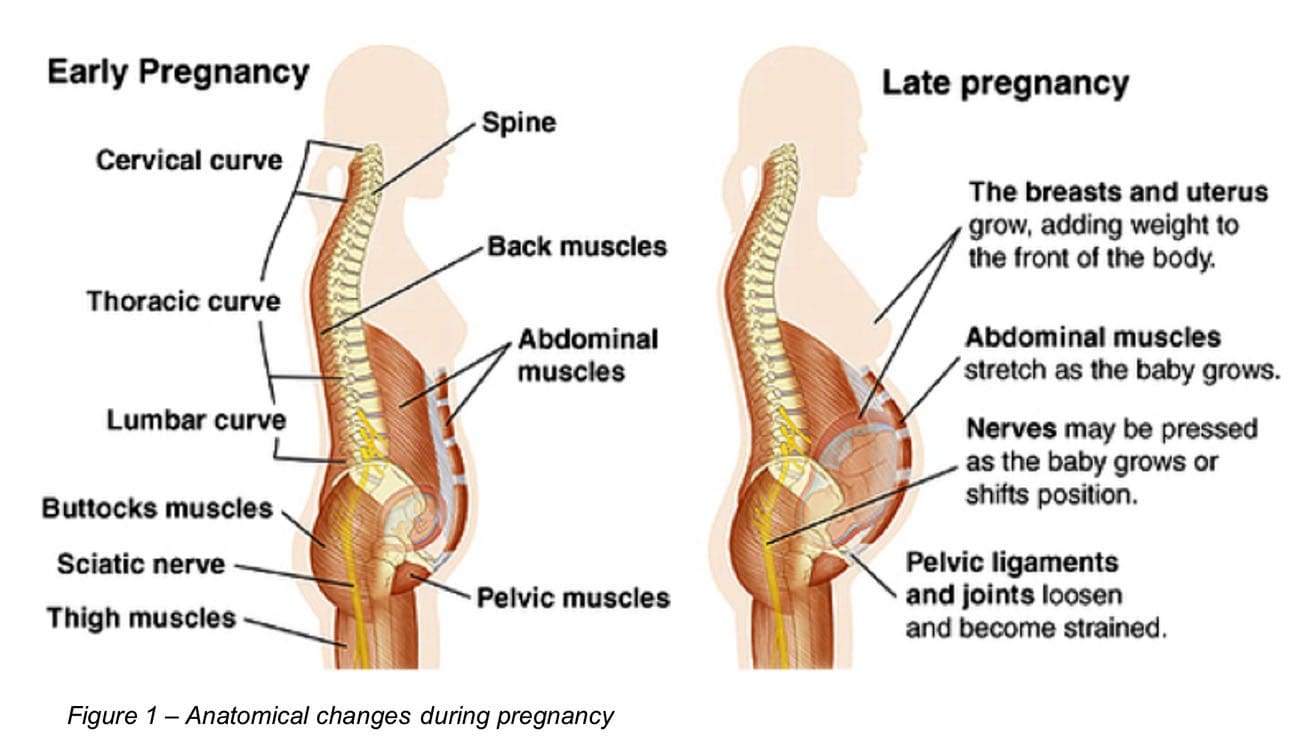
The body experiences physical changes during pregnancy. As the baby grows, the body has to adjust, which can cause unfamiliar aches and pains. A common issue for pregnant women is sciatica symptoms or lumbar radiculopathy, which radiates discomfort sensations that travel down the lower spine, down the back of the thigh, and into the foot. Chiropractic care and massage therapy can realign the spine and hips, therapeutically massage circulation through the body, relieve symptoms, and restore function.
Pregnancy Sciatica
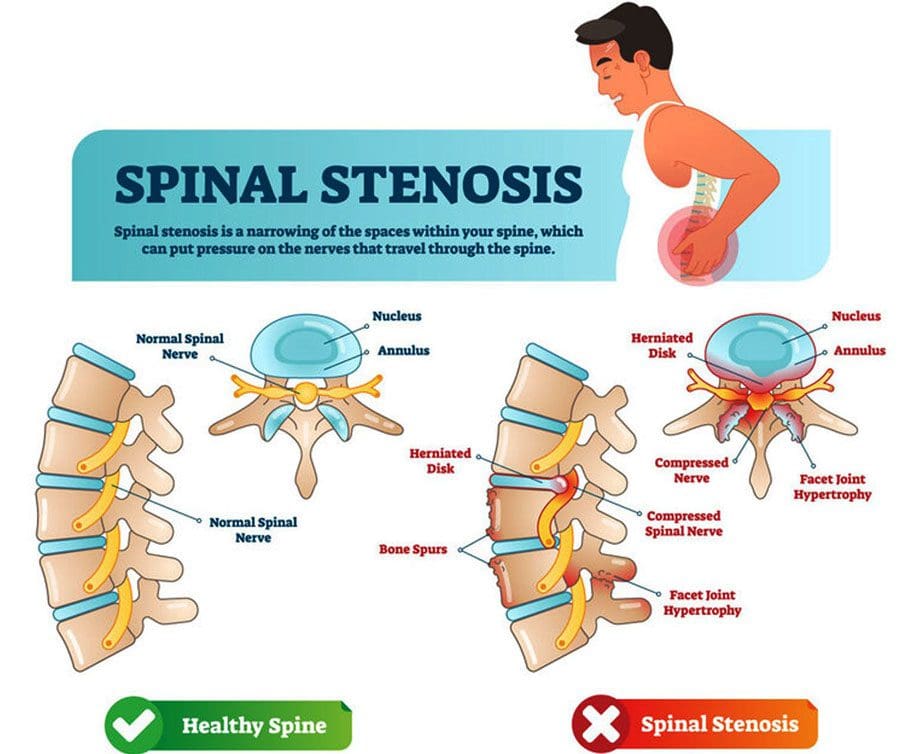
The sciatic nerve is the largest in the body and the main nerve in the legs. In most cases, sciatica happens when this nerve gets compressed by bulging, slipped, or ruptured spinal discs, arthritis, or spinal stenosis.
Symptoms
Aches and pains that result from sciatica range from mild to severe sensations. Symptoms include:
Pain that travels from the pelvis down the back of the leg.
A burning sensation in the low back and buttocks.
Jolting pain that feels like an electric shock.
Numbness, muscle weakness, or tingling in one leg or foot.
Tingling sensation in one part of the body and pain in another.
Pain that worsens when coughing, sneezing or sitting for long periods.
Causes
Sciatica during pregnancy can be caused by:
Weight gain is going to pull the spine and muscles down.
Increased fluid retention can place added pressure on the nerve as it passes through the pelvis.
The expanding uterus can press down on the nerve in the lower part of the spine.
The growing belly and breasts shift the center of gravity forward and stretch the lordotic curve causing the muscles in the:
Buttocks and pelvis to tighten up and compress the sciatic nerve.
The baby’s head can rest directly on the nerve when settling into the proper birth position in the third trimester.
A herniated or slipped disc caused by the extra pressure of the growing uterus can be the cause, although this is less common.
Pregnancy also causes the body to release a hormone called relaxin, designed to relax the ligaments and prepare the pelvis for childbirth.
Loose ligaments can cause spinal compression and affect the sciatic nerve.
Sciatica will most likely occur during the third trimester when mother and baby are bulking up, but it can develop earlier, although this is less common. Most women experience symptoms on one side, though it can affect both legs. The condition can be constant or intermittent, depending on the amount of pressure placed on the nerve, and can remain for a few months after giving birth when the excess weight and fluid are gone.
Treatment Techniques
Simple home remedies and treatment to help ease the symptoms. These include:
Sleep on Your Side
Rest on the side of the body that does not present symptoms when lying down.
Prenatal massage can reduce stress, improve blood circulation, and regulate hormones.
Chiropractic and Physical Therapy
Chiropractic is non-invasive and drug-free, making it a safe and gentle option for mom and baby.
A professional chiropractor can evaluate the condition.
Identify and remove interferences in the nervous system from the source.
Realign the bones.
Provide a personalized treatment plan to alleviate symptoms and stretches and strength-building exercises.
Sciatica In Pregnancy
References
American Pregnancy Association: “Prenatal Massage Therapy.
American Pregnancy Association: “Sciatic Nerve Pain During Pregnancy: Causes and Treatment.”
FRIEDMANN, E. “Narrowing of the spinal canal due to thickened lamina a cause of low-back pain and sciatica.” Clinical orthopedics vol. 21 (1961): 190-7.
Goldsmith, Laura T, and Gerson Weiss. “Relaxin in human pregnancy.” Annals of the New York Academy of Sciences vol. 1160 (2009): 130-5. doi:10.1111/j.1749-6632.2008.03800.x
KULOWSKI, J. “Unusual causes of low back pain and sciatica during pregnancy.” American journal of obstetrics and gynecology vol. 84 (1962): 627-30. doi:10.1016/0002-9378(62)90156-4
Trager, Robert J et al. “Ischial osteochondroma as an unusual source of pregnancy-related sciatic pain: a case report.” Chiropractic & manual therapies vol. 30,1 45. 17 Oct. 2022, doi:10.1186/s12998-022-00451-3
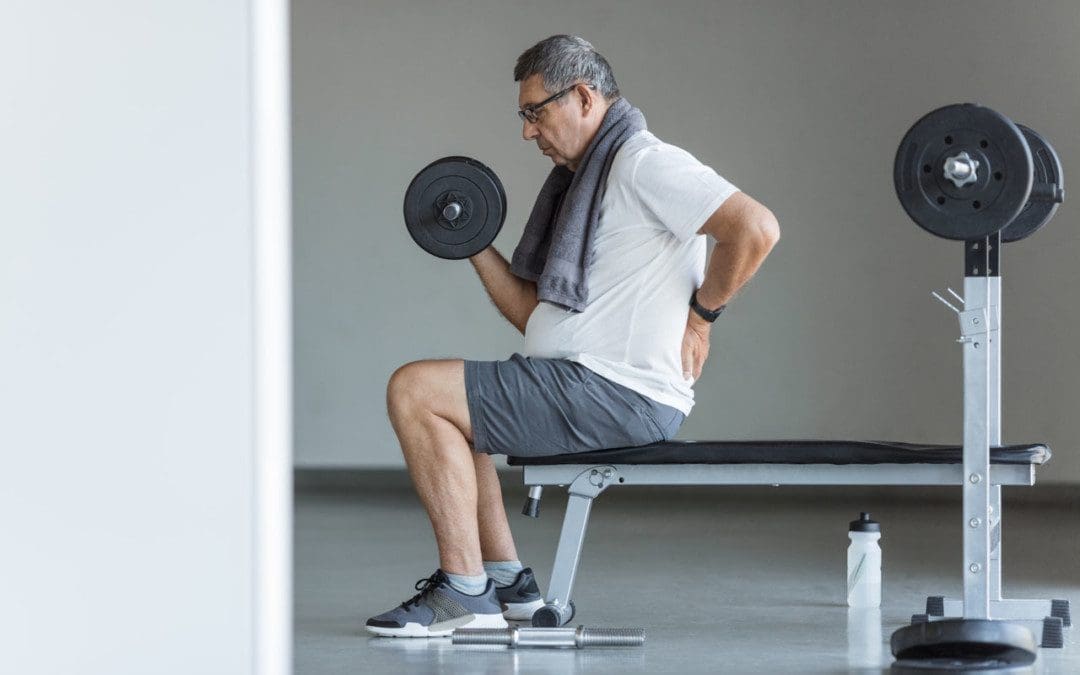
Claudication is muscle pain that presents when the body is active and stops when the body is at rest, also known as intermittent claudication. Individuals typically report dull aching, cramping, tingling, and/or numbness. Vascular claudication is caused by circulatory problems like poor blood circulation and peripheral artery disease. Still, spinal conditions can also cause neurogenic claudication caused by problems with the spine and nervous system.
Neurogenic Claudication
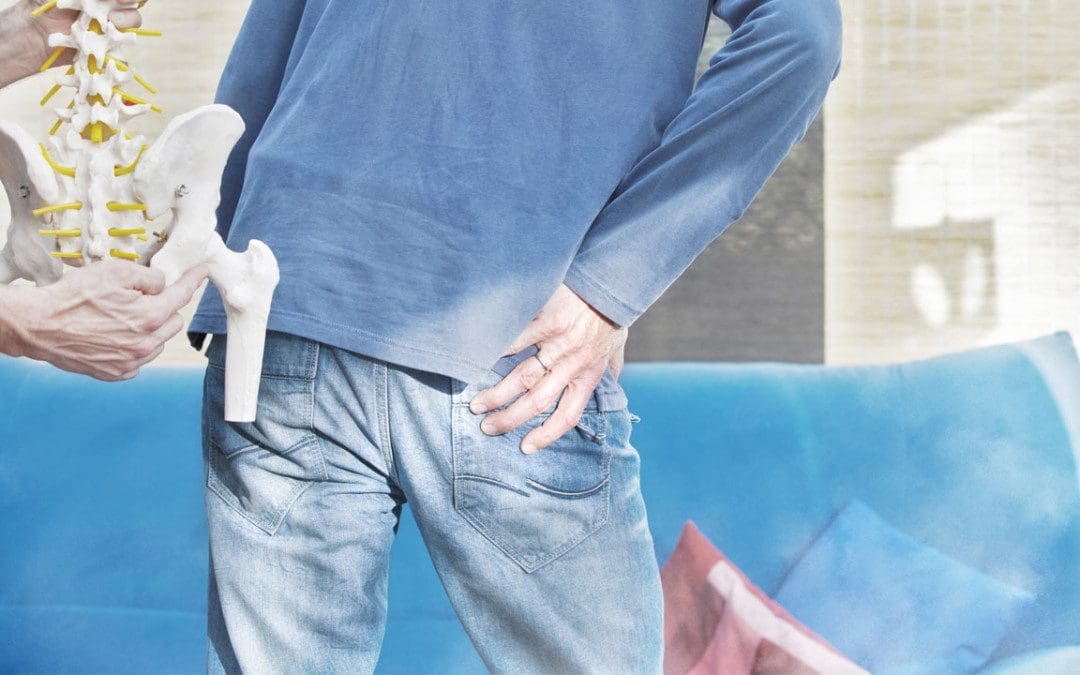
Sciatica is the usual suspect when thigh, hip, buttock, calf, or total leg pain or other sensations are present; however, it could be spinal stenosis with neurogenic claudication. Spinal stenosis is sometimes called pseudo claudication, a narrowing of the space around the low back, which can put pressure on the spinal cord directly and compress the blood vessels around the spine, cutting off oxygen-carrying blood. Pain can start in the lower back and circulate down the legs and cause weakness, tingling, or numbness in the legs and feet. The most common areas of spinal compression include:
The foramen are the openings on the sides of the spine where nerves exit and connect to the peripheral nervous system.
The narrowing can occur in any of these areas, with the most common cause being lumbar spinal stenosis brought on by lumbar degenerative disease.
Symptoms
The most common symptoms of neurogenic claudication include:
Pain in the lower extremities, including the buttocks, thighs, and calf, only manifests with activities like walking or standing around.
Pain that shows up equally on both sides.
There is no pain when sitting or not walking around.
Radiculopathy or nerve pain that radiates down an affected limb. Sciatica is a typical example.
However, the symptoms of claudication and radiculopathy are different.
Claudication will be felt all along the length of the nerve.
Radiculopathy pain is more localized to the buttock, thighs, and calves and can get worse with activity and is generally present even when at rest.
Treatment
Non-surgical treatment of neurogenic claudication includes medication to help control pain, chiropractic manual therapy, non-surgical spinal decompression, physical rehabilitation therapy, and steroid shots to reduce inflammation. A doctor will recommend stretching, strengthening exercises, and types of activities to help improve the body’s ability to support itself. This could include swimming, walking, and stationary cycling. However, conservative treatment might not be an option for individuals with more severe cases. If conservative treatment options don’t work, surgery could be recommended. A healthcare provider can help explain treatment options. Successful outcomes have been seen in cases that are diagnosed and treated early.
Non-Surgical Spinal Decompression Chiropractor
References
Colak, Ahmet, et al. “A less invasive surgical approach in the lumbar lateral recess stenosis: a direct approach to the medial wall of the pedicle.” The European spine journal: official publication of the European Spine Society, the European Spinal Deformity Society, and the European Section of the Cervical Spine Research Society vol. 17,12 (2008): 1745-51. doi:10.1007/s00586-008-0801-z
Munakomi S, Foris LA, Varacallo M. Spinal Stenosis And Neurogenic Claudication. [Updated 2022 Feb 12]. In: StatPearls [Internet]. Treasure Island (FL): StatPearls Publishing; 2022 Jan-. Available from: https://www.ncbi.nlm.nih.gov/books/NBK430872/
The body can bend, twist, turn, and move without pain, while the spine allows the body to be held upright. When the body gets injured, and the spine starts to feel pain from the ligaments, the nerve root, the spinal discs, and the spinal cord, it can cause either leg pain, back pain, or both depending on the severity. The pain can range from a dull, mild ache to a sudden, sharp shooting pain that can radiate from the leg to the feet. Luckily there are many treatments to help alleviate lumbar pain and can bring back a person’s quality of life. In this article, we will be looking at what leg pain is, its factors, and its symptoms, as well as how decompression can relieve leg pain for many individuals. By referring patients to qualified and skilled providers specializing in spinal decompression therapy. To that end, and when appropriate, we advise our patients to refer to our associated medical providers based on their examination. We find that education is the key to asking valuable questions to our providers. Dr. Alex Jimenez DC provides this information as an educational service only. Disclaimer
Can my insurance cover it? Yes, it may. If you are uncertain, here is the link to all the insurance providers we cover. If you have any questions, please call Dr. Jimenez at 915-850-0900.
What Is Leg Pain?
Ever wonder, “why are my legs aching so much?” or “my legs can’t stop twitching even when I am sitting down?” How about feeling a sharp pain from the buttock down to the back of the leg to the feet. This is known as leg pain, and research shows that leg pain can be intermittent or constant in the body. Not only that, but leg pain can have a range of sensations, from a dull ache to a throbbing, burning sensation that travels the leg itself. Now many causes can contribute to leg pain, and it usually starts in the lower back, the pelvis, or even the leg itself. Some of the common causes include:
As stated earlier, one of the causes contributing to leg pain is low back pain. Research studies have noted that around 60% of individuals with low back pain have also suffered leg pain. When leg pain is associated with low back pain, it is known as radicular pain. Leg pain can also affect the spinal nerve root involvement, and other research studies have found that low back-related leg pain is one of the most common variations of low back pain and can contribute to sciatica. Some of the symptoms that individuals are experiencing with leg pain include:
Leg weakness due to the lumbar or sacral spinal nerve being compressed
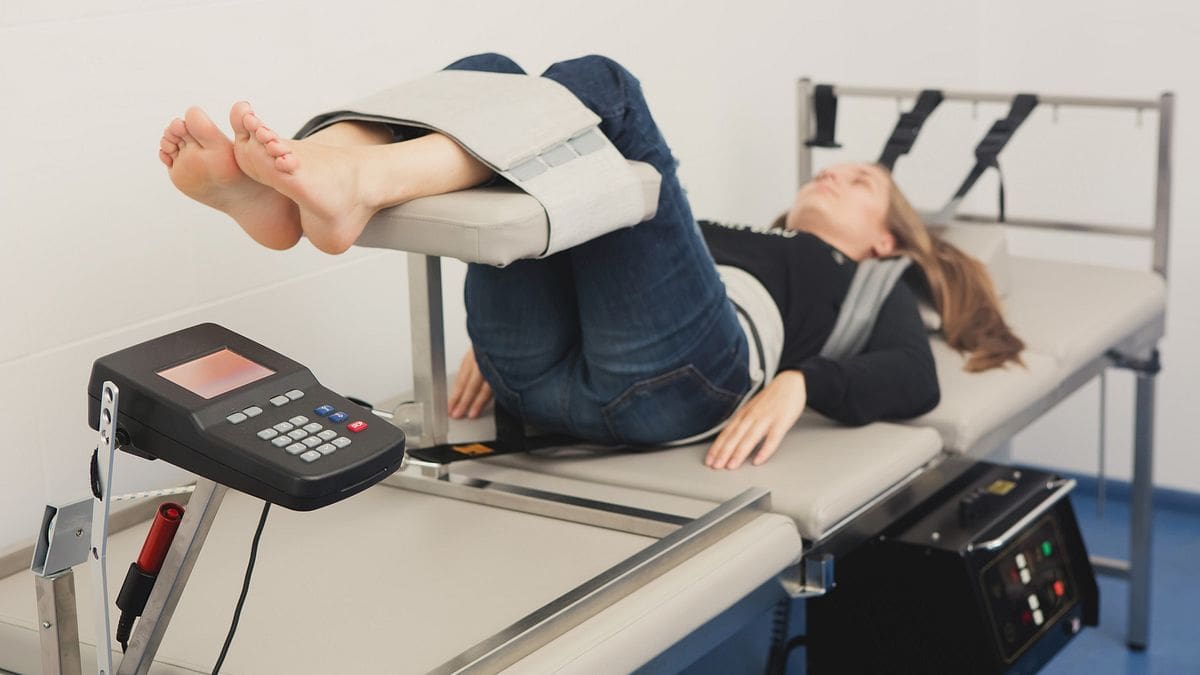
The video above shows how non-surgical decompression is used for the lumbar spine and can help alleviate a wide variety of issues that are not only affecting the back but can also alleviate other symptoms that are associated with low back pain like sciatica, herniated discs, and leg pain to name a few. What decompression therapy does to the individual is that it utilizes traction by gently stretching the spine allowing the compressed spinal discs to relieve themselves and stop touching the nerve roots spread out from the spine. This causes relief to many individuals that are suffering from sciatica and leg pain that is associated with low back pain. When the spine is being decompressed, the beneficial nutrients rehydrate the spinal discs and increase their disc height, allowing a person to get back their quality of life. If you want to learn more about spinal decompression therapy, this link will explain the benefits of spinal decompression and how it can alleviate low back pain symptoms.
Decompression Therapy Can Relieve Leg Pain
As stated earlier, the questions of “Why are my legs aching so much?” or “Why can’t my legs stop twitching when I am sitting down?” or even feeling a sudden sharp pain that runs from the lower back down to the leg have been searched all over the internet. The search results have stated that this is due to leg pain. How about treatments for leg pain? Most of the results show that light stretches, leg surgery, or taking pain medication can help; however, non-surgical treatments can help alleviate leg pain, and that is by utilizing decompression therapy.
Research studies have found that low back pain is one of the most common musculoskeletal disorders and that leg pain is associated with low back pain causing radicular symptoms. The lumbar spinal nerve roots are compressed when this happens, causing a burning, electric sharp pain that affects the back and legs. With decompression therapy, it allows the individual to feel the gentle stretch on their spine, causing a reduction in the intra-disc pressure and disc protrusion while also increasing the disc space and improving leg mobility. Other research studies have also found that the combination of both manual and spinal decompression therapy can help decrease the internal pressure of the intervertebral disc while increasing its height and taking pressure off the nerve root that is causing pain to the lower back and the leg. Decompression therapy also helps rehydrate the spinal discs and extend the annulus fibrosis and posterior ligaments to alleviate nerve root adhesion and disc herniation.
Conclusion
When the body is suffering from an injury that starts to affect the back and leg, it can cause severe issues for the individual. The pain ranges from a mild, dull ache to a sharp, sudden pain that can radiate down the lower back to the leg. Therefore, leg pain is associated with low back pain as the compressed spinal discs affect the nerve roots that are spread throughout the entire body. When a nerve root is irritated or compressed on the legs, it can cause symptoms like sciatica to initiate a sharp pain running down the leg itself. Luckily treatments like decompression therapy can help alleviate leg pain in a non-surgical way by utilizing traction to gently stretch the spinal disc off the compressed nerve root to alleviate symptoms causing low back and leg pain. Incorporating decompression therapy as part of your wellness journey can provide tremendous benefits to becoming pain-free.
References
Amjad, Fareeha, et al. “Effects of Non-Surgical Decompression Therapy in Addition to Routine Physical Therapy on Pain, Range of Motion, Endurance, Functional Disability and Quality of Life versus Routine Physical Therapy Alone in Patients with Lumbar Radiculopathy; a Randomized Controlled Trial.” BMC Musculoskeletal Disorders, BioMed Central, 16 Mar. 2022, https://www.ncbi.nlm.nih.gov/pmc/articles/PMC8924735/.
Cooper, Grant. “Leg Pain and Numbness: What Might These Symptoms Mean?” Spine, Spine-Health, 30 Sept. 2019, https://www.spine-health.com/conditions/leg-pain/leg-pain-and-numbness-what-might-these-symptoms-mean.
Konstantinou, Kika, et al. “Characteristics of Patients with Low Back and Leg Pain Seeking Treatment in Primary Care: Baseline Results from the Atlas Cohort Study.” BMC Musculoskeletal Disorders, BioMed Central, 4 Nov. 2015, https://www.ncbi.nlm.nih.gov/pmc/articles/PMC4634730/.
Oh, Hyunju, et al. “Effects of the Flexion-Distraction Technique and Drop Technique on Straight Leg Raising Angle and Intervertebral Disc Height of Patients with an Intervertebral Disc Herniation.” Journal of Physical Therapy Science, The Society of Physical Therapy Science, Aug. 2019, https://www.ncbi.nlm.nih.gov/pmc/articles/PMC6698474/.
Stynes, Siobhán, et al. “Classification of Patients with Low Back-Related Leg Pain: A Systematic Review.” BMC Musculoskeletal Disorders, BioMed Central, 23 May 2016, https://www.ncbi.nlm.nih.gov/pmc/articles/PMC4877814/.
Individuals drive to jobs, to school, run errands, take road trips, spending a lot of time on the road. Accidents and crashes happen more frequently with all kinds of injuries. The National Highway Traffic Safety Commission has found that 37% of car accidents and crashes involve leg injuries and damage. Chiropractic physical rehabilitation and functional medicine can help heal injuries getting the individual back to everyday life.
Bruising and cuts are typical from the impact and the body getting slammed around. Lacerations can be noticed right away, but bruising comes from blood pooling underneath the skin and can take time to present, possibly 24 to 48 hours. Most bruises and cuts heal independently from home first aid care. A standard recovery used to take care of bruising is R.I.C.E or rest, ice, compression, and elevation. This helps the healing process; however, if the injury/s are more severe, chiropractic can help with therapeutic massage to relieve pain and strengthen the injured muscles, tendons, and ligaments.
ACL Injuries
The femur or thigh bone has several bands of tissue connecting it to the patella or kneecap and tibia or shin bone. One of the bands is the anterior cruciate ligament or ACL. Injuries to this band of tissue are common in sports. Car accidents and crashes are another common cause, specifically tearing the ligament. Individuals experiencing a tear may notice some or all of the following symptoms:
A cracking or popping sound when the accident or crash took place.
Swelling in and around the knee.
Severe pain in and around the knee.
Unstable and unsteady when walking or standing.
Reduced range of motion that makes walking or moving difficult.
A chiropractor can help treat the injury and help correct any muscular imbalances.
Meniscus Tears
Tears to the meniscus are also common in car accidents and crashes. The meniscusis a part of the knee. Two wedge-shaped pieces of cartilage provide a cushion where the femur and tibia meet to absorb shock. The wedges are called menisci.
When the meniscus tears, individuals might feel or hear a pop and could feel the leg suddenly give out.
Swelling in the knee.
Some pain but still be able to walk.
The knee will be stiff for the next few days.
More difficulty bearing weight or walking.
The RICE method is a recommended method of self-care. Many meniscus tears do not require surgery to improve knee function. Mild to moderate meniscus tears can be successfully treated with chiropractic techniques like soft tissue work, corrective stretches, and exercises. Surgery could eventually be necessary for severe cases to repair the meniscus to prevent long-term complications.
Chiropractic care can help the body heal and recover from a bone fracture. A patient’s bone density is evaluated and tested with an individualized treatment plan to help regain and maintain optimal bone strength. The treatments strengthen the muscles, reduce stiffness, improve nutrition, and relieve pain. Manipulation adjustments, rehabilitation, relaxation techniques, and dietary health coaching help individuals heal faster and strengthen their bones. The objective is to help regain increased mobility and range of motion.
Sciatica
Car accidents and crashes are one instance where the spine can be damaged enough to bring on sciatic pain where no back problems were present before. The impact from a car accident can cause the discs to be knocked out of place, damaged, and/or rupture around the surrounding tissue. Any of these results can pinch the sciatic nerve, leading to pain and other sciatica symptoms. Chiropractic can realign the spine and relieve pressure from the nerve/s.
DOC Spinal Decompression Table
References
Atkinson, T, and P Atkinson. “Knee injuries in motor vehicle collisions: a study of the National Accident Sampling System database for the years 1979-1995.” Accident; analysis and prevention vol. 32,6 (2000): 779-86. doi:10.1016/s0001-4575(99)00131-1
Foulk, David M, and Brian H Mullis. “Hip dislocation: evaluation and management.” The Journal of the American Academy of Orthopaedic Surgeons vol. 18,4 (2010): 199-209. doi:10.5435/00124635-201004000-00003
Wilson, L S Jr et al. “Foot and ankle injuries in motor vehicle accidents.” Foot & ankle international vol. 22,8 (2001): 649-52. doi:10.1177/107110070102200806
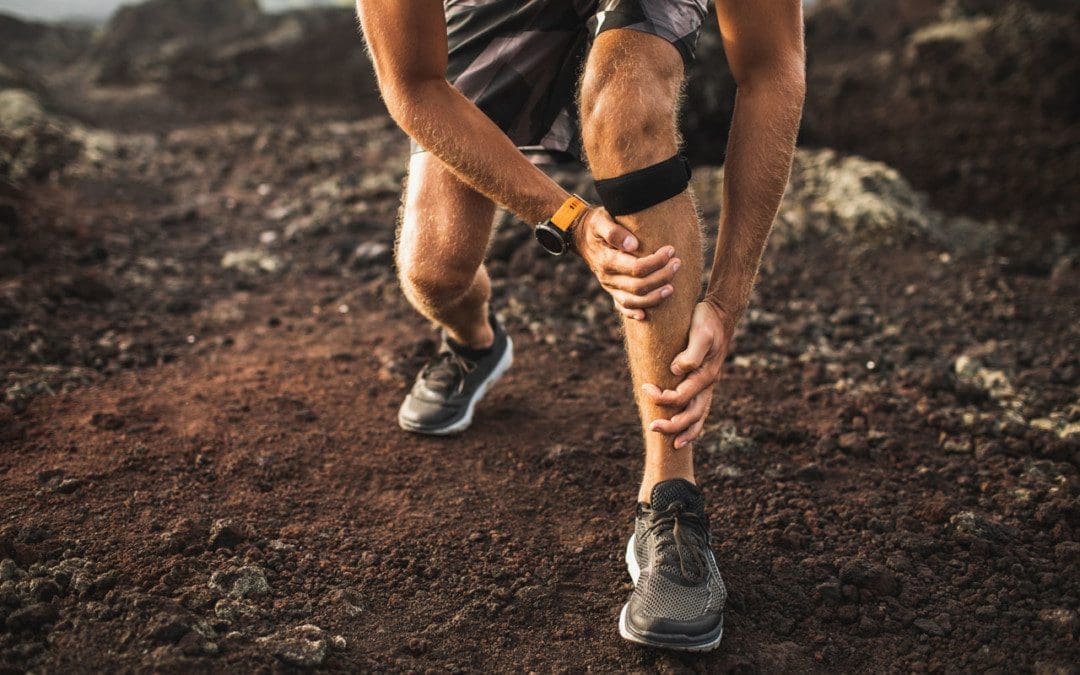
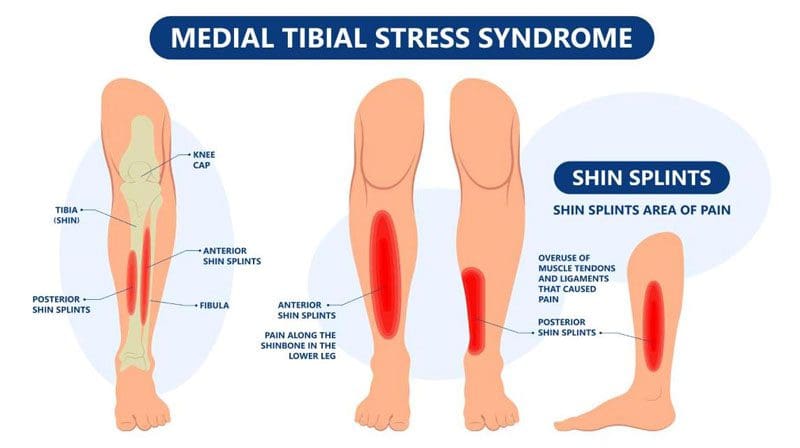
When stress is placed on the shins with physical activity from walking, running, or exercise, the connective tissues attaching the leg muscles to the tibia can become inflamed, causing medial tibial stress syndrome, more commonly known as shin splints. This inflammation is caused by tiny tears in the muscles and tendons of the shin. Chronic shin pain could be related to foot arch problems, underlying issues with the muscles, or shoes that don’t support the feet properly. Although it usually goes away within a few days, it’s important to monitor to ensure that it does not progress into a stress fracture. A chiropractor can offer treatments to relieve the pain and help prevent shin splints from recurring.
Medial Tibial Stress Syndrome
Medial tibial stress syndrome can impact anyone. It can come from walking far distances or in awkward positions like going downstairs with small steps, jumping rope, and playing with the kids on the playground can all cause burning, tightness, and pain in the shins. Shin splints affect individuals differently. For some, the pain recedes when the triggering activity is stopped. For others, the pain can become a chronic condition that results in continuous pain, even when at rest.
The Shin
The shin is a part of the tibia bone in the lower leg.
This bone absorbs the shocks when moving through daily activities.
The muscles that run along the shin support the foot’s arch and raise the toes during movement.
Medial tibial stress syndrome is caused by excessive force on the shinbone and the tissue around it, which causes the muscles to swell and increases pressure around the bone.
If left untreated, small tears in the muscle and the bone can form, leading to chronic pain and stress fractures.
Medial tibial stress syndrome is more likely to happen from:
Not stretching before physical activity or exercise.
Constantly walking or running on hard surfaces.
Wearing the wrong shoes that don’t provide enough cushioning or arch support.
Over-exertion on the body with activity and movement.
The body is not given the proper amount of time to recover.
Athletes often experience shin splints when they’ve intensified their training routine or changed it up.
Symptoms
Pain during exercise or activity.
Pain in the front of the lower leg.
Soreness in the lower leg.
Swelling in the lower leg.
Shin is hot to the touch.
Treatment
Whenever pain is being experienced, some muscles will either get tight or weak in response. By identifying the weak and/or tight muscles, a chiropractor can prescribe stretches and exercises that will help alleviate the pain and prevent it. One of the main principles of chiropractic is to treat the body as an interconnected system. A chiropractor may work on an unrelated part of the body to treat the symptomatic area. For example, they may work to align the spine and pelvis to lessen the impact on the lower legs.
Part of a treatment plan may include:
Soft Tissue Mobilization
A handheld instrument loosens tight tissues during soft tissue mobilization therapy and breaks scar tissue around the tibia.
Massaging tight muscles in the leg keeps them loose and alleviates the pain.
Percussion massage can be added to reduce muscle knots, improve blood flow, and loosen up scar tissue.
The treatment relieves pain and can help avoid shin splints when returning to normal activities.
Ultrasound and Low Laser Therapy
Ultrasound and low laser therapy use heat to warm the deep tissues in the lower leg gently.
The treatment eases pain, reduces inflammation, swelling, and increases blood flow.
Kinesio Taping
Applying flexible Kinesio tape to the foot and lower leg can reduce stress on the shins.
The chiropractor or physical therapist will show how to apply the tape correctly.
Foot Orthotics
Individuals may be more likely to develop shin splints if they have high or low arches or their feet tend to roll inward or outward when walking.
Prescription foot orthotics can be made to keep the feet properly balanced and supported.
Stretching Exercises
Shin splints could be related to tight muscles in the back of the calf and weak muscles in the front of the lower leg.
A chiropractor or physical therapist will show stretching and strengthening exercises to maintain muscle balance.
Body Composition
Retaining Water Due To Salt Intake
Salt/sodium is everywhere and hard to avoid.
It might not be a surprise that a single patty cheeseburger contains over 500 mg of sodium – almost a quarter of the daily recommended level, but it is a surprise to know that the ranch dressing on a salad contains as much as 270 mg or a tablespoon of soy sauce on a healthy, vegetable-only stir-fry has 879 mg of sodium. The Mayo Clinic estimates that the average individual consumes about 3,400 mg of sodium a day: close to double what is recommended. Sodium is linked with water retention, and it is the kidneys’ job to expel unneeded sodium out of the body. Until the kidneys activate, an individual will temporarily be retaining extra water. If daily water and sodium intake habits change daily, this can contribute to water retention, causing fluctuations in daily weight. So, if an individual was on a diet but flooded the body with more salt than usual, expect to see a temporary increase in weight.
References
Bates, P. “Shin splints–a literature review.” British journal of sports medicine vol. 19,3 (1985): 132-7. doi:10.1136/bjsm.19.3.132
Chiropractic Economics: The Science Behind Percussion Massage.
Gross, ML et al. “Effectiveness of orthotic shoe inserts in the long-distance runner.” The American journal of sports medicine vol. 19,4 (1991): 409-12. doi:10.1177/036354659101900416
Heer, Martina et al. “Increasing sodium intake from a previous low or high intake affects water, electrolyte and acid-base balance differently.” The British journal of nutrition vol. 101,9 (2009): 1286-94. doi:10.1017/S0007114508088041
McClure, Charles J. and Robert Oh. “Medial Tibial Stress Syndrome.” StatPearls, StatPearls Publishing, 11 August 2021.
IFM's Find A Practitioner tool is the largest referral network in Functional Medicine, created to help patients locate Functional Medicine practitioners anywhere in the world. IFM Certified Practitioners are listed first in the search results, given their extensive education in Functional Medicine