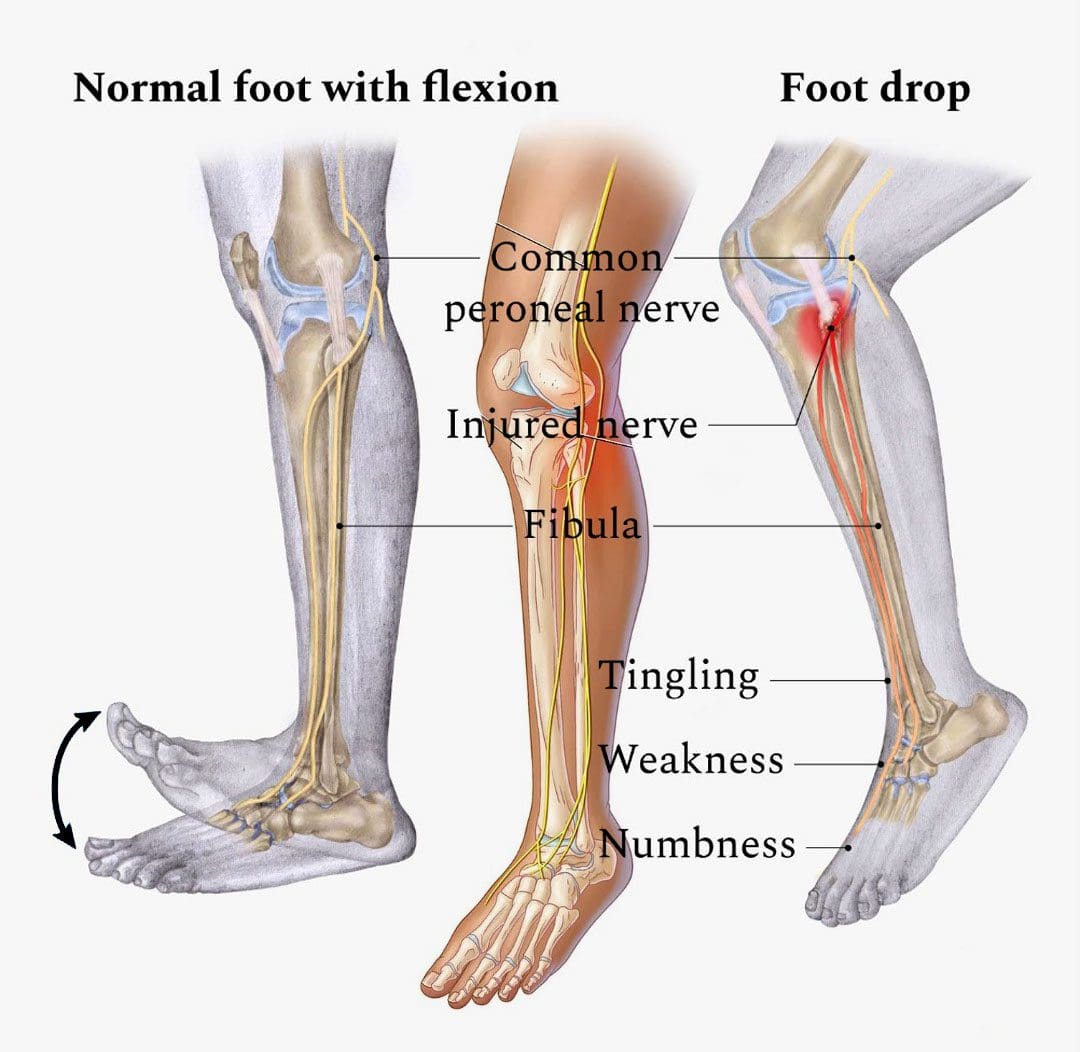
A peroneal nerve injury/peroneal neuropathy can be caused by direct trauma to the outer knee with symptoms and sensations of numbness, tingling, pins-and-needles sensations, pain, or weakness in the foot that can cause a condition known as foot drop. Chiropractic can perform spinal manipulation, realignment, and decompression to restore the nerve’s function. They can also help with walking and mobility by providing muscle strengthening and stretching exercises to correct abnormal gait caused by foot drop and increase the range of motion in the ankle.
Peroneal Nerve Injury
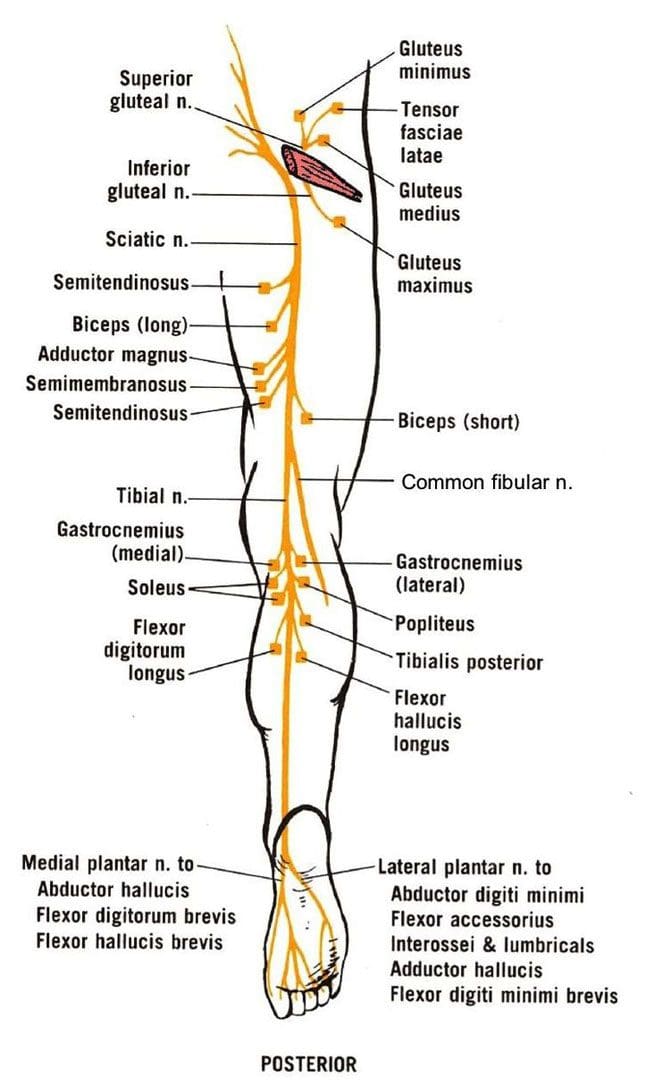
The peroneal nerve begins near the sciatic nerve at the glutes/hip and buttocks. It travels down the back of the thigh to the knee, which wraps around the front of the leg and extends into the feet to the toes. It provides sensory input from the lateral aspect of the lower leg and the top of the foot. It also provides motor input to the muscles responsible for lifting the foot off the ground lifting the toes and ankles and turning the foot outwards.
Causes
Structural problems in the spine or misalignment can affect the functionality of the nervous system and lead to peroneal neuropathy. Traumatic nerve injury causes include musculoskeletal injury, peroneal nerve paralysis, compression, or laceration. Injuries by trauma and nerve compression include:
Compression of the nerve in the leg.
Knee dislocation.
Knee or hip replacement surgery.
Knee or leg fracture. Fractures of the tibia or fibula, especially in the areas closer to the knee, can injure the nerve.
Ankle fracture.
Blood clot.
Compression by a nerve sheath tumor or cyst.
Certain underlying medical conditions can cause symptoms of peroneal nerve injury. It is recommended to be evaluated by a medical professional who can diagnose and offer appropriate treatment options. Neurologic disorders that can cause similar symptoms:
Herniated lumbar disc
Multiple sclerosis
Parkinson’s disease
Amyotrophic lateral sclerosis – ALS or Lou Gehrig’s disease.
Metabolic syndromes – diabetes, alcohol abuse, exposure to toxins.
Symptoms
Nerve injury symptoms include:
Numbness, tingling, or loss of sensation in the top of the foot or outer part of the lower leg.
Inability to flex toes or ankles upward/dorsiflexion.
Inability to flex the ankle to take a step forward.
Inability to move the foot.
Weakness in foot eversion/rotating outward.
Flopping or slapping sounds when walking.
Gait changes – dragging the toes or lifting the knee higher than the other to raise the foot off the ground.
Tripping often.
Pain in the foot or lower leg.
Diagnosis
In diagnosing a peroneal nerve injury, a healthcare provider examines the leg and analyzes symptoms. Tests can include:
Imaging tests – CT scan, ultrasound, or MRI.
Magnetic resonance – MR – neurography is a specialized high-resolution MRI of the nerves.
An electromyogram measures how muscles react to nerve stimulation.
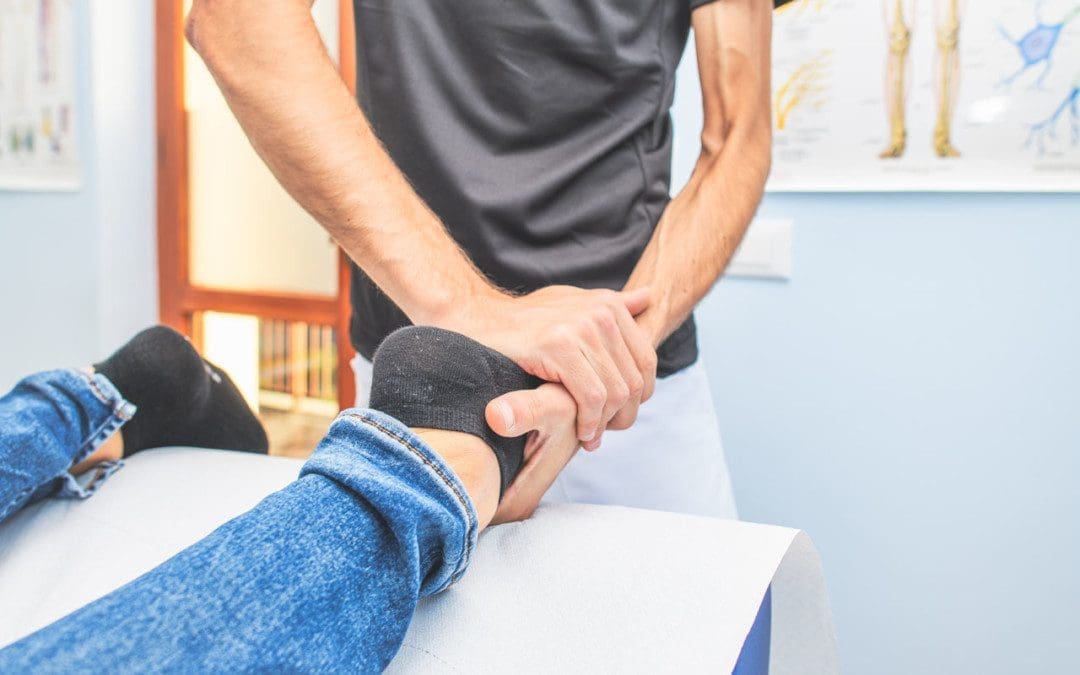
Treatment for a peroneal nerve injury depends on the severity and can be surgical or non-surgical. Non-surgical options include orthotic footwear, chiropractic care, and physical therapy. A physical therapy program could consist of the following:
Icing
Massage
Manual manipulation
Stretching
Strengthening exercises
Mobilization exercises
Balancing exercises
Ankle bracing
Ankle taping
Shoe inserts – splints, braces, or orthotics can improve gait.
Longo, Diego, et al. “The Muscle Shortening Maneuver: a noninvasive approach to treating peroneal nerve injury. A case report.” Physiotherapy theory and practice, 1-8. 31 Jul. 2022, doi:10.1080/09593985.2022.2106915
Milenković, S S, and M M Mitković. “Common peroneal nerve schwannoma.” Hippokratia vol. 22,2 (2018): 91.
Radić, Borislav et al. “PERIPHERAL NERVE INJURY IN SPORTS.” Acta clinica Croatica vol. 57,3 (2018): 561-569. doi:10.20471/acc.2018.57.03.20
Thatte H et al. (2022). Electrodiagnostic evaluation of peroneal neuropathy. ncbi.nlm.nih.gov/books/NBK563251/
T Francio, Vinicius. “Chiropractic care for foot drop due to peroneal nerve neuropathy.” Journal of bodywork and movement therapies vol. 18,2 (2014): 200-3. doi:10.1016/j.jbmt.2013.08.004
Sciatica can range from mild to severe. Most individuals are familiar with severe cases because of the intense shooting throbbing pain. On the other hand, mild cases can present with little to no discomfort or pain but involve tingling, pins and needles, electrical buzzing, and numbing sensations. This can make individuals think there is nothing wrong and their foot just fell asleep. It can come from nowhere, as there was no obvious back or leg trauma causing injury. However, somewhere along the nerve’s path, the nerve has become compressed, pinched, trapped, stuck, or twisted, most likely from a spasming muscle group in the low back, buttocks, or legs causing the sciatica foot symptoms. Chiropractic, massage, and decompression therapy can relax the muscles, relieve the symptoms, release the nerve, and restore function.
Sciatica Foot Symptoms
The sciatic nerve extends from the lower spine to the feet. Sciatica foot symptoms could be caused by several possibilities that range from piriformis syndrome to a developing slipped disc or spasming muscles. The symptoms travel through the nerve and can be felt anywhere along the nerve’s path, not necessarily at the source. This is why mild cases may only present with slight pricking/tingling sensations. However, left untreated, the cause can progress and develop into a severe case of sciatica.
Symptoms
The length of time that sciatica foot symptoms last will depend on the underlying cause. For example, if a herniated disc is the cause, the numbness may last for a few weeks or months until the disc heals. However, the numbness may be more long-lasting if sciatica is caused by degenerative disc disease. Sometimes, the nerve can be permanently damaged, leading to chronic pain and numbness. This is more likely to occur in individuals with diabetes or another condition that causes nerve damage.
A varying degree of leg weakness can present as the spinal nerve root issues interfere with effective signal communication between the brain and the leg muscles.
Leg weakness may also be interpreted as a pulling sensation in the leg.
Weakness in the foot or toe muscles can also present.
Leg movements such as walking, running, lifting the leg, or flexing the foot can also be affected.
The tingling and numbing sensations may worsen when sitting or standing for long periods or moving the back in certain ways.
Treatment
Chiropractic care is an excellent option for treating sciatica foot symptoms and starts with a personalized plan based on individual symptoms, injury, and medical history. Chiropractors are neuromusculoskeletal experts on the spine, vertebrae, surrounding muscles, tissues, and nerves. Treatment includes spinal and extremity adjustments to realign the body, decrease inflammation, relieve pressure, release the nerve, and ultimately allow the body to activate its natural healing processes.
Massage
Massage therapy can relieve muscle tension and spasms in the back and legs, reducing pressure on the sciatic nerve.
Massage also increases blood circulation and relaxes the muscles, speeding healing and recovery.
Electrical Stimulation
Electrical stimulation activates the nerves and muscles and reduces symptoms by blocking signals.
Physical Therapy
Physical therapy exercises can help stretch and strengthen the back and leg muscles.
Targeted exercises can be done at home to continue strengthening and maintaining the muscles.
Foot Orthotics
Using orthotic devices such as arch supports or heel cups can help relieve pressure on the feet.
Arch supports are especially helpful if sciatica foot symptoms are exacerbated by flat feet or other foot conditions.
Heel cups can help with the frequent use of high heels.
Sciatica Specialists
References
American Academy of Orthopaedic Surgeons. “Sciatica.” https://orthoinfo.org/en/diseases–conditions/sciatica/
Emary, Peter C. “Evidence-based prognostication in a case of sciatica.” The Journal of the Canadian Chiropractic Association vol. 59,1 (2015): 24-9.
Frost, Lydia R et al. “Deficits in foot skin sensation are related to alterations in balance control in chronic low back patients experiencing clinical signs of lumbar nerve root impingement.” Gait & posture vol. 41,4 (2015): 923-8. doi:10.1016/j.gaitpost.2015.03.345
Mayo Clinic. “Sciatica.” https://www.mayoclinic.org/diseases-conditions/sciatica/symptoms-causes/syc-20377435?p=1
National Institutes of Health. “Sciatica.” https://medlineplus.gov/sciatica.html
Shakeel, Muhammad, et al. “An uncommon cause of sciatica.” Journal of the College of Physicians and Surgeons–Pakistan: JCPSP vol. 19,2 (2009): 127-9.
Tampin, Brigitte, et al. “Disentangling ‘sciatica’ to understand and characterize somatosensory profiles and potential pain mechanisms.” Scandinavian journal of pain vol. 22,1 48-58. 2 Aug. 2021, doi:10.1515/sjpain-2021-0058
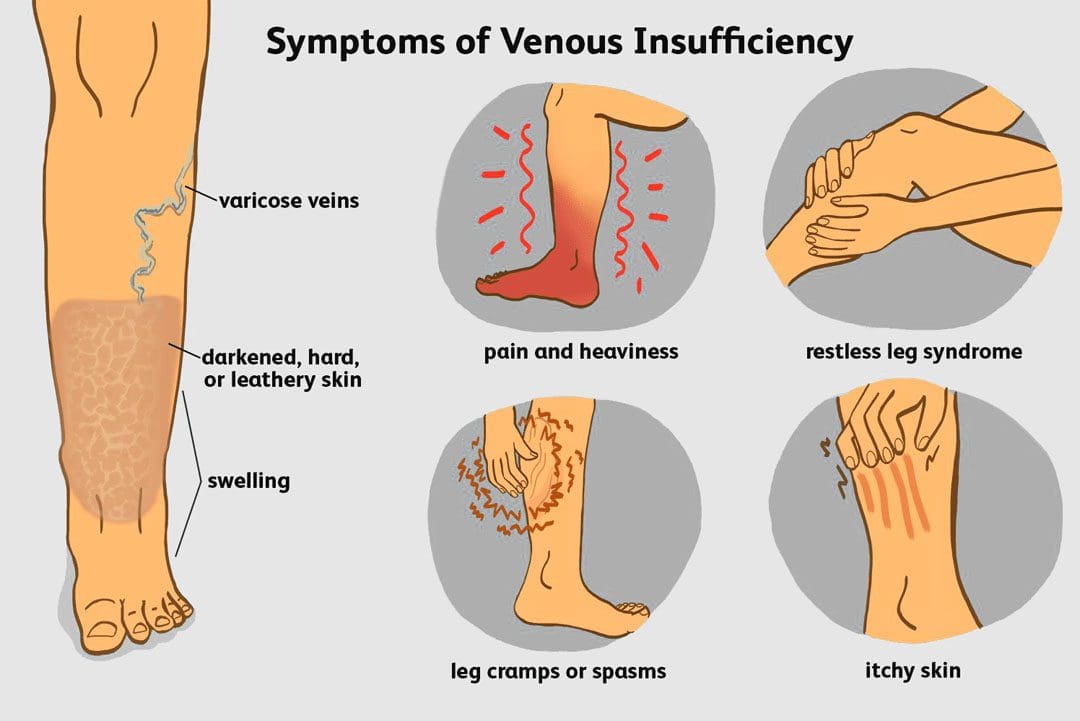
Arteries carry blood from the heart to the rest of the body. The veins transport blood back to the heart, and the valves in the veins stop the blood from flowing backward. When the veins have difficulties sending blood from the limbs back to the heart, this is known as venous insufficiency. With this condition, the blood does not flow back properly to the heart, causing blood to accumulate in the veins of the legs. Chiropractic care, therapeutic massage, and functional medicine can increase and improve circulation and help manage symptoms.
Venous Insufficiency
The circulatory system is responsible for transporting blood, oxygen, and nutrients to the cells in the body. This system consists of the heart, arteries, veins, and capillaries. When blood circulation is restricted, it can lead to a buildup of toxins and waste products, which can cause various health problems, including fatigue, muscle cramps, and dizziness. Unhealthy circulation can also contribute to other health conditions like heart disease, stroke, and diabetes. The most common causes of venous insufficiency include:
Blood clots
Varicose veins
A family history of venous insufficiency.
Deep vein thrombosis.
When forward flow through the veins is obstructed, such as in the case of a blood clot, blood builds up below the clot, which can lead to venous insufficiency.
In varicose veins, the valves can be missing or damaged, and blood leaks back through the defective valves.
In some cases, weakness in the leg muscles that push blood forward can also contribute to venous insufficiency.
Venous insufficiency is more common in women than men and is more likely in adults over 50.
Circulation Symptoms
There are different symptoms associated with unhealthy circulation, and can include:
A doctor will perform a physical examination and take a complete medical history. They may order imaging tests to locate the source of the problem. These tests may include a venogram or a duplex ultrasound.
Venogram
A doctor will insert an intravenous contrast dye into the veins.
Contrast dye causes the blood vessels to appear opaque on the X-ray image, which helps the doctor see them on the image.
This dye will give the doctor a clear image of the blood vessels.
Duplex Ultrasound
A duplex ultrasound tests the speed and direction of blood circulation in the veins.
A technician will place gel on the skin and press a small hand-held instrument on and around the area.
The instrument uses sound waves that bounce back to a computer and produce images of blood circulation.
Treatment
Treatment will depend on various factors, including the reason for the condition and individual health status and history. Other factors a doctor will consider include:
These special stockings apply pressure on the ankle and lower leg.
They help improve blood circulation and reduce leg swelling.
Compression stockings come in a range of prescription strengths and lengths.
Strategies
Treatments can include several methods.
Improving Circulation
Chiropractic adjustments and vascular massage therapy on the legs can help improve blood circulation. Massage therapies such as vascular and lymphatic drainage massages aim to increase circulation, improve tissue nutrition, and can benefit patients with varicose veins and chronic venous insufficiency.
The technique for lymphatic drainage involves light strokes to move lymph fluid into lymph vessels.
The technique used to improve circulation involves short strokes to move blood from the valves to the veins.
However, massage therapy is not for all patients with vein diseases and conditions.
Massage therapy is not recommended for patients with advanced-stage vein disease, in which large and bulging veins, ulcerations, and discoloration are present.
Massaging the area could cause the weakened veins to burst, worsening the condition.
Massage therapy is also unsafe for patients with deep vein thrombosis (DVT), as it could dislodge a clot and cause it to travel.
Medications
Medications may be prescribed. These include:
Diuretics – medications that draw extra fluid from the body and are excreted through the kidneys.
Anticoagulants – medicines that thin the blood.
Pentoxifylline – medicine that helps improve blood circulation.
Surgery
More serious cases may require surgery. A doctor may suggest one of the following surgical procedures:
Surgical repair of the veins or valves.
Removing the damaged vein.
Minimally invasive endoscopic surgery – The surgeon inserts a thin tube with a camera to see and tie off damaged veins.
Laser surgery – A treatment that uses laser light to fade or close off damaged veins.
Vein bypass – A healthy vein is transplanted from a different body area. Generally used only in the upper thigh and as a last option for severe cases.
Venous Insufficiency: What You Need To Know
References
Annamaraju P, Baradhi KM. Pentoxifylline. [Updated 2022 Sep 19]. In: StatPearls [Internet]. Treasure Island (FL): StatPearls Publishing; 2022 Jan-. Available from: https://www.ncbi.nlm.nih.gov/books/NBK559096/
Evrard-Bras, M et al. “Drainage lymphatique manuel” [Manual lymphatic drainage]. La Revue du praticien vol. 50,11 (2000): 1199-203.
FIELDS, A. “Leg cramps.” California medicine vol. 92,3 (1960): 204-6.
Felty, Cindy L, and Thom W Rooke. “Compression therapy for chronic venous insufficiency.” Seminars in vascular surgery vol. 18,1 (2005): 36-40. doi:10.1053/j.semvascsurg.2004.12.010
Mayo Clinic Staff. (2017). Varicose veins.mayoclinic.org/diseases-conditions/varicose-veins/diagnosis-treatment/drc-20350649
Patel SK, Surowiec SM. Venous Insufficiency. [Updated 2022 Aug 1]. In: StatPearls [Internet]. Treasure Island (FL): StatPearls Publishing; 2022 Jan-. Available from: https://www.ncbi.nlm.nih.gov/books/NBK430975/
Youn, Young Jin, and Juyong Lee. “Chronic venous insufficiency and varicose veins of the lower extremities.” The Korean journal of internal medicine vol. 34,2 (2019): 269-283. doi:10.3904/kjim.2018.230
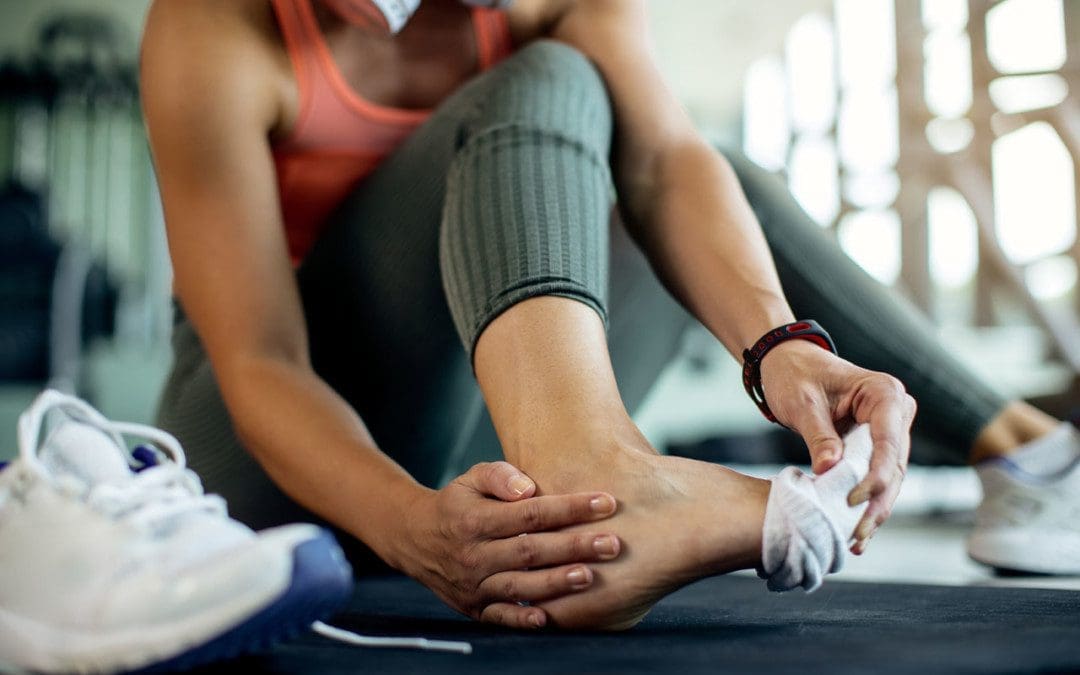
The legs are important for standing and motion. Various problems can affect any part, including the bones, tendons, joints, blood vessels, and connective tissues of the entire leg, foot, ankle, knee, or hip. Common problems include unbalanced/unevenness, muscle sprains and strains, joint dislocations, nerve compression, and fractures. These issues can benefit from chiropractic leg adjustments to relieve the symptoms, realign the body, restore mobility, strengthen the muscles, and prevent further complications.
Leg Adjustments
The legs are composed of two major sections: upper and lower. The ball-and-socket hip joint connects the upper portion, with only one bone comprising the upper leg, the femur, the largest bone in the body. The lower leg goes from the knee to the ankle and is composed of two bones, the fibula, and the tibia.
The tibia makes up the knee together with the base of the femur.
The fibula starts from the knee joint and is connected to the tibia.
Muscles
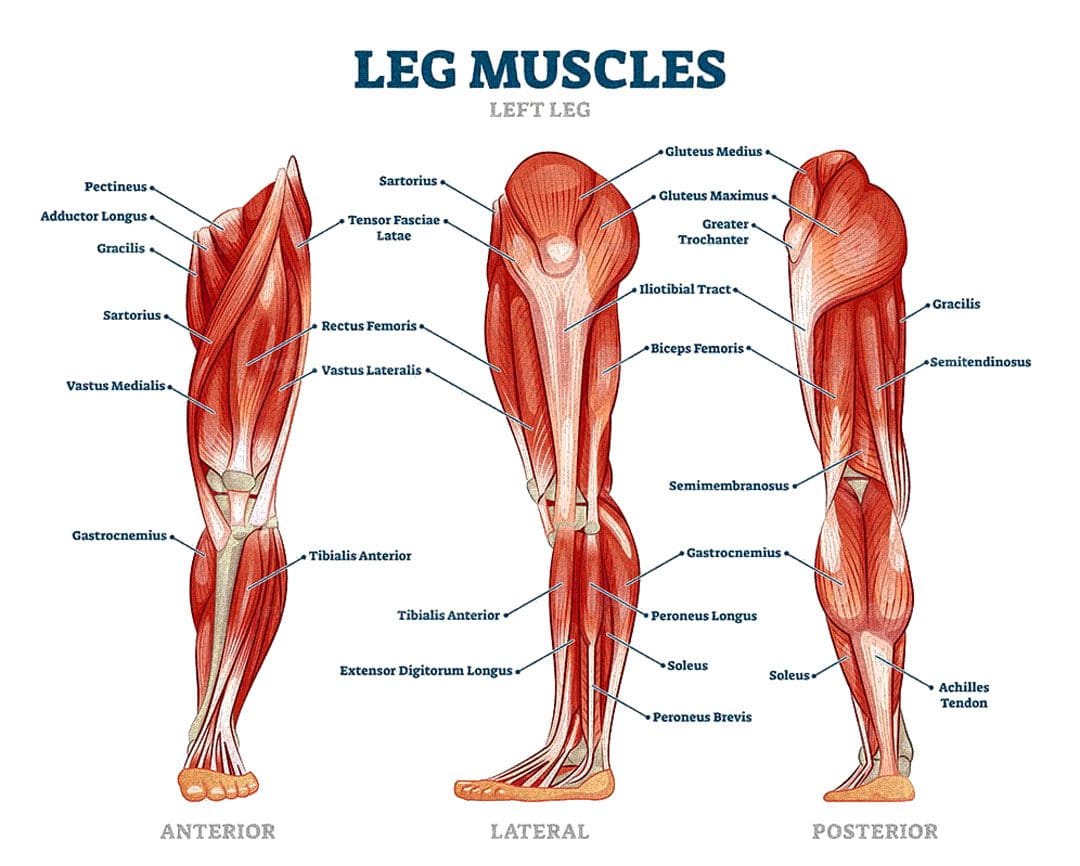
The leg muscles support standing and sitting, carry the body’s weight, and provide movement. Several muscles in the upper and lower legs work together to enable walking, running, jumping, flexing, and pointing the toes.
Upper Leg
The upper leg muscles support the body’s weight and movement. Their jobs include:
Anterior muscles: These muscles stabilize the body and help with balance. They also allow:
Bending and extension of the knees.
Flexion of the thigh at the hip joints.
Rotation of the legs at the hips.
Medial muscles assist in hip adduction – moving the leg toward the body’s center. They also allow flexion, extension, and rotation of the thigh.
Posterior muscles help move the leg from front to back and rotate at the hip socket.
Lower Leg
Anterior muscles are in the front/anterior part of the lower leg and help lift and lower the foot and toe extension.
Lateral muscles run outside the lower leg and stabilize the foot when walking or running. They also allow side-to-side movement.
Posterior muscles: These muscles are in the back of the lower leg. Some are superficial (close to the skin surface), and some sit deeper inside the leg. They help:
Flex and point the toes.
Jump, run and push off.
Lock and unlock the knee.
Maintain a healthy posture by stabilizing the legs.
Stand up straight by supporting the arch of the feet.
Causes
There are different causes of leg discomfort symptoms. Age, work, physical activity, sports, and misalignments can all cause leg issues to develop.
Musculoskeletal
Musculoskeletal system injuries, conditions, and disorders are related to the bones, muscles, tendons, and ligaments. This includes bruising, tendonitis, muscle strain, overuse, and fractures can all lead to musculoskeletal issues.
Neurological
Neurological symptoms are related to a problem with the nerves and the nervous system. Damaged and pinched nerves can contribute to leg issues.
Vascular
If there are blood vessel issues, it can also lead to leg symptoms. Depending on the cause, leg symptoms can vary from moderate to severe and may be non-stop or come and go.
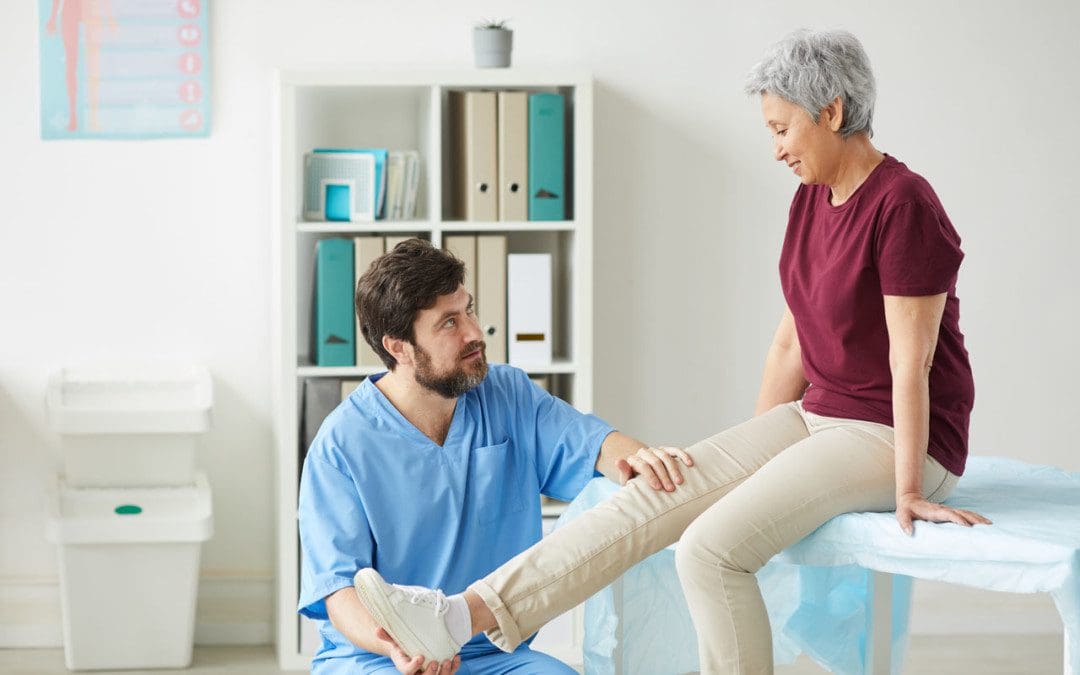
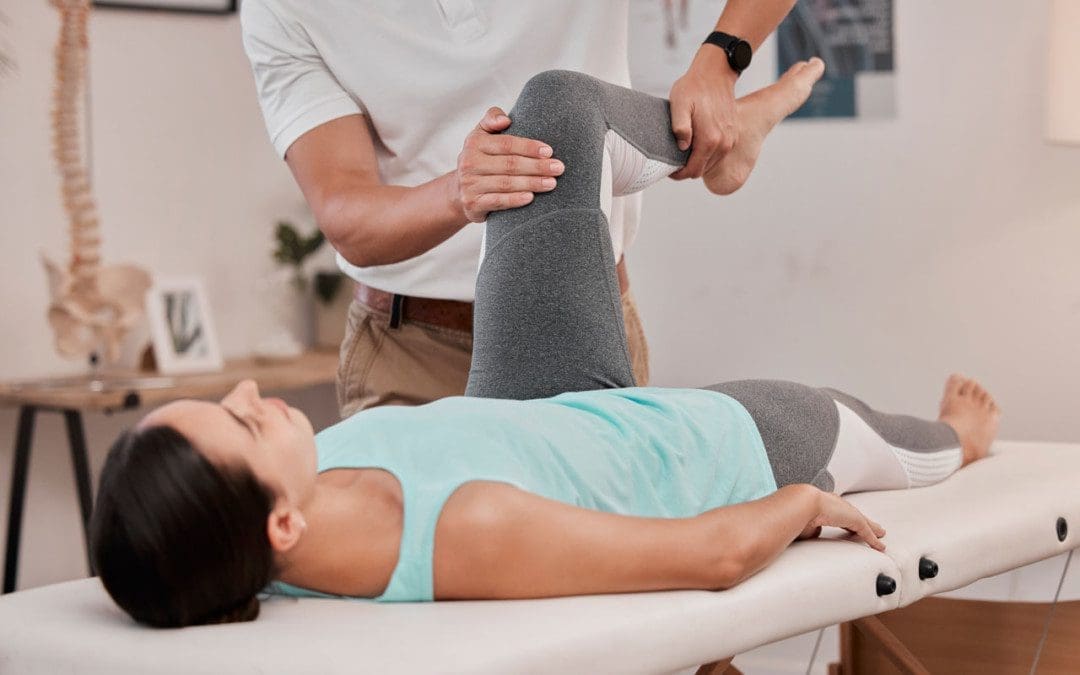
Chiropractic care is a proven way of reducing swelling and discomfort throughout the body. Chiropractic leg adjustments help release restrictions and misalignments. This results in increased mobility of the joints, decreased inflammation, and improved function. A chiropractic adjustment on the leg is known as a long-axis distraction adjustment. This adjustment is designed to open the affected joint in the direction the chiropractor pulls. They can adjust their contact to open the femur from the acetabulum of the pelvis, the knee joint, the ankle joints, and the low back. This encourages proper joint space and motion in the affected areas, promoting healthy movement and space and allowing more nutrient flow and pressure removal from the surrounding nerves to help with symptom relief.
Hip Long Axis Distraction
References
Binstead JT, Munjal A, Varacallo M. Anatomy, Bony Pelvis, and Lower Limb, Calf. (https://www.ncbi.nlm.nih.gov/books/NBK459362/) [Updated 2020 Aug 22]. In: StatPearls [Internet]. Treasure Island (FL): StatPearls Publishing; 2021 Jan-. Accessed 12/29/2021.
Eid K, Tafas E, Mylonas K, Angelopoulos P, Tsepis E, Fousekis K. Treatment of the trunk and lower extremities with Ergon® IASTM technique can increase hamstrings flexibility in amateur athletes: A randomized control study. Phys Ther Sport. 2017;28:e12. doi:10.1016/J.PTSP.2017.08.038
Jeno SH, Schindler GS. Anatomy, Bony Pelvis, and Lower Limb, Thigh Adductor Magnus Muscles. (https://www.ncbi.nlm.nih.gov/books/NBK534842/) [Updated 2020 Aug 10]. In: StatPearls [Internet]. Treasure Island (FL): StatPearls Publishing; 2021 Jan-. Accessed 12/29/2021.
McGee S. Stance and gait. In: McGee S. Evidence-Based Physical Diagnosis. 3rd ed. Philadelphia, PA: Elsevier Saunders; 2012:chap 6.
Ransom AL, Sinkler MA, Nallamothu SV. Anatomy, Bony Pelvis, and Lower Limb, Femoral Muscles. (https://www.ncbi.nlm.nih.gov/books/NBK500008/) [Updated 2020 Oct 30]. In: StatPearls [Internet]. Treasure Island (FL): StatPearls Publishing; 2021 Jan-. Accessed 12/29/2021.
The various muscles and tendons surrounding the foot play an important role as they provide stability to the lower parts of the body and allow the individual to move and flex their feet. These various muscles and tendons help support the ankles and allow leg movement. Many people will be on their feet constantly as the world moves and sometimes have to deal with various issues affecting their walking ability. As the body naturally ages, many people will shuffle their feet around, which causes strain on the foot muscles and can affect the calves and legs over time. To that point, it can lead to foot pain and other conditions that can affect the individual. Other issues that can affect the feet and their muscles could be incorrect footwear, how they are standing, or how they walk. When this happens, conditions like plantar fasciitis and trigger point pain can affect the feet differently. Today’s article focuses on the superficial intrinsic foot muscles, how trigger points and plantar fasciitis correlate with foot pain, and how to strengthen the foot muscles. We refer patients to certified providers incorporating techniques and therapies in the lower body extremities of trigger points affecting the feet. This helps many people with trigger point pain symptoms associated with plantar fasciitis along the intrinsic foot muscles. We encourage and appreciate each patient by referring them to associated medical providers based on their diagnosis when it is appropriate. We understand that education is a terrific way to ask our providers intricated questions at the patient’s request and understanding. Dr. Alex Jimenez, D.C., only utilizes this information as an educational service. Disclaimer
The Superficial Intrinsic Foot Muscles
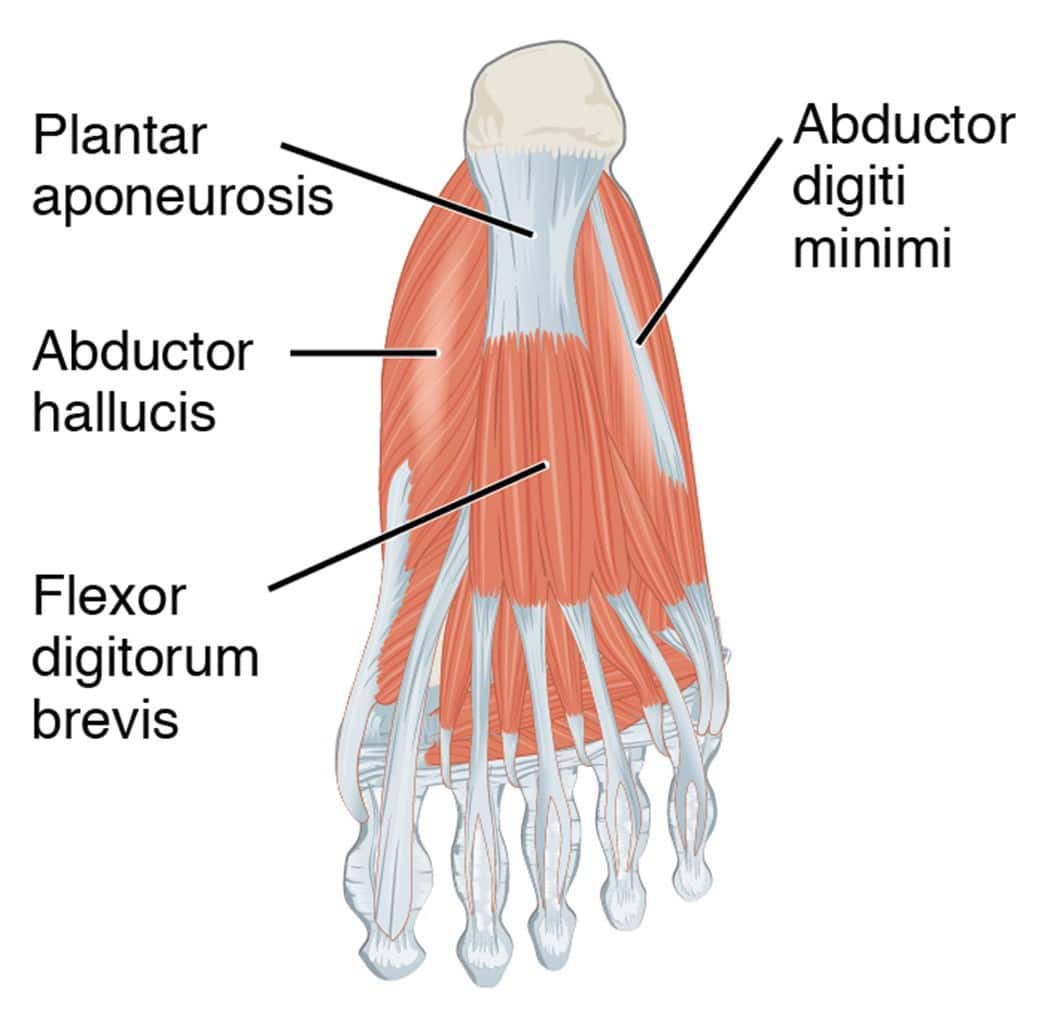
As stated earlier, the foot has various muscles and tendons that allow stability to the ankles and allow movement when a person is walking. The foot has two muscle groups: the extrinsic and intrinsic muscles. Today, we will look at the intrinsic foot muscles and their importance to the foot. Studies reveal that the intrinsic foot muscles are highly important as they are contained to the foot and contribute to supporting the medial longitudinal arch. The intrinsic foot muscles are superficial and help keep the toes straight while providing flexion and extension when in motion. The foot has about 29 muscles, including 10 surrounding the foot and ankle, while the other 19 are intrinsic and provide the roles for gait and posture. The 19 intrinsic muscles have the following:
Abductor Hallucis
Quadratus Plantae
Flexor Hallucis Brevis
Flexor Digitorum Brevis
Abductor Digiti Minimi
Flexor Digiti Minimi
The Interossei Muscles
The Lumbricals
These muscles allow individuals to walk, run, or jog without pain. However, when the intrinsic muscles become impaired, studies reveal that intrinsic foot muscle function could be linked to various foot conditions that affect a person’s walking ability.
How Does Foot Pain Correlate With Plantar Fasciitis & Trigger Points?
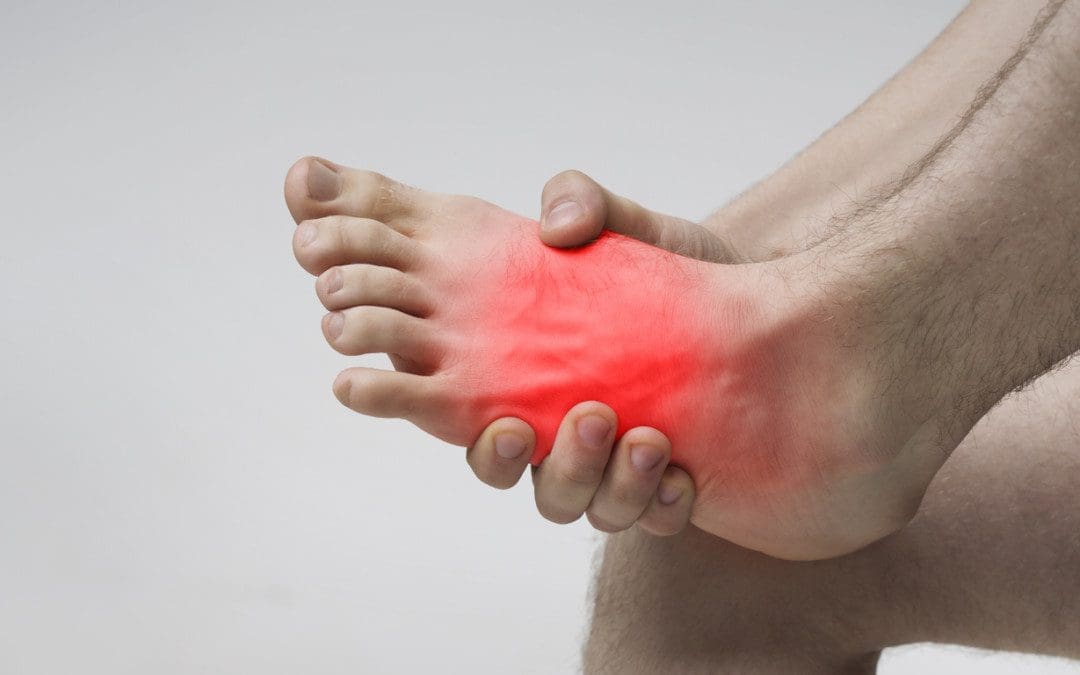
Studies reveal that foot pain can cause an unpleasant sensory and emotional experience. Many factors can affect how a person walks, leading to various issues affecting the mobility of the lower extremities. When multiple problems affect a person’s walking, the intrinsic muscle and other muscles surrounding the ankle and foot could become strained and overlap with other foot conditions. Coexisting muscle impairments could affect the alignment, motion, load distribution, and muscle performance that involves the legs when foot pain affects the intrinsic foot muscles. When these impairments cause foot pain, it can correlate with trigger points and conditions like plantar fasciitis, affecting a person’s walking ability. But how does foot pain connect with plantar fasciitis and trigger points?
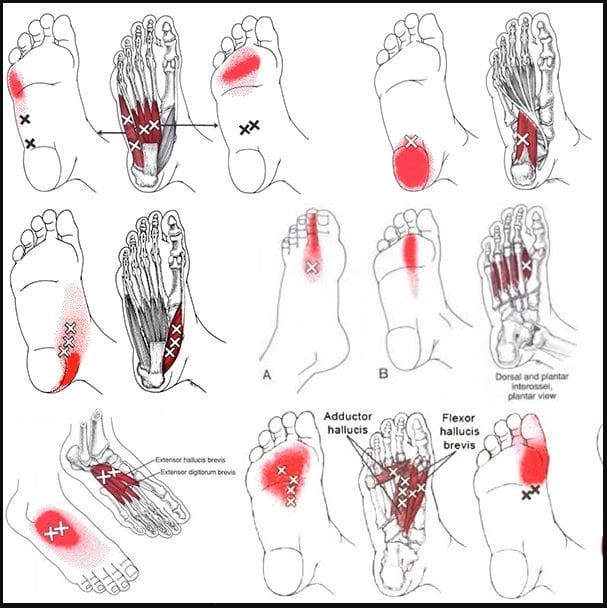
According to Dr. Travell, M.D.’s book “Myofascial Pain and Dysfunction,” when tension starts to overload the foot, the intrinsic muscles develop tiny nodules in the muscle fibers and reduce the muscle strength of the medial arch. To that point, it can collapse and cause the foot to create inflammation associated with repetitive actions that cause plantar fasciitis in the feet. When this happens, it can affect a person’s ability to walk, run, and stand and affect the lower extremities’ mobility. If not treated right away, it can cause muscle and joint pain in the hips, legs, knees, and lower back.
An Overview Of The Intrinsic Foot Muscles-Video
Have you been dealing with issues on your feet? Do you find it difficult to step down or walk? Or have you been rubbing your feet constantly to reduce the soreness in your feet? Many of these issues correlate with trigger points affecting the intrinsic foot muscles that could cause foot issues like plantar fasciitis. The foot has various muscles, like the intrinsic muscles, that allow gait and stability to the body. Multiple factors affecting the intrinsic foot muscles can lead to instability, muscle strain, tendon stress, and muscle and joint pain. This can affect how a person moves throughout the day and their quality of life. The video above explains where each muscle is, which ones are extrinsic and intrinsic, and how each muscle helps with foot function. When various issues begin to affect the foot and cause mobility issues, multiple techniques are available to help strengthen the foot muscles and prevent future problems from affecting the feet.
Strengthening The Foot Muscles
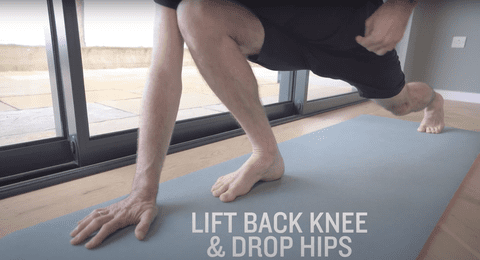
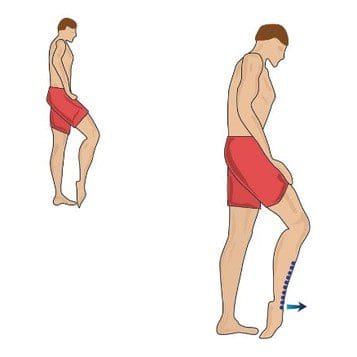
Regarding trigger point pain affecting the intrinsic foot muscles, various techniques can reduce the pain-like symptoms of trigger points and prevent foot issues like plantar fasciitis from re-occurring. Studies reveal that light, non-weight-bearing exercises like cycling and swimming can minimize muscle overload on the foot. Other ways to strengthen the intrinsic foot muscles are by stretching the toe flexors to help improve stability and prevent hypermobility in the foot. Different techniques to reduce trigger points in the foot’s muscle fibers include using a cylindrical or spherical object and rolling under the arches to massage and loosen stiff muscles. Many of these techniques could help restore foot functionality and stability while reducing future issues like plantar fasciitis in the feet. To that point, people should be allowed to walk pain-free again.
Conclusion
The foot has 29 muscles, including ten extrinsic muscles surrounding the foot and ankle and 29 intrinsic muscles on the foot. The intrinsic muscles are highly important for foot functionality as they are superficial and contribute to supporting the medial longitudinal arch. The intrinsic foot muscles also help keep the toes straight and allow flexion and extension when in motion. These muscles also help a person walk and stabilize the ankle. When various factors affect a person’s walking ability, it can lead to muscle strain and tendon stress to the foot, developing trigger points in the intrinsic muscle fibers and causing pain. This could cause foot conditions like plantar fasciitis and other co-existing muscle impairments that can affect the lower extremities’ mobility while causing muscle and joint pain in the hips, legs, knees, and lower back. Luckily, available techniques can help massage, stretch, and strengthen the intrinsic foot muscles while reducing trigger points and preventing their associated symptoms from recurring. To that point, these techniques can allow many individuals to walk without feeling pain.
References
Card, Ryan K, and Bruno Bordoni. “Anatomy, Bony Pelvis and Lower Limb, Foot Muscles.” In: StatPearls [Internet]. Treasure Island (FL), StatPearls Publishing, 27 Feb. 2022, https://www.ncbi.nlm.nih.gov/books/NBK539705/.
Gooding, Thomas M, et al. “Intrinsic Foot Muscle Activation during Specific Exercises: A T2 Time Magnetic Resonance Imaging Study.” Journal of Athletic Training, U.S. National Library of Medicine, Aug. 2016, https://www.ncbi.nlm.nih.gov/pmc/articles/PMC5094843/.
Hawke, Fiona, and Joshua Burns. “Understanding the Nature and Mechanism of Foot Pain.” Journal of Foot and Ankle Research, U.S. National Library of Medicine, 14 Jan. 2009, https://www.ncbi.nlm.nih.gov/pmc/articles/PMC2631512/.
Hayter, Matt. “Why Do We Need the Intrinsic Muscles of the Foot? [Guide 2022].” Dynamic Podiatry, 2022, https://foothealthguy.com/hammer-toes-causes-and-treatment/
Lim, Ang Tee, et al. “Management of Plantar Fasciitis in the Outpatient Setting.” Singapore Medical Journal, U.S. National Library of Medicine, Apr. 2016, https://www.ncbi.nlm.nih.gov/pmc/articles/PMC4853481/.
Soysa, Achini, et al. “Importance and Challenges of Measuring Intrinsic Foot Muscle Strength.” Journal of Foot and Ankle Research, U.S. National Library of Medicine, 26 Nov. 2012, https://www.ncbi.nlm.nih.gov/pmc/articles/PMC3544647/.
Travell, J. G., et al. Myofascial Pain and Dysfunction: The Trigger Point Manual: Vol. 2:the Lower Extremities. Williams & Wilkins, 1999.
The feet allow movement to make the host do various actions when it comes to the body. Whether running, walking, or stretching, the feet allow stability with help from the legs and lower limbs of the lower body to support the upper body’s weight and allow mobility and functionality to the hips. The feet have various extensor muscles that start at the head where the tibia and in the front of the shin and spreads out to the front of the foot and allow movement to each of the toes. Injuries like ankle sprains, objects landing on the foot, or muscle cramps can cause the various muscles to become injured and soon develop tiny nodules that can cause referred pain to the lower portion of the legs and cause mobility issues. To that point, trigger point pain can affect how a person functions and cause many to deal with unquestionable foot pain. Today’s article looks at the extensor muscles of the toes, how trigger points can affect the foot and toes, and how chiropractic care can help treat trigger points along the extensor muscles of the toes. We refer patients to certified providers that incorporate various techniques in the lower body extremities, like lower legs, calves, and foot pain therapies correlating to trigger points. This helps aid many people with pain symptoms along the extensor toe muscles, causing pain when doing everyday actions like stepping or walking. We encourage and appreciate each patient by referring them to associated medical providers based on their diagnosis when it is appropriate. We understand that education is a terrific way when asking our providers intricated questions at the patient’s request and understanding. Dr. Alex Jimenez, D.C., only utilizes this information as an educational service. Disclaimer
The Extensor Muscles Of The Toes
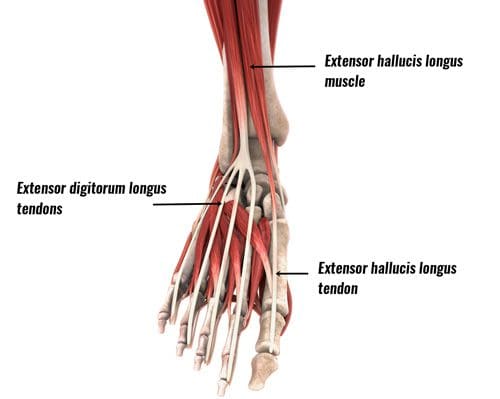
Have you been having issues walking for long periods? Do your feet constantly ache, so you have to take off your shoes to rub them? Or have you been having mobility issues that start at the hips and then travel down to the feet? Many of these issues are associated with pain that can affect the extensor muscles of the toes. The feet have various superficial muscles that allow movement to each toe. Today, we will look at the extensor muscles that enable movement to the toes and help with lower limb functionality. The extensor toe muscles include the extensor digitorum and the extensor hallucis longus. Studies reveal that the extensor muscles are the anterior compartment of the lower limbs that can allow extension and dorsiflex of the foot at the ankle. The extensor hallucis provides movement to the big toe, independently moving it up and down. At the same time, the extensor digitorum forms into four tendons to the other toe joints.
These muscles work together to control the foot when descending and allow the heel to land first and then the toes after to prevent foot slaps or hard stepping. To that point, during this gait action, the extensor digitorum helps provide pure dorsiflex of the foot through balance on the tibial muscle. In contrast, the extensor hallucis allows the foot to adapt when the host is walking. Now, what happens when the extensor muscles suffer from injuries that cause mobility issues to the individual?
Trigger Points Affecting The Foot & Toes
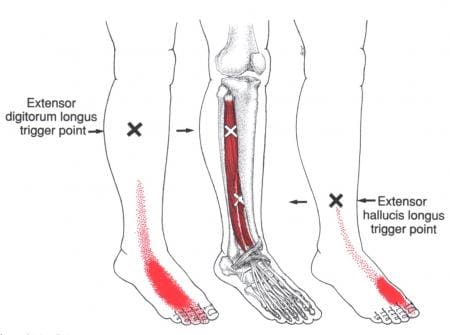
When issues affect mobility and prevent many people from walking, it could be due to trigger points associated with the extensor muscles affecting the foot and toes. Trigger points or myofascial pain syndrome is where sensitive points or pressure in the muscles or muscle groups can cause referred pain in different body areas. This means that, for example, someone is dealing with pain in their elbows; however, they are complaining about shoulder pain. Studies reveal that when the legs’ lower limbs have trigger points in the feet musculature, it can lead to hypersensitivity in the extensor muscles and tendons. According to Dr. Janet G. Travell, M.D., she explained in her book, “Myofascial Pain and Dysfunction,” when the extensor muscles of the toes are being affected by trigger points, it could potentially be associated with anterior compartment syndrome and ischemia along the lower limbs. To that point, trigger points could affect a person’s ability to walk and cause them to shift their weight around to compensate for the pain from affecting them. When this happens, it can lead to hip issues.
Trigger Points Of The Week: The Extensor Toe Muscles- Video
Have you been dealing with foot pain affecting your ability to walk? Does it hurt when you are stepping? Do you have mobility issues in your hips or legs associated with foot pain? Suppose you have been experiencing any of these issues in the lower extremities of your body. In that case, you could be dealing with trigger points associated with the toe extensor muscles correlating with foot pain. Studies reveal that trigger points associated with the extensor muscles can be characterized by pain and cause a limited range of joint motion. What that does is that trigger points in the extensor hallucis muscle can cause the lower portion of the legs to have intense sensitivity and hyper-irritability to the legs, which can affect how a person walks. The video above explains where the extensor muscles are located in the lower portions of the legs and where the trigger points cause referred pain to the foot and legs. When trigger points affect the extensor muscles, they can cause referred pain to the entire lower half of the body, including the hips. How would trigger points be associated with the hips when it affects the extensor muscles? Well, when the extensor muscles succumb to pain, it causes the individual to shift their weight and can cause the hips to become unstable, and that instability can affect not only the hips but the legs, knees, calves, and feet. Fortunately, treatments can reduce trigger point pain in the extensor muscles.
Chiropractic Care For Trigger Points
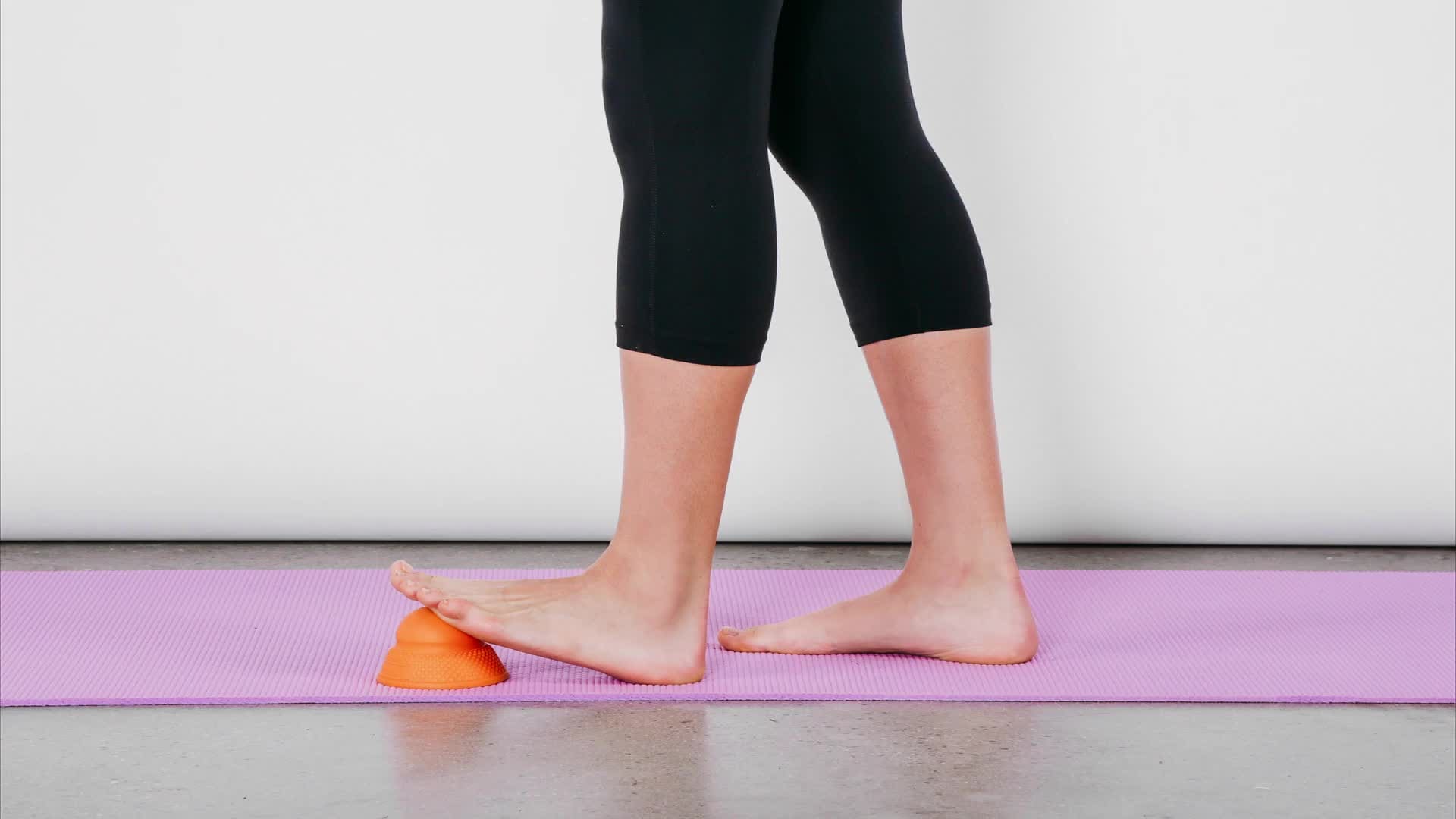
So when a person is dealing with mobility issues along the extensor muscles that are causing them pain, they don’t realize that their hips, legs, and knees are being affected. By going to chiropractic treatment, they can get the relief they are looking for and regain their ability to walk. A chiropractor will thoroughly examine and assess the individual dealing with trigger points along the extensor muscles. Chiropractors can pinpoint where the trigger points are located in the affected muscle and dramatically decrease pain through manipulation. Using mechanical and manual manipulation can help realign the spine out of subluxation, and chiropractors can provide a personalized treatment plan to the individual to incorporate to prevent trigger points from returning after a few treatments. Since chiropractic care is a whole-body approach, many patients can learn healthy habits, which include using a tennis ball under the feet, light stretching on the feet, and walking correctly with good posture can prevent future injuries from coming.
Conclusion
The feet allow movement to allow the host to walk from one location to another. The extensor muscles of the toes allow mobility and stability as they work together with the legs and hips to support the upper body’s weight and stability. When injuries like ankle sprains or heavy objects landing on foot affect the extensor muscles, it can lead to trigger points associated with foot pain that can affect the hips. When trigger points affect the extensor muscles, it can cause a person to be unable to walk properly and cause more issues in the hips. When this happens, treatments like chiropractic care can manually manipulate the spine and release trigger points from the extensor muscles. With chiropractic care, many individuals will be pain-free and can walk again.
References
Lezak, Bradley, and Spencer Summers. “Anatomy, Bony Pelvis and Lower Limb, Extensor Hallucis Longus Muscle.” In: StatPearls [Internet]. Treasure Island (FL), StatPearls Publishing, 26 Sept. 2022, https://www.ncbi.nlm.nih.gov/books/NBK539875/.
Tornero-Caballero, Maria, et al. “Muscle Trigger Points and Pressure Pain Sensitivity Maps of the Feet in Women with Fibromyalgia Syndrome.” Pain Medicine (Malden, Mass.), U.S. National Library of Medicine, 1 June 2016, https://pubmed.ncbi.nlm.nih.gov/27257287/.
Travell, J. G., et al. Myofascial Pain and Dysfunction: The Trigger Point Manual: Vol. 2:the Lower Extremities. Williams & Wilkins, 1999.
Wada, Juliano T, et al. “An Anatomical Basis for the Myofascial Trigger Points of the Abductor Hallucis Muscle.” BioMed Research International, U.S. National Library of Medicine, 22 Jan. 2020, https://www.ncbi.nlm.nih.gov/pmc/articles/PMC6998759/.
The legs are crucial for many individuals to move, jump, run, walk, and stand in various locations. The legs involve the thighs, hips, and knees as they work together to provide support and a range of movements for the body. For athletes, the legs allow them to run from one obstacle to another and kick the object to finish the game they are participating. Many individuals require strong leg muscles to keep the body balanced and stabilized from the upper body’s weight. One leg muscle that allows the body to be stabilized is the anterior tibialis muscle. When the legs suffer from various sports injuries or injuries in general, it can lead to issues like shin splints correlated with trigger points that can cause pain to the lower portion of the legs and can affect the body’s stability. Today’s article examines the anterior tibialis muscles, how shin splints are associated with myofascial trigger points, and various methods to treat shin splints. We refer patients to certified providers that incorporate various techniques in the lower body extremities, like lower leg pain therapies correlating to myofascial trigger point pain, to aid many people dealing with pain symptoms along the anterior tibialis muscles, causing shin splints. We encourage and appreciate each patient by referring them to associated medical providers based on their diagnosis, especially when appropriate. We understand that education is an excellent source to asking our providers intricated questions at the patient’s request. Dr. Alex Jimenez, D.C., only utilizes this information as an educational service. Disclaimer
What Is The Tibialis Anterior Muscles?
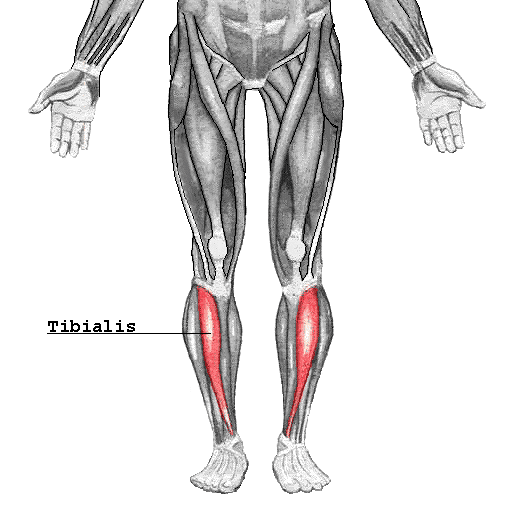
Have you been dealing with leg pain affecting your ability to move? Do you feel radiating pain going down to your feet? Or does even the smallest amount of pressure sends shooting pain from your knees to your feet? Many of these leg pain issues correlate to myofascial trigger points along the anterior tibialis muscles, mimicking shin splints. Studies reveal that the leg is divided into anterior, lateral, and posterior crural compartments. As one of the largest four muscles in the anterior compartment of the legs, the tibialis anterior is a thick muscle located in the front of the lateral tibia of the legs. The tibialis anterior has the muscle that allows the function to the lower leg and tendons that travel down to the ankle and foot. The anterior tibial muscle plays an important role in the lower leg through dorsiflexion and inversion of the foot. To that point, the anterior tibial muscle plays a key role in energy absorption when walking and maintaining balance.
Shin Splints Associated With Myofascial Trigger Points
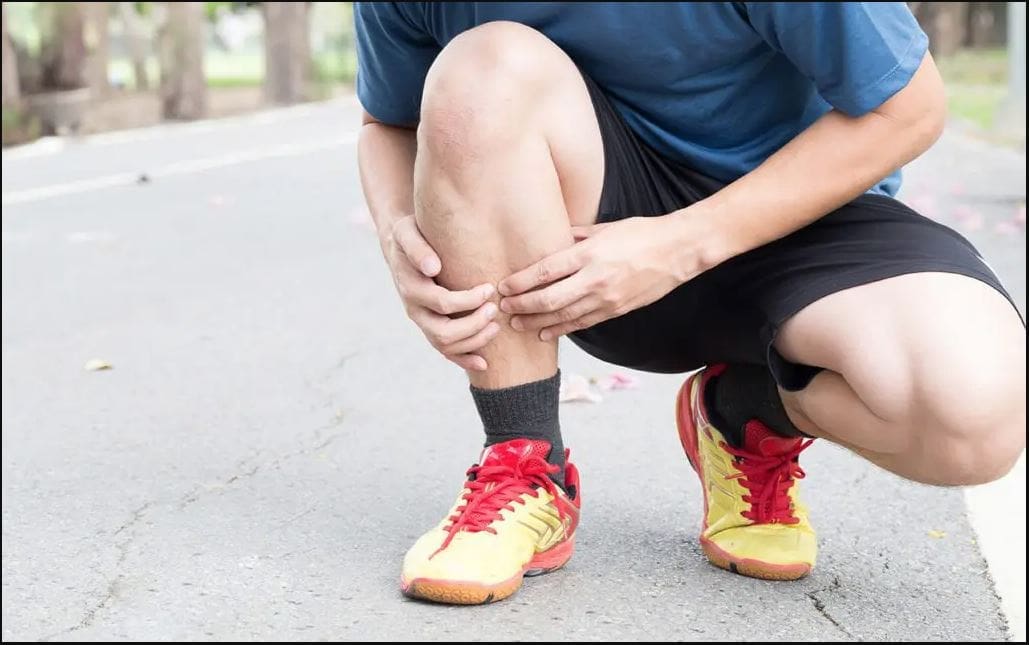
Since the anterior tibial muscle plays a key role in energy absorption when it comes to walking and maintaining balance in the body, when the lower leg extremity muscles have been overused, it causes stress on the tibial anterior. It can lead to medial tibial stress syndrome or shin splints. Studies reveal that shin splints affect many athletes, especially runners, by causing pain and discomfort to the tibial anterior. This can cause mobility and balancing issues in the legs and lead to the development of myofascial trigger points in the anterior tibial muscle. Now, how do shin splints and myofascial trigger points correlate with each other?
Dr. Janet G. Travell, M.D., author of “Myofascial Pain and Discomfort: The Trigger Point Manual,” mentioned that one of the chief complaints many people have when experiencing myofascial trigger points would feel muscle weakness of dorsiflexion to the foot when walking. Other complaints include:
Falling
Dragging their feet
Ankle weakness
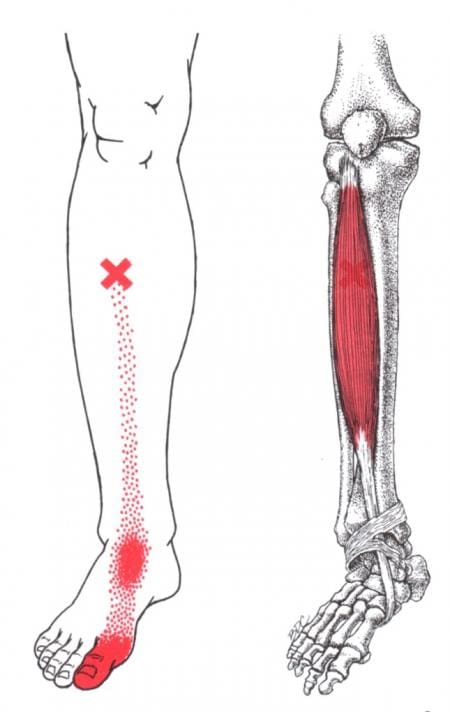
The book also mentioned that myofascial pain causes referred pain to the anterior tibial muscle, thus mimicking shin splints. The activation from myofascial trigger points causes an overload of the anterior tibial muscle, thus causing various pain issues in the legs and restricting mobility to the muscle itself.
An Overview Of Tibialis Anterior Trigger Points- Video
Have you been dealing with radiating pain from your knees to your feet? Do your legs feel heavy from walking a short distance? Or do your leg muscles feel cramps that hinder your ability to move? These pain-like issues are associated with the anterior tibialis muscle being affected by trigger points. Trigger points or myofascial pain syndrome can affect the worldwide population by affecting a muscle or muscle group in the body that can impair mobility, cause pain-like symptoms, and reduces a person’s overall sense of well-being. Trigger points along the tibialis anterior muscle cause mobility issues and mimic shin splint issues in the legs. All is not lost, however, as there are ways to reduce pain-like symptoms and help manage myofascial trigger points in the anterior tibialis muscle. The video above explains where the trigger points are located in the tibialis anterior through palpitation. By finding the trigger points in the affected muscle, doctors can refer patients to pain specialists who target trigger points and provide treatment to reduce the pain.
Various Methods Of Treating Shin Splints
There are various methods to treat the tibialis anterior when treating shin splints associated with trigger points. Studies reveal that one of the multiple ways to reduce shin splints is to strengthen the core hip muscles, improve running mechanics, and prevent lower-extremity overuse injuries. Muscle strength training allows the other muscles from the abdominals, gluteal, and hips to be stronger and reduce strain on the anterior tibialis muscles. Another method that many individuals should consider is to wear the appropriate footwear. Wearing the proper footwear can reduce the shock absorption to the feet and reduce the overloading forces on the anterior tibialis. These are two methods to manage trigger points and prevent shin splints from re-occurring in the legs.
Conclusion
As one of the four leg muscles, the anterior tibialis is a large muscle located in front of the lateral tibia and travels down to the ankles and foot. This muscle plays an important role in the legs as it allows dorsiflexion and inversion of the foot while also playing a key role in energy absorption when walking and maintaining balance. When the anterior tibialis becomes overused, it can develop trigger points, which invoke shin splints in the legs. When the legs suffer from shin splints associated with trigger points, it can cause pain in the lower leg extremities and cause the body to become unstable. However, various methods can take the load off the tibialis anterior and help improve the body’s stability, allowing the individual to walk without feeling pain traveling up from their feet.
References
Deshmukh, Nikita S, and Pratik Phansopkar. “Medial Tibial Stress Syndrome: A Review Article.” Cureus, U.S. National Library of Medicine, 7 July 2022, https://www.ncbi.nlm.nih.gov/pmc/articles/PMC9356648/.
Galbraith, R Michael, and Mark E Lavallee. “Medial Tibial Stress Syndrome: Conservative Treatment Options.” Current Reviews in Musculoskeletal Medicine, U.S. National Library of Medicine, 7 Oct. 2009, https://www.ncbi.nlm.nih.gov/pmc/articles/PMC2848339/.
Juneja, Pallavi, and John B Hubbard. “Anatomy, Bony Pelvis and Lower Limb, Tibialis Anterior Muscles.” In: StatPearls [Internet]. Treasure Island (FL), StatPearls Publishing, 29 Aug. 2022, https://www.ncbi.nlm.nih.gov/books/NBK513304/.
Travell, J. G., et al. Myofascial Pain and Dysfunction: The Trigger Point Manual: Vol. 2:the Lower Extremities. Williams & Wilkins, 1999.
Zielinska, Nicol, et al. “Anatomical Variations of the Tibialis Anterior Tendon Insertion: An Updated and Comprehensive Review.” Journal of Clinical Medicine, U.S. National Library of Medicine, 19 Aug. 2021, https://www.ncbi.nlm.nih.gov/pmc/articles/PMC8396864/.
IFM's Find A Practitioner tool is the largest referral network in Functional Medicine, created to help patients locate Functional Medicine practitioners anywhere in the world. IFM Certified Practitioners are listed first in the search results, given their extensive education in Functional Medicine

 Leg Adjustments