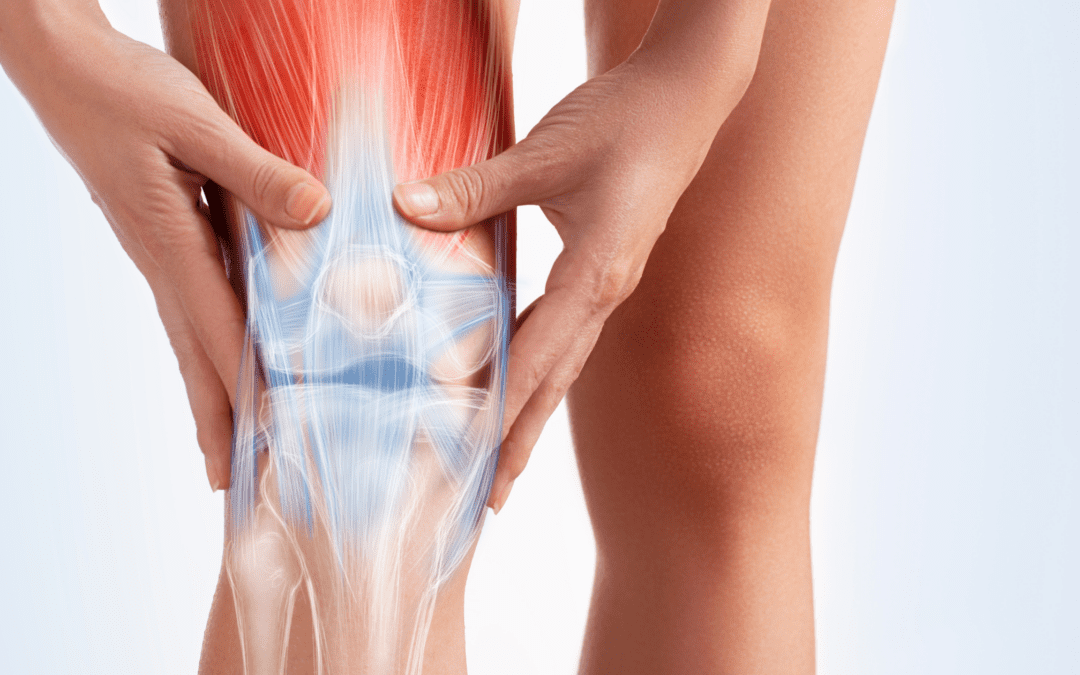
Individuals who have sustained trauma to the knee area from work, physical activity, or a motor vehicle collision can experience significant pain and mobility impairment. Can physical therapy help heal and strengthen the PLC?
Posterolateral Corner Knee Injury
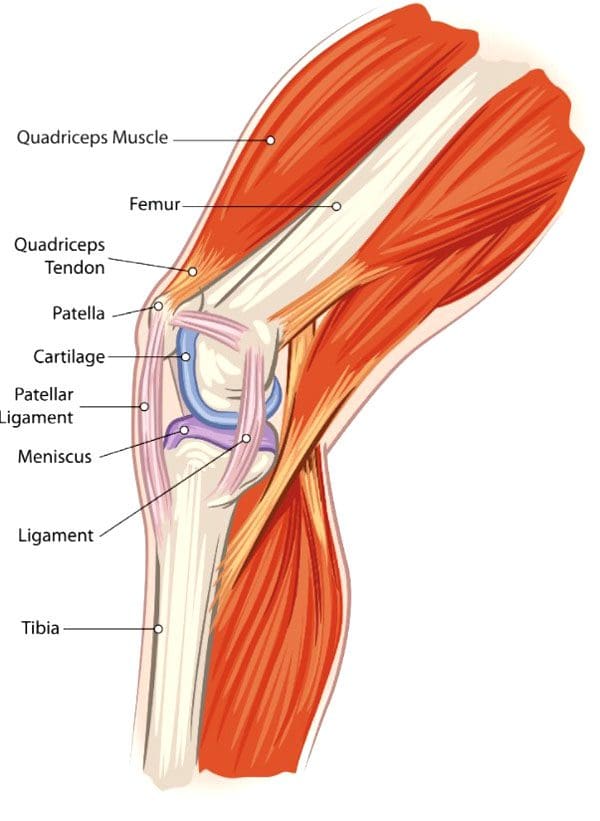
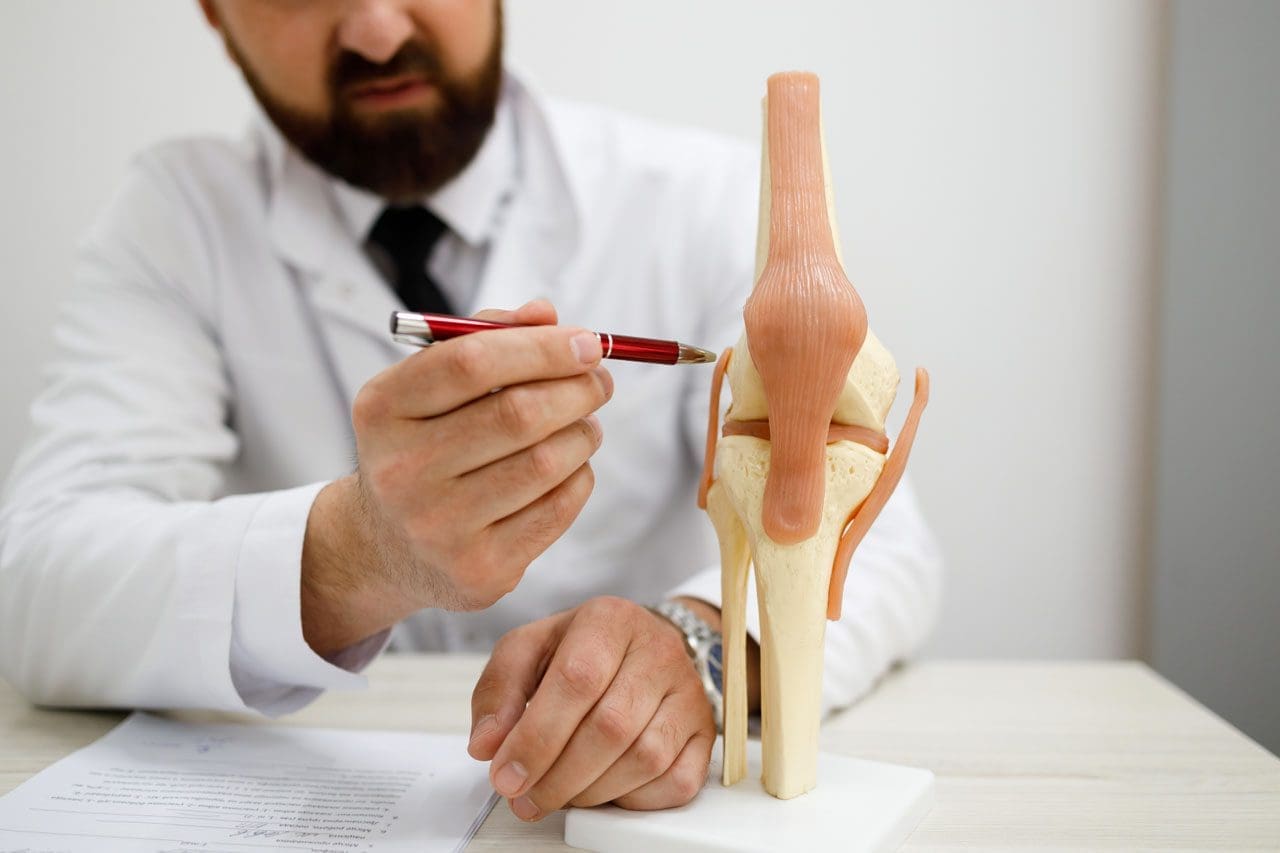
The posterolateral corner, or PLC, comprises muscles, tendons, and ligaments in the back of the knee that help support and stabilize the outside region. The primary role of the PLC is to prevent the knee from excessive amounts of rotation or bowing/turning outward. (Chahla J. et al., 2016) Posterolateral corner injuries can cause significant pain and can dramatically impact an individual’s ability to walk, work, or maintain independence. Treatment options will depend on the severity of the injury.
The Posterolateral Corner
The posterolateral corner comprises multiple structures that support and stabilize the outside of the knee. The structures are subdivided into primary and secondary stabilizers. The primary group includes:
The primary role is to prevent the knee from excessively turning outward, so the grouping provides secondary assistance in preventing the lower leg bone/tibia from shifting forward or backward on the thighbone/femur. Occasionally, one or several posterolateral corner structures can be sprained, strained, or torn.
How Injury Occurs
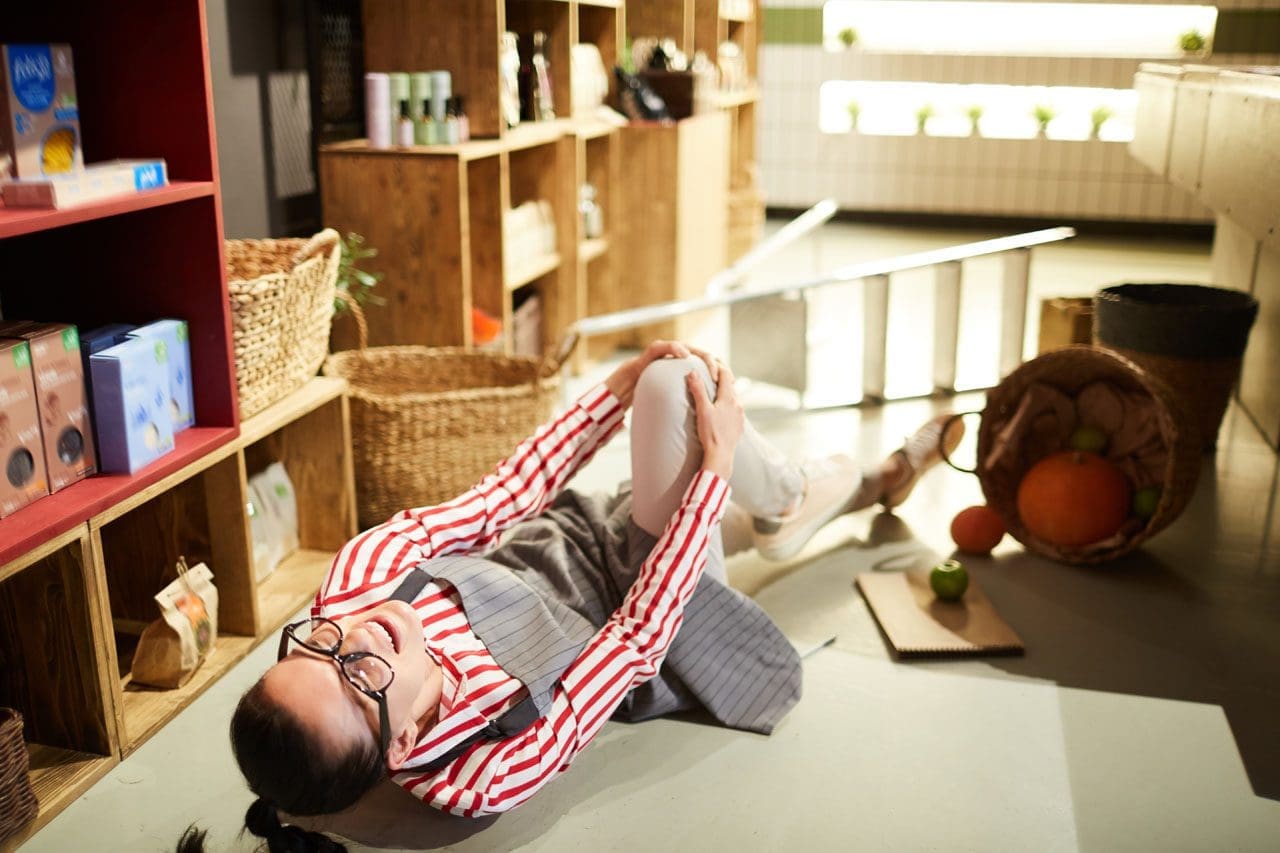
An injury occurs when a direct blow to the inner portion of the front of the knee causes the leg to bow outward. A posterolateral corner injury may also be sustained without contact, for example, if the knee hyperextends or buckles away from the other leg into a varus/bow leg position. Because the knee usually moves during a PLC, concurrent sprains or tears to the anterior cruciate ligament/ACL or posterior cruciate ligament/PCL are also common. (Chahla J. et al., 2016) Other situations that can also cause PLC injuries include automobile crashes and falls from elevated surfaces. (Shon O. J. et al., 2017) When this type of trauma causes a posterolateral corner injury, bone fractures are also common.
Symptoms
Depending on the severity of the injury, multiple symptoms may be present, including:
For individuals who suspect that they have sustained a PLC injury or have any of the symptoms listed, it is critical to be seen by an orthopedic specialist or emergency room physician. A healthcare provider will properly evaluate the leg and develop the appropriate treatment.
Diagnosis
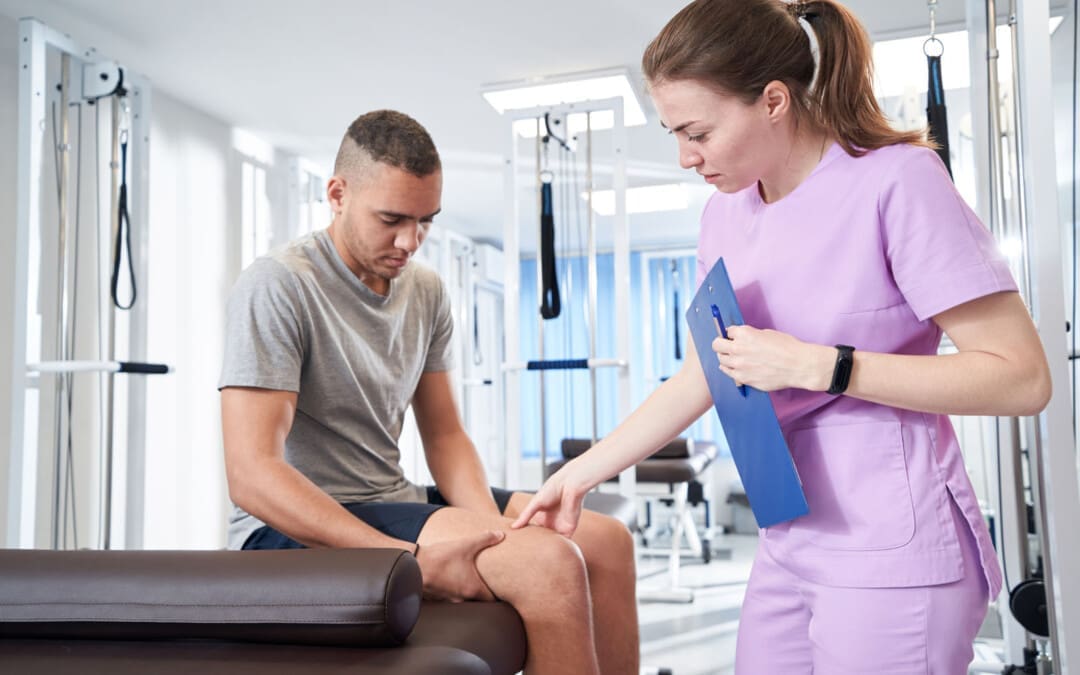
Diagnosis begins with a comprehensive examination. In addition to looking for the symptoms noted, a healthcare provider will move the legs in different directions to assess for any instability. The dial test may be performed, which involves having the patient lie on their stomach while the healthcare professional assesses the side-to-side rotation in the leg to check for excessive motion. (Shon O. J. et al., 2017) Imaging is frequently ordered to determine which anatomical structures are affected more accurately. X-rays can help rule out concurrent fractures and check for excessive laxity in the knee area. MRIs are also useful for visualizing the various tendons and ligaments, helping the healthcare provider look closely at any sprains or tears that may have occurred. However, MRIs may be less accurate in diagnosing PLC injuries after 12 weeks, so they should be obtained as soon as possible. Based on this evaluation, the injury may be classified using the following system (Shon O. J. et al., 2017)
Grade 1
0 to 5 degrees of rotational or varus/bowing instability.
Incompletely torn posterolateral corner.
Grade 2
6 to 10 degrees of rotational or varus/bowing instability.
Incompletely torn posterolateral corner.
Grade 3
Eleven or more degrees of rotational or varus/bowing instability.
Completely torn posterolateral corner.
Treatment
The care received after a posterolateral corner injury can vary depending on the structures involved and the overall severity.
Nonsurgical
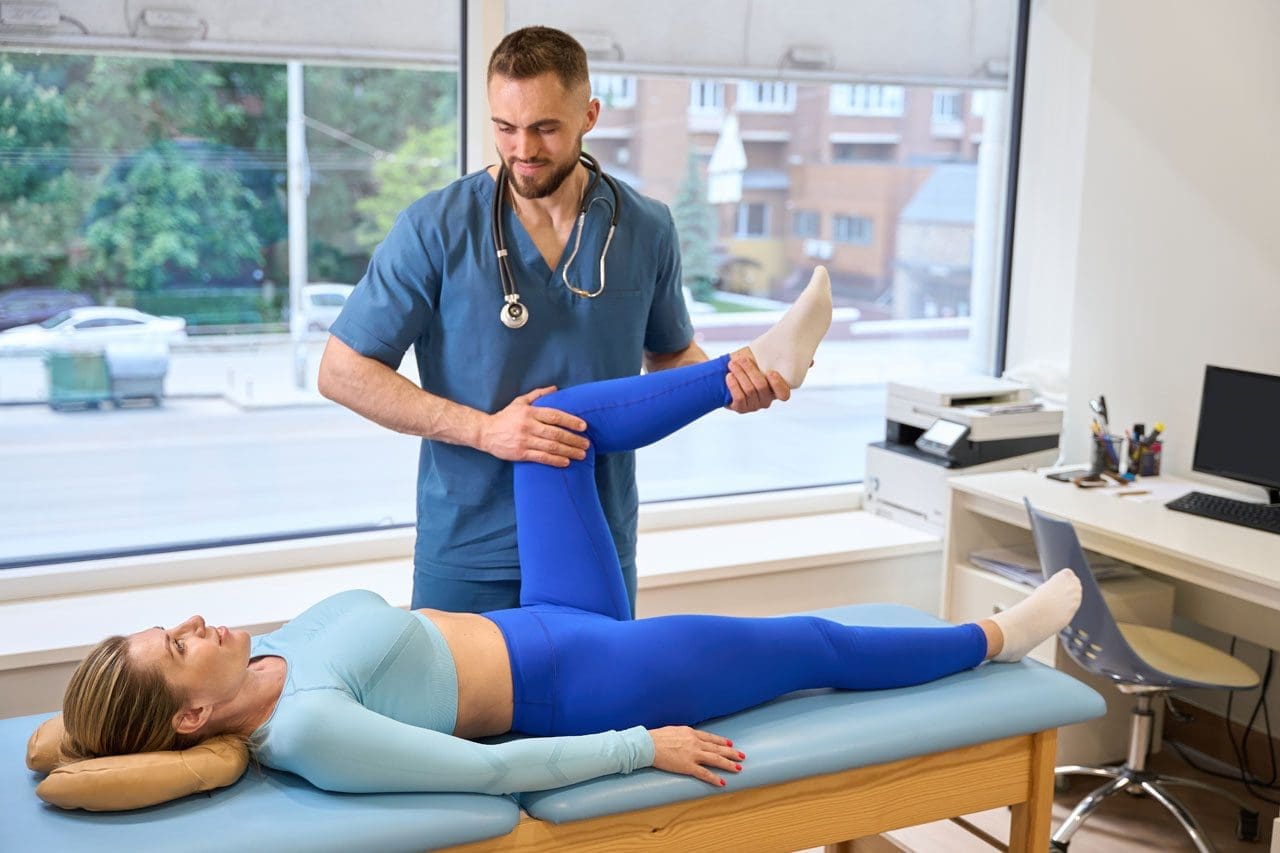
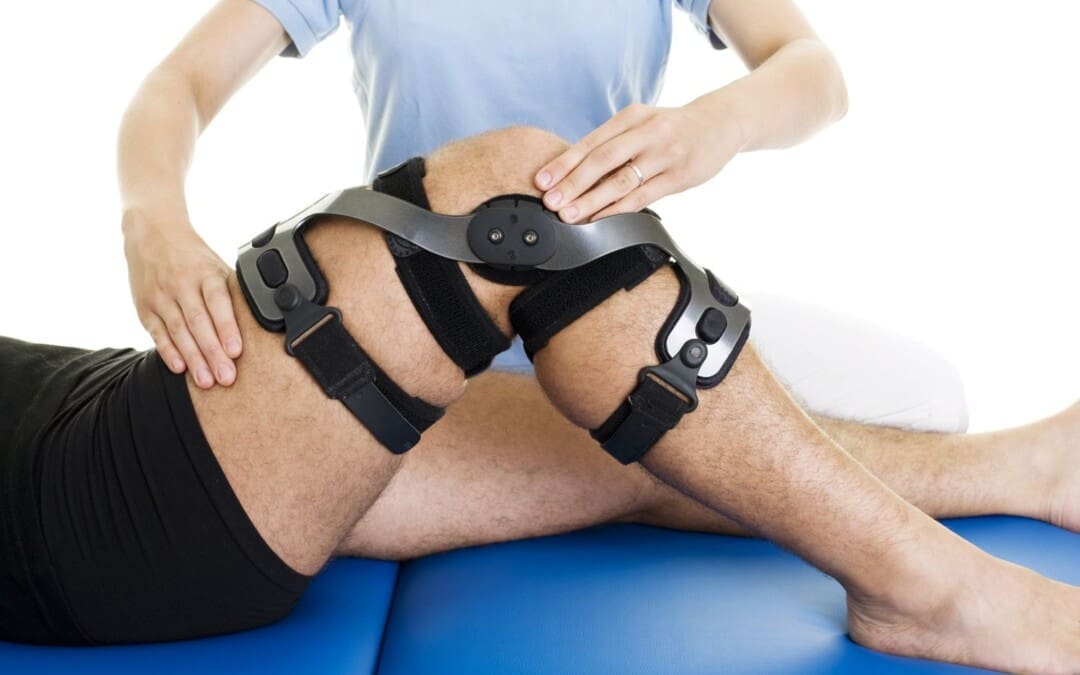
Nonsurgical treatment is typically reserved for isolated grade 1 or 2 PLC injuries. (Shon O. J. et al., 2017) Depending on which structures are affected, a stabilizing brace may be worn, and crutches are often needed to decrease the strain on the knee. Physical therapy is also commonly prescribed and focuses on the following goals:
Gradually reintroducing specific movements like running and jumping.
Surgery
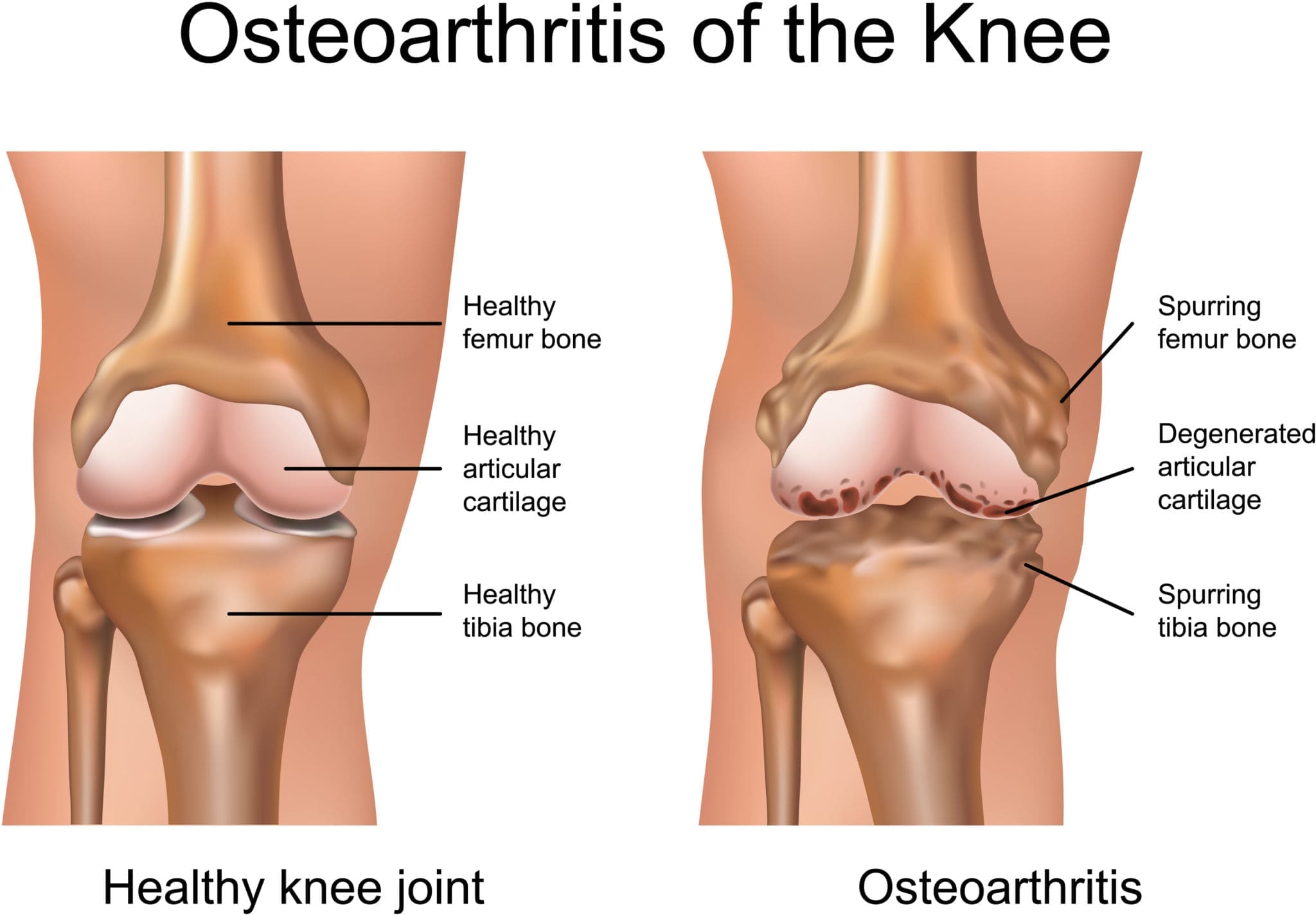
Non-surgical treatment tends not to work with grade 3 injuries. If surgery is not performed, individuals may also suffer from chronic knee instability or develop long-term osteoarthritis. (Chahla J. et al., 2019) Surgical treatment is often recommended for grade 3 injuries. The damaged primary stabilizers are surgically reconstructed using a graft from another body region. Surgical repairs may also be performed on any secondary stabilizers to improve stability. (Chahla J. et al., 2019) Any other ligament injuries, such as ACL, PCL, or concurrent fractures, will also be addressed. Following the procedure, individuals immobilize their knee with a brace and do not place weight on the affected leg to protect the surgical area. Depending on the surgeon’s recommendations, this can last six weeks or more. Physical therapy is also initiated after a surgical procedure. Though rehabilitation progresses slowly, the goals are often the same as when treating milder PLC injuries. Returning to work, sports, and/or physical activity after surgery may take six months of therapy or more. (Shon O. J. et al., 2017)
Injury Medical Chiropractic and Functional Medicine Clinic works with primary healthcare providers and specialists to develop a personalized treatment program through an integrated approach to treat injuries and chronic pain syndromes, improve flexibility, mobility, and agility, relieve pain, and help individuals return to normal activities. If other treatments are needed, Dr. Jimenez has teamed up with top surgeons, clinical specialists, medical researchers, and rehabilitation providers to provide the most effective treatments.
Knee Injury Rehabilitation
References
Chahla, J., Moatshe, G., Dean, C. S., & LaPrade, R. F. (2016). Posterolateral Corner of the Knee: Current Concepts. The archives of bone and joint surgery, 4(2), 97–103.
Shon, O. J., Park, J. W., & Kim, B. J. (2017). Current Concepts of Posterolateral Corner Injuries of the Knee. Knee surgery & related research, 29(4), 256–268. https://doi.org/10.5792/ksrr.16.029
Chahla, J., Murray, I. R., Robinson, J., Lagae, K., Margheritini, F., Fritsch, B., Leyes, M., Barenius, B., Pujol, N., Engebretsen, L., Lind, M., Cohen, M., Maestu, R., Getgood, A., Ferrer, G., Villascusa, S., Uchida, S., Levy, B. A., Von Bormann, R., Brown, C., … Gelber, P. E. (2019). Posterolateral corner of the knee: an expert consensus statement on diagnosis, classification, treatment, and rehabilitation. Knee surgery, sports traumatology, arthroscopy : official journal of the ESSKA, 27(8), 2520–2529. https://doi.org/10.1007/s00167-018-5260-4
Can incorporating stretches and exercises help relieve pain and provide more support for individuals with knee pain?
Knee Strengthening
The knee is the largest joint connecting the shin and thigh bones. Its cartilage, muscles, ligaments, and nerves all play a role in maintaining the joint’s health and movement. Individuals of all ages can experience knee pain, but it is more common in those with labor-intensive jobs, arthritis, and athletes. A healthcare provider will prescribe targeted stretches and exercises for individuals with pain, inflammation, or a health disorder that affects the strength of their knees to relieve knee pain while strengthening the muscles around the joint. Knee stretches and exercises are great for those with sore knees and knee pain or stiffness, but they can also be used as preventative medicine.
Exercise Benefits
Doing knee-strengthening exercises can significantly improve joint health. The benefits associated with exercises include (Zeng C. Y. et al., 2021)
Avoid curving the spine to get closer to the thigh during the stretch. The key is not how far you can bend down but getting a deep stretch. Individuals not yet flexible enough to go all the way down should bend until comfortable but can still feel the stretch in their hamstrings. With practice and time, flexibility will improve. This stretch should be felt in the hamstrings.
Step Exercises
Step exercises, or step-ups, involve using a platform at least 6 inches high. To perform the exercise:
Put one foot onto the platform and use that leg to lift the other foot off the floor.
Hold the position with the foot hanging loosely for 3 to 5 seconds, then place the foot back on the floor.
Avoid locking the knees when stepping up on the platform. Locking the knees switches off the muscles that need strengthening (American Academy of Orthopaedic Surgeons, 2009). Step exercises work out various areas of the leg. Individuals should feel this exercise in the thigh, hip, and buttocks.
Post-Exercise Stretching
Post-exercise stretching is vital in physical rehabilitation and strengthening. Stretching after exercise, individuals can (Afonso J. Clemente. et al., 2021)
Relieve and reduce soreness.
Expedite recovery times.
Increase range of motion.
Strengthen the knees more quickly and effectively.
Post-exercise stretches for knee pain and weakness can include:
Quadricep Stretch
This stretch targets the quad muscles located in the thighs. To perform this stretch:
Stand with the feet planted flat on the floor, spaced the same width as the shoulders.
Bending the left knee, grab the foot with the left hand and pull the heel toward the buttocks.
Hold for 5 to 10 seconds.
Repeat on both sides.
What to Avoid
There is no need to pull the heel too far into the buttocks. The goal is to feel a deep stretch. Pushing it too far can lead to injury. (Lee J. H. et al., 2021)
Toe Touches
Toe touches will help stretch calve muscles and hamstrings. To perform this stretch:
Sit on the floor with the legs straight out in front.
Bend the body over the legs at the hips, reaching for the toes in front while maintaining a straight back.
Relax the shoulders and keep them away from the ears.
Once touching the toes, hold the stretch for 15 seconds.
What To Avoid
Individuals who cannot yet touch their toes should perform the same steps and reach only as far as is comfortably possible. Over time, flexibility will improve. (Lee J. H. et al., 2021)
Injury Medical Chiropractic Clinic
These are examples of exercises and stretches that a physical therapy and chiropractic team may prescribe. Each case is different and requires reviewing individual medical history and physical examination to determine the proper treatment program. Injury Medical Chiropractic and Functional Medicine Clinic works with primary healthcare providers and specialists to develop a personalized treatment program through an integrated approach to treating injuries and chronic pain syndromes, improving flexibility, mobility, and agility to relieve pain and help individuals return to normal activities. If other treatments are needed, Dr. Jimenez has teamed up with top surgeons, clinical specialists, medical researchers, and rehabilitation providers to provide the most effective treatments.
Knee Pain Rehabilitation
References
Zeng, C. Y., Zhang, Z. R., Tang, Z. M., & Hua, F. Z. (2021). Benefits and Mechanisms of Exercise Training for Knee Osteoarthritis. Frontiers in physiology, 12, 794062. https://doi.org/10.3389/fphys.2021.794062
American Academy of Orthopaedic Surgeons. OrthoInfo. (2009). Knee exercises. https://orthoinfo.aaos.org/en/staying-healthy/knee-exercises/
Kothawale S. and Rao K. (2018). Effectiveness of positional release technique versus active release technique on hamstrings tightness. Int J Physiother Res., 6(1), 2619-2622. https://doi.org/https://dx.doi.org/10.16965/ijpr.2017.265
Wang, H., Ji, Z., Jiang, G., Liu, W., & Jiao, X. (2016). Correlation among proprioception, muscle strength, and balance. Journal of physical therapy science, 28(12), 3468–3472. https://doi.org/10.1589/jpts.28.3468
Afonso, J., Clemente, F. M., Nakamura, F. Y., Morouço, P., Sarmento, H., Inman, R. A., & Ramirez-Campillo, R. (2021). The Effectiveness of Post-exercise Stretching in Short-Term and Delayed Recovery of Strength, Range of Motion and Delayed Onset Muscle Soreness: A Systematic Review and Meta-Analysis of Randomized Controlled Trials. Frontiers in physiology, 12, 677581. https://doi.org/10.3389/fphys.2021.677581
Lee, J. H., Jang, K. M., Kim, E., Rhim, H. C., & Kim, H. D. (2021). Effects of Static and Dynamic Stretching With Strengthening Exercises in Patients With Patellofemoral Pain Who Have Inflexible Hamstrings: A Randomized Controlled Trial. Sports health, 13(1), 49–56. https://doi.org/10.1177/1941738120932911
Can athletic individuals with ACL injuries find relief through non-surgical treatments to restore knee mobility?
Introduction
The body’s lower extremities help the individuals to be mobile but also help stabilize the body’s upper weight. From the hips to the feet, many people are on their feet and using every muscle group to allow functionality. Athletic individuals use their lower extremities to do various physical activities and are susceptible to injuries. An ACL injury is one of the most common and feared injuries that can impact an athletic person’s performance. These types of injuries affect the knees of the individual and can make a person feel miserable. However, numerous surgical and non-surgical treatments can help the recovery process of an ACL injury while helping the individual restore their motion to their lower extremities. Today’s article looks at what an ACL injury is, how it affects the knees, and how non-surgical treatments can help restore knee mobility from ACL injuries. We discuss with certified associated medical providers who consolidate our patients’ information to assess ACL injuries affecting their mobility. We also inform and guide patients while asking their associated medical provider intricate questions to integrate and provide them with numerous non-surgical treatments to be incorporated into their personalized treatment plan. Dr. Jimenez, D.C., includes this information as an academic service. Disclaimer.
What Is An ACL Injury?
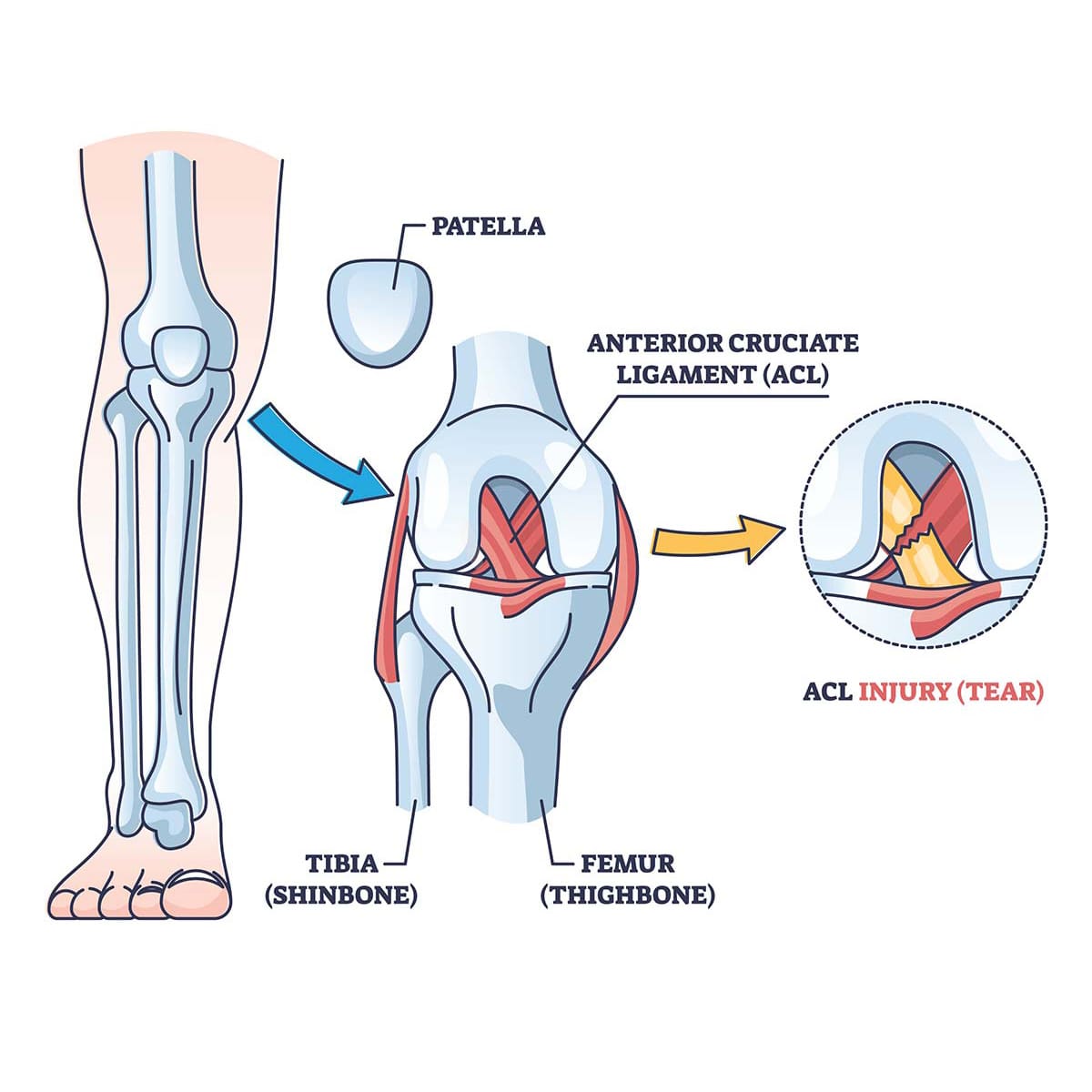
Do you feel aches or pains around your knees after a long exercise regime? Do you feel or hear a loud popping sensation in your knees? Or do you experience pain and swelling affecting your ability to be mobile? Many of these pain-like scenarios are correlated with ACL injuries, that is amongst the most common and feared injuries for athletic individuals and non-athletic individuals. However, we must look at the ACL itself to better understand ACL injuries. The ACL (anterior cruciate ligament) plays an important role as it helps with knee joint stabilization, prevents excessive forward movements from the tibia (shin bone), and limits rotational knee movements. (Yoo & Marappa-Ganeshan, 2024) This ligament is one of the most injured structures affecting athletic performance. ACL injuries and tears can lead to many individuals having knee instability and an increased risk of future knee osteoarthritis. (Atik, 2024) This is because ACL injuries typically occur during physical activities involving sudden stops, jumps, or directional impacts to the knees.
How Does It Affect The Knees?
So, how do ACL injuries affect the knees of the individual? As stated earlier, the ACL is a crucial ligament that stabilizes the knee joint during movement. When that ligament is injured, it can cause pain-like symptoms like:
Pain
Limited range of motion
Knee instability
Altered biomechanics
This causes many people to have reduced physical activity levels, which can become a great economic burden to their daily routine. (Wang et al., 2020) When dealing with ACL injuries, it can also affect the meniscus in the knees as cartilage erosion often accelerates and can potentially lead to early osteoarthritis, which correlates with ACL injuries. (Key et al., 2022) However, when a person is dealing with ACL injuries, there are numerous treatments to reduce the pain-like symptoms caused by ACL injuries and help restore knee mobility.
Overcoming An ACL Injury-Video
Non-Surgical Treatments For ACL Injuries
When finding the right treatment for ACL injuries, many individuals can incorporate non-surgical treatments as part of their customized treatment plan. Non-surgical treatments can vary and may be suitable for individuals with partial ACL tears and knee instability and who have been involved in low-impact sports. When athletic individuals are dealing with ACL injuries, by incorporating non-surgical treatments, they can address the impairments, achieve functional stability, and safely return to their physical activities while improving the neuromuscular system to achieve functional knee stability. (Diermeier et al., 2020) Non-surgical treatments can positively impact many individuals by relieving the overlapping pain-like issues affecting the knees and the severity of ACL injuries.
Chiropractic Care
Chiropractic care is one of the many non-surgical treatments that can benefit individuals dealing with ACL injuries. Chiropractic care incorporates mechanical and manual manipulation to diagnose and treat any musculoskeletal issues associated with ACL injuries and emphasizes the body’s natural ability to heal itself. For many athletic and non-athletic individuals with ACL injuries, chiropractic care can offer several benefits:
Pain management
Enhancing mobility and flexibility
Improving balance
Strengthening supporting muscles
Chiropractic care can help individuals by stretching and strengthening weak muscles and soft tissues that can help break down scar tissues that may have surrounded the knee while improving blood flow to the injured area. Chiropractors can also incorporate specific rehabilitation exercises and physical therapy for the individual, focusing on strength, flexibility, and stability in the knees and surrounding muscles.
Physical Therapy
Another form of non-surgical treatment is through physical therapy. Physical therapy can help many individuals with ACL injuries through strength training, balance, and range of motion exercises that are catered to strengthen the surrounding muscles and help maintain the knee’s stability, flexibility, and mobility. Stretching exercises like Pilates and Tai Chi are favorable for ACL rehabilitation as they are important for functional outcomes and ACL stability. (Giummarra et al., 2022) Additionally, many individuals can utilize a functional knee brace to provide additional support to the knees when doing any physical therapy, as they can help stabilize the knee and prevent unwanted movements that could exacerbate the ACL injury. While ACL injuries are serious, non-surgical treatments offer viable alternatives for many athletes. Individuals can effectively manage their injuries and lead active, fulfilling lives by focusing on physical therapy, utilizing supportive braces, and adopting lifestyle modifications.
References
Atik, O. S. (2024). The risk factors for second anterior cruciate ligament (ACL) tear after ACL reconstruction. Jt Dis Relat Surg, 35(2), 255-256. https://doi.org/10.52312/jdrs.2024.57920
Diermeier, T., Rothrauff, B. B., Engebretsen, L., Lynch, A. D., Ayeni, O. R., Paterno, M. V., Xerogeanes, J. W., Fu, F. H., Karlsson, J., Musahl, V., Svantesson, E., Hamrin Senorski, E., Rauer, T., Meredith, S. J., & Panther Symposium, A. C. L. T. C. G. (2020). Treatment after anterior cruciate ligament injury: Panther Symposium ACL Treatment Consensus Group. Knee Surg Sports Traumatol Arthrosc, 28(8), 2390-2402. https://doi.org/10.1007/s00167-020-06012-6
Giummarra, M., Vocale, L., & King, M. (2022). Efficacy of non-surgical management and functional outcomes of partial ACL tears. A systematic review of randomised trials. BMC Musculoskelet Disord, 23(1), 332. https://doi.org/10.1186/s12891-022-05278-w
Key, S., Baygin, M., Demir, S., Dogan, S., & Tuncer, T. (2022). Meniscal Tear and ACL Injury Detection Model Based on AlexNet and Iterative ReliefF. J Digit Imaging, 35(2), 200-212. https://doi.org/10.1007/s10278-022-00581-3
Wang, L. J., Zeng, N., Yan, Z. P., Li, J. T., & Ni, G. X. (2020). Post-traumatic osteoarthritis following ACL injury. Arthritis Res Ther, 22(1), 57. https://doi.org/10.1186/s13075-020-02156-5
Can physical therapies help treat a high steppage gait from injury or medical conditions and restore normal gait patterns for individuals who have or are developing one?
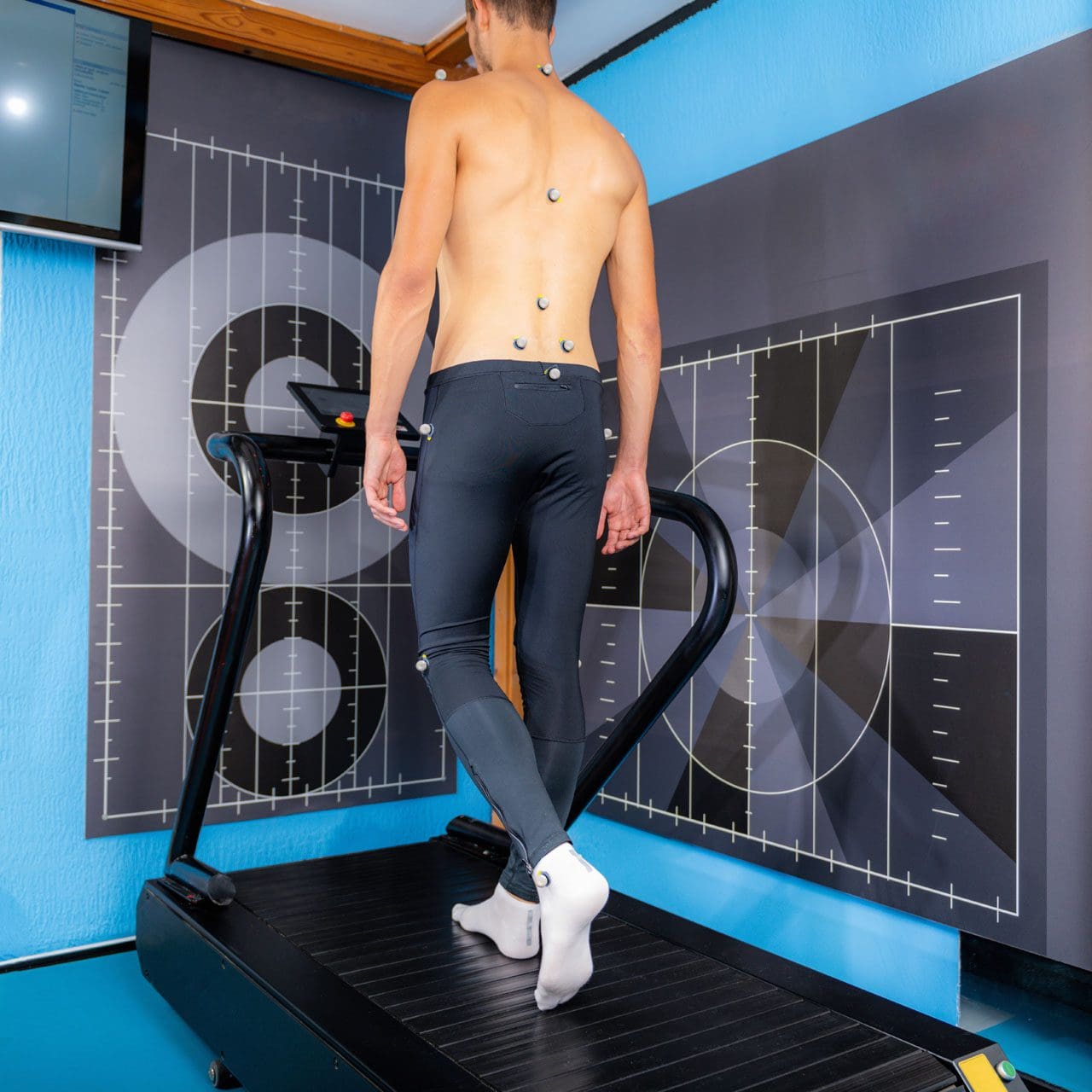
Walking or gait anthropometric analysis on a treadmill
Neuropathic Gait
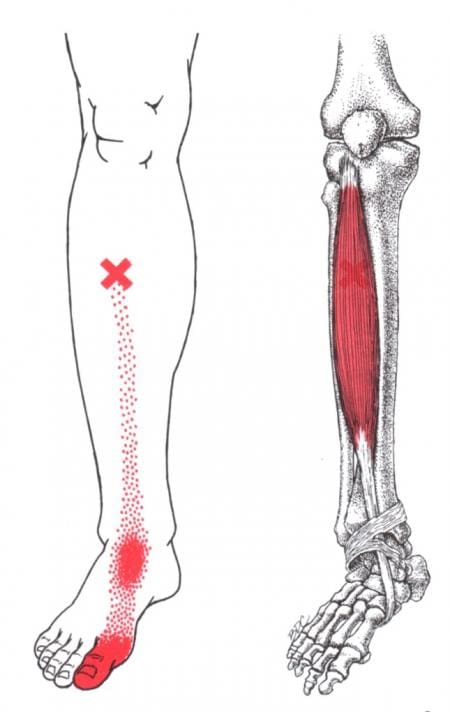
Neuropathic gait, aka equine or high steppage gait, is a type of walking abnormality that causes individuals to raise their hips to lift their legs higher than normal. It occurs when individuals have a foot drop or ankle equinus due to loss of dorsiflexion. As a result, the foot hangs with the toes pointing down, causing the toes to drag while walking. The foot may appear floppy when it drops. Foot drop is caused by weakness or paralysis of the anterior tibialis muscle in front of the shin bone. The anterior tibialis muscle contracts to help flex the foot and ankle while walking, ensuring the foot clears the floor and doesn’t drag. Individuals with anterior tibialis weakness or paralysis may have a neuropathic gait and excessively bend the hip and knee while stepping forward, lifting their leg high off the floor to clear the foot to avoid tripping. A physical therapy team can help with a high steppage gait pattern after illness or injury.
Causes
Conditions that can cause anterior tibialis weakness or paralysis and a high steppage gait pattern include:
Sciatica
Pain caused by compression or irritation of the sciatic nerve starts in the lower back and travels down the back of the leg. (McCabe, F. J., McCabe, J. P. 2016)
Peroneal Nerve Injury
Damage to the peroneal nerve branches from the sciatic nerve that help move the lower leg and foot. (Johns Hopkins Medicine. 2024)
Multiple Sclerosis
An autoimmune disease that damages nerve cells in the brain and spinal cord. (Taylor, P. N. et al., 2016)
Balance exercises will help improve overall proprioception, or the sense of the body’s position and movement.
Neuromuscular electrical stimulation, or NMES, can help improve the function of the muscle. (Hollis, S., McClure, P. 2017)
The electrical stimulation artificially contracts the muscle to restore proper function.
For anterior tibialis weakness caused by sciatica, back decompression exercises may be prescribed to relieve pressure off the sciatic nerve.
The exercises release the nerve to restore normal signal transmission up and down the nerve in the lower back.
Neuromuscular electrical stimulation may also be used to help improve muscle function.
Assistive Walking Devices
A therapist may suggest using an assistive device to help the patient walk properly. This could include a wheeled walker or a quad cane. A temporary solution to anterior tibialis weakness is to elevate the foot while walking with an elastic band. Tie a band around the leg below the knee and secure it around the ball of the foot. When swinging the leg forward, the band pulls the foot up. Using it as a temporary solution may help maintain safe mobility. Sometimes, paralysis of the anterior tibialis muscle can become permanent. In this case, individuals may benefit from a special brace called an ankle-foot orthosis. The brace helps to lift the foot and toes off the ground.
For individuals concerned about losing their balance and falling, there are ways to improve walking patterns to stay safe. A healthcare provider may recommend physical therapy to correct gait, strengthen the anterior tibialis muscle, improve balance, and educate on injury prevention. Individuals should discuss symptoms and conditions with a primary physician, healthcare provider, or specialist to guide them in the right direction and determine the best treatment.
Injury Medical Chiropractic and Functional Medicine Clinic uses an integrated approach personalized to the individual that focuses on what works for them and treats injuries and chronic pain syndromes through personalized care plans that improve ability through flexibility, mobility, and agility programs to relieve pain. If other treatment is needed, Dr. Jimenez has teamed up with top surgeons, clinical specialists, medical researchers, and rehabilitation providers to provide the most effective treatments.
Control Foot Motion and Posture
References
McCabe, F. J., & McCabe, J. P. (2016). An Unusual Presentation of Right-Sided Sciatica with Foot Drop. Case reports in orthopedics, 2016, 9024368. https://doi.org/10.1155/2016/9024368
Kaykisiz, E. K., & Unluer, E. E. (2017). An Unexpected Reason for Isolated Foot Drop: Acute Stroke. Pakistan journal of medical sciences, 33(5), 1288–1290. https://doi.org/10.12669/pjms.335.13593
Taylor, P. N., Wilkinson Hart, I. A., Khan, M. S., & Slade-Sharman, D. E. (2016). Correction of Footdrop Due to Multiple Sclerosis Using the STIMuSTEP Implanted Dropped Foot Stimulator. International journal of MS care, 18(5), 239–247. https://doi.org/10.7224/1537-2073.2015-038
Hollis, S., & McClure, P. (2017). Intramuscular Electrical Stimulation for Muscle Activation of the Tibialis Anterior After Surgical Repair: A Case Report. The Journal of orthopaedic and sports physical therapy, 47(12), 965–969. https://doi.org/10.2519/jospt.2017.7368
For individuals dealing with knee pain symptoms from injury and/or arthritis, can incorporating an acupuncture and/or electroacupuncture treatment plan help in pain relief and management?
Acupuncture For Knee Pain
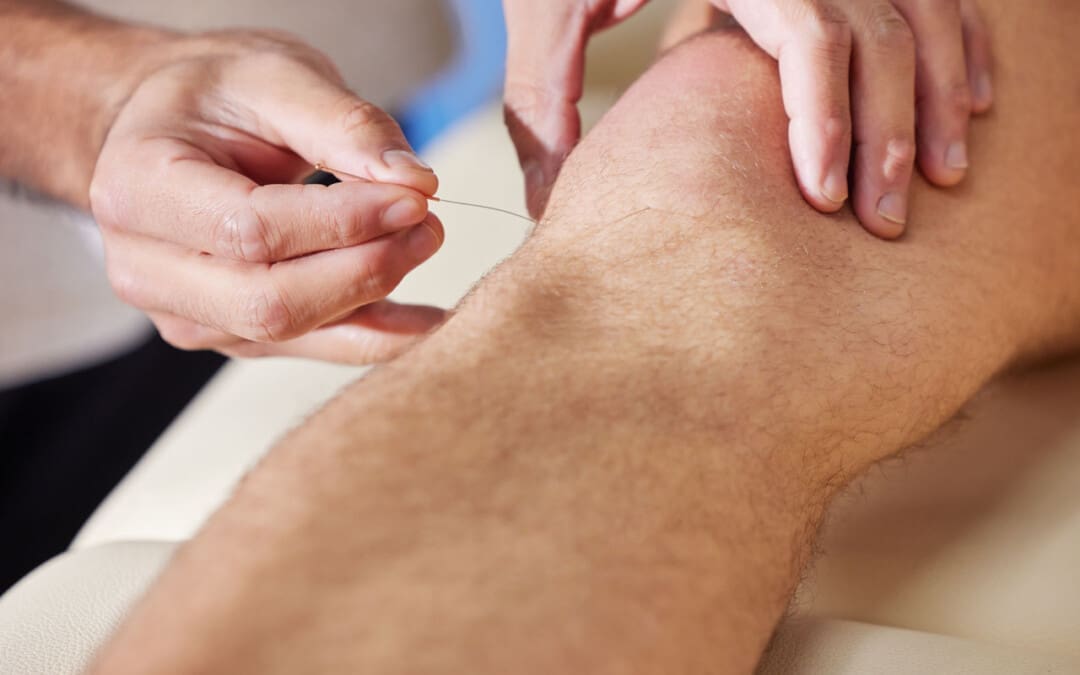
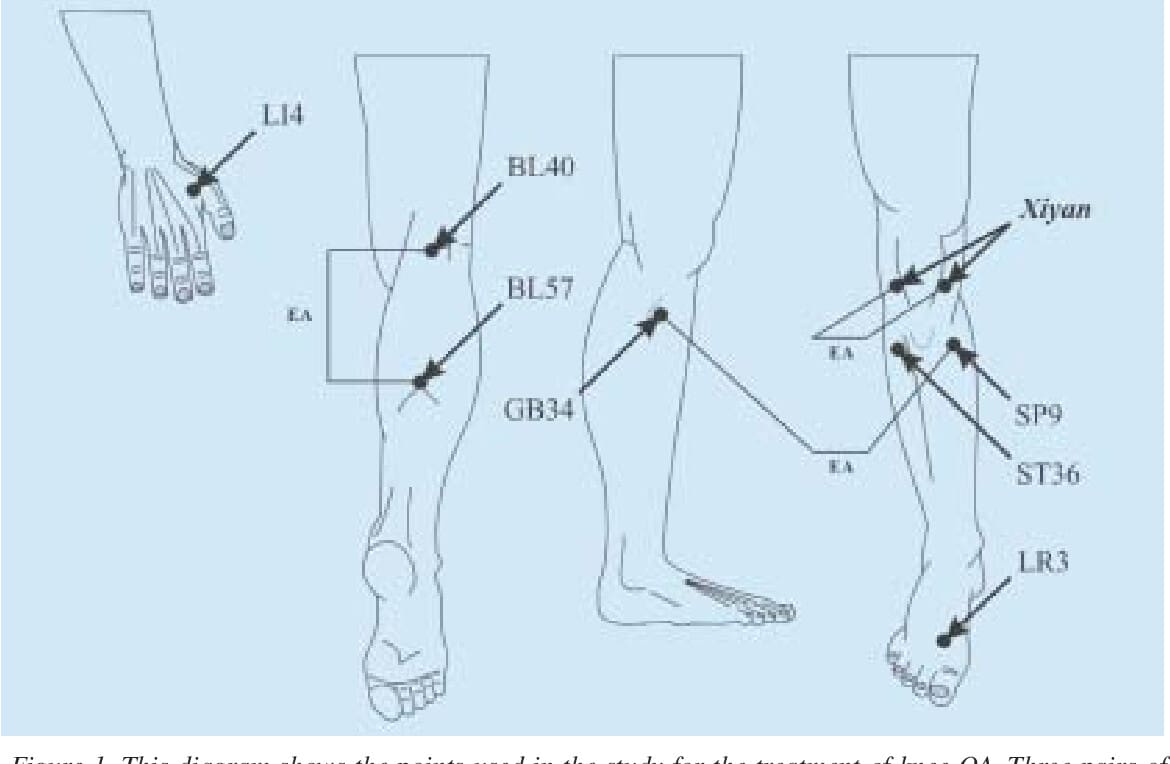
Acupuncture involves inserting very thin needles into the skin at specific acupoints on the body. It is based on the premise that the needles restore the flow of the body’s energy to activate and promote healing, relieve pain, and help the body relax.
Acupuncture can help address various health conditions, including knee pain caused by arthritis or injury.
Depending on the type and severity of pain, treatments can help reduce the pain for days or weeks.
Acupuncture is often used as a complementary therapy – treatment in addition to other treatment or therapy strategies like massage and chiropractic.
Acupuncture Benefits
Knee pain caused by osteoarthritis or injury can reduce flexibility, mobility, and quality of life. Acupuncture can help provide relief.
When the acupuncture needles are placed on the body, a signal is sent along the spinal cord to the brain, which triggers a release of endorphins/pain hormones. Medical researchers believe this helps reduce pain. (Qian-Qian Li et al., 2013) Acupuncture also helps decrease the production of cortisol, a hormone that helps control inflammation. (Qian-Qian Li et al., 2013) With reduced pain sensations and less inflammation after acupuncture treatments, knee function and mobility can be improved.
Various factors play a role in the pain relief experienced from acupuncture. Some evidence suggests that an individual’s expectations may impact the results of acupuncture treatment. (Stephanie L. Prady et al., 2015)
Researchers are currently assessing whether the expectation that acupuncture is beneficial contributes to a better outcome after treatment. (Zuoqin Yang et al., 2021)
In 2019, acupuncture was recommended in treating knee osteoarthritis in the American College of Rheumatology/Arthritis Foundation guidelines for hand, hip, and knee osteoarthritis pain management. (Sharon L. Kolasinski et al., 2020)
Research
Different clinical studies support acupuncture’s ability to help in knee pain relief and management.
One study found that acupuncture helps manage various conditions that cause chronic pain. (Andrew J. Vickers et al., 2012)
A scientific review analyzed previous studies on pain management interventions after knee surgery and found supporting evidence that the treatments delayed and reduced the use of medications for pain relief post-surgery. (Dario Tedesco et al., 2017)
Osteoarthritis
A systematic review analyzed randomized control studies to determine whether or not acupuncture reduced pain and improved joint function in individuals with chronic osteoarthritis knee pain. (Xianfeng Lin et al., 2016)
Individuals received six to twenty-three weekly acupuncture sessions for three to 36 weeks.
The analysis determined that acupuncture can improve short and long-term physical function and mobility and provide up to 13 weeks of pain relief in individuals with chronic knee pain caused by osteoarthritis.
Rheumatoid Arthritis
Rheumatoid arthritis is a chronic disease that affects joints, including the knee joint, causing pain and stiffness.
Acupuncture is beneficial in treating rheumatoid arthritis/RA.
A review found that acupuncture alone and in combination with other treatment modalities benefits individuals with RA. (Pei-Chi, Chou Heng-Yi Chu 2018)
Acupuncture is believed to have anti-inflammatory and antioxidant effects to help regulate immune system function.
Chronic Knee Pain
Various conditions and injuries can cause chronic knee pain, making mobility difficult.
Individuals with joint pain often turn to complementary therapies for pain relief management, with acupuncture being one of the popular modalities. (Michael Frass et al., 2012)
Working with a licensed, professional acupuncture practitioner can reduce the risk of unwanted side effects and complications.
Types
Other acupuncture options that may be offered include:
Electroacupuncture
A modified form of acupuncture where a mild electrical current passes through the needles, providing additional stimulation to the acupoints.
In one research study, individuals with knee osteoarthritis reported significant improvements in their pain, stiffness, and physical function after electroacupuncture treatment. (Ziyong Ju et al., 2015)
Auricular
Auricular or ear acupuncture works on acupoints in the ear corresponding to the body’s different parts.
A research review analyzed several studies on auricular acupuncture for pain relief and found that it can provide relief within 48 hours of pain onset. (M. Murakami et al., 2017)
Battlefield Acupuncture
The military and veteran healthcare facilities use a unique form of auricular acupuncture for pain management.
Studies show that it is effective at providing immediate pain relief, but more research is necessary to determine long-term pain relief effectiveness. (Anna Denee Montgomery, Ronovan Ottenbacher 2020)
Before trying acupuncture, consult a healthcare professional for guidance, as it may be integrated with other therapies and lifestyle adjustments.
Overcoming an ACL Injury
References
Li, Q. Q., Shi, G. X., Xu, Q., Wang, J., Liu, C. Z., & Wang, L. P. (2013). Acupuncture effect and central autonomic regulation. Evidence-based complementary and alternative medicine : eCAM, 2013, 267959. https://doi.org/10.1155/2013/267959
Prady, S. L., Burch, J., Vanderbloemen, L., Crouch, S., & MacPherson, H. (2015). Measuring expectations of benefit from treatment in acupuncture trials: a systematic review. Complementary therapies in medicine, 23(2), 185–199. https://doi.org/10.1016/j.ctim.2015.01.007
Yang, Z., Li, Y., Zou, Z., Zhao, Y., Zhang, W., Jiang, H., Hou, Y., Li, Y., & Zheng, Q. (2021). Does patient’s expectation benefit acupuncture treatment?: A protocol for systematic review and meta-analysis. Medicine, 100(1), e24178. https://doi.org/10.1097/MD.0000000000024178
Kolasinski, S. L., Neogi, T., Hochberg, M. C., Oatis, C., Guyatt, G., Block, J., Callahan, L., Copenhaver, C., Dodge, C., Felson, D., Gellar, K., Harvey, W. F., Hawker, G., Herzig, E., Kwoh, C. K., Nelson, A. E., Samuels, J., Scanzello, C., White, D., Wise, B., … Reston, J. (2020). 2019 American College of Rheumatology/Arthritis Foundation Guideline for the Management of Osteoarthritis of the Hand, Hip, and Knee. Arthritis care & research, 72(2), 149–162. https://doi.org/10.1002/acr.24131
Vickers, A. J., Cronin, A. M., Maschino, A. C., Lewith, G., MacPherson, H., Foster, N. E., Sherman, K. J., Witt, C. M., Linde, K., & Acupuncture Trialists’ Collaboration (2012). Acupuncture for chronic pain: individual patient data meta-analysis. Archives of internal medicine, 172(19), 1444–1453. https://doi.org/10.1001/archinternmed.2012.3654
Tedesco, D., Gori, D., Desai, K. R., Asch, S., Carroll, I. R., Curtin, C., McDonald, K. M., Fantini, M. P., & Hernandez-Boussard, T. (2017). Drug-Free Interventions to Reduce Pain or Opioid Consumption After Total Knee Arthroplasty: A Systematic Review and Meta-analysis. JAMA surgery, 152(10), e172872. https://doi.org/10.1001/jamasurg.2017.2872
Lin, X., Huang, K., Zhu, G., Huang, Z., Qin, A., & Fan, S. (2016). The Effects of Acupuncture on Chronic Knee Pain Due to Osteoarthritis: A Meta-Analysis. The Journal of bone and joint surgery. American volume, 98(18), 1578–1585. https://doi.org/10.2106/JBJS.15.00620
Chou, P. C., & Chu, H. Y. (2018). Clinical Efficacy of Acupuncture on Rheumatoid Arthritis and Associated Mechanisms: A Systemic Review. Evidence-based complementary and alternative medicine : eCAM, 2018, 8596918. https://doi.org/10.1155/2018/8596918
Frass, M., Strassl, R. P., Friehs, H., Müllner, M., Kundi, M., & Kaye, A. D. (2012). Use and acceptance of complementary and alternative medicine among the general population and medical personnel: a systematic review. Ochsner journal, 12(1), 45–56.
Hinman, R. S., McCrory, P., Pirotta, M., Relf, I., Forbes, A., Crossley, K. M., Williamson, E., Kyriakides, M., Novy, K., Metcalf, B. R., Harris, A., Reddy, P., Conaghan, P. G., & Bennell, K. L. (2014). Acupuncture for chronic knee pain: a randomized clinical trial. JAMA, 312(13), 1313–1322. https://doi.org/10.1001/jama.2014.12660
National Center for Complementary and Integrative Health. (2022). Acupuncture in depth. National Center for Complementary and Integrative Health. https://www.nccih.nih.gov/health/acupuncture-what-you-need-to-know
Harvard Medical School. (2023). Acupuncture: what is it? Harvard Health Publishing Harvard Medical School Blog. https://www.health.harvard.edu/a_to_z/acupuncture-a-to-z#:~:text=The%20most%20common%20side%20effects,injury%20to%20an%20internal%20organ.
Ju, Z., Guo, X., Jiang, X., Wang, X., Liu, S., He, J., Cui, H., & Wang, K. (2015). Electroacupuncture with different current intensities to treat knee osteoarthritis: a single-blinded controlled study. International journal of clinical and experimental medicine, 8(10), 18981–18989.
Murakami, M., Fox, L., & Dijkers, M. P. (2017). Ear Acupuncture for Immediate Pain Relief-A Systematic Review and Meta-Analysis of Randomized Controlled Trials. Pain medicine (Malden, Mass.), 18(3), 551–564. https://doi.org/10.1093/pm/pnw215
Montgomery, A. D., & Ottenbacher, R. (2020). Battlefield Acupuncture for Chronic Pain Management in Patients on Long-Term Opioid Therapy. Medical acupuncture, 32(1), 38–44. https://doi.org/10.1089/acu.2019.1382
Knee injuries can present in physically active individuals that lift weights. Can understanding the types of weightlifting knee injuries help in prevention?
Weightlifting Knee Injuries
Weight training is very safe for the knees as regular weight training can improve knee strength and prevent injury as long as the correct form is followed. For Individuals with knee injuries from other activities, incorrect weight-training exercises could worsen the injury. (Ulrika Aasa et al., 2017) As well as, sudden twisting movements, poor alignment, and pre-existing injuries can increase the risk of worsening or creating further injuries. (Hagen Hartmann et al, 2013) The body and the knees are designed to support vertical forces on the joints.
Common Injuries
Weightlifting knee injuries occur as the knee joints endure a wide range of stresses and strains. In weight training, the ligaments that attach to the complex bone system of the knee joint can be damaged by incorrect movements, overloading the weight, and increasing the weight too soon. These injuries can result in pain, swelling, and immobility that can range from minor to severe, from a sprain or a slight tear to a complete tear in serious cases.
Anterior Cruciate Ligament – ACL – Injury
This ligament attaches the thigh’s femur bone to the lower leg’s shin bone/tibia and controls excessive rotation or extension of the knee joint. (American Academy of Family Physicians. 2024)
Anterior means front.
ACL injuries are seen mostly in athletes but can happen to anybody.
Severe damage to the ACL usually means surgical reconstruction and up to 12 months of rehabilitation.
When weightlifting, try to avoid twisting knee movements, intentionally or accidentally, under excessive load.
Posterior Cruciate Ligament – PCL – Injury
The PCL connects the femur and tibia at different points to the ACL.
It controls any backward motion of the tibia at the joint.
Injuries occur most with high-impact forces as a result of accidents and sometimes in activities where forceful trauma to the knee occurs.
Medial Collateral Ligament – MCL – Injury
This ligament maintains the knee from bending too far to the inside/medially.
Injuries mostly occur from impact to the outside of the knee or from accidental bodyweight force on the leg that bends at an unusual angle.
Lateral Collateral Ligament – LCL – Injury
This ligament connects the smaller bone of the lower leg/fibula to the femur.
It is opposite to the MCL.
It maintains excessive outward movement.
LCL injuries occur when a force pushes the knee out.
Cartilage Injury
Cartilage prevents bones from rubbing together and cushions impact forces.
Knee menisci are cartilage that cushions the knee joints inside and outside.
Other types of cartilage protect the thigh and shin bones.
When cartilage gets torn or damaged, surgery may be required.
Tendonitis
Aggravated and overused knee tendons can lead to weightlifting knee injuries.
A related injury known as iliotibial band syndrome/ITB causes pain to the outside of the knee, usually in runners, but it can occur from overuse.
Rest, stretching, physical therapy, and anti-inflammatory medication are a common treatment plan.
The condition causes the cartilage to deteriorate and bones to rub together, resulting in pain and stiffness.
Prevention
Individuals can minimize their risk of weightlifting knee injuries and pain by following their doctor’s and personal trainers’ recommendations.
Individuals with an existing knee injury should follow their doctor’s or physical therapist’s recommendations.
A knee sleeve can keep the muscles and joints secure, providing protection and support.
Stretching the leg and knee muscles can maintain joint flexibility.
Avoid sudden lateral movements.
Possible recommendations can include:
Avoiding Certain Exercises
Isolation exercises like leg curls, standing, or on a bench, as well as using the leg extension machine, can stress the knee.
Deep Squat Training
Research shows that the deep squat can protect against lower leg injury if the knee is healthy. However, this is when done with proper technique, under expert supervision, and with a gradual progressive load. (Hagen Hartmann et al, 2013)
Individuals should talk to their doctor before beginning a new exercise routine. A personal trainer can provide training in learning the proper technique and weightlifting form.
How I Tore my ACL Part 2
References
Aasa, U., Svartholm, I., Andersson, F., & Berglund, L. (2017). Injuries among weightlifters and powerlifters: a systematic review. British journal of sports medicine, 51(4), 211–219. https://doi.org/10.1136/bjsports-2016-096037
Hartmann, H., Wirth, K., & Klusemann, M. (2013). Analysis of the load on the knee joint and vertebral column with changes in squatting depth and weight load. Sports medicine (Auckland, N.Z.), 43(10), 993–1008. https://doi.org/10.1007/s40279-013-0073-6
American Academy of Family Physicians. ACL injury. (2024). ACL injury (Diseases and Conditions, Issue. https://familydoctor.org/condition/acl-injuries/
Mellinger, S., & Neurohr, G. A. (2019). Evidence based treatment options for common knee injuries in runners. Annals of translational medicine, 7(Suppl 7), S249. https://doi.org/10.21037/atm.2019.04.08
Driban, J. B., Hootman, J. M., Sitler, M. R., Harris, K. P., & Cattano, N. M. (2017). Is Participation in Certain Sports Associated With Knee Osteoarthritis? A Systematic Review. Journal of athletic training, 52(6), 497–506. https://doi.org/10.4085/1062-6050-50.2.08
Can individuals with osteoarthritis find the relief they deserve through electroacupuncture to restore knee and hip mobility?
Introduction
The lower extremities provide movement and stability to the body, allowing people to be in motion. The hips, lower back, knees, and feet each have a function to do, and when traumatic issues start to affect the spinal structures, it can cause numerous symptoms to pop up and cause pain-like symptoms. Additionally, degenerative factors are natural to the joints of the lower extremities as many people make repetitive motions to their bodies that lead to the degenerative process. One of the most common degenerative issues that affect the lower extremities is osteoarthritis, which can make many people feel miserable. Today’s article looks at how osteoarthritis affects the lower extremities and how treatments like electroacupuncture reduce inflammation associated with osteoarthritis and restore knee and hip mobility. We talk with certified medical providers who consolidate our patients’ information to understand better how osteoarthritis affects their lower extremities. We also inform and guide patients on how electroacupuncture therapy can help reduce the inflammatory effects of osteoarthritis affecting the hips and knees. We encourage our patients to ask their associated medical providers intricate and important questions about reducing the progression of osteoarthritis through non-surgical treatments. Dr. Jimenez, D.C., includes this information as an academic service. Disclaimer.
Osteoarthritis Affecting The Lower Extremities
Have you been dealing with stiffness in your knees, hips, and lower back in the mornings? Do you feel like you are wobbling a bit too much when walking? Or do you think radiating heat and swelling in your knees? When people experience these inflammatory pain issues in their joints, it is due to osteoarthritis, a degenerative joint disorder affecting the cartilage between the bones and the tissue components surrounding the joint. Osteoarthritis is multifactorial, meaning it can be idiopathic or secondary while influenced by heredity factors. (Bliddal, 2020) The most common places where people experience osteoarthritis are the lower back, hand, hips, and, most commonly, the knees. Some of the major environmental factors that contribute to the development of osteoarthritis include:
Obesity
Age
Repetitive motions
Family history
Injuries
When people are dealing with osteoarthritis, environmental factors can lead to weight overloading on the joints, which results in compression and inflammation. (Nedunchezhiyan et al., 2022)
When inflammation is associated with osteoarthritis, it can cause the joints and surrounding muscle tissues to swell and feel hot to the touch. At the same time, osteoarthritis is one of the leading causes of disability that can become a socio-economic issue for many people. (Yao et al., 2023) This is because many individuals with osteoarthritis have comorbidities that are associated with the effects of inflammatory cytokines, which can cause them to be physically inactive and miserable. (Katz et al., 2021) However, there are various ways to reduce the progression of osteoarthritis and reduce the inflammatory effects on the joints.
Electroacupuncture Reducing Inflammation Associated With Osteoarthritis
When it comes to inflammation reduction associated with osteoarthritis, many people seek out surgical and non-surgical treatments that can help decrease the progression of this degenerative joint disease. Many people will do aqua therapy to relieve pressure off the joints and improve their mobility. At the same time, others use spinal decompression to create negative pressure on the joint space. However, many people have found that electroacupuncture can help reduce the inflammatory effects of osteoarthritis. Electroacupuncture combines electrical nerve stimulation and acupuncture by highly trained professionals that can help decrease the pain intensity in the joints and provide functionality. (Wu et al., 2020) Additionally, since osteoarthritis is associated with inflammation, electroacupuncture can promote blood circulation and adjustment of muscle tension on the joints, and improve mobility. (Zhang et al., 2023)
Electroacupuncture Restoring Knee & Hip Mobility
Electroacupuncture can help with hip and knee mobility as this non-surgical treatment helps promote pain limitations and muscular atrophy from biomechanical overloading, thus improving cartilage viscoelasticity. (Shi et al., 2020) This allows the joints to retain mobility in the hips, knees, and lower back. When people go through consecutive treatment for osteoporosis, they can recover their muscle strength over time to restore their mobility and reduce the progression of osteoarthritis. (Xu et al., 2020) By doing so, many people can find the relief they are looking for with electroacupuncture, which can enable them to make small changes in their daily routine to ensure they can function throughout the day.
Katz, J. N., Arant, K. R., & Loeser, R. F. (2021). Diagnosis and Treatment of Hip and Knee Osteoarthritis: A Review. JAMA, 325(6), 568-578. https://doi.org/10.1001/jama.2020.22171
Nedunchezhiyan, U., Varughese, I., Sun, A. R., Wu, X., Crawford, R., & Prasadam, I. (2022). Obesity, Inflammation, and Immune System in Osteoarthritis. Front Immunol, 13, 907750. https://doi.org/10.3389/fimmu.2022.907750
Shi, X., Yu, W., Wang, T., Battulga, O., Wang, C., Shu, Q., Yang, X., Liu, C., & Guo, C. (2020). Electroacupuncture alleviates cartilage degradation: Improvement in cartilage biomechanics via pain relief and potentiation of muscle function in a rabbit model of knee osteoarthritis. Biomed Pharmacother, 123, 109724. https://doi.org/10.1016/j.biopha.2019.109724
Wu, S. Y., Lin, C. H., Chang, N. J., Hu, W. L., Hung, Y. C., Tsao, Y., & Kuo, C. A. (2020). Combined effect of laser acupuncture and electroacupuncture in knee osteoarthritis patients: A protocol for a randomized controlled trial. Medicine (Baltimore), 99(12), e19541. https://doi.org/10.1097/MD.0000000000019541
Xu, H., Kang, B., Li, Y., Xie, J., Sun, S., Zhong, S., Gao, C., Xu, X., Zhao, C., Qiu, G., & Xiao, L. (2020). Using electroacupuncture to recover muscle strength in patients with knee osteoarthritis after total knee arthroplasty: a study protocol for a double-blinded, randomized, and placebo-controlled trial. Trials, 21(1), 705. https://doi.org/10.1186/s13063-020-04601-x
Yao, Q., Wu, X., Tao, C., Gong, W., Chen, M., Qu, M., Zhong, Y., He, T., Chen, S., & Xiao, G. (2023). Osteoarthritis: pathogenic signaling pathways and therapeutic targets. Signal Transduct Target Ther, 8(1), 56. https://doi.org/10.1038/s41392-023-01330-w
Zhang, W., Zhang, L., Yang, S., Wen, B., Chen, J., & Chang, J. (2023). Electroacupuncture ameliorates knee osteoarthritis in rats via inhibiting NLRP3 inflammasome and reducing pyroptosis. Mol Pain, 19, 17448069221147792. https://doi.org/10.1177/17448069221147792
IFM's Find A Practitioner tool is the largest referral network in Functional Medicine, created to help patients locate Functional Medicine practitioners anywhere in the world. IFM Certified Practitioners are listed first in the search results, given their extensive education in Functional Medicine


 Causes