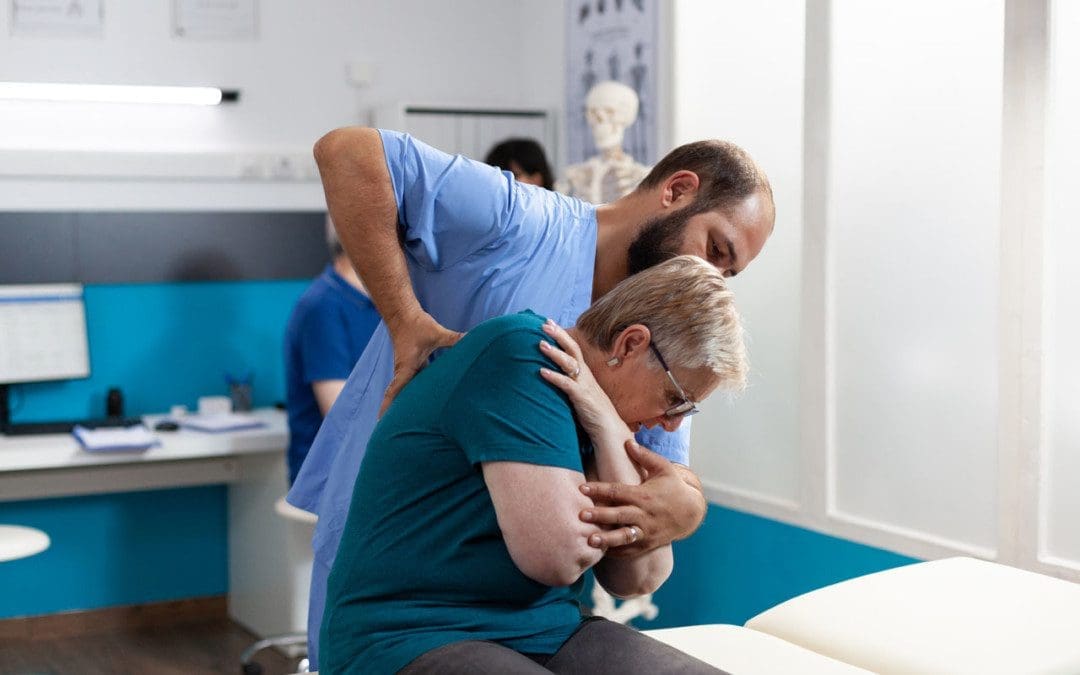
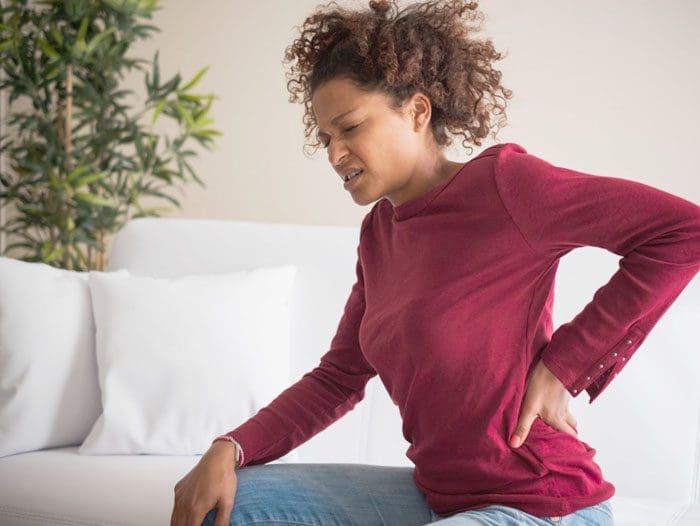
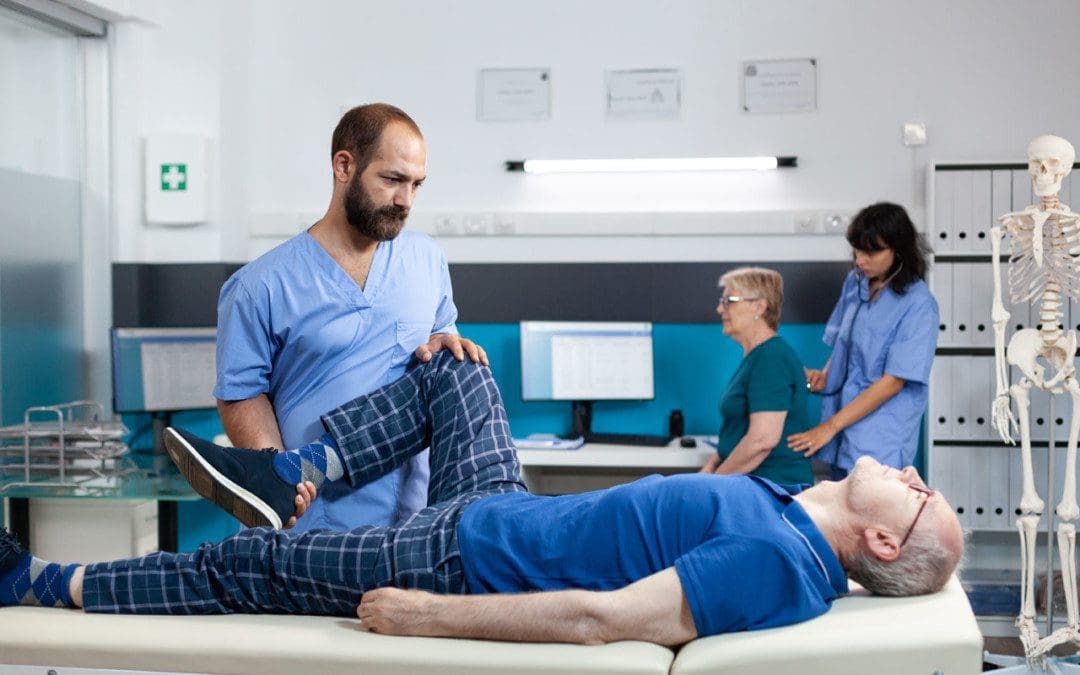
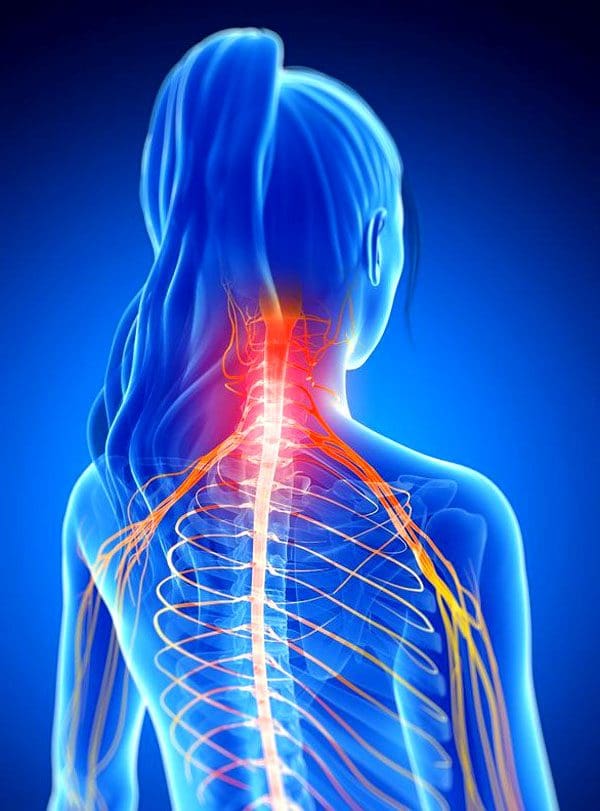
Muscle spasms also referred to as muscle cramps, are painful contractions and tightening of the muscles. They are common, involuntary, and unpredictable. Temperature drops and cold weather can cause the muscles and joints to contract and tighten, leading to spasms and pain. Chiropractic, physical therapy massage, exercises, stretching, and an anti-inflammatory diet can bring relief and help strengthen the muscles to prevent future episodes.
Muscle Spasms
Spasms are common and can affect any of the muscles. They can involve part of a muscle, all of a muscle, or several muscles in a group. Spasms occur when the muscle/s involuntary and forcibly contract uncontrollably and are unable to relax. The most common sites for muscle spasms include:
As the weather gets colder, this causes the muscles in the body to lose heat, causing them to contract. As a result, the muscles and joints become tighter, stiffer, and decrease mobility and range of motion. This forces the muscles to work harder than usual to compensate. This can increase the fatigue of the muscles, leading to more prolonged bouts of pain and discomfort after physical activity, movement, exercise, etc.
Symptoms and Causes
A cramp can last a few seconds or last up to 15 minutes. During a muscle spasm, the following may be experienced:
Twitching in the muscle.
Pain in the muscle.
Throbbing.
Hardness and/or stiffness.
The muscles appear physically distorted.
Because the muscles have to work harder, the cold weather can increase muscle spasms. One of the most common causes of muscle spasms is overuse and fatigue. However, exact causes vary from person to person. Some experts believe that one or more of the following contribute to the spasms/cramps, and they include:
Dehydration.
Stress.
Not stretching the body regularly.
Muscle fatigue.
Restricted blood circulation.
Involuntary nerve discharge/s.
Over-exercising.
Exercising in the heat.
Exhaustion of salts and minerals:
Potassium
Magnesium
Calcium
Possible causes for leg cramps at night or nocturnal leg cramps specifically include:
Sitting for too long without moving around to keep circulation healthy.
Sitting with unhealthy posture.
Overusing the muscles.
Standing or working on hard floors.
Dealing With The Cold
One way to deal with the cold is to warm up before any physical activity. Taking a few minutes to get the heart rate up can increase the blood flow and flexibility of the muscles. This will ensure the muscles are functioning correctly and avoid the need to work harder to stop spasms. When a cramp strikes, there are a few steps to try to alleviate the spasm:
Stretching the affected area.
Massaging the affected area manually with a massage roller, percussive massager.
Stand up.
Move around.
Apply heat or ice.
A warm bath, shower with massage setting if possible.
American Academy of Orthopaedic Surgeons. Muscle Cramp. (http://orthoinfo.aaos.org/topic.cfm?topic=A00200) Accessed 3/1/2021.
American Association of Osteopathy. Muscle Cramp—A Common Pain. (http://www.osteopathic.org/osteopathic-health/about-your-health/health-conditions-library/general-health/Pages/muscle-cramp.aspx) Accessed 3/1/2021.
Herzberg J. Stevermer J. Treatments for Nocturnal Leg Cramps. (https://www.aafp.org/afp/2017/1001/od3.pdf) Am Fam Physician 2017;96(7):468-469. Accessed 3/1/2021.
Young G. Leg Cramps. (https://www.ncbi.nlm.nih.gov/pmc/articles/PMC4429847/) BMJ Clin Evid 2015; May 13;1113. Accessed 3/1/2021.
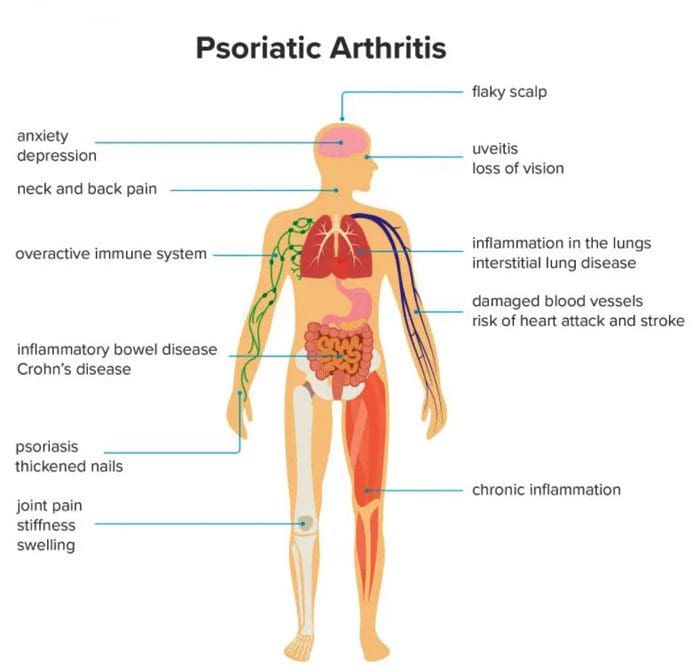
Psoriatic arthritis can develop in individuals who have psoriasis, affecting various joints, especially the knees. Psoriasis is a skin condition that causes skin cells to build up and form patches of itchy, dry skin known as plaques. Psoriatic arthritis is a long-term inflammatory disease that can cause inflammation, stiffness, and pain. Symptoms can progressively worsen over time without treatment. Early diagnosis is vital to minimize damage to the joints and slow the condition’s progress with treatment.
Psoriatic Arthritis
Psoriatic arthritis symptoms like stiffness and swelling can present differently from person to person. For example, some individuals with psoriatic knee arthritis will experience stiffness or pain in one knee, while others experience symptoms in both knees. Psoriatic arthritis in the knee can also cause swelling in the surrounding:
Ligaments
Tendons
Synovial membranes
Symptoms can also present in the:
Elbows
Feet
Hands
Symptoms
Symptoms usually begin between the ages of 30 and 50. Common symptoms include:
Stiffness after resting or sleeping.
Swelling.
Inflammation in the knee and surrounding area.
Warm or hot skin on the knee from the inflammation.
Pain in and around the joints, tendons, or ligaments.
Joint sticking, difficulty moving, or reduced range of motion.
Other symptoms include:
Back pain
Fatigue
Pain and redness in the eyes
Swollen fingers or toes
Difficulty walking from pain in the feet or Achilles tendon.
The severity of psoriasis does not determine psoriatic arthritis symptoms. Symptoms can go through a pattern of relapses and remissions. Individuals can have a sudden attack where symptoms get worse over a short time. After the flare-up, symptoms can improve as the condition goes into remission. Symptoms may not present for a long time until another flare-up. For example, an individual may have severe psoriasis but only mild psoriatic arthritis.
Causes
Psoriatic arthritis develops when the body’s immune system mistakenly attacks healthy cells and tissues. The faulty immune response causes the body to quickly generate new skin cells that stack on top of each other forming plaques. When the condition affects the joints, it leads to inflammation. While there is no apparent cause for psoriatic arthritis, researchers have found connections to genetics and the environment, as well as, individuals with close relatives that have psoriatic arthritis could be more likely to develop the condition. Other factors that could influence the development include:
Severe psoriasis
Traumatic injury/s
Obesity
Nail disease
Smoking
The condition can happen at any age, but according to the National Psoriasis Foundation, most individuals first notice symptoms about ten years after their psoriasis begins. However, only 30% of individuals with psoriasis develop psoriatic arthritis.
Diagnosis
Doctors use imaging tools to diagnose psoriatic arthritis in the knee. They will use:
MRI
X-rays
Ultrasound
To help them check for irregularities or signs of inflammation in the joint and surrounding tissues.
Additional tests are used to rule out other common forms of arthritis like rheumatoid and osteoarthritis.
Blood tests check for inflammation and specific antibodies.
In some cases, a small amount of fluid from the joint is taken to help eliminate the possibility of other underlying conditions like an infection.
Treatment
There is currently no cure for psoriatic arthritis, but treatments are being developed and show promise for long-term management. Current treatments focus on managing symptoms and improving the quality of life for the individual.
Biologics
Biologic medications like tumor necrosis factor or TNF inhibitors are recommended as the first-line therapy for most individuals with a new diagnosis of psoriatic arthritis. These meds help block TNF, which plays a crucial role in inflammation. They have shown to be effective at reducing the severity of symptoms and the frequency of flare-ups. Biologics can cause unwanted side effects, especially in individuals that experience frequent infections and need routine monitoring.
Small Molecule Medications
Individuals that cannot use biologic medications may be recommended a new class of medication called oral small molecules or OSMs. Examples include apremilast – Otezla and tofacitinib – Xeljanz.
Disease-modifying Antirheumatic Drugs
Disease-modifying antirheumatic drugs – DMARDs are a long-term option. They are used to slow the progression of psoriatic arthritis, and examples include methotrexate and cyclosporine. DMARDs work best when an individual begins taking them as early as they can take time to work. However, individuals are encouraged to continue taking them, even if symptoms do not improve right away.
Easing Inflammation
A doctor may prescribe nonsteroidal anti-inflammatory drugs – NSAIDs and corticosteroid injections when knee symptoms flare-up. These are short-term treatments that provide immediate relief, as long-term use can lead to side effects. Individuals can find relief with combined self-care that includes:
Taking over-the-counter NSAIDs like ibuprofen/Advil or naproxen/Aleve.
Applying ice and heat packs.
Gentle exercise to promote a full range of motion.
Gentle stretching or yoga can help relax tight muscles.
However, chiropractic is not the primary treatment for arthritis but is intended to be used in combination to relieve pain, loosen and stretch the muscles and balance the body.
InBody
Strength, Balance, and Improved Body Composition
Functional fitness is the ability to move comfortably every day. The benefits of physical activity also contribute to improved body composition. Working to reach a certain level of functional fitness can help the aging process that has been shown to reduce metabolic rate. Inactivity is why individuals lose Lean Body Mass as they age, leading to increased body fat. Lean Body Mass contributes to the body’s overall Basal Metabolic Rate or BMR, also known as metabolism. This is the number of calories the body needs to support essential functions. Everyone is encouraged to engage in strength training or resistance exercises, but specifically older adults. This can help regain muscle loss which can lead to an increase in lean body mass. The increase in Lean Body Mass increases BMR, which helps prevent fat gain.
References
Chang, K. L., et al. (2015). Chronic pain management: Nonpharmacological therapies for chronic pain [Abstract]. https://www.ncbi.nlm.nih.gov/pubmed/25970869
Chiropractic care for arthritis. (n.d.). arthritis.org/health-wellness/treatment/complementary-therapies/physical-therapies/chiropractic-care-for-arthritis
Getting dizzy can happen, usually after standing up too fast or staring at an optical illusion then looking away. The unsteadiness can be troubling but is minimal when compared to vertigo symptoms. Vertigo is a symptom rather than a condition that causes dizziness combined with a spinning sensation, even when an individual stands completely still. Vertigo can make everyday life a debilitating nightmare:
It causes individuals to feel nauseous.
It makes it difficult to walk.
It interrupts vision and hearing.
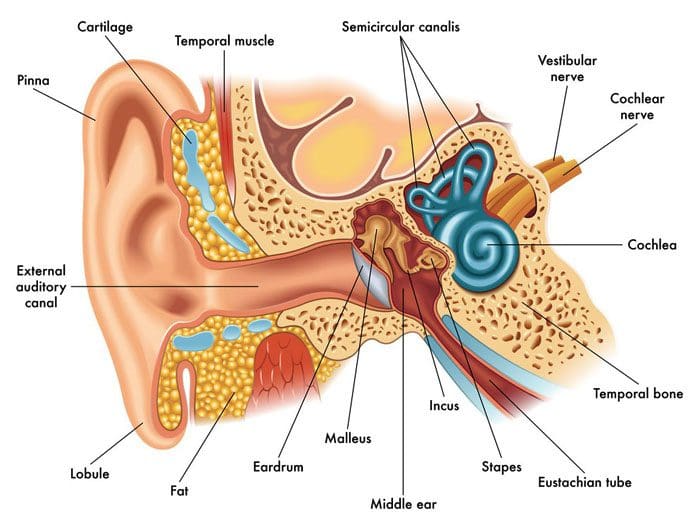
Vertigo symptoms usually begin with a communication issue with the inner ear and brain. This neurological connection involves the spinal cord, which chiropractic can treat and cure. A chiropractor will implement the necessary techniques to help alleviate vertigo symptoms.
Causes
The most common signs and symptoms are dizziness accompanied by a spinning sensation. Vertigo symptoms can also include:
Vertigo is a common symptom in individuals that have gone through trauma to the neck and/or head. A disturbance/interruption occurs in the nerve pathways in the spinal column. Disruption, injury, or damage to the vestibular system/inner ear also causes vertigo symptoms. Other causes include:
Ear infections
Pressure changes
Movement of particles within the inner ear
Chiropractic Treatment
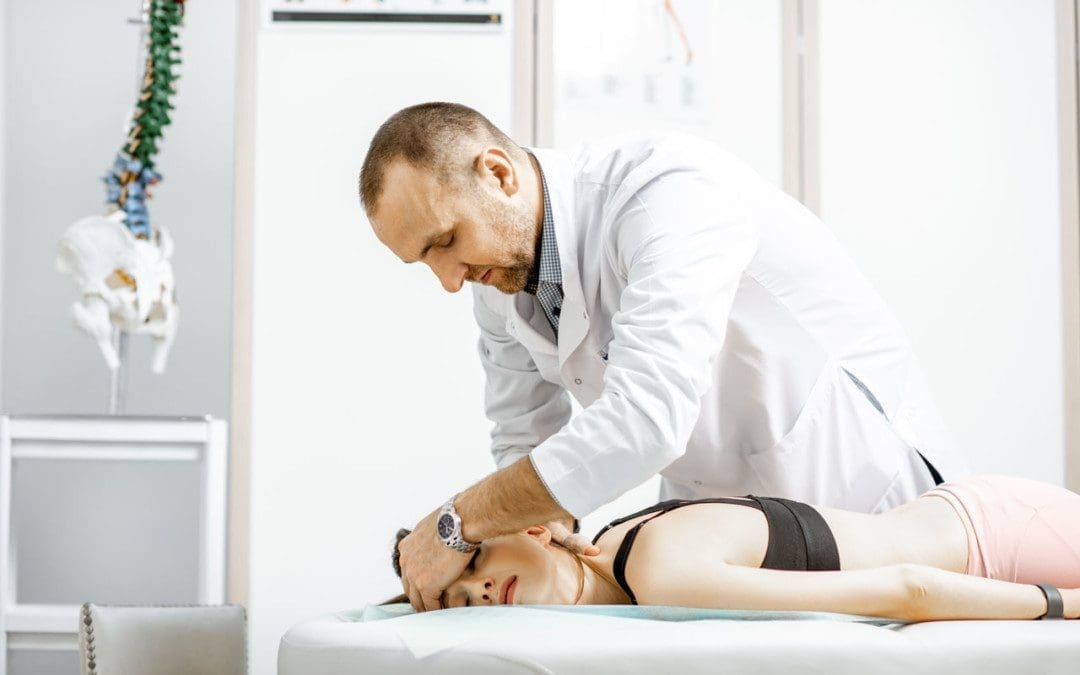
Chiropractic treatment can cure vertigo symptoms through various exercises and spinal adjustments. When nerve signals don’t transmit correctly, it can cause a feeling of dizziness along with the other symptoms. Adjustments or manipulations help alleviate the symptoms by allowing nerve energy to circulate properly. Spinal adjustments realign the joints and vertebrae in the cervical spine. This opens the nerves pathways and allows for clear communication.
A common type of vertigo is known as benign paroxysmal positional vertigo or BPPV. This is the movement of particles around the inner ear. These particles come from otolith organs. The particles break loose and fall into other parts of the vestibular labyrinth. This alters the center of balance and can cause dizziness. A chiropractor may use the Epley maneuver, which maneuvers the head into different positions. A chiropractor will recommend specific exercises at home to benefit the vestibular system and its communication with the brain.
Body Composition
A Common Cold
The common cold, aka upper respiratory tract inflammation. It is the most common infectious respiratory disease. It is called this because of the effects on the nose and throat. According to the Center for Disease Control and Prevention, an adult will catch 2–3 colds a year. A cold-causing virus enters the respiratory tract directly when an individual inhales droplets or direct skin contact from an infected person. Cold symptoms include:
Runny nose
Stuffy nose
Sneezing
Coughing
Headaches
Body aches
The duration of a cold differs, but most individuals with a healthy immune system recover in 7–10 days. However, individuals with compromised immune systems, asthma, or COPD have an increased risk of developing serious illnesses like bronchitis or pneumonia. Quickly recovering from a cold requires boosting the immune system with proper rest, a nutritious diet, and drinking plenty of water.
References
Collins, Matthew E, and Tom M Misukanis. “Chiropractic management of a patient with post-traumatic vertigo of complex origin.” Journal of chiropractic medicine vol. 4,1 (2005): 32-8. doi:10.1016/S0899-3467(07)60110-4
Dalby, B J. “Chiropractic diagnosis and treatment of closed head trauma.” Journal of manipulative and physiological therapeutics vol. 16,6 (1993): 392-400.
Sajko, Sandy S et al. “Chiropractic management of benign paroxysmal positional vertigo using the Epley maneuver: a case series.” Journal of manipulative and physiological therapeutics vol. 36,2 (2013): 119-26. doi:10.1016/j.jmpt.2012.12.011
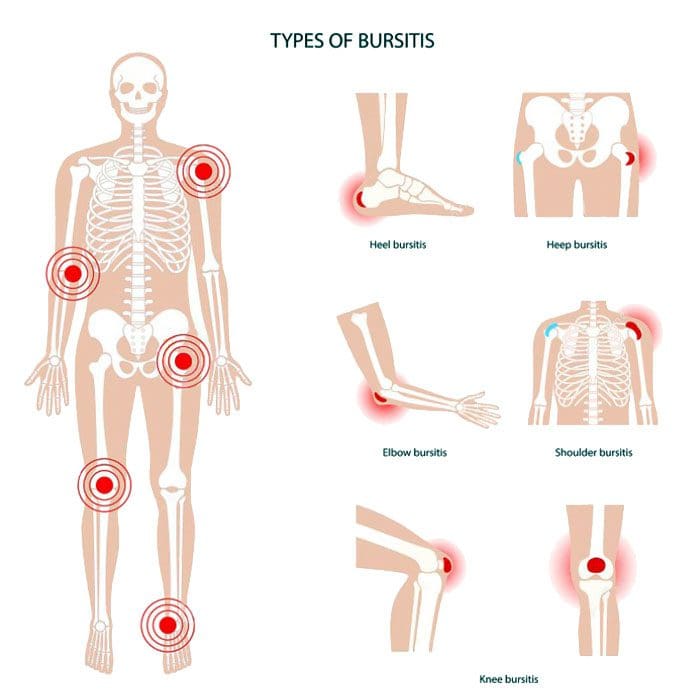
Bursitis types: This is a condition that affects the bursae, which are the small, fluid-filled sacs that provide cushion for the:
Muscles
Tendons
Bones near joints
The bursae make it easier for tissues to slide over each other. The body has around one hundred and sixty bursae. However, only a few become clinically affected. These include the:
Wrist
Elbow
Shoulder
Hips
Knees
The base of the big toe and heel
The condition typically presents near joints constantly being used repetitively, like a job, sports, house/yard chores, etc. What happens is one or more of the bursae sacs become inflamed, resulting in pain.
Causes
Inflamed or irritated bursae typically cause it from overuse or intense/vigorous activity.
It can also be caused by bacterial infection.
Arthritis and gout can also cause bursitis.
Another cause is age.
As tendons age, they can tear easily, lose their elasticity, and can’t take too much stress.
Intense physical activities can lead to bursitis. These include:
Gardening
Typing
Working with a computer mouse
Throwing
Golf
Tennis
Manual tasks
Carpentry
These types of activities can lead to incorrect posture, overuse, and injury/damage.
Symptoms
The main symptom is pain in and around the affected area that worsens with movement. Depending on the severity of the strain and the length of time it has been going on, the pain can be intense with active and passive movements. Other symptoms include:
Tenderness
Stiffness
For some individuals, it can present as acute, with the intensity increasing.
This happens when movement aggravates the condition.
Bursitis Types
Four major types include:
Prepatellar
Trochanteric
Olecranon
Retrocalcaneal
Prepatellar Bursitis
Prepatellar is an inflammation of the sac situated between the skin and the patella/kneecap. The most common causes are trauma from a fall and direct pressure/friction from repetitive kneeling. This is one of the bursitis types that can get infected. Overproduction of liquid places pressure on the other areas of the knee, causing swelling. Most individuals report swelling and knee pain just over the front of the knee.
Trochanteric Bursitis
This bursitis type goes over the lateral area of the hip. There is a distinctive tenderness and aching pain. This type is more common for individuals with arthritis conditions and fibromyalgia. This condition is also seen after surgery, mainly osteotomies. The bursa can become inflamed in case of injury or overuse. It tends to affect middle-aged or older folks. Common causes include:
Muscle tears
Hip injuries
Tight hip or leg muscles
Disc disease of the low back
Leg-length inequality
Improper walking technique from a minor injury or strain
Overuse of the gluteal muscles
Flat feet
Improper footwear
Olecranon Bursitis
Olecranon is a common bursitis type. It is diagnosed by the appearance of swelling over the elbow. The swelling happens just behind the olecranon process of the ulna. The bursa can become infected. This bursitis does cause blood to rupture out, and fluid could be present. Individuals are advised to avoid leaning or resting on the elbows.
Retrocalcaneal Bursitis
This is characterized by pain in the Achilles tendon. Chronic inflammation of the bursa is brought on by friction, supination, and overpronation. The flexibility of the calf muscles can be significantly reduced. Severe pain and swelling of the posterior soft tissue in front of the Achilles tendon are common symptoms. This bursitis type is often accompanied by mid-portion insertional tendinosis.
Risk Of Getting Bursitis
Anybody at any age can develop bursitis, but older individuals, specifically those in their forties and beyond, are more susceptible. This comes from all the wear and tear of the muscles and bones.
Risk Factors
Overpronation of the foot
Leg length deviation
Osteoarthritis
Obesity
Tight hamstring muscles
Incorrect physical training
Not stretching properly
Body Composition
When Inflammation Becomes Permanent
When white blood cells cause inflammation, it’s signaling that the body’s immune system works properly. The process works like this:
Inflammation activates
White blood cells attack the foreign invader
The invader is neutralized
The inflammation deactivates
This is how the body’s defense system naturally works. But, white blood cells are not the only type of cell that emit cytokines. Adipocytes or fat cells are another type of cell that can emit cytokines and cause inflammation. Scientists have learned that fat is an active endocrine organ that secretes various proteins and chemicals, including inflammatory cytokines. The body stores excess calories as fat to be used later for energy. When the body keeps adding more adipose tissue, cytokines are released by the fat cells, triggering inflammation. Obesity is characterized as a state of low-grade, chronic inflammation. Increased fat cells place the body in a constant state of stress activating immune responses. This means the body is in a constant state of inflammation with the immune system switch permanently on.
References
Aaron, Daniel L et al. “Four common types of bursitis: diagnosis and management.” The Journal of the American Academy of Orthopaedic Surgeons vol. 19,6 (2011): 359-67. doi:10.5435/00124635-201106000-00006
Coelho, Marisa et al. “Biochemistry of adipose tissue: an endocrine organ.” Archives of medical science: AMS vol. 9,2 (2013): 191-200. doi:10.5114/aoms.2013.33181
Khodaee, Morteza. “Common Superficial Bursitis.” American family physician vol. 95,4 (2017): 224-231.
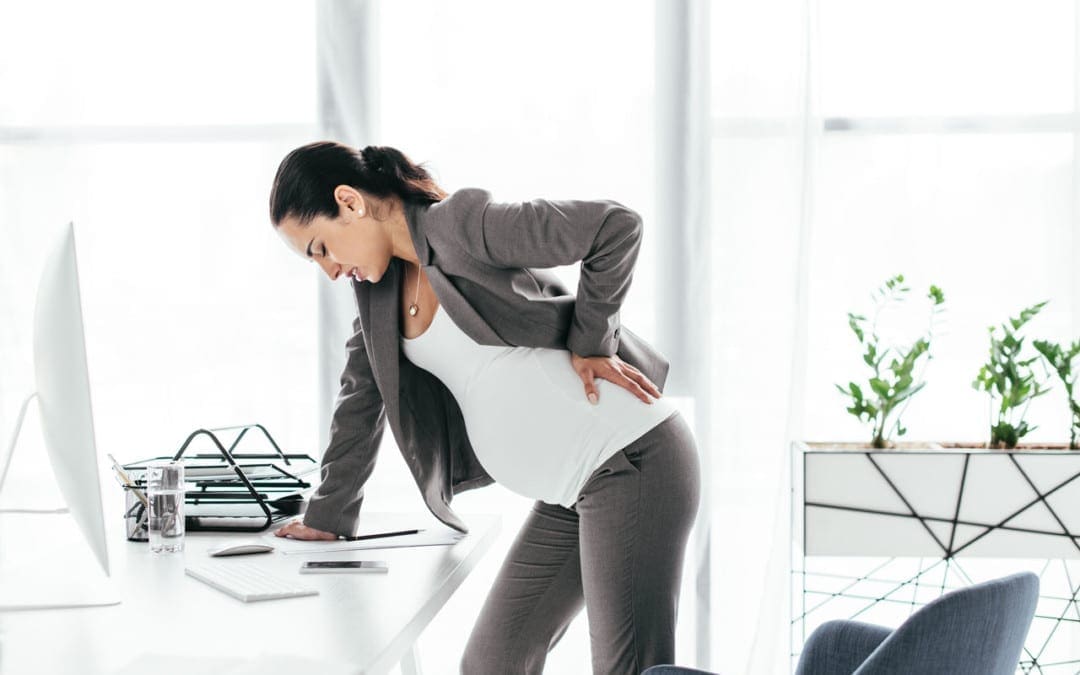
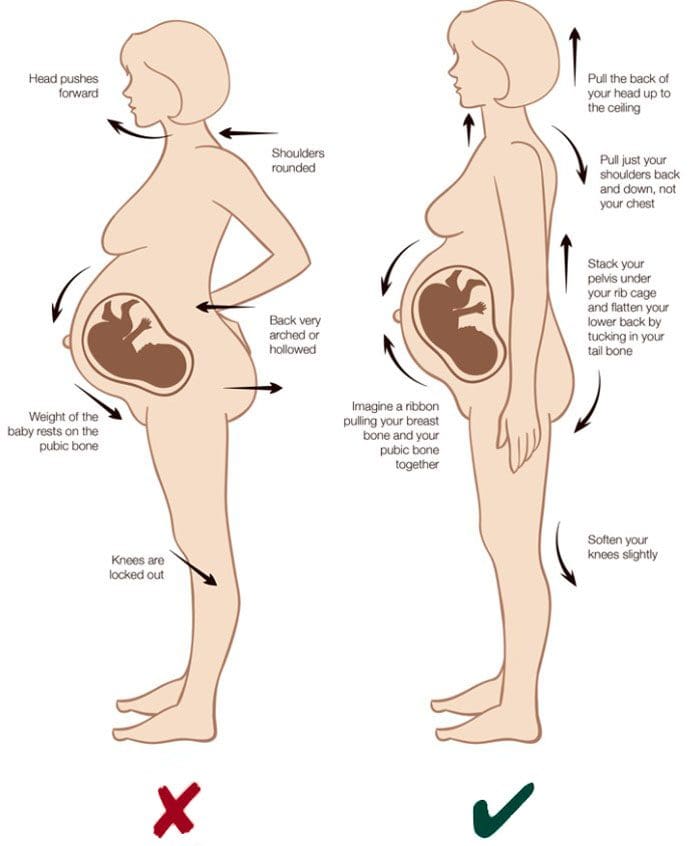
Pregnancy is an exciting time in a woman’s life. A healthy pregnancy is the objective, and therefore, essential to maintain a healthy diet and stay physically active. However, it can be easy to forget about the strain that pregnancy places on the body and push through the aches and pain with everything going on. Specifically the spine and pelvis. During pregnancy, the body goes through various changes to accommodate the growing baby. When pregnant, a hormone known as relaxin is released. This relaxes the joints for labor and delivery. Sometimes the ligaments can become too loose that they become structurally unstable. This causes pain. Other factors that can lead to spine misalignment and pain:
25 – 30 lbs of added weight and pressure on the spine, pelvis, legs, feet.
Weakened abdominal muscles.
Lower back curvature becomes more prominent.
Pregnant women going through discomfort/pain can benefit from chiropractic pregnancy adjustments. These maintain spinal alignment while keeping the baby safe. Chiropractors are trained to treat pregnant women; however, there is additional certification to specialize in this area. A prenatal chiropractor also provides information on:
Preparing the body for labor and birth
Maintaining healthy posture
Ensure the body is properly aligned throughout the pregnancy.
Diet
Health coaching
Postpartum care
Chiropractic Benefits For A Healthy Pregnancy
The obvious benefits include back pain relief, quality of life improvement, and reducing the need for pain medications. Other benefits include:
Alleviates sciatic nerve pain
Helps to control urinary incontinence
Reduces pregnancy-related nausea
Aligns the pelvis for optimal delivery
Reduces labor and delivery time
There is little risk associated with prenatal chiropractic care. However, it is not recommended for pregnant women with health complications like vaginal bleeding or ectopic pregnancy.
Repositioning
If the baby does not have enough room or is going into a breeched position, a chiropractor will work on the ligaments and muscles in the pelvic region to decrease any intrauterine restrictions. Getting the pelvis aligned will allow for an optimal delivery position. This will help move the head down and give the baby more space. If there is a breech position, it is recommended to see a chiropractor once a week during the eighth and ninth months.
When to Start
After receiving approval from the obstetrician, a woman can see a chiropractor at any stage during pregnancy. Many women start chiropractic in the first trimester. This develops a relationship early and benefits the woman as her body changes throughout the pregnancy.
How Often
Most patients visit a chiropractor once a month during the first trimester. Then they increase the sessions as the pregnancy progresses. Every woman’s pregnancy is different, requiring a personalized/customized treatment plan. The chiropractor will best advise on the frequency of treatment.
Pregnancy Technique
A chiropractor’s job is to manipulate the woman’s spine, joints, and muscles into alignment.
The adjustments utilize gentle pressure. The techniques are adjusted accordingly. Depending on how far along the woman is, as well as musculoskeletal health. For example, they could emphasize focus on the pelvis to reduce stress on the uterus and ligaments for a few sessions. Then shift back to the spine. They will not exert excessive pressure on the abdomen and possibly incorporate specialized equipment specifically for pregnant women.
Sciatica
Symptoms of sciatica are common during pregnancy, typically in the later months. This comes from the added pressure on the sciatic nerve. It can be sharp, burning pain from the hip to the foot. This makes walking, sitting, and sleeping uncomfortable to unbearable. Some women are fortunate enough to experience relief if the baby moves off the sciatic nerve. However, most will need some form of treatment to manage and heal the symptoms. This usually includes:
Series of adjustments
Hot and cold therapies
Stretches
Chiropractic can continue to help after giving birth, providing post-natal care helping the body return to its pre-pregnancy state healthily and optimally.
Body Composition
Diet, Nutrition During Pregnancy
From a nutritional perspective, a high GI diet during pregnancy increases the chances of excessive weight gain and overweight babies. Intake of low-glycemic carbs is associated with weight gain in the normal range. If planning to get pregnant or are pregnant, pay attention to the quality of carb intake for a healthy pregnancy. Health care providers recommend avoiding extreme diets for the first four to six weeks after delivery. This gives the body time to recover and helps to establish a consistent milk supply, as rapid weight loss could interfere with breastfeeding. Before going on a diet or starting an exercise program, check with a healthcare provider to rule out any medical conditions.
References
30 of the Most Surprising (And Alarming) Back Pain Statistics. The Good Body. https://www.thegoodbody.com/back-pain-statistics/. Last updated May 30, 2017. Accessed September 22, 2017.
Bernard, Maria, and Peter Tuchin. “Chiropractic Management of Pregnancy-Related Lumbopelvic Pain: A Case Study.” Journal of chiropractic medicine vol. 15,2 (2016): 129-33. doi:10.1016/j.jcm.2016.04.003
Gostine M. Is Lower Back Pain Normal During Pregnancy? BabyQ. https://www.babyq.com/lens/lifestyle/is-lower-back-pain-normal-during-pregnancy/. Published February 4, 2017. Accessed September 22, 2017.
Sabino J, Grauer JN. Pregnancy and low back pain. Curr Rev Musculoskelet Med. 2008; 1(2): 137–141. Published online February 26, 2008. doi: 10.1007/s12178-008-9021-8.
Individuals experiencing radiculopathy in and around the neck notice it immediately often driving them to the medicine cabinet. This condition presents with:
Acute pain
Numbness
Muscle spasms
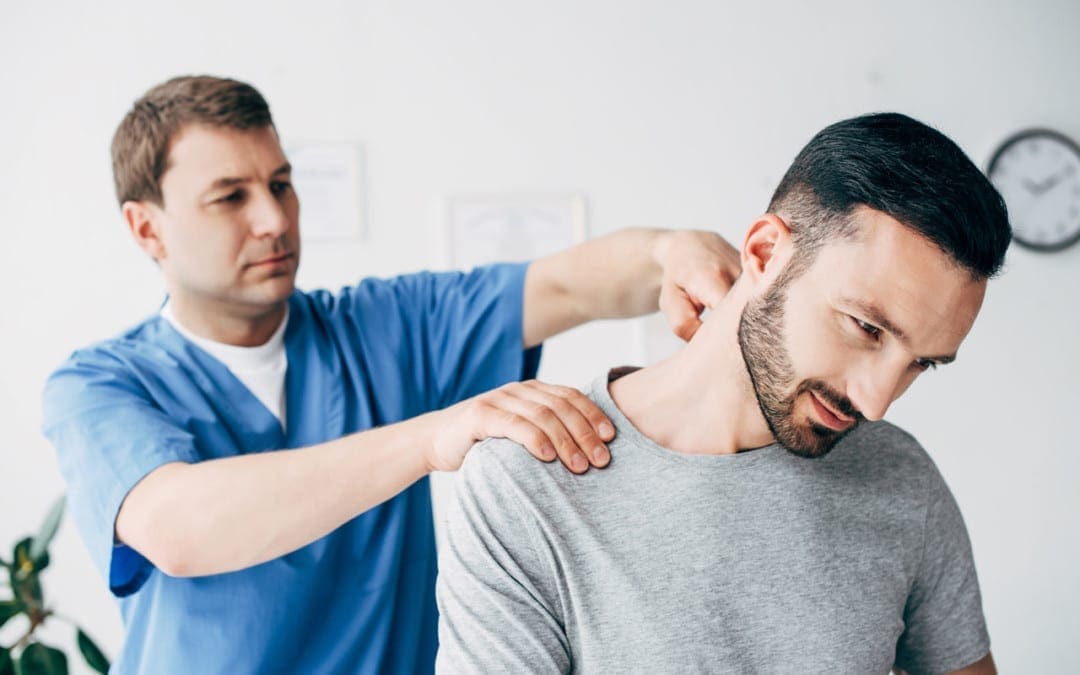
However, medication will only help relieve the pain temporarily but it won’t alleviate what is causing the radiculopathy. This is because pain medication/s can exacerbate the condition by blocking the pain signals with the root nerve issue never being resolved. Chiropractic is a complete solution that specifically mobilizes the cervical joints where nerve impingement is happening. The objective is to help individuals understand the underlying cause of the acute pain induced by radiculopathy and provide long-term pain relief through cervical joint mobilization.
Radiculopathy Pain
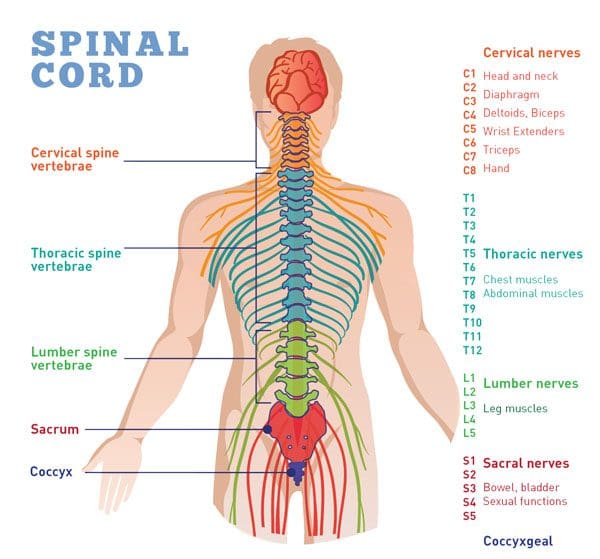
To determine what cervical nerve bundles are being affected by a subluxation or vertebral compression a chiropractor needs to isolate the pain. This is accomplished through a description of symptoms, radiological imaging to provide visual confirmation, and an examination of the affected area. Isolating the pain allows the chiropractor to determine the extent of misalignment and how much the nerve is being compressed. This will help in the development of a customized treatment plan. A chiropractor will be able to see and feel the degree of pressure being placed on the nerve or bundle of nerves.
Mobilizing The Cervical Joints
Chiropractors approach this directly based on the individual and the severity of the case. The most common joint mobilizations include:
Low-impact adjusting will shift the misaligned vertebrae back into place
Adjustments to the opposite non-painful area will help counterbalance stress in the spine
Radiculopathy improvement consists of:
The cervical spine is stabilized through bracing and posture supports
Isometric exercises will recondition the neck, shoulders, and upper back
Range of motion exercises will prevent any subtle compression/s
Corrective restoration of the cervical spine’s curve
The spine returns to normal during cervical joint mobilization and alleviates radiculopathy immediately and long term.
Proper chiropractic care will correct the affected nerve bundle, and stabilize the cervical spine to prevent/resist:
Compression
Translation
Subluxation
Other shifts that can occur
Chiropractic Mobilization Long Term Relief
A pinched nerve should not be treated with over-the-counter medications for long-term health. Corrective chiropractic mobilization is a recommended course of action for alleviating this and other musculoskeletal conditions. Chiropractic understands the nature and severity of radiculopathy as well as developing the proper customized treatment plan that will bring optimal results.
Body Composition
DASH Diet Example
Breakfast
3/4 cup bran flakes cereal with 1 banana and 1 cup low-fat milk
1 slice whole-wheat bread with 1 tsp. unsalted butter
1 orange
1 cup coffee
Lunch
Sandwich 2 slices of whole-wheat bread
3 oz. grilled thin chicken breast
2 slices low-fat cheese
1 tbsp. mustard
Salad
1/2 cup chopped/diced cucumbers
1/2 cup chopped/diced tomatoes
1 tablespoon sunflower seeds
1 teaspoon low-calorie non-cream dressing
1/2 cup fruit cocktail with no sugar
Snack
1/3 cup unsalted almonds
Dinner
3 oz. lean beef with 2 tbsp. fat-free, low sodium gravy
The information herein is not intended to replace a one-on-one relationship with a qualified health care professional, licensed physician, and is not medical advice. We encourage you to make your own health care decisions based on your research and partnership with a qualified health care professional. Our information scope is limited to chiropractic, musculoskeletal, physical medicines, wellness, sensitive health issues, functional medicine articles, topics, and discussions. We provide and present clinical collaboration with specialists from a wide array of disciplines. Each specialist is governed by their professional scope of practice and their jurisdiction of licensure. We use functional health & wellness protocols to treat and support care for the musculoskeletal system’s injuries or disorders. Our videos, posts, topics, subjects, and insights cover clinical matters, issues, and topics that relate to and support, directly or indirectly, our clinical scope of practice.* Our office has made a reasonable attempt to provide supportive citations and has identified the relevant research study or studies supporting our posts. We provide copies of supporting research studies available to regulatory boards and the public upon request. We understand that we cover matters that require an additional explanation of how it may assist in a particular care plan or treatment protocol; therefore, to further discuss the subject matter above, please feel free to ask Dr. Alex Jimenez or contact us at 915-850-0900.
Dr. Alex Jimenez DC, MSACP, CCST, IFMCP*, CIFM*, CTG*
email: [email protected]
phone: 915-850-0900
Licensed in Texas & New Mexico
Evid Based Complement Alternat Med. 2015. Complementary and Alternative Medicine for the Management of Cervical Radiculopathy: An Overview of Systematic Reviews. Available at: https://www.ncbi.nlm.nih.gov/pmc/articles/PMC4541004/
Bone broth is a soothing, low in calories, flavorful comfort food that is packed with nutrients and highly beneficial for the spine. Bone broth is made from slowly simmering meat or poultry and is an old-fashioned home remedy for a variety of ailments. These include:
Improves joint movement
Helps wounds heal faster
Improves immune system function
Rebuilds bones
Nutrients are connected with healthy bones and joints. These include:
Calcium
Phosphorous
Vitamin D
Collagen protein
All of these are concentrated in animal bones. The bones are cracked and cooked in a stockpot of water on a slow simmer. The breakdown releases vitamins, fatty acids, manganese, zinc, iron, and selenium. The broth helps supply the bones with these nutrients.
Bone broth is also effective when keeping track of weight because it is nourishing and hearty but low in calories. One cup of broth eaten or drank a half-hour before a meal can keep appetite in check. When hunger stays in check it is easier to maintain a healthy diet, portion sizes, and not overeat.
Bone Broth Recipe
Simmering bones in water with added vegetables, spices, vinegar, and herbs over low heat for a few hours is bone broth. A recipe for bone broth typically includes a tablespoon or two of vinegar or lemon juice. This helps soften the bones to break them down and release more nutrients. This will make around 2 quarts or 8 cups of bone broth. In a stockpot combine:
2 to 3 pounds of leftover cooked beef, chicken bones
1 chopped onion
1 chopped carrot
1 chopped rib of celery
1 tablespoon balsamic or red wine vinegar
1 bay leaf
6 peppercorns
Enough water to cover the ingredients
Add 1 cup of chopped fresh or canned tomatoes for extra flavor
Bring to a boil over high heat
Reduce heat to a low simmer, partially covered, 4 to 6 hours
During the first half-hour of simmering, skim off the foam that collects at the top.
Strain cooled broth into a bowl or jar
Refrigerate the broth up to 5 days or freeze up to a couple of months
Don’t Overdo It
When it comes to nutrients in food, it is possible to get too much. An example is of an individual in training that drank one to two quarts of bone broth three days a week for six months. They began to suffer from chronic vomiting. The doctor diagnosed there was too much vitamin D from the fatty marrow in the bones used to make the broth. Vitamin D helps the body absorb calcium. Too much calcium in the blood was causing the vomiting.
Another potential issue with drinking too much bone broth is lead contamination. Many foods contain small amounts of lead. In animals, any environmental lead that gets into the body gets stored in bone tissue. A healthy, well-nourished individual can handle small amounts of lead. When it comes to bone broth, lead is only a concern if taking abnormal quantities. The broth can also be used as a base for soups and stews keeping the body healthy along with the emotional benefits of a nutrient-rich broth. The body will feel the difference.
Chiropractic Care Knee Injury
Dr. Alex Jimenez�s Blog Post Disclaimer
The scope of our information is limited to chiropractic, musculoskeletal, physical medicines, wellness, and sensitive health issues and/or functional medicine articles, topics, and discussions. We use functional health & wellness protocols to treat and support care for injuries or disorders of the musculoskeletal system. Our posts, topics, subjects, and insights cover clinical matters, issues, and topics that relate and support directly or indirectly our clinical scope of practice.*
Our office has made a reasonable attempt to provide supportive citations and has identified the relevant research study or studies supporting our posts. We also make copies of supporting research studies available to the board and or the public upon request. We understand that we cover matters that require an additional explanation as to how it may assist in a particular care plan or treatment protocol; therefore, to further discuss the subject matter above, please feel free to ask Dr. Alex Jimenez or contact us at 915-850-0900. The provider(s) Licensed in Texas& New Mexico*
IFM's Find A Practitioner tool is the largest referral network in Functional Medicine, created to help patients locate Functional Medicine practitioners anywhere in the world. IFM Certified Practitioners are listed first in the search results, given their extensive education in Functional Medicine