When a patient comes in with complaints of pain in the shoulder and restricted motion in the joint, one possible diagnosis may be acromicioclavicular (AC) joint injury. While it is often an injury that is common among athletes, it can happen to anyone. Fortunately, chiropractic is a very effective treatment. While most people think of chiropractors, the first thing that comes to mind is back pain. Yes, chiropractors do specialize in back/spine issues, but chiropractic care is used to treat a variety of conditions from joint pain to migraines, fitness, and diet.
What is an acromioclavicular joint injury?
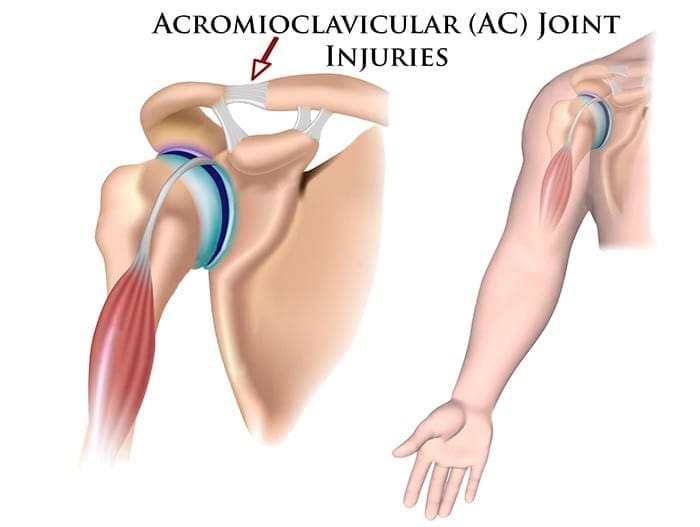
There are two bones, the clavicle, and acromion, that make up the AC joint. Four ligaments hold the joint together. When those ligaments are strained to stress, it results in an AC joint injury, often causing at least some joint separation. AC injuries fall into one of two categories: overuse and traumatic.
Overuse injury occurs over a period of time and is caused by excessive stress on the joint that is repeated or consistent. This causes damage to the cartilage and can lead to AC joint arthritis.
Traumatic injury occurs when the damaged ligaments disrupt the joint called a shoulder separation. This is different from a shoulder dislocation which involves the actual ball and socket shoulder joint.
What causes acromioclavicular joint injury?
The cause of an AC joint injury depends on the type of injury.
Overuse AC joint injuries are caused by overuse and are commonly seen in people who perform tasks that involve lifting heavy weight (including military or bench presses) or that perform physical labor that involves often stretching their arms over their heads.
A fall often causes traumatic AC joint injuries. The person may fall and land on their shoulder or fall on their hand then they put it out to brace their fall. It is often seen in cyclists who are involved in crashes, football players when they are tackles or a laborer who falls from a high place, such as a ladder. These injuries are graded from mild to severe, depending on how much the separation there is in the joint.
What are the symptoms of acromioclavicular joint pain?
A patient with AC joint pain may experience the following symptoms:
A bump that sits above the shoulder and is easily visible
A catching sensation or popping sound when the shoulder moves
Pain and swelling in the shoulder
Loss of range of motion of the shoulder
Loss or decrease in shoulder strength
Tenderness and swelling over the AC joint
Pain when lying on the affected side
Discomfort and pain in the shoulder when performing activities that place stress on the AC joint, including:
Carrying heavy objects at the side
Reaching across the body
Lifting objects overhead
What are the treatments for acromioclavicular joint pain?
Mild cases of traumatic AC joint injuries are often treated with physical therapy and chiropractic. Ice, rest, and immobilization can also be used to manage the pain.
Overuse AC joint injuries can also be treated with immobilization and ice as well as physical therapy and chiropractic. More severe cases may require surgery. Doctors may prescribe muscle relaxants, pain medication, or NSAIDs to help manage the pain.
Is chiropractic for acromioclavicular joint pain effective?
Chiropractic has been proven to be very effective for AC joint pain. The chiropractor performs what is called an AC adjustment which involves manipulation of the shoulder.
While it can be a little uncomfortable for the patient, it is one of the best ways to quickly decrease the pain. After the procedure, the chiropractor may recommend icing the area to minimize or prevent swelling and pain. Regular chiropractic care can ensure continued mobility and continued decrease in pain.
Hypermobility Syndrome is a condition of the joints. Characterized by the ability of the joint to move beyond its normal range of motion and is sometimes called �loose joints� or �double jointed.� It is typically a genetic disorder and often identified in children. The gene passes from parent to child, so the condition tends to run in families. Estimated that 10 to 15 percent of children who are otherwise considered to be normal have joints that are hypermobile. However, it can be found in all ages and does not seem to be confined to a particular age group, ethnic group, or population although there are more cases of girls being hypermobile than boys.
Hypermobility Signs and Symptoms
The signs and symptoms of hypermobility can vary widely from person to person. Some people may not experience any symptoms while others have muscle and joint pain along with mild swelling. Usually noted in the evening or later afternoon as well as after moderate physical activity or exercise. The most common areas for pain and achiness are the elbows, knees, thigh muscle, and calf muscle. Often rest will provide relief.
A person who is hypermobile is usually more prone to soft tissue injuries and sprains. Additionally, the affected joints may be more inclined to become dislocated. It can also cause back pain, impaired joint position sense, and even flat feet, osteoarthritis, and nerve compression disorders. Other symptoms include increased bruising, chronic pain, loose skin, and thin scars. Children and young people who are hypermobile often experience growing pains more often than other children.
Most children will grow out of hypermobility; their joints will lose some of their flexibility as they get older along with the symptoms of rarely persist beyond childhood although some adults do find that they get dislocations and sprains much easier.
Causes of Hypermobility
The exact cause of hypermobility is not known, although it does seem to run in families. Genes play a large part in the process, particularly those involved in collagen production which is a vital protein for tendon, joint, and ligament development and function. There are also several�associated�conditions. Genetic disorders like Ehlers-Danlos and Marfan have hypermobility as a component as does Down Syndrome.
Hypermobility Treatment
Treatment for hypermobility depends on the patient. It depends on the symptoms that they are experiencing as well as the severity and how much of an impact the condition has on their quality of life. Mild symptoms may not require any treatment while more moderate to severe symptoms may warrant medication like naproxen, ibuprofen, or acetaminophen for pain. All of which,�can be bought over the counter.
Patients can ward off many of the symptoms or eliminate them by engaging in regular exercise, protecting the joints, practicing good posture, muscle strengthening exercises, and balancing techniques. Orthotics to correct flat feet can also be beneficial.
Chiropractic for Hypermobility
Many people use chiropractic for hypermobility pain and discomfort. The doctor will use adjustments to bring the joints into the appropriate movement pattern and the body into proper alignment, allowing the body to function as it should and relieves stress from joints that were compensating due to misalignment.
The patient may also be advised to do specific exercises at home, and get counseling on improving their posture. Because chiropractic treats the entire body, the patient will find that they learn how to best live with the condition without medication and manage pain naturally. Patients report dramatic improvement in their distress and mobility after regular, consistent chiropractic visits.
Dealing with joint or muscle pain can be a daunting experience. It’s important to work on maintaining mobility and flexibility. The more flexible, the less likely to be injured. One of the best ways to improve flexibility is through stretching.
First and foremost is the need to warm up your muscles before stretching. Stretching first can actually cause injury by pushing the joints too far. Spend a few minutes doing some light activity before stretching. This can be a quick walk or some basic calisthenics.
A chiropractor can recommend stretches, or you can use some of these basic techniques. There are two basic forms of stretching, static and dynamic.
Static Stretching & Dynamic Stretching
Static stretching involves holding a position for a certain period of time in order to loosen up the muscles. This is what most people think of when they think about stretching. However, dynamic stretching involves moving specific parts of the body to work on flexibility.
Effective Back Pain Stretches Can Be Done At Home. For example:
Lie on your back with your knees bent
Grasp one knee in both hands and pull it up towards your chest. Hold this position for 30 seconds
Lower the knee to the starting pose
Repeat with the other knee.
Both knees can be done at the same time.
A Similar Stretch Begins In The Same Position As The Previous Stretch Except:
Instead of lifting your knee to your chest
Roll both legs to one side so that your knees are as close to the floor as possible
Hold this position for 10 seconds, and then roll to the other side
Another Stretch Recommended By Chiropractors Comes From Yoga, Known As The “Cat Pose.”
On the floor hands and knees, with your hands directly under your shoulders.
Let your abdomen drop down towards the floor
Then, reverse this movement by arching your back
Repeat this cycle three to five times
Other Dynamic Stretches Can Also Be Good For Muscle Pain. Try doing:
Hand walks to stretch your shoulders and abdominal muscles.
Stand up straight and slowly lower your hands towards the floor.
Walk your hands out in front of you until you are as far down as you can go.
Then walk your hands back to the starting position.
A Final Stretch That Can Help Sore Back Muscles Known As The “Scorpion.”
Lie face-down and stretch your arms out to the sides
First, slowly move your right foot towards your left arm
Then, move your left foot towards your right arm
Make sure to move in a slow and controlled fashion
When you are suffering from muscle or joint pain, it is a good idea to stretch both in the morning and the evening. By incorporating these exercises into your daily routine, you can avoid common injuries.
If you need further instruction regarding stretches, please give us a call so that you can schedule an appointment.
You try to stand up from a seated position and feel a stab of pain in your lower back. It may even shoot through your hip, buttock, or down the back of your thigh. The pain may even get worse then you walk uphill or sit for a long period of time. While these symptoms could mean a pinched nerve, lumbar disc herniation, hip bursitis, or degenerative hip disease, it could also be sacroiliac joint dysfunction.
What Is Sacroiliac Joint Dysfunction?
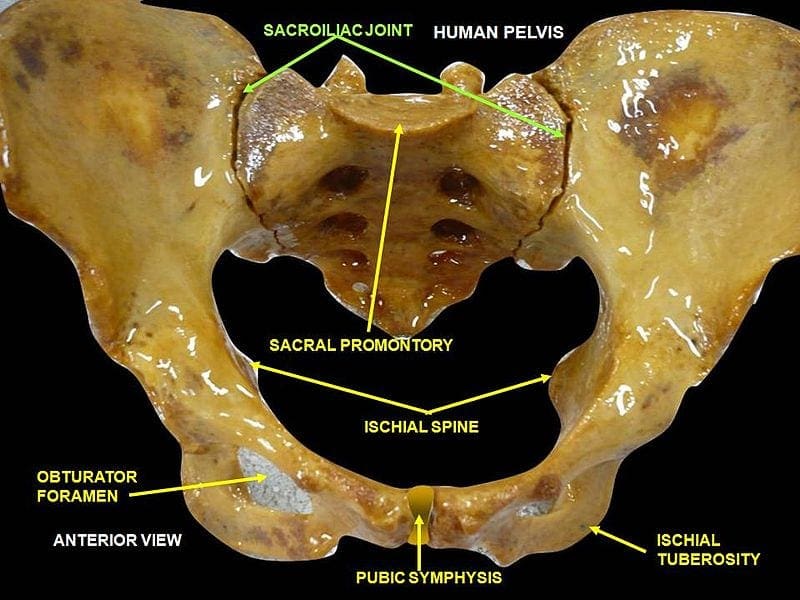
The sacroiliac (SI) joint is located in the pelvis. It is very strong as it is a weight bearing joint connecting the pelvis to the sacrum. It is surrounded by tough ligaments that reinforce it, providing added support.
There is an SI joint located on each side of the sacrum and they work together, moving as a single unit to act as a shock absorber for the spine and for transmitting force of the upper body. Just like any other joint in the body, the SI joint can be injured or diseased, causing it to become unstable and inflamed, causing pain and limited mobility.
What Causes SI Joint Inflammation?
While doctors have not established how the pain is generated, it is believed that it is due to a change in the normal motion of the joint. This could occur due to:
Hypermobility (Instability or Too Much Movement) � This can cause the pain to reside in the lower back. It can also be felt in the hip or both the hip and lower back and may even radiate into the groin.
Hypomobility (Fixation or Too Little Movement) � This can cause the pain to reside in the lower back or buttocks and may radiate down one leg, usually in the back of the thigh. It usually doesn�t reach the knee, but sometimes can even reach the ankle and foot. In this way, the condition mimics sciatica.
Sacroiliac joint dysfunction typically affects women who are young or middle aged. Older women and men are rarely affected although it does happen.
What Are Treatment Options For Sacroiliac Joint Pain?
When SI joint pain is initially diagnosed the treatment is usually fairly conservative. Medication, physical therapy, and injections are used by doctors for pain management.
NSAIDs and other similar medications decrease inflammation and reduce pain, while physical therapy can readjust the SI joint in cases where it is dislocated or immobilized. It also includes exercises that stabilize the joint for pain management over the long term.
Steroid injections directly into the sacroiliac joint can help with the reduction of inflammation and pain while making physical therapy more effective. When steroid injections are effective but the effects are temporary there is another non-surgical treatment that is sometimes used called RFA, or radiofrequency ablation.
In cases where the conservative methods do not achieve the desired results there are surgical options that provide pain reduction and stabilization on a more permanent scale. SI fusion involves fusing the joint, providing relief.
However, there is a treatment option that is non-invasive, doesn�t involve steroids or medications that could have harmful side effects � chiropractic.
Spinal manipulation � This is the traditional chiropractic adjustment that is also known as high-velocity, low-amplitude (HVLA) thrust.
Spinal mobilization � This is a less forceful, gentle chiropractic adjustment also known as low-velocity, low-amplitude thrust.
Chiropractic is proven to be an effective, non-invasive, gentle method for relieving the pain and inflammation of SI joint dysfunction. No medication, no surgery, just relief.
So if you�ve been suffering from sacroiliac joint dysfunction, give us a call! Our Doctor of Chiropractic is here to help!
Injury Medical Clinic: Sciatica Treatments & Recoveries
Temporomandibular Joint Disorder, or TMJ, is a common condition that affects the jaw. It can be extremely painful and many people are turning to methods other than medication or surgery to relieve that pain. While lifestyle changes such as diet may help, chiropractic care has been cited as a viable treatment for TMJ pain.
At first, this may seem counter-intuitive simply because it is widely believed that chiropractors only treat the spine and neck. This commonly held belief is not entirely accurate. Chiropractors treat all joints, including the spine and neck. A chiropractor may treat ankles, wrists, knees, and, yes, even the jaw. Sometimes the neck and spine can be contributing factors and they can be treated with chiropractic care as well.
What Is Temporomandibular Joint Disorder?
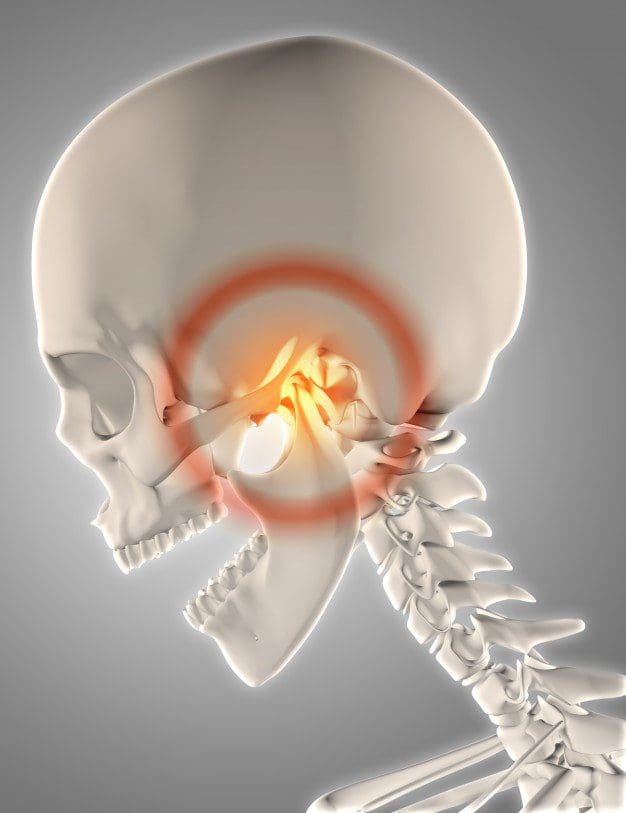
The joint that connects your jaw to your skull and allows you to open and close your mouth is the temporomandibular joint. When you have problems with the muscles or joint in that area it is called TMJ, or more accurately temporomandibular disorders, or TMD.
This disorder is characterized by pain and stiffness on one or both sides of the jaw. The jaw may also lock or get stuck in either a closed or open position. Patients may also notice a popping, clicking, or grating sound in the jaw when chewing, yawning, or when closing or opening their mouth. They may also have trouble chewing and even experience swelling.
Doctors don�t know what causes TMJ. It seems to be linked to trauma to the neck, such as with whiplash, but it also can be caused by:
Arthritis in the jaw
Grinding the teeth
Stress that causes clenching of the jaw
Movement of the disc, or soft cushion, that lies between the socket and ball of the jaw
Diagnosis & Treatment For Temporomandibular Joint Disorder
Many conditions can mimic the symptoms of TMD. After taking a medical history, your doctor will check the joints in the jaw for popping, clicking, or grating sounds. He will also assess the patient�s pain or tenderness level and check for any stiffness. During the exam, the doctor will assess the job and its ability to function properly. X-rays may also be a part of the examination.
If the doctor can pinpoint the probable cause of the TMJ, he may prescribe certain treatments or make recommendations that will help. Medication is one option, mainly stress or anti-anxiety medication to help the patient relax. A night guard or splint is another option. It helps to put the patient�s teeth in the correct position. A splint is worn all the time and a night guard is worn only at night. Dental work is another option and in come more serious cases, surgery.
Chiropractic Care For Temporomandibular Joint Disorder
Chiropractic for TMJ is not only common, but very effective. The chiropractor may perform neck or spine adjustment as well as adjustments to the jaw. This means that the patient may experience pressure on their skull, jaw, upper spine, or neck as the chiropractor treat the condition. There are also soft tissue treatments that the chiropractor may perform during the course of treatment for TMJ.
The chiropractor will often recommend lifestyle and diet changes to patients. This offers the patient the opportunity to treat the whole body as opposed to just one area. They may apply cold packs or heat packs to the area, recommend supplements, and teach the exercises designed to lessen the pain and encourage healing. Chiropractic is a safe, effective, and non-invasive treatment for TMJ.
So if you or a loved one have been diagnosed with TMD and/or are experiencing TMJ pain, give us a call. Our Doctor of Chiropractic is here to help!
Chiropractic Clinic Extra: Neck Pain Care & Treatments
Even though chiropractic excels in wellness care, it is becoming more common for people to visit chiropractors to treat a variety of different kinds of pain. Because of this, chiropractic adjustments provide many benefits to people and patients who suffer from a wide variety of conditions like arthritis. In today�s article, we�ll explore how chiropractic can help patients who suffer from arthritis and give you additional suggestions on how to alleviate the pain that�s associated with it.
Arthritis: What a Chiropractor Does
A Doctor of Chiropractic, also known as a chiropractor, is a health professional that focuses primarily on wellness care instead of sickness care. Their specialty focuses on adjusting the spine to correct misalignments that may be impinging on nerves.
Regular visits to a chiropractor can not only restore health throughout the body but also help alleviate back pain and other symptoms associated with an improperly aligned spinal column. They can also work with their patients to plan exercise routines and alterations in diet to assist management of inflammation and pain. Most insurance carriers cover visits to a chiropractor on at least some level.
What Is Arthritis?
Put simply, arthritis is inflammation in the joints which result in joint pain, stiffness and limited range of movement. There are over 200 different varieties of the ailment. While it is generally associated with age, it can also affect young people. It can strike almost any area of the body, with each region having a different cause and name. In some cases, can cause damage to soft tissues and muscles, like the heart and lungs.
Osteoarthritis, also called degenerative joint disease, is the most common type of arthritis. It results from repeated trauma to the joint and becomes more common in the elderly.
Other common forms of include:
Rheumatoid arthritis, the second most common form in which the body�s immune system attacks the joint.
Psoriatic arthritis, another autoimmune form.
Ankylosing spondylitis, also a type where the body attacks itself.
Septic arthritis, which is caused by a viral or bacterial infection of the joint.
Diagnosis
Diagnosing arthritis involves a complete and thorough examination. If a chiropractor feels the need to co-manage the case, a medical work-up by a rheumatologist may be recommended. This can include radiology (x-ray) or an MRI, urine and blood analysis and physical examinations.
It is important to have your condition properly diagnosed so you can more effectively treat the symptoms of the disease.
Chiropractors and Arthritis
The most common treatment for arthritis is medication, which can take down the inflammation and swelling and reduce pain. However, chiropractors can be of great help in managing arthritis. While medications work, it has long-term health risks such as impairing healing, damage to the stomach lining and internal bleeding.
By visiting a chiropractor you may be able to reduce your reliance upon these medications while managing your pain and symptoms naturally. A chiropractor can:
Improve your range of motion by keeping your spine in line
Improve endurance and flexibility
Increase your strength and muscle tone
Help you develop a dietary and nutritional plan to reduce inflammation naturally
In addition, chiropractors can recommend an exercise regimen that�s conducive to arthritis. According to the American Chiropractic Association, this is a vital component in managing your arthritis symptoms.
Treating the Symptoms
Please understand that chiropractors cannot cure arthritis. At this time, there is no cure for this ailment. They can, however, help to alleviate the symptoms and slow the progression of the illness. They may use spinal adjustments in conjunction with other treatments to address the disease. These options can include:
Hot and cold therapy
Ultrasound treatments
Massage
Electronic muscle stimulation
Physical rehabilitation
Magnet therapy
The Best Results
With an inflammatory disease like arthritis, the best results are achieved from attacking it at all angles. This means working with your chiropractor and rheumatologist to combine treatments, if necessary. In addition to their care, a healthy diet and active exercise regime will help move you in the right direction toward a healthier outcome.
If you or a loved one are suffering with, don�t hesitate to give us a call today.�We�re here to help in any way we can!
This article is copyrighted by Blogging Chiros LLC for its Doctor of Chiropractic members and may not be copied or duplicated in any manner including printed or electronic media, regardless of whether for a fee or gratis without the prior written permission of Blogging Chiros, LLC.
When you suffer from joint or muscle pain, it is important to work on maintaining as much flexibility as possible. The more flexible you are, the less likely you will be to further injure yourself. One of the best ways to improve your flexibility is by stretching before you are active.
However, you need to warm up your muscles before you stretch. If you stretch first, you can actually injure yourself by pushing your joints too far. Spend a few minutes doing some light activity before you stretch. This can be as simple as a brisk walk or some basic calisthenics.
If you have been seeing a chiropractor, he or she may be able to recommend some stretches for you. Otherwise, you can use some of these basic techniques. There are two basic forms of stretching, static and dynamic.
Static Stretching vs. Dynamic Stretching
Static stretches involve holding a position for a certain period of time to loosen up your muscles. These tend to be what most people think of when they think about stretching. However, dynamic stretches are also important. With these, you move parts of your body to work on your flexibility.
Many of the most effective stretches for back pain can be done right at home. For example, lie on your back with your knees bent. Grasp one knee in both hands and pull it up towards your chest. Hold this position for 30 seconds and then lower the knee to the starting pose. Repeat with the other knee. You can also do both knees at the same time.
A similar stretch begins in the same position as the previous one. However, instead of lifting your knee to your chest, roll both legs to one side so that your knees are as close to the floor as possible. Hold this position for 10 seconds, and then roll to the other side.
Another common stretch recommended by many chiropractors comes from yoga, where it is known as the “cat pose.” Get down on the floor on your hands and knees, with your hands underneath your shoulders. First, let your abdomen drop down towards the floor. Then, reverse this movement by arching your back. Repeat this cycle three to five times.
More dynamic stretches can also be good for your muscle pain. Try doing handwalks to stretch your shoulders and abdominal muscles. Stand up straight and slowly lower your hands towards the floor. Walk your hands out in front of you until you are as far down as you can go. Then walk your hands back to the starting position.
A final stretch that can help your back muscles is known as the “scorpion.” Lie face-down and stretch your arms out to the sides. First, slowly move your right foot towards your left arm. Then, move your left foot towards your right arm. Make sure to move in a slow and controlled fashion.
When you are suffering from muscle or joint pain, it is a good idea to stretch both in the morning and the evening. By incorporating these exercises into your daily routine, you can avoid many common injuries.
If you need further instruction regarding stretches, please give us a call so that you can schedule an appointment with our Doctor of Chiropractic.
This article is copyrighted by Blogging Chiros LLC for its Doctor of Chiropractic members and may not be copied or duplicated in any manner including printed or electronic media, regardless of whether for a fee or gratis without the prior written permission of Blogging Chiros, LLC.
IFM's Find A Practitioner tool is the largest referral network in Functional Medicine, created to help patients locate Functional Medicine practitioners anywhere in the world. IFM Certified Practitioners are listed first in the search results, given their extensive education in Functional Medicine







 This disorder is characterized by pain and stiffness on one or both sides of the jaw. The jaw may also lock or get stuck in either a closed or open position. Patients may also notice a popping, clicking, or grating sound in the jaw when chewing, yawning, or when closing or opening their mouth. They may also have trouble chewing and even experience swelling.