Can combining chiropractic treatment with the common therapies of medication, exercise, and/or physical therapy help relieve sciatic endometriosis pain symptoms?
Sciatic Endometriosis
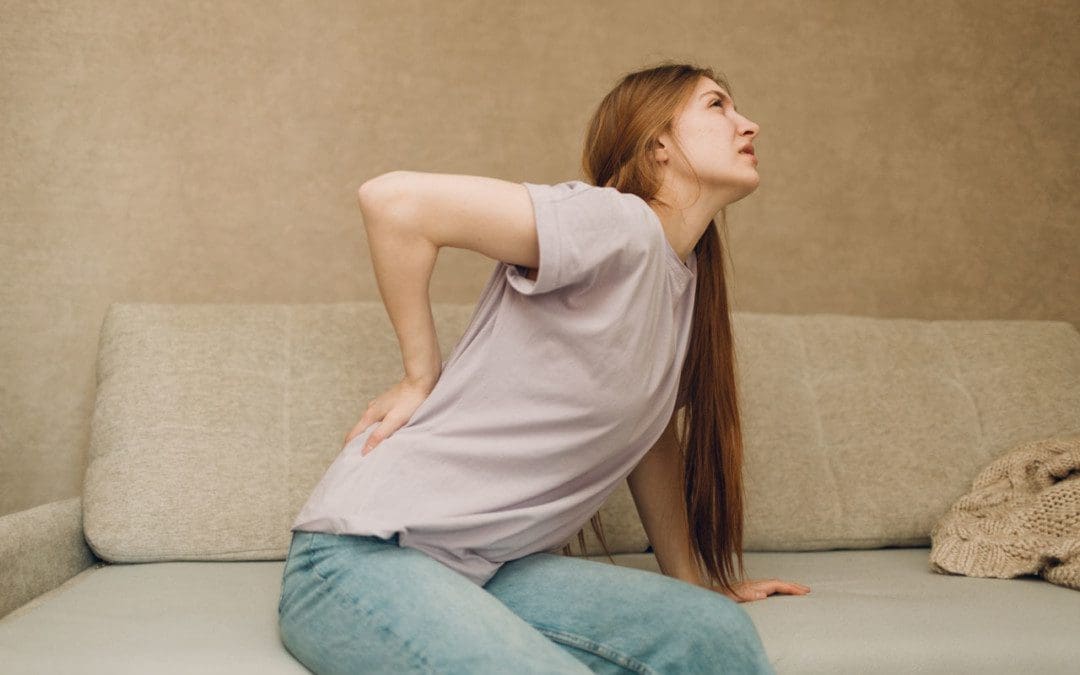
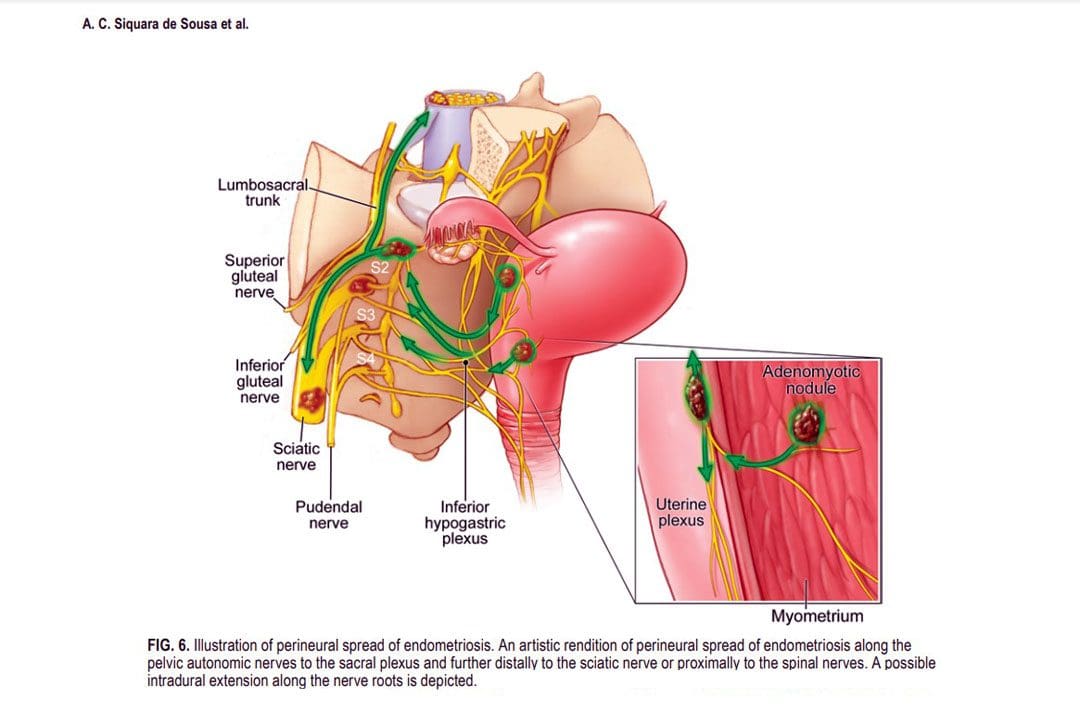
Sciatic endometriosis is a condition in which endometrial cells (tissue that resembles the lining of the uterus) grow outside of the uterine lining and compress the sciatic nerve. This places stress and pressure on the nerve causing back, pelvic, hip, and leg pain, especially before and during the menstrual cycle. It can also cause pain, irregular periods, and infertility. (The American College of Obstetricians and Gynecologists. 2021)
These areas of endometrial tissue growth are also known as lesions or implants.
Women with sciatic endometriosis often experience leg pain and weakness around the time of their menstrual cycle. (Lena Marie Seegers, et al., 2023)
Sciatic endometriosis can also cause pain when urinating, during a bowel movement, during sex, and fatigue, and irregular vaginal bleeding.
The abnormal growth may be caused by higher-than-normal levels of estrogen.
Researchers believe that endometriosis is related to retrograde menstruation, which causes menstrual blood to flow back into the pelvis instead of out through the vagina. (World Health Organization. 2023)
Sometimes, the cells grow in the area of the pelvis right above the sciatic nerve. (Adaiah Yahaya, et al., 2021)
The sciatic nerve is the longest nerve in the body and travels down the back of each leg. (Johns Hopkins Medicine. 2023)
When endometrial lesions place pressure on the sciatic nerve, they can cause irritation and inflammation leading to severe pelvic pain, which makes it harder to conceive. (Liang Yanchun, et al., 2019)
Symptoms
Some women with endometriosis experience no symptoms or misinterpret the symptoms as typical premenstrual syndrome/PMS signs. The most common signs and symptoms of sciatic endometriosis include:
Difficulty walking or standing.
Loss of sensation, muscle weakness, and reflex alteration.
Limping.
Balance problems.
Bloating and nausea.
Constipation or diarrhea before or after a period.
Painful, heavy, and/or irregular periods.
Bleeding between periods.
Pain during sex, urination, and bowel movements.
Pain in the stomach, pelvis, lower back, hips, and buttocks. (MedlinePlus. 2022)
Weakness, numbness, tingling, burning, or dull aching sensations in the back of one or both legs.
Endometriosis, including sciatic endometriosis, typically cannot be diagnosed with a pelvic examination or ultrasound by themselves. A healthcare provider may need to perform a biopsy using laparoscopy and discuss menstrual cycles, symptoms, and medical history.
The laparoscopy procedure involves making tiny incisions and taking a tissue sample with tools attached to a thin tube with a camera. (MedlinePlus. 2022)
Imaging tests, like magnetic resonance imaging/MRI, and computed tomography/CT scans, can help provide essential information about the location and size of any endometrial lesions. (The American College of Obstetricians and Gynecologists. 2021)
Treatment
Symptoms can sometimes be temporarily relieved with over-the-counter/OTC pain relievers. Depending on the condition and severity a healthcare provider may prescribe hormonal treatment to prevent new endometrial implants from growing. These can include:
Hormonal birth control.
Progestin – a synthetic form of progesterone.
Gonadotropin-releasing hormone – GnRH agonists.
If pain persists or worsens, individuals may need to undergo surgery to remove the tissue.
The American College of Obstetricians and Gynecologists. Endometriosis.
Seegers, L. M., DeFaria Yeh, D., Yonetsu, T., Sugiyama, T., Minami, Y., Soeda, T., Araki, M., Nakajima, A., Yuki, H., Kinoshita, D., Suzuki, K., Niida, T., Lee, H., McNulty, I., Nakamura, S., Kakuta, T., Fuster, V., & Jang, I. K. (2023). Sex Differences in Coronary Atherosclerotic Phenotype and Healing Pattern on Optical Coherence Tomography Imaging. Circulation. Cardiovascular imaging, 16(8), e015227. https://doi.org/10.1161/CIRCIMAGING.123.015227
World Health Organization. Endometriosis.
Yahaya, A., Chauhan, G., Idowu, A., Sumathi, V., Botchu, R., & Evans, S. (2021). Carcinoma arising within sciatic nerve endometriosis: a case report. Journal of surgical case reports, 2021(12), rjab512. https://doi.org/10.1093/jscr/rjab512
Johns Hopkins Medicine. Sciatica.
Yanchun, L., Yunhe, Z., Meng, X., Shuqin, C., Qingtang, Z., & Shuzhong, Y. (2019). Removal of an endometrioma passing through the left greater sciatic foramen using a concomitant laparoscopic and transgluteal approach: case report. BMC women’s health, 19(1), 95. https://doi.org/10.1186/s12905-019-0796-0
MedlinePlus. Endometriosis.
Center for Endometriosis Care. Sciatic endometriosis.
Chen, S., Xie, W., Strong, J. A., Jiang, J., & Zhang, J. M. (2016). Sciatic endometriosis induces mechanical hypersensitivity, segmental nerve damage, and robust local inflammation in rats. European journal of pain (London, England), 20(7), 1044–1057. https://doi.org/10.1002/ejp.827
Siquara de Sousa, A. C., Capek, S., Howe, B. M., Jentoft, M. E., Amrami, K. K., & Spinner, R. J. (2015). Magnetic resonance imaging evidence for perineural spread of endometriosis to the lumbosacral plexus: report of 2 cases. Neurosurgical focus, 39(3), E15. https://doi.org/10.3171/2015.6.FOCUS15208
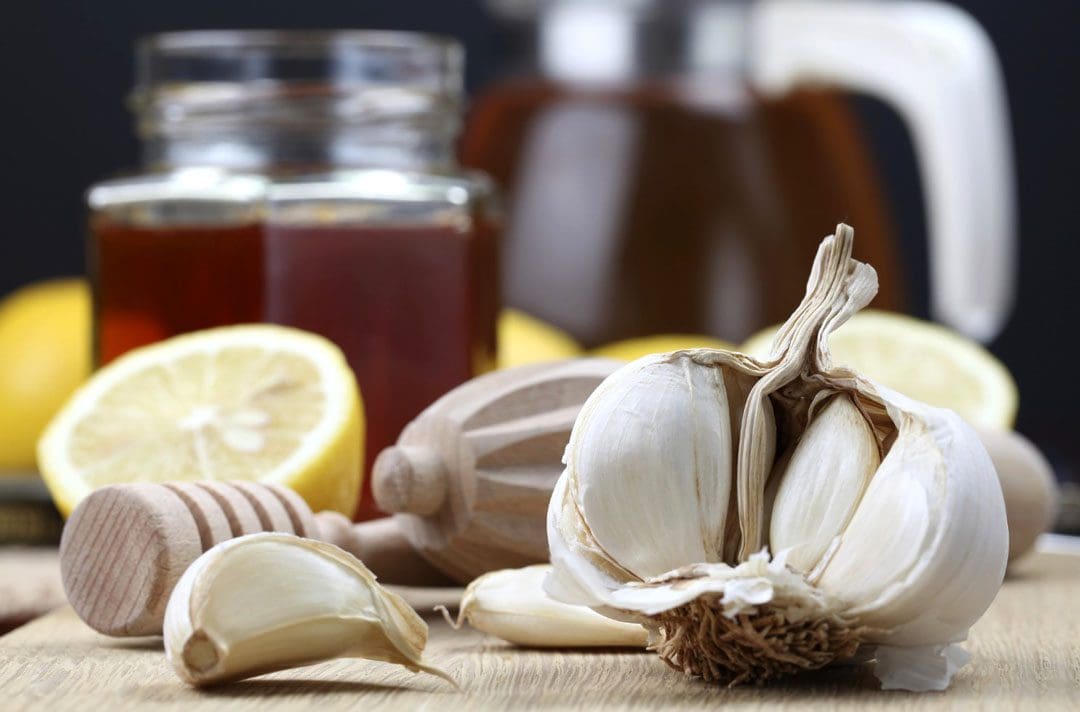
Garlic tea is an herbal tonic made from garlic, lemon, and honey. What medicinal uses and benefits can garlic provide that is supported by scientific research?
Garlic Tea
Garlic tea:
Garlic – Allium sativum – is a perennial plant from Central Asia.
The plant produces a bulb that is used in cooking and in health remedies all over the world.
Garlic powder, oil, and supplements are available.
Supplements can be made from garlic oil or from fresh, dried, or aged garlic.
The tea is commonly made with garlic, lemon, and honey, but can be made with a variety of different ingredients.
It is used for cold symptoms like congestion and cough.
Health Benefits
Some, but not all benefits are supported by scientific evidence. It is important to keep in mind that these studies are analyzing garlic, and not necessarily garlic tea. The dose of garlic in tea may not be the same as a more concentrated dose that is used in the studies. Also, cooking or boiling garlic can change its therapeutic effects.
The scientific evidence about garlic’s benefits. Garlic is a healthy source of organosulfur compounds, including alliinase, which is released when it is crushed or chopped. (Leyla Bayan, Peir Hossain Koulivand, Ali Gorji. 2014)
Organosulfur compounds are believed to provide health benefits.
An overview of garlic studies found that there are promising health benefits, however, the researchers caution that larger studies are needed to confirm the results and verify the right dosage to get the results. (Johura Ansary, et al., 2020)
The current studies show the following possible benefits:
Some studies have also shown that garlic could be able to stimulate the immune system and decrease tumor growth in certain cancers, like colorectal cancer.
However, research investigating the cancer-preventing benefits has shown mixed results. (Xi Zhou, et al., 2020)
Common side effects of garlic consumption include bad breath, upset stomach, and body odor.
Garlic can also cause bloating, gas, and heartburn for some.
There are allergies to garlic and individuals with an allergy can experience more severe symptoms.
The NIH also advises that taking garlic may increase your risk of bleeding.
Individuals taking a blood thinner like warfarin or about to undergo surgery should discuss taking supplements or drinking garlic tea with their healthcare provider.
Garlic has been found to interfere with the effectiveness of some drugs that are used to treat HIV infection.
Lemon can cause tooth erosion so it is recommended to rinse teeth after drinking.
Honey has sugar content so it is recommended to use it in small quantities.
Healthy Diet and Chiropractic
References
National Center for Complementary and Integrative Health. Garlic.
Bayan, L., Koulivand, P. H., & Gorji, A. (2014). Garlic: A review of potential therapeutic effects. Avicenna journal of phytomedicine, 4(1), 1–14.
Ansary, J., Forbes-Hernández, T. Y., Gil, E., Cianciosi, D., Zhang, J., Elexpuru-Zabaleta, M., Simal-Gandara, J., Giampieri, F., & Battino, M. (2020). Potential Health Benefit of Garlic Based on Human Intervention Studies: A Brief Overview. Antioxidants (Basel, Switzerland), 9(7), 619. https://doi.org/10.3390/antiox9070619
Zhang, S., Liu, M., Wang, Y., Zhang, Q., Liu, L., Meng, G., Yao, Z., Wu, H., Xia, Y., Bao, X., Gu, Y., Wang, H., Shi, H., Sun, S., Wang, X., Zhou, M., Jia, Q., Song, K., & Niu, K. (2020). Raw garlic consumption is inversely associated with prehypertension in a large-scale adult population. Journal of human hypertension, 34(1), 59–67. https://doi.org/10.1038/s41371-019-0257-0
Zhou, X., Qian, H., Zhang, D., & Zeng, L. (2020). Garlic intake and the risk of colorectal cancer: A meta-analysis. Medicine, 99(1), e18575. https://doi.org/10.1097/MD.0000000000018575
Avci, A., Atli, T., Ergüder, I. B., Varli, M., Devrim, E., Aras, S., & Durak, I. (2008). Effects of garlic consumption on plasma and erythrocyte antioxidant parameters in elderly subjects. Gerontology, 54(3), 173–176. https://doi.org/10.1159/000130426
Burian, J. P., Sacramento, L. V. S., & Carlos, I. Z. (2017). Fungal infection control by garlic extracts (Allium sativum L.) and modulation of peritoneal macrophage activity in a murine model of sporotrichosis. Brazilian journal of biology = Revista brasleira de biologia, 77(4), 848–855. https://doi.org/10.1590/1519-6984.03716
Kato, Y., Domoto, T., Hiramitsu, M., Katagiri, T., Sato, K., Miyake, Y., Aoi, S., Ishihara, K., Ikeda, H., Umei, N., Takigawa, A., & Harada, T. (2014). Effect on blood pressure of daily lemon ingestion and walking. Journal of nutrition and metabolism, 2014, 912684. https://doi.org/10.1155/2014/912684
Samarghandian, S., Farkhondeh, T., & Samini, F. (2017). Honey and Health: A Review of Recent Clinical Research. Pharmacognosy Research, 9(2), 121–127. https://doi.org/10.4103/0974-8490.204647
Can non-surgical options be beneficial for many working individuals with low back pain than surgical therapeutic options?
Introduction
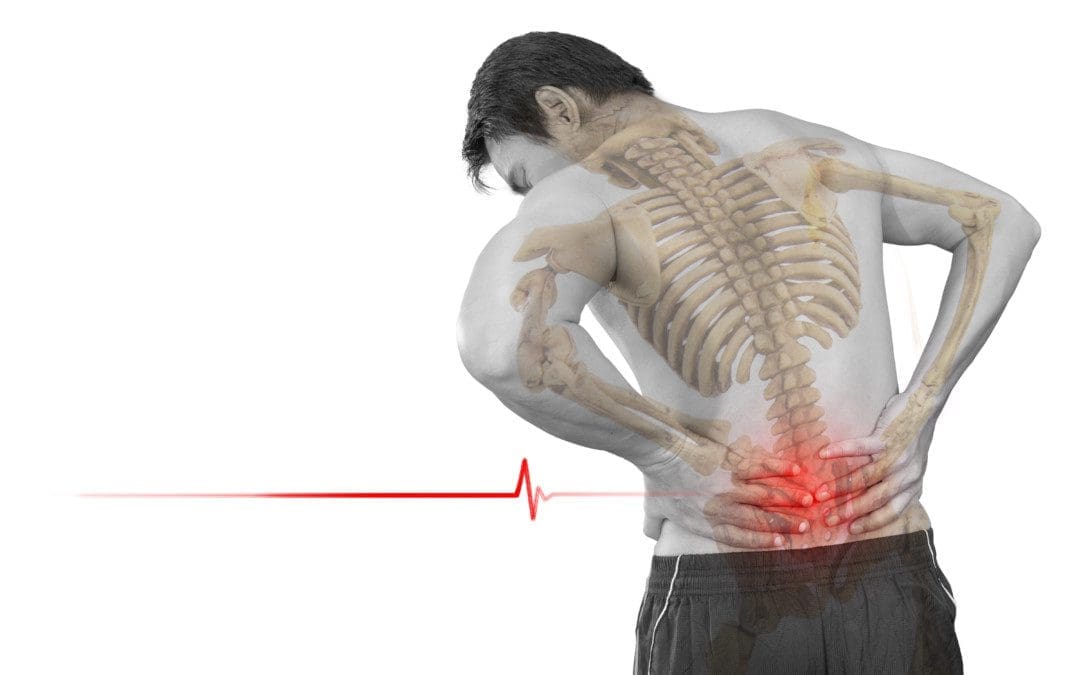
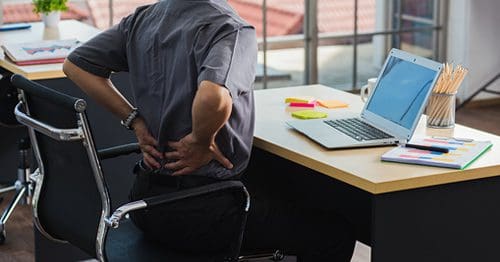
Many working individuals will experience pain in their lower backs due to their demanding workloads that are causing unwanted pressure load on the lumbar region of the spine. With the spine’s main job to support the body’s upper and lower quadrants, many individuals with demanding jobs are either constantly sitting down at their desks or carrying heavy objects to different locations. With low back pain being a normal problem for everyone at some point, many individuals find temporary solutions to relieve the pain, only to repeat the factors. To that point, this leads to chronic musculoskeletal disorders that can cause referred pain to the lower and upper extremities and can be pricey when going into treatment. However, there are numerous options for working individuals that are cost-effective and safe on their lower backs. Today’s article examines how low back pain affects the working individual and how non-surgical treatment options vary with surgical possibilities when dealing with low back pain. Coincidentally, we communicate with certified medical providers who incorporate our patients’ information to ease low back pain associated with musculoskeletal disorders. We also inform them that there are non-surgical options to reduce the effects of low back pain and restore their quality of life. We encourage our patients to ask amazing educational questions to our associated medical providers about their musculoskeletal symptoms correlating with low back pain. Dr. Alex Jimenez, D.C., incorporates this information as an academic service. Disclaimer
How Does Low Back Pain Affect The Working Individual?
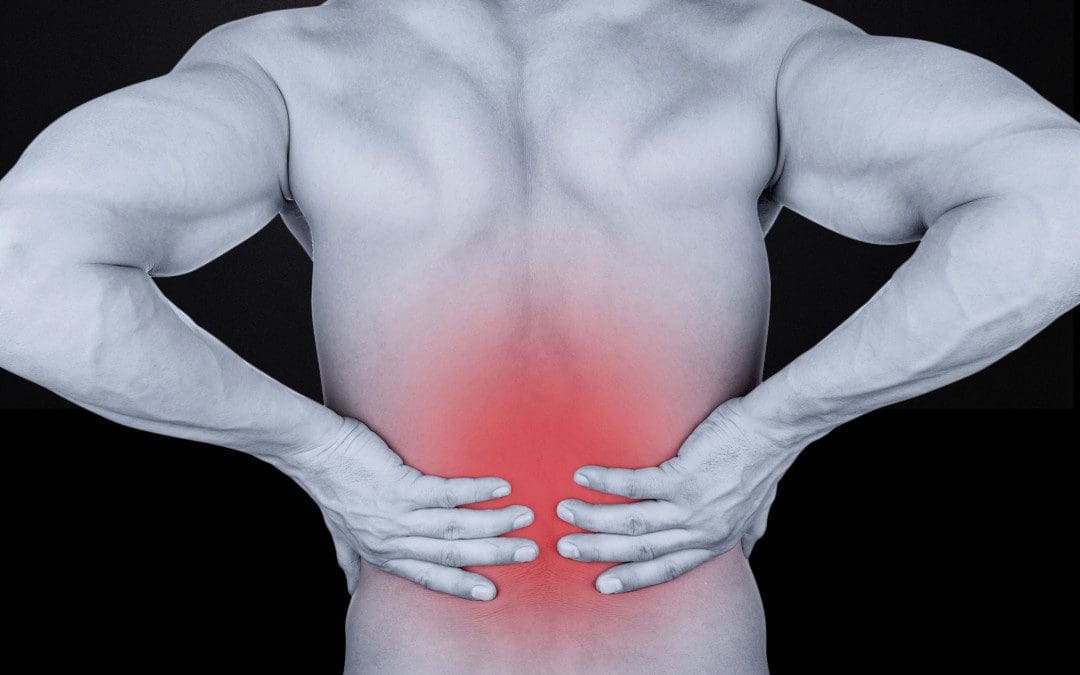
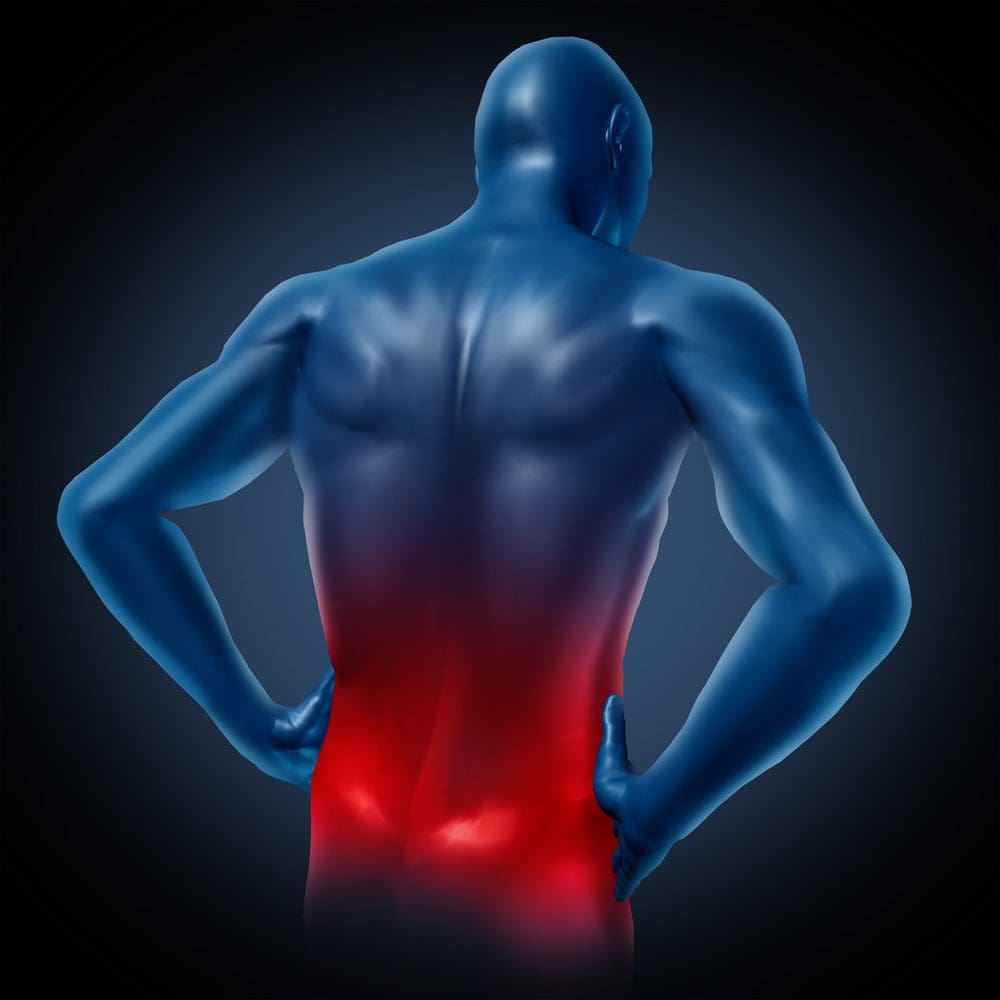
Have you been dealing with constant radiating pain in your lower back, legs, or feet after a long workday? Do you feel pain when moving around, only to find relief when resting? Or do you and your loved ones feel muscle aches and strains when stretching in the morning? Many individuals, especially working individuals, deal with low back pain daily when dealing with these musculoskeletal issues. Low back pain is extremely common for working individuals as it can affect their job performance and be an economic burden when treated. Low back pain is a multifactorial problem that has an increased rate of affecting individuals and contributes to the growth of numerous health problems. Low back pain can cause many individuals to miss work due to the lack of clarity on the causes, treatments, and factors contributing to this musculoskeletal disorder. (Pai & Sundaram, 2004)
So, how would low back pain affect the working individual? Since many people have demanding jobs, it can cause the surrounding muscles, ligaments, and tissues in the lumbar region to be overworked, and the spinal discs degenerate over time. When there are unrelenting changes within the spine, it can be associated with affecting the lumbar structures of the spine to degenerate over time. This, in turn, causes the lumbar spine to go through biochemical changes that can generate pain-like symptoms in the lumbar region and cause structural changes to the spine, leading to lower back pain. (Benoist, 2003)
Additionally, there are many causes and factors that many working individuals will do that lead to low back pain. Normal factors like improper lifting, stepping wrong, or sitting down excessively can contribute to lower back pain. At the same time, traumatic factors like accidents, injuries, or playing sports can also lead to lower back pain. When musculoskeletal conditions like low back pain become an issue, it can become a major burden to health and social care systems for many individuals, with indirect costs that can be pricey when treated. (Woolf & Pfleger, 2003)
Chiropractic Care After Accidents & Injuries-Video
Now, with low back pain being a nuisance to many, individuals will seek out treatment to reduce the pain they are experiencing in their lower back and mitigate the residual symptoms they have been dealing with in the other body extremities. Sadly, low back pain, especially in its chronic state, can become a diagnosis of convenience for many people, affecting their socioeconomic, work, and psychosocial lifestyles. (Andersson, 1999) Many individuals will seek out numerous treatment opportunities to reduce low back pain. Surgical treatments for low back pain are great for individuals when regular home therapies don’t work but can be pricey. Many will opt for non-surgical therapies when it comes to finding cost-effective treatments for treating low back pain. Non-surgical treatments, including chiropractic care and spinal decompression, are excellent for treating low back pain. Pain specialists like chiropractors and massage therapists utilize various techniques (mechanical and manual) to realign the body and stretch out the affected muscles that are affected by low back pain. The video explains how these treatments can reduce low back pain associated with accidents and injuries.
Non-Surgical Options For Low Back Pain
As stated earlier, non-surgical treatments can help reduce low back pain and can be combined with other therapies to manage the pain. Non-surgical treatments can be personalized to the person’s pain and can provide pain relief to the body. When individuals undergo a non-surgical treatment, pain specialists incorporate mechanical and manual manipulation to restore joint and spinal motion to the lower back. (Park et al., 2023) Additionally, individuals with low back pain include an exercise regime to effectively increase the person’s range of motion while increasing the person’s chances to return to normal daily activities and work. (van Tulder et al., 2000)
Non-Surgical Options Vs. Surgical Options
There is a vast difference between non-surgical and surgical options for treating low back pain. Anyone can personalized non-surgical options to provide more effective improvement in reducing pain, restoring lumbar range of motion, and improving back muscle endurance within a few sessions. (Amjad et al., 2022) Now, when home remedies and non-surgical options do not reduce pain, surgical options are only effective for low back pain. This is due to the psychological component that causes individuals to have persistent back pain that is not causing the relief that the person needs. (Corp et al., 2021) But both options are excellent when reducing low back pain as many doctors tell their patients to be more mindful about how they are using the muscles in their bodies and make small changes to reduce the chances of the pain from returning. When many working individuals start to think more about their pain and how to minimize its chances of returning, they can continue to live life to the fullest pain-free.
References
Amjad, F., Mohseni-Bandpei, M. A., Gilani, S. A., Ahmad, A., & Hanif, A. (2022). Effects of non-surgical decompression therapy in addition to routine physical therapy on pain, range of motion, endurance, functional disability and quality of life versus routine physical therapy alone in patients with lumbar radiculopathy; a randomized controlled trial. BMC Musculoskelet Disord, 23(1), 255. https://doi.org/10.1186/s12891-022-05196-x
Corp, N., Mansell, G., Stynes, S., Wynne-Jones, G., Morso, L., Hill, J. C., & van der Windt, D. A. (2021). Evidence-based treatment recommendations for neck and low back pain across Europe: A systematic review of guidelines. Eur J Pain, 25(2), 275-295. https://doi.org/10.1002/ejp.1679
Park, S. C., Kang, M. S., Yang, J. H., & Kim, T. H. (2023). Assessment and nonsurgical management of low back pain: a narrative review. Korean J Intern Med, 38(1), 16-26. https://doi.org/10.3904/kjim.2022.250
van Tulder, M., Malmivaara, A., Esmail, R., & Koes, B. (2000). Exercise therapy for low back pain: a systematic review within the framework of the cochrane collaboration back review group. Spine (Phila Pa 1976), 25(21), 2784-2796. https://doi.org/10.1097/00007632-200011010-00011
Can traction therapy help many individuals dealing with low back pain reduce inflammation and improve quality of life?
Introduction
When many individuals do everyday activities, if they are not careful, they can cause pain-like issues such as muscle strain, stiffness, and aches in different locations in the upper and lower portions of their bodies. When this happens, it can lead to the body’s natural defense, known as inflammation. Inflammation is the immune system’s natural defense to heal the affected area in the body naturally. However, depending on the severity of the issue causing the person to be in pain, inflammation can be beneficial or harmful. When many individuals start to make repetitive motions to their bodies, it can cause the muscle and tissue fibers to be overstretched and ache. To that point, these repetitive motions to the body could potentially lead to low back pain. Have you or your loved ones experienced inflammatory effects that lead to low back pain? When this happens, many individuals seek non-surgical treatments to reduce inflammation in the lower back, which can help restore their quality of life. Today’s article post looks at the correlation between inflammation and low back pain and how non-surgical treatments like traction therapy can reduce inflammation and restore a person’s quality of life. Coincidentally, we communicate with certified medical providers who incorporate our patients’ information to ease low back pain associated with inflammation that leads to the development of musculoskeletal disorders. We also inform them that non-surgical treatments like traction therapy can help reduce the chronic inflammatory effects in the body. We encourage our patients to ask amazing educational questions to our associated medical providers about their symptoms correlating with low back pain. Dr. Jimenez, D.C., incorporates this information as an academic service. Disclaimer
Inflammation Correlating With Low Back Pain
Do you often experience muscle aches in your lower back after a long, hard workday? Do you feel your skin is so hot to the touch that it is causing your muscles to ache constantly? Or did you injure your back due to improper lifting, so the pain is unbearable? Many individuals don’t often realize that the scenarios they are doing in their daily lives correspond to the development of low back pain. Low back pain is a multifactorial musculoskeletal disorder with many symptoms that are often correlated with inflammation. Inflammation is the body’s immune defense that starts to heal the affected area where the body has succumbed to injuries. Inflammation can be beneficial and harmful in its acute and chronic form while correlating with low back pain. When it comes to low back pain, its factors can lead to lumbar disc herniation, which then can be highly associated with inflammation. (Cunha et al., 2018) This is due to the surrounding nerve roots being entrapped, and the adverse symptoms of the lower back start to stimulate the nerve fibers to evoke inflammation, leading to pain-like issues in the lower extremities. When the lower extremities are associated with lower back pain, the lumbar components will start to degenerate over time, activating the inflammatory cytokine pathways that can directly damage the nerves and lower nociceptors, causing pain to the legs and lower back. (Li et al., 2021) When inflammation correlates with low back pain, it is a recurrent condition that many individuals seek treatment from their primary doctors. (Von Korff & Saunders, 1996) When this happens, many individuals incorporate these treatments to reduce inflammation and restore their quality of life.
Fighting Inflammation Naturally-Video
When inflammation is correlated with low back pain, many individuals will seek affordable treatment that works with their hectic schedules. Non-surgical treatments can work around a person’s schedule and are cost-effective. Treatments like traction therapy, massage therapy, chiropractic care, physical therapy, and spinal decompression are all non-surgical treatments that utilize manual and mechanical manipulation to relieve people suffering from low back pain and reduce the effects of inflammation affecting the lower extremities. These non-surgical treatments can relieve many individuals after a few consecutive sessions and slowly reduce the inflammatory effects. The video above shows how non-surgical treatment can help restore the body while naturally reducing inflammatory outcomes in a personalized treatment plan.
How Traction Reduces Inflammation
When it comes to treating low back pain correlating with inflammation, traction therapy, a form of non-surgical treatment, can be beneficial in reducing these pain-like issues. The pain specialist first assesses individuals with inflammation correlating with low back pain as they note where the pain affects them in their bodies. Afterward, they will be strapped into a traction machine, gently pulling their spines to reduce pain involving the aggravated nerves and muscles. The intervertebral discs will also be increased during traction to improve the spinal disc height. (Andersson, Schultz, & Nachemson, 1983) This allows the affected nerve roots to stop pain signals from affecting the lower extremities and promote healing. Traction therapy can even decompress the nucleus pulposus, one of the effects of low back pain, by pulling it back to its original position. (Ramos & Martin, 1994) This, in turn, reduces the inflammatory effects and allows the body to heal itself naturally.
Traction Therapy Restoring Quality Of Life
When many individuals incorporate traction therapy, it can restore their quality of life. Traction therapy can help reduce the symptoms of inflammation and pain by minimizing the chances of needing surgery. (Wang et al., 2022) Traction therapy can also be combined with manual therapy to stretch and strengthen the surrounding weak muscles and help restore the joint’s mobility. (Kuligowski, Skrzek, & Cieslik, 2021) To that point, many individuals dealing with inflammation correlating with low back pain can notice their pain being diminished and be more mindful of what habits are the root causes of their pain and how to reduce them from causing the pain to return.
References
Andersson, G. B., Schultz, A. B., & Nachemson, A. L. (1983). Intervertebral disc pressures during traction. Scand J Rehabil Med Suppl, 9, 88-91. https://www.ncbi.nlm.nih.gov/pubmed/6585945
Cunha, C., Silva, A. J., Pereira, P., Vaz, R., Goncalves, R. M., & Barbosa, M. A. (2018). The inflammatory response in the regression of lumbar disc herniation. Arthritis Res Ther, 20(1), 251. https://doi.org/10.1186/s13075-018-1743-4
Kuligowski, T., Skrzek, A., & Cieslik, B. (2021). Manual Therapy in Cervical and Lumbar Radiculopathy: A Systematic Review of the Literature. Int J Environ Res Public Health, 18(11). https://doi.org/10.3390/ijerph18116176
Li, W., Gong, Y., Liu, J., Guo, Y., Tang, H., Qin, S., Zhao, Y., Wang, S., Xu, Z., & Chen, B. (2021). Peripheral and Central Pathological Mechanisms of Chronic Low Back Pain: A Narrative Review. J Pain Res, 14, 1483-1494. https://doi.org/10.2147/JPR.S306280
Ramos, G., & Martin, W. (1994). Effects of vertebral axial decompression on intradiscal pressure. J Neurosurg, 81(3), 350-353. https://doi.org/10.3171/jns.1994.81.3.0350
Wang, W., Long, F., Wu, X., Li, S., & Lin, J. (2022). Clinical Efficacy of Mechanical Traction as Physical Therapy for Lumbar Disc Herniation: A Meta-Analysis. Comput Math Methods Med, 2022, 5670303. https://doi.org/10.1155/2022/5670303
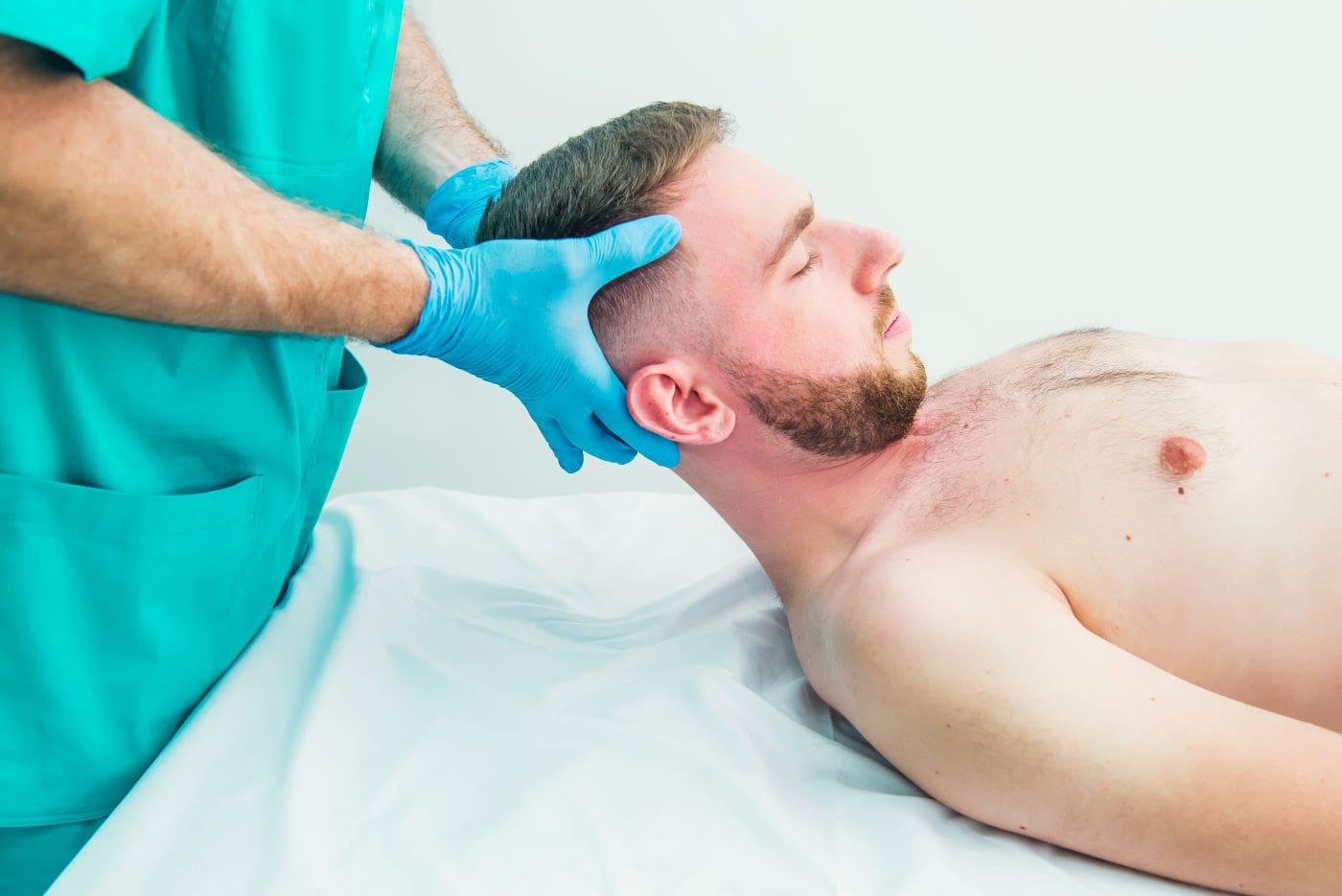
Individuals who have suffered cervical acceleration-deceleration/CAD more commonly known as whiplash, can experience headaches, and other symptoms like neck stiffness, pain, fatigue, and shoulder/neck/back discomfort. Can non-surgical and conservative treatments help alleviate the symptoms?
Cervical Acceleration – Deceleration or CAD
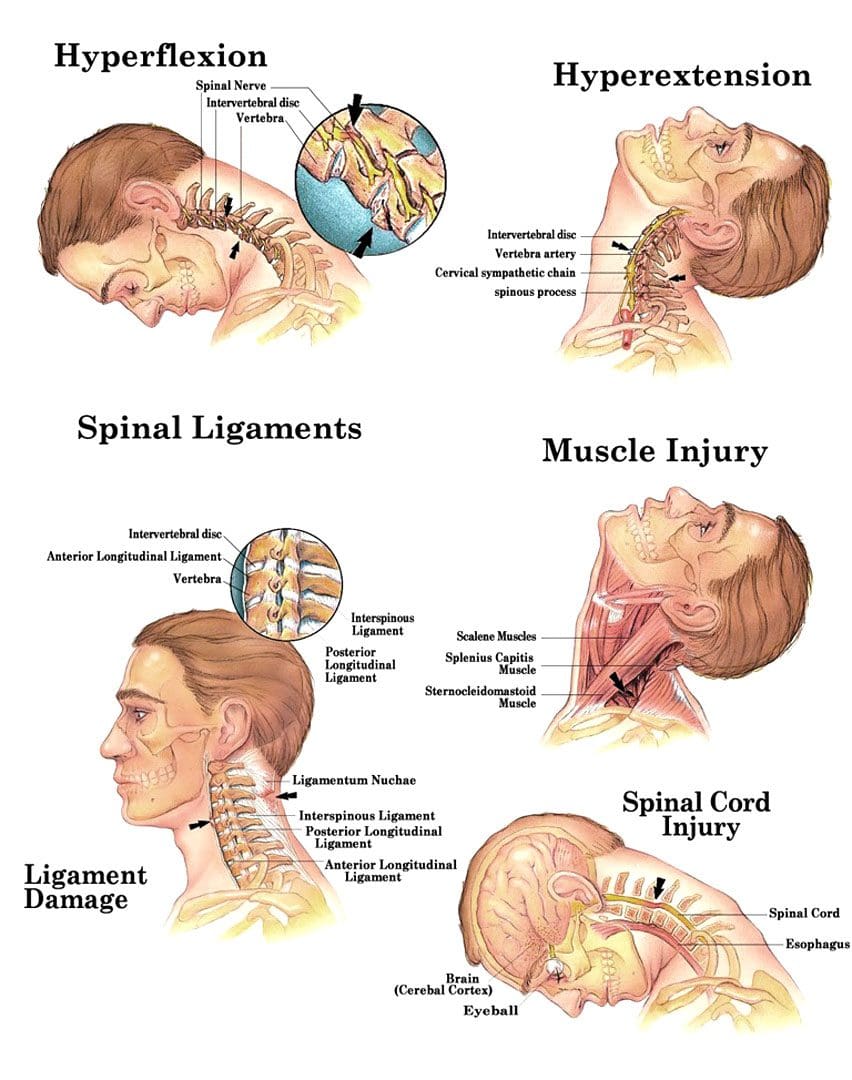
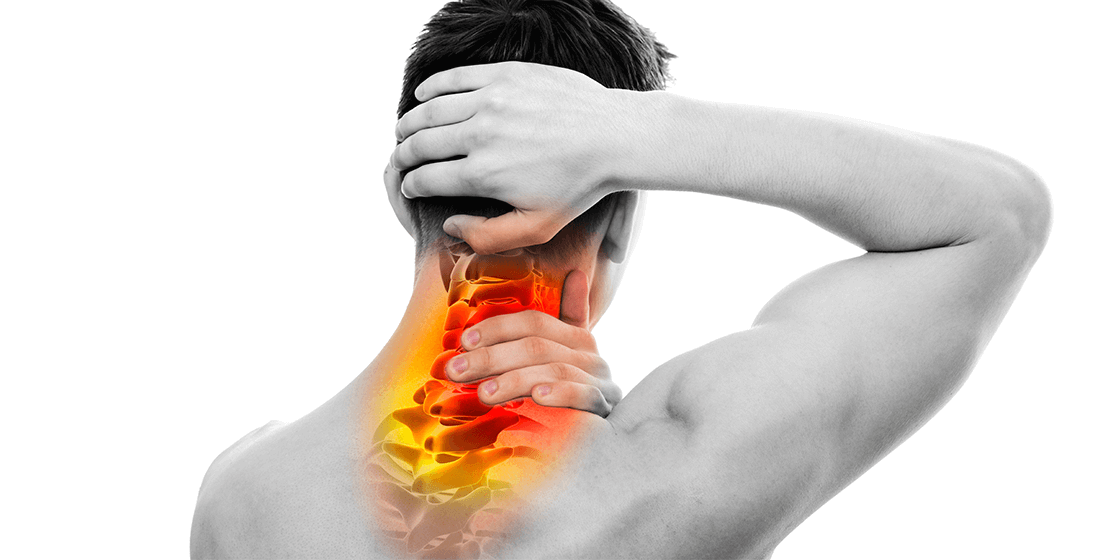
Cervical acceleration-deceleration is the mechanism of a neck injury caused by a forceful back-and-forth neck motion. It happens most commonly in rear-end vehicle collisions when the head and neck whip forward and backward with intense acceleration and/or deceleration causing the neck to flex and/or extend rapidly, more than normally, straining and possibly tearing muscle tissues and nerves, ligaments, dislocation of spinal discs and herniations, and cervical bone fractures.
For symptoms that do not improve or worsen after 2 to 3 weeks, see a healthcare provider or chiropractor for further evaluation and treatment.
Whiplash injuries strain or sprain the neck muscles and/or ligaments, but can also affect the vertebrae/bones, disc cushions between the vertebrae, and/or the nerves.
Whiplash symptoms can present right away, or after several hours to a few days after the incident, and tend to worsen in the days after the injury. Symptoms can last a few weeks to a few months, and can severely limit activity and range of motion. Symptoms can include: (National Institute of Neurological Disorders and Stroke. 2023)
Pain that extends into the shoulders and back.
Neck stiffness
Limited neck motion
Muscle spasms
Numbness and tingling sensations – paresthesias or pins and needles in the fingers, hands, or arms.
Headaches – A whiplash headache usually starts at the base of the skull and can vary in intensity. Most individuals experience pain on one side of the head and toward the back, though some can experience symptoms all over their head, and a small number experience headaches on the forehead or behind the eyes. (Monica Drottning. 2003)
The headaches can become aggravated by moving the neck around, especially when looking up.
Headaches are often associated with shoulder pain along with sensitive neck and shoulder muscles that when touched can increase pain levels.
Whiplash headaches can lead to chronic neck-related headaches known as cervicogenic headaches. (Phil Page. 2011)
It is also important to rest your neck area following the injury.
A cervical collar can be utilized temporarily to stabilize the neck, but for long-term recovery, it is recommended to keep the area mobile.
Physical activity reduction until the individual can look over both shoulders, and tilt their head all the way forward, all the way back, and from side to side without pain or stiffness.
Non-steroidal anti-inflammatories – NSAIDs – Ibuprofen or Naproxen.
Muscle relaxers
If symptoms do not improve, a healthcare provider may recommend physical therapy and/or stronger pain medications. For whiplash headaches that last for several months, acupuncture, or spinal injections may be recommended.
Neck Injuries
References
National Institute of Neurological Disorders and Stroke. Whiplash Information Page.
Drottning M. (2003). Cervicogenic headache after a whiplash injury. Current pain and headache reports, 7(5), 384–386. https://doi.org/10.1007/s11916-003-0038-9
Page P. (2011). Cervicogenic headaches: an evidence-led approach to clinical management. International journal of sports physical therapy, 6(3), 254–266.
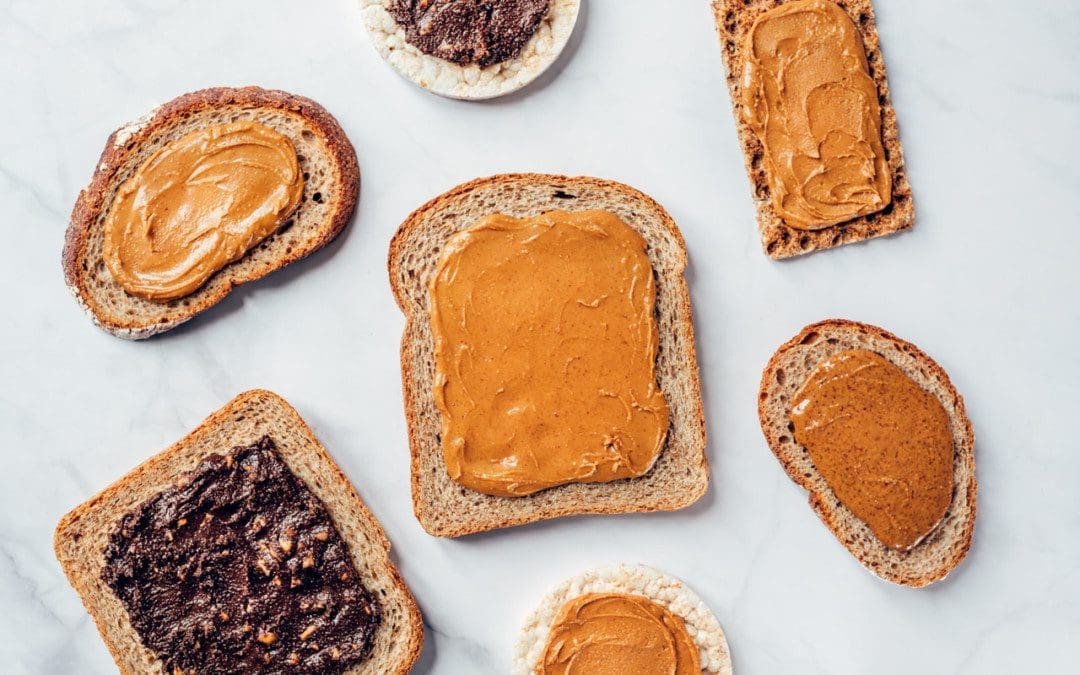
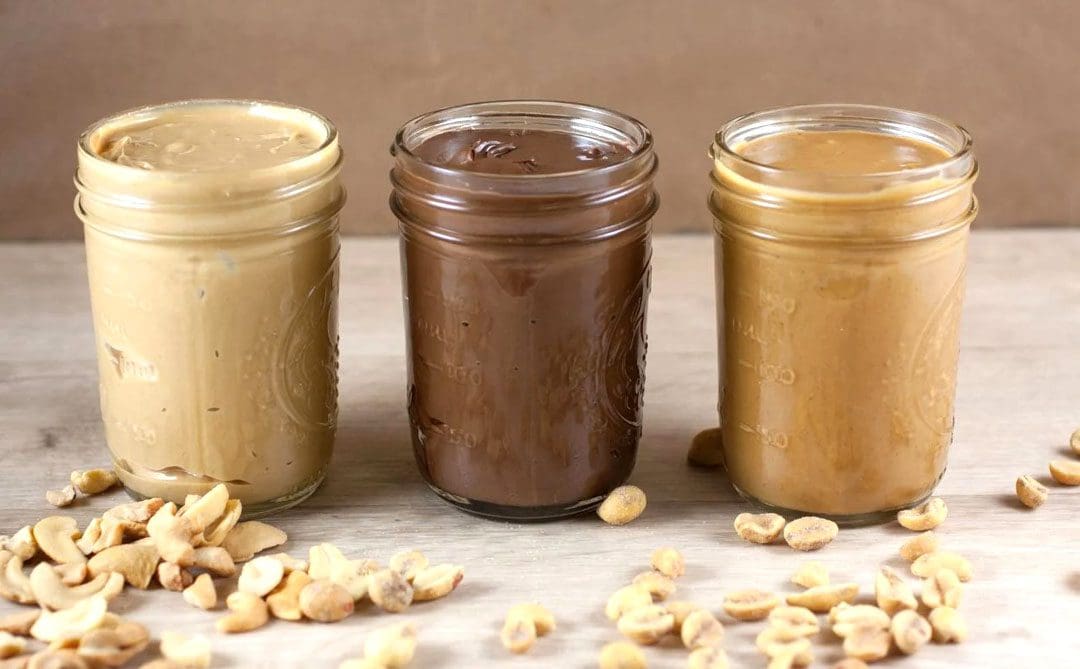
For individuals with peanut allergies, can finding a peanut alternative be as satisfying as a real creamy or crunchy peanut butter sandwich?
Peanut Butter Sandwich Alternatives
For individuals who are unable to have a peanut butter sandwich due to an allergy, there are healthy satisfying alternatives. Tree nut butter, seed butter, and deli meats can all satisfy sandwich cravings and provide nutrition. Here are a few healthy, nutritious alternatives to try out:
Sunflower Seed Butter and Jam, Jelly, or Preserves
It can be substituted for a PBJ with jam, jelly, and preserves.
Ham and Cheese, Grainy Mustard on Rye Bread
Getting ham and cheese from the deli can potentially have cross-contamination with allergens during slicing and packaging.
Prepackaged and sliced ham and cheese is a safer bet in terms of allergens.
It is recommended to read the ingredient label for potential allergens, as processing in facilities can have cross-contamination issues. (William J. Sheehan, et al., 2018)
Turkey, Tomato, Lettuce, and Hummus on Whole Grain Bread
The same is true for turkey and is recommended to buy prepackaged and sliced.
Check the ingredients for possible allergens.
Hummus is made from chickpeas/garbanzo beans and tahini/ground sesame seeds.
Hummus comes in a variety of flavors that can be used as a dip or spread.
Although chick peas’ are a member of the legume family, hummus can be tolerated with peanut allergies. (Mathias Cousin, et al., 2017)
Check with a healthcare provider if unsure.
Pita Pocket with Salad and Hummus
Pita pockets are great with hummus stuffed with vegetables.
This is a delicious crunchy pocket sandwich loaded with protein, fiber vitamins, and minerals.
Cashew butter on a hot English muffin with raisins on top for a boost of iron is reminiscent of a cinnamon roll.
Pumpkin Seed Butter and Honey Sandwich
Pumpkin butter is made from the orange flesh of the pumpkin.
Pumpkin seed butter is made by roasting pumpkin seeds and grinding them to a butter consistency.
The seed butter can be spread on bread and drizzled with some honey on top for a nutritious and delicious snack.
There are tasty healthy peanut butter alternatives that can be mixed, matched, and reinvented into various satisfying sandwiches. Individuals are recommended to consult their healthcare provider or a dietician or nutritionist to find what works for them.
Smart Choices, Better Health
References
Lavine, E., & Ben-Shoshan, M. (2015). Allergy to sunflower seed and sunflower butter as a proposed vehicle for sensitization. Allergy, asthma, and clinical immunology: Official Journal of the Canadian Society of Allergy and Clinical Immunology, 11(1), 2. https://doi.org/10.1186/s13223-014-0065-6
U.S. Department of Agriculture: FoodData Central. Seeds, sunflower seed butter, with salt added (Includes foods for USDA’s Food Distribution Program).
Sheehan, W. J., Taylor, S. L., Phipatanakul, W., & Brough, H. A. (2018). Environmental Food Exposure: What Is the Risk of Clinical Reactivity From Cross-Contact and What Is the Risk of Sensitization. The journal of allergy and clinical immunology. In practice, 6(6), 1825–1832. https://doi.org/10.1016/j.jaip.2018.08.001
Gorrepati, K., Balasubramanian, S., & Chandra, P. (2015). Plant-based butters. Journal of food science and technology, 52(7), 3965–3976. https://doi.org/10.1007/s13197-014-1572-7
Cousin, M., Verdun, S., Seynave, M., Vilain, A. C., Lansiaux, A., Decoster, A., & Sauvage, C. (2017). Phenotypical characterization of peanut-allergic children with differences in cross-allergy to tree nuts and other legumes. Pediatric allergy and immunology: Official publication of the European Society of Pediatric Allergy and Immunology, 28(3), 245–250. https://doi.org/10.1111/pai.12698
Almond Board of California. Nutrient comparison chart for tree nuts.
American Academy of Allergy, Asthma and Immunology. Everything you need to know about a tree nut allergy.
How does innovated non-surgical treatment help assist individuals with cervical spinal pain to reduce headaches?
Introduction
Do you or your loved ones often experience headaches that don’t disappear? Do you often feel your shoulder and neck muscles ache after looking down at your cell phone? Or do you feel aches after being slouched for an extended period? Many of these scenarios correlate with referred pain in the cervical spinal region, which can develop into neck pain. The neck region is located in the upper body portion and provides mobility for the head without pain and discomfort. The neck region also has surrounding muscles and ligaments that support the spine and protects the thyroid and spinal cord. However, just like the back region, it is susceptible to pain as many individuals can overstretch the neck muscles, and it can cause referred pain to the shoulders and head, leading to pain-like symptoms that can lead to a life of disability. However, non-surgical treatments can minimize the pain and help strengthen the surrounding muscles in the neck region. Today’s article focuses on how cervical spinal pain connects with headaches and how decompression can reduce headaches while relieving neck pain. Additionally, we communicate with certified medical providers who incorporate our patients’ information to reduce cervical spinal pain associated with headaches, causing many musculoskeletal issues in the upper body portion. We also inform them that non-surgical treatments can help relieve headaches and provide relief to the neck region. We encourage our patients to ask amazing educational questions for our associated medical providers about their symptoms correlating with cervical spinal pain. Dr. Jimenez, D.C., incorporates this information as an academic service. Disclaimer
Cervical Spinal Pain & Headache Connection
Throughout the world, neck pain (cervical spinal pain) is the second most common problem that can affect many individuals throughout their lives. It can lead to a life of disability and pain if not treated immediately. Many individuals often experience non-specific neck pain, as it can be through a postural or mechanical basis that can cause muscle strain in the surrounding muscles or compress the spinal canal to cause headaches that can last throughout the entire day. (Binder, 2008) Additionally, neck pain, like back pain, is a multifactorial disease with common risk factors like lack of physical activity, duration of computer usage, and perceived stress. (Kazeminasab et al., 2022) Many of these risk factors are normal as they can also affect the surrounding muscles in the lower back region and shoulder region, as many people often do repetitive motions that can naturally be overstretched and cause pain-like issues to the neck region. With neck pain connected with headaches, it can cause overlapping risk profiles and be costly. Neck pain associated with headaches can be a frequent and expensive occupational health problem as symptoms of pain, disability, reduced life quality, and, for adults, time lost for work. (Ben Ayed et al., 2019)
The correlation between headaches and neck pain is that the spinal canal is compressed from traumatic forces that can lead to cervicogenic headaches. Cervicogenic headaches usually aggravate neck mobility, thus reducing the ROM of the neck. (Verma, Tripathi, & Chandra, 2021) This can lead to many individuals suffering from migraine-like headaches and muscle stiffness in the upper regions of the body. When many individuals are dealing with headaches associated with cervical spinal pain, many will find treatments to mitigate the pain-like symptoms affecting the upper body region.
The Benefits Of Stretching-Video
When it comes to neck pain, it can be either acute or chronic depending the factors that cause it or the severity of the pain. Many individuals sought treatment that can alleviate the pain in the upper regions that are non-surgical and beneficial to their health and well-being. Non-surgical treatments can help stretch the tight and short muscles in the neck region and can reduce headaches affecting the person. Additionally, having the neck muscles professionally stretched by a massage therapist can relieve the neck and reduce headaches. The video above explains the benefits of stretching and describes how many people don’t stretch their bodies often to prevent pain-like issues from reoccurring in the future.
Spinal Decompression For Cervical Pain
Non-surgical treatments are excellent when it comes to reducing neck pain. When relieving neck pain, healthcare professionals must use the best available evidence to enhance clinical decision-making and improve the quality of care for people with neck pain. (Misailidou et al., 2010) Spinal decompression can help many people with neck pain by reducing the issues through gentle spinal traction. What spinal decompression does for the cervical spine is that it can realign the disc that is aggravating the neck region and causing headaches by stretching the surrounding muscles. This causes muscle improvement for the neck as it can change the patient’s pain outcome. (Youssef et al., 2019) Additionally, spinal decompression is safe, cost-effective, and gentle on the spine as it can be combined with other therapies to mitigate any residual pain that can relieve the neck and back. (Flynn, 2020) Many people who incorporate spinal decompression as part of their routine can benefit from their outcome as they return to their routine.
References
Ben Ayed, H., Yaich, S., Trigui, M., Ben Hmida, M., Ben Jemaa, M., Ammar, A., Jedidi, J., Karray, R., Feki, H., Mejdoub, Y., Kassis, M., & Damak, J. (2019). Prevalence, Risk Factors and Outcomes of Neck, Shoulders and Low-Back Pain in Secondary-School Children. J Res Health Sci, 19(1), e00440. https://www.ncbi.nlm.nih.gov/pubmed/31133629
Flynn, D. M. (2020). Chronic Musculoskeletal Pain: Nonpharmacologic, Noninvasive Treatments. American Family Physician, 102(8), 465-477. https://www.ncbi.nlm.nih.gov/pubmed/33064421
Kazeminasab, S., Nejadghaderi, S. A., Amiri, P., Pourfathi, H., Araj-Khodaei, M., Sullman, M. J. M., Kolahi, A. A., & Safiri, S. (2022). Neck pain: global epidemiology, trends and risk factors. BMC Musculoskelet Disord, 23(1), 26. https://doi.org/10.1186/s12891-021-04957-4
Misailidou, V., Malliou, P., Beneka, A., Karagiannidis, A., & Godolias, G. (2010). Assessment of patients with neck pain: a review of definitions, selection criteria, and measurement tools. J Chiropr Med, 9(2), 49-59. https://doi.org/10.1016/j.jcm.2010.03.002
Verma, S., Tripathi, M., & Chandra, P. S. (2021). Cervicogenic Headache: Current Perspectives. Neurol India, 69(Supplement), S194-S198. https://doi.org/10.4103/0028-3886.315992
Youssef, J. A., Heiner, A. D., Montgomery, J. R., Tender, G. C., Lorio, M. P., Morreale, J. M., & Phillips, F. M. (2019). Outcomes of posterior cervical fusion and decompression: a systematic review and meta-analysis. Spine J, 19(10), 1714-1729. https://doi.org/10.1016/j.spinee.2019.04.019
IFM's Find A Practitioner tool is the largest referral network in Functional Medicine, created to help patients locate Functional Medicine practitioners anywhere in the world. IFM Certified Practitioners are listed first in the search results, given their extensive education in Functional Medicine