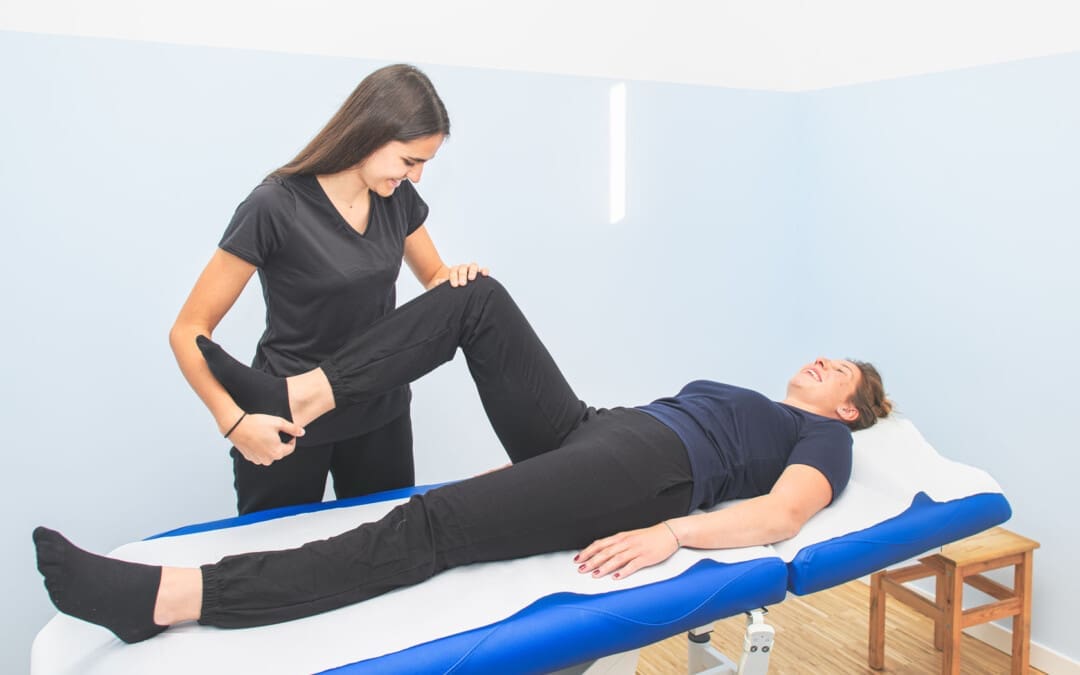
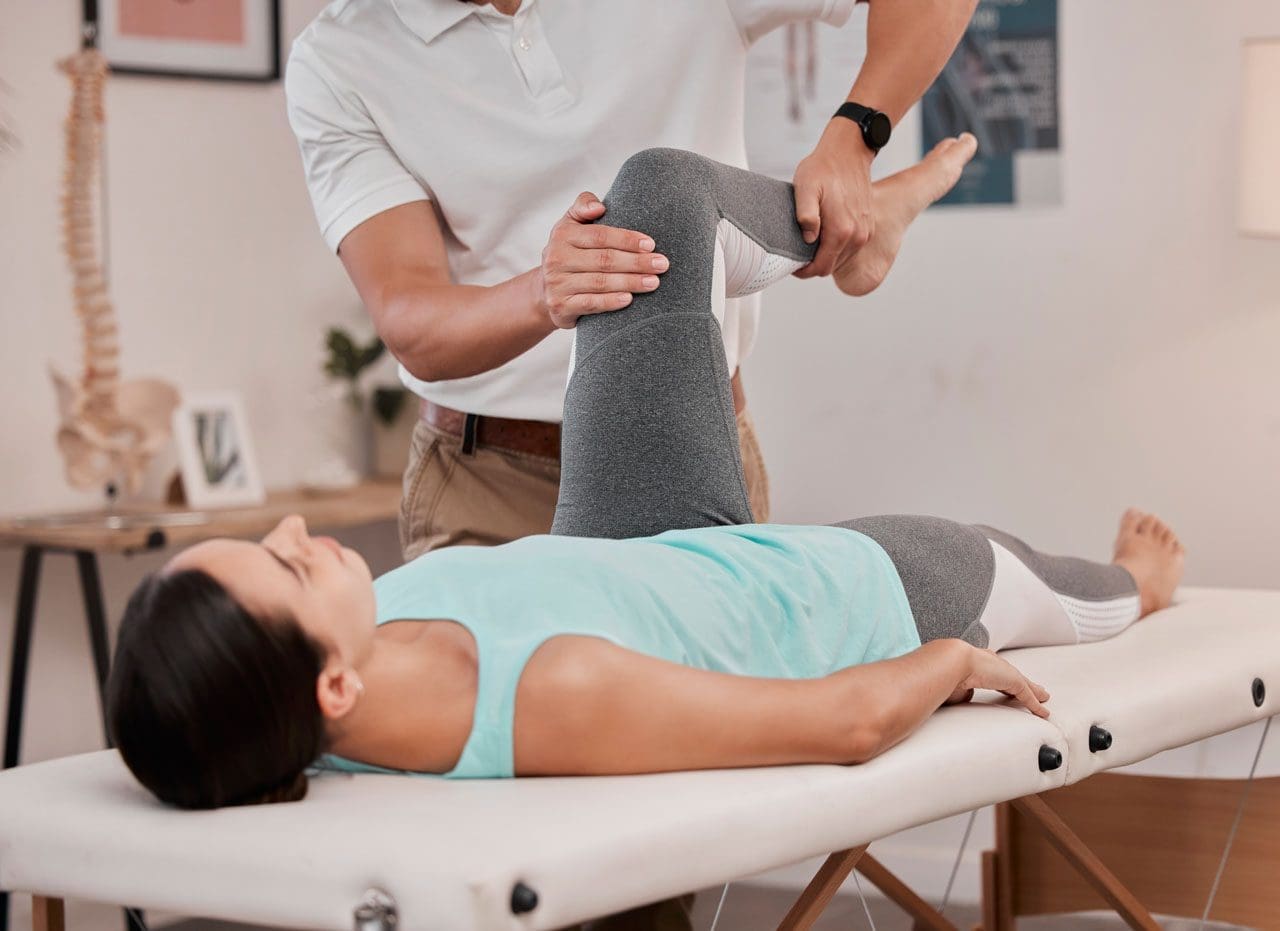
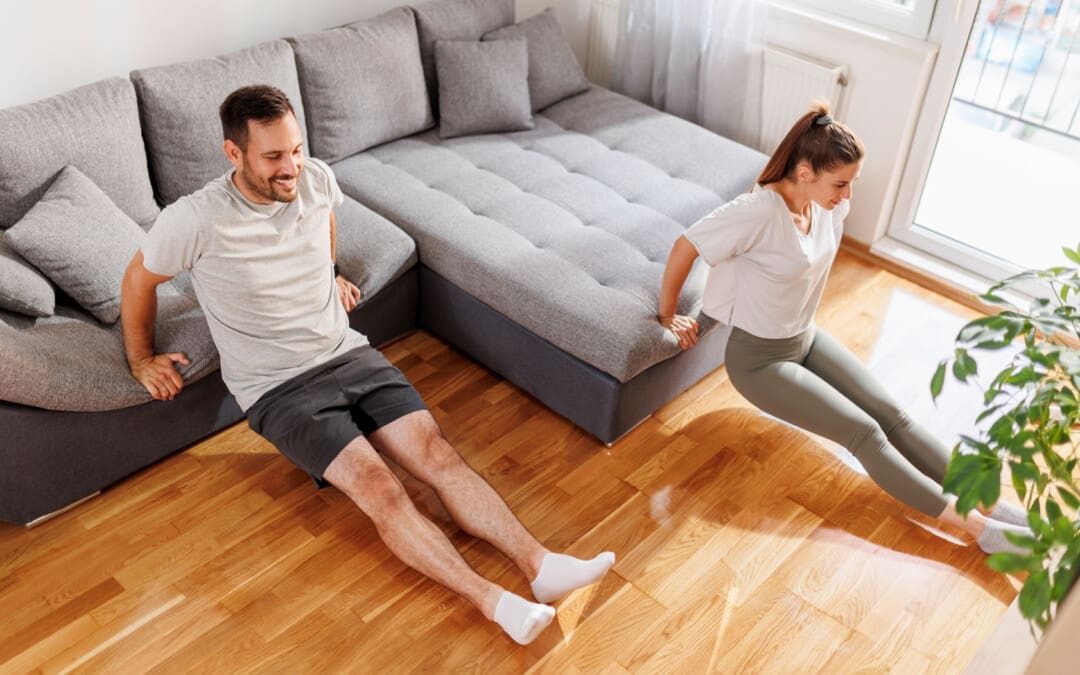
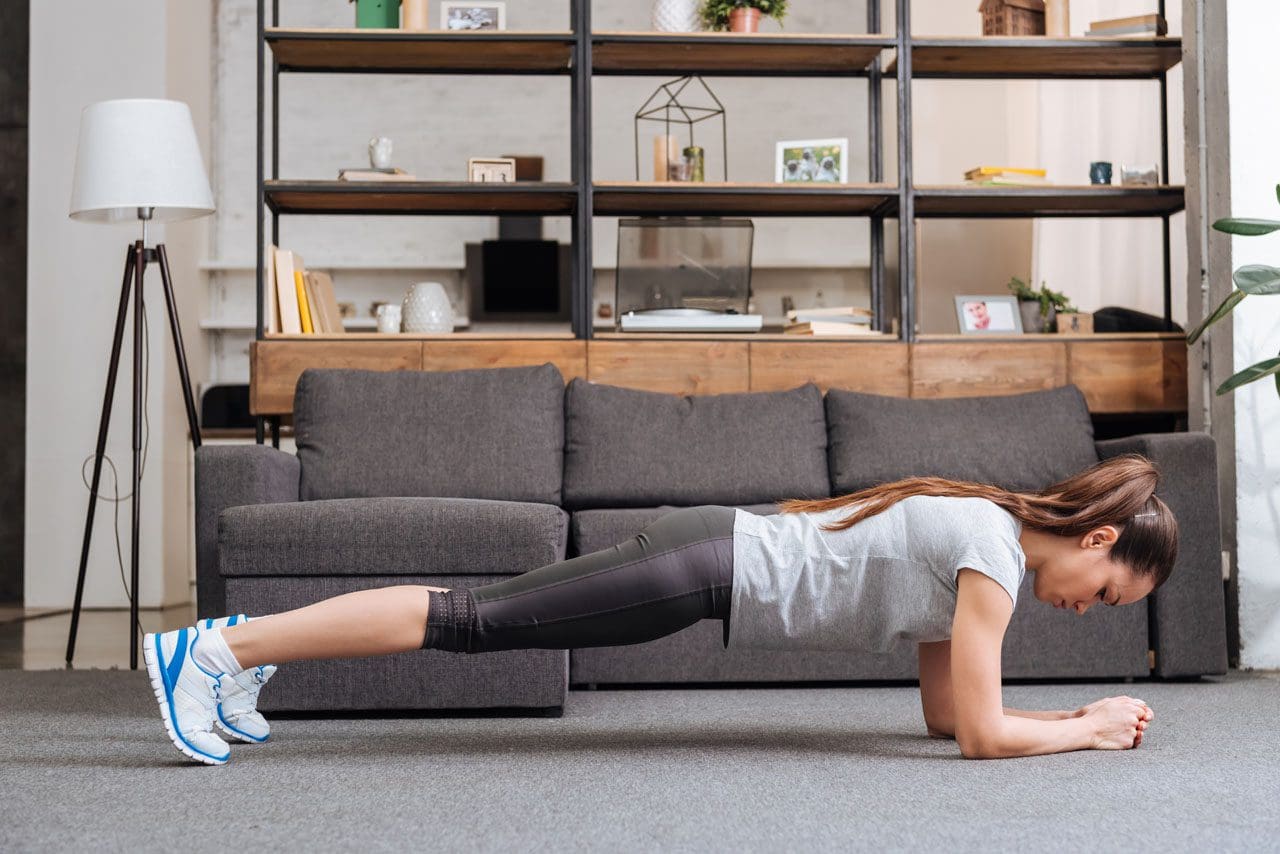
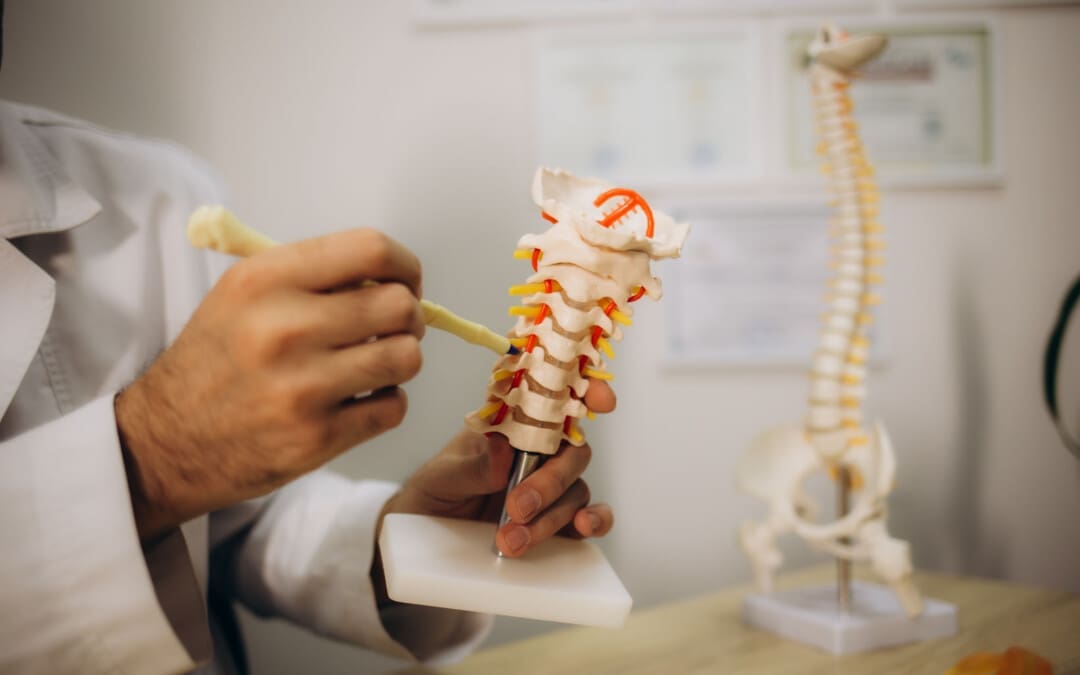
The iliacus muscle is a triangle-shaped muscle in the pelvic bone that flexes and rotates the thigh bone. It works with the other muscles in the hip and thigh to help bend, run, walk, sit, and maintain correct posture. Injuries and common medical conditions can affect its function, causing pain and stiffness. Can physical therapy help?
The Iliacus Muscle
The iliacus is one of the body’s most important hip flexor muscles. The iliacus and surrounding muscles work together to produce the stability and range of motion required for bending, dancing, sitting, and walking.
Anatomy
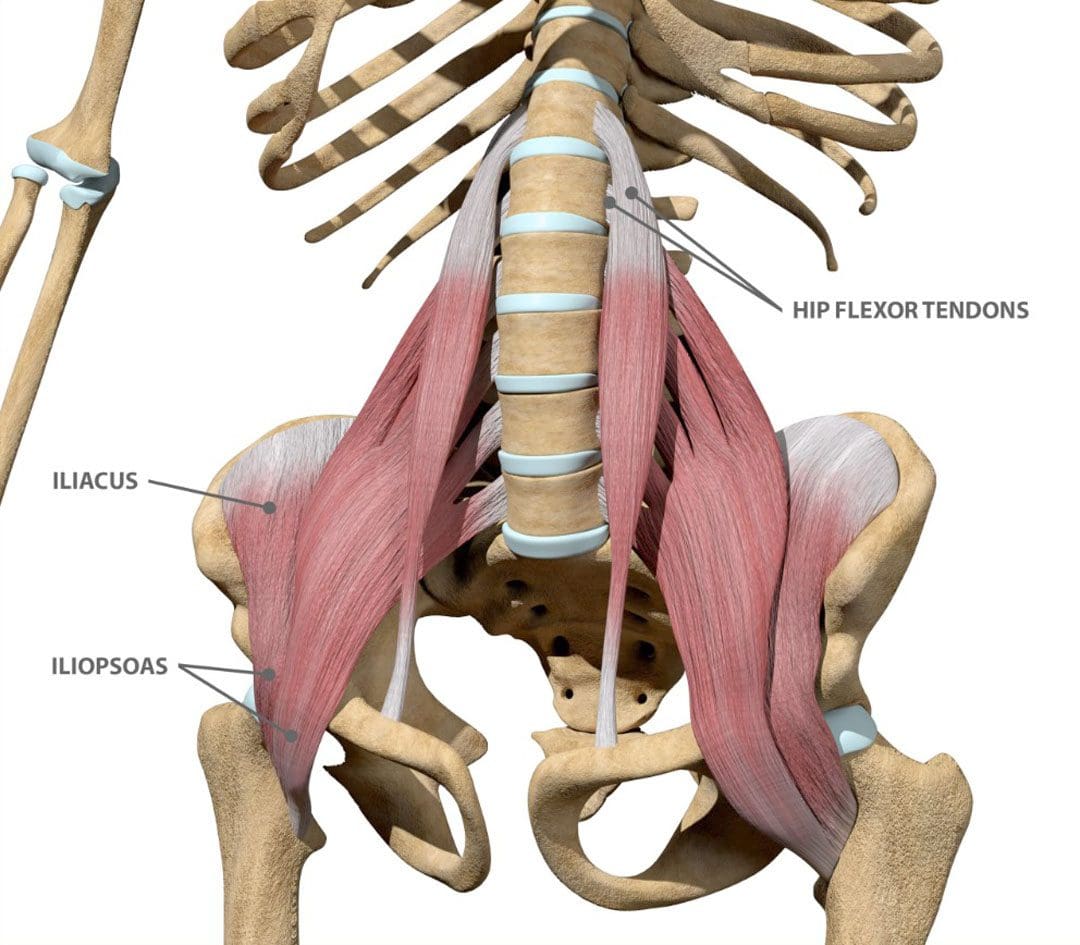
The iliacus muscle is part of a complex muscle system in the hip and pelvis. Two iliacus muscles on each side of the pelvic bone enable the thigh to flex and rotate. They are innervated by the femoral nerve, which provides movement and sensation to the lower limbs. (Bordoni B. and Varacallo M. 2023) The iliacus muscle sits on the wing-shaped ilium and fits into the curved surface of the ilium, called the iliac fossa. The top of the muscle is attached to the upper wings of the ilium or iliac crest. It extends past the hip joint, which connects to the upper thigh bone/femur at the lesser trochanter protrusion. The iliacus is part of a major trio of muscles called the iliopsoas, including the major psoas and minor psoas muscles. These muscles are also attached to the upper femur but extend upward, connecting to the lumbar/lower spine at several attachment points. The iliopsoas also interact with the quadratus lumborum muscle, the deepest muscle of the lower back that starts at the iliac crest and attaches to the lumbar spine at several points. The quadratus lumborum enables flexion and elevation of the spine, while the iliopsoas enable the flexion and rotation of the hip and thigh.
Functions
The iliacus muscle has many functions that include: (Physiopedia, 2024)
Flexing and rotating the femur.
Helps maintain proper body posture while standing and sitting.
Produces hip movement that enables walking, running, and climbing stairs.
Provides hip flexion – bringing the knee to the chest.
Enables the forward tilt of the pelvis and side-bending.
Conditions
Several conditions can affect the iliacus muscle, specifically from under and/or overuse injuries. These conditions, collectively known as Iliopsoas syndrome, are typically the result of overuse/repetitive strain or injuries. These include:
Iliopsoas tendinopathy – which affects tendons.
Iliopsoas bursitis – which affects cushioning sacs known as bursae.
Iliopsoas syndrome can affect anyone but is common in:
Individuals and athletes who repeatedly use movements that flex the hips.
Track-and-field athletes
Gymnasts
Dancers
Iliopsoas Bursitis
This is the inflammation of the cushioning sac or bursa under the iliacus muscle, which helps the muscle slide over the pelvic bone. Symptoms can range from mild discomfort to pain that radiates through parts of the leg and hips. Runners, skiers, and swimmers are commonly affected, and individuals who regularly have tight hips and individuals with different forms of arthritis can also be affected. Early treatment can prevent the symptoms from worsening. Mild cases can be treated with self-care and stretching to help relieve tightness, rest, ice application, and over-the-counter nonsteroidal anti-inflammatory drugs. In severe cases, treatment options that may be recommended include: (Physiopedia, 2024)
Physical therapy
Assistant walking devices to relieve pressure – for example, a cane.
Corticosteroid steroid injections
Prescription anti-inflammatory medications
Iliopsoas Tendinopathy
Another condition affecting the iliacus muscles is iliopsoas tendinopathy, sometimes called snapping hip syndrome, because individuals can hear an audible snapping sound (Davenport KL. 2019). The condition is often experienced by dancers who repeatedly flex and hyperextend their hips and can result in hip and groin pain that gets worse with kicking or rotation. Treatment of iliopsoas tendinopathy can include:
Retraining muscle imbalances with strengthening and stretching exercises.
If these fail to provide relief, corticosteroid injections may be used. A saline hydro dissection can relieve stress around the tendon by injecting fluids that cushion and release trapped tissues.
Tendon release surgery may be recommended when all other options have failed. The surgical release involves severing the tendon to reduce pain and improve the range of motion.
Rehabilitation
Core muscle strengthening is essential to the rehabilitation of iliacus muscle injuries. The iliopsoas is an integral component of the core group and can benefit from stretching and strengthening exercises (Yogateket, 2019)
Lunge stretches
Straight leg raises
Knee-to-chest stretches
Standing hip flexion with resistance bands
Certain yoga poses can also help and include variations on the bridge pose that encourage hip flexion. (Yoga International, 2024)
Injury Medical Chiropractic and Functional Medicine Clinic
Iliopsoas pain is often felt at the front of the hips, thigh, mid-back, and lower back. Chiropractic care can help with iliacus muscle injuries through:
Evaluation
A chiropractor can evaluate the condition and determine if the iliacus muscle is causing pain.
Treatment plan
A chiropractor can create a personalized treatment plan that may include exercise instructions, manipulation, and other therapies.
Rehabilitation
A chiropractor can create a rehabilitation program to expedite healing.
Injury Medical Chiropractic and Functional Medicine Clinic works with primary healthcare providers and specialists to develop an optimal health and wellness solution. We focus on what works for you to relieve pain, restore function, and prevent injury. Regarding musculoskeletal pain, specialists like chiropractors, acupuncturists, and massage therapists can help mitigate the pain through spinal adjustments that help the body realign itself. They can also work with other medical professionals to integrate a treatment plan to resolve musculoskeletal issues.
Hip Labral Tear and Chiropractic Care
References
Bordoni, B., & Varacallo, M. (2024). Anatomy, Bony Pelvis, and Lower Limb, Iliopsoas Muscle. In StatPearls. https://www.ncbi.nlm.nih.gov/pubmed/30285403
Davenport KL. (2019). The professional dancer’s hip. Performing Arts Medicine, 77-87. https://doi.org/https://doi.org/10.1016/B978-0-323-58182-0.00009-2
Yogateket. Lizette Pompa. (2019). Essential yoga body parts. Hip flexor/psoas and yoga. Yogateket. https://www.yogateket.com/blog/hip-flexor-psoas-and-yoga
How is fat turned into energy to be used as fuel for individuals working to improve their health and physical abilities?
Fat Into Energy Conversion
Fat is an essential component of a diet that fuels physical activity, work, exercise, etc. Its calorie density is the highest of all nutrients, and fat’s unlimited storage capacity makes it the body’s largest energy reserve. Fat is essential for longer, slower, lower-intensity endurance physical activities and exercises like walking and cycling.
What Is Fat?
Everything eaten is made up of:
Macronutrients
Protein
Carbohydrates
Fat
Micronutrients
Vitamins
Minerals
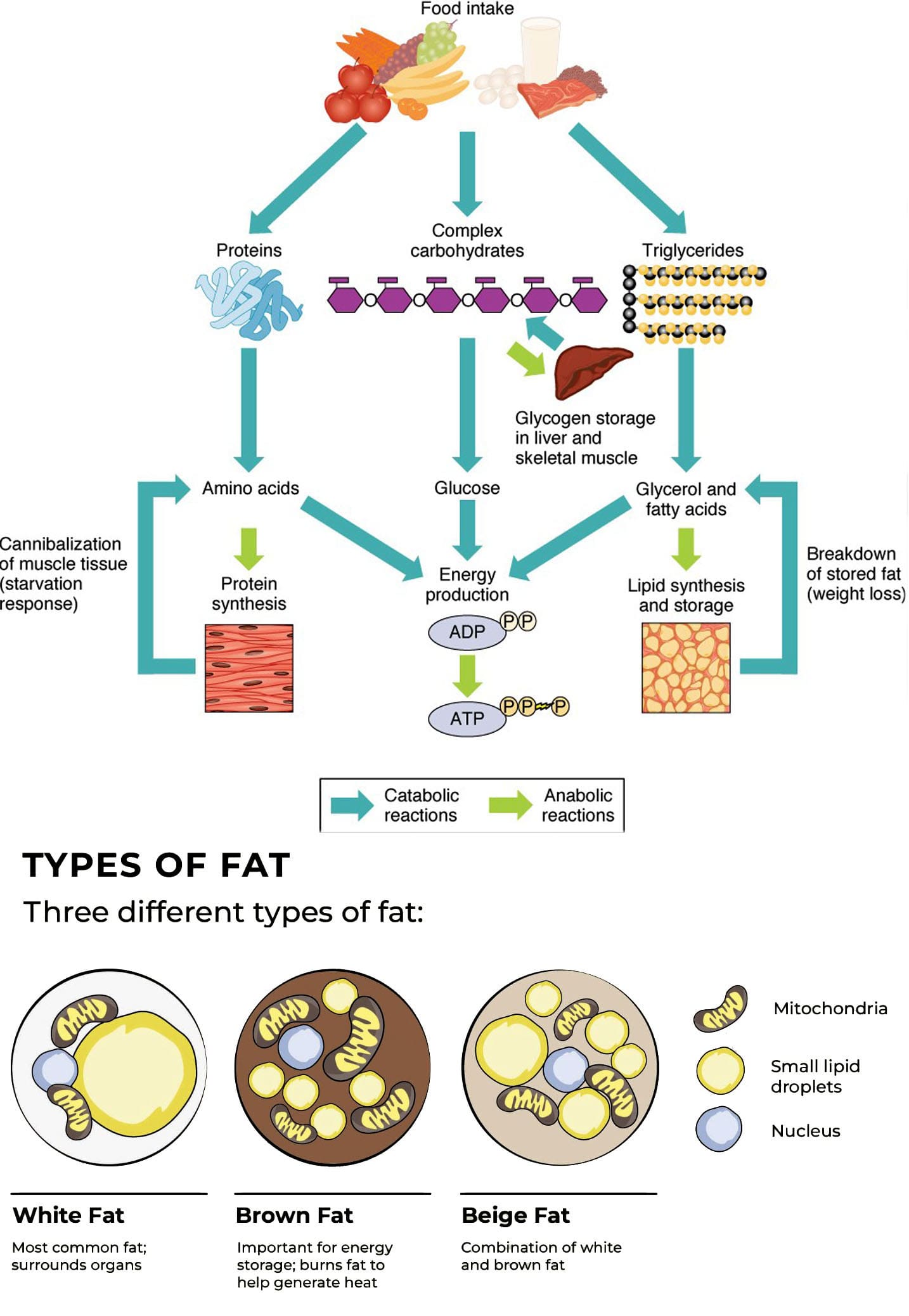
These are converted to energy, helping to fuel all bodily functions.
Dietary fat has been blamed for various health problems, but it is an essential nutrient for optimal health. The adipose tissue/stored fat provides cushion and insulation to internal organs, protects nerves, circulates vitamins A, D, E, and K through the body, and is the largest stored energy reserve. Stored body fat is different from dietary fat. Body fat is only stored when more calories are consumed than used from all foods, not just from dietary fats. There is an optimal level of body fat for health and regular physical and athletic activity.
Types
Researchers and scientists are learning more and more about body fat/adipose tissue and its roles in the body. Two well-known types are white fat and brown fat.
White fat is responsible for energy storage and metabolic functions like insulin sensitivity.
White fat can transition to brown fat under certain cold temperatures. (Rabiee A. 2020)
Beige fat is another type that scientists are still learning about.
When Fat Is Burned
When fat is used as fuel, the fatty acids inside the fat cell are broken down and released into the system as water and carbon dioxide. (MacLean P. S. et al., 2015) The body uses the water for hydration, and the carbon dioxide is exhaled through the lungs. The remaining fat cell shrinks as it is depleted of its fatty acids. The fat into energy conversion also produces heat.
Fat for Fuel
Fat is the main fuel source for long-duration, low—to moderate-intensity physical activities and exercise like endurance sports. Even during high-intensity activities and training, where carbohydrates are the main fuel source, the body still needs fat to help access the stored carbohydrates or glycogen. Using fat to fuel activity includes three key components which include:
Digestion
Fat is slow to digest and convert into a usable form of energy.
The process can take up to six hours.
Transportation
After the body breaks down the fat, it needs time to transport it to the working muscles before it can be used as energy.
Conversion
Converting stored body fat into energy takes increased oxygen, requiring decreased physical activity and exercise intensity.
This is why timing when and how much fat is consumed is important for its full potential. Eating foods high in fat immediately before or during intense physical work activity or exercise is not recommended. First, the job, chore, or workout will be done before the fat can be used as energy. And second, it can cause uncomfortable gastrointestinal symptoms like nausea, vomiting, and diarrhea.
Fat Loss Optimization
For individuals trying to alter body fat composition, the most important thing is to adopt a safe and effective physical activity and exercise routine and to eat a balanced diet of nutrient-dense foods that provide adequate amounts of macronutrients, including dietary fat.
Macronutrient
Low-carbohydrate and high-fat diets, like the ketogenic and Paleo diets, all work on the same premise: Lower carbohydrate intake, high fat intake, and moderate to high protein intake lead to burning body fat as the primary fuel source while engaging in physical activity or exercising. There is some scientific evidence that long-term low-carb/high-fat diets are safe and may help improve metabolic risk factors for chronic disease. Some studies on these diets have shown them to be beneficial for performance in endurance sports, but several months of adaptation to a low-carb/high-fat diet are required for metabolic changes to occur. (Chang C. K., Borer K., and Lin P. J. 2017))
High-Intensity Interval Training
High-intensity interval training is an efficient way to convert fat to energy. In a study, overweight individuals were able to convert body fat to energy in half the time using HIIT vs. aerobic activity alone (Zhang H. et al., 2017). HIIT specifically converts visceral fat, typically white adipose tissue, often found in the midsection. (Mittal B. 2019) HIIT also helps increase muscle mass and resting metabolism. (Thyfault J. P. and Bergouignan A. 2020) However, any exercise regimen that helps increase muscle mass provides these beneficial effects.
Injury Medical Chiropractic and Functional Medicine Clinic
At Injury Medical Chiropractic and Functional Medicine Clinic, we focus on what works for you to relieve pain, restore function, prevent injury, and better the body. Through research methods and total wellness programs, individuals can condition themselves to excel in physical activity or sports through proper fitness and nutrition. Regarding musculoskeletal pain, specialists like chiropractors, acupuncturists, and massage therapists can help mitigate the pain through spinal adjustments that help the body realign itself. They can also work with other medical professionals to integrate a treatment plan to resolve musculoskeletal issues.
Integrative Medicine and Chiropractic Care
References
Richard, A. J., White, U., Elks, C. M., & Stephens, J. M. (2000). Adipose Tissue: Physiology to Metabolic Dysfunction. In K. R. Feingold, B. Anawalt, M. R. Blackman, A. Boyce, G. Chrousos, E. Corpas, W. W. de Herder, K. Dhatariya, K. Dungan, J. Hofland, S. Kalra, G. Kaltsas, N. Kapoor, C. Koch, P. Kopp, M. Korbonits, C. S. Kovacs, W. Kuohung, B. Laferrere, M. Levy, E. A. McGee, R. McLachlan, M. New, J. Purnell, R. Sahay, A. S. Shah, F. Singer, M. A. Sperling, C. A. Stratakis, D. L. Trence, & D. P. Wilson (Eds.), Endotext. https://www.ncbi.nlm.nih.gov/pubmed/32255578
Rabiee A. (2020). Beige Fat Maintenance; Toward a Sustained Metabolic Health. Frontiers in endocrinology, 11, 634. https://doi.org/10.3389/fendo.2020.00634
MacLean, P. S., Higgins, J. A., Giles, E. D., Sherk, V. D., & Jackman, M. R. (2015). The role for adipose tissue in weight regain after weight loss. Obesity reviews : an official journal of the International Association for the Study of Obesity, 16 Suppl 1(Suppl 1), 45–54. https://doi.org/10.1111/obr.12255
Chang, C. K., Borer, K., & Lin, P. J. (2017). Low-Carbohydrate-High-Fat Diet: Can it Help Exercise Performance?. Journal of human kinetics, 56, 81–92. https://doi.org/10.1515/hukin-2017-0025
Zhang, H., Tong, T. K., Qiu, W., Zhang, X., Zhou, S., Liu, Y., & He, Y. (2017). Comparable Effects of High-Intensity Interval Training and Prolonged Continuous Exercise Training on Abdominal Visceral Fat Reduction in Obese Young Women. Journal of diabetes research, 2017, 5071740. https://doi.org/10.1155/2017/5071740
Mittal B. (2019). Subcutaneous adipose tissue & visceral adipose tissue. The Indian journal of medical research, 149(5), 571–573. https://doi.org/10.4103/ijmr.IJMR_1910_18
Thyfault, J. P., & Bergouignan, A. (2020). Exercise and metabolic health: beyond skeletal muscle. Diabetologia, 63(8), 1464–1474. https://doi.org/10.1007/s00125-020-05177-6
The vastus lateralis is a muscle on the outside part of the thigh. Injuries to the muscle include strains, tendinitis, femoral nerve compression, and others. Can rehabilitation like heat and ice, massage, and strength and mobility exercises help individuals return to normal activities and function?
Vastus Lateralis Muscle
The vastus lateralis is the largest of the four quadriceps muscles on the thigh’s outer portion. The vastus lateralis helps extend the knee joint and maintain the knee position when walking or running. The vastus lateralis functions to work with the other quad muscles to help extend the knee joint.
Anatomy
Most muscles are attached to bone points of attachment, called the origin and insertion points. The vastus lateralis origin and insertion points are as follows (Vieira, EPL. 2017)
Origin
The origin is on the upper inter-trochanteric line of the femur or thigh bone.
It also arises from the base of the greater trochanter and the linea aspera, the supracondylar ridge, and the lateral intermuscular septum.
Insertion
From its origin, the muscle courses down the lateral thigh and inserts as part of the lateral quadriceps tendon on the tibial tubercle, an elevated portion of the upper shin.
The muscle is a large, flat structure with different attachments and a flat aponeurosis or sheath of connective tissue on the outer thigh.
The femoral nerve from lower back levels two, three, and four controls or innervates the muscle.
Blood supply to the muscle goes through the lateral circumflex femoral artery of the upper thigh.
Function
The muscle works with the other quadriceps muscles to extend or straighten the knee. The quads are responsible for functional activities like walking, running, climbing stairs, and getting up from a seated position. The vastus lateralis and the iliotibial band, which courses down the lateral thigh next to this muscle, form the lateral wall of the thigh. The vastus lateralis is on the opposite side of the vastus medialis muscle on the inner portion of the thigh. These muscles work together to maintain the appropriate position of the patella/kneecap in the femoral groove of the thigh bone. Malfunctioning these muscles properly can lead to knee pain from patellofemoral stress syndrome. (American Academy of Orthopaedic Surgeons, 2024)
Conditions
Many different injuries and conditions can affect the vastus lateralis and quad muscles, especially in athletes or active individuals. These injuries can cause vastus lateralis pain and other problems. (Timothy J. Von Fange, 2024) Some of the injuries and conditions include:
Patellofemoral Stress Syndrome – PFSS
This occurs when the kneecap tracks improperly in the femoral groove of the knee joint.
This leads to pain and difficulty when walking and running.
Vastus Lateralis Strain
A sudden force on the thigh can cause the quad muscle to be strained.
If the vastus lateralis suffers a pull injury, individuals may have pain, muscle swelling, thigh bruising, and walking difficulties.
Patellar Tendinitis
Irritation of the quad tendon that courses over the kneecap can cause patellar tendinitis.
Femoral Nerve Compression Weakness
The femoral nerve may become pinched or irritated from a herniated disc, lumbar stenosis, or arthritis.
Pain, numbness, tingling, or weakness in the thigh may result.
Iliotibial Band Friction Syndrome
Tight or weak muscles can irritate the IT band, and the vastus lateralis muscle can be affected.
Injury Rehabilitation
Injury to the vastus lateralis or quad muscles can cause pain, swelling of the thigh, or limited walking ability. Various treatments are available to help expedite recovery. A primary healthcare provider may recommend working with a physical therapy team. Self-care techniques can include:
Heat and Ice
Ice may be applied to the lateral thigh the first few days after injury to control pain and decrease swelling and inflammation.
Ice should be applied for 10 to 15 minutes.
Individuals may switch to heat two to three days after to promote circulation and improve tissue mobility.
Heat should be applied for 10 to 15 minutes.
Massage
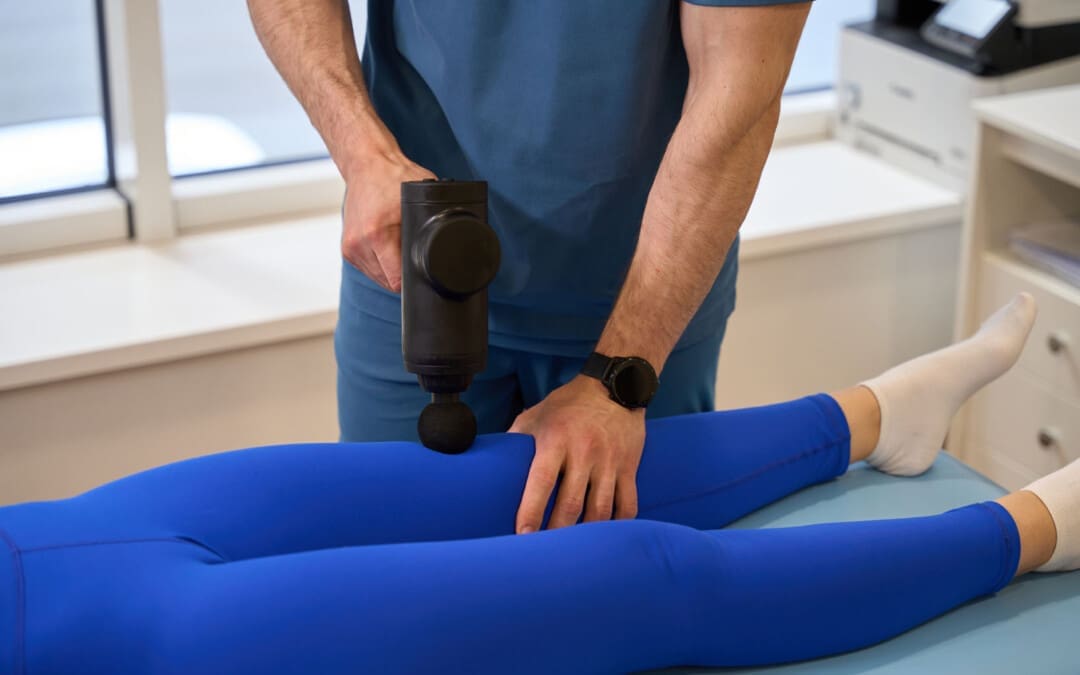
Massage can help decrease pain and promote circulation.
Massage techniques can improve tissue mobility before stretching to help improve quadriceps motion.
Exercises and Stretching
A physical therapy team will prescribe certain exercises and stretches to help regain strength and range of motion. After an injury, quad stretching can improve the mobility and function of the muscle group.
Prone Towel Quad Stretch
Lie on your stomach and place a towel or strap around the ankle.
Bend the knee up, and gently pull on the towel to bend the knee fully.
A pulling sensation should be felt in the front of the thigh.
Hold the stretch for 30 seconds and release.
Repeat three times.
Half-kneeling Quad and Hip Flexor Stretch
Kneel on one knee.
Slowly move forward until a stretch is felt in the front of the hip and thigh.
Hold this position for 30 seconds.
Relax back to the starting position.
Repeat three times.
Back Exercises
If femoral nerve irritation coming from the lower back is causing thigh pain or weakness, exercises to release the nerve may be helpful and can include:
Prone press-ups
Supine lumbar flexion
Lumbar side glides
The exercises are designed to relieve pressure on the lumbar nerve, and postural correction exercises may be performed to maintain decompression.
Strengthening
Weakness to the vastus laterals and quads may be causing injury, and strengthening exercises may be prescribed during rehabilitation and can include:
Hip-strengthening exercises
Straight leg raises
Leg extension exercises
Lunges
Squats
Strengthening exercises should be done two to four times weekly with appropriate rest between sessions.
Balance exercises and sport-specific plyometric training may be recommended to ensure the quad functions normally.
Most quadriceps and vastus lateralis muscle injuries heal within six to eight weeks.
Recovery may be shorter or longer depending on the nature of the injury.
Injury Medical Chiropractic and Functional Medicine Clinic
By understanding the anatomy and function of the vastus lateralis muscle, a healthcare provider can help individuals understand their specific injury and develop a treatment program to rehabilitate the muscle properly. At Injury Medical Chiropractic and Functional Medicine Clinic, we focus on what works for you and strive to develop fitness and better the body through research methods and total wellness programs. These natural programs use the body’s ability to achieve improvement goals, and athletes can condition themselves to excel in their sport through proper fitness and nutrition. Our providers use an integrated approach to create personalized programs, often including Functional Medicine, Acupuncture, Electro-Acupuncture, and Sports Medicine principles.
Knee Injury Chiropractor
References
Vieira EPL. (2017). Anatomic study of the portions long and oblique of the vastus lateralis and vastus medialis muscles. J Morphol Sci., 28(4), 0-. http://www.jms.periodikos.com.br/article/587cb49f7f8c9d0d058b47a1/pdf/jms-28-4-587cb49f7f8c9d0d058b47a1.pdf
American Academy of Orthopaedic Surgeons. (2024). Patellofemoral pain syndrome. https://orthoinfo.aaos.org/en/diseases–conditions/patellofemoral-pain-syndrome/
Timothy J Von Fange. (2024). Quadriceps muscle and tendon injuries. UpToDate. https://www.uptodate.com/contents/quadriceps-muscle-and-tendon-injuries/print
Ramírez-delaCruz, M., Bravo-Sánchez, A., Esteban-García, P., Jiménez, F., & Abián-Vicén, J. (2022). Effects of Plyometric Training on Lower Body Muscle Architecture, Tendon Structure, Stiffness, and Physical Performance: A Systematic Review and Meta-analysis. Sports medicine – open, 8(1), 40. https://doi.org/10.1186/s40798-022-00431-0
Can beginner workouts help individuals who want to improve their health by helping them lose weight and improve their quality of life?
Beginner Workouts
Individuals new to exercise do not need to go through intense workout sessions to gain the benefits of physical activity. Basic exercises and beginner workouts that can be done at home or outdoors, whichever is better or more convenient, are recommended when starting a fitness regimen to lose weight and improve overall health.
Health Benefits
Basic exercise sessions are the building blocks of a fitness program. They encourage habits that lead to significant weight loss and lifelong weight management skills. Here are a few workouts considered easy because they don’t require gym equipment, their intensity can be adjusted to match an individual’s physical activity level, and some can be done from a chair or bed for those who have trouble standing for long periods. Exercising offers immediate benefits, including increasing brain health and improving mood and long-term effects like decreased disease risk. (Centers for Disease Control and Prevention, 2024)
Easy Exercises
For individuals who are completely new to exercise, low-intensity activity sessions can help burn more calories so long as they don’t compensate for the hunger that the physical activity creates by eating more. Combining diet with exercise is essential if weight loss is the goal. This can involve learning to eat lean protein, fruit, and vegetables and watching portion sizes. Studies of low-intensity exercise show the body burns fat when performing basic exercise and physical activities. (Lee D. et al., 2021) Another study looked at the effect of beginner workouts on cortisol levels. Cortisol is a hormone associated with abdominal weight gain when levels stay elevated for long periods. The study found that low-intensity exercise decreased circulating cortisol levels. (Gerber M. et al., 2020) Beginner exercises to lose weight also help individuals (Vina J. et al., 2012)
Increase self-confidence
Decrease stress levels
Improve sleep
Establish healthy habits
Burn calories to stimulate weight loss and sustain weight management.
Develop strong muscles
Basic exercise remains a core component of fitness programs for many. This includes individuals with type 2 diabetes, metabolic syndrome, and cardiovascular disease. (Apostolopoulos V. et al., 2014)
Easy Workouts
Types of beginner workouts include:
Bodyweight training
Chair workouts
Dancing workouts
Online workouts
Shadowboxing
Stairclimbing
Aqua jogging
Biking
Walking
Gardening and yard work
At-Home
Set short-term goals to complete three workouts during the first week, then gradually add workout days until you can perform some form of physical activity on most days. The type of exercise chosen is less important than the consistency of the program.
Bodyweight Training
No special gym equipment is needed to burn calories and build stronger muscles.
Take 10 to 15 minutes for five incline push-ups against a surface that allows the body to be at an incline, such as a countertop, bathroom sink, etc.
Five chair squats
Five walking lunges or stationary lunges, holding on to a countertop for support.
Repeat the sequence two to three times.
Chair Workout
Individuals who are uncomfortable standing for long periods use a sturdy chair and complete 10 to 15 minutes of movement with a seated workout several times weekly.
Dancing
Put on music and dance for 15 to 30 minutes.
No choreography is necessary.
The important thing is to move to the music.
Online Workouts
Many online workouts are free, and most offer easy workouts for beginners.
Shadowboxing
Shadowboxing is easy, with no equipment required, and it helps to decrease stress.
Stairclimbing
Take 10 minutes to walk up and down a flight of steps.
Those who don’t have a staircase available can use a step or platform.
Outdoors
Exercising outside provides extra perks. There are stress-relieving benefits to breathing fresh air and enjoying the outdoors.
Aqua Jogging
Try pool running or aqua jogging for those with joint pain when walking for long periods.
Floatation devices keep the upper body afloat.
Once in the water, walk without letting your feet touch the bottom of the pool.
If no floatation device is available, individuals can walk in the water with their feet on the pool floor.
Biking
Take a leisurely spin around the neighborhood
Ride on a continuous path or track requiring 20 to 30 minutes of pedaling.
Walking
A 30-minute walk workout can be counted as daily exercise.
Walk slowly for five minutes.
Pick up the pace for 20 minutes
Cool down and walk slowly for five minutes.
Gardening or Yard Work
Spending time in the garden or yard is a great way to work muscles and burn calories.
Digging, weeding, raking, and mowing are all recommended activities that count as exercise for beginners.
Injury Medical Chiropractic and Functional Medicine Clinic
Remember, as a beginner, the point is to get the body moving, establish a workout routine, and gradually build confidence to increase exercise enjoyment and health benefits. Workouts for beginners, especially those who still need to maintain an exercise program, are designed to develop life-long habits of well-being. At Injury Medical Chiropractic and Functional Medicine Clinic, we focus on what works for you and strive to develop fitness and better the body through research methods and total wellness programs. These natural programs use the body’s ability to achieve improvement goals, and athletes can condition themselves to excel in their sport through proper fitness and nutrition. Our providers use an integrated approach to create personalized programs, often including Functional Medicine, Acupuncture, Electro-Acupuncture, and Sports Medicine principles.
Exercise Prescription
References
Centers for Disease Control and Prevention. (2024). Benefits of Physical Activity. Retrieved from https://www.cdc.gov/physical-activity-basics/benefits/?CDC_AAref_Val=https://www.cdc.gov/physicalactivity/basics/pa-health/index.htm
Lee, D., Son, J. Y., Ju, H. M., Won, J. H., Park, S. B., & Yang, W. H. (2021). Effects of Individualized Low-Intensity Exercise and Its Duration on Recovery Ability in Adults. Healthcare (Basel, Switzerland), 9(3), 249. https://doi.org/10.3390/healthcare9030249
Gerber, M., Imboden, C., Beck, J., Brand, S., Colledge, F., Eckert, A., Holsboer-Trachsler, E., Pühse, U., & Hatzinger, M. (2020). Effects of Aerobic Exercise on Cortisol Stress Reactivity in Response to the Trier Social Stress Test in Inpatients with Major Depressive Disorders: A Randomized Controlled Trial. Journal of clinical medicine, 9(5), 1419. https://doi.org/10.3390/jcm9051419
Vina, J., Sanchis-Gomar, F., Martinez-Bello, V., & Gomez-Cabrera, M. C. (2012). Exercise acts as a drug; the pharmacological benefits of exercise. British journal of pharmacology, 167(1), 1–12. https://doi.org/10.1111/j.1476-5381.2012.01970.x
Apostolopoulos, V., Borkoles, E., Polman, R., & Stojanovska, L. (2014). Physical and immunological aspects of exercise in chronic diseases. Immunotherapy, 6(10), 1145–1157. https://doi.org/10.2217/imt.14.76
Individuals experiencing persistent pain, weakness, numbness, and tingling in the back could be suffering from nerve root encroachment. Could surgery ease nerve compression and improve symptoms for persistent and severe cases?
Surgical Decompression
The pain, weakness, numbness, and tingling associated with nerve root encroachment are usually first treated with non-surgical therapies that include:
Anti-inflammatory medications
Physical therapy
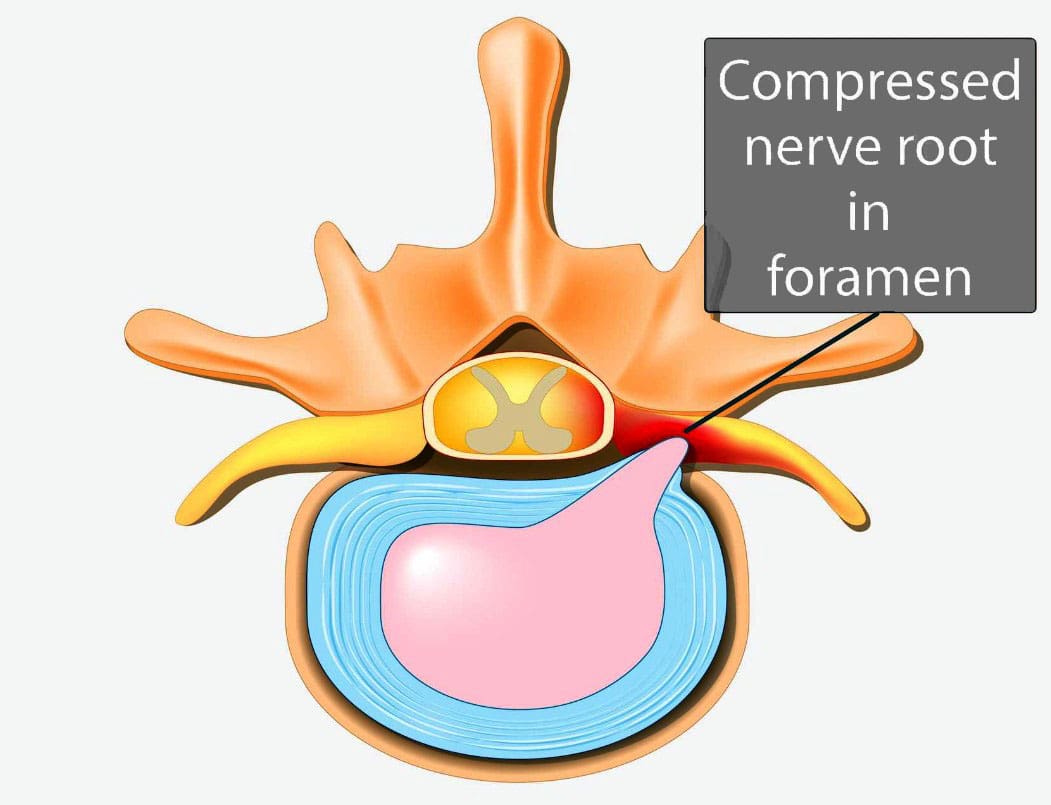
This can be enough to address the irritation of the spinal nerve root. But when cases become severe, surgical decompression may be recommended and necessary. It can be done in a couple of different ways.
Causes and Symptoms
Vertebrae are bones in the spine. Small openings called foramina allow a spinal nerve root to pass through on each side of the vertebra. When nerve root encroachment is present, the spinal nerve root gets compressed, pinched, and trapped, which can cause peripheral symptoms such as numbness, tingling, pain, or weakness to develop. Nerve root encroachment is typically caused by normal aging degenerative wear and tear changes in the vertebrae. (Choi Y. K. 2019) These degenerative changes can include:
Facet joint hypertrophy
Ligament and bone hypertrophy
Disc disorders
Formation of bone spurs or osteophytes.
If these degenerative changes progress, they can encroach and compress a nerve root, leading to peripheral symptoms. (Choi Y. K. 2019)
When Surgery Is Recommended
When symptoms occur, initial treatment will involve:
Physical therapy
Chiropractic realignment
Massage therapies
Rest
Lifestyle adjustments
Nonsteroidal anti-inflammatories – NSAIDs
Corticosteroid injections into the spine
If conservative therapies don’t fully heal or improve symptoms or there are neurological problems like difficulty with balance or walking, then surgery may be recommended. Severe pain that limits normal function is an indication for surgery, and rapidly progressive weakness of the arms and/or legs or signs of cauda equina syndrome are indications for emergency surgery.
Surgery Options
Different types of spinal surgery may be performed. A neurosurgeon will decide the best procedure for each patient based on their case, age, medical conditions, and other factors. Specific spinal surgical decompression depends on what is causing the nerve compression. In most cases, it involves removing bone or tissue to relieve nerve pressure or provide support to stabilize the joint. The most common types of surgical decompression include: (Mayo Clinic Health System, 2022)
Maintain the stability and alignment of the spine.
Improve the stability and alignment of the spine.
Anterior Surgery
The anterior approach to surgery means that the spine is accessed through the anterior/front of the spine. In this surgery, one or more discs and bone spurs may be removed through an incision in the front of the neck. (American Association of Neurological Surgeons, 2024) For example, an anterior cervical discectomy may alleviate pressure on one or more nerve roots in the neck. With an anterior lumbar interbody fusion, a surgeon removes a degenerative disc in the lower spinal area by going through a patient’s lower abdomen. (American Association of Neurological Surgeons, 2024) After the disc is removed, a structural device, usually made of bone, fills the space where it once was. This device encourages bone healing and helps the vertebrae’s bodies fuse.
Posterior Surgery
Posterior surgery means the spine is accessed through the posterior/back of the spine. An example is removing a thickened ligament, bone spur, or disc material in the neck. To do this, a small incision in the back of the neck may be made to remove part of the back of the vertebrae called the lamina. This is called a posterior cervical laminectomy. (American Association of Neurological Surgeons, 2024) A posterior lumbar interbody fusion removes a degenerative disc by going through the back. (American Association of Neurological Surgeons, 2024) Like the anterior approach, a structural device often contains bone to fill the space where the disc once was to fuse the bones.
Potential Risks
As with any surgery, it’s important that the individual and their healthcare provider carefully discuss the benefits and risks. Spinal surgical decompression includes: (Proietti L. et al., 2013)
Bleeding
Blood clots
Surgical site infection
Urinary tract infection
Lung infection
Intestinal blockage
There are also specific risks to the area of the spine being operated on and how it is surgically approached. For example, a cervical anterior procedure may injure the esophagus, trachea, or carotid artery. Likewise, damage to the C5 nerve root/C5 palsy can occur from cervical spinal decompressive surgery. This complication causes weakness, numbness, and pain in the shoulders. (Thompson S. E. et al., 2017) The spinal cord may also be injured during surgery and result in paralysis, although this is rare. (American Association of Neurological Surgeons, 2024)
Injury Medical Chiropractic and Functional Medicine Clinic
Injury Medical Chiropractic and Functional Medicine Clinic works with primary healthcare providers and specialists to develop an optimal health and wellness solution. We focus on what works for you to relieve pain, restore function, and prevent injury. Regarding musculoskeletal pain, specialists like chiropractors, acupuncturists, and massage therapists can help mitigate the pain through spinal adjustments that help the body realign itself. They can also work with other medical professionals to integrate a treatment plan to resolve musculoskeletal issues.
The Non-Surgical Solution
References
Choi Y. K. (2019). Lumbar foraminal neuropathy: an update on non-surgical management. The Korean journal of pain, 32(3), 147–159. https://doi.org/10.3344/kjp.2019.32.3.147
Mayo Clinic Health System. (2022). Decompress and stabilize: understanding types of back surgery. Speaking of Health. https://www.mayoclinichealthsystem.org/hometown-health/speaking-of-health/understanding-types-of-back-surgery
American Association of Neurological Surgeons. (2024). Cervical spine. https://www.aans.org/patients/conditions-treatments/cervical-spine/
American Association of Neurological Surgeons. (2024). Lumbar spinal stenosis. https://www.aans.org/patients/conditions-treatments/lumbar-spinal-stenosis/
Proietti, L., Scaramuzzo, L., Schiro’, G. R., Sessa, S., & Logroscino, C. A. (2013). Complications in lumbar spine surgery: A retrospective analysis. Indian journal of orthopaedics, 47(4), 340–345. https://doi.org/10.4103/0019-5413.114909
Thompson, S. E., Smith, Z. A., Hsu, W. K., Nassr, A., Mroz, T. E., Fish, D. E., Wang, J. C., Fehlings, M. G., Tannoury, C. A., Tannoury, T., Tortolani, P. J., Traynelis, V. C., Gokaslan, Z., Hilibrand, A. S., Isaacs, R. E., Mummaneni, P. V., Chou, D., Qureshi, S. A., Cho, S. K., Baird, E. O., … Riew, K. D. (2017). C5 Palsy After Cervical Spine Surgery: A Multicenter Retrospective Review of 59 Cases. Global spine journal, 7(1 Suppl), 64S–70S. https://doi.org/10.1177/2192568216688189
Can individuals maintain proper hydration levels in their bodies to prevent spinal pain and other musculoskeletal conditions?
Introduction
When making small changes to better their health and wellness, many understand that eating nutritional foods, exercising, and finding ways to reduce the pain and stress that environmental factors have affected the body. However, there is also another crucial component to a person’s health and wellness, and that is staying hydrated. Many individuals sometimes don’t realize that the human body contains about 60% of the water, which helps every vital organ, muscle, tissue, and vertebra in the body to function. However, many individuals who do not consume enough water due to a stressful event, exercising, or just wanting to drink sugary drinks will feel pain and discomfort in their bodies. This can range from mild headaches to back pain. Today’s article focuses on what spinal pain correlates with the back, why staying hydrated can reduce spinal pain and ways to stay hydrated. We talk with certified associated medical providers who inform our patients to maintain proper hydration to reduce the chances of spinal pain affecting their bodies. While asking their associated medical provider intricate questions, we advise patients to incorporate daily hydration levels as part of their routine to reduce the chances of spinal pain from returning. Dr. Alex Jimenez, D.C., includes this information as an academic service. Disclaimer.
Spinal Pain Is Correlated With The Back
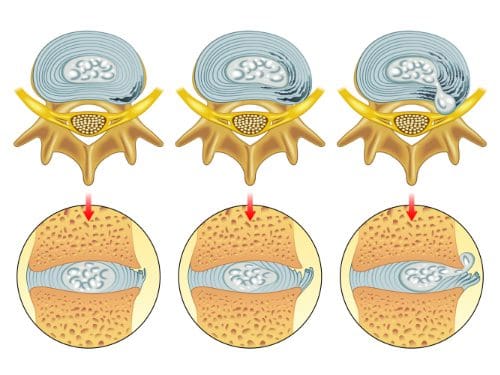
Do you feel constant aches or pains after a stressful day? Do you feel like chugging gallons of water but still feel thirsty? Or have you been noticing that you have been dealing with limited mobility that has been causing you pain and discomfort in your lower back? These pain-like scenarios are multifactorial and can correlate with spinal pain affecting the back. Now, many people wonder why spinal pain is associated with back pain. The spine is crucial in allowing the individual to be upright and move around during daily activities. The spinal vertebrae discs are between the bones, which would enable shock absorption when a person twists, bends, or flexes so the bones don’t rub together. However, when the body ages, the spine does, too, which causes the intervertebral disc to gradually fall and change the dynamics of the affected spine segments. (Kos et al., 2019) To that point, when the intervertebral disc becomes compressed due to degeneration, it can lead to the development of back pain.
Since low back pain is a multifactorial musculoskeletal condition, many individuals often develop low back pain from numerous environmental risk factors like physical labor, excessive sitting or standing, poor dieting, andphysical inactivity, which can cause individuals to have a loss of sensation, reduced reflexes, limited range of movements and tenderness can affect a person’s gait and posture. (Kabeer et al., 2023) When the spinal discs are being compressed, the water inside the disc becomes dehydrated and is linked to lower back pain. (Cheung et al., 2023) When the spinal discs are dehydrated in the spine due to improper hydration, it can lead to immobility, cause the disc to degenerate, and cause spinal structural defects that cause the surrounding muscles and tissues to have biomechanical instability and inflammation. (Hauser et al., 2022) When the body starts dehydrating, it retrieves water from the spine and other parts to sustain life and keep the vital organs functioning.
Eating Right To Feel Better- Video
Why Staying Hydrated Can Reduce Spinal Pain
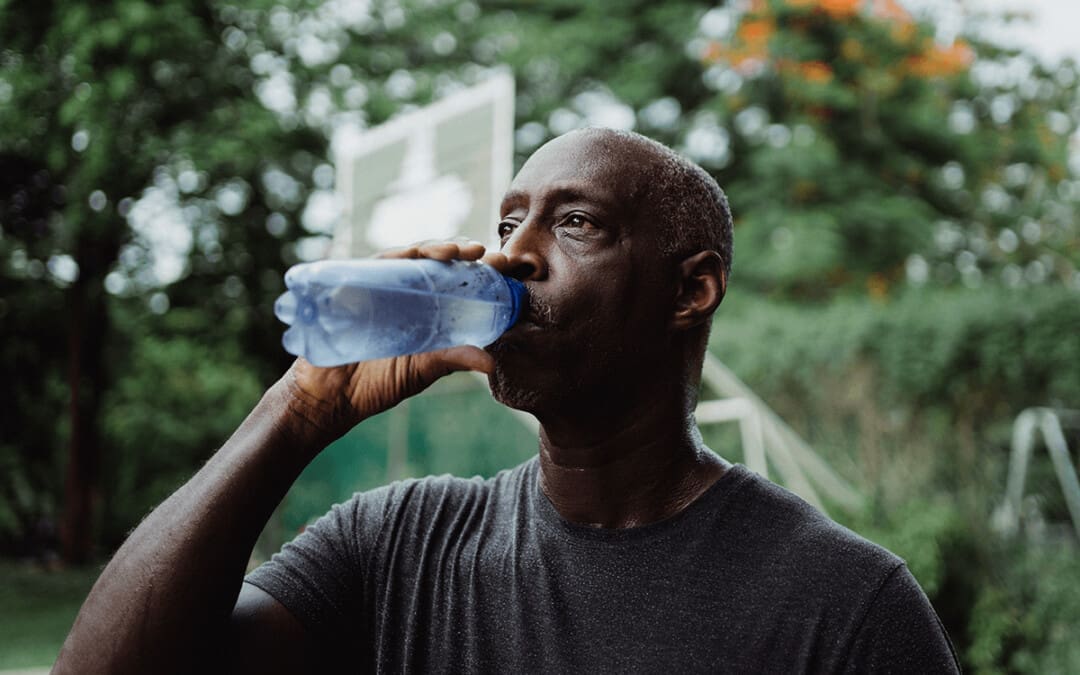
Proper hydration is key to reducing the chances of spinal pain. By staying hydrated with plain, pure water, individuals can stay focused, remove toxins from the body, aid in weight reduction, and reduce muscle and low back pain. (Nsiah-Asamoah & Buxton, 2021) Drinking at least 64 ounces of water a day can rehydrate the body and prevent future issues that can cause pain.Proper hydration allows the body to maintain cell activity and regulate body temperature, reducing the chances of pain affecting the body.
Ways to Stay Hydrated
There are ways to stay hydrated and allow the body to have proper hydration levels. Incorporating hydrating fruits and vegetables can help aid in proper hydration as these fruits and vegetables contain about 90% water and the essential nutrients. Additionally, when individuals try to get their hydration levels back up, they are encouraged to drink more fluids as they prefer, especially if they feel unwell. This is to ensure that the body is hydrated enough so that individuals can receive subcutaneous or intravenous fluid supplements combined with regular fluid intake. (Li et al., 2023) Another way many individuals can stay hydrated is to combine non-surgical treatments like chiropractic care and spinal decompression to help realign and lengthen the spine to reduce unwanted pressure on the spinal discs and rehydrate them. The combination of non-surgical treatments and drinking plenty of hydrating fluids can help many individuals dealing with back pain associated with the spine as they start to make small changes to their routine and can live a life pain-free.
References
Cheung, S. T. Y., Cheung, P. W. H., & Cheung, J. P. Y. (2023). Why Are Some Intervertebral Discs More Prone to Degeneration?: Insights Into Isolated Thoracic “Dysgeneration”. Spine (Phila Pa 1976), 48(12), E177-E187. https://doi.org/10.1097/BRS.0000000000004632
Hauser, R. A., Matias, D., Woznica, D., Rawlings, B., & Woldin, B. A. (2022). Lumbar instability as an etiology of low back pain and its treatment by prolotherapy: A review. J Back Musculoskelet Rehabil, 35(4), 701-712. https://doi.org/10.3233/BMR-210097
Kabeer, A. S., Osmani, H. T., Patel, J., Robinson, P., & Ahmed, N. (2023). The adult with low back pain: causes, diagnosis, imaging features and management. Br J Hosp Med (Lond), 84(10), 1-9. https://doi.org/10.12968/hmed.2023.0063
Li, S., Xiao, X., & Zhang, X. (2023). Hydration Status in Older Adults: Current Knowledge and Future Challenges. Nutrients, 15(11). https://doi.org/10.3390/nu15112609
Nsiah-Asamoah, C. N. A., & Buxton, D. N. B. (2021). Hydration and water intake practices of commercial long-distance drivers in Ghana: what do they know and why does it matter? Heliyon, 7(3), e06512. https://doi.org/10.1016/j.heliyon.2021.e06512
Does an individual’s ideal daily intake of vegetables depend on age, sex, and activity level?
Daily Serving of Vegetables
Vegetables are vital to a healthy diet. Every type offers various nutrients in a unique combination of vitamins, minerals, and phytochemicals. Plus, they are low in fat and calories and packed with fiber. The U.S. Department of Agriculture and other health organizations recommend eating a variety for optimal health. An age guide recommends the number of cups of vegetables that babies and older adults should consume daily. The U.S. Centers for Disease Control and Prevention reports that very few individuals meet the vegetable consumption guidelines, putting them at risk for chronic diseases like diabetes and heart disease. (U.S. Centers for Disease Control and Prevention, 2017)
What Is a Serving?
Current Dietary Guidelines recommend 2 1/2 cups of vegetables or nine servings daily. However, the amount varies by age. Serving sizes are also based on the type of vegetable. Overall, individuals are recommended to consume a variety each day. For most vegetables, a serving equals the amount that will fill one measuring cup. However, a serving of raw leafy greens like spinach and lettuce is two cups (U. S. Department of Agriculture, 2020), and eight ounces of vegetable juice also counts as one cup serving. For those who don’t have a measuring cup or kitchen scale, here are some one-cup equivalents for certain vegetables.
One large tomato
One medium potato
One large ear of corn
One large sweet pepper
One large sweet potato
Two medium carrots
Five or six broccoli florets
Another way is to use tablespoons—one cup contains around 16 tablespoons, which can be used when calculating servings for babies, toddlers, and young children.
Babies
Most babies are ready to eat solid foods between four and six months. There’s no ideal order, so starting with vegetables is fine. Starting babies with foods like peas, carrots, and squash could help encourage a preference for these foods that will carry on into adulthood, as babies tend to gravitate toward sweet flavors and may only want applesauce and pears, which could lead to not wanting to eat vegetables. It is recommended to start with a few teaspoons at a time. Eventually, they will eat about three or four tablespoons of baby food, like cereal or purees, a few times a day, which can fill about half a cup.
Toddlers 2-3
Toddlers age two to three should consume one cup of vegetables each day. If that sounds like a lot, remember that one cup can be spread throughout the day—it doesn’t have to be finished in a single meal. It also means one cup of various vegetables, not just one type. For example, some baby carrots during breakfast, steamed broccoli for lunch, and roasted sweet potatoes with dinner. Each serving can include four tablespoons that will become one serving. And if the only vegetable the toddler will eat is corn, that’s okay. There are also ways to disguise vegetables so they will eat them, like spinach or kale, which can disappear into a fruit smoothie. Children under five can choke on uncooked fruits and vegetables, so make sure whatever form is safe.
Young Children 4-8
Boys and girls in this age group should eat one and a half cups of vegetables daily. Regarding preparation, it’s fine to eat raw and cooked veggies. However, four-year-olds are still at risk of choking on raw vegetables. Cut carrots, bell peppers, and other vegetables into pieces no larger than a half-inch long so they won’t get stuck in their throat if inadvertently swallowed without chewing properly. And steamed, baked, and roasted vegetables are the healthiest.
Tweens 9-13
During the tween years, nutritional needs vary slightly based on sex. The recommended daily amount for girls is at least two cups. For boys, the recommendation is at least two and a half cups. Tweens of either gender who are especially active benefit from eating more than the suggested minimum. Research shows that boys eat fewer vegetables and fruits than girls. (Bere E. et al., 2008) Offer as much variety of vegetables and ways to prepare to find the ones they enjoy most.
Teens 14-18
Teenage girls should eat at least two and a half cups of vegetables daily, and boys eat at least three cups. Active teens who get 30 minutes of exercise daily may need more. However, it can be harder to monitor their vegetable intake as kids get older and spend more time eating away from home. In all family meals, try to include a variety of healthy prepared vegetables like:
Raw in salads
Steamed
Roasted
Baked as a side dish
Folded into omelets
Added to soups and stews
Layered on pizzas
Make it easy for teenagers to have vegetables between meals. Pre-cut carrots, celery, and bell peppers can be kept front and center in the fridge alongside hummus or guacamole for dipping.
Young Adults 19-30
The recommended daily amount of vegetables for individuals ages 19 to 30 is the same as for teens: at least three cups daily for men and at least two and a half cups for women. Those who exercise should include more. If a busy lifestyle makes getting all the vegetables needed difficult, take advantage of options like smoothies, including vegetables, pre-tossed salads, and prepped-for-cooking vegetables at the store. They may be more expensive, but if the time saved makes it easier to eat vegetables, it may be worth it, and eventually, individuals will learn how to prepare their own. Kitchen gadgets, like a smoothie blender, can help with faster preparations.
Adults 31-50
As with young adults, the amount of vegetables should be at least two and a half cups daily for women, three cups for men, and more for those who work out or are physically active.
Older Adults 51-Up
Because the body’s metabolism slows down, individuals 51 and older are advised to cut calories to prevent weight gain. This also applies to calories from vegetables. Women 51 and older should consume around two cups of vegetables daily, and men should consume around two and a half cups. Active older adults should continue to factor in the amount of physical activity with vegetable intake. Individuals should talk to their doctor or see a nutritionist if they want more specific guidance on what to include in their diet.
Injury Medical Chiropractic and Functional Medicine Clinic
Injury Medical Chiropractic and Functional Medicine Clinic providers use an integrated approach to create personalized care plans for each patient and restore health and function to the body through nutrition and wellness, functional medicine, acupuncture, Electroacupuncture, and sports medicine protocols. If the individual needs other treatment, they will be referred to a clinic or physician best suited for them. Dr. Jimenez has teamed up with top surgeons, clinical specialists, medical researchers, nutritionists, and health coaches to provide the most effective clinical treatments.
Nutrition Fundamentals
References
U.S. Centers for Disease Control and Prevention. (2017). Only 1 in 10 adults get enough fruits or vegetables. Retrieved from https://archive.cdc.gov/#/details?url=https://www.cdc.gov/media/releases/2017/p1116-fruit-vegetable-consumption.html
U. S. Department of Agriculture. (2020). Vegetables. Retrieved from https://www.myplate.gov/eat-healthy/vegetables
Bere, E., Brug, J., & Klepp, K. I. (2008). Why do boys eat less fruit and vegetables than girls?. Public health nutrition, 11(3), 321–325. https://doi.org/10.1017/S1368980007000729
IFM's Find A Practitioner tool is the largest referral network in Functional Medicine, created to help patients locate Functional Medicine practitioners anywhere in the world. IFM Certified Practitioners are listed first in the search results, given their extensive education in Functional Medicine