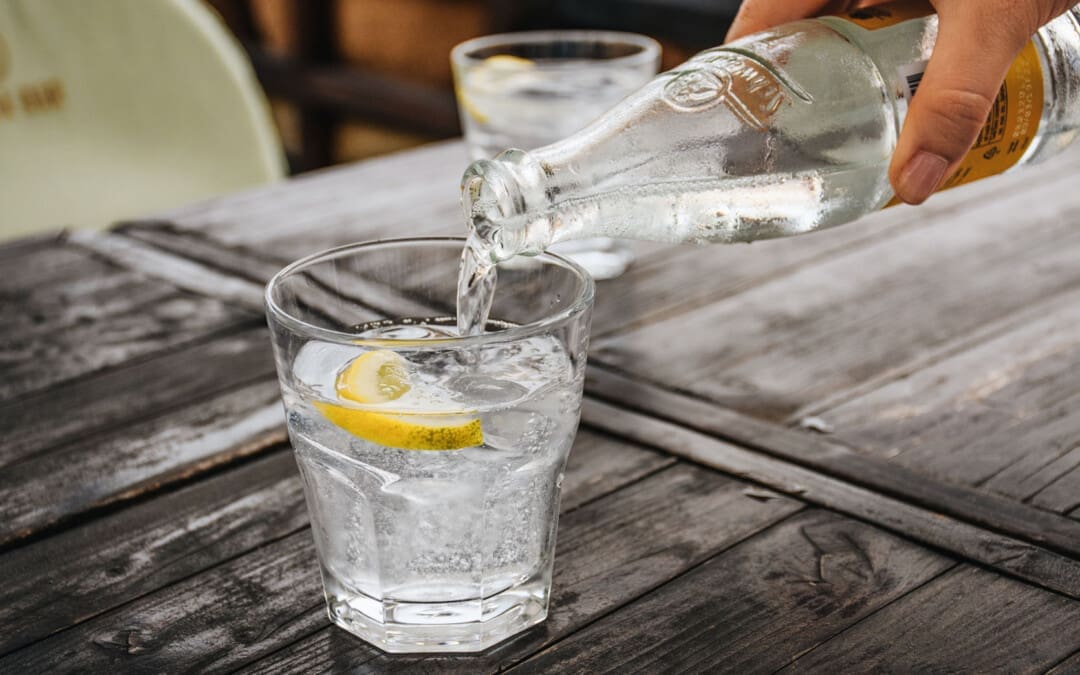
Can incorporating tonic water benefit individuals who want to drink more water?
Tonic Water
Tonic water is more than just water. Its bitter taste comes from quinine, a natural substance found in the bark of the Peruvian cinchona tree. Most store-bought tonic water contains quinine, with natural or artificial flavors from fruits or herbs to temper the bitterness, varying from brand to brand.
Tonic water calories can be high. Some brands can have up to 114 calories per bottle. The reason is they use a sweetener. Some brands have a diet version with zero calories and no sugar but may contain more sodium.
Fats and Protein
There is no fat or protein in tonic water.
Sugar
Some brands use high fructose syrup, while others use cane sugar or sugar from the other ingredients. For example, adding an alcoholic ingredient to make a tonic cocktail can significantly increase the calorie count.
Sodium
Depending on the variety and the amount drunk, tonic water can be a source of sodium. However, sodium intake should be 1500 milligrams per day.
Carbohydrates
There are 33 grams of carbohydrates per serving with the estimated glycemic load or the numerical value that estimates how much a food will raise an individual’s blood sugar to around four.
Micronutrients
There are no significant vitamins or minerals but a small amount of sodium, zinc, and copper.
Health
Quinine is FDA-approved in specific doses to treat malaria. However, the quinine in tonic water is less than prescribed for medicinal purposes. (Achan, J. et al., 2011) Some individuals have tried to use quinine for leg cramps. However, the FDA has warned that this is not recommended and can cause harm. (U.S. Food and Drug Administration. 2017)
Other Water Beverages
There are other water alternatives to reduce calories, sodium, and added sugar.
Seltzer
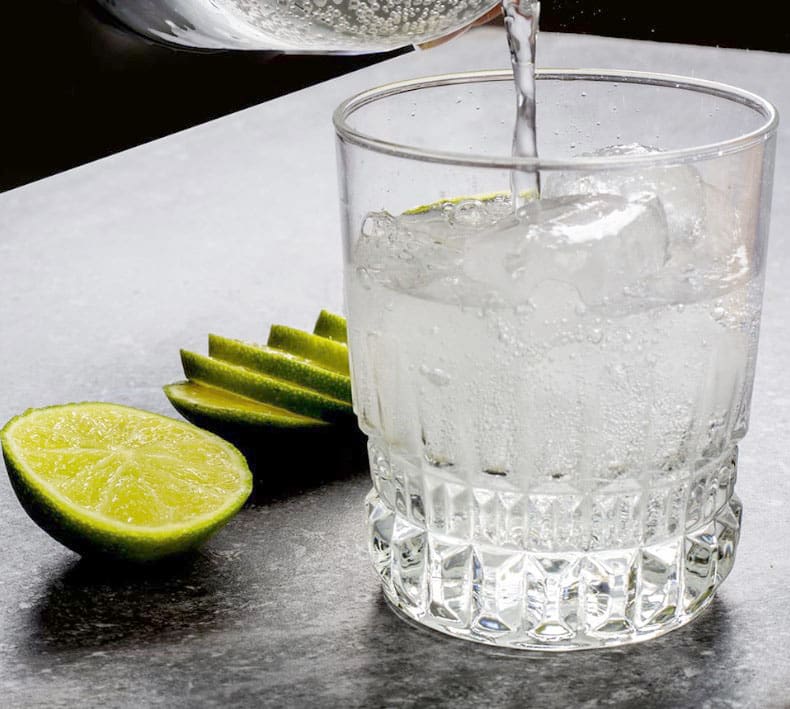
Seltzer is carbonated water, similar to club soda, with no calories or added sweeteners.
Add lemon or other fruit for flavor.
Mineral water
Mineral water tastes like seltzer, but the carbonation is usually natural.
Flavored water
Flavored water provides some nutrients and antioxidants from the vegetables and fruits.
It is a great alternative if the other options don’t work.
Allergies
It is possible to have an allergy to quinine that could cause a reaction when drinking tonic water. (Winter F. D., Jr. 2015) In these cases, the research suggests, the allergy may cause:
Individuals can make tonic water with online recipes using different herbs and flavors. Tonic water made at home may or may not be lower in calories than store-bought brands, but the ingredients can be controlled to create beverages that cater to personal tastes. Using tonic or sparkling water, keep the bottled water tightly capped and chilled to maintain carbonation and ready to serve.
Injury Medical Chiropractic and Functional Medicine Clinic focuses on and treats injuries and chronic pain syndromes through personalized care plans to restore health and function to the body through Nutrition and Wellness, Functional Medicine, Acupuncture, Electro-Acupuncture, and Sports Medicine protocols. If the individual needs other treatment, they will be referred to a clinic or specialist best suited for them, as Dr. Jimenez has teamed up with the top surgeons, clinical specialists, medical researchers, nutritionists, and health coaches to provide the most effective clinical treatments.
Learning About Food Substitutions
References
U.S. Department of Agriculture. FoodData Central. (2018). Beverages, carbonated, tonic water. Retrieved from https://fdc.nal.usda.gov/fdc-app.html#/food-details/171869/nutrients
Achan, J., Talisuna, A. O., Erhart, A., Yeka, A., Tibenderana, J. K., Baliraine, F. N., Rosenthal, P. J., & D’Alessandro, U. (2011). Quinine, an old anti-malarial drug in a modern world: role in the treatment of malaria. Malaria journal, 10, 144. https://doi.org/10.1186/1475-2875-10-144
U.S. Food and Drug Administration. (2017). FDA drug safety communication: New risk management plan and patient medication guide for Qualaquin (quinine sulfate). Retrieved from https://www.fda.gov/drugs/postmarket-drug-safety-information-patients-and-providers/fda-drug-safety-communication-new-risk-management-plan-and-patient-medication-guide-qualaquin
Howard, M. A., Hibbard, A. B., Terrell, D. R., Medina, P. J., Vesely, S. K., & George, J. N. (2003). Quinine allergy causing acute severe systemic illness: report of 4 patients manifesting multiple hematologic, renal, and hepatic abnormalities. Proceedings (Baylor University. Medical Center), 16(1), 21–26. https://doi.org/10.1080/08998280.2003.11927884
Winter F. D., Jr (2015). Immune thrombocytopenia associated with consumption of tonic water. Proceedings (Baylor University. Medical Center), 28(2), 213–216. https://doi.org/10.1080/08998280.2015.11929233
Can understanding night cravings help individuals who constantly eat at night plan meals that satisfy and choose nutritious snacks?
Eating At Night
Snacking after dinner and eating at night is common and not bad; however, snacking mindfully can help one truly enjoy and savor snacks. Consider some of the reasons why you might be hungry or not completely satisfied after dinner. Improving the nutritional value of nighttime snacks can make late-night hunger work toward meeting nutritional needs. Common reasons include:
Not meeting the right macronutrient balance during dinner.
Not being completely satisfied with dinner.
Dehydration.
Macronutrient Profile
Getting the right amount of carbohydrates, fat, and protein during dinner is integral to feeling satisfied. Adults need 130g of carbohydrates, 56g of protein, and 3.7L of water daily. The amount of fat required varies, but monounsaturated and polyunsaturated fats are the most healthy fats to consume, helping the body feel satisfied. Several studies show that eating protein during a meal reduces hunger and decreases cravings. (Kohanmoo, A. et al., 2020)
Unsatisfying Dinner
Another reason individuals eat at night is that they are unsatisfied with dinner. Eating satiating foods can help the mind and body feel full throughout the evening.
Satiety is the sense of satisfaction from food.
Foods high in fiber and healthy fats are known to help produce satisfaction.
When the body is full and satisfied, it produces hormones that signal to the brain there is no need to continue eating.
Try to plan healthy meals that are genuinely exciting to eat.
Create time to cook and make and eat meals you can genuinely enjoy.
Dehydration
Sometimes, when the body is dehydrated, it can have difficulty distinguishing thirst from hunger. As a result, some may eat in reaction to dehydration. This isn’t always bad, as some foods, specifically water-rich foods like melon and other fruits, can provide hydration. But sometimes, individuals don’t realize they are misreading their body’s thirst for hunger, and they reach for any food. They are still dehydrated, so they keep eating. If hunger persists after dinner, drink a glass of water and wait 20 minutes to see if that impacts hunger.
Maximize Nutrition
Snacking at night is not bad, but it is wise to plan to ensure the body gets the right balance of nutrients.
Satisfy Cravings
Many crave something sweet after dinner or later on. Eating healthy foods that satisfy cravings will help trigger hormones that tell the body it is done eating. Keep your favorite fruits and vegetables for a quick bite to get some sweetness and fiber. Vegetables like red bell peppers and carrots provide sweetness and crunchiness and can be satisfying. One small red pepper provides 100% of the daily recommended Vitamin C in 20 calories. (U.S. Department of Agriculture. Agricultural Research Service. 2018)
Foods that Promote Sleep
The foods chosen can affect sleep. Whole grains, walnuts, cherries, and kiwi increase serotonin and decrease the stress hormone cortisol. Complex carbohydrates contain melatonin, a hormone responsible for feeling sleepy. A whole-grain snack is a healthy choice before going to bed. (Nisar, M. et al., 2019) Some research shows that dark chocolate is rich in magnesium and can help promote deep sleep. However, it also contains caffeine, which can inhibit sleep. If dark chocolate is a favorite, make sure to eat it early enough in the evening.
Alternative Nighttime Routine
Some people eat out of boredom at night. To curb this, individuals in this category should change their routines. Here are a few tips to help adjust nighttime habits.
Healthy After-Dinner Activities
Go for a quick walk after dinner. 10 to 20 minutes can help, as physical activity signals the shift from dinner to other evening activities.
It also gives the body a chance to feel the fullness sensation.
Hobbies and other light meditative activities can help take the mind off eating.
Watch TV Mindfully
Many individuals eat more at night because snacking can go on and on in front of the television.
Use smart and healthy snacking strategies like portion control.
Remember to take a drink of water in between snacking.
Stay active – simple chores or activities while watching TV can help avoid overeating.
Rest and Sleep
Not getting enough sleep has been linked with increased appetite. (Hibi, M. et al., 2017)
Engage in activities to encourage rest.
Meditation can help calm down the mind and body.
Consider going to bed earlier.
Using an integrated approach, Dr. Jimenez’s Functional Medicine Team aims to restore health and function to the body through Nutrition and Wellness, Functional Medicine, Acupuncture, Electro-Acupuncture, and Sports Medicine protocols. We focus on what works for the individual through researched methods and total wellness programs.
Eating Right to Feel Better
References
Kohanmoo, A., Faghih, S., & Akhlaghi, M. (2020). Effect of short- and long-term protein consumption on appetite and appetite-regulating gastrointestinal hormones, a systematic review and meta-analysis of randomized controlled trials. Physiology & behavior, 226, 113123. https://doi.org/10.1016/j.physbeh.2020.113123
U.S. Department of Agriculture. Agricultural Research Service. FoodData Central. (2018). Peppers, sweet, red, raw. Retrieved from https://fdc.nal.usda.gov/fdc-app.html#/food-details/170108/nutrients
Nisar, M., Mohammad, R. M., Arshad, A., Hashmi, I., Yousuf, S. M., & Baig, S. (2019). Influence of Dietary Intake on Sleeping Patterns of Medical Students. Cureus, 11(2), e4106. https://doi.org/10.7759/cureus.4106
Hibi, M., Kubota, C., Mizuno, T., Aritake, S., Mitsui, Y., Katashima, M., & Uchida, S. (2017). Effect of shortened sleep on energy expenditure, core body temperature, and appetite: a human randomised crossover trial. Scientific reports, 7, 39640. https://doi.org/10.1038/srep39640
For individuals with diabetes or who are watching their sugar intake, is sugar-free candy a healthy choice?
Sugar-Free Candy
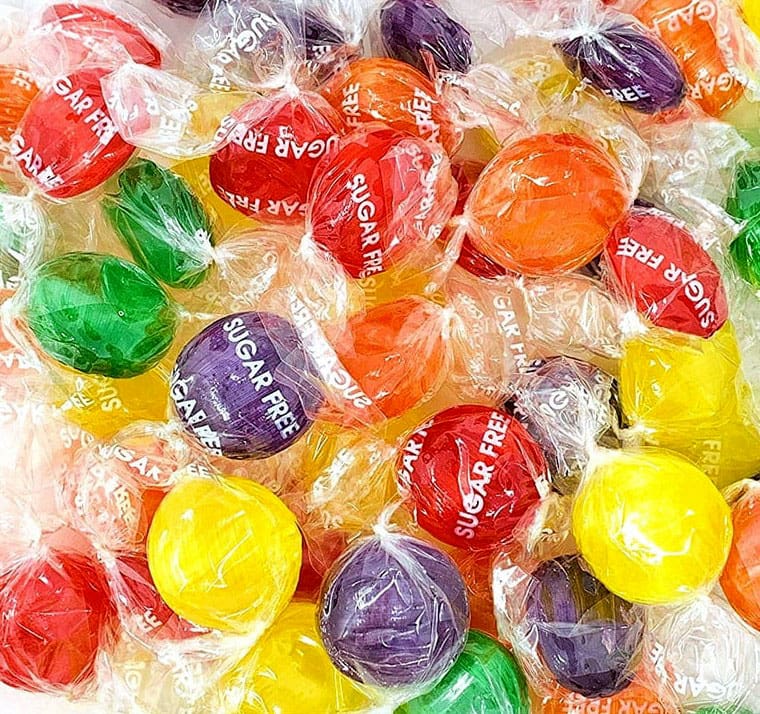
Sugar-free candies can be an option for individuals with diabetes and those watching their sugar intake. Different types of sweeteners are used in sugar-free candies, with pros and cons and possible side effects.
Ingredients
Sugar-free candies use artificial sweeteners or sugar substitutes to generate a sweet taste. Most of these sweeteners have fewer calories and carbohydrates than sugar, but not all are calorie or carb-free. Some sugar substitutes on labels include:
Aspartame
Saccharin
Sucralose
Aspartame, saccharin, stevia, and sucralose are calorie-free and carb-free.
Stevia is a non-alcoholic, non-artificial sugar substitute made from plant leaves.
Sugar alcohols – erythritol, xylitol, maltitol, lactitol, and sorbitol contain some carbohydrates.
Pros
Pros over candies sweetened with sugar.
Satisfies Cravings
Sugar-free candies can satisfy sweet cravings with less impact on blood sugar than their full-sugar counterparts.
For some individuals, especially with irritable bowel syndrome/IBS, sugar alcohols can cause unpleasant gastrointestinal side effects like bloating and diarrhea. (Mäkinen K. K. 2016)
It is recommended to avoid large amounts, especially for individuals with a sensitive stomach. (Evert, A. B. et al., 2019)
Taste
There may be an irregular or unfamiliar taste that can require getting used to.
Try other types and brands.
Carbohydrates
Always read the label.
The sweetener may contain some or none.
Other ingredients may have added carbohydrates.
For example, sugar-free chocolates may be high in saturated fat from ingredients like cocoa butter.
Appetite stimulants
Zero-calorie sweeteners may stimulate appetite, leading to eating more, which can be counterproductive to dietary goals. (Azad, M. B. et al., 2017)
Options
Choosing which types are best depends on personal taste and health goals.
Because of fatty ingredients, sugar-free chocolates may not be recommended if heart problems exist or fat intake must be limited.
Hard candies may be a better option.
Sugar alcohols can have an impact on blood sugar levels, which may make the candies less than ideal for those with diabetes. Digestive side effects can make them less appealing as well.
Some artificial sweeteners may cause discomfort. Learning the body’s response will help when choosing.
When it comes to taste, note what the preferred candy is sweetened with, as well as other ingredients, to guide future purchases.
Choose a snack that blends something sweet with other healthy ingredients, like fiber or protein, whole grains, nuts, or dried fruit. For example, strawberries with dark chocolate or apple slices with peanut butter.
Dr. Jimenez Functional Medicine Team. Healthy eating does not have to be hard. Using an integrated approach, we aim to restore health and function to the body through Nutrition and Wellness, Functional Medicine, Acupuncture, Electro-Acupuncture, and Sports Medicine protocols. If the patient needs other treatment, they will be referred to a clinic or physician best suited for them, as Dr. Jimenez has teamed up with the top surgeons, clinical specialists, medical researchers, nutritionists, and health coaches to provide the most effective clinical treatments. We focus on what works for you and strive to better the body through researched methods and total wellness programs.
How Chiropractic Can Help Diabetic Back Pain
References
U.S. Department of Agriculture and U.S. Department of Health and Human Services. (2020). Dietary Guidelines for Americans, 2020-2025. 9th Edition. Available at DietaryGuidelines.gov. Retrieved from https://www.dietaryguidelines.gov/sites/default/files/2020-12/Dietary_Guidelines_for_Americans_2020-2025.pdf
American Heart Association. (2020). Federal dietary guidelines emphasize healthy eating but fall short on added sugars. https://newsroom.heart.org/news/federal-dietary-guidelines-emphasize-healthy-eating-habits-but-fall-short-on-added-sugars
University of California, San Francisco, Diabetes Teaching Center: Diabetes Education Online. (2024). Counting sugar alcohols. https://dtc.ucsf.edu/living-with-diabetes/diet-and-nutrition/understanding-carbohydrates/counting-carbohydrates/learning-to-read-labels/counting-sugar-alcohols/
Mäkinen K. K. (2016). Gastrointestinal Disturbances Associated with the Consumption of Sugar Alcohols with Special Consideration of Xylitol: Scientific Review and Instructions for Dentists and Other Health-Care Professionals. International journal of dentistry, 2016, 5967907. https://doi.org/10.1155/2016/5967907
Evert, A. B., Dennison, M., Gardner, C. D., Garvey, W. T., Lau, K. H. K., MacLeod, J., Mitri, J., Pereira, R. F., Rawlings, K., Robinson, S., Saslow, L., Uelmen, S., Urbanski, P. B., & Yancy, W. S., Jr (2019). Nutrition Therapy for Adults With Diabetes or Prediabetes: A Consensus Report. Diabetes care, 42(5), 731–754. https://doi.org/10.2337/dci19-0014
Azad, M. B., Abou-Setta, A. M., Chauhan, B. F., Rabbani, R., Lys, J., Copstein, L., Mann, A., Jeyaraman, M. M., Reid, A. E., Fiander, M., MacKay, D. S., McGavock, J., Wicklow, B., & Zarychanski, R. (2017). Nonnutritive sweeteners and cardiometabolic health: a systematic review and meta-analysis of randomized controlled trials and prospective cohort studies. CMAJ : Canadian Medical Association journal = journal de l’Association medicale canadienne, 189(28), E929–E939. https://doi.org/10.1503/cmaj.161390
For individuals who are getting older, can increasing bone strength help prevent fractures and optimize bone health?
Bone Strength
Bone strength is important, as a fractured hip can be serious for older individuals. A study found that for individuals in their 60s who had a hip fracture, 6.5% of women and 9.4% of men died within a year. Among individuals in their 80s, 13.1% of women and 19.6% of men died within a year. (Dimet-Wiley, et al., 2022)
Increasing bone strength can help prevent various issues. A small increase in bone mineral density has been shown to help reduce the risk of fractures, especially hip fractures. A decades-long study found that just a 3% increase in bone strength helps lower the chance of breaking a hip. Researchers enrolled two groups of individuals aged 60 and older, one in 1989 and the second in 1999.
The bone mineral density of each subject’s femoral neck joint at the top of the thigh bone near the hip was measured.
They then followed the subjects for years to see who experienced hip fractures.
While the bone mineral density of the second group was only 3% higher than the first group, these subjects experienced a 46% reduction in hip fractures. (Tran, T. et al., 2023)
Bone Loss
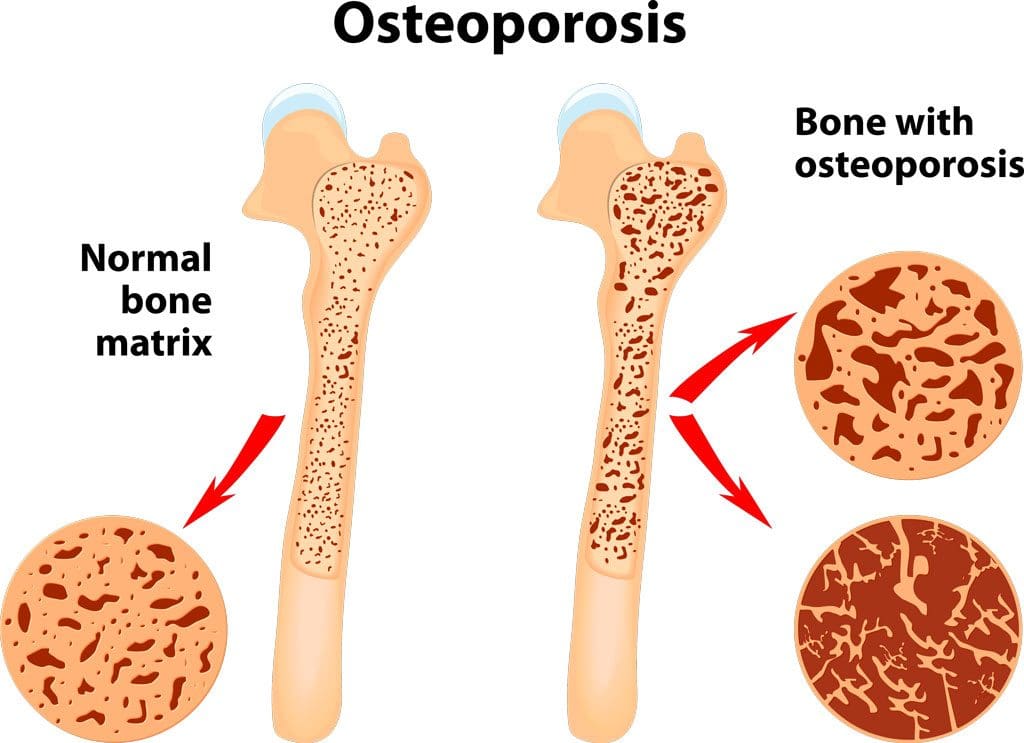
Bone loss is progressive in men and women and increases as the body ages. Osteoporosis is a condition in which bone tissue deteriorates. (Department of Health and Human Services Office of Disease Prevention and Health Promotion. 2020) Bones constantly break down and reform as a normal remodeling process. If the balance of this process is impaired, osteoporosis develops, resulting in more bone breakdown than formation. While men and women experience bone loss, it’s more common in females. (National Institute of Arthritis and Musculoskeletal Diseases. 2022) Menopause is a risk factor because of the decline of estrogen (National Library of Medicine, Medline Plus, 2022). Estrogen reinforces bone strength by protecting against bone breakdown; with estrogen loss, bone breakdown increases. However, anyone of any age or background can experience bone loss due to the following:
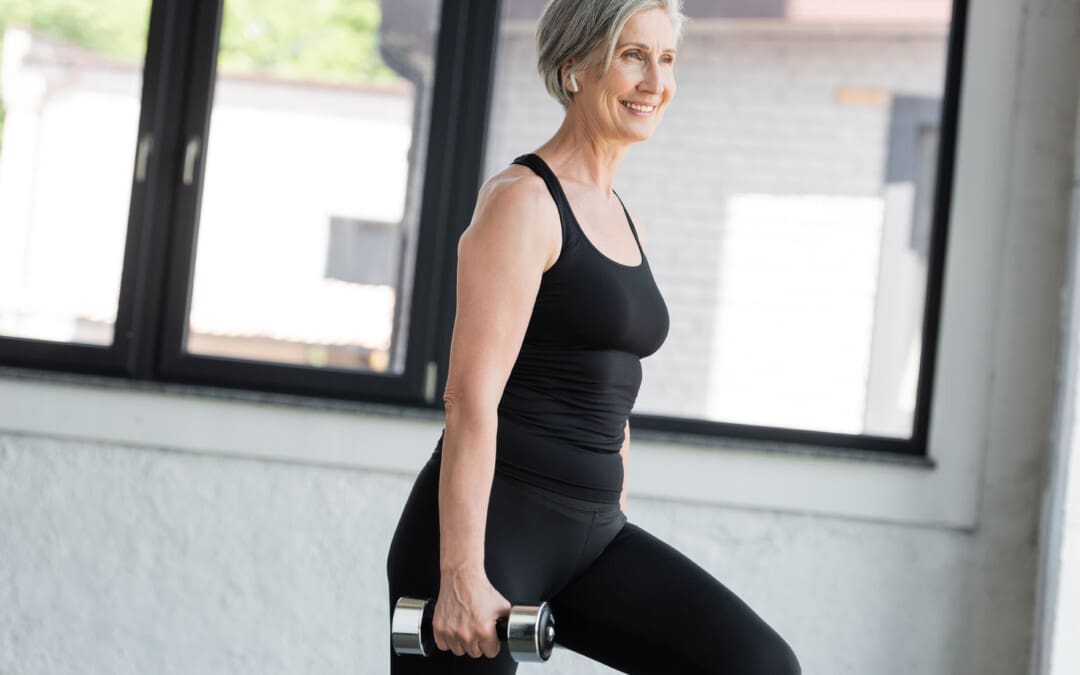
While some loss of bone strength is common, several strategies exist to maintain bone health. Exercise, specifically weight-bearing activities, can increase bone strength. When bones and muscles are used to hold a position against gravity, this mechanically stresses the bone, causing it to reform stronger. Movement and physical exercise as medicine and the forces transmitted through the bones generate mechanical signals that tell the cells to increase bone formation relative to breakdown. Exercises focusing on posture, balance, gait, and coordination are recommended for individuals with osteoporosis to strengthen the core, quadriceps, and hip flexors. Different types of exercises can include:
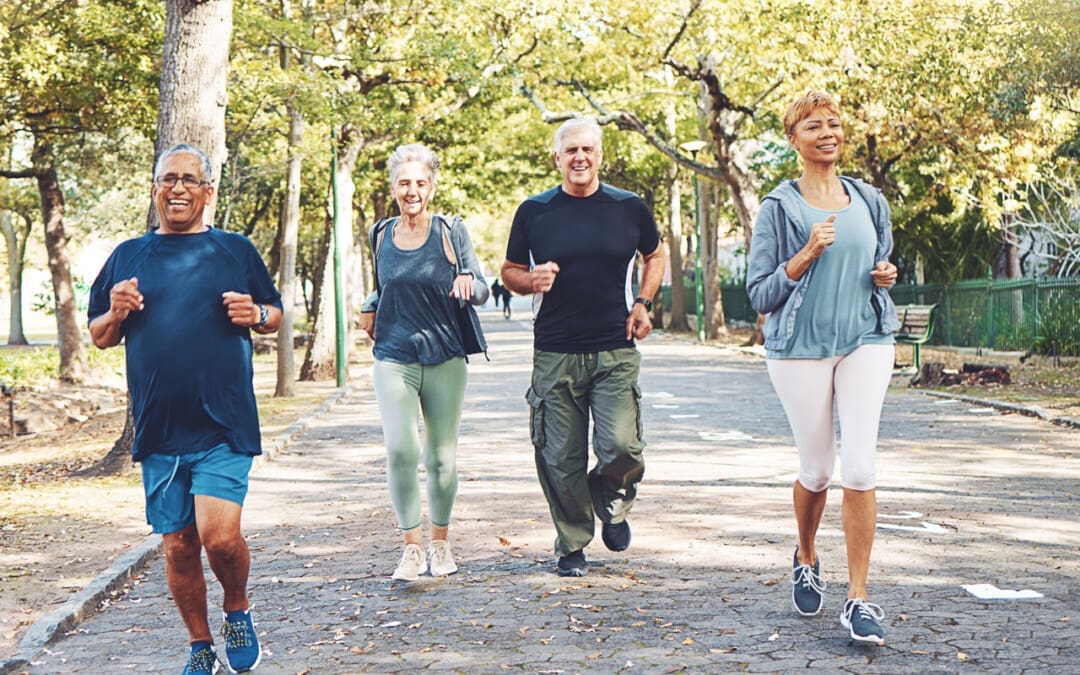
Walking to strengthen the spine and hips.
Walking outside or on a treadmill provides more loading force to the bone.
Planks and push-ups can strengthen the forearm and wrist bones.
Holding a water bottle in each hand and lifting up and down 10 times together or alternating a few times a day.
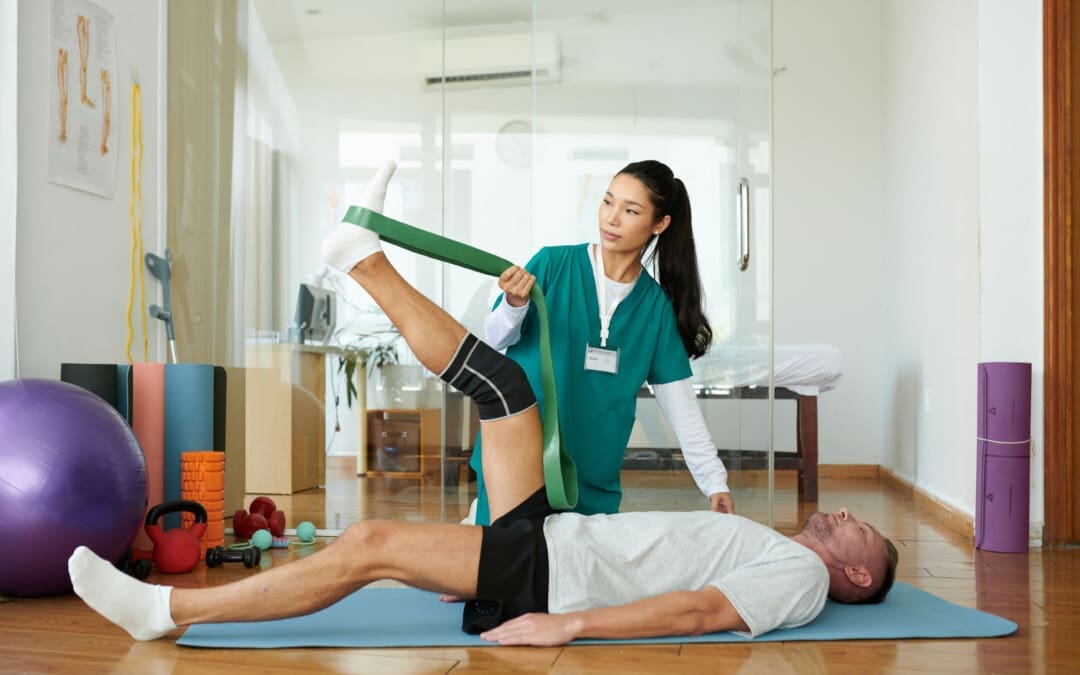
Side leg lifts can strengthen the hip and forearm bones simultaneously.
Weight training provides the bones with a workout by having them support a weight load.
Any exercise therapy program should be designed by a healthcare provider, physical therapist, and trainer according to the individual’s condition and appropriate for them.
Diet
What goes into the body definitely affects bone health. Calcium and vitamin D are key to bone building, but both are needed as vitamin D is needed to absorb the calcium ingested. Calcium can be found in:
Dairy
Dairy products and non-dairy alternatives are fortified with calcium.
Leafy greens.
Beans.
Almonds.
The recommended daily calcium intake for adults over 50 is 1,200 milligrams.
Vitamin D can come from:
Sunlight
Fish.
Mushrooms.
Fortified milk.
Supplements.
The recommended daily vitamin D intake for adults aged 70 is 15 micrograms and 20 micrograms for individuals over 70.
Studies have found that increasing calcium and vitamin D intake with supplements can help maintain bone health. Talk to a healthcare provider about whether supplements could be beneficial.
Hormone Therapy
Females also naturally produce testosterone, which promotes bone formation. As levels drop with age and negatively impact bone strength, hormone therapy could be recommended. Declining testosterone levels start with women in their 20s and men in their 30s. The typical drop in women is 1% to 3% yearly before menopause and stabilizes somewhat afterward. Female patients at risk of bone loss may be prescribed testosterone in various forms that continuously emit the hormone. The dosage is low, so patients do not experience unwanted hair growth or skin changes. Combined with estrogen, testosterone effectively increases bone growth in female patients. Not everyone is a candidate for hormone therapy, like individuals with a history of breast cancer, heart disease, blood clots, or liver disease. (National Library of Medicine. Medline Plus, 2019)
Making small adjustments can optimize bone health and overall well-being
At Injury Medical Chiropractic and Functional Medicine Clinic, we passionately focus on treating patients’ injuries and chronic pain syndromes to create personalized care plans that improve ability through flexibility, mobility, and agility programs tailored to the individual. Using an integrated approach, our goal is to relieve pain naturally by restoring health and function to the body through Functional Medicine, Acupuncture, Electro-Acupuncture, and Sports Medicine protocols. If the individual needs other treatment, they will be referred to a clinic or physician best suited for them, as Dr. Jimenez has teamed up with the top surgeons, clinical specialists, medical researchers, and premier rehabilitation providers to provide the most effective clinical treatments. We focus on what works for you and strive to better the body through researched methods and total wellness programs.
Chiropractic Care: Movement Medicine
References
Dimet-Wiley, A., Golovko, G., & Watowich, S. J. (2022). One-Year Postfracture Mortality Rate in Older Adults With Hip Fractures Relative to Other Lower Extremity Fractures: Retrospective Cohort Study. JMIR aging, 5(1), e32683. https://doi.org/10.2196/32683
Tran, T. S., Ho-Le, T. P., Bliuc, D., Center, J. R., Blank, R. D., & Nguyen, T. V. (2023). Prevention of Hip Fractures: Trade-off between Minor Benefits to Individuals and Large Benefits to the Community. Journal of bone and mineral research : the official journal of the American Society for Bone and Mineral Research, 38(11), 1594–1602. https://doi.org/10.1002/jbmr.4907
Department of Health and Human Services Office of Disease Prevention and Health Promotion. (2020). Osteoporosis Workgroup. Retrieved from https://health.gov/healthypeople/about/workgroups/osteoporosis-workgroup
National Institute of Arthritis and Musculoskeletal Diseases. (2022). Osteoporosis. Retrieved from https://www.niams.nih.gov/health-topics/osteoporosis
National Library of Medicine. MedlinePlus. (2022). What causes bone loss? Retrieved from https://medlineplus.gov/ency/patientinstructions/000506.htm
National Library of Medicine. MedlinePlus. (2019). Hormone replacement therapy. Retrieved from https://medlineplus.gov/hormonereplacementtherapy.html
For individuals who are dealing with constant constipation due to medications, stress, or lack of fiber, can walking exercise help encourage regular bowel movements?
Walking For Constipation Assistance
Constipation is a common condition. Too much sitting, medications, stress, or not getting enough fiber can result in infrequent bowel movements. Lifestyle adjustments can regulate most cases. One of the most effective ways is to incorporate regular moderate-vigorous exercise, encouraging the bowel muscles to contract naturally (Huang, R., et al., 2014). This includes jogging, yoga, water aerobics, and power or brisk walking for constipation alleviation.
The Research
A study analyzed middle-aged obese women who had chronic constipation over a 12-week period. (Tantawy, S. A., et al., 2017)
The first group walked on a treadmill 3 times a week for 60 minutes.
The second group did not engage in any physical activity.
The first group had greater improvement in their constipation symptoms and quality of life assessments.
A gut bacteria imbalance is also linked to constipation issues. Another study focused on the effect of brisk walking versus exercises that strengthened core muscles like planks on intestinal microbiota composition. (Morita, E., et al., 2019) The results showed that aerobic exercises like power/brisk walking can help increase intestinal Bacteroides, an essential part of healthy gut bacteria. Studies have shown a positive effect when individuals engage in at least 20 minutes of brisk walking daily. (Morita, E., et al., 2019)
Exercise Can Help Decrease Colon Cancer Risks
Physical activity can be a significant protective factor in decreasing colon cancer. (National Cancer Institute. 2023) Some estimate the risk reduction to be 50%, and exercise can even help prevent recurrence after a colon cancer diagnosis, also 50% in some studies for patients with stage II or stage III colon cancer. (Schoenberg M. H. 2016)
The best effects were obtained through moderate-intensity exercise, such as power/brisk walking, about six hours per week.
Mortality was reduced by 23% in individuals who were physically active for at least 20 minutes several times a week.
Inactive colon cancer patients who began exercising after their diagnosis had significantly improved outcomes than individuals who remained sedentary, showing that it is never too late to start exercising.(Schoenberg M. H. 2016)
The most active patients had the best outcomes.
Exercise-Related Diarrhea Prevention
Some runners and walkers experience an overly active colon, resulting in exercise-related diarrhea or loose stools, known as runner’s trots. Up to 50% of endurance athletes experience gastrointestinal problems during intense physical activity. (de Oliveira, E. P. et al., 2014) Prevention steps that can be taken include.
Not eating within two hours of exercising.
Avoid caffeine and warm fluids before exercising.
If sensitive to lactose, avoid milk products or use Lactase.
Ensure the body is well-hydrated before exercise.
Hydrating during exercise.
If exercising in the morning:
Drink about 2.5 cups of fluids or a sports drink before bed.
Drink about 2.5 cups of fluids after waking up.
Drink another 1.5 – 2.5 cups of fluids 20-30 minutes before exercising.
Drink 12-16 fluid ounces every 5-15 minutes during exercise.
If exercising for over 90 minutes:
Drink a 12 – 16 fluid-ounce solution containing 30-60 grams of carbohydrates, sodium, potassium, and magnesium every 5-15 minutes.
Professional Help
Periodic constipation may resolve with lifestyle adjustments like increased fiber intake, physical activity, and fluids. Individuals who are experiencing bloody stools or hematochezia, have recently lost 10 pounds or more, have iron deficiency anemia, have positive fecal occult/hidden blood tests, or have a family history of colon cancer need to see a healthcare provider or specialist to perform specific diagnostic tests to ensure there aren’t any underlying issues or serious conditions. (Jamshed, N. et al., 2011) Before engaging in walking for constipation assistance, individuals should consult their healthcare provider to see if it is safe for them.
At Injury Medical Chiropractic and Functional Medicine Clinic, our areas of practice include Wellness & Nutrition, Chronic Pain, Personal Injury, Auto Accident Care, Work Injuries, Back Injury, Low Back Pain, Neck Pain, Migraine Headaches, Sports Injuries, Severe Sciatica, Scoliosis, Complex Herniated Discs, Fibromyalgia, Chronic Pain, Complex Injuries, Stress Management, Functional Medicine Treatments, and in-scope care protocols. We focus on what works for you to achieve improvement goals and create an improved body through research methods and total wellness programs. If other treatment is needed, individuals will be referred to a clinic or physician best suited to their injury, condition, and/or ailment.
Poop Testing: What? Why? and How?
References
Huang, R., Ho, S. Y., Lo, W. S., & Lam, T. H. (2014). Physical activity and constipation in Hong Kong adolescents. PloS one, 9(2), e90193. https://doi.org/10.1371/journal.pone.0090193
Tantawy, S. A., Kamel, D. M., Abdelbasset, W. K., & Elgohary, H. M. (2017). Effects of a proposed physical activity and diet control to manage constipation in middle-aged obese women. Diabetes, metabolic syndrome and obesity : targets and therapy, 10, 513–519. https://doi.org/10.2147/DMSO.S140250
Morita, E., Yokoyama, H., Imai, D., Takeda, R., Ota, A., Kawai, E., Hisada, T., Emoto, M., Suzuki, Y., & Okazaki, K. (2019). Aerobic Exercise Training with Brisk Walking Increases Intestinal Bacteroides in Healthy Elderly Women. Nutrients, 11(4), 868. https://doi.org/10.3390/nu11040868
National Cancer Institute. (2023). Colorectal Cancer Prevention (PDQ(R)): Patient Version. In PDQ Cancer Information Summaries. https://www.cancer.gov/types/colorectal/patient/colorectal-prevention-pdq
https://www.ncbi.nlm.nih.gov/pubmed/26389376
Schoenberg M. H. (2016). Physical Activity and Nutrition in Primary and Tertiary Prevention of Colorectal Cancer. Visceral medicine, 32(3), 199–204. https://doi.org/10.1159/000446492
de Oliveira, E. P., Burini, R. C., & Jeukendrup, A. (2014). Gastrointestinal complaints during exercise: prevalence, etiology, and nutritional recommendations. Sports medicine (Auckland, N.Z.), 44 Suppl 1(Suppl 1), S79–S85. https://doi.org/10.1007/s40279-014-0153-2
Jamshed, N., Lee, Z. E., & Olden, K. W. (2011). Diagnostic approach to chronic constipation in adults. American family physician, 84(3), 299–306.
What are the healing times of common sports injuries for athletes and individuals who engage in recreational sports activities?
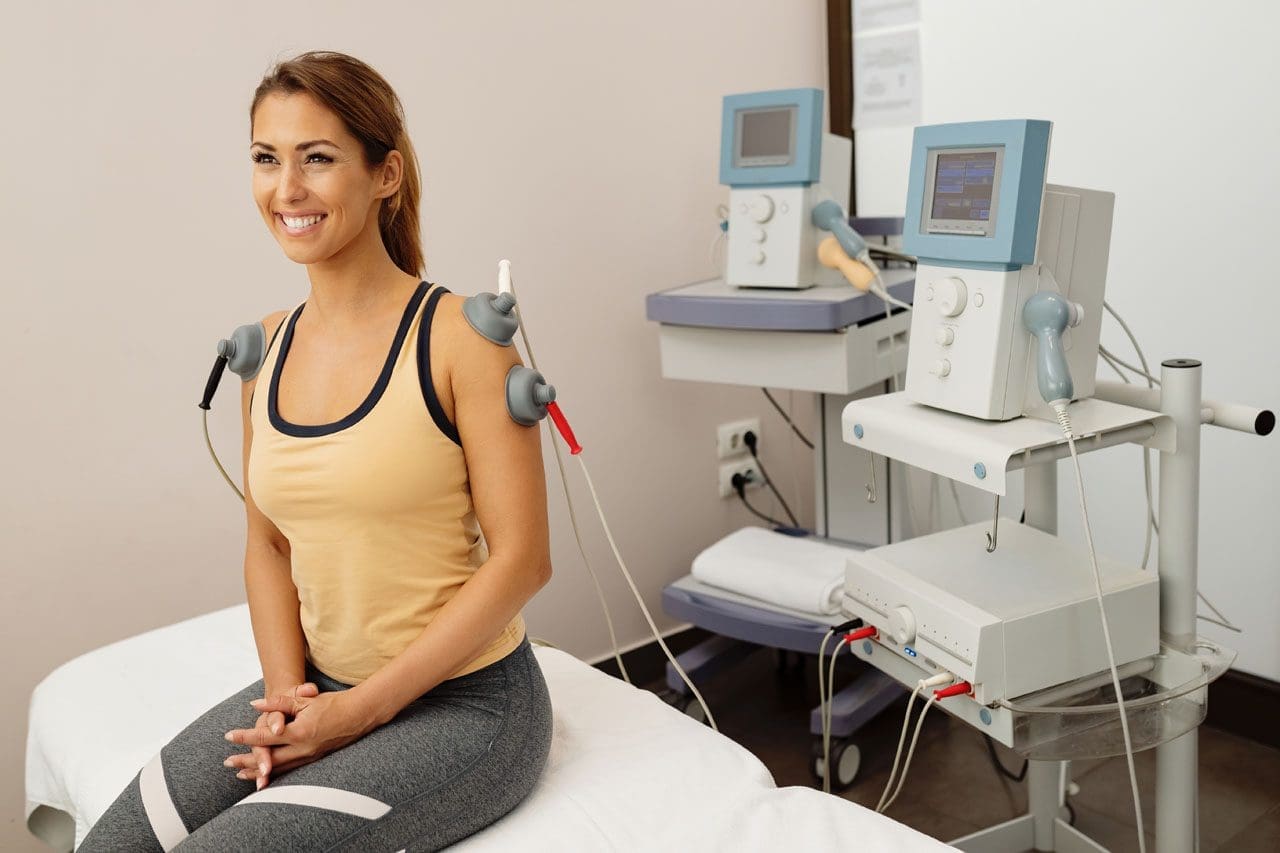
A young, happy sportswoman is getting tens-electrotherapy treatments at a medical clinic.
Healing Times for Sports Injuries
Healing time from sports injuries depends on various factors, such as the location and extent of the injury and the health of the skin, joints, tendons, muscles, and bones. It is also important to take the time to recuperate or not rush back into physical sports activities before the bones or tissues have fully healed. To prevent re-injury, ensure the doctor clears health before returning to sports or strenuous physical activity.
According to CDC research, an average of 8.6 million sports and recreation-related injuries occur annually. (Sheu, Y., Chen, L. H., and Hedegaard, H. 2016) However, most sports injuries are superficial or caused by low-grade strains or sprains; at least 20% of injuries result from bone fractures or more serious injuries. Bone fractures take longer than sprains or strains, and complete tendon or muscle ruptures can take months before one can fully return to activities. Individuals in decent physical shape with no underlying illness or impairment, here is what they can expect when recovering from the following sports injuries:
Bone Fractures
In sports, the highest rate of bone fractures occurs with football and contact sports. Most are centered around the lower extremities but can involve the neck and shoulder blades, arms, and ribs.
Simple Fractures
Depends on the individual’s age, health, type, and location.
Generally, takes at least six weeks to heal.
Compound Fractures
In this case, a bone is broken in several places.
It may require surgery to stabilize the bone.
Healing time can take up to eight months.
Fractured Clavicle/Collarbone
It may require the immobilization of the shoulder and upper arm.
It can take five to ten weeks to heal fully.
Fractured fingers or toes can heal in three to five weeks.
Fractured Ribs
Part of the treatment plan includes breathing exercises.
Painkillers may be needed short term.
Usually, it takes around six weeks to heal.
Neck Fractures
It may involve any one of the seven neck vertebrae.
A neck brace or a halo device that is screwed into the skull for stability may be used.
A sprain is the stretching or tearing of ligaments or the tough bands of fibrous tissue that connect two bones at a joint.
A strain is the overstretching or tearing of muscles or tendons.
Sprained Ankles
It can heal in five days if there are no complications.
Severe sprains involving torn or ruptured tendons can take three to six weeks to heal.
Calf Strains
Classified as grade 1 – a mild strain can heal in two weeks.
A grade 3 – severe strain may require three months or more to heal completely.
The use of calf suppression sleeves can expedite the recovery of strains and sprains in the lower leg.
Acute Neck Strain
A tackle, impact, fall, quick shifting, or whipping motion can cause a whiplash injury.
Healing time can take a couple of weeks to six weeks.
Other Injuries
ACL Tears
Involving the anterior cruciate ligament.
Usually, it requires months of recuperation and rehabilitation, depending on several factors, including the type of sports activity.
Full recovery from surgery takes six to 12 months.
Without surgery, there is no specific timeline for rehabilitation.
Achilles Tendon Ruptures
It is a serious injury.
These occur when the tendon is either partially or completely torn.
Individuals will more than likely require surgery.
Recovery time is four to six months.
Cuts and Lacerations
Depends on the depth and location of the injury.
It can take anywhere from a week to a month to heal.
If there are no accompanying injuries, stitches can be removed within two to three weeks.
If a deep cut requires stitches, more time is necessary.
Mild Contusions/Bruises
Are caused by a trauma to the skin, causing blood vessels to break.
In most cases, a contusion will take five to seven days to heal.
Shoulder Separations
When treated properly, it usually takes around two weeks of rest and recovery before the patient returns to activity.
Multidisciplinary Treatment
After the initial inflammation and swelling have subsided, a doctor will recommend a treatment plan that usually involves physical therapy, self-performed physical rehabilitation, or supervision by a physical therapist or team. Fortunately, athletes and individuals who regularly exercise tend to have a faster healing time because they are in top physical shape, and their cardiovascular system provides a stronger blood supply that speeds up the healing process. At El Paso’s Chiropractic Rehabilitation Clinic & Integrated Medicine Center, we passionately focus on treating patients’ injuries and chronic pain syndromes. We focus on improving ability through flexibility, mobility, and agility programs tailored to the individual. We use in-person and virtual health coaching and comprehensive care plans to ensure every patient’s personalized care and wellness outcomes.
Our providers use an integrated approach to create personalized care plans that include Functional Medicine, Acupuncture, Electro-Acupuncture, and Sports Medicine principles. Our goal is to relieve pain naturally by restoring health and function to the body.
If the chiropractor feels the individual needs other treatment, they will be referred to a clinic or physician best suited for them. Dr. Jimenez has teamed up with the top surgeons, clinical specialists, medical researchers, and premier rehabilitation providers to provide the top clinical treatments for our community. Providing highly noninvasive protocols is our priority, and our personalized patient-based clinical insight is what we provide.
Lumbar Spine Injuries in Sports: Chiropractic Healing
References
Sheu, Y., Chen, L. H., & Hedegaard, H. (2016). Sports- and Recreation-related Injury Episodes in the United States, 2011-2014. National health statistics reports, (99), 1–12.
Can knowing the serving size help lower sugar and calories for individuals who enjoy eating dried fruits?
Dried Fruits
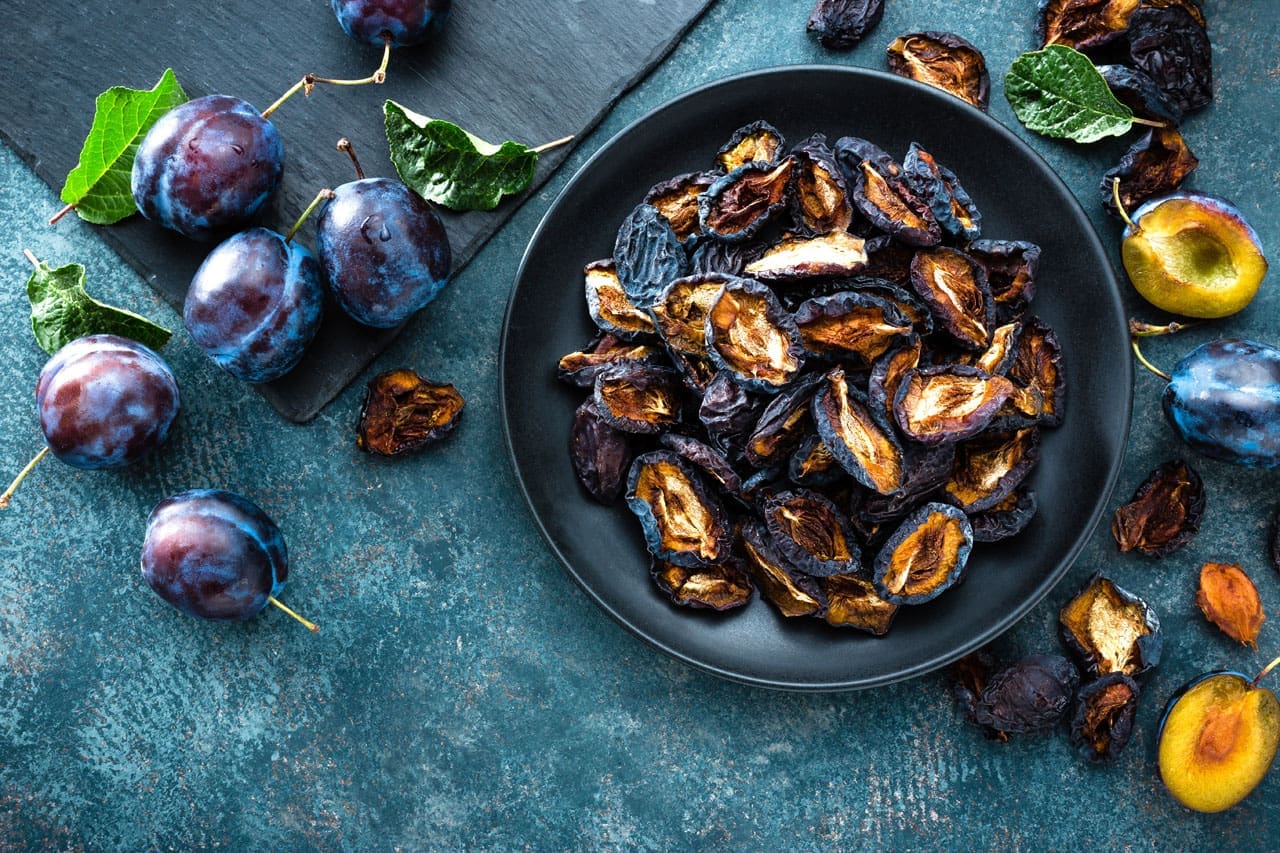
Dried fruits, like cranberries, dates, raisins, and prunes, are great because they last a long time and are healthy sources of fiber, minerals, and vitamins. However, dried fruits contain more sugar and calories per serving because they lose volume when dehydrated, allowing more to be consumed. This is why the serving size matters to ensure one does not overeat.
Serving Size
Fruits are dried in dehydrators or left in the sun to dehydrate naturally. They are ready once most of the water has disappeared. The loss of water decreases their physical size, which allows individuals to eat more, increasing sugar and calorie intake. For example, around 30 grapes fit in a single measuring cup, but 250 raisins can fill one cup once dehydrated. Nutritional information for fresh and dried fruit.
Thirty raisins have 47 calories and under 10 grams of sugar.
Grapes’ natural sugar content varies, so different types can be subject to nutritional value assessments.
Some fruits, like cranberries, can be very tart, so sugar or fruit juices are added during drying.
Ways to Use
Fresh fruit may be higher in certain vitamins, but mineral and fiber content are retained during drying. Dried fruits are versatile and can be made part of a healthy, balanced diet that can include:
Lightly sweeten oatmeal with a small serving of dried fruits for a hearty and healthy breakfast.
Salads
Toss dark, leafy greens, fresh apple slices, dried cranberries or raisins, and cheeses.
Main Course
Use dried fruit as an ingredient in savory entrees.
Protein Bar Substitutes
Raisins, dried blueberries, apple chips, and dried apricots are convenient and last longer than fresh fruit, making them perfect when protein bars are unavailable.
At Injury Medical Chiropractic and Functional Medicine Clinic, our areas of practice include Wellness & Nutrition, Chronic Pain, Personal Injury, Auto Accident Care, Work Injuries, Back Injury, Low Back Pain, Neck Pain, Migraine Headaches, Sports Injuries, Severe Sciatica, Scoliosis, Complex Herniated Discs, Fibromyalgia, Chronic Pain, Complex Injuries, Stress Management, Functional Medicine Treatments, and in-scope care protocols. We focus on what works for you to achieve improvement goals and create an improved body through research methods and total wellness programs.
Functional Medicine’s Influence Beyond Joints
References
FoodData Central. U.S. Department of Agriculture. (2017). Raisins. Retrieved from https://fdc.nal.usda.gov/fdc-app.html#/food-details/530717/nutrients
FoodData Central. U.S. Department of Agriculture. (2018). Grapes, American type (slip skin), raw. Retrieved from https://fdc.nal.usda.gov/fdc-app.html#/food-details/174682/nutrients
FoodData Central. U.S. Department of Agriculture. (2018). Grapes, red or green (European type, such as Thompson seedles), raw. Retrieved from https://fdc.nal.usda.gov/fdc-app.html#/food-details/174683/nutrients
IFM's Find A Practitioner tool is the largest referral network in Functional Medicine, created to help patients locate Functional Medicine practitioners anywhere in the world. IFM Certified Practitioners are listed first in the search results, given their extensive education in Functional Medicine