Skeletal muscles attached to the arms, legs, neck, back, and trunk bones are voluntary and consciously controlled. Weakness or inability to control these muscles can signal a health issue like a neuromuscular disorder or electrolyte imbalance. Can recognizing the symptoms can help healthcare providers develop effective treatment programs?
Voluntary Muscles
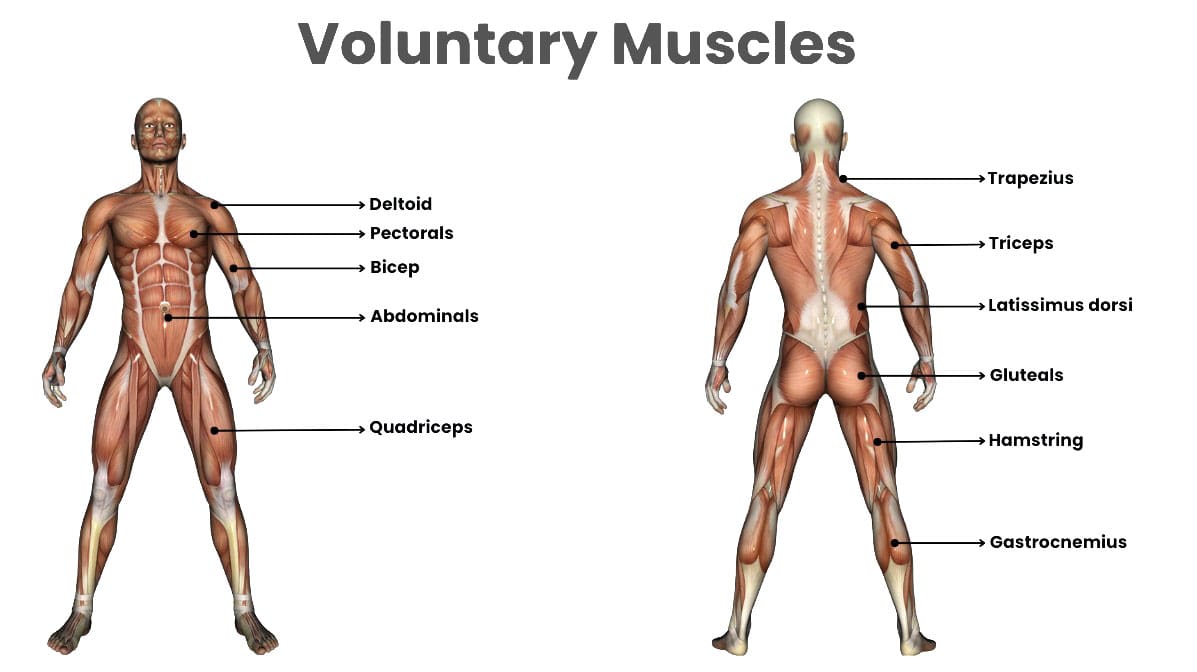
Voluntary muscles are the skeletal muscles that attach to bones and control movement of the limbs, head, neck, and body under an individual’s conscious control. Skeletal muscles are controlled by neuromuscular signals from the brain that communicate with individual muscle fibers and cause them to contract.
Difference
Voluntary muscles are skeletal muscles that contract and relax under conscious control.
These muscles attach to bones and regulate movement of the body.
Involuntary muscles are not under conscious control.
Involuntary muscles involve automatic internal processes needed for survival, like controlling blood vessels and organs like the heart, lungs, and digestive system.
They contract and relax automatically and receive signals from the autonomic nervous system, which regulates internal bodily functions.
Voluntary
Voluntary muscles are skeletal muscles that comprise 40% of the body’s weight and 50% to 75% of the body’s proteins. These muscles can convert chemical and mechanical energy to cause voluntary muscle contraction and movement. (Trovato F.M. et al., 2016) Skeletal muscle comprises fascicles or bundled units of multiple muscle fibers or muscle cells. Each muscle fiber consists of a cross-banded structure further divided into myofibrils containing thick myosin and thin actin myofilaments, which give the muscle its stripe appearance, and the structure gives the characteristic striated structure. (Trovato F.M. et al., 2016) Muscle contraction occurs when these myofilaments move closer together, stimulated by the release of the neurotransmitter acetylcholine from nerve cells that communicate with the muscle fiber.
Involuntary
The autonomic nervous system controls involuntary muscles, regulating their contraction and relaxation. This system also controls the activity of organs and blood vessels for essential daily functions, including breathing, circulation, digestion, heartbeat regulation, and urination. Most involuntary muscles are composed of smooth muscles. Smooth muscles do not have the striated structure of skeletal muscles and consist of sheets or layers of smooth muscle cells. When the autonomic nervous system stimulates these muscle cells to contract by releasing hormones or other chemical signals, smooth muscle cells shorten through the movement of actin and myosin myofilaments. Involuntary smooth muscles include the blood vessel walls, diaphragm, intestines, and bladder. (Webb R. C. 2003) One exception of an involuntary muscle is the myocardium, or heart muscle. The myocardium comprises a specialized cardiac muscle cell found only in the heart. Cardiac muscle is striated like skeletal muscle but is controlled by the autonomic nervous system and pacemaker cells, causing it to contract automatically and rhythmically.
Weakened Voluntary Muscles
Skeletal muscle diseases, neuromuscular disorders, and other causes can weaken muscles. Neuromuscular or skeletal muscle disorders affect the nerves that send electrical signals to voluntary skeletal muscles to control movement. When the nerves are damaged, communication between the nerves and muscles becomes disrupted. This can result in significant muscle weakness, atrophy, and loss of function. Most neuromuscular disorders are genetic or caused by issues with the immune system. Nerves communicate with muscles through the release of neurotransmitters at the neuromuscular junction, which is the space between a nerve cell and muscle fiber. Neuromuscular disorders can damage the nerve or the neuromuscular junction. Neuromuscular disorder symptoms can include: (Cleveland Clinic, 2023)
Numbness and tingling
Muscle weakness
Muscle twitches, cramps, or spasms
Muscle pain
Muscle atrophy
Decreased coordination
Balance problems
Drooping eyelids and double vision from eye muscle weakness.
Difficulty swallowing due to weakness of the pharynx.
Difficulty breathing due to weakness of the diaphragm.
Common Neuromuscular Disorders
Amyotrophic Lateral Sclerosis – ALS
More commonly known as Lou Gehrig’s disease, it is a genetic disorder that results from hardening of the spinal cord.
It causes damage to the nerves that control muscles and voluntary movement.
Charcot-Marie-Tooth Disease
This is a class of peripheral nerve disorders that cause muscle weakness, atrophy, and loss of sensation, most commonly in the legs and feet.
It is a genetic disorder caused by a gene mutation that damages myelin, or the insulating sheath that surrounds all nerves and supports the conduction of electrical signals.
Multiple Sclerosis – MS
MS causes degeneration of the myelin sheath surrounding nerves, decreasing the impulses along the nerves to muscles.
It can result in muscle weakness, which is often more severe on the dominant side of the body.
There are different forms of MS, but the condition is often progressive and gets worse over time if left untreated.
Muscular Dystrophies
These are genetic diseases characterized by gradual loss of motor function, muscle weakness and atrophy, walking gait problems, progressive respiratory failure, and cardiomyopathy.
There are nine types of muscular dystrophy, all caused by genetic mutations.
Myasthenia Gravis
This is an autoimmune disease that causes inflammation throughout the body.
An autoimmune disease occurs when the immune system attacks healthy cells by mistake.
With myasthenia gravis, the body produces antibodies that attack the receptors for acetylcholine, reducing the body’s ability to contract muscles.
This leads to muscle weakness, atrophy, and fatigue.
Myopathies
These are diseases of muscles that cause muscle weakness and atrophy.
Depending on the type, they may progress and get worse over time.
Electrolyte Imbalances
Muscle weakness can result from altered sodium, potassium, calcium, or magnesium levels.
Always seek immediate medical attention for any sudden, unexplained muscle weakness. Individuals who experience skeletal muscle weakness should discuss the type and duration of symptoms with their doctor, specialist, physical therapist, or chiropractor, as this might be a sign of a medical condition such as a neuromuscular disorder. Working with a chiropractic team can help expedite healing. Injury Medical Chiropractic and Functional Medicine Clinic works with primary healthcare providers and specialists to develop a personalized treatment program through an integrated approach to treat injuries and chronic pain syndromes, improving flexibility, mobility, and agility, relieving pain, and helping individuals return to normal activities. If other treatments are needed, Dr. Jimenez has teamed up with top surgeons, clinical specialists, medical researchers, and rehabilitation providers to provide the most effective treatments.
Chiropractic Massage Therapy
References
Trovato FM, I. M., Conway N, Castrogiovanni P. (2016). Morphological and functional aspects of human skeletal muscle. J Funct Morphol Kinesiol., 1(3), 289-302. https://doi.org/https://doi.org/10.3390/jfmk1030289
Webb R. C. (2003). Smooth muscle contraction and relaxation. Advances in physiology education, 27(1-4), 201–206. https://doi.org/10.1152/advan.00025.2003
Replenishing electrolytes and maintaining hydration is essential for individuals who work out, fitness enthusiasts, and those who play recreational or serious sports and want to improve overall health. Can making a homemade sugar-free electrolyte drink help individuals achieve health goals faster?
Homemade Electrolyte Drink
Sports drinks can help replenish the body’s lost electrolytes. Individuals who follow a low-carb diet and exercise or who are on a low-carb diet and get sick need double the added electrolytes. There is evidence that electrolytes are very effective in regulating the body’s fluid balance, especially during and after exercise or illness, and for those on a strict low-carb diet. (Maughan R. J. 1991)
Why More Electrolytes Are Needed
On a low-carb diet, insulin levels drop, so the kidneys retain less sodium. As the body excretes water, important minerals, such as the electrolytes calcium, sodium, magnesium, chloride, and potassium, are also excreted from the body’s system. Therefore, it is important to replenish them to avoid negative symptoms like lightheadedness and dehydration—especially when exercising or ill. (Bostock E. C. S. et al., 2020)
Two tablespoons of lemon juice contain almost the same amount of potassium in an 8-ounce sports drink.
A pinch of salt supplies 110 milligrams of sodium, the same amount in 8 ounces of a sports drink.
Individuals can make a low-carb homemade electrolyte sports drink. Many sports drinks contain a lot of sugar and other additives. The science behind why many of these drinks contain sugar is that a quick hit of sugar provides glucose for replenishing energy stores. Most individuals benefit from having small amounts of carbohydrates during heavy exercise. However, those who want to avoid sugar might want a sugar-free option to replace fluids and electrolytes.
Basic Recipe
Homemade Electrolyte Drink Mix:
1 cup or 8 ounces of non-carbonated water
Two tablespoons of lemon juice
A small pinch of salt—a teaspoon contains 2,300 milligrams of sodium, but the body needs 1/20th of a teaspoon.
Flavoring and sweetener for taste are optional. Try unsweetened Kool-Aid, Crystal Light Drink Mix, or sugar-free flavored syrups.
If avoiding artificial sweeteners, Stevia could be an option.
Sports Drink Ingredients
What goes into most sports drinks and adapting to a low-carb diet?
Water
Water is a primary ingredient, as the goal is to hydrate the body.
Sugar
Sports drinks can contain a lot of sugar, but only about half the sugar of most commercial beverages. For example,
A 20-ounce bottle of Gatorade has about 34 grams of sugar.
A 20-ounce soda has about 69 grams of sugar.
Sports drinks have less sugar to prevent gastrointestinal cramping during exercise and strenuous physical activity. Although Gatorade contains less sugar than soda, depending on individual health goals, it may not be the best option. Studies of nutritional needs during exercise for those restricting carbohydrates are not extensive. However, it is known that when individuals cut carbs, their bodies switch from primarily using carbohydrates to using fat for energy. This change, known as keto-adaptation, can take two to three weeks. Native populations, like the Inuit, traditionally ate a very low-carbohydrate diet and could maintain vigorous endurance for a long time without ill effects. (Phinney S. D. 2004) This suggests that bodies adapt to using fat for energy during physical activity and exercise over time. However, cutting carbohydrates too much and too soon can lead to symptoms like the keto flu. (Harvard Medical School, 2018). Individuals may need to replace carbohydrates during training for longer, more vigorous workouts, such as running longer than an hour. In addition, what is eaten before and after exercise can also affect physical performance. Working with a registered dietitian, nutritionist, or health coach could be helpful to achieve specific fitness goals.
Electrolytes
Electrolytes are molecules of certain minerals that contain an electrical charge. The nervous system runs on those charges generated by manipulating molecules called ions. (Faber D. S. and Pereda A. E. 2018) Every body function that depends on the nervous system, which includes muscle movement, breathing, digestion, thinking, etc., requires electrolyte activity. Those who exercise strenuously for long periods, individuals who follow a low-carb diet, or those with illness may need extra salt and potassium. Sports drinks contain small amounts of sodium and potassium. A balanced diet will supply plenty of minerals for electrolyte needs for individuals engaged in moderate exercise.
Using an integrated approach to treat and prevent injuries and chronic pain syndromes, improve flexibility, mobility, and agility, and help individuals return to normal activities, Injury Medical Chiropractic and Functional Medicine Clinic works with primary healthcare providers and specialists to develop a personalized treatment, nutrition, and fitness programs. Each case is different and requires reviewing individual medical history and physical examination to determine the proper and most effective plan. Dr. Jimenez has teamed up with top trainers, clinical specialists, medical researchers, and rehabilitation providers to provide the most effective treatments and training.
Is Intermittent Fasting the Ultimate Weight Loss Hack?
References
Maughan R. J. (1991). Fluid and electrolyte loss and replacement in exercise. Journal of sports sciences, 9 Spec No, 117–142. https://doi.org/10.1080/02640419108729870
Bostock, E. C. S., Kirkby, K. C., Taylor, B. V., & Hawrelak, J. A. (2020). Consumer Reports of “Keto Flu” Associated With the Ketogenic Diet. Frontiers in nutrition, 7, 20. https://doi.org/10.3389/fnut.2020.00020
Phinney S. D. (2004). Ketogenic diets and physical performance. Nutrition & metabolism, 1(1), 2. https://doi.org/10.1186/1743-7075-1-2
Harvard Medical School, Harvard Health Publishing, Marcelo Campos, M., Contributor. (2018). What is keto flu? Harvard Health Blog. https://www.health.harvard.edu/blog/what-is-keto-flu-2018101815052
Faber, D. S., & Pereda, A. E. (2018). Two Forms of Electrical Transmission Between Neurons. Frontiers in molecular neuroscience, 11, 427. https://doi.org/10.3389/fnmol.2018.00427
For individuals dealing with headaches, can utilizing self-care techniques help ease symptoms?
Headaches Self Care
There are different self-pain-relieving approaches to ease headache-related pain that use non-medication options. While headache self-care pain-relieving techniques can help temporarily, they are recommended to help ease headache symptoms until professional treatment is available. Individuals are encouraged to try multiple strategies to find the right treatment regimen that works for them, which is usually a process of trial and error. Self-care headache relief maneuvers can include temple massages, breathing exercises, exercise, or applying a cold pack to the head.
Self-Care Relief
Commonly used for tension headaches or migraine, a few examples of self-care techniques include (Espí-López G. V. et al., 2016)
Massaging the temples, neck, or scalp with the hand, fingers, or a massage tool.
Applying a cold pack to the affected area.
Heat can be used on the affected area, like a headband or a hot shower.
Compression such as a handkerchief or belt wrapped tightly around the head or pressing firmly on the painful area.
Compression is more commonly utilized in migraineurs versus scalp massage in people with tension headaches. This is often due to the throbbing sensation caused by a migraine versus a tension headache, which feels like a tight grip or band around the head.
Individuals with cluster headaches are more likely to utilize unique approaches, such as covering one ear, rotating the head, shallow breathing, moving around, or closing the nostril on the same side as the head pain.
Various scientific studies support the potential benefit of these complementary therapies. However, individuals should talk with a healthcare provider to choose the best strategy for their headache type and their unique needs/goals. Working with a chiropractic team can help expedite healing. Injury Medical Chiropractic and Functional Medicine Clinic works with primary healthcare providers and specialists to develop a customized treatment plan through an integrated approach to treating injuries and chronic pain syndromes, improving flexibility, mobility, and agility, relieving pain, and helping individuals return to normal activities. If other treatments are needed, Dr. Jimenez has teamed up with top surgeons, clinical specialists, medical researchers, and rehabilitation providers to provide the most effective treatments.
Tension Headaches and Chiropractic Care
References
Espí-López, G. V., Zurriaga-Llorens, R., Monzani, L., & Falla, D. (2016). The effect of manipulation plus massage therapy versus massage therapy alone in people with tension-type headache. A randomized controlled clinical trial. European journal of physical and rehabilitation medicine, 52(5), 606–617.
Millstine, D., Chen, C. Y., & Bauer, B. (2017). Complementary and integrative medicine in the management of headache. BMJ (Clinical research ed.), 357, j1805. https://doi.org/10.1136/bmj.j1805
Can understanding the philosophy of intuitive eating help individuals achieve and maintain health goals by breaking free from diets and getting healthy by improving their relationship with food and exercise?
Intuitive Eating
Intuitive eating is a non-diet approach to eating that focuses on listening to the body with internal body cues. Strict food rules are the main reason diets don’t work and negatively impact overall health and well-being. (Linardon, J., & Mitchell, S. 2017) Intuitive eating is characterized by eating in response to physiological hunger and satiety cues rather than emotional cues. The body was born to eat when hungry and stop when full. However, this natural way of eating can get lost in emotions, food rules, and restrictions. Fortunately, getting back to intuitive eating is possible for everyone.
How Does It Work?
Intuitive eating is a non-diet approach that steps away from a diet mentality and applies healthy behaviors around food. It focuses on unlearning external rules, like diet rules and expectations of what and how much to eat, and emphasizes internal cues like hunger, fullness, and how foods make you feel. It is based on principles that help build a healthier relationship with food. Individuals become aware of what to eat, how much to eat, and when to eat naturally, without worry or guilt.
Mindful Eating
Mindful eating is not the same thing as intuitive eating. Individuals can think of mindful eating as a skill or practice, while intuitive eating is a philosophy.
Principles
Understanding the ten core principles and how they work together is important.
Remove The Diet Mentality
Let go of the quick fixes and gimmick diets. These offer false hope that weight loss is easy, quick, and permanent and can make individuals feel like failures for losing and regaining weight.
Honor Hunger
Hunger is a normal, biological process. The body requires adequate amounts of energy and carbohydrates to function properly. Ignoring these cues and hunger can lead to cravings, overeating, and binges. Learning to honor hunger cues sets the stage for rebuilding trust with food. A food scale can help determine proper portions.
Make Friends With Food
Allow yourself unconditional permission to eat what you want. This means including all foods without labeling them as good or bad. Once an individual tells themself they can’t have a certain food, they can feel deprived, and intense cravings can build that often lead to overeating, binges, and extreme food guilt.
Get the Food Police Out Of Your Head
Learn to say no to self-induced thoughts of good or bad based on what is being eaten or how many calories are involved. Diets often say eating too many calories or enjoying a cookie is bad. These rules and restrictions can lower self-esteem and cause feelings of guilt. Removing negative food thoughts, guilt, and other rules is critical to intuitive eating.
Respect The Body’s Fullness
Listen for body cues that say you are full. This means your body is no longer hungry and should stop eating. Enjoy the flavors, stay aware of satiety signals throughout meals, and always be aware of your fullness level.
Satisfaction Factor
Learn to find joy and satisfaction in the eating experience. Eating what they want in an inviting environment promotes happiness and satisfaction, and a positive eating experience has been shown to promote satisfaction with even less food.
Honor Feelings Without Using Food
Don’t fix problems with food. Learn healthy ways to cope with emotions like stress, anxiety, anger, or boredom without turning to food. Feeding emotional hunger only makes feelings worse and adds guilt to the mix.
Respect Your Body
Body size and shape are unique for each person. Acceptance is an important part of self-respect and love. Instead of being critical, embrace individual genetic blueprints.
Being unrealistic and critical about one’s body makes it difficult to reject the diet mentality.
Exercise
Exercise doesn’t have to be intense or extreme to be effective. Individuals should focus on how good it feels to be active and moving their bodies rather than how many calories are burned during the workout sessions. Feeling great and motivated about exercise is easy when there is increased energy, better sleep, and improved quality of life.
Honor Health
Individuals don’t have to be perfect eaters. Infrequently eating a certain snack or meal won’t make you gain weight or cause health problems.
It’s what is eaten consistently over time that matters. Making food choices that taste good and nourish the body is what counts.
Weight Loss Benefits
Intuitive eating is not designed for weight loss. It aims to improve an individual’s relationship with food, including building healthier food behaviors and not focusing on the weight scale. However, learning to be an intuitive eater can help individuals lose weight by allowing the body to break the diet cycle and settle into its natural set point weight range.
Overall Health Benefits
Intuitive eating has been shown to have both physical and emotional health benefits that include:
Higher levels of contentment and satisfaction
Reduced stress
Increased self-esteem
Better body image outlook
Improved cholesterol levels
Improved metabolism
Lower rates of emotional and disordered eating
In a 24-study review that examined the psychosocial effect intuitive eating had on adult women was associated with the following positive results (Bruce, L. J., and Ricciardelli, L. A. 2016)
Decreased eating disorders
Improved positive outlook on body image
Higher emotional functioning
Another study compared restrictive diets and intuitive eating among men and women. The study found that intuitive eating uniquely and consistently presented lower levels of disordered eating and body image concerns. (Linardon, J., & Mitchell, S. 2017) Participants using intuitive eating expressed high levels of body appreciation, and researchers suggested promoting the practice within public health approaches to eating disorder prevention. The study also supported intuitive eating by promoting body acceptance and removing unhealthy thinking about food and eating.
Injury Medical Chiropractic and Functional Medicine Clinic works with primary healthcare providers and specialists to develop a personalized treatment plan through an integrated approach to create personalized care plans for each patient and restore health and function to the body through nutrition and wellness, functional medicine, acupuncture, Electroacupuncture, and sports medicine protocols. If the individual needs other treatment, they will be referred to a clinic or physician best suited for them. Dr. Jimenez has teamed up with top surgeons, clinical specialists, medical researchers, nutritionists, and health coaches to provide the most effective clinical treatments.
Eating Smart To Feel Better
References
Linardon, J., & Mitchell, S. (2017). Rigid dietary control, flexible dietary control, and intuitive eating: Evidence for their differential relationship to disordered eating and body image concerns. Eating behaviors, 26, 16–22. https://doi.org/10.1016/j.eatbeh.2017.01.008
Bruce, L. J., & Ricciardelli, L. A. (2016). A systematic review of the psychosocial correlates of intuitive eating among adult women. Appetite, 96, 454–472. https://doi.org/10.1016/j.appet.2015.10.012
For individuals trying to lose weight or improve their diet, can incorporating more fish help improve overall health?
Fish Nutrition
The American Heart Association recommends eating at least two servings of fish each week (American Heart Association, 2021). The type of fish chosen makes a difference, as fish nutrition and calories vary. Some can have a higher calorie count but contain healthy fat.
Nutrition
Comparing fish calories and nutrition data can be tricky. How it is prepared can significantly change its nutritional makeup, and the exact nutrition also varies depending on the variety. As an example, a half portion of a Wild Alaskan Salmon Fillet contains: (U.S. Department of Agriculture. FoodData Central. 2019)
Serving Size 1/2 fillet – 154 grams
Calories – 280
Calories from Fat – 113
Total Fat – 12.5 grams
Saturated Fat – 1.9 grams
Polyunsaturated Fat – 5 grams
Monounsaturated Fat – 4.2 grams
Cholesterol – 109 milligrams
Sodium – 86 milligrams
Potassium – 967.12 milligrams
Carbohydrates – 0 grams
Dietary Fiber – 0 grams
Sugars – 0 grams
Protein – 39.2 grams
The following guide includes other types of fish based on USDA nutrition data (U.S. Department of Agriculture. FoodData Central). Fish calories and nutrition are listed for a 100-gram or 3.5-ounce serving.
Halibut
Raw with skin
116 calories
3 grams fat
0 grams carbohydrate
20 grams protein
Tuna
Yellowfin, fresh, raw
109 calories
Less than one gram of fat
0 grams carbohydrate
24 grams protein
Cod
Atlantic, raw
82 calories,
0.7 grams fat
0 grams carbohydrate
18 grams protein
Mahimahi
Raw
85 calories
0.7 grams fat
0 grams carbohydrate
18.5 grams protein
Ocean Perch
Atlantic, raw
79 calories
1.4 grams fat
0 grams carbohydrate
15 grams protein
Research suggests that fatty fish is the best for weight loss and improved health. Certain types of fish contain an essential fatty acid called omega-3. This polyunsaturated fat provides the body with various health benefits, like reducing the risk of heart disease. Studies show that individuals who eat seafood at least once per week are less likely to die from heart disease. (National Institutes of Health. National Center for Complementary and Integrative Health, 2024) Researchers also believe that omega-3 fatty acids may help reduce symptoms of rheumatoid arthritis and could even improve brain and eye health. Essential omega-3 fatty acids can be taken as a supplement. However, research has not shown that supplements can provide the same benefits as eating omega-3 foods. (Rizos E. C. et al., 2012)
The way that the fish is prepared can change the calorie count. Baked, grilled, and broiled fish are usually the lowest in calories.
Storage and Safety
Fish experts suggest that individuals buy the freshest available. What questions should you ask when visiting the local market?
When was it caught?
The fresher, the better. Fish may remain edible for five days after being caught but may not taste as fresh.
How was it stored?
How the fish is stored and delivered to the market will impact its taste. Fish should be chilled immediately after catching and kept cold throughout delivery and transport.
How does it look and smell?
If the fish has a bad odor, it is likely not fresh. Fresh fish should smell like seawater. If buying fillets, look for a moist texture with clean-cut edges. If the fish is whole, look for clear eyes and a firm texture.
Where is it from?
Buying local fish from sustainable fisheries is recommended but not always possible, depending on where individuals live. There is a Smart Seafood Buying Guide that advises on buying American fish and provides a list of fish with lower mercury levels for health and safety. (Natural Resources Defense Council, 2024)
What is the best way to prepare this fish?
Sometimes, the fishmonger is the best source for simple and healthy recipes and preparation methods. Use fresh fish within two days, or store in the freezer. When ready to use frozen fish, thaw in the refrigerator and never at room temperature. For individuals who don’t like fish taste, there are a few things to help improve the taste. First, try less fishy types. For example, many report that around 100 calories per serving of red snapper tastes less fishy than heavier fish like salmon. Second, try adding fresh herbs and citrus to manage the taste.
Injury Medical Chiropractic and Functional Medicine Clinic works with primary healthcare providers and specialists to develop a personalized treatment plan through an integrated approach to treating injuries and chronic pain syndromes, improving flexibility, mobility, and agility programs to relieve pain and help individuals return to optimal function. Our providers use an integrated approach to create personalized care plans for each patient and restore health and function to the body through nutrition and wellness, functional medicine, acupuncture, Electroacupuncture, and sports medicine protocols. If the individual needs other treatment, they will be referred to a clinic or physician best suited for them. Dr. Jimenez has teamed up with top surgeons, clinical specialists, medical researchers, nutritionists, and health coaches to provide the most effective clinical treatments.
Nutrition Fundamentals
References
American Heart Association. (2021). Fish and Omega-3 Fatty Acids. https://www.heart.org/en/healthy-living/healthy-eating/eat-smart/fats/fish-and-omega-3-fatty-acids
U.S. Department of Agriculture. FoodData Central. (2019). Fish, salmon, king (chinook), raw (Alaska Native). Retrieved from https://fdc.nal.usda.gov/fdc-app.html#/food-details/168047/nutrients
National Institutes of Health. National Center for Complementary and Integrative Health. (2024). 7 things to know about omega-3 fatty acids. Retrieved from https://www.nccih.nih.gov/health/tips/things-to-know-about-omega-fatty-acids
Rizos, E. C., Ntzani, E. E., Bika, E., Kostapanos, M. S., & Elisaf, M. S. (2012). Association between omega-3 fatty acid supplementation and risk of major cardiovascular disease events: a systematic review and meta-analysis. JAMA, 308(10), 1024–1033. https://doi.org/10.1001/2012.jama.11374
Natural Resources Defense Council. (2024). The smart seafood buying guide: five ways to ensure the fish you eat is healthy for you and for the environment. https://www.nrdc.org/stories/smart-seafood-buying-guide
When muscle pains and aches present from health conditions, work, exercise, housework, etc., many individuals turn to topical sprays, creams, ointments, and gels to bring relief. Can magnesium spray be beneficial in the fight against neuromusculoskeletal pain?
Magnesium Spray
Magnesium spray is a liquid form of magnesium applied externally to the skin that has been marketed to promote muscle relaxation, improve sleep, and manage migraines. However, studies of its effectiveness have had mixed results. Some studies have shown that topical use can:
Improve chronic muscle and joint pain. Example: fibromyalgia.
Decrease the frequency and severity of nerve pain symptoms. Example: peripheral neuropathy.
Reduce the incidence and severity of an intubation-related sore throat after surgery.
Further studies of various groups are necessary to clarify the optimal dose for each condition and to determine how topical magnesium affects magnesium blood levels.
What is It?
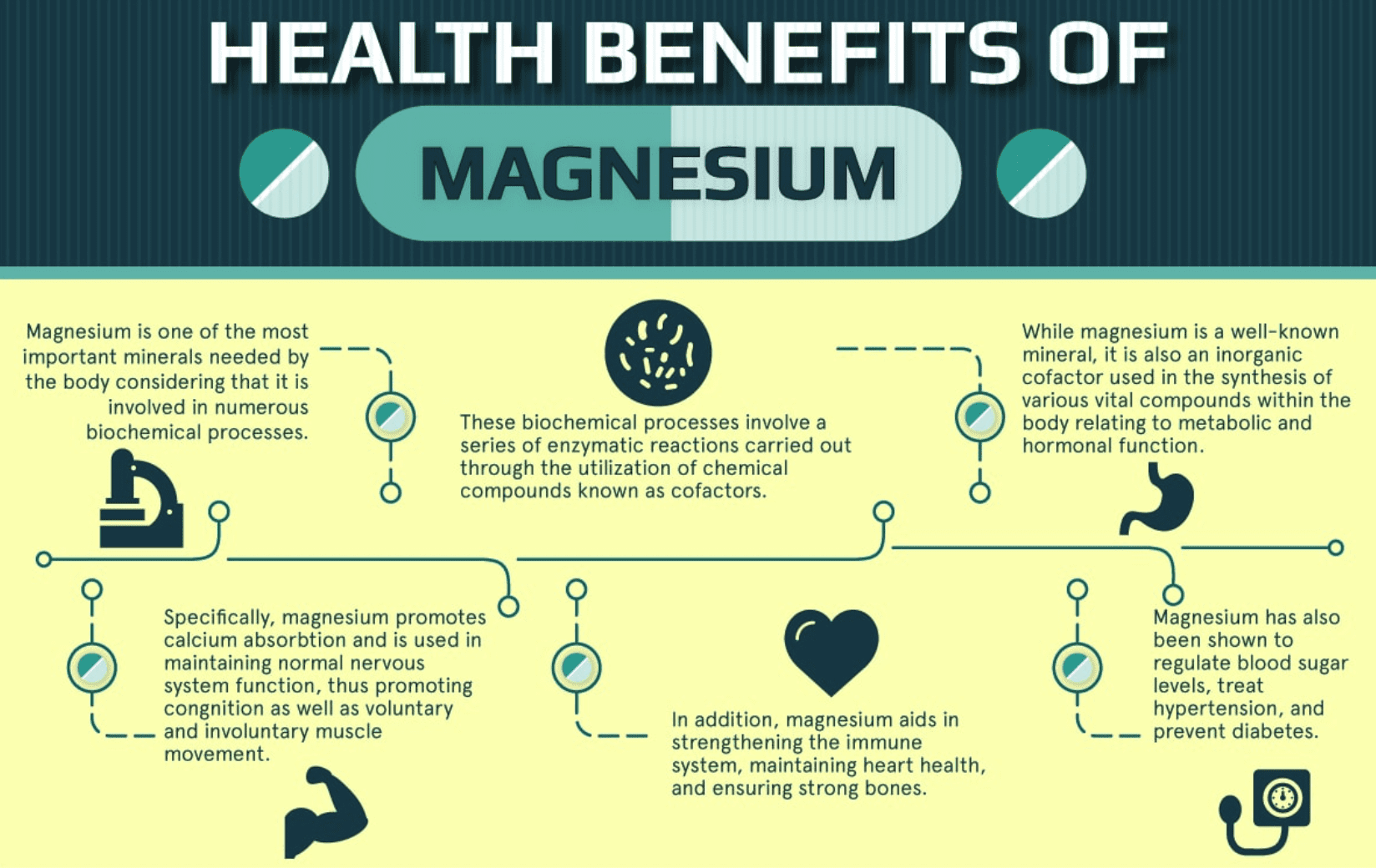
Magnesium is a mineral that has an important role in many of the body’s processes and is essential for the following (Gröber U. et al., 2017)
Nerve transmission
Muscle contraction
Blood pressure regulation
Blood sugar regulation
Protein production
DNA and RNA production
Currently, there is no recommended dosage for topical magnesium use. However, some major health institutions have established a recommended daily amount taken by mouth. Listed are the recommended daily magnesium intake based on age and other factors. (National Institutes of Health Office of Dietary Supplements, 2022)
14 to 18 years old: 410 mg for males, 360 mg for females and when lactating, and 400 mg when pregnant.
19 to 30 years old: 400 mg for males, 310 mg for females and when lactating, and 350 mg when pregnant.
31 to 50 years old: 420 mg for males, 320 mg for females and when lactating, and 360 mg when pregnant.
51 years old and above: 420 mg for males and 320 mg for females.
Although self-care is appropriate for minor injuries or exercise, individuals are encouraged to see their healthcare provider for severe musculoskeletal pain symptoms.
Benefits
Though taking oral magnesium supplements is common, there is limited research on using magnesium on the skin to improve magnesium levels. Studies comparing the absorption of magnesium taken by mouth with the spray applied to the skin require further research. However, some studies look at the localized effect of magnesium spray on improving a sore throat after surgery and nerve, muscle, and joint pain.
Intubation-Related Sore Throat
Topical magnesium reduced the severity of sore throat after surgery in individuals undergoing tracheal intubation compared to a placebo. (Kuriyama, A. et al., 2019) However, further studies are necessary to clarify the optimal dose.
Nerve Pain
Peripheral neuropathy is nerve damage that causes a tingling and numbing sensation in the arms or legs. In a study of individuals with chronic kidney disease, the daily application of magnesium sprays to limbs affected by peripheral neuropathy for twelve weeks decreased the frequency and severity of nerve pain symptoms. However, one limitation was that it was performed mostly in females. (Athavale, A. et al., 2023)
Chronic Muscle and Joint Pain
A small study assessed whether applying magnesium to the skin could improve the quality of life of female participants with fibromyalgia – a chronic condition that causes muscle and joint pain, fatigue, and other symptoms. The study found that four sprays of magnesium chloride applied twice daily to the upper and lower limbs for four weeks could benefit those with fibromyalgia. However, further research with larger studies is needed to confirm the results. (Engen D. J. et al., 2015)
Does The Spray Increase Overall Magnesium Levels?
Magnesium is transported into cells through magnesium transporters. The outer layer of the skin does not contain these transporters, so absorption occurs in the small areas of the sweat glands and hair follicles. (Gröber U. et al., 2017) One study suggested that applying magnesium to the skin can help with magnesium deficiency within four to six weeks, compared to four to 12 months in the case of oral magnesium supplementation. However, there is minimal research on topical magnesium and its impact on magnesium levels. Another study suggested that 56 mg of magnesium cream applied daily on the skin for 14 days had no statistically significant effect on magnesium blood levels. Although the results were statistically insignificant, a clinically relevant increase in magnesium blood levels was observed. (Kass, L. et al., 2017) Because it remains unclear if magnesium absorption via the skin is more effective than by mouth, further studies are necessary to confirm the amount of magnesium absorbed into the skin.
Using The Spray
In one study, a magnesium chloride solution was poured into a spray bottle and applied as follows (Engen D. J. et al., 2015)
The solution was sprayed into the palm and applied evenly on the affected area.
There is a four-hour wait time between spray dose applications.
Individuals should wait at least one hour after application before showering or washing the product off.
Leave the product on the skin throughout the day and wash it off before bed.
Rinse the solution off with water if the skin becomes irritated.
Avoid applying to open wounds.
Precautions
Avoid magnesium chloride sprays if you are allergic to them or their components. If you have a severe allergic reaction, such as itching, hives, or shortness of breath, seek immediate medical attention. Topically applied magnesium solution has no known side effects other than skin irritation. (Engen D. J. et al., 2015)
Injury Medical Chiropractic and Functional Medicine Clinic works with primary healthcare providers and specialists to develop a personalized treatment plan through an integrated approach to treating injuries and chronic pain syndromes, improving flexibility, mobility, and agility programs to relieve pain and help individuals return to optimal function. If other treatments are needed, Dr. Jimenez has teamed up with top surgeons, clinical specialists, medical researchers, and rehabilitation providers to provide the most effective treatments.
Why Choose Chiropractic?
References
Gröber, U., Werner, T., Vormann, J., & Kisters, K. (2017). Myth or Reality-Transdermal Magnesium?. Nutrients, 9(8), 813. https://doi.org/10.3390/nu9080813
National Institutes of Health Office of Dietary Supplements. (2022). Magnesium. Retrieved from https://ods.od.nih.gov/factsheets/Magnesium-HealthProfessional/#h2
Kuriyama, A., Maeda, H., & Sun, R. (2019). Topical application of magnesium to prevent intubation-related sore throat in adult surgical patients: a systematic review and meta-analysis. Application topique de magnésium pour prévenir les maux de gorge liés à l’intubation chez les patients chirurgicaux adultes: revue systématique et méta-analyse. Canadian journal of anaesthesia = Journal canadien d’anesthesie, 66(9), 1082–1094. https://doi.org/10.1007/s12630-019-01396-7
Athavale, A., Miles, N., Pais, R., Snelling, P., & Chadban, S. J. (2023). Transdermal Magnesium for the Treatment of Peripheral Neuropathy in Chronic Kidney Disease: A Single-Arm, Open-Label Pilot Study. Journal of palliative medicine, 26(12), 1654–1661. https://doi.org/10.1089/jpm.2023.0229
Engen, D. J., McAllister, S. J., Whipple, M. O., Cha, S. S., Dion, L. J., Vincent, A., Bauer, B. A., & Wahner-Roedler, D. L. (2015). Effects of transdermal magnesium chloride on quality of life for patients with fibromyalgia: a feasibility study. Journal of integrative medicine, 13(5), 306–313. https://doi.org/10.1016/S2095-4964(15)60195-9
Kass, L., Rosanoff, A., Tanner, A., Sullivan, K., McAuley, W., & Plesset, M. (2017). Effect of transdermal magnesium cream on serum and urinary magnesium levels in humans: A pilot study. PloS one, 12(4), e0174817. https://doi.org/10.1371/journal.pone.0174817
Can fruit help with a sweet craving for individuals trying to limit sugar?
Fruits Low In Sugar
Fruits and their natural sugars: Whether following a low-carbohydrate diet or having diabetes and watching your A1C, many have heard that fruit is either bad or okay because of its natural sugars. Sugars in fruit are natural. How they affect blood sugar depends on various factors, like which foods they’re paired with and if diabetes is a factor. Counting carbs or noting the glycemic index or glycemic load of foods being eaten, understanding low-sugar fruits can help make choices that best fit your dietary needs. Certain fruits are considered lower in sugar because they contain fewer carbohydrates and sugar, allowing you to consume a larger portion.
One serving of fruit has about 15 grams of carbohydrates.
A serving is one small apple, half a medium-sized banana, or a cup of berries.
Fruits like berries can be eaten in more significant portions for the same amount of carbohydrates but less sugar.
Fruits
Low-sugar fruits include:
Lemons and Limes
Rhubarb
Apricots
Cranberries
Guava
Raspberries
Blackberries
Kiwi
Figs
Tangerines
Grapefruit
Natural Sugar
How much fruit an individual eats may differ if they follow a specific low-carb meal plan or are counting or modifying their carbohydrate intake because of diabetes. Adults should consume two cups of fruit or juice or a half-cup of dried fruit daily. (U.S. Department of Health and Human Services and U.S. Department of Agriculture, 2015) Most fruits have a low glycemic index/GI because of the amount of fiber they contain and because the sugar is mostly fructose. However, dried fruits like raisins, dates, sweetened cranberries, melons, and pineapples have a medium glycemic index. Sweetened dried fruits have an even higher glycemic index.
Fruits from Lowest to Highest Content
Fruits are a healthy way to satisfy a sweet craving. The fruits listed are ranked from lowest to highest sugar content, providing a quick way to assess sugar content. The fruits lowest in sugar have some of the highest nutritional values, plus antioxidants and other phytonutrients.
Limes and Lemons
Limes contain:
1.1 grams of sugar
7 grams of carbs
1.9 grams of fiber per fruit
Lemons contain:
1.5 grams of sugar
5.4 grams of carbs
1.6 grams of fiber per fruit
Rhubarb
Rhubarb contains:
1.3 grams of sugar
5.5 grams of carbs
2.2 grams of fiber per cup
Apricots
Apricots contain:
3.2 grams of sugar
3.8 grams of carbs
0.7 grams of fiber per small apricot
Apricots are available fresh in spring and early summer. They can be eaten whole, skin and all. However, watch portions of dried apricots as they shrink when dried.
Cranberries
Cranberries contain:
3.8 grams of sugar
12 grams of carbs
3.6 grams of fiber per cup when fresh.
While they’re low in sugar, be aware that they are usually sweetened when dried or used in a recipe.
Guavas
Guava contains:
4.9 grams of sugar
7.9 grams of carbs
3 grams of fiber per fruit
They can be sliced or dipped in salty sauce, including the rind.
Berries
These fruits generally have the lowest sugar content and are among the highest in fiber, antioxidants, and other nutrients. Berries, lemon, and lime can be added to flavor water.
Raspberries
Raspberries contain:
5.4 grams of sugar
14.7 grams of carbs
8 grams of fiber per cup
Eat a handful, or use them as a topping or ingredient. Fresh in summer or frozen year-round.
Blackberries
Blackberries contain:
7 grams of sugar
13.8 grams of carbs
7.6 grams of fiber per cup
Strawberries contain:
7.4 grams of sugar
11.7 grams of carbs
3 grams of fiber per cup
Berries are excellent choices for a snack, a fruit salad, or an ingredient in a smoothie, sauce, or dessert.
Blueberries
Blueberries contain:
15 grams of sugar
21 grams of carbs
3.6 grams of fiber per cup
While blueberries are higher in sugar than other berries, they’re packed with powerful antioxidants.
Kiwis
Kiwis contain:
6.2 grams of sugar
10.1 grams of carbs
2.1 grams of fiber per kiwi
Kiwis have a mild flavor, and the seeds and skin can be eaten.
Figs
Figs contain:
6.5 grams of sugar
7.7 grams of carbs
1.2 grams of fiber per small fig
These figures are for fresh figs, and it may be harder to estimate for dried figs of different varieties, which can have 5 to 12 grams of sugar per fig.
Tangerines
Tangerines contain:
8 grams of sugar
10.1 grams of carbs
1.3 grams of fiber per medium fruit
These low-sugar citrus fruits have less sugar than oranges and are great for salads. They are also portable, making them healthy additions to packed lunches and snacks.
Grapefruit
Grapefruit contains:
8.5 grams of sugar
13 grams of carbs
2 grams of fiber per half fresh grapefruit
Individuals can enjoy fresh grapefruit in a fruit salad or by itself, adjusting the amount of sugar or sweetener.
Low-Carb Diets
Individuals following a low-carb eating plan should remember that while some popular diet plans factor in the glycemic index or glycemic load of foods, others only factor in the number of carbohydrates.
20 Grams of Carbohydrates or Less
Individuals will likely not consume fruit or rarely substitute it for other food items with less than 20 grams of carbohydrates daily.
Nutrients are obtained from vegetables.
Some diets don’t even allow low-sugar fruits in the first phase.
20-50 Grams of Carbohydrates
These eating plans allow 20 to 50 grams of carbs daily, allowing room for one daily fruit serving.
50-100 Grams of Carbohydrates
If the eating plan allows 50 to 100 grams of carbs per day, individuals may be able to follow the FDA guidelines for two fruit servings a day, as long as other resources of carbohydrates are limited.
Other popular plans, like the Paleo diet and Whole30, don’t place a limit on fruit.
Although not necessarily a low-carb diet, Weight Watchers also allows fruit.
In general, individuals following a low-carb diet are recommended to try to eat fruits low in sugar.
Diabetes
Fruit choices when managing diabetes will depend on the type of diet being followed. For example, when counting carbohydrates, individuals should know that 1/2 cup of frozen or canned fruit has about 15 grams of carbohydrates.
Enjoy 3/4 to 1 cup of fresh berries, melon, or 17 grapes for the same carbs.
If using the plate method, add a small piece of whole fruit or 1/2 cup of fruit salad to the plate.
When using the glycemic index to guide food choices, remember that most fruits have a low GI and are encouraged.
Melons, pineapples, and dried fruits have medium GI index values, so watch portion size.
Individuals with diabetes may want to consult their primary doctor or a registered dietitian to help design an eating plan that incorporates fruit appropriately.
Body In Balance: Chiropractic, Fitness, and Nutrition
References
U.S. Department of Health and Human Services and U.S. Department of Agriculture. 2015–2020 Dietary Guidelines for Americans. 8th Edition. December 2015. Available at http://health.gov/dietaryguidelines/2015/guidelines/
IFM's Find A Practitioner tool is the largest referral network in Functional Medicine, created to help patients locate Functional Medicine practitioners anywhere in the world. IFM Certified Practitioners are listed first in the search results, given their extensive education in Functional Medicine