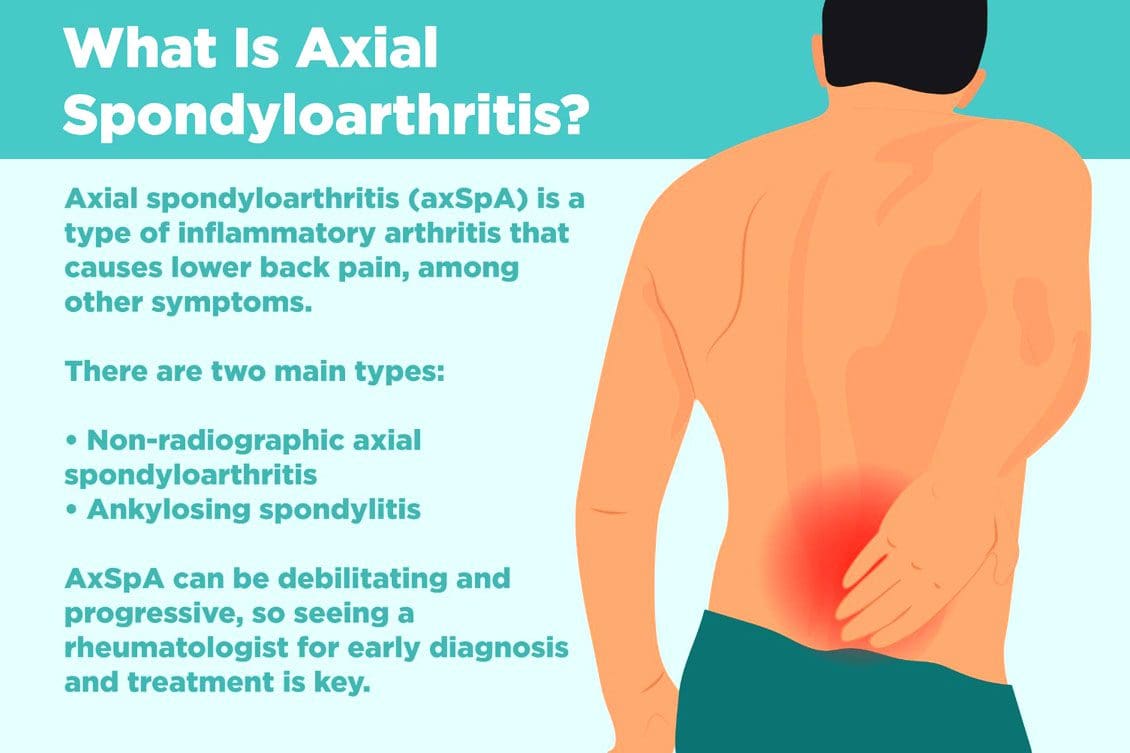
Non-radiographic axial spondyloarthritis or nr-axSpA and non-radiographic ankylosing spondylitis/AS are related. However, non-radiographic axial spondyloarthritis can present AS symptoms with active inflammation of the spine and sacroiliac/SI joints, causing back and hip pain but does not reveal joint damage on X-rays or MRIs. Injury Medical Chiropractic and Functional Medicine Clinic can explain what it means to have non-radiographic axial spondyloarthritis, how it can be managed, and what to do to prevent it from turning into ankylosing spondylitis.
Non-Radiographic Axial Spondyloarthritis
Non-radiographic axial spondyloarthritis means there are early AS symptoms but have not developed enough joint inflammation or damage to show up on an X-ray or other form of imaging. Early evidence of joint inflammation includes blurring of the joint edges and localized regions of joint erosion. It can be difficult for physicians to see these subtle changes on an x-ray.
Ankylosing Spondylitis
Ankylosing spondylitis, or AS, is a form of inflammatory arthritis that affects joints in the spine and elsewhere.
It is a chronic, inflammatory, autoimmune disease.
Medical research is still ongoing to determine the exact cause, but a genetic component is believed to be contributing factor.
Around 85% of individuals with ankylosing spondylitis have inherited the HLA-B27 gene, which is associated with multiple autoimmune conditions.
In the early stages, individuals will present lower back pain around the sacroiliac joints or the joints that connect the spine to the pelvis.
Later stages have more obvious X-ray findings, like the fusing of the sacroiliac joints and the lower spine that takes place over time.
Joint inflammation can progress, causing permanent joint damage and spine rigidity.
Most individuals with the condition can manage their symptoms with NSAIDs, chiropractic care, physical and massage therapy, and range of motion exercises.
Stage 1
There is no evidence of spinal inflammation on x-rays.
MRI provides more detailed images of bones and may reveal bone marrow edema or accumulation of fluid in the structures of the spinal bones and joints.
Individuals with non-radiographic axial spondyloarthritis, you are here.
Stage 2
There is visible inflammation of the spinal joints on the x-ray.
The sacroiliac joints between the spine and the pelvis are the most affected.
Stage 3
Chronic inflammation of the joints has caused bone loss and permanent joint damage, resulting in spine rigidity.
Symptoms of Non-Radiographic Axial Spondyloarthritis
There are differences between back pain associated with muscle strain and arthritis. Back pain symptoms include:
Starts to present before age 40.
It has a gradual onset and can go unnoticed for years.
Improves with movement or activity.
Eases up throughout the day.
Starts up in the evening when resting.
Other symptoms include:
Joint stiffness
Swollen fingers
Heel pain
Bilateral buttock discomfort and pain
Slowing Progression
Progression from non-radiographic axial spondyloarthritis to ankylosing spondylitis occurs in 10% – 20% of individuals over a two-year period. Progression factors include genetics, gender, degree of joint damage, and level of inflammatory markers at the time of diagnosis.
Early diagnosis and treatment can slow the progression before significant joint damage with anti-inflammatory therapy, rheumatological therapy, and targeted exercise.
Work with a specialist like an orthopedic spine specialist and rheumatologist that understands the disorder and is up to date on the most recent treatment modalities.
Individuals with non-radiographic axial spondyloarthritis should expect to have serial X-rays to gauge the progression of the disease.
Staying healthy and active is recommended to slow the progression of nr-AxSpA and AS.
Recent medical advances and lifestyle adjustments can slow the progression in most cases.
axSpA
References
Six tips for living well with ankylosing spondylitis. Available at https://www.mayoclinic.org/diseases-conditions/ankylosing-spondylitis/in-depth/6-tips-for-living-well-with-ankylosing-spondylitis/art-20478753. Accessed 11/07/2022.
Ankylosing spondylitis. Mayo Clinic. Available at https://www.mayoclinic.org/diseases-conditions/ankylosing-spondylitis/symptoms-causes/syc-20354808. Accessed 11/05/2022.
D. J. Pradeep, A. Keat, K. Gaffney, Predicting outcome in ankylosing spondylitis, Rheumatology, Volume 47, Issue 7, July 2008, Pages 942–945, https://doi.org/10.1093/rheumatology/ken195
Kucybała, Iwona, et al. “Radiologic approach to axial spondyloarthritis: where are we now and where are we heading?.” Rheumatology international vol. 38,10 (2018): 1753-1762. doi:10.1007/s00296-018-4130-1
Michelena, Xabier, López-Medina, Clementina, and Helena Marzo-Ortega. “Non-radiographic versus radiographic axSpA: what’s in a name?”.” National Center for Biotechnology Information. October 14, 2020. https://doi.org/10.1093/rheumatology/keaa422
Swift D. Ankylosing spondylitis: disease progression varies widely. Medpage Today. Accessed 11/05/2022.Available at https://www.medpagetoday.com/rheumatology/arthritis/49096
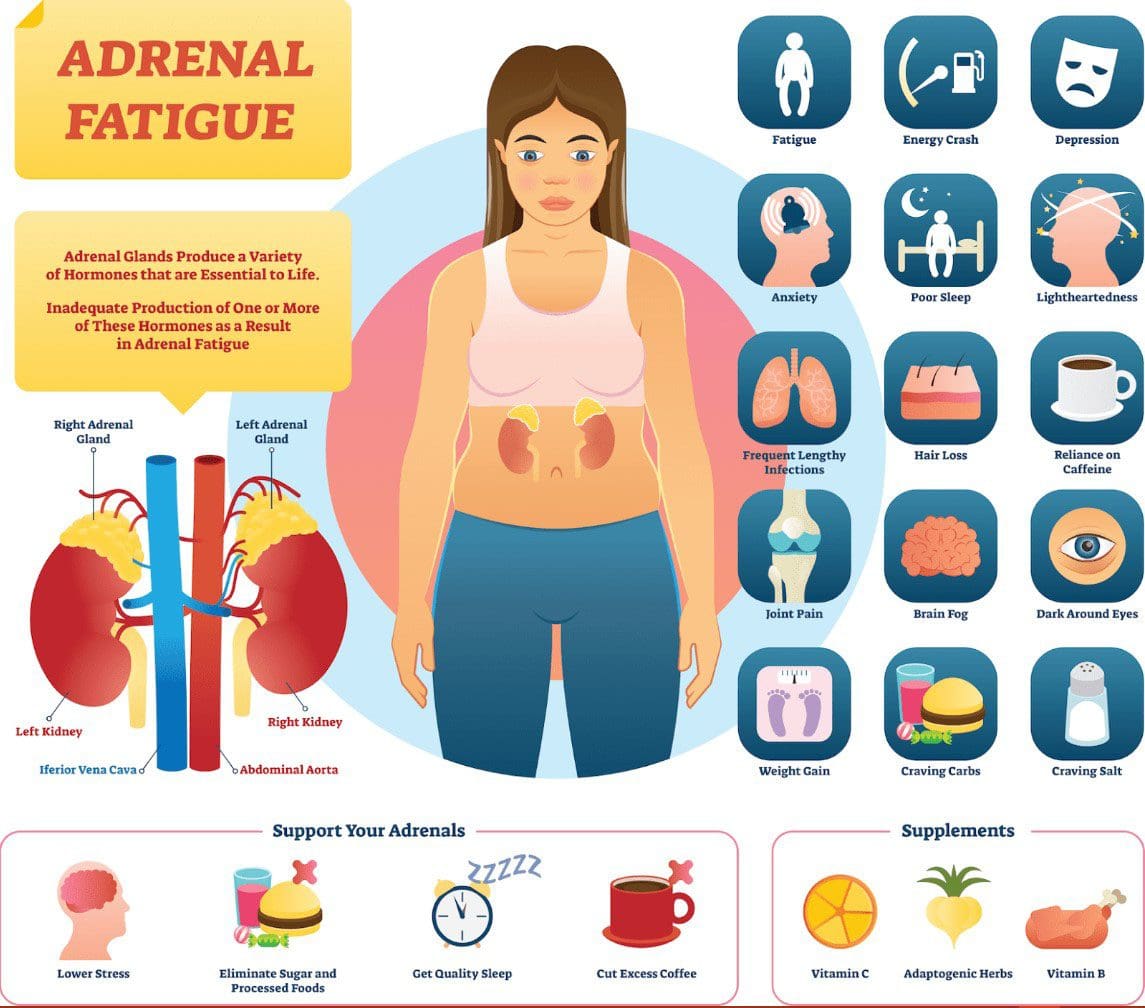
The adrenal glands are small and sit above the kidneys. The glands help the body burn fat and protein and regulate sugar, blood pressure, and stress response. They create, release, and regulate hormones like cortisol and adrenaline. Conditions like chronic fatigue, brain fog, and burnout cause individuals to be exhausted during the day and unable to fall asleep at night. Symptoms can also include hair loss, weight fluctuation, increased cravings, and difficulty recovering from illness. Nutrition support plays a major role in healing adrenal fatigue.
Nutrition Support
Adrenal fatigue nutrition support is a food-based approach to optimize adrenal gland function. The objective is to increase energy levels naturally, so the body doesn’t burn stored nutrients. Adrenal gland optimization involves learning ways to reduce and manage stress, getting healthy sleep, and making lifestyle adjustments.
Adrenal Fatigue
When stress activates, the adrenal glands release cortisol. Researchers theorize that when the body experiences high levels of chronic stress, the adrenal glands may not be able to produce enough cortisol to maintain healthy function, which can lead to adrenal fatigue.
Adrenal fatigue should not be confused with adrenal insufficiency, a verified medical condition where the adrenal glands cannot produce enough hormones.
Fatigue Symptoms
Symptoms of adrenal fatigue include:
Chronic low energy levels
Difficulty waking up
Difficulty falling asleep
Increased cravings for salt or sugar
Dependence on stimulants like caffeine
Other health conditions could also cause symptoms.
Foods to Avoid
Decreasing foods and drinks high in refined and processed sugar and unhealthy fats are recommended. Some foods to limit include:
It’s also recommended to time meals to help manage blood sugar levels. Skipping meals forces the body to burn stored nutrients that can reduce energy levels. Maintaining breakfast and lunch and regular balanced snacks can help maintain energy levels throughout the day. Maintaining hydration is also important, as dehydration can influence stress levels and cause the adrenal glands to produce cortisol.
Recommended Foods
Doctors and nutritionists recommend balancing nutrient-dense sources of protein, healthy fats, and carbohydrates. Nutrition support foods include:
Lean meats
Fatty fish – Salmon and sardines are great protein sources as they are loaded with healthy omega-3 fatty acids, which can reduce inflammation and promote improved brain health.
Leafy greens – These vegetables contain magnesium, like spinach, kale, and Swiss chard. The body needs magnesium to carry out various functions, which also helps the body relax and manage stress more effectively. When there is trouble falling asleep, it could be a deficiency in this mineral.
Sea salt – Individuals with adrenal fatigue experience electrolyte imbalances. This is caused by a deficiency in the steroid hormone aldosterone. Adding sea salt will help balance electrolytes and minimize symptoms, specifically those related to blood pressure.
Olive oil
Avocado – The body needs a good amount of healthy fat to help the body heal. A low-fat diet is not ideal for dealing with hormonal issues like adrenal fatigue, as the body needs fat and cholesterol to produce hormones. Avocados contain high monounsaturated fats and fiber that help the body detox and digest food more efficiently.
Healing
A nutrition plan addressing adrenal fatigue can increase energy levels, regulate blood pressure, and promote healthier eating habits. Talking with your doctor and a nutritionist is recommended for optimal results, as they can develop a personalized health plan that addresses the following:
Lifestyle adjustments
Healthy sleep schedule
Managing stress
Physical activity
We are here for you at Injury Medical Chiropractic and Functional Wellness Clinic to learn more about adrenal fatigue and how to manage it. Contact us for more information on our services or to schedule an appointment for a consultation.
Adrenal Dysfunction Patterns
References
ABDULLA, Jehan, and B. DJ Torpy. “Chronic Fatigue Syndrome.” Endotext, edited by Kenneth R Feingold et al., MDText.com, Inc., 20 April 2017.
Allen, Loyd V Jr. “Adrenal fatigue.” International journal of pharmaceutical compounding vol. 17,1 (2013): 39-44.
Galland, Leo. “The gut microbiome and the brain.” Journal of medicinal food vol. 17,12 (2014): 1261-72. doi:10.1089/jmf.2014.7000
Immune system health and keeping the system strong and healthy can be accomplished by maintaining healthy eating habits. Eating foods rich in specific vitamins and supplements can help the immune system fight off illness, maintain energy levels, and help during injury recovery. Here we look at choosing foods with the right vitamins to build and strengthen the immune system throughout the year.
Immune System Health
The immune system consists of complex cells, processes, and chemicals that constantly defend the body against invading pathogens, including viruses, toxins, and bacteria. Keeping the immune system healthy year-round is key to infection and disease prevention. Healthy lifestyle choices consist of the following:
Nutritious food, healthy sleep, physical activity, and exercise are the most important ways to strengthen the immune system.
Supplementing certain vitamins, minerals, and herbs can help improve immune response.
However, some supplements can interact with prescription or over-the-counter medications.
Certain supplements may not be recommended for individuals with certain health conditions.
Research has found that selenium activates the immune system when there is a threat and signals when to slow or shut down immune responses.
Selenium keeps the immune system from overworking.
Selenium protects from chronic inflammation and autoimmune diseases like rheumatoid arthritis, Crohn’s disease, and psoriasis.
Selenium Foods
Foods from highest to lowest levels of selenium.
Brazil nuts
Tuna
Halibut
Canned sardines
Lean meats
Cottage cheese
Brown rice
Eggs
Oatmeal
Milk
Yogurt
Lentils
Nuts
Seeds
Peas
Increase Water Intake
Maintaining healthy hydration can increase immune health.
Water helps the body produce lymph, which carries white blood cells and other immune system cells.
Try to balance out dehydrating beverages, like coffee and soda.
Try eating more hydrating foods like cucumbers, celery, lettuce, and strawberries.
Immune System Health
References
Chaplin, David D. “Overview of the immune response.” The Journal of allergy and clinical immunology vol. 125,2 Suppl 2 (2010): S3-23. doi:10.1016/j.jaci.2009.12.980
Halliwell, B. “Antioxidants in human health and disease.” Annual review of nutrition vol. 16 (1996): 33-50. doi:10.1146/annurev.nu.16.070196.000341
Lewis, Erin Diane, et al. “Regulatory role of vitamin E in the immune system and inflammation.” IUBMB life vol. 71,4 (2019): 487-494. doi:10.1002/iub.1976
Mora, J Rodrigo, et al. “Vitamin effects on the immune system: vitamins A and D take center stage.” Nature reviews. Immunology vol. 8,9 (2008): 685-98. doi:10.1038/nri2378
Nicholson, Lindsay B. “The immune system.” Essays in biochemistry vol. 60,3 (2016): 275-301. doi:10.1042/EBC20160017
Shakoor, Hira, et al. “Immune-boosting role of vitamins D, C, E, zinc, selenium and omega-3 fatty acids: Could they help against COVID-19?.” Maturitas vol. 143 (2021): 1-9. doi:10.1016/j.maturitas.2020.08.003
Making and maintaining healthy lifestyle changes does not have to be as challenging when surrounded by family, friends, and loved ones who support those goals. Healthy gifts or the gift of wellness can be the real difference in improving one’s or another’s health this season. With the right health tools, individuals can make, see and feel the changes happening. Here is a list of a few of the best healthy holiday gifts to help your loved ones begin the New Year with a healthy perspective.
Healthy Gifts
Compact Treadmill and Walking Pad
Walking daily is an integral part of overall wellness. The body was designed to move, and walking about 8,000 steps daily has been shown to reduce all-cause mortality compared to sedentary lifestyles. Unfortunately, it’s estimated that many individuals only walk around 5,000 steps daily.
In inclement weather, they allow individuals to walk and complete a workout.
Smaller walking pads can be installed under a standing desk for easy and effective movement during the workday.
Top Blender
Individuals that take supplements could benefit from a high-quality, all-purpose blender.
A quality blender easily whips healthy smoothies, protein shakes, and other healthy beverages.
Athletes can incorporate protein powder into their drinks.
Certain high-tech blenders double as water infusers to reach hydration goals.
Percussive Massagers and Foam Roller Sets
Muscle recovery and maintaining flexibility are essential for body health. Recovery-specific tools can help immensely.
A personal percussive massager uses vibration therapy to keep the muscles loose and release endorphins.
Percussive massage treatment relieves soreness, stretches out the muscles, and improves flexibility and muscle strength in older individuals with sarcopenia or age-related muscle mass loss.
Self-myofascial release tools like foam rollers can help roll out sore muscles while improving range of motion and muscle strength.
Athletic Earbuds
Research from workout enthusiasts and athletes has shown that having the right music or podcast makes or breaks the workout or sport.
The research found that music can have an ergogenic effect on performance by increasing exercise duration and performance.
Sweat-free earbuds are recommended as they are designed specifically for athletes, increasing their comfort and staying in place during their entire workout, no matter how intense.
Air Fryer
Deep-fried foods can be full of unhealthy saturated fats and trans fats and are associated with various health concerns, including cardiovascular issues and type 2 diabetes.
Air frying offers a healthier way to cook favorite foods, like fried chicken, French fries, fried vegetables, etc.
Air fryers rely on convection heat that circulates to crisp up the food.
This method is healthier than traditional frying methods.
A study found that air-frying French fries led to a reduced formation of potential food hazards versus deep-frying.
In addition, air frying can also be incorporated into baking or roasting.
These units can keep track of lean body mass, metabolism, and neuromuscular function.
They measure body fluid balance, muscle mass, and fat distribution.
They offer real metrics for current skeletal muscle mass.
Data points help individuals better understand their health.
Meditation Mats and Benches
Mental health is as vital as physical health.
Incorporating mindfulness and meditation exercises daily can improve mental and physical well-being and encourage long-term behavioral changes.
Regular meditation practice can help improve sleep quality, mood, and body repair and recovery from work, school, sports, workouts, etc.
Meditation mats and benches can make seated and kneeling meditation practices more comfortable.
Therapeutic Environment of Insight
References
Dong, Lu et al. “Effects of Air Frying on French Fries: The Indication Role of Physicochemical Properties on the Formation of Maillard Hazards, and the Changes of Starch Digestibility.” Frontiers in nutrition vol. 9 889901. 27 Apr. 2022, doi:10.3389/fnut.2022.889901
Pinho, Alexandre S et al. “Can We Rely on Mobile Devices and Other Gadgets to Assess the Postural Balance of Healthy Individuals? A Systematic Review.” Sensors (Basel, Switzerland) vol. 19,13 2972. 5 Jul. 2019, doi:10.3390/s19132972
Rusch, Heather L et al. “The effect of mindfulness meditation on sleep quality: a systematic review and meta-analysis of randomized controlled trials.” Annals of the New York Academy of Sciences vol. 1445,1 (2019): 5-16. doi:10.1111/nyas.13996
Thakare, Avinash E et al. “Effect of music tempo on exercise performance and heart rate among young adults.” International journal of physiology, pathophysiology and pharmacology vol. 9,2 35-39. 15 Apr. 2017
Wu, S., Ning, HT., Xiao, SM. Effects of vibration therapy on muscle mass, muscle strength and physical function in older adults with sarcopenia: a systematic review and meta-analysis. Eur Rev Aging Phys Act 17, 14 (2020). https://doi.org/10.1186/s11556-020-00247-5
Ankylosing spondylitis, or AS, is a type of inflammatory arthritis that usually impacts the spine, causing back stiffness and pain, pain in the hips, and decreased range of motion. Brain fog can also be a symptom of AS and other chronic inflammatory conditions. Brain fog can affect memory, concentration, decision-making, learning, and problem-solving. Injury Medical Chiropractic and Functional Medicine Clinic can educate on the causes of ankylosing spondylitis brain fog and how to reduce its effects.
Brain Fog
Experts do not fully understand how conditions like AS cause brain fog and how it affects the brain and central nervous system. However, they believe brain fog is linked to chronic inflammation and pain associated with the condition, along with certain factors.
Chronic Inflammation
Inflammation occurs when the body’s immune system attacks healthy cells.
This triggers the release of inflammation-causing cytokines.
Cytokines can interfere with normal brain function.
Ankylosing Spondylitis Chronic Pain
Chronic pain can cause fatigue and unhealthy sleep quality.
Fatigue and poor sleep can worsen chronic pain, leading to intense fatigue and extreme sleep issues, becoming a vicious cycle.
Corticosteroids
Doctors typically treat ankylosing spondylitis with corticosteroids.
Individuals with cardiovascular risk factors have an increased risk of brain fog from the medications.
Depression
Individuals with AS can present symptoms of depression, which has been linked to cognitive impairment.
Depression can contribute to the development of brain fog.
Cornelson, Stacey M et al. “Chiropractic Care in the Management of Inactive Ankylosing Spondylitis: A Case Series.” Journal of chiropractic medicine vol. 16,4 (2017): 300-307. doi:10.1016/j.jcm.2017.10.002
Creaky Joints. (September 17, 2018) “You can ease inflammatory arthritis brain fog with these 12 tips for a sharper mind.” https://creakyjoints.org/living-with-arthritis/arthritis-brain-fog/
Vitturi, Bruno Kusznir et al. “Cognitive Impairment in Patients with Ankylosing Spondylitis.” The Canadian journal of neurological sciences. Le journal canadien des sciences neurologiques vol. 47,2 (2020): 219-225. doi:10.1017/cjn.2020.14
Zhang, Jun-Ming, and Jianxiong An. “Cytokines, inflammation, and pain.” International anesthesiology clinics vol. 45,2 (2007): 27-37. doi:10.1097/AIA.0b013e318034194e
Preparing for the holidays is exciting but can generate intense stress and anxiety. This can cause individuals to feel tired constantly, which can lead to other issues like sleep problems, brain fog, digestive issues, and musculoskeletal disorders. Chiropractic care can return the body to optimal function, increasing circulation, restoring spinal alignment, re-energizing the mind and body, and preventing future fatigue and exhaustion.
Exhaustion and Fatigue
Primary causes of fatigue and exhaustion are stress, overworking, school work, lack of sound sleep, excessive caffeine or other energy boosters, and the holidays.
Stress Reduction
Stress is a leading contributor to fatigue and exhaustion.
Stress causes the muscles to contract, restricting blood circulation.
Chronic stress causes the musculoskeletal system to be in a state of continued constriction.
Constant muscle tension can cause injury and chronic conditions that can lead to secondary disorders like tension headaches and migraines.
Quality Sleep
High-quality rest means falling asleep naturally, staying asleep through the night comfortably, and waking rested and refreshed.
Lack of enough sleep strains the nervous system.
Not enough sleep or disruptions to the sleep-wake cycle (that can happen with shift work or traveling work) can cause physiological fatigue.
This causes reduced motor skills, similar to having a blood alcohol content of 0.1.
Nutrition
Proper nutrition is key to overall health and stress management. An unhealthy diet can be the main cause of fatigue. Just like putting the wrong gas into your car can cause major issues stalling or stopping entirely. The same is true with the body. The body is a complicated engine that requires healthy fuel to work properly.
Macronutrients(fat, carbohydrates, and protein) and Micronutrients (vitamins and minerals) are essential.
Chiropractic Care and Functional Medicine
Chiropractic care can be a long-term solution for fatigue and exhaustion.
Spine Realignment
Spinal realignment resets the body through better posture and brain function through the improved circulation flowing through the spinal cord.
Optimal spinal realignment:
Relieves headaches
Alleviates discomfort symptoms
Increases energy
Restores range of motion
Relieve Pressure On The Nerves
Chiropractic releases pressure on the nerves.
The central nervous system’s response to pain, energy levels, comfort, and mobility is impacted by the health of the nerves.
Just a minimal amount of pressure can reduce the strength of a nerve by 90%.
Nerves that are not working correctly have difficulty transmitting messages, often causing pain.
Loosen Tense Muscles
Chiropractic care and massage therapy can help relieve the tension in overworked muscles.
Fatigue and exhaustion can cause the muscles to work harder/overcompensate to try to maintain balance.
Over time, the muscles can’t keep it up and become frozen and tense.
Nervous System Regulation
Chiropractic care can restore nervous system function.
When the spine is not correctly aligned, the electrical impulses are not transmitted properly.
Common side effects include headaches, neck and back problems, and digestive issues.
Chiropractic care can restore the body to a refreshed and rejuvenated state. It can improve circulation, rebalance the body, increase oxygen levels and strengthen the immune system.
Adrenal Insufficiency: Symptoms, Diagnosis, and Treatment
References
Azzolino, Domenico, et al. “Nutritional Status as a Mediator of Fatigue and Its Underlying Mechanisms in Older People.” Nutrients vol. 12,2 444. 10 Feb. 2020, doi:10.3390/nu12020444
Chaudhuri, Abhijit, and Peter O Behan. “Fatigue in neurological disorders.” Lancet (London, England) vol. 363,9413 (2004): 978-88. doi:10.1016/S0140-6736(04)15794-2
Evans, William J, and Charles P Lambert. “Physiological basis of fatigue.” American journal of physical medicine & rehabilitation vol. 86,1 Suppl (2007): S29-46. doi:10.1097/phm.0b013e31802ba53c
Finsterer, Josef, and Sinda Zarrouk Mahjoub. “Fatigue in healthy and diseased individuals.” The American journal of hospice & palliative care vol. 31,5 (2014): 562-75. doi:10.1177/1049909113494748
Rosenthal, Thomas C et al. “Fatigue: an overview.” American family physician vol. 78,10 (2008): 1173-9.
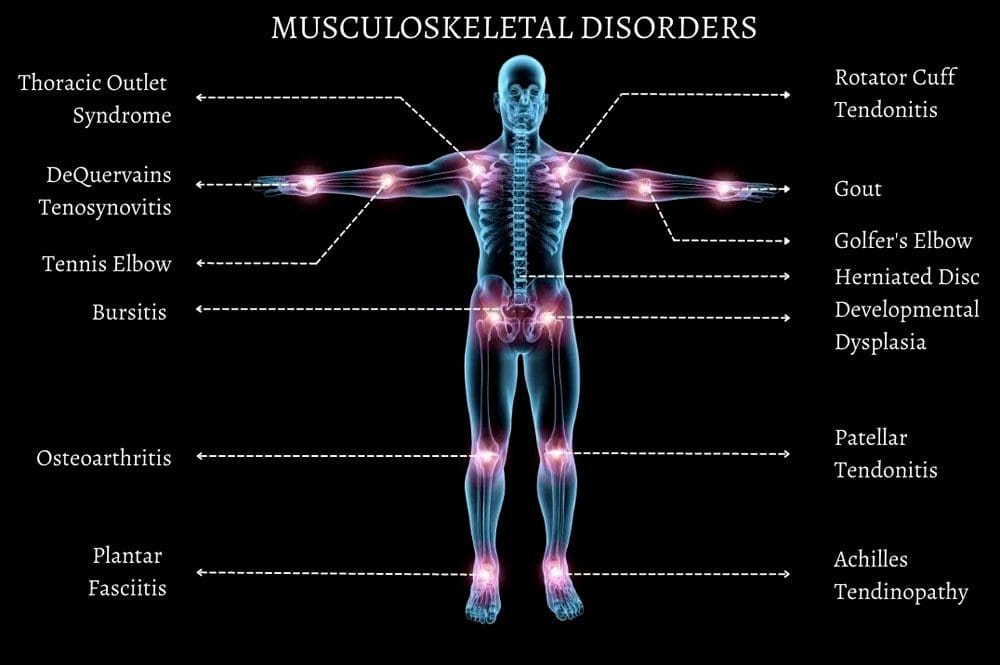
Chiropractic treatment focuses on the musculoskeletal and nervous systems. As with all body systems, specific nutrients protect and increase their functional strength. Various chiropractic-recommended supplements can help in the treatment of musculoskeletal issues and help transform an individual’s health.
Chiropractic Education
Chiropractors study food-based supplements that are bio-available to cells and are easily absorbed by the body. These food-based supplements and vitamins are seen as food by the body. Supplements are used in detoxification to overcome nutritional deficiencies and enhance an individual’s diet by taking nutrients to optimum levels. Immune system health can also be strengthened by keeping the body resistant to diseases.
Functional Nutrition
Chiropractic medicine study’s all the building blocks of the body that, include:
Holistic nutrition teaches that the body heals from within, which is why healing the gut first, is essential to healing the rest of the body and maintaining health.
Recommended Chiropractic Supplements
Dietary supplements that directly impact the health of the musculoskeletal and the nervous system.
Potassium
Potassium is an important regulator of nerve impulses.
Electrochemical signals or action potentials use potassium and sodium to generate responses from cells in the nervous system.
Potassium is necessary for turning off nerve impulses and preventing the uncontrolled signaling of nerves.
Uncontrolled signaling can lead to movement disorders.
Calcium
Calcium is necessary for the regulation of the action potentials throughout the body.
Calcium helps initiate action potentials and helps the cells return to a normal state afterward.
Calcium contributes to the development of the nervous system helping guide the nerve cells.
Calcium is a major element of bone health to repair bones’ and facilitate regrowth.
The body will take the calcium from the bones if there is a calcium deficiency.
Vitamin D
One of the most important nutrients for bone health.
Vitamin D helps promote bone development and growth.
Facilitates calcium absorption helping the body process and absorb the calcium.
B12 is essential to the function of the nervous system and the body’s metabolism.
B12 breaks complex carbohydrates into more simplistic glucose for basic functions.
B12 helps maintain the nerve insulator myelin, which is necessary for nerve transmission.
B12 deficiency has been linked to the loss of myelin and can lead to serious conditions like Alzheimer’s.
B12 shots deliver the nutrient directly to the bloodstream bypassing the absorption process necessary for oral supplements.
Vitamin K
Vitamin K helps balance and facilitate calcium absorption.
Vitamin K helps strengthen bones and increase bone density.
Often recommended for individuals with osteopenia and osteoporosis to help prevent fractures.
How To Choose Supplements
References
Lee, Mi Kyung, et al. “The use of nutritional guidance within chiropractic patient management: a survey of 333 chiropractors from the ACORN practice-based research network.” Chiropractic & manual therapies vol. 26 7. 20 Feb. 2018, doi:10.1186/s12998-018-0175-1
Nguyen, Douglas L. “Guidance for supplemental enteral nutrition across patient populations.” The American journal of managed care vol. 23,12 Suppl (2017): S210-S219.
Pludowski, Pawel, et al. “Vitamin D effects on musculoskeletal health, immunity, autoimmunity, cardiovascular disease, cancer, fertility, pregnancy, dementia and mortality-a review of recent evidence.” Autoimmunity reviews vol. 12,10 (2013): 976-89. doi:10.1016/j.autrev.2013.02.004
Song, Yong-Ak, et al. “Electrochemical activation and inhibition of neuromuscular systems through modulation of ion concentrations with ion-selective membranes.” Nature materials vol. 10,12 980-6. 23 Oct. 2011, doi:10.1038/nmat3146
IFM's Find A Practitioner tool is the largest referral network in Functional Medicine, created to help patients locate Functional Medicine practitioners anywhere in the world. IFM Certified Practitioners are listed first in the search results, given their extensive education in Functional Medicine








 Brain Fog

 Chiropractic Education