Nerve impingement, sciatica, disc herniation/degeneration, or spinal stenosis can cause sharp, debilitating nerve pain causing electric shocks, pins, needles, or burning sensations along the back or into the arms and legs. In combination with additional chiropractic treatment modalities, spinal decompression therapy effectively relieves the pain and disability resulting from disc injury and degeneration, repairs the damaged discs, and reverses nerve dystrophy. Part of the treatment involves a proper diet to deliver healing nutrients to the spine.
Healing Nutrients
The spine supports the entire body to perform motions and movements and needs the proper healing nutrients, especially after chiropractic and decompression therapy. There are vitamins and minerals that are critical for a healthy spine. These ensure that the bones, muscles, discs, and other tissues function correctly. There are nutrients that are essential to the immune system; if they are not present, the ability to heal and recover properly is reduced and takes longer. Nutrients commonly used in immunonutrition include:
Nucleotides
Antioxidants
Arginine
Glutamine
Omega-3
All are found naturally in certain foods and nutritional supplements and are essential in healing from injuries, like a herniated disc, sciatica, degenerative disc disease, and back or neck surgery.
Nucleotides
Every cell in the body contains nucleotides, which help make up and maintain DNA and RNA.
DNA and RNA production is necessary for cell repair and regrowth.
When the body is experiencing a stressful health issue like back or neck pain, it needs more nucleotides.
The body produces and recycles nucleotides and absorbs them through food.
All-natural plant- and animal-based food sources contain nucleotides.
Antioxidants
Antioxidants maintain and restore healthy tissues by reducing oxidative stress.
Oxidative stress is associated with chronic inflammation.
Inflammation is necessary during healing, but chronic inflammation can be destructive.
Omega-3 supplementation can help decrease chronic inflammation.
Omega-3 foods include:
Salmon
Eggs
Walnuts
Flaxseed
Spinach
Spinal decompression gently stretches the spine, creating a vacuum inside the discs and joints. The negative pressure helps heal disc bulges and herniated discs. The lengthened spine allows healing nutrients and water to flow correctly, reducing swelling and inflammation and improving joint motion.
DRX9000 Explicada En Español
References
Chen, Linlin, et al. “Inflammatory responses and inflammation-associated diseases in organs.” Oncotarget vol. 9,6 7204-7218. 14 Dec. 2017, doi:10.18632/oncotarget.23208
Daniel, Dwain M. “Non-surgical spinal decompression therapy: does the scientific literature support efficacy claims made in the advertising media?.” Chiropractic & osteopathy vol. 15 7. 18 May. 2007, doi:10.1186/1746-1340-15-7
Dionne, Clermont E et al. “Serum vitamin C and spinal pain: a nationwide study.” Pain vol. 157,11 (2016): 2527-2535. doi:10.1097/j.pain.0000000000000671
Napier, Zachary, et al. “Omega-3 Fatty Acid Supplementation Reduce Intervertebral Disc Degeneration.” Medical science monitor: international medical journal of experimental and clinical research vol. 25 9531-9537. 14 Dec. 2019, doi:10.12659/MSM.918649
Zolfaghari, Farid, et al. “A Survey of Vitamin D Status in Patients with Degenerative Diseases of the Spine.” Asian spine journal vol. 10,5 (2016): 834-842. doi:10.4184/asj.2016.10.5.834
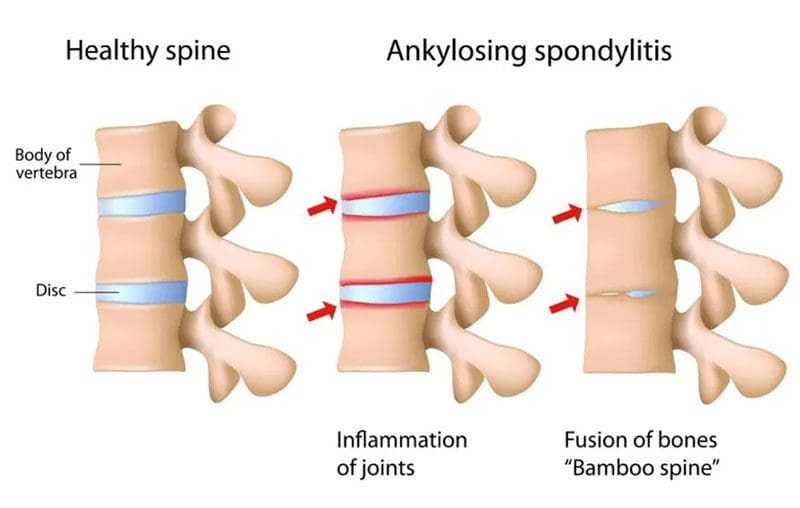
Spondylitis Anti-Inflammation Diet: Individuals who have a chronic back pain condition can be recommended to have two or more vertebrae fused to correct the problem/s and alleviate the pain. However, a form of inflammatory spinal arthritis can cause the vertebrae to fuse by themselves, known as ankylosing spondylitis. One recommended way to bring pain relief is by eating an anti-inflammatory diet. Studies have shown that a low-inflammatory diet can help improve spondylitis symptoms.
Spondylitis Anti-Inflammation Diet
Ankylosing spondylitis is a progressive inflammatory disease that primarily affects the spine; however, individual symptoms vary. Symptoms include stiffness and pain in the neck, hips, low back, and fatigue. There is no definite pattern meaning:
Symptoms can improve.
Symptoms can worsen or flare up.
Symptoms can stop for a period of time.
Women are affected more often than men with no known cause. There is no cure for ankylosing spondylitis, but treatments and self-care can slow down the disease’s progression and help manage symptoms.
Diet and Inflammation
Diet is not the root cause of inflammatory disease, but eating inflammation-causing foods can worsen symptoms. Reducing inflammation can help alleviate pain.
Eliminating foods that cause or increase inflammation is recommended to help the body become stronger and manage symptoms.
Functional medicine practitioners can help guide individuals on maximizing healthy nutrition and using it to reduce pain and symptoms.
If an individual has a genetic predisposition, their diet can be crucial to calm down the symptoms and help turn the autoimmune disease around.
A spondylitis anti-inflammation diet should be rich in vegetables, fruit, whole grains, and omega-3 fatty acids. Evidence shows that a diet low in starches can lead to less ankylosing spondylitis activity. Low-starch can also help limit the presence of Klebsiella pneumoniae, a bacteria that feeds on starch and is a known trigger for the onset and development of ankylosing spondylitis.
Foods To Eat
Leafy greens
These include spinach, kale, Swiss chard, and collard greens containing magnesiumand polyphenols that reduce inflammation.
These can be raw or cooked with garlic and olive oil added to maximize benefits.
Cruciferous vegetables
These contain sulforaphane, anantioxidantthat includes broccoli cauliflower and can be eaten raw or cooked, roasted with olive oil, sauteed, and stir-fried.
Allium Vegetables
These contain sulfuric compounds and quercetin,a flavonoidthat helps reduce inflammation.
These include red and yellow onions, leeks, garlic, and shallots.
They can be eaten raw or cooked in salads, stir-frys, and sandwiches.
Berries
These contain anthocyanin,an antioxidant flavonoid, and other antioxidants and polyphenols that help with inflammation.
These include strawberries, raspberries, blueberries, blackberries and can be eaten raw, in smoothies, in salads, with oatmeal, or mixed in unsweetened yogurt.
Fruits
Certain fruits contain quercetin and polyphenols to help with inflammation.
These include apples, cherries, oranges.
Healthy oils
Contain oleocanthalwhich acts similar to nonsteroidal anti-inflammatory medications and contains various antioxidants.
These include olive oil for low heat cooking and avocado oil for high heat cooking to replace butter and margarine.
It can be served in dressings and drizzled on foods.
Examples include walnuts, almonds, peanuts, pistachios, chia seeds, and ground flaxseeds.
These can be served as snacks, salads, mixed in side dishes, topping, or added to unsweetened yogurt or oatmeal.
Fatty fish
Omega-3 fatty acids help reduce inflammation.
Examples include salmon, cod, rainbow trout, mackerel, and sardines.
These can be baked, sauteed, grilled, mixed into salads, and stir fry.
Avoid These Foods
When making lifestyle adjustments for a spondylitis anti-inflammation diet, focus on reducing or removing processed foods and saturated fats. These include:
Sugars from all sources like soda, sugary drinks, shakes, candy, and desserts.
Trans fats, like those in fried foods like chips and fries.
Individuals may not be symptomatic with certain foods, but that doesn’t mean the foods should be consumed. Gluten, dairy, and eggs can cause potential problems as they compromise the gut and the immune system. These can set back the individual’s healing or remission.
Body Composition
What Happens To The Body When Eating Fruit
Fruit is made up of simple sugar called fructose, providing the body with a carbohydrate energy source. The natural sugar the body gets from a piece of fruit is not the same as processed fructose added to processed products like fructose corn syrup. Processed products are typically filled with empty calories and very little nutrition. When the body has fruit, the liver processes fructose before getting absorbed through the small intestine. Research shows that exposing the gut to more fiber-rich foods like fruit helps the gut achieve an anti-obese condition by increasing the good bacteria and reducing the obese bacteria. Essential nutrients from fruit include:
Folate
Vitamin C
Vitamin B1
The USDA recommends making half of each meal/plate be fruit and vegetables.
References
Harvard Health Publishing. (November 16, 2021) “Foods that Fight Inflammation.” https://www.health.harvard.edu/staying-healthy/foods-that-fight-inflammation
Macfarlane, Tatiana V et al. “Relationship between diet and ankylosing spondylitis: A systematic review.” European journal of rheumatology vol. 5,1 (2018): 45-52. doi:10.5152/eurjrheum.2017.16103
Nielsen, Forrest H. “Magnesium deficiency and increased inflammation: current perspectives.” Journal of inflammation research vol. 11 25-34. January 18 2018, doi:10.2147/JIR.S136742
Rashid T, Wilson C, Ebringer A. The Link between Ankylosing Spondylitis, Crohn’s Disease, Klebsiella, and Starch Consumption. Clin Dev Immunol. 2013;2013:872632. doi: 10.1155/2013/872632.
Sharma, Satya P et al. “Paradoxical Effects of Fruit on Obesity.” Nutrients vol. 8,10 633. 14 Oct. 2016, doi:10.3390/nu8100633
van Buul, Vincent J et al. “Misconceptions about fructose-containing sugars and their role in the obesity epidemic.” Nutrition research reviews vol. 27,1 (2014): 119-30. doi:10.1017/S0954422414000067
Chiropractors understand the need to treat the whole body to reduce and alleviate pain. Many types of pain are caused by inflammation. Inflammation is a natural and healthy response to injury; however, chronic inflammation is not. Low-grade chronic inflammation can lead to health problems like obesity, diabetes, arthritis, dementia, heart disease, stroke, and cancer. If not treated, chronic inflammation can spread throughout the body, causing pain and aggravation. When it comes to nutritional health, the foods can worsen chronic pain. Chiropractors and doctors recommend an anti-inflammation diet for chronic pain.
Anti-Inflammation Diet
When the body gets injured, the nervous system sends signals to the immune system to send chemicals and new red and white blood cells needed for healing. The immune system works correctly when it fights infection by activating when the body recognizes anything foreign entering the system. This could be plant pollen, chemicals, or invading microbes. Studies show that individuals get 50 percent of their calories from sugar, white flour, vegetable oil, and industrial seed oils. These foods are known to increase inflammation in the body. Eating foods that trigger the immune system, like refined white flours or sugar, creates inflammation that does not turn off because the information sent constantly signals an injury exacerbating inflammation and pain.
Foods That Cause Inflammation
The following foods should be avoided or limited as much as possible:
Sugary beverages and soda drinks.
Margarine and lard.
Gluten and white pasta.
Refined carbohydrates in white bread and pastries.
Processed meat like sausages and hot dogs.
Red meat like steaks and burgers.
Fried foods that are high in trans fats, like chips and fries.
Excessive alcohol.
Some of these foods have been associated with chronic diseases that include:
Foods high in natural antioxidants include apples and blueberries. Antioxidants are reactive molecules that can reduce the number of free radicals in the diet. A free radical is a molecule that has the potential to alter and damage the cells in the body. Damaged cells increase the risk of disease development.
Chiropractic Inflammation Relief
Chiropractic physiotherapy strengthens the body by strengthening the immune system removing any blockage. This maintains the natural flow of blood and nutrients throughout the body, increasing the immune system’s defense. Changing to an anti-inflammation diet can help boost the immune system but can be a challenging adjustment. Discuss available options to manage pain relief and inflammation.
Body Composition
Muscle Is Not Just For Athletes
Many individuals think that muscle gain is only necessary for athletes. Not everyone wants to be muscular, but everyone needs to be able to fight off sickness from infection/s. Muscle is made up primarily of water and protein. Protein is an essential macronutrient that the body needs to function correctly. When the body enters a stressed state like becoming sick, the body’s protein demands suddenly increase up to four times the amount usually required. If the body does not get the necessary protein from the food, it will begin to take what it needs from the muscles and start breaking them down. If muscles aren’t sufficiently developed or underdeveloped, the body becomes reduced in its ability and strength to fight off infections and increases the chances for future ones.
References
Haß, Ulrike et al. “Anti-Inflammatory Diets and Fatigue.” Nutrients vol. 11,10 2315. 30 Sep. 2019, doi:10.3390/nu11102315
Owczarek, Danuta et al. “Diet and nutritional factors in inflammatory bowel diseases.” World journal of gastroenterology vol. 22,3 (2016): 895-905. doi:10.3748/wjg.v22.i3.895
Sears, Barry. “Anti-inflammatory Diets.” Journal of the American College of Nutrition vol. 34 Suppl 1 (2015): 14-21. doi:10.1080/07315724.2015.1080105
A healthy diet and proper nutrition are essential for the body’s overall health and physical wellness. Improper nutrition can lead to the body’s inability to repair muscle, affect muscle density, affect fluid levels in the cells, organ function, and nerve function. Individuals who receive chiropractic treatment regularly tend to experience fewer colds and illnesses, reduced aches and pains, and improved mood overall. There are nutritional options and certain foods individuals are recommended to follow to get the most benefits from the chiropractic treatment. A healthy diet, proper hydration, exercise, and rest can help keep the body on the road to optimal health.
Poor Diet Inflammation
A poor diet and bad eating habits cause the body not to operate efficiently. The body becomes weary and tired, causing it to break down. Those who favor processed foods, sugar, and empty calories that have no nutritional value put their bodies at risk for inflammation. Inflammation can lead to muscle pain, joint pain, and other health conditions. Chronic inflammation over time can lead to:
DNA damage
Tissue death
Internal scarring
All are linked to the development of several diseases, including cancer.
Physical Wellness Foods
Individuals begin to feel much better and healthier when eating whole foods. It can be hard to make the switch for those that have been eating poorly for years, but once begun, most individuals feel better almost immediately.
Steamed Vegetables
Eat a variety of tolerable vegetables.
Steaming improves the utilization/availability of the food substances and reduces the irritating residue in the gut, allowing it to restore itself.
For anti-inflammation, it is recommended to avoid tomatoes, potatoes, eggplant, and bell peppers.
Nuts
Any nut that is tolerable except peanuts, like almonds, cashews, brazil nuts, sunflower seeds, and walnuts are all recommended.
Legumes
Any legumes tolerable like split peas, lentils, kidney beans, pinto beans, soybeans, mung beans, garbanzo beans, and adzuki beans.
Grains
It is recommended to eat one to two cups of cooked grains per day.
These include millet, basmati or brown rice, quinoa, barley, buckwheat, oatmeal, and amaranth.
It is recommended not to eat wheat, whole grain, or otherwise.
No bread, plan meals so that bread is not required, as bread can raise sugar levels and increase an inflammatory marker.
Fish
Deep-sea fish is preferred that includes salmon, halibut, cod, sardines, tuna, mackerel.
The fish should be poached, baked, steamed, or broiled.
No shellfish or swordfish.
Chicken and Turkey
Eat only white meat and do not eat the skin.
The chicken should be baked, broiled, or steamed.
Free-range or organic chicken is preferable.
Fruit
Raw is best, can be baked at a low temp and made into juice.
One of the essential things that chiropractors recommend is to cut out artificial sweeteners and excess sugar.
Small amounts of maple syrup, rice syrup, barley syrup, and honey can be used.
Sugar cravings can be avoided by eating protein with each meal.
Water and Herbal Teas
Drink 8 to 10 glasses of water every day.
Drink 2 to 4 cups of herbal tea, sipped slowly in the evening.
Body Composition
Antibiotics
Antibiotics are designed to cure bacterial infections by killing invading bacteria. However, antibiotics don’t separate the good bacteria from the bad. As a result, antibiotic therapy of only three to four days can alter gut microbe population and diversity. Studies have shown that children are particularly at risk as reduced gut bacteria diversity has been linked with childhood obesity. For this reason, make sure to follow a physician’s instructions when using antibiotics. Spending time outdoors regularly can help increase the body’s exposure to microbial diversity. Gardening is a great way to get dirty with soil to reacquaint the gut flora and maintain the body’s physical wellness.
References
Fritsche, Kevin L. “The science of fatty acids and inflammation.” Advances in nutrition (Bethesda, Md.) vol. 6,3 293S-301S. 15 May. 2015, doi:10.3945/an.114.006940
Kapczuk, Patrycja et al. “Żywność wysokoprzetworzona i jej wpływ na zdrowie dzieci i osób dorosłych” [Highly processed food and its effect on health of children and adults]. Postepy biochemii vol. 66,1 23-29. 23 Mar. 2020, doi:10.18388/pb.2020_309
Ricker, Mari Anoushka, and William Christian Haas. “Anti-Inflammatory Diet in Clinical Practice: A Review.” Nutrition in clinical practice: official publication of the American Society for Parenteral and Enteral Nutrition vol. 32,3 (2017): 318-325. doi:10.1177/0884533617700353
Serafini, Mauro, and Ilaria Peluso. “Functional Foods for Health: The Interrelated Antioxidant and Anti-Inflammatory Role of Fruits, Vegetables, Herbs, Spices and Cocoa in Humans.” Current pharmaceutical design vol. 22,44 (2016): 6701-6715. doi:10.2174/1381612823666161123094235
Wahlqvist, Mark L. “Food structure is critical for optimal health.” Food & function vol. 7,3 (2016): 1245-50. doi:10.1039/c5fo01285f
Proper nutrition can be difficult for individuals with work, school, and busy schedules to prepare fresh, healthy meals. Healthy food is essential for a healthy nervous system and spine to promote a healthy musculoskeletal system, metabolism, bone strength, tissue growth, and repair. The body requires more nutritional value to heal itself to support damage or injury.
Nervous System and The Spine
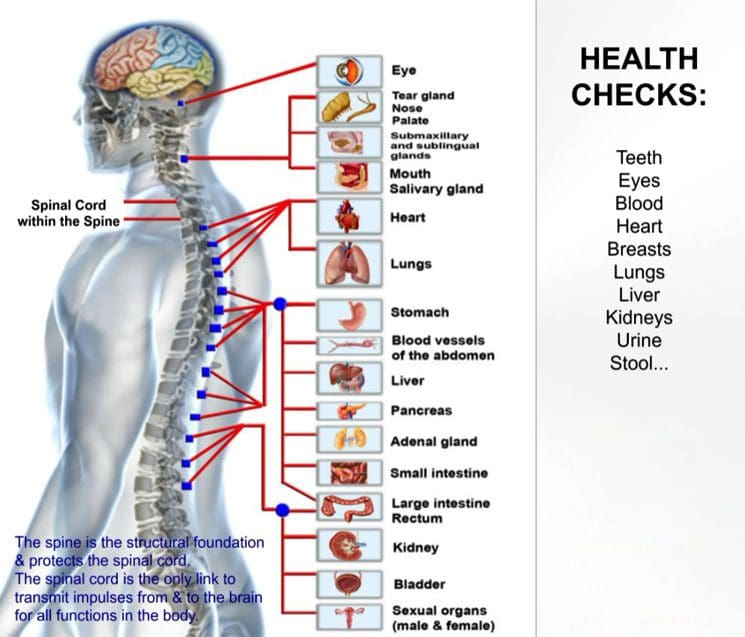
The nervous system runs throughout the body like an interstate highway and impacts every bodily function. Disrupting signals can cause a backup, like a massive traffic jam. At that point, no matter how healthy the diet is, the body is unable to process all the food thoroughly to break down all the nutrients. Chiropractic adjustments ensure that blood circulation and nerve energy flow function optimally so that messages sent from the brain and body are transmitted without disruption.
Disrupted Nervous System
The nervous system influences every part of the body, and digestion is no exception. The nervous system tells the body what it needs to do with the food/fuel. When the nervous system is unbalanced and experiencing problems, the nutrients that the body needs don’t get appropriately stored, broken down, or used correctly, leaving the body feeling not full and unsatisfied.
Nutrition Improves Musculoskeletal Health
It is essential to understand that nutrition and musculoskeletal health depend on a healthy nervous system and spine.
Food high in protein and calcium increases bone density.
Protein and calcium are vital as the body ages.
A healthy skeletal structure will ensure and maintain a healthy body.
Food is the primary source of nutrients for the body to rebuild and repair torn muscles.
The Relation Between Nutrition And Recovery
Nourishment plays a vital role in maintaining the body’s health and helps in reducing the risk of illness or injuries. There are several links between nutrition and recovery that includes:
Injury Rehabilitation
A diet rich in antioxidants like:
Berries
Apricots
Grapes
Milk
Nuts
The body becomes stronger to combat inflammation.
Foods rich in lean protein like:
Yogurt
Tofu
Beef
Provide the body with essential building blocks that help repair cellular damage.
Joint Or Back Pain Alleviation
Overweight and obesity generate unnecessary load on the spine or joints, resulting in back pain.
Reducing weight through proper nutrition filled with proteins and magnesium instead of unhealthy fats and calories will help reduce the strain being put on the musculoskeletal system.
Increased Energy Levels
Food high in sugar or preservatives makes the body feel sluggish and tired.
As a result, the body is constantly exhausted, fatigued, sleepy, and irritable.
Proper nutrition increases energy levels.
Maintaining the nervous system and spine’s overall health.
Body Composition
Malnutrition Risks
Malnutrition can be difficult to spot early, but there are various risk factors to recognize. These include:
Depression doubles the risk of malnutrition, especially among men.
References
Bollwein, J et al. “Nutritional status according to the mini nutritional assessment (MNA®) and frailty in community-dwelling older persons: a close relationship.” The journal of nutrition, health & aging vol. 17,4 (2013): 351-6. doi:10.1007/s12603-013-0034-7
Curtis, Elizabeth et al. “Determinants of Muscle and Bone Aging.” Journal of cellular physiology vol. 230,11 (2015): 2618-25. doi:10.1002/jcp.25001
Gentile, Francesco et al. “Diet, Microbiota and Brain Health: Unraveling the Network Intersecting Metabolism and Neurodegeneration.” International journal of molecular sciences vol. 21,20 7471. 10 Oct. 2020, doi:10.3390/ijms21207471
Oxland, Thomas R. “Fundamental biomechanics of the spine–What we have learned in the past 25 years and future directions.” Journal of biomechanics vol. 49,6 (2016): 817-832. doi:10.1016/j.jbiomech.2015.10.035
Pérez Cruz, Elizabeth et al. “Asociación entre desnutrición y depresión en el adulto mayor” [Association between malnutrition and depression in elderly]. Nutricion hospitalaria vol. 29,4 901-6. 1 Apr. 2014, doi:10.3305/nh.2014.29.4.7228
Making small adjustments to achieve a healthy lifestyle is not as difficult/complex as some may think. Here are some golden nutritional recommendations for longevity, and a healthy lifestyle. Understanding these golden suggestions is a first step towards developing and maintaining sustainable changes. Our health coach and nutritionist can develop an optimal customized nutritional program that is focused on teaching individuals how to promote lifelong transformations and become more connected with mind and body.
Vitamins
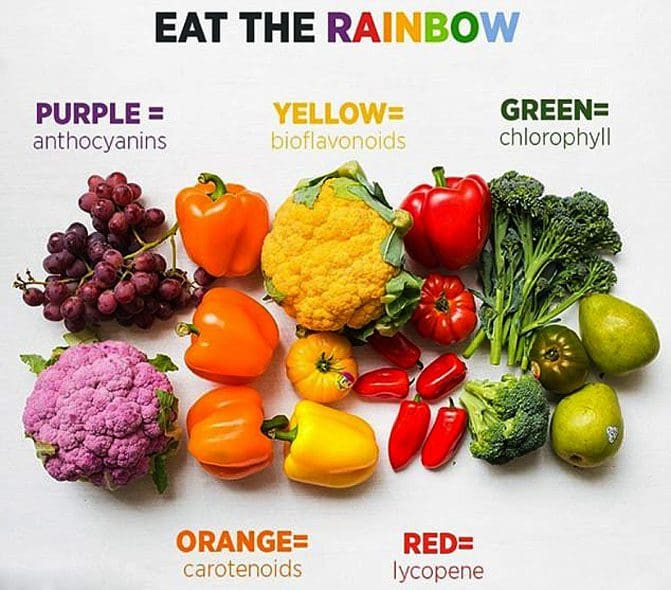
Consume plenty of fruits and vegetables at least six+ portions every day to ensure the body absorbs essential micronutrients, vitamins, minerals, phytochemicals, and fiber. A golden recommendation is to count the fruit and vegetable colors instead of calories. Eating the food rainbow is an ideal way to get a variety of vitamins.
Red foods
These foods contain phytochemicals and help reduce the risk of diabetes and heart disease. These include:
Tomatoes
Red peppers
Red onions
Strawberries
Cherries
Watermelon
Orange and yellow foods
These are packed with Vitamin A and Vitamin C to promote healthy skin and vision.
Pumpkin
Sweet potatoes
Carrots
Lemons
Are all ways to obtain orange and yellow nutrients.
Green foods
These are high in Vitamin K, antioxidants, and folates highly beneficial to bone health. These include:
Kale
Broccoli
Peas
Kiwi
Green grapes
Brussels sprouts
Blue and purple foods
These contain antioxidants that help with heart disease and protect the body’s cells. Included are:
Added sugars and refined flour have none of the essential fiber and micronutrients the body needs to feel full. Whole grains are fiber-rich. This helps increase feeling full and satisfied, which helps block sugar cravings. Go for whole wheat flour instead of refined flour. Limit sugar intake by using the natural sweetness of fruits. Add fruits to meals to increase the sweetness if necessary.
Plenty of Water
Drinking half of an individual’s body weight is essential each day. 10-12 ounces of water before a meal will help increase full satisfaction and make an individual more aware of the body�s hunger cues. Golden suggestion, use a reusable water bottle can help keep track of water intake throughout the day.
12/12 Meal Schedule
Schedule the three main meals within a 12-hour window to avoid snacking throughout the day. The body needs to rest, digest, and reset between meals and overnight.
Stop Eating 3 Hours Before Sleeping
The body’s metabolism starts to slow down around 7-8 p.m. Research shows this timeframe falls in line when the body starts to tire and wind down. Allow the body to rejuvenate cells instead of wasting energy on digesting calories that don’t get burned for energy while sleeping.
Daily Physical Activity
Daily exercise contributes to overall health and longevity. Regular exercise can help in the treatment of chronic illnesses and the prevention of cardiovascular diseases. Every day try to complete 50-60 minutes of low-impact physical activity, and 15-20 minutes of moderate-high intensity cardio. Each week make two of the 20-minute workouts to strength training.
After Workout Snacks
Recovery snacks 15-minutes after a workout will help keep cravings down. These include a healthy carbohydrate, lean protein, and healthy fat. 1-2 hours after a workout have the next balanced meal.
No Devices With Meals
Electronic devices distract from the body’s natural hunger cues. Screens should be put away during meals to pay attention to the food and proper consumption. Watching TV or scrolling through social media has been shown to increase calorie intake.
Plenty of Sleep
Sleep deprivation alters the body’s hormones that control/regulate hunger cues. When the body loses sleep, the body begins to crave more food more often. Even after the body has had the necessary nutrients. A golden recommendation is to develop a relaxing nighttime routine that will enhance the length and quality of sleep. The goal is for 8-10 hours of sleep a night.
Stress Reduction
Incorporate stress-reducing activities into a regular routine. Constant stress on the body can contribute to cardiovascular disease. Activities help take the mind off thoughts, memories, and events that cause stress and worry. These include:
The scope of our information is limited to chiropractic, musculoskeletal, physical medicines, wellness, and sensitive health issues and/or functional medicine articles, topics, and discussions. We use functional health & wellness protocols to treat and support care for injuries or disorders of the musculoskeletal system. Our posts, topics, subjects, and insights cover clinical matters, issues, and topics that relate and support directly or indirectly our clinical scope of practice.*
Our office has made a reasonable attempt to provide supportive citations and has identified the relevant research study or studies supporting our posts. We also make copies of supporting research studies available to the board and or the public upon request. We understand that we cover matters that require an additional explanation as to how it may assist in a particular care plan or treatment protocol; therefore, to further discuss the subject matter above, please feel free to ask Dr. Alex Jimenez or contact us at 915-850-0900. The provider(s) Licensed in Texas& New Mexico*
References
Braude L, Stevenson RJ. Watching television while eating increases energy intake. Examining the mechanisms in female participants. Appetite. 2014;76:9-16. doi:10.1016/j.appet.2014.01.005
Dimsdale JE. Psychological stress and cardiovascular disease. J Am Coll Cardiol. 2008;51(13):1237-1246. doi:10.1016/j.jacc.2007.12.024
Eckel-Mahan K, Sassone-Corsi P. Metabolism, and the circadian clock converge. Physiol Rev. 2013;93(1):107-135. doi:10.1152/physrev.00016.2012
Vina J, Sanchis-Gomar F, Martinez-Bello V, Gomez-Cabrera MC. Exercise acts as a drug; the pharmacological benefits of exercise. Br J Pharmacol. 2012;167(1):1-12. doi:10.1111/j.1476-5381.2012.01970.x
Nutritional relief for acute and chronic back pain can be achieved by eating specific fruits and vegetables. Individuals dealing with acute and chronic back pain have recently been asking if their diets can be modified to reduce back pain. Absolutely, eating healthier will lead to weight loss and will help reduce back pain symptoms.
The big surprise was a nutritionist that did not know about this recommendation to help ease back pain symptoms. Life seems to throw a lot of curveballs especially in the midst of pain. Stress eating and just eating great tasting food is one method/technique of dealing with the pain, as it makes you feel good and forget the pain for a little while.
However, the problem is still present and becomes worse with the added weight. Not to mention the consequences of eating too much unhealthy food, like diabetes, high blood pressure, etc. Eating junk food and suffering in silence can become a way of life.
Pain Relief With Healthy Food
Most individuals will experience back pain at some point. There are a variety of causes from disease to injury and just normal wear and tear.Fortunately, for most, it will be short-lived. But for some chronic pain can develop, creating a new set of health issues and makes achieving back pain relief more complicated. It may sound too easy but making adjustments to your diet can make all the difference in dealing with and eliminating back pain.
Manage and eradicate back pain
Constantly going for the wrong foods, speeds up the inflammation process. Various studies show certain foods contain components that have anti-inflammatory properties. Experts agree that choosing healthy foods for and/or chronic illnesses reduces flare-ups, inflammation and helps heal the body back to top form.
The pain reduces because the inflammation triggers are kept in check. This means the grocery store and healthy foods can be a powerful tool for fighting inflammation. Our ancestors lived off the land eating organic natural foods and healed themselves without refined products.
Multi-colored vegetables and fruits
Dark green vegetables supply powerful nutrients that fight inflammation. Added benefits are they help remove cancer-causing free radicals. Examples include:
Spinach
Broccoli
Kale
Collard greens
Orange and yellow vegetables like:
Carrots
Squash
Pumpkin
Peppers
Pineapple
Carrots contain vitamin E and C and antioxidants that protect the healthy tissue around the inflamed area. Pineapple contains natural enzymes that help break down fibrin that forms around any acute injury. As the barrier is broken down nutrients are allowed to penetrate the area and ease the inflammation.
Nutritional Relief
The ability to heal the body with proper food choices should be a no brainer. But because humans are creatures of habit, breaking away from what is normal for the individual can be a challenge. Some simple ways to start eating toward healing:
Reduce the fat intake like butter, corn, red meat, and simple carbohydrates that are high in sugar and low in fiber.
When eating fill up with vegetables, fruits, and herbs and reduce the meat intake. Eat two to three servings of fruits and vegetables at all meals.
There are plenty of choices that can aid in healing the body from the inside out. Take nutritional relief steps now and start on the road to recovery.
Back Pain During Pregnancy Treatment
Dr. Alex Jimenez�s Blog Post Disclaimer
The scope of our information is limited to chiropractic, musculoskeletal, physical medicines, wellness, and sensitive health issues and/or functional medicine articles, topics, and discussions. We use functional health & wellness protocols to treat and support care for injuries or disorders of the musculoskeletal system. Our posts, topics, subjects, and insights cover clinical matters, issues, and topics that relate and support directly or indirectly our clinical scope of practice.*
Our office has made a reasonable attempt to provide supportive citations and has identified the relevant research study or studies supporting our posts. We also make copies of supporting research studies available to the board and or the public upon request. We understand that we cover matters that require an additional explanation as to how it may assist in a particular care plan or treatment protocol; therefore, to further discuss the subject matter above, please feel free to ask Dr. Alex Jimenez or contact us at 915-850-0900. The provider(s) Licensed in Texas& New Mexico*
IFM's Find A Practitioner tool is the largest referral network in Functional Medicine, created to help patients locate Functional Medicine practitioners anywhere in the world. IFM Certified Practitioners are listed first in the search results, given their extensive education in Functional Medicine