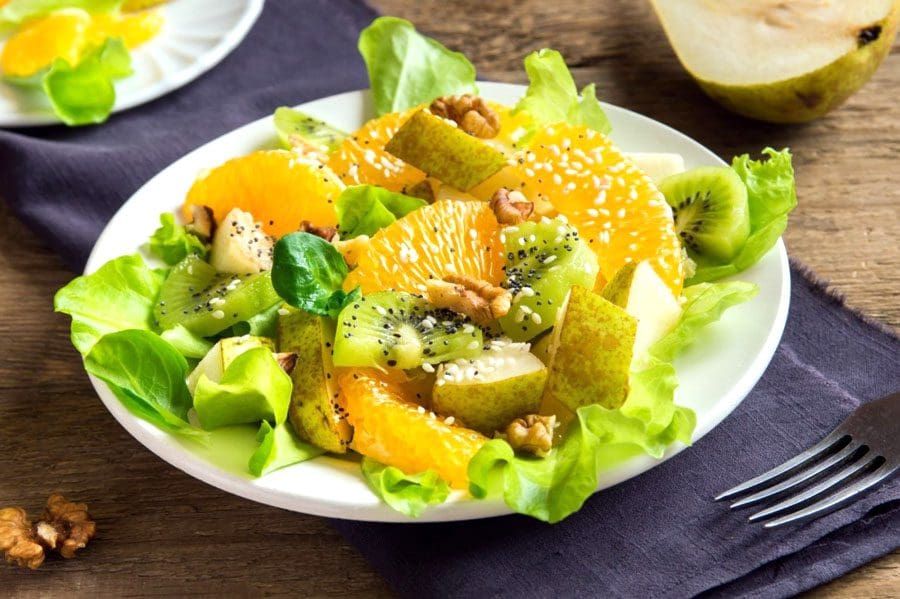
Mindful eating involves paying attention to what and how individuals eat, helping to become more aware of the body’s natural hunger and satisfaction cues. The process can help individuals become aware of the reasons behind their hunger and help to reduce cravings, control portion sizes, and develop long-term healthy eating habits.
Mindful Eating
It’s easy to rush through meals and snacks without pausing to enjoy the experience while refueling the body. Like meditation, individuals focus on what they are eating, how it smells, tastes, and the bodily sensations experienced. It is a way of checking in with the mind and body throughout a meal or snack. Mindful eating puts the individual in touch:
Hedonic hunger – emotional, stressful, conditioned, celebratory, etc.
Benefits
Individuals do not have to go all-in but can adopt some principles of slowing down and tuning into the body to improve health. Benefits include:
Better Digestion
Slowing down and chewing food properly makes it easier to digest.
Improved Nutrition
Fast foods can cause a feeling of sluggishness and bloating.
Eating nutrient-packed meals provides more energy.
Improved nutrition means improved immune system health.
The awareness reinforces making healthier choices.
Satisfaction After Meals
Rushing to finish a meal means not enjoying the flavors and texture factors that can generate a sense of fullness and satisfaction.
Training the mind and body to be truly satisfied with meals and snacks leads to less stress and less craving.
Healthier Food Relationship
The body needs food physiologically for fuel and nourishment.
Individuals also develop emotional attachments to food associated with experiences and memories.
Addressing all aspects and influences in food relationships allows individuals to become more aware of their learned behaviors, perceptions, emotions, and mindsets.
Identifies behaviors that are not beneficial so the individual can work to improve them.
Improved Cardiometabolic Health
Mindful or intuitive eating has been shown to improve:
Blood sugar levels in pregnant women.
Inflammatory markers in postmenopausal women.
Lipid and blood pressure in overweight adults.
Food Consumption Health
Put away electronics and set aside time and space for eating only.
Eat in a setting where you are relaxed.
Eating in the car, in front of a computer while working, or on the phone doesn’t give full attention to the eating process and, as a result, can cause the individual to eat more or eat foods that are not healthy.
Sit down and take a few deep breaths before starting the meal.
If emotions are running high and are geared towards eating, see if you can acknowledge and express those emotions rather than eat through them.
This will help the digestive process and get the most out of the meal.
Eat a palette of colors, sample various salty, sweet, spicy, and umami/savory flavors, and take in the food with all the senses.
Not eating a variety of flavors at a meal can cause a feeling of missing something that can lead to unhealthy cravings.
Eat with others, as sharing food can enrich everyone involved and help focus on the experience, not the amount of food consumed.
Chew thoroughly, as digestion begins in the mouth, where enzymes are secreted in saliva to break down food.
Not properly chewing and making the food smaller can cause indigestion and other digestive problems.
Listen to your body and recognize when you have had enough or want more.
Waiting five minutes before getting another serving can help the body become more attuned to hunger and fullness cues.
Eat Mindfully
References
Cherpak, Christine E. “Mindful Eating: A Review Of How The Stress-Digestion-Mindfulness Triad May Modulate And Improve Gastrointestinal And Digestive Function.” Integrative medicine (Encinitas, Calif.) vol. 18,4 (2019): 48-53.
Espel-Huynh, H M et al. “A narrative review of the construct of hedonic hunger and its measurement by the Power of Food Scale.” Obesity science & practice vol. 4,3 238-249. 28 Feb. 2018, doi:10.1002/osp4.161
Grider, Hannah S et al. “The Influence of Mindful Eating and/or Intuitive Eating Approaches on Dietary Intake: A Systematic Review.” Journal of the Academy of Nutrition and Dietetics vol. 121,4 (2021): 709-727.e1. doi:10.1016/j.jand.2020.10.019
Hendrickson, Kelsie L, and Erin B Rasmussen. “Mindful eating reduces impulsive food choice in adolescents and adults.” Health psychology: official journal of the Division of Health Psychology, American Psychological Association vol. 36,3 (2017): 226-235. doi:10.1037/hea0000440
Morillo Sarto, Hector, et al. “Efficacy of a mindful-eating program to reduce emotional eating in patients suffering from overweight or obesity in primary care settings: a cluster-randomized trial protocol.” BMJ open vol. 9,11 e031327. 21 Nov. 2019, doi:10.1136/bmjopen-2019-031327
Nelson, Joseph B. “Mindful Eating: The Art of Presence While You Eat.” Diabetes spectrum: a publication of the American Diabetes Association vol. 30,3 (2017): 171-174. doi:10.2337/ds17-0015
Warren, Janet M et al. “A structured literature review on the role of mindfulness, mindful eating and intuitive eating in changing eating behaviors: effectiveness and associated potential mechanisms.” Nutrition research reviews vol. 30,2 (2017): 272-283. doi:10.1017/S0954422417000154
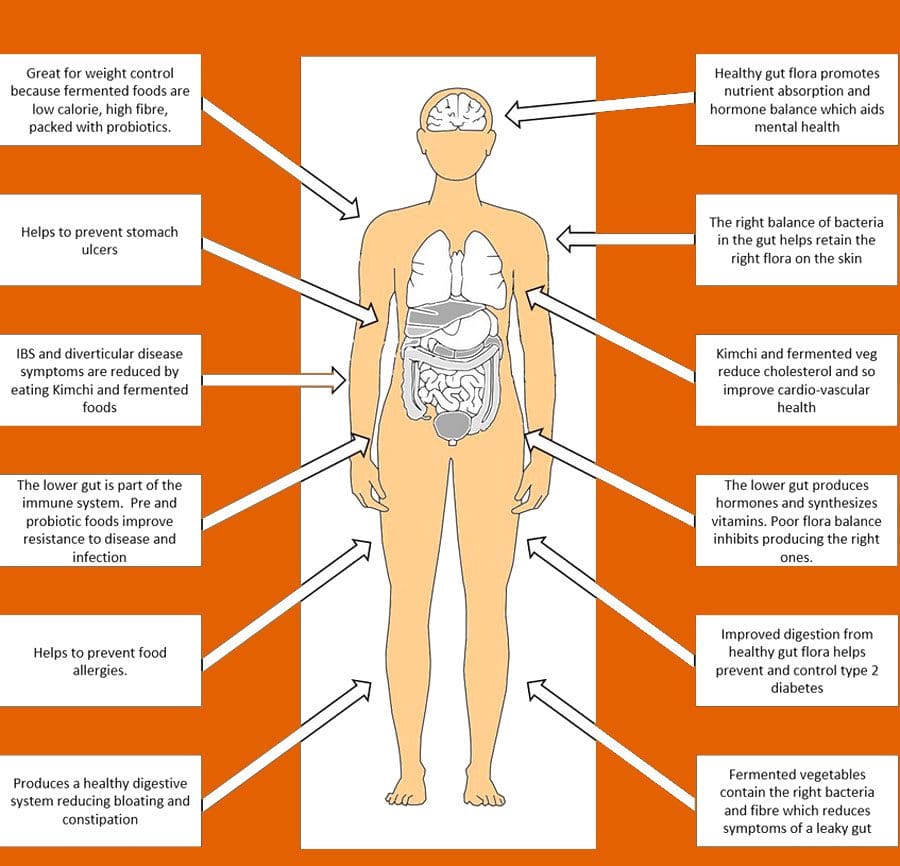
Fermentation is a process where bacteria and yeast are used to break down foods. The fermentation process has been around for centuries and was initially produced to preserve foods, improve flavor and eliminate toxins. Research has found that eating fermented foods can also increase the beneficial bacteria/probiotics in the gut. Functional medicine practitioners recommend these foods for their health benefits, including improved digestion, increased immunity, and weight loss and maintenance.
Fermented Foods
Fermented foods and beverages undergo controlled microbial growth and fermentation in which microorganisms like yeast and bacteria break down food elements like sugars/glucose into other products like organic acids, gases, or alcohol. The process gives fermented foods unique taste, aroma, texture, and appearance. There are many different types of fermented foods, including:
Whole foods like vegetables, fruits, cereals, dairy, meat, fish, eggs, legumes, nuts, and seeds can go through fermentation. These foods are nutritious in their original form, but through fermentation, they can provide probiotic and prebiotic health benefits.
Probiotics
Probiotics are live microorganisms that benefit the gut by creating a more favorable digestive environment. This helps:
Digest food easier.
Support a healthy immune system.
Support organ health – lungs, reproductive organs, skin.
Improves mood.
However, not all fermented foods contain probiotics, especially commercially produced foods that are pasteurized, killing bacteria and their associated health benefits.
Prebiotics
Prebiotics are food ingredients that the microorganisms like gut bacteria consume to grow and live, leading to improving the digestive environment. These include:
Milk
Honey
Tomato
Garlic
Onions
Asparagus
Wheat
Barley
Rye
However, most fruits, vegetables, and legumes contain prebiotics.
The Benefits of Fermented Foods
Fermented foods’ health benefits include reduced risk of:
Diabetes
Inflammation
High blood pressure
Cardiovascular disease
Obesity
They have also been linked to:
Better weight management
Improved brain activity
Increased bone health
Faster recovery after exercise and physical activity
There are currently no official guidelines regarding how often individuals should eat fermented foods. It is recommended to consult a nutritionist or dietician to figure out the best nutrition plan for the individual and their needs.
The Science
References
Aslam, Hajara, et al. “Fermented foods, the gut, and mental health: a mechanistic overview with implications for depression and anxiety.” Nutritional neuroscience vol. 23,9 (2020): 659-671. doi:10.1080/1028415X.2018.1544332
Dimidi, Eirini, et al. “Fermented Foods: Definitions and Characteristics, Impact on the Gut Microbiota and Effects on Gastrointestinal Health and Disease.” Nutrients vol. 11,8 1806. 5 Aug. 2019, doi:10.3390/nu11081806
King, Sarah, et al. “Effectiveness of probiotics on the duration of illness in healthy children and adults who develop common acute respiratory infectious conditions: a systematic review and meta-analysis.” The British journal of nutrition vol. 112,1 (2014): 41-54. doi:10.1017/S0007114514000075
Kok, Car Reen, and Robert Hutkins. “Yogurt and other fermented foods as sources of health-promoting bacteria.” Nutrition reviews vol. 76, Suppl 1 (2018): 4-15. doi:10.1093/nutrit/nuy056
Parker, Elizabeth A et al. “Probiotics and gastrointestinal conditions: An overview of evidence from the Cochrane Collaboration.” Nutrition (Burbank, Los Angeles County, Calif.) vol. 45 (2018): 125-134.e11. doi:10.1016/j.nut.2017.06.024
Şanlier, Nevin, et al. “Health benefits of fermented foods.” Critical reviews in food science and nutrition vol. 59,3 (2019): 506-527. doi:10.1080/10408398.2017.1383355
Clean eating for beginners is a way to approach how you eat by removing unnecessary fats, sugars, and carbs, avoiding processed foods, and embracing vegetables, whole foods, unrefined grains, lean proteins, and healthy fats. The more you practice, the more the craving for salts and sweets decreases and no longer satisfies. The idea is to combine a clean eating lifestyle with an active life that turns into long-term healthy habits.
Clean Eating
Junk food refers to processed/refined foods, artificial flavors, sugars, salts, high saturated fats, and other foods that don’t provide nutrition. Clean foods fill the body with an abundance of vitamins and minerals, high-quality protein, and healthy fats, which improve heart and brain health, assist with weight management, strengthen the immune system and increase energy levels. Clean eating guidelines include:
Preparing and Cooking Own Food
Preparing and cooking your food is an easy way to control what goes into your body.
You control the salt, sugar, flavors, and fats with the objective of keeping the levels as low as possible.
Restaurant and diner food tastes great, but it is usually because salt, sugar, and butter are added to everything.
Whole Foods
Whole foods have not been modified, processed or refined, or saturated with preservatives, added sugars, dyes, fats/hydrogenated fats, or salt to add extra flavor or to enhance shelf life.
They include fresh fruits and vegetables, lean proteins, unsalted nuts/seeds, whole grains, full-fat dairy products, and dried beans/legumes.
Unrefined foods contain more nutrients and fiber, essential for healthy body function.
For example – broccoli is a carbohydrate but provides a lot of fiber, antioxidants, and other nutrients, so it’s recommended when eating clean.
Fats should come from unsaturated fats as much as possible, avoiding saturated and trans fats when possible.
This should be practiced with every meal, whether a snack or dinner.
Limit Adding Salt, Sugar, and Fats
Avoid unnecessary additives, like fat, salt, and sugar, when choosing foods.
Clean eating detoxes the body, so pastries, hamburgers, fries, and fried foods begin to taste too sweet or salty because the body is no longer used to them.
The body and tastebuds become acclimated to whole foods with no longer a need for additives.
Five to Six Small Meals
Counting calories does not take into account the value of each calorie.
Making mindful decisions for all foods, like lean protein, complex carbohydrates, fats, fresh fruits, and vegetables, will make the calories count.
Eating five to six times a day in the right amounts with three small main meals and two to three healthy snacks prevents:
Over-eating
Skipping meals
Exhaustion or jitteriness from unstable blood sugar levels.
Avoid foods with labels that include words like modified, which indicates added processing, and words that end with the lettersose, which indicate added sugars/fructose.
Look for labels with whole grains and whole wheat.
High-calorie foods should have low saturated fat and sugar levels and calories that come from fiber and lean proteins.
Sodium levels should be as low as possible; the body only needs 250 mg daily.
Drink Plenty of Water
Water needs to be consumed throughout the day, every day.
Water will maintain body hydration and function and prevent hunger.
Fruit juices contain more nutrients than soda but can be high in calories and sugar. Read the labels.
To start, take small steps so the body can gradually transition into healthy habits that will last long-term. This is a new lifestyle, not a trending fad. Individuals are recommended to ease into it, and then it will begin to feel normal. Injury Medical Chiropractic Clinic has a Functional Medicine team, including a certified nutritionist, to help individuals develop a nutrition plan specific to their needs.
For Beginners
References
Ambwani, Suman et al. “”It’s Healthy Because It’s Natural.” Perceptions of “Clean” Eating among U.S. Adolescents and Emerging Adults.” Nutrients vol. 12,6 1708. 7 Jun. 2020, doi:10.3390/nu12061708
Allen, Michelle, et al. “The Dirt on Clean Eating: A Cross-Sectional Analysis of Dietary Intake, Restrained Eating, and Opinions about Clean Eating among Women.” Nutrients vol. 10,9 1266. 8 Sep. 2018, doi:10.3390/nu10091266
Ghaderi, Ata. “A European perspective on “clean eating”: Commentary on Negowetti et al. (2021).” The International journal of eating disorders vol. 55,1 (2022): 49-51. doi:10.1002/eat.23615
Around 60% of individuals have a condition caused by or complicated by chronic inflammation. The body reacts with acute inflammation, which is beneficial as the immune system fights off bacteria that could infect the injury. Examples could be getting a cut on the finger that swells for a day or so to repair the wound or catching a cold and coughing up mucus to expel the germs. However, acute inflammation only lasts as long as necessary; chronic inflammation can last for weeks, months, and years. Individuals can have chronic inflammation and not know the damage being done to arteries and organs until pain or other issues begin to present. There are a few anti-inflammatory diets, which are nutrition plans that can help reduce inflammation.
Anti-Inflammatory Diets
Health-promoting substances include vitamins, minerals, fiber, omega-3 fatty acids, flavan-3-ols in tea and cocoa, and anthocyanins in blueberries, strawberries, raspberries, and other red and purple plant foods. Certain chemicals in the body cause inflammation, and naturally-occurring chemicals in foods, can prevent and combat inflammation by providing essential nutrients.
Nordic Diet
This includes Denmark, Sweden, and Finland, which each have different cuisines, but traditionally, they share healthy foods that provide anti-inflammatory benefits, including:
Rye is a grain shown to help reduce blood sugar, the inflammatory marker C-reactive protein. Individuals that follow this way of eating have lower blood levels of C-reactive protein and other inflammation markers. A randomized study was done in various Nordic countries and lasted six to 24 weeks. One group was assigned a healthy Nordic diet while the other stayed on the country’s modern, less healthy diet. The studies found that individuals that practiced a healthy Nordic diet even for a short while improved inflammatory markers and lost weight.
Mexican Diet
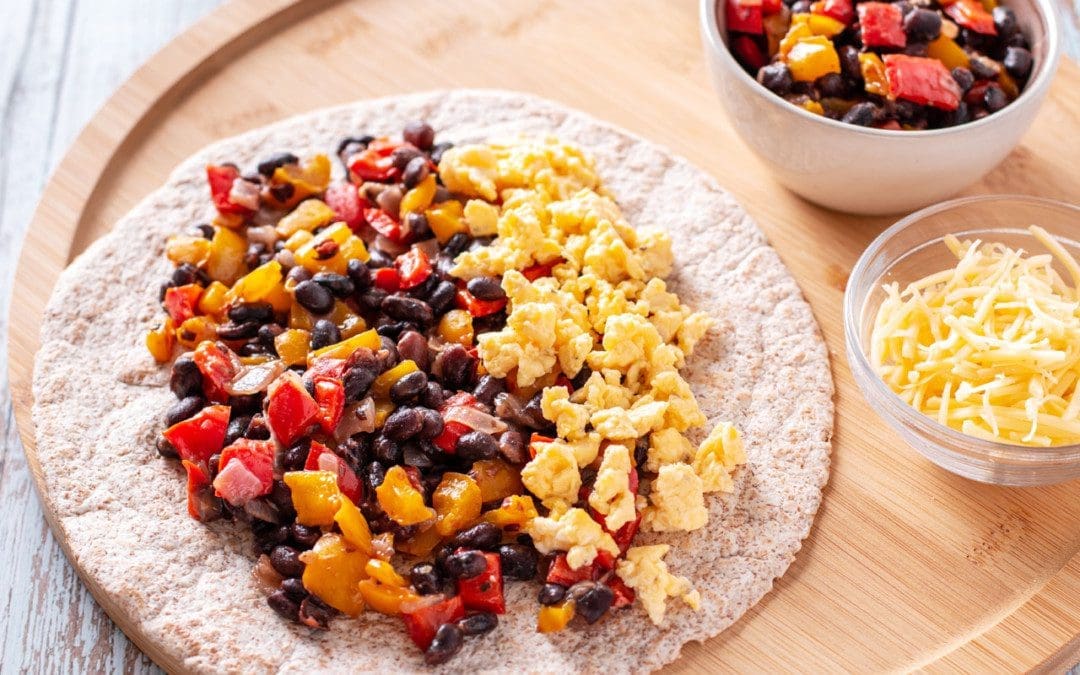
Research has linked a traditional Mexican diet to lower inflammation. Staple foods of a traditional Mexican diet include:
Cheese
Corn tortillas
Fruits and vegetables, including hot peppers
Rice – brown and white
Legumes/Beans
Legumes/beans are linked to protection from inflammatory-related conditions that include:
Obesity
High blood pressure
High blood cholesterol
Type 2 diabetes
Cardiovascular disease
Legumes are high in fiber, which helps:
Reduce inflammation
Reduce unhealthy cholesterol
Reduce blood sugar spikes after a meal, which helps prevent type 2 diabetes and inflammation.
A National Cancer Institute study of post-menopausal women of Mexican descent living in the U.S. found that those following a more traditional Mexican diet averaged 23% lower C-reactive protein levels.
Nutritionist Health Coach and Chiropractic
In some instances, chronic inflammation can come from acute inflammation that does not turn off, which can happen when the body does not make enough chemical substances responsible for turning off the immune response. Blood tests for inflammation can include tests that detect the C-reactive protein and the erythrocyte sedimentation rate, which measures the speed red blood cells settle in a test tube that shows if more inflammatory compounds are present. A combined approach and team of medical professionals, including chiropractic, massage therapy, health coaching, and nutrition, can help relieve and prevent inflammation.
Nutritionist
Consulting a nutritionist is recommended to figure out and determine the best diet/nutrition plan for the individual.
A nutritionist may also suggest supplementation like vitamin D, magnesium, and fish oil supplements.
Body composition analysis breaks down the body elements of water, protein, minerals, and fat that can also discover inflammation markers.
Chiropractic
Chiropractic adjustments help reduce the production of cytokines or proteins that regulate the cells of the immune system. Overproduction of cytokines can cause a severe inflammatory response. Chiropractic’s purpose is to rebalance the body by realigning the vertebrae to reduce pressure on the nerves and promote a healthy nervous system. When the spine and other joints are correctly aligned, the nerves function correctly, returning the body’s biomechanics to normal.
InBody Results
References
Galbete C, Kröger J, Jannasch F, et al. Nordic diet, Mediterranean diet, and the risk of chronic diseases: the EPIC-Potsdam study. BMC Med. 2018;16(1):99.
Lankinen M, Uusitupa M, Schwab U. Nordic Diet and Inflammation-A Review of Observational and Intervention Studies. Nutrients. 2019;11(6):1369.
Ricker MA, Haas WC. Anti-Inflammatory Diet in Clinical Practice: A Review. Nutrition in Clinical Practice. 2017;32(3):318-325.
Santiago-Torres M, Tinker LF, Allison MA, et al. Development and Use of a Traditional Mexican Diet Score in Relation to Systemic Inflammation and Insulin Resistance among Women of Mexican Descent. J Nutr. 2015;145(12):2732-2740.
Valerino-Perea, Selene, et al. “Definition of the Traditional Mexican Diet and Its Role in Health: A Systematic Review.” Nutrients vol. 11,11 2803. 17 Nov. 2019, doi:10.3390/nu11112803
Yang, Yoon Jung, et al. “Dietary flavan-3-ols intake and metabolic syndrome risk in Korean adults.” Nutrition research and practice vol. 6,1 (2012): 68-77. doi:10.4162/nrp.2012.6.1.68
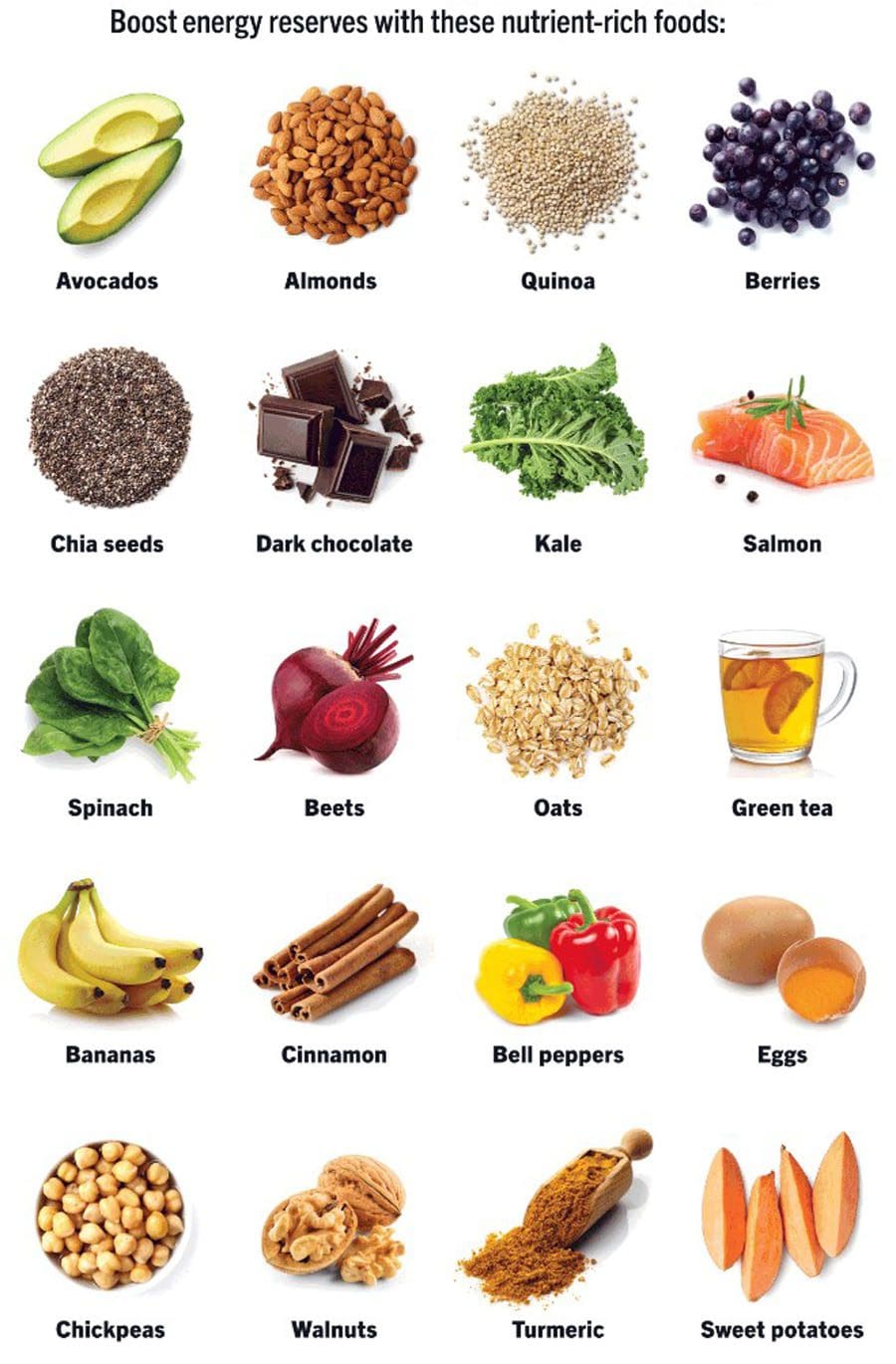
Energy Boosting Foods: Nutritionists, dieticians, and health coaches are constantly asked which foods help maintain energy, alertness, and focus throughout the day. The first thing to know is that all foods provide energy in the form of calories, but not all foods affect energy levels the same way. There are three macronutrients, carbohydrates, fat, and protein. However, carbohydrates are a rapid energy source compared to proteins and fats and are the body’s preferred energy. Here are a few foods for steady, consistent energy levels to include in a meal plan.
Energy Boosting Foods
Properly planned meals can keep the body fueled for up to four hours, and it is recommended to eat every four hours to keep a steady flow of energy. The objective is to maintain balanced blood sugar levels and eat foods with low glycemic index carbohydrates combined with protein and healthy fats. Unhealthy foods for energy are high-sugar foods that cause blood sugar levels to spike, triggering a heavy insulin release, which triggers plunging blood sugar levels, also known as a sugar crash.
Avocados
Avocados are rich in healthy fats, fiber, and B vitamins.
The fat in avocados promotes healthy blood-fat levels and increases the absorption of nutrients.
Around 80% of the carbohydrate content is made up of fiber, which means sustained energy.
Bananas
One of the best energy-boosting foods that can be eaten on its own, frozen and blended into a smoothie or mixed into oatmeal.
Bananas contain complex carbohydrates, vitamin B6, potassium, and some protein.
Beans
It can be pinto, great northern, red, black, Anasazi beans, or other varieties as they have similar nutrient profiles.
They digest slowly, which stabilizes blood sugar.
They contain antioxidants, carbohydrates, fiber, protein, folic acid, iron, and
Magnesium helps produce energy and delivers it to the body’s cells.
Cashews
Cashews are low in sugar, rich in fiber,
They contain heart-healthy fats and plant protein.
They are a reliable source of copper, magnesium, and manganese, critical for energy production, healthy bones, brain health, and immunity.
Eggs
Eggs are packed with protein and rich in B vitamins, which help enzymes turn food into energy generating steady energy.
They contain leucine, an amino acid that stimulates energy production by helping cells to:
Take in more blood sugar.
Stimulates energy production in the cells.
Break down fat to produce energy.
Oatmeal
The complex carbs in oatmeal generate a steady source of slow-burning energy.
Oats boost serotonin production, which helps:
Manage stress.
Enhances learning.
Memory function.
Oast can be made with raisins, berries, bananas, and healthy maple syrup or honey for a healthy meal.
Yogurt
Yogurt contains lactose and galactose that breaks down to provide ready-to-use energy.
Top with oats, fruits, berries, and some honey or maple syrup.
Shrimp
Shrimp are low in calories and provide vitamin B12 and omega-3 fat, which helps with:
Mood
Energy
Sweet potatoes
Sweet potatoes are recommended for energy production because of their iron, magnesium, and vitamin C nutrients.
The food we eat significantly impacts the body’s health and wellness, along with exercise, proper hydration, and healthy sleep are essential in sustaining high energy levels. Avoiding highly processed and sugary foods will help prevent mental and body fatigue. Consult a licensed nutritionist to learn about personalized diet and nutrition plans.
Natural Energy
References
Atkinson, Fiona S et al. “International tables of glycemic index and glycemic load values 2021: a systematic review.” The American journal of clinical nutrition vol. 114,5 (2021): 1625-1632. doi:10.1093/ajcn/nqab233
Evans J, Richards JR, Battisti AS. Caffeine. [Updated 2022 May 1]. In: StatPearls [Internet]. Treasure Island (FL): StatPearls Publishing; 2022 Jan-. Available from: https://www.ncbi.nlm.nih.gov/books/NBK519490/
Holesh, Julie E., et al. “Physiology, Carbohydrates.” StatPearls, StatPearls Publishing, 26 July 2021.
Melaku, Yohannes Adama, et al. “Association between Macronutrient Intake and Excessive Daytime Sleepiness: An Iso-Caloric Substitution Analysis from the North West Adelaide Health Study.” Nutrients vol. 11,10 2374. 5 Oct. 2019, doi:10.3390/nu11102374
Osilla EV, Safadi AO, Sharma S. Calories. [Updated 2021 Sep 15]. In: StatPearls [Internet]. Treasure Island (FL): StatPearls Publishing; 2022 Jan-. Available from: https://www.ncbi.nlm.nih.gov/books/NBK499909/
Medical experts advise that maintaining body hydration is one of the most important things to do in extreme heat. Individuals out in the heat lose electrolytes like sodium, potassium, and chloride and need added electrolytes to prevent cramping and excessive sweating that can strain the body. Dehydration can be dangerous, leading to heat exhaustion and possible heat stroke. If gulping water all day seems like a lot, remember that not all hydration must come from drinking water; there are hydrating foods that contain enough water that can be incorporated.
Sweating is vital for maintaining body temperature, and electrolytes are essential in maintaining the body’s homeostasis. Electrolytes help coordinate muscle contractions, heart function, and the conductivity of electric signals transmitting to and from the nervous system. The kidneys regulate fluid absorption and excretion to maintain electrolyte balance, but an imbalance can occur when electrolyte levels spike or drop. An electrolyte imbalance is caused by a change in the number of electrolytes in the body. Sodium, potassium, and calcium are the common elements most likely to be affected by an electrolyte imbalance. Other reasons why electrolyte levels can change include:
Unhealthy diet
Medications
Kidney problems
It is recommended that instead of focusing on how many glasses of water have been drunk, concentrate on two biomarkers:
When the body is thoroughly hydrated, an individual should go to the bathroom every two to three hours, and the urine should be a pale yellow. If it looks orange, it indicates that the body is trying to conserve water and needs further hydration.
Hydrating Foods
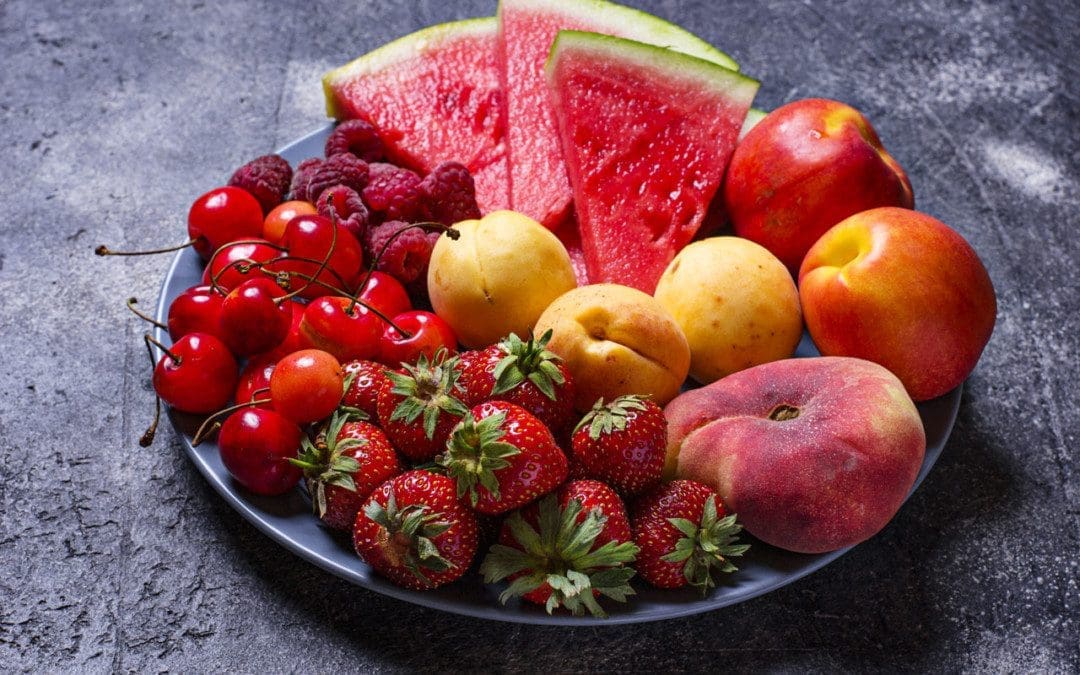
Consulting a doctor or nutritionist is recommended to help determine what foods are safe for the individual if there are underlying conditions or other health concerns. Here are a few hydrating foods that contain at least 80 percent water that can be eaten throughout the hot day to maintain body hydration.
Apples
Best known for their fiber content (up to 5 grams), they are also more than 80 percent water.
A quick crunchy snack with potassium, vitamin B6, C, and magnesium.
Watermelon
These can be up to 92 percent water.
Contain vitamin A, B6, and C, plus lycopene and antioxidants.
Watermelon can be cubed by itself or with feta cheese, olive oil, salt, pepper, and basil for a sweet-savory salad.
Peaches
These can contain up to 88 percent water, fiber, protein, and vitamin C.
Peaches can be added to salsas or incorporated into a salad.
Carrots
Carrots are around 90 percent water.
Rich in beta carotene, which the body uses to make vitamin A.
Vitamin A helps the eyes convert light into a signal sent to the brain, allowing for better sight in dim to dark light.
Vitamin K
Potassium
Fiber
Cucumbers
Cucumbers have more than 96 percent water.
They also contain potassium, phosphorus, magnesium, and some calcium.
They contain nutrients known as cucurbitacins, which can have an anti-diabetic effect.
Fisetin is an anti-inflammatory substance that helps brain health.
Potatoes
The waxy variety contains more water, as much as 80 percent.
They contain potassium, vitamin C, fiber, and minerals.
Have them baked or roasted with skins to keep as much potassium as possible.
Tomatoes
Tomatoes are almost 95 percent water.
They contain cancer-fighting carotenoid lycopene, vitamin A and C, and potassium.
Sliced onto sandwiches, sauteed into pasta, or blended into a gazpacho.
Cantaloupe
90 percent water.
Contains beta-carotene, fiber, and vitamin C.
It can be eaten by itself, chopped into salads or smoothies.
Plain yogurt
One cup of plain yogurt is around 88 percent water.
It contains protein, gut probiotics, calcium, zinc, magnesium, potassium, and phosphorus.
Top with some berries for extra hydration.
These are a few hydrating foods that can help with the intense heat. Others include zucchini, iceberg lettuce, strawberries, blueberries, celery, broccoli, and cauliflower. Healthy H2O levels benefits include:
Decreased appetite.
Improved physical performance during exercise.
Increased energy levels.
Optimal brain function.
What Are The Most Hydrating Foods?
References
Bergeron, Michael F. “Hydration and thermal strain during tennis in the heat.” British journal of sports medicine vol. 48 Suppl 1, Suppl 1 (2014): i12-7. doi:10.1136/bjsports-2013-093256
Gauer, Robert, and Bryce K Meyers. “Heat-Related Illnesses.” American family physician vol. 99,8 (2019): 482-489.
Karppanen, H et al. “Why and how to implement sodium, potassium, calcium, and magnesium changes in food items and diets?.” Journal of human hypertension vol. 19 Suppl 3 (2005): S10-9. doi:10.1038/sj.jhh.1001955
Schiefermeier-Mach, Natalia, et al. “Electrolyte Intake and Major Food Sources of Sodium, Potassium, Calcium, and Magnesium among a Population in Western Austria.” Nutrients vol. 12,7 1956. 30 Jun. 2020, doi:10.3390/nu12071956
Strimbu, Kyle, and Jorge A Tavel. “What are biomarkers?.” Current opinion in HIV and AIDS vol. 5,6 (2010): 463-6. doi:10.1097/COH.0b013e32833ed177
Nutrition is how the body utilizes consumed food. Nutrition plays a role in chronic pain; lifestyle behaviors can influence how food contributes to illness/diseases. A common cause of chronic pain is chronic systemic inflammation. Inflammation plays a role in many chronic disease conditions, including diabetes, heart disease, and cancer. Reducing inflammation can be achieved by adjusting diet to get individuals back to feeling better quickly and to aid them in maintaining and improving their overall health. Injury Medical Chiropractic and Functional Medicine Clinic offer diet and nutritional supplements guidance as part of a personalized treatment plan.
Inflammation
The purpose of the inflammatory response includes:
Isolate the dangerous bacteria, viruses, or damaged cells.
Flush out the dead cells and other damaging substances.
Reductions of comorbidities like obesity and cardiovascular disease.
Reducing healthcare costs.
Vitamin and Mineral Supplements
Diet and nutritional supplements provide added essential nutrients to a damaged, inflamed, or injured body. Dietary supplements improve overall health and wellness.
Vitamin D and calcium tablets help maintain optimal bone health, as low vitamin D levels can lead to back pain.
Vitamins E and C, combined with copper, help with blood production, tissue repair, and brain and skin health.
Folic acidcan help with joint pain and myofascial pain.
B Vitamins can help with pain and prevent liver dysfunction.
Nutritional supplements support the body until the body and/or organs have correctly healed. Recovery from an injury could cause body stress that can interfere with the healing process. Diet and nutritional supplements expedite the healing and recovery process by:
Helping overcome dietary deficiencies.
Improving immune system function.
Detoxifying toxins.
Contain antioxidants that help the body stay toxin-free.
Chiropractic restores and realigns the body by incorporating supplements to nourish the body tissues and recover optimally from injury.
InBody Nutrition
References
Dragan, Simona, et al. “Dietary Patterns and Interventions to Alleviate Chronic Pain.” Nutrients vol. 12,9 2510. 19 Aug. 2020, doi:10.3390/nu12092510
Lee, Mi Kyung, et al. “The use of nutritional guidance within chiropractic patient management: a survey of 333 chiropractors from the ACORN practice-based research network.” Chiropractic & manual therapies vol. 26 7. 20 Feb. 2018, doi:10.1186/s12998-018-0175-1
Li, Chuan, et al. “Macrophage polarization and meta-inflammation.” Translational research: the journal of laboratory and clinical medicine vol. 191 (2018): 29-44. doi:10.1016/j.trsl.2017.10.004
Nutrition and Chronic Pain https://www.iasp-pain.org/resources/fact-sheets/nutrition-and-chronic-pain/
Pahwa R, Goyal A, Jialal I. Chronic Inflammation. [Updated 2021 Sep 28]. In: StatPearls [Internet]. Treasure Island (FL): StatPearls Publishing; 2022 Jan-. Available from: https://www.ncbi.nlm.nih.gov/books/NBK493173/
IFM's Find A Practitioner tool is the largest referral network in Functional Medicine, created to help patients locate Functional Medicine practitioners anywhere in the world. IFM Certified Practitioners are listed first in the search results, given their extensive education in Functional Medicine