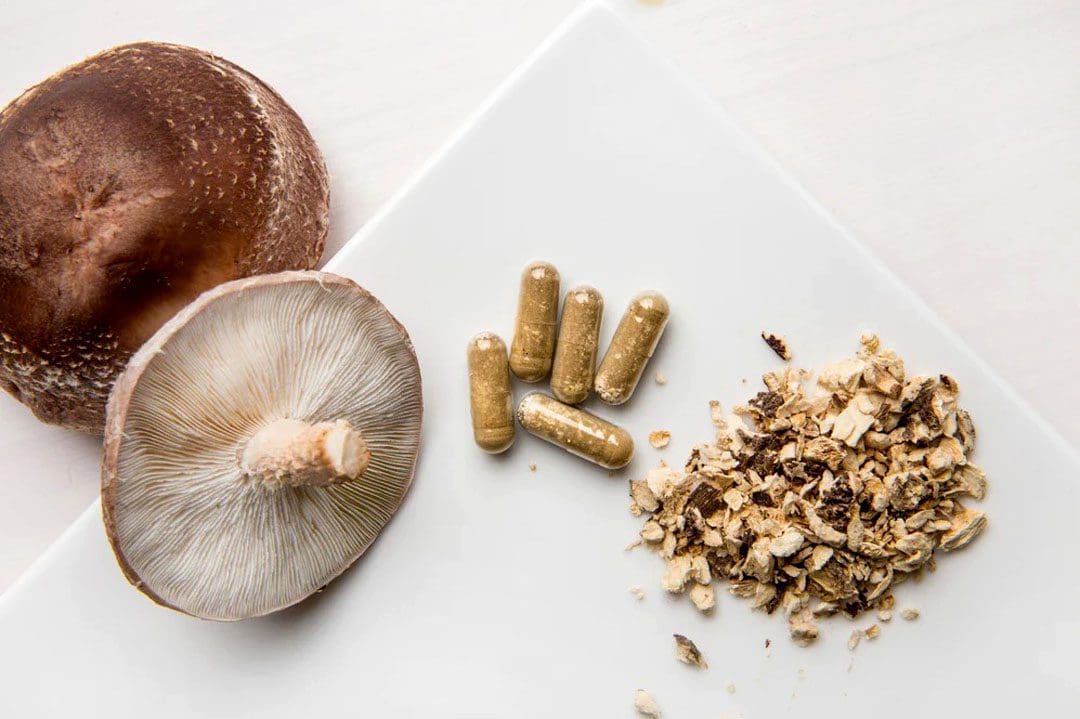
Nutrition is integral to optimal health and can help treat and manage diseases that threaten the body. Mushrooms come in various shapes, sizes, and colors and have been used for their unique ability to add flavor and taste without sodium or fat. They are also healthy and tasty and contain various vitamins and minerals. Different mushrooms can provide distinct health benefits that can be increased brain function, help with hormonal balance, and as an antioxidant.
Mushroom
Research continues to uncover how mushrooms can improve everyday health and help mitigate the risk of developing health conditions like Alzheimer’s, heart disease, cancer, and diabetes. Mushrooms are recommended because they are:
Fat-free
Low in sodium
Low-calorie
Cholesterol-free
Packed with fiber
Nutritional benefits vary depending on the type of mushroom.
B vitamins
Mushrooms are rich in B vitamins: riboflavin, niacin, and pantothenic acid, which help maintain heart health. Riboflavin supports red blood cells. Niacin assists the digestive system and helps keep healthy skin. Pantothenic acid supports nervous system function and helps the body make necessary hormones.
Minerals
They are a great source of minerals – Selenium, Copper, Thiamin, Magnesium, and Phosphorus. Copper helps the body create red blood cells to deliver oxygen and maintain healthy bones and nerves. Potassium supports heart, muscle, and nerve function.
Antioxidants
Antioxidants help protect the body from damaging free radicals that can cause heart disease and cancer. They also protect against damage from aging and increase immune system function.
Beta-glucan
Beta-glucan is a soluble dietary fiber linked to improved cholesterol levels and supports heart health. It helps the body regulate blood sugar, which helps reduce the risk of type 2 diabetes.
Cordyceps
Cordyceps increases energy levels by utilizing oxygen more efficiently and enhancing circulation. This can be especially helpful for athletes or individuals who regularly work out and has been shown to improve exercise and athletic performance and speed up muscle recovery.
Shiitake
This mushroom has benefits that are particularly good for the heart, as they contain phytonutrients, which aid in:
Preventing plaque buildup
Maintaining blood pressure
Maintaining circulation
Lowering cholesterol
Chaga
Chaga mushrooms are full of antioxidants, making them excellent for fighting free radicals and inflammation. This mushroom combats oxidative stress, inflammation, and aging. And it can help prevent or slow cancer growth and has been found to help lower low-density lipoprotein – LDL cholesterol.
Mushroom Preparation
Mushrooms are almost always available in the produce section of any grocery or health food store. Make sure to wash them thoroughly first. Example: Cremini mushrooms can be:
Eaten raw or cooked, sliced or unsliced.
Simmered in water for 5 minutes until soft
Sauteed – cook the mushrooms in a pan with olive oil on medium heat for eight minutes, frequently stirring until they brown at the edges.
Sprinkled raw over meals to add more texture and flavor.
Ways to add mushrooms to a nutrition plan:
With eggs in the morning.
Mix into cooked beef, chicken, or turkey.
Cook mushrooms with garlic and butter for a side dish.
Add to a stir-fry with other vegetables.
Add to homemade pizza.
As an ingredient in pasta sauce.
Add to salads.
Make cream of mushroom soup.
Always talk to a doctor, nutritionist, or dietician before to confirm whether adding mushrooms is safe, especially if pregnant or using medications, as certain mushrooms can cause side effects like an upset stomach or allergies.
Food as Medicine
References
Fukushima, M et al. “Cholesterol-lowering effects of maitake (Grifola frondosa) fiber, shiitake (Lentinus edodes) fiber, and enokitake (Flammulina velutipes) fiber in rats.” Experimental biology and medicine (Maywood, N.J.) vol. 226,8 (2001): 758-65. doi:10.1177/153537020222600808
Kabir, Y et al. “Effect of shiitake (Lentinus edodes) and maitake (Grifola frondosa) mushrooms on blood pressure and plasma lipids of spontaneously hypertensive rats.” Journal of nutritional science and vitaminology vol. 33,5 (1987): 341-6. doi:10.3177/jnsv.33.341
Kolotushkina, E V et al. “The influence of Hericium erinaceus extract on myelination process in vitro.” Fiziolohichnyi zhurnal (Kiev, Ukraine : 1994) vol. 49,1 (2003): 38-45.
Ma, Gaoxing, et al. “Health benefits of edible mushroom polysaccharides and associated gut microbiota regulation.” Critical reviews in food science and nutrition vol. 62,24 (2022): 6646-6663. doi:10.1080/10408398.2021.1903385
Rop, Otakar, et al. “Beta-glucans in higher fungi and their health effects.” Nutrition reviews vol. 67,11 (2009): 624-31. doi:10.1111/j.1753-4887.2009.00230.x
Tuli, Hardeep S et al. “Pharmacological and therapeutic potential of Cordyceps with special reference to Cordycepin.” 3 Biotech vol. 4,1 (2014): 1-12. doi:10.1007/s13205-013-0121-9
Venturella, Giuseppe, et al. “Medicinal Mushrooms: Bioactive Compounds, Use, and Clinical Trials.” International journal of molecular sciences vol. 22,2 634. 10 Jan. 2021, doi:10.3390/ijms22020634
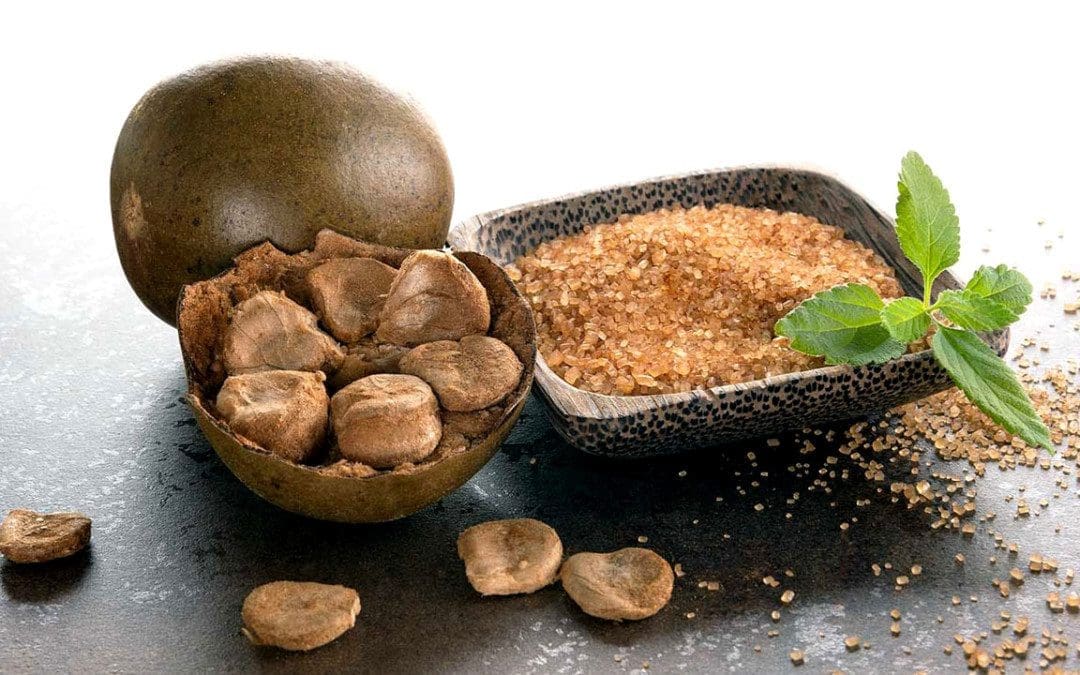
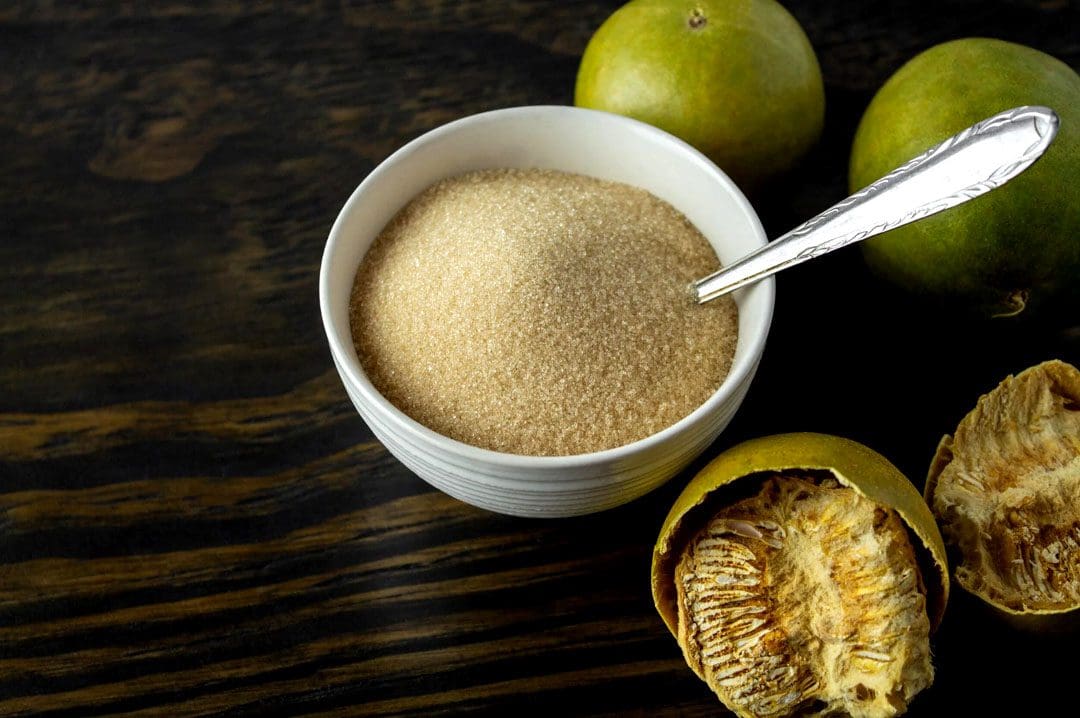
As individuals try to avoid sugar as best as possible, alternative sweeteners are becoming more popular. A new addition is monk fruit sweetener, also called monk fruit extract. Monk fruit is a small, round fruit native to southern China. Unlike some chemically based sugar alternatives, monk fruit extract is considered natural. The sweetener has been around for decades but has become more available in the United States. The zero-calorie extract can be used as a standalone sweetener in foods and drinks and as a flavor enhancer.
Monk Fruit Sugar Alternative
Manufacturers remove the seeds and skin, crush the fruit, and extract the juice, which is then dried into a concentrated powder. Unlike most fruits, the natural sugars in monk fruit are not what gives it its sweetness. Instead, the intense sweetness comes from antioxidants (commonly found in plant foods, antioxidants fight off free radicals that can cause health problems like cancer and heart disease) called mogrosides. The mogroside is the sweetest part of the fruit, with a taste over 100 times sweeter than sugar and no calories.
Safe For Consumption
Monk fruit has the generally recognized as safe -GRAS label from the U.S. Food and Drug Administration with no reported side effects. However, it is advised to read the ingredients label before buying this sweetener. Some of the cheaper products combine other sweeteners with monk fruit extract. Some contain erythritol, a sugar alcohol that can cause stomach bloating or upset stomach.
Use
It has been found to be a healthy option for lowering overall sugar intake. However, consuming monk fruit or any sweetener should be done in moderation and with a healthy nutrition plan. It comes in powder or liquid form. As a natural alternative, it can be used:
As s sugar substitute for favorite baking, cooking, soup, sauce recipes, etc.
For drinks like coffee, tea, lemonade, smoothies, etc.
Added on breakfast dishes like oatmeal or yogurt.
Whipped into frosting or a mousse.
The ultra-sweetness means that little is required as it goes a long way. It is recommended to drink regular water or tea and eat foods without the sweetener because, over time, the taste buds adjust and do not need the sweetener as much. Consult a doctor, dietician, or nutritionist to determine if this sugar alternative is right for you and the benefits.
What Is It?
References
Chen, W J et al. “The antioxidant activities of natural sweeteners, mogrosides, from fruits of Siraitia grosvenori.” International journal of food sciences and nutrition vol. 58,7 (2007): 548-56. doi:10.1080/09637480701336360
EFSA Panel on Food Additives and Flavourings (FAF) et al. “Safety of use of Monk fruit extract as a food additive in different food categories.” EFSA journal. European Food Safety Authority vol. 17,12 e05921. 11 Dec. 2019, doi:10.2903/j.efsa.2019.5921
Lobo, V et al. “Free radicals, antioxidants, and functional foods: Impact on human health.” Pharmacognosy reviews vol. 4,8 (2010): 118-26. doi:10.4103/0973-7847.70902
Pawar, Rahul S et al. “Sweeteners from plants–with emphasis on Stevia rebaudiana (Bertoni) and Siraitia grosvenorii (Swingle).” Analytical and bioanalytical chemistry vol. 405,13 (2013): 4397-407. doi:10.1007/s00216-012-6693-0
Having and maintaining flexibility in the joints depends on the connective tissues surrounding the muscles. Proper lubrication in the connective tissues enables the fibers to slide over one another easily. Naturally occurring proteins collagen and elastin are key components of connective tissue that provide strength and elasticity. The more elastic the connective tissue, the more flexibility around the joint. If it is becoming difficult to stretch out or there is chronic stiffness and tightness, there are foods that help maintain flexibility and enhance overall health.
Foods That Help Maintain Flexibility
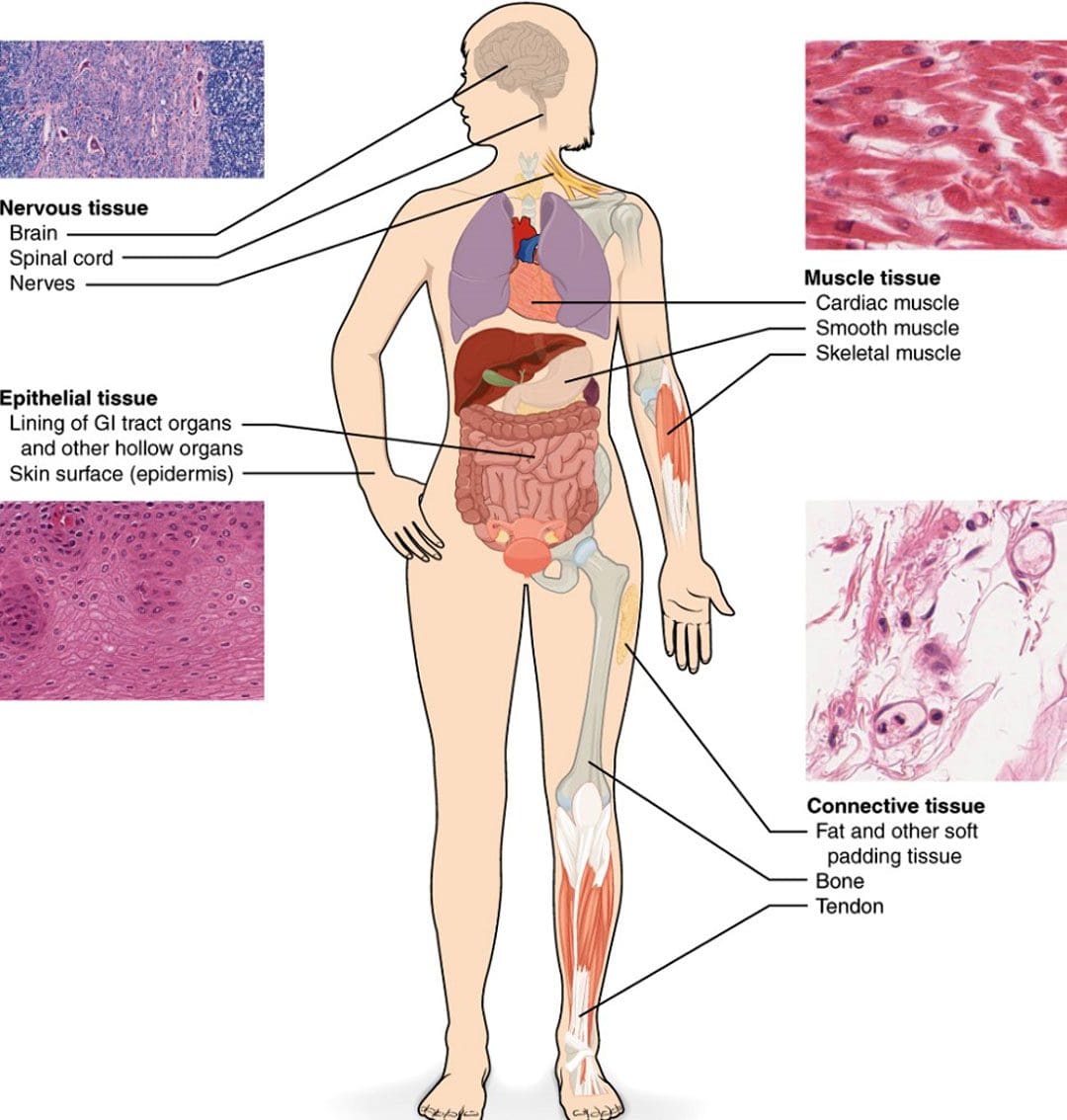
Joint flexibility means functioning connective tissues that join the skeleton and muscles and the ability of different body parts to extend and complete motions. Connecting tissues assists with movement and stabilization. These issues include:
Ligaments
Ligamentscan be band-shaped or string-shaped collagen fibers that connect bones.
Tendons
Tendonsare similar to ligaments and are band or string shaped but connect muscles to the bones.
Fascia
Fascia is a densely woven mesh that wraps around the blood vessels, bones, muscles, organs, and nerves.
Flexibility keeps the muscles active and mobile as they are necessary for daily physical activities. When these tissues become stiff from inactivity or an unhealthy diet, it limits the body’s range of movement and increases the risk of injury. Stretching improves flexibility, and adding foods to a nutrition plan will help maintain limberness.
Nutrition
A nutrition plan full of vitamins, minerals, and antioxidants will nourish connecting tissues and cells and increase collagen production. Foods rich in essential fatty acids/EFAs, vitamin C, sulfur, and water will promote healthy connective tissue for enhanced flexibility.
Fatty Acids
Essential fatty acids include omega-3 and omega-6, primarily found in fish, flax seeds, and liquid oils.
These fatty acids are essential because they cannot be made in the body.
Foods likefatty fish, flax seeds, walnuts, or supplements, can help achieve the proper ratio.
For individuals not too keen on fish, consider omega-3 supplements.
Collagen
Collagen is the main protein from connective tissue, and vitamin C is essential for collagen production.
Vitamin C-rich foods – oranges, bell peppers, broccoli, strawberries, tomatoes, leafy green vegetables, raspberries, pineapple, cruciferous vegetables, parsley, and watermelon.
Make various smoothie recipes for breakfast or an afternoon snack.
Sulfur helps maintain the flexible bonds in connective tissues.
Animal proteins that provide sulfur include fish, poultry, beef, and eggs.
Vegetable sources include Brussels sprouts, cabbage, broccoli, cauliflower, onions, and garlic.
Hydration
Water is not considered food as it contains no calories, but it is vital as it makes up 76 percent of the muscles. A high percentage of water content is the key to muscle elasticity. When the body is dehydrated, it holds onto water, causing fluid retention and stiffness. The more the muscles stay dehydrated, the more they have trouble recovering from physical activities, fatigue levels increase, the range of motion decreases, and the risk of injury increases. Don’t wait until you are thirsty. Stay hydrated throughout the day to keep the joints lubricated and energy levels high.
Fruits high in water include:
Strawberries
Watermelon
Cantaloupe
Peaches
Grapefruit
Pineapple
Apples
Pears
Vegetables high in water include:
Cucumber
Lettuce
Zucchini
Celery
Eggplant
Limit Salt and Sugar Intake
Processed foods tend to have a high salt content.
Too much salt causes the joints to swell as the body retains fluid.
Keeping sugar intake low is important in enhancing flexibility.
This is because sugar breaks down the collagen in the skin and connective tissues.
This means avoiding processed foods, ready meals, and junk food.
Flexibility can be improved by eliminating foods that destroy collagen, focusing on foods that reduce insulin spikes, and maintaining hydration in the connective tissues. A nutritionist can develop a personalized nutrition plan for optimal neuromusculoskeletal health.
Foods That Help Maintain Flexibility
References
Beba, Mohammad et al. “The effect of curcumin supplementation on delayed-onset muscle soreness, inflammation, muscle strength, and joint flexibility: A systematic review and dose-response meta-analysis of randomized controlled trials.” Phytotherapy research: PTR vol. 36,7 (2022): 2767-2778. doi:10.1002/ptr.7477
Kviatkovsky, Shiloah A et al. “Collagen peptide supplementation for pain and function: is it effective?.” Current opinion in clinical nutrition and metabolic care vol. 25,6 (2022): 401-406. doi:10.1097/MCO.0000000000000870
MacKay, Douglas, and Alan L Miller. “Nutritional support for wound healing.” Alternative medicine review: a journal of clinical therapeutic vol. 8,4 (2003): 359-77.
Shaw, Gregory, et al. “Vitamin C-enriched gelatin supplementation before intermittent activity augments collagen synthesis.” The American journal of clinical nutrition vol. 105,1 (2017): 136-143. doi:10.3945/ajcn.116.138594
Zdzieblik, Denise, et al. “Improvement of activity-related knee joint discomfort following supplementation of specific collagen peptides.” Applied physiology, nutrition, and metabolism = Physiologie applique, nutrition et metabolism vol. 42,6 (2017): 588-595. doi:10.1139/apnm-2016-0390
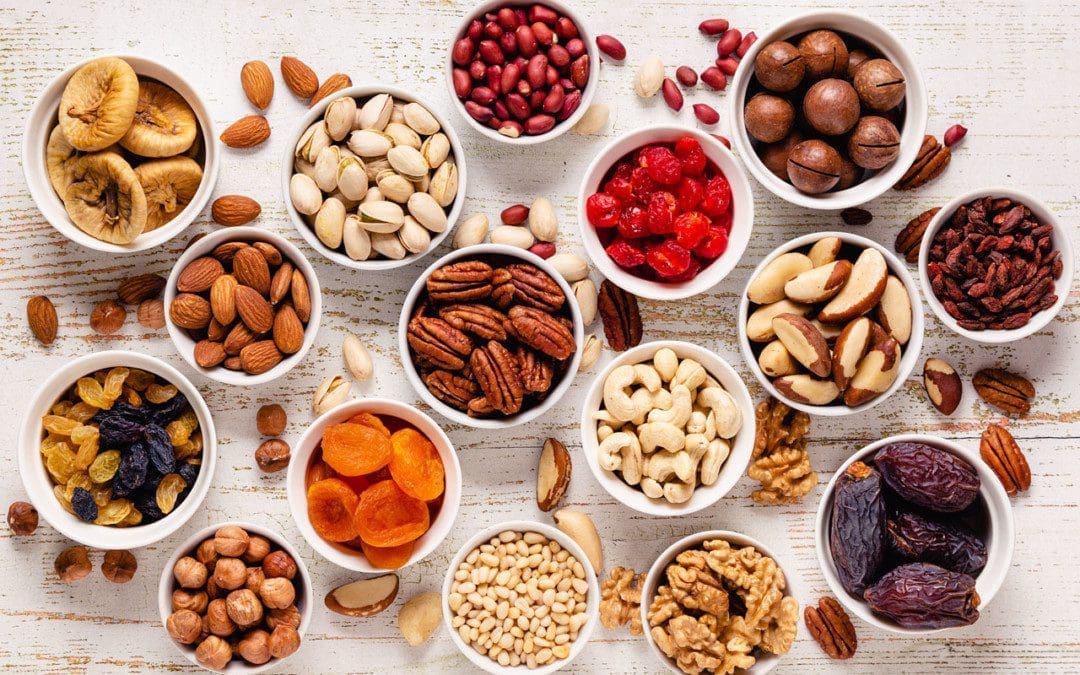
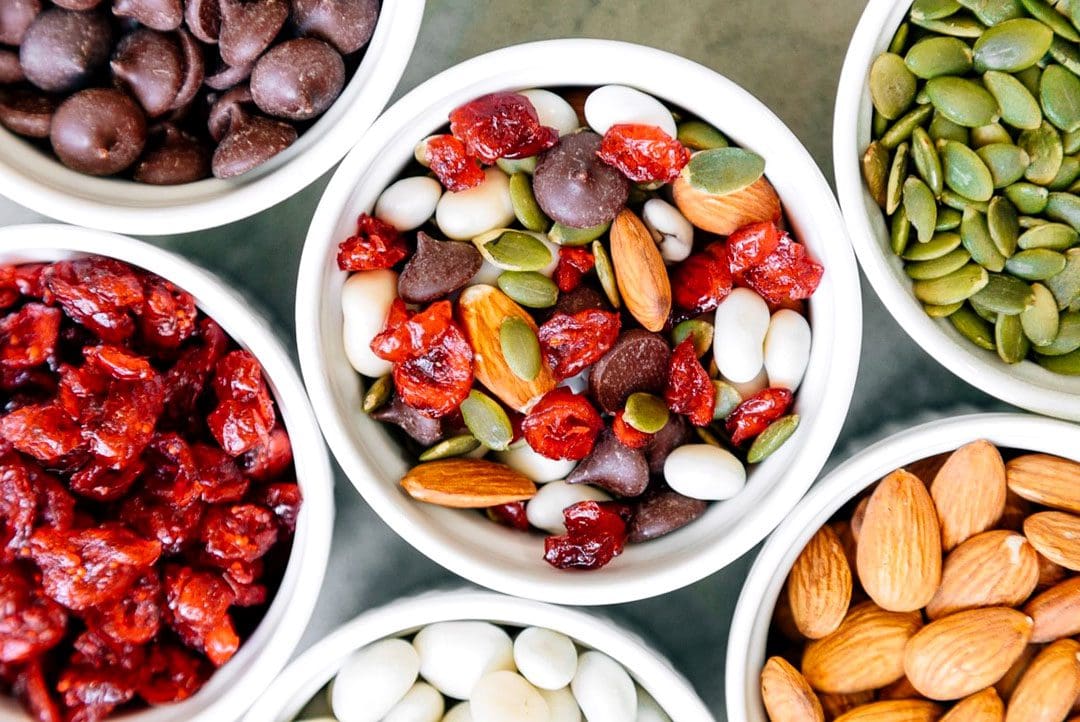
Trail mix is a favorite snack for many individuals. A typical mix combines granola, dried fruits, nuts, seeds, cereals, and pretzels. The mix was originally developed as a portable snack/meal for hikers that was lightweight, could be stored in a backpack, and provided plenty of protein and energy. Prepackaged trail mix is available at many grocery stores and online retailers. It’s an excellent choice for traveling or going on a road trip because of its energy and nutritional content. However, not all types are considered equal in terms of nutrition. Some can consist of ingredients loaded with sugar and salt. Added consumption could cause weight gain and contribute to conditions like heart disease, type 2 diabetes, and liver problems. Here we look at choosing healthy mixes.
Trail Mix
The nutritional power comes from the high amounts of fiber and antioxidants.
Benefits
Protein and Healthy Fats
Protein is essential for tissue repair, immune health, and muscle development.
Nuts and seeds make up the largest portion.
A healthy source of protein, allowing individuals to snack on the go and not become hungry.
One of the greatest benefits of eating these is that they are full of heart-healthy fats.
These healthy fats help decrease unhealthy LDL cholesterol levels and reduce inflammation.
Fiber
The fiber in the seeds and granola helps keep the gut healthy and regular.
It also helps control appetite, aids in digestion, and keeps the body fuller longer.
Energy
Dried fruits and granola consist of healthy sugars.
Healthy sugars help stabilize blood sugar levels, providing the body with a consistent energy source.
Antioxidants, Vitamins, and Minerals
Dried fruit maintains a majority of its nutritional value.
The nuts and seeds are also packed with nutrients and antioxidants.
Choosing Healthy
Check the nutrition label and avoid varieties high in added sugar or sodium.
Look for products containing nutrient-dense ingredients like nuts, seeds, dried fruits, and limited amounts of candy or chocolate chips, if any.
Healthy ingredients include almonds, pumpkin seeds, cashews, sunflower seeds, dried fruit, popcorn, and dark chocolate.
Making trail mix at home allows control of its contents and maximizes its potential health benefits.
It is important to keep an eye on portion control.
A recommended serving is about a fourth of a cup.
Nutritionist
Nutritional consultation can improve an individual’s quality of life, health, and well-being. A nutritionist can help individuals with precision or personalized nutrition that focuses on the individual. Nutritionists can create meal plans for their clients and provide education and knowledge on appropriate food choices.
Potassium
References
Devitt, A A et al. “Appetitive and Dietary Effects of Consuming an Energy-Dense Food (Peanuts) with or between Meals by Snackers and Nonsnackers.” Journal of nutrition and metabolism vol. 2011 (2011): 928352. doi:10.1155/2011/928352
Grillo, Andrea et al. “Sodium Intake and Hypertension.” Nutrients vol. 11,9 1970. 21 Aug. 2019, doi:10.3390/nu11091970
Mehlhose, Clara, et al. “PACE Labels on Healthy and Unhealthy Snack Products in a Laboratory Shopping Setting: Perception, Visual Attention, and Product Choice.” Foods (Basel, Switzerland) vol. 10,4 904. 20 Apr. 2021, doi:10.3390/foods10040904
Vreman, Rick A et al. “Health and economic benefits of reducing sugar intake in the USA, including effects via non-alcoholic fatty liver disease: a microsimulation model.” BMJ open vol. 7,8 e013543. 3 Aug. 2017, doi:10.1136/bmjopen-2016-013543
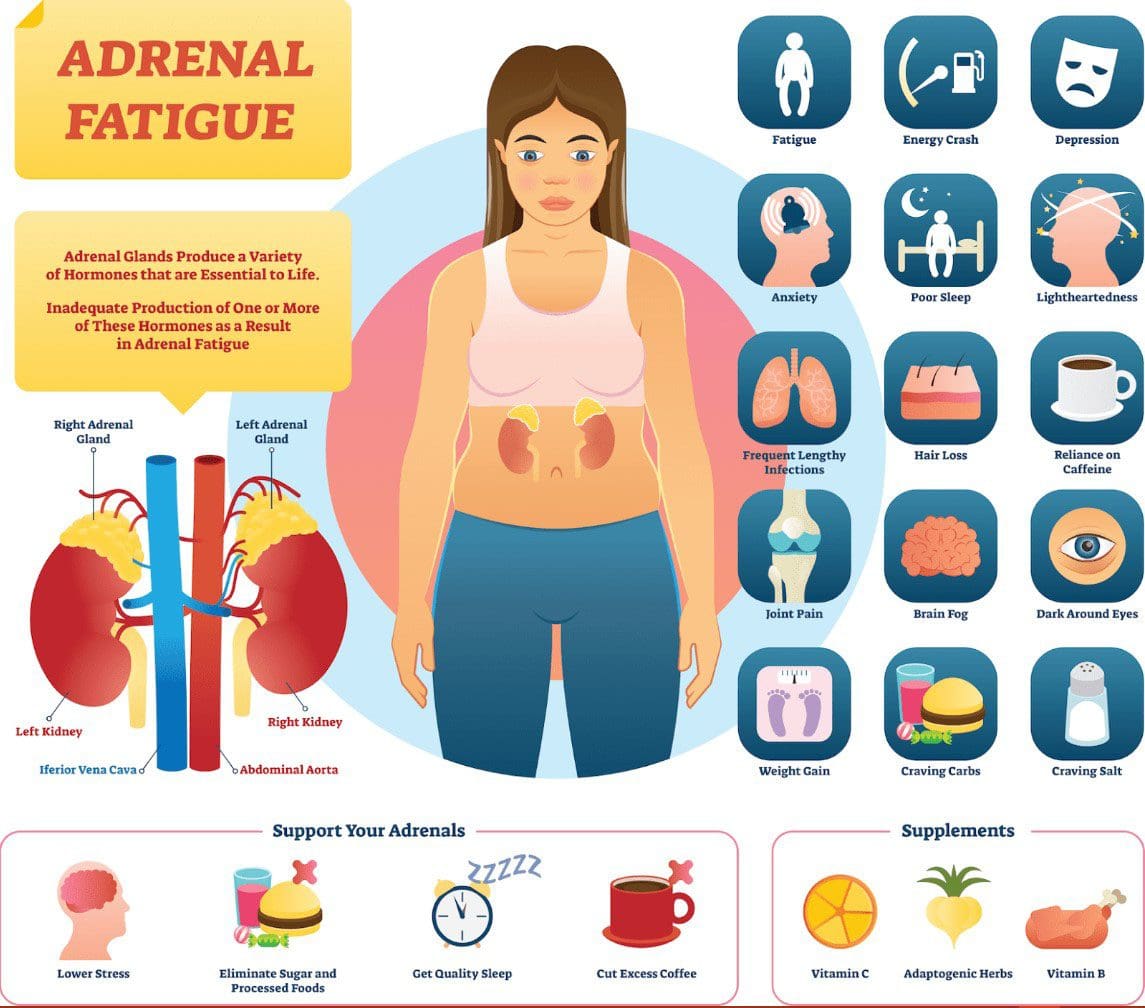
The adrenal glands are small and sit above the kidneys. The glands help the body burn fat and protein and regulate sugar, blood pressure, and stress response. They create, release, and regulate hormones like cortisol and adrenaline. Conditions like chronic fatigue, brain fog, and burnout cause individuals to be exhausted during the day and unable to fall asleep at night. Symptoms can also include hair loss, weight fluctuation, increased cravings, and difficulty recovering from illness. Nutrition support plays a major role in healing adrenal fatigue.
Nutrition Support
Adrenal fatigue nutrition support is a food-based approach to optimize adrenal gland function. The objective is to increase energy levels naturally, so the body doesn’t burn stored nutrients. Adrenal gland optimization involves learning ways to reduce and manage stress, getting healthy sleep, and making lifestyle adjustments.
Adrenal Fatigue
When stress activates, the adrenal glands release cortisol. Researchers theorize that when the body experiences high levels of chronic stress, the adrenal glands may not be able to produce enough cortisol to maintain healthy function, which can lead to adrenal fatigue.
Adrenal fatigue should not be confused with adrenal insufficiency, a verified medical condition where the adrenal glands cannot produce enough hormones.
Fatigue Symptoms
Symptoms of adrenal fatigue include:
Chronic low energy levels
Difficulty waking up
Difficulty falling asleep
Increased cravings for salt or sugar
Dependence on stimulants like caffeine
Other health conditions could also cause symptoms.
Foods to Avoid
Decreasing foods and drinks high in refined and processed sugar and unhealthy fats are recommended. Some foods to limit include:
It’s also recommended to time meals to help manage blood sugar levels. Skipping meals forces the body to burn stored nutrients that can reduce energy levels. Maintaining breakfast and lunch and regular balanced snacks can help maintain energy levels throughout the day. Maintaining hydration is also important, as dehydration can influence stress levels and cause the adrenal glands to produce cortisol.
Recommended Foods
Doctors and nutritionists recommend balancing nutrient-dense sources of protein, healthy fats, and carbohydrates. Nutrition support foods include:
Lean meats
Fatty fish – Salmon and sardines are great protein sources as they are loaded with healthy omega-3 fatty acids, which can reduce inflammation and promote improved brain health.
Leafy greens – These vegetables contain magnesium, like spinach, kale, and Swiss chard. The body needs magnesium to carry out various functions, which also helps the body relax and manage stress more effectively. When there is trouble falling asleep, it could be a deficiency in this mineral.
Sea salt – Individuals with adrenal fatigue experience electrolyte imbalances. This is caused by a deficiency in the steroid hormone aldosterone. Adding sea salt will help balance electrolytes and minimize symptoms, specifically those related to blood pressure.
Olive oil
Avocado – The body needs a good amount of healthy fat to help the body heal. A low-fat diet is not ideal for dealing with hormonal issues like adrenal fatigue, as the body needs fat and cholesterol to produce hormones. Avocados contain high monounsaturated fats and fiber that help the body detox and digest food more efficiently.
Healing
A nutrition plan addressing adrenal fatigue can increase energy levels, regulate blood pressure, and promote healthier eating habits. Talking with your doctor and a nutritionist is recommended for optimal results, as they can develop a personalized health plan that addresses the following:
Lifestyle adjustments
Healthy sleep schedule
Managing stress
Physical activity
We are here for you at Injury Medical Chiropractic and Functional Wellness Clinic to learn more about adrenal fatigue and how to manage it. Contact us for more information on our services or to schedule an appointment for a consultation.
Adrenal Dysfunction Patterns
References
ABDULLA, Jehan, and B. DJ Torpy. “Chronic Fatigue Syndrome.” Endotext, edited by Kenneth R Feingold et al., MDText.com, Inc., 20 April 2017.
Allen, Loyd V Jr. “Adrenal fatigue.” International journal of pharmaceutical compounding vol. 17,1 (2013): 39-44.
Galland, Leo. “The gut microbiome and the brain.” Journal of medicinal food vol. 17,12 (2014): 1261-72. doi:10.1089/jmf.2014.7000
Immune system health and keeping the system strong and healthy can be accomplished by maintaining healthy eating habits. Eating foods rich in specific vitamins and supplements can help the immune system fight off illness, maintain energy levels, and help during injury recovery. Here we look at choosing foods with the right vitamins to build and strengthen the immune system throughout the year.
Immune System Health
The immune system consists of complex cells, processes, and chemicals that constantly defend the body against invading pathogens, including viruses, toxins, and bacteria. Keeping the immune system healthy year-round is key to infection and disease prevention. Healthy lifestyle choices consist of the following:
Nutritious food, healthy sleep, physical activity, and exercise are the most important ways to strengthen the immune system.
Supplementing certain vitamins, minerals, and herbs can help improve immune response.
However, some supplements can interact with prescription or over-the-counter medications.
Certain supplements may not be recommended for individuals with certain health conditions.
Research has found that selenium activates the immune system when there is a threat and signals when to slow or shut down immune responses.
Selenium keeps the immune system from overworking.
Selenium protects from chronic inflammation and autoimmune diseases like rheumatoid arthritis, Crohn’s disease, and psoriasis.
Selenium Foods
Foods from highest to lowest levels of selenium.
Brazil nuts
Tuna
Halibut
Canned sardines
Lean meats
Cottage cheese
Brown rice
Eggs
Oatmeal
Milk
Yogurt
Lentils
Nuts
Seeds
Peas
Increase Water Intake
Maintaining healthy hydration can increase immune health.
Water helps the body produce lymph, which carries white blood cells and other immune system cells.
Try to balance out dehydrating beverages, like coffee and soda.
Try eating more hydrating foods like cucumbers, celery, lettuce, and strawberries.
Immune System Health
References
Chaplin, David D. “Overview of the immune response.” The Journal of allergy and clinical immunology vol. 125,2 Suppl 2 (2010): S3-23. doi:10.1016/j.jaci.2009.12.980
Halliwell, B. “Antioxidants in human health and disease.” Annual review of nutrition vol. 16 (1996): 33-50. doi:10.1146/annurev.nu.16.070196.000341
Lewis, Erin Diane, et al. “Regulatory role of vitamin E in the immune system and inflammation.” IUBMB life vol. 71,4 (2019): 487-494. doi:10.1002/iub.1976
Mora, J Rodrigo, et al. “Vitamin effects on the immune system: vitamins A and D take center stage.” Nature reviews. Immunology vol. 8,9 (2008): 685-98. doi:10.1038/nri2378
Nicholson, Lindsay B. “The immune system.” Essays in biochemistry vol. 60,3 (2016): 275-301. doi:10.1042/EBC20160017
Shakoor, Hira, et al. “Immune-boosting role of vitamins D, C, E, zinc, selenium and omega-3 fatty acids: Could they help against COVID-19?.” Maturitas vol. 143 (2021): 1-9. doi:10.1016/j.maturitas.2020.08.003
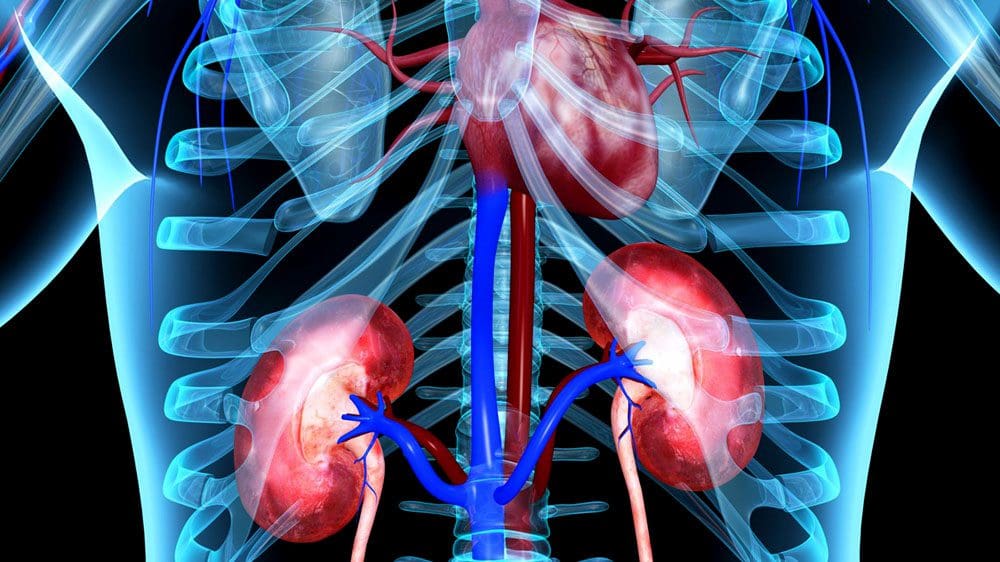
Maintaining kidney health is important to the body’s overall health and well-being. The kidneys are fist-sized organs located beneath the rib cage on both sides of the spine. A kidney detox maintains health allowing the body to filter and expel waste properly and produce hormones to help the body function at its full potential.
Kidney Health
The kidneys perform several functions that include:
Filters and cleanses out impurities from the blood.
Produces hormones that regulate blood pressure and control the production of red blood cells.
Filter’s waste products stored in the bladder and expelled through urine.
Activates vitamin D to support body absorption of calcium for bone repair and regulating muscle function.
Kidney Detox
A key measure of keeping the kidneys clean and healthy is to engage in a healthy nutrition plan. Doctors recommend implementing lifestyle changes to help the kidneys filter at full capacity. Certain foods can help detox the kidneys and promote their health.
Pumpkin seeds
Pumpkin seeds can help prevent the accumulation of uric acid, one of the compounds that cause kidney stones.
Grapes
These fruits contain a compound called resveratrol to reduce kidney inflammation.
Lemons
Lemons help with digestion.
They have vitamin C, which enhances the immune system and supports white blood cells to fight infections.
Citrate binds with calcium in the urine to stop the growth of calcium crystals, preventing kidney stones.
Carrots
Carrots have beta-carotene, alpha-carotene, and vitamin A.
Antioxidants for inflammation.
Ginger
Ginger can help in the dissolving process of kidney stones and prevents them from reforming.
Beets
Improves blood circulation to the kidneys.
Celery
Celery has alkaline and diuretic properties to help expel excess fluids.
It has coumarins which can help to increase vascular flow.
It is rich in vitamins D, C, and K.
Apples
Apples contain fiber to unclog the arteries, specifically the kidney arteries will improve filtration.
Maintain Hydration
The human body is almost 60 percent water, with every organ requiring water.
The kidneys (body filtration system) require water to secrete urine.
Urine is the primary waste product that allows the body to eliminate unwanted and unnecessary substances.
Low water intake means low urine volume.
Low urine output can lead to kidney dysfunction, like kidney stones.
Maintaining the body’s hydration is crucial so the kidneys can thoroughly flush out excess waste materials.
This is an example of a two-day kidney cleanse to help strengthen the kidneys and detoxify the body.
Day 1
Breakfast
Smoothie made with:
8 ounces of fresh lemon, ginger, and beet juice
1/4 cup of sweetened dried cranberries
Lunch
Smoothie made with:
1 cup almond milk
1/2 cup tofu
1/2 cup spinach
1/4 cup berries
1/2 apple
Two tablespoons of pumpkin seeds
Dinner
Large mixed-greens salad
4 ounces of lean protein – chicken, fish, or tofu
Top with 1/2 cup of grapes
1/4 cup peanuts
Day 2
Breakfast
Smoothie made with:
1 cup soy milk
One frozen banana
1/2 cup spinach
1/2 cup blueberries
One teaspoon spirulina
Lunch
A bowl of:
1 cup orzo rice
1 cup fresh fruit
Two tablespoons of pumpkin seeds
Dinner
Large mixed-greens salad
4 ounces of lean protein – chicken, fish, or tofu
Top with 1/2 cup of cooked barley
Add fresh lemon juice
4 ounces each of unsweetened cherry juice and orange juice
Consult a healthcare provider, nutritionist, or dietitian to ensure it is safe.
Dietary Prescription
References
Chen, Teresa K et al. “Chronic Kidney Disease Diagnosis and Management: A Review.” JAMA vol. 322,13 (2019): 1294-1304. doi:10.1001/jama.2019.14745
Den Hartogh, Danja J, and Evangelia Tsiani. “Health Benefits of Resveratrol in Kidney Disease: Evidence from In Vitro and In Vivo Studies.” Nutrients vol. 11,7 1624. 17 Jul. 2019, doi:10.3390/nu11071624
Pizzorno, Joseph. “The Kidney Dysfunction Epidemic, Part 1: Causes.” Integrative medicine (Encinitas, Calif.) vol. 14,6 (2015): 8-13.
Saldanha, Juliana F et al. “Resveratrol: why is it a promising therapy for chronic kidney disease patients?.” Oxidative medicine and cellular longevity vol. 2013 (2013): 963217. doi:10.1155/2013/963217
Tack, Ivan MD, Ph.D. Effects of Water Consumption on Kidney Function and Excretion. Nutrition Today: November 2010 – Volume 45 – Issue 6 – p S37-S40
doi: 10.1097/NT.0b013e3181fe4376
IFM's Find A Practitioner tool is the largest referral network in Functional Medicine, created to help patients locate Functional Medicine practitioners anywhere in the world. IFM Certified Practitioners are listed first in the search results, given their extensive education in Functional Medicine