With the summer heatwave blasting through, some individuals can experience digestive health problems. The relationship between the temperature outside and the temperature in the body translates to the digestive system. As the heat rises, it can make the digestive system slow down and become weakened feeling bloated, nauseated, and tired. The body’s balance may feel off because the body lowers its internal temperature to protect itself. Individuals must be careful not to overload themselves with the wrong foods. One way to avoid problems and maintain digestion working smoothly is to eat lighter, eat smaller portions for each meal, and eat easily digestible foods. Doing this will allow the body will feel cooler, and maintain alertness and energy throughout the hot day.
The objective is not to skip meals but to eat regular meals, just smaller and easily digestible ones. Foods low in fiber tend to be easy to digest and can help the body feel better.
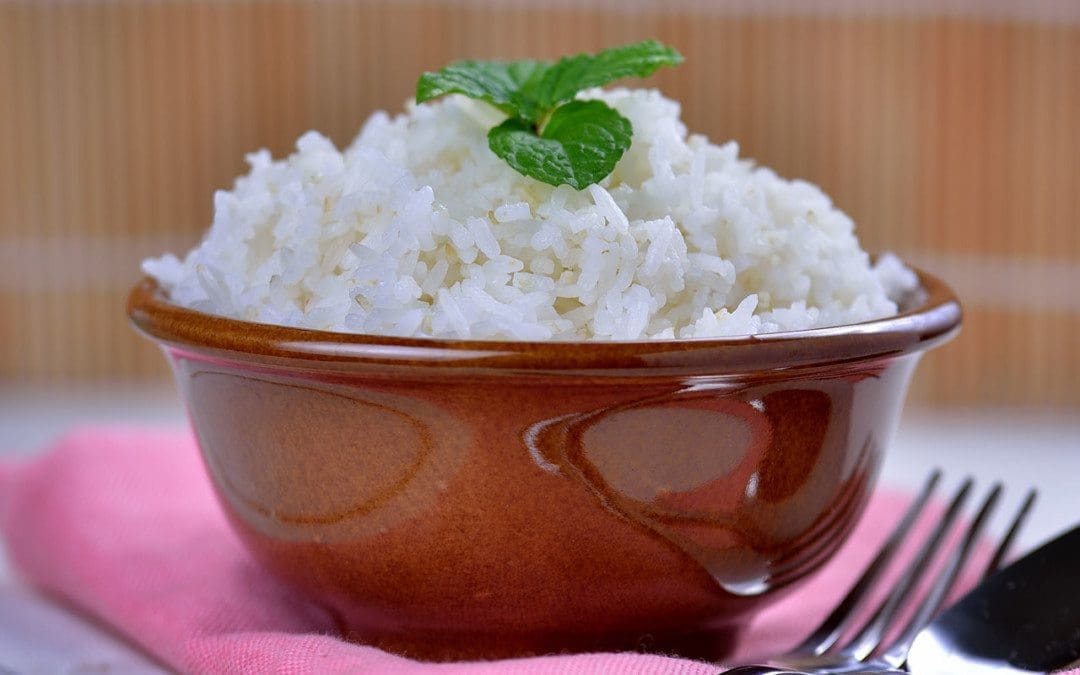
White Rice
White rice is low in fat and fiber, making it easy on the stomach and easy to digest.
It is not associated with any gastrointestinal issues and is considered a safe starch because it is an easy source of carbohydrates that provides instant energy.
To digest rice even more easily, eat it by itself or pair it with foods low in fat.
Certain foods that are high in fat, like vegetable oils, can take longer to digest and could cause discomfort.
A 1/2 cup of cooked white rice:
210 calories
4g protein
0g fat
49g carbohydrates
1g fiber
Bananas
Ripe bananas are an easily digestible fruit that only contains a moderate amount of fiber.
They are associated with improvements in both constipation and diarrhea,
Individuals with a variety of digestive issues may experience relief when incorporating bananas into their diets.
Cooking bananas makes them even easier to digest as it makes certain nutrients easier to absorb.
Make sure the bananas are ripe enough.
Unripe bananas can be more difficult to digest.
1 medium raw/ripe banana:
105 calories
1.3g protein
0.4g fat
27g carbohydrates
3g fiber
Applesauce
Although made from apples, applesauce is low in fiber and a great source of vitamin C.
Cooked, canned, or processed fruits tend to be lower in fiber and easier to digest.
Applesauce is recommended to calm a variety of stomach-related ailments like constipation, diarrhea, and gastroparesis.
A 4-ounce serving of applesauce:
90 calories
0g protein
0g fat
22g carbohydrates
2g fiber
White Bread
Plain white bread is low in fiber and easier to digest than bread made with whole-grain wheat bread.
It is often fortified with nutrients including folic acid, B vitamins, vitamin D3, and more.
Try plain toast for breakfast
Use low-fat fillings for an easily digestible sandwich for lunch or dinner.
2 slices of plain white bread:
150 calories
4g protein
28g carbohydrates
2g fat
1g fiber
Chicken and Turkey
Lean proteins low in fat like chicken breast and turkey are easy to digest.
Individuals experiencing digestive problems are recommended to consume lean protein over fattier red meats.
A 3-ounce serving of skinless, boneless chicken breast:
128 calories
26g protein
2.7g fat
0g carbohydrates
0g fiber
Sweet Potatoes
Cooked potatoes of all varieties are examples of easily digestible foods.
Sweet potatoes are gentle on the digestive tract because they are mostly insoluble fiber, which speeds up digestion and increases regularity.
To make potatoes easier to digest, remove the skins and mash the inside.
Removing the skins decreases the fiber content, and mashing them makes digestion easier.
1 medium sweet potato that is cooked and peeled:
135 calories
3g protein
0.2g fat
31g carbohydrates
5g fiber
Other recommendations that could help stimulate digestion include drinking more water, getting more sleep, reducing stress levels, and exercising.
The Healing Diet
References
Howard, Sally, and Geetanjali Krishna. “How hot weather kills: the rising public health dangers of extreme heat.” BMJ (Clinical research ed.) vol. 378 o1741. 14 Jul. 2022, doi:10.1136/bmj.o1741
Kong, Fanbin, et al. “Physical changes in white and brown rice during simulated gastric digestion.” Journal of food science vol. 76,6 (2011): E450-7. doi:10.1111/j.1750-3841.2011.02271.x
Nguyen, Hoang Chinh et al. “Bioactive Compounds, Antioxidants, and Health Benefits of Sweet Potato Leaves.” Molecules (Basel, Switzerland) vol. 26,7 1820. 24 Mar. 2021, doi:10.3390/molecules26071820
Remes-Troche, José María. “Too hot” or “too cold”: effects of meal temperature on gastric function.” Digestive diseases and sciences vol. 58,9 (2013): 2439-40. doi:10.1007/s10620-013-2789-4
Salfi, Salvatore F, and Karyn Holt. “The role of probiotics in diarrheal management.” Holistic nursing practice vol. 26,3 (2012): 142-9. doi:10.1097/HNP.0b013e31824ef5a3
Singh, Balwinder, et al. “Bioactive compounds in banana and their associated health benefits – A review.” Food Chemistry vol. 206 (2016): 1-11. doi:10.1016/j.foodchem.2016.03.033
Protein deficiency, or hypoproteinemia, is when the body has lower-than-normal protein levels. Protein is an essential nutrient in bones, muscles, skin, hair, and nails, and maintains bone and muscle strength. The body does not store protein, so it is needed daily. It helps make hemoglobin, which carries oxygen throughout the body, and chemical enzymes, which cause reactions that maintain organ function. A lack of enough protein can cause problems like muscle loss, fatigue, a weakened immune system, and chronic pain. Injury Medical Chiropractic and Functional Medicine Clinic can provide nutritional guidance and develop a personalized nutrition plan to restore musculoskeletal health and function.
Protein Deficiency
When digested, protein breaks down into amino acids that help the body’s tissues function and grow. Individuals can become deficient if their bodies can’t effectively digest and absorb the proteins within the foods they eat.
Symptoms
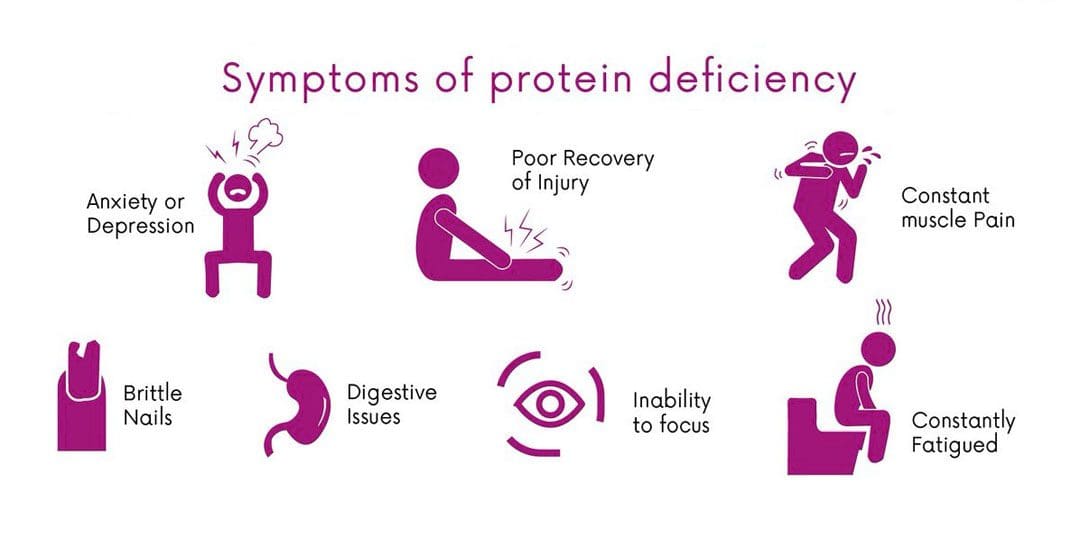
When the body doesn’t meet the required protein amounts or can’t absorb protein efficiently, it can lead to symptoms, including:
Chronic fatigue.
Increased infections and illnesses.
Reduced muscle mass.
Loss of muscle mass.
Slower injury healing times.
Sarcopenia in older individuals.
Swelling in the legs, face, and other areas from fluid buildup.
Dry, brittle hair that falls out.
Cracked, pitted nails.
High blood pressure during the second trimester of pregnancy/preeclampsia.
Causes
Protein deficiency can have various causes, depending on the individual case. Certain medical conditions include:
Malnutrition or undereating – an individual does not eat enough calories or avoids certain food groups.
Adequate protein intake is essential to maintain healthy amino acid levels to support cell structure and function. The requirement differs for everybody based on age, sex, and physical activity levels. Protein is available in a wide variety of animal and plant foods. Recommended nutritious protein sources for optimal health and fitness include foods such as:
Beans and legumes
Oats
Eggs
Cheese
Lean beef, chicken, turkey, and pork
Seafood
Seeds
Nuts
Various kinds of nut butter
Greek yogurt
Quinoa
Tofu
Protein is essential for all cells and body tissue and can impair body function in short supply. Although diet-related protein deficiency is rare in the United States, certain medical conditions can increase the risk. Adding protein to a diet is simple and can be achieved by incorporating various foods from either plant or animal sources.
Clinical Implementation of Functional Nutrition
References
Bauer, Juergen M, and Rebecca Diekmann. “Protein and Older Persons.” Clinics in geriatric medicine vol. 31,3 (2015): 327-38. doi:10.1016/j.cger.2015.04.002
Brock, J F. “Protein deficiency in adults.” Progress in food & nutrition science vol. 1,6 (1975): 359-70.
Deutz, Nicolaas E P, et al. “Protein intake and exercise for optimal muscle function with aging: recommendations from the ESPEN Expert Group.” Clinical nutrition (Edinburgh, Scotland) vol. 33,6 (2014): 929-36. doi:10.1016/j.clnu.2014.04.007
Paddon-Jones, Douglas, and Blake B Rasmussen. “Dietary protein recommendations and the prevention of sarcopenia.” Current Opinion in clinical nutrition and metabolic care vol. 12,1 (2009): 86-90. doi:10.1097/MCO.0b013e32831cef8b
Pappova, E et al. “Acute hypoproteinemic fluid overload: its determinants, distribution, and treatment with concentrated albumin and diuretics.” Vox sanguinis vol. 33,5 (1977): 307-17. doi:10.1111/j.1423-0410.1977.tb04481.x
Not getting enough fiber in one’s diet can lead to fiber deficiency. Fiber helps support gut and microbiome health. Individuals not getting enough fiber may experience irregular bowel movements, constipation, blood sugar fluctuations, not feeling full/satisfied after eating, or rising cholesterol levels. About 100 trillion microorganisms in the gut are integral to maintaining a healthy immune system. Fiber is the food these microorganisms eat that helps them to do their job. Without the proper amount, the immune system’s health may also be compromised.
Fiber and Gut Health
Fiber and gut health benefits include regulating the body’s sugars, helping to keep hunger and blood sugar in check, helping to maintain a healthy weight, its ability to prevent or relieve constipation, reduce the risk of diabetes, heart disease, and certain types of cancer.
Dietary fiber, or roughage, is the part of plant foods the body can’t digest or absorb.
It passes through the stomach, small intestine, and colon and out of the body.
It is found mainly in fruits, vegetables, whole grains, and legumes.
Soluble and insoluble forms are important to overall health.
Types
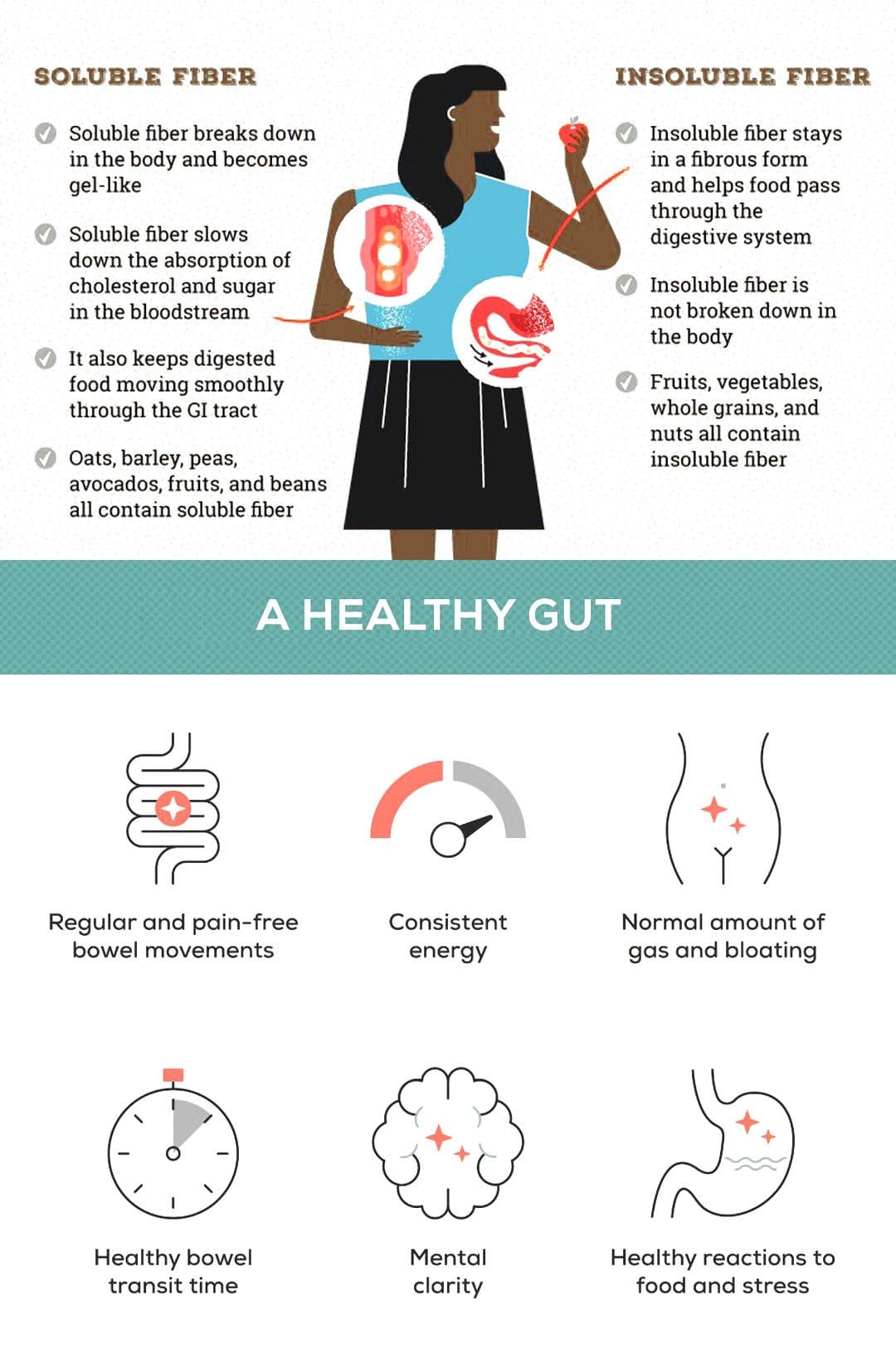
Soluble Fiber
This type dissolves in water to form a gel-like substance.
It can help lower blood cholesterol and glucose levels.
It is found in oats, peas, beans, apples, citrus fruits, carrots, and barley.
Insoluble Fiber
This type of fiber promotes the movement of material through the digestive system.
It increases stool bulk, benefiting individuals who struggle with constipation or irregular stools.
Whole-wheat flour, wheat bran, nuts, beans, and vegetables, such as cauliflower, green beans, and potatoes, are good sources.
Benefits
Healthy Bowel Movements
Dietary fiber increases stool weight and thickness and makes it soft.
Fiber helps to solidify the stool by absorbing water and adding bulk.
A thicker stool is easier to pass, decreasing the potential for constipation and other problems.
Maintains Bowel Health
A high-fiber diet can lower the risk of developing hemorrhoids and small pouches in the colon/diverticular disease.
Studies have also found that a high-fiber diet can help lower the risk of colorectal cancer.
Some fiber gets fermented in the colon.
Researchers are looking at how this can help prevent diseases of the colon.
Lowers Cholesterol
Soluble fiber found in beans, oats, flaxseed, and oat bran can help lower blood cholesterol levels by lowering low-density lipoprotein or unhealthy cholesterol levels.
Studies also have shown that high-fiber foods can help reduce blood pressure and inflammation.
Regulates Blood Sugar Levels
In individuals with diabetes, fiber, particularly soluble fiber, can slow the absorption of sugar and improve blood sugar levels.
A healthy nutrition plan that includes insoluble fiber can help reduce the risk of developing type 2 diabetes.
Helps Achieve Healthy Weight
High-fiber foods can be more filling than low-fiber foods, helping individuals eat less and stay satisfied.
High-fiber foods can also take longer to eat and are less energy dense, meaning they have fewer calories.
Getting More Fiber
Ideas for adding more fiber to meals and snacks:
Fiber to Start The Day
Choose a high-fiber breakfast cereal with five or more grams of fiber per serving.
Choose cereals with whole grain, bran, or fiber in the name.
Add a few tablespoons of unprocessed wheat bran to the cereal.
Add Whole Grains
Try to make at least half of the grains eaten whole grains.
Look for bread that lists whole wheat, whole-wheat flour, or another whole grain as the first ingredient, with at least 2 grams of dietary fiber per serving.
Experiment with whole-wheat pasta, brown rice, wild rice, barley, and bulgur wheat.
Baked Foods
Substitute whole-grain flour for half or all white flour when baking.
Add crushed bran cereal, unprocessed wheat bran, or uncooked oatmeal to muffins, cakes, and cookies.
Legumes
Beans, peas, and lentils are recommended sources.
Add kidney beans to soups or salads.
Make nachos with refried black beans, fresh vegetables, whole-wheat tortilla chips, and healthy salsa.
Fruit and Vegetables
Fruits and vegetables are rich in fiber and vitamins and minerals.
Try to eat a favorite fruit daily.
Healthy Snacks
Fresh fruits, raw vegetables, low-fat popcorn, and whole-grain crackers are healthy choices.
Try for a handful of nuts or dried fruits; however, be aware that nuts and dried fruits can be high in calories.
Moderation
High-fiber foods are beneficial for the body’s health.
Adding too much fiber can promote intestinal gas, abdominal bloating, and cramping.
Increase fiber gradually over a few weeks.
This allows the natural bacteria in the digestive system to make adjustments.
Maintain hydration, as fiber works best when it absorbs water.
Individuals not sure how to incorporate more fiber can consult a nutritionist and health coach to help begin the process.
Gut Dysfunction
References
Anderson, James W et al. “Health benefits of dietary fiber.” Nutrition Reviews vol. 67,4 (2009): 188-205. doi:10.1111/j.1753-4887.2009.00189.x
Cronin, Peter, et al. “Dietary Fiber Modulates the Gut Microbiota.” Nutrients vol. 13,5 1655. 13 May. 2021, doi:10.3390/nu13051655
Fuller, Stacey, et al. “New Horizons for the Study of Dietary Fiber and Health: A Review.” Plant foods for human nutrition (Dordrecht, Netherlands) vol. 71,1 (2016): 1-12. doi:10.1007/s11130-016-0529-6
Gill, Samantha K et al. “Dietary fiber in gastrointestinal health and disease.” Nature reviews. Gastroenterology & hepatology vol. 18,2 (2021): 101-116. doi:10.1038/s41575-020-00375-4
Supplements To Ease Headaches: Individuals dealing with headaches or migraines should consider incorporating supplements to ease headaches’ severity and frequency. Nutrition and food habits affect all systems in the body. Although slower to take effect than medications, if a diet is used correctly to heal the body and maintain health, other treatments may not be necessary or require less. Many health providers understand that food is a medicine that can assist healing therapies like massage and chiropractic care, which makes the treatment more effective when used with dietary adjustments.
Supplements To Ease Headaches
An unhealthy lifestyle and diet are not the only contributing factor to headaches. Others include:
The goal of functional medicine is to help individuals reach their health and wellness goals that, include:
Regularly active lifestyle.
Optimal breathing patterns.
Quality sleep patterns.
Thorough hydration.
Healthy nutrition.
Improved digestive health.
Improved mental health.
Improved musculoskeletal health.
Pain Receptors – Headache
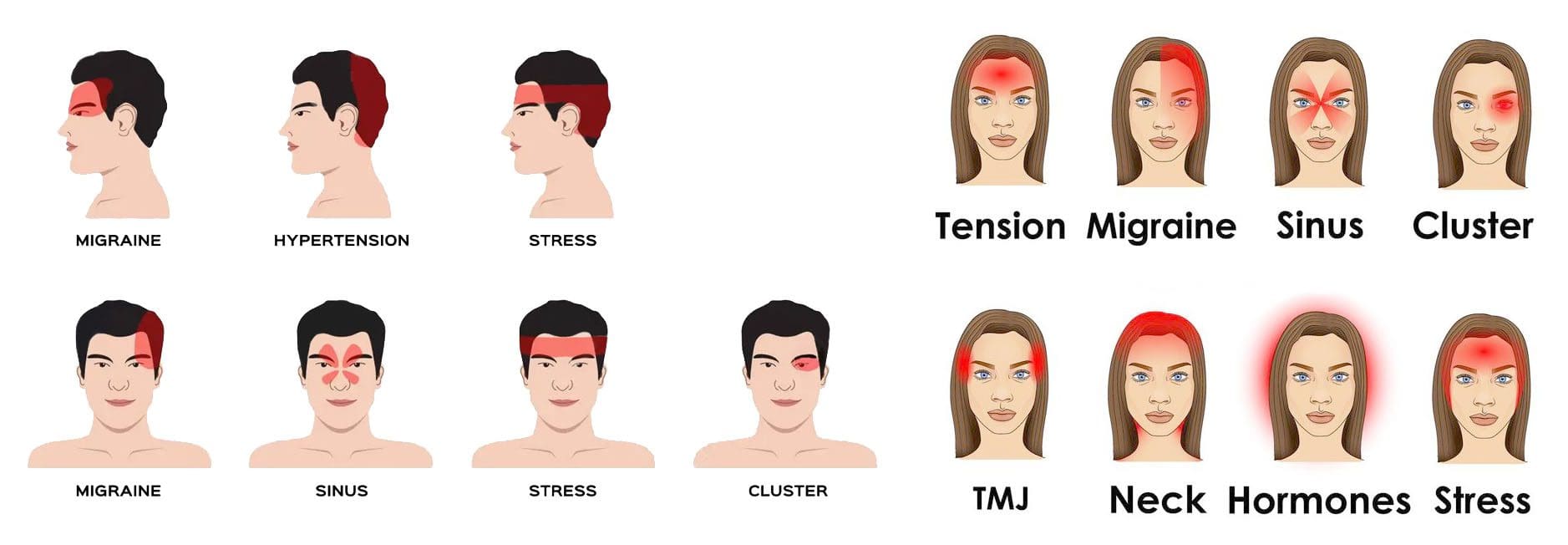
Pain and discomfort symptoms present when various head structures become inflamed or irritated. These structures include:
Nerves of the head and neck.
Muscles of the neck and head.
The skin of the head.
Arteries that lead to the brain.
Membranes of the ear, nose, and throat.
Sinuses that form part of the respiratory system.
The pain can also be referred, meaning that pain in one area can spread to nearby areas. An example is headache pain developed from neck stiffness and tightness.
Causes
Foods
Determining whether food sensitivities cause or contribute to headaches or migraines can be challenging. Nutritionists and dieticians recommend keeping a food journal to keep track of foods, snacks, drinks, alcohol intake, how the body reacts, and how the individual feels.
This process can help recognize foods or eating patterns that may contribute to headaches.
An integrative health practitioner can support this process and help identify sensitivities.
By eliminating and avoiding processed foods, headaches may be alleviated. This includes limited exposure to artificial colors, sweeteners, flavors, and other unnatural additives.
Foods naturally high in magnesium include legumes, almonds, broccoli, spinach, avocados, dried figs, and bananas.
Ginger Root
Ginger root is a natural remedy for nausea, diarrhea, upset stomach, and indigestion.
Ginger root extract can be taken in supplement form or fresh ginger added to meals and teas.
Coriander Seeds
Coriander syrup is effective against migraine pain.
A method to relieve a headache is to pour hot water over fresh seeds and inhale the steam.
To increase the effectiveness, place a towel over your head.
Celery or Celery Seed Oil
Celery can reduce inflammation and lower blood pressure.
However, pregnant women or individuals with kidney conditions, low blood pressure, taking thyroid medication, blood thinners, lithium, or diuretics should not use celery seed.
Peppermint and Lavender Essential Oils
Both have a natural numbing and cooling effect that helps relieve headache pain.
Peppermint oil has also been found to be a natural antibacterial, antiviral, antifungal, antiparasitic, and pain reliever.
Lavender oil can eliminate nervous tension, enhance blood circulation, and relieve pain.
Both are effective pain relief tools for headache and migraine sufferers.
Butterbur
This shrub grows in Europe, some parts of Asia, and North America.
A study found that individuals who consumed 75 mg of the extract twice daily reduced migraine attacks’ frequency.
Feverfew
A herb plant whose dried leaves have been found to relieve symptoms associated with headaches, migraines, menstrual cramps, asthma, dizziness, and arthritis.
Feverfew can be found in supplements.
It can alter the effects of certain prescription and non-prescription medications.
There is plenty of evidence to support the benefits of healthy nutrition. Combined with a healthy diet and lifestyle, these supplements can help relieve headaches. As with any supplement, talk to a doctor before starting a supplement regimen.
Chiropractic Care For Migraines
References
Ariyanfar, Shadi, et al. “Review on Headache Related to Dietary Supplements.” Current Pain and headache report vol. 26,3 (2022): 193-218. doi:10.1007/s11916-022-01019-9
Bryans, Roland, et al. “Evidence-based guidelines for the chiropractic treatment of adults with headache.” Journal of Manipulative and physiological therapeutics vol. 34,5 (2011): 274-89. doi:10.1016/j.jmpt.2011.04.008
Diener, H C et al. “The first placebo-controlled trial of a special butterbur root extract for the prevention of migraine: reanalysis of efficacy criteria.” European Neurology vol. 51,2 (2004): 89-97. doi:10.1159/000076535
Kajjari, Shweta, et al. “The Effects of Lavender Essential Oil and its Clinical Implications in Dentistry: A Review.” International Journal of clinical pediatric dentistry vol. 15,3 (2022): 385-388. doi:10.5005/jp-journals-10005-2378
Maier, Jeanette A et al. “Headaches and Magnesium: Mechanisms, Bioavailability, Therapeutic Efficacy and Potential Advantage of Magnesium Pidolate.” Nutrients vol. 12,9 2660. 31 Aug. 2020, doi:10.3390/nu12092660
Mansouri, Samaneh, et al. “Evaluating the effect of Coriandrum sativum syrup on being migraine-free using mixture models.” Medical Journal of the Islamic Republic of Iran vol. 34 44. 6 May. 2020, doi:10.34171/mjiri.34.44
Pareek, Anil, et al. “Feverfew (Tanacetum parthenium L.): A systematic review.” Pharmacognosy Reviews vol. 5,9 (2011): 103-10. doi:10.4103/0973-7847.79105
Skypala, Isabel J et al. “Sensitivity to food additives, vaso-active amines and salicylates: a review of the evidence.” Clinical and translational allergy vol. 5 34. 13 Oct. 2015, doi:10.1186/s13601-015-0078-3
Providing the body with adequate hydration and nutrition at the right time can maximize performance abilities, endurance, and muscle repair and restoration. Eating the right foods at the right time will fuel the body to support intense exercises. That means plenty of energy for cardiovascular and strength training. The optimal combination of pre-workout nutrition depends on the type of workout and how long it takes for the body to absorb the nutrients to get moving. Injury Medical Chiropractic and Functional Medicine Clinic can develop a fitness and nutritional plan customized to the individual’s needs and health goals.
Pre-Workout Nutrition
The three main macronutrients are carbohydrates, proteins, and fats when preparing pre-workout meals and snacks. Ratios are based on the specific needs of the workout. For example, going for a one-mile jog or a light aerobics class requires different amounts for different purposes. The longer and more intense the exercise, the more food is needed. Individuals may only need to modify or adjust their eating habits slightly for light workouts. Their roles vary:
Carbohydrates
Fats
Proteins
Each has a different role in supplying fuel for powering through physical activity.
Carbohydrates
Carbs are an important fuel for exercise.
Carbs can be found in grains, fruits, vegetables, and dairy products.
These are the easiest energy foods for the body to turn into glucose.
Glucose is stored in the muscles as glycogen.
Without enough carbohydrates, the body will be depleted of energy and become exhausted.
Proteins
This macronutrient is found in poultry, eggs, fish, and nuts.
Takes longer for the body to digest.
Protein helps the body feel full.
The body uses various nutrients to repair and build muscles.
Getting protein throughout the day can help with recovery after a workout.
Fats
The body burns fat for longer low to moderate-intensity workouts, such as a long run or bicycle ride.
However, fat takes more effort and time for the body to digest.
So, eating healthy fats is not the best right before exercise.
Pre-Workout Nutrition Guidelines
The exact mix of foods/nutrients ideal for the workout depends on when the individual can eat in relation to the time of the activity and intensity of the exercise.
Two to Four Hours Before Exercising
Have a meal containing a mix of carbohydrates, fats, and protein.
Oatmeal with fruit and nuts, a turkey sandwich with vegetables and some fruit, or a chicken and rice bowl with vegetables and avocado.
One to Two Hours Before Exercising
A light meal or snack.
Cereal with low-fat milk, peanut butter with crackers, or a fruit smoothie.
Avoid foods high in fiber and fat because they take longer to digest and can lead to digestion/stomach issues during exercise.
Before Morning Exercise
Going to the gym or out for a run first thing in the morning, something small, like a banana or granola bar.
For individuals that can’t eat early, don’t force yourself.
Have an extra portion at dinner or a snack before bed to have enough fuel for the morning.
During Workout
Have easy-to-digest carbs if the exercise session lasts more than an hour.
A banana or pretzels.
Sports drink during the workout contains electrolytes and minerals like sodium, magnesium, and potassium that assist in regulating functions like muscle contractions lost as the body sweats.
Hydration
Liquids are lost when the body sweats. Sipping water before, during, and after the workout is important.
Even a small dip in hydration levels can lower exercise performance and lessen mental sharpness.
Drinking two to three cups of water two to three hours before exercise is recommended.
During the workout, you should get at least a half to a full cup of water every 15 to 20 minutes.
After the workout, replenish hydration levels with two to three more cups.
Pre-Workouts
References
Jensen, Jørgen, et al. “The role of skeletal muscle glycogen breakdown for regulation of insulin sensitivity by exercise.” Frontiers in physiology vol. 2 112. 30 Dec. 2011, doi:10.3389/Phys.2011.00112
Jeukendrup, Asker. “A step towards personalized sports nutrition: carbohydrate intake during exercise.” Sports medicine (Auckland, N.Z.) vol. 44 Suppl 1, Suppl 1 (2014): S25-33. doi:10.1007/s40279-014-0148-z
Lowery, Lonnie M. “Dietary fat and sports nutrition: a primer.” Journal of sports science & Medicine vol. 3,3 106-17. 1 Sep. 2004
Ormsbee, Michael J et al. “Pre-exercise nutrition: the role of macronutrients, modified starches, and supplements on metabolism and endurance performance.” Nutrients vol. 6,5 1782-808. 29 Apr. 2014, doi:10.3390/nu6051782
Rothschild, Jeffrey A et al. “What Should I Eat Before Exercise? Pre-Exercise Nutrition and the Response to Endurance Exercise: Current Prospective and Future Directions.” Nutrients vol. 12,11 3473. 12 Nov. 2020, doi:10.3390/nu12113473
Shirreffs, Susan M. “The importance of good hydration for work and exercise performance.” Nutrition Reviews vol. 63,6 Pt 2 (2005): S14-21. doi:10.1111/j.1753-4887.2005.tb00149.x
Maintaining a healthy and well-balanced nutritional plan is recommended for overall health. When the body is nourished healthily, it will perform optimally. Stress is part of daily life, and certain foods can enhance the body’s ability to handle stress, help target physical and emotional states, and protect the brain. The Injury Medical Chiropractic and Functional Medicine Clinic Team can provide therapeutic massage to increase circulation, and relax the mind and body, adjustments to restore any misalignments, and nutritional support and health coaching for total wellness.
Foods For Stress
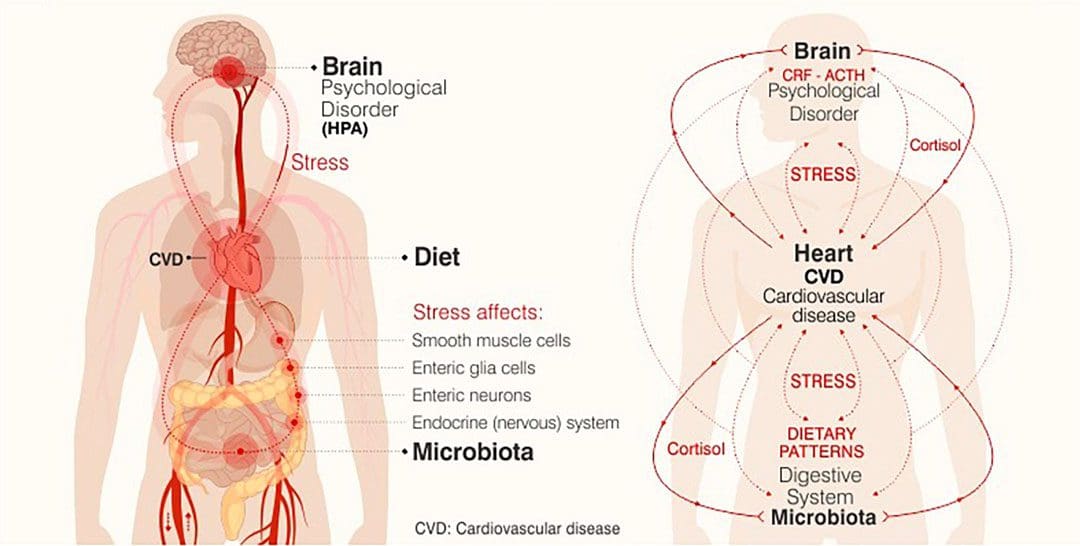
Anxiety is a widespread condition affecting millions of individuals. Trying to lower stress levels includes self-care, sleep management, physical activity, and incorporating foods to reduce cortisol levels, the primary hormone responsible for stress.
Cortisol
Cortisol has a variety of functions that include:
Manages how the body uses carbohydrates, fats, and proteins.
Sleep cycle regulation.
Blood pressure regulation.
Increases blood sugar.
Decreases inflammation.
Cortisol is sometimes known as the stress hormone because the adrenal gland releases it when experiencing stress or when the body is under physical stress/inflammation. It is the key to managing the fight-or-flight instinct and is healthy for a short period as a protective mechanism providing the energy needed to respond to short-term stress. However, the long-term release of cortisol generates tension in the body, leading to chronic inflammation and raised blood pressure. Learning how to manage stress is necessary for lowering cortisol levels.
Symptoms
Symptoms vary and are different for everybody.
Physical
Exhaustion.
Sleep problems.
Headaches.
Muscle tension.
Jaw clenching.
Aches and pains.
Chronic illness from a weakened immune system.
Stomach or digestive problems.
High blood pressure.
Chest pain or a feeling like the heart is racing.
Dizziness.
Shaking.
Emotional and mental
Irritability and or anxiousness.
Sadness.
Depression.
Panic attacks.
Foods
The objective is to reduce inflammation, thus reducing cortisol levels. Recommended foods for stress include foods high in magnesium, vitamin B, Omega-3 fatty acids, protein, and foods that benefit the gut. Here are a few.
Magnesium
Magnesium is highly beneficial in reducing inflammation, metabolizing cortisol, and relaxing the mind and body.
Dark chocolate.
Bananas.
Broccoli.
Spinach.
Avocados.
Pumpkin seeds.
Vitamin B
Vitamin B12 can help with the metabolism of cortisol.
The key to lowering stress is a whole-body approach that includes exercise, proper sleep, and managing chronic diseases like diabetes, hypertension, and obesity, all of which can put the body in a prolonged state of inflammation. Incorporating these foods into a nutritional plan can help relieve stress naturally.
Impact of Stress
References
Aucoin, Monique, and Sukriti Bhardwaj. “Generalized Anxiety Disorder and Hypoglycemia Symptoms Improved with Diet Modification.” Case reports in psychiatry vol. 2016 (2016): 7165425. doi:10.1155/2016/7165425
Errisuriz, Vanessa L et al. “Perceived stress and dietary choices: The moderating role of stress management.” Eating behaviors vol. 22 (2016): 211-216. doi:10.1016/j.eatbeh.2016.06.008
Norwitz, Nicholas G, and Uma Naidoo. “Nutrition as Metabolic Treatment for Anxiety.” Frontiers in psychiatry vol. 12 598119. 12 Feb. 2021, doi:10.3389/fpsyt.2021.598119
Serafini, Mauro, and Ilaria Peluso. “Functional Foods for Health: The Interrelated Antioxidant and Anti-Inflammatory Role of Fruits, Vegetables, Herbs, Spices and Cocoa in Humans.” Current pharmaceutical design vol. 22,44 (2016): 6701-6715. doi:10.2174/1381612823666161123094235
Zellner, Debra A et al. “Food selection changes under stress.” Physiology & behavior vol. 87,4 (2006): 789-93. doi:10.1016/j.physbeh.2006.01.014
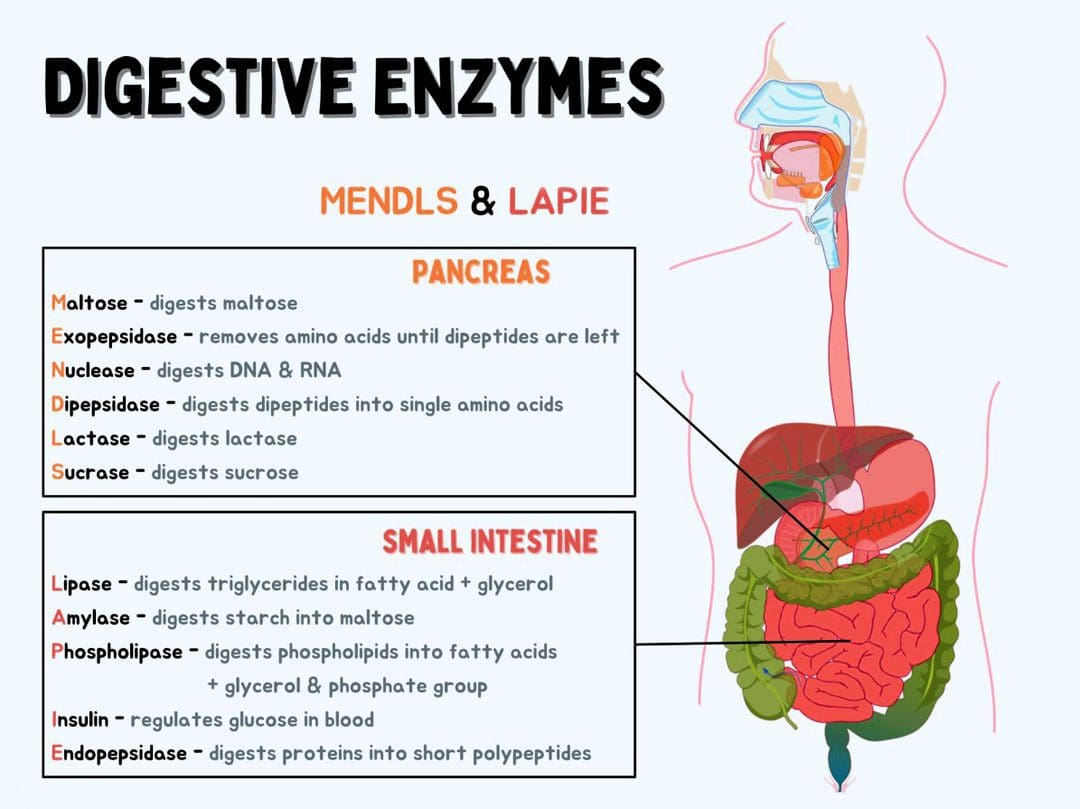
The body makes digestive enzymes to help break down food carbohydrates, fats, and proteins. Healthy digestion and nutrient absorption depend on these enzymes, a protein that speeds up chemical reactions in the mouth, pancreas, and intestines. Certain health conditions like pancreatic insufficiency and lactose intolerance can cause low enzyme levels and insufficiency and may need replacement digestive enzymes to help prevent malabsorption. That’s where digestive enzyme supplements come in.
Digestive Enzymes
Digestive enzymes are a vital part of digestion; without them, the body can’t break foods down, and nutrients can’t be fully absorbed. A lack of digestive enzymes can lead to gastrointestinal/GI symptoms and cause malnourishment, even with a nutritious diet. The result is unpleasant digestive symptoms that can include:
Poor absorption of nutrients
Bloating
Stomach pain
Nausea
Vomiting
Digestive enzyme supplements have been used for treating common forms of gut irritation, heartburn, and other ailments.
Enzyme Types
The main digestive enzymes made in the pancreas include:
Amylase
It is also made in the mouth.
Breaks down carbohydrates, or starches, into sugar molecules.
Low amylase can lead to diarrhea.
Lipase
This works with liver bile to break down fats.
Lipase insufficiency causes decreased levels of fat-soluble vitamins A, D, E, and K.
Protease
This enzyme breaks down proteins into amino acids.
It also helps keep bacteria, yeast, and protozoa out of the intestines.
A shortage of protease can lead to allergies or toxicity in the intestines.
Enzymes made in the small intestine include:
Lactase
Breaks down lactose, a sugar found in dairy products.
Sucrase
Breaks down sucrose, a sugar found in fruits and vegetables.
Insufficiency
When the body does not produce enough digestive enzymes or doesn’t release them correctly. A few types include:
Lactose Intolerance
The body does not produce enough lactase, making digesting the natural sugar in milk and dairy products difficult.
Exocrine Pancreatic Insufficiency
EPI is when the pancreas does not produce enough of the enzymes necessary to digest carbohydrates, proteins, and fats.
Congenital Sucrase-Isomaltase Deficiency
The body does not have enough sucrase to digest certain sugars.
Talking to a doctor if symptoms persist is recommended, as these could be signs of gut irritation or indicate a more serious condition.
Supplements
Prescription Enzymes
Depending on the severity, individuals diagnosed with enzyme insufficiency may need to take prescription digestive enzymes. These supplements assist in food breakdown and nutrient absorption. The most common enzyme replacement therapy is pancreatic enzyme replacement therapy or PERT. PERT is a prescribed medication that includes amylase, lipase, and protease. Individuals with cystic fibrosis often have pancreatic enzyme insufficiency, as the body can’t release the enzymes properly. And individuals with pancreatitis require PERT because their pancreas develops mucus and scar tissue over time.
Over-The-Counter Enzymes
Over-the-counter digestive enzyme supplements can contain amylase, lipase, and protease and can help with acid reflux, gas, bloating, and diarrhea. Some contain lactase and alpha-galactosidase. Alpha-galactosidase can help break down a non-absorbable fiber called galactooligosaccharides/GOS, mostly found in beans, root vegetables, and certain dairy products.
Certain foods contain digestive enzymes, including:
Supplementing the diet with some of these foods can help with digestion.
Functional Nutrition
References
Beliveau, Peter J H, et al. “An Investigation of Chiropractor-Directed Weight-Loss Interventions: Secondary Analysis of O-COAST.” Journal of manipulative and physiological therapeutics vol. 42,5 (2019): 353-365. doi:10.1016/j.jmpt.2018.11.015
Brennan, Gregory T, and Muhammad Wasif Saif. “Pancreatic Enzyme Replacement Therapy: A Concise Review.” JOP: Journal of the pancreas vol. 20,5 (2019): 121-125.
Corring, T. “The adaptation of digestive enzymes to the diet: its physiological significance.” Reproduction, nutrition, developpement vol. 20,4B (1980): 1217-35. doi:10.1051/rnd:19800713
Goodman, Barbara E. “Insights into digestion and absorption of major nutrients in humans.” Advances in physiology education vol. 34,2 (2010): 44-53. doi:10.1152/advan.00094.2009
Vogt, Günter. “Synthesis of digestive enzymes, food processing, and nutrient absorption in decapod crustaceans: a comparison to the mammalian model of digestion.” Zoology (Jena, Germany) vol. 147 (2021): 125945. doi:10.1016/j.zool.2021.125945
Whitcomb, David C, and Mark E Lowe. “Human pancreatic digestive enzymes.” Digestive diseases and sciences vol. 52,1 (2007): 1-17. doi:10.1007/s10620-006-9589-z
IFM's Find A Practitioner tool is the largest referral network in Functional Medicine, created to help patients locate Functional Medicine practitioners anywhere in the world. IFM Certified Practitioners are listed first in the search results, given their extensive education in Functional Medicine




 Fiber and Gut Health




 Digestive Enzymes






