Gut Health for Faster Recovery—El Paso Back Clinic
Why your gut matters when you’re healing
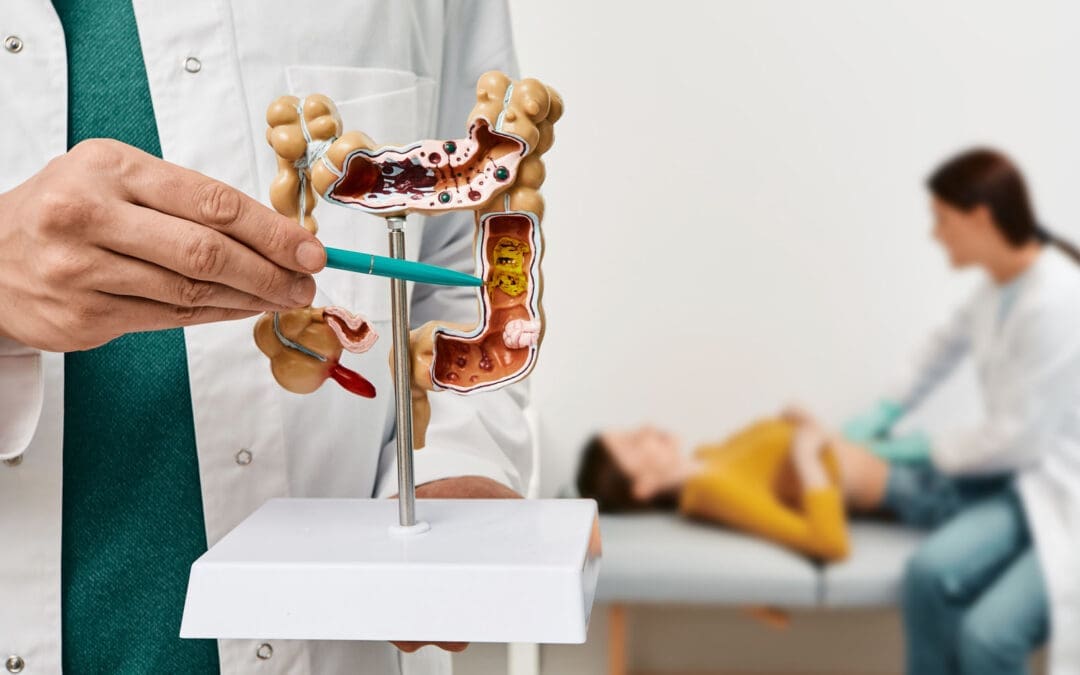
After a back or neck injury—from daily strain, sports, work, or a car crash—pain and limited mobility can dominate your life. But there’s a powerful helper inside you: the gut microbiome. These trillions of microbes influence digestion, inflammation, immunity, energy, and even sleep. When they fall out of balance (called dysbiosis), bloating, irregular stools, fatigue, and higher inflammation can slow your rehab progress. The positive news is that simple daily steps can reset the balance and support your recovery. (Cleveland Clinic, 2023/2022). (Cleveland Clinic)
At El Paso Back Clinic, we often combine spine-focused care—such as chiropractic adjustments when appropriate, therapeutic exercise, soft-tissue work, and, if indicated, imaging—with practical gut-support strategies, helping patients recover more comfortably and steadily. (Dr. Alex Jimenez, El Paso clinic pages). (El Paso, TX Doctor Of Chiropractic)
Dysbiosis in plain language
Dysbiosis means your gut community is out of balance—too many “unhelpful” species, not enough beneficial ones, or less diversity overall. Diets high in refined sugars and ultra-processed foods, repeated courses of antibiotics, stress, poor sleep, and alcohol/environmental toxins are common triggers. (Cleveland Clinic, 2024; Better Health Channel, 2023; USDA ARS, 2025). (Cleveland Clinic)
Ultra-processed foods tend to be low in fiber and high in additives; over time, they’re linked with inflammation and a less favorable gut environment—exactly what you don’t want while healing. (Cleveland Clinic Newsroom, 2023). (Cleveland Clinic)
How “unhealthy” bacteria gain ground
Unwanted bacteria flourish when conditions favor them. Three everyday drivers:
Low fiber, high ultra-processed intake. Beneficial microbes feed on plant fibers and resistant starches from beans, whole grains, vegetables, and fruit. Starve them, and opportunistic species take over. (Wilson et al., 2020; Singh et al., 2017). (PMC)
Antibiotics and antimicrobials. Essential when needed, but they can also reduce helpful species; rebuilding with fiber-rich foods (and sometimes probiotics) helps restore balance. (Cleveland Clinic, 2024). (Cleveland Clinic)
Stress and poor sleep. Both alter motility and immune signaling via the brain–gut axis, nudging the microbiome toward dysbiosis. (Better Health Channel, 2023). (Better Health Channel)
SIBO: a special case to know about
Small Intestinal Bacterial Overgrowth (SIBO) happens when excess bacteria build up in the small intestine, which normally has low counts. Symptoms can include bloating, abdominal discomfort, diarrhea, early fullness, weight loss, or malnutrition. (Mayo Clinic, 2024). (Mayo Clinic)
Treatment often pairs targeted antibiotics with nutrition and root-cause fixes (e.g., motility support or addressing structural issues). Without tackling the cause, SIBO can recur. (Mayo Clinic, 2024). (Mayo Clinic)
If you notice persistent bloating, pain, or weight loss, ask your clinician about evaluation and a phased plan that treats the cause, then carefully re-expands fibers and fermented foods.
How better gut habits speed musculoskeletal recovery
Lower, steadier inflammation: A fiber-rich, plant-forward pattern boosts short-chain fatty acids (SCFAs) like butyrate that help protect the gut lining and may dampen systemic inflammation tied to pain. (Singh et al., 2017). (PMC)
Energy and participation: Balanced digestion supports energy, sleep, and mood—key drivers of successful physical therapy and home exercise. (Cleveland Clinic, 2022). (Cleveland Clinic)
Medication tolerance: If you need antibiotics or other meds, a microbiome-friendly plan can reduce GI side effects. (Cleveland Clinic, 2024). (Cleveland Clinic)
The El Paso Back Clinic approach (dual-scope care)
Our team—led by Alexander Jimenez, DC, APRN, FNP-BC—blends chiropractic care with nurse-practitioner medical evaluation. When appropriate, we use X-ray/MRI to clarify the diagnosis, and we coordinate conservative therapies with nutrition and lifestyle coaching. For injury cases, we also provide the documentation insurers and attorneys require. (El Paso, TX Doctor Of Chiropractic)
Common elements of a plan:
Dual-scope assessment: History, neuro/orthopedic testing, and imaging when indicated to pinpoint pain drivers (joint, nerve, soft tissue). (El Paso, TX Doctor Of Chiropractic)
Conservative therapies: Chiropractic adjustments (as indicated), therapeutic exercise, massage/soft-tissue work; acupuncture may be added to modulate pain and stress. (El Paso, TX Doctor Of Chiropractic)
Gut-support basics: Plant variety, fiber targets, and live-culture foods; stress and sleep tools that calm the gut–brain axis. (Cleveland Clinic Magazine; Penn State Health). (Cleveland Clinic)
Medical-legal readiness: Structured notes, imaging reports, and measurable outcomes for personal-injury and MVA cases. (El Paso, TX Doctor Of Chiropractic)
Clinical observation: Patients with back/neck pain who improve sleep and add one fermented food daily—while increasing beans/whole grains and veggies—often report less bloating and steadier energy within weeks, which helps them stay consistent with rehab.
A 4–6 week “gut-reset” that fits rehab
1) Make plants the base (daily)
Aim for colorful vegetables and fruits, beans/lentils 4–5 days/week, and whole grains (oats, barley, brown rice, quinoa). These choices feed beneficial microbes and boost SCFAs. (Wilson et al., 2020). (PMC)
2) Add one fermented food most days
Yogurt or kefir with live active cultures, kimchi, sauerkraut, or kombucha. Not all fermented foods have live microbes after processing—check the label. (Healthline; Cleveland Clinic Magazine). (Healthline)
3) Tame ultra-processed foods
Swap sugary drinks for water/unsweetened tea; favor whole-grain staples; keep packaged snacks as occasional treats. (Cleveland Clinic, 2023). (Cleveland Clinic)
4) Support sleep and stress
Target 7–9 hours with a consistent wind-down; try 5 minutes of slow breathing before bed; walk 20–30 minutes most days, and add two short strength sessions weekly. (Better Health Channel, 2023). (Better Health Channel)
5) Medications—coordinate with your clinician
Don’t stop prescribed meds on your own. If antibiotics are necessary, ask whether a food-first strategy and a short-term probiotic make sense for you. (Cleveland Clinic, 2024). (Cleveland Clinic)
6) Hygiene matters
Wash hands, rinse produce, and avoid kitchen cross-contamination to reduce exposure to harmful bacteria. (Better Health Channel, 2023). (Better Health Channel)
Two-week starter plan (easy, budget-minded)
Breakfast: Oats + kefir or yogurt + berries + nuts.
Dinner: Slow-cooker chili or lentil curry; salad with olive oil; baked potato (cool leftovers for resistant starch).
Snacks: Fruit + nut butter; carrots + hummus; plain popcorn; small kefir smoothie.
Small, steady changes add up; focus on what you can repeat during busy treatment weeks. (Penn State Health, 2018). (Penn State)
When to seek medical care now
Unintended weight loss, blood in stool, fever, severe or night-time symptoms, or a history of GI surgery.
Talk with your clinician about evaluation, including possible SIBO testing when appropriate. (Mayo Clinic, 2024). (Mayo Clinic)
Local help in El Paso
If you’re recovering from a back or neck injury and want a plan that connects spine care, gut health, and documentation for injury cases, our team can help you build a sustainable routine while we treat the root musculoskeletal drivers. (El Paso Back Clinic/Dr. Jimenez). (El Paso, TX Doctor Of Chiropractic)
“For individuals that have difficulty getting plenty of fruits and vegetables, can incorporating green powder supplements increase nutritional levels for a balanced diet?”
Green Powder Supplements
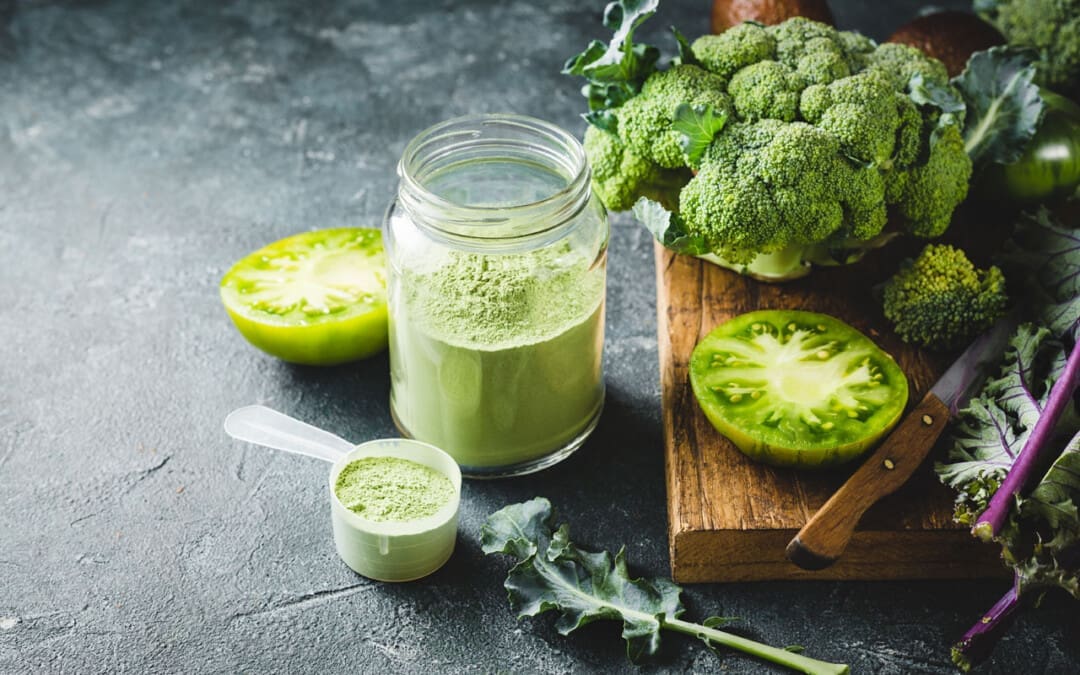
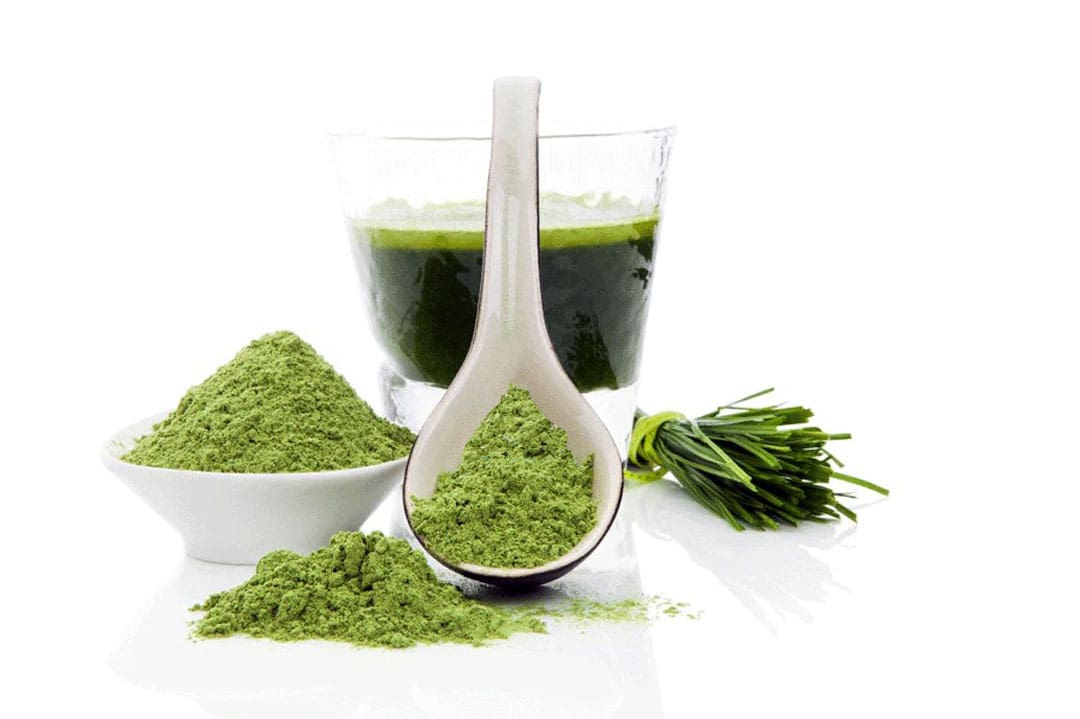
Meeting daily nutrient needs through whole, unprocessed foods can’t always be met when access is limited or for other reasons. A green powder supplement is a great way to fill in the gaps. Green powder supplements are a daily supplement that helps increase vitamin, mineral, and fiber intake and enhances overall health. Green powders are easy to mix in water with a favorite beverage or smoothie or bake into a recipe. They can help:
Increase energy
Nourish the immune system
Improve digestion
Promote mental clarity
Contribute to healthy blood sugar levels
Reduce the risk of chronic disease
Promote optimal liver and kidney function
What Are They?
Green powder supplements are forms of vitamins, minerals, fiber, antioxidants, phytochemicals, and other bioactive compounds.
They are derived from fruits, vegetables, herbs, and algae to combine ingredients into a convenient supplement. (Giulia Lorenzoni et al., 2019)
Nutrients
Because most green powders comprise a combination of ingredients, the nutrient density is high. Green powder supplements can be considered a vitamin and mineral product. They typically contain:
Vitamins A, C, and K
Iron
Magnesium
Calcium
Antioxidants
The recommended daily intake of vitamins and minerals can be helpful for individuals with limited access to produce or who want to supplement their diet with additional nutrients.
Energy
The phytochemicals found in fruits and vegetables have been shown to improve energy levels. Studies on their effects on physical performance and endurance have resulted in positive outcomes. Researchers found that phytonutrients like those in green powders helped to increase energy, improve agility, reduce fatigue perception, improve memory, and decrease recovery time. (Nicolas Monjotin et al., 2022)
Digestive Health
Green powders are rich in soluble and insoluble fiber, which contribute to feeling full and satisfied after a meal and are important for healthy digestion and regular bowel movements. Eating fiber-rich foods is associated with optimal blood sugar control and improved gut microbiota diversity. These factors are important for maintaining a healthy body weight and decreasing the risk of chronic disease, for example, type 2 diabetes. (Thomas M. Barber et al., 2020) Phytochemicals, including flavonoids, have been shown to have therapeutic effects on gas, bloating, constipation, and diarrhea associated with IBS. Other phytonutrients have been shown to reduce certain symptoms of ulcerative colitis. (Nicolas Monjotin et al., 2022)
Immune System Function
Supplemental green powder supplements have shown the ability to maintain a healthy immune system and reduce inflammation by their antioxidant content. Green powders containing seaweed or algae are rich in phytochemical and poly-unsaturated fatty acids that have antioxidant properties to reduce inflammation and prevent oxidative damage to cells. (Agnieszka Jaworowska, Aliza Murtaza 2022) A randomized trial found that a fruit, berry, and vegetable powder concentrate blend decreased oxidation and reduced inflammation, attributed to the phytochemicals found in fruits and vegetables.(Manfred Lamprecht et al., 2013)
Detoxification
The liver and kidneys are the main organs of natural detoxification. The liver helps the body absorb nutrients from consumed foods and removes waste and toxins through the kidneys. (National Library of Medicine. 2016) Plants are packed with antioxidants and phytochemicals that protect the liver and kidneys from free radical damage and oxidative stress. (Yong-Song Guan et al., 2015) The green powder supplements are made from these plants. When drinking green powders, fluid intake naturally increases as a standard serving of green powder is mixed with 8 to 12 ounces of water.
Whether mixed, blended, or made into a shake, powdered greens are a convenient and efficient way to get the daily dose of antioxidants, vitamins, minerals, and other nutrients.
The Healing Diet: Combat Inflammation, Embrace Wellness
References
Lorenzoni, G., Minto, C., Vecchio, M. G., Zec, S., Paolin, I., Lamprecht, M., Mestroni, L., & Gregori, D. (2019). Fruit and Vegetable Concentrate Supplementation and Cardiovascular Health: A Systematic Review from a Public Health Perspective. Journal of clinical medicine, 8(11), 1914. https://doi.org/10.3390/jcm8111914
Monjotin, N., Amiot, M. J., Fleurentin, J., Morel, J. M., & Raynal, S. (2022). Clinical Evidence of the Benefits of Phytonutrients in Human Healthcare. Nutrients, 14(9), 1712. https://doi.org/10.3390/nu14091712
Barber, T. M., Kabisch, S., Pfeiffer, A. F. H., & Weickert, M. O. (2020). The Health Benefits of Dietary Fibre. Nutrients, 12(10), 3209. https://doi.org/10.3390/nu12103209
Jaworowska, A., & Murtaza, A. (2022). Seaweed Derived Lipids Are a Potential Anti-Inflammatory Agent: A Review. International journal of environmental research and public health, 20(1), 730. https://doi.org/10.3390/ijerph20010730
Lamprecht, M., Obermayer, G., Steinbauer, K., Cvirn, G., Hofmann, L., Ledinski, G., Greilberger, J. F., & Hallstroem, S. (2013). Supplementation with a juice powder concentrate and exercise decrease oxidation and inflammation, and improve the microcirculation in obese women: randomised controlled trial data. The British journal of nutrition, 110(9), 1685–1695. https://doi.org/10.1017/S0007114513001001
InformedHealth.org [Internet]. Cologne, Germany: Institute for Quality and Efficiency in Health Care (IQWiG); 2006-. How does the liver work? 2009 Sep 17 [Updated 2016 Aug 22]. Available from: https://www.ncbi.nlm.nih.gov/books/NBK279393/
Guan, Y. S., He, Q., & Ahmad Al-Shatouri, M. (2015). Complementary and Alternative Therapies for Liver Diseases 2014. Evidence-based complementary and alternative medicine : eCAM, 2015, 476431. https://doi.org/10.1155/2015/476431
Of this, 0.7 grams come from fiber, and 1.3 grams are natural sugars.
Fats
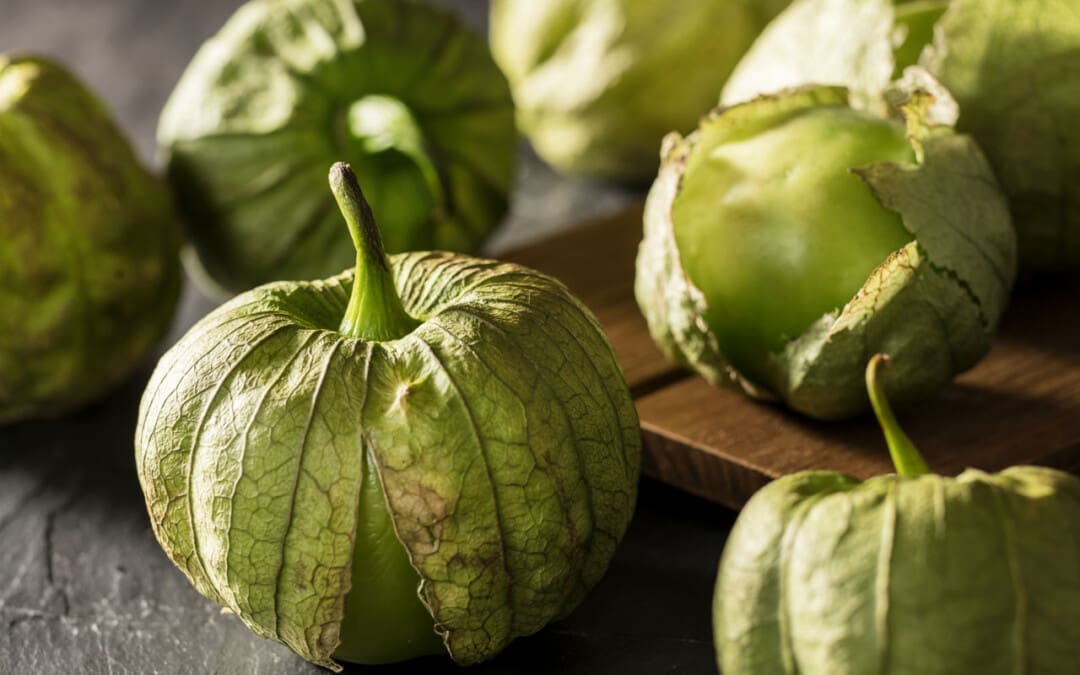
Tomatillos contain less than half a gram in one medium-sized tomatillo.
Protein
There is less than half a gram of protein per tomatillo.
Vitamins and Minerals
Tomatillos provide:
Vitamin A
Vitamin C
Potassium
And provide several other micronutrients in smaller doses.
Benefits
Tomatillo’s health benefits include the following.
Cardiovascular Health
Tomatillos provide a heart-healthy dietary addition. They are naturally low in sodium and rich in potassium, which could help regulate blood pressure. They provide vitamins A and C and antioxidants against free radicals.
The American Heart Association recommends the consumption of a variety of fruits and vegetables daily for various benefits. One of them is their fiber content. Fiber is the indigestible part of carbohydrates that can help decrease cholesterol by binding and removing cholesterol from the body. Tomatillos contain about one gram of fiber, a recommended addition to a heart-healthy diet. (American Heart Association. 2023)
Potentially Help Reduce Cancer Risk
Tomatillos have several antioxidants with cancer-preventing properties. They are a source of phytochemicals known as withanolides. These natural plant compounds have been shown to induce apoptosis/cell death in colon cancer cells. (Peter T. White et al., 2016) Diets high in fruits and vegetables have been associated with lower risks of cancer, making tomatillos a welcome addition to a high-antioxidant nutrition plan focused on cancer prevention.
Arthritis Symptoms Improvement
The withanolide antioxidants are also anti-inflammatory. Research on withanolides demonstrates clinical benefits in the alleviation of symptoms of osteoarthritis and rheumatoid arthritis. (Peter T. White et al., 2016) Tomatillos may help reduce inflammation, which can make arthritis more manageable.
Vision Loss Prevention
Tomatillos provide a healthy source of key nutrients for eye health. Lutein and zeaxanthin are antioxidants that concentrate in the retina and help protect against environmental deterioration. Tomatillos provide:
Tomatillos are a low-calorie whole food ingredient. Because of their high water content, it’s possible to fill up without adding excess calories. Fresh salsa made with tomatoes or tomatillos is a healthy, flavorful choice that is virtually free of added sugars. (The National Kidney Foundation. 2014)
Adverse Effects
Tomatillos are part of the nightshade family. While there is no conclusive evidence confirming any harmful effects, some individuals report experiencing sensitivity to them. (Cleveland Clinic. 2019) Individuals who believe they may be sensitive to tomatillos should consult a registered dietitian to determine the root cause and ways to improve tolerance.
Allergies
Although rare, serious reactions, including anaphylaxis, are possible even if the individual shows no signs of a tomato allergy.
Individuals unsure about an allergy to tomatillos should see an allergist for testing.
Varieties
Different varieties include yellow, green, and purple. (MacKenzie J. 2018)
Rendidora is a green variety that grows upright with a high yield.
Gulliver Hybrid, Tamayo, Gigante, and Toma Verde are also green but grow in a sprawling pattern.
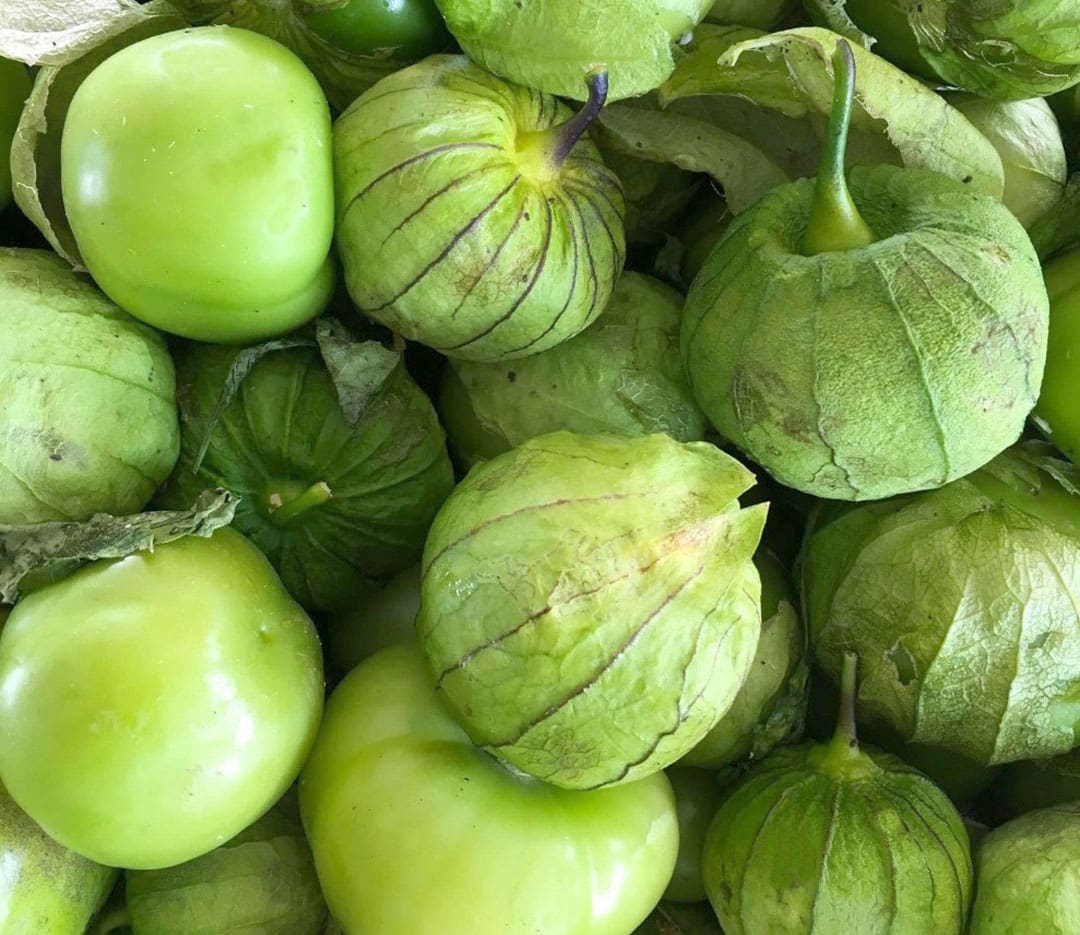
Choose tomatillos that are firm and green but large enough that they fill up the husks.
When they ripen too long, their flavor becomes bland. (MacKenzie J. 2018)
Storage and Safety
Tomatillos can last months in their husks, spread out in a well-ventilated area. (MacKenzie J. 2018)
Keep them in a paper bag in the refrigerator for no longer than 2 weeks if using sooner.
Do not store in plastic, as this can cause spoilage.
For extended storage, tomatillos may be frozen or canned.
Remove the husks, wash them, and dry them before eating or preparing them for long-term storage.
Preparation
Tomatillos have a distinct flavor and firm texture. They can be eaten whole with no need to seed or core them. (Drost D, Pedersen K. 2020) Use tomatillos for:
The Healing Diet: Combat Inflammation, Embrace Wellness
References
FoodData Central. U.S. Department of Agriculture. (2018). Tomatillos, raw. Retrieved from https://fdc.nal.usda.gov/fdc-app.html#/food-details/168566/nutrients
American Heart Association. (2023). How to Eat More Fruit and Vegetables (Healthy Living, Issue. https://www.heart.org/en/healthy-living/healthy-eating/add-color/how-to-eat-more-fruits-and-vegetables
White, P. T., Subramanian, C., Motiwala, H. F., & Cohen, M. S. (2016). Natural Withanolides in the Treatment of Chronic Diseases. Advances in experimental medicine and biology, 928, 329–373. https://doi.org/10.1007/978-3-319-41334-1_14
National Institutes of Health, Office of Dietary Supplements. (2023). Vitamin A: Fact Sheet for Health Professionals. Retrieved from https://ods.od.nih.gov/factsheets/VitaminA-HealthProfessional/
The National Kidney Foundation. (2014). 6 of the Best and Worst Condiments for Health (Kidney Basics, Issue. https://www.kidney.org/news/ekidney/july14/7_Best_and_Worst_Condiments_for_Health
Cleveland Clinic. (2019). What’s the Deal With Nightshade Vegetables? (healthessentials, Issue. https://health.clevelandclinic.org/whats-the-deal-with-nightshade-vegetables/
Jill, M. (2018). Growing Tomatillos and Ground Cherries in Home Gardens. https://extension.umn.edu/vegetables/growing-tomatillos-and-ground-cherries#harvest-and-storage-570315
Drost D, P. K. (2020). Tomatillos in the Garden (Horticulture, Issue. https://digitalcommons.usu.edu/cgi/viewcontent.cgi?article=2658&context=extension_curall
For individuals looking to improve heart health, can consuming prunes help support cardiovascular health?
Prunes and Heart Health
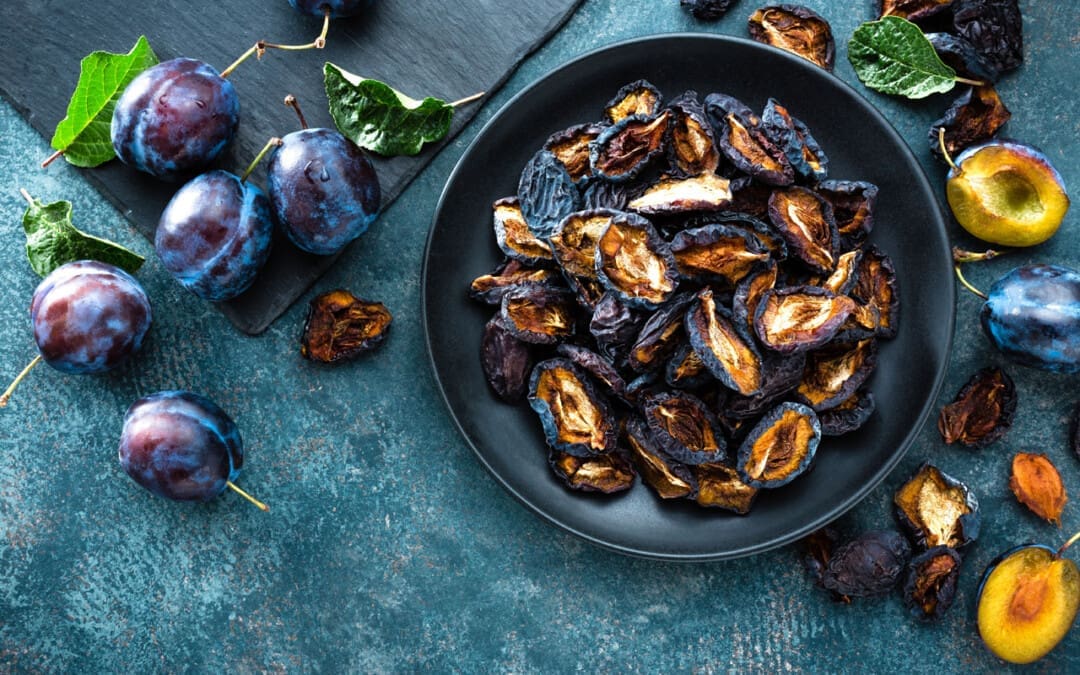
Prunes, or dried plums, are fiber-rich fruits that are more nutrient-dense than fresh plums and help digestion and bowel movement. (Ellen Lever et al., 2019) New research suggests they could offer more than digestion and constipation relief, according to new studies presented at the American Society for Nutrition. Eating prunes daily can improve cholesterol levels and reduce oxidative stress and inflammation.
Eating five to 10 prunes a day may support heart health.
Heart health benefits of regular consumption were seen in men.
In older women, regularly eating prunes had no negative effect on total cholesterol, blood sugar, and insulin levels.
Another study found that eating 50–100 grams or five to ten prunes daily was associated with reduced heart disease risks. (Mee Young Hong et al., 2021)
The reductions in cholesterol and inflammation markers were because of improvements in antioxidant levels.
The conclusion was that prunes can support cardiovascular health.
Prunes and Fresh Plums
Although studies have suggested that prunes can support heart health, that doesn’t mean fresh plums or prune juice can offer the same benefits. However, there are not many studies on the benefits of fresh plums or prune juice, but it is possible that they would. However, further research is needed. Fresh plums that have been dried in hot air improve the nutritional value and shelf life of the fruit, which could be the reason the dried version retains more nutrients. (Harjeet Singh Brar et al., 2020)
Individuals may have to eat more plums to acquire the same benefits.
Eating 5–10 prunes seems to be easier than trying to equal the same amount, or more, of fresh plums.
But either option is recommended instead of prune juice as whole fruits have more fiber, make the body feel fuller, and are lower in calories.
Benefits For Young Individuals
Most of the research has been conducted on postmenopausal women and men over 55, but younger individuals can also benefit from eating prunes. A diet that is rich in fruits and vegetables is considered healthy, so adding prunes to one’s diet will add to health benefits. For individuals who don’t like prunes, fruits like apples and berries are also recommended for heart health. However, fruits only make up one part of the diet, and it is important to focus on a balanced diet with vegetables, legumes, and heart-healthy oils. Prunes contain a lot of fiber, so individuals are recommended to add them slowly into their daily routine, as adding too much at once can lead to cramping, bloating, and/or constipation.
Conquering Congestive Heart Failure
References
Lever, E., Scott, S. M., Louis, P., Emery, P. W., & Whelan, K. (2019). The effect of prunes on stool output, gut transit time and gastrointestinal microbiota: A randomised controlled trial. Clinical nutrition (Edinburgh, Scotland), 38(1), 165–173. https://doi.org/10.1016/j.clnu.2018.01.003
Hong, M. Y., Kern, M., Nakamichi-Lee, M., Abbaspour, N., Ahouraei Far, A., & Hooshmand, S. (2021). Dried Plum Consumption Improves Total Cholesterol and Antioxidant Capacity and Reduces Inflammation in Healthy Postmenopausal Women. Journal of medicinal food, 24(11), 1161–1168. https://doi.org/10.1089/jmf.2020.0142
Harjeet Singh Brar, Prabhjot Kaur, Jayasankar Subramanian, Gopu R. Nair & Ashutosh Singh (2020) Effect of Chemical Pretreatment on Drying Kinetics and Physio-chemical Characteristics of Yellow European Plums, International Journal of Fruit Science, 20:sup2, S252-S279, DOI: 10.1080/15538362.2020.1717403
Individuals diagnosed with peripheral neuropathy, or with small fiber neuropathy, can understanding symptoms and causes help with potential treatments?
Small Fiber Neuropathy
Small fiber neuropathy is a specific classification of neuropathy, as there are different types, which are nerve injury, damage, disease, and/or dysfunction. Symptoms can result in pain, loss of sensation, and digestive and urinary symptoms. Most cases of neuropathy like peripheral neuropathy involve small and large fibers. Common causes include long-term diabetes, nutritional deficiencies, alcohol consumption, and chemotherapy.
Small fiber neuropathy is diagnosed after diagnostic testing showing it is clear that the small nerve fibers are involved.
The small nerve fibers detect sensation, temperature, and pain and help regulate involuntary functions.
Isolated small-fiber neuropathy is rare, but research is ongoing on the type of nerve damage and potential treatments. (Stephen A. Johnson, et al., 2021)
Small fiber neuropathy is not specifically dangerous but is a sign/symptom of an underlying cause/condition that is damaging the body’s nerves.
Pain – symptoms can range from mild or moderate discomfort to severe distress and can happen at any time.
Loss of sensation.
Because the small nerve fibers help with digestion, blood pressure, and bladder control – symptoms of autonomic dysfunction can vary and can include:
Constipation, diarrhea, incontinence, urinary retention – the inability to completely drain the bladder.
If there is progressing nerve damage, the intensity of the pain can decrease, but the loss of normal sensation and autonomic symptoms can worsen. (Josef Finsterer, Fulvio A. Scorza. 2022)
Hypersensitivity to touch and pain sensations can cause pain without a trigger.
The loss of sensation can make individuals unable to accurately detect sensations of touch, temperature, and pain in affected areas, which can lead to various types of injuries.
Although more research is needed, certain disorders that were not considered neuropathies may have small fiber neuropathy components involved.
A study suggested that neurogenic rosacea, a skin condition, could have some elements of small fiber neuropathy. (Min Li, et al., 2023)
These small nerve fibers are distributed throughout the body including the tops of the fingers and toes, trunk, and internal organs.
These fibers are usually located in the superficial areas of the body, such as close to the skin’s surface. (Mohammad A. Khoshnoodi, et al., 2016)
The small nerve fibers that get damaged are involved in transmitting pain and temperature sensations.
Most nerves have a special type of insulation called myelin that protects them and increases the speed of nerve impulses.
Small nerve fibers may have a thin sheath, making them more susceptible to injury and damage at earlier stages of conditions and diseases. (Heidrun H. Krämer, et al., 2023)
Individuals At Risk
Most types of peripheral neuropathy cause damage to the small and large peripheral nerve fibers. Because of this, most neuropathies are a mix of small-fiber and large-fiber neuropathy. Common risk factors for mixed fiber neuropathy include: (Stephen A. Johnson, et al., 2021)
Diabetes
Nutritional deficiencies
Overconsumption of alcohol
Autoimmune disorders
Medication toxicity
Isolated small-fiber neuropathy is rare, but there are conditions that are known to contribute to the cause and include: (Stephen A. Johnson, et al., 2021)
Sjogren Syndrome
This autoimmune disorder causes dry eyes and mouth, dental problems, and joint pain.
It can also cause nerve damage throughout the body.
Fabry Disease
This condition causes a buildup of certain fats/lipids in the body that can lead to neurological effects.
Amyloidosis
This is a rare disorder that causes a buildup of proteins in the body.
The proteins can damage tissues like the heart or nerves.
Lewy Body Disease
This is a neurological disorder that causes dementia and impaired movement and can lead to nerve damage.
Lupus
This is an autoimmune disease that affects joints, skin, and sometimes nerve tissue.
Viral Infection
These infections typically cause a cold or gastrointestinal/GI upsetness.
Less often they can cause other effects like small fiber neuropathy.
These conditions have been seen to cause isolated small-fiber neuropathy or begin as small-fiber neuropathy before progressing to the large nerve fibers. They can also begin as a mixed neuropathy, with small and large fibers.
Progression
Often the damage progresses at a relatively moderate rate, leading to added symptoms within months or years. The fiber nerves that are affected by the underlying condition usually progressively deteriorate, regardless of where they are located. (Mohammad A. Khoshnoodi, et al., 2016) Medications can help alleviate damage to the peripheral nerves. For individuals that are diagnosed in the early stage, it is possible to stop the progression, and potentially prevent involvement of the large fibers.
Treatments
Treatment toward preventing the progression requires controlling the underlying medical condition with treatment options depending on the cause. Treatments that can help prevent the progression include:
Blood sugar control for individuals with diabetes.
Immune suppression for control of autoimmune diseases.
Plasmapheresis – blood is taken and the plasma is treated and returned or exchanged for the treatment of autoimmune diseases.
Symptom Treatment
Individuals can get treatment for the symptoms that will not reverse or cure the condition but can help with temporary relief. Symptomatic treatment can include: (Josef Finsterer, Fulvio A. Scorza. 2022)
Pain management can include medications and/or topical analgesics.
Physical therapy – stretching, massage, decompression, and adjustments to keep the body relaxed and flexible.
Rehabilitation to help improve coordination, which can be impaired by loss of sensation.
Medications to relieve GI symptoms.
Wearing specialized clothes such as neuropathy socks to help with foot pain symptoms.
Treatment and medical management of neuropathies usually involve a neurologist. A neurologist may prescribe medication to help alleviate pain symptoms and provide medical interventions like immunotherapy if there is concern that an autoimmune process could be the cause. Additionally, treatment could include the care of a physical medicine and rehabilitation physician or a physical therapy team to provide stretches and exercises to help strengthen the body and maintain mobility and flexibility.
Peripheral Neuropathy Myths & Facts
References
Johnson, S. A., Shouman, K., Shelly, S., Sandroni, P., Berini, S. E., Dyck, P. J. B., Hoffman, E. M., Mandrekar, J., Niu, Z., Lamb, C. J., Low, P. A., Singer, W., Mauermann, M. L., Mills, J., Dubey, D., Staff, N. P., & Klein, C. J. (2021). Small Fiber Neuropathy Incidence, Prevalence, Longitudinal Impairments, and Disability. Neurology, 97(22), e2236–e2247. https://doi.org/10.1212/WNL.0000000000012894
Finsterer, J., & Scorza, F. A. (2022). Small fiber neuropathy. Acta neurologica Scandinavica, 145(5), 493–503. https://doi.org/10.1111/ane.13591
Krämer, H. H., Bücker, P., Jeibmann, A., Richter, H., Rosenbohm, A., Jeske, J., Baka, P., Geber, C., Wassenberg, M., Fangerau, T., Karst, U., Schänzer, A., & van Thriel, C. (2023). Gadolinium contrast agents: dermal deposits and potential effects on epidermal small nerve fibers. Journal of neurology, 270(8), 3981–3991. https://doi.org/10.1007/s00415-023-11740-z
Li, M., Tao, M., Zhang, Y., Pan, R., Gu, D., & Xu, Y. (2023). Neurogenic rosacea could be a small fiber neuropathy. Frontiers in pain research (Lausanne, Switzerland), 4, 1122134. https://doi.org/10.3389/fpain.2023.1122134
Khoshnoodi, M. A., Truelove, S., Burakgazi, A., Hoke, A., Mammen, A. L., & Polydefkis, M. (2016). Longitudinal Assessment of Small Fiber Neuropathy: Evidence of a Non-Length-Dependent Distal Axonopathy. JAMA neurology, 73(6), 684–690. https://doi.org/10.1001/jamaneurol.2016.0057
Not getting enough fiber in one’s diet can lead to fiber deficiency. Fiber helps support gut and microbiome health. Individuals not getting enough fiber may experience irregular bowel movements, constipation, blood sugar fluctuations, not feeling full/satisfied after eating, or rising cholesterol levels. About 100 trillion microorganisms in the gut are integral to maintaining a healthy immune system. Fiber is the food these microorganisms eat that helps them to do their job. Without the proper amount, the immune system’s health may also be compromised.
Fiber and Gut Health
Fiber and gut health benefits include regulating the body’s sugars, helping to keep hunger and blood sugar in check, helping to maintain a healthy weight, its ability to prevent or relieve constipation, reduce the risk of diabetes, heart disease, and certain types of cancer.
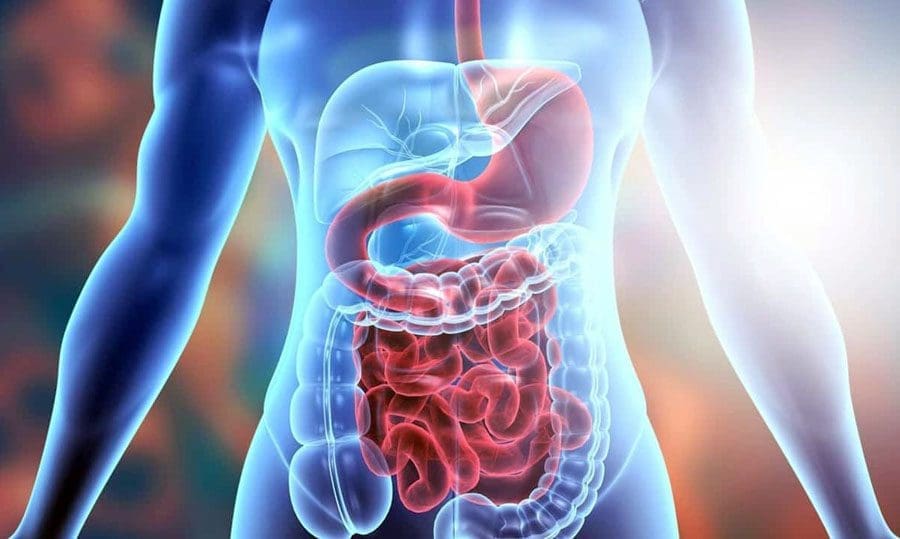
Dietary fiber, or roughage, is the part of plant foods the body can’t digest or absorb.
It passes through the stomach, small intestine, and colon and out of the body.
It is found mainly in fruits, vegetables, whole grains, and legumes.
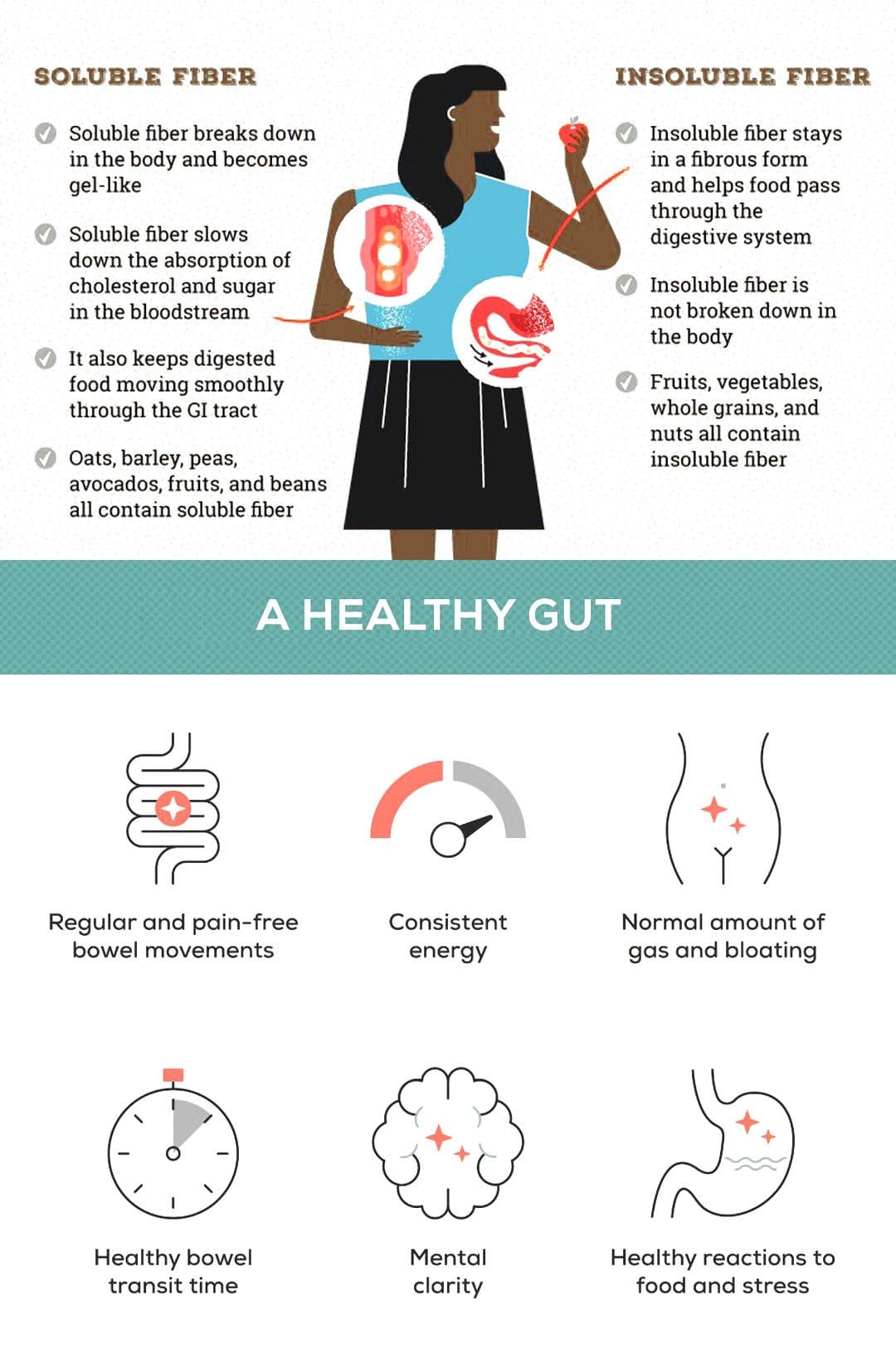
Soluble and insoluble forms are important to overall health.
Types
Soluble Fiber
This type dissolves in water to form a gel-like substance.
It can help lower blood cholesterol and glucose levels.
It is found in oats, peas, beans, apples, citrus fruits, carrots, and barley.
Insoluble Fiber
This type of fiber promotes the movement of material through the digestive system.
It increases stool bulk, benefiting individuals who struggle with constipation or irregular stools.
Whole-wheat flour, wheat bran, nuts, beans, and vegetables, such as cauliflower, green beans, and potatoes, are good sources.
Benefits
Healthy Bowel Movements
Dietary fiber increases stool weight and thickness and makes it soft.
Fiber helps to solidify the stool by absorbing water and adding bulk.
A thicker stool is easier to pass, decreasing the potential for constipation and other problems.
Maintains Bowel Health
A high-fiber diet can lower the risk of developing hemorrhoids and small pouches in the colon/diverticular disease.
Studies have also found that a high-fiber diet can help lower the risk of colorectal cancer.
Some fiber gets fermented in the colon.
Researchers are looking at how this can help prevent diseases of the colon.
Lowers Cholesterol
Soluble fiber found in beans, oats, flaxseed, and oat bran can help lower blood cholesterol levels by lowering low-density lipoprotein or unhealthy cholesterol levels.
Studies also have shown that high-fiber foods can help reduce blood pressure and inflammation.
Regulates Blood Sugar Levels
In individuals with diabetes, fiber, particularly soluble fiber, can slow the absorption of sugar and improve blood sugar levels.
A healthy nutrition plan that includes insoluble fiber can help reduce the risk of developing type 2 diabetes.
Helps Achieve Healthy Weight
High-fiber foods can be more filling than low-fiber foods, helping individuals eat less and stay satisfied.
High-fiber foods can also take longer to eat and are less energy dense, meaning they have fewer calories.
Getting More Fiber
Ideas for adding more fiber to meals and snacks:
Fiber to Start The Day
Choose a high-fiber breakfast cereal with five or more grams of fiber per serving.
Choose cereals with whole grain, bran, or fiber in the name.
Add a few tablespoons of unprocessed wheat bran to the cereal.
Add Whole Grains
Try to make at least half of the grains eaten whole grains.
Look for bread that lists whole wheat, whole-wheat flour, or another whole grain as the first ingredient, with at least 2 grams of dietary fiber per serving.
Experiment with whole-wheat pasta, brown rice, wild rice, barley, and bulgur wheat.
Baked Foods
Substitute whole-grain flour for half or all white flour when baking.
Add crushed bran cereal, unprocessed wheat bran, or uncooked oatmeal to muffins, cakes, and cookies.
Legumes
Beans, peas, and lentils are recommended sources.
Add kidney beans to soups or salads.
Make nachos with refried black beans, fresh vegetables, whole-wheat tortilla chips, and healthy salsa.
Fruit and Vegetables
Fruits and vegetables are rich in fiber and vitamins and minerals.
Try to eat a favorite fruit daily.
Healthy Snacks
Fresh fruits, raw vegetables, low-fat popcorn, and whole-grain crackers are healthy choices.
Try for a handful of nuts or dried fruits; however, be aware that nuts and dried fruits can be high in calories.
Moderation
High-fiber foods are beneficial for the body’s health.
Adding too much fiber can promote intestinal gas, abdominal bloating, and cramping.
Increase fiber gradually over a few weeks.
This allows the natural bacteria in the digestive system to make adjustments.
Maintain hydration, as fiber works best when it absorbs water.
Individuals not sure how to incorporate more fiber can consult a nutritionist and health coach to help begin the process.
Gut Dysfunction
References
Anderson, James W et al. “Health benefits of dietary fiber.” Nutrition Reviews vol. 67,4 (2009): 188-205. doi:10.1111/j.1753-4887.2009.00189.x
Cronin, Peter, et al. “Dietary Fiber Modulates the Gut Microbiota.” Nutrients vol. 13,5 1655. 13 May. 2021, doi:10.3390/nu13051655
Fuller, Stacey, et al. “New Horizons for the Study of Dietary Fiber and Health: A Review.” Plant foods for human nutrition (Dordrecht, Netherlands) vol. 71,1 (2016): 1-12. doi:10.1007/s11130-016-0529-6
Gill, Samantha K et al. “Dietary fiber in gastrointestinal health and disease.” Nature reviews. Gastroenterology & hepatology vol. 18,2 (2021): 101-116. doi:10.1038/s41575-020-00375-4
The right kind of bread can be an extremely healthful food. Eating more whole grains is associated with lower weight and reduced health problems, heart disease, and cancer risk. Keeping bread in a healthy diet begins with choosing varieties with the best nutrition. Certain types are naturally high in fiber, vitamins, and minerals. Others are made from refined grains with added vitamins and minerals. Nutritional experts evaluate healthy breads based on researched health benefits and fiber, protein, micronutrient content, and total calories.
Healthy Breads
100% Whole Wheat
100% whole wheat bread contains abundant fiber and nutrients and is one of the most nutritious varieties.
A slice of bread made with all whole wheat flour provides 80 calories, 5 grams of protein, 0 grams of fat, 20 grams of carbohydrates, and 3 grams of fiber.
One hundred percent whole wheat bread also contains essential minerals like calcium, selenium, manganese, phosphorus, and thiamin.
Increasing whole grains has been shown to reduce the risk of multiple chronic diseases, including type 2 diabetes, cancer, and heart disease.
Studies have demonstrated the positive effects of whole grains on weight control.
Many breads advertise themselves as whole wheat and might not contain 100% whole, unrefined grains.
Read labels to determine if store-bought bread was made with only whole wheat flour.
A 100% whole wheat bread will either be labeled as such or have whole wheat flour as its first ingredient and does not list other flours like wheat flour or enriched bleached flour.
Multigrain
Whole grains like oats, buckwheat, barley, amaranth, and millet can be included in multigrain breads for increased fiber, protein, and micronutrients.
Adding a variety of whole grains like these can help reduce the risk of certain chronic diseases.
Navigating to healthy multigrain bread can be misleading.
Breads labeled as multigrain can be difficult to tell whether the grains used to make the bread were whole or refined.
It’s recommended to look for a multigrain bread label that has 100% whole grain.
Oat
Oats are whole grains that can supplement whole wheat in healthy store-bought and homemade breads.
Oats contain a special fiber called beta-glucan, with benefits that include lowering bad cholesterol, regulating blood sugar, and lowering blood pressure.
Oats are high in soluble fiber, which helps reduce constipation.
Read the labels and look for brands that list oats and whole wheat flour as the first ingredients with minimal added sugars.
Flax Seed
Flaxseeds are not grains, but they aren’t packed with nutrients.
Adding flaxseed might help protect against certain cancers and improve heart health.
Because the seeds are naturally gluten-free, flax seed bread can be an option for individuals with celiac disease or gluten sensitivity.
Some commercially prepared breads combine flax with wheat, but individuals may have to make their own for a loaf made entirely with flaxseed.
Sourdough
Sourdough bread is made through fermentation, which adds healthy probiotics to the finished product.
A diet rich in probiotics from fermented foods has been linked with positive health outcomes.
Benefits include the bread’s natural probiotics, improved digestion, immune system function, extra fiber, protein, and minerals.
For the healthiest, choose a variety made with whole wheat flour.
Benefits of a Healthy Diet and Chiropractic
References
Aune, Dagfinn, et al. “Whole grain consumption and risk of cardiovascular disease, cancer, and all-cause and cause-specific mortality: a systematic review and dose-response meta-analysis of prospective studies.” BMJ (Clinical research ed.) vol. 353 i2716. 14 Jun. 2016, doi:10.1136/bmj.i2716
El Khoury, D et al. “Beta glucan: health benefits in obesity and metabolic syndrome.” Journal of Nutrition and Metabolism vol. 2012 (2012): 851362. doi:10.1155/2012/851362
Freitas, Daniela, et al. “Lemon juice, but not tea, reduces the glycemic response to bread in healthy volunteers: a randomized crossover trial.” European Journal of Nutrition vol. 60,1 (2021): 113-122. doi:10.1007/s00394-020-02228-x
“Healthy Bread.” Hall’s Journal of Health vol. 3,7 (1856): 144-146.
Kikuchi, Yosuke, et al. “Effects of Whole Grain Wheat Bread on Visceral Fat Obesity in Japanese Subjects: A Randomized Double-Blind Study.” Plant foods for human nutrition (Dordrecht, Netherlands) vol. 73,3 (2018): 161-165. doi:10.1007/s11130-018-0666-1
Menezes, Leidiane A A, et al. “Effects of Sourdough on FODMAPs in Bread and Potential Outcomes on Irritable Bowel Syndrome Patients and Healthy Subjects.” Frontiers in microbiology vol. 9 1972. 21 Aug. 2018, doi:10.3389/fmicb.2018.01972
Parikh, Mihir, et al. “Flaxseed: its bioactive components and their cardiovascular benefits.” American Journal of Physiology. Heart and circulatory physiology vol. 314,2 (2018): H146-H159. doi:10.1152/ajpheart.00400.2017
P, Nirmala Prasadi V, and Iris J Joye. “Dietary Fibre from Whole Grains and Their Benefits on Metabolic Health.” Nutrients vol. 12,10 3045. 5 Oct. 2020, doi:10.3390/nu12103045
Tosh, Susan M, and Nicolas Bordenave. “Emerging science on benefits of whole grain oat and barley and their soluble dietary fibers for heart health, glycemic response, and gut microbiota.” Nutrition Reviews vol. 78, Suppl 1 (2020): 13-20. doi:10.1093/nutrit/nuz085
IFM's Find A Practitioner tool is the largest referral network in Functional Medicine, created to help patients locate Functional Medicine practitioners anywhere in the world. IFM Certified Practitioners are listed first in the search results, given their extensive education in Functional Medicine





 Fiber and Gut Health