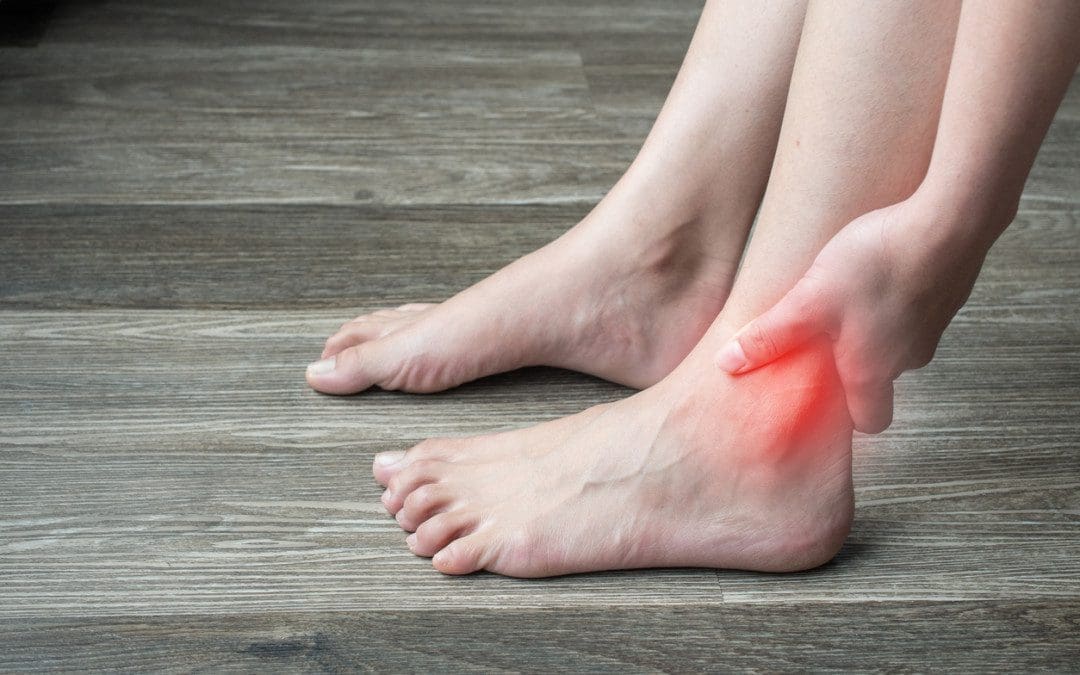
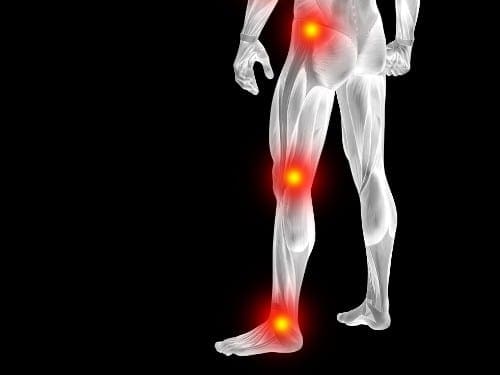
The ankles and the lower legs have a casual relationship by allowing movement to the foot that causes an up-and-down motion. The lower leg has various muscles and tendons that surround the shin bone and allows the feet to take the body from one location to another. The peroneal muscles in the legs allow ankle stability to ensure that the weight from the host’s body doesn’t cause overload to the legs and ankles. However, factors like obesity, trauma, or overexerting can cause the peroneal muscles to be inflamed and develop issues like weak ankles or trigger points that can cause referred pain to the ankles and affect how a person walks. Today’s article examines the peroneal muscles, how weak ankles correlate with trigger points, and ways to strengthen the ankles while managing trigger points. We refer patients to certified providers that incorporate various techniques in the lower body extremities, like lower leg and ankle pain therapies correlating to trigger points, to aid many people dealing with pain symptoms along the peroneal muscles, causing weak ankles. We encourage and appreciate each patient by referring them to associated medical providers based on their diagnosis when it is appropriate. We understand that education is an excellent way when asking our providers intricated questions at the patient’s request and understanding. Dr. Alex Jimenez, D.C., only utilizes this information as an educational service. Disclaimer
The Peroneal Muscles On The Ankles
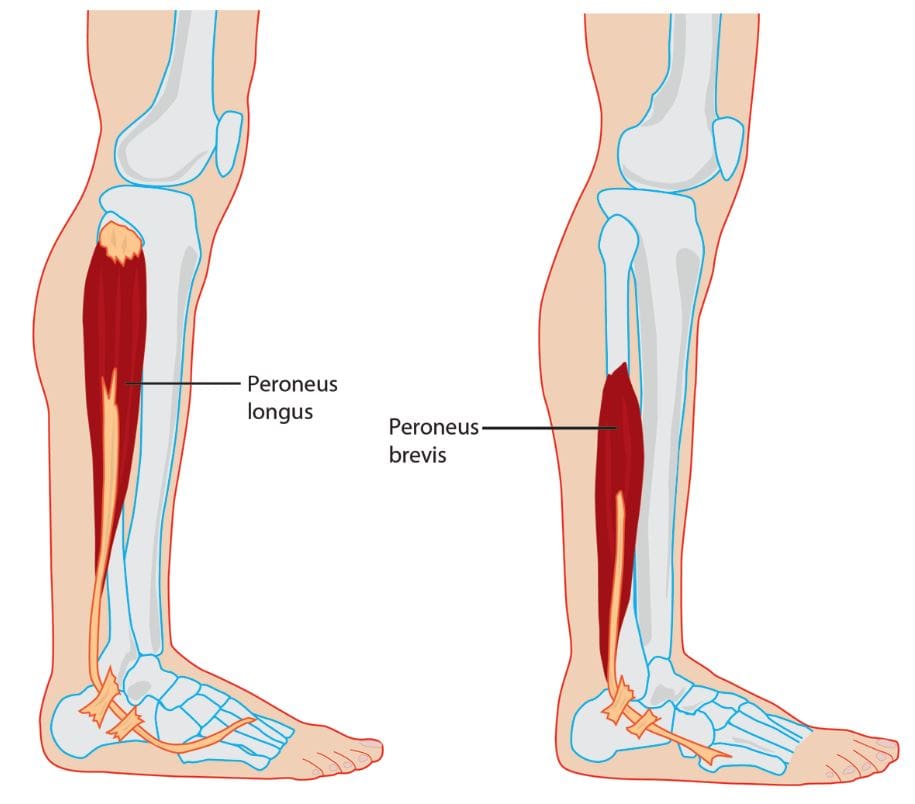
Have you been experiencing pain when walking around constantly? What about feeling a sharp or dull ache in the back or side of your legs? Or do you feel like falling when you are just standing around? Many people experiencing these issues on their legs and ankles could be dealing with trigger points along the peroneal muscles in the ankles. The peroneal muscles consist of two muscles in the lateral compartment of the lower legs: the peroneus longus and peroneus brevis. The peroneus longus is an important long muscle in the lower legs as it is at the top of the fibula and then runs down the outer leg while connecting to the foot. One of the primary functions of the peroneus longus is allowing plantarflex and evert the foot at the ankle. This means that the peroneus longus helps provide motor strength and range of motion to the ankles.
The peroneus brevis is one of the shorter peroneal muscles in the legs that go down to the ankles and provides assistance to allow eversion to the foot and plantarflexion to the ankles. This shorter muscle is important since the ankle joint is relatively mobile and needs stability from the surrounding ligaments and muscles. These two muscles work together for ankle stability when walking and positioning when the body is moving. Studies reveal that depending on a person’s environment, the peroneal muscles allow support and stability to the ankle in various positions. A good example is if the foot is placed in a sloped position, the peroneal muscles and the surrounding ligaments help stabilize the ankle so it won’t induce pain, causing the individual not to fall over.
Weak Ankles & Trigger Points
When factors like obesity, trauma, or injuries begin to affect the lower half of the body, it can cause instability in the legs and cause the surrounding muscles, tendons, and ligaments to be overstretched, take on more of an overload to the legs, or suffer from a muscle or tendon tear. These factors are associated with various issues that can invoke pain along with developing trigger points along the lower legs. When there are issues in the peroneal muscles, it can lead to muscle weakness in the ankles or “weak ankles,” which causes instability in the body and causes the individual to sprain their ankles. Studies reveal that when the peroneal tendons have a tear in the lower extremities, it can lead to lateral ankle pain that is often missed when examined. However, to that point, if the incision has been left untreated, it can lead to persistent ankle pain, instability, and ankle dysfunction. In “Myofascial Pain and Dysfunction,” written by Dr. Janet G. Travell, M.D., stated that when individuals suffer from weak ankles or have an ankle sprain, active trigger points can cause pain and tenderness to the ankles and cause the person to become unstable. If left untreated, it can cause them to lose balance and have foot drop and ankle fractures to their foot. The book also mentioned that any ruptures in the tendons and muscles might cause lateral compartment syndrome. When there is instability in the ankles, many people resort to using mobility aids like a cane or a walker to be mobile to compensate for the function lost in their feet.
Trigger Point Therapy On The Peroneal Muscles- Video
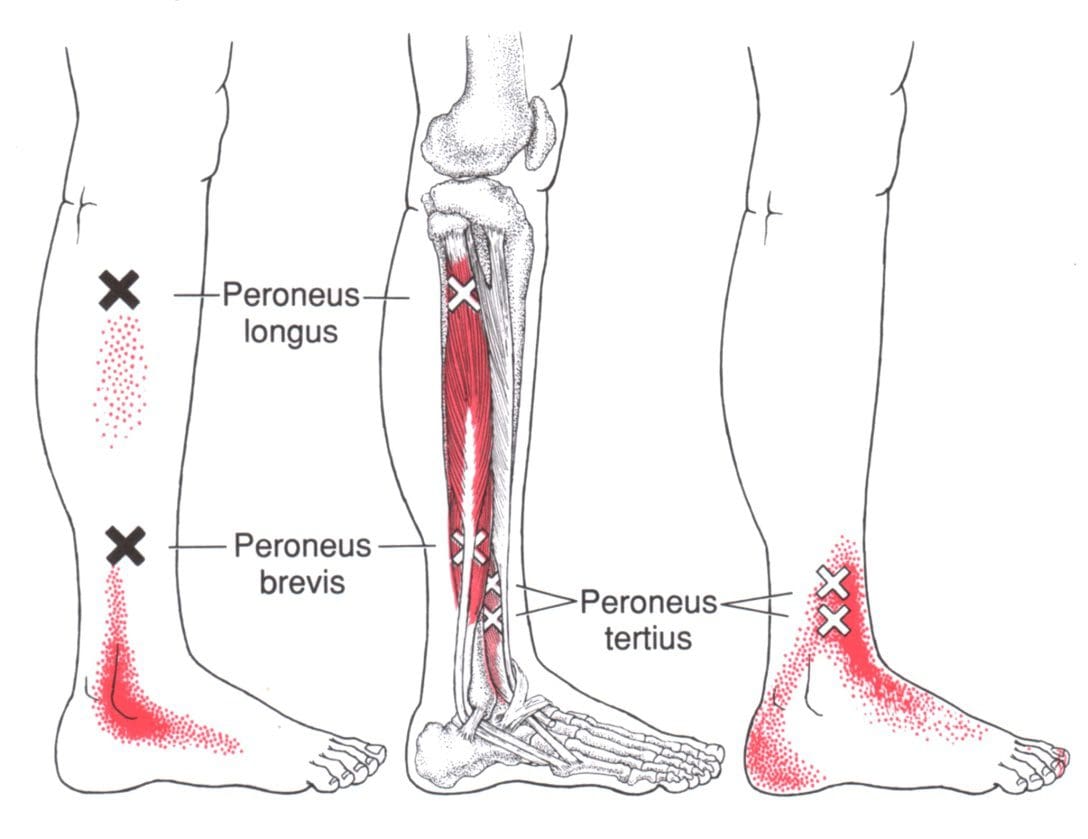
Do you feel the pain from the bottom of your feet to your ankles? Does it hurt to walk around for a short period? Or have you sprained your ankle, and there is a dull ache when you try to rotate? Some ankle issues are associated with trigger points affecting the peroneal muscles. The peroneal muscles help the lower legs by allowing eversion to the foot and plantarflexion to the ankles. The two muscles that make up the peroneal muscles are the peroneus longus and the peroneus brevis, and they, along with the other tendons and ligaments, help with ankle stability. Since the ankle is a mobile joint, it can succumb to sprains, tears, and instability in the body, allowing trigger points to develop and causing even more issues. The great news is that there are ways to manage trigger points along the peroneal muscles and reduce ankle instability. The video above shows where the peroneal muscles are located on the leg, where the trigger points are, and how to use K-tape to help support the ankle and prevent more injuries on this moveable joint.
Strengthening The Ankles & Managing Trigger Points
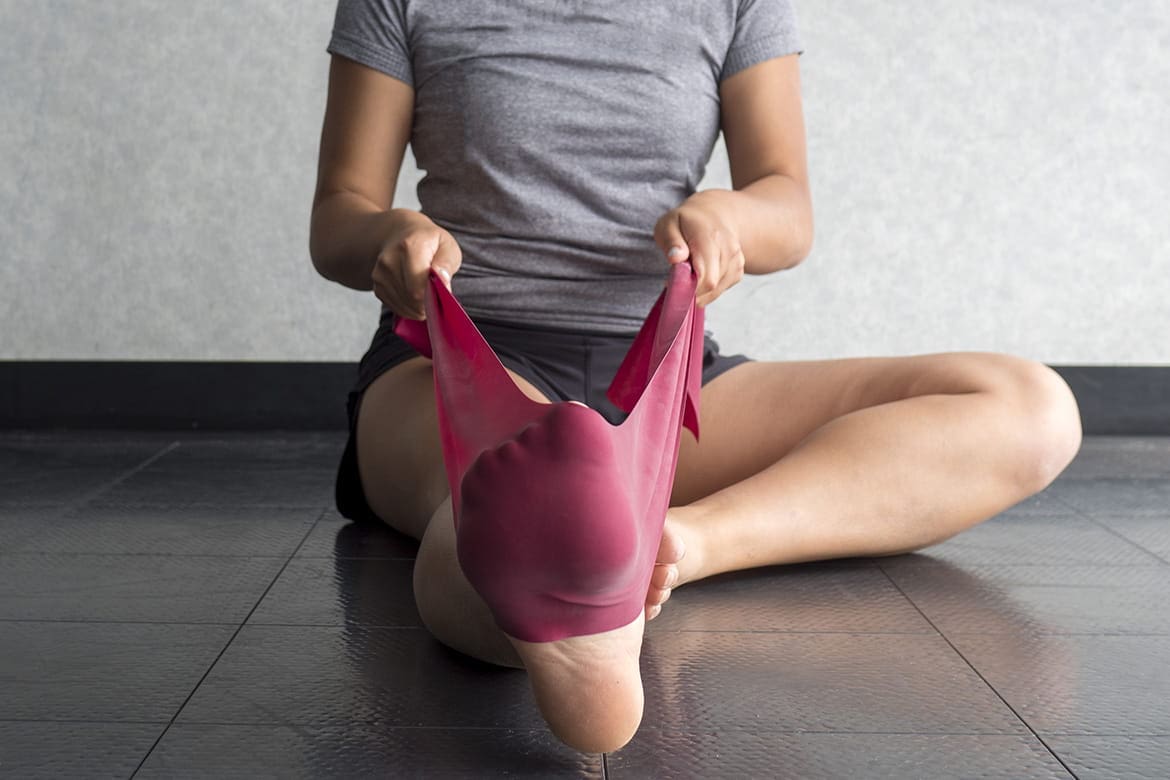
Instability in the ankles can be a bummer to many individuals that are on the move, but when it comes to treatment, it can prevent future injuries from re-occurring. Studies reveal that when pain specialists incorporate joint mobilization techniques and dry needling therapy into their patients, it can allow them to reduce the pain and disability to the ankles, thus managing the trigger points along the peroneal muscles. Another way many people can reduce pain in their peroneal muscles is by incorporating stretches and exercises to strengthen their ankles. This allows the peroneal muscles to be loose and gently stretched while slowly strengthening the ankles in a semi-lock position. When people utilize these techniques on their legs and ankles, it can bring mobility and stability back to the body without fear of falling or causing more issues in the ankles.
Conclusion
As one of the most mobile skeletal joints in the lower body, the ankles work together with the legs to provide mobility and stability to the body. The lower legs have various muscles, tendons, and ligaments that travel down and help support the legs and ankles. One of the muscles that provide that support is the peroneal muscle. The peroneal muscles consist of two muscles known as the peroneus longus and peroneus brevis help with eversion to the foot and allow plantarflexion to the ankle. When a person has sprained their ankle, it causes the peroneal muscle to become overstretched and develop trigger points. The great news is that trigger points are treatable, and various treatments can reduce pain in the affected muscle. This allows stability and mobility back to the ankles and improves the body’s functionality.
References
Abd-Rasid, A F, and M Y Bajuri. “Isolated Peroneus Longus Tear – Commonly Missed Diagnosis of Lateral Ankle Pain: A Case Report.” Malaysian Orthopaedic Journal, U.S. National Library of Medicine, July 2020, https://www.ncbi.nlm.nih.gov/pmc/articles/PMC7513650/.
Basit, Hajira, et al. “Anatomy, Bony Pelvis and Lower Limb, Foot Peroneus Brevis Muscle.” In: StatPearls [Internet]. Treasure Island (FL), StatPearls Publishing, 8 Feb. 2022, https://www.ncbi.nlm.nih.gov/books/NBK535427/.
Lezak, Bradley, and Matthew Varacallo. “Anatomy, Bony Pelvis and Lower Limb, Calf Peroneus Longus Muscle.” In: StatPearls [Internet]. Treasure Island (FL), StatPearls Publishing, 25 Aug. 2022, https://www.ncbi.nlm.nih.gov/books/NBK546650/.
Salom-Moreno, Jaime, et al. “Trigger Point Dry Needling and Proprioceptive Exercises for the Management of Chronic Ankle Instability: A Randomized Clinical Trial.” Evidence-Based Complementary and Alternative Medicine : ECAM, U.S. National Library of Medicine, 2015, https://www.ncbi.nlm.nih.gov/pmc/articles/PMC4430654/.
Travell, J. G., et al. Myofascial Pain and Dysfunction: The Trigger Point Manual: Vol. 2:the Lower Extremities. Williams & Wilkins, 1999.
Walking is the most natural form of physical activity for optimal body health. It is low impact and can provide health and longevity benefits. Walking is second nature, but sometimes individuals can forget how to walk correctly and begin to present with musculoskeletal discomfort and injuries. The proper walking technique increases breathing function, reduces stress on the body and mind, and is a recommended form of self-care for aches and pains, injuries, and conditions. Proper walking techniques rely on the simple form, proper body mechanics, and active adjustments. Walking technique improvement can be achieved through chiropractic musculoskeletal rehabilitation and retraining to keep the body balanced and in top health.
Walking Problems
Forgetting proper walking technique is like forgetting healthy posture, which can lead to problems that include:
Gait is the manner or way an individual walks. The average gait could be described as placing one foot in front of the other in a continuous motion from the heel to the ball of the foot. Walking problems are often brought on by poor posture, injury, or physical condition. Typical gait abnormalities:
Propulsive gait
This gait is a stooped, stiff posture with the head and neck bent forward.
Scissors gait
This gait is when the legs flex slightly at the hips and knees like a crouch, with the knees and thighs hitting or crossing in a scissors-like movement.
Spastic gait
This gait is a stiff, foot-dragging walk caused by a prolonged muscle contraction on one side.
Steppage gait
This gait causes foot drop where the foot hangs with the toes pointing down, causing the toes to scrape while walking, requiring the individual to lift the leg higher.
Waddling gait
This gait is a duck-like walk that can show up in childhood or later in life.
Walking Problem Causes
Different diseases and conditions can affect gait and lead to walking issues. They include:
Foot problems, including corns, calluses, and sores
Injuries, such as fractures/broken bones, sprains, and tendinitis
Arthritis of the spine, hips, knees, ankles, or feet
Neurologic diseases – multiple sclerosis and peripheral nerve disorders
Cerebellar disorders of the brain that control coordination and balance
Movement disorders like Parkinson’s disease
Infections
Abnormal development of the muscles or bones of the spine, legs, or feet
Vision problems
Walking Technique Improvement
Body posture continually needs to be assessed and adjusted. When an individual least realizes it they start to forget healthy walking techniques, posture, and their shoulders begin to bow forward or become rounded or their feet start turning out when they shouldn’t. Poor walking posture leads to body aches and pains. Walking technique improvement consists of:
Standing up straight like a string is attached to the head maintaining a plumb line with the sky.
Keeping the chin parallel to the ground.
Shoulders are back and relaxed to relieve tension.
Focusing on around 15-20 feet in front, so the head follows where the eyes are looking.
The body relies on muscle/form memory. Chiropractic adjustments make it possible to keep the body in alignment, allowing mobility and flexibility without pain. Walking with proper form will strengthen the muscles that support the spine, eliminate stress on the body, and relieve aches and pains. Circulation will improve, bringing vitamins and minerals to the muscles and tissues.
DRX9000 Patient Testimonials Spinal Decompression
References
Buldt, Andrew K et al. “The relationship between foot posture and plantar pressure during walking in adults: A systematic review.” Gait & posture vol. 62 (2018): 56-67. doi:10.1016/j.gaitpost.2018.02.026
Chambers, April J et al. “The Effect of Prolonged Walking With Intermittent Standing on Erector Spinae and Soleus Muscle Oxygenation and Discomfort.” Journal of sports science & medicine vol. 18,2 337-343. 1 Jun. 2019
Hackford, Jessie, et al. “The effects of walking posture on affective and physiological states during stress.” Journal of behavior therapy and experimental psychiatry vol. 62 (2019): 80-87. doi:10.1016/j.jbtep.2018.09.004
Russell, Brent S et al. “Walking Gait Before and After Chiropractic Care Following Fifth Metatarsal Fractures: A Single Case Kinetic and Kinematic Study.” Journal of chiropractic medicine vol. 17,2 (2018): 106-116. doi:10.1016/j.jcm.2018.02.002
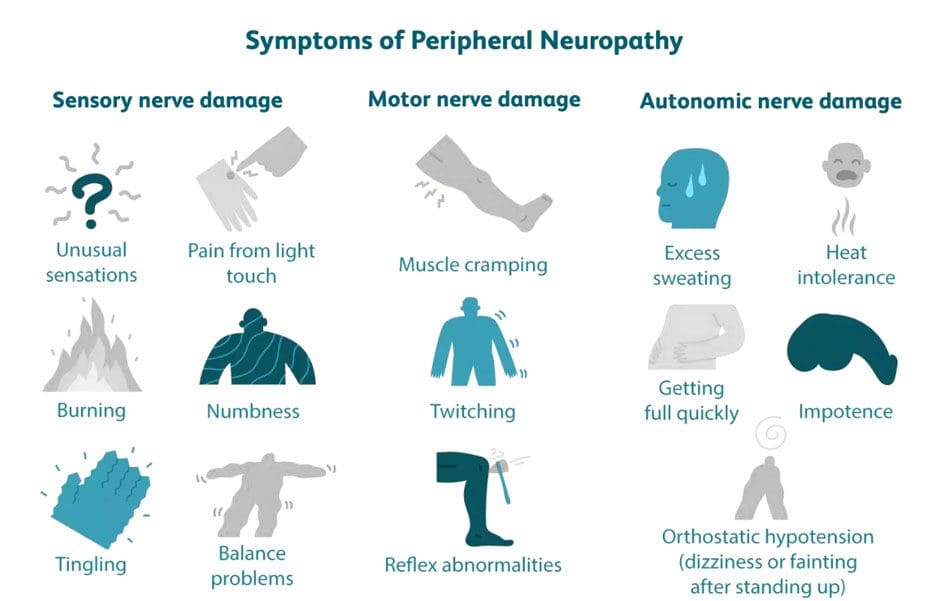
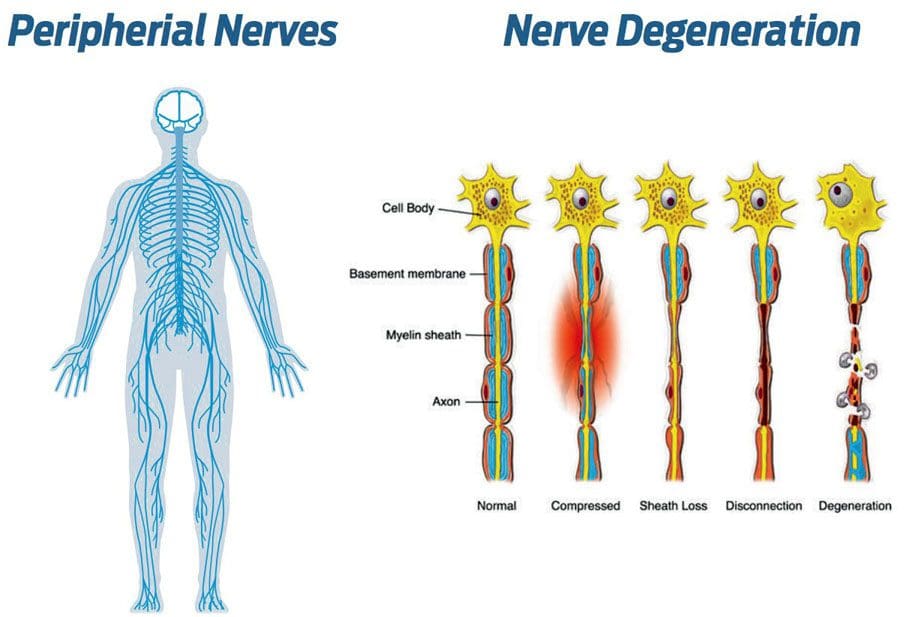
Neuropathy is a painful condition that causes tingling, numbness, burning sensations in the hands and feet, and other symptoms throughout the body. Neuropathy can make life difficult. There is no cure for neuropathy, but symptoms can be managed with medications, antidepressants, anticonvulsants, and pain relievers. Another treatment option to help relieve neuropathy symptoms is chiropractic.
Symptoms
Symptoms vary from individual to individual depending on their health condition and how the nerves have been impacted. Common symptoms include:
Pain
Numbness
Tingling
Pins-and-needles feeling when touching something hot or cold.
Some individuals lose the sense of feeling like clothing on their body, even though it’s rubbing against the skin but feel as if it is not there.
Other changes can be familiar objects looking different than usual.
Lessened or heightened sense of smell.
Negative impact on mood.
Protective Sheathing Of The Nerves
Neuropathic pain is caused by damage and degeneration to the nerves or the protective covering/sheathing of the nerves. Various causes include:
Diabetes.
Injury.
Infections.
Medication side effects.
Exposure to toxins.
Stages
The symptoms of neuropathy depend on the location and severity of the nerve damage. The stages include:
Numbness and Pain
Stage one consists of numbness and pain.
Some individuals describe a tingling or numbing sensation.
What feels like pinpricks in the hands and/or feet.
This stage can last for months, but most individuals recover within a year.
Constant Pain
Stage two is characterized by continuous pain.
Some individuals may experience shooting pains that come and go.
Intense burning sensations around the waistline.
Numbness on one side of the body with stabbing pain.
This stage can last for a year or more and worsen until the individual is incapacitated.
Loss of motor skills like walking and falling over.
Doctors treat the symptoms so they don’t get worse.
Loss Of Sensation
The final stage is the loss of sensation.
This occurs when the nerve endings are destroyed and can no longer send messages to the brain.
Treatments To Help Relieve Symptoms
Treatments usually involve:
Antidepressants.
Pain medications.
Anti-seizure medications.
Pain-relieving creams.
All can help manage pain and inflammation.
Chiropractic Can Also Help Relieve Symptoms
Chiropractors use hands-on methods to adjust and realign joints, muscles, spinal discs, and ligaments to function more efficiently and bring relief from pressure on the nerves. Neuropathies are often caused by nerve compression in body areas that have been altered by injury or disease that affects ligaments, discs, spinal muscles, sacroiliac joint dysfunction, hip adhesions, leg length discrepancies, etc. These can contribute to pain and numbness in the peripheral nerves that supply the legs, feet, arms, hands, and neck. While a chiropractor cannot cure neuropathy, they can help relieve symptoms, make it much more manageable, and improve quality of life.
Body Composition
Common Cold
The common cold, also known as upper respiratory tract inflammation, is the most common infectious respiratory disease because of its effect on the nose and throat. The average adult will catch 2–3 colds a year, according to the CDC. A virus that causes a cold can enter the respiratory tract directly when inhaling droplets expelled from an infected person or by direct skin contact, like touching the face with a hand that came in contact with the virus. Cold symptoms vary but usually include:
Runny or stuffy nose
Sneezing
Coughing
Headaches
Body aches
The duration of a cold differs; however, most individuals with a healthy immune system recover in 7–10 days. However, individuals with a compromised immune system, asthma, or COPD have an increased risk of developing more serious illnesses like bronchitis or pneumonia. Hundreds of viruses can cause colds. Human Rhinoviruses are common culprits and are constantly mutating, which is why there is no cure. Several medications or natural treatments help alleviate cold symptoms; it is recommended to combat the illness effectively through a healthy immune system response. Doctors recommend proper rest, eating a nutrient-rich diet, and maintaining proper H2O hydration to boost the immune system.
References
D’Angelo, Kevin et al. “The effectiveness of passive physical modalities for the management of soft tissue injuries and neuropathies of the wrist and hand: a systematic review by the Ontario Protocol for Traffic Injury Management (OPTIMa) collaboration.” Journal of manipulative and physiological therapeutics vol. 38,7 (2015): 493-506. doi:10.1016/j.jmpt.2015.06.006
Kissel, Jaclyn A, and Cristina Leonardelli. “Isolated musculocutaneous neuropathy: a case report.” The Journal of the Canadian Chiropractic Association vol. 63,3 (2019): 162-170.
Passioti, Maria et al. “The common cold: potential for future prevention or cure.” Current Allergy and asthma reports vol. 14,2 (2014): 413. doi:10.1007/s11882-013-0413-5
T Francio, Vinicius. “Chiropractic care for foot drop due to peroneal nerve neuropathy.” Journal of bodywork and movement therapies vol. 18,2 (2014): 200-3. doi:10.1016/j.jbmt.2013.08.004
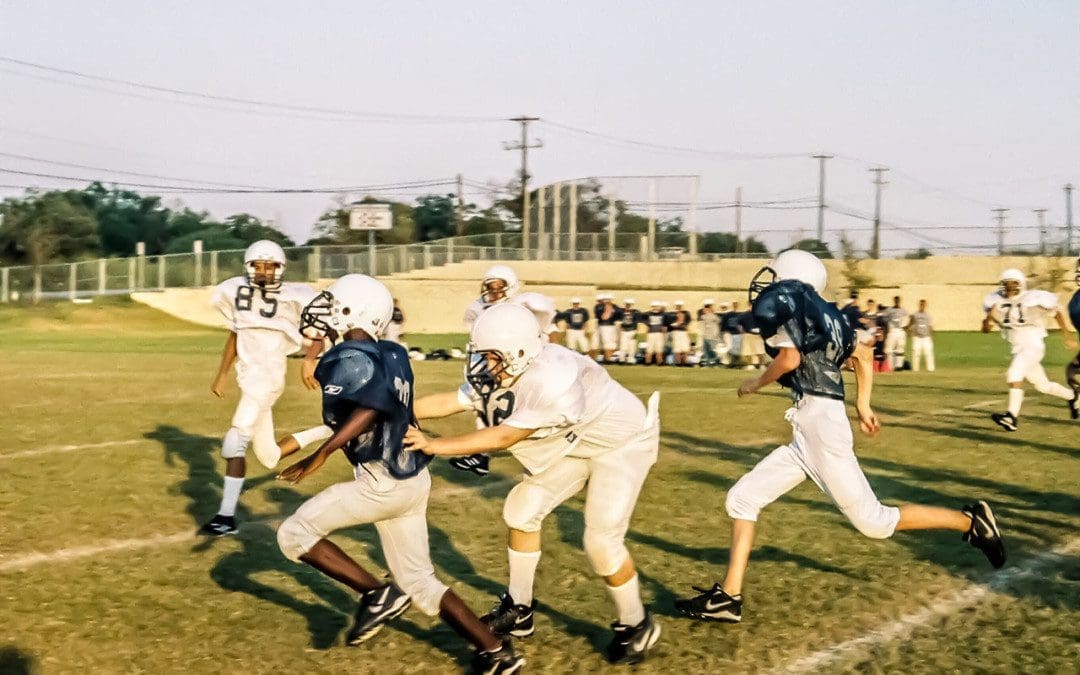
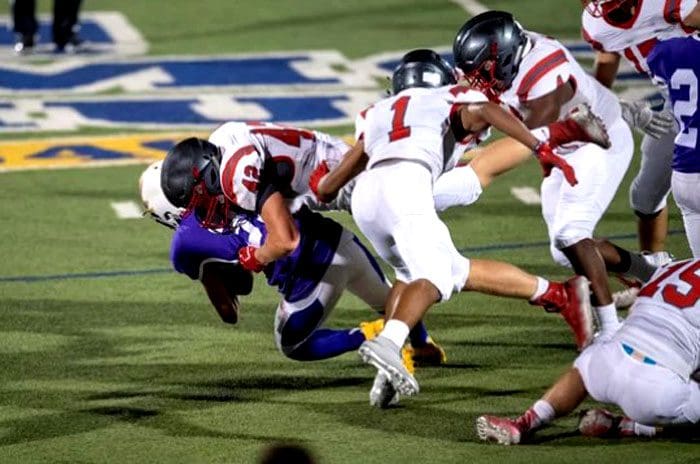
High school football takes a toll on the body. The sport can cause all kinds of injuries that can range from mild – severe. Areas that are commonly injured include:
Head
Neck
Shoulder
Arms
Hands
Spine
Legs
Knees
Ankles
Feet
Chiropractic has become a medically recommended form of treatment and rehabilitation for these injuries but also injury prevention. Today all NFL teams utilize a chiropractic team for players and staff. College teams are also discovering the benefits that chiropractic offers. There are significant benefits that high school football players can attain from chiropractic care.
Enhanced Mobility
A chiropractic adjustment, technically known as chiropractic manipulative treatment/CMT, is a primary therapy in sports medicine. It helps to increase flexibility and minimize or eliminate pain during motion/movement. Adjustments have been shown to improve athletic performance.
Injury Prevention
Athletes who regularly use chiropractic experience a decline in sports-related injuries.
Treatment increases flexibility and mobility, allowing for optimal agility that has been linked to preventing injuries. This is because the body is relaxed and stays loose, even when tackled, instead of tensing up, which is a major contributor to strains and injuries.
Enhanced Strength
Chiropractic adjustments also help increase muscular strength, making the body stronger, and more resistant to injury. It has been shown to promote strength in the muscles after a few sessions effectively. The strengthened muscles also help avoid injury by being able to withstand the hits and recover faster. The strengthened body also helps to increase endurance and stamina.
Pain Relief
Many high school players use chiropractic to ease the general pain that comes from general practice and games. Adjustments and massage are highly effective for pain management and alleviate headaches, especially those that come from constant impact to the head and neck. It helps to alleviate soreness, stiffness, and pain from the entire body.
Sports Hernia
Athletes often experience athletic pubalgia. This is one of the most common causes of injury-related groin pain. Chiropractic can relieve the discomfort within 8 weeks in combination with rehabilitative stretches and exercises. Chiropractic plays a critical role in whole-body care, pain relief and keeps the body operating and performing at the highest level.
Body Composition
Water Intoxication
When an individual overwhelms their body’s ability to excrete water and waste products consumed, water intoxication can develop. Water intoxication causes disturbances in the body’s electrolyte balance. This can cause a life-threatening condition known as hyponatremia. With a rapid decrease in the sodium levels in the blood, relative to the amount of water, symptoms can develop rapidly:
If left untreated, later symptoms can develop into:
Seizures
Coma
Death
References
Hession, E F, and G D Donald. “Treatment of multiple lumbar disk herniations in an adolescent athlete utilizing flexion distraction and rotational manipulation.” Journal of manipulative and physiological therapeutics vol. 16,3 (1993): 185-92.
Pritchett, J W. “A statistical study of physician care patterns in high school football injuries.” The American journal of sports medicine vol. 10,2 (1982): 96-9. doi:10.1177/036354658201000206
Shane, Eric R et al. “Sports chiropractic management of concussions using the Sports Concussion Assessment Tool 2 symptom scoring, serial examinations, and graded return to play protocol: a retrospective case series.” Journal of chiropractic medicine vol. 12,4 (2013): 252-9. doi:10.1016/j.jcm.2013.08.001
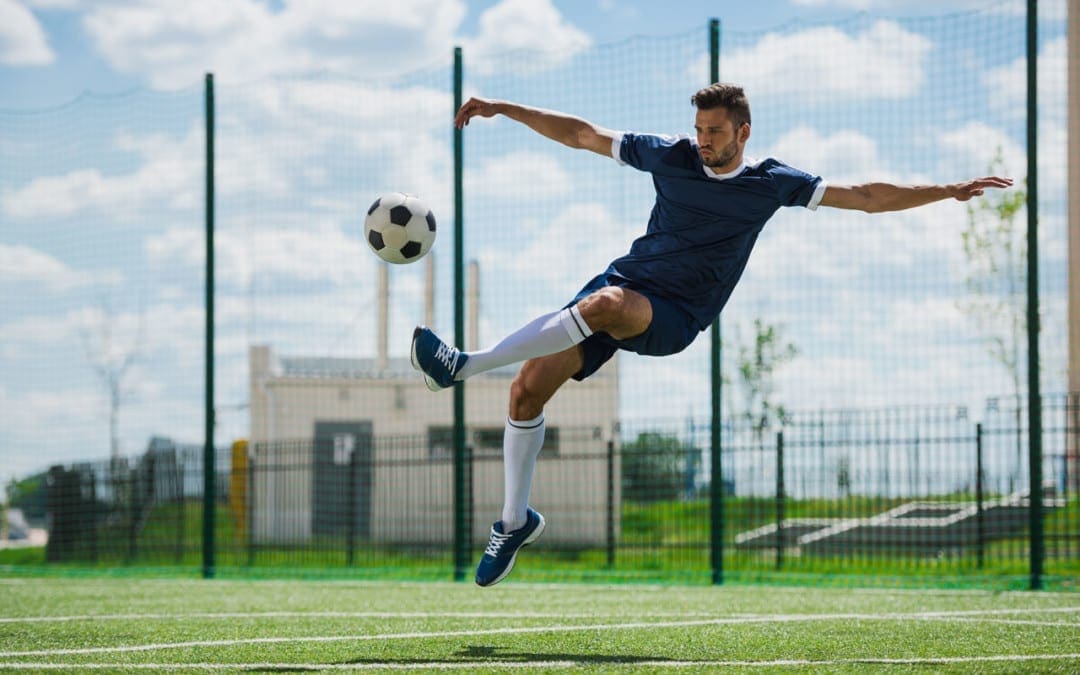
Although many soccer injuries involve the legs and lower extremities, other body areas are susceptible to injury/s as well. Acute or cumulative is how soccer injuries are generally described. Acute injuries are traumatic. They are usually caused by a slip, trip, and fall, getting hit, and crashing into other players. Cumulative injuries involve repetitive stress on a muscle, joint, or connective tissue. This triggers progressive aches, pain, and physical impairment that gets worse with time. Understanding how and why they happen is the first step in injury prevention. The more common injuries experienced among soccer athletes include.
Concussion
This is a form of mild traumatic brain injury mTBI caused by a sudden hit/impact to the head. Players are trained to head the ball; however, concussions can happen if not ready for impact or heading at an awkward position.
Ankle Sprains
Ankle sprains are when there is stretching and tearing of ligament/s that surround the ankle joint.
Lateral ankle sprains or outside of the ankle can happen when a player kicks the ball with the top of the foot.
A medial ankle sprain or inside of the ankle can happen when the toes are turned out when the foot is flexed up.
Achilles Tendonitis
This is a chronic injury that occurs from overuse with pain in the back of the ankle. Players are constantly performing repetitive and sudden movements that, over time, can cause this type of injury.
Achilles Tendon Rupture
A rupture involves a partial or complete tear of the Achilles tendon. Often players say with a popping sound. This happens when players perform fast, explosive movements. Rapid stopping, starting, shifting, jumping can all contribute.
Groin Pull/Strain
This is a type of strain that happens when the inner thigh muscles are stretched beyond their limit. As a result, a player can pull the groin when kicking and/or resistance from an opponent trying to take the ball or kick in the opposite direction.
Hamstring Injury
These injuries involve the three back muscles of the thigh and can vary from minor strains to complete ruptures/tears. This comes from running, sprinting, jumping, and stopping, leading to these types of injuries.
Iliotibial Band Syndrome
This is an overuse/repetitive injury that involves a tendon known as the IT band. This is the connective tissue that runs along the outside of the thigh. Constant running can create friction as the band gets pulled along the outside of the knee, which can cause tendonitis.
Plantar Fasciitis
This causes foot pain caused by inflammation of the tissue bands that run from the heel to the toes. Several factors can cause the condition. This could be players using inappropriate or not correctly fitting shoes, shoes that do not provide proper arch support or playing on a hard surface.
Calf Muscle Pull
This is when one of the muscles of the lower leg gets pulled from the Achilles tendon. Again, quick and spontaneous sprinting, running, or jumping is usually the cause.
Knee Injuries
The most common soccer injuries are those that involve the knee. This is because of the stopping and shifting directions quickly and suddenly. The explosive, spontaneous movements place extreme stress on the knees and the supporting ligaments. When the stress goes beyond the ligament’s limits, it can cause a sprain or tear in the joint. When there is an injury to the knee/s, it is diagnosed using a grading scale.
Grade 1 Mild sprain
Grade 2 Partial tear
Grade 3 Complete tear
Runner’s Knee
Patellofemoral pain syndrome, also known as runner’s knee, is a condition where the cartilage under the kneecap gets damaged from an injury or overuse. This happens when there is a misalignment in the knee and/or strained tendons.
ACL Injury
The anterior cruciate ligament or ACL is at the front of the knee. These are the most common knee injuries. This is because the ligaments are less retractable than muscles or tendons. And those in the knees are highly vulnerable to damage.
Cruciate Ligament Injury
This type of injury does not always cause pain but often causes a popping sound when it happens. Pain and swelling develop within 24 hours. This is followed by the loss of range of motion and tenderness around and along the joint.
Meniscus Injury
The Meniscus involves a C-shaped piece of cartilage that cushions the space between the femur and the shin bone. These tears are painful and are often the result of twisting, pivoting, decelerating, or quick/rapid impact.
Shin Splints
The term describes a variety of painful symptoms that develop in the front of the lower leg. This often happens from over/intense training, or the training gets changed. Players can also develop shin splints from training while not using appropriate shoes.
Stress Fractures
These types of fractures are usually the result of overuse or repeated impact on a bone. The result is severe bruising or a slight crack in the bone.
Tendonitis
When tendons get inflamed, it is referred to as tendonitis. This comes with repetitive overuse but can also develop from a traumatic injury that causes micro-tears in the muscle fibers.
Soccer Injuries Prevention
Many of these injuries result from overuse, overtraining, improper conditioning, and/or not warming up properly. Here are few tips to help reduce the risk.
Warm-up for at least 30 minutes before playing
Pay special attention to stretching the:
Groin
Hips
Hamstrings
Achilles’ tendons
Quadriceps
Wear protective gear
This includes:
Mouthguards
Shin guards
Kinesio tape
Ankle supports
Eye protection
Ensure they are correctly sized and maintained.
Check the field
Check for anything that could cause injury/s. This includes:
Holes
Puddles
Broken glass
Stones
Debris
Avoid playing in bad weather
Or immediately after heavy rain when the field is especially slick and muddy.
Allow enough time to heal after an injury.
This also goes for minor soccer injuries. Trying too fast to get back increases the risk of worsening the injury, re-injury, and/or creating new injuries.
Utilize carb-loading to help them increase energy storage for long runs, bike rides, swims, etc. When timed effectively, carb-loading has been shown to increase muscle glycogen, leading to improved performance.
Bodybuilders and fitness athletes
Use carbo-loading to build size and mass before competitions. The timing and efficacy of carb-loading vary from person to person. Make sure to experiment before the next big competition.
References
Fairchild, Timothy J et al. “Rapid carbohydrate loading after a short bout of near maximal-intensity exercise.” Medicine and science in sports and exercise vol. 34,6 (2002): 980-6. doi:10.1097/00005768-200206000-00012
Kilic O, Kemler E, Gouttebarge V. The “sequence of prevention” for musculoskeletal injuries among adult recreational footballers: A systematic review of the scientific literature. Phys Ther Sport. 2018;32:308-322. doi:10.1016/j.ptsp.2018.01.007
Lingsma H, Maas A. Heading in soccer: More than a subconcussive event?. Neurology. 2017;88(9):822-823. doi:10.1212/WNL.0000000000003679
Pfirrmann D, Herbst M, Ingelfinger P, Simon P, Tug S. Analysis of Injury Incidences in Male Professional Adult and Elite Youth Soccer Players: A Systematic Review. J Athl Train. 2016;51(5):410–424. doi:10.4085/1062-6050-51.6.03
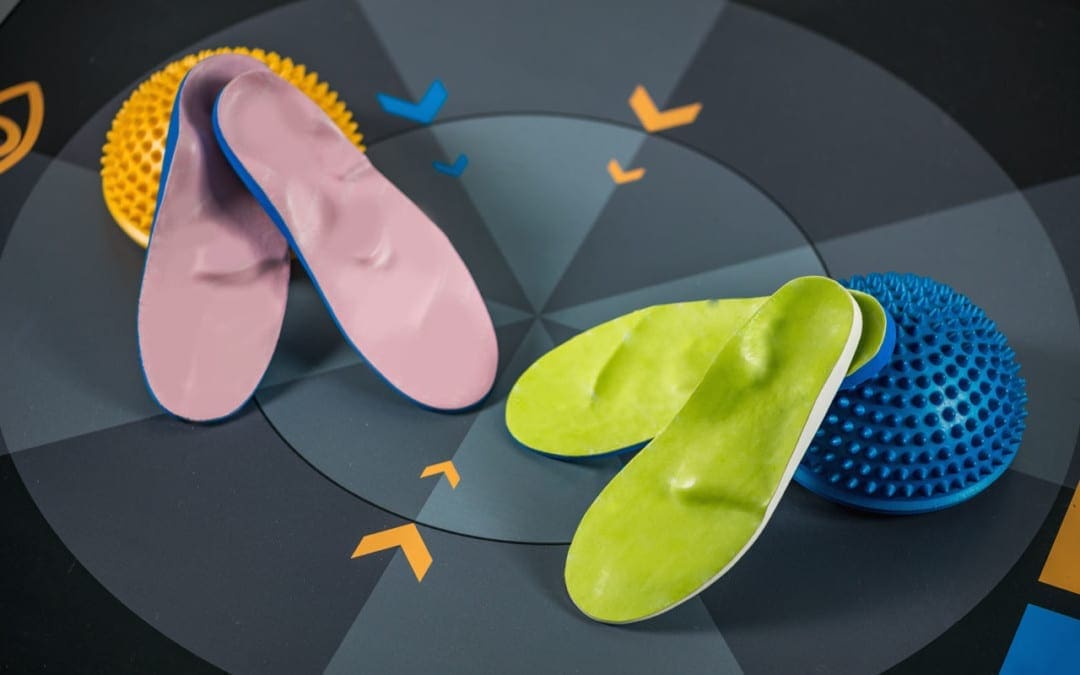
Over-the-counter or (OTC) orthotic insoles are foot supports that can be made from various materials which include:
Foam
Leather
Plastic
OTC insoles are designed to fit inside your shoe.
These have become popularized through T.V. commercials, fancy packaging and can be bought at pretty much any grocery/pharmacy store.
OTC’s can be marketed to:
Provide comfort�
Bring pain relief from common conditions:
Bunions
Plantar fasciitis
Arch support problems
OTC insoles are also available to fit in a variety of shoes:
High heels
Athletic shoes
Boots
That work with every individual’s lifestyle.
OTC insoles are dangerous and can cause more harm than help.
Many people do not realize their feet could be the cause of:
Knee
Hip
Back pain
This is why Chiropractors treat issues, such as plantar fasciitis by performing lower back adjustments and look to the feet when diagnosing and treating patients.
Patients must be cautioned against self-diagnosing and using OTC orthotics.
Custom made orthotic insoles are a great solution.
Here are the three bad things that OTC insoles can do to your body.
1. OTC Insoles Do Not Provide Support
Every person�s body is unique.
We are all different:
Heights
Weights
Have different body compositions
This also means that our feet are unique, with some of us even having two feet that completely different from one another. Because of our unique body composition, there is really no one-size-fits-all cure. When it comes to the feet, customization is the key. Ineffective support can lead to increased pain and discomfort.
The way to avoid ineffective support is to seek professional advice first.
You see the scanners inside the stores to help you find which insole is right for you, however, these are designed to sell, sell, sell.
Getting a foot scan by a medical professional that can assess your body and feet in person is the way to go.
They will talk with you, personally about treatment options and will help you find the best solution.
2. Make Physical Discomfort Worse & Cost You More Money because now you need Treatment
OTC insoles are typically made of inexpensive materials.
OTC insoles wear down faster and require constant replacement.
You could purchase the wrong type of OTC insole, which can create more pain and discomfort.� When experiencing pain or discomfort, our bodies are under stress. Stress also increases from financial burdens or seeking medical treatment which can be time-consuming and uncertain.
Self-diagnosing your issues while standing in a store can be dangerous, instead relieve your stress by seeking expert help.
Custom orthotics are also covered by some insurance providers.
3. The function of Your Foot/Ankle Worsens
Body function goes down when insoles are not properly prescribed or fitted.
The wrong insole can make a well-fitting shoe too tight for example.
Wrong insoles can redistribute body weight the wrong way to think that the foot pain is alleviated but then the ankles get sore or we can’t bend our feet.
Bad insoles can also make it difficult to run or walk.
Wearing the wrong insole can create new injuries.
Orthotics alter the way our bodies move and affect how we walk, stand, and absorb shock.
Selecting the right orthotic is essential to how our body functions every day.
Custom orthotics are designed specifically for an individual�s body:
Stabilize joints
Reduce pain
Prevent deformity
Create proper posture�
Improve foot function
Remember that it’s not possible to purchase� OTC insoles designed specifically for an individual.
But you can get custom fit orthotics to:
Relieve discomfort
Help your body operate properly
Save you stress and money
Proven Reduced Back Pain with *FOOT ORTHOTICS* | El Paso, Tx
Kent S. Greenawalt, President, and CEO of Foot Levelers discuss how custom foot orthotics can help reduce back pain, low back pain, and sciatica. In a recent research study published by the American Congress of Rehabilitation Medicine (ACRM), researchers demonstrated that Foot Levelers custom foot orthotics help considerably reduce back pain and several of its associated health issues. The research study also demonstrated that Foot Levelers custom foot orthotics and chiropractic care help tremendously reduce low back pain and sciatica. Foot Levelers custom foot orthotics and chiropractic care helped improve the patient’s overall health and wellness. Dr. Alex Jimenez is a chiropractor in El Paso, TX who can help provide these benefits through the utilization of chiropractic care and Foot Levelers custom foot orthotics, among other treatments.
What’s Afoot
If you have low back pain�or have had it, you are not alone. Experts estimate that around�80% of people�will experience some type of back problem at some point in their lives.�The Global Burden of Disease 2010�lists low back pain as the number one cause of disability worldwide. The good news is the majority of back pain is mechanical in origin or is not organic. This means that infection, cancer, fracture, inflammatory arthritis, and other serious conditions are not the cause. In fact, you may benefit by looking to your feet, knees,�and hips as the culprits.
NCBI Resources
Experienced chiropractors understand there are some other treatments in addition to chiropractic care that help aid pain management, increase mobility, and decrease healing time. Depending on the condition, individuals may experience a wide array of benefits from blending these treatments into their chiropractic treatment. One such treatment is orthotics or inserts. If life were a sandbox, chiropractic care and orthotics would be the best of friends. They treat muscle and skeletal conditions, as does chiropractic treatment.
If you have low back pain�or have had it, you are not alone. Experts estimate that around 80% of people will experience some type of back problem at some point in their lives. The Global Burden of Disease 2010 lists low back pain as the number one cause of disability worldwide. The good news is the majority of back pain is mechanical in origin or is not organic. This means that infection, cancer, fracture, inflammatory arthritis, and other serious conditions are not the cause. In fact, you may benefit by looking to your feet, knees,�and hips as the culprits.
The spine is the foundation for the body, supporting the spinal cord and the limbs. When there is a problem with any of the limbs it can affect the spine and vice versa. The intricate network of tendons, ligaments, and nerves work together within the incredible machine that is the human body.
How the Feet Affect the Low Back
When there are problems with the feet, it can cause problems through the legs and all the way to the spine. This can cause the ankle to pronate, meaning it rolls inward. This alters the way the bones of the foot line up which extends through the tibia, or shin bone.
This can cause a condition called knock knees and it can change the way the entire body is aligned. This puts the body out of balance, destabilizing the spine, and can even cause the pelvis to tilt to one side or the other. When you are walking or standing, the stress caused by the misalignment it can create a domino effect, causing or contributing to low back pain.
How the Knees Affect the Low Back
One thing to remember when assessing pain in the body is that where it hurts may not be the source of the problem. It could be a symptom. Because of this, knee pain could be caused by a problem with your back and back pain could be caused by a problem with your knees.
It is important to take this type of pain at more than face value and do a little investigating to find the cause. That is why chiropractic is so beneficial in these situations.
If you see a chiropractor for your knee or back pain, he or she will assess your issues, talk to you about the pain you are experiencing and help you get to the root of your problem so that you can treat it and, in turn, help correct other associated issues. Knees connect the foot and spine so problems that affect the feet and ankles,�as well as the spine, will very likely affect the knees and hips as well.
How the Hips Affect the Low Back
Muscle imbalances in the hip, such as tight hip flexors, can cause low back pain � or at least contribute to it. When the hip flexor muscles are too tight, it causes what is known as an anterior pelvic tilt.
In other words, the muscles cause an anterior pull on the pelvis. This affect posture and throws the entire lower body out of alignment. It can also affect the knees and feet if left untreated.
Hip flexors can become too tight if the person sits for extended periods of time or engages in activities like cycling and jogging. A chiropractor can guide you through exercises that will help release the tight muscles and stop the micro spams that occur as a result.
He or she will also assess your knees, feet, and ankles to ensure that the issue has not through them out of alignment as well. Correcting the cause of the problem will often correct the associated issues and resolve the pain allowing you to return to your normal activities.
IFM's Find A Practitioner tool is the largest referral network in Functional Medicine, created to help patients locate Functional Medicine practitioners anywhere in the world. IFM Certified Practitioners are listed first in the search results, given their extensive education in Functional Medicine