What are the treatment options for individuals dealing with foot overpronation when the foot and ankle move too much downward and inward?
Overpronation
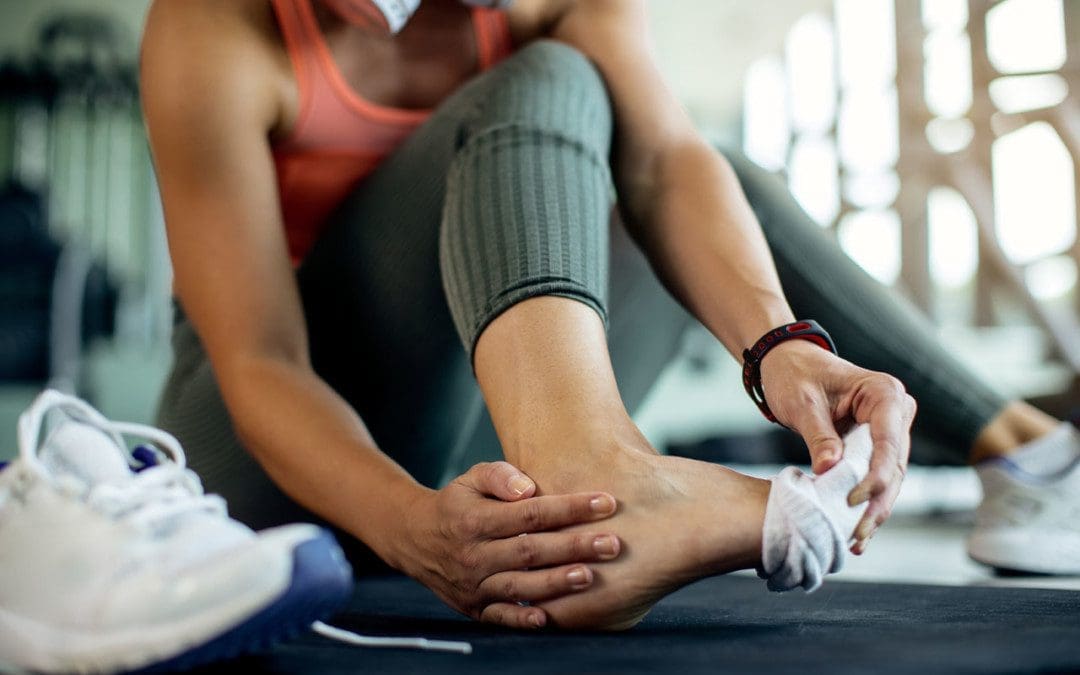
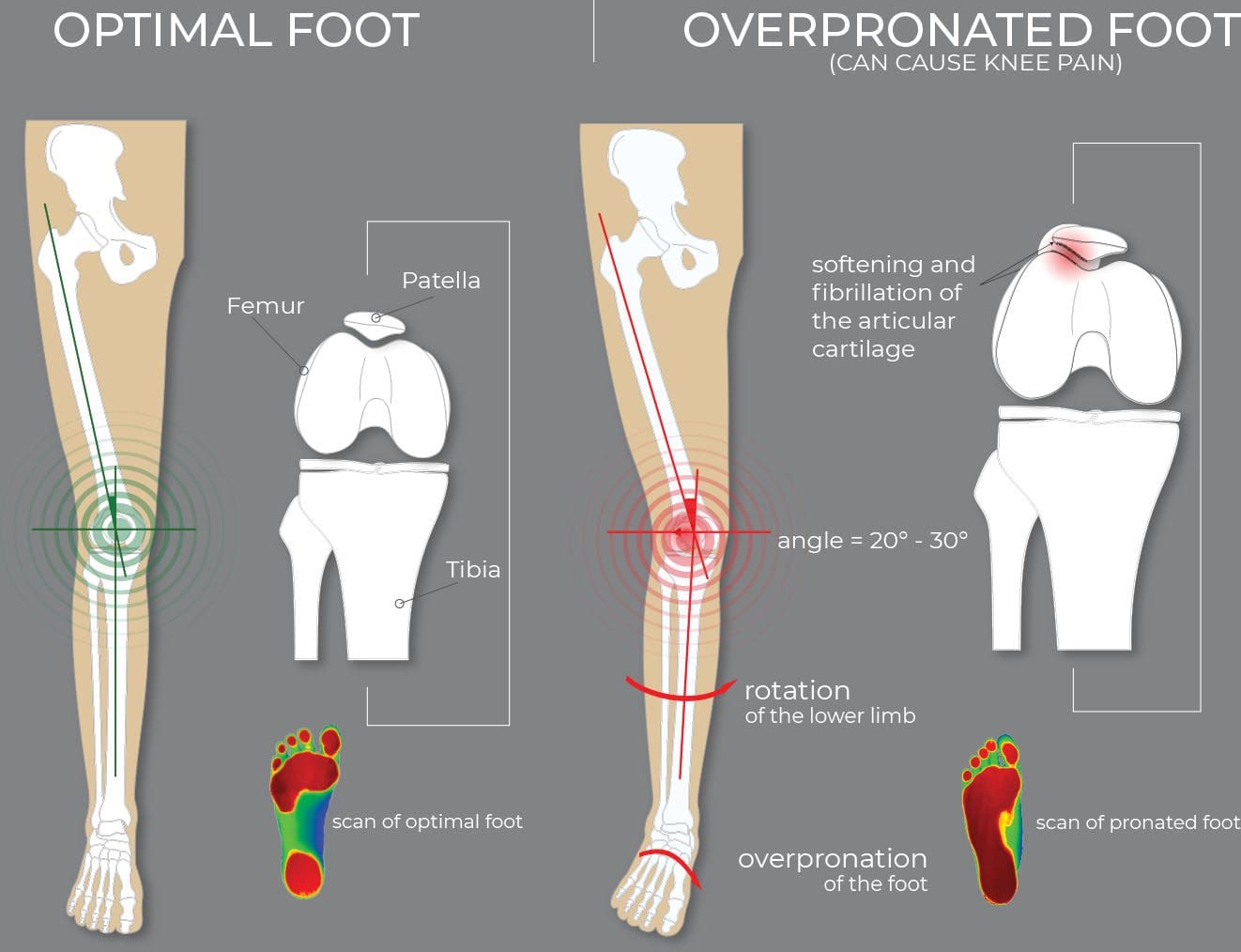
Pronation is the normal foot and ankle movement when taking a step and is usually associated with flat feet. Overpronation is a movement pattern in which the ankle rolls inward and downward, causing the foot’s arch to collapse with each stride. Overpronation can strain the muscles and ligaments in the feet and legs, leading to heel pain, ankle pain, shin splints, and low-back pain. (Pedorthic Association of Canada, 2023) Orthotic inserts for shoes, prescribed stretches, ankle braces, physical therapy, and surgery can all help alleviate the impact of overpronation. (Sánchez-Rodríguez, R. et al., 2020)
Signs and Symptoms
Some individuals with overpronation can have no symptoms at all. (Pedorthic Association of Canada, 2023) while others experience pain or other symptoms in their legs and feet. Overpronation is not a medical condition but a movement pattern that, if left untreated, can increase the risk for certain medical conditions because it strains the feet and leg muscles, joints, and ligaments. (Sánchez-Rodríguez, R. et al., 2020) Certain medical conditions can be a sign of overpronation and include: (Pedorthic Association of Canada, 2023)
Bunions
Heel pain
Plantar fasciitis
Achilles tendon pain
Posterior tibial tendonitis
Shin splints
Knee pain, including patellofemoral pain syndrome
Pain in the iliotibial or IT band
Lower back pain
Arthritis in foot and ankle joints
Stress fractures
Individuals may also experience pain in the midfoot or hips, which can be a symptom of flat feet.
Underpronation
Pronation refers to the normal movement of the foot and ankle while walking. Overpronation and underpronation are both abnormal movement patterns.
Overpronation – when the ankle rolls too much inward and downward.
Underpronation – occurs when an individual’s foot lacks flexibility and moves too little. This condition is called supination and is often associated with a high-arch foot type.
Overpronation can be caused or worsened by flatfeet. However, some individuals have overpronation because their feet and ankles are very flexible, so they tend to move more. Risk factors for flatfeet can also increase the chances of developing overpronation and include:
Age, especially individuals over 40.
Wearing shoes like high heels and shoes with a narrow-toe box.
Women are more prone to overpronate because of the various shoes and high heels worn.
Being overweight
Doing repetitive, impactful movements like running.
Correction and Treatment
Treating overpronation focuses on alleviating strain on muscles in the foot, ankle, and leg to relieve symptoms in the heel, ankle, knees, hips, or back. Common treatments are wearing supportive shoes and/or using foot orthotics. Exercises and stretches are also recommended to maintain flexibility and strength. Surgery is rare, but correcting flat feet that can cause overpronation may be recommended. (Sánchez-Rodríguez, R. et al., 2020) Individuals with overpronation are advised to see a podiatrist who can explain the best treatment options.
Supportive Shoes
The first course of treatment is to wear added supportive footwear. This can include specialized shoes or inserts that support the foot and reduce ankle movement. Individuals are advised to use shoes with firm heel and midfoot support to help prevent disproportionate movement. (Pedorthic Association of Canada, 2023)
Orthotics
A healthcare provider can recommend orthotics for individuals with moderate overpronation. These are meant to support the foot, especially the arch, and reduce overpronation. (Naderi A. Degens H. and Sakinepoor A. 2019) Individuals can purchase orthotics from shoe stores and elsewhere, but those with severe overpronation may need custom orthotics molded to the foot to provide individualized support.
Exercises and Stretches
Exercises and stretches can also help. A study found that exercises targeting the feet, core, and hips helped correct pronation over nine weeks. The exercises included: (Sánchez-Rodríguez, R. et al., 2020)
Toe pickups in which the individuals grab small objects with their toes and move them from one position to another.
Flexing and pointing the toes using a resistance band placed around the toes.
Hip abduction exercises to target the hip and glutes.
Abdominal and oblique muscle exercises to stabilize the torso.
Short-foot exercise raises the foot arch off the ground, drawing the toes toward the heel. (Sulowska I. et al., 2016)
Surgery
Rarely will surgery be needed to treat flat feet and severe overpronation. But if necessary, reconstruction realigns the bones to support the arch better and reduce overpronation. A metal implant is used for flatfeet to stabilize the area. Surgery can also repair torn tendons or other damage contributing to overpronation. (Healthline, 2020)
Injury Medical Chiropractic and Functional Medicine Clinic
Individuals with overpronation but no symptoms don’t necessarily have to see a healthcare provider since this may be the body’s natural movement pattern. But if the feet, legs, hips, or back begin to present with pain and other symptoms, see a healthcare provider who can evaluate gait and recommend treatment options. Injury Medical Chiropractic and Functional Medicine Clinic works with primary healthcare providers and specialists to develop an optimal health and wellness solution. We focus on what works for you to relieve pain, restore function, and prevent injury. Regarding musculoskeletal pain, specialists like chiropractors, acupuncturists, and massage therapists can help mitigate the pain through spinal adjustments that help the body realign itself. They can also work with other medical professionals to integrate a treatment plan to resolve musculoskeletal issues.
Enhance Performance with Functional Foot Orthotics
References
Pedorthic Association of Canada. (2023). Overpronation and Underpronation Correction. https://pedorthic.ca/services/foot-health/pronation/
Sánchez-Rodríguez, R., Valle-Estévez, S., Fraile-García, P. A., Martínez-Nova, A., Gómez-Martín, B., & Escamilla-Martínez, E. (2020). Modification of Pronated Foot Posture after a Program of Therapeutic Exercises. International journal of environmental research and public health, 17(22), 8406. https://doi.org/10.3390/ijerph17228406
Naderi, A., Degens, H., & Sakinepoor, A. (2019). Arch-support foot orthoses normalize dynamic in-shoe foot pressure distribution in medial tibial stress syndrome. European journal of sport science, 19(2), 247–257. https://doi.org/10.1080/17461391.2018.1503337
Sulowska, I., Oleksy, Ł., Mika, A., Bylina, D., & Sołtan, J. (2016). The Influence of Plantar Short Foot Muscle Exercises on Foot Posture and Fundamental Movement Patterns in Long-Distance Runners, a Non-Randomized, Non-Blinded Clinical Trial. PloS one, 11(6), e0157917. https://doi.org/10.1371/journal.pone.0157917
Healthline. (2020). All About Surgery for Flat Feet: Pros and Cons. https://www.healthline.com/health/flat-feet-surgery
Could stability running shoes help correct foot pronation for runners, athletes, and physically active individuals who tend to have foot pronation issues?
Stability Running Shoes
Stability is having firm, steady balance in the feet and ankles. Individuals with flat feet or feet that tend to pronate or turn inward can seriously compromise their running stability, potentially increasing their risk of injury and making running uncomfortable. Stability running shoes can help because they stabilize the feet and ankles that roll inward. They combine the right alignment, arch support, and cushioning, and this specialty footwear helps hold the feet and ankles steady and can help maintain a straight gait.
Pronation
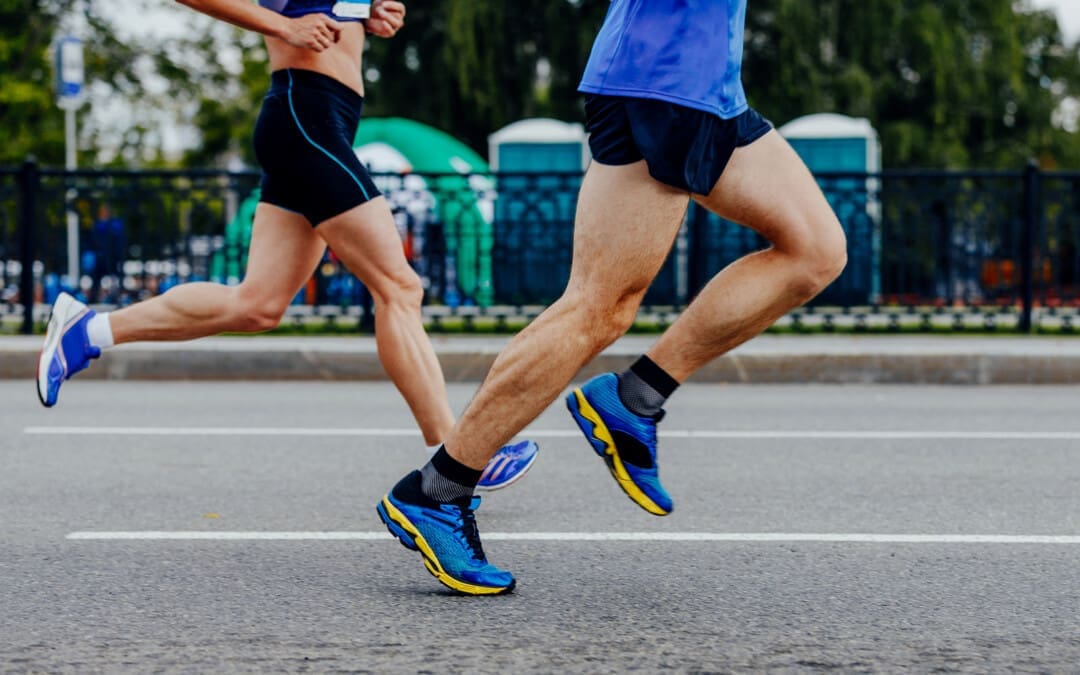
Pronation occurs when the foot and/or ankle roll inward when running or walking. It’s a common issue, typically caused by pushing off the ground with a big toe and a second toe. Arches can be excessively strained when pronation or overpronation occurs, resulting in ankle or shin pain. Eventually, overpronation can even cause the feet to flatten. Many runners find that the instability of an inward-rolling foot makes them more prone to strained muscles or falls. However, a study determined that foot pronation was not associated with increased injury risk in novice runners wearing non-specialty shoes. (Nielsen R. O. et al., 2014) However, another study found that foot pronation contributed to joint loading or increased stress on the joints of the lower limbs after long-distance running. (Mei Q. et al., 2019) This extra stress could be a factor in the development of osteoarthritis.
Supination
In contrast to pronation, some runners experience the opposite problem of supination. Supination occurs when the ankle or foot rolls outward from the center, which can cause pain or injury as it increases the likelihood of ankle rolls or sprains.
Features
Stability running shoes with the right features can help stabilize the feet and ankles for safer, more efficient running. This could make a major difference in how individuals feel after a run. For example, those with weak ankles should look for ankle support shoes with motion control, arch support, and grippy traction. Stabilizing shoes offer the following structural supports.
Arch Support
The foot is less likely to turn inward with a firm, high arch support.
Midsole Cushioning
Like arch support, cushioning the entire mid-section of the foot helps hold it steady.
For example, in walking shoes for flat feet, extra supportive cushioning in the midfoot helps prevent further arch collapse.
Stability running shoes may advertise having bars, rails, or medial posts to help maintain balance and reduce pronation.
Heel Cups and Heel Counters
A deep heel cup sits under the heel, correctly aligning the foot and ankle.
Heel counters are hard plastic inserts that reinforce the back of a running shoe, increasing overall support and holding the foot in place.
Wider Base
A wider platform underneath the foot is another key to preventing the inward rolling of overpronation.
It’s a common feature of walking shoes for seniors that provide stability for balance issues.
Choose the Right Shoes
Selecting the best shoe for pronation issues does not have to be complex. At many athletic stores, customers start with an in-store gait, foot shape, and running style assessment. Overpronators should look for a shoe with at least some of the features listed, such as arch support, cushioning, heel cups, counters, or a wide base. For narrow or wide feet, seek out shoes made specifically for these issues. In any running shoe, comfort is the number one priority. The feet should feel firmly supported with no pinching, and the toe shoes should have plenty of wiggle room and be able to lace up without hassle.
Benefits
Stability running shoes may also improve performance. A well-cushioned, well-fitting stability shoe can enhance running comfort, making workouts more enjoyable. When running without pain, individuals are more likely to continue running long-term. A stability shoe that prevents overpronation can improve form, allowing faster and more efficient running. A study in the Journal of Orthopaedic and Sports Physical Therapy explored the potential of motion-control shoes, which are somewhat more stabilizing than stability shoes regarding running injuries. The authors concluded that these shoes may reduce the risk of injuries related to overpronation. (Willems T. M. et al., 2021) Another study compared stability shoes to neutral and motion-control shoes in female runners with various degrees of foot pronation. Those who ran in stability shoes missed the fewest days of training, an indicator that they experienced fewer injuries, but those who wore stability shoes reported more pain while running than those who wore neutral shoes. (Ryan M. B. et al., 2011)
Conclusion
Stability running shoes might be the solution for jogging pain and injuries. The only way to find out is to try them for yourself. Look for footwear with sturdy arch support, plenty of cushioning in the midsole, heel support, and a wide sole. At Injury Medical Chiropractic and Functional Medicine Clinic, we focus on what works for you and strive to create fitness and better the body through research methods and total wellness programs. These programs use the body’s ability to achieve improvement goals, and athletes can condition themselves to excel through proper fitness and nutrition. Our providers use an integrated approach to create personalized programs, including Functional Medicine, Acupuncture, Electro-Acupuncture, and Sports Medicine principles.
Correct Foot Pronation
References
Nielsen, R. O., Buist, I., Parner, E. T., Nohr, E. A., Sørensen, H., Lind, M., & Rasmussen, S. (2014). Foot pronation is not associated with increased injury risk in novice runners wearing a neutral shoe: a 1-year prospective cohort study. British journal of sports medicine, 48(6), 440–447. https://doi.org/10.1136/bjsports-2013-092202
Mei, Q., Gu, Y., Xiang, L., Baker, J. S., & Fernandez, J. (2019). Foot Pronation Contributes to Altered Lower Extremity Loading After Long Distance Running. Frontiers in physiology, 10, 573. https://doi.org/10.3389/fphys.2019.00573
Willems, T. M., Ley, C., Goetghebeur, E., Theisen, D., & Malisoux, L. (2021). Motion-Control Shoes Reduce the Risk of Pronation-Related Pathologies in Recreational Runners: A Secondary Analysis of a Randomized Controlled Trial. The Journal of orthopaedic and sports physical therapy, 51(3), 135–143. https://doi.org/10.2519/jospt.2021.9710
Ryan, M. B., Valiant, G. A., McDonald, K., & Taunton, J. E. (2011). The effect of three different levels of footwear stability on pain outcomes in women runners: a randomised control trial. British journal of sports medicine, 45(9), 715–721. https://doi.org/10.1136/bjsm.2009.069849
Individuals with inflammation, pain, and swelling on the tops of their feet or hands could be experiencing extensor tendonitis. What treatment options are available?
Extensor Tendonitis
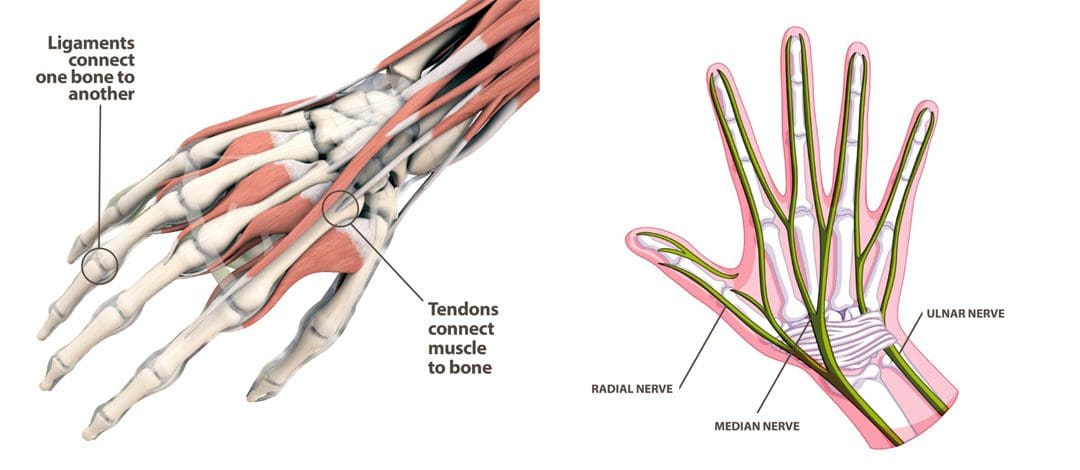
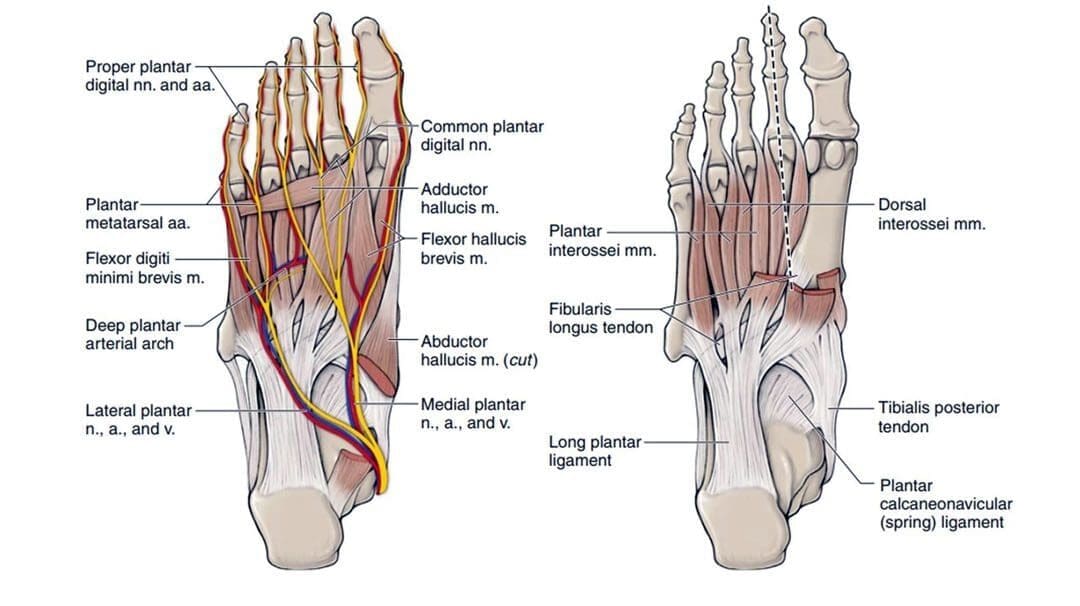
These tendons attach to muscles that straighten the fingers and lift the toes and the top of the foot. Extensor tendonitis is a condition characterized by inflammation of the tendons on the tops of the hands and feet. It often results from overuse of the muscles and from wearing tight shoes. Symptoms tend to worsen with activity and improve with rest. The condition does not usually require surgery; treatments include medications, home remedies/activity modification, and physical therapy.
Types
Tendonitis can develop in any tendon of the extensor muscles. These tendons are long, thin bands of tissue that can be felt on the tops of the hands and feet. The structures attach to muscles on one end and bones of the fingers and toes on the other. The extensor tendons in the hands include: (American Society for Surgery of the Hand, 2024)
The extensor digitorum communis straightens the index, middle, ring, and small fingers.
The extensor digiti minimi straightens the small finger.
The extensor indicis proprius straightens the index finger.
The extensor pollicis longus and extensor pollicis brevis muscles move the thumb into the thumb-up position.
The extensor digitorum longus and extensor digitorum brevis muscles lift the second, third, fourth, and fifth toes.
The extensor hallucis longus lifts the big toe.
Tendonitis vs Tendinopathy
Chronic tendon pain can lead to a condition known as tendinopathy.
Tendonitis results from inflammation.
Tendinopathy is the degeneration/micro-tearing of a tendon that occurs with long-term overuse.
Knowing which condition you are dealing with is important because it requires different treatments.
Symptoms
The primary symptom is pain in the affected tendon/s. Individuals may also experience swelling, and the skin can become red or warm to the touch. Extensor tendonitis can cause pain when using the affected muscles, moving the hand or foot in the opposite direction, and stretching the tendons. Usually, the pain worsens when using the affected muscles and improves with rest.
Causes
Extensor tendonitis in the hands usually results from overuse, which causes inflammation. However, it can also result from trauma, such as falling on the hand or an injury during physical or sports activities. Common activities include: (Hanson Z. C., and Lourie G. M. 2022)
Manual labor work
Typing
Computer mouse use
Weightlifting
Gymnastics
Playing a musical instrument
Extensor tendonitis in the foot can also result from overuse activities like running, especially uphill. However, it can also occur from wearing overly tight or tightly laced shoes for physical activities like running or dancing. Less common causes include: (Arthritis Foundation, N.D.)
Medical conditions like diabetes or arthritis
Medication side effects
Infection
Joint deformities
Treatment
Extensor tendonitis usually improves with conservative treatment, which includes self-care, activity modification, physical therapy, and medication.
Medications
Individuals can treat inflammation with non-steroidal anti-inflammatory drugs NSAIDs like:
Ibuprofen
Naproxen
Aspirin
Acetaminophen can help reduce pain.
In some cases, individuals may need prescription anti-inflammatory medications like corticosteroids or pain relievers for short-term use.
Self-Care and Activity Adjustments
Self-care includes:
Rest and avoid any activities that increase pain symptoms. If you can’t avoid them completely, take frequent breaks to allow the muscles to relax.
Apply ice to the hand or foot several times daily for up to 20 minutes.
Compression wraps should be applied on the foot or hand using an elastic bandage or soft splint to help support the injured tendons and reduce swelling.
Elevate the hand or foot if swollen above the heart level when resting.
Activity Adjustments
Modifying activities can help address the underlying cause/s.
Hand extensor tendonitis can develop from poor positioning.
Setting up an ergonomic workstation can help.
Consult a coach or trainer if the tendonitis is related to sports or exercise.
Individuals might need to adjust their technique or training schedule to decrease pressure on the tendons.
Physical Therapy
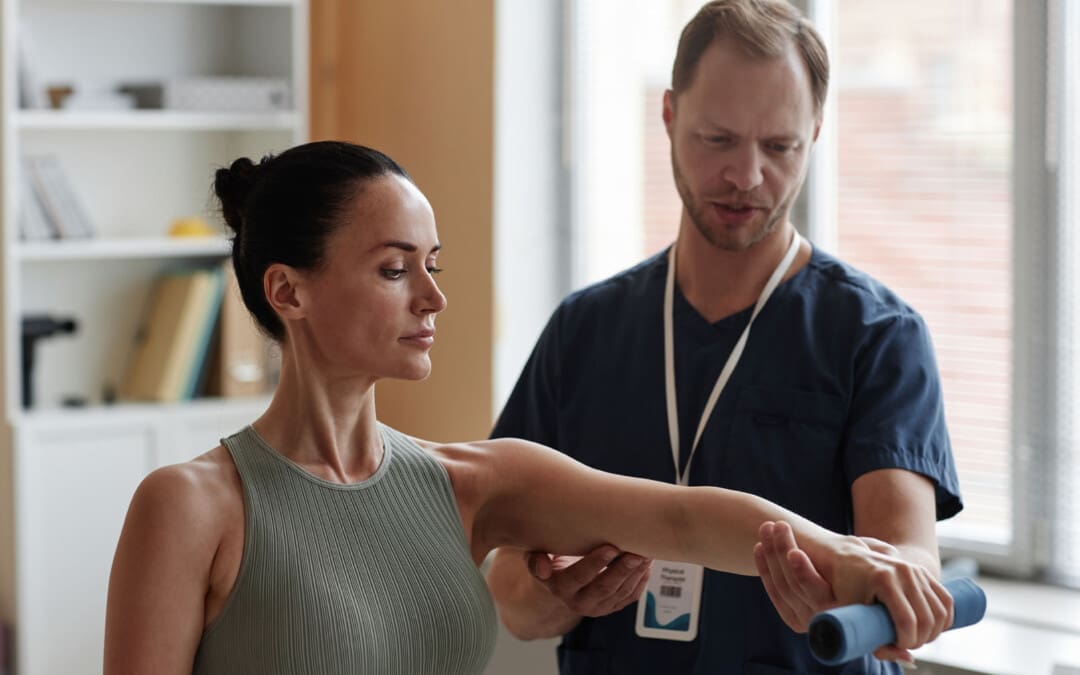
Physical therapy is an effective treatment. A therapy team can help determine the condition’s underlying cause and provide a personalized treatment program. Interventions can include:
Pain-reducing treatments like ultrasound, electrical stimulation, electroacupuncture, and laser therapy.
Extensor tendonitis can take weeks or even months to fully heal. Early diagnosis and determining the condition’s underlying cause rather than just treating symptoms are recommended for a faster and optimal recovery. Injury Medical Chiropractic and Functional Medicine Clinic works with primary healthcare providers and specialists to develop personalized treatment programs through an integrated approach to treating injuries and chronic pain syndromes, improving flexibility, mobility, and agility, relieving pain, and helping individuals return to normal activities. Dr. Jimenez has teamed up with top surgeons, clinical specialists, medical researchers, and rehabilitation providers if other treatments are needed.
Move Better, Live Better, with Chiropractic
References
American Society for Surgery of the Hand. (2024). Tendons. https://www.assh.org/handcare/safety/tendons#Finger%20Extensor
Hanson, Z. C., & Lourie, G. M. (2022). Middorsal Wrist Pain in the High-Level Athlete: Causes, Treatment, and Early Return to Play. Orthopaedic journal of sports medicine, 10(4), 23259671221088610. https://doi.org/10.1177/23259671221088610
Arthritis Foundation. Foundation, A. (N.D.). Tendinitis. https://www.arthritis.org/diseases/tendinitis
Bronner, S., Ojofeitimi, S., & Rose, D. (2008). Repair and rehabilitation of extensor hallucis longus and brevis tendon lacerations in a professional dancer. The Journal of orthopaedic and sports physical therapy, 38(6), 362–370. https://doi.org/10.2519/jospt.2008.2749
American Society for Surgery of the Hand. (2014). Extensor tendon injury. https://www.assh.org/handcare/condition/extensor-tendon-injury#:~:text=The%20tendon%20may%20take%20eight%20to%20twelve%20weeks,may%20include%20stitches%20%28for%20cuts%20in%20the%20tendon%29.
Footwear can cause lower back pain and problems for some individuals. Can understanding the connection between footwear and back problems help individuals find the right shoes to maintain back health and relieve pain?
Footwear Back Pain
The back provides the strength for physical activities. Back pain affects daily life and can have various causes. Unhealthy posture, walking, twisting, turning, bending, and reaching can contribute to back problems that result in pain. According to the CDC, 39% of adults report living with back pain (Centers for Disease Control and Prevention, 2019). Improper footwear can also contribute to back pain. Selecting footwear carefully can help bring pain relief and help maintain spinal health. Individuals can enjoy less pain and manage symptoms by choosing shoes that maintain spinal alignment and protect the feet from blunt impact.
Understanding the Back Pain-Footwear Connection
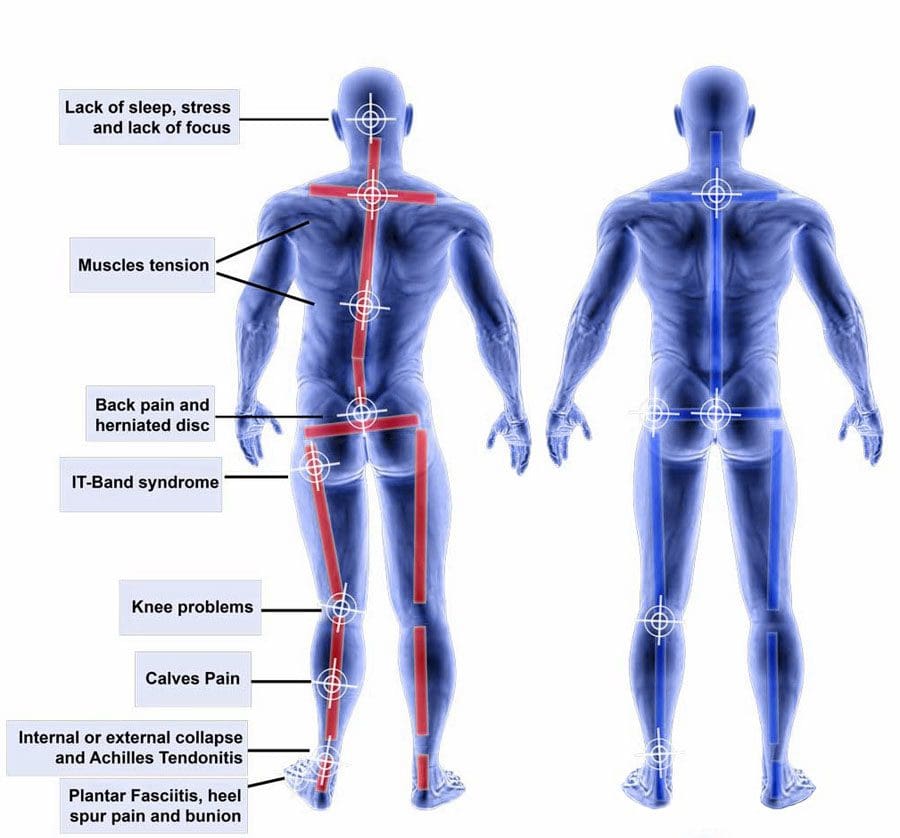
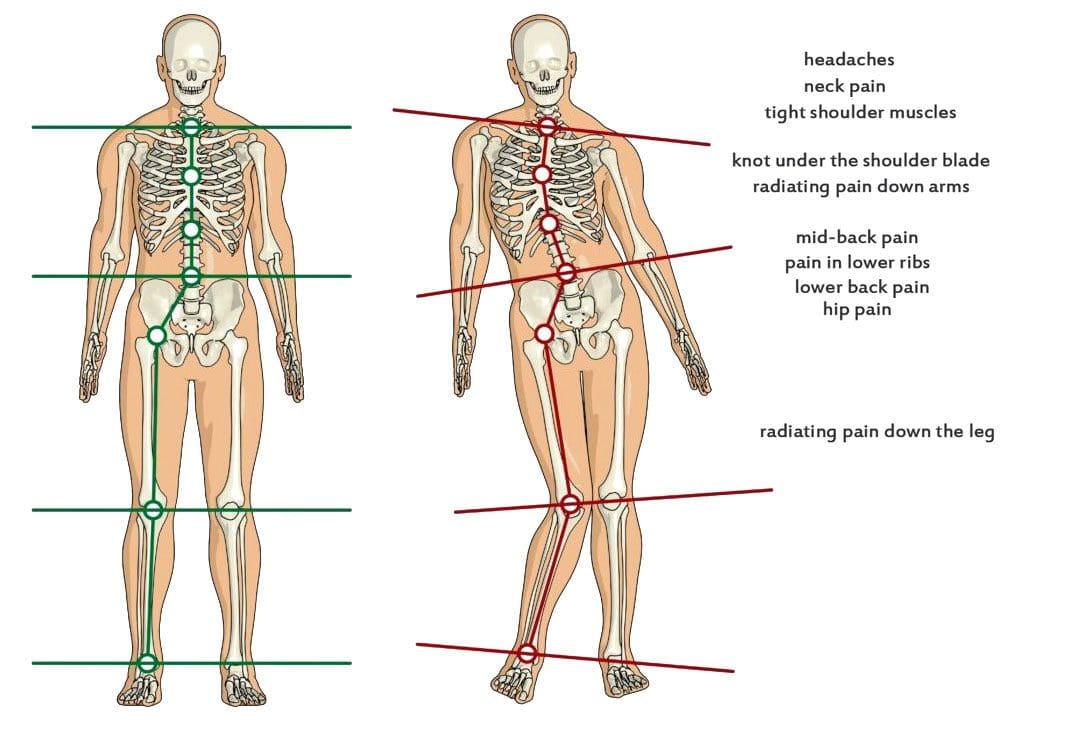
Improper footwear could be the cause of lower back pain. What impacts the bones at the bottom of the neuromusculoskeletal system radiates upward and affects the spine and back muscles. What footwear is used travels upward, impacting gait, posture, spinal alignment, and more. When back problems originate from the feet, these are biomechanical issues. Biomechanics means how the bones, joints, and muscles work together and how changes in external forces impact the body.
Movement
When the feet impact the ground, they are the first extremities to absorb shock for the rest of the body. Individuals will start to walk differently if they have a problem or change in their feet. Wearing shoes with improper support can increase the wear and tear on the muscles and joints, leading to awkward and unnatural movement. For example, consider the difference between standing on tiptoes in high heels and the natural flat-footed state. Well-cushioned shoes help absorb impact and lessen pain sensations. The pressures on each of the joints shift balance, which causes instability problems with less pressure on some and more on others. This creates an imbalance that leads to pain and joint conditions.
Posture
Maintaining a healthy posture is another factor in preventing or alleviating back pain. With the right footwear, the body can maintain a healthier stance and the right curvature throughout the spine, and it helps distribute the weight evenly. This results in decreased stress on ligaments, muscles, and joints. (Harvard Health Publishing. 2014) It’s recommended to see an orthopedist to get to the root of an individual’s condition. For some, a herniated disc, sciatica, automobile collision, fall, unhealthy ergonomics, or a combination, as well as other underlying issues, may be contributing to their back pain.
Shoe Types and Their Impact on The Back
How various shoes impact posture, potentially causing or relieving back pain.
High Heels
High heels can definitely contribute to back pain. They change body posture, causing a domino effect on the spine. The body’s weight is shifted to increase pressure on the balls of the feet, and the spine’s alignment becomes altered. High heels also affect how the ankles, knees, and hips move when walking, balance, and how the back muscles operate, all of which can worsen back pain.
Flat Shoes
Flat shoes may not be the best choice for spinal health. If they lack arch support, they can cause the foot to roll inward, known as pronation. This can contribute to misalignment, which can strain the knees, hips, and lower back. However, they can be a decent choice if they provide arch support. When wearing flat shoes with healthy support, the weight is distributed evenly on the feet and the spine. This helps maintain correct posture, which can help prevent and/or alleviate back pain.
Sneakers, Tennis, and Athletic Shoes
Sneakers, tennis, and athletic shoes can relieve back pain with thorough cushioning and support. Choosing the right ones involves determining the activity that will be done in them. There are tennis, running, basketball, pickleball, skating shoes, and more. Research what features will be needed for the sport or activity. This could include:
Heel cups
Insole cushioning
Wide base
Other features to meet individual foot needs.
It is recommended that athletic shoes be changed every 300 to 500 miles of walking or running or with any signs of unevenness when placed on a flat surface, as worn-out soles and degraded materials can increase the risk of injury and back pain. (American Academy of Podiatric Sports Medicine, 2024). If a certain pair puts the legs, hips, or ankles into an unnatural position or impedes regular movement, it may be time to replace them.
Choosing the Right Shoes
The ideal solution for choosing shoe wear is to get a gait analysis and a review of how you walk and run. Various healthcare professionals may offer this service to tailor each individual’s search for the right shoes for back pain. In gait analysis, individuals are asked to run and walk, sometimes on camera, while a professional notes physical tendencies, like when the foot hits the ground and whether it rolls inward or outward. This provides data on affected posture, movement, pain levels, how much arch support is needed, and what type to wear to help prevent back pain. Once the analysis is complete, it will guide you on what to look for, such as what level of arch support, heel height, or material is best for you.
Injury Medical Chiropractic and Functional Medicine Clinic specializes in progressive, cutting-edge therapies and functional rehabilitation procedures focused on clinical physiology, total health, practical strength training, and complete conditioning. We focus on restoring normal body functions after trauma and soft tissue injuries. We use Specialized Chiropractic Protocols, Wellness Programs, Functional and integrative Nutrition, Agility and mobility Fitness Training, and Rehabilitation Systems for all ages. Our programs are natural and use the body’s ability to achieve specific measured goals rather than introducing harmful chemicals, controversial hormone replacement, unwanted surgeries, or addictive drugs. We have teamed up with the city’s premier doctors, therapists, and trainers to provide high-quality treatments that empower our patients to maintain the healthiest way of living and live a functional life with more energy, a positive attitude, better sleep, and less pain.
Benefits of Using Custom Foot Orthotics
References
Centers for Disease Control and Prevention. (2019). Back, lower limb, and upper limb pain among U.S. adults, 2019. Retrieved from https://www.cdc.gov/nchs/products/databriefs/db415.htm
Harvard Health Publishing. (2014). Posture and back health. Harvard Health Education. https://www.health.harvard.edu/pain/posture-and-back-health
American Academy of Podiatric Sports Medicine. Ayne Furman, D. F., AAPSM. (2024). How do I know when it is time to replace my athletic shoes?
For individuals with aches and pains throughout their body, can a foot detox help bring relief?
Foot Detox
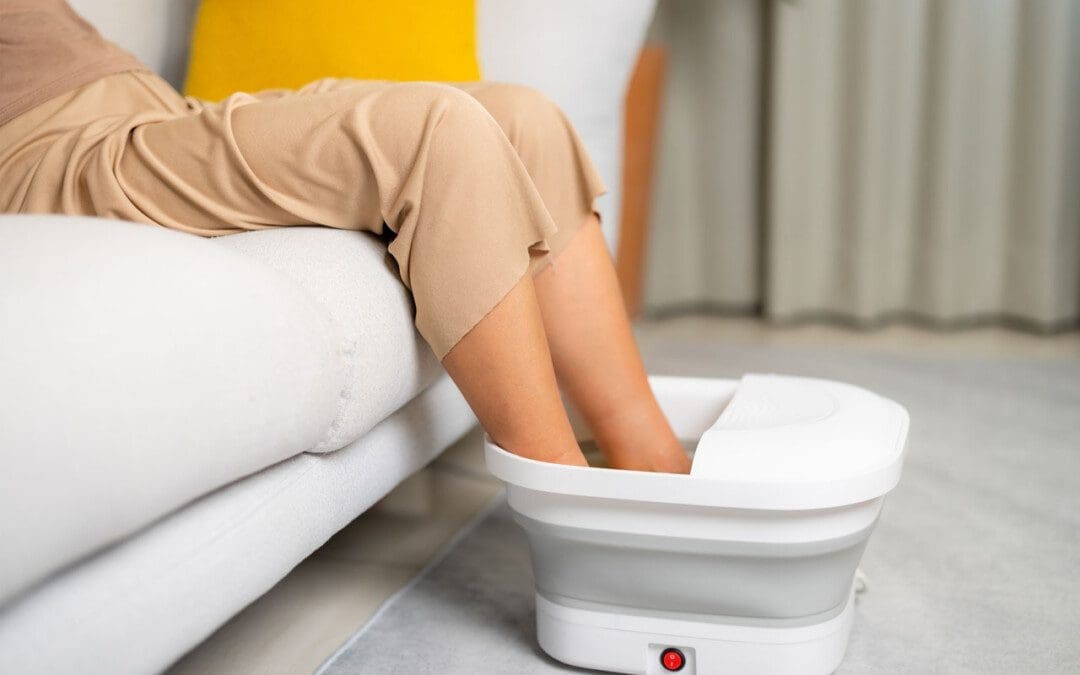
A foot detox involves soaking the feet in an ionic bath to help remove toxins from the body. They can also be performed using acupressure, scrubs, foot masks, and pads. Combined with eliminating toxins, detox is also believed to help enhance blood circulation and provide body pain and discomfort relief. However, current evidence is limited and there has been no evidence to support that toxins can be released from the feet using an ionic bath. However, they have been found to provide other benefits, which include:
Relaxation
Lower stress levels
Enhanced skin health and hydration.
Reduced inflammation in individuals with skin disorders.
Foot detoxes are considered generally safe, but individuals are recommended to speak to their healthcare provider.
Potential Benefits
The potential health benefits include:
Reduces inflammation and swelling.
Improves stress levels and mood.
Can help with weight management.
Can help with heart health and increased blood circulation.
However, most reports surrounding the benefits of foot detox are not proven by research investigating whether the health claims are scientifically accurate. One study in 2012 found that foot detoxes did not produce the intended results and could not help remove toxins from the body. (Deborah A. Kennedy, et al., 2012) Other research surrounding foot baths and massages showed that they could help reduce symptoms of mood disorders like schizophrenia because of the relaxing effect they produce. (Kazuko Kito, Keiko Suzuki. 2016)
Ways Toxins are Removed From the Body
Toxins are filtered out of the body in a variety of ways. Breathing out expels carbon dioxide from the body. Another way is through the body’s natural processes. The body has organs and other systems to filter out and release toxins.
Specific organs, such as the liver, kidneys, and lymph nodes, filter and remove harmful and unneeded substances. (UW Integrative Health. 2021)
The health claims surrounding toxin removal through the feet are currently insubstantial because no evidence supports the effectiveness and the anecdotal evidence is not based on science.
Foot detoxes can be an enjoyable experience that can help relieve sore feet, relax the body, and offer relief for certain foot ailments. They could be an excellent addition to a self-care routine. Some of the most commonly used natural foot detoxes include the following.
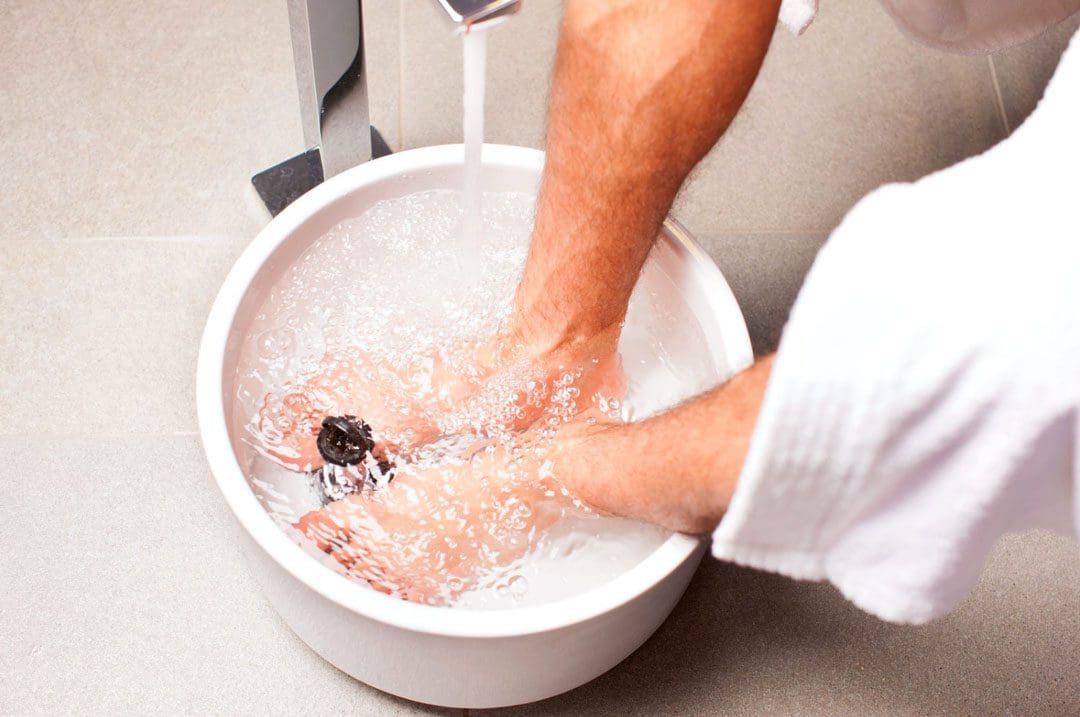
Epsom Salt Foot Bath
Combining Epsom salts with warm water and soaking the feet for 20–30 minutes can help promote relaxation.
Apple cider vinegar foot baths are made by diluting 1 cup of vinegar in warm water and soaking the feet for 20–30 minutes.
There is limited research available to confirm the health claims.
The studies that have been done have found the reverse effect, that bathing the feet in apple cider vinegar and water can irritate the skin. (Lydia A Luu, et al., 2021)
Baking Soda and Sea Salt
Sea salt combined with baking soda dissolved in a bath and soak the feet for up to 30 minutes. While research is limited, some evidence supports the health benefits associated with sea salt that include: (Ehrhardt Proksch, et al., 2005)
Reduces inflammation in skin conditions, like atopic dermatitis.
Foot baths should be avoided for the following:
There are open sores on the feet that could be irritated by salt and other foot bath ingredients.
Individuals with a pacemaker or any electrical body implant.
Pregnant women.
Consult a healthcare provider before trying any new health protocols.
Foot Orthotics Benefits
References
Kennedy, D. A., Cooley, K., Einarson, T. R., & Seely, D. (2012). Objective assessment of an ionic footbath (IonCleanse): testing its ability to remove potentially toxic elements from the body. Journal of environmental and public health, 2012, 258968. https://doi.org/10.1155/2012/258968
Kito, K., & Suzuki, K. (2016). Research on the Effect of the Foot Bath and Foot Massage on Residual Schizophrenia Patients. Archives of psychiatric nursing, 30(3), 375–381. https://doi.org/10.1016/j.apnu.2016.01.002
UW Integrative Health. Improving your health by removing toxins from your body.
Akyuz Ozdemir, F., & Can, G. (2021). The effect of warm salt water foot bath on the management of chemotherapy-induced fatigue. European journal of oncology nursing: the official journal of European Oncology Nursing Society, 52, 101954. https://doi.org/10.1016/j.ejon.2021.101954
Vakilinia, S. R., Vaghasloo, M. A., Aliasl, F., Mohammadbeigi, A., Bitarafan, B., Etripoor, G., & Asghari, M. (2020). Evaluation of the efficacy of warm salt water foot-bath on patients with painful diabetic peripheral neuropathy: A randomized clinical trial. Complementary therapies in medicine, 49, 102325. https://doi.org/10.1016/j.ctim.2020.102325
Luu, L. A., Flowers, R. H., Gao, Y., Wu, M., Gasperino, S., Kellams, A. L., Preston, D. C., Zlotoff, B. J., Wisniewski, J. A., & Zeichner, S. L. (2021). Apple cider vinegar soaks do not alter the skin bacterial microbiome in atopic dermatitis. PloS one, 16(6), e0252272. https://doi.org/10.1371/journal.pone.0252272
Proksch, E., Nissen, H. P., Bremgartner, M., & Urquhart, C. (2005). Bathing in a magnesium-rich Dead Sea salt solution improves skin barrier function, enhances skin hydration, and reduces inflammation in atopic dry skin. International journal of dermatology, 44(2), 151–157. https://doi.org/10.1111/j.1365-4632.2005.02079.x
Kanwar A. J. (2018). Skin barrier function. The Indian Journal of Medical Research, 147(1), 117–118. https://doi.org/10.4103/0971-5916.232013
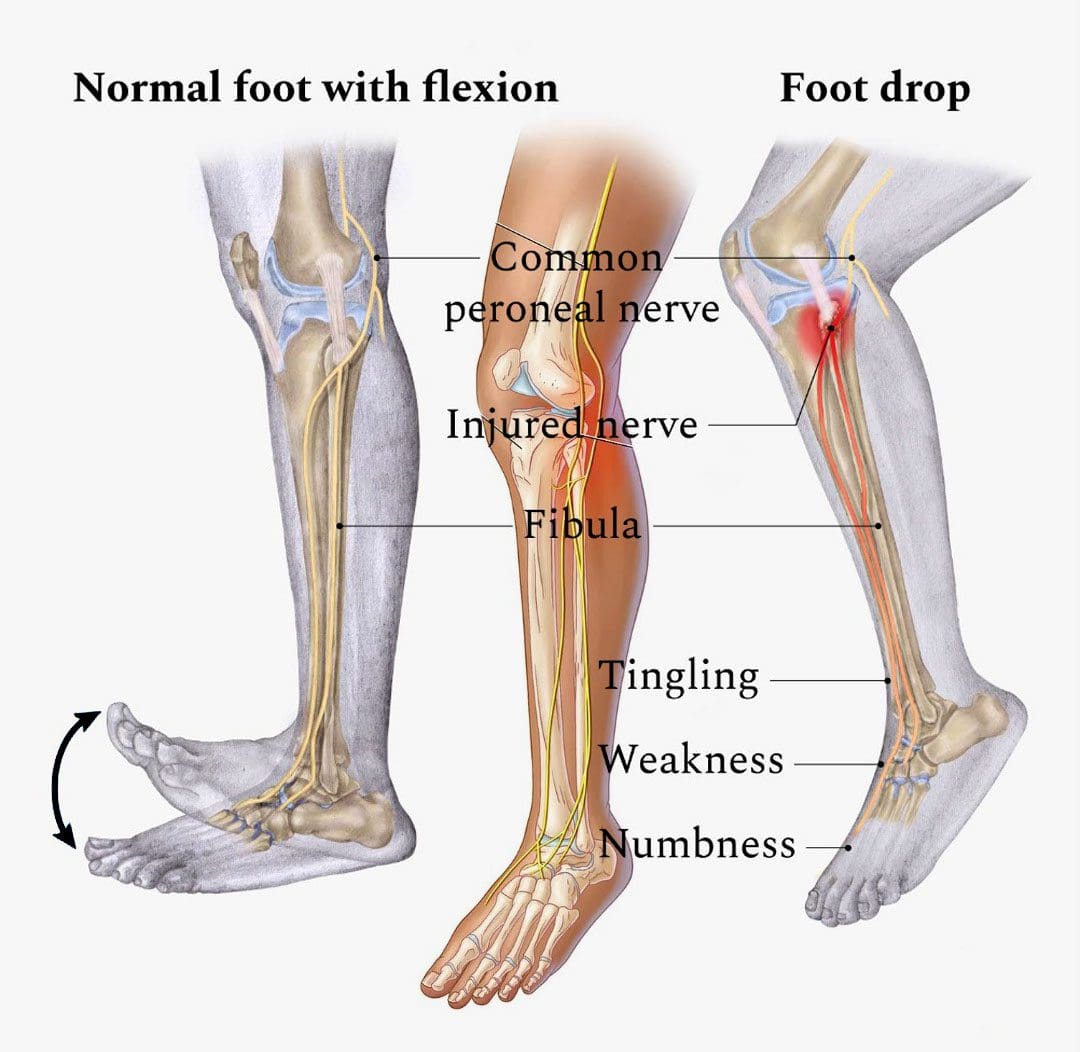
A peroneal nerve injury/peroneal neuropathy can be caused by direct trauma to the outer knee with symptoms and sensations of numbness, tingling, pins-and-needles sensations, pain, or weakness in the foot that can cause a condition known as foot drop. Chiropractic can perform spinal manipulation, realignment, and decompression to restore the nerve’s function. They can also help with walking and mobility by providing muscle strengthening and stretching exercises to correct abnormal gait caused by foot drop and increase the range of motion in the ankle.
Peroneal Nerve Injury
The peroneal nerve begins near the sciatic nerve at the glutes/hip and buttocks. It travels down the back of the thigh to the knee, which wraps around the front of the leg and extends into the feet to the toes. It provides sensory input from the lateral aspect of the lower leg and the top of the foot. It also provides motor input to the muscles responsible for lifting the foot off the ground lifting the toes and ankles and turning the foot outwards.
Causes
Structural problems in the spine or misalignment can affect the functionality of the nervous system and lead to peroneal neuropathy. Traumatic nerve injury causes include musculoskeletal injury, peroneal nerve paralysis, compression, or laceration. Injuries by trauma and nerve compression include:
Compression of the nerve in the leg.
Knee dislocation.
Knee or hip replacement surgery.
Knee or leg fracture. Fractures of the tibia or fibula, especially in the areas closer to the knee, can injure the nerve.
Ankle fracture.
Blood clot.
Compression by a nerve sheath tumor or cyst.
Certain underlying medical conditions can cause symptoms of peroneal nerve injury. It is recommended to be evaluated by a medical professional who can diagnose and offer appropriate treatment options. Neurologic disorders that can cause similar symptoms:
Herniated lumbar disc
Multiple sclerosis
Parkinson’s disease
Amyotrophic lateral sclerosis – ALS or Lou Gehrig’s disease.
Metabolic syndromes – diabetes, alcohol abuse, exposure to toxins.
Symptoms
Nerve injury symptoms include:
Numbness, tingling, or loss of sensation in the top of the foot or outer part of the lower leg.
Inability to flex toes or ankles upward/dorsiflexion.
Inability to flex the ankle to take a step forward.
Inability to move the foot.
Weakness in foot eversion/rotating outward.
Flopping or slapping sounds when walking.
Gait changes – dragging the toes or lifting the knee higher than the other to raise the foot off the ground.
Tripping often.
Pain in the foot or lower leg.
Diagnosis
In diagnosing a peroneal nerve injury, a healthcare provider examines the leg and analyzes symptoms. Tests can include:
Imaging tests – CT scan, ultrasound, or MRI.
Magnetic resonance – MR – neurography is a specialized high-resolution MRI of the nerves.
An electromyogram measures how muscles react to nerve stimulation.
Treatment for a peroneal nerve injury depends on the severity and can be surgical or non-surgical. Non-surgical options include orthotic footwear, chiropractic care, and physical therapy. A physical therapy program could consist of the following:
Icing
Massage
Manual manipulation
Stretching
Strengthening exercises
Mobilization exercises
Balancing exercises
Ankle bracing
Ankle taping
Shoe inserts – splints, braces, or orthotics can improve gait.
Longo, Diego, et al. “The Muscle Shortening Maneuver: a noninvasive approach to treating peroneal nerve injury. A case report.” Physiotherapy theory and practice, 1-8. 31 Jul. 2022, doi:10.1080/09593985.2022.2106915
Milenković, S S, and M M Mitković. “Common peroneal nerve schwannoma.” Hippokratia vol. 22,2 (2018): 91.
Radić, Borislav et al. “PERIPHERAL NERVE INJURY IN SPORTS.” Acta clinica Croatica vol. 57,3 (2018): 561-569. doi:10.20471/acc.2018.57.03.20
Thatte H et al. (2022). Electrodiagnostic evaluation of peroneal neuropathy. ncbi.nlm.nih.gov/books/NBK563251/
T Francio, Vinicius. “Chiropractic care for foot drop due to peroneal nerve neuropathy.” Journal of bodywork and movement therapies vol. 18,2 (2014): 200-3. doi:10.1016/j.jbmt.2013.08.004
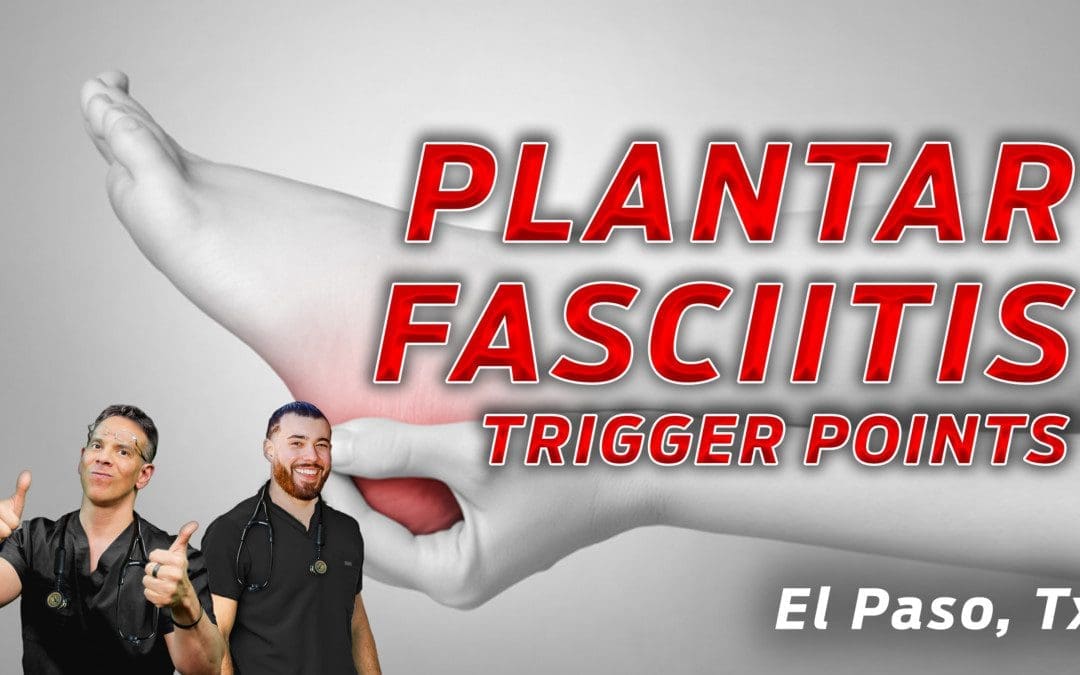
Everyone worldwide knows that feet are important. The feet allow many individuals to run, walk, or jog for long periods without feeling pain for a moderate amount of time. To that point, the various muscles and tendons surrounding the foot provide full body flexion, extension, and stability. Even though it is very easy to get in the recommended amount of steps into being healthy, around 75% of individuals will have foot pain that can impact their ability to walk. One of the most common foot pains is plantar fasciitis, which can become a painful foot condition if it is not treated as soon as possible. Today’s article looks at plantar fasciitis, its symptoms, how trigger points correlate, and treatments for it. We refer patients to certified providers incorporating techniques and therapies for individuals dealing with plantar fasciitis. By locating where the trigger points are coming from, many pain specialists can develop a treatment plan to reduce the effects that plantar fasciitis is causing on the feet. We encourage and appreciate each patient by referring them to associated medical providers based on their diagnosis when it is appropriate. We understand that education is a terrific way when asking our providers intricated questions at the patient’s request and understanding. Dr. Jimenez, D.C., only utilizes this information as an educational service. Disclaimer
What Is Plantar Fasciitis?
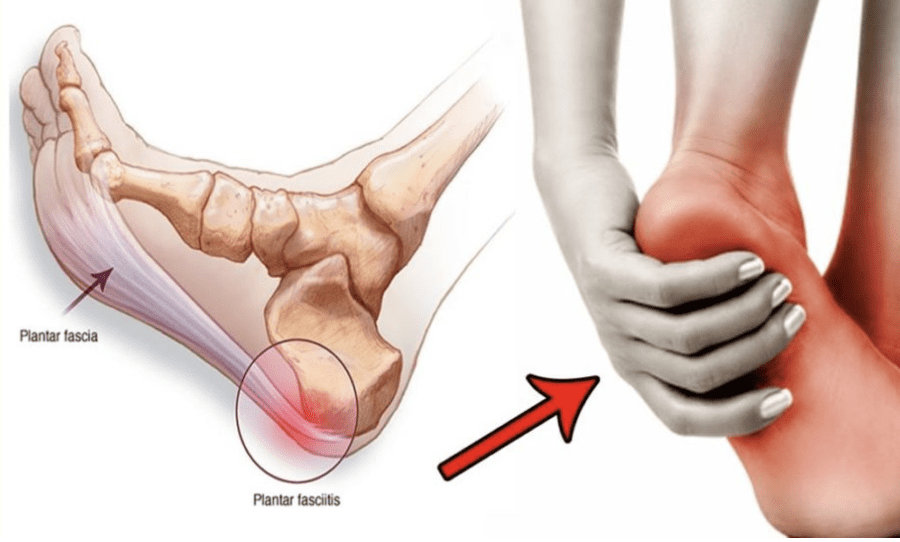
Have you been dealing with constant heel pain? Do you feel pain shooting up your leg when you step or walk? Or do you feel a stabbing ache in your heel? Many of these pain issue people are dealing with correlate with plantar fasciitis. Studies reveal that plantar fasciitis results from degenerative irritation on the plantar fascia and its ligaments. This causes the muscle ligaments to become inflamed, swollen, and weak, which then causes the bottom of the foot or heel to hurt when a person is walking or standing. To that point, when there is a repetitive strain on the feet, it causes microtears in the plantar fascia. The plantar fascia in the foot plays an important role as it comprises three segments that support the medial arch and shock absorption when stepping down. As one of the most common causes of heel pain, the residual pain from plantar fasciitis tends to be a sharp, stabbing sensation. Plantar fasciitis is more prominent in middle-aged people. Still, anyone at any age can develop plantar fasciitis, especially if they have labor jobs requiring them to be constantly on their feet.
Symptoms Of Plantar Fasciitis
Since around 2 million Americans could potentially develop plantar fasciitis, it is important to know that when a person has been on their feet constantly, there will be inflammation along the tissues in the feet. Many individuals with a busy lifestyle that requires them to be on their feet frequently would often ignore the pain or discomfort. Some of the symptoms that plantar fasciitis causes include the following:
Pain on the bottom of the heel
Pain in the arch
Pain that is usually worse when waking up
Pain that increases over months
Swelling on the bottom of the heel
However, when the pain becomes overbearing, many people would often think they have sore feet or low back pain from being overly tired from work, under constant stress, or over-exerting their bodies. When this happens, many would think the pain would go away in a few days after resting for a short period.
Trigger Points Associated With Plantar Fasciitis
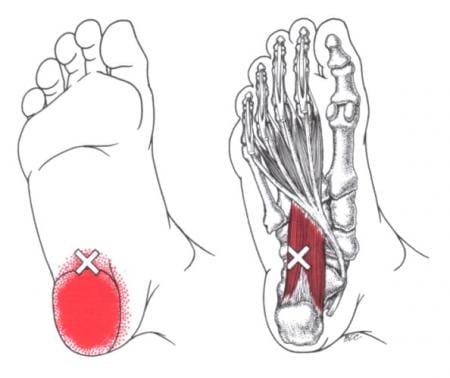
Now many individuals would often think that plantar fasciitis just only affects the heels, however, it can affect any part of the structure of the foot since all the surrounding muscle tissues are at risk of inflammation. When people start to ignore the pain and discomfort that plantar fasciitis is causing on the feet, it can overlap and develop trigger points in other areas of the body:
Ankles
Knees
Hips
Lower back
Studies reveal that trigger points or myofascial pain syndrome are hard, discrete, small nodules that are along the taut musculoskeletal band that causes numerous issues like inflammation, hypersensitivity, and pain to the affected muscle groups in the body. According to “Myofascial Pain and Dysfunction” written by Dr. Travell, M.D., it mentions that when the deep intrinsic muscles that work with the plantar fascia are affected by trigger points, would cause symptoms of numbness and the feeling of swelling in the foot. This causes many people to have limited mobility and have intense pain when walking, which can negatively impact their lifestyle.
An Overview Of Plantar Fasciitis- Video
Have you been dealing with aching feet? Do you feel a sharp, radiating pain in your feet? Or do you have difficulty walking? Many often think they are dealing with sore feet or other issues causing them pain. Around 75% of Americans often have foot pain affecting their ability to walk, and one of them is plantar fasciitis. The video above explains plantar fasciitis and how it can affect the feet. When the plantar fascia tendons become overused, it causes micro-tears in the muscle ligaments. When added compressive force starts to push against the heel boner, it can lead to a pathological state whereby the plantar fascia degenerates and creates dysfunction and pain. When this happens, it can lead to other conditions like trigger point pain along the muscle fibers in the foot. The pain and tenderness caused by trigger points in the plantar muscles may mask as plantar fasciitis. To that point, when plantar fasciitis becomes an issue and causes the individual to be in immense pain, it can become problematic. As luck would have it, treatments are available to reduce the pain from plantar fasciitis.
Treatments For Plantar Fasciitis
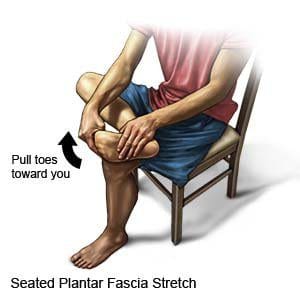
When treating plantar fasciitis, many available treatments can reduce the inflammatory effects in the heel and prevent trigger points from coming back. One of the available treatments is chiropractic care. Chiropractic care is an alternative treatment option to prevent, diagnose, and treat numerous injuries and conditions associated with the spine, primarily subluxations or spinal misalignments. Chiropractic focuses on restoring and maintaining the overall health and wellness of the musculoskeletal and nervous systems through spinal manipulation and adjustments. A chiropractor can carefully re-align the spine, improving a patient’s strength, mobility, and flexibility. Regarding plantar fasciitis, chiropractic care can work with other treatments, including physical therapy, massage, and even injections, to manage the pain and treat the condition. Even though plantar fasciitis takes several months to heal, chiropractic care can involve a precise technique that involves adjustments to the feet, ankles, and spinal alignment. This provides several benefits, which include the following:
Reduces Stress in the Plantar Fascia
Promotes Healing
Provides Effective Pain Management
Reduces the Risk of Further Injury
Conclusion
As many individuals worldwide are on their feet constantly, foot pain can hinder one’s ability to move. One of the most common foot pain is plantar fasciitis which can correlate with trigger points along the various muscles of the foot. Plantar fasciitis results from degenerative irritation on the plantar fascia and its ligaments, which causes sharp, stabbing pain on the heel. When this happens, it can cause the heel to be inflamed, swollen, and weak. To that point, it causes instability and pain when walking. However, plantar fasciitis can be treated when it is caught early through various treatments like chiropractic care. Chiropractic care can reduce the stress in the plantar fascia and help reduce the risk of further injuries. Combined with other therapies, many people can function normally and regain their walking ability without pain.
References
Buchanan, Benjamin K, and Donald Kushner. “Plantar Fasciitis – StatPearls – NCBI Bookshelf.” In: StatPearls [Internet]. Treasure Island (FL), StatPearls Publishing, 30 May 2022, https://www.ncbi.nlm.nih.gov/books/NBK431073/.
Petrofsky, Jerrold, et al. “Local Heating of Trigger Points Reduces Neck and Plantar Fascia Pain.” Journal of Back and Musculoskeletal Rehabilitation, U.S. National Library of Medicine, 2020, https://pubmed.ncbi.nlm.nih.gov/31594202/.
Shah, Jay P, et al. “Myofascial Trigger Points Then and Now: A Historical and Scientific Perspective.” PM & R : the Journal of Injury, Function, and Rehabilitation, U.S. National Library of Medicine, July 2015, https://www.ncbi.nlm.nih.gov/pmc/articles/PMC4508225/.
Travell, J. G., et al. Myofascial Pain and Dysfunction: The Trigger Point Manual: Vol. 2:the Lower Extremities. Williams & Wilkins, 1999.
IFM's Find A Practitioner tool is the largest referral network in Functional Medicine, created to help patients locate Functional Medicine practitioners anywhere in the world. IFM Certified Practitioners are listed first in the search results, given their extensive education in Functional Medicine



 Extensor Tendonitis
 Shoe Types and Their Impact on The Back