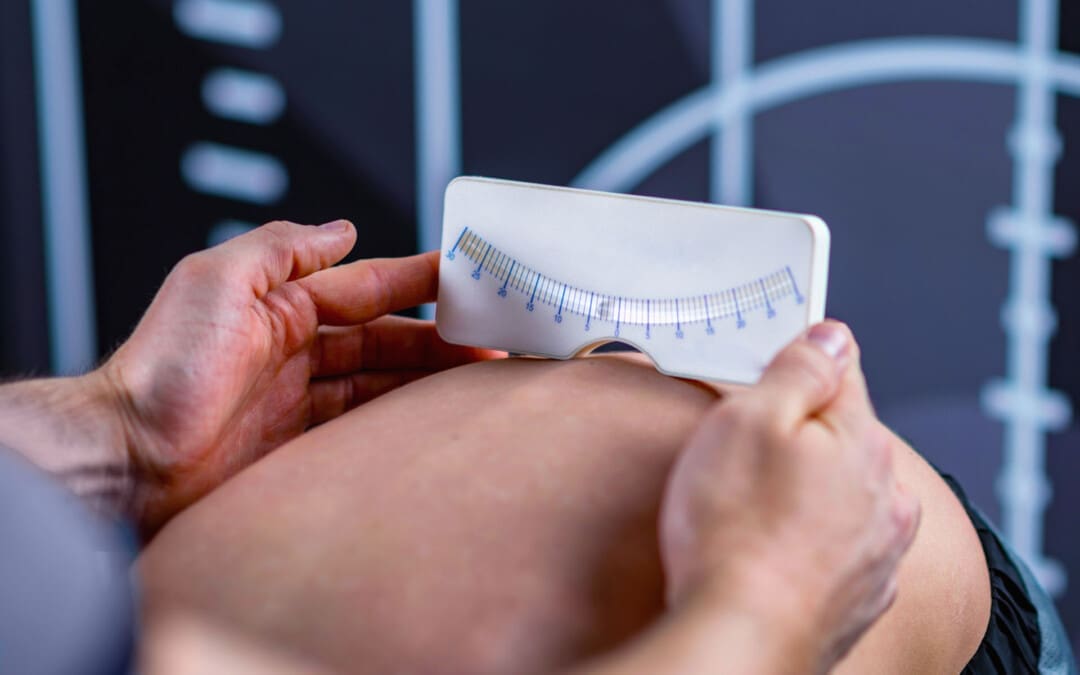
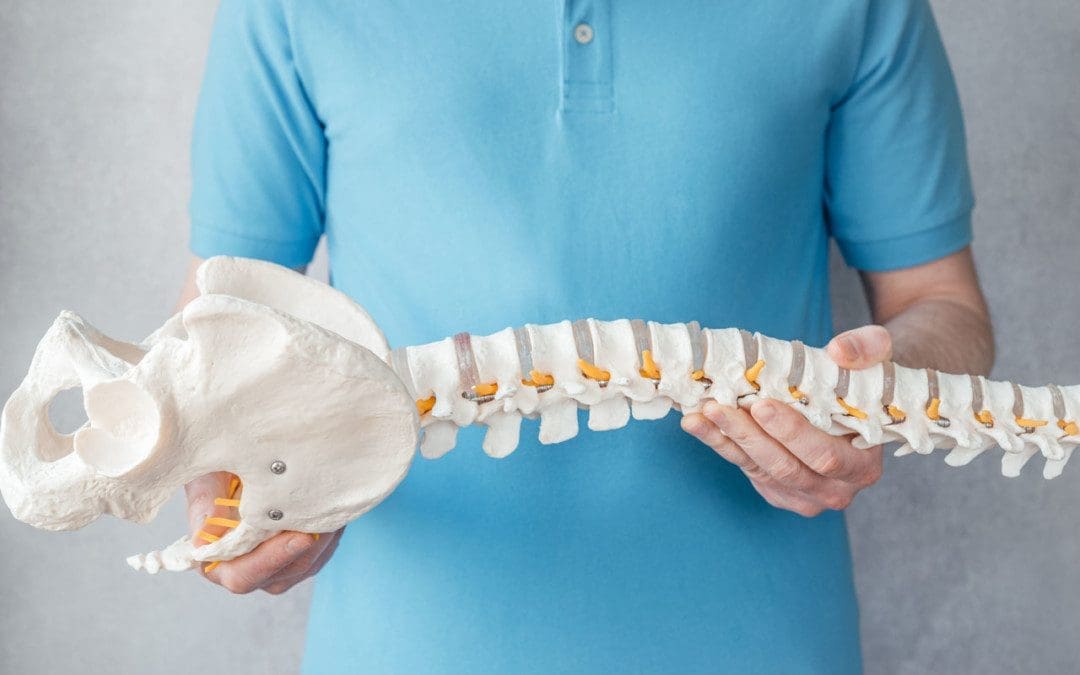
The Cobb angle is a mathematical measurement tool for assessing the curvature of the spine. Along with physical exams and other tests, how is it used to evaluate scoliosis and kyphosis of the spine?
Cobb Angle
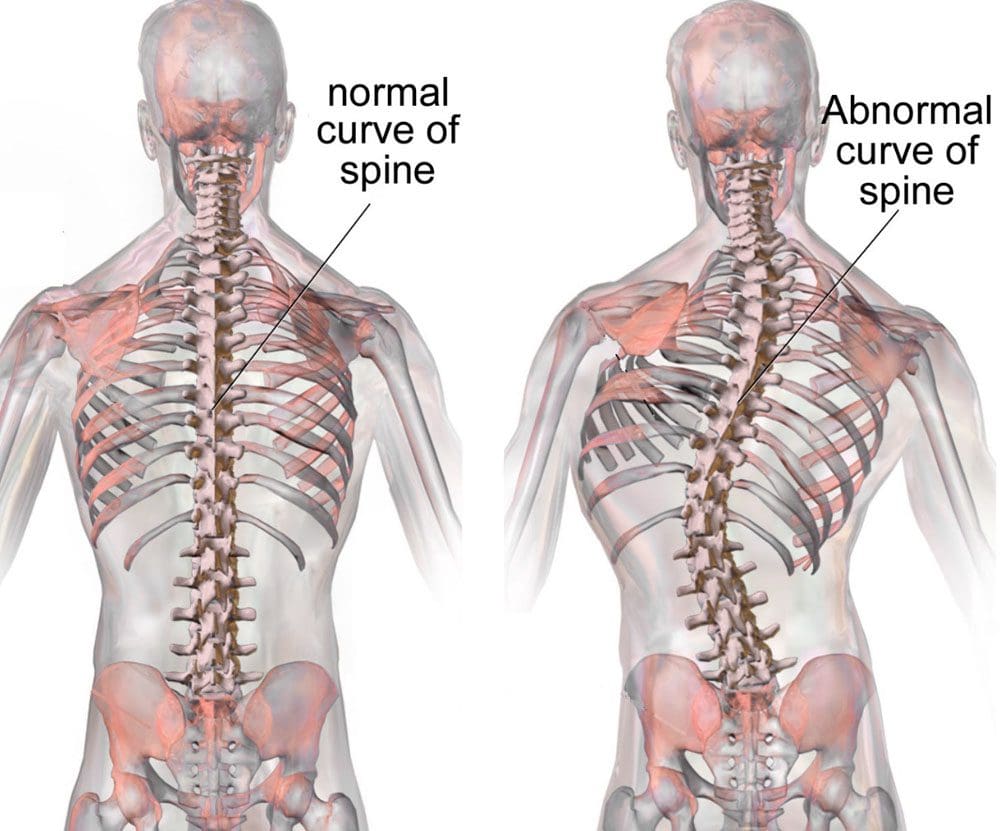
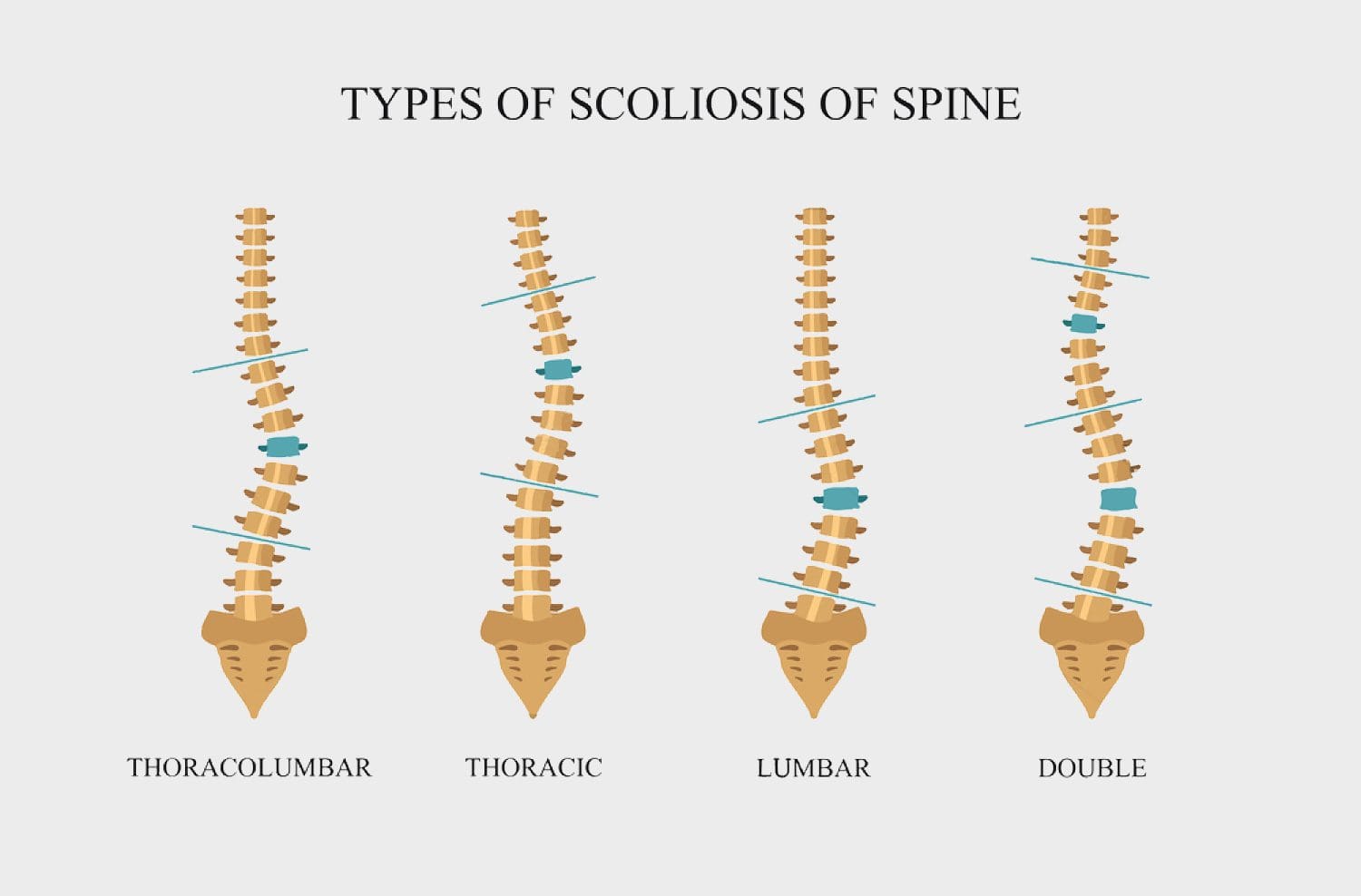
The Cobb angle is used to quantify the curvature of the spine, particularly in conditions like scoliosis. It measures the degree of side-to-side spinal curvature, a deformity called scoliosis. The angle’s size helps determine what kind of treatment is needed. Monitoring may be all that’s necessary for mild curvature. With severe scoliosis, treatment may require spinal fusion surgery. Named for orthopedic surgery pioneer John Robert Cobb, it describes the distance a scoliotic curve may deviate from being straight. (Botterbush K. S. et al., 2023) Generally, it takes at least 10 degrees of deviation from straight before scoliosis is confirmed.
X-Ray and Interpretation
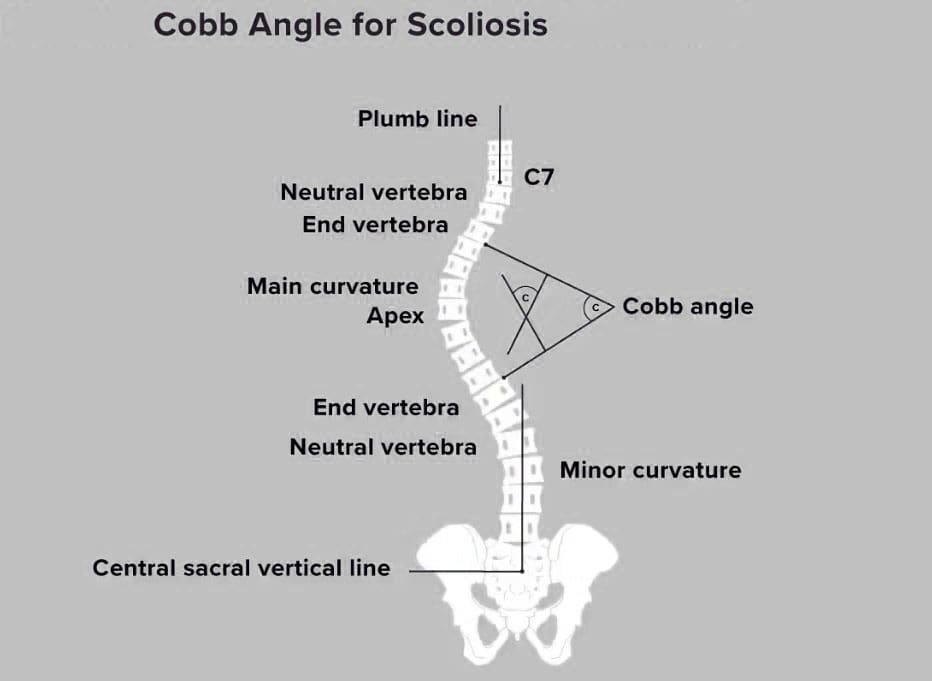
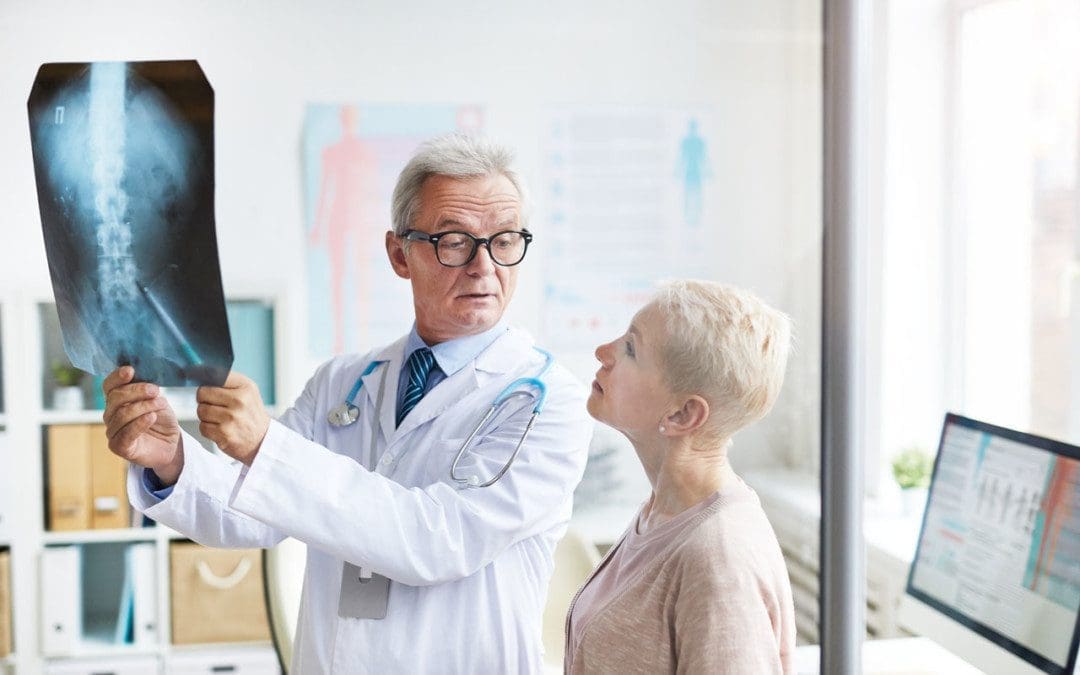
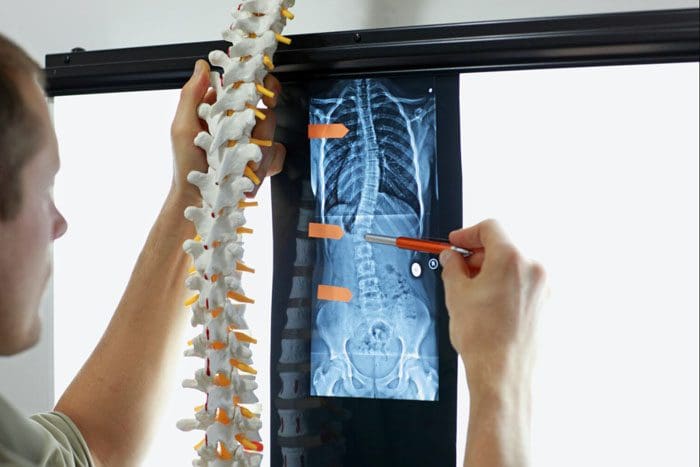
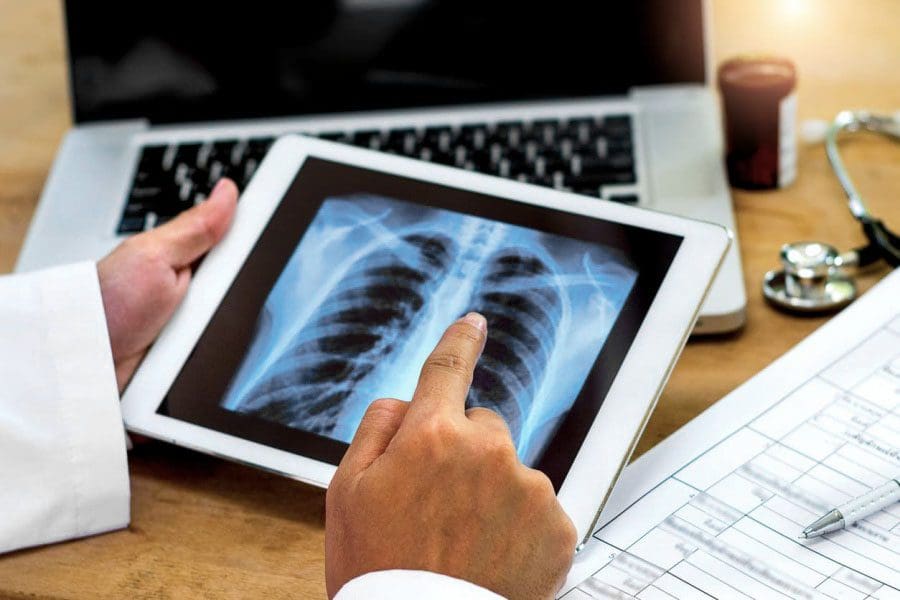
An X-ray is taken to measure the Cobb angle. Side and back views are taken. The healthcare provider or examiner then views the X-rays and locates the most affected vertebra in the curve, the apical vertebra. In a scoliotic curve, the apical vertebra is the spinal bone with the greatest degree of rotation that takes the biggest curve away from the center of a normal spine column.
Visualizing the Angle
The apical vertebra is where two lines drawn from the X-rays meet. Two lines are drawn along the edge of the top and bottom bones of the curve. The lines extend out as follows:
On the top bone, the line starts on the high side, continues along the top edge, and then slopes down according to the angle of the vertebra. (Jin, C. et al., 2022)
On the bottom vertebra, the line starts on the low side, continues along the bottom edge, and slopes upward.
The Cobb angle is found by measuring the angle of the two intersecting lines where they meet.
Then, the top and bottom vertebrae of the side-to-side curve are identified to create a number for the Cobb angle. These bones have the most tilt but the least rotation and displacement and are located above and below the apical vertebra. Computer software is commonly used to calculate the Cobb angle. (Jin, C. et al., 2022) Treatment is based on the:
Angle size
Gender: Scoliosis is more common and likely to progress in females
Scoliosis is diagnosed when the Cobb angle reaches 10 degrees or more. However, this is not generally considered a significant curvature (American Association of Neurological Surgeons, 2024). In around 80% of cases, the scoliosis is considered idiopathic or without congenital or other underlying causes.
Less Than 25 Degrees Cobb Angle
If a scoliotic curve is less than 25 degrees, individuals may only need to visit their healthcare provider periodically so long as the scoliosis is monitored. These are mild cases, often without symptoms, but there is a chance that the curvature can progress. This usually means reassessing the Cobb angle every four to six months in a growing child or adolescent. (National Scoliosis Foundation, 2015) A 5-degree or more progression can change the diagnosis and treatment. (Jin, C. et al., 2022)
Between 25 and 40 Degrees Cobb Angle
A Cobb angle of 25 to 40 degrees usually requires wearing a back brace and intensive physical therapy. The goal of these treatments is to help halt the curve’s progression. Braces are generally worn 16 to 23 hours every day. (National Scoliosis Foundation, 2015) The healthcare provider will provide a referral for physical therapy. Many report excellent results with the Schroth or other scoliosis-specific exercise methods. A study found that core stabilization exercise programs can decrease Cobb angles in adolescents with idiopathic scoliosis. (Ko K. J. & Kang S. J. 2017)
Scoliosis in Adults
Scoliosis is diagnosed in adults, usually in those who have had the condition, treated or not, that was identified in their youth. A study that followed various cases for 20 years found disease progression occurred in 40% of adults but was usually less than one degree per year. However, degenerative scoliosis can also occur in individuals aged 65 and older. (American Association of Neurological Surgeons, 2024)
40 Degrees or More Cobb Angle
Surgery may be recommended once the Cobb angle reaches 40 to 50 degrees. A spinal fusion is often used to force the curve to stop developing. In adults, surgery may be needed if the angle reaches 50 degrees and they experience complications, such as nerve damage or bowel/bladder dysfunction. Risk factors in adults include older age, a history of smoking, and a diagnosis of other conditions, including being overweight. (American Association of Neurological Surgeons, 2024)
Variations
Variations occur in measuring scoliosis, and it is important to understand the difference between a change in scoliosis and a change in the tools or measurement. Equipment errors, imaging errors, and the subjective reading of the healthcare provider can change the values. (Jin, C. et al., 2022) Scoliosis measurement software and intelligent medical devices continue to improve how scoliosis is evaluated and treated. Physical exams, symptoms, and careful monitoring of changes in posture or function are still critical to an accurate diagnosis. The healthcare provider will explain the Cobb angle and other test results.
Injury Medical Chiropractic & Functional Medicine Clinic
Injury Medical Chiropractic and Functional Medicine Clinic works with primary healthcare providers and specialists to develop an optimal health and wellness solution. We focus on what works for you to relieve pain, restore function, and prevent injury. Regarding musculoskeletal pain, specialists like chiropractors, acupuncturists, and massage therapists can help mitigate the pain through spinal adjustments that help the body realign itself. They can also work with other medical professionals to integrate a treatment plan to resolve musculoskeletal issues.
Academic Low Back Pain: Impact and Chiropractic Solutions
References
Botterbush, K. S., Zhang, J. K., Chimakurty, P. S., Mercier, P., & Mattei, T. A. (2023). The life and legacy of John Robert Cobb: the man behind the angle. Journal of neurosurgery. Spine, 39(6), 839–846. https://doi.org/10.3171/2023.7.SPINE23146
Jin, C., Wang, S., Yang, G., Li, E., & Liang, Z. (2022). A Review of the Methods on Cobb Angle Measurements for Spinal Curvature. Sensors (Basel, Switzerland), 22(9), 3258. https://doi.org/10.3390/s22093258
National Scoliosis Foundation. (2015). Scoliosis Media & Community Guide. https://www.scoliosis.org/nsf2/wp-content/uploads/2015/06/ScoliMediaGuide_9June3.pdf
American Association of Neurological Surgeons. (2024). Scoliosis. https://www.aans.org/patients/conditions-treatments/scoliosis/
Ko, K. J., & Kang, S. J. (2017). Effects of 12-week core stabilization exercise on the Cobb angle and lumbar muscle strength of adolescents with idiopathic scoliosis. Journal of Exercise Rehabilitation, 13(2), 244–249. https://doi.org/10.12965/jer.1734952.476
Idiopathic scoliosis means that no cause congenital or neuromuscular that created the spinal deformation has been identified. However, idiopathic scoliosis is the most common type, affecting 2% to 3% of individuals. Individuals diagnosed with an idiopathic disease or condition can be frustrated with more questions than answers, but it can still be treated in adults and kids.
Idiopathic Scoliosis
Congenital Scoliosis
Congenital scoliosis is an abnormal curvature of the spine related to which the patient was born.
Usually, a failure of formation or segmentation during normal development leads to the spinal condition.
Neuromuscular Scoliosis
Individuals with neuromuscular scoliosis are usually born with neurological disorders that contribute to muscular unevenness, often resulting in the development of the condition.
For example, individuals with cerebral palsy are born with muscular unevenness that can contribute to scoliosis development.
Who Is Affected
Anyone can develop scoliosis, but children and adults are divided into separate categories.
Children
Children with this condition are divided into three subcategories:
Adolescents are from 11 onward or when starting puberty, to the point where the skeleton fully matures.
Adults
Idiopathic scoliosis in adults results from undiagnosed or untreated scoliosis in childhood that gradually progressed.
Causes
Research has found a genetic predisposition to developing scoliosis, as it has been found to run in families. Genetic testing has been designed to help determine the risk of developing progressive scoliosis. Theories have been presented about abnormalities that affect the nervous system. These include:
Dysfunctions of the brain stem or equilibrium have been frequently identified in individuals with idiopathic scoliosis.
Other theories suggest skeletal growth abnormalities or hormonal/metabolic dysfunction may contribute to the condition.
However, determining its exact cause remains unknown.
Signs and Symptoms
Here are some things to look out for.
The body leans to one side.
There is an unevenness of the ribcage or hips.
Uneven shoulders.
Shoulder blades may protrude or stick out.
The head is not positioned directly above the pelvis.
Diagnosis
Idiopathic scoliosis curves tend to follow predictable patterns.
Magnetic resonance images/MRIs of the spine can show evidence of any significant abnormalities. If no other related condition is present to suggest different causes, then the idiopathic scoliosis diagnosis can be made.
Treatment
Treatment depends on the individual’s age and the degree of curvature in the spine.
In many cases, adolescent or juvenile idiopathic scoliosis patients that have a mild curve can be treated with a brace.
Adults could need surgical intervention, such as a fusion surgery where rods and screws are added to realign the spine and relieve the pressure on the nerves.
Chiropractor
References
Burnei, G et al. “Congenital scoliosis: an up-to-date.” Journal of medicine and life vol. 8,3 (2015): 388-97.
Clément, Jean-Luc, et al. “Relationship between thoracic hypokyphosis, lumbar lordosis and sagittal pelvic parameters in adolescent idiopathic scoliosis.” The European spine journal: official publication of the European Spine Society, the European Spinal Deformity Society, and the European Section of the Cervical Spine Research Society vol. 22,11 (2013): 2414-20. doi:10.1007/s00586-013-2852-z
Giampietro, Philip F et al. “Congenital and idiopathic scoliosis: clinical and genetic aspects.” Clinical medicine & research vol. 1,2 (2003): 125-36. doi:10.3121/cmr.1.2.125
“Scoliosis – Symptoms, Diagnosis and Treatment.” https://www.aans.org/Patients/Neurosurgical-Conditions-and-Treatments/Scoliosis
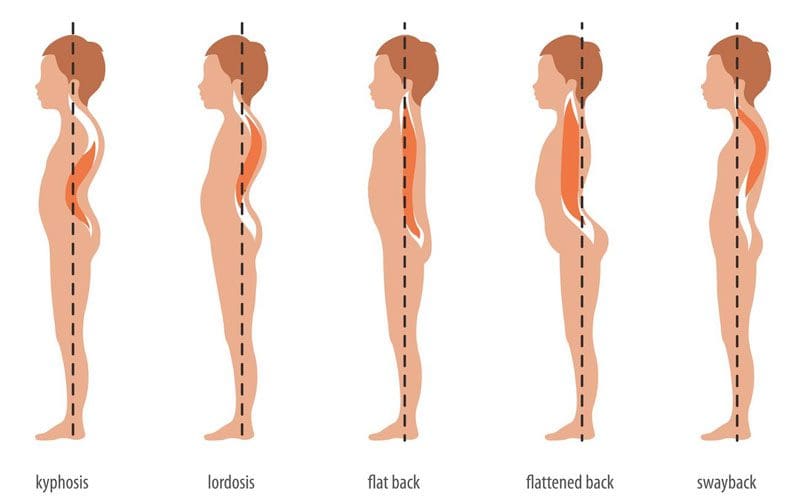
Individuals believe that maintaining a straight/flat back is healthy. However, the back is made up of natural curves that allow flexibility and optimal movement. If there is a lack of these curves, it can lead to spine issues, discomfort, and pain. A common problem to develop from a spine lacking natural curvature is abnormal kyphosis. This is when the natural curve in the thoracic spine – mid-back or lumbar spine – low back disappears, which results in a flat back. Restoring the curvature can be challenging, as flatback syndrome requires chiropractic adjustments to gently shift and realign the spine back into a healthy curve and re-train the spine to maintain the curve.
Causes of Flat Back Syndrome
Flatback syndrome is usually a result of muscle tightness in the lower back muscles, specifically in the psoas muscle. Or it could be degenerative disc disease, where the cartilage supporting the spine begins to weaken. Other causes include arthritis and osteoporosis. Practicing unhealthy posture habits can worsen these conditions, speeding up the loss of the spine’s curvature. Loss of spinal curvature does not occur rapidly, as the body will begin to present with symptoms. The following symptoms could be an indication:
Fatigue when trying to stand upright
Balance problems
Restricted mobility
Muscle spasms
Chronic low back pain
Thigh pain
Groin pain
Disc herniation
Back pain and problems with balance are the earliest warning signs of flatback syndrome.
Symptoms
Flatback symptoms usually get worse as the day progresses, with a sense of fatigue and increasing difficulty to stand upright. Individuals tend to flex or bend their hips and knees to get into an upright position. This can become an exhausting process as the day progresses. Individuals can also have symptoms of sciatica and/or spinal stenosis with leg pain and weakness that gets worse when walking. Neck and upper back pain can begin to present while straining to align themselves. The symptoms become disabling, often requiring pain medications that limit the individual’s ability to perform daily activities.
Realignment Treatment
A chiropractor must determine the severity of the deviation through a thorough assessment and examination. This shows the loss of curvature to help a chiropractor plan a realignment/remodeling adjustment schedule. Restoring a natural kyphosis is done through a combination of adjustments and bracing. Scheduled spinal adjustments will realign and shift the vertebrae back to neutral, while a back brace supports to prevent any deviation. Stretching and exercising relevant muscle groups is also part of a chiropractic treatment plan. An example is core exercises for strengthening the muscles supporting the spine.
Body Composition
Personalized Nutrition
Because the body is so complex and dynamic, there is no perfect fit when it comes to diet, exercise, or a combination. Fad diets typically recommend that individuals adhere to the same eating guidelines, indicating they will reach an expected result like fat loss. These diets work because they focus on a simple reduction in calorie intake, especially processed and fast foods. The problem is that some of these fad diets can restrict critical nutrients that negatively affect an individual’s health. More information about an individual’s body and how it works is an excellent resource in improving body composition and overall health. Personalized nutrition is an innovative and favorable approach to preventing and treating obesity and related conditions. This approach identifies:
Genetic markers
Dietary patterns
Environment
Metabolism
Educated recommendations can be made based on these factors.
References
Drabsch, Theresa, and Christina Holzapfel. “A Scientific Perspective of Personalised Gene-Based Dietary Recommendations for Weight Management.” Nutrients vol. 11,3 617. 14 Mar. 2019, doi:10.3390/nu11030617
Farcy, J P, and F J Schwab. “Management of flatback and related kyphotic decompensation syndromes.” Spine vol. 22,20 (1997): 2452-7. doi:10.1097/00007632-199710150-00025
Lee, Chang-Hyun, et al. “‘Lumbar Degenerative Kyphosis’ Is Not Byword for Degenerative Sagittal Imbalance: Time to Replace a Misconception.” Journal of Korean Neurosurgical Society vol. 60,2 (2017): 125-129. doi:10.3340/jkns.2016.0607.001
Lu, Daniel C, and Dean Chou. “Flatback syndrome.” Neurosurgery clinics of North America vol. 18,2 (2007): 289-94. doi:10.1016/j.nec.2007.01.007
Wiggins, Gregory C et al. “Management of iatrogenic flat-back syndrome.” Neurosurgical focus vol. 15,3 E8. 15 Sep. 2003, doi:10.3171/foc.2003.15.3.8
Scoliosis causes the spinal curvature to go sideways and can cause various symptoms. One of the most common symptoms is scoliosis hip pain. This happens because the spine’s curvature can pull the hips out of alignment, causing one side to be raised higher than the other. A result of this is one hip begins to take on more weight. This overloads the hip causing strain, soreness, aches, and pain, especially after standing or walking.
Scoliosis Hip Pain
Idiopathic scoliosis typically occurs in children, but often there are no pain symptoms. This type of scoliosis can go on unnoticed and undiagnosed for years even until adulthood. When the spine stops growing, even a small scoliosis curve can cause hip pain. The hip pain varies but generally presents with:
Sharp pain.
Throbbing pain.
Pain that increases with activity like walking, running, standing for a long time.
Stiffness with combined pain after sitting or lying down for a long time.
The type of scoliosis – degenerative or idiopathic.
Bodyweight. Individuals that are obese are more likely to have severe hip pain because of the added weight.
Activity level. Physical activity can cause the pain to worsen.
Lifestyle.
It varies from person to person.
The Higher Hip
When scoliosis has progressed enough, the curvature and uneven hips are pretty apparent. However, only around 10% of scoliosis cases get this far. If the curvature is minimal, which is usually the case, trying to determine which hip is higher usually requires medical assistance.
The hip that presents with pain is generally the one taking on more weight.
This causes the muscles to fatigue faster and places added stress on that hip joint.
A way to tell which hip is higher stand on bare feet in front of a mirror holding a piece of yarn, or string with both hands.
Place the heel of each hand on the corresponding hip bone.
The string will be tilted if the hips are uneven or will be straight if they are not.
Adult Scoliosis
Hip pain caused by scoliosis is most common in adults. However, it is not the only cause of hip pain. Unless diagnosed with scoliosis as a child, individuals may be suffering from de novo scoliosis or degenerative scoliosis.
De Novo/Degenerative Scoliosis
As the body ages, the spinal discs between the vertebrae begin to wear down. The worn-down discs can cause the spine to develop a sideways curve, that can pull the hips out of alignment. Studies are showing that this type of scoliosis is widespread. Loss of bone density can be a contributor to scoliosis in older adults. Bone density loss from menopause means women are more susceptible than men. Past the age of 70, both men and women lose on average, the same amount of bone density. There are effective integrative, natural treatment therapies that incorporate:
Exercises
Nutrition
Posture correction
Chiropractic
Physical therapy
Scoliosis Hip Exercises
For uneven hips, there are exercises to help relieve pain and strengthen weak muscles.
Hip Stretch
Lie on the back with both legs straight out.
Lift the right leg
Using the hands pull the knee toward you, keeping the foot pointed up.
Pull the knee to your chest as far as you can without causing discomfort or pain.
With the right hand, reach toward the left foot, touching if possible.
Return to the original position.
With the left hand, reach toward the right foot.
Repeat 6 to 8 times.
Chiropractic
If misaligned and uneven hips are causing pain, chiropractic care for scoliosis is recommended. Spine and hip realignments help relieve pain, stretch the muscles, and corrects posture. One study showed that multi-approach chiropractic for adult scoliosis was found to be beneficial even two years after treatment was finished. Injury Medical Chiropractic and Functional Medicine Clinic can help with recommending nutrition and lifestyle tips. Instead of just treating symptoms, our team helps manage the cause.
Body Composition
Body Analysis for Disease Prevention
Early identification of disease is imperative for developing the proper treatment plan. Testing can help improve long-term health outcomes. Testing is made easy with the data being easily implemented into patient management software. A comprehensive printout is ready for engaging and educating patients in understanding health risk management and reduction. In 60 seconds, an InBody Test will generate easy-to-understand, accurate, and objective measurements to evaluate potential disease risk. Medical providers can use the InBody to:
Monitor muscle, and visceral fat to provide an accurate measure of health risk.
Monitor muscle distribution to determine specific health risks related to diseases.
Identify fluid imbalances associated with certain diseases.
Track changes for effective long-term risk identification and reduction.
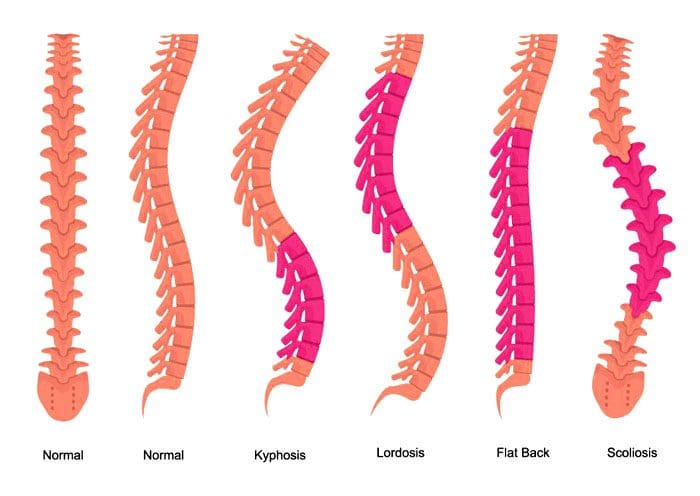
A non-invasive method of treating scoliosis. Yoga Has Been Shown To Help Reverse Scoliosis. Scoliosis is the lateral curvature of the spine. The spine bends inward toward the front of the body at the neck region and lower back region. This curve is known as lordosis and bows outward in the middle-back region. This is known as kyphosis. If the spine curves to the side, this could indicate curvature that could be scoliosis. It can be painful and often can affect an individual’s appearance once the measurement goes beyond 25 – 30 degrees. One shoulder is usually higher than the other, and clothing cannot fit properly. If the curve goes beyond 60 degrees, it can affect breathing and cardiac function.
Idiopathic Causes Unknown
This condition can consist of various components, especially with more intense curves. The ribs can shift backward on the side where the curve bulges. Most cases consist of adolescent idiopathic (without a known cause) scoliosis. Because the cause is unknown, there are not a variety of effective treatment besides surgery. Physicians carefully keep an eye for:
Curves under 25 degrees.
Bracing between 25 and 45 degrees.
Consider surgery for intense curvature.
Curves in individuals typically appear between 12 and 20 years old.
Yoga Shown To Reverse Scoliosis
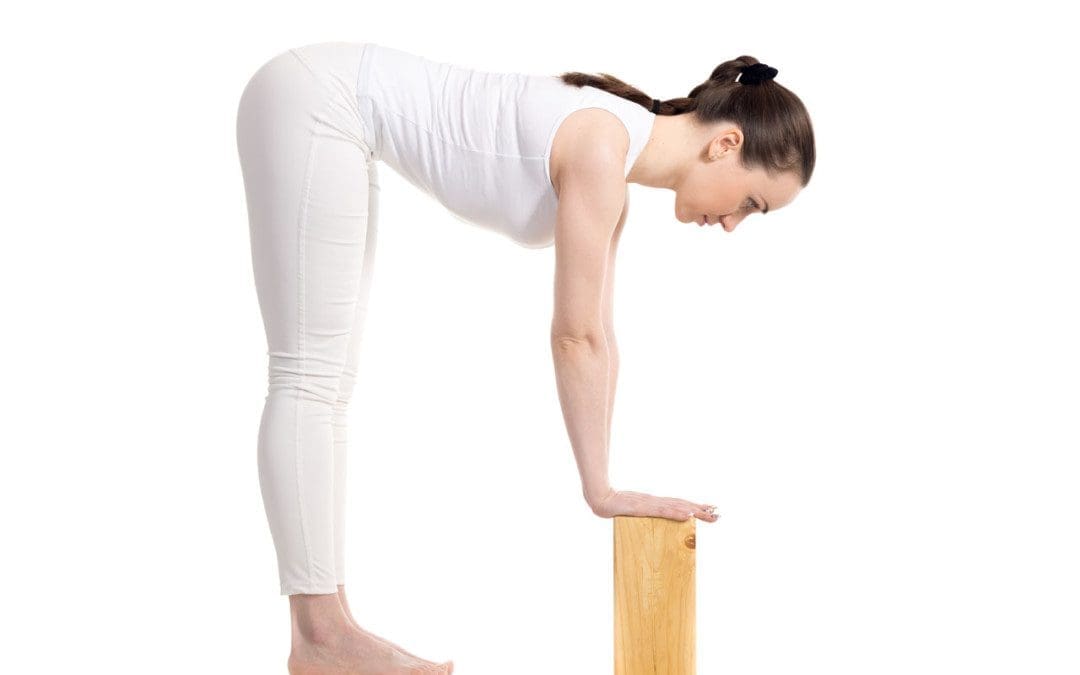
Individuals are recommended to do just one yoga pose daily. However, depending on the type and severity of the curves, it could be more than one. They are asked to perform the pose for 5 minutes or less, depending on the condition. A yoga therapist, chiropractor, and physical therapist can generate significant spinal improvement. This could mean that a curve of 30 degrees could be reduced to around 18 degrees in 10-12 months. Individuals that do the poses at least 4 times a week have shown 80-90% improvement. The pose can be done at work during breaks, etc.
The biggest advantage of this technique is that it is non-invasive; it can help individuals with developing curves, reversing the curvature early. Most curves do not reach the point of surgery. In late adolescence and teen years, the spine is still quite flexible. This can help accelerate the effectiveness of the yoga pose to straighten the spine. The technique reduces the curve from worsening. X-rays will show if the curvature has improved or not. Patients could be asked to do the pose/s twice or more daily depending on the direction the condition is taking.
Body Composition
Gluten Effects
Gluten causes digestive issues for individuals that have celiac disease or autoimmune thyroid disease. Individuals with these conditions could experience a variety of uncomfortable and/or painful effects. These symptoms can vary based on their presentation. They fall into classifications.
Classical Celiac Disease
With classical celiac disease, symptoms include:
Diarrhea
Discolored stools
Constipation
Abdominal bloating and pain
Weight loss
However, these symptoms are more common in children than adults. In adults, symptoms are more similar to non-classical celiac disease.
Non-Classical Celiac Disease
With non-classical celiac disease, severe digestive symptoms may not present as classic celiac disease symptoms but develop other symptoms. These include:
Silent celiac disease is less visible. Individuals might not see any symptoms. However, damage to the intestines is still happening from gluten consumption.
Autoimmune Thyroid Disease
Autoimmune Thyroid Disease or ATD. Autoimmune thyroid disease includes conditions like Hashimoto’s disease. This affects the thyroid gland and causes:
Extreme fatigue
Sensitivity to cold
Hair loss
Body aches
Joint aches
Negative health effects
Studies have shown that gluten-free helps alleviate symptoms.
References
Loren M. Fishman, M.D., B.Phil. (oxon). Healing Yoga. (New York: W.W. Norton, 2014).
Loren M. Fishman, M.D., B.Phil. (oxon). “Isometric Yoga-Like Maneuvers Improve Adolescent Idiopathic Scoliosis—A Nonrandomized Control Trial.” Global Advances in Health and Medicine. February 24, 2021. https://journals.sagepub.com/doi/full/10.1177/2164956120988259
Fishman LM, Groessl EJ, Sherman KJ, “Serial Case Reporting Yoga for Idiopathic and Degenerative Scoliosis.” Global Advances in Health and Medicine. September 1, 2014. https://journals.sagepub.com/doi/10.7453/gahmj.2013.064
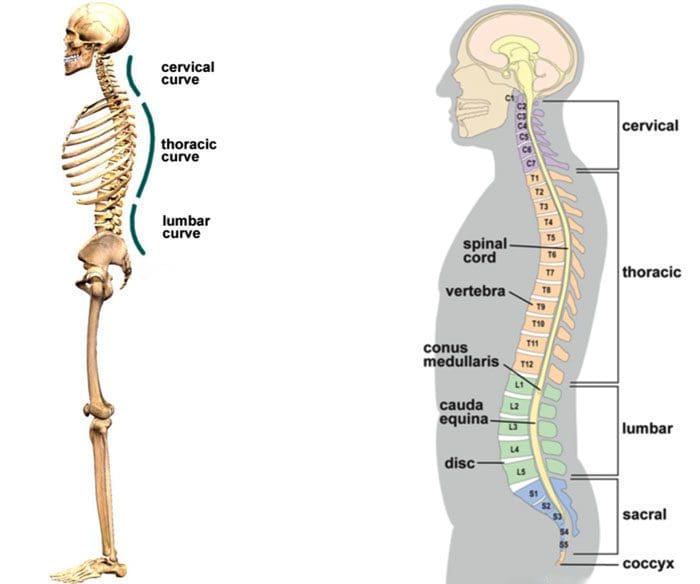
Individuals believe that a straight spine is a healthy spine. This is a misconception, a chiropractor knows that a healthy spine has the proper curvature, specifically an S curve from the top to the bottom. This curve allows/enables the spine to properly function for balancing and stabilizing the body. There are three primary curves that make up the S shape. These are:
Lordosis is defined as an inward curve, while kyphosis is an outward curve.
Curvature Significance
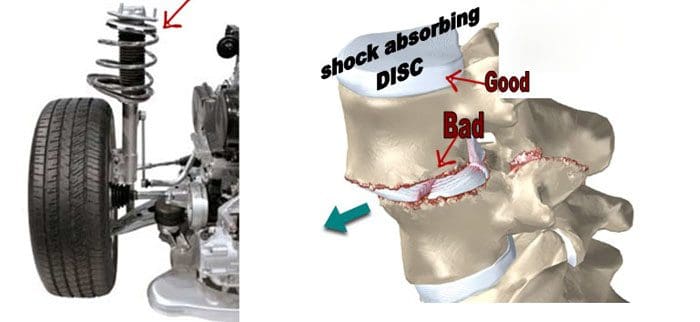
When the spine is properly curved and aligned there is flexibility and optimal support of the body. The curves of each section/area create a spring structure that enables the spine to perform as a natural shock-absorber. If the spine was straight, it would take a significant toll with all the wear and tear from constant vibration and shock. This would lead to fractures and other injuries. The curvature is important in aiding with weight distribution and the weight of gravity. Each curve works to distribute weight evenly throughout the spine so that the different muscle groups do not get overworked. This happens during dynamic movement.
Lifting
Bending
Reaching
Twisting
Turning
All require the spine to move harmoniously with the rest of the body, supporting the body’s weight and energy transfer.
The curves help reduce pressure between the individual vertebral discs. Because the discs are not stacked on top of each other, the weight from the above vertebra is not completely placed on the one below. So the lower vertebra takes only a portion of the weight, allowing the discs to perform as an absorbing cushion.
Maintaining The Curvature
An adult spine gradually becomes an S curve and is formed through development. Children are born with a C curve, with an outward curve until they begin to crawl. When the child begins to raise their heads up, the cervical portion of the proper S shape begins to take form. As the child learns to walk upright, the spine continues on its ultimate role of support. However, because spinal curvature is formed in the developmental stages, natural curvature formation has a limited time frame. Issues that happen at this time can disrupt the proper formation of the curves. This can result in malformations that could require long-term chiropractic treatment/rehabilitation to correct.
For adults that develop a normal S curve, spinal maintenance is critical. When subluxations/misalignments occur bulging, herniated discs, pinched nerves, and sciatica are sure to follow. Chiropractic adjustments will ensure the spine is reset and properly supported. As natural spinal development has passed maintenance is essential. Using precision tools and techniques, chiropractic treatment realigns the spine returning the natural S curve. Treatment plans and adjustments are customized to the individual and applied specifically to their unique spinal shape. This makes it possible to maintain a spine with precise curvature.
Body Composition
Fruit and Plant Antioxidants
Regular inclusion of antioxidant-rich foods in an individual’s diet will help reduce free radicals and prevent oxidative stress from accumulating. Fruits and veggies like:
Berries
Dark-colored grapes
Spinach
Kale
Sweet potatoes
Carrots
All are great sources of antioxidants.
Purple-colored fruits like blueberries and dark grapes contain an antioxidant called resveratrol that has therapeutic properties for heart disease. Beta-carotene is an orange-colored carotenoid with antioxidant properties that can also protect against heart disease. Orange, yellow-colored plant foods, and leafy greensare a solid source of the antioxidant carotenoid beta-carotene or pro-vitamin A. Minerals like zinc and selenium have antioxidants that can be found in vegan sources. And minerals found in fruits and veggies contain blood pressure-lowering potassium, magnesium, and calcium.
Disclaimer
The information herein is not intended to replace a one-on-one relationship with a qualified health care professional, licensed physician, and is not medical advice. We encourage you to make your own health care decisions based on your research and partnership with a qualified health care professional. Our information scope is limited to chiropractic, musculoskeletal, physical medicines, wellness, sensitive health issues, functional medicine articles, topics, and discussions. We provide and present clinical collaboration with specialists from a wide array of disciplines. Each specialist is governed by their professional scope of practice and their jurisdiction of licensure. We use functional health & wellness protocols to treat and support care for the musculoskeletal system’s injuries or disorders. Our videos, posts, topics, subjects, and insights cover clinical matters, issues, and topics that relate to and support, directly or indirectly, our clinical scope of practice.* Our office has made a reasonable attempt to provide supportive citations and has identified the relevant research study or studies supporting our posts. We provide copies of supporting research studies available to regulatory boards and the public upon request. We understand that we cover matters that require an additional explanation of how it may assist in a particular care plan or treatment protocol; therefore, to further discuss the subject matter above, please feel free to ask Dr. Alex Jimenez or contact us at 915-850-0900.
Dr. Alex Jimenez DC, MSACP, CCST, IFMCP*, CIFM*, CTG*
email: [email protected]
phone: 915-850-0900
Licensed in Texas & New Mexico
References
Yang, Feng et al. “Balance chiropractic therapy for cervical spondylotic radiculopathy: study protocol for a randomized controlled trial.” Trials vol. 17,1 513. 22 Oct. 2016, doi:10.1186/s13063-016-1644-2
Taylor, J A. “Full-spine radiography: a review.” Journal of manipulative and physiological therapeutics vol. 16,7 (1993): 460-74.
Fedorchuk, Curtis et al. “Improvements in Cervical Spinal Canal Diameter and Neck Disability Following Correction of Cervical Lordosis and Cervical Spondylolistheses Using Chiropractic BioPhysics Technique: A Case Series.” Journal of radiology case reports vol. 14,4 21-37. 30 Apr. 2020, doi:10.3941/jrcr.v14i4.3890
Osteoid osteoma refers to a benign tumor/s that can grow on the spine as well as other areas of the body. They are not cancerous, but they can cause pain and abnormal curvature of the spine. It can begin as a small benign spinal tumor that can cause pain, especially at night. They do respond well to over-the-counter pain relievers and can go away on its own. However, if symptoms are unmanageable, other treatments are available.
Osteoid Osteoma
Osteoid means a type of tissue that eventually turns to bone. Osteoma means a type of tumor unique to bones. They are small typical size is less than one inch across. These growths represent around ten percent of all benign bone tumors, with one percent representing spinal tumors.
They can appear and also affect the bones of the arms, hands, fingers, ankles, or feet. They are discovered on the spine around fifteen percent of the time. Osteoid osteomas of the spine affect the posterior, or back area of the vertebrae rather than the anterior, or front region. However, any area of the spine could be affected. But they are most common in the low back.
60% affect the lumbar spine lower back
27% affect the cervical spine or neck region
12% affects the thoracic spine or middle back
Risks
Osteoid osteoma is not cancerous and will not spread out to the various organ systems the way malignant cancer does. It can be discomforting, painful, and could have to be removed. There are some risks associated with osteoid osteomas including:
Scoliosis
It could provoke muscle spasms of the erector spinae. These are the muscles that support the spine and could lead to scoliosis. The spine has a natural curvature. Scoliosis generates an S or C shaped curve to the left, right, or both ways affecting function and mobility. This type is more likely to contribute to the left or right curve of the spine affecting the lower back.
Incorrect diagnosis
Because osteoid osteoma can cause scoliosis, sometimes a doctor will focus on treating the abnormal curve instead of the osteoma.
Nerve root compression
Most individuals do not pose a risk for nerve root compression. But there is a risk if the growth begins to press against the spinal cord, as it can interfere with nerve function. This can lead to spreading/radiating pain and sciatica.
Causes
The causes of osteoid osteoma are not completely understood. What is known is that men are three times more likely to be diagnosed than women. Young people also pose a risk at development. It can develop at any age, but around eighty percent are diagnosed in individuals under 30 years of age. The core of an osteoma is a growth called a nidus. Inside are growing tumor cells, blood vessels, along with cells that progress to bone. A bony shell encapsulates the whole thing.
Signs and Symptoms
Osteoid osteomas usually cause a dull ache at the site of the tumor along with muscle spasms. The pain often gets worse at night. It can be relieved with non-steroidal anti-inflammatory medications like ibuprofen and aspirin. The pain can also be sharp, and occur during the day, worsening with activity and sometimes progressing to severe pain over time. In some cases, however, there are no symptoms.
Diagnosis
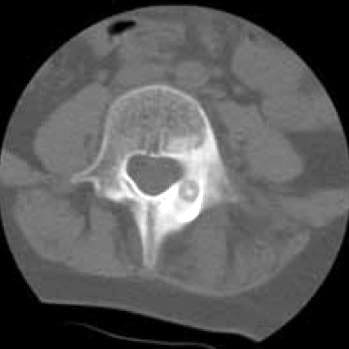
Doctors usually notice painful or swollen soft tissue around the tumor during a physical examination. There could be a lump, but this is rare. Imaging tests like an X-ray or a CT scan will be ordered. An x-ray can show the bone thickening, but a CT scan will show the nidus clearly as a dark center surrounded by white cortical bone. Sometimes a CT and MRI imaging scan is used in conjunction to diagnose osteoid osteomas. In some cases, a biopsy could be needed. This is taking a tissue sample and sending it to a lab to be examined under a microscope. However, this is rarely needed.
Treatment
Nonsurgical
Non-steroidal anti-inflammatory medications can be effective relieving symptoms. If it can be controlled with just medication, then this could be the only treatment necessary. Some patients do well trying a different painkiller if the preferred medication no longer works. This needs to be discussed with your doctor, as chronic medication use is associated with issues like ulcers, kidney damage, and concerns about opioid addiction. When this approach is taken, the pain lasts for about three years with the lesion breaking down in five to seven years.
Surgical
If the pain cannot be controlled or the osteoma develops to scoliosis, surgery could be the next step. Most spinal osteomas are surgically removed with open curettage. It is a small incision. The nidus is scooped/scraped out and the cavity walls are removed with a motorized burr. Often a small amount of bone graft material is used to fill in the area. Unfortunately, surgical resection means having to stay at the hospital. Recovery time can be painful.
Radiofrequency ablation
For osteomas that affect the bones other than the spine, radiofrequency ablation. It is a minimally invasive outpatient procedure with a short recovery time. During the procedure, radiofrequency waves generate heat within the nidus around six minutes destroying the tumor. Surgeons use CT scans to precisely target the tumor. The procedure takes one to two hours and afterward, the patient waits in a recovery room for up to four hours.
However, radiofrequency ablation is not as commonly used to treat spinal osteomas. This comes from the risk of thermal nerve damage. The needle tip can reach 194 degrees Fahrenheit, which is more than enough to damage the nerves. Candidates for radiofrequency ablation are usually young patients with no history of neurological problems. Osteoid osteoma is not as scary as it sounds, remember the best defense is a knowledgeable doctor and chiropractor. If back pain is presenting, do not wait to get treatment. There is a spine specialist who can help.
Chronic Pain Chiropractic Relief
Dr. Alex Jimenez�s Blog Post Disclaimer
The scope of our information is limited to chiropractic, musculoskeletal, physical medicines, wellness, and sensitive health issues and/or functional medicine articles, topics, and discussions. We use functional health & wellness protocols to treat and support care for injuries or disorders of the musculoskeletal system. Our posts, topics, subjects, and insights cover clinical matters, issues, and topics that relate and support directly or indirectly our clinical scope of practice.*
Our office has made a reasonable attempt to provide supportive citations and has identified the relevant research study or studies supporting our posts. We also make copies of supporting research studies available to the board and or the public upon request. We understand that we cover matters that require an additional explanation as to how it may assist in a particular care plan or treatment protocol; therefore, to further discuss the subject matter above, please feel free to ask Dr. Alex Jimenez or contact us at 915-850-0900. The provider(s) Licensed in Texas& New Mexico*
IFM's Find A Practitioner tool is the largest referral network in Functional Medicine, created to help patients locate Functional Medicine practitioners anywhere in the world. IFM Certified Practitioners are listed first in the search results, given their extensive education in Functional Medicine