Are there benefits to back cracking, risks, and how can it be done safely?
Back Cracking
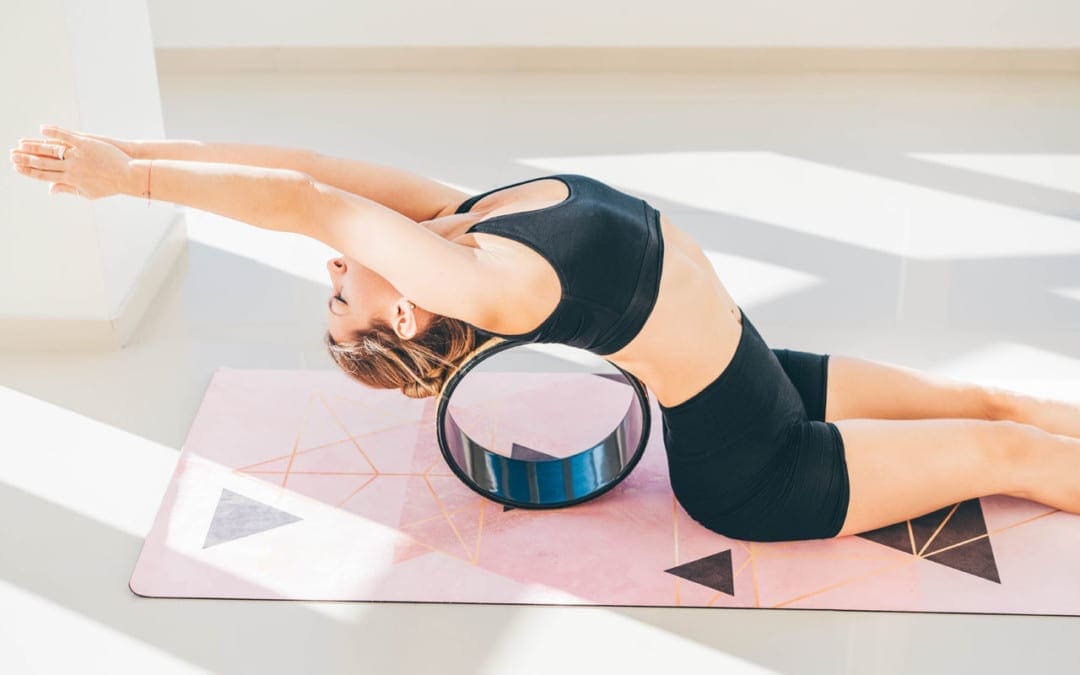
Back cracking is intentionally applying pressure or twisting movements, producing a popping or cracking sound in the spine. Back cracking involves stretching or extending the spine. In most cases, it is considered safe when done gently as it can provide temporary relief from back pain and stiffness by:
Stretching the ligaments and muscles around the spine
Releasing gas bubbles that may be causing pressure
Improving joint mobility
Mechanism of Action
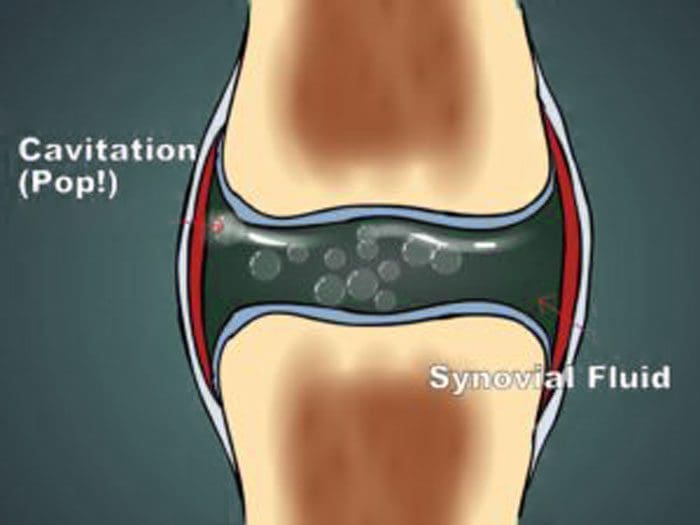
Cracking your back creates small gas bubbles in the synovial fluid (the lubricating fluid in the joints).
These bubbles form when the pressure in the joints is suddenly released, causing a popping or cracking sound.
It is generally safe, but there are certain conditions under which individuals should avoid cracking their backs.
Popping Sound
Research has used a new type of magnetic resonance imaging (MRI), cine MRI, to study the noise source. Cine MRI produces moving images.
This study using this MRI found that the formation of bubbles makes a popping sound.
The popping sound does not come from the popping of bubbles in the synovial fluid, as previously believed. (Kawchuk G. N. et al., 2015)
When someone cracks their back, the force pulls the bones of the joint apart, causing the pressure within the joint to drop and form a bubble, which eventually dissipates. (Kawchuk G. N. et al., 2015)
Crepitus
Crepitus is the medical term for cracking or popping noise from joints.
It is not a condition or disease but can be a symptom of one.
Other terms include clicking or crunching.
Is It Safe To Perform Daily?
Back cracking once a day is generally considered safe. But if it causes pain or swelling, then stop and contact a healthcare provider. If someone feels the need to crack their back more throughout the day, it could be a sign that they need to see a professional chiropractic healthcare provider. (AICA Orthopedics, 2022) Individuals may crack their backs to address certain conditions or to relieve various discomfort symptoms that can include: (National Center for Complementary and Integrative Health, 2025)
Headache
Neck pain
Lower back pain
Sciatica
Individuals may often experience mild side effects like headache, stiffness, or pain. These side effects tend to resolve within a day. Though back cracking can provide temporary relief for some conditions, some serious side effects like neurological problems or strokes have been reported. (National Center for Complementary and Integrative Health, 2025)
Rotate the upper body to the right side and press against the right knee with the left elbow.
Hold the stretch for 30 seconds and come back to the center.
Repeat on the other side.
Knee to Chest
Lie flat on the ground.
Lift one leg and bring the knee to the chest, pulling the knee in with your hands.
Hold for five seconds.
Repeat with the other leg.
Several back-cracking assistive devices, such as poles and wheels, are available. Talk to a healthcare provider to determine the right type and ensure it is safe for you and your condition or injury.
Individuals Who Should Avoid Back Cracking
Back cracking can cause additional stress or damage to the joints in those with back injuries or other conditions. Individuals with these conditions should avoid back cracking (AICA Orthopedics, 2022)
Numbness or tingling of the arms or legs.
Osteoporosis
Spinal cancer
Spinal abnormalities
Individuals who have a high stroke risk.
A Professional Back Adjustment
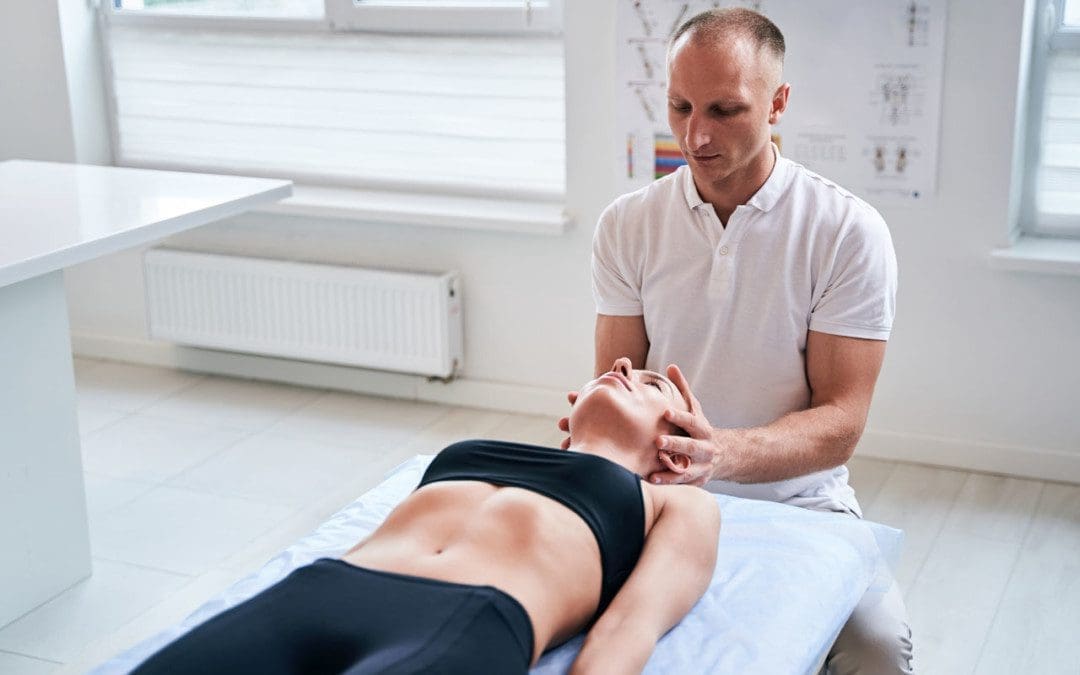
A chiropractor is a healthcare provider who specializes in spine and spinal adjustments. They adjust the spine and other areas of the body to correct misalignment problems, reduce and relieve pain, and allow the body to recover independently. (National Library of Medicine. MedlinePlus, 2023) The chiropractor will take a health history to learn about previous injuries and conditions. Then, they will evaluate the patient and determine the best course of action. Although a chiropractor performs spinal adjustments, they may also incorporate other treatments, including: (National Library of Medicine. MedlinePlus, 2023)
Injury Medical Chiropractic & Functional Medicine Clinic
Injury Medical Chiropractic and Functional Medicine Clinic works with primary healthcare providers and specialists to develop an optimal health and wellness solution. We focus on what works for you to relieve pain, restore function, and prevent injury. Regarding musculoskeletal pain, specialists like chiropractors, acupuncturists, and massage therapists can help mitigate the pain through spinal adjustments that help the body realign itself. They can also work with other medical professionals to integrate a treatment plan to resolve musculoskeletal issues.
Chiropractic Secrets
References
Kawchuk, G. N., Fryer, J., Jaremko, J. L., Zeng, H., Rowe, L., & Thompson, R. (2015). Real-time visualization of joint cavitation. PloS one, 10(4), e0119470. https://doi.org/10.1371/journal.pone.0119470
AICA Orthopedics. (2022). Is cracking your back bad? https://aica.com/is-cracking-your-back-bad/
National Center for Complementary and Integrative Health. (2025). Spinal manipulation: what you need to know. Retrieved from https://www.nccih.nih.gov/health/spinal-manipulation-what-you-need-to-know
American Academy of Orthopedic Surgeons. (2022). Spine conditioning program. https://orthoinfo.aaos.org/en/recovery/spine-conditioning-program/
National Library of Medicine. MedlinePlus. (2023). Chiropractic. Retrieved from https://medlineplus.gov/chiropractic.html
Neck crepitus is a grinding sound that comes from moving or rotating the neck. Usually, it is not something to worry about, as the body is a sound system that generates various noises. For example, when hungry, the stomach rumbles. After digestion, the body releases the gasses through a burp. The bones can also generate neck cracking or popping sounds with regular movements. This unusual sensation is known as crepitus.
Crepitus
Crepitus or crepitation is a scientific term that describes joint movements sounds. Sounds can include:
Popping
Cracking
Snapping
Grinding
However, crepitus can happen in any moveable joints in the body. An example could be a neck cracking or popping sound when looking over the shoulder.
Why the Neck So Susceptible
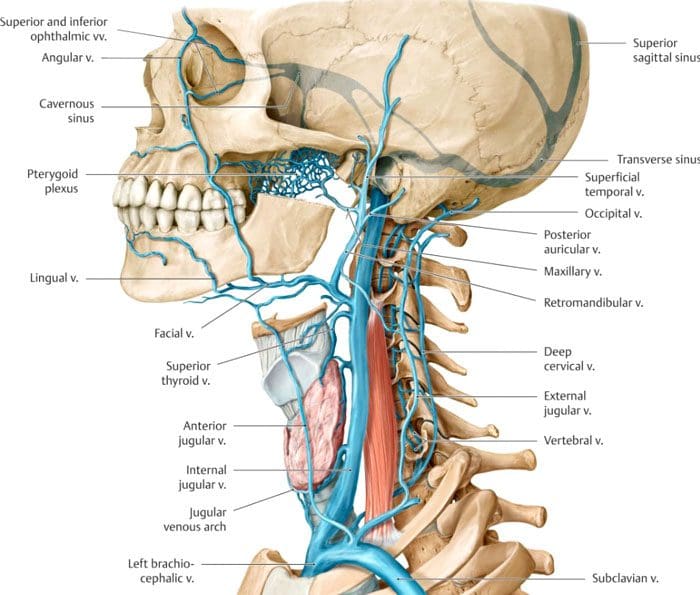
The cervical spine consists of seven segments, and each segment has multiple joints that interact with the segments above and below it. The cervical spine is a flexible system that protects the neurologic structures while maintaining head and neck stability. This flexibility and the multiple joints at each level can wear down, leading to arthritis and neck crepitus.
Other Symptoms
Neck crepitus can present without other symptoms. But it can also be associated with other severe symptoms that include:
Neck pain
Instability
Weakness
Numbness
Diminished manual dexterity
Difficulty walking
Risk Increases With Age
Neck crepitus can present at any age; however, the risk increases as the body ages. Some individuals may have neck crepitus symptoms more often. For example, the neck cracking or popping sounds could present just a few times a month. However, other individuals could have cracking, popping sounds daily or even throughout the day. Neck crepitus can increase or decrease in frequency. Symptoms could present for several days before the sensations stop entirely.
Possible Causes
Neck crepitus can have various causes, and multiple factors can also overlap to generate these sensations.
Articular Pressure Changes
Natural lubricating lining and fluid are found within the body’s joints. Small gas bubbles can form within the synovial joints, including the facet joints. When the bubbles collapse, they are released, creating cracking noises in the joints. The sounds can happen with regular everyday movements. This also occurs when a chiropractor or physical therapist performs spinal manipulations.
Tendon or Ligament Movement
Tendons are the tissue that connects the muscles to the bones, and Ligaments connect the bones. A tendon in motion can also make noises when sliding around a bone or over another tendon or ligament. The cracking can be caused by tight tissues and muscles from aging or muscles that have become weak/deconditioned.
Bones Grinding
Osteoarthritis, known as spondylosis in the spine, can cause the facet joints that connect the vertebrae to degenerate. The protective cartilage wears down, and the vertebral bones start to rub against each other. This can produce a grinding noise. However, the grinding can result from disc degeneration, which reduces the cushioning between the vertebrae.
When to Consult A Physician
If neck crepitus presents without other symptoms, it’s usually not serious. When neck crepitus presents with other symptoms, it is recommended to contact a doctor. These symptoms include:
If pain spreads out and runs down the arm or there is difficulty completing fine motor tasks like writing your name or getting dressed, consult a doctor. These symptoms can be caused by spinal cord or nerve root compression. Sometimes, neck crepitus can show up after a different health issue. For example, if an individual notices neck sounds weeks after cervical spine surgery, the spine surgeon can determine if the two are connected. A recent fall or car accident could also cause symptoms to present. If the crepitus presents almost every time with joint movement, there could be compromised joint function.
Treatment and Prevention
There are various treatment options for neck crepitus. It is recommended to start with conservative treatment like physical therapy and chiropractic pain management. Imaging scans are necessary to see if there are signs of compression on the spinal cord or nerves. Treatment objectives are to remove the pressure from the neural structures and restore the spine’s stability. Cervical traction is another form of treatment. Consult a physician, spine specialist, or chiropractor to properly diagnose the issues, figure out what is going on, and develop a personalized treatment plan if necessary.
Body Composition
Sugar Replacements
Sugar substitutes can help with weight control and diabetes by allowing individuals to eat sweets without raising blood sugar levels. Sugar replacements are additives that add sweetness to food without the calories of sugar. Some sugar substitutes are synthetically made, while others are natural. Sugar replacements include:
Sucralose
This artificial sweetener comes from sucrose and contains no calories. It is highly sweeter than sugar and can be found in grocery stores.
Fructose
This sweetener comes in crystalline form or high-fructose corn syrup, which is often used for baking. Fructose is sweeter than sugar and has been linked to early diabetes.
Stevia
This sweetener is extracted from the stevia rebaudiana plant species. It is calorie-free and can help manage and improve cholesterol levels.
Aspartame
Only a tiny amount is necessary, as this artificial sweetener is 200 times sweeter than sugar. It contains four calories per gram.
Aspartame has been associated with cancer, dementia, and depression. But research has not found a direct correlation, and currently, recommended amounts are safe to consume.
References
Mohamad, I et al. “Swollen neck and crepitus after bouts of cough.” Malaysian family physician: the official journal of the Academy of Family Physicians of Malaysia vol. 8,3 49-50. 31 Dec. 2013
Nguyen, Andrew B et al. “Crepitus: an uncommon complication of a common procedure.” The Annals of thoracic surgery vol. 91,4 (2011): e63. doi:10.1016/j.athoracsur.2011.01.031
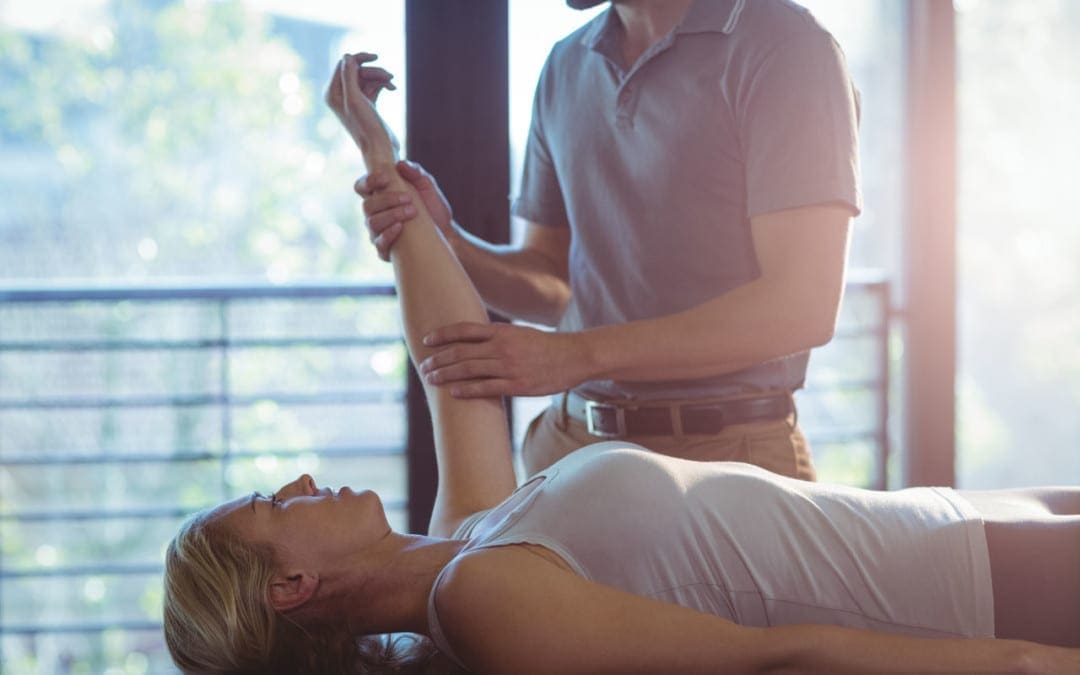
The hands are used for all kinds of tasks/chores day and night. Using the hands requires the wrists. When wrist pain presents, it can make life unbearable, causing individuals to make all kinds of awkward and unhealthy habits that can worsen and cause further injury. Chiropractic wrist and hand adjustments are recommended for this type of injury. A majority of wrist injuries are the result of micro-stress/repetitive tearing use. Repetitive stress injuries often require a multifaceted treatment approach. This is why chiropractic is so effective, in that it treats the symptoms and the causes to get back to work, school, and normal life quickly.
Wrist Tendonitis
Wrist tendonitis happens when a tendon becomes inflamed. This is common among athletes, store workers, clerks, warehouse workers, hair stylists/barbers, etc. Individuals that are constantly using their hands, wrists, and arms have an increased risk of developing tendonitis. And without proper treatment and rest, the inflammation continues and worsens. Chiropractic wrist adjustments for wrist tendonitis include:
Diagnosis and assessment.
Swelling and pain are alleviated using ice, bracing, ultrasound, laser therapy, and other inflammation-reducing techniques.
Once the inflammation has been brought down, massage therapy is incorporated to keep the tendons loose and relaxed.
Physical therapy and manual manipulation will restore mobility and flexibility to the wrist.
When the pain is completely reduced and mobility is restored, chiropractic wrist adjustments will break down the scar tissue to prevent future injury.
The chiropractor will recommend ergonomic tips and exercises to prevent flare-ups.
Wrist Crepitus
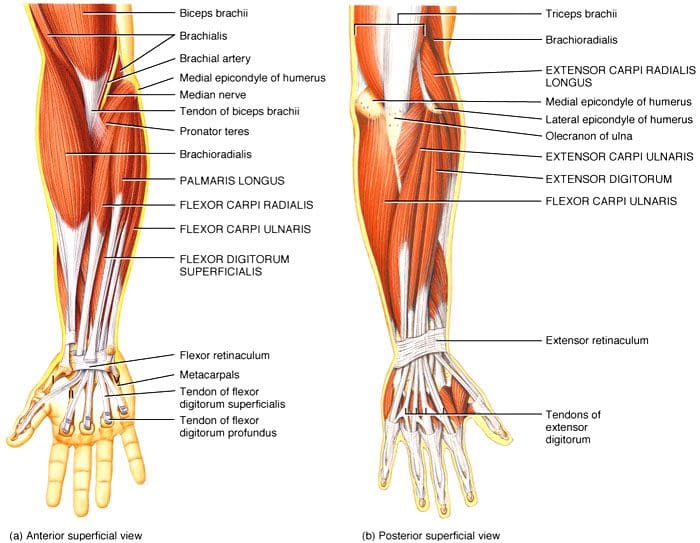
Another common issue that can be painful is crepitus, which is a popping, clicking, and/or cracking in the wrist when moving the hand. Different causes depend on the type the popping/clicking/cracking. If it occurs without pain, more than likely, it is the gases escaping from the wrist joint. This is normal and is not something to worry about. However, a chiropractor can help if it becomes burdensome. Another cause is when a tendon extends or contracts over the bone with certain types of movements. This type of popping often results in pain and should be addressed by a professional to prevent further damage. Both issues are commonly treated with wrist adjustments.
Dislocated Wrist
A dislocated wrist needs immediate medical care from the emergency room. The wrist needs to be reset and given time to recover/heal before a chiropractor can work on it to repair any issues that the dislocation caused. There are benefits from chiropractic after a serious wrist injury that includes:
Pain relief
Function restored
Mobility restoration
Proper wrist alignment
Scar tissue removal
Strength training
Aching, popping, and cracking relief
Chiropractic Wrist Adjustment
Wrist adjustments depend on the injury/condition that the individual is going through. A chiropractor uses different approaches and techniques that return the joints to the proper alignment. Wrist adjustments are usually done by hand and are gentle. This is because the bones and tendons do not need major force to correct. Chiropractors focus on the wrist the same way they focus on the whole body.
They relieve pain and swelling first.
They determine what caused the injury.
Then focus on strengthening the joint.
Develop a prevention regimen to keep it from recurring.
Body Composition
Complete Body Measurement
Getting body composition tested will help progress to optimal health by the results, not the weight scale. Determining progress with metrics like this and lean body mass equips individuals with the knowledge needed to get the results faster and smarter. The quickest and easiest way to determine body composition is to use the InBody. This means focusing on body fat percentage instead of weight. The devices being used today are extremely accurate at giving reliable body fat percentage results. Get a complete readout of your body that includes:
Muscle mass
Fat mass
Body water
Body fat percentage
Getting as much information as possible using optimal tests will help with goal planning and achieving optimal health.
References
Hulbert, James R et al. “Chiropractic treatment of hand and wrist pain in older people: systematic protocol development Part 2: cohort natural-history treatment trial.” Journal of chiropractic medicine vol. 6,1 (2007): 32-41. doi:10.1016/j.jcme.2007.02.011
Prasad, Ganesh, and Mustafa J Bhalli. “Assessing wrist pain: a simple guide.” British journal of hospital medicine (London, England: 2005) vol. 81,5 (2020): 1-7. doi:10.12968/hmed.2019.0051
Sadowski, M, and D Della Santa. “Les syndromes douloureux du poignet” [Wrist pain]. Revue medicale suisse vol. 2,92 (2006): 2919-23.
Jaw pain can make chewing, yawning, and talking a painful experience. This is a syndrome known as Temporomandibular Joint syndrome or disorder or TMJ and TMD. What happens is the temporomandibular joint that connects the jaw to the skull becomes inflamed. It is part of the musculoskeletal system, which means that chiropractors can treat the syndrome with various chiropractic techniques that include soft tissue work and temporomandibular joint adjustments. Chiropractic can bring lasting relief from Temporomandibular Joint Syndrome/Disorder.
How to Tell if TMJ Is Present
Jaw pain is the most common symptom but there are other factors that can cause pain. To help determine if it is TMJ, here is a list of additional symptoms:
Difficulty or pain moving the mouth such as when chewing
Popping sensation sound when opening/closing the jaw
Cracking sensation sound when opening or closing the jaw
If it is TMJ should an individual see a dentist or a chiropractor? This depends on the situation and individual.
If TMJ is caused by teeth grinding while sleeping, or there is pain/problems with the teeth then seeing a dentist is recommended.
If TMJ pain is accompanied by joint or muscle pain, or there is neck and/or back pain, then chiropractic is recommended.
Certain cases could require dental treatment and a chiropractor for the joint issues.
Chiropractic TMJ Treatment
Jaw Adjustment
One way chiropractic treats TMJ is through jaw adjustment/s. This varies from patient to patient. An example assessment and adjustment for TMJ.
The chiropractor will utilize the most beneficial technique/s for each individual.
The chiropractor will have the individual open and close their jaw while feeling each side.
They will determine which side opens first and widest, and which opens last and not as wide.
Then they will perform a jaw adjustment through gentle pressure applied to both sides of the jaw.
Soft Tissue Treatment
A contributor to jaw pain can be attributed to the muscles that are used to open and close. In this case, the chiropractor will perform soft tissue manipulation to loosen them up. This releases the jaw so it evens out. This also helps with headaches associated with TMJ. The focus is on three muscles:
Masseter
Pterygoid
Temporalis
A chiropractor will mobilize these muscles applying pressure repeatedly as the individual opens and closes their mouth.
Jaw Exercise Therapy
The chiropractor will recommend exercises to help quicken the healing process and strengthen the muscles. These are simple exercises that can be done at home or work to help relieve any discomfort or pain and for prevention.
Mouth Opening
Place one thumb under the chin
Open the mouth and gently push against it with the thumb
Hold for 5 to 8 seconds then close mouth
Repeat a few times every day
Mouth Closing
Open the mouth holding the chin with the index finger and thumb from both hands
Close jaw with gentle resistance with the fingers
Hold for 5 to 8 seconds
Repeat a few times every day
A chiropractor may collaborate with a dentist to provide the best treatment plan.
Body Composition
Body Dehydration
Dehydration happens when the body loses more water than it can replace. This can come from frequent:
Diarrhea episodes
Vomiting episodes
Too much alcohol the night before
Excessive sweating
Excessive urination
When dehydration sets in a wide range of symptoms can present. Early signs/symptoms include:
Dizziness
Headaches
Dry mouth
Cool skin
If dehydration is not addressed in the early stages, it can lead to not having the urge/need to urinate. There is potential for long-term health issues like high blood pressure. High blood pressure is common for individuals that are chronically dehydrated. When the body’s cells lack water, the brain sends a signal to secrete vasopressin, which is a chemical that constricts the blood vessels. This causes blood pressure to rise. This could eventually lead to heart failure. If the blood vessels continue to progressively narrow, oxygen, and blood circulation to the brain decreases. This results in migraine headaches and decreased ability to concentrate.
Disclaimer
The information herein is not intended to replace a one-on-one relationship with a qualified health care professional, licensed physician, and is not medical advice. We encourage you to make your own health care decisions based on your research and partnership with a qualified health care professional. Our information scope is limited to chiropractic, musculoskeletal, physical medicines, wellness, sensitive health issues, functional medicine articles, topics, and discussions. We provide and present clinical collaboration with specialists from a wide array of disciplines. Each specialist is governed by their professional scope of practice and their jurisdiction of licensure. We use functional health & wellness protocols to treat and support care for the musculoskeletal system’s injuries or disorders. Our videos, posts, topics, subjects, and insights cover clinical matters, issues, and topics that relate to and support, directly or indirectly, our clinical scope of practice.* Our office has made a reasonable attempt to provide supportive citations and has identified the relevant research study or studies supporting our posts. We provide copies of supporting research studies available to regulatory boards and the public upon request. We understand that we cover matters that require an additional explanation of how it may assist in a particular care plan or treatment protocol; therefore, to further discuss the subject matter above, please feel free to ask Dr. Alex Jimenez or contact us at 915-850-0900.
Dr. Alex Jimenez DC, MSACP, CCST, IFMCP, CIFM, CTG*
email: [email protected]
phone: 915-850-0900
Licensed in Texas & New Mexico
References
Ibi, Miho. “Inflammation and Temporomandibular Joint Derangement.” Biological & pharmaceutical bulletin vol. 42,4 (2019): 538-542. doi:10.1248/bpb.b18-00442
Blum, Charles L. “Chiropractic and dentistry in the 21st Century.” Cranio: the journal of craniomandibular practice vol. 22,1 (2004): 1-3. doi:10.1179/crn.2004.001
Brantingham, James W et al. “Manipulative and multimodal therapy for upper extremity and temporomandibular disorders: a systematic review.” Journal of manipulative and physiological therapeutics vol. 36,3 (2013): 143-201. doi:10.1016/j.jmpt.2013.04.001
https://www.nidcr.nih.gov/health-info/tmj
Self-cracking and popping the spine can feel good but should it be done without professional/chiropractic assistance? We’ve all done it getting up from bed or the couch, lean back, and wait for the sound of the spine cracking/popping. Some even have a friend help pop the spine to get that satisfying feeling. There are proper stretching techniques to follow, but cracking the spine without professional help is not recommended as it could lead to problems or worsen any underlying spinal issues.
Sounds
Self cracking, popping the spine refers to the sounds the neck or back make with certain movements. The joints in the spine contain fluid and gas. When the body moves, stretches can create cracking popping sounds as different pressures are exerted. The sound is known as joint cavitation, is the normal exchange of gases like oxygen, nitrogen, and carbon dioxide around the joints.
Spaces form in the synovial fluid that surrounds the joints. These spaces make an audible sound when the pressure changes/cavitation causing the gases to be released. The gases are naturally present in the body. A doctor of chiropractic mobilizes the joints very carefully through adjustments using their hands or specific instruments to increase the spine’s range of motion and stability. When adjustments and manipulations are not performed by a professional, problems can happen, that can include:
Loss of strength
Soft tissue swelling
Muscle spasms
When it’s done properly and safely injuries are prevented and any issues like swelling and tightness around the neck and spine are also avoided.
Self-cracking performed incorrectlycan lead to excessive force bringing the joints to excessive ranges of motion that can potentially cause injury. Individuals need to be careful even when self-cracking as the spine can make sounds for other reasons.
Age-related arthritis can generate a crunching type of sound when moving known as crepitus
A ligament or tendon can rub over a bone or bone spur, creating different sounds
These sounds are usually not problematic, but when they are consistent with certain movements they could cause inflammation and/or pain.
Chiropractic Professional Adjustments
The primary reasons most individuals seek chiropractic help are for problems, like pain, tightness, and weakness. Individuals can voluntarily see a chiropractor or they could be referred to one by a different doctor. Doctors routinely work with chiropractors to help patients recover from musculoskeletal injuries and conditions. A chiropractor performs manipulations in a safe, controlled manner. They are familiar with the sounds that the joints make and know they are safe. They usually have a multidisciplinary team that is involved in the management of various musculoskeletal conditions.
Why chiropractic care is so helpful?
All doctors of chiropractic are trained to diagnose and treat neuro-musculoskeletal conditions. During the diagnosis, the chiropractor will go through the individual’s medical history and conduct a physical exam to determine what treatment plan is best for the individual and their injury or condition. Many are now flocking to chiropractic care to avoid taking pain medications. Scientific evidence supports the health benefits of adjustments for various types of musculoskeletal pain, as well as to improve function and mobility
It is also recommended to work with a chiropractor in addition to other health professionals, like orthopedic specialists and physical therapists. They can help decrease pain, provide increased mobility and stability. If there is a constant need to self crack the back, or are having other issues with pain and tightness, talk with a doctor to see if chiropractic adjustments and manipulation will help. This will ensure that the right diagnosis is made and will help to create the optimal treatment plan to develop a stronger healthier body.
Body Composition
Increasing muscle mass is a recommended way to improve body composition and increase immune system function. Research shows senior adults with a higher skeletal muscle mass have an increased number of immune cellsin the blood. This indicates that the muscles and the immune system are connected. When working out myokines or hormone-type proteins are released that strengthen the immune system to help protect and fight diseases. Regular exercise with moderate intensity increases the release of T lymphocytes/T cells improving the body’s immunity. Regular exercise also helps reduce the risk of developing chronic diseases like:
Type 2 diabetes
Obesity
Different types of cancer
Cardiovascular diseases
Improved body composition with regular exercise and a well-balanced diet helps maintain a healthy proportion of muscle and fat mass. The more developed the body’s muscle mass becomes strengthens the immune system and lowers the risk of diseases and various health conditions.
Disclaimer
The information herein is not intended to replace a one-on-one relationship with a qualified health care professional, licensed physician, and is not medical advice. We encourage you to make your own health care decisions based on your research and partnership with a qualified health care professional. Our information scope is limited to chiropractic, musculoskeletal, physical medicines, wellness, sensitive health issues, functional medicine articles, topics, and discussions. We provide and present clinical collaboration with specialists from a wide array of disciplines. Each specialist is governed by their professional scope of practice and their jurisdiction of licensure. We use functional health & wellness protocols to treat and support care for the musculoskeletal system’s injuries or disorders. Our videos, posts, topics, subjects, and insights cover clinical matters, issues, and topics that relate to and support, directly or indirectly, our clinical scope of practice.* Our office has made a reasonable attempt to provide supportive citations and has identified the relevant research study or studies supporting our posts. We provide copies of supporting research studies available to regulatory boards and the public upon request. We understand that we cover matters that require an additional explanation of how it may assist in a particular care plan or treatment protocol; therefore, to further discuss the subject matter above, please feel free to ask Dr. Alex Jimenez or contact us at 915-850-0900.
Dr. Alex Jimenez DC, MSACP, CCST, IFMCP, CIFM, CTG* email: [email protected] phone: 915-850-0900 Licensed in Texas & New Mexico
“The Prevalence, Patterns, and Predictors of Chiropractic Use Among US Adults: Results From the 2012 National Health Interview Survey.” Spine. Dec 2017. https://pubmed.ncbi.nlm.nih.gov/28459779/
“Chiropractic Use in the Medicare Population: Prevalence, Patterns, and Associations With 1-Year Changes in Health and Satisfaction With Care.” Journal of Manipulative and Physiological Therapeutics. Oct 2014. https://www.sciencedirect.com/science/article/pii/S0161475414001444
IFM's Find A Practitioner tool is the largest referral network in Functional Medicine, created to help patients locate Functional Medicine practitioners anywhere in the world. IFM Certified Practitioners are listed first in the search results, given their extensive education in Functional Medicine