For individuals struggling with constipation, a common digestive issue, could performing abdominal self-massage help bring relief?
Abdominal Self Massage
Constipation refers to having a bowel movement fewer than three times per week. In addition to stress, certain lifestyle issues can lead to constipation, including not getting enough fiber, exercise, and proper hydration. Many also experience constipation while traveling. Abdominal self-massage involves gently massaging the stomach with your hands, either in a circular motion or with strokes, to improve digestion, relieve constipation, and reduce bloating. Performing self-massage on and around the abdomen can help ease constipation in several ways, such as stimulating the muscles, producing bowel movements, and soothing chronic stress. (Sinclair M. 2011)
Massage and Constipation
Abdominal massage can provide several benefits, including:
Stimulates and Improves Digestion
Massage stimulates the muscles and nerves that control digestion, promoting bowel movements and reducing constipation.
Reduces Bloating
Massaging the abdomen may help to reduce bloating and gas by gently moving fluids and gases through the digestive system.
In addition, it can help soften stool, speed up the movement of stool through the gut, and reduce the need to use laxatives. (University of Michigan Medicine, 2021)
Relieves Constipation
Abdominal massage can help with constipation by encouraging bowel movements.
Reduces Pain and Discomfort
Some find that abdominal massage helps to reduce pain and discomfort related to digestive issues.
Massage can help relax tense abdominal muscles and reduce pain associated with conditions like irritable bowel syndrome (IBS).
Improved lymphatic drainage
Massage helps move lymphatic fluid, which carries waste products and toxins away from the abdominal area.
Research
Although massage isn’t a standard treatment for constipation, some research shows it may help restore regularity. A report reviewed several clinical trials focusing on abdominal massage and its use as a treatment for chronic constipation. The results showed that abdominal massage may provide relief by promoting peristalsis, a series of muscle contractions that help move food through the digestive tract. The report also found that massage may help lessen colonic transit time, which is when digested food passes through the colon or last segment of the digestive tract. The report determined that abdominal massage can help alleviate constipation-related pain and discomfort. (Sinclair M. 2011)
In clinical trials, individuals with constipation reported improved quality of life after abdominal self-massage. However, some research suggests that using abdominal massage for constipation relief will not decrease the use of laxatives, the most commonly used treatment. (Lämås K. et al., 2009)
How to Massage
Various massage techniques may help relieve constipation and promote bowel movements. These are typically performed while lying down.
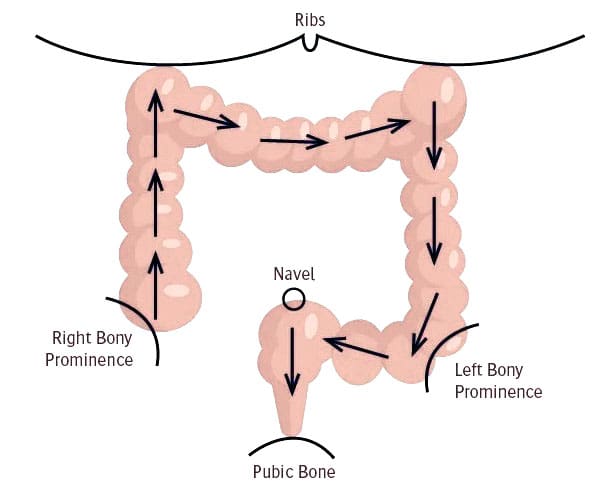
One technique involves placing the palm on the abdomen and making small, circular, clockwise motions around your belly button.
Individuals can also widen these circles so that the massage covers their entire abdomen.
Another technique begins by placing your hand below your breastbone, then gliding that hand down the length of your abdomen in one smooth stroke.
Repeat the movement with the other hand and continue this cycle for a few minutes.
When practicing self-massage, use light and gentle pressure, then gradually increase the pressure.
If you experience pain or tenderness, lighten up and return to a comfortable pressure level.
Try performing massage twice daily, aiming for a 20-minute session. Incorporating deep breathing into each session may also help. Before trying a massage or any home remedy, it is recommended to discuss it with a healthcare provider to see if it’s appropriate and safe. Pregnant women, for example, should avoid any massage on their abdomen. Constipation can sometimes signal an underlying condition that requires medical treatment, such as an underactive thyroid. Other symptoms like abdominal pain may be present, but sometimes constipation may be the only symptom.
Other Remedies
Self-massage alone is unlikely to treat chronic constipation; the goal should be to improve overall digestion to keep the organs functioning properly. To maintain regularity, it’s essential to drink plenty of water daily, eat enough fiber-rich foods, and engage in physical activity. Other alternative treatments include therapies like:
Acupressure
Biofeedback
Probiotics
Before trying self-massage, consult a medical caregiver to ensure it is safe and correct for the individual. Abdominal massage may not help with painful bloating caused by disease, infection, or other reasons.
Injury Medical Chiropractic & Functional Medicine Clinic
Injury Medical Chiropractic and Functional Medicine Clinic works with primary healthcare providers and specialists to develop an optimal health and wellness solution. We focus on what works for you to relieve pain, restore function, and prevent injury. Regarding musculoskeletal pain, specialists like chiropractors, acupuncturists, and massage therapists can help mitigate the pain through spinal adjustments that help the body realign itself. They can also work with other medical professionals to integrate a treatment plan to resolve musculoskeletal issues.
Massage Therapy Rehabilitation
References
Sinclair M. (2011). The use of abdominal massage to treat chronic constipation. Journal of bodywork and movement therapies, 15(4), 436–445. https://doi.org/10.1016/j.jbmt.2010.07.007
University of Michigan Medicine. (2021). Self-abdominal massage. https://www.med.umich.edu/1libr/MBCP/AbdominalSelfmassage.pdf
Lämås, K., Lindholm, L., Stenlund, H., Engström, B., & Jacobsson, C. (2009). Effects of abdominal massage in management of constipation–a randomized controlled trial. International journal of nursing studies, 46(6), 759–767. https://doi.org/10.1016/j.ijnurstu.2009.01.007
For individuals dealing with constipation issues, can using an osmotic laxative help treat and prevent constipation?
Osmotic Laxative
Osmotic laxatives can help treat or prevent constipation by increasing the amount of water in the colon, softening stools, and making them easier to pass. Some osmotic laxatives are used for bowel preparation to help clear the colon before a colonoscopy. They are available over the counter and by prescription and can contain different active ingredients, including polyethylene glycol/PEG, lactulose, sorbitol, magnesium citrate, and magnesium hydroxides.
How They Work
Constipation occurs when stools are irregular and hard to pass, as they are usually hard and dry. An osmotic laxative helps relieve constipation by increasing the amount of fluid in the intestines. They pull water from the colon’s wall to the inside, softening stools and making them easier to pass. The term osmotic refers to the movement of fluids through a membrane with the concentration equal on both sides. In individuals with constipation problems, the concentration of water in the colon’s wall and the inside of the colon/lumen is balanced but insufficient to compensate for hard, dry stools. This is especially true of those who don’t drink enough water. Osmotic laxatives alter the balance with substances like salts, sugars, and other organic compounds to encourage water movement into the lumen.
How Are They Different?
Most laxatives are generally used for the treatment of occasional constipation. Osmotic laxatives work differently because they are used to prevent or treat chronic constipation. Other types of laxatives include:
Emollient
These are made with a surfactant called docusate.
Surfactants are substances that draw and spread fats and water.
Docusate increases the passage of water and fats into stools to soften them.
Lubricant
These are made with oily substances, like mineral oil, that help the stool slide through the intestine.
Stimulant
These laxatives relieve constipation by causing the intestines to contract and push out the stools.
Osmotic Laxatives
The common osmotic laxatives are made with different active ingredients that include:
Polyethylene Glycol – PEG
This organic compound is derived from petroleum and can be safely ingested to manage constipation.
Available over the counter.
These include Miralax and GlycoLax.
Lactulose
This is a type of sugar that is not absorbed by the intestine.
Instead, the sugar sits and ferments in the intestines, producing fatty acids that pull water into the lumen.
Available by prescription, including Cephulac, Duphalac, Kristalose, and others.
Sorbitol
This is also a non-absorbable sugar with activation similar to lactulose.
Over-the-counter and prescription versions include Arlex and GeriCare.
Magnesium Citrate
Magnesium citrate is magnesium in salt form combined with citric acid.
The salts help pull water into the lumen.
Over-the-counter versions include Citrate of Magnesia, Citroma, and LiquiPrep.
Magnesium Hydroxide
This milder form of magnesium is sold under the brand Milk of Magnesia.
Milk of Magnesia is also an antacid and is available over the counter.
Potential Side Effects
As with all medications, there can be potential side effects. Most are relatively mild and resolve independently within a few days. Common side effects include:
Abdominal cramping
Bloating
Nausea
Diarrhea
Flatulence
Overusing laxatives can cause dehydration and the loss of electrolytes like sodium, calcium, potassium, minerals the body needs to regulate heartbeat, muscle contractions, and other essential functions. (Tropini, C. et al., 2018) Consult with a healthcare provider to ensure you use any laxative correctly, whether over-the-counter or prescription. For those thinking about using osmotic laxatives, be sure to follow the dosing instructions carefully, avoid complications, and use only when needed. Individuals with chronic constipation should see a healthcare provider so that they can identify the underlying cause. Diet, exercise, and increased fluid intake can sometimes improve the condition. Others may require treatments that extend beyond the use of laxatives.
Injury Medical Chiropractic and Functional Medicine Clinic works with primary healthcare providers and specialists to create personalized treatment programs. We passionately focus on treating patients’ injuries and chronic pain syndromes. Using an integrated approach to improve ability through flexibility, mobility, and agility programs tailored to the individual. Our providers use Functional Medicine, Acupuncture, Electro-Acupuncture, and Sports Medicine principles. Dr. Jimenez has teamed up with top surgeons, clinical specialists, medical researchers, and rehabilitation providers if other treatments are needed. Our goal is to relieve pain naturally by restoring health and function to the body.
Poop Testing: What? Why? and How?
References
Tropini, C., Moss, E. L., Merrill, B. D., Ng, K. M., Higginbottom, S. K., Casavant, E. P., Gonzalez, C. G., Fremin, B., Bouley, D. M., Elias, J. E., Bhatt, A. S., Huang, K. C., & Sonnenburg, J. L. (2018). Transient Osmotic Perturbation Causes Long-Term Alteration to the Gut Microbiota. Cell, 173(7), 1742–1754.e17. https://doi.org/10.1016/j.cell.2018.05.008
For individuals who are dealing with constant constipation due to medications, stress, or lack of fiber, can walking exercise help encourage regular bowel movements?
Walking For Constipation Assistance
Constipation is a common condition. Too much sitting, medications, stress, or not getting enough fiber can result in infrequent bowel movements. Lifestyle adjustments can regulate most cases. One of the most effective ways is to incorporate regular moderate-vigorous exercise, encouraging the bowel muscles to contract naturally (Huang, R., et al., 2014). This includes jogging, yoga, water aerobics, and power or brisk walking for constipation alleviation.
The Research
A study analyzed middle-aged obese women who had chronic constipation over a 12-week period. (Tantawy, S. A., et al., 2017)
The first group walked on a treadmill 3 times a week for 60 minutes.
The second group did not engage in any physical activity.
The first group had greater improvement in their constipation symptoms and quality of life assessments.
A gut bacteria imbalance is also linked to constipation issues. Another study focused on the effect of brisk walking versus exercises that strengthened core muscles like planks on intestinal microbiota composition. (Morita, E., et al., 2019) The results showed that aerobic exercises like power/brisk walking can help increase intestinal Bacteroides, an essential part of healthy gut bacteria. Studies have shown a positive effect when individuals engage in at least 20 minutes of brisk walking daily. (Morita, E., et al., 2019)
Exercise Can Help Decrease Colon Cancer Risks
Physical activity can be a significant protective factor in decreasing colon cancer. (National Cancer Institute. 2023) Some estimate the risk reduction to be 50%, and exercise can even help prevent recurrence after a colon cancer diagnosis, also 50% in some studies for patients with stage II or stage III colon cancer. (Schoenberg M. H. 2016)
The best effects were obtained through moderate-intensity exercise, such as power/brisk walking, about six hours per week.
Mortality was reduced by 23% in individuals who were physically active for at least 20 minutes several times a week.
Inactive colon cancer patients who began exercising after their diagnosis had significantly improved outcomes than individuals who remained sedentary, showing that it is never too late to start exercising.(Schoenberg M. H. 2016)
The most active patients had the best outcomes.
Exercise-Related Diarrhea Prevention
Some runners and walkers experience an overly active colon, resulting in exercise-related diarrhea or loose stools, known as runner’s trots. Up to 50% of endurance athletes experience gastrointestinal problems during intense physical activity. (de Oliveira, E. P. et al., 2014) Prevention steps that can be taken include.
Not eating within two hours of exercising.
Avoid caffeine and warm fluids before exercising.
If sensitive to lactose, avoid milk products or use Lactase.
Ensure the body is well-hydrated before exercise.
Hydrating during exercise.
If exercising in the morning:
Drink about 2.5 cups of fluids or a sports drink before bed.
Drink about 2.5 cups of fluids after waking up.
Drink another 1.5 – 2.5 cups of fluids 20-30 minutes before exercising.
Drink 12-16 fluid ounces every 5-15 minutes during exercise.
If exercising for over 90 minutes:
Drink a 12 – 16 fluid-ounce solution containing 30-60 grams of carbohydrates, sodium, potassium, and magnesium every 5-15 minutes.
Professional Help
Periodic constipation may resolve with lifestyle adjustments like increased fiber intake, physical activity, and fluids. Individuals who are experiencing bloody stools or hematochezia, have recently lost 10 pounds or more, have iron deficiency anemia, have positive fecal occult/hidden blood tests, or have a family history of colon cancer need to see a healthcare provider or specialist to perform specific diagnostic tests to ensure there aren’t any underlying issues or serious conditions. (Jamshed, N. et al., 2011) Before engaging in walking for constipation assistance, individuals should consult their healthcare provider to see if it is safe for them.
At Injury Medical Chiropractic and Functional Medicine Clinic, our areas of practice include Wellness & Nutrition, Chronic Pain, Personal Injury, Auto Accident Care, Work Injuries, Back Injury, Low Back Pain, Neck Pain, Migraine Headaches, Sports Injuries, Severe Sciatica, Scoliosis, Complex Herniated Discs, Fibromyalgia, Chronic Pain, Complex Injuries, Stress Management, Functional Medicine Treatments, and in-scope care protocols. We focus on what works for you to achieve improvement goals and create an improved body through research methods and total wellness programs. If other treatment is needed, individuals will be referred to a clinic or physician best suited to their injury, condition, and/or ailment.
Poop Testing: What? Why? and How?
References
Huang, R., Ho, S. Y., Lo, W. S., & Lam, T. H. (2014). Physical activity and constipation in Hong Kong adolescents. PloS one, 9(2), e90193. https://doi.org/10.1371/journal.pone.0090193
Tantawy, S. A., Kamel, D. M., Abdelbasset, W. K., & Elgohary, H. M. (2017). Effects of a proposed physical activity and diet control to manage constipation in middle-aged obese women. Diabetes, metabolic syndrome and obesity : targets and therapy, 10, 513–519. https://doi.org/10.2147/DMSO.S140250
Morita, E., Yokoyama, H., Imai, D., Takeda, R., Ota, A., Kawai, E., Hisada, T., Emoto, M., Suzuki, Y., & Okazaki, K. (2019). Aerobic Exercise Training with Brisk Walking Increases Intestinal Bacteroides in Healthy Elderly Women. Nutrients, 11(4), 868. https://doi.org/10.3390/nu11040868
National Cancer Institute. (2023). Colorectal Cancer Prevention (PDQ(R)): Patient Version. In PDQ Cancer Information Summaries. https://www.cancer.gov/types/colorectal/patient/colorectal-prevention-pdq
https://www.ncbi.nlm.nih.gov/pubmed/26389376
Schoenberg M. H. (2016). Physical Activity and Nutrition in Primary and Tertiary Prevention of Colorectal Cancer. Visceral medicine, 32(3), 199–204. https://doi.org/10.1159/000446492
de Oliveira, E. P., Burini, R. C., & Jeukendrup, A. (2014). Gastrointestinal complaints during exercise: prevalence, etiology, and nutritional recommendations. Sports medicine (Auckland, N.Z.), 44 Suppl 1(Suppl 1), S79–S85. https://doi.org/10.1007/s40279-014-0153-2
Jamshed, N., Lee, Z. E., & Olden, K. W. (2011). Diagnostic approach to chronic constipation in adults. American family physician, 84(3), 299–306.
The digestive system breaks down the foods eaten so the body can absorb the nutrients. During digestion, the unnecessary parts of these foods are turned into waste/stool, which is evacuated during a bowel movement. When the digestive system stops functioning properly due to factors such as diet change, eating unhealthy foods, lack of physical activity/exercise, medications, and certain health conditions, can cause constipation. Constipation occurs when the body cannot have a regular bowel movement. The distention, gas, bloating and not being able to have a bowel movement cause irritability and stress, which can worsen constipation. Incorporating recommended nutrition can help restore regular bowel movements and gut function.
Recommended Nutrition For Constipation
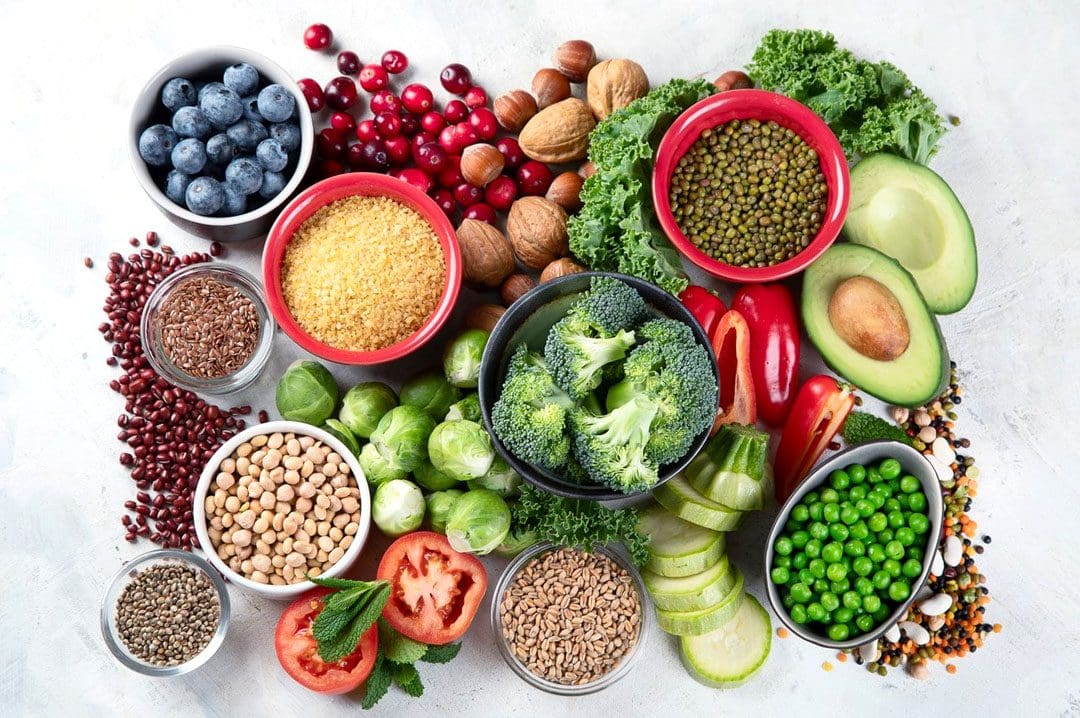
Symptoms like abdominal pain, bloating, and difficult bowel movements are common. Diet and proper hydration have a significant role in digestive health, especially in relieving and preventing constipation. High-fiber foods, prebiotics, and adequate hydration from foods and beverages are essential for healthy bowel movements.
Fiber is found in whole grains, starches, fruits, and vegetables.
Soluble and insoluble fiber are important for digestive health.
Focusing on incorporating high-fiber fruits, vegetables, and whole grains.
Foods rich in prebiotics like fermented foods are recommended when constipated.
The recommended nutrition for constipation, according to a dietitian includes.
Avocados
Avocados can be paired with just about anything and are full of nutrients and fiber.
One avocado contains around 13.5 grams of fiber.
One avocado will provide almost half daily fiber needs.
Other high-fiber fruits: pomegranates, guava, raspberries, blackberries, and passionfruit.
Figs
Figs can be eaten fresh and dried.
Figs are considered a laxative and have been shown to treat and reduce constipation.
They contain antioxidants, polyphenols, polyunsaturated fatty acids, and vitamins.
Other fruits similar to a fig: dried apricots, prunes, and plums.
Plums
Plums, prunes dried plums are packed with fiber and prebiotics that have a natural laxative effect.
The added H2O makes the stools softer and easier to pass.
Natural fruit juices, like pear, apple, or prune are often prescribed for constipation.
Other fruits that aid in bowel movements: peaches, pears, and apples.
Kefir
Fermented foods like kefir are rich in beneficial bacteria that work to maintain digestive system health.
It can be consumed on its own or used in smoothies, cooking, and baking recipes.
Other fermented foods: kombucha, yogurt, sauerkraut, kimchi, miso, and tempeh.
Oat Bran
Oat bran is oatmeal that has not had the bran removed.
The bran contains beneficial nutrients including fiber, antioxidants, vitamins, and minerals.
Oat bran contains soluble and insoluble fiber, as well as beta-glucan/non-starchy polysaccharides.
All improve the composition of gut bacteria and promote healthy bowel movements.
Other beneficial grains: oatmeal, wheat bran, rye, and barley.
Incorporating Gut-Beneficial Foods
How to incorporate recommended nutrition gut-beneficial foods into a regular menu:
Smoothie
Use kefir or yogurt as a base then balance it out with fiber-rich fruits like mango, blueberries, and kiwi.
Snacks
Diversify snacks with a plate of fiber and prebiotics.
Nuts, cheese, crackers, fruit, and a yogurt or avocado dip.
Oatmeal
Try oat bran to increase fiber.
Sprinkle a serving of flaxseeds, chia seeds, or hemp seeds for added fiber and healthy fats.
Parfait
Yogurt parfaits can maximize nutrients, flavor, and textures in a bowl.
Layer up on a favorite yogurt with granola, nuts, fruit, and seeds.
Grain Bowl
Fiber found in whole grains and seeds like barley, farro, and quinoa, helps promote healthy digestion.
Make a bowl with a grain base, then top with a protein, fresh or grilled veggies, avocado, and dressing.
Talk with a registered nutritionist or other healthcare provider to discuss recommended nutrition plan options.
Balancing Body and Metabolism
References
Arce, Daisy A et al. “Evaluation of constipation.” American family physician vol. 65,11 (2002): 2283-90.
Bharucha, Adil E. “Constipation.” Best practice & research. Clinical gastroenterology vol. 21,4 (2007): 709-31. doi:10.1016/j.bpg.2007.07.001
Gray, James R. “What is chronic constipation? Definition and diagnosis.” Canadian Journal of Gastroenterology = Journal Canadien de Gastroenterology vol. 25 Suppl B, Suppl B (2011): 7B-10B.
Jani, Bhairvi, and Elizabeth Marsicano. “Constipation: Evaluation and Management.” Missouri medicine vol. 115,3 (2018): 236-240.
Naseer, Maliha, et al. “Therapeutic Effects of Prebiotics on Constipation: A Schematic Review.” Current clinical pharmacology vol. 15,3 (2020): 207-215. doi:10.2174/1574884715666200212125035
National Institute of Diabetes and Digestive and Kidney Diseases. Symptoms and Causes of Constipation.
National Institute of Diabetes and Digestive and Kidney Disease. Your Digestive System and How It Works.
Sinclair, Marybetts. “The use of abdominal massage to treat chronic constipation.” Journal of bodywork and movement therapies vol. 15,4 (2011): 436-45. doi:10.1016/j.jbmt.2010.07.007
Constipation is a leading cause of low back pain in America and can cause a chain reaction in the rest of the body. When the digestional tract swells, it generates added stress on the back and surrounding nerves. Prolonged constipation and pressure can cause sciatica symptoms. Constipation sciatica can be relieved through chiropractic treatment, therapeutic massage, non-surgical spinal decompression, and functional medicine to alleviate symptoms and restore optimal body function.
Constipation Sciatica
Sciatica is irritation, compression, and inflammation of the sciatic nerve, which supplies the thighs, lower legs, and feet. It is usually caused by a pinched/compressed of one or more spinal nerve roots between the vertebrae of the lower back. The buildup of stool in the intestines can cause a dull aching sensation in the low back that can radiate to surrounding areas. Common causes of constipation include:
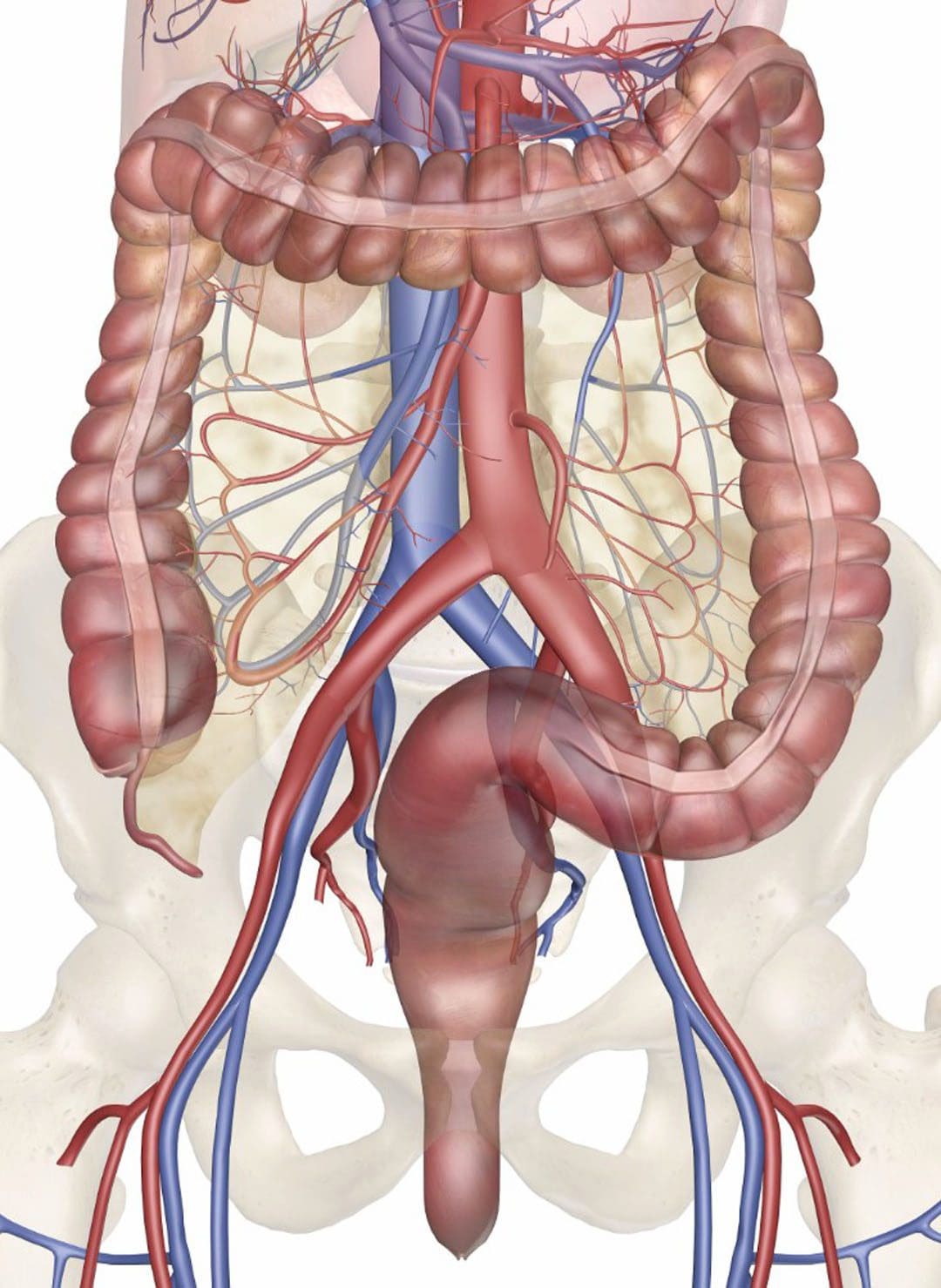
Bowel movements vary for everyone, and not having a movement daily does not mean constipation is occurring. Some individuals have only three movements a week, while others have multiple movements daily. A recommended indicator of constipation is if there has been a sudden decrease in typical bowel movements. The digestive tract occupies a significant region of the lower torso. Back pain symptoms can present after the rectum becomes obstructed or stools have solidified in the colon. Once constipation has developed, the blockage presses against the nerves and muscles of the back. This causes a range of discomfort signaling by the brain, which worsens as the backup grows. Symptoms of general constipation include:
Feeling full despite not eating anything.
Bloating.
Swelling.
Abdominal cramping.
Infrequent bowel movements.
Discomfort or aching when trying to pass a stool.
Hard and/or lumpy stool.
Constipation is considered chronic when two or more of the following symptoms occur for at least three months:
Further decreased bowel movements.
Straining to defecate.
Stools do not loosen without the use of laxatives.
Passage of hard pebble/pellet stools.
Consistent abdominal pain that is relieved by even slight movement.
Feeling as if the bowels are not fully emptied or a blockage in the rectum.
Feeling the need to assist the release by pressing on the abdomen.
Chiropractic Treatment
Chiropractic treatment can realign the spine, release compressed nerves, increase the frequency of bowel movements, and through the massage and relaxation of the muscles, help to soften stools. Intestinal muscles push the stool to the anus, where it leaves/evacuates the body. Special nerve cells in the intestine, known as ganglion cells,innervate the muscles to push. These nerves connect to the celiac ganglion, which connects to the spinal cord through nerve roots that exit the spine in the lower thoracic and upper lumbar region. The celiac ganglion innervates the liver, stomach, gallbladder, spleen, kidneys, small intestine, and the ascending and transverse colon. Treatment for constipation and back pain depends on the cause of the symptoms. For example, if the constipation is caused by dehydration, a chiropractor will instruct the patient on water intake as part of the personalized treatment plan.
Diagnosis to Recovery
References
Fernandes, Walkyria Vilas Boas, et al. “The effect of a six-week osteopathic visceral manipulation in patients with non-specific chronic low back pain and functional constipation: study protocol for a randomized controlled trial.” Trials vol. 19,1 151. 2 Mar. 2018, doi:10.1186/s13063-018-2532-8
Panarese, Alba, et al. “Chronic functional constipation is strongly linked to vitamin D deficiency.” World journal of gastroenterology vol. 25,14 (2019): 1729-1740. doi:10.3748/wjg.v25.i14.1729
Rédly, Monika. “The effects of chiropractic care on a patient with chronic constipation.” The Journal of the Canadian Chiropractic Association vol. 45,3 (2001): 185–191.
Trager, Robert James, et al. “Association between radicular low back pain and constipation: a retrospective cohort study using a real-world national database.” Pain reports vol. 6,3 e954. 26 Aug. 2021, doi:10.1097/PR9.0000000000000954
Food is more than just energy. Diets have a profound effect on everything in an individual’s life. Some foods can help the body heal or interfere with the recovery/healing process from injury/s and/or conditions that include sciatica. Making changes to a diet plays a significant factor in the recovery/rehabilitation phase, and adding certain foods will improve and expedite the healing process. A fully functional sciatic nerve nutrition diet plan must be personalized to each individual’s needs.
Sciatic Nerve Nutrition
Sciatica can cause numbness, tingling, electrical shock-type pain, or a combination in the back, hip, outer side of the leg, and the foot. Clinical nutrition is a powerful tool when combating sciatica. Enzymes in certain foods can help reduce the inflammation associated with sciatica. A high percentage of individuals dealing with sciatica can enhance pain relief by adjusting their diets. Quick recommendations include:
Oily fish like salmon and halibut are rich in omega-three fatty acids that decrease inflammation in the body and the sciatic nerve.
Fresh pineapples and berries are anti-inflammatories that aid in healing and increase immune system function.
2-3 cups of green tea contain antioxidants that help control peripheral sensations and help manage pain.
Turmeric, ginger, and garlic contain anti-inflammatory agents that relieve swelling by reducing levels of inflammation-stimulating enzymes.
B-Vitamins are essential to maintain normal nerve function and can be found in green peas, spinach, navy beans, nuts, and bananas.
Magnesium-rich foods can ensure the body is not deficient and help control muscle spasms.
Sciatica can also be triggered by a poor diet that causes constipation that can place pressure on the nerve. Therefore it is recommended to incorporate fiber-rich foods that include plenty of fruits and vegetables to prevent constipation.
Foods That Make Sciatica Worse
Inflammatory foods to avoid:
Sugar and high-fructose corn syrup.
Trans fats include margarine and any hydrogenated/solidified or partially hydrogenated oils.
Refined vegetable oils – These are vegetable, nut, or seed oils that have been highly processed. Cut down on french fries, chips, or other foods fried in these oils.
Refined carbohydrates – Carbohydrates that have fiber removed increase the growth of inflammatory gut bacteria. These include white flour, refined corn products, white rice, and various commercial cereals and sugars.
Excessive alcohol – Moderate amounts of alcohol can provide health benefits, but higher amounts increase inflammation.
Processed meats – are often processed at high temperatures, creating chemicals/substances associated with inflammation.
Avoid Surgery
References
Davis D, Maini K, Vasudevan A. Sciatica. [Updated 2022 Feb 4]. In: StatPearls [Internet]. Treasure Island (FL): StatPearls Publishing; 2022 Jan-. Available from: https://www.ncbi.nlm.nih.gov/books/NBK507908/
Garfin, SR et al. “Spinal nerve root compression.” Spine vol. 20,16 (1995): 1810-20. doi:10.1097/00007632-199508150-00012
Kumar, M. Epidemiology, pathophysiology and symptomatic treatment of sciatica: A review. nt. J. Pharm. Bio. Arch. 2011, 2.
Safari, Mir Bahram, et al. “Efficacy of a Short-Term Low-Calorie Diet in Overweight and Obese Patients with Chronic Sciatica: A Randomized Controlled Trial.” Journal of alternative and complementary medicine (New York, N.Y.) vol. 26,6 (2020): 508-514. doi:10.1089/acm.2019.0360
Constipation is an uncomfortable and common side effect of lower back and leg pain conditions. Sciatic nerve pain can occur at the same time as constipation does, but can also alternate where constipation ensues followed by sciatica.
Finding lasting relief is crucial, but understanding the exact reasons why the symptoms occur is just as important. These two conditions can be related or they may be completely coincidental. But the more they occur together, or in succession, there is greater chance that some structural or body connection is happening between the two.
The Facts: Sciatica & Constipation
Investigate why the source process may be the same for both conditions in some.
Constipation,�known as a recurrent and chronic health concern which plagues some people their entire lives. It can be caused by a variety of anatomical reasons, but many of these are fairly easy to diagnose, despite being difficult to cure using traditional medical therapy.
Sciatica is very much the same in that it can be chronic, recurrent and sometimes treatment-resistant.
What these disorders have in common is that they are often linked by nerve compression conditions within the spine. The source can be central or foraminal stenosis, which leads to compression of one or more of the lumbar nerve roots.
It is also possible for cervical central spinal stenosis to cause sciatica and may contribute to constipation, as well.
Both conditions are associated with the mind and body processes, that is physical illness caused or aggravated by mental factors, i.e. stress or some type of conflict. Constipation can be linked to conscious and subconscious emotional issues, while sciatica is just starting to receive the same recognition as a possible mind and body disorder.
Constipation/Sciatica: Solutions
Sciatica cases where constipation is also present involves the nerve roots in the lower spinal regions. These types of symptomatic expressions will be blamed on a variety of structural abnormalities in the lumbosacral region, which include degenerative discdisease, herniated discs and spinal osteoarthritis.
An alternative explanation for many cases of constipation accompanied by sciatica is regional oxygen deprivation. The solution to this condition is the treatment option invented by Dr. John Sarno. This simple treatment can usually solve even the most harmful of sciatica concerns. But the therapy remains controversial as it helps some and not others.
Sciatica/Constipation: Analysis
Once the symptoms have been diagnosed, if symptoms are structural, then treatments should resolve them or at least help in controlling the pain. If various treatments have been utilized with no relief, then it could be misdiagnosis.
Another anatomical condition that could be responsible for the symptoms or the cause could be a combination of the aforementioned mind and body issues working together. An epidemic problem that the healthcare system and one of the underlying reasons why so many with back, neck and sciatica pain never find a lasting cure. Don’t be surprised if to find out the pain was inaccurately diagnosed. This happens to millions every day.
Constipation can also be a result of serious internal diseases or organ malfunctions. Request a complete workup, which includes appropriate diagnostic testing for any significant or chronic constipation case.
Sometimes, this combination of symptoms may indicate the first signs of cauda equina syndrome.�This is a medical emergency and must be treated immediately.
Many will disregard any notion that sciatica is caused by constipation. Constipation can cause sciatica check other websites. Doctors do agree that constipation is one of a many of causes of sciatica.
But the bowels and the lower back are different parts of the body. It is important to understand that all parts of the body are connected in some way or other.
Sciatica?
If there is pain in the lower back near the buttocks and that pain travels down one or both legs, then chances are sciatica is present. Sciatica has become a common lower back pain that doctors, chiropractors, acupuncturists and physical therapists treat frequently. The pain is characterized with a combination of dull and sharp aches that create a feeling of pins and needles. With nerve conditions pins and needles are the most common type of pain.
Sciatica is the result of sciatic nerve compression. Constipation is a non-spinal condition that can cause sciatica. Just trying to use the bathroom can cause pain by irritating the sciatic nerve.
Sciatica happens when the sciatic nerve, which is the largest in the body, is compressed by an external pressure. Women in child birth and men who carry their wallets in the back pocket can experience sciatica.
Sciatica is treatable; if experiencing constipation and lower back pain at the same time, ask a doctor to test for sciatica. Doctors will order a CT scan, MRI, X-Ray or nerve conduction test.
Solving The Problem:
Experiencing sciatica related to constipation, then the first course of action is diet change. A fiber-infused diet that combines fruits and vegetables can relieve constipation. Or consider a fiber supplement.
Pain Reduction:
While waiting for constipation relief, there are various ways to reduce pain.
Take aspirin or ibuprofen, Anti-inflammatory medications reduce nerve and muscle inflammation, which alleviate nerve irritation.
Alternate hot and cold compresses, which reduce inflammation and sooth the pain. Can also be applied to the legs if the pain travels down the body.
Consider a firm mattress to support the back and alleviate any sciatica that may be the result from back strain.
A doctor may recommend several days of rest in order to allow the nerve damage time to heal.
Rules To Remember:
Do not bend or sit in a soft chair. Back support is critical.
Do not ignore the pain. Nerve pain heals within a week or gets worse.
Move slowly when standing or getting in and out of bed.
No heavy lifting & sometimes no lifting at all.
Good Nutrition & Chiropractic Treatment Contribute To Overall Well-Being
IFM's Find A Practitioner tool is the largest referral network in Functional Medicine, created to help patients locate Functional Medicine practitioners anywhere in the world. IFM Certified Practitioners are listed first in the search results, given their extensive education in Functional Medicine






 Investigate why the source process may be the same for both conditions in some.
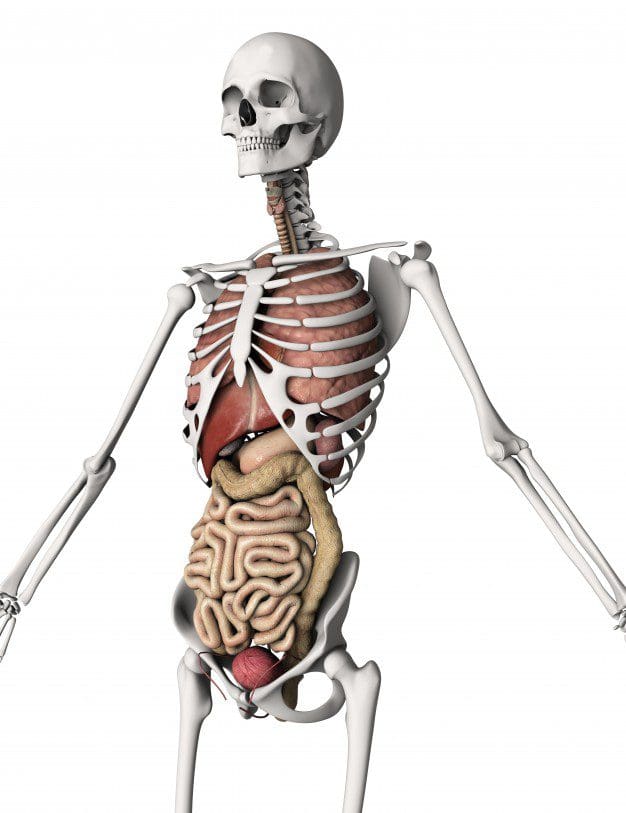 Sciatica cases where constipation is also present involves the nerve roots in the lower spinal regions. These types of symptomatic expressions will be blamed on a variety of structural abnormalities in the lumbosacral region, which include degenerative disc disease, herniated discs and spinal osteoarthritis.