Back pain after eating is often the result of conditions and/or disorders in other areas of the body that radiate to the back. These problems range from unhealthy posture, digestive issues, bowel problems, ulcers, allergies, etc. This is because the nerves of the back and the abdominal area run through areas of the spine. In addition to the classic symptoms like bloating and gas, individuals can develop symptoms beyond the gut, including sleep problems, fatigue, headaches, urinating problems, muscle aches, pelvic discomfort, and back pain. Chiropractic care and functional medicine can realign the body, alleviate symptoms, and restore function.
Back Discomfort
Back pain after eating can be linked to the body’s digestive process.
Individuals in this group can experience inflammation after consuming specific foods.
Inflammation could worsen existing back problems.
Individuals with food intolerance will have uncomfortable but usually not dangerous symptoms.
Individuals with food allergies can experience life-threatening allergic reactions.
Heartburn
Heartburn results from acid reflux, when stomach contents and acid flow back into the esophagus. Heartburn’s key symptom is a burning sensation in the chest. However, heartburn and indigestion do not directly cause back pain. But for individuals with back problems, heartburn can worsen back discomfort.
GERD
Gastroesophageal reflux disease, or GERD, could cause back pain in individuals with more than two weekly heartburn episodes.
The digestive system condition results from the chronic backflow of stomach acid.
Over time, the powerful acid can inflame the esophageal lining.
A stomach or esophageal ulcer can develop if GERD is not managed.
Pain could be felt in the lower to middle back around the stomach and lower intestines.
Ulcers
Ulcers can also result from a bacterial infection of Helicobacter pylori (or H. pylori).
Long-term use of nonsteroidal anti-inflammatory drugs (or NSAIDs) can also enable ulcer formation.
A peptic ulcer (or open sore) can develop on your stomach’s interior lining.
The small intestine’s upper portion can also be affected.
Peptic ulcers cause burning pain in the stomach. These flare-ups can worsen existing back problems and pain. Spicy foods and stress don’t cause peptic ulcers but can worsen their effects. In severe cases, a peptic ulcer can cause referred back pain felt in another location than where the pain originates. This means pain could be felt in the lower to middle back adjacent to the stomach and lower intestines.
Kidney Infection
Back pain could result from a bacterial kidney infection.
Kidney dysfunction infections, kidney stones, and chronic kidney diseases can be mistaken for general back and side pain.
Other symptoms can include chills, fever, nausea, and vomiting.
Pancreatitis
Pancreatitiscan develop if the pancreas becomes inflamed, brought on by excess alcohol consumption or gallstones. This definitely can cause back discomfort and pain.
Pancreatitis is the inflammation of the pancreas.
After eating, individuals can experience worsening abdominal pain that can refer to the back.
The body’s network of interconnecting sensory nerves causes the pain to be felt in other areas.
Most individuals will experience pain in the upper left or middle abdomen.
When individuals with celiac disease consume foods with gluten, the small intestine gets damaged, and their bodies cannot properly absorb the necessary nutrients.
Besides the back discomfort, there could be a burning sensation during urination or other urinary tract symptoms. Stools could be dark or black, a possible ulcer symptom. To reduce the chances of back discomfort after eating, avoid sugary, spicy, fatty foods or anything that triggers heartburn and reduce alcohol consumption. If you are experiencing frequent episodes of back pain after eating or the pain worsens, contact your physician, healthcare provider, or a chiropractor.
Hormonal Dysfunction In Men
References
Celiac Disease Foundation. (n.d.) “What is celiac disease?” https://celiac.org/about-celiac-disease/what-is-celiac-disease/
Mayo Clinic. (n.d.) “Celiac disease.” https://www.mayoclinic.org/diseases-conditions/celiac-disease/symptoms-causes/syc-20352220#:~:text=Celiac%20disease%2C%20sometimes%20called%20celiac,response%20in%20your%20small%20intestine
Pfizer. (April 25, 2022) “Heartburn, acid reflux, or GERD: what’s the difference?” https://www.pfizer.com/news/articles/heartburn_acid_reflux_or_gerd_what_s_the_difference#:~:text=The%20terms%20acid%20reflux%2C%20heartburn,meals%20or%20when%20lying%20down
Prairie Spine & Pain Institute. (n.d.) “What may cause back pain after eating: symptoms & prevention.” https://prairiespine.com/spine-care/5-things-that-may-cause-back-pain-after-eating-symptoms-and prevention/#:~:text=Exercises%20practiced%20in%20yoga%2C%20Pilates,chi%20may%20be%20particularly%20beneficial.&text=If%20a%20doctor%20cannot%20identify,ice%2C%20and%20taking%20pain%20relievers.
Aging Arthritis: How the body changes as the years go by is determined by an individual’s diet, physical activity/exercise, genetics, stress levels, sleep patterns, and self-care. As the body ages, natural degeneration from everyday wear and tear will present. The focus is on understanding how age-related degeneration can affect the body and what to do to prevent and treat it.
The condition can cause long-term joint damage that can lead to disability.
Aging Arthritis and Chiropractic Care
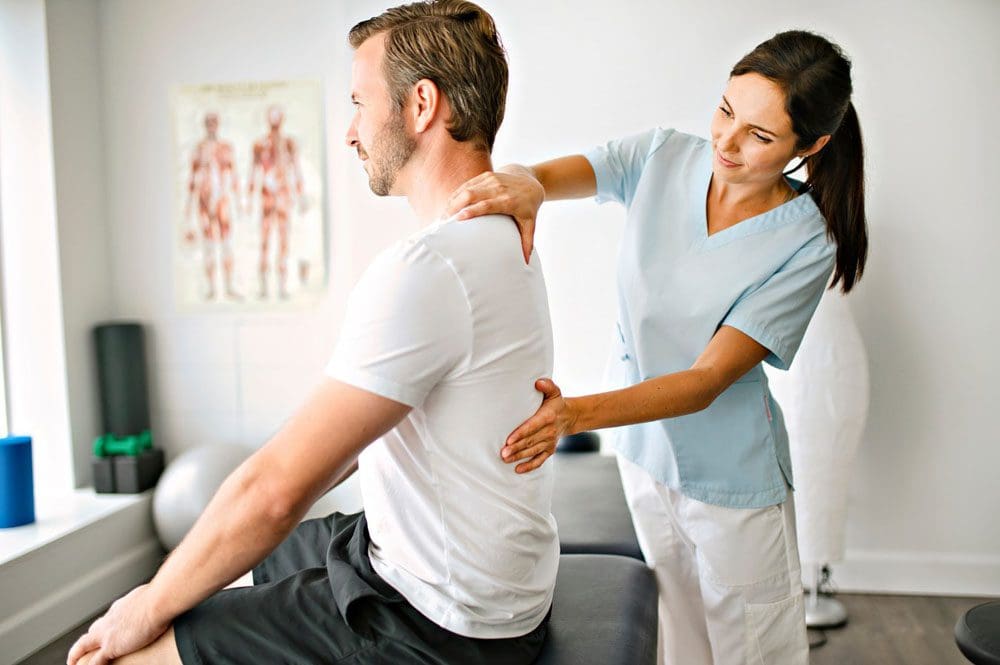
Chiropractic care is recommended for the treatment of any form of arthritis. Chiropractic care can work with other therapies to reduce swelling and inflammation, alleviate pain, and improve mobility and flexibility.
A chiropractor will utilize body imagery before beginning treatment.
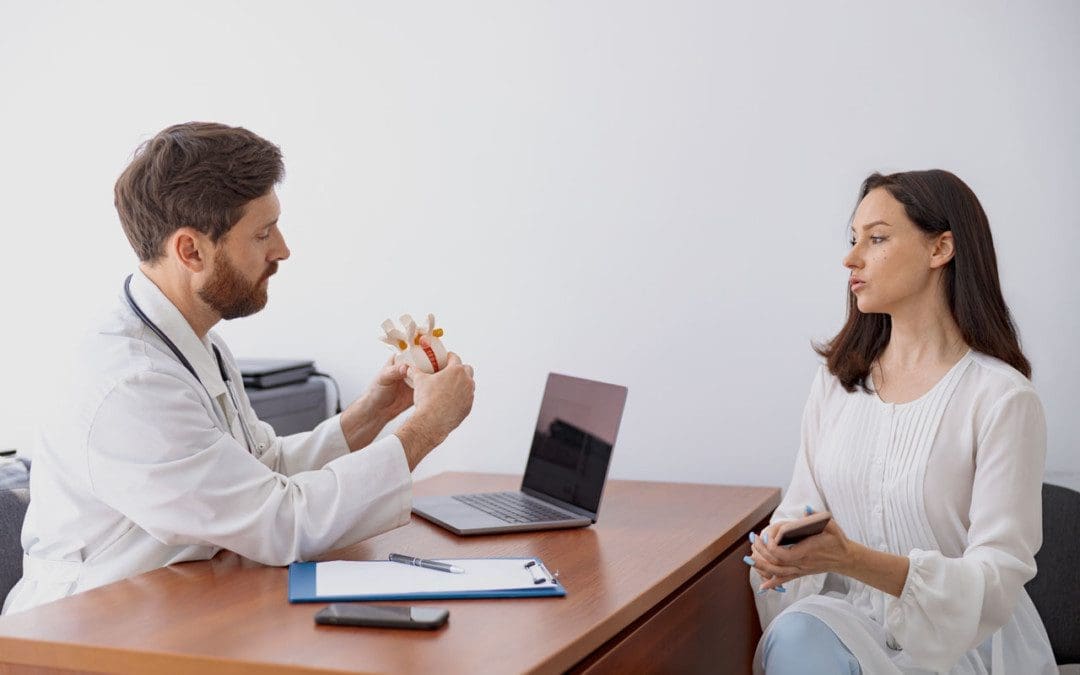
Imaging gives insight into the condition of the joints, and the visual, combined with a self-report from the individual, allows the chiropractor to create a personalized treatment plan.
Once a chiropractor has identified which techniques the body can handle, treatment will commence that can include:
Therapeutic massage
Percussive massage
Ultrasound
Electrotherapy
Low-level cold laser therapy
Infrared heat
A chiropractor’s objective is to rebalance, realign and strengthen the body, relieve pressure or stress at the junction of the joints, and expedite healing and rehabilitation.
LLT Laser Therapy
References
Abyad, A, and J T Boyer. “Arthritis and aging.” Current opinion in rheumatology vol. 4,2 (1992): 153-9. doi:10.1097/00002281-199204000-00004
Chalan, Paulina, et al. “Rheumatoid Arthritis, Immunosenescence and the Hallmarks of Aging.” Current aging science vol. 8,2 (2015): 131-46. doi:10.2174/1874609808666150727110744
Goronzy, Jorg J et al. “Immune aging, and rheumatoid arthritis.” Rheumatic diseases clinics of North America vol. 36,2 (2010): 297-310. doi:10.1016/j.rdc.2010.03.001
Greene, M A, and R F Loeser. “Aging-related inflammation in osteoarthritis.” Osteoarthritis and cartilage vol. 23,11 (2015): 1966-71. doi:10.1016/j.joca.2015.01.008
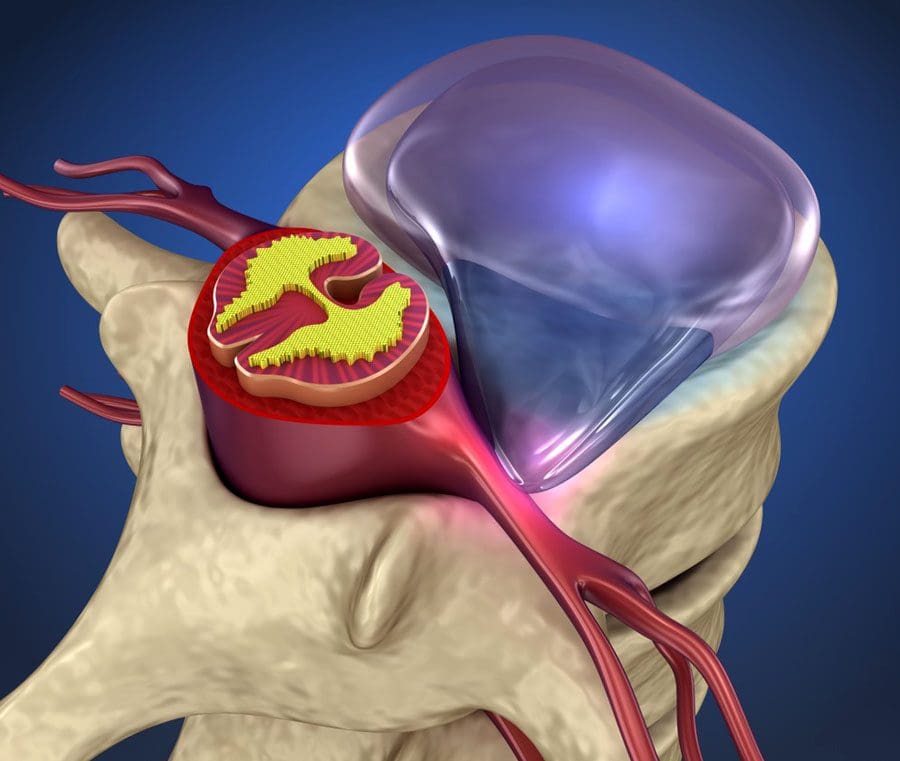
Herniated disc injuries and the time it takes to heal depend on the injury’s cause, the severity, and where it occurred along the spine. Symptoms can last a few days to months. Chiropractic treatment, massage therapy, and decompression realign the spine and return the disc to its correct position. Still, the herniated disc signs it is returning to normal can take time as the rest of the spine and body adjust to the realignment.
Herniated Disc Signs It Is Returning To Normal
Most cases take a few weeks with healing time depending on health conditions, physical activity level, and age. However, in severe cases, a herniated disc can take up to several months to fully heal, but discomfort symptoms usually resolve sooner.
Expectations From a Healing Disc
Resting the spine and taking it easy after the injury is recommended.
Too much rest is not recommended as it can cause muscle stiffness.
While the herniated disc is healing, a primary doctor may prescribe anti-inflammatories or muscle relaxants to help ease discomfort.
A chiropractor and/or physical therapist can teach exercises and stretches to relieve pressure on nerves, loosen tight muscles, and improve circulation.
Signs The Herniated Disc Is Healing
Most herniated discs cause significant pain in the back and neck from the nervous system, causing some of the muscles of the low back or neck to spasm to protect the area from further damage.
Usually, the muscle spasms relax within the first days of the injury.
After spinal decompression, neurological symptoms like the sharp, shooting pain down a nerve in the arm or leg are the first symptoms to go away.
Then muscle weakness along the path of the nerve goes away.
Numbness in the extremities can linger around longer.
Length of Time
The wear and tear of adult spinal discs, combined with unhealthy posture habits, job occupation, previous injuries, etc., decrease blood circulation.
This is why it can take some time to heal completely, as the entire blood supply needs to reset to optimal circulation.
Nerve compression causing aches and pain sensations down the nerves can also take time.
Regular Activity
Returning to regular activities depends on the individual’s case and condition. It is essential not to overdo things that can cause excessive loading of the spine before the disc has fully healed, which increases the risk of re-herniation and other injuries.
Inactivity can slow the healing process and cause inflammation.
Patients are encouraged to return to activities that generate gentle motion to stimulate the stabilizing muscles to function properly and increase blood circulation to the injured area.
Individuals are recommended to:
Learn posture improvement when walking, sitting, standing, and sleeping.
Adjust sleep patterns.
Incorporate anti-inflammatory nutrition during the healing process.
This provides a mechanical and biological environment that eventually becomes a personalized exercise physical therapy program.
DOC Spinal Decompression
References
Díez Ulloa, Máximo Alberto. “Role of Microangiogenensis in Disc Herniation Healing.” Journal of investigative surgery: the official journal of the Academy of Surgical Research vol. 34,6 (2021): 685. doi:10.1080/08941939.2019.1682725
Factors that influence recovery: Mayo Clinic. February 8, 2022. “Herniated disk.” https://www.mayoclinic.org/diseases-conditions/herniated-disk/symptoms-causes/syc-20354095
Factors that influence recovery: NHS. March 22, 2021. “Slipped Disc.” https://www.nhs.uk/conditions/slipped-disc/
How to speed up healing time: American Academy of Orthopaedic Surgeons. January 2022. “Herniated Disk in the Lower Back” https://orthoinfo.aaos.org/en/diseases–conditions/herniated-disk-in-the-lower-back/
Keramat, Keramat Ullah, and Aisling Gaughran. “Safe physiotherapy interventions in large cervical disc herniations.” BMJ case reports vol. 2012 bcr2012006864. 18 Aug. 2012, doi:10.1136/bcr-2012-006864
Stoll, T et al. “Physiotherapie bei lumbaler Diskushernie” [Physiotherapy in lumbar disc herniation ]. Therapeutische Umschau. Revue therapeutique vol. 58,8 (2001): 487-92. doi:10.1024/0040-5930.58.8.487
Swartz, Karin R, and Gregory R Trost. “Recurrent lumbar disc herniation.” Neurosurgical focus vol. 15,3 E10. 15 Sep. 2003, doi:10.3171/foc.2003.15.3.10
Around 60% of individuals have a condition caused by or complicated by chronic inflammation. The body reacts with acute inflammation, which is beneficial as the immune system fights off bacteria that could infect the injury. Examples could be getting a cut on the finger that swells for a day or so to repair the wound or catching a cold and coughing up mucus to expel the germs. However, acute inflammation only lasts as long as necessary; chronic inflammation can last for weeks, months, and years. Individuals can have chronic inflammation and not know the damage being done to arteries and organs until pain or other issues begin to present. There are a few anti-inflammatory diets, which are nutrition plans that can help reduce inflammation.
Anti-Inflammatory Diets
Health-promoting substances include vitamins, minerals, fiber, omega-3 fatty acids, flavan-3-ols in tea and cocoa, and anthocyanins in blueberries, strawberries, raspberries, and other red and purple plant foods. Certain chemicals in the body cause inflammation, and naturally-occurring chemicals in foods, can prevent and combat inflammation by providing essential nutrients.
Nordic Diet
This includes Denmark, Sweden, and Finland, which each have different cuisines, but traditionally, they share healthy foods that provide anti-inflammatory benefits, including:
Rye is a grain shown to help reduce blood sugar, the inflammatory marker C-reactive protein. Individuals that follow this way of eating have lower blood levels of C-reactive protein and other inflammation markers. A randomized study was done in various Nordic countries and lasted six to 24 weeks. One group was assigned a healthy Nordic diet while the other stayed on the country’s modern, less healthy diet. The studies found that individuals that practiced a healthy Nordic diet even for a short while improved inflammatory markers and lost weight.
Mexican Diet
Research has linked a traditional Mexican diet to lower inflammation. Staple foods of a traditional Mexican diet include:
Cheese
Corn tortillas
Fruits and vegetables, including hot peppers
Rice – brown and white
Legumes/Beans
Legumes/beans are linked to protection from inflammatory-related conditions that include:
Obesity
High blood pressure
High blood cholesterol
Type 2 diabetes
Cardiovascular disease
Legumes are high in fiber, which helps:
Reduce inflammation
Reduce unhealthy cholesterol
Reduce blood sugar spikes after a meal, which helps prevent type 2 diabetes and inflammation.
A National Cancer Institute study of post-menopausal women of Mexican descent living in the U.S. found that those following a more traditional Mexican diet averaged 23% lower C-reactive protein levels.
Nutritionist Health Coach and Chiropractic
In some instances, chronic inflammation can come from acute inflammation that does not turn off, which can happen when the body does not make enough chemical substances responsible for turning off the immune response. Blood tests for inflammation can include tests that detect the C-reactive protein and the erythrocyte sedimentation rate, which measures the speed red blood cells settle in a test tube that shows if more inflammatory compounds are present. A combined approach and team of medical professionals, including chiropractic, massage therapy, health coaching, and nutrition, can help relieve and prevent inflammation.
Nutritionist
Consulting a nutritionist is recommended to figure out and determine the best diet/nutrition plan for the individual.
A nutritionist may also suggest supplementation like vitamin D, magnesium, and fish oil supplements.
Body composition analysis breaks down the body elements of water, protein, minerals, and fat that can also discover inflammation markers.
Chiropractic
Chiropractic adjustments help reduce the production of cytokines or proteins that regulate the cells of the immune system. Overproduction of cytokines can cause a severe inflammatory response. Chiropractic’s purpose is to rebalance the body by realigning the vertebrae to reduce pressure on the nerves and promote a healthy nervous system. When the spine and other joints are correctly aligned, the nerves function correctly, returning the body’s biomechanics to normal.
InBody Results
References
Galbete C, Kröger J, Jannasch F, et al. Nordic diet, Mediterranean diet, and the risk of chronic diseases: the EPIC-Potsdam study. BMC Med. 2018;16(1):99.
Lankinen M, Uusitupa M, Schwab U. Nordic Diet and Inflammation-A Review of Observational and Intervention Studies. Nutrients. 2019;11(6):1369.
Ricker MA, Haas WC. Anti-Inflammatory Diet in Clinical Practice: A Review. Nutrition in Clinical Practice. 2017;32(3):318-325.
Santiago-Torres M, Tinker LF, Allison MA, et al. Development and Use of a Traditional Mexican Diet Score in Relation to Systemic Inflammation and Insulin Resistance among Women of Mexican Descent. J Nutr. 2015;145(12):2732-2740.
Valerino-Perea, Selene, et al. “Definition of the Traditional Mexican Diet and Its Role in Health: A Systematic Review.” Nutrients vol. 11,11 2803. 17 Nov. 2019, doi:10.3390/nu11112803
Yang, Yoon Jung, et al. “Dietary flavan-3-ols intake and metabolic syndrome risk in Korean adults.” Nutrition research and practice vol. 6,1 (2012): 68-77. doi:10.4162/nrp.2012.6.1.68
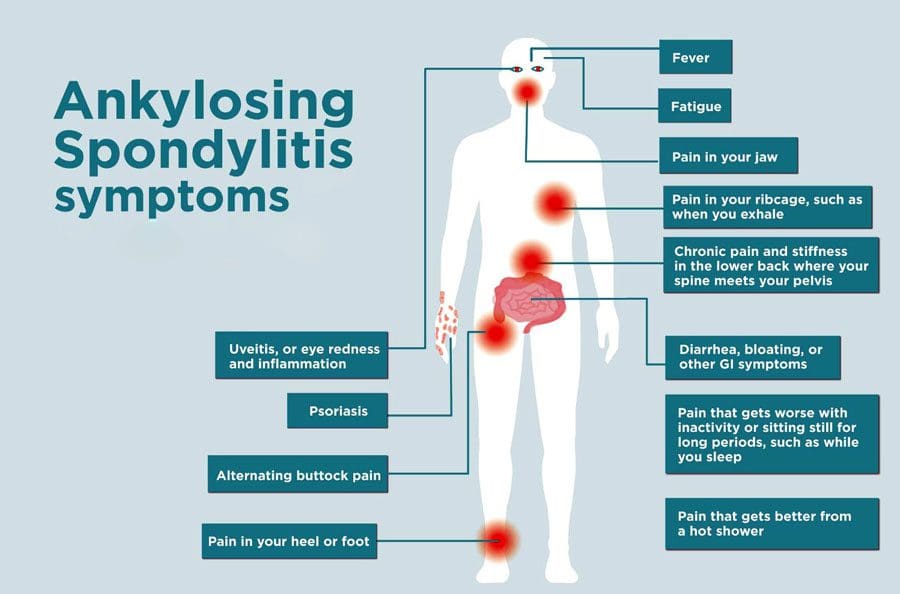
Ankylosing spondylitis/AS is a common type of arthritis that can cause damage to spinal structures, body parts, and organs. Ankylosing spondylitis causes inflammation in the spine’s ligaments and joints which can cause affected vertebrae to fuse, but other symptoms/complications are skin disorders. Ankylosing spondylitis flare-ups can present with skin disorders like rashes and the possible development of skin diseases like psoriasis.
Ankylosing Spondylitis
The inflammation causes back stiffness and pain that causes the spine to become inflexible and rigid. The vertebrae can fuse in extreme cases.
It is typically seen in the early adult population as back pain and hip pain.
Symptoms are more common in individuals between 17 and 45.
Men are more likely to be affected than women.
Genetics can play a role in this condition.
Doctors utilize multiple approaches to relieve symptoms and manage the condition through combined exercise, chiropractic, physical therapy, diet, and stress management to help improve quality of life.
Skin Disorders
A flare-up can present as a skin rash but can also affect the skin in other ways that include:
Rashes brought on by medication treatments.
Trouble healing from incisions after surgery.
Psoriasis
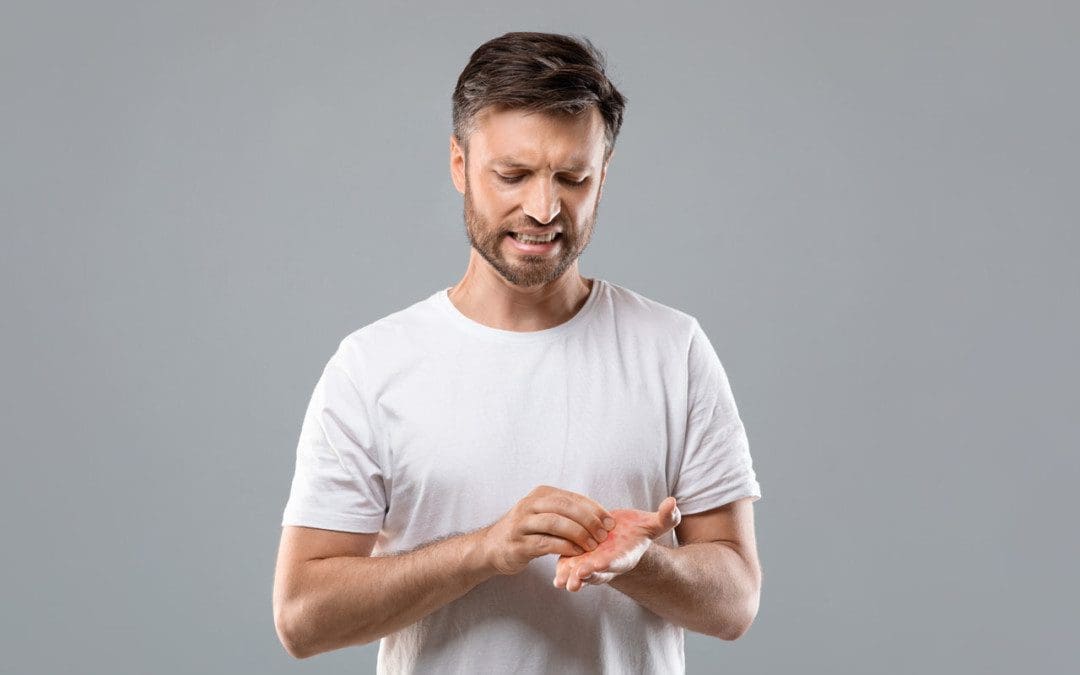
Psoriasis presents as red skin patches appearing anywhere on the body.
The most common areas are the scalp, palms, elbows, and knees.
The affected skin can itch, become tender, and can also sting and burn.
Some psoriasis outbreaks result in lesions or blisters.
Ankylosing Spondylitis vs. Psoriatic Arthritis
Ankylosing spondylitis and psoriatic arthritis are related and come under spondyloarthritis/SpA rheumatic disease.
Ankylosing spondylitis is typically localized to the spine, whereas psoriatic arthritis can affect almost any joint in the body and presents with tendinopathy.
Some individuals with AS can begin to develop psoriasis.
Medications can also help but can produce side effects.
Ankylosing spondylitis skin disorders present ongoing challenges. However, increasing treatment options are helping to minimize the condition’s impact on a better quality of life.
AS Causes, Symptoms, Diagnosis, Treatment
References
Meier, Katharina, et al. “Skin manifestations in spondyloarthritis.” Therapeutic advances in musculoskeletal disease vol. 12 1759720X20975915. 8 Dec. 2020, doi:10.1177/1759720X20975915
Myers, Elisha et al. “An Update on Narrowband Ultraviolet B Therapy for the Treatment of Skin Diseases.” Cureus vol. 13,11 e19182. 1 Nov. 2021, doi:10.7759/cureus.19182
National Institutes of Health. (n.d.) “Ankylosing spondylitis.” https://www.niams.nih.gov/health-topics/ankylosing-spondylitis
Ye, Chao, and Wenyuan Li. “Cutaneous vasculitis in a patient with ankylosing spondylitis: A case report.” Medicine vol. 98,3 (2019): e14121. doi:10.1097/MD.0000000000014121
A viscerosomatic response or VSR is when the internal organs are going through some distress, illness, or injury, causing pain symptoms. An example is the right shoulder presenting with pain when the gall bladder is inflamed. The pain signals are transmitted through the spinal cord, and the muscles in the area could spasm, creating sensitivity or pain when touched. However, viscerosomatic pain is often not worsened or changed by bending, reaching, or twisting in different directions causing musculoskeletal/MSK pain. Without a thorough exam, it’s easy to confuse a VSR with an MSK or basic back ache. Individuals may sometimes feel visceral pain more through emotional symptoms like anger, anguish, or sadness than physical discomfort. Causation varies for everybody and can overlap with underlying conditions.
Causation
The visceral organs’ pain receptors are not as tightly packed or evenly spread out, which makes finding the pain’s source challenging to pinpoint. The most common causes include:
Inflammation
A process of the body’s white blood cells protecting the body from infections, bacteria, and viruses. In autoimmune diseases, the immune system reacts as if normal tissues are infected or have changed and attacks them causing damage. But in some conditions, like arthritis, the body’s immune system triggers inflammation despite no infections, bacteria, or viruses. When inflammation activates, chemicals from the body’s white blood cells enter the blood or tissues to protect the body raising the blood flow to the injured or infected area. Symptoms include:
Redness
Heat
Irritation
Chemicals can cause fluid to leak into the tissues.
Swelling
Pain
The symptoms depend on which organs are affected. Examples include:
Inflammation of the heart/myocarditis can cause shortness of breath and/or fluid buildup.
Inflammation of the tiny tubes in the respiratory system can cause shortness of breath.
Inflammation of the kidneys/nephritis can cause high blood pressure and/or kidney failure.
Circulatory Issues
Decreased blood circulation can strain areas of the body. The body pulls oxygen into the lungs that enter the blood. It travels throughout the body through blood vessels, veins, and arteries. If circulation becomes obstructed or gets stopped, a severe problem called ischemia can develop. This means areas of the body are not getting enough blood and enough oxygen. Ischemia usually originates from a buildup, blockage in the arteries, or a blood clot. Atherosclerosisis plaque, a hard, sticky substance made mostly of fat that collects in the arteries. It builds up slowly over time and can harden and narrow the arteries slowing down blood flow because the blood has less space to circulate.
Swelling/Stretching Organs
Swelling occurs when excess fluids are trapped in the body’s tissues, which can cause the affected organs to enlarge and stretch. Swelling can be internal or external. Internal swelling is usually caused by:
Menstrual cramps are throbbing, aching cramps experienced in the lower stomach just before and during a woman’s monthly period. They can range from mild to severe but are common and can strike right before and/or during the menstrual cycle. Some women can experience dysmenorrhea. Symptoms include:
Aching in the stomach
Pressure in the stomach
Constipation
Pain in the hips, low back, and inner thighs.
Severe cramp symptoms can include:
Upset stomach
Loose stools
Vomiting
Cysts and Tumors
Cysts and/or tumors in the pelvic or abdomen region can cause distress, irritation, inflammation, swelling, and pain viscerosomatic and musculoskeletal.
Chiropractic Causation Diagnosis
There is a connection between the spinal nerves and internal organ function. Internal organs connect to the brain through the spinal cord and nerve ganglia plexuses. The organs cannot function properly if the transmitted signals are interrupted or blocked. A chiropractor uses manual and mechanized manipulation to realign the spine. Chiropractic treatment diagnoses causation, restores joint function, eliminates pain, and prevents further injury, preventing degeneration and slowing disease processes in bone, muscle, and organs.
Spinal Decompression
References
Bath M, Owens J. Physiology, Viscerosomatic Reflexes. [Updated 2022 May 8]. In: StatPearls [Internet]. Treasure Island (FL): StatPearls Publishing; 2022 Jan-. Available from: https://www.ncbi.nlm.nih.gov/books/NBK559218/
Berrueta, Lisbeth, et al. “Stretching Impacts Inflammation Resolution in Connective Tissue.” Journal of cellular physiology vol. 231,7 (2016): 1621-7. doi:10.1002/jcp.25263
Carver AC, Foley KM. Types of Pain. In: Kufe DW, Pollock RE, Weichselbaum RR, et al., editors. Holland-Frei Cancer Medicine. 6th edition. Hamilton (ON): BC Decker; 2003. Available from: https://www.ncbi.nlm.nih.gov/books/NBK12991/
Sikandar, Shafaq, and Anthony H Dickenson. “Visceral pain: the ins and outs, the ups and downs.” Current opinion in supportive and palliative care vol. 6,1 (2012): 17-26. doi:10.1097/SPC.0b013e32834f6ec9
Many complex spinal surgeries take place in a hospital environment. The individual spends a night or two in the hospital, so medical staff can monitor them if any complications arise. However, outpatient surgeries have increased with new developments in minimally invasive procedures, pain management, and home rehabilitation. The improvements compared to traditional spinal surgical procedures are significant. These advancements have made it possible to perform more complex surgeries outside of a hospital. Outpatient surgeries have:
Accelerated recovery times
Decreased complications
Decreased infections
Healthier overall outcomes
Outpatient Surgery Candidates
Determining if outpatient surgery can be performed effectively depends on the injury/s and/or conditions that the individual is going through. An individual who is debilitated or has underlying medical conditions that increase their risk for complications or do not have support at home to assist with recovery and rehabilitation is recommended to have the surgery done in a hospital. To be considered for outpatient spine surgery, a surgeon looks at:
Standalone ambulatory surgery centers offer same-day surgical procedures for individuals that meet specific criteria. Medical staff assess the patient’s condition and determine recovery at home. If issues arise, the individual can be transferred to a hospital. Some facilities are single-specialty facilities, focusing on one medical specialty, and others are multi-specialty, meaning they offer a range of medical services from:
Orthopedic
Podiatry
Pain management services
Procedures
Anterior Cervical Discectomy and Fusion – ACDF
ACDF is a two-part surgery. First, the surgeon removes part of an intervertebral disc with bulged and compressed nerves from the spinal cord. Because there is less cushion, the vertebrae above and below are fused to prevent and eliminate painful movement. The discectomy:
Provides more accessible access to the vertebrae
Reduces healing time
Causes less pain
ACDF outpatient procedure treats several neck conditions that include:
Cervical spinal stenosis
Cervical radiculopathy
Neck-related degenerative disc disease
Herniated disc
Cervical spinal fracture
Individuals recover in the surgical center for one to several hours following the surgery before returning home. Traditional ACDF procedure takes three weeks to three months to recover.
Lumbar Discectomy
A lumbar discectomy is a minimally invasiveprocedure that repairs a lower back herniated disc compressing the surrounding nerves. This procedure provides compression relief and allows the nerve to heal. A traditional lumbar discectomy takes four to six weeks to recover.
Lumbar Laminectomy
This minimally invasive procedure removes thickened ligaments and lamina from the lower back. This opens the spinal canal space, relieving pressure and bringing pain relief. The surgery commonly treats lower-back spinal stenosis. A traditional laminectomy takes four to six weeks to recover.
Lumbar Spinal Fusion
Outpatient lumbar spinal fusion permanently connects two or more vertebrae in the lower back. The surgery helps stabilize the spine from severe arthritis or herniated disc removal. Spinal fusion has been found to be effective for correcting certain spinal deformities. The surgery involves a short recovery time at the outpatient center, after which the individual can return home the same day. A traditional or open spinal fusion requires a two-to-three-day hospital stay. After four to six weeks and with a doctor’s clearance, individuals can return to light activities, with full recovery requiring six months.
Chiropractic Spinal Decompression
References
International Journal of Spine Surgery. (April 16, 2021) “The expanding frontier of outpatient spine surgery.” https://pubmed.ncbi.nlm.nih.gov/33900984/
Mayo Clinic. (n.d.) “Spinal fusion.” https://www.mayoclinic.org/tests-procedures/spinal-fusion/about/pac-20384523
Neurosurgeons of New Jersey. (July 21, 2019) “Lumbar discectomy recovery timeline: Your guide to recovery.” https://www.neurosurgeonsofnewjersey.com/blog/lumbar-discectomy-recovery-time/#:~:text=The%20overall%20lumbar%20discectomy%20recovery,discectomy%20recovery%20time%20should%20progress
Rothman Orthopaedics. (March 2, 2017) “Outpatient spine surgery: A new way to look at surgery.” https://rothmanortho.com/stories/blog/outpatient-spine-surgery
IFM's Find A Practitioner tool is the largest referral network in Functional Medicine, created to help patients locate Functional Medicine practitioners anywhere in the world. IFM Certified Practitioners are listed first in the search results, given their extensive education in Functional Medicine