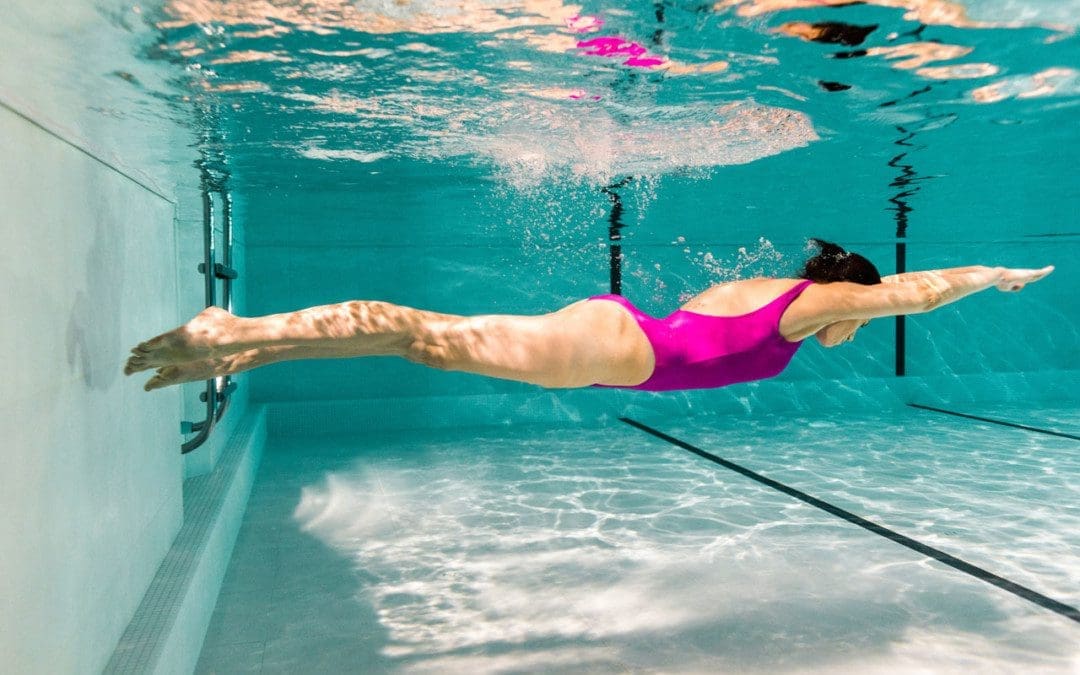
Individuals dealing with or managing chronic back pain should incorporate swimming exercises. Swimming is a low-impact aerobic conditioning exercise that’s easy on the back and healthy for the spine. When an individual struggles with back problems, they may be tempted to rest and avoid physical activity/exercise. Total rest is not recommended as it can cause the muscles that support the back to weaken or atrophy. When the muscles weaken, they cannot stabilize the spine or body correctly, which causes conditions to worsen or contribute to new injuries. Starting swimming exercises can expand the spine, relieve painful pressure or strain on the back and strengthen the muscles for spinal health.
Starting Swimming Exercises
Swimming does not impact the spine and other musculoskeletal structures because the water suspends the body.
Swimming is a full-body, low-impact exercise which is excellent for individuals of all ages and all body shapes and sizes.
Talk to a healthcare professional about any questions or concerns about how swimming may impact your body.
Swimming benefits include stress relief, a strengthened musculoskeletal system, and support in heart health.
Swimming for Back Problems
Relaxes The Nervous System
Tense muscles can cause or contribute to back problems and pain symptoms and aggravate spinal conditions.
Swimming exercises release endorphins to relax the nervous system and tense muscles.
Relieves Pressure on Joints
The water lightens the body relieving pressure on the joints and muscles.
Builds Muscle to Support the Spine
The resistance and movement strengthen the whole body with the joints and spine supported.
Swimming engages muscles not always used, specifically those needed to improve spinal stability.
Exercises for Back Relief
Checking with a physician before exercising is recommended, especially if starting a new exercise routine. When you meet with the Injury Medical Chiropractic and Functional Medicine Cline team, we can determine if starting swimming exercises would benefit you. Once cleared, here are some swimming exercises that could help bring relief:
Walking
Walking around the pool means movement that the body needs to heal and build muscle without aggravating symptoms.
Aerobics
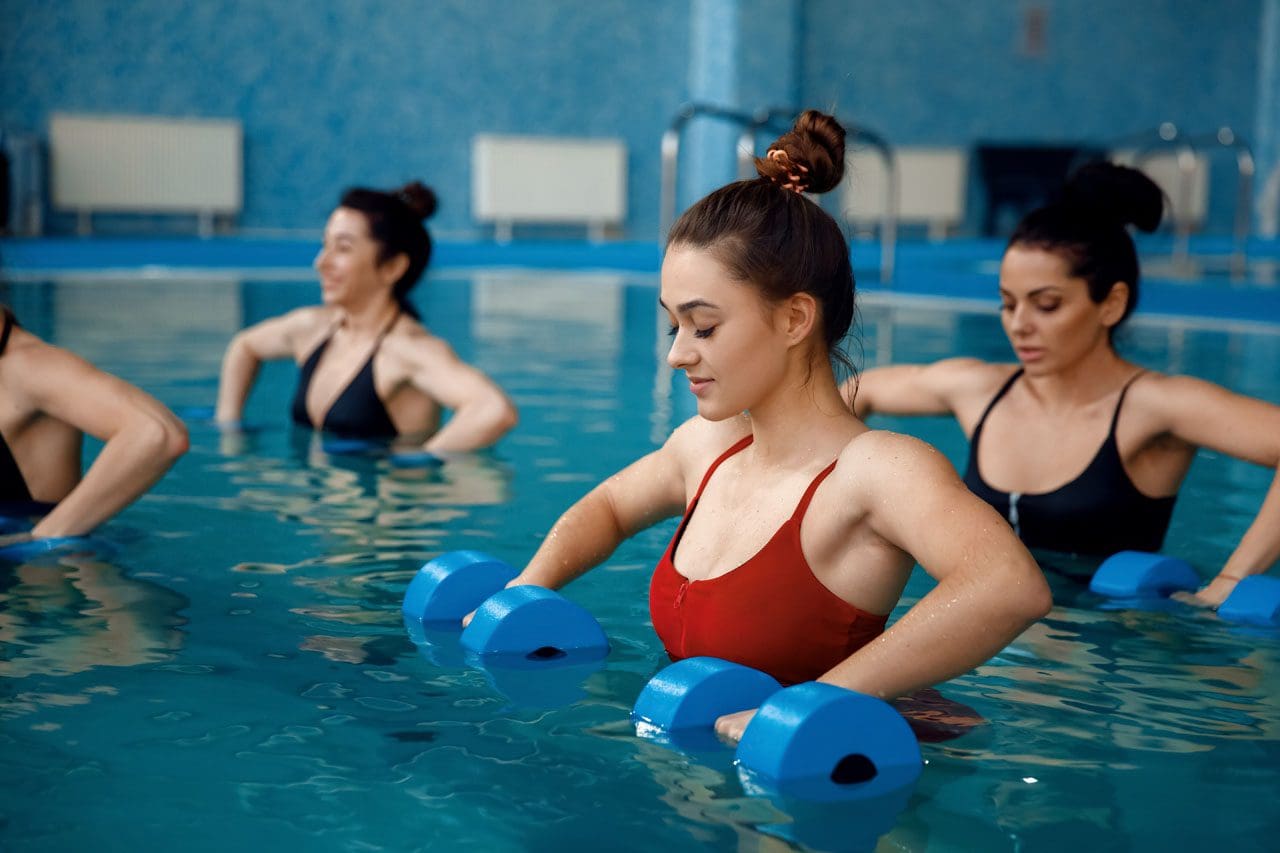
Water aerobics is perfect for working on cardiovascular health needed to build strength.
Increase mobility and flexibility.
Swimming Laps
Start slow when swimming laps, maybe only twice a week at first.
The different types of strokes work various muscles in the hips, chest, and back.
Treading water is a great way to get the body used to the movements.
A swim coach can provide tips on the proper technique and form.
Swim Exercise Tools and Accessories
Proper swimming equipment can make the exercise sessions much more enjoyable.
Swim Cap
Swim caps protect the hair from the water’s elements and keep hair from blocking the view.
Goggles
Goggles protect the eyes and help to see better underwater.
Look for a comfortable pair that doesn’t leak.
Sun protection and clothing
A day in the sun and water increases the risk of exposure to UV rays.
Waterproof Headphones
For listening to music or podcasts while swimming.
Kickboard
Many pools can provide kickboards that swimmers can borrow during their time there.
Lean the upper body on the board and kick, focusing on lower body movements.
Pull Buoy
Pull buoys help focus on the upper body and arm work.
It is placed between the upper thighs to help the legs float as the individual pulls with their arms.
It is recommended to take some lessons to learn how the body moves through the water. Once a basic understanding of balance and buoyancy is met, individuals can propel through the water more efficiently.
Sciatica Secrets Revealed
References
Bartels, Else Marie, et al. “Aquatic exercise for the treatment of knee and hip osteoarthritis.” The Cochrane Database of systematic reviews vol. 3,3 CD005523. 23 Mar. 2016, doi:10.1002/14651858.CD005523.pub3
Cole, A J et al. “Spine pain: aquatic rehabilitation strategies.” Journal of Back and musculoskeletal rehabilitation vol. 4,4 (1994): 273-86. doi:10.3233/BMR-1994-4407
Ferrell, M C. “The spine in swimming.” Clinics in sports medicine vol. 18,2 (1999): 389-93, viii. doi:10.1016/s0278-5919(05)70153-8
Su, Yanlin, et al. “Swimming as Treatment for Osteoporosis: A Systematic Review and Meta-analysis.” BioMed research international vol. 2020 6210201. 15 May. 2020, doi:10.1155/2020/6210201
Wirth, Klaus, et al. “Strength Training in Swimming.” International Journal of environmental research and public health vol. 19,9 5369. 28 Apr. 2022, doi:10.3390/ijerph19095369
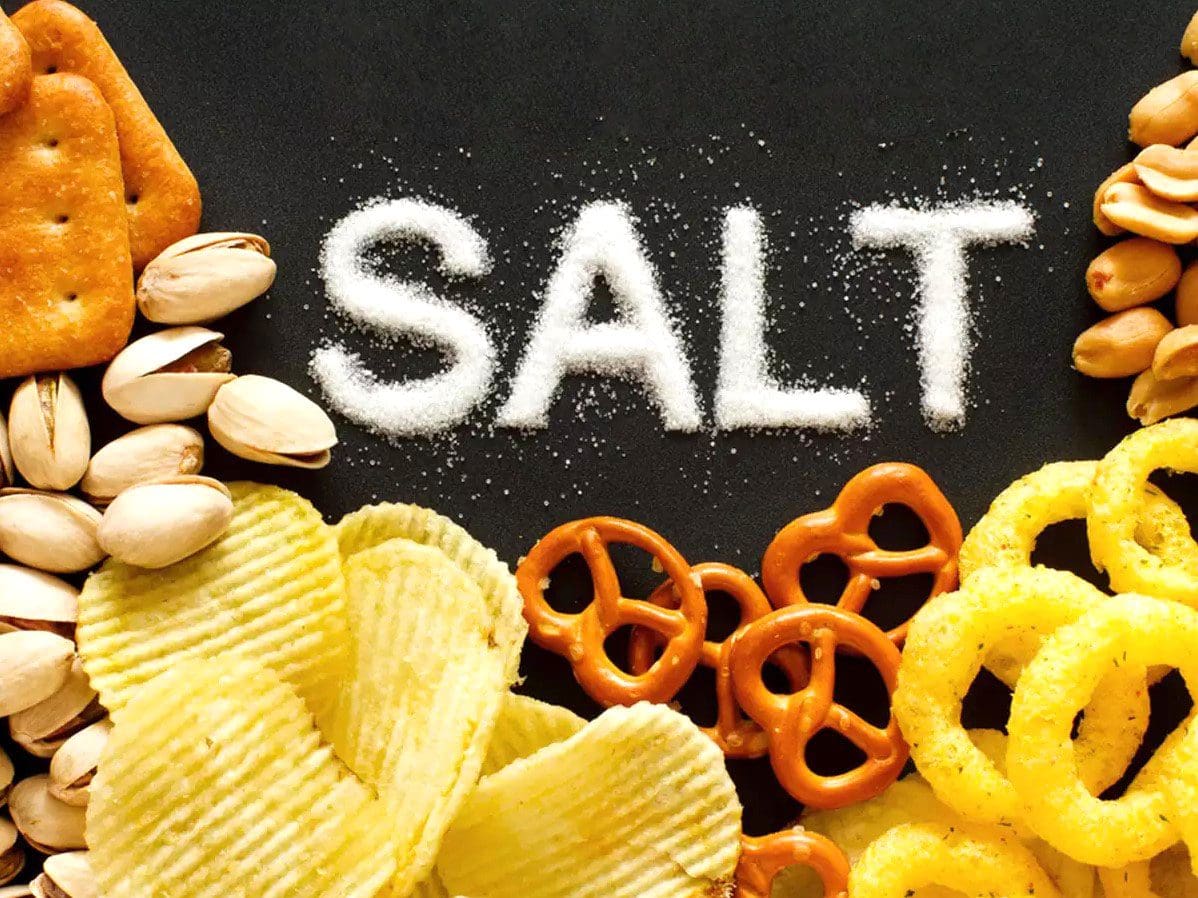
Although salt is satisfying to the palate and necessary for survival, when the body craves salt, it can be a symptom of a health condition/s. The body needs sodium, but many foods contain more than the body needs. Most individuals’ sodium intake comes from packaged foods, pizza, burgers, and soups. The body craves salty foods for various reasons, often related to a sodium imbalance. To help curb cravings and limit consumption, incorporate seasoning blends, spices, and vegetables into a nutritional plan. Injury Medical Chiropractic and Functional Medicine Clinic can provide expert diet recommendations and health coaching to develop a personalized nutrition plan.
The body needs 500 milligrams (mg) of sodium daily for optimal functioning.
That’s less than one-fourth of a teaspoon (tsp).
But because most individuals take in around 3,400 mg every day, the American Heart Association recommends that adults reduce consumption to 1,500-2,300 mg of salt daily.
Individuals who crave salt often shouldn’t ignore this as cravings could signal a health condition.
It is recommended to seek a healthcare provider’s advice to evaluate nutrition and lifestyle.
Causes
Dehydration
Craving salt could mean the body needs hydration. A sodium deficiency triggers systems that generate cravings for sodium, and the body feels rewarded after consuming salty foods. Individuals that find themselves dehydrated often should consider following these tips to maintain healthy body hydration:
Carry a water bottle throughout the day, take frequent sips, and try to refill two or more times.
Add fruit or fresh herbs to the water for flavor.
Freeze water bottles to have ice-cold water readily available.
Ask for water alongside other beverages when dining out.
Electrolyte Imbalance
When electrolytes are out of balance, the body can crave salty foods.
Electrolytes are minerals in the body with an electric charge.
Electrolytes are in the blood, urine, and tissues, and levels can spike or plummet.
This occurs when the amount of water taken does not equal the amount lost because of excessive sweating, sickness, and/or frequent urination.
Electrolytes are important because:
They help balance the body’s water equilibrium and pH levels
Move nutrients and waste into and out of the cells
Ensure the nerves, muscles, and brain are at optimal function.
Stress
Eating behavior can quickly be disrupted when experiencing stressful situations.
A stressed body can feel better after eating the foods it is used to, especially for individuals that consume a lot of salty foods when things are normal, and there is no stress.
Boredom
Eating because of boredom is an emotional eating behavior similar to stress eating.
This response to negative emotions can happen to anyone.
Individuals are recommended to work through their negative thoughts with stress reduction strategies that include:
Mindful eating.
Exercise.
Meditation.
Spending time in green spaces like a garden, park, etc.
Individuals can make a no-salt seasoning mix using cumin, garlic powder, onion powder, paprika, and cayenne pepper.
Garlic
Instead of one teaspoon of iodized salt, one teaspoon of fresh garlic can eliminate up to 2,360 mg of sodium and offers an intense flavor.
Reduce Salt Consumption
The U.S. Food and Drug Administration says that reducing the amount of sodium can gradually lower cravings. Taking these steps can help:
Limit consumption of packaged foods, especially those with the word instant in the name. These often contain a significant amount of sodium.
If possible, prepare lunch to take to work or school.
Read nutrition labels to ensure the products contain at least less than 2,300 milligrams of sodium.
Stick to fresh, frozen vegetables with no seasoning added or no-salt canned vegetables.
Split meals when eating out or cut the meal in half and take the rest home to avoid the high amounts of sodium in restaurant food.
Use none or low-sodium salad dressings or place them on the side.
Learning About Food Substitutions
References
Bell, Victoria, et al. “One Health, Fermented Foods, and Gut Microbiota.” Foods (Basel, Switzerland) vol. 7,12 195. 3 Dec. 2018, doi:10.3390/foods7120195
Husebye, Eystein S et al. “Adrenal insufficiency.” Lancet (London, England) vol. 397,10274 (2021): 613-629. doi:10.1016/S0140-6736(21)00136-7
Morris, Michael J et al. “Salt craving: the psychobiology of pathogenic sodium intake.” Physiology & behavior vol. 94,5 (2008): 709-21. doi:10.1016/j.physbeh.2008.04.008
Orloff, Natalia C, and Julia M Hormes. “Pickles and ice cream! Food cravings in pregnancy: hypotheses, preliminary evidence, and directions for future research.” Frontiers in psychology vol. 5 1076. 23 Sep. 2014, doi:10.3389/fpsyg.2014.01076
Souza, Luciana Bronzi de et al. “Do Food Intake and Food Cravings Change during the Menstrual Cycle of Young Women?.” “A ingestão de alimentos e os desejos por comida mudam durante o ciclo menstrual das mulheres jovens?.” Revista brasileira de ginecologia e obstetricia : revista da Federacao Brasileira das Sociedades de Ginecologia e Obstetricia vol. 40,11 (2018): 686-692. doi:10.1055/s-0038-1675831
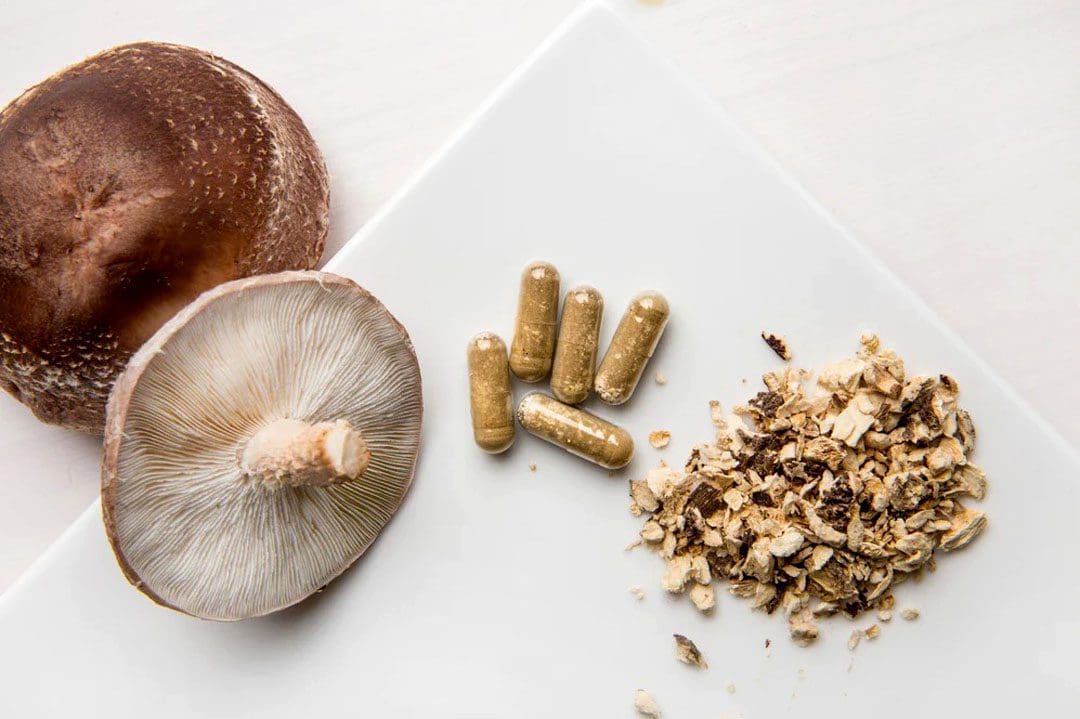
Nutrition is integral to optimal health and can help treat and manage diseases that threaten the body. Mushrooms come in various shapes, sizes, and colors and have been used for their unique ability to add flavor and taste without sodium or fat. They are also healthy and tasty and contain various vitamins and minerals. Different mushrooms can provide distinct health benefits that can be increased brain function, help with hormonal balance, and as an antioxidant.
Mushroom
Research continues to uncover how mushrooms can improve everyday health and help mitigate the risk of developing health conditions like Alzheimer’s, heart disease, cancer, and diabetes. Mushrooms are recommended because they are:
Fat-free
Low in sodium
Low-calorie
Cholesterol-free
Packed with fiber
Nutritional benefits vary depending on the type of mushroom.
B vitamins
Mushrooms are rich in B vitamins: riboflavin, niacin, and pantothenic acid, which help maintain heart health. Riboflavin supports red blood cells. Niacin assists the digestive system and helps keep healthy skin. Pantothenic acid supports nervous system function and helps the body make necessary hormones.
Minerals
They are a great source of minerals – Selenium, Copper, Thiamin, Magnesium, and Phosphorus. Copper helps the body create red blood cells to deliver oxygen and maintain healthy bones and nerves. Potassium supports heart, muscle, and nerve function.
Antioxidants
Antioxidants help protect the body from damaging free radicals that can cause heart disease and cancer. They also protect against damage from aging and increase immune system function.
Beta-glucan
Beta-glucan is a soluble dietary fiber linked to improved cholesterol levels and supports heart health. It helps the body regulate blood sugar, which helps reduce the risk of type 2 diabetes.
Cordyceps
Cordyceps increases energy levels by utilizing oxygen more efficiently and enhancing circulation. This can be especially helpful for athletes or individuals who regularly work out and has been shown to improve exercise and athletic performance and speed up muscle recovery.
Shiitake
This mushroom has benefits that are particularly good for the heart, as they contain phytonutrients, which aid in:
Preventing plaque buildup
Maintaining blood pressure
Maintaining circulation
Lowering cholesterol
Chaga
Chaga mushrooms are full of antioxidants, making them excellent for fighting free radicals and inflammation. This mushroom combats oxidative stress, inflammation, and aging. And it can help prevent or slow cancer growth and has been found to help lower low-density lipoprotein – LDL cholesterol.
Mushroom Preparation
Mushrooms are almost always available in the produce section of any grocery or health food store. Make sure to wash them thoroughly first. Example: Cremini mushrooms can be:
Eaten raw or cooked, sliced or unsliced.
Simmered in water for 5 minutes until soft
Sauteed – cook the mushrooms in a pan with olive oil on medium heat for eight minutes, frequently stirring until they brown at the edges.
Sprinkled raw over meals to add more texture and flavor.
Ways to add mushrooms to a nutrition plan:
With eggs in the morning.
Mix into cooked beef, chicken, or turkey.
Cook mushrooms with garlic and butter for a side dish.
Add to a stir-fry with other vegetables.
Add to homemade pizza.
As an ingredient in pasta sauce.
Add to salads.
Make cream of mushroom soup.
Always talk to a doctor, nutritionist, or dietician before to confirm whether adding mushrooms is safe, especially if pregnant or using medications, as certain mushrooms can cause side effects like an upset stomach or allergies.
Food as Medicine
References
Fukushima, M et al. “Cholesterol-lowering effects of maitake (Grifola frondosa) fiber, shiitake (Lentinus edodes) fiber, and enokitake (Flammulina velutipes) fiber in rats.” Experimental biology and medicine (Maywood, N.J.) vol. 226,8 (2001): 758-65. doi:10.1177/153537020222600808
Kabir, Y et al. “Effect of shiitake (Lentinus edodes) and maitake (Grifola frondosa) mushrooms on blood pressure and plasma lipids of spontaneously hypertensive rats.” Journal of nutritional science and vitaminology vol. 33,5 (1987): 341-6. doi:10.3177/jnsv.33.341
Kolotushkina, E V et al. “The influence of Hericium erinaceus extract on myelination process in vitro.” Fiziolohichnyi zhurnal (Kiev, Ukraine : 1994) vol. 49,1 (2003): 38-45.
Ma, Gaoxing, et al. “Health benefits of edible mushroom polysaccharides and associated gut microbiota regulation.” Critical reviews in food science and nutrition vol. 62,24 (2022): 6646-6663. doi:10.1080/10408398.2021.1903385
Rop, Otakar, et al. “Beta-glucans in higher fungi and their health effects.” Nutrition reviews vol. 67,11 (2009): 624-31. doi:10.1111/j.1753-4887.2009.00230.x
Tuli, Hardeep S et al. “Pharmacological and therapeutic potential of Cordyceps with special reference to Cordycepin.” 3 Biotech vol. 4,1 (2014): 1-12. doi:10.1007/s13205-013-0121-9
Venturella, Giuseppe, et al. “Medicinal Mushrooms: Bioactive Compounds, Use, and Clinical Trials.” International journal of molecular sciences vol. 22,2 634. 10 Jan. 2021, doi:10.3390/ijms22020634
In cold weather, it’s normal to experience cold hands and fingers. But if there is a coldness in only one finger while the rest of the hand is normal, changes to skin color, numbness, tingling, or pain symptoms could be a sign of poor circulation or an underlying medical condition. Cold fingers could indicate various problems, including overuse injuries, vitamin deficiencies, Raynaud’s syndrome, hypothyroidism, anemia, arterial disease, or an autoimmune condition. Chiropractic care and massage therapy can increase circulation, release compressed nerves, relax the muscles, and restore mobility and function.
Cold Fingers
Blood circulates throughout, nourishing and maintaining body warmth. When compression, obstructions, or narrowing paths inhibit blood flow, the body cannot achieve proper circulation. Unhealthy circulation can cause several symptoms, including:
Pins and needles sensations along the shoulder, arm, hand, and fingers.
Weakened arm and hand muscles.
Numbness.
Cold finger/s.
Muscles aches, soreness, and tightness.
Swelling.
Pale or bluish skin color.
Overuse Injury
Repeating one movement or motion constantly over time can lead to overuse syndrome/repetitive motion disorder in the hands and arms. Certain jobs and activities can cause overuse syndrome, including:
Cashiers.
Food service work.
Graphic sign work.
Computer work.
Sewing work.
Landscaping.
All of these jobs and activities can put a lot of repeated stress on the hands and arms.
Vitamin B-12 Deficiency
Vitamin B-12 is required for proper red blood cell formation and neurological function. It is found in many foods, including eggs, fish, meat, poultry, and dairy products. A vitamin B-12 deficiency can cause neurological symptoms like numbness, tingling, and coldness in the hands and feet. Other symptoms include:
Anemia
Fatigue
Weakness
Difficulty maintaining balance
Depression
Soreness of the mouth
A doctor requires a blood sample to test for the deficiency. A common treatment is a high dose of an oral supplement or injections for individuals that have difficulties absorbing B-12 through the digestive tract.
Raynaud’s Syndrome
Raynaud’s syndrome is a condition that causes some areas of the body, usually the fingers, to feel cold and numb when exposed to cold temperatures or high-stress levels. This happens because the small arteries that supply blood to the skin are experiencing spasms. During an episode, the arteries narrow, which prevents blood from circulating correctly. The fingers can change color, going from white to blue to red. When the flare-up ends, and the blood flow returns to normal, there may be tingling, throbbing, or swelling. The condition isn’t usually debilitating, and treatment options often include medications that expand the blood vessels to improve circulation. These include calcium channel blockers,alpha-blockers, and vasodilators.
Hypothyroidism
Hypothyroidism is when the thyroid doesn’t produce enough hormones. Hypothyroidism comes on gradually and rarely generates symptoms in the early stages. Hypothyroidism doesn’t cause cold fingers but increases the body’s sensitivity to cold. Other symptoms include:
Fatigue
Muscle weakness, tenderness, and achiness.
Joint swelling, stiffness, and pain.
Puffiness.
Dry skin.
Hoarseness.
Weight gain.
High or elevated cholesterol levels.
Thinning hair and hair loss.
Depression.
Over time, the condition can cause complications such as obesity, joint pain, heart disease, and infertility. A doctor can detect hypothyroidism with a simple blood test. Treatment involves taking a daily dose of synthetic thyroid hormone.
Anemia
Anemia is when the blood has a lower-than-normal amount of red blood cells. It also occurs when the red blood cells lack a crucial iron-rich protein called hemoglobin. Hemoglobin assists red blood cells in delivering oxygen from the lungs to the rest of the body. A low supply of hemoglobin to carry oxygen to the hands can result in cold fingers. There may also be fatigue and weakness. Iron deficiency is what typically causes most cases. A doctor may suggest nutritional adjustments if blood work indicates low iron levels. An iron-rich nutritional plan and taking iron supplements can help relieve symptoms.
Arterial Diseases
Diseases that affect the arteries can reduce blood flow to the hands, causing cold fingers. This can be from plaque buildup or inflammation in the blood vessels. Any blockage in the blood vessels can prevent blood from circulating normally. Another arterial problem is primary pulmonary hypertension, which affects the lungs’ arteries and can lead to Raynaud’s syndrome.
Chiropractic Care
Chiropractic adjustments can remove misalignments, restore proper nerve communication, increase blood flow, and correct an overactive sympathetic nervous system. Massaging the shoulders, arms, and hands relaxes the nerves, and muscles, breaks up compressed tissues, and increase blood flow. The circulation of lymphatic fluid around the body is also promoted, which carries toxins away from the muscles and tissues. To improve circulation, the following may be utilized:
Deep tissue pressure is effective at relieving congestion and tension.
Percussive massage to break up scar tissue.
Non-surgical Decompression to stretch the spine and body out.
Lymphatic drainage is designed to improve the circulation of the fluid.
Bilić, R et al. “Sindromi prenaprezanja u saci, podlaktici i laktu” [Overuse injury syndromes of the hand, forearm and elbow]. Arhiv za higijenu rada i toksikologiju vol. 52,4 (2001): 403-14.
Ernst, E. “Manual therapies for pain control: chiropractic and massage.” The Clinical journal of pain vol. 20,1 (2004): 8-12. doi:10.1097/00002508-200401000-00003
InformedHealth.org [Internet]. Cologne, Germany: Institute for Quality and Efficiency in Health Care (IQWiG); 2006-. How does the blood circulatory system work? 2010 Mar 12 [Updated 2019 Jan 31]. Available from: https://www.ncbi.nlm.nih.gov/books/NBK279250/
Pal, B et al. “Raynaud’s phenomenon in idiopathic carpal tunnel syndrome.” Scandinavian journal of rheumatology vol. 25,3 (1996): 143-5. doi:10.3109/03009749609080004
Waller, D G, and J R Dathan. “Raynaud’s syndrome and carpal tunnel syndrome.” Postgraduate medical journal vol. 61,712 (1985): 161-2. doi:10.1136/pgmj.61.712.161
Unhealthy posture and slouching incorrectly position the body unnaturally, adding chronic strain on the muscles and ligaments. For example, when sitting or standing at a workstation, individuals start to relax by slumping forward because it feels comfortable; however, they don’t realize that their shoulders are hunching over, and their neck is in an awkward forward position. For every inch the head moves forward, its weight on the neck and upper back muscles increases by 10 pounds. Individuals that stay in this position for a long time often experience neck soreness, tension in the shoulder muscles, and low back discomfort. Chiropractic care, massage, and decompression therapy can realign the spine to its natural position and train individuals to maintain a healthy posture.
Slouching
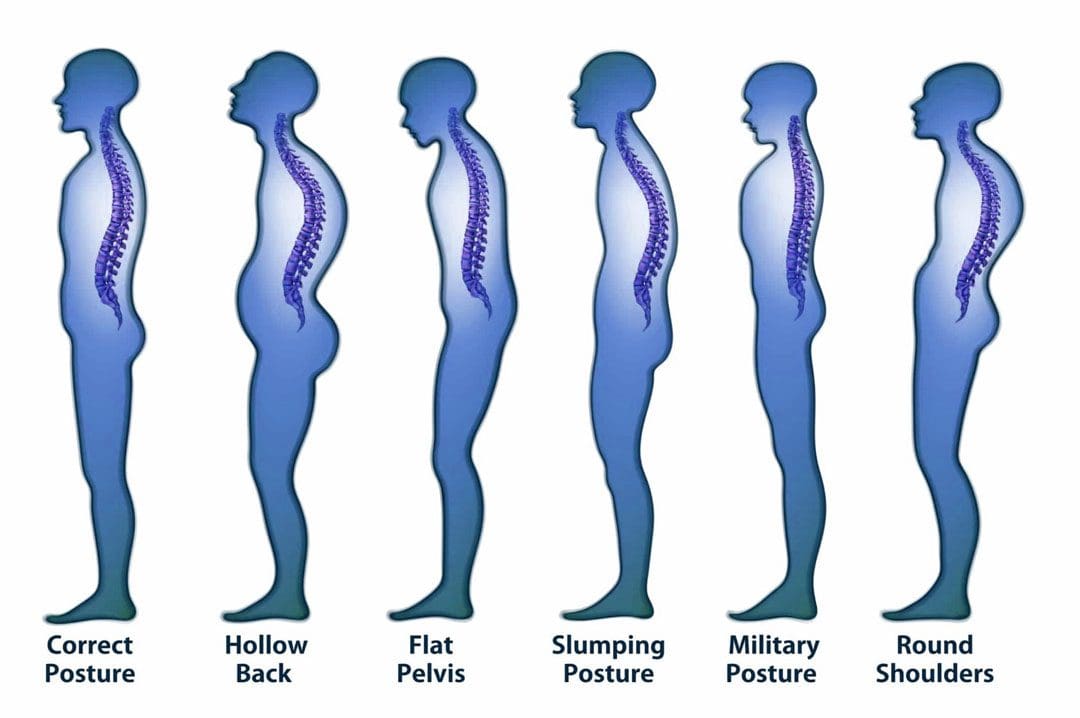
Posture is the body’s position in space, the relationship of the body’s parts, head, torso, and limbs to each other. Maintaining the natural lumbar curve in the low back is essential to preventing posture-related discomfort symptoms. This natural curve works as a shock absorber, helping to distribute weight along the length of the spine. The most common causes for slouching posture are:
Repetitive motions or tasks can cause physical and mental fatigue, causing individuals to relax their core muscles.
Combined with the repetitiveness, individuals also begin implementing unhealthy movements because it makes the job easier.
Often individuals want to finish their work tasks, and even though they can feel their muscles and body stiffening and tightening up, they continue to work through the discomfort and don’t take a quick break to move around and stretch.
Stressful situations can cause muscle tension.
Carrying heavy bags, purses, backpacks, etc.
Weight fluctuation.
Pregnancy.
Spine
Muscles move the skeletal system and provide resistance against movement.
The musculoskeletal system comprises soft tissue structures that provide active and passive spinal stabilization.
The spine has natural curves to distribute weight/loads evenly.
The cervical and lumbar spine have a lordosis or forward curve.
The thoracic spine and sacrum have a kyphosis or backward curve.
They help to mitigate the forces exerted on passive stabilizing structures like the ligaments, joint capsules, and intervertebral discs.
A prolonged seated or standing position fatigues the muscles that stabilize the spine from the forces of gravity and body weight. When the tired muscles no longer provide stability, the spine must rely on the passive structures of the musculoskeletal system for support. Without the support, the spine gradually loses its natural cervical and lumbar curves and becomes more kyphotic or slouched. Slouching can provide relaxation and relief to the fatigued muscles; however, repetitive or prolonged stress to the passive structures can result in discomfort and injury to those tissues. This is how nerve compression, ligament inflammation, and disc herniations start.
Symptoms of Unhealthy Posture
Head that leans forward or backward.
Headaches.
Jaw pain.
Poor circulation.
Rounded shoulders.
A decline in breathing efficiency.
Muscle fatigue – Certain muscles can change in length, becoming short and tense or long and weak.
The advantages of practicing healthy posture include the following:
Prevents abnormal wear on the joints.
Lessens stress on the ligaments.
Prevents muscle strain and fatigue.
Prevents the spine from becoming misaligned.
Prevents back aches and soreness.
Reduces the risk of chronic diseases or conditions.
Helps maintain fitness and overall health.
Chiropractic Realignment
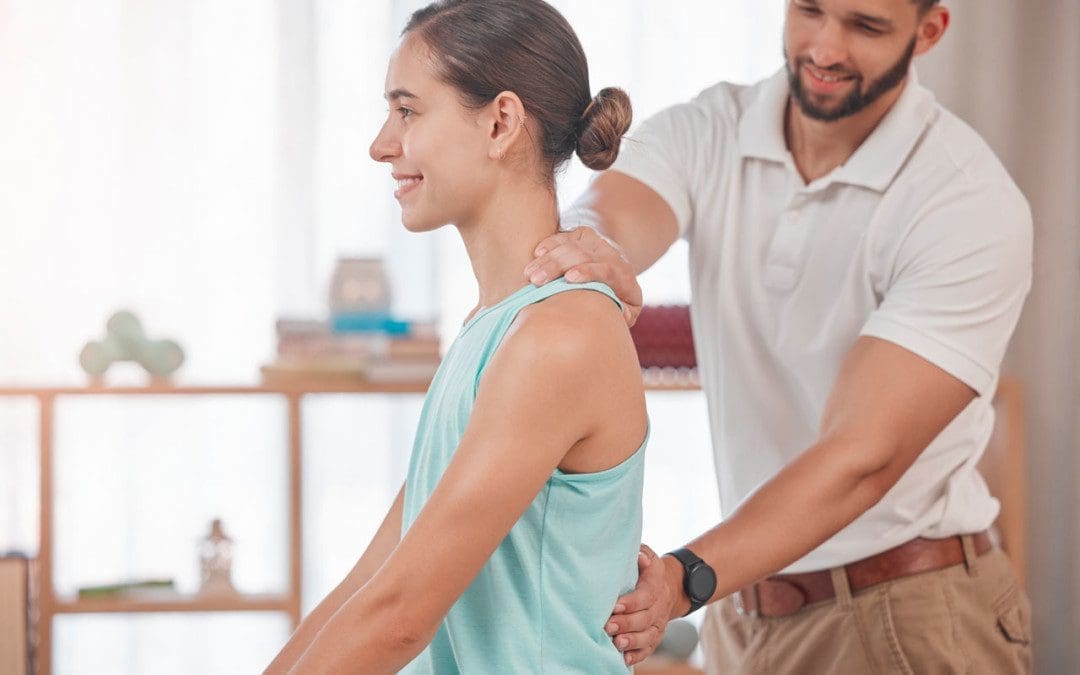
Our approach starts by correcting the physical problems caused by slouching, which involves chiropractic adjustments, therapeutic massage, and non-surgical decompression therapy. The objective is to fix the root cause to ensure that the treatment lasts and maintains neuromusculoskeletal health.
Examination
The initial assessment looks at an individual’s posture and a physical evaluation to identify the root cause.
When muscles become weak, over or underused, or suffer injury, others tighten or tense up.
A chiropractor looks at how an individual stands from behind and from the sides, noting issues like uneven shoulders, arched back, twisted pelvis, or other symmetry issues.
Treatment
Massage will increase circulation and reduce tension.
Muscle release and relaxation for any overactive muscles.
A chiropractor will perform slow joint movements.
Targeted stretches and strength exercises will correct imbalances, maintain flexibility, and strengthen the core muscles.
Postural training will help individuals learn to use proper body mechanics and to listen to their bodies.
Impact of Stress
References
Defloor, T, and M H Grypdonck. “Sitting posture and prevention of pressure ulcers.” Applied nursing research: ANR vol. 12,3 (1999): 136-42. doi:10.1016/s0897-1897(99)80045-7
Fortner, Miles O et al. “Treating ‘slouchy’ (hyperkyphosis) posture with chiropractic biophysics®: a case report utilizing a multimodal mirror image® rehabilitation program.” Journal of physical therapy science vol. 29,8 (2017): 1475-1480. doi:10.1589/jpts.29.1475
Katzman, Wendy B et al. “Age-related hyperkyphosis: its causes, consequences, and management.” The Journal of orthopedic and sports physical therapy vol. 40,6 (2010): 352-60. doi:10.2519/jospt.2010.3099
Korakakis, Vasileios, et al. “Physiotherapist perceptions of optimal sitting and standing posture.” Musculoskeletal science & practice vol. 39 (2019): 24-31. doi:10.1016/j.msksp.2018.11.004
Snijders, Chris J et al. “Effects of slouching and muscle contraction on the strain of the iliolumbar ligament.” Manual therapy vol. 13,4 (2008): 325-33. doi:10.1016/j.math.2007.03.001
Yoong, Nicole Kah Mun et al. “Commercial Postural Devices: A Review.” Sensors (Basel, Switzerland) vol. 19,23 5128. 23 Nov. 2019, doi:10.3390/s19235128
Power walking is a fast-paced walking activity quicker than a typical walking pace. It is an exercise technique emphasizing speed and arm motion to increase health benefits. It’s not as high impact as jogging but significantly increases heart rate. Adding power walking to an overall health regimen can improve cardiovascular, joint, muscle, and overall wellness.
Power Walking
Power walking is considered from 3 mph to 5 mph and focuses on speed and arm motion to increase heart rate.
Because it requires more steps per minute, the heart rate will increase more than from a regular walk.
This makes for a more intense cardiovascular workout that burns more calories.
Benefits
Power walking is a great way to improve fitness, heart and joint health, and mental well-being. It has been shown to decrease diabetes risk and lower high blood pressure and some cancers. Other benefits include:
Improves Life Span
The National Institutes of Health recognize the benefits of walking, including a reduced risk of all-cause mortality.
This zone improves cardiovascular health, lowering resting heart rate and strengthening the heart.
Lowers Risk of Health Conditions
Lowers the risk of several conditions like heart disease, dementia, and type 2 diabetes.
Improves sleep quality, reduces sleep disorders’ risks, increases brain function, and supports bone health.
Strengthens Muscles and Bones
It releases pressure from the joints and the muscles and increases the body’s overall range of motion.
Quality of Life
It improves the quality of life as the body becomes more fit.
Reduces risk of illnesses.
Mental abilities and performance improve with increased circulation.
Attention, concentration, and motivation improve.
Technique Overview
Optimal power walking technique will maximize benefits and prevent injuries. Some recommended guidelines to follow:
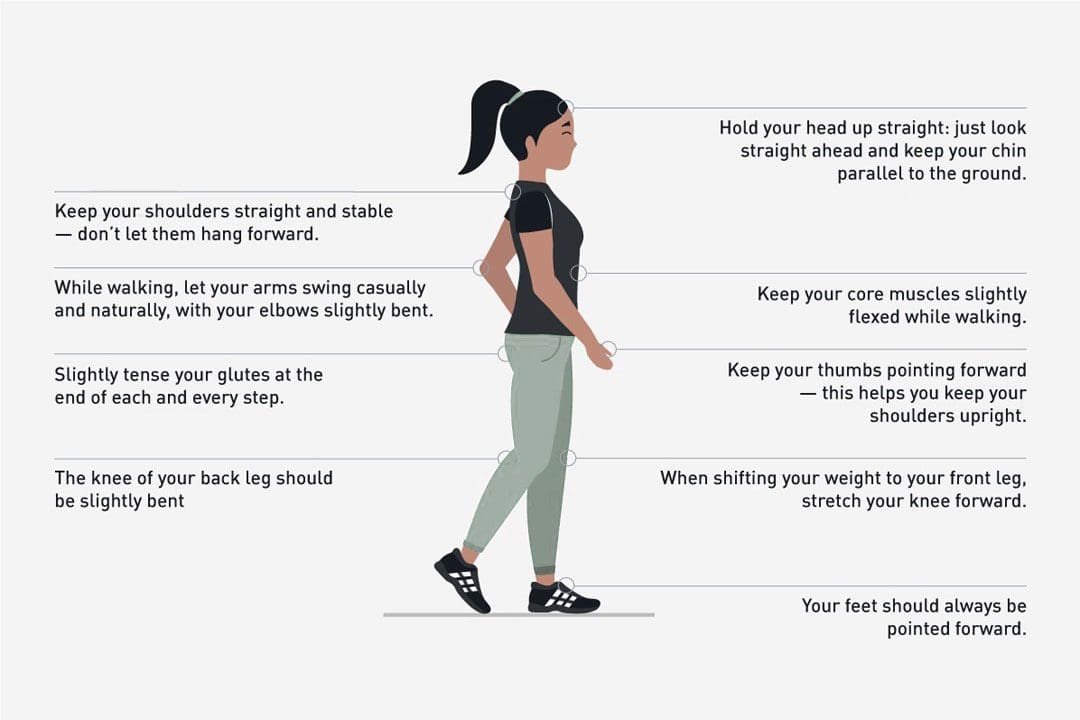
Posture Awareness
The right posture will help the body maintain speed and will help protect/prevent injury.
Eyes forward, shoulders back, and head upright.
Pull your belly button in toward the spine to engage the core muscles.
If you start to slump forward, take a moment to correct your body position.
If you start holding tension in the shoulders and neck, take a moment to relax and release them.
Gently Swing Arms
Arms bent at around 90 degrees.
Move the arms up and back so the opposite arm and leg advance together.
If the right foot is stepping forward, the left arm should also go forward.
Adding arm motion increases speed.
Focus on controlling the range of motion.
The hand should not rise higher than the collarbone and should not cross the body’s center.
Walking Pattern
With every step, land on the heel and roll the foot toward the toes.
Concentrate on moving the hips forward and not side to side.
Movement
Use short strides and try for a quick pace.
Studies have shown that taking more steps per minute can positively impact insulin levels, body mass index, and waist circumference.
Gradually work up to longer distances and increased speed.
Chiropractic
Chiropractic care can improve exercise experience, athletic performance, and sports performance. A few benefits include the following:
Increased limberness of the joints, ligaments, and tendons.
Increased elasticity and flexibility of the muscles.
Nervous system support improving response time, speed, and endurance.
Physical activity, no matter what intensity, is vital for health. If you are considering beginning an exercise program, talk to your doctor about developing a training program.
How To Walk Faster
References
Dunlop DD, et al. (2019). One hour a week: Moving to prevent disability in adults with lower extremity joint symptoms. DOI: 10.1016/j.amepre.2018.12.017
Mayo Clinic Staff. (2019). Walking: Trim your waistline, and improve your health. mayoclinic.org/healthy-lifestyle/fitness/in-depth/walking/art-20046261
Sharma, Ashish, et al. “Exercise for mental health.” Primary care companion to the Journal of clinical psychiatry vol. 8,2 (2006): 106. doi:10.4088/pcc.v08n0208a
Tudor-Locke, Catrine, et al. “Step-Based Physical Activity Metrics and Cardiometabolic Risk: NHANES 2005-2006.” Medicine and science in sports and exercise vol. 49,2 (2017): 283-291. doi:10.1249/MSS.0000000000001100
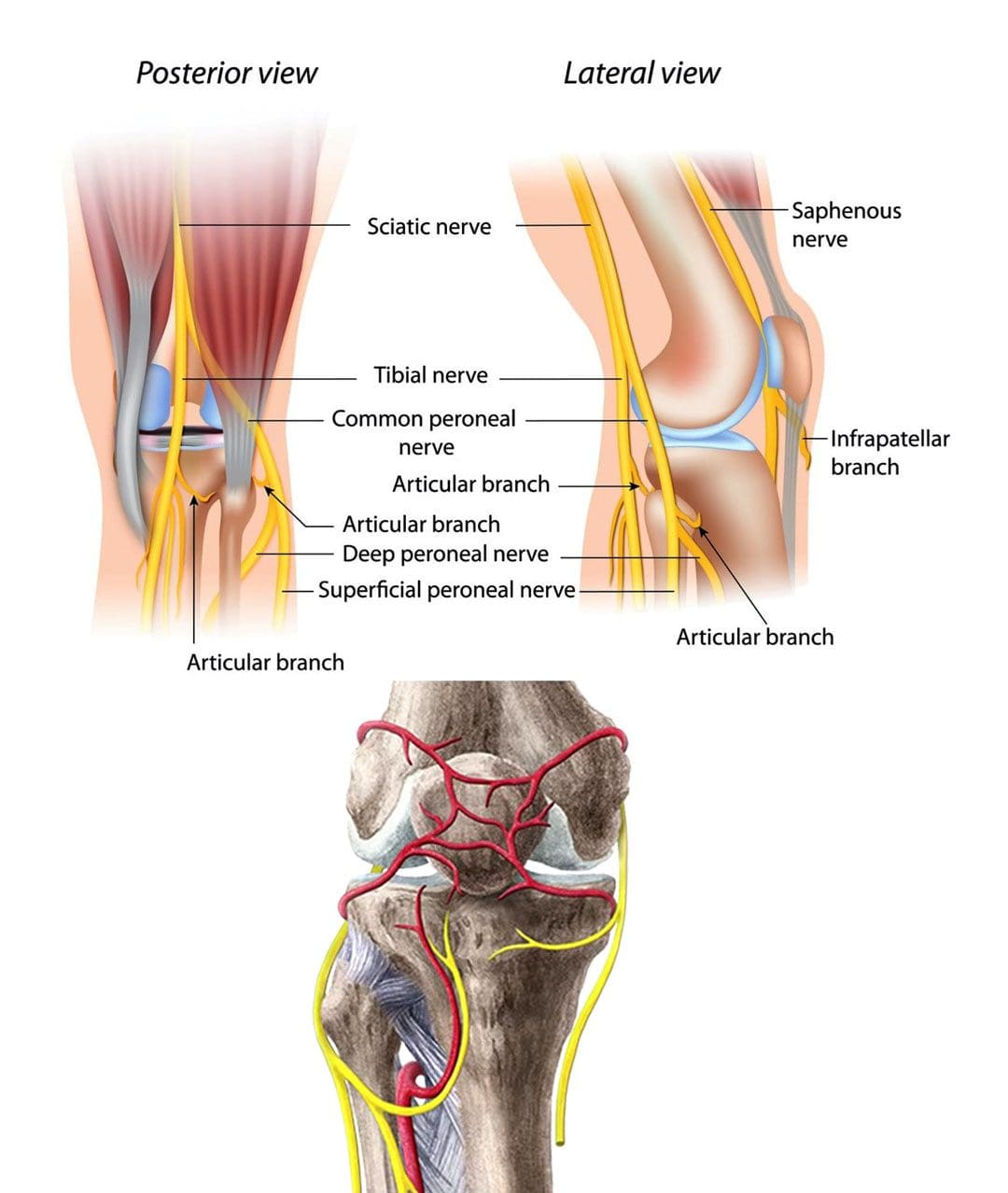
Individuals dealing with aching knees is one of the most common health problems and affects people of all ages. The knee is the largest joint in the body, comprised of muscles, tendons, ligaments, cartilage, and bones. The knees support walking, standing, running, and even sitting. Constant use makes them highly susceptible to injuries and conditions. The knees are also surrounded by a complex network of nerves that transmit messages to and from the brain. Damage to the nerves from an injury or disease can create various symptoms of discomfort in and around the knee joint.
Knee Neuropathy
Causes
Knee discomfort symptoms can be brought on by injury, degenerative disorders, arthritis, infection, and other causes, including:
Rheumatoid arthritis
This is a chronic inflammatory disorder that causes the knees to swell and causes damage to the cartilage.
Osteoarthritis
This type of arthritis causes the cartilage to steadily wear away, causing damage to the joints and various symptoms.
Cartilage Issues
Overuse, muscle weakness, injury, and misalignments can cause compensating postures and movements that can wear down and soften the cartilage, generating symptoms.
Several factors can increase the risk of developing knee neuropathy, including:
Previous knee injury
Undiagnosed and untreated knee injury
Unhealthy Weight
Gout
Compromised leg muscle strength and/or flexibility
Symptoms
Symptoms associated with a knee injury or disorder can vary, depending on the severity and damage. Symptoms can include:
Joint stiffness
Swelling in the joint.
Reduced movement/flexibility in the joint.
Increased instability/feeling of weakness in the knee.
Changes in skin color around the knee joint, like increased redness or pale discoloration.
Numbness, coldness, or tingling in and/or around the joint.
Pain symptoms could be a dull ache or throbbing felt throughout the knee.
Sharp, stabbing discomfort in a specific area.
If left untreated, knee neuropathy could permanently affect the ability to walk and lead to partial or total loss of knee function and mobility. Doctors recommend taking note of the following:
What activity/s generates symptoms?
Where are the symptoms located?
What the pain feels like?
Treatments available for knee pain
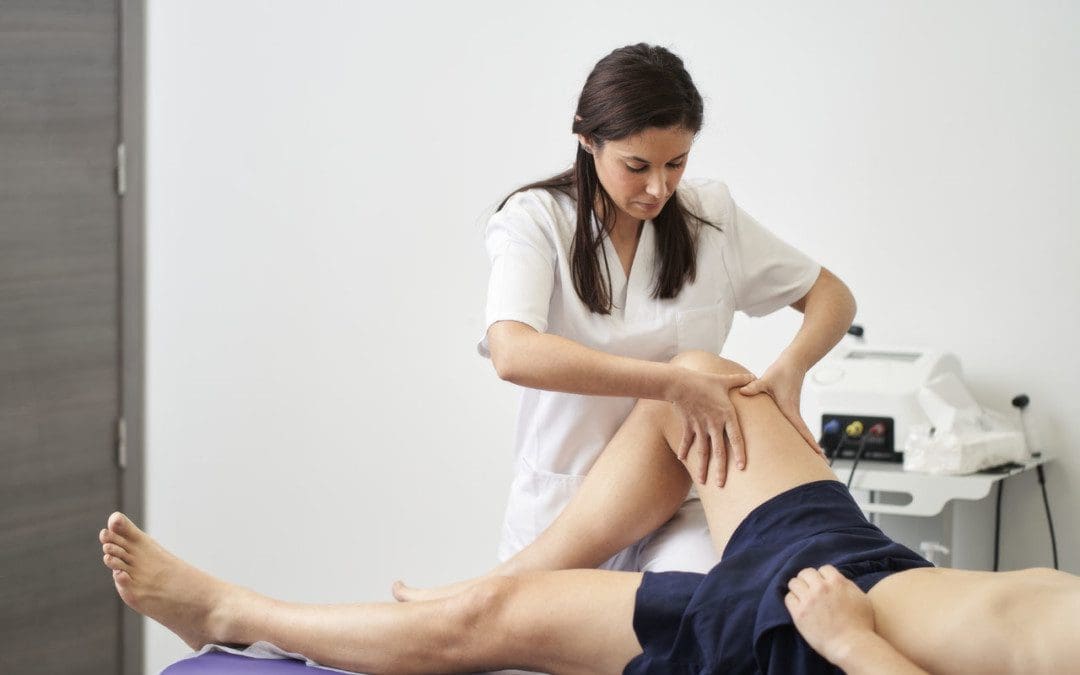
Chiropractic treatment offers various approaches to addressing the pain caused by nerve damage. Standard treatment includes chiropractic adjustments, therapeutic massage, non-surgical decompression, stretching, posture and movement training, and nutritional anti-inflammatory plans. Our medical team specializes in non-surgical treatments that decrease symptoms and increase strength, flexibility, mobility, and restore function.
Knee Injuries Adjustment
References
Edmonds, Michael, et al. “The current burden of diabetic foot disease.” Journal of clinical orthopedics and trauma vol. 17 88-93. 8 Feb. 2021, doi:10.1016/j.jcot.2021.01.017
Hawk, Cheryl, et al. “Best Practices for Chiropractic Management of Patients with Chronic Musculoskeletal Pain: A Clinical Practice Guideline.” Journal of alternative and complementary medicine (New York, N.Y.) vol. 26,10 (2020): 884-901. doi:10.1089/acm.2020.0181
Hunter, David J et al. “Effectiveness of a new model of primary care management on knee pain and function in patients with knee osteoarthritis: Protocol for THE PARTNER STUDY.” BMC musculoskeletal disorders vol. 19,1 132. 30 Apr. 2018, doi:10.1186/s12891-018-2048-0
Kidd, Vasco Deon, et al. “Genicular Nerve Radiofrequency Ablation for Painful Knee Arthritis: The Why and the How.” JBJS essential surgical techniques vol. 9,1 e10. 13 Mar. 2019, doi:10.2106/JBJS.ST.18.00016
Krishnan, Yamini, and Alan J Grodzinsky. “Cartilage diseases.” Matrix biology: journal of the International Society for Matrix Biology vol. 71-72 (2018): 51-69. doi:10.1016/j.matbio.2018.05.005
Speelziek, Scott J A, et al. “Clinical spectrum of neuropathy after primary total knee arthroplasty: A series of 54 cases.” Muscle & nerve vol. 59,6 (2019): 679-682. doi:10.1002/mus.26473
IFM's Find A Practitioner tool is the largest referral network in Functional Medicine, created to help patients locate Functional Medicine practitioners anywhere in the world. IFM Certified Practitioners are listed first in the search results, given their extensive education in Functional Medicine



 Slouching
 Power Walking