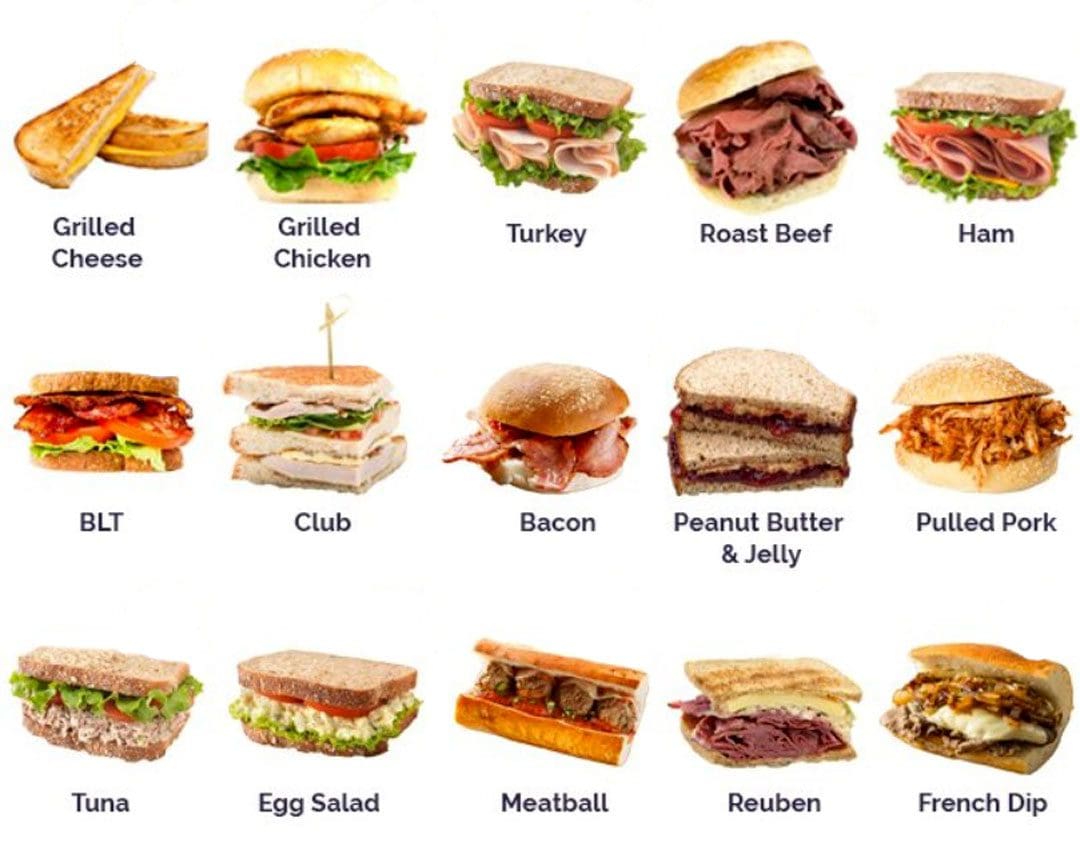
A typical sandwich from home includes bread – one thick slice of whole wheat, one or two favorite condiments, lunch meat, lettuce, tomato, and pickles. Packing a homemade lunch to work or school is one of the easiest ways to lose and maintain weight. Making a sandwich means the ingredients, calories, and nutrition can be controlled. However, a healthy sandwich can easily exceed calories if not careful. Bread choices and condiments like mayonnaise, dressings, and cheese can change a sandwich’s nutrition and increase calories, fat, and sodium. Calories can be cut with smart nutrition information and a few recommendations.
Sandwich Nutrition Facts and Health Benefits
Sandwich Calories and Nutrition
USDA nutrition information for one sandwich with ham, cheese, and mayonnaise equals 155 grams.
Total Calories 361
Fat 16.7 grams
Sodium 1320 milligrams
Carbohydrates 32.5 grams
Fiber 2.3 grams
Sugars 5.1 grams
Protein 19.3 grams
Favorites
The calories can vary based on the bread, fillings, and spread used to make it and whether vegetables are added.
Peanut Butter
Calories 200 – 300.
Peanut butter on white bread.
A single serving of peanut butter is two tablespoons.
Peanut Butter and Jelly
Calories 350 – 500.
Depending on how much peanut butter is used and the type of jelly or jam.
Nutella
Calories 300 – 500.
A 2-tablespoon serving is 200 calories.
Turkey Sandwich
Calories 160 – 500.
Depending on the amount of meat added and condiment choices.
Ham
Calories less than 200.
This is without the cheese.
With butter on French bread, it can be 400 calories or more.
Chicken Salad
Calories 400 – 600 or more.
Egg Salad
Calories 350 for the mayonnaise filling, plus around 150 for the bread.
Egg and Cheese
Calories 250 -400 or more.
If made on a biscuit or croissant.
Subway
230 to nearly 1000 calories.
Cut Calories
With a few adjustments and healthy swaps, a nutritious and healthy sandwich that is lower in calories but full of flavor can be made.
Low-Calorie Bread
Thick, crusty bread, bagels, baguettes, croissants, and hearty rolls can contain fat and calories.
Instead, choose a whole grain or bread alternative with additional nutrient benefits like healthy fats or fiber.
Consider an open-faced sandwich for heartier bread and keeping the portion to one slice.
Once a healthy bread is chosen, build the sandwich around a meat or meat-free filling. Get creative and try different choices to find new flavors. Read labels of meat or fish spreads that sound healthy. Many brands may contain protein and beneficial nutrients, but the filling is often combined with other ingredients high in calories. Try for:
Pack the sandwich with natural toppings like vegetables. Make a goal to have at least two vegetable servings per sandwich. Nutrient-rich vegetables add flavor and crunch to the sandwich.
Iceberg lettuce, spinach, romaine lettuce, or greens.
Shredded cabbage.
Tomato.
Sun-dried tomatoes.
Cucumber.
Jalapeno peppers.
Banana peppers.
Green peppers.
Plain or grilled onions.
Basil leaves.
Bean sprouts.
Low-Calorie Condiments
The spread takes up the least space on a sandwich but can contain the most fat. Condiments should be used moderately.
When first starting, cutting sandwich calories might seem complicated and unfamiliar. Fill the refrigerator with as many healthy choices as possible, get creative, and see what you come up with, as crafting a delicious meal is fun once you get the hang of it.
Body In Balance, Fitness, and Nutrition
References
An, R et al.” Sandwich consumption concerning daily dietary intake and diet quality among U.S. adults, 2003-2012″ Public Health vol. 140 (2016): 206-212. doi:10.1016/j.puhe.2016.06.008
Sebastian, Rhonda S., et al.” Sandwich Consumption by Adults in the U.S. What We Eat In America, NHANES 2009-2012″ FSRG Dietary Data Briefs, United States Department of Agriculture (USDA), December 2015.
U.S. Department of Agriculture, Agricultural Research Service. FoodData Central. [Historical Record]: Ham and Cheese.
U.S. Department of Agriculture, Agricultural Research Service. FoodData Central [Historical Record]. Whole Wheat Bread.
Zhao Z, Feng Q, Yin Z, et al. Red and processed meat consumption and colorectal cancer risk: a systematic review and meta-analysis. Oncotarget. 2017;8(47):83306-83314. doi:10.18632/oncotarget.20667
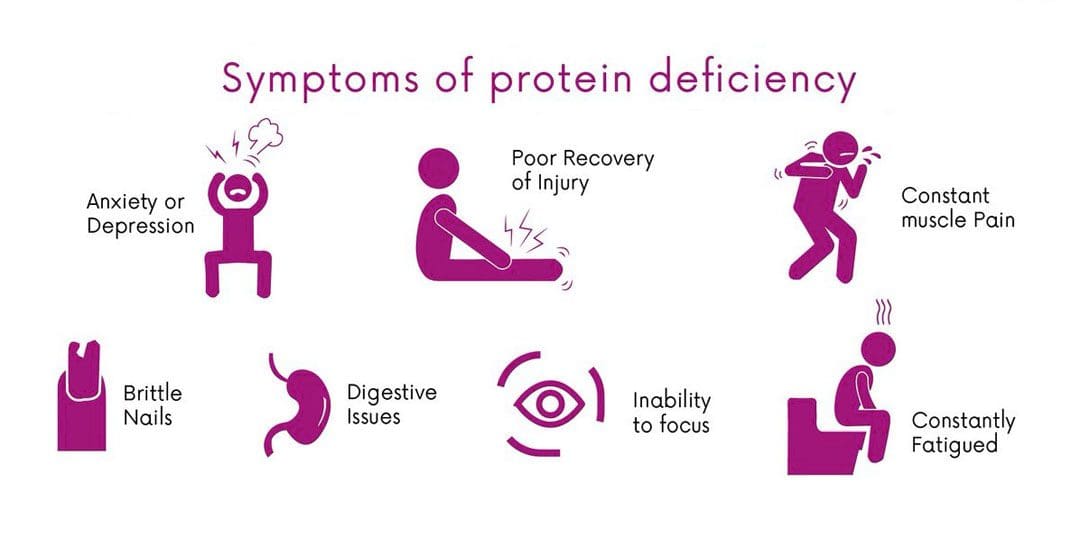
Protein deficiency, or hypoproteinemia, is when the body has lower-than-normal protein levels. Protein is an essential nutrient in bones, muscles, skin, hair, and nails, and maintains bone and muscle strength. The body does not store protein, so it is needed daily. It helps make hemoglobin, which carries oxygen throughout the body, and chemical enzymes, which cause reactions that maintain organ function. A lack of enough protein can cause problems like muscle loss, fatigue, a weakened immune system, and chronic pain. Injury Medical Chiropractic and Functional Medicine Clinic can provide nutritional guidance and develop a personalized nutrition plan to restore musculoskeletal health and function.
Protein Deficiency
When digested, protein breaks down into amino acids that help the body’s tissues function and grow. Individuals can become deficient if their bodies can’t effectively digest and absorb the proteins within the foods they eat.
Symptoms
When the body doesn’t meet the required protein amounts or can’t absorb protein efficiently, it can lead to symptoms, including:
Chronic fatigue.
Increased infections and illnesses.
Reduced muscle mass.
Loss of muscle mass.
Slower injury healing times.
Sarcopenia in older individuals.
Swelling in the legs, face, and other areas from fluid buildup.
Dry, brittle hair that falls out.
Cracked, pitted nails.
High blood pressure during the second trimester of pregnancy/preeclampsia.
Causes
Protein deficiency can have various causes, depending on the individual case. Certain medical conditions include:
Malnutrition or undereating – an individual does not eat enough calories or avoids certain food groups.
Adequate protein intake is essential to maintain healthy amino acid levels to support cell structure and function. The requirement differs for everybody based on age, sex, and physical activity levels. Protein is available in a wide variety of animal and plant foods. Recommended nutritious protein sources for optimal health and fitness include foods such as:
Beans and legumes
Oats
Eggs
Cheese
Lean beef, chicken, turkey, and pork
Seafood
Seeds
Nuts
Various kinds of nut butter
Greek yogurt
Quinoa
Tofu
Protein is essential for all cells and body tissue and can impair body function in short supply. Although diet-related protein deficiency is rare in the United States, certain medical conditions can increase the risk. Adding protein to a diet is simple and can be achieved by incorporating various foods from either plant or animal sources.
Clinical Implementation of Functional Nutrition
References
Bauer, Juergen M, and Rebecca Diekmann. “Protein and Older Persons.” Clinics in geriatric medicine vol. 31,3 (2015): 327-38. doi:10.1016/j.cger.2015.04.002
Brock, J F. “Protein deficiency in adults.” Progress in food & nutrition science vol. 1,6 (1975): 359-70.
Deutz, Nicolaas E P, et al. “Protein intake and exercise for optimal muscle function with aging: recommendations from the ESPEN Expert Group.” Clinical nutrition (Edinburgh, Scotland) vol. 33,6 (2014): 929-36. doi:10.1016/j.clnu.2014.04.007
Paddon-Jones, Douglas, and Blake B Rasmussen. “Dietary protein recommendations and the prevention of sarcopenia.” Current Opinion in clinical nutrition and metabolic care vol. 12,1 (2009): 86-90. doi:10.1097/MCO.0b013e32831cef8b
Pappova, E et al. “Acute hypoproteinemic fluid overload: its determinants, distribution, and treatment with concentrated albumin and diuretics.” Vox sanguinis vol. 33,5 (1977): 307-17. doi:10.1111/j.1423-0410.1977.tb04481.x
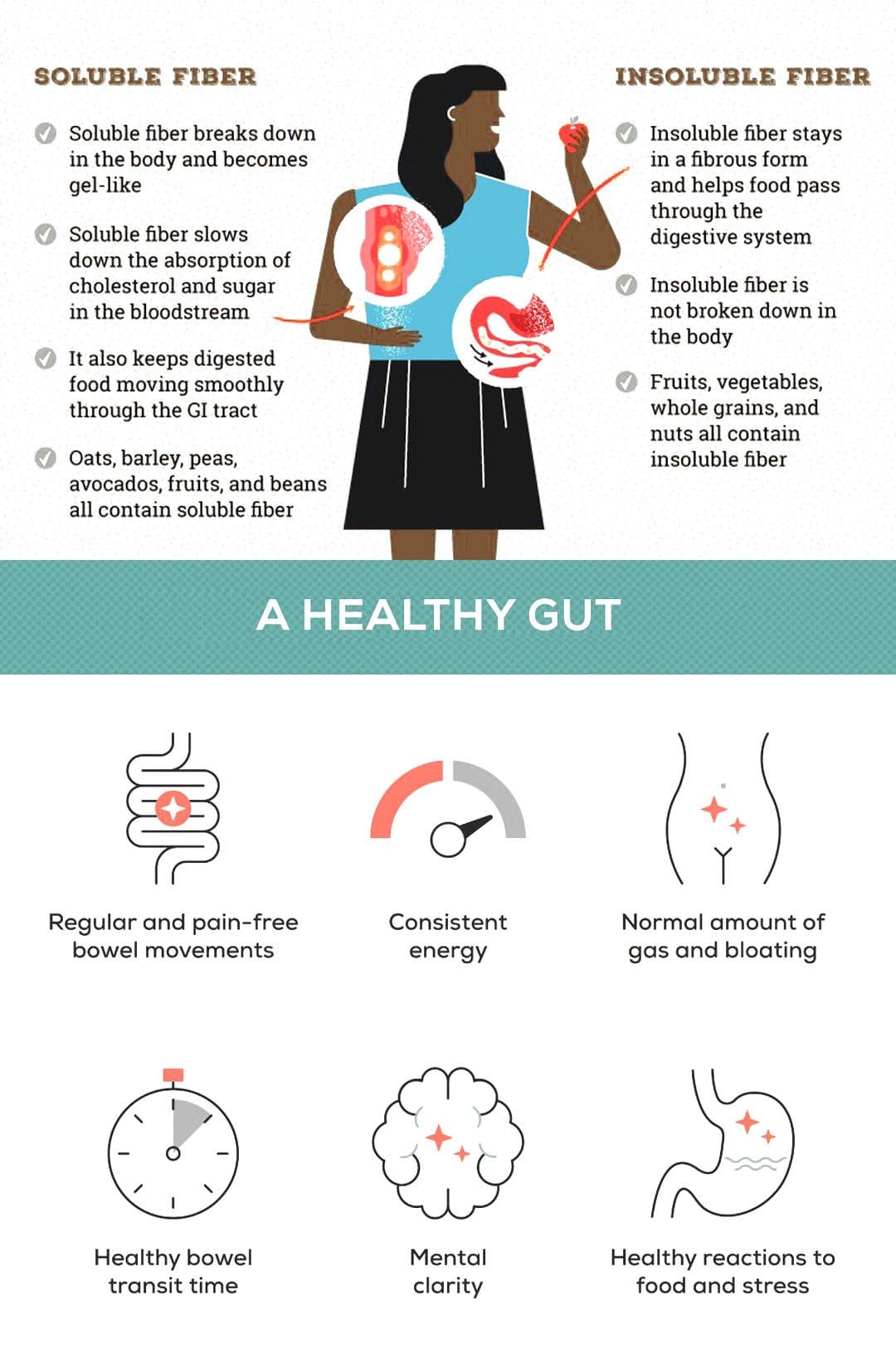
Not getting enough fiber in one’s diet can lead to fiber deficiency. Fiber helps support gut and microbiome health. Individuals not getting enough fiber may experience irregular bowel movements, constipation, blood sugar fluctuations, not feeling full/satisfied after eating, or rising cholesterol levels. About 100 trillion microorganisms in the gut are integral to maintaining a healthy immune system. Fiber is the food these microorganisms eat that helps them to do their job. Without the proper amount, the immune system’s health may also be compromised.
Fiber and Gut Health
Fiber and gut health benefits include regulating the body’s sugars, helping to keep hunger and blood sugar in check, helping to maintain a healthy weight, its ability to prevent or relieve constipation, reduce the risk of diabetes, heart disease, and certain types of cancer.
Dietary fiber, or roughage, is the part of plant foods the body can’t digest or absorb.
It passes through the stomach, small intestine, and colon and out of the body.
It is found mainly in fruits, vegetables, whole grains, and legumes.
Soluble and insoluble forms are important to overall health.
Types
Soluble Fiber
This type dissolves in water to form a gel-like substance.
It can help lower blood cholesterol and glucose levels.
It is found in oats, peas, beans, apples, citrus fruits, carrots, and barley.
Insoluble Fiber
This type of fiber promotes the movement of material through the digestive system.
It increases stool bulk, benefiting individuals who struggle with constipation or irregular stools.
Whole-wheat flour, wheat bran, nuts, beans, and vegetables, such as cauliflower, green beans, and potatoes, are good sources.
Benefits
Healthy Bowel Movements
Dietary fiber increases stool weight and thickness and makes it soft.
Fiber helps to solidify the stool by absorbing water and adding bulk.
A thicker stool is easier to pass, decreasing the potential for constipation and other problems.
Maintains Bowel Health
A high-fiber diet can lower the risk of developing hemorrhoids and small pouches in the colon/diverticular disease.
Studies have also found that a high-fiber diet can help lower the risk of colorectal cancer.
Some fiber gets fermented in the colon.
Researchers are looking at how this can help prevent diseases of the colon.
Lowers Cholesterol
Soluble fiber found in beans, oats, flaxseed, and oat bran can help lower blood cholesterol levels by lowering low-density lipoprotein or unhealthy cholesterol levels.
Studies also have shown that high-fiber foods can help reduce blood pressure and inflammation.
Regulates Blood Sugar Levels
In individuals with diabetes, fiber, particularly soluble fiber, can slow the absorption of sugar and improve blood sugar levels.
A healthy nutrition plan that includes insoluble fiber can help reduce the risk of developing type 2 diabetes.
Helps Achieve Healthy Weight
High-fiber foods can be more filling than low-fiber foods, helping individuals eat less and stay satisfied.
High-fiber foods can also take longer to eat and are less energy dense, meaning they have fewer calories.
Getting More Fiber
Ideas for adding more fiber to meals and snacks:
Fiber to Start The Day
Choose a high-fiber breakfast cereal with five or more grams of fiber per serving.
Choose cereals with whole grain, bran, or fiber in the name.
Add a few tablespoons of unprocessed wheat bran to the cereal.
Add Whole Grains
Try to make at least half of the grains eaten whole grains.
Look for bread that lists whole wheat, whole-wheat flour, or another whole grain as the first ingredient, with at least 2 grams of dietary fiber per serving.
Experiment with whole-wheat pasta, brown rice, wild rice, barley, and bulgur wheat.
Baked Foods
Substitute whole-grain flour for half or all white flour when baking.
Add crushed bran cereal, unprocessed wheat bran, or uncooked oatmeal to muffins, cakes, and cookies.
Legumes
Beans, peas, and lentils are recommended sources.
Add kidney beans to soups or salads.
Make nachos with refried black beans, fresh vegetables, whole-wheat tortilla chips, and healthy salsa.
Fruit and Vegetables
Fruits and vegetables are rich in fiber and vitamins and minerals.
Try to eat a favorite fruit daily.
Healthy Snacks
Fresh fruits, raw vegetables, low-fat popcorn, and whole-grain crackers are healthy choices.
Try for a handful of nuts or dried fruits; however, be aware that nuts and dried fruits can be high in calories.
Moderation
High-fiber foods are beneficial for the body’s health.
Adding too much fiber can promote intestinal gas, abdominal bloating, and cramping.
Increase fiber gradually over a few weeks.
This allows the natural bacteria in the digestive system to make adjustments.
Maintain hydration, as fiber works best when it absorbs water.
Individuals not sure how to incorporate more fiber can consult a nutritionist and health coach to help begin the process.
Gut Dysfunction
References
Anderson, James W et al. “Health benefits of dietary fiber.” Nutrition Reviews vol. 67,4 (2009): 188-205. doi:10.1111/j.1753-4887.2009.00189.x
Cronin, Peter, et al. “Dietary Fiber Modulates the Gut Microbiota.” Nutrients vol. 13,5 1655. 13 May. 2021, doi:10.3390/nu13051655
Fuller, Stacey, et al. “New Horizons for the Study of Dietary Fiber and Health: A Review.” Plant foods for human nutrition (Dordrecht, Netherlands) vol. 71,1 (2016): 1-12. doi:10.1007/s11130-016-0529-6
Gill, Samantha K et al. “Dietary fiber in gastrointestinal health and disease.” Nature reviews. Gastroenterology & hepatology vol. 18,2 (2021): 101-116. doi:10.1038/s41575-020-00375-4
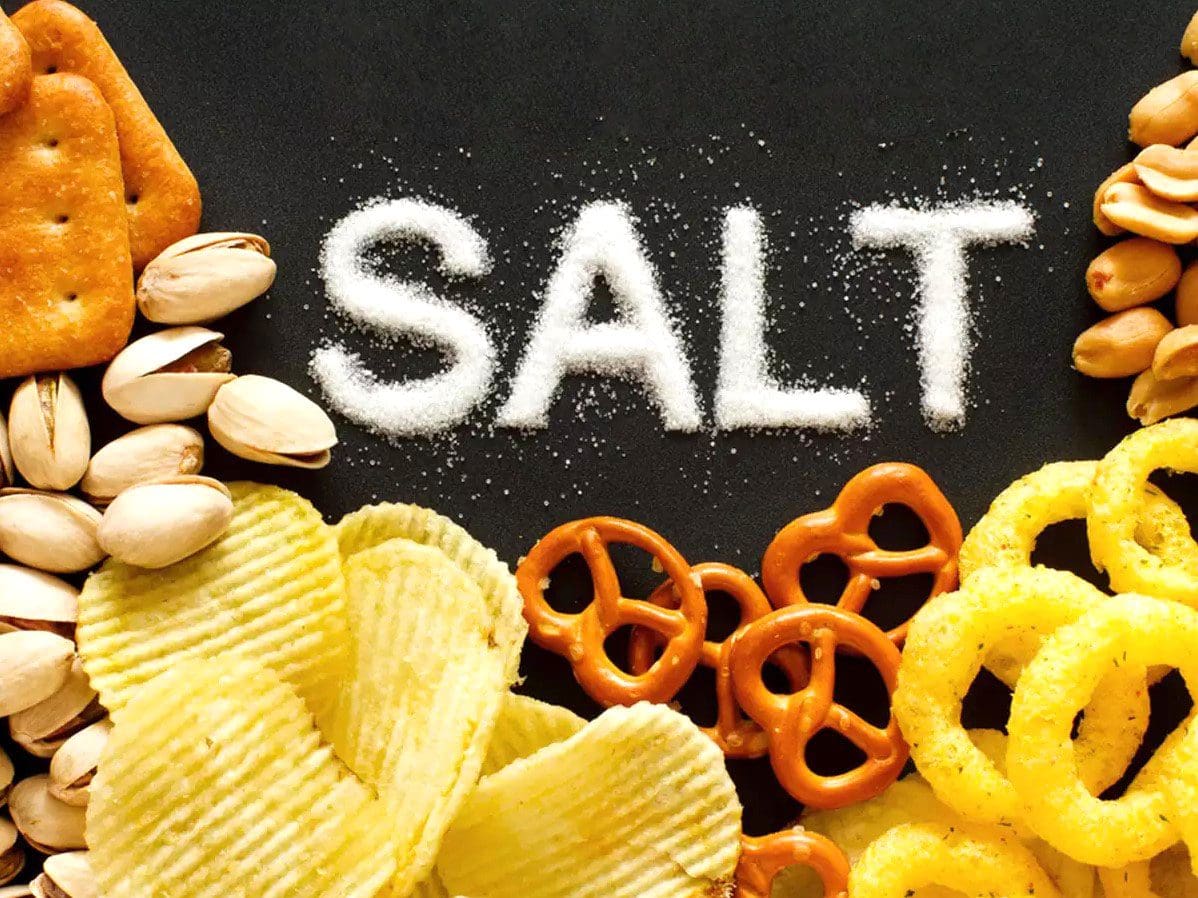
Although salt is satisfying to the palate and necessary for survival, when the body craves salt, it can be a symptom of a health condition/s. The body needs sodium, but many foods contain more than the body needs. Most individuals’ sodium intake comes from packaged foods, pizza, burgers, and soups. The body craves salty foods for various reasons, often related to a sodium imbalance. To help curb cravings and limit consumption, incorporate seasoning blends, spices, and vegetables into a nutritional plan. Injury Medical Chiropractic and Functional Medicine Clinic can provide expert diet recommendations and health coaching to develop a personalized nutrition plan.
The body needs 500 milligrams (mg) of sodium daily for optimal functioning.
That’s less than one-fourth of a teaspoon (tsp).
But because most individuals take in around 3,400 mg every day, the American Heart Association recommends that adults reduce consumption to 1,500-2,300 mg of salt daily.
Individuals who crave salt often shouldn’t ignore this as cravings could signal a health condition.
It is recommended to seek a healthcare provider’s advice to evaluate nutrition and lifestyle.
Causes
Dehydration
Craving salt could mean the body needs hydration. A sodium deficiency triggers systems that generate cravings for sodium, and the body feels rewarded after consuming salty foods. Individuals that find themselves dehydrated often should consider following these tips to maintain healthy body hydration:
Carry a water bottle throughout the day, take frequent sips, and try to refill two or more times.
Add fruit or fresh herbs to the water for flavor.
Freeze water bottles to have ice-cold water readily available.
Ask for water alongside other beverages when dining out.
Electrolyte Imbalance
When electrolytes are out of balance, the body can crave salty foods.
Electrolytes are minerals in the body with an electric charge.
Electrolytes are in the blood, urine, and tissues, and levels can spike or plummet.
This occurs when the amount of water taken does not equal the amount lost because of excessive sweating, sickness, and/or frequent urination.
Electrolytes are important because:
They help balance the body’s water equilibrium and pH levels
Move nutrients and waste into and out of the cells
Ensure the nerves, muscles, and brain are at optimal function.
Stress
Eating behavior can quickly be disrupted when experiencing stressful situations.
A stressed body can feel better after eating the foods it is used to, especially for individuals that consume a lot of salty foods when things are normal, and there is no stress.
Boredom
Eating because of boredom is an emotional eating behavior similar to stress eating.
This response to negative emotions can happen to anyone.
Individuals are recommended to work through their negative thoughts with stress reduction strategies that include:
Mindful eating.
Exercise.
Meditation.
Spending time in green spaces like a garden, park, etc.
Individuals can make a no-salt seasoning mix using cumin, garlic powder, onion powder, paprika, and cayenne pepper.
Garlic
Instead of one teaspoon of iodized salt, one teaspoon of fresh garlic can eliminate up to 2,360 mg of sodium and offers an intense flavor.
Reduce Salt Consumption
The U.S. Food and Drug Administration says that reducing the amount of sodium can gradually lower cravings. Taking these steps can help:
Limit consumption of packaged foods, especially those with the word instant in the name. These often contain a significant amount of sodium.
If possible, prepare lunch to take to work or school.
Read nutrition labels to ensure the products contain at least less than 2,300 milligrams of sodium.
Stick to fresh, frozen vegetables with no seasoning added or no-salt canned vegetables.
Split meals when eating out or cut the meal in half and take the rest home to avoid the high amounts of sodium in restaurant food.
Use none or low-sodium salad dressings or place them on the side.
Learning About Food Substitutions
References
Bell, Victoria, et al. “One Health, Fermented Foods, and Gut Microbiota.” Foods (Basel, Switzerland) vol. 7,12 195. 3 Dec. 2018, doi:10.3390/foods7120195
Husebye, Eystein S et al. “Adrenal insufficiency.” Lancet (London, England) vol. 397,10274 (2021): 613-629. doi:10.1016/S0140-6736(21)00136-7
Morris, Michael J et al. “Salt craving: the psychobiology of pathogenic sodium intake.” Physiology & behavior vol. 94,5 (2008): 709-21. doi:10.1016/j.physbeh.2008.04.008
Orloff, Natalia C, and Julia M Hormes. “Pickles and ice cream! Food cravings in pregnancy: hypotheses, preliminary evidence, and directions for future research.” Frontiers in psychology vol. 5 1076. 23 Sep. 2014, doi:10.3389/fpsyg.2014.01076
Souza, Luciana Bronzi de et al. “Do Food Intake and Food Cravings Change during the Menstrual Cycle of Young Women?.” “A ingestão de alimentos e os desejos por comida mudam durante o ciclo menstrual das mulheres jovens?.” Revista brasileira de ginecologia e obstetricia : revista da Federacao Brasileira das Sociedades de Ginecologia e Obstetricia vol. 40,11 (2018): 686-692. doi:10.1055/s-0038-1675831
The right kind of bread can be an extremely healthful food. Eating more whole grains is associated with lower weight and reduced health problems, heart disease, and cancer risk. Keeping bread in a healthy diet begins with choosing varieties with the best nutrition. Certain types are naturally high in fiber, vitamins, and minerals. Others are made from refined grains with added vitamins and minerals. Nutritional experts evaluate healthy breads based on researched health benefits and fiber, protein, micronutrient content, and total calories.
Healthy Breads
100% Whole Wheat
100% whole wheat bread contains abundant fiber and nutrients and is one of the most nutritious varieties.
A slice of bread made with all whole wheat flour provides 80 calories, 5 grams of protein, 0 grams of fat, 20 grams of carbohydrates, and 3 grams of fiber.
One hundred percent whole wheat bread also contains essential minerals like calcium, selenium, manganese, phosphorus, and thiamin.
Increasing whole grains has been shown to reduce the risk of multiple chronic diseases, including type 2 diabetes, cancer, and heart disease.
Studies have demonstrated the positive effects of whole grains on weight control.
Many breads advertise themselves as whole wheat and might not contain 100% whole, unrefined grains.
Read labels to determine if store-bought bread was made with only whole wheat flour.
A 100% whole wheat bread will either be labeled as such or have whole wheat flour as its first ingredient and does not list other flours like wheat flour or enriched bleached flour.
Multigrain
Whole grains like oats, buckwheat, barley, amaranth, and millet can be included in multigrain breads for increased fiber, protein, and micronutrients.
Adding a variety of whole grains like these can help reduce the risk of certain chronic diseases.
Navigating to healthy multigrain bread can be misleading.
Breads labeled as multigrain can be difficult to tell whether the grains used to make the bread were whole or refined.
It’s recommended to look for a multigrain bread label that has 100% whole grain.
Oat
Oats are whole grains that can supplement whole wheat in healthy store-bought and homemade breads.
Oats contain a special fiber called beta-glucan, with benefits that include lowering bad cholesterol, regulating blood sugar, and lowering blood pressure.
Oats are high in soluble fiber, which helps reduce constipation.
Read the labels and look for brands that list oats and whole wheat flour as the first ingredients with minimal added sugars.
Flax Seed
Flaxseeds are not grains, but they aren’t packed with nutrients.
Adding flaxseed might help protect against certain cancers and improve heart health.
Because the seeds are naturally gluten-free, flax seed bread can be an option for individuals with celiac disease or gluten sensitivity.
Some commercially prepared breads combine flax with wheat, but individuals may have to make their own for a loaf made entirely with flaxseed.
Sourdough
Sourdough bread is made through fermentation, which adds healthy probiotics to the finished product.
A diet rich in probiotics from fermented foods has been linked with positive health outcomes.
Benefits include the bread’s natural probiotics, improved digestion, immune system function, extra fiber, protein, and minerals.
For the healthiest, choose a variety made with whole wheat flour.
Benefits of a Healthy Diet and Chiropractic
References
Aune, Dagfinn, et al. “Whole grain consumption and risk of cardiovascular disease, cancer, and all-cause and cause-specific mortality: a systematic review and dose-response meta-analysis of prospective studies.” BMJ (Clinical research ed.) vol. 353 i2716. 14 Jun. 2016, doi:10.1136/bmj.i2716
El Khoury, D et al. “Beta glucan: health benefits in obesity and metabolic syndrome.” Journal of Nutrition and Metabolism vol. 2012 (2012): 851362. doi:10.1155/2012/851362
Freitas, Daniela, et al. “Lemon juice, but not tea, reduces the glycemic response to bread in healthy volunteers: a randomized crossover trial.” European Journal of Nutrition vol. 60,1 (2021): 113-122. doi:10.1007/s00394-020-02228-x
“Healthy Bread.” Hall’s Journal of Health vol. 3,7 (1856): 144-146.
Kikuchi, Yosuke, et al. “Effects of Whole Grain Wheat Bread on Visceral Fat Obesity in Japanese Subjects: A Randomized Double-Blind Study.” Plant foods for human nutrition (Dordrecht, Netherlands) vol. 73,3 (2018): 161-165. doi:10.1007/s11130-018-0666-1
Menezes, Leidiane A A, et al. “Effects of Sourdough on FODMAPs in Bread and Potential Outcomes on Irritable Bowel Syndrome Patients and Healthy Subjects.” Frontiers in microbiology vol. 9 1972. 21 Aug. 2018, doi:10.3389/fmicb.2018.01972
Parikh, Mihir, et al. “Flaxseed: its bioactive components and their cardiovascular benefits.” American Journal of Physiology. Heart and circulatory physiology vol. 314,2 (2018): H146-H159. doi:10.1152/ajpheart.00400.2017
P, Nirmala Prasadi V, and Iris J Joye. “Dietary Fibre from Whole Grains and Their Benefits on Metabolic Health.” Nutrients vol. 12,10 3045. 5 Oct. 2020, doi:10.3390/nu12103045
Tosh, Susan M, and Nicolas Bordenave. “Emerging science on benefits of whole grain oat and barley and their soluble dietary fibers for heart health, glycemic response, and gut microbiota.” Nutrition Reviews vol. 78, Suppl 1 (2020): 13-20. doi:10.1093/nutrit/nuz085
What happens to the body after eating healthy? Individuals report the effects of healthy eating, feeling mentally clearer and more focused, increased energy levels, experiencing decreased junk food cravings and hunger pangs, improved sleep, and the benefits of strong bones, cardiovascular health, and disease prevention. The Injury Medical Chiropractic and Functional Medicine Clinic Team can assist individuals working on making healthy lifestyle adjustments to make the transition easier and with professional support to streamline the process, allowing the individual to focus on getting healthy.
What Happens To The Body After Eating Healthy
It can take a little while for the body to adjust to a new nutrition plan. A healthy diet includes nutrient-dense foods from all the major food groups, including lean proteins, whole grains, healthy fats, and fruits and vegetables of various colors.
Benefits
The benefits of healthy eating include the following.
Decreases the risk of heart disease, type 2 diabetes, and certain cancers.
Helps achieve and maintain a healthy weight.
One Week
Experience decreased food cravings throughout the day.
Junk food cravings decrease.
The body begins shedding all the excess water from a high sodium intake and processed foods.
Hunger starts to stabilize.
Experience decreased hunger pains, making losing weight a little easier.
Improved sleep.
Improved control over food choices.
Higher mental focus and clarity – brain fog or low concentration symptoms begin to clear.
Energy levels are higher, making completing daily activities and exercise easier.
The body will become regular with a lower amount of bloating and discomfort.
Moods become stable with fewer ups and downs throughout the day.
One Month
Improved skin health.
A steady rate of weight loss, depending on the approach and starting point.
Clothing begins to feel looser.
Pre-existing health problems like migraines, joint pain, irritable bowel issues, etc., may begin to clear up.
Eating right starts to become more habitual.
Making healthy choices starts to become second nature.
Improved physical performance.
Feel stronger and notice that the body recovers much faster.
Improved metabolism.
Can eat more without gaining body weight.
Six Months
A decrease in overall cholesterol levels if they were high before.
Blood pressure improvement, lowering the risk of heart disease and stroke.
Strengthened skeletal system reducing the risk of stress fractures and breaks.
Improved blood glucose levels, reduced blood sugar fluctuations, and lowered risk factors for diabetes or symptoms are easier to manage.
All the positive changes will lead to staying naturally motivated, where eating healthy is just something you do, and you have learned to indulge wisely. All the benefits will persist for as long as you eat healthily. Target goals can be achieved with a body weight that makes you feel healthy, strong, and confident.
Basal Metabolism
References
Bradbury, Kathryn E et al. “Fruit, vegetable, and fiber intake in relation to cancer risk: findings from the European Prospective Investigation into Cancer and Nutrition (EPIC).” The American journal of clinical nutrition vol. 100 Suppl 1 (2014): 394S-8S. doi:10.3945/ajcn.113.071357
Carlson, Justin L et al. “Health Effects and Sources of Prebiotic Dietary Fiber.” Current developments in nutrition vol. 2,3 nzy005. 29 Jan. 2018, doi:10.1093/cdn/nzy005
Hills, Ronald D Jr, et al. “Gut Microbiome: Profound Implications for Diet and Disease.” Nutrients vol. 11,7 1613. 16 Jul. 2019, doi:10.3390/nu11071613
Zohoori, F Vida. “Chapter 1: Nutrition and Diet.” Monographs in oral science vol. 28 (2020): 1-13. doi:10.1159/000455365
Maintaining a healthy and well-balanced nutritional plan is recommended for overall health. When the body is nourished healthily, it will perform optimally. Stress is part of daily life, and certain foods can enhance the body’s ability to handle stress, help target physical and emotional states, and protect the brain. The Injury Medical Chiropractic and Functional Medicine Clinic Team can provide therapeutic massage to increase circulation, and relax the mind and body, adjustments to restore any misalignments, and nutritional support and health coaching for total wellness.
Foods For Stress
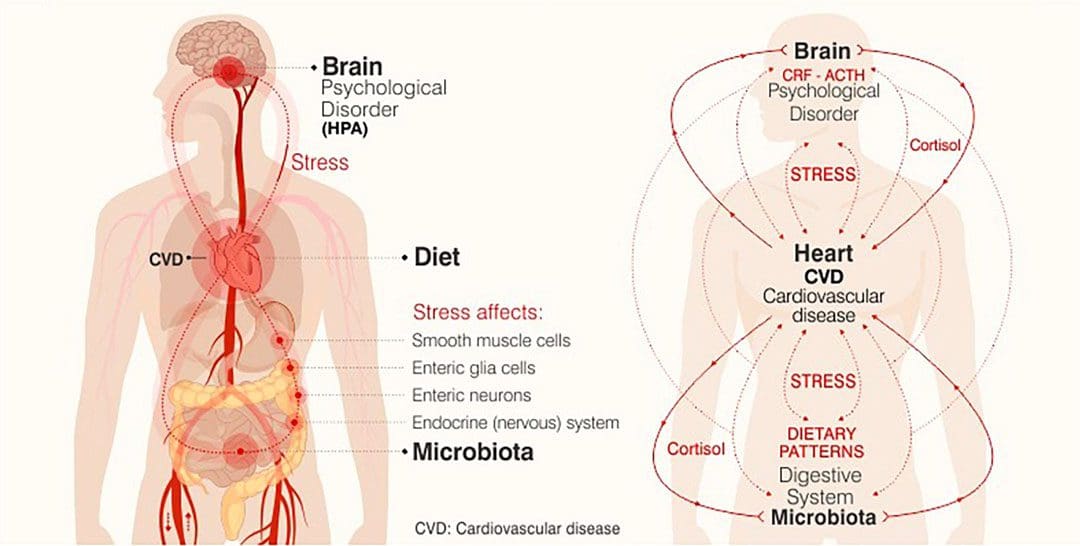
Anxiety is a widespread condition affecting millions of individuals. Trying to lower stress levels includes self-care, sleep management, physical activity, and incorporating foods to reduce cortisol levels, the primary hormone responsible for stress.
Cortisol
Cortisol has a variety of functions that include:
Manages how the body uses carbohydrates, fats, and proteins.
Sleep cycle regulation.
Blood pressure regulation.
Increases blood sugar.
Decreases inflammation.
Cortisol is sometimes known as the stress hormone because the adrenal gland releases it when experiencing stress or when the body is under physical stress/inflammation. It is the key to managing the fight-or-flight instinct and is healthy for a short period as a protective mechanism providing the energy needed to respond to short-term stress. However, the long-term release of cortisol generates tension in the body, leading to chronic inflammation and raised blood pressure. Learning how to manage stress is necessary for lowering cortisol levels.
Symptoms
Symptoms vary and are different for everybody.
Physical
Exhaustion.
Sleep problems.
Headaches.
Muscle tension.
Jaw clenching.
Aches and pains.
Chronic illness from a weakened immune system.
Stomach or digestive problems.
High blood pressure.
Chest pain or a feeling like the heart is racing.
Dizziness.
Shaking.
Emotional and mental
Irritability and or anxiousness.
Sadness.
Depression.
Panic attacks.
Foods
The objective is to reduce inflammation, thus reducing cortisol levels. Recommended foods for stress include foods high in magnesium, vitamin B, Omega-3 fatty acids, protein, and foods that benefit the gut. Here are a few.
Magnesium
Magnesium is highly beneficial in reducing inflammation, metabolizing cortisol, and relaxing the mind and body.
Dark chocolate.
Bananas.
Broccoli.
Spinach.
Avocados.
Pumpkin seeds.
Vitamin B
Vitamin B12 can help with the metabolism of cortisol.
The key to lowering stress is a whole-body approach that includes exercise, proper sleep, and managing chronic diseases like diabetes, hypertension, and obesity, all of which can put the body in a prolonged state of inflammation. Incorporating these foods into a nutritional plan can help relieve stress naturally.
Impact of Stress
References
Aucoin, Monique, and Sukriti Bhardwaj. “Generalized Anxiety Disorder and Hypoglycemia Symptoms Improved with Diet Modification.” Case reports in psychiatry vol. 2016 (2016): 7165425. doi:10.1155/2016/7165425
Errisuriz, Vanessa L et al. “Perceived stress and dietary choices: The moderating role of stress management.” Eating behaviors vol. 22 (2016): 211-216. doi:10.1016/j.eatbeh.2016.06.008
Norwitz, Nicholas G, and Uma Naidoo. “Nutrition as Metabolic Treatment for Anxiety.” Frontiers in psychiatry vol. 12 598119. 12 Feb. 2021, doi:10.3389/fpsyt.2021.598119
Serafini, Mauro, and Ilaria Peluso. “Functional Foods for Health: The Interrelated Antioxidant and Anti-Inflammatory Role of Fruits, Vegetables, Herbs, Spices and Cocoa in Humans.” Current pharmaceutical design vol. 22,44 (2016): 6701-6715. doi:10.2174/1381612823666161123094235
Zellner, Debra A et al. “Food selection changes under stress.” Physiology & behavior vol. 87,4 (2006): 789-93. doi:10.1016/j.physbeh.2006.01.014
IFM's Find A Practitioner tool is the largest referral network in Functional Medicine, created to help patients locate Functional Medicine practitioners anywhere in the world. IFM Certified Practitioners are listed first in the search results, given their extensive education in Functional Medicine




 Fiber and Gut Health