Can a push-pull workout routine be an option for individuals who want focused training on specific muscle groups and balanced muscle development throughout the body?
Push-Pull Strength Training
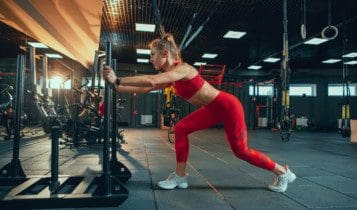
A “push-pull” workout is a training style in which you split your exercise routine into separate days dedicated to “push” exercises (targeting muscles like the chest, shoulders, and triceps) and “pull” exercises (targeting muscles like the back and biceps). This allows focused training on each muscle group by isolating their primary movement patterns—pushing away from the body or pulling towards it. The workout often accompanies a separate leg day to complete the full-body workout. This routine comes from bodybuilding. Bodybuilders use this method to maximize their workouts and rest periods. By splitting their workouts into push exercises one day and pull exercises another, they can work out more often without overtraining. (Castanheira R. P. M. et al., 2017)
Upper Body Push Exercises
These exercises involve all the movements that push the weights away from your body. These exercises typically focus on the quads, outer thighs, chest, shoulders, and triceps. (Collins P. 2009)
Pushups
Push-ups are a versatile bodyweight exercise that engages multiple muscle groups, including the chest, shoulders, triceps, and core.
Chest Presses
Chest presses are exercises that target the pectoral muscles (chest muscles).
They can be performed with various equipment and techniques, providing a comprehensive workout for the chest.
Chest Flies
Chest flies are a weightlifting exercise that targets the pectoral muscles (chest muscles).
They are performed by lying on a bench and extending the arms outward with weights in each hand.
The weights are then lowered in an arc motion until they are slightly below chest level before being raised back to the starting position.
Overhead Presses
An overhead press is a weight-training exercise that involves pushing a weight above your head.
Also known as a shoulder, military, or strict press.
Lateral Raises
Lateral raises are an isolation exercise that targets the lateral deltoid muscle on the shoulder’s side.
They raise the arms laterally (out to the sides) while slightly bending at the elbows.
Bent Arm Lateral Raises
A bent-over lateral raise is a weightlifting exercise that strengthens the rear deltoids, the muscles on the back of the shoulders.
It also works other upper and lower body muscles, including the trapezius, rhomboids, triceps, hamstrings, and lower back.
Front Raises
Front raises are a weight training exercise that targets the shoulder muscles.
They can also help build strength and stability in the upper body.
Dips
Dips are an upper-body exercise that uses your body weight to strengthen your triceps and chest.
Triceps Extensions
Triceps extensions are resistance exercises that target the triceps muscles in the back of the upper arm.
They involve extending the arms at the elbows while keeping the shoulders stationary.
Skull Crushers
Skull crushers are a weightlifting exercise that targets the triceps muscles in the upper arms.
They are performed by lying on a bench or floor, holding a weight (such as a dumbbell or barbell) overhead, and then lowering it towards the forehead while keeping the elbows slightly bent.
This exercise helps to strengthen and build muscle mass in the triceps.
Upper Body Pull Exercises
Pull exercises are movements where you are pulling the weight toward your body. These exercises primarily use the biceps, hamstrings, glutes, and back muscles. A routine set up in which you do a push routine one day and a pull routine the next without working the same muscles two days in a row.
Barbell Rows
Often referred to as a “bent-over row” due to the hinged position of your body during the movement.
A barbell row is a weightlifting exercise in which you bend over at the hips, grasp a barbell with an overhand grip, and pull the weight toward your stomach.
This exercise primarily targets the upper back muscles, including the latissimus dorsi, while also engaging the core and posterior chain muscles.
One Arm Rows
A variation of the bent-over row, a one-arm row, also known as a single-arm dumbbell row, is an upper-body exercise that targets the back muscles using a dumbbell and a bench.
Double arm rows
A “double arm row” is a rowing exercise in which you simultaneously pull a weight toward your body using both arms, typically with a barbell or dumbbell.
This exercise engages your upper back muscles, including the latissimus dorsi, trapezius, and rhomboids.
To effectively target the back muscles, you maintain a bent-over position. Essentially, it’s the opposite movement of a chest press, but you use both arms simultaneously.
Barbell High Rows
A barbell high row, also known as a wide row, is an exercise that uses a barbell to work the upper and mid back muscles.
Dumbell Pullovers
Dumbbell pullovers are a weightlifting exercise that targets the chest, back, and shoulder muscles.
Seated Rows with Resistance Bands
A “seated row with bands” is an exercise where you sit on the ground, loop a resistance band around your feet, and then pull the handles towards your chest, mimicking a rowing motion.
By squeezing the shoulder blades together, this motion primarily targets the upper back muscles, including the latissimus dorsi and rhomboids.
You are essentially performing a seated row movement using the tension of a resistance band instead of weights.
Lat Pulls with Resistance Band
Lat pulls with a resistance band are a back exercise that strengthens the latissimus dorsi muscles and can improve posture.
Back extensions
Back extensions are an exercise that strengthens and isolates the lower back muscles, also known as the erector spinae.
Seated Alternating Rows
A seated alternating row is an exercise that targets the upper back, biceps, and lats.
It can be performed using a resistance machine or with a band.
Renegade Rows
A renegade row is a full-body exercise that combines a plank with a dumbbell row.
It’s an advanced exercise that targets the upper body, back, shoulders, and core.
Biceps Curls
A bicep curl involves bending the arm at the elbow towards the body, strengthening the biceps, the large muscles in the front of the upper arm.
Home Equipment
Resistance bands and a quality pair of adjustable dumbbells are recommended for home training. These don’t take up much space and can be used for most upper-body exercises. To set up a more dedicated space for workouts, add a weight bench or a full home gym to increase your push-pull training options.
Benefits
Push-pull workouts are great for anybody, whether you’re a bodybuilder or just someone lifting weights to be strong and fit. This routine is usually spread out over three days of training, allowing for shorter workouts. These can help you stay committed despite a busy schedule and are easier than longer, total-body workouts. These exercises can also be done with a cable pulley system or resistance bands.
Day 1 might be a push upper body workout.
Day 2 might be a lower-body workout.
Day 3 might be the pull upper body workout.
First, push-pull workouts allow you to work your muscles without overstressing them. (Castanheira R. P. M. et al., 2017) Second, although they are more frequent, push-pull workouts are shorter, so you can do more because your other muscles are resting. Third, push-pull routines are more interesting and contain more variety, as they can be done in various ways.
Alternating Workouts
Trainers recommend changing workouts every 6-12 weeks to avoid hitting a plateau, which can delay weight loss (American Council on Exercise, 2001). For example, you could do a push-pull routine for a few weeks and then switch to a different training method, pyramid training. Then, return to total body workouts, which you can do up to 3 non-consecutive days a week. Circuit training may be an option because the quick workouts allow you to get your cardio in simultaneously. (Haltom R. W. et al., 1999) With so many different training methods, there’s no need to do the same workouts repeatedly.
Injury Medical Chiropractic and Functional Medicine Clinic
For those who are easily bored with weight training and prefer a variety of exercises, this can be a refreshing way to stay focused and avoid burnout. Injury Medical Chiropractic and Functional Medicine Clinic works with primary healthcare providers and specialists to build optimal health and wellness solutions. We focus on what works for you to relieve pain, restore function, prevent injury, and help mitigate issues through adjustments that help the body realign itself. They can also work with other medical professionals to integrate a treatment plan to resolve musculoskeletal problems.
Transform Your Body
References
Castanheira, R. P. M., Ferreira-Junior, J. B., Celes, R. S., Rocha-Junior, V. A., Cadore, E. L., Izquierdo, M., & Bottaro, M. (2017). Effects of Synergist vs. NonSynergist Split Resistance Training Routines on Acute Neuromuscular Performance in Resistance-Trained Men. Journal of strength and conditioning research, 31(12), 3482–3488. https://doi.org/10.1519/JSC.0000000000001762
American Council on Exercise. (2001). Weight Loss Plateaus and Pitfalls. ACE. https://contentcdn.eacefitness.com/assets/education-resources/lifestyle/fitfacts/pdfs/fitfacts/itemid_69.pdf
Haltom, R. W., Kraemer, R. R., Sloan, R. A., Hebert, E. P., Frank, K., & Tryniecki, J. L. (1999). Circuit weight training and its effects on excess postexercise oxygen consumption. Medicine and science in sports and exercise, 31(11), 1613–1618. https://doi.org/10.1097/00005768-199911000-00018
Can incorporating rice noodles be a healthy alternative to traditional pasta for individuals looking to change their normal routine?
Rice Noodles
Several alternatives are available to replace wheat-based pasta, including:
Black beans
Chickpeas
Edamame
Lentils
Rice
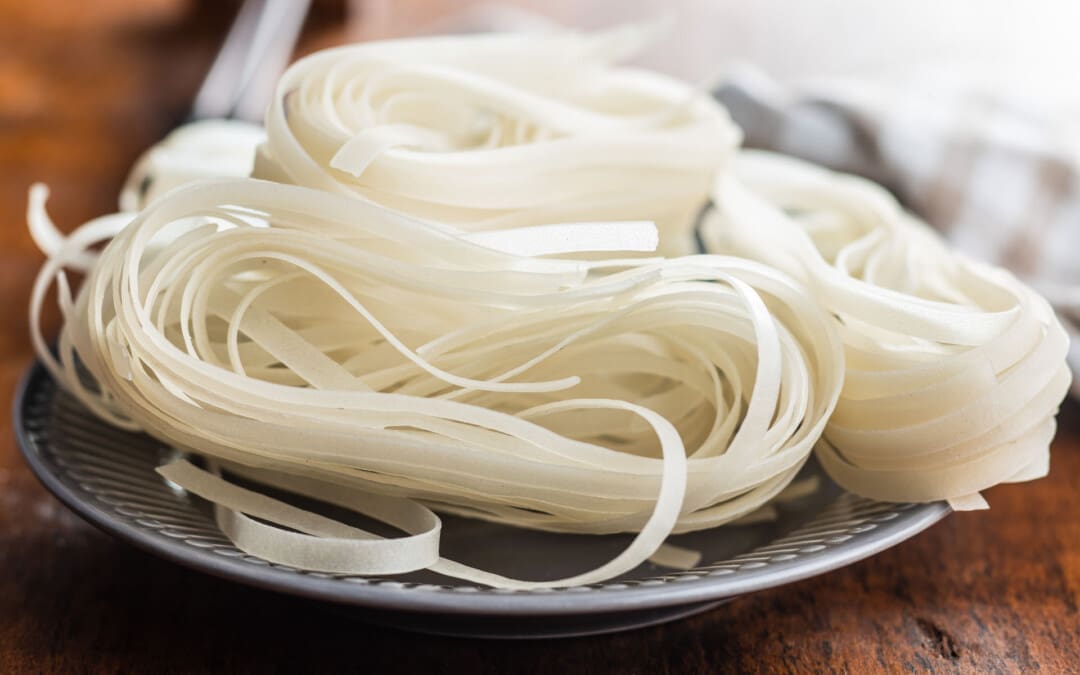
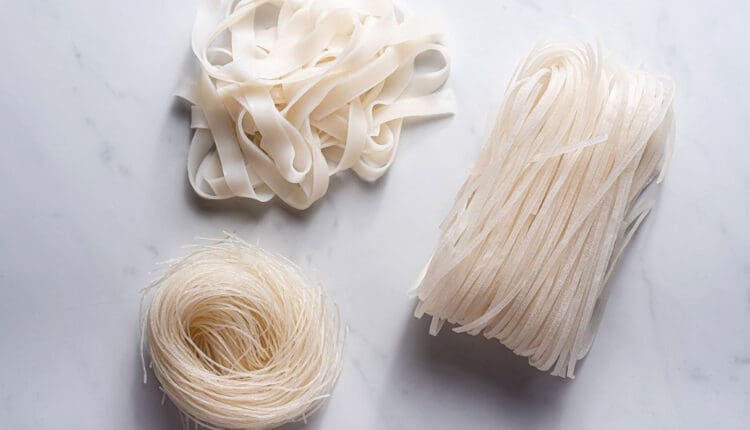
Like gluten-free pasta, rice noodles are made with rice flour instead of semolina wheat. Different types of rice, such as brown and white, can be used to make rice noodles. The ingredients are typically rice flour, water, and tapioca starch for texture. Compared with wheat pasta, rice noodles have a mild flavor and texture.
Regular spaghetti noodles are made with semolina, which comes from durum wheat. Rice noodles are a healthy source of complex carbohydrates, with 41.8g of carbohydrates per serving. Individuals who follow a low-carb diet or track their carb intake should consider portion sizes when enjoying rice noodle dishes.
Fats
Rice noodles contain less than 1g of fat per serving. However, the fat content of meals may vary depending on the other ingredients, sauces, and toppings. Foods high in fat, such as vegetable oils, nuts, seeds, avocados, fish, and eggs, will increase the total fat.
Protein
Rice noodles have 3.1g of protein per serving. Although they are not a significant source of protein, they can be paired with other protein sources, such as meat, fish, or tofu, to make high-protein meals.
Vitamins and Minerals
Rice noodles contain small amounts of:
Calcium
Iron
Magnesium
Zinc
Health Benefits
The noodles are an alternative to regular pasta, which can be a healthful addition to a well-balanced diet and make for a great gluten-free pasta alternative.
Energy Levels
Because they are predominantly made of carbohydrate calories, they are beneficial for increasing and sustaining energy levels.
Gluten-Free Alternative
Rice noodles are especially beneficial for individuals who follow a gluten-free diet.
Individuals with celiac disease and non-celiac gluten sensitivity should read rice noodle packaging carefully to ensure it is gluten-free.
The noodles are also suitable for vegan, vegetarian, low-fat, and low-calorie diets.
Allergies
The noodles are inherently gluten-free because the main ingredient is rice flour. However, individuals with gluten intolerance should ensure no cross-contamination occurs with other non-gluten-free ingredients. Individuals with dietary allergies should check the label to see if cross-contamination may have occurred during processing or if a rice noodle product contains added allergens. Rice noodles are also free of other common allergens, including dairy, soy, eggs, fish, nuts, and wheat.
Preparation
They are cooked by boiling them in water, which rehydrates them. Once cooked, they can be used like regular pasta noodles. They are commonly used in stir-fries and Italian pasta dishes and can be used as substitutes for wheat, egg, and ramen noodles. If a recipe calls for any noodles, use rice noodles instead to change up the texture and flavor.
Storage and Safety
The noodles should be stored in a cool, dry place like the pantry. They come in vacuum-sealed packaging or boxes, so they do not need refrigeration until cooked.
Injury Medical Chiropractic and Functional Medicine Clinic
Injury Medical Chiropractic and Functional Medicine Clinic focuses on and treats injuries and chronic pain syndromes through personalized care plans that improve ability through flexibility, mobility, and agility programs to relieve pain. Our providers use an integrated approach to create customized care plans for each patient and restore health and function to the body through nutrition and wellness, functional medicine, acupuncture, electroacupuncture, and various medicine protocols. If the individual needs other treatment, they will be referred to a clinic or physician best suited for them. Dr. Jimenez has teamed up with top surgeons, clinical specialists, medical researchers, nutritionists, and health coaches to provide the most effective clinical treatments.
Atherosclerosis: The Joint Pain Connection
References
U.S. Department of Agriculture, FoodData Central. (2020). Rice Noodles, cooked. Retrieved from https://fdc.nal.usda.gov/food-details/1101528/nutrients
Can protein powder be used in different ways to effectively support nutrition goals for individuals who aim to build muscle, maintain weight, or acquire more protein in their diet?
Different Ways To Use Protein Powder
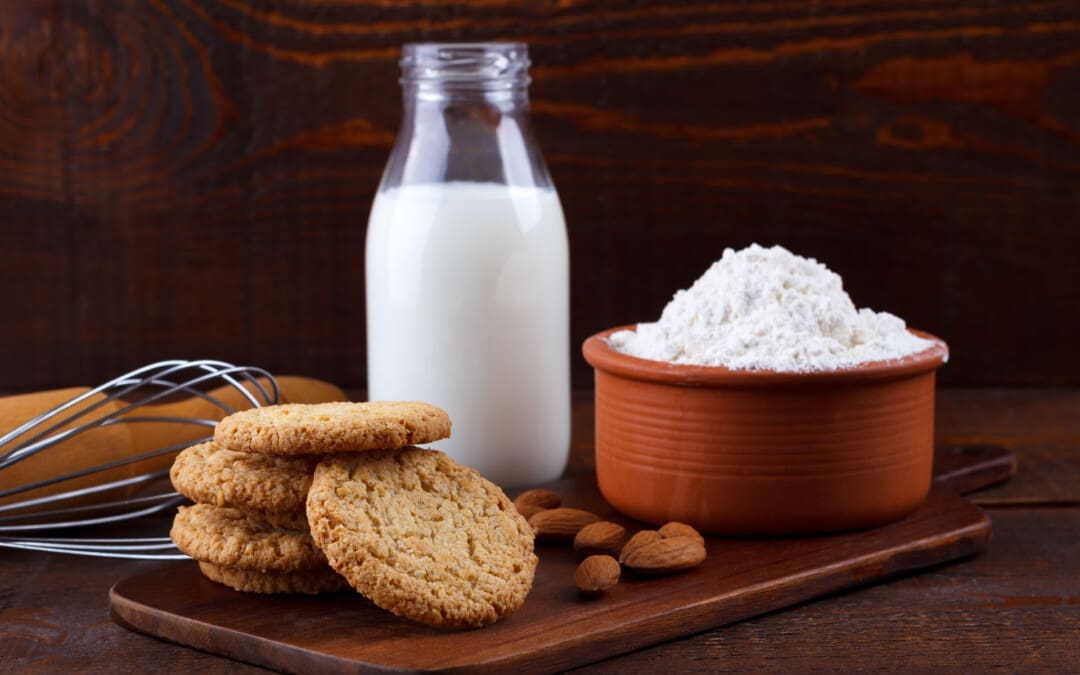
Protein powder is a quick and easy way to get protein before or after a workout. Add a scoop to a shaker bottle, mix with water, and you’re ready. However, having the same shake daily can become boring. Finding different ways to use protein powder can be a welcome change in workout nutrition habits. It is versatile, making it a great addition to smoothies, baked goods, oatmeal, yogurt, and more.
Learning different ways to use protein powder can help create an exciting and diversified menu, from meals to snacks. Individuals can use conventional or organic powder. Here are a few ideas:
Oatmeal
Adding protein powder to overnight oats or stovetop oatmeal is a great way to increase protein content.
Protein powder mixes well with oats and milk.
Baked Goods
Protein powder goes well with many baked goods.
Another way to use protein powder is to add it to brownie, muffin, cupcake, or cookie recipes.
Yogurt
Combine with yogurt and fruit for a nutrient and calorie-dense breakfast or snack to fuel the body.
It’s also a great post-workout snack.
Coffee
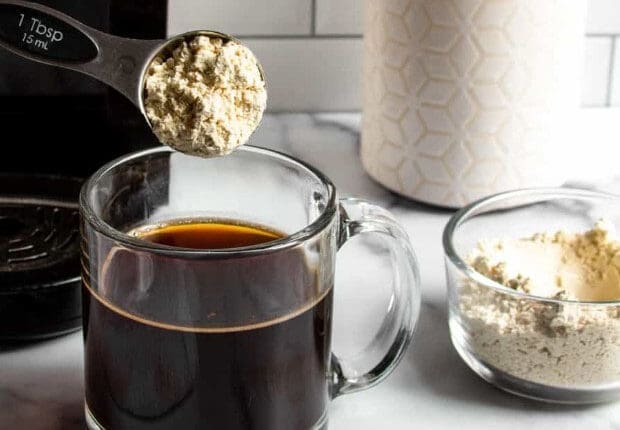
Adding protein powder to coffee makes it easy to increase daily protein intake.
Stir with a spoon, like adding powdered cream, or blend or froth hot coffee with protein powder to make it like a cappuccino.
Pancakes
Adding to a batch of pancakes is a great way to use protein powder.
How much protein powder per day?
Consuming one to two scoops (between 25 to 50 grams) daily is generally safe, which is what most recipes call for. Following the recommended dosage on the product label is highly recommended. The Recommended Dietary Allowance of protein for a healthy adult, regardless of age, is 0.8 grams per kilogram of body weight per day. (Wu G. 2016)
How long after a workout should protein powder be taken?
Whether running or lifting weights, consuming protein within the anabolic window approximately 30 minutes to two hours after a workout enhances muscle recovery, repair, and growth. (Aragon A. A., & Schoenfeld, B. J. 2013) Daily protein intake is recommended for improved performance, muscle growth, and optimal recovery. (Cintineo H. P. et al., 2018) Muscle building is 25 percent higher when protein intake is evenly spaced throughout the day. (Mamerow M. M. et al., 2014)
Protein Shake Side Effects
Consuming the recommended amount of one to two scoops daily is generally safe and doesn’t have side effects. However, exceeding recommended daily intake can cause unwanted side effects that include:
Bloating
Flatulence
Increased bowel movements
Acne
Nausea
Thirst
Fatigue
Headache
Lack or loss of appetite
Studies have found that excess whey protein supplementation is associated with increased aggression, acne, and disturbance of the gut microbiota. (Vasconcelos Q. D. J. S. et al., 2021)
For individuals who want to get more out of their pre- or post-workout supplements, choose high-quality organic protein powders that contain all essential amino acids and wholesome ingredients with no fillers or additives. Consult a healthcare provider if considering supplementing with protein powder or looking to increase protein intake along with a registered dietitian to help determine how much protein is needed based on personal needs, activity, and fitness levels and goals.
Injury Medical Chiropractic and Functional Medicine Clinic
Chiropractic care aims to help individuals improve movement with less pain due to condition, after injury, or surgery. Injury Medical Chiropractic and Functional Medicine Clinic works with primary healthcare providers and specialists to build optimal health and wellness solutions. We focus on what works for you to relieve pain, restore function, prevent injury, and help mitigate issues through adjustments that help the body realign itself. They can also work with other medical professionals to integrate a treatment plan to resolve musculoskeletal problems.
Benefits of a Healthy Diet and Chiropractic Care
References
Cintineo, H. P., Arent, M. A., Antonio, J., & Arent, S. M. (2018). Effects of Protein Supplementation on Performance and Recovery in Resistance and Endurance Training. Frontiers in nutrition, 5, 83. https://doi.org/10.3389/fnut.2018.00083
Gorissen, S. H. M., Crombag, J. J. R., Senden, J. M. G., Waterval, W. A. H., Bierau, J., Verdijk, L. B., & van Loon, L. J. C. (2018). Protein content and amino acid composition of commercially available plant-based protein isolates. Amino acids, 50(12), 1685–1695. https://doi.org/10.1007/s00726-018-2640-5
Batsis, J. A., Petersen, C. L., Cook, S. B., Al-Nimr, R. I., Driesse, T., Pidgeon, D., & Fielding, R. (2021). Impact of whey protein supplementation in a weight-loss intervention in rural dwelling adults: A feasibility study. Clinical nutrition ESPEN, 45, 426–432. https://doi.org/10.1016/j.clnesp.2021.07.006
West, D. W. D., Abou Sawan, S., Mazzulla, M., Williamson, E., & Moore, D. R. (2017). Whey Protein Supplementation Enhances Whole Body Protein Metabolism and Performance Recovery after Resistance Exercise: A Double-Blind Crossover Study. Nutrients, 9(7), 735. https://doi.org/10.3390/nu9070735
Fekete, Á. A., Giromini, C., Chatzidiakou, Y., Givens, D. I., & Lovegrove, J. A. (2018). Whey protein lowers systolic blood pressure and Ca-caseinate reduces serum TAG after a high-fat meal in mildly hypertensive adults. Scientific reports, 8(1), 5026. https://doi.org/10.1038/s41598-018-23333-2
Ha, D. J., Kim, J., Kim, S., Go, G. W., & Whang, K. Y. (2021). Dietary Whey Protein Supplementation Increases Immunoglobulin G Production by Affecting Helper T Cell Populations after Antigen Exposure. Foods (Basel, Switzerland), 10(1), 194. https://doi.org/10.3390/foods10010194
Wu G. (2016). Dietary protein intake and human health. Food & function, 7(3), 1251–1265. https://doi.org/10.1039/c5fo01530h
Aragon, A. A., & Schoenfeld, B. J. (2013). Nutrient timing revisited: is there a post-exercise anabolic window?. Journal of the International Society of Sports Nutrition, 10(1), 5. https://doi.org/10.1186/1550-2783-10-5
Mamerow, M. M., Mettler, J. A., English, K. L., Casperson, S. L., Arentson-Lantz, E., Sheffield-Moore, M., Layman, D. K., & Paddon-Jones, D. (2014). Dietary protein distribution positively influences 24-h muscle protein synthesis in healthy adults. The Journal of nutrition, 144(6), 876–880. https://doi.org/10.3945/jn.113.185280
Vasconcelos, Q. D. J. S., Bachur, T. P. R., & Aragão, G. F. (2021). Whey protein supplementation and its potentially adverse effects on health: a systematic review. Applied physiology, nutrition, and metabolism = Physiologie appliquee, nutrition et metabolisme, 46(1), 27–33. https://doi.org/10.1139/apnm-2020-0370
Individuals don’t have to memorize or overthink every vitamin, mineral, or macronutrient. Can having a basic understanding of the role different nutrients play in overall health and daily function help make food decisions easier?
Nutrients The Body Needs
Nutrients, in general, are substances that provide nourishment for growth and the maintenance of life. There are six categories of nutrients, all of which are necessary to sustain life.
Categories
Carbohydrates
Fats
Minerals
Proteins
Vitamins
Water
Macronutrients vs. Micronutrients
Categorizing nutrients makes remembering easy and allows for comparison and contrast. Nutrients are grouped by size or how they function in the body. There are two groups: micronutrients and macronutrients, with water usually left alone in a group.
Carbohydrates, Proteins, and Fats
They are macronutrients because they are large energy nutrients and provide the fuel the body needs to function.
Fiber is a carbohydrate the body can’t digest, so it doesn’t provide energy or structure assistance. However, it is necessary for digestive system function. (US National Library of Medicine, 2023)
Two types are soluble fiber, which dissolves in water, and insoluble fiber, which doesn’t.
Vitamins and Minerals
They are called micronutrients because they’re smaller.
They are essential nutrients, but the body only needs little bits.
Micronutrients are classified by whether they’re fat or water-soluble.
Vitamins A, D, E, and K are fat-soluble.
B-complex vitamins and C are water-soluble.
Minerals are grouped as major or trace minerals, depending on how much of each is necessary. Nutrients can also be grouped by whether or not they are organic, meaning organic chemistry, not organic farming or food production. Water and minerals are inorganic; the rest are organic because they contain carbon atoms.
Importance
Nutrients are necessary for proper health and development for the following reasons.
Energy Production
Carbohydrates, fats, and proteins provide energy (measured in calories) for the body’s daily and night biochemical reactions (Academy of Nutrition and Dietetics, 2024). Fat has more calories than carbohydrates or protein; one gram of fat has nine calories, and carbohydrates or protein have four calories per gram.
Maintain Body Structures
Fats, proteins, and minerals build and maintain tissues, organs, and other structures, including bones and teeth.
The body can convert any extra carbohydrates into fat stored in adipose tissue.
The body can also store carbohydrates as glycogen in the muscles and liver and use them as energy.
When the tanks are full, the body stores carbohydrates as fat.
Regulate Body Functions
Nutrients assist in body function regulation.
All regulate body functions such as sweating, temperature, metabolism, blood pressure, thyroid function, and more.
When all different functions are balanced, the body is in homeostasis.
Phytonutrients
Phytonutrients are not included in the major classes but are chemical compounds found in plants that can provide potential health benefits. (Gupta C., & Prakash D. 2014) There are various names they go by, such as flavonoids, phytochemicals, flavones, isoflavones, catechins, and anthocyanidins, and commonly include beta-carotene, lycopene, and resveratrol. (The Foundation for Fresh Produce, 2024) Ongoing studies are investigating the role they play in human health. However, because they typically occur in nutritious foods, it can be challenging to know how much of the benefits come from the regular nutrients or the phytonutrients.
Injury Medical Chiropractic and Functional Medicine Clinic
A balanced diet looks different for everyone. Learning about how nutrients maintain body health will help when choosing foods and planning meals. Consuming various products like fruits and vegetables, grains, proteins, healthy fats, and sweets and treats in moderation. Injury Medical Chiropractic and Functional Medicine Clinic works with primary healthcare providers and specialists to develop a personalized treatment plan through an integrated approach to treating injuries and chronic pain syndromes, improving flexibility, mobility, and agility programs to relieve pain and help individuals return to optimal function. Our providers use an integrated approach to create personalized care plans for each patient and restore health and function to the body through nutrition and wellness, functional medicine, acupuncture, Electroacupuncture, and sports medicine protocols. If the individual needs other treatment, they will be referred to a clinic or physician best suited for them. Dr. Jimenez has teamed up with top surgeons, clinical specialists, medical researchers, nutritionists, and health coaches to provide the most effective clinical treatments.
Eat Right, Feel Better
References
US National Library of Medicine. (2023). Dietary fiber. Retrieved from https://medlineplus.gov/dietaryfiber.html
Academy of Nutrition and Dietetics. (2024). Essential Nutrients. https://www.eatright.org/health/essential-nutrients
Gupta, C., & Prakash, D. (2014). Phytonutrients as therapeutic agents. Journal of complementary & integrative medicine, 11(3), 151–169. https://doi.org/10.1515/jcim-2013-0021
The Foundation for Fresh Produce. (2024). What Are Phytonutrients? https://fruitsandveggies.org/stories/what-are-phytochemicals/
Can the short-term potato diet be a solution for individuals trying to lose weight?
Potato Diet
There is no one-size-fits-all approach to a healthy lifestyle diet. A successful nutrition plan needs to be personalized to the individual. Potatoes are an excellent source of fiber, vitamins, and minerals and are the primary source of calories in this diet. The potato diet has variations, but followers eat plain potatoes for several days in the diet’s simplest form.
What Can Be Eaten?
While there are variations, all potato diets are vegan, low in dietary fat, and encourage eating until satisfied. Instead of weighing portions or counting calories, individuals are encouraged to eat until full. The potato diet encourages volume eating, when individuals fill up on foods that are naturally lower in calories. Eating a large volume leaves the body feeling full, though fewer calories are eaten throughout the day.
Potato Types
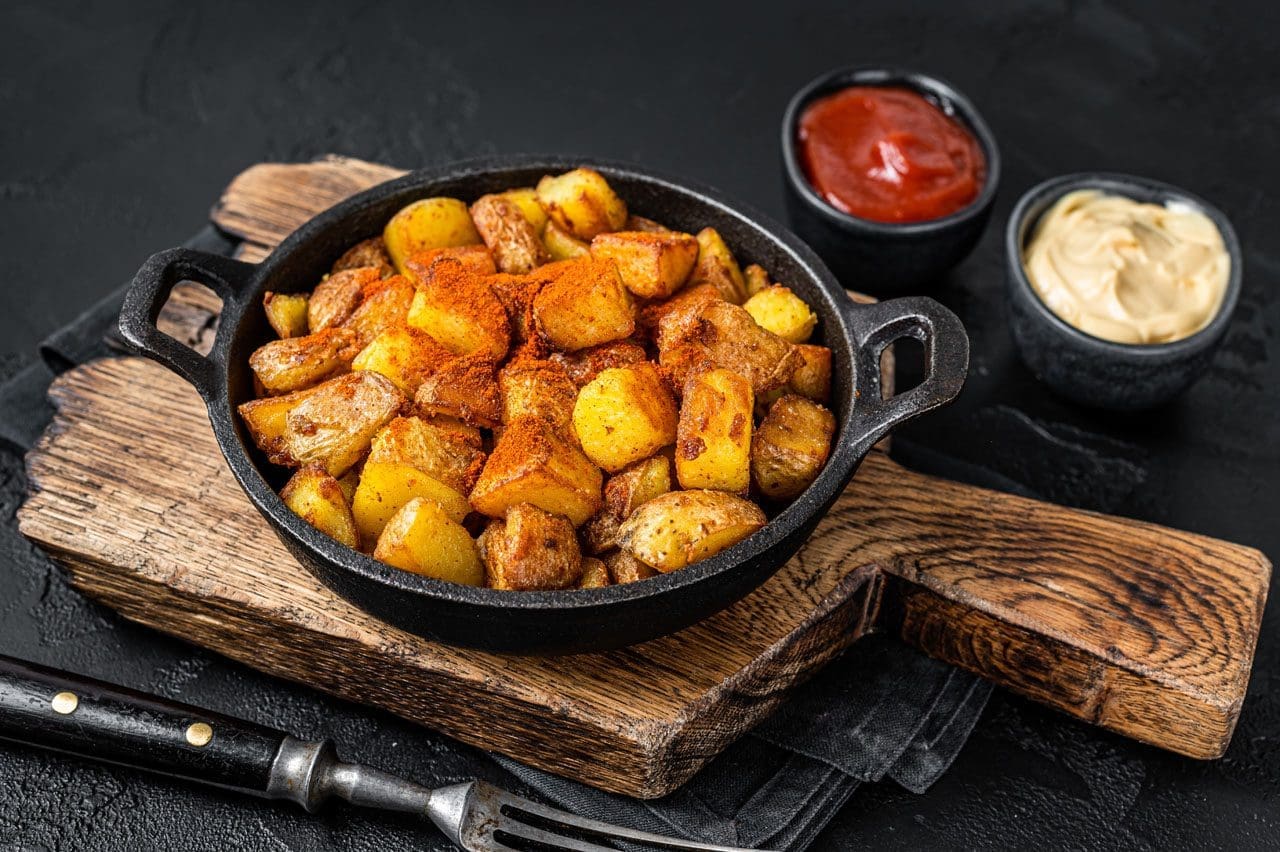
The variety of potatoes allowed depends on the version of the potato diet being followed. Some require sticking to plain white potatoes, while a more forgiving version allows other varieties, such as yellow, red, and sweet potatoes.
Plant-based Foods, Low-Calorie, and Whole
In its purest form, the diet does not allow for other food besides potatoes, even fruits and vegetables. However, looser forms of the potato diet are designed to be more sustainable in the long term. Depending on the version of the potato diet being followed, individuals may be able to consume unprocessed foods in their whole form. However, potatoes should make up the bulk of the plate even when other foods are permitted. The additional foods are supplements to the potatoes for their nutritional content and include:
Fruits
Grains
Legumes
Vegetables
Condiments and Seasonings
Condiments, sauces, and seasonings are limited to small quantities of low-fat condiments like mustard and homemade ketchup. Salt is allowed to season the potatoes, but not a lot. Generally, sauces and seasonings should be made with fat-free ingredients and kept to a minimum.
Beverages
Water, plain tea, and plain coffee are the only beverages allowed on the potato diet. Staying hydrated is essential, so drinking plenty of water is encouraged.
What Is Restricted?
Depending on the diet version, certain foods are not allowed. In the strictest form, individuals eat only plain potatoes for several days.
Added Fats
Because the potato diet is low-fat, it strictly prohibits animal products and fats such as vegetable oils. Fats are a dense source of calories; even small amounts add up quickly. However, healthy fats can promote the absorption of potato nutrients. Because it is designed for maximum weight loss over a short period, the diet restricts added fats like:
Butter
Vegetable oil
Avocado
Nuts
Seeds
Processed and Refined Foods
The diet encourages eating whole, unprocessed foods during the plan’s duration. Processed foods are usually high in calories, fat, and sodium and are lower in nutrients than whole foods. For example, a baked potato is more nutritious than tater tots, fries, and potato chips, even though all are made with potatoes. Others include:
Bread
Cereal
Crackers
Muffins
Pasta
Doughnuts
Animal Products
All variations of the potato diet are vegan. While following the diet, all animal products are restricted and include:
Eggs
Dairy
Meat
Poultry
Fish
Seafood
Preparation
The diet is designed to be followed short-term for quick weight loss, so there is no meal schedule. Followers can eat breakfast, lunch, dinner, and snacks until full. Typically, individuals participate for two to five days, though some may follow the diet for up to a week. The potato preparation method is as important as the type of potato. It is recommended to use cooking methods that do not require added fat, such as boiling, steaming, baking, and roasting.
How many potatoes to eat in a day depends on the individual. A general recommendation is to eat approximately two to five pounds daily. Consuming enough calories in this diet is important since it is restrictive, and followers may not get enough nutrients if they eat too few calories. An extremely low-fat or fat-free diet is not sustainable. (Harvard Health Publishing, Harvard Medical School, 2021)
Pros
The potato diet can help with short-term weight loss and reduce fat and sodium intake, as well as a few other health benefits and include the following:
Weight Loss
The diet is designed for weight loss.
It is effective because it is naturally low in fat and calories.
Short-term
Individuals who prefer shorter diets for quick results may appreciate that the diet lasts two to five days.
Improve Digestion
Some like the diet for digestive benefits.
Potatoes are easy to digest, making this food gentle on the gastrointestinal tract.
Potatoes contain a rich source of fiber, which keeps food moving smoothly through the digestive system.
Easy to Follow
Mono diets are the easiest to follow.
It is easy to understand what is allowed and what to avoid.
Individuals who struggle with complicated rules will appreciate the simplicity.
Cons
The potato diet can come with health risks that include the following:
Sustainability
Eating only one food, even a root vegetable, is not sustainable.
Unbalanced
Many nutrient-rich foods are not allowed.
Though potatoes are nutritious, they lack some essential nutrients.
The diet can result in nutritional deficiencies.
Short-term Weight Loss
The weight loss may not be sustainable since the diet is followed for a few days.
Any weight lost during the diet may not be kept off long-term.
This may be water weight, which is different from losing body fat.
Once the individual returns to their normal lifestyle, they may regain some or all of the weight lost and possibly gain weight.
Discourages Healthy Eating
A nutrient-dense diet is rich in various foods.
The potato diet is nutritionally unbalanced and discourages healthy eating habits.
Injury Medical Chiropractic and Functional Medicine Clinic
This is a restrictive diet that is not meant to be followed long-term. Before starting a new diet plan, consult a healthcare provider or a registered dietitian, especially if underlying health conditions exist. Injury Medical Chiropractic and Functional Medicine Clinic works with primary healthcare providers and specialists to develop a personalized treatment plan through an integrated approach to treating injuries and chronic pain syndromes, improving flexibility, mobility, and agility programs to relieve pain and help individuals return to optimal function. Our providers use an integrated approach to create personalized care plans for each patient and restore health and function to the body through nutrition and wellness, functional medicine, acupuncture, Electroacupuncture, and sports medicine protocols. If the individual needs other treatment, they will be referred to a clinic or physician best suited for them. Dr. Jimenez has teamed up with top surgeons, clinical specialists, medical researchers, nutritionists, and health coaches to provide the most effective clinical treatments.
Functional Nutrition and Lifestyle Change
References
Harvard Health Publishing, Harvard Medical School. (2021). Know the facts about fats. https://www.health.harvard.edu/staying-healthy/know-the-facts-about-fats
Schaumberg, K., & Anderson, D. (2016). Dietary restraint and weight loss as risk factors for eating pathology. Eating behaviors, 23, 97–103. https://doi.org/10.1016/j.eatbeh.2016.08.009
U.S. Department of Health and Human Services and U.S. Department of Agriculture. (2020). 2020–2025 Dietary Guidelines for Americans. Retrieved from https://www.dietaryguidelines.gov/sites/default/files/2020-12/Dietary_Guidelines_for_Americans_2020-2025.pdf
Can healthy noodle alternatives and heart-healthy ingredients help make cholesterol-friendly pasta dishes for individuals trying to lower and manage cholesterol levels?
Pasta and Cholesterol
Pasta, like other refined carbohydrates such as white bread and rice, can increase cholesterol levels. Although pasta does not contain cholesterol, it is high in carbohydrates, which can increase the amount of calories and fat in one’s diet and contribute to high cholesterol levels. Since some types of carbohydrates can affect cholesterol levels, the goal is to eat the right pasta and healthier sauces and sides. Even for those following a cholesterol-lowering diet, there’s no reason you can’t enjoy meals containing pasta occasionally.
The Pasta and Cholesterol Link
Pasta made from white flour is considered a refined carbohydrate because it is high in carbs and low in fiber. Research has shown that a diet high in refined carbohydrates is associated with increased levels of triglycerides and LDL (unhealthy) cholesterol in the blood. (Yu, D. et al., 2013) (Bhardwaj B., O’Keefe E. L., and O’Keefe J. H. 2016) High levels of blood fats increase the risk of developing heart disease. Examples of refined carbohydrates include:
White rice
Breakfast cereals
Potato Chips
White bread
Pastries
Pizza
One cup of dry pasta has 0 milligrams of cholesterol but is high in carbohydrates, with around 43 grams per serving (U.S. Department of Agriculture, 2018). Eating foods high in saturated fats and refined carbohydrates can raise cholesterol levels.
Choosing Healthy Alternatives
Choosing healthier options that are cholesterol-friendly can make pasta healthy. Pasta labeled whole wheat or whole grain is darker than white flour pasta, which contains more fiber and can lower cholesterol levels and reduce the risk of heart disease. (American Heart Association, 2024) The label will show the carbohydrate and fiber content per serving.
Alternatives
Alternatives that are lower in carbohydrates and/or higher in protein and fiber include:
Spaghetti squash
Spiralized vegetables like zucchini, carrots, and butternut squash.
Shirataki noodles are made from the konjac plant.
Chickpea pasta
Black bean pasta
Red lentil pasta
Edamame pasta
Vegetables
Vegetables are heart-healthy and are a great addition to pasta dishes. Vegetables that pair well with pasta include:
Peppers
Onion
Zucchini
Spinach
Broccoli
Asparagus
Add a few olives, which contain healthy monounsaturated fats. (Rocha J., Borges N., and Pinho O. 2020) Mix vegetables and pasta in equal amounts to create a lower-carb, fiber-dense dish that will keep cholesterol levels low and maintain a healthy heart.
Cheese and Low-Fat Cheese
It is common to incorporate cheese. While cheese contains calcium and adds flavor and texture, it also adds saturated fat. The American Heart Association recommends that saturated fats make up less than 6% of daily calories because of their role in heart health and high cholesterol risks. (American Heart Association, 2024) Instead, use a small amount of cheese, such as Romano or cheddar, and add a small amount of low-fat cheese that includes:
Parmesan cheese
Part-skim mozzarella cheese
Low-fat ricotta
Low-fat cottage cheese
Lean Meats
Sausage and ground beef are common additions but are also a source of saturated fat that could raise cholesterol levels. (American Heart Association, 2024) So, when possible, limit red meat and sausage or use a low-fat sausage alternative that is chicken or turkey-based, and add heart-healthy options, which include:
Beans
Shrimp
Turkey
Chicken
Salmon
Make It Herbaceous and Spicy
Spices can enhance the taste of a dish. Many herbs and spices commonly used in pasta dishes, such as parsley, oregano, garlic, and basil, contain healthy nutrients and don’t add any fat or calories. Spice up a pasta dish to taste with a little heart-healthy olive oil and spices to create a light coating on the noodles. (Rocha J., Borges N., and Pinho O. 2020) One tablespoon of olive oil contains nearly 120 calories and 14 grams of fat. (U.S. Department of Agriculture, 2019)
Healthy Sauces
Sauces are important, but an unhealthy one can introduce extra sugar and fat. Plenty of healthy sauces are at the store, but check the label as some contain extra salt, sugar, and fat, which are not heart-healthy. (U.S. Department of Health and Human Services and U.S. Department of Agriculture. 2015) Try to limit the use of creamy sauces, such as cheese and alfredo sauces, as they are a source of added fat and are high in saturated fat. An alternative is to dress the pasta with sautéd olive oil and sliced cherry tomatoes. Sauteing helps soften the tomatoes and release extra flavor into the oil.
Injury Medical Chiropractic and Functional Medicine Clinic
So, experiment with healthy pasta, various vegetables, lean meat, and healthy sauces to add flavor and make your next pasta dish delicious and cholesterol-friendly. Injury Medical Chiropractic and Functional Medicine Clinic focuses on and treats injuries and chronic pain syndromes through personalized care plans that improve ability through flexibility, mobility, and agility programs to relieve pain. Our providers use an integrated approach to create customized care plans for each patient and restore health and function to the body through nutrition and wellness, functional medicine, acupuncture, Electroacupuncture, and sports medicine protocols. If the individual needs other treatment, they will be referred to a clinic or physician best suited for them. Dr. Jimenez has teamed up with top surgeons, clinical specialists, medical researchers, nutritionists, and health coaches to provide the most effective clinical treatments.
Chiropractic, Fitness, and Nutrition
References
Yu, D., Shu, X. O., Li, H., Xiang, Y. B., Yang, G., Gao, Y. T., Zheng, W., & Zhang, X. (2013). Dietary carbohydrates, refined grains, glycemic load, and risk of coronary heart disease in Chinese adults. American journal of epidemiology, 178(10), 1542–1549. https://doi.org/10.1093/aje/kwt178
Bhardwaj, B., O’Keefe, E. L., & O’Keefe, J. H. (2016). Death by Carbs: Added Sugars and Refined Carbohydrates Cause Diabetes and Cardiovascular Disease in Asian Indians. Missouri medicine, 113(5), 395–400.
U.S. Department of Agriculture. FoodData Central. (2018). Pasta, dry, enriched. Retrieved from https://fdc.nal.usda.gov/fdc-app.html#/food-details/169736/nutrients
American Heart Association. (2024). Whole grains, refined grains, and dietary fiber. https://www.heart.org/en/healthy-living/healthy-eating/eat-smart/nutrition-basics/whole-grains-refined-grains-and-dietary-fiber
Rocha, J., Borges, N., & Pinho, O. (2020). Table olives and health: a review. Journal of nutritional science, 9, e57. https://doi.org/10.1017/jns.2020.50
American Heart Association. (2024). Saturated fat. https://www.heart.org/en/healthy-living/healthy-eating/eat-smart/fats/saturated-fats
U.S. Department of Agriculture. FoodData Central. (2019). Oil, olive, extra virgin. Retrieved from https://fdc.nal.usda.gov/fdc-app.html#/food-details/748608/nutrients
U.S. Department of Health and Human Services and U.S. Department of Agriculture. (2015). Dietary Guidelines for Americans. 8th Edition. Retrieved from https://odphp.health.gov/our-work/nutrition-physical-activity/dietary-guidelines/previous-dietary-guidelines/2015
Does an individual’s ideal daily intake of vegetables depend on age, sex, and activity level?
Daily Serving of Vegetables
Vegetables are vital to a healthy diet. Every type offers various nutrients in a unique combination of vitamins, minerals, and phytochemicals. Plus, they are low in fat and calories and packed with fiber. The U.S. Department of Agriculture and other health organizations recommend eating a variety for optimal health. An age guide recommends the number of cups of vegetables that babies and older adults should consume daily. The U.S. Centers for Disease Control and Prevention reports that very few individuals meet the vegetable consumption guidelines, putting them at risk for chronic diseases like diabetes and heart disease. (U.S. Centers for Disease Control and Prevention, 2017)
What Is a Serving?
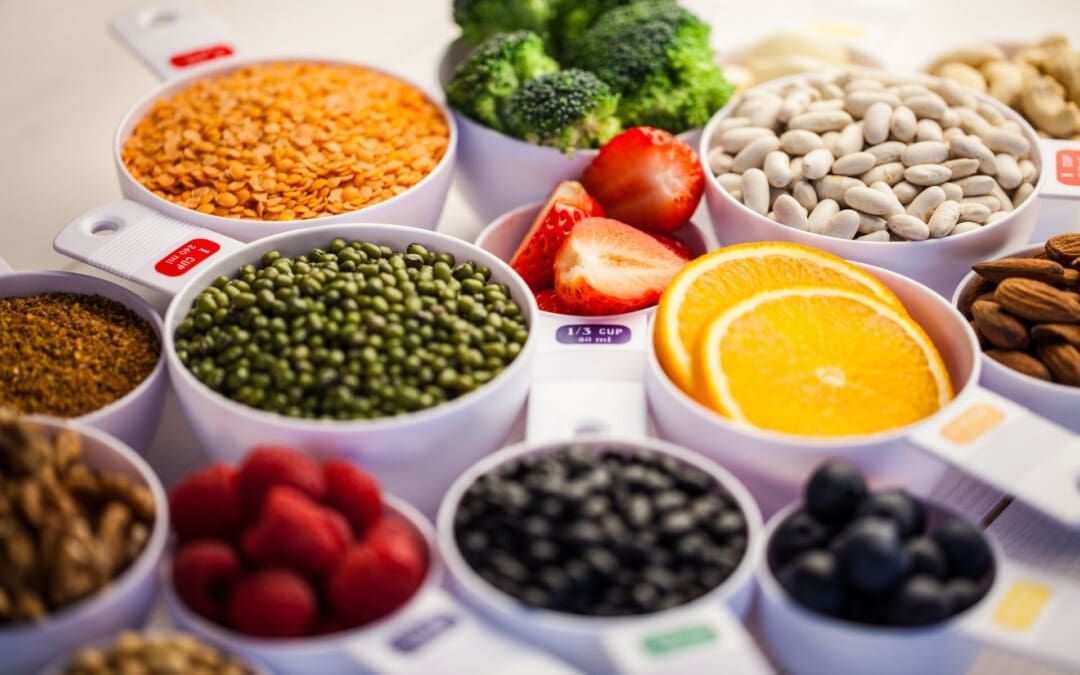
Current Dietary Guidelines recommend 2 1/2 cups of vegetables or nine servings daily. However, the amount varies by age. Serving sizes are also based on the type of vegetable. Overall, individuals are recommended to consume a variety each day. For most vegetables, a serving equals the amount that will fill one measuring cup. However, a serving of raw leafy greens like spinach and lettuce is two cups (U. S. Department of Agriculture, 2020), and eight ounces of vegetable juice also counts as one cup serving. For those who don’t have a measuring cup or kitchen scale, here are some one-cup equivalents for certain vegetables.
One large tomato
One medium potato
One large ear of corn
One large sweet pepper
One large sweet potato
Two medium carrots
Five or six broccoli florets
Another way is to use tablespoons—one cup contains around 16 tablespoons, which can be used when calculating servings for babies, toddlers, and young children.
Babies
Most babies are ready to eat solid foods between four and six months. There’s no ideal order, so starting with vegetables is fine. Starting babies with foods like peas, carrots, and squash could help encourage a preference for these foods that will carry on into adulthood, as babies tend to gravitate toward sweet flavors and may only want applesauce and pears, which could lead to not wanting to eat vegetables. It is recommended to start with a few teaspoons at a time. Eventually, they will eat about three or four tablespoons of baby food, like cereal or purees, a few times a day, which can fill about half a cup.
Toddlers 2-3
Toddlers age two to three should consume one cup of vegetables each day. If that sounds like a lot, remember that one cup can be spread throughout the day—it doesn’t have to be finished in a single meal. It also means one cup of various vegetables, not just one type. For example, some baby carrots during breakfast, steamed broccoli for lunch, and roasted sweet potatoes with dinner. Each serving can include four tablespoons that will become one serving. And if the only vegetable the toddler will eat is corn, that’s okay. There are also ways to disguise vegetables so they will eat them, like spinach or kale, which can disappear into a fruit smoothie. Children under five can choke on uncooked fruits and vegetables, so make sure whatever form is safe.
Young Children 4-8
Boys and girls in this age group should eat one and a half cups of vegetables daily. Regarding preparation, it’s fine to eat raw and cooked veggies. However, four-year-olds are still at risk of choking on raw vegetables. Cut carrots, bell peppers, and other vegetables into pieces no larger than a half-inch long so they won’t get stuck in their throat if inadvertently swallowed without chewing properly. And steamed, baked, and roasted vegetables are the healthiest.
Tweens 9-13
During the tween years, nutritional needs vary slightly based on sex. The recommended daily amount for girls is at least two cups. For boys, the recommendation is at least two and a half cups. Tweens of either gender who are especially active benefit from eating more than the suggested minimum. Research shows that boys eat fewer vegetables and fruits than girls. (Bere E. et al., 2008) Offer as much variety of vegetables and ways to prepare to find the ones they enjoy most.
Teens 14-18
Teenage girls should eat at least two and a half cups of vegetables daily, and boys eat at least three cups. Active teens who get 30 minutes of exercise daily may need more. However, it can be harder to monitor their vegetable intake as kids get older and spend more time eating away from home. In all family meals, try to include a variety of healthy prepared vegetables like:
Raw in salads
Steamed
Roasted
Baked as a side dish
Folded into omelets
Added to soups and stews
Layered on pizzas
Make it easy for teenagers to have vegetables between meals. Pre-cut carrots, celery, and bell peppers can be kept front and center in the fridge alongside hummus or guacamole for dipping.
Young Adults 19-30
The recommended daily amount of vegetables for individuals ages 19 to 30 is the same as for teens: at least three cups daily for men and at least two and a half cups for women. Those who exercise should include more. If a busy lifestyle makes getting all the vegetables needed difficult, take advantage of options like smoothies, including vegetables, pre-tossed salads, and prepped-for-cooking vegetables at the store. They may be more expensive, but if the time saved makes it easier to eat vegetables, it may be worth it, and eventually, individuals will learn how to prepare their own. Kitchen gadgets, like a smoothie blender, can help with faster preparations.
Adults 31-50
As with young adults, the amount of vegetables should be at least two and a half cups daily for women, three cups for men, and more for those who work out or are physically active.
Older Adults 51-Up
Because the body’s metabolism slows down, individuals 51 and older are advised to cut calories to prevent weight gain. This also applies to calories from vegetables. Women 51 and older should consume around two cups of vegetables daily, and men should consume around two and a half cups. Active older adults should continue to factor in the amount of physical activity with vegetable intake. Individuals should talk to their doctor or see a nutritionist if they want more specific guidance on what to include in their diet.
Injury Medical Chiropractic and Functional Medicine Clinic
Injury Medical Chiropractic and Functional Medicine Clinic providers use an integrated approach to create personalized care plans for each patient and restore health and function to the body through nutrition and wellness, functional medicine, acupuncture, Electroacupuncture, and sports medicine protocols. If the individual needs other treatment, they will be referred to a clinic or physician best suited for them. Dr. Jimenez has teamed up with top surgeons, clinical specialists, medical researchers, nutritionists, and health coaches to provide the most effective clinical treatments.
Nutrition Fundamentals
References
U.S. Centers for Disease Control and Prevention. (2017). Only 1 in 10 adults get enough fruits or vegetables. Retrieved from https://archive.cdc.gov/#/details?url=https://www.cdc.gov/media/releases/2017/p1116-fruit-vegetable-consumption.html
U. S. Department of Agriculture. (2020). Vegetables. Retrieved from https://www.myplate.gov/eat-healthy/vegetables
Bere, E., Brug, J., & Klepp, K. I. (2008). Why do boys eat less fruit and vegetables than girls?. Public health nutrition, 11(3), 321–325. https://doi.org/10.1017/S1368980007000729
IFM's Find A Practitioner tool is the largest referral network in Functional Medicine, created to help patients locate Functional Medicine practitioners anywhere in the world. IFM Certified Practitioners are listed first in the search results, given their extensive education in Functional Medicine