Workout recovery is as important as working out. Pushing muscle past its normal levels creates tiny tears in the muscle tissue. It is the repairing process that generates muscle growth. Muscles that aren’t allowed to recover will not grow or gain muscle mass, and muscle strength could be reduced, making working out a struggle and hindering health goal progress. The body needs time to repair the muscles to reduce the risk of injury. Allowing enough time for recovery reduces overuse-related muscle breakdown and injuries. Muscle recovery supplements can expedite the healing process.
Muscle Recovery Supplements
Reasons for taking supplements include their ability to heal damaged muscles faster, aid in injury recovery, reduce muscle soreness, reduce muscle fatigue, and provide the muscle cells with energy during recovery.
Some studies have found that taking a creatine supplement may aid muscle recovery and greater muscle strength during recovery.
Citrulline Malate
Citrulline is a non-essential amino acid found in watermelon that converts into nitric oxide.
Nitric oxide helps open blood vessels and improve blood circulation.
This allows oxygen and nutrients to reach the muscle faster, speeding the recovery process.
Citrulline also improves the bioavailability of L-arginine, another amino acid that aids protein synthesis.
Magnesium
Magnesium assists with muscle recovery by helping the muscles relax.
When the body doesn’t have enough magnesium, there is a greater chance of muscle cramps.
Magnesium helps support healthy muscle contraction.
Tart Cherry Juice Extract
This extract works by reducing inflammation in the muscle.
Inflammation is normal, but too much can increase muscle soreness and the risk of injury.
One study found that cherry juice helps minimize post-exercise muscle pain.
Supplement Plan
After selecting a supplement plan that is the most beneficial for the individual, the next step is to devise a schedule for taking them.
When using a muscle recovery supplement can either be a pre-workout supplement or a post-workout supplement.
The recommended time to take a specific supplement is based on the type.
Individuals should talk with their doctor and a nutritionist before starting any new supplement regimen.
This helps ensure the supplements are safe and minimize negative side effects given health and medical conditions.
Nutrition In Recovery
References
Cooke, M.B., Rybalka, E., Williams, A.D. et al. Creatine supplementation enhances muscle force recovery after eccentrically-induced muscle damage in healthy individuals. J Int Soc Sports Nutr 6, 13 (2009). https://doi.org/10.1186/1550-2783-6-13
DiNicolantonio, James J et al. “Subclinical magnesium deficiency: a principal driver of cardiovascular disease and a public health crisis.” Open heart vol. 5,1 e000668. 13 Jan. 2018, doi:10.1136/openhrt-2017-000668
Gough, Lewis A et al. “A critical review of citrulline malate supplementation and exercise performance.” European journal of applied physiology vol. 121,12 (2021): 3283-3295. doi:10.1007/s00421-021-04774-6
Kuehl, Kerry S et al. “Efficacy of tart cherry juice in reducing muscle pain during running: a randomized controlled trial.” Journal of the International Society of Sports Nutrition vol. 7 17. 7 May. 2010, doi:10.1186/1550-2783-7-17
Vitale, Kenneth C et al. “Tart Cherry Juice in Athletes: A Literature Review and Commentary.” Current sports medicine reports vol. 16,4 (2017): 230-239. doi:10.1249/JSR.0000000000000385
Weinert, Dan J. “Nutrition and muscle protein synthesis: a descriptive review.” The Journal of the Canadian Chiropractic Association vol. 53,3 (2009): 186-93.
Wolfe, Robert R. “Branched-chain amino acids and muscle protein synthesis in humans: myth or reality?.” Journal of the International Society of Sports Nutrition vol. 14 30. 22 Aug. 2017, doi:10.1186/s12970-017-0184-9
Zhang, Shihai, et al. “Novel metabolic and physiological functions of branched-chain amino acids: a review.” Journal of animal science and biotechnology vol. 8 10. 23 Jan. 2017, doi:10.1186/s40104-016-0139-z
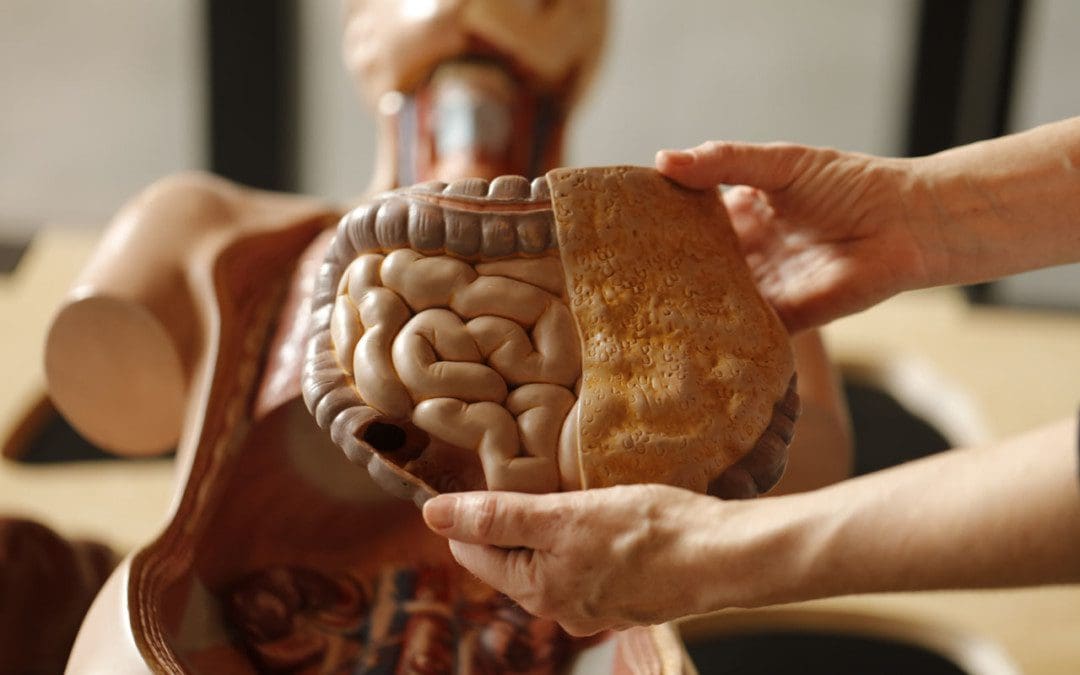
The body needs food for fuel, energy, growth, and repair. The digestive process breaks down food into a form the body can absorb and use for fuel. The broken-down food gets absorbed into the bloodstream from the small intestine, and the nutrients are carried to the cells throughout the body. Understanding how the organs work together to digest food can help with health goals and overall health.
The Digestive Process
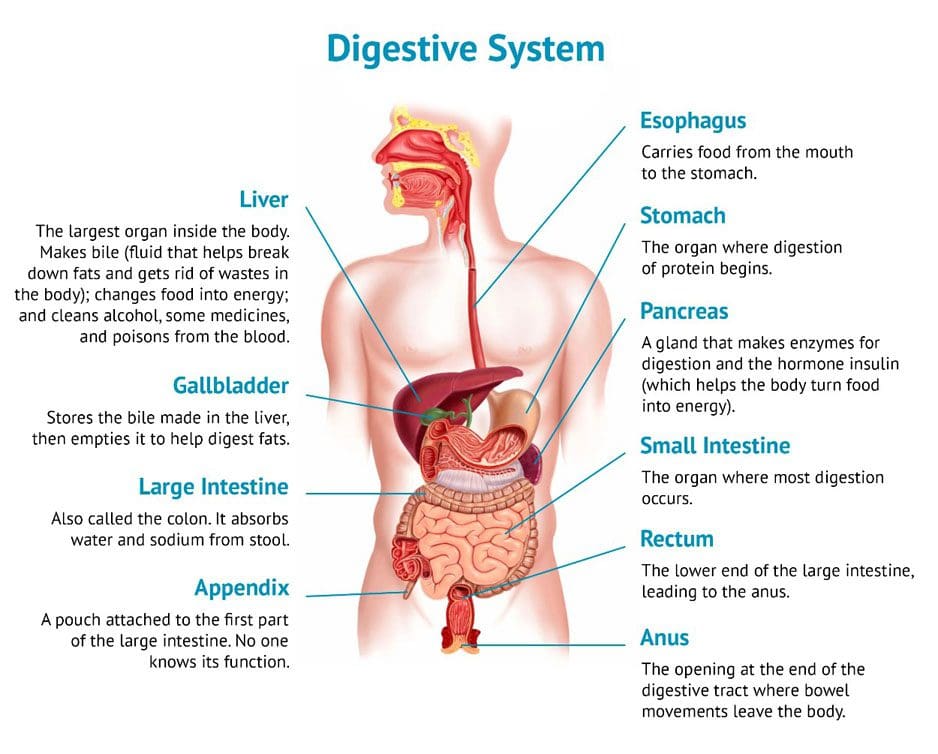
The organs of the digestive system are the following:
The digestive process starts with the anticipation of eating, stimulating the glands in the mouth to produce saliva. The digestive system’s primary functions include:
Mixing food
Moving food through the digestive tract – peristalsis
The chemical breakdown of food into smaller absorbable components.
The digestive system converts food into its simplest forms, which include:
Glucose – sugars
Amino acids – protein
Fatty acids – fats
Proper digestion extracts nutrients from food and liquids to maintain health and function properly. Nutrients include:
Carbohydrates
Proteins
Fats
Vitamins
Minerals
Water
Mouth and Esophagus
The food is ground up by the teeth and moistened with saliva to swallow easily.
Saliva also has a special chemical enzyme that starts breaking down carbohydrates into sugars.
Muscular contractions of the esophagus massage the food into the stomach.
Stomach
The food passes through a small muscle ring into the stomach.
It gets mixed with gastric chemicals.
The stomach churns the food to break it down further.
The food is then squeezed into the first part of the small intestine, the duodenum.
Small Intestine
Once in the duodenum, the food mixes with more digestive enzymes from the pancreas and bilefrom the liver.
The food passes into the lower parts of the small intestine, called the jejunum and the ileum.
Nutrients are absorbed from the ileum, lined with millions of villi or thread-like fingers that facilitate the absorption.
Each villus is connected to a mesh of capillaries, which is how nutrients get absorbed into the bloodstream.
Pancreas
The pancreas is one of the largest glands.
It secretes digestive juices and a hormone called insulin.
Insulin helps regulate the amount of sugar in the blood.
The liver has several different roles that include:
Breaks down fats using bile stored in the gallbladder.
Processes proteins and carbohydrates.
Filters and processes impurities, medications, and toxins.
Generates glucose for short-term energy from compounds like lactate and amino acids.
Large Intestine
A large reservoir of microbes and healthy bacteria live in the large intestine and play an important role in healthy digestion.
Once the nutrients have been absorbed, the waste is passed into the large intestine or bowel.
Water is removed, and the waste gets stored in the rectum.
It is then passed out of the body through the anus.
Digestive System Health
Ways to keep the digestive system and the digestive process healthy include:
Drink More Water
Water helps the food flow more easily through the digestive system.
Low amounts of water/dehydration are common causes of constipation.
Add More Fiber
Fiber is beneficial to digestion and helps with regular bowel movements.
Incorporate both soluble and insoluble fiber.
Soluble fiber dissolves in water.
As soluble fiber dissolves, it creates a gel that can improve digestion.
Soluble fiber may reduce blood cholesterol and sugar.
It helps your body improve blood glucose control, which can aid in reducing your risk for diabetes.
Insoluble fiber does not dissolve in water.
Insoluble fiber attracts water into the stool, making it softer and easier to pass with less strain on the bowels.
Insoluble fiber can help promote bowel health and regularity and supports insulin sensitivity which can help reduce the risk of diabetes.
Balanced Nutrition
Eat fruit and vegetables daily.
Choose whole grains over processed grains.
Avoid processed foods in general.
Choose poultry and fish more than red meat and limit processed meats.
Cut down on sugar.
Eat Foods with Probiotics or Use Probiotic Supplements
Probiotics are healthy bacteria that help combat unhealthy bacteria in the gut.
They also generate healthy substances that nourish the gut.
Consume probiotics after taking antibiotics that often kill all the bacteria in the gut.
Eat Mindfully and Chew Food Slowly
Chewing food thoroughly helps to ensure the body has enough saliva for digestion.
Chewing food thoroughly also makes it easier for nutritional absorption.
Eating slowly gives the body time to digest thoroughly.
It also allows the body to send cues that it is full.
How The Digestive System Works
References
GREENGARD, H. “Digestive system.” Annual review of physiology vol. 9 (1947): 191-224. doi:10.1146/annurev.ph.09.030147.001203
Hoyle, T. “The digestive system: linking theory and practice.” British journal of nursing (Mark Allen Publishing) vol. 6,22 (1997): 1285-91. doi:10.12968/bjon.1997.6.22.1285
Martinsen, Tom C et al. “The Phylogeny and Biological Function of Gastric Juice-Microbiological Consequences of Removing Gastric Acid.” International journal of molecular sciences vol. 20,23 6031. 29 Nov. 2019, doi:10.3390/ijms20236031
Ramsay, Philip T, and Aaron Carr. “Gastric acid and digestive physiology.” The Surgical clinics of North America vol. 91,5 (2011): 977-82. doi:10.1016/j.suc.2011.06.010
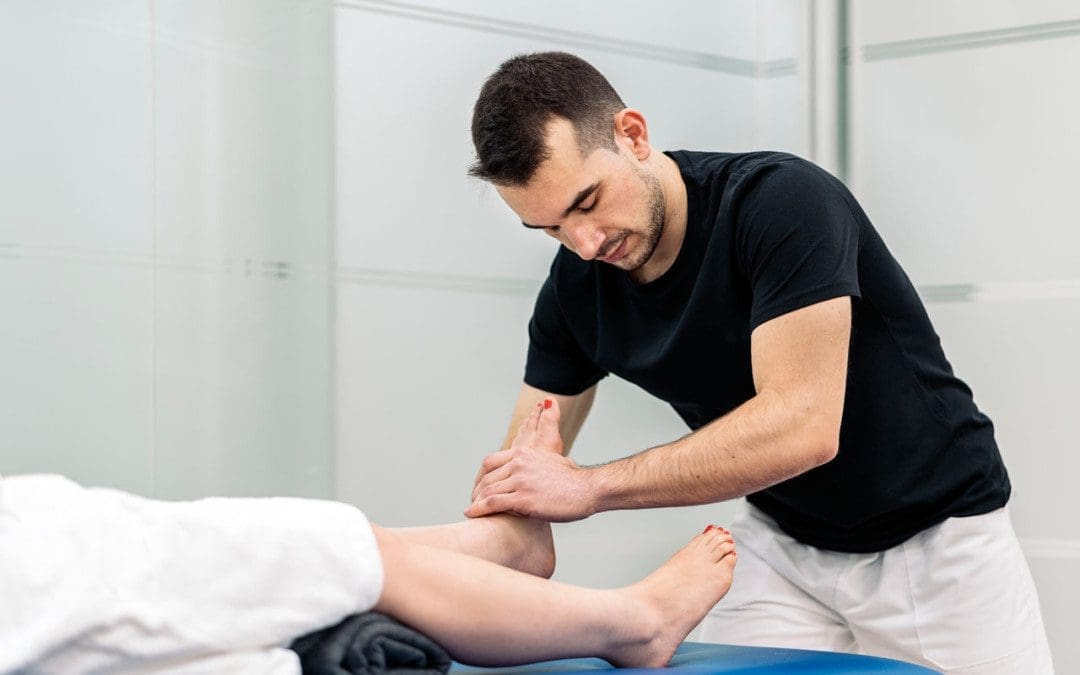
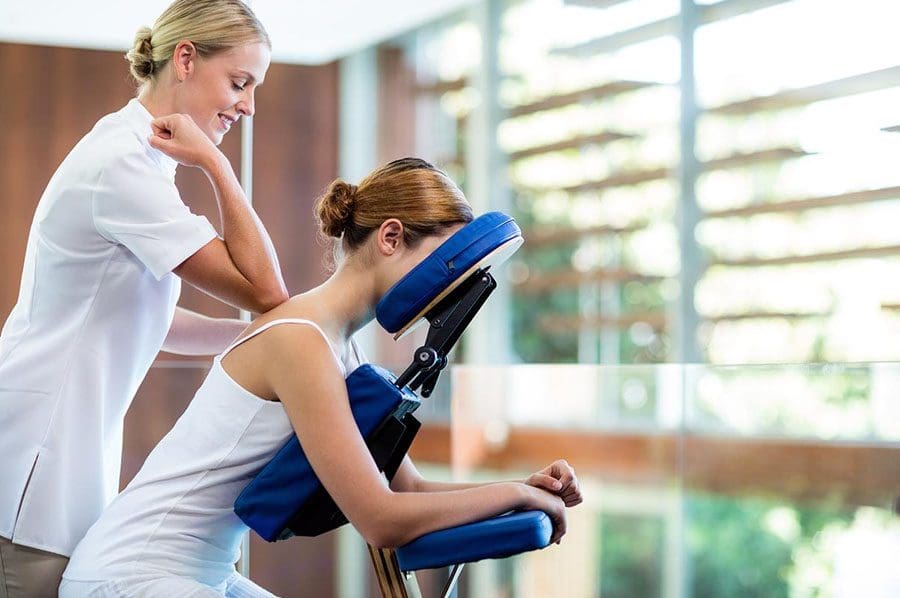
Neuropathy therapeutic massage is a system of structured palpations or movements of the body’s soft tissues. When the nerves don’t get enough oxygen and nutrients from blood circulation, symptoms like tenderness, tingling, numbness, and pain can present. The best way to move the blood is by massaging the circulation in and around the numb and sore areas and throughout the body. Many types of massage therapy are available for various health-related issues. This includes:
Pain alleviation and management
Injury rehabilitation and prevention
Stress alleviation
Anxiety and depression therapy
Immune system restoration
Increasing relaxation
Facilitating overall wellness
Neuropathy Therapeutic Massage
Neuropathy therapeutic massage: The objective is to stimulate blood flow throughout the body. This is because the more muscles move, the better they can maintain blood circulation to nourish the nerves and the body, which is why physical activity/exercise/movement is encouraged. Benefits include:
De-stressing the nerves that are causing tingling, numbness, and burning.
The discomfort eases as the muscles are lengthened and loosened, releasing the tightness and pressure.
Endorphins (natural painkillers) are released, minimizing the pain.
Increase in circulation
Reduced spasms and cramping
Increased joint flexibility
Mobility restoration
Symptom relief
Decreased anxiety
Improved sleep quality
Increased energy levels
Improved concentration
Reduced fatigue
Massage Techniques
Massaging techniques include:
Kneading
Stroking
Gliding
Percussion
Vibration
Friction
Compression
Passive stretching
Active stretching
Effleurage
This can be firm or light soothing, stroking movements without dragging the skin, using the fingertips or the palms.
Petrissage
Lifting or picking up muscles and rolling the skin.
Tapotement
Striking with the side of the hand, usually with slightly flexed fingers, rhythmic finger movements, or short rapid movements with the sides of the hand.
There are different types of massage, those that are for comfort and those for specific conditions or diseases. A few include:
Swedish Massage
Generally regarded as the most common form of massage, this technique involves a combination of five basic strokes and concentrates on the muscles and connective tissues.
Used to improve circulation, relaxation, pain relief, and overall maintenance and well-being.
Sports Massage
Sports massage therapies are used in preventative and therapeutic settings.
Athletes use the technique during warm-ups, training, and competition to treat and/or help in:
Injury prevention
Improved flexibility
Full range of motion
Improved performance
Helps to focus and mental clarity.
Reflexology
This technique uses a system of points on the hands, feet, and ears that correspond to or reflex other body areas.
Reflexologists apply appropriate pressure to these points to stimulate energy flow, to relieve pain or blockages throughout the body.
Reflexology is also used to ease stress and promote relaxation.
Aromatherapy
Various essential oils derived from plants, herbs, flowers, and roots have therapeutic qualities.
Aromatherapy involves essential oils to produce a certain effect; for example, lavender is used to induce calmness and relaxation.
When combined with body massage, aromatherapy can enrich the experience immensely.
A few drops can be added to massage cream or oil and applied to the skin.
Connective tissue massage is similar to myofascial release in that it involves working with the fascia, or soft tissue, to relieve pain, tightness, and discomfort.
The theory of connective tissue massage is that tight, restricted body areas negatively affect other body areas.
Practitioners/therapists hook their fingers into the connective tissue and use pulling strokes to lengthen the tissues.
This releases tension, improves mobility and reduces stress.
Deep-Tissue Massage
Deep-tissue massage utilizes slow strokes, direct pressure, and/or friction across the grain of the muscles with the fingers, thumbs, and/or elbows.
Its purpose is to reach the fascia beneath the muscles going deep into the muscles and connective tissue to release aches and pains.
Therapists thoroughly understand the human body and have been trained to administer deep-tissue massage.
The technique is used in treating chronic pain, inflammation, and injury.
Geriatric Massage
Geriatric massage involves treating the elderly and addressing specific needs related to age, conditions, and illness.
The sessions are usually shorter and involve gentle techniques to facilitate pain relief, relaxation, and overall wellness.
Lymph Drainage Therapy
This technique involves the application of light, rhythmic strokes to alleviate various conditions related to the body’s lymph system.
The lymph system supports the immune system and is responsible for flushing toxins and draining fluid.
When lymph circulation slows down or stops, fluid can build up and cause physical problems like inflammation, edema, and neuropathies.
Therapists restore lymph flow by using a mapping system to assess problem areas, then apply gentle pressure using the fingers and hands to reactivate circulation.
Neuromuscular Therapy
Neuromuscular therapy is massage applied to specific muscles, often used to increase blood circulation, release muscle tension knots/trigger points, and/or release pain/pressure on nerves.
This therapy is also known as trigger-point therapy in that concentrated finger pressure is applied to specific points to alleviate muscular pain.
HealthCare
Neuropathy therapeutic massage is used in combination to enhance regular medical care. Let a doctor know when trying massage therapies, and follow any standard treatment plans. Some forms of massage can cause soreness the next day but should be combined with a sense of improvement and being healthier. If any part of the massage doesn’t feel right or is painful, let the therapist know immediately. Most serious issues come from too much pressure during the massage or sensitivity or allergy to massage oils. Massage therapy caution includes the following:
Vigorous massage should be avoided by individuals with bleeding disorders or low blood platelet counts and taking blood-thinning medications.
Massage therapy should not be done in areas with blood clots, fractures, healing wounds, skin infections, weakened bones from osteoporosis or cancer, or after recent surgery.
Cancer patients should discuss any concerns about massage therapy with their oncologist.
Pregnant women should consult their healthcare provider before using massage therapy.
Peripheral Neuropathy Recovery
References
American Massage Therapy Association defines massage therapy and basic massage therapy terms. www.amtamassage.org
Complementary and alternative methods: types of bodywork. Available at www.cancer.org
Gok Metin, Zehra, et al. “Aromatherapy Massage for Neuropathic Pain and Quality of Life in Diabetic Patients.” Journal of nursing scholarship: an official publication of Sigma Theta Tau International Honor Society of Nursing vol. 49,4 (2017): 379-388. doi:10.1111/jnu.12300
MassageTherapy.com. www.massagetherapy.com
National Institutes of Health, National Center for Complementary and Alternative Medicine
Samuels, Noah, and Eran Ben-Arye. “Integrative Approaches to Chemotherapy-Induced Peripheral Neuropathy.” Current oncology reports vol. 22,3 23. 11 Feb. 2020, doi:10.1007/s11912-020-0891-2
Sarısoy, Pınar, and Ozlem Ovayolu. “The Effect of Foot Massage on Peripheral Neuropathy-Related Pain and Sleep Quality in Patients With Non-Hodgkin’s Lymphoma.” Holistic nursing practice vol. 34,6 (2020): 345-355. doi:10.1097/HNP.0000000000000412
Thomas, Ewan, et al. “Peripheral Nerve Responses to Muscle Stretching: A Systematic Review.” Journal of sports science & medicine vol. 20,2 258-267. 8 Mar. 2021, doi:10.52082/jssm.2021.258
Zhang, Yong-Hui, et al. “Exercise for Neuropathic Pain: A Systematic Review and Expert Consensus.” Frontiers in medicine vol. 8 756940. 24 Nov. 2021, doi:10.3389/fmed.2021.756940
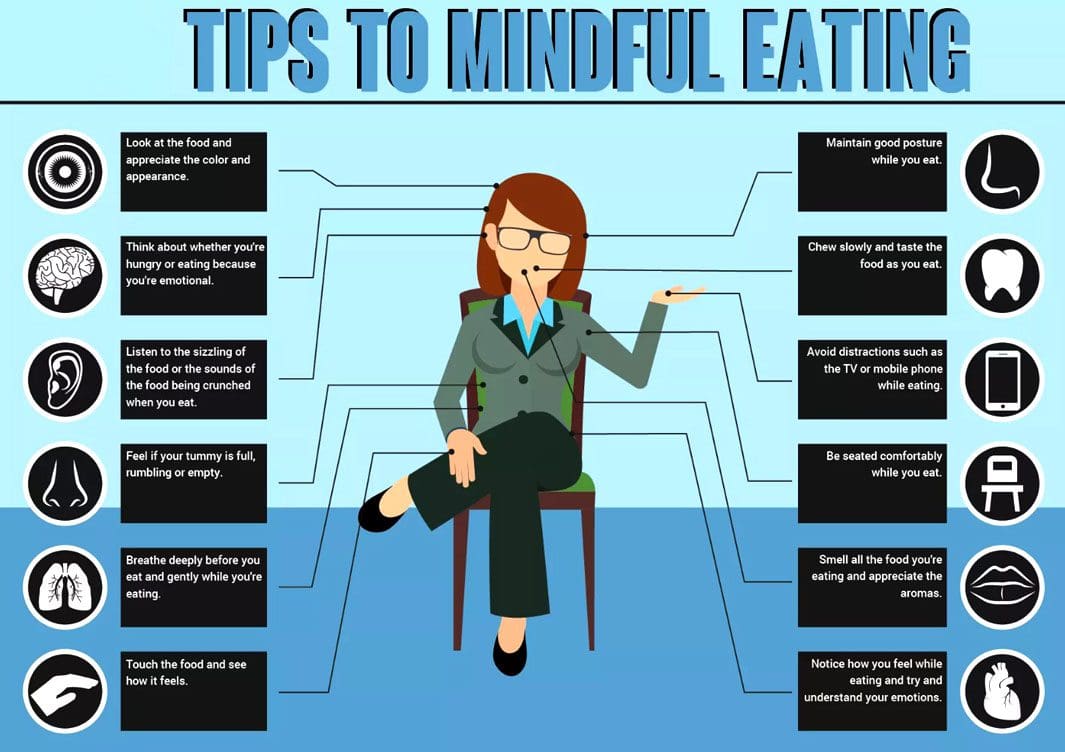
Mindful eating involves paying attention to what and how individuals eat, helping to become more aware of the body’s natural hunger and satisfaction cues. The process can help individuals become aware of the reasons behind their hunger and help to reduce cravings, control portion sizes, and develop long-term healthy eating habits.
Mindful Eating
It’s easy to rush through meals and snacks without pausing to enjoy the experience while refueling the body. Like meditation, individuals focus on what they are eating, how it smells, tastes, and the bodily sensations experienced. It is a way of checking in with the mind and body throughout a meal or snack. Mindful eating puts the individual in touch:
Hedonic hunger – emotional, stressful, conditioned, celebratory, etc.
Benefits
Individuals do not have to go all-in but can adopt some principles of slowing down and tuning into the body to improve health. Benefits include:
Better Digestion
Slowing down and chewing food properly makes it easier to digest.
Improved Nutrition
Fast foods can cause a feeling of sluggishness and bloating.
Eating nutrient-packed meals provides more energy.
Improved nutrition means improved immune system health.
The awareness reinforces making healthier choices.
Satisfaction After Meals
Rushing to finish a meal means not enjoying the flavors and texture factors that can generate a sense of fullness and satisfaction.
Training the mind and body to be truly satisfied with meals and snacks leads to less stress and less craving.
Healthier Food Relationship
The body needs food physiologically for fuel and nourishment.
Individuals also develop emotional attachments to food associated with experiences and memories.
Addressing all aspects and influences in food relationships allows individuals to become more aware of their learned behaviors, perceptions, emotions, and mindsets.
Identifies behaviors that are not beneficial so the individual can work to improve them.
Improved Cardiometabolic Health
Mindful or intuitive eating has been shown to improve:
Blood sugar levels in pregnant women.
Inflammatory markers in postmenopausal women.
Lipid and blood pressure in overweight adults.
Food Consumption Health
Put away electronics and set aside time and space for eating only.
Eat in a setting where you are relaxed.
Eating in the car, in front of a computer while working, or on the phone doesn’t give full attention to the eating process and, as a result, can cause the individual to eat more or eat foods that are not healthy.
Sit down and take a few deep breaths before starting the meal.
If emotions are running high and are geared towards eating, see if you can acknowledge and express those emotions rather than eat through them.
This will help the digestive process and get the most out of the meal.
Eat a palette of colors, sample various salty, sweet, spicy, and umami/savory flavors, and take in the food with all the senses.
Not eating a variety of flavors at a meal can cause a feeling of missing something that can lead to unhealthy cravings.
Eat with others, as sharing food can enrich everyone involved and help focus on the experience, not the amount of food consumed.
Chew thoroughly, as digestion begins in the mouth, where enzymes are secreted in saliva to break down food.
Not properly chewing and making the food smaller can cause indigestion and other digestive problems.
Listen to your body and recognize when you have had enough or want more.
Waiting five minutes before getting another serving can help the body become more attuned to hunger and fullness cues.
Eat Mindfully
References
Cherpak, Christine E. “Mindful Eating: A Review Of How The Stress-Digestion-Mindfulness Triad May Modulate And Improve Gastrointestinal And Digestive Function.” Integrative medicine (Encinitas, Calif.) vol. 18,4 (2019): 48-53.
Espel-Huynh, H M et al. “A narrative review of the construct of hedonic hunger and its measurement by the Power of Food Scale.” Obesity science & practice vol. 4,3 238-249. 28 Feb. 2018, doi:10.1002/osp4.161
Grider, Hannah S et al. “The Influence of Mindful Eating and/or Intuitive Eating Approaches on Dietary Intake: A Systematic Review.” Journal of the Academy of Nutrition and Dietetics vol. 121,4 (2021): 709-727.e1. doi:10.1016/j.jand.2020.10.019
Hendrickson, Kelsie L, and Erin B Rasmussen. “Mindful eating reduces impulsive food choice in adolescents and adults.” Health psychology: official journal of the Division of Health Psychology, American Psychological Association vol. 36,3 (2017): 226-235. doi:10.1037/hea0000440
Morillo Sarto, Hector, et al. “Efficacy of a mindful-eating program to reduce emotional eating in patients suffering from overweight or obesity in primary care settings: a cluster-randomized trial protocol.” BMJ open vol. 9,11 e031327. 21 Nov. 2019, doi:10.1136/bmjopen-2019-031327
Nelson, Joseph B. “Mindful Eating: The Art of Presence While You Eat.” Diabetes spectrum: a publication of the American Diabetes Association vol. 30,3 (2017): 171-174. doi:10.2337/ds17-0015
Warren, Janet M et al. “A structured literature review on the role of mindfulness, mindful eating and intuitive eating in changing eating behaviors: effectiveness and associated potential mechanisms.” Nutrition research reviews vol. 30,2 (2017): 272-283. doi:10.1017/S0954422417000154
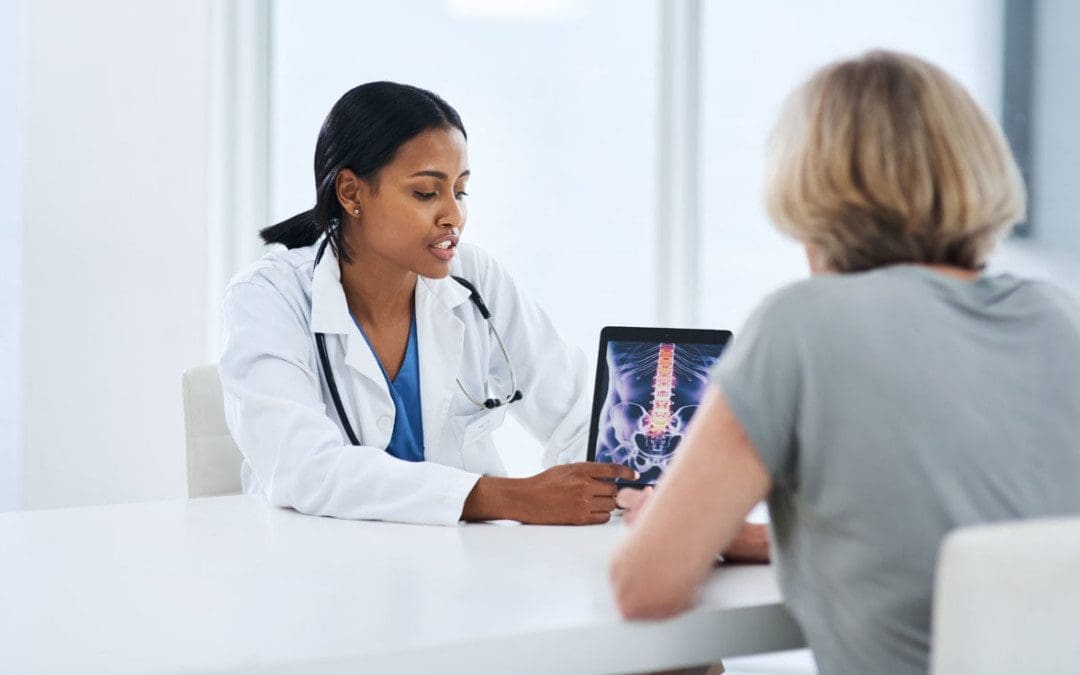
Diagnosing ankylosing spondylitis usually involves multiple tests. When doctors order blood tests to diagnose ankylosing spondylitis, an individual is experiencing worsening symptoms in their back and joints. Often, a blood test diagnosis means the doctor is looking for evidence of anything else that could be causing the symptoms. However, blood tests by themselves cannot definitively diagnose ankylosing spondylitis, but when combined with imaging and assessment, they can provide important clues that point to the answers.
Ankylosing Spondylitis Blood Test Diagnosis
Ankylosing spondylitis is arthritis that primarily affects the spine and hips. It can be difficult to diagnose as no single test can provide thorough information for a definitive diagnosis. A combination of diagnostic tests are utilized, including a physical exam, imaging, and blood tests. Doctors are not only looking for results that will point to ankylosing spondylitis, but they are looking for any results that might point away from the spondylitis results that might provide a different explanation for symptoms.
Physical Exam
The diagnostic process will begin with the individual’s medical history, family history, and physical exam. During the exam, the doctor will ask questions to help rule out other conditions:
How long have symptoms been presenting?
Do symptoms get better with rest or exercise?
Are the symptoms getting worse or staying the same?
Are the symptoms worse at a particular time of day?
The doctor will check for limitations in mobility and palpate tender areas. Many conditions can cause similar symptoms, so the doctor will check to see if the pain or lack of mobility is consistent with ankylosing spondylitis. The feature sign of ankylosing spondylitis is pain and stiffness in the sacroiliac joints. The sacroiliac joints are located in the lower back, where the base of the spine and pelvis meet. The doctor will look at other spinal conditions and symptoms:
Back pain symptoms caused by – injuries, posture patterns, and/or sleeping positions.
The HLA-B27 gene corresponds with ankylosing spondylitis; if an individual has it, one of their parents has it.
Imaging
X-rays often serve as the first step to a diagnosis.
As the disease progresses, new small bones form between the vertebrae, eventually fusing them.
X-rays work best at mapping the disease progression than the initial diagnosis.
An MRI provides clearer images in the early stages as smaller details are visible.
Blood Tests
Blood tests can help rule out other conditions and check for signs of inflammation, providing supportive evidence along with the results of imaging tests. It typically only takes about a day or two to get the results. The doctor may order one of the following blood tests:
Antinuclear antibodies, or ANA, go after the proteins in the cell’s nucleus, telling the body its cells are the enemy.
This activates an immune response that the body fights to eliminate.
A study determined that ANA is found in 19% of individuals suffering from ankylosing spondylitis and is higher in women than men.
Combined with other tests, the presence of ANA provides another clue to a diagnosis.
Gut Health
The gut microbiome plays an important role in triggering the development of ankylosing spondylitis and its treatment.
Tests to determine the gut’s health can give a doctor a complete picture of what is happening inside the body.
Blood test diagnoses for ankylosing spondylitis and other inflammatory conditions rely heavily on piecing together different tests alongside clinical exams and imaging.
Causes, Symptoms, Diagnosis, and Treatment
References
Cardoneanu, Anca, et al. “Characteristics of the intestinal microbiome in ankylosing spondylitis.” Experimental and therapeutic medicine vol. 22,1 (2021): 676. doi:10.3892/etm.2021.10108
Prohaska, E et al. “Antinukleäre Antikörper bei Spondylitis ankylosans (Morbus Bechterew)” [Antinuclear antibodies in ankylosing spondylitis (author’s transl)]. Wiener klinische Wochenschrift vol. 92,24 (1980): 876-9.
Sheehan, Nicholas J. “The ramifications of HLA-B27.” Journal of the Royal Society of Medicine vol. 97,1 (2004): 10-4. doi:10.1177/014107680409700102
Wenker KJ, Quint JM. Ankylosing Spondylitis. [Updated 2022 Apr 9]. In: StatPearls [Internet]. Treasure Island (FL): StatPearls Publishing; 2022 Jan-. Available from: https://www.ncbi.nlm.nih.gov/books/NBK470173/
Xu, Yong-Yue, et al. “Role of the gut microbiome in ankylosing spondylitis: an analysis of studies in the literature.” Discovery medicine vol. 22,123 (2016): 361-370.
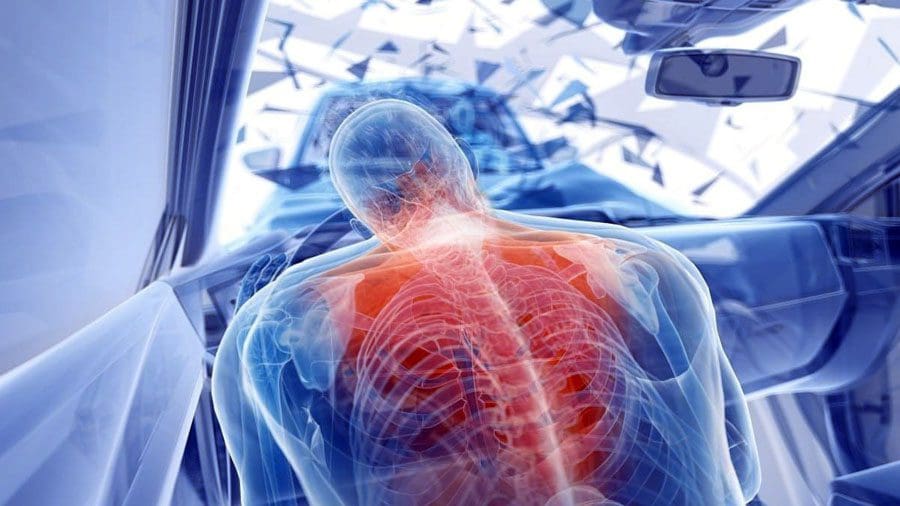
Back injuries from vehicle collisions vary from person to person. Common injuries may include strains, sprains, herniated discs, and fractures, and individuals dealing with certain spinal conditions like spinal stenosis may cause the medical condition to accelerate. Still, the force and physical impact the body absorbs during a crash, no matter how minor the accident or how safe the car is, will cause bodily aches and pains with the potential for other spinal conditions. Chiropractic care, massage, decompression, and traction therapy can relieve symptoms and restore mobility and function.
Back Injuries From Vehicle Collisions
Depending on how the impact affects the spine, problems can present in various areas of the back. The violent motion can sprain, strain, and fracture spinal components. Even minor incidents can impact mobility. Symptoms can stem from inflammation, compressed nerves, or fractures. Any damage can have long-lasting effects on the vertebrae, nerve roots, and back muscles. A vehicle collision can affect the following:
Lumbar vertebrae – lower back
Thoracic vertebrae – middle/upper back
Cervical vertebrae – neck
Each area consists of bones, tissues, muscles, nerves, tendons, and ligaments extending from the neck to the pelvis.
The most common back injuries are to the neck and lower back, where the most movement and shifting occurs, often causing nerve damage.
The central placement and rigid structure make middle back injuries less common.
Upper back injuries that connect the rib and chest region can affect breathing.
Soft tissue injuries might not show up immediately.
Symptoms
After a vehicle collision, it’s common to feel sore all over. The symptoms can range from manageable discomfort to complete immobility. Individuals may experience the following:
Muscle spasms
The muscle may repeatedly twitch, feel like hard knots, and feel tender to the touch.
Muscle spasms can vary in pain levels from mild to debilitating.
Stiffness
Individuals may not feel as flexible because of the muscle tension that activated during the crash to protect the body.
Stiffness can go away after light stretching or continue throughout the day.
Burning or Shooting Pain
A burning or shooting pain may travel down the back and buttocks through the back of one or both legs.
It can be mild, dull aches and pains that go away quickly or last for days.
Changing positions, such as sitting up after waking up or standing up after sitting, can cause sharp acute pain.
Certain physical activities can cause a throbbing sensation or mild pain when attempting to perform various tasks.
Tingling and/or Numbness
Tense muscles can pinch nerves leading to sensations of tingling or numbness in the legs, feet, arms, or hands.
Head Issues
Headaches, dizziness, or disorientation can present.
Spinal Disorders
Back injuries from vehicle collisions can result in a degenerative disc disorder months or years later. It can also speed up health issues individuals didn’t know they had before the crash. As the body ages, previous damage combined with degeneration can result in:
Micro-tears within the muscles and ligaments are common and cannot be found through a standard x-ray.
Spinal adjustments can bring the spine back into alignment, producing natural anti-inflammatory properties to assist with discomfort and heal the tears.
Scar Tissue Breakdown
Muscles can get scarred, causing stiffness and soreness.
Chiropractic massage targets these areas and breaks down the build-up quicker than if it was left to heal on its own.
Less scar tissue means faster recovery.
Range of Motion and Mobility Restored
Back injuries can result in restricted mobility.
It may be difficult to turn or move when the muscles are inflamed.
Mobilizing the spine through adjustments restores the proper range of motion.
Decreased Medication Use
Prescription pain medications can turn into dependency.
Chiropractic adjustments can ensure that the injury is healed and the pain is not just masked.
Long-Term Benefits
Receiving chiropractic care can help prevent minor injuries from worsening into serious and chronic conditions.
Post Whiplash Symptoms
References
Erbulut, Deniz U. “Biomechanics of neck injuries resulting from rear-end vehicle collisions.” Turkish neurosurgery vol. 24,4 (2014): 466-70. doi:10.5137/1019-5149.JTN.9218-13.1
National Spinal Cord Injury Statistical Center. (2020) “Spinal Cord Injury: Facts and Figures at a Glance.” https://www.nspine injurysc.uab.edu/Public/Facts%20and%20Figures%202020.pdf
Rao, Raj D et al. “Occupant and Crash Characteristics of Elderly Subjects With Thoracic and Lumbar Spine Injuries After Motor Vehicle Collisions.” Spine vol. 41,1 (2016): 32-8. doi:10.1097/BRS.0000000000001079
Rao, Raj D et al. “Occupant and crash characteristics in thoracic and lumbar spine injuries resulting from motor vehicle collisions.” The spine journal: official journal of the North American Spine Society vol. 14,10 (2014): 2355-65. doi:10.1016/j.spinee.2014.01.038
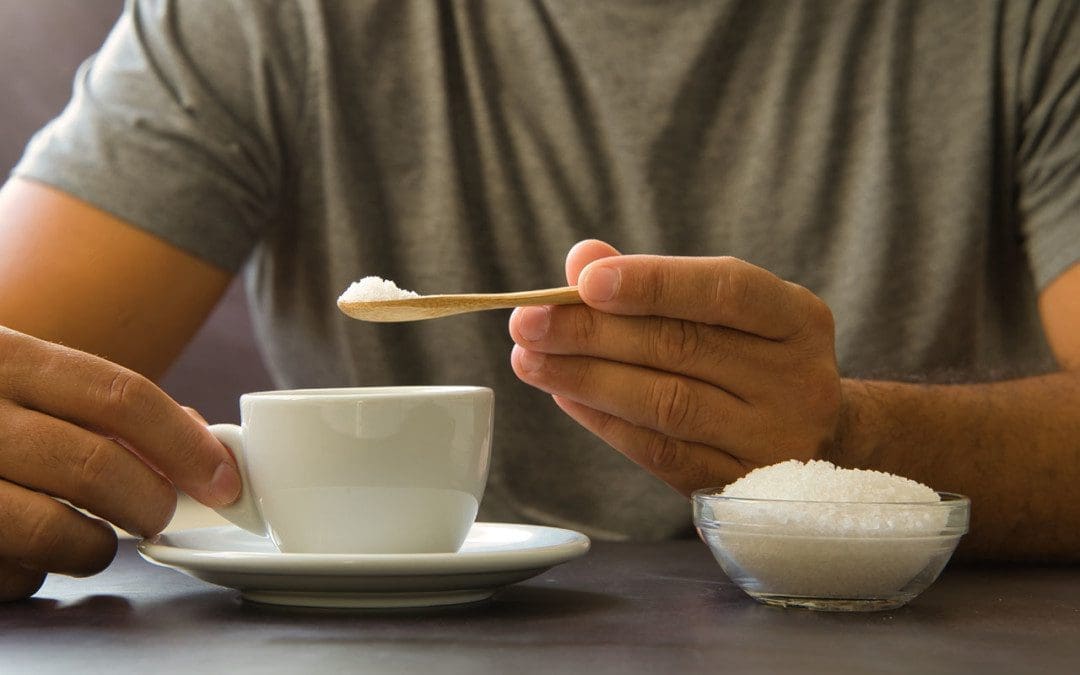
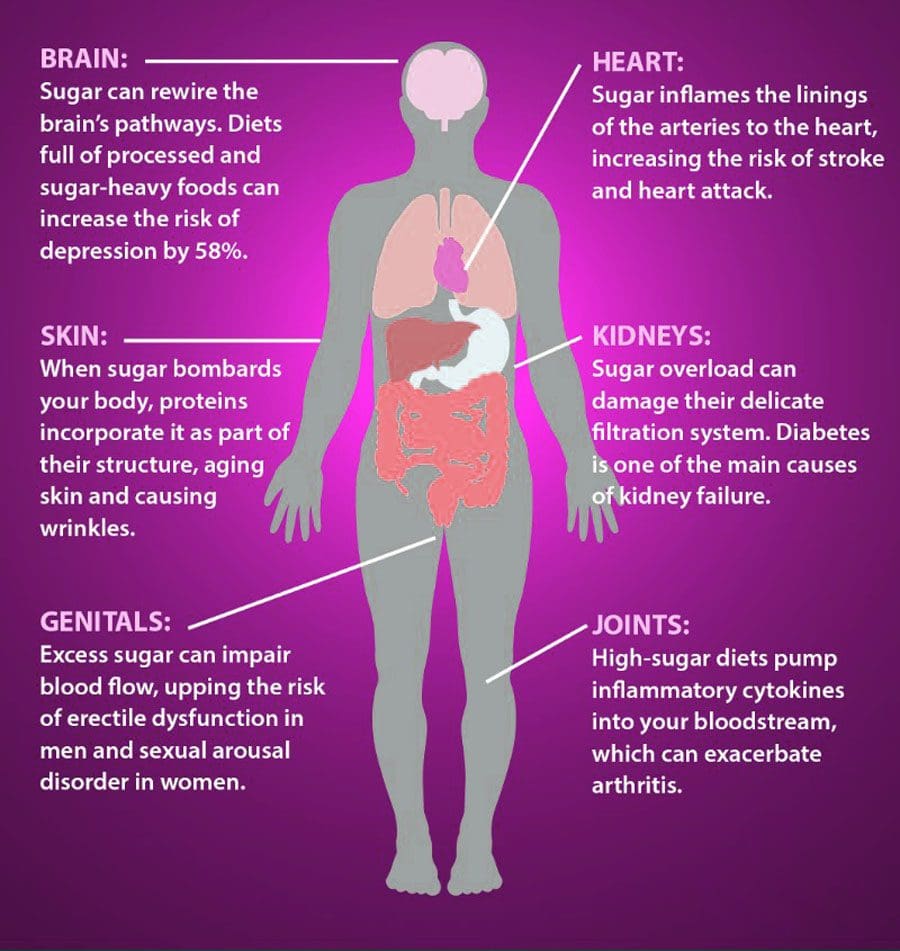
Sugar is a highly addictive carbohydrate linked to obesity, diabetes, metabolic disorders, and mood disorders. Individuals ready to phase out sugar will improve overall health, regardless of age and health status, but the transition can be challenging. A sugar-free or low-sugar diet can help individuals with blood sugar or systemic inflammation, including pre-diabetes, diabetes, heart disease, PCOS, hormonal imbalances, and autoimmune diseases.
Phase Out Sugar
Low-Sugar Diet
A low-sugar nutrition plan focuses on maintaining a low overall sugarintake that limits sugar to avoid blood sugar instability and general inflammation.
This means choosing food with natural sugars like fruit, certain dairy products, vegetables, and natural sugars.
Reducing and replacing packaged or prepared foods with added sugars, like store-bought tomato sauce, cured meats, or frozen meals.
Reducing and replacing processed foods like snack items and fast food.
Reducing restaurant food that can add sugar for flavor and appetite stimulation.
Recommended Ways
Consult a healthcare provider, dietician, or nutritionist before altering diet, physical activity, or supplement routine.
Eat More Healthy Fat
Healthy fat is more satisfying, making the body feel fuller for longer.
Not getting enough sleep negatively impacts the appetite-regulating hormones leptin and ghrelin, causing cravings for instant energy that typically comes from sugar snack products.
Individuals are recommended to get at least 7-9 hours per night. Enough sleep will balance the appetite hormones and decrease sugar cravings.
Manage Stress to Control Emotional Eating
Emotional eating is common when stressed out. Finding something to take the mind off sugar cravings is necessary when having a stressful day. This includes:
If sugar cravings are more serious, then professional help is recommended.
Drink More Water
When school, work, and life is happening, individuals can think they’re hungry; however, it is not hunger but the body needing hydration.
Drink one to two glasses of water when cravings kick in to satisfy the craving.
Drinking water throughout the day helps keep cravings down and helps with sugar withdrawal symptoms.
Individuals who have difficulty drinking water should add slices of fruit, cucumber, or mint to make it more pleasing.
Try sparkling mineral water or naturally flavored carbonated waters.
Try healthy juices, like celery, beet, or carrot juice, instead of water.
Sugar-Free Substitutes
Sugar substitutes are available, but not all are considered healthy.
Individuals should be cautious about using sugar-free alternatives to phase out sugar.
A study found that zero-calorie sweeteners such as aspartame and sucralose were actually found to increase, not decrease, weight.
Stevia and monk fruit extract has been shown to be safe and has no negative side effects.
Consult a dietician or nutritionist to determine the healthiest for you.
What Happens To The Body
References
Azad, Meghan B et al. “Nonnutritive sweeteners and cardiometabolic health: a systematic review and meta-analysis of randomized controlled trials and prospective cohort studies.” CMAJ : Canadian Medical Association journal = journal de l’Association medicale canadienne vol. 189,28 (2017): E929-E939. doi:10.1503/cmaj.161390
Bayon, Virginie et al. “Sleep debt and obesity.” Annals of medicine vol. 46,5 (2014): 264-72. doi:10.3109/07853890.2014.931103
DiNicolantonio, James J et al. “Sugar addiction: is it real? A narrative review.” British journal of sports medicine vol. 52,14 (2018): 910-913. doi:10.1136/bjsports-2017-097971
Franklin, Jane L et al. “Extended exposure to sugar and/or caffeine produces distinct behavioral and neurochemical profiles in the orbitofrontal cortex of rats: Implications for neural function.” Proteomics vol. 16,22 (2016): 2894-2910. doi:10.1002/pmic.201600032
Freeman, Clara R et al. “Impact of sugar on the body, brain, and behavior.” Frontiers in bioscience (Landmark edition) vol. 23,12 2255-2266. 1 Jun. 2018, doi:10.2741/4704
IFM's Find A Practitioner tool is the largest referral network in Functional Medicine, created to help patients locate Functional Medicine practitioners anywhere in the world. IFM Certified Practitioners are listed first in the search results, given their extensive education in Functional Medicine



 Neuropathy Therapeutic Massage