For athletes, fitness enthusiasts, and individuals getting into regular exercise, can taking a workout break be beneficial if structured properly?
Workout Break
Giving oneself permission to take a break from exercising is necessary, especially to maintain a current fitness level. To stay fit at every level and injury-free, the body needs rest and recovery, especially to progress in performance levels. Regular exercise is important for:
Building endurance
Improving strength
Losing and maintaining weight
Relieving stress
What Is It?
A voluntary pause/workout break is a dedicated amount of time when the individual chooses not to work out. It is typically a response to individual body cues when the person knows their mind and body need to take a break from exercising. A workout break is different than a rest day as it may last one or two weeks from the regular training routine. Individuals may need to take a break because the workouts are becoming boring and/or the possibility of burning out or overtraining.
Fitness Impact
Studies on recreational soccer players showed that three to six weeks of inactivity did not change aerobic capacity and muscle strength. (Chang Hwa Joo. 2018)
Extremely fit individuals will experience a rapid drop in fitness during the first three weeks of inactivity before leveling off. (Chang Hwa Joo. 2018)
Medical experts provide terms for individuals who may be doing too much:
Overreaching is when the training becomes excessive, and performance begins to fall. It can be short- or long-term.
Overtraining occurs when overreaching is not addressed.
Overtraining syndrome/OTS lasts longer and results in more serious performance setbacks along with symptoms like hormone changes, depression, fatigue, and systemic inflammation. (Jeffrey B. Kreher. 2016)
Overreaching or overtraining feels like fitness progress is moving backward instead of forward. The more training, the slower and more fatigued the body becomes.
Endurance athletes have an increased risk of overreaching and overtraining. (Jeffrey B. Kreher. 2016)
The endurance mindset encourages pushing more hours of training to get stronger and faster. However, at a certain point, performance suffers.
Taking a break allows the restoration of balance to focus on work or school, manage various life events, and enjoy friends and family time. Studies have suggested that achieving a better work/life balance can improve:
Overtraining usually results from training too much and insufficient recovery.
Fitness and training experts recommend rest and light training as therapy for overtraining. (Jeffrey B. Kreher. 2016)
Signs The Body Needs A Break
A few signs and common symptoms may indicate a workout break may be needed.
Constantly unmotivated or bored
Not looking forward to working out
Poor performance
Physical exhaustion
Fatigue
Soreness that does not resolve
Lack of progress in workouts
Alternate Activities
During the workout break, engage in other active things that work the body differently, like playing table tennis, for example, or activities that are fun but keep the body moving without doing hard workouts. Remember, the body doesn’t have to be completely inactive. Individuals can try out:
Leisurely bike riding
Dancing
Climbing
Easy yardwork
Yoga or Pilates
Stretching
Returning To Working Out
It could feel like starting over, but it won’t take long for the body to remember how to exercise. It just needs to get used to working out again. It can be tempting to jump into an all-out workout routine, but that is not recommended because of the risk of injury. Here are a few basic principles to keep the body strong and healthy while easing back into a regular workout routine.
Start Simple
Start with a lighter version of the regular routine using lighter weights and less intensity.
Give The Body Time
Use the first two weeks for the body to get used to the workouts.
It can take up to three weeks to get back, depending on workouts before and how much relaxation time has passed.
Take Extra Rest Days
Returning to exercise means the body is going to be extra sore.
Plan extra recovery days so the body can heal and gain strength.
Each week, gradually increase the intensity until it is back to regular performance.
Revolutionizing Healthcare
References
Joo C. H. (2018). The effects of short term detraining and retraining on physical fitness in elite soccer players. PloS one, 13(5), e0196212. https://doi.org/10.1371/journal.pone.0196212
St-Amand, J., Yoshioka, M., Nishida, Y., Tobina, T., Shono, N., & Tanaka, H. (2012). Effects of mild-exercise training cessation in human skeletal muscle. European journal of applied physiology, 112(3), 853–869. https://doi.org/10.1007/s00421-011-2036-7
Kreher J. B. (2016). Diagnosis and prevention of overtraining syndrome: an opinion on education strategies. Open access journal of sports medicine, 7, 115–122. https://doi.org/10.2147/OAJSM.S91657
Cadegiani, F. A., & Kater, C. E. (2019). Novel insights of overtraining syndrome discovered from the EROS study. BMJ open sport & exercise medicine, 5(1), e000542. https://doi.org/10.1136/bmjsem-2019-000542
Gragnano, A., Simbula, S., & Miglioretti, M. (2020). Work-Life Balance: Weighing the Importance of Work-Family and Work-Health Balance. International journal of environmental research and public health, 17(3), 907. https://doi.org/10.3390/ijerph17030907
For individuals looking for a quick healthy snack, can adding sunflower seeds to one’s diet provide health benefits?
Sunflower Seeds
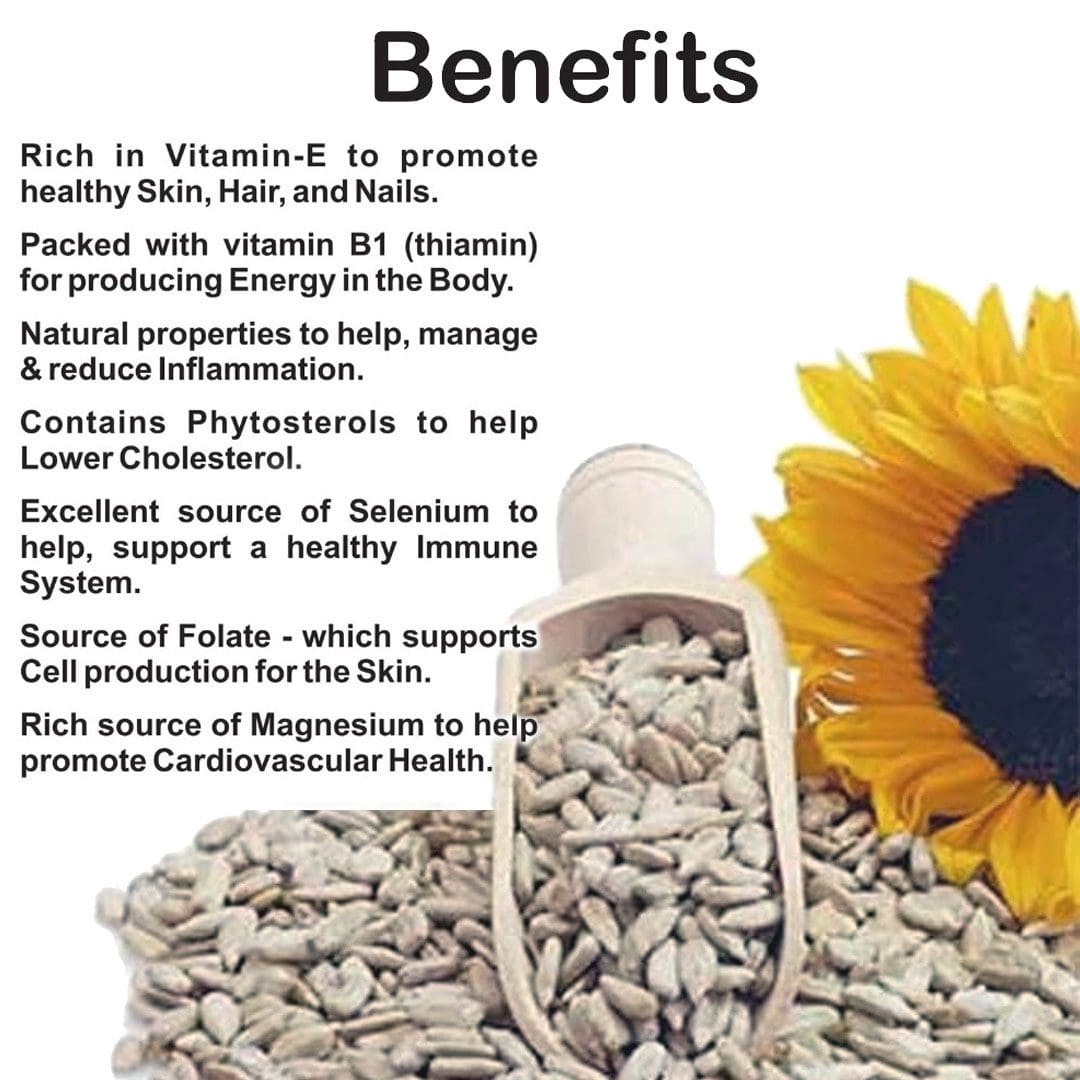
Sunflower seeds are the fruit of the sunflower plant. They have been found to contain antioxidants, vitamins, and minerals, which can help maintain immune system health, heart health, and more. Regularly grabbing a handful as a snack or adding to salads, oatmeal, baked goods, tuna salad, pasta, and vegetable toppings can help increase energy levels, reduce inflammation, and support general body health.
The seed’s high vitamin E value, combined with flavonoids and various plant compounds, can help reduce inflammation.
Research suggests that eating seeds at least five times a week may reduce inflammation and lower the risk of developing certain diseases. (Rui Jiang et al., 2006)
Heart Health
They are high in healthy fats, like polyunsaturated and monounsaturated fats.
Plant sterols, or the natural compounds in sunflower seeds, are recommended for their cholesterol-lowering properties. (University of Wisconsin Health. 2023)
Data show sunflower and other seeds consumption may lower rates of heart disease, high blood pressure, and high cholesterol.
Energy
The seeds contain vitamin B, selenium, and protein, which can help energize the body throughout the day.
These nutrients support blood circulation, oxygen delivery, and food conversion into energy.
Immune System Support
Sunflower seeds contain minerals and nutrients like zinc and selenium that help the body’s natural ability to defend against viruses and bacteria.
These minerals translate into benefits like immune cell maintenance, inflammation reduction, infection protection, and an overall increase in immunity.
Nutrition
Individuals don’t need to consume a lot of sunflower seeds to gain the nutritional benefits. Inside is a well-rounded mix of healthy fats, antioxidants, and other nutrients. Inside a 1-ounce portion of roasted sunflower seeds/without salt: (U.S. Department of Agriculture. 2018)
Calories – 165
Carbohydrates – 7 grams
Fiber – 3 grams
Sugar – 1 grams
Protein – 5.5 grams
Total fat – 14 grams
Sodium – 1 milligrams
Iron – 1 milligram
Vitamin E – 7.5 milligrams
Zinc – 1.5 milligrams
Folate – 67 micrograms
Female Health
When it comes to female reproductive health, there are aspects that the seeds may be able to help support.
The seed’s rich amounts of vitamin E, folate, phosphorus, and healthy fats are crucial for fetal development and maternal health.
Sunflower seeds naturally do not contain high amounts of sodium, but they are often packaged with added salt that can potentially sabotage their nutritional benefits.
The shells are usually coated in salt for flavor, as much as 70 milligrams for every 1 ounce of seeds.
High in calories, individuals should consider moderating portions to one-quarter cup and eating the unsalted varieties. (U.S. Department of Agriculture. 2018)
Other Ways To Incorporate Seeds Into Meals
Other ways to add sunflower seeds to meals include:
Sprinkling them on chicken or a tuna salad.
Salad topping.
Topping for cereal and oatmeal.
Mixing them into batter for baked goods, like cookies.
Adding them to homemade or grocery store trail mix.
Grinding the seeds for a flour coating for meat or fish.
Sprinkling them into vegetable dishes, casseroles, stir-fries, and pasta.
Sunflower butter can be an alternative to peanut or other nut butters.
Sports Injury Rehabilitation
References
Adeleke, B. S., & Babalola, O. O. (2020). Oilseed crop sunflower (Helianthus annuus) as a source of food: Nutritional and health benefits. Food science & nutrition, 8(9), 4666–4684. https://doi.org/10.1002/fsn3.1783
Petraru, A., Ursachi, F., & Amariei, S. (2021). Nutritional Characteristics Assessment of Sunflower Seeds, Oil and Cake. Perspective of Using Sunflower Oilcakes as a Functional Ingredient. Plants (Basel, Switzerland), 10(11), 2487. https://doi.org/10.3390/plants10112487
Jiang, R., Jacobs, D. R., Jr, Mayer-Davis, E., Szklo, M., Herrington, D., Jenny, N. S., Kronmal, R., & Barr, R. G. (2006). Nut and seed consumption and inflammatory markers in the multi-ethnic study of atherosclerosis. American journal of epidemiology, 163(3), 222–231. https://doi.org/10.1093/aje/kwj033
For individuals affected by headaches that occur 15 or more days a month for more than three months, can knowing the signs and symptoms help healthcare providers help treat and prevent chronic tension headaches?
Chronic Tension Headaches
Most individuals have experienced a tension-type headache. The pain is usually described as a dull tightening or pressure on both sides of the head, like having a tightening band around the head. Some individuals experience these headaches frequently, a condition known as chronic tension headaches. Chronic tension headaches are uncommon but can be debilitating, as they can interfere with a healthy quality of life and daily living.
Tension headaches are typically caused by stress, anxiety, dehydration, fasting, or lack of sleep and usually resolve with over-the-counter medications. (Cleveland Clinic. 2023)
This is a primary headache disorder that affects around 3% of the population.
Chronic tension headaches can occur daily and negatively impact the quality of life and daily functioning. (Cleveland Clinic. 2023)
Symptoms
Tension headaches can be referred to as stress headaches or muscle contraction headaches.
They can present with dull, aching pain and include tightness or pressure across the forehead, sides, or back of the head. (Cleveland Clinic. 2023)
Additionally, some individuals experience tenderness on the scalp, neck, and shoulders.
Chronic tension headaches materialize 15 or more days a month on average for more than three months.
The headache can last for several hours or be continuous for several days.
Causes
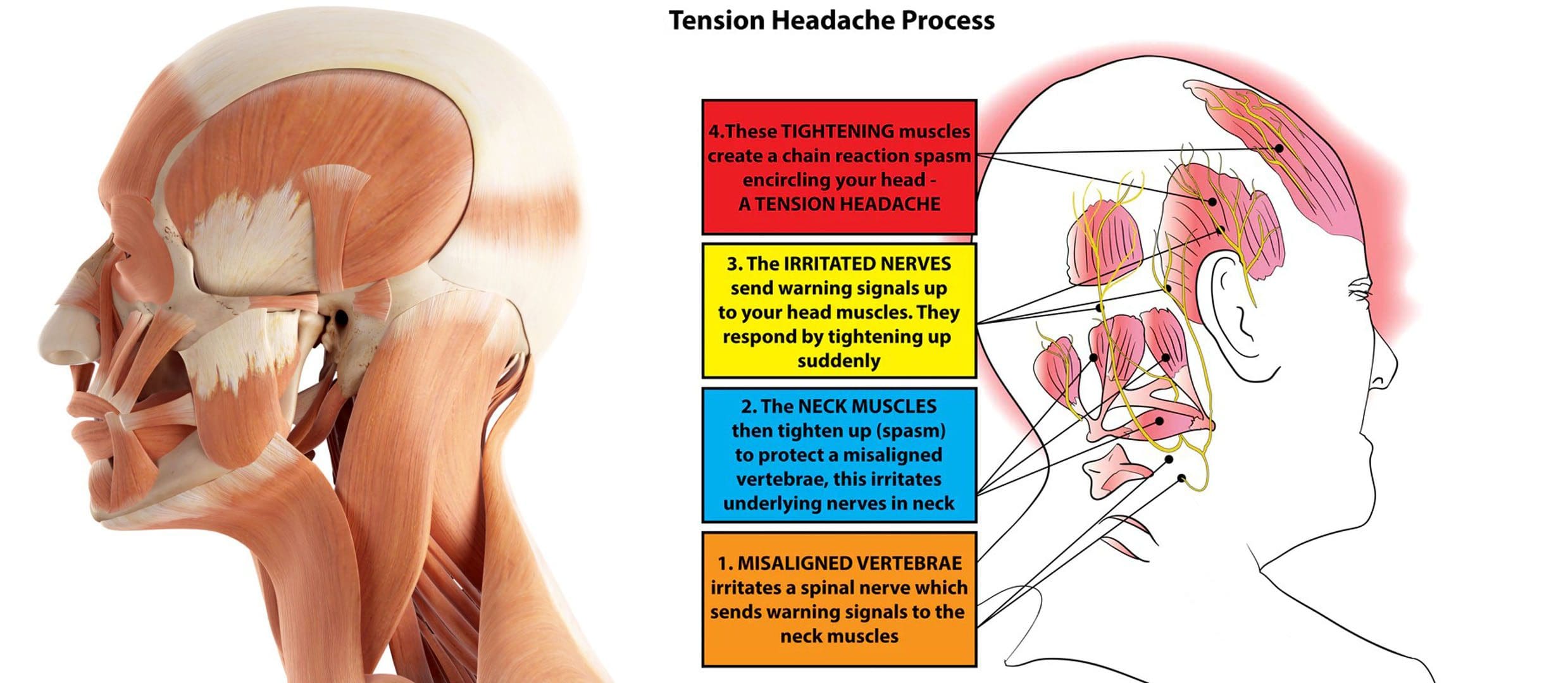
Tension headaches are typically caused by tight muscles in the shoulders, neck, jaw, and scalp.
Teeth grinding/bruxism and jaw clenching can also contribute to the condition.
Headaches can be brought on by stress, depression, or anxiety and are more common in individuals who:
Individuals experiencing headaches that interfere with daily life or need to take medication more than twice a week are recommended to consult a healthcare provider. Before the appointment, it can be helpful to keep a headache diary:
Record the days
Times
Description of the pain, intensity, and other symptoms.
Some questions the healthcare provider may ask include:
Is the pain pulsating, sharp, or stabbing, or is it constant and dull?
Where is the pain most intense?
Is it all over the head, on one side, on the forehead, or behind the eyes?
Do the headaches interfere with sleep?
Is working or doing tasks difficult or impossible?
A healthcare provider will likely be able to diagnose the condition based on symptoms alone. However, if the headache pattern is unique or different, the provider may order imaging tests, like MRI or CT scans, to rule out other diagnoses. Chronic tension headaches can be confused with other chronic daily headache disorders like chronic migraine, hemicrania continua, temporomandibular joint dysfunction/TMJ, or cluster headaches. (Fayyaz Ahmed. 2012)
Treatment
Pharmacological therapy for chronic tension headaches usually involves preventive medication.
Amitriptyline is one medication that has been found to be beneficial in chronic tension headache prevention.
According to a meta-analysis of 22 published studies in the Journal of General Internal Medicine, these medications are superior to placebo in reducing headache frequency, with an average of 4.8 fewer headache days per month.
Additional preventive medications may include other antidepressants like:
Remeron – mirtazapine.
Anti-seizure medications – like Neurontin – gabapentin, or Topamax – topiramate.
A healthcare provider may also prescribe medication to treat headache episodes, which include:
Prescription non-steroidal anti-inflammatory drugs or NSAIDs, including acetaminophen, naproxen, indomethacin, or ketorolac.
Opiates
Muscle relaxants
Benzodiazepines – Valium
Non-Medication Treatment
Behavioral therapies are sometimes used on their own or in combination with medication to prevent and manage chronic tension headaches. Examples include:
Acupuncture
An alternative therapy that involves using needles to stimulate specific points on the body believed to connect with certain pathways/meridians that carry vital energy/chi throughout the body.
Biofeedback
In Electromyography – EMG biofeedback, electrodes are placed on the scalp, neck, and upper body to detect muscle contraction.
The process can be costly and time-consuming, and there is little evidence to support its effectiveness.
Physical Therapy
A physical therapist can work out stiff and tight muscles.
Train individuals on stretches and targeted exercises for loosening tight head and neck muscles.
Cognitive Behavioral Therapy/CBT
Involves learning how to identify headache triggers and cope in a less stressful and more adaptive way.
Headache specialists often recommend CBT in addition to medication when developing a treatment plan. (Katrin Probyn et al., 2017)
Teeth-grinding and jaw-clenching training/treatment can help when they are contributors.
Regular exercise, as well as practicing healthy sleep hygiene, can be beneficial in prevention.
Supplements
Some individuals with chronic tension headaches may find relief using supplements. The American Academy of Neurology and the American Headache Society report the following supplements can be effective: (National Center for Complementary and Integrative Health. 2021)
Butterbur
Feverfew
Magnesium
Riboflavin
If the headaches come on suddenly, cause waking up from sleep, or last for days, it’s important to consult a healthcare provider to rule out any underlying causes and develop a personalized treatment plan.
Ahmed F. (2012). Headache disorders: differentiating and managing the common subtypes. British journal of pain, 6(3), 124–132. https://doi.org/10.1177/2049463712459691
Jackson, J. L., Mancuso, J. M., Nickoloff, S., Bernstein, R., & Kay, C. (2017). Tricyclic and Tetracyclic Antidepressants for the Prevention of Frequent Episodic or Chronic Tension-Type Headache in Adults: A Systematic Review and Meta-Analysis. Journal of general internal medicine, 32(12), 1351–1358. https://doi.org/10.1007/s11606-017-4121-z
Probyn, K., Bowers, H., Mistry, D., Caldwell, F., Underwood, M., Patel, S., Sandhu, H. K., Matharu, M., Pincus, T., & CHESS team. (2017). Non-pharmacological self-management for people living with migraine or tension-type headache: a systematic review including analysis of intervention components. BMJ open, 7(8), e016670. https://doi.org/10.1136/bmjopen-2017-016670
For individuals looking to spice up their diet, can jalapeño peppers provide nutrition, and be a good source of vitamins?
Jalapeño Pepper Nutrition
Jalapeños are one of many types of chili peppers that are used to accent or garnish and add heat to a dish. This pepper variety is generally harvested and sold when it is a glossy dark green but turns red as it matures. The following nutrition information for one 14-gram jalapeño pepper. (FoodData Central. U.S. Department of Agriculture. 2018)
Jalapeño peppers contain very little carbohydrates and cannot be tested with the standard GI methodology. (Fiona S. Atkinson et al., 2008)
6 grams of carbohydrates in 1-cup serving has an extremely low glycemic load, meaning the peppers do not raise blood sugar levels rapidly or provoke an insulin response. (Mary-Jon Ludy et al., 2012)
Fat
Jalapeños have a trace amount of fat that is mostly unsaturated.
Protein
The peppers are not a recommended source of protein, as they contain less than a gram of protein in a full cup of sliced jalapeños.
Vitamins and Minerals
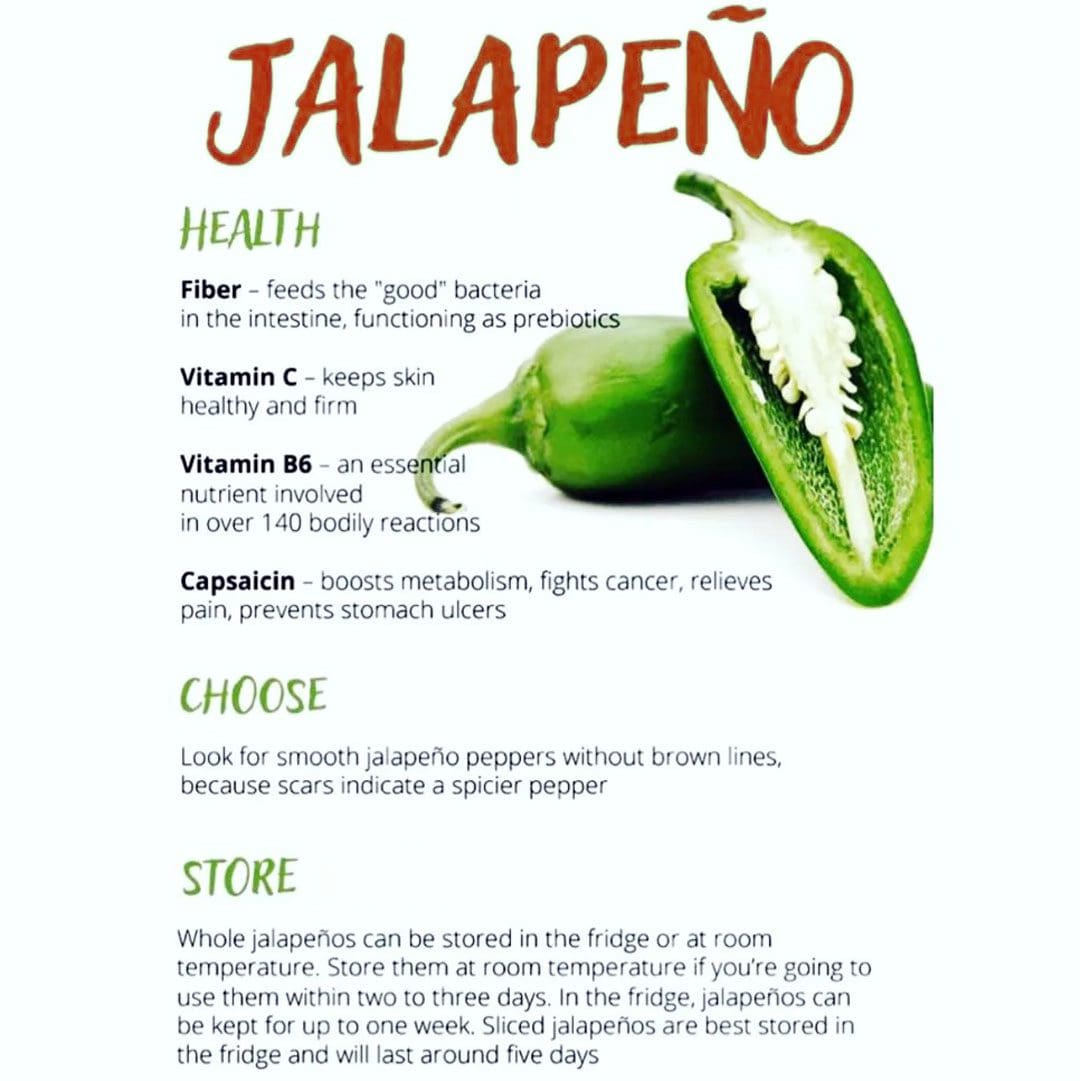
One pepper contains about 16 milligrams of vitamin C, about 18% of the recommended daily allowance/RDA.
Jalapeños are a good source of vitamin A, which supports skin and eye health.
In 1/4 cup sliced jalapeño peppers, individuals acquire around 8% of the recommended daily amount of vitamin A for men and 12% for women.
Jalapeños are also a source of vitamins B6, K, and E.
Health Benefits
Many health benefits have been attributed to capsaicin which is the substance that generates the heat in the peppers, including alleviating pain and itching by blocking a neuropeptide that transmits those signals to the brain. (Andrew Chang et al., 2023)
Pain Relief
Research shows capsaicin – supplements or topical ointments/creams – can relieve nerve and joint pain. (Andrew Chang et al., 2023)
Lower the Risk of Heart Disease
A study of individuals with low levels of healthy HDL cholesterol, who are at risk of coronary heart disease/CHD, showed that capsaicin supplements improved risk factors for CHD. (Yu Qin et al., 2017)
Reduce Inflammation
The vitamin C in the peppers acts as an antioxidant, which means it can repair cells damaged by oxidative stress and reduce inflammation.
They can be consumed raw, pickled, canned, or smoked/chipotle peppers and are hotter than fresh or canned because they are dried and treated.
Storage and Safety
Fresh jalapeños can be stored at room temperature for a few days or in the refrigerator for about a week.
Once a jar is opened, keep it in the refrigerator.
For an open can of peppers, transfer to a glass or plastic container for refrigerator storage.
Peppers can be frozen after preparing by cutting off the stems and scooping out the seeds.
Frozen jalapeños are best within 6 months for the best quality, but can be kept for much longer.
Preparation
Removing the seeds can help reduce the heat.
Jalapeños can be eaten whole or sliced and added to salads, marinades, salsa, or cheeses.
Some add jalapeños to smoothies for a spicy kick.
They can be used in various recipes for added heat and tanginess.
Chiropractic, Fitness, and Nutrition
References
FoodData Central. U.S. Department of Agriculture. (2018). Peppers, jalapeno, raw.
Atkinson, F. S., Foster-Powell, K., & Brand-Miller, J. C. (2008). International tables of glycemic index and glycemic load values: 2008. Diabetes care, 31(12), 2281–2283. https://doi.org/10.2337/dc08-1239
Ludy, M. J., Moore, G. E., & Mattes, R. D. (2012). The effects of capsaicin and capsiate on energy balance: critical review and meta-analyses of studies in humans. Chemical senses, 37(2), 103–121. https://doi.org/10.1093/chemse/bjr100
National Institutes of Health Office of Dietary Supplements. (2021). Vitamin C: Fact Sheet for Health Professionals.
Chang A, Rosani A, Quick J. Capsaicin. [Updated 2023 May 23]. In: StatPearls [Internet]. Treasure Island (FL): StatPearls Publishing; 2023 Jan-. Available from: https://www.ncbi.nlm.nih.gov/books/NBK459168/
Qin, Y., Ran, L., Wang, J., Yu, L., Lang, H. D., Wang, X. L., Mi, M. T., & Zhu, J. D. (2017). Capsaicin Supplementation Improved Risk Factors of Coronary Heart Disease in Individuals with Low HDL-C Levels. Nutrients, 9(9), 1037. https://doi.org/10.3390/nu9091037
American Academy of Allergy Asthma and Immunology. (2017). Ask the Expert: Pepper Allergy.
For individuals experiencing gluteus minimus pain and are unsure where to start to deal with it, can a physical therapist, chiropractor, or general practitioner help diagnose lower extremity pain and develop an appropriate treatment plan?
Gluteus Minimus Muscles
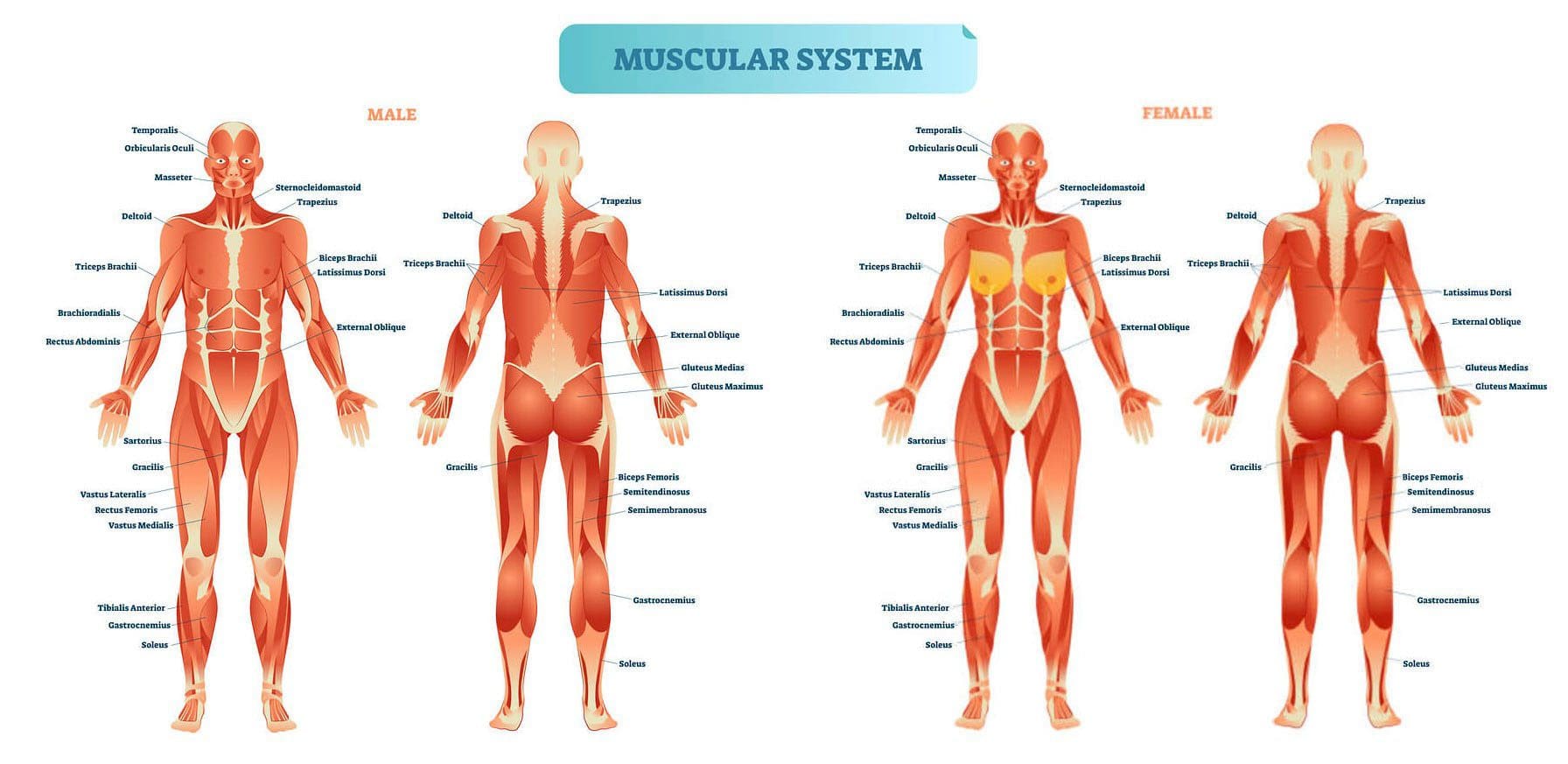
The gluteus minimus is the smallest muscle of the gluteal muscles. Combined with the gluteus maximus and gluteus medius, these muscles make up the glutes. The glutes help form the buttocks shape, stabilize the hips, rotate the legs, and raise the thighs. The gluteus minimus and medius specifically support the gluteus maximus’s ability to raise the leg to the side and rotate the thigh inwards. (ScienceDirect. 2011)
Anatomy
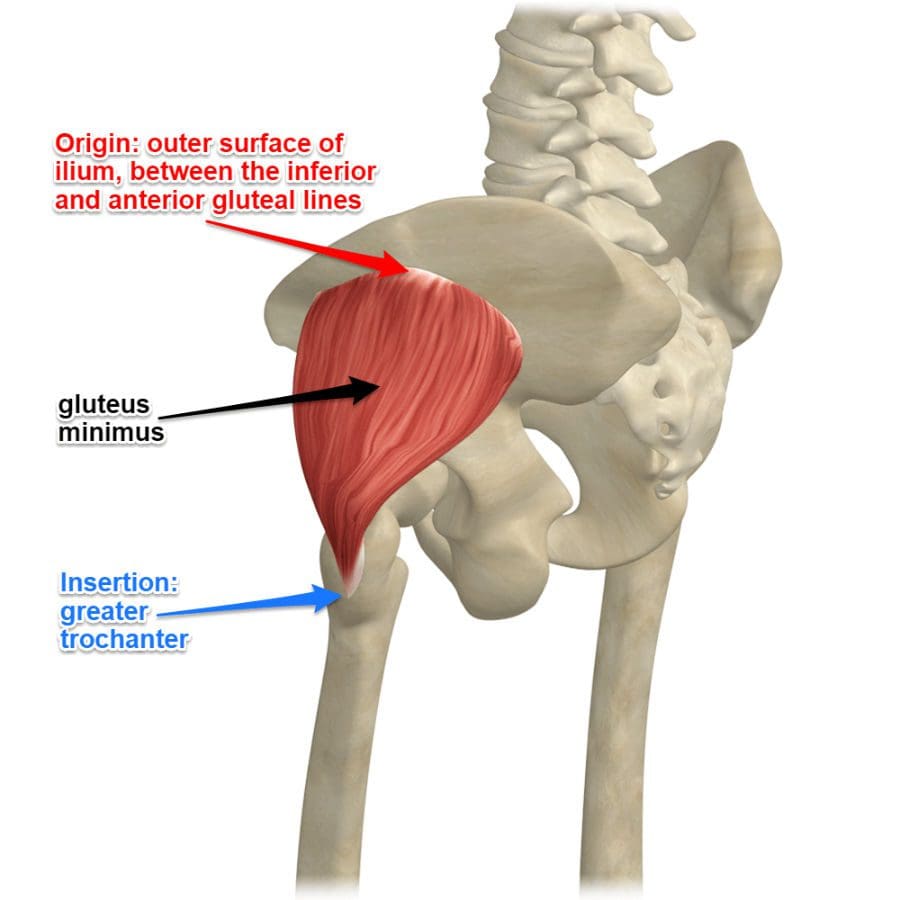
The gluteus minimus muscles are triangular and lie underneath the gluteus medius near the rotators of the hip joints. The muscles start in the lower ilium region, the upper and largest area of the hip bone that makes up the pelvis and attaches to the femur/thigh bone.
The fibers on the top part of the muscle are thick and compact, while the lower fibers are flat and spread out.
The superior gluteal nerves and blood vessels separate the gluteus minimus and the medius.
The gluteus medius muscles start on the upper ilium region, which covers the gluteus minimus muscle entirely. The location of the gluteus minimus muscles envelopes the sciatic notch or the area in the pelvis that houses the piriformis muscle, superior gluteal vein, and superior gluteal artery, which provide a certain amount of protection.
Function
Movement depends on the location of the femur. The gluteus minimus muscle’s function is to:
Flex
Rotate
Stabilize
When the thigh is extended, it helps abduct or swing the leg out away from the body.
When the hip bones are flexed, the gluteus minimus rotates the thigh inward with the help of the gluteus medius.
The movements are done with the support of the muscle fibers, which contract to move the thigh in both directions. (ScienceDirect. 2011)
The gluteus minimus and the medius also stabilize the hips and pelvis during movement and when resting.
Associated Conditions
One of the most common injuries is muscle wearing and tearing, which can cause pain over and around the greater trochanter. This is known as greater trochanteric pain syndrome or GTPS, a condition usually caused by a gluteus medius or minimus tendinopathy, which can include inflammation of the surrounding bursae. (Diane Reid. 2016) For a gluteus minimus tear, the pain/sensations will be felt outside the hip, especially when rolling or applying weight on the affected side. A tear can happen suddenly with no particular activity causing the tear to occur aside from normal use and stress on the muscle. Physical activities like walking may be painful.
Rehabilitation
Treatment depends on the severity of the condition. Usually, rest, ice, and over-the-counter medication can help reduce swelling and pain symptoms. For pain symptoms that are not subsiding, it’s recommended to see a healthcare provider who can run an MRI or X-ray to see the condition of the muscle and rule out other causes of pain. The healthcare provider will refer the patient to a physical therapy team that can evaluate the strength of the gluteus minimus and provide a list of exercises and stretches to help repair the muscle while conditioning the surrounding muscles. (SportsRec. 2017) Depending on the level of pain, sometimes the healthcare provider will prescribe a cortisone injection to the gluteus minimus muscle in conjunction with physical therapy. This will help alleviate the pain so that the physical therapy exercises can be done comfortably, allowing the gluteus maximus muscle to heal properly and strengthen. (Julie M. Labrosse et al., 2010)
Reid D. (2016). The management of greater trochanteric pain syndrome: A systematic literature review. Journal of orthopaedics, 13(1), 15–28. https://doi.org/10.1016/j.jor.2015.12.006
Labrosse, J. M., Cardinal, E., Leduc, B. E., Duranceau, J., Rémillard, J., Bureau, N. J., Belblidia, A., & Brassard, P. (2010). Effectiveness of ultrasound-guided corticosteroid injection for the treatment of gluteus medius tendinopathy. AJR. American journal of roentgenology, 194(1), 202–206. https://doi.org/10.2214/AJR.08.1215
For individuals trying to optimize muscle growth, protein intake is essential. However, the body is limited by how much protein can synthesize to repair and grow muscles. Can knowing protein intake timing, amount, and how to best stimulate muscle growth help achieve better results?
Muscle Protein Synthesis
Muscle protein synthesis is a physiological process of producing new muscle protein and is an important component of how the body maintains and builds muscle. Muscle growth is achieved with resistance training and protein intake. (Tanner Stokes, et al., 2018)
How Protein Synthesis Works
Protein is the building block of muscles, while protein synthesis is a natural metabolic process in which protein is produced to repair muscle damage caused by exercise. This happens from amino acids binding to skeletal muscle proteins, increasing muscle size. It counteracts muscle protein breakdown (MPB) due to protein loss during exercise. The breakdown of muscles is a necessary part of building muscle. When damaged, muscles will build back larger, so long as enough calories and protein are consumed to repair and grow the muscles. Muscle protein synthesis can be enhanced by increasing protein intake immediately following exercise. Learning to stimulate muscle protein synthesis through exercise and diet can help accelerate muscle growth, expedite recovery, improve physical performance, and increase overall endurance. (Cameron J. Mitchell et al., 2014)
Effects of Exercise
Protein balance describes the relationship between muscle protein breakdown and muscle protein synthesis. When the body is in protein balance, no muscle growth or wasting occurs, and the individual is considered in a healthy state of biological equilibrium/homeostasis, also known as maintenance. To stimulate muscle growth, individuals need to shake up the protein balance. Although it may seem counter-intuitive, exercise can break down muscle protein, but not more than the amount of protein the body can synthesize. (Felipe Damas, et al., 2015) The more intense the workout, the greater the muscle protein synthesis, as the muscle breakdown stimulates the repair and growth of tissues. Scientists measure intensity by the one-repetition maximum – 1-RM – meaning the maximum weight an individual can lift for one repetition. According to a research study, workout intensities of under 40% of the 1-RM will not affect muscle protein synthesis. And intensities greater than 60% will double or triple muscle protein synthesis. (P. J. Atherton, K Smith. 2012)
Food Impact
The relationship between diet and protein balance is not so straightforward. Even with increased protein intake, muscle protein synthesis occurs for a specific period. This is because the body can only utilize a certain amount of the essential amino acids it receives, with anything more being broken down and excreted by the liver. Nutritionists recommend about 1.4 to 2.0 grams of protein per kilogram of body weight per day for building muscle and strength. (Ralf Jäger, et al., 2017) Enough protein can be obtained by focusing on dairy, eggs, lean meats, nuts, and legumes. It is also recommended to consume enough whole grains, healthy fats, fruits, and vegetables to help the body perform and repair properly. For example, carbohydrates are necessary for muscle building as they stimulate insulin release that supports muscle cell protein absorption. (Vandré Casagrande Figueiredo, David Cameron-Smith. 2013) A study looked into response rates in men prescribed 10, 20, or 40 grams of whey protein immediately following resistance training. Researchers noted the following results: (Oliver C. Witard et al., 2014)
10 grams of whey protein – No effect on muscle protein synthesis.
20 grams – Increased muscle protein synthesis by 49%.
40 grams – Increased the muscle protein synthesis by 56% but also caused the excessive accumulation of urea.
Consuming 20 grams to 40 grams of whey protein after resistance training also increased other essential amino acids associated with lean muscle growth. (Lindsay S. Macnaughton et al., 2016)
Whey protein is a fast-digesting protein.
Increased results can be obtained by consuming slower-digesting protein throughout the day.
Muscle gains vary from person to person as everyone’s body is different. Individuals considering consuming protein beyond the recommended dietary intake should consult their doctor or a registered nutritionist to understand the potential benefits and risks.
Building A Stronger Body
References
Stokes, T., Hector, A. J., Morton, R. W., McGlory, C., & Phillips, S. M. (2018). Recent Perspectives Regarding the Role of Dietary Protein for the Promotion of Muscle Hypertrophy with Resistance Exercise Training. Nutrients, 10(2), 180. https://doi.org/10.3390/nu10020180
Mitchell, C. J., Churchward-Venne, T. A., Parise, G., Bellamy, L., Baker, S. K., Smith, K., Atherton, P. J., & Phillips, S. M. (2014). Acute post-exercise myofibrillar protein synthesis is not correlated with resistance training-induced muscle hypertrophy in young men. PloS one, 9(2), e89431. https://doi.org/10.1371/journal.pone.0089431
Damas, F., Phillips, S., Vechin, F. C., & Ugrinowitsch, C. (2015). A review of resistance training-induced changes in skeletal muscle protein synthesis and their contribution to hypertrophy. Sports medicine (Auckland, N.Z.), 45(6), 801–807. https://doi.org/10.1007/s40279-015-0320-0
Atherton, P. J., & Smith, K. (2012). Muscle protein synthesis in response to nutrition and exercise. The Journal of physiology, 590(5), 1049–1057. https://doi.org/10.1113/jphysiol.2011.225003
Jäger, R., Kerksick, C. M., Campbell, B. I., Cribb, P. J., Wells, S. D., Skwiat, T. M., Purpura, M., Ziegenfuss, T. N., Ferrando, A. A., Arent, S. M., Smith-Ryan, A. E., Stout, J. R., Arciero, P. J., Ormsbee, M. J., Taylor, L. W., Wilborn, C. D., Kalman, D. S., Kreider, R. B., Willoughby, D. S., Hoffman, J. R., … Antonio, J. (2017). International Society of Sports Nutrition Position Stand: protein and exercise. Journal of the International Society of Sports Nutrition, 14, 20. https://doi.org/10.1186/s12970-017-0177-8
Figueiredo, V. C., & Cameron-Smith, D. (2013). Is carbohydrate needed to further stimulate muscle protein synthesis/hypertrophy following resistance exercise?. Journal of the International Society of Sports Nutrition, 10(1), 42. https://doi.org/10.1186/1550-2783-10-42
Witard, O. C., Jackman, S. R., Breen, L., Smith, K., Selby, A., & Tipton, K. D. (2014). Myofibrillar muscle protein synthesis rates subsequent to a meal in response to increasing doses of whey protein at rest and after resistance exercise. The American journal of clinical nutrition, 99(1), 86–95. https://doi.org/10.3945/ajcn.112.055517
Macnaughton, L. S., Wardle, S. L., Witard, O. C., McGlory, C., Hamilton, D. L., Jeromson, S., Lawrence, C. E., Wallis, G. A., & Tipton, K. D. (2016). The response of muscle protein synthesis following whole-body resistance exercise is greater following 40 g than 20 g of ingested whey protein. Physiological reports, 4(15), e12893. https://doi.org/10.14814/phy2.12893
For individuals wanting to eat pancakes regularly, are there ways to increase pancake nutrition and lower the calorie and carb counts so they can be included in a balanced diet?
Pancake Nutrition
This high-carbohydrate meal can provide enough energy to fuel a day’s physical activity.
Nutrition
The following nutrition information is provided for:
Pancakes made with whole-wheat flour offer more fiber and protein. The following is nutrition info for two or three whole-wheat pancakes (150g) made from a mix. (Child Nutrition Recipe Box. 2023)
Calories – 348
Fat – 15g
Sodium – 594mg
Carbohydrates – 45g
Fiber – 6g
Sugars – 6g
Protein – 12g
Carbohydrates
Pancakes will increase carbohydrate intake. The body uses carbohydrates as a primary fuel source, making them an important nutrient. However, most nutritionists suggest that individuals get their daily carbohydrates from nutrient-dense sources. Pancakes typically don’t fall into this category. White flour pancakes do not provide much fiber, and around 60 grams of carbohydrates are consumed in this meal. Substituting whole-wheat flour changes the amount to around 6g of fiber or 20% of the daily recommended value.
Fat
Pancakes can include dairy and eggs and are topped with butter that contributes a significant amount of fat. Pancake mix may contain trans fat. Some brands include partially hydrogenated oils. Health experts recommend that individuals limit or completely avoid foods containing trans fat. If the label ingredient list contains partially hydrogenated ingredients, it is recommended to avoid it. (MedlinePlus. 2022)
Protein
Pancakes may provide some protein, which varies based on the type of flour used. Some brands add protein powder to increase intake.
Vitamins and Minerals
Pancakes and ready mixes are generally made from enriched flour. Enriched foods are those that have had nutrients added during the manufacturing process. In most cases, the nutrients, vitamins, and minerals are stripped away, and then some are added back in during processing. Constantly eating enriched bread products limits diet-friendly fiber and nutrients. The enriched flour in pancakes and added sugar and syrup raise blood sugar levels rapidly and then generate hunger shortly afterward.
Calories
Total nutrition numbers also depend on serving size. The numbers on the label only apply to a single serving which is just two medium pancakes. Many individuals consume 3-4 medium pancakes and double the amount of butter and syrup as well. This can add up to more than 1,000 calories.
Benefits
Whole-wheat pancakes made with whole-grain flour are more nutritious than pancakes made with white flour and can be a delicious way to eat more whole grains. They can be topped with berries or other fruits for added fiber and nutrients.
Digestion
Whole-wheat pancakes made with whole-grain flour provide significant fiber for healthy digestion. Fiber helps with waste evacuation and has prebiotic compounds that fuel beneficial gut bacteria. (Joanne Slavin. 2013)
Improves Hunger Satisfaction
Whole-grain pancakes taste heartier and include fiber that keeps the body fuller longer than pancakes made with faster-digesting refined flour.
Decreases Risk of Heart Disease
A review of studies examining whole grain consumption and heart disease found that eating whole grains was associated with a reduced risk of heart disease. (Dagfinn Aune, et al., 2016)
Reduces Risk of Obesity
Research suggests that whole grain intake reduces the risk of obesity and could help individuals maintain a stable weight. (Katrina R. Kissock et al., 2021) The fiber will also help keep the fuller longer after the meal.
Slavin J. (2013). Fiber and prebiotics: mechanisms and health benefits. Nutrients, 5(4), 1417–1435. https://doi.org/10.3390/nu5041417
Aune, D., Keum, N., Giovannucci, E., Fadnes, L. T., Boffetta, P., Greenwood, D. C., Tonstad, S., Vatten, L. J., Riboli, E., & Norat, T. (2016). Whole grain consumption and risk of cardiovascular disease, cancer, and all cause and cause specific mortality: systematic review and dose-response meta-analysis of prospective studies. BMJ (Clinical research ed.), 353, i2716. https://doi.org/10.1136/bmj.i2716
Kissock, K. R., Neale, E. P., & Beck, E. J. (2021). Whole Grain Food Definition Effects on Determining Associations of Whole Grain Intake and Body Weight Changes: A Systematic Review. Advances in nutrition (Bethesda, Md.), 12(3), 693–707. https://doi.org/10.1093/advances/nmaa122
Centers for Disease Control and Prevention. (2022). Folic acid.
IFM's Find A Practitioner tool is the largest referral network in Functional Medicine, created to help patients locate Functional Medicine practitioners anywhere in the world. IFM Certified Practitioners are listed first in the search results, given their extensive education in Functional Medicine