Individuals that engage in heavy exercise can develop heat cramps from overexertion. Can knowing the causes and symptoms help prevent future episodes from happening?
Heat Cramps
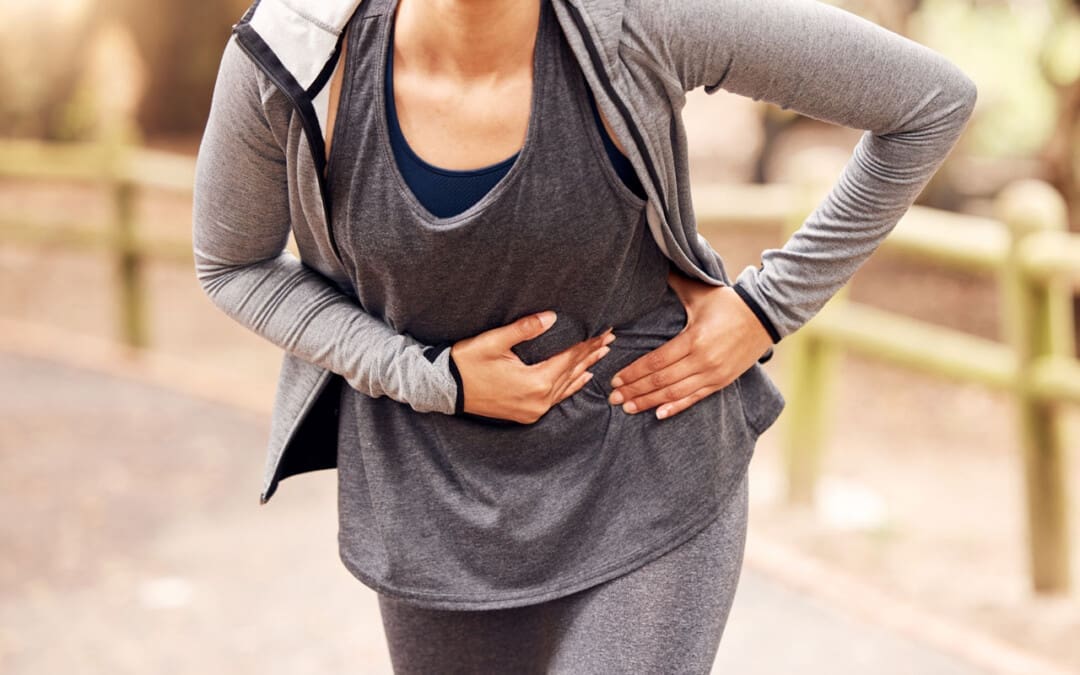
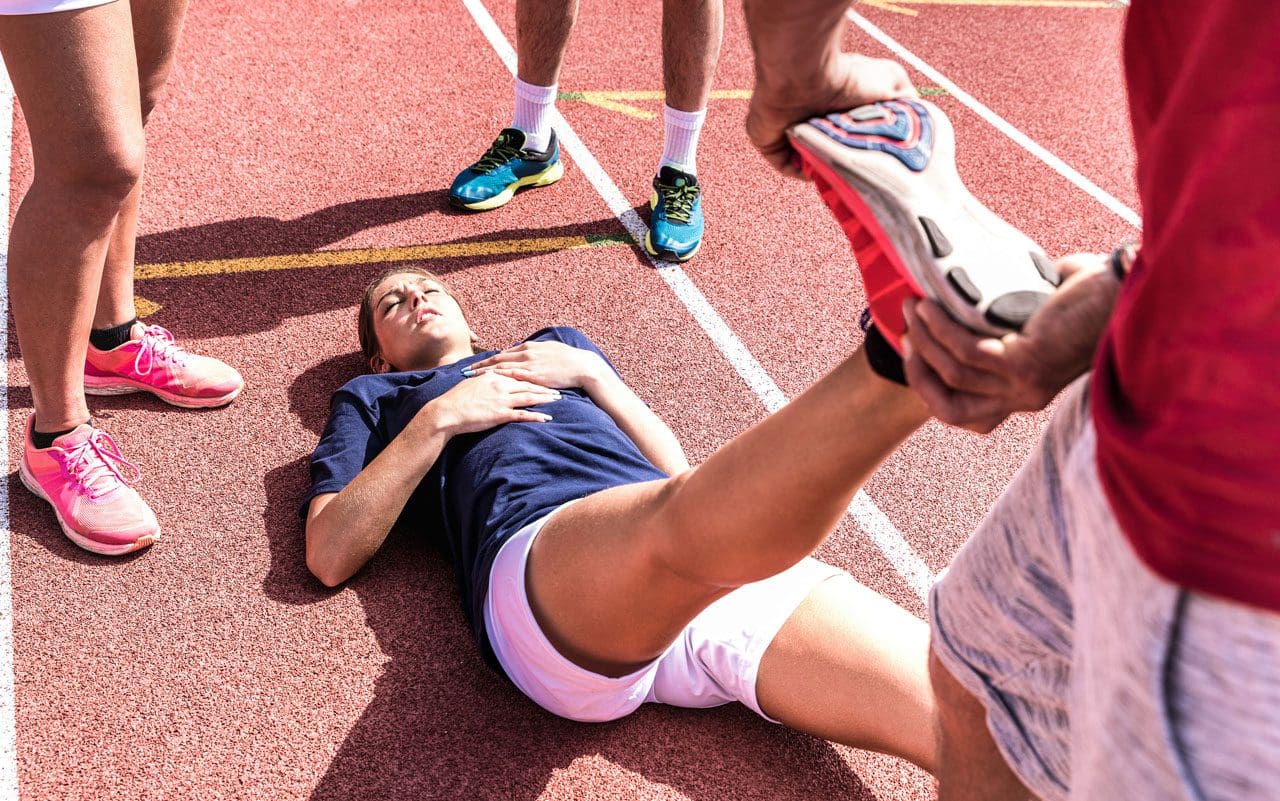
Heat cramps can develop during exercise from overexertion or prolonged exposure to high temperatures. The muscle cramps, spasms, and pain can range from mild to severe.
Electrolytes like sodium, calcium, and magnesium are important for properly functioning muscles, including the heart. The primary role of sweating is to regulate the body’s temperature. (MedlinePlus. 2015) Sweat is mostly water, electrolytes, and sodium. Excessive sweating from physical activity and exertion or a hot environment can cause electrolyte imbalances that lead to cramps, spasms, and other symptoms.
Causes and Activities
Heat cramps most commonly affect individuals who sweat excessively during strenuous activity or are exposed to hot temperatures for prolonged periods. The body and organs need to cool down, which causes sweat production. However, too much sweating can lead to dehydration and electrolyte depletion. (Centers for Disease Control and Prevention. 2022)
Age – Children and adults 65 years and older have the highest risk.
Excessive sweating.
Low sodium diet.
Preexisting Medical Conditions – heart disease, diabetes mellitus, and obesity are conditions that can increase the risk of muscle cramping.
Medications – blood pressure, diuretics, and antidepressants can affect electrolyte balance and hydration.
Alcohol consumption.
Self-Care
If heat cramps begin, immediately stop the activity and look for a cool environment. Rehydrate the body to replenish the fluid loss. Staying hydrated and drinking fluids regularly during intense activity or in a hot environment can help prevent the body from cramping. examples of beverages that increase electrolytes include:
Gently applying pressure and massaging affected muscles can help reduce pain and spasms. As symptoms resolve, it is recommended to not return to strenuous activity too soon because additional exertion can progressively lead to heatstroke or heat exhaustion. (Centers for Disease Control and Prevention. 2021) Heatstroke and heat exhaustion are two heat-related illnesses. (Centers for Disease Control and Prevention. 2022)
Heatstroke is when the body loses the ability to regulate temperature and can cause dangerously high temperatures.
Heat exhaustion is the body’s response to excessive fluid and electrolyte loss.
The majority of heat cramps develop during activities because of the exertion and sweating, causing more electrolytes to be lost and the body to become more dehydrated.
Symptoms can also develop minutes to hours after activity has ceased.
Duration
Most heat-related muscle cramps will resolve with rest and hydration within 30–60 minutes.
If muscle cramping or spasms do not subside within one hour, seek professional medical attention.
For individuals with heart conditions or on a low-sodium diet who develop heat cramps, regardless of duration, medical help is necessary to ensure there are no complications.
Drink plenty of fluids before and during physical activities.
Avoid alcohol and caffeinated beverages.
Avoid exercising or exposure to extreme heat during peak sunlight hours.
Avoid tight and dark-colored clothing.
Assessing Patients In A Chiropractic Setting
References
Gauer, R., & Meyers, B. K. (2019). Heat-Related Illnesses. American family physician, 99(8), 482–489.
Centers for Disease Control and Prevention. (2022). Heat stress — heat related illness. The National Institute for Occupational Safety and Health (NIOSH) Retrieved from https://www.cdc.gov/niosh/topics/heatstress/heatrelillness.html#cramps
MedlinePlus. (2015). Sweat. Retrieved from https://medlineplus.gov/sweat.html#cat_47
FoodData Central. (2019). Nuts, coconut water (liquid from coconuts). Retrieved from https://fdc.nal.usda.gov/fdc-app.html#/food-details/170174/nutrients
FoodData Central. (2019). Milk, nonfat, fluid, with added vitamin A and vitamin D (fat free or skim). Retrieved from https://fdc.nal.usda.gov/fdc-app.html#/food-details/746776/nutrients
Centers for Disease Control and Prevention. (2012). Frequently asked questions (FAQ) about extreme heat. Retrieved from https://www.cdc.gov/disasters/extremeheat/faq.html
For individuals that are feeling unmotivated to work out and exercise can developing a fitness mindset help improve and maintain motivation?
Fitness Mindset Motivation
Learning to exercise as part of a regular workout routine can have a significant impact on health and well-being. In the beginning, individuals are all in, but as time goes on, mental blocks can interfere with workout motivation. Being flexible with oneself and fitness/health goals is part of the process, and overcoming mental blocks is key to maintaining motivation. It’s all about creating a fitness mindset to maintain confidence and motivation and enjoy the benefits of regular exercise.
Feeling Tired
When feeling tired, individuals should ask themselves if it’s physical or mental fatigue. If the exhaustion is not from lack of sleep, illness, or a physically demanding job, it is more than likely mental tiredness. Mental exhaustion can often feel physical, and a recommended cure is physical activity. Often, once an individual starts working out and gets over the mental fatigue, they feel better. (Juriena D. de Vries et al., 2016) Regular physical activity can increase energy levels and leave the body feeling less fatigued. (Bryan D. Loy et al., 2013) However, individuals need to make sure there is ample recovery time to repair and restore the body after working out.
Self-Talk
Sometimes there is a small voice that says to take a day off or perform an easier workout. It’s okay to be flexible, but most times, individuals need to be ready to stand up to the skip-the-workout voices and stay motivated.
Remove Obstacles
Remove obstacles that can distract from exercising.
Have the workout gear ready and exercise time pre-scheduled so there are no second thoughts.
If limited space is an issue, find compact equipment like a cordless jump rope that doesn’t require a lot of room.
Don’t Allow Relaxation Takeover
Individuals who plan to exercise after school or work shouldn’t go home, sit down, and relax watching TV before working out.
Individuals who may need a transition to work out should try something gentle but active, like stretching or doing a light chore.
Individuals who exercise in the morning should wear their workout clothes immediately, so they can’t second guess and can continue their workout.
Remind yourself of the reasons for committing to exercise.
Research shows that using second-person self-talk can help maintain motivation. Encouraging oneself with phrases like you can do this, you got this, or you are going to achieve your fitness goals improves the chances of obtaining the desired outcome. (Sanda Dolcos, Dolores Albarracin. 2014)
Fight Through The Doubt
Start with small steps. Ask if doubt is stopping you from starting. If doubt begins to arise:
Ask For Help
A colleague, friend, or partner can help reinspire motivation.
Tell them about the challenges of sticking with exercise.
Ask them to work out together.
Do What Is Possible
If working out for 30 minutes is too difficult, don’t worry about it.
Go for as long as possible and try for more the next time.
Working out can feel like a job, but it does not have to.
For example, individuals sitting or standing all day can approach the workout as 30 minutes to get out and move around.
Or, after getting the kids settled in, it is time to do something for yourself and exercise the stress away.
Healthy Reminders
Write inspirational fitness mindset notes and put them where they will be seen regularly.
These can be exercise goals; for example, I will exercise for 30 minutes because I want more energy, better sleep, strength, etc.
Train The Brain For Exercise
When the issue is motivation, the mind needs to be convinced to exercise. How to use mind-over-matter skills:
Rewards
When finishing a workout, rewards can help.
Exercise has its own rewards – more energy, improved mood, stress relief, and reduced disease risk.
Maybe a new pair of shoes, earbuds or headphones, workout equipment, or a massage will increase motivation.
Make A Deal
Continue to exercise for whatever amount of time, and if the desire to stop is still present, then stop.
Nine times out of 10, individuals will keep going.
Pretend
Make-believe can encourage the fitness mindset.
Pretending to be in a race, or in a movie, anything that makes the body want to move.
Set Achievable Goals
Making difficult goals can generate the fear of being unable to achieve them.
Aim for small achievable goals that go along with a bigger overall goal.
That way, there are more victories, and the motivation to keep moving is maintained.
Competition
Healthy competition can be a great motivator.
Competing with oneself for faster times, heavier weights, or more frequency can keep the inspiration going.
Social media and apps to compete with family and friends can also help.
Visualization
Athletes use visualization techniques of going through the game, match, and tournament to get themselves prepared and ready to execute what they’ve been practicing.
Individuals can do the same thing by picturing themselves going through their workout from beginning to end.
Exercise provides meditation time to think about problems and challenges.
Use the workout time to work through the problems and refocus strategies to solve them.
Process Goals
Choosing specific goals that are part of the workout process, like working out 3-4 times per week, is recommended compared to using outcome goals, like losing ten pounds.
Outcome goals can be out of the individual’s control; instead, focus on the steps to achieve the goals, which lessens stress and is a more controllable method of working out. (Kylie Wilson Darren Brookfield. 2011)
Changing lifestyle to include exercise is not easy. The most important step is having the right attitude. (Margie E. Lachman et al., 2018) Thinking about exercise as an obligation will discourage motivation. Instead, create a fitness mindset to treat exercise like a break from all the stress and a reward for the mind and body to a healthier life.
Home Exercises for Pain Relief
References
de Vries, J. D., van Hooff, M. L., Geurts, S. A., & Kompier, M. A. (2016). Exercise as an Intervention to Reduce Study-Related Fatigue among University Students: A Two-Arm Parallel Randomized Controlled Trial. PloS one, 11(3), e0152137. https://doi.org/10.1371/journal.pone.0152137
Bryan D. Loy, Patrick J. O’Connor & Rodney K. Dishman (2013) The effect of a single bout of exercise on energy and fatigue states: a systematic review and meta-analysis, Fatigue: Biomedicine, Health & Behavior, 1:4, 223-242, DOI: 10.1080/21641846.2013.843266
Dolcos S, Albarracin D. (2014). The inner speech of behavioral regulation: Intentions and task performance strengthen when you talk to yourself as a You. Eur J Social Psychol. 44(6):636-642. doi:10.1002/ejsp.2048.
Lachman, M. E., Lipsitz, L., Lubben, J., Castaneda-Sceppa, C., & Jette, A. M. (2018). When Adults Don’t Exercise: Behavioral Strategies to Increase Physical Activity in Sedentary Middle-Aged and Older Adults. Innovation in aging, 2(1), igy007. https://doi.org/10.1093/geroni/igy007
Renner, F., Murphy, F. C., Ji, J. L., Manly, T., & Holmes, E. A. (2019). Mental imagery as a “motivational amplifier” to promote activities. Behaviour research and therapy, 114, 51–59. https://doi.org/10.1016/j.brat.2019.02.002
Kylie Wilson & Darren Brookfield (2009). Effect of Goal Setting on Motivation and Adherence in a Six‐Week Exercise Program, International Journal of Sport and Exercise Psychology, 7:1, 89-100, DOI: 10.1080/1612197X.2009.9671894
For individuals looking to improve heart health, can consuming prunes help support cardiovascular health?
Prunes and Heart Health
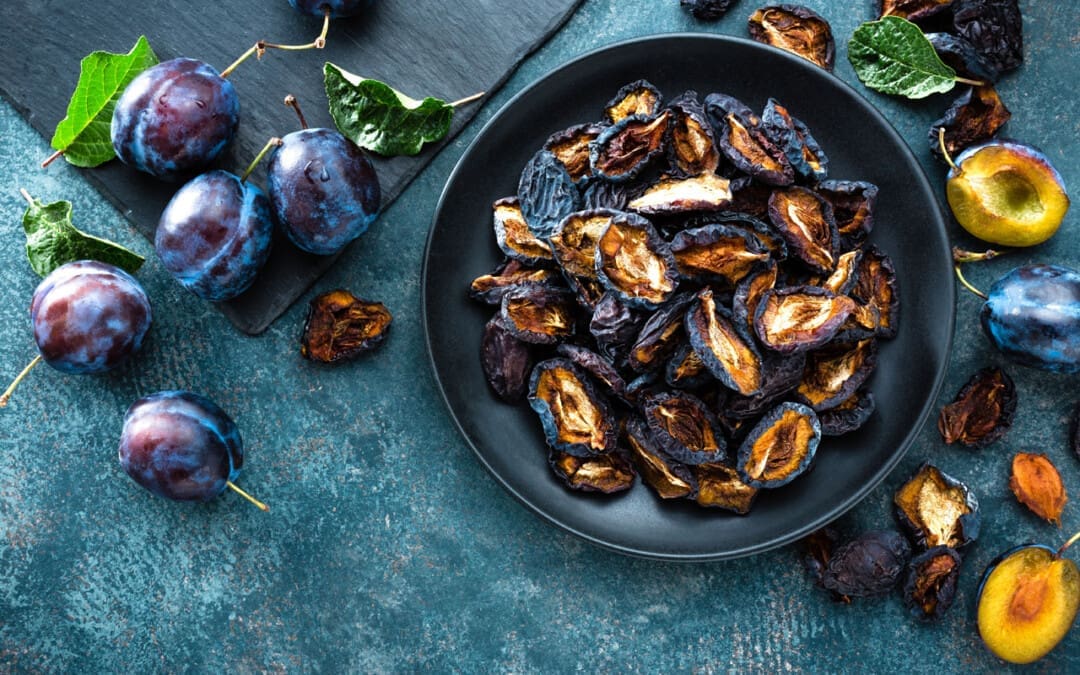
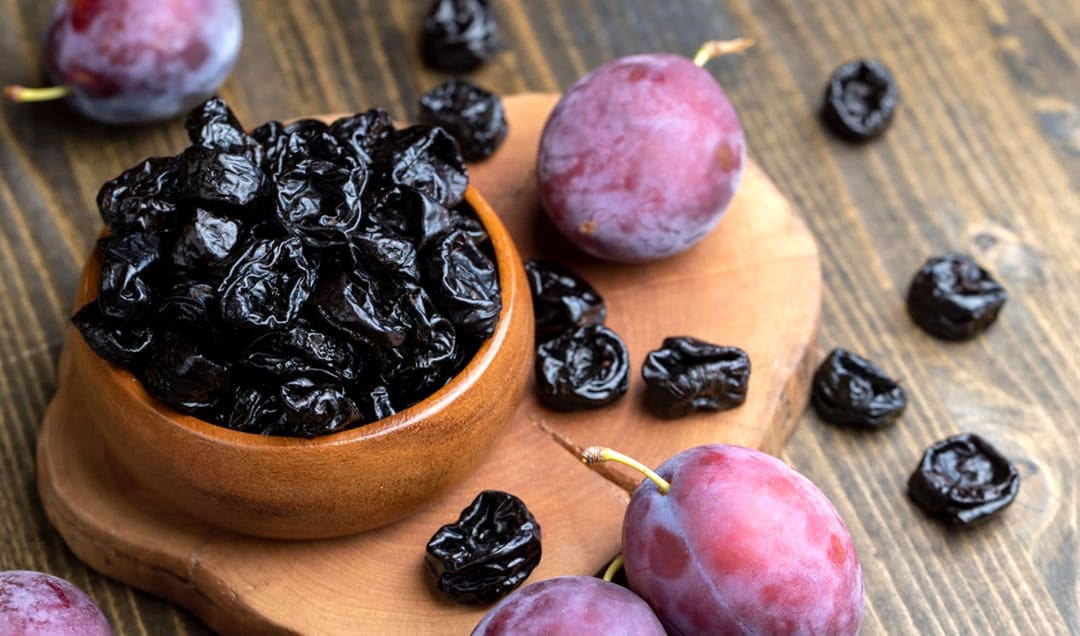
Prunes, or dried plums, are fiber-rich fruits that are more nutrient-dense than fresh plums and help digestion and bowel movement. (Ellen Lever et al., 2019) New research suggests they could offer more than digestion and constipation relief, according to new studies presented at the American Society for Nutrition. Eating prunes daily can improve cholesterol levels and reduce oxidative stress and inflammation.
Eating five to 10 prunes a day may support heart health.
Heart health benefits of regular consumption were seen in men.
In older women, regularly eating prunes had no negative effect on total cholesterol, blood sugar, and insulin levels.
Another study found that eating 50–100 grams or five to ten prunes daily was associated with reduced heart disease risks. (Mee Young Hong et al., 2021)
The reductions in cholesterol and inflammation markers were because of improvements in antioxidant levels.
The conclusion was that prunes can support cardiovascular health.
Prunes and Fresh Plums
Although studies have suggested that prunes can support heart health, that doesn’t mean fresh plums or prune juice can offer the same benefits. However, there are not many studies on the benefits of fresh plums or prune juice, but it is possible that they would. However, further research is needed. Fresh plums that have been dried in hot air improve the nutritional value and shelf life of the fruit, which could be the reason the dried version retains more nutrients. (Harjeet Singh Brar et al., 2020)
Individuals may have to eat more plums to acquire the same benefits.
Eating 5–10 prunes seems to be easier than trying to equal the same amount, or more, of fresh plums.
But either option is recommended instead of prune juice as whole fruits have more fiber, make the body feel fuller, and are lower in calories.
Benefits For Young Individuals
Most of the research has been conducted on postmenopausal women and men over 55, but younger individuals can also benefit from eating prunes. A diet that is rich in fruits and vegetables is considered healthy, so adding prunes to one’s diet will add to health benefits. For individuals who don’t like prunes, fruits like apples and berries are also recommended for heart health. However, fruits only make up one part of the diet, and it is important to focus on a balanced diet with vegetables, legumes, and heart-healthy oils. Prunes contain a lot of fiber, so individuals are recommended to add them slowly into their daily routine, as adding too much at once can lead to cramping, bloating, and/or constipation.
Conquering Congestive Heart Failure
References
Lever, E., Scott, S. M., Louis, P., Emery, P. W., & Whelan, K. (2019). The effect of prunes on stool output, gut transit time and gastrointestinal microbiota: A randomised controlled trial. Clinical nutrition (Edinburgh, Scotland), 38(1), 165–173. https://doi.org/10.1016/j.clnu.2018.01.003
Hong, M. Y., Kern, M., Nakamichi-Lee, M., Abbaspour, N., Ahouraei Far, A., & Hooshmand, S. (2021). Dried Plum Consumption Improves Total Cholesterol and Antioxidant Capacity and Reduces Inflammation in Healthy Postmenopausal Women. Journal of medicinal food, 24(11), 1161–1168. https://doi.org/10.1089/jmf.2020.0142
Harjeet Singh Brar, Prabhjot Kaur, Jayasankar Subramanian, Gopu R. Nair & Ashutosh Singh (2020) Effect of Chemical Pretreatment on Drying Kinetics and Physio-chemical Characteristics of Yellow European Plums, International Journal of Fruit Science, 20:sup2, S252-S279, DOI: 10.1080/15538362.2020.1717403
For a hearty side of potatoes, can oven roasting and paying attention to portion size make for a healthy meal?
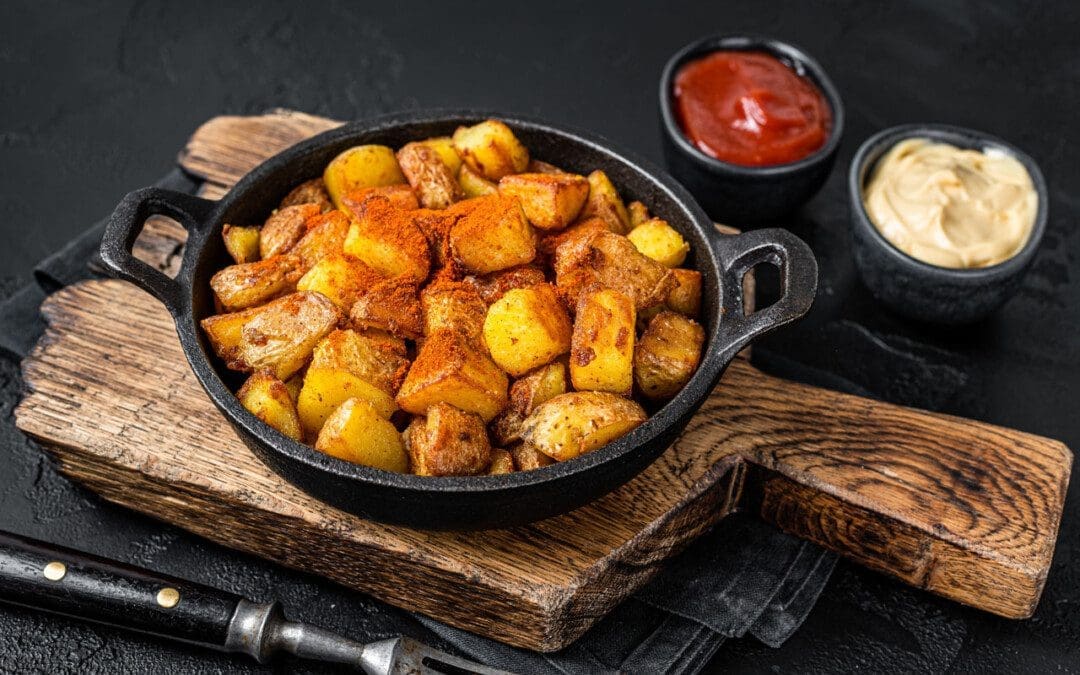
Oven Roasted Potatoes
Potatoes are starchy, but that does not make them unhealthy. This is where individuals need to take portion size into consideration. Starchy foods like potatoes should take up around a quarter of the plate, with room for vegetables and a protein source.
Potatoes can provide a good source of vitamin C, calcium, magnesium, potassium, folate, and fiber.
Potatoes contain certain antioxidants – lutein and zeaxanthin.
These antioxidants help protect eyesight and help lower the risk of macular degeneration, which can lead to vision loss. (Umesh C. Gupta Subhas C. Gupta 2019)
Ingredients
2 pounds red or white potatoes, with skin left on.
2 tablespoons olive oil.
2 tablespoons fresh minced rosemary.
1 teaspoon garlic, chopped.
1/2 teaspoon salt.
1/4 teaspoon black pepper.
Preparation
Preheat the oven to 425F.
Wash the potatoes and let them dry.
The potatoes don’t need to be peeled, but cut out surface blemishes.
Cut large potatoes into 2-inch pieces.
If using small potatoes, they can be left whole.
Place on a baking dish in a single layer.
Drizzle olive oil.
Add the rosemary, garlic, salt, and pepper.
Toss the potatoes until they are evenly coated.
Roast uncovered for 45 minutes to 1 hour, turning occasionally.
The potatoes are done when easily pierced with a fork.
Variations and Substitutions
Dried rosemary can be used instead of fresh rosemary, but not as much is needed.
2 teaspoons will suffice.
If there is no rosemary, thyme or oregano can be used.
Another option is using a combination of favorite herbs.
Cooking and Serving
When roasting, don’t over-crowd the potatoes on the baking pan, as this can cause them to cook unevenly or become mushy.
Ensure the potatoes are spread out and distributed in a single layer.
Choose potatoes that are firm and don’t have a green tint.
Green-tinted potatoes contain a compound called solanine.
For individuals looking to improve overall health and wellness, how can paying attention to non-exercise activities help burn more calories and improve metabolic rates?
Non-Exercise Activity Thermogenesis – NEAT
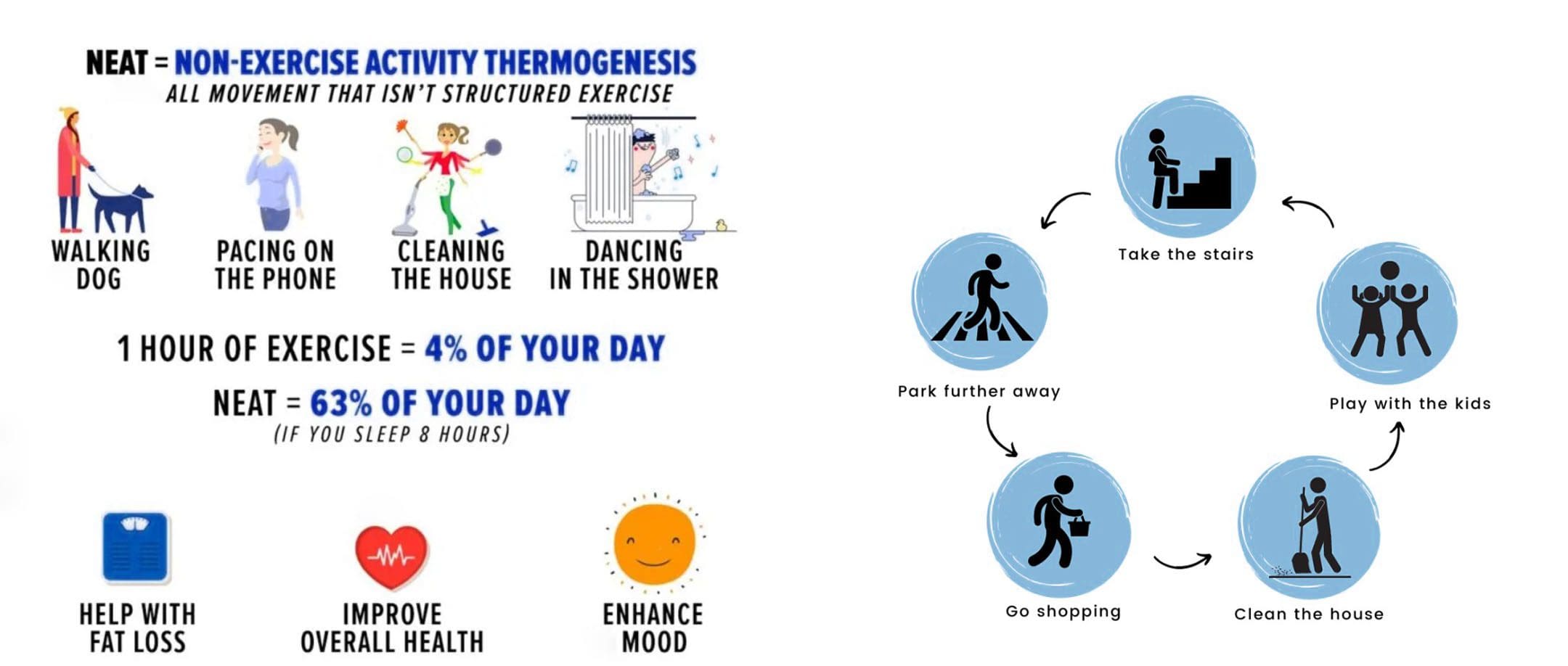
Non-exercise activity thermogenesis, or NEAT, describes the calories burned by daily movements and activities. These physical movements are not planned or structured exercises, workouts, or sports. It is also referred to as non-exercise physical activity or NEPA. Examples include activities like:
Cleaning
Cooking
Shopping
Playing a musical instrument
Small movements like fidgeting
When buying a few items, carry a basket instead of a shopping cart.
Take the stairs instead of the elevator or escalator.
While these movements might not seem like a lot, they can have a substantial impact on metabolic rates and calorie expenditures. A study followed over 12,000 women for 12 years and found that fidgeting can reduce the risk of death associated with excessive sedentariness. (Gareth Hagger-Johnson et al., 2016)
Calories Burned
The amount of calories burned varies from person to person. A study reported that the number of calories burned from non-exercise activity thermogenesis varies up to 2000 kilocalories a day between two individuals of similar size. (Christian von Loeffelholz et al., 2000). A number of factors can account for this difference, including environment and genetics. Individuals’ occupations and lifestyles can also influence non-exercise activity thermogenesis. For example, two individuals with similar body mass indexes or BMIs but different jobs, sedentariness versus activity, will burn different calorie amounts.
Improving Health
Non-exercise activity thermogenesis is thought to be one of the ways the body manages weight. When gaining weight, NEAT tends to increase, whereas when losing weight, NEAT decreases with individuals sitting more without moving as much. A research review noted that the benefits of non-exercise go well beyond the extra calories expended. (Pedro A. Villablanca et al., 2015). Increasing non-exercise activity thermogenesis reduces the risk of metabolic syndrome, cardiovascular issues, and other health problems. Plus, research shows that inactivity can negate the time and effort put into structured exercise. (John D. Akins et al., 2019). Combating sedentary behavior with non-activity thermogenesis helps increase the benefits of regular workouts.
Incorporating NEAT
There are small ways to incorporate non-exercise activity thermogenesis at work and at home. This could be using a standing desk or stability ball. According to the National Academy of Sports Medicine, a 145-pound person can approximately burn:
102 calories an hour while sitting at work.
174 calories if standing at work.
72 calories extra may not seem like a lot, but it can add up to more than 18,000 calories burned per year, leading to an approximate 5-pound weight loss.
If waiting in line or sitting in traffic, finding small ways to move, like tapping the hands or feet or moving the head to music, helps the body take advantage of non-exercise activity thermogenesis. Making more conscious efforts to move can go a long way in improving health.
Is Motion Key To Healing?
References
Hagger-Johnson, G., Gow, A. J., Burley, V., Greenwood, D., & Cade, J. E. (2016). Sitting Time, Fidgeting, and All-Cause Mortality in the UK Women’s Cohort Study. American journal of preventive medicine, 50(2), 154–160. https://doi.org/10.1016/j.amepre.2015.06.025
von Loeffelholz, C., & Birkenfeld, A. L. (2022). Non-Exercise Activity Thermogenesis in Human Energy Homeostasis. In K. R. Feingold (Eds.) et. al., Endotext. MDText.com, Inc.
Villablanca, P. A., Alegria, J. R., Mookadam, F., Holmes, D. R., Jr, Wright, R. S., & Levine, J. A. (2015). Nonexercise activity thermogenesis in obesity management. Mayo Clinic proceedings, 90(4), 509–519. https://doi.org/10.1016/j.mayocp.2015.02.001
Akins, J. D., Crawford, C. K., Burton, H. M., Wolfe, A. S., Vardarli, E., & Coyle, E. F. (2019). Inactivity induces resistance to the metabolic benefits following acute exercise. Journal of applied physiology (Bethesda, Md. : 1985), 126(4), 1088–1094. https://doi.org/10.1152/japplphysiol.00968.2018
For individuals switching to non-dairy and plant-based diets, can oat milk be a beneficial substitute for non-dairy milk drinkers?
Oat Milk
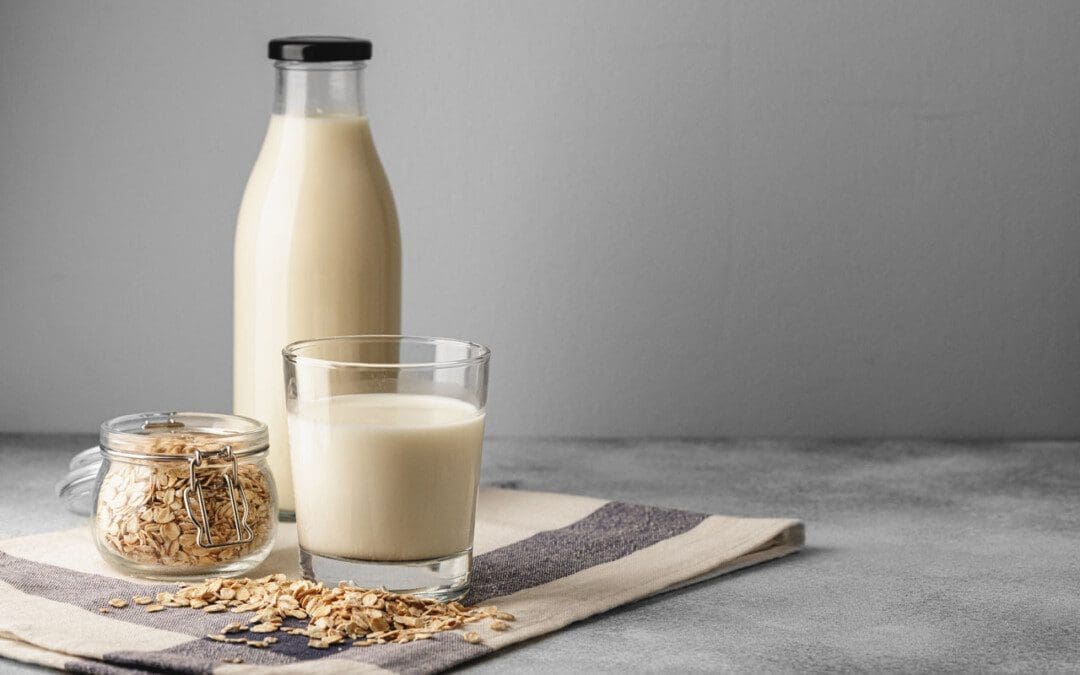
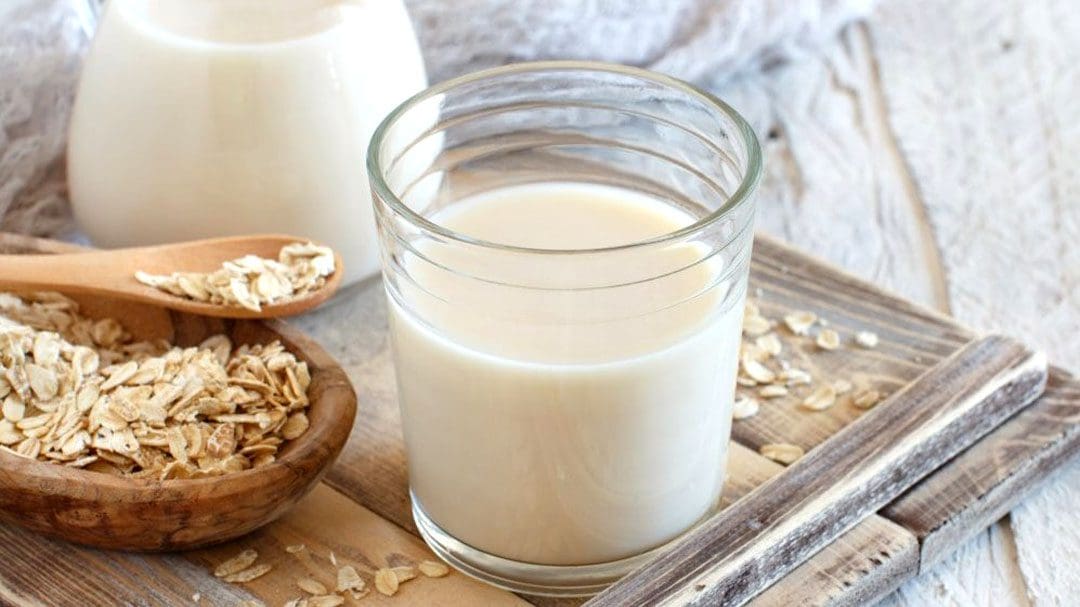
Oat milk is a dairy-free, lactose-free alternative nearly free of saturated fats, has more protein than most nut-based kinds of milk, adds fiber, and offers a healthy dose of B vitamins and minerals. It contains steel-cut or whole oats soaked in water that are then blended and strained with a cheesecloth or special milk bag that is cheaper to make than almond milk and is environmentally friendly.
Nutrition
Individuals can acquire 27% of daily calcium, 50% of daily vitamin B12, and 46% of daily B2. The nutritional information is for one serving of 1 cup of oat milk. (USDA FoodData Central. 2019)
Calories – 120
Fat – 5 grams
Sodium – 101 milligrams
Carbohydrates – 16 grams
Fiber – 1.9 grams
Sugars – 7 grams
Protein – 3 grams
Calcium – 350.4 milligrams
Vitamin B12 – 1.2 micrograms
Vitamin B2 – 0.6 milligrams
Carbohydrates
According to the United States Department of Agriculture, the number of carbohydrates in a cup of oat milk is 16, higher than other milk products.
However, the carbohydrates come from fiber and not fat.
Because oat milk is made from steel-cut or whole oats, there is more fiber per serving than cow’s milk, which offers no fiber, and almond and soy, which only contain one gram of fiber per serving.
Fats
Oat milk contains no fatty acids, no total saturated fat, and no total trans fats.
The milk does have 5 grams of total lipid fats.
Protein
Compared to cow’s and soy milk, oat milk has less protein, with only 3 grams per serving.
But compared to other substitutes, like almond milk and rice milk, oat milk provides more protein per serving.
This is beneficial for individuals following a vegan or dairy-free diet.
Vitamins and Minerals
Oat milk contains thiamin and folate, both B vitamins necessary for energy production.
The milk also has minerals, including copper, zinc, manganese, magnesium, and trace amounts of vitamins and minerals such as vitamin D, A IU, riboflavin, and potassium.
Most commercial oat milk is fortified with vitamins A, D, B12, and B2.
Calories
One serving of oat milk, about 1 cup, provides approximately 120 calories.
80% outgrow the allergy, but the remaining 20% still deal with the allergy into adulthood, making dairy alternatives necessary.
An alternative to dairy milk for:
Allergies to dairy
Lactose intolerance
Following a vegan/dairy-free diet
Oat milk offers some of the same health benefits as cow’s milk, that include:
Protein to build and repair tissues.
Maintain hair and nail health.
Calcium for strong bones.
Macronutrients like folate help make red and white blood cells.
Lowers Cholesterol
A review determined that consuming oats and oat products has a profound effect in lowering total and LDL cholesterol levels. (Susan A Joyce et al., 2019)
The researchers found significant support between oat beta-glucans and blood cholesterol levels, showing that adding oats to one’s diet can help lower the risk of cardiovascular disease.
Cancer Fighting Properties
According to a review of plant-based milk alternatives, oat milk may contain anti-cancer properties and high nutritional value. (Swati Sethi et al., 2016)
Bowel Movement Regulation
Because a great deal of carbohydrates in oat milk come from fiber, it is also higher in fiber than regular milk.
Fiber can help because the nutrient absorbs water to regulate bowel movements and decrease constipation.
Spending on alternative milk has risen, and the consumption of dairy milk has dropped, not only for the benefits and taste but because of environmental concerns.
Dairy milk uses nine times more land to make one liter compared to rice milk, soy milk, almond milk, or oat milk.
Allergies
Oat milk is a beneficial alternative for individuals who are lactose intolerant or suffer from any other type of dairy allergy or those who have a nut allergy and can’t drink almond milk.
However, individuals should be careful of intake if they have celiac disease or any type of wheat allergy/sensitivity.
Individuals can still drink oat milk, but the labels need to be read to make sure the product contains gluten-free wheat.
Oats are gluten-free, but manufacturers often process them using the same equipment as other wheat products, which could cause a reaction.
Adverse Effects
Oat milk can contain acidity-regulating phosphates, which are common additives in processed foods and are linked to kidney disease.
American College of Allergy, Asthma & Immunology. (2019). Milk & Dairy.
Joyce, S. A., Kamil, A., Fleige, L., & Gahan, C. G. M. (2019). The Cholesterol-Lowering Effect of Oats and Oat Beta Glucan: Modes of Action and Potential Role of Bile Acids and the Microbiome. Frontiers in nutrition, 6, 171. https://doi.org/10.3389/fnut.2019.00171
Sethi, S., Tyagi, S. K., & Anurag, R. K. (2016). Plant-based milk alternatives an emerging segment of functional beverages: a review. Journal of food science and technology, 53(9), 3408–3423. https://doi.org/10.1007/s13197-016-2328-3
Quagliani, D., & Felt-Gunderson, P. (2016). Closing America’s Fiber Intake Gap: Communication Strategies From a Food and Fiber Summit. American journal of lifestyle medicine, 11(1), 80–85. https://doi.org/10.1177/1559827615588079
Nadkarni, G. N., & Uribarri, J. (2014). Phosphorus and the kidney: What is known and what is needed. Advances in nutrition (Bethesda, Md.), 5(1), 98–103. https://doi.org/10.3945/an.113.004655
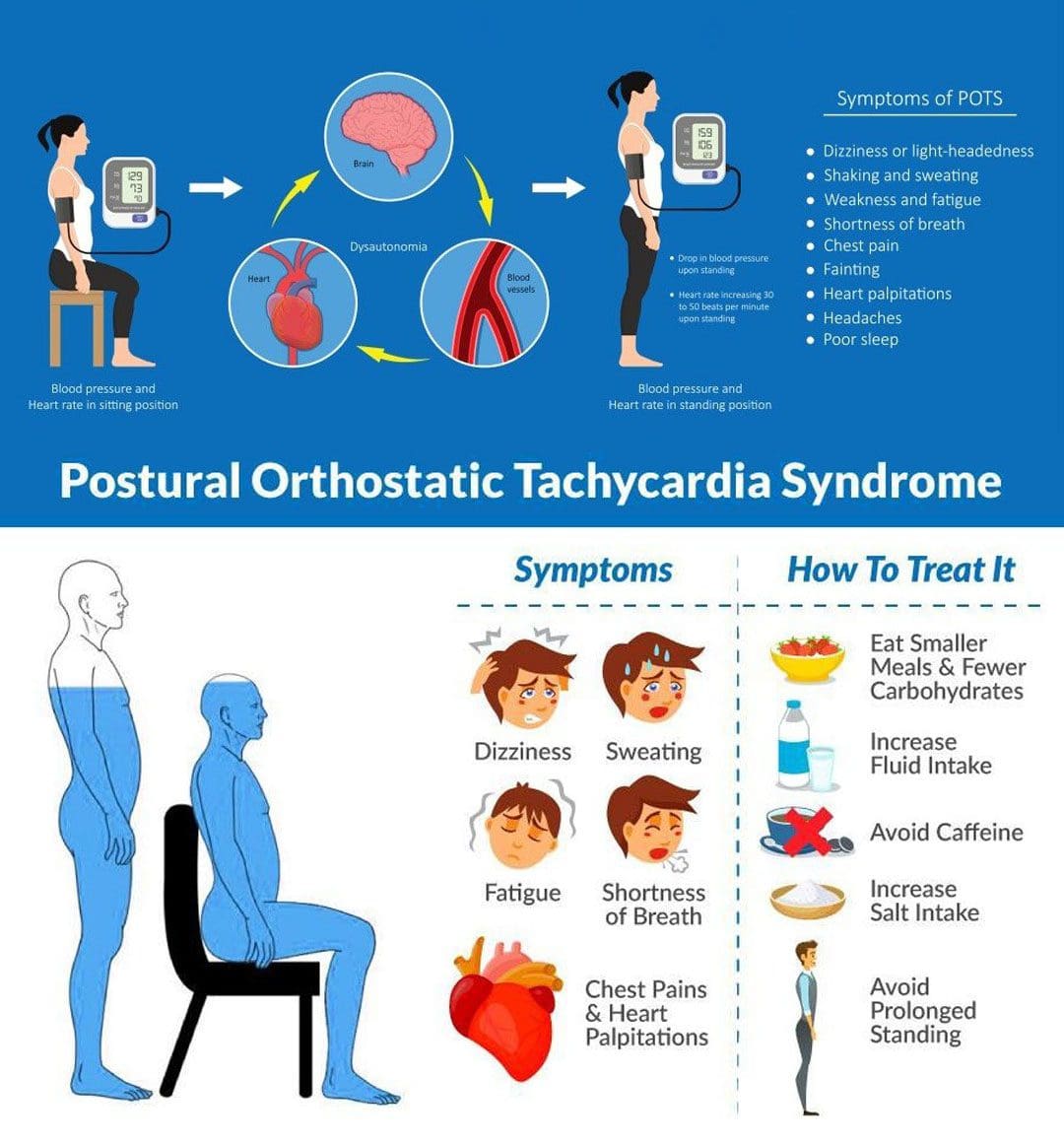
Postural orthostatic tachycardia syndrome is a medical condition that causes lightheadedness and palpitations after standing. Can lifestyle adjustments and multidisciplinary strategies help reduce and manage symptoms?
Postural Orthostatic Tachycardia Syndrome – POTS
Postural orthostatic tachycardia syndrome, or POTS, is a condition that varies in severity from relatively mild to incapacitating. With POTS:
The heart rate increases dramatically with body position.
This condition often affects young individuals.
Most individuals with postural orthostatic tachycardia syndrome are women between the ages of 13 and 50.
Some individuals have a family history of POTS; some individuals report POTS began after an illness or stressor, and others report it began gradually.
It usually resolves over time.
Treatment can be beneficial.
Diagnosis is based on assessing blood pressure and pulse/heart rate.
Symptoms
Postural orthostatic tachycardia syndrome can affect young individuals who are otherwise healthy and can begin suddenly. It usually happens between the ages of 15 and 50, and women are more likely to develop it than men. Individuals can experience various symptoms within a few minutes of standing up from a lying or seated position. The symptoms can occur regularly and daily. The most common symptoms include: (National Institutes of Health. National Center for Advancing Translational Sciences. Genetic and Rare Diseases Information Center. 2023)
Anxiety
Lightheadedness
A feeling like you’re about to pass out.
Palpitations – sensing rapid or irregular heart rate.
Dizziness
Headaches
Blurred vision
Legs turn to reddish-purple.
Weakness
Tremors
Fatigue
Sleep problems
Trouble concentrating/brain fog.
Individuals may also experience recurrent episodes of fainting, usually without any trigger/s other than standing up.
Individuals can experience any combination of these symptoms.
Sometimes, individuals cannot handle sports or exercise and may feel light-headed and dizzy in response to mild or moderate physical activity, which can be described as exercise intolerance.
Associated Effects
Postural orthostatic tachycardia syndrome can be associated with other dysautonomia or nervous system syndromes, like neurocardiogenic syncope.
Individuals are often co-diagnosed with other conditions like:
Chronic fatigue syndrome
Ehlers-Danlos syndrome
Fibromyalgia
Migraines
Other autoimmune conditions.
Bowel conditions.
Causes
Usually, standing up causes blood to rush from the torso to the legs. The sudden change means less blood is available for the heart to pump. To compensate, the autonomic nervous system sends signals to the blood vessels to constrict to push more blood to the heart and maintain blood pressure and a normal heart rate. Most individuals do not experience significant changes in blood pressure or pulse when standing up. Sometimes, the body is unable to perform this function correctly.
If blood pressure drops from standing and causes symptoms like lightheadness, it is known as orthostatic hypotension.
If the blood pressure remains normal, but the heart rate gets faster, it is POTS.
The exact factors that cause postural orthostatic tachycardia syndrome are different in individuals but are related to changes in:
The autonomic nervous system, adrenal hormone levels, total blood volume, and poor exercise tolerance. (Robert S. Sheldon et al., 2015)
Autonomic Nervous System
The autonomic nervous system controls blood pressure and heart rate, which are the areas of the nervous system that manage internal bodily functions like digestion, respiration, and heart rate. It is normal for blood pressure to drop slightly and the heart rate to speed up a little when standing. With POTS, these changes are more pronounced.
POTS is considered a type of dysautonomia, which is diminished regulation of the autonomic nervous system.
Several other syndromes are also thought to be related to dysautonomia, like fibromyalgia, irritable bowel syndrome, and chronic fatigue syndrome.
It isn’t clear why the syndrome or any of the other types of dysautonomia develop, but there seems to be a familial predisposition.
Sometimes the first episode of POTS manifests after a health event like:
Pregnancy
Acute infectious illness, for example, a severe case of influenza.
An episode of trauma or concussion.
Major surgery
Diagnosis
A diagnostic evaluation will include a medical history, a physical examination, and diagnostic tests.
The healthcare provider will take blood pressure and pulse at least twice. Once while lying down and once while standing.
Blood pressure measurements and pulse rate lying down, sitting, and standing are orthostatic vitals.
Typically, standing up increases the heart rate by 10 beats per minute or less.
With POTS, heart rate increases by 30 beats per minute while blood pressure remains unchanged. (Dysautonomia International. 2019)
The heart rate stays elevated for over a few seconds upon standing/usually 10 minutes or more.
Symptoms happen frequently.
Lasts more than a few days.
Positional pulse changes are not the only diagnostic consideration for postural orthostatic tachycardia syndrome, as individuals can experience this change with other conditions.
During this test, blood pressure and pulse are measured several times when lying on a table and when the table is moved to an upright position.
Differential Diagnosis
There are various causes of dysautonomia, syncope, and orthostatic hypotension.
Throughout the evaluation, the healthcare provider may look at other conditions, like dehydration, deconditioning from prolonged bed rest, and diabetic neuropathy.
Medications like diuretics or blood pressure medication can cause similar effects.
Treatment
Several approaches are used in managing POTS, and individuals may require a multidisciplinary approach. The healthcare provider will advise regularly checking blood pressure and pulse at home to discuss the results when going in for medical checkups.
Fluids and Diet
Drinking non-caffeinated fluids can keep the body hydrated.
A healthcare provider can calculate the right amount of fluids that are needed each day.
Overnight dehydration is common, so it is especially important to drink fluids first thing in the morning, preferably before getting out of bed and standing.
Exercise and physical therapy can help the body learn to adjust to an upright position.
Because it can be challenging to exercise when dealing with POTS, a targeted exercise program under supervision may be required.
An exercise program may begin with swimming or using rowing machines, which do not require upright posture. (Dysautonomia International. 2019)
After a month or two, walking, running, or cycling may be added.
Studies have shown that individuals with POTS, on average, have smaller cardiac chambers than individuals who don’t have the condition.
Regular aerobic exercise has been shown to increase cardiac chamber size, slow heart rate, and improve symptoms. (Qi Fu, Benjamin D. Levine. 2018)
Individuals must continue an exercise program for the long term to keep symptoms from returning.
Medication
Prescription medications to manage POTS include midodrine, beta-blockers, pyridostigmine – Mestinon, and fludrocortisone. (Dysautonomia International. 2019)
Ivabradine, used for the heart condition of sinus tachycardia, has also been used effectively in some individuals.
Conservative Interventions
Other ways to help prevent symptoms include:
Sleeping in the head-up position by elevating the head of the bed off the ground 4 to 6 inches utilizing an adjustable bed, blocks of wood, or risers.
This increases the blood volume in circulation.
Performing countermeasure maneuvers like squatting, squeezing a ball, or crossing the legs. (Qi Fu, Benjamin D. Levine. 2018)
Wearing compression stockings to prevent too much blood from flowing into the legs when standing can help avoid orthostatic hypotension. (Dysautonomia International. 2019)
Conquering Congestive Heart Failure
References
National Institutes of Health. National Center for Advancing Translational Sciences. Genetic and Rare Diseases Information Center (GARD). (2023). Postural orthostatic tachycardia syndrome.
Sheldon, R. S., Grubb, B. P., 2nd, Olshansky, B., Shen, W. K., Calkins, H., Brignole, M., Raj, S. R., Krahn, A. D., Morillo, C. A., Stewart, J. M., Sutton, R., Sandroni, P., Friday, K. J., Hachul, D. T., Cohen, M. I., Lau, D. H., Mayuga, K. A., Moak, J. P., Sandhu, R. K., & Kanjwal, K. (2015). 2015 heart rhythm society expert consensus statement on the diagnosis and treatment of postural tachycardia syndrome, inappropriate sinus tachycardia, and vasovagal syncope. Heart rhythm, 12(6), e41–e63. https://doi.org/10.1016/j.hrthm.2015.03.029
IFM's Find A Practitioner tool is the largest referral network in Functional Medicine, created to help patients locate Functional Medicine practitioners anywhere in the world. IFM Certified Practitioners are listed first in the search results, given their extensive education in Functional Medicine