Discover the impact of traumatic brain injury on daily life and the best approaches to manage recovery effectively.
Introduction
Traumatic brain injury (TBI) happens when a sudden blow or jolt to the head damages the brain. It can change how a person thinks, moves, and feels. This article explains TBI in simple terms, including its causes, symptoms, and effects on the body. It also shows how chiropractors and nurse practitioners can work together to help people heal (Mayo Clinic, 2023; Cleveland Clinic, 2023).
What Is Traumatic Brain Injury?
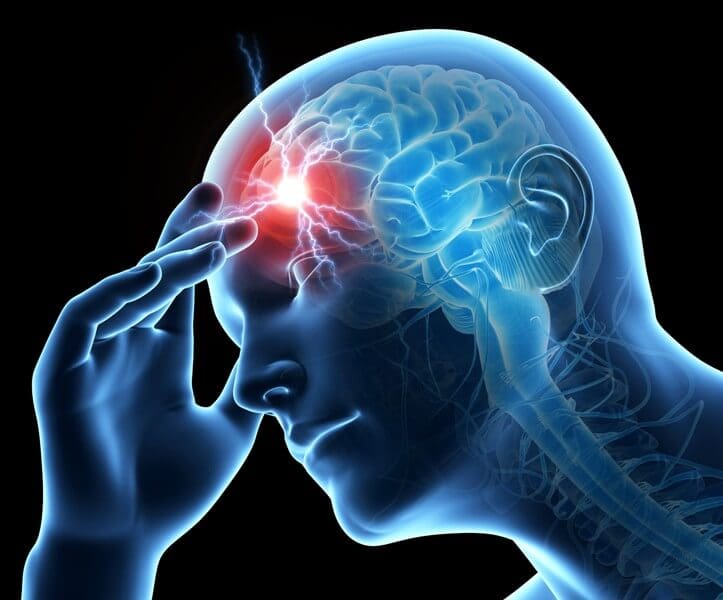
A traumatic brain injury is harm to the brain from an outside force. The skull protects the brain, but a hard hit can still cause trouble inside. TBI can be mild, like a concussion, or severe, leading to long coma or disability. Every year, millions of people get a TBI from falls, car crashes, or sports (Mayo Clinic, 2023). The brain controls everything we do. When it gets hurt, problems can show up right away or weeks later. Early care matters a lot (Cleveland Clinic, 2023).
Common Causes of TBI
TBI starts with a strong force to the head or body. Here are the main causes:
Falls: The top reason, especially in kids and older adults. Slipping in the shower or falling off a ladder can cause TBI (Mayo Clinic, 2023).
Car accidents: High-speed crashes shake the brain inside the skull.
Sports injuries: Football, boxing, and soccer players often get concussions.
Violence: Gunshots, assaults, or shaken baby syndrome.
Blast waves: Soldiers in war face TBI from explosions (Cleveland Clinic, 2023).
Even a small bump can cause mild TBI if the brain moves rapidly within the skull (Hicks et al., 2020).
Symptoms of TBI
Symptoms depend on the severity of the injury. They can appear in the body, mind, or feelings.
Right-Away Signs
Losing consciousness for seconds or minutes.
Headache that will not stop.
Nausea or vomiting.
Feeling dizzy or losing balance.
Blurry vision or ringing in the ears (Mayo Clinic, 2023).
Later Signs
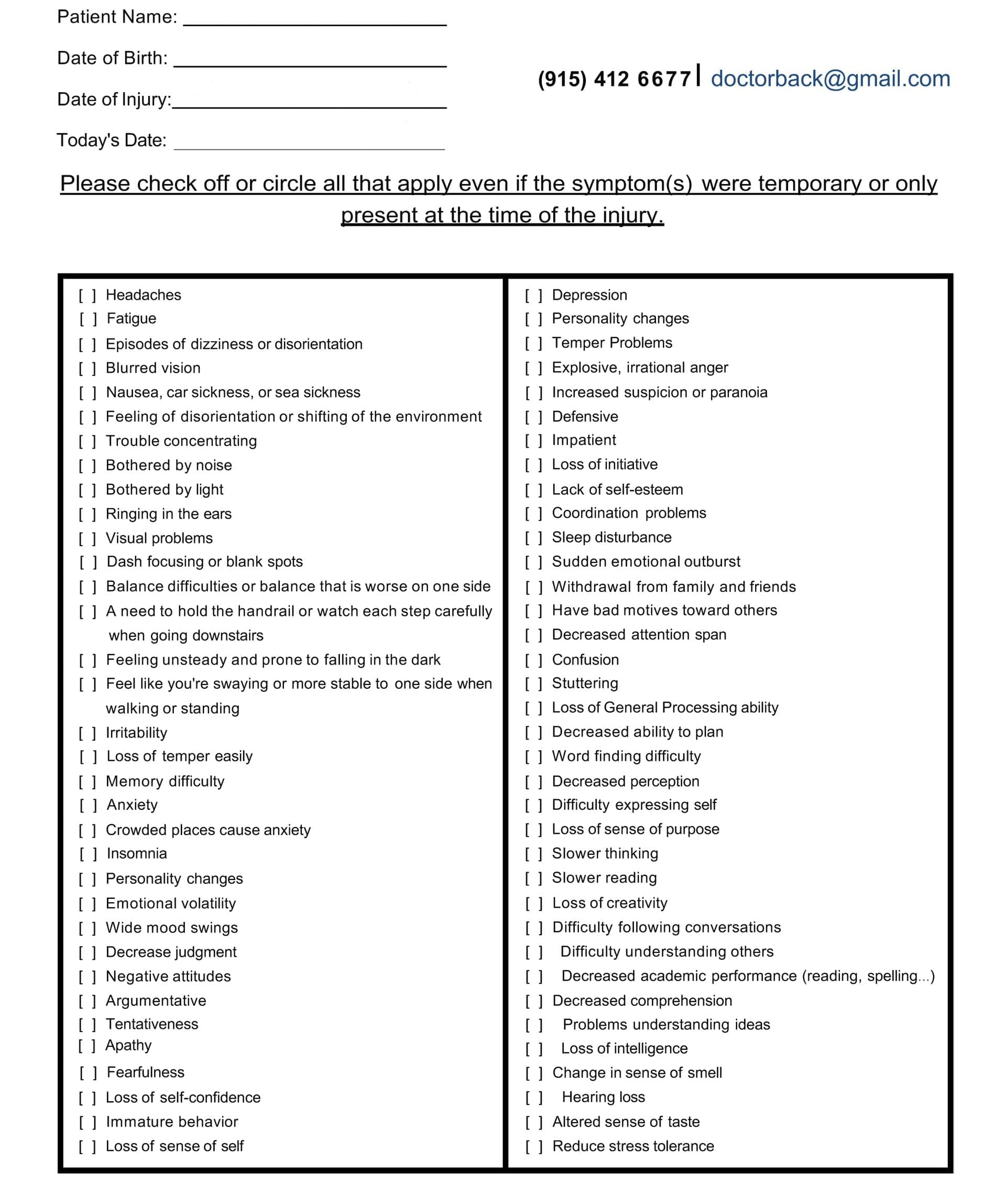
Trouble remembering new things.
Slow thinking or reading.
Hard time focusing.
Feeling sad, angry, or worried.
Sensitivity to light and noise.
Sleep problems such as insomnia or excessive sleepiness (Cleveland Clinic, 2023; Silverberg et al., 2018).
A chiropractor or nurse practitioner can find hidden signs by asking detailed questions about the accident and daily life (Jimenez, n.d.-a).
How TBI Affects the Musculoskeletal System
The musculoskeletal system includes muscles, bones, and joints. TBI often hurts this system because the force hits the whole body.
Neck pain and stiffness: Whiplash in car crashes strains neck muscles and spine.
Back pain: The spine can shift out of place, causing long-term pain.
Poor posture and balance: Brain signals to muscles get mixed up, making walking hard (Treleaven, 2017).
Muscle weakness: One side of the body may feel weak after severe TBI.
Spinal misalignment can press on nerves and slow healing. Chiropractors check the spine with gentle tests to spot these issues (Jimenez, n.d.-b).
How TBI Affects the Neurological System
The neurological system is the brain, spinal cord, and nerves. TBI directly damages this network.
Slow nerve signals: Thinking and moving feel delayed.
Seizures: Electrical storms in the brain.
Nerve pain: Tingling or burning in arms and legs.
Coordination loss: Hands shake or feet trip (Ellis et al., 2017).
Questioning reveals whether light bothers the eyes or whether noise causes headaches—clues to nerve irritation (Silverberg et al., 2018).
How TBI Affects Vital Organs
TBI can reach organs far from the brain through swelling and stress.
Lungs: Breathing problems if the brain stem is hurt.
Gut: Nausea, poor digestion, or constipation from nerve disruption.
Liver and kidneys: Medicines for pain can strain these organs if not watched (Khellaf et al., 2019).
A nurse practitioner orders blood tests to check organ health and adjust care (Jimenez, n.d.-c).
Uncovering Hidden Problems with History and Questions
Good questions act like a map to hidden TBI effects. A chiropractor or nurse practitioner asks:
“When did the injury happen?”
“Do bright lights hurt your eyes?”
“Do you feel sick after reading?”
“Any new pain in your neck or back?”
“How is your sleep?”
These answers guide exams. Gentle spine checks show tight muscles. Balance tests reveal wobbly steps. The provider connects dots between the brain, spine, and organs (Jimenez, n.d.-a; Haider et al., 2018).
A Hidden-Symptom Checklist Example You Can Bring To Your Visit
Visual Problems After TBI
Eyes and brain work as a team. TBI breaks the link.
– Double vision.
– Trouble tracking moving objects.
– Light sensitivity (photophobia).
– Dry eyes or blurry sight (Cleveland Clinic, 2023).
Simple eye tests in the office spot these issues early (Green et al., 2010).
Nausea and Digestive Signs
Nausea is common right after TBI. It can last if the vagus nerve is upset. Patients may feel full too fast or have reflux. A detailed diet history helps the nurse practitioner suggest gentle foods (Blyth & Bazarian, 2010).
Neurological Issues: Slow Thinking and Reading
Mild TBI slows the brain’s processing speed. Reading a page takes longer. Word-finding feels hard. Memory for new facts slips. Cognitive tests measure the gap and track improvement (McInnes et al., 2017).
Sensitivity to Light and Noise
Photophobia and phonophobia mean that normal lights or sounds feel painful. This comes from overactive brain circuits. Dark glasses and quiet rooms help in the short term, while therapy calms the nerves in the long term (Silverberg et al., 2018).
Sleep Issues Like Insomnia
Sleep heals the brain. TBI breaks the sleep cycle.
Hard to fall asleep.
Waking often.
Daytime fatigue.
Poor sleep slows recovery. A sleep diary guides the care plan (Wickwire et al., 2018).
Feeling Better Than Ever After a Semi-Truck Accident- Video
Why an Integrative Approach Works
Integrative care means a team effort. Chiropractic care fixes the body’s frame and nerves. Nurse practitioner care takes the whole health picture into account. Together, they speed healing and cut setbacks (Jimenez, n.d.-d; Gardner & Yaffe, 2015).
Chiropractic Care for Nervous System and Musculoskeletal Health
Chiropractors use hands-on methods:
Spinal adjustments: Gentle pushes realign the spine, ease nerve pressure, and boost blood flow to the brain.
Soft-tissue therapies: Massage relaxes tight neck and back muscles.
Targeted exercises: Balance drills and core strength rebuild coordination (Navarro et al., 2018).
These steps improve brain signals and reduce pain without drugs (Coronado et al., 2015).
Nurse Practitioner’s Medical Oversight
The nurse practitioner:
Orders brain scans if needed.
Manages pain, mood, or seizure medications.
Checks blood work for inflammation or hormone balance.
Guides nutrition to feed the brain (omega-3s, antioxidants).
Watches emotional health and refers to counseling (Haag et al., 2019).
Ongoing: Monthly check-ups, diet tweaks, and home exercise.
Patients track symptoms in a simple journal. The team reviews progress every two weeks (Jimenez, n.d.-e; Cnossen et al., 2017).
Real-Life Observations from Dr. Alexander Jimenez
Dr. Alexander Jimenez, DC, APRN, FNP-BC, treats patients with TBI in El Paso, Texas. He notices:
Neck misalignment often hides behind headaches.
Early spinal care cuts recovery time by weeks.
Teamwork with medical providers prevents medicine overload.
Simple home balance drills speed return to work (Jimenez, n.d.-f; Jimenez, n.d.-g).
His dual training lets him spot both spine and medical red flags fast.
Long-Term Outlook
Most mild TBI patients feel better in months with the right plan. Moderate to severe cases need longer care but still improve. Sticking to the integrative path raises the chance of full function (Maas et al., 2017).
Conclusion
Traumatic brain injury touches every part of life, from muscles to mood. Understanding causes and symptoms is the first step. Detailed history uncovers hidden effects on the musculoskeletal system, nerves, and organs. Chiropractic adjustments, soft-tissue work, and exercises rebuild the body’s foundation. Nurse practitioners guard overall health with medical insight. Together, this integrative, holistic plan guides patients back to daily joy.
References
Blyth, B. J., & Bazarian, J. J. (2010). Traumatic alterations in consciousness: Traumatic brain injury. Emergency Medicine Clinics of North America, 28(3), 571–594. https://pmc.ncbi.nlm.nih.gov/articles/PMC5657730/
Cnossen, M. C., van der Naalt, J., Spikman, J. M., Nieboer, D., Yue, J. K., Winkler, E. A., Manley, G. T., von Steinbuechel, N., Polinder, S., Steyerberg, E. W., & Lingsma, H. F. (2017). Prediction of persistent post-concussion symptoms after mild traumatic brain injury. Journal of Neurotrauma, 34(20), 2940–2947. https://pubmed.ncbi.nlm.nih.gov/29690799/
Coronado, V. G., Xu, L., Basavaraju, S. V., McGuire, L. C., Wald, M. M., Faul, M. D., Guzman, B. R., & Hemphill, J. D. (2015). Surveillance for traumatic brain injury-related deaths—United States, 1997–2007. MMWR Surveillance Summaries, 60(5), 1–32. https://pubmed.ncbi.nlm.nih.gov/21544045/
Ellis, M. J., Ritchie, L. J., Koltek, M., Hosain, S., Cordingley, D., Chu, S., Selci, E., Leiter, J., & Russell, K. (2017). Psychiatric outcomes after pediatric sports-related concussion. Journal of Neurosurgery: Pediatrics, 19(6), 698–707. https://pubmed.ncbi.nlm.nih.gov/26359916/
Gardner, R. C., & Yaffe, K. (2015). Epidemiology of mild traumatic brain injury and neurodegenerative disease. Molecular and Cellular Neuroscience, 66(Pt B), 75–80. https://pmc.ncbi.nlm.nih.gov/articles/PMC4461453/
Green, W., Ciuffreda, K. J., Thiagarajan, P., Szymanowicz, D., Ludlam, D. P., & Kapoor, N. (2010). Accommodation in mild traumatic brain injury. Journal of Rehabilitation Research and Development, 47(3), 183–199. https://pubmed.ncbi.nlm.nih.gov/20665345/
Haider, M. N., Leddy, J. J., Pavlesen, S., Clark, J., Wilber, C. G., & Willer, B. S. (2018). A systematic review of criteria used to define recovery from sport-related concussion in youth athletes. British Journal of Sports Medicine, 52(18), 1172–1179. https://pmc.ncbi.nlm.nih.gov/articles/PMC5818323/
Hicks, A. J., James, A. C., Spitz, G., & Ponsford, J. L. (2020). Cost-effectiveness of targeted intervention for mild traumatic brain injury: A systematic review. Brain Injury, 34(7), 845–856. https://pmc.ncbi.nlm.nih.gov/articles/PMC7248541/
Maas, A. I. R., Menon, D. K., Adelson, P. D., Andelic, N., Bell, M. J., Belli, A., Bragge, P., Brazinova, A., Büki, A., Chesnut, R. M., Citerio, G., Coburn, M., Cooper, D. J., Czeiter, E., Czosnyka, M., Dams-O’Connor, K., De Keyser, V., Diaz-Arrastia, R., Dreier, J. P., … Steyerberg, E. W. (2017). Traumatic brain injury: Integrated approaches to improve prevention, clinical care, and research. The Lancet Neurology, 16(12), 987–1048. https://pubmed.ncbi.nlm.nih.gov/29122524/
McInnes, K., Friesen, C. L., MacKenzie, D. E., Westwood, D. A., & Boe, S. G. (2017). Mild traumatic brain injury (mTBI) and chronic cognitive impairment: A scoping review. PLoS ONE, 12(4), e0174847. https://pmc.ncbi.nlm.nih.gov/articles/PMC5388340/
Navarro, R. R., Hernandez, A. M., & Smith, J. (2018). Chiropractic management of post-concussion syndrome. Journal of Chiropractic Medicine, 17(3), 189–196. https://pmc.ncbi.nlm.nih.gov/articles/PMC6359936/
Treleaven, J. (2017). Dizziness, unsteadiness, visual disturbances, and sensorimotor control in traumatic neck pain. Journal of Orthopaedic & Sports Physical Therapy, 47(7), 492–502. https://pubmed.ncbi.nlm.nih.gov/28622488/
Wickwire, E. M., Williams, S. G., Roth, T., Capaldi, V. F., & Lettieri, C. J. (2018). Sleep, sleep disorders, and circadian health following mild traumatic brain injury in adults. Clinics in Sports Medicine, 37(4), 565–579. https://pmc.ncbi.nlm.nih.gov/articles/PMC6239093/
Can individuals improve their brain function by incorporating yoga as part of their routine to reduce stress and improve mental health?
Introduction
Many people are impacted by life stressors that can cause overlapping risk profiles in their bodies. Stress or cortisol is a vital hormone that affects organs and tissues in the body and can help regulate the body’s response to stress. Whether preparing for a big presentation, studying for an important exam, or dealing with a heavy workload, stress can play a part in these scenarios. Too much stress can impact not only the musculoskeletal function of the body but also brain function, which is why many individuals are looking for ways to lower stress levels in their bodies and give their brains a break. Today’s article looks at how stress is associated with brain function and how therapeutic exercises like yoga can improve brain function and relieve stress. We discuss with certified medical providers who inform our patients how stress can have a negative impact on the brain’s functionality. While asking informed questions to our associated medical providers, we advise patients to incorporate various therapeutic exercises like yoga to help lower stress levels in the body and improve brain function. Dr. Alex Jimenez, D.C., encompasses this information as an academic service. Disclaimer.
Stress & Brain Function
How often do you get headaches or migraines, causing you to be anxious constantly? Do you feel muscle tension or pain after a long, strenuous day? Or do you feel more tired throughout the day even though you slept a full night? Many scenarios correlate with stress and can impact a person’s well-being. While stress is often correlated with negative emotions , it is an acute adaptive response to environmental stimuli in the body and the brain. (McEwen & Akil, 2020) Now, the brain and stress have a wonderful relationship with each other, as the brain is the main controller for the body, providing neuron signals to each of the body’s systems and helping with stress reactivity when environmental factors are in play. Cortisol is a stress hormone that, at the basal levels, is highly important for maintaining healthy brain development and function. When dealing with a highly stressful situation can cause cortisol levels to be elevated and lead to the development of free radical formation that is toxic to the brain. (Herzberg & Gunnar, 2020)
When high-stress levels start to impact brain function in the body, the brain can inform the immune system to produce an excess of inflammatory cytokines to attach themselves to healthy cells and lead to the development of stress-induced inflammation caused by repeated social defeat (RSD). When RSD starts to activate the immune cells in the brain, it can enhance neuroinflammation and influence the endothelial cells of the brain to recruit and transport the peripheral monocytes into stress-sensitive neural regions. (Bower & Kuhlman, 2023) When this happens, it can take a person a long time to reduce their stress levels. However, many individuals who are dealing with stress can find therapeutic ways to not only reduce their stress levels but also protect and improve their brain function.
Is Motion Key To Healing- Video
Yoga For Brain Function
When it comes to reducing stress, many people can incorporate hobbies or therapies that they enjoy and help relax their bodies. One of the various therapies that can help reduce stress and improve brain function is yoga. Yoga is a mindfulness-based intervention that can be used for pain management and help improve pain-like symptoms associated with stress. (Krese et al., 2022) Now, yoga is incorporated into a non-surgical treatment plan for many individuals who have chronic stress affecting their bodies while improving their brain function. When people start doing yoga for the first time, a professional yoga instructor will begin to show them various poses to help stretch their muscles that are tight from the impact of stress, clear their minds from everyday stressors, and even restore their balance. Yoga may be highly effective for many individuals since it is a community-based and holistic intervention that can improve brain function through breathwork, stretching, and holding various postures and meditation. (Stephens et al., 2023) Additionally, yoga can help enhance the brain structure to improve the neurocognitive function of balance and concentration. (Babakhani et al., 2024)
Yoga Equals Stress Relief
Additionally, when people start to incorporate yoga as part of their routine, they will notice their stress levels go down due to being more mindful about what stressors are affecting them and making small changes in their lifestyle. At the same time, yoga can help stretch and strengthen weak muscles by enhancing motor capacity, including muscle strength, balance, and flexibility, and improving non-motor symptoms like alleviating cognitive impairment. (Fan et al., 2020) This is because exercises like yoga can help relieve stress, and when a person is concentrating on going to yoga, they will begin to see improvement in their bodies and brain function. Utilizing the beneficial properties of yoga can help many people be more mindful of their minds and bodies while also improving their brain function.
References
Babakhani, M., Rahzani, K., Hekmatpou, D., & Sheykh, V. (2024). The effect of super brain yoga on the cognitive function of hemodialysis patients. Heliyon, 10(16), e36384. https://doi.org/10.1016/j.heliyon.2024.e36384
Bower, J. E., & Kuhlman, K. R. (2023). Psychoneuroimmunology: An Introduction to Immune-to-Brain Communication and Its Implications for Clinical Psychology. Annu Rev Clin Psychol, 19, 331-359. https://doi.org/10.1146/annurev-clinpsy-080621-045153
Fan, B., Jabeen, R., Bo, B., Guo, C., Han, M., Zhang, H., Cen, J., Ji, X., & Wei, J. (2020). What and How Can Physical Activity Prevention Function on Parkinson’s Disease? Oxid Med Cell Longev, 2020, 4293071. https://doi.org/10.1155/2020/4293071
Herzberg, M. P., & Gunnar, M. R. (2020). Early life stress and brain function: Activity and connectivity associated with processing emotion and reward. Neuroimage, 209, 116493. https://doi.org/10.1016/j.neuroimage.2019.116493
Krese, K. A., Donnelly, K. Z., Etingen, B., Bender Pape, T. L., Chaudhuri, S., Aaronson, A. L., Shah, R. P., Bhaumik, D. K., Billups, A., Bedo, S., Wanicek-Squeo, M. T., Bobra, S., & Herrold, A. A. (2022). Feasibility of a Combined Neuromodulation and Yoga Intervention for Mild Traumatic Brain Injury and Chronic Pain: Protocol for an Open-label Pilot Trial. JMIR Res Protoc, 11(6), e37836. https://doi.org/10.2196/37836
Stephens, J. A., Hernandez-Sarabia, J. A., Sharp, J. L., Leach, H. J., Bell, C., Thomas, M. L., Buryznska, A. Z., Weaver, J. A., & Schmid, A. A. (2023). Adaptive yoga versus low-impact exercise for adults with chronic acquired brain injury: a pilot randomized control trial protocol. Front Hum Neurosci, 17, 1291094. https://doi.org/10.3389/fnhum.2023.1291094
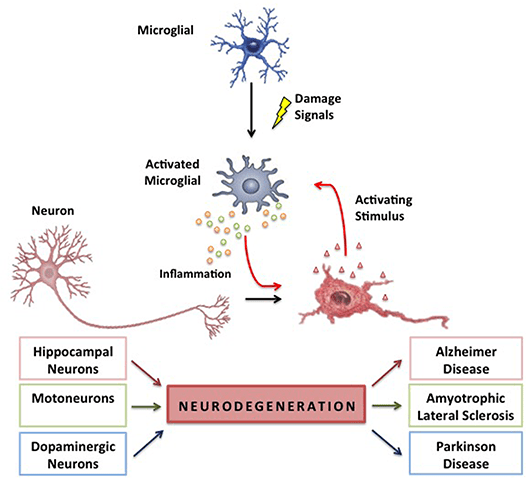
The brain sends neuron signals to the body to function for everyday movements like walking, running, or resting. These signals travel from the spinal cord through the numerous nerve roots connected to the muscles, tissue, and ligaments that support the joints and organs from multiple factors. However, these factors do affect the body over time, triggering issues that cause pain and discomfort to the body. When this happens, it disrupts the signals from traveling to and forth in the brain, causing dysfunction in the body and leading to neurological disorders associated with neuroinflammation. Today’s article looks at neuroinflammation, how it affects the body, and what is the link between neuroinflammation and neurodegenerative diseases. We refer patients to certified providers specializing in neurological treatments to help many individuals dealing with neuroinflammation associated with neurodegenerative diseases. We also guide our patients by referring to our associated medical providers based on their examination when it’s appropriate. We find that education is the solution to asking our providers insightful questions. Dr. Alex Jimenez DC provides this information as an educational service only. Disclaimer
What Is Neuroinflammation?
Are you experiencing fatigue and losing focus from your brain? Do you constantly feel stressed or overworked? Or how about developing the risk of Alzheimer’s or other neurological diseases? Many of these symptoms are correlated with neuroinflammation in the brain. Neuroinflammation is defined as an inflammatory response that affects either the brain or the spinal cord. The body has an extensive network known as the immune system, which produces cytokines, antibodies, white blood cells, and other chemicals that protect the body from foreign invaders. Producing cytokines triggers inflammation in the body where the alien invaders are eliminated. The brain surprisingly has its immune system, which provides maintenance and plasticity. When traumatic factors begin to affect the brain’s immune system, the nociceptors become hypersensitive and overexcited due to the results of tissue injuries and inflammation in the peripheral nervous system. Studies reveal that inflammation in the peripheral nervous system results from hyperactivity in the nervous system, which implicates either a positive or negative outcome for the brain.
How Does Neuroinflammation Affect The Body?
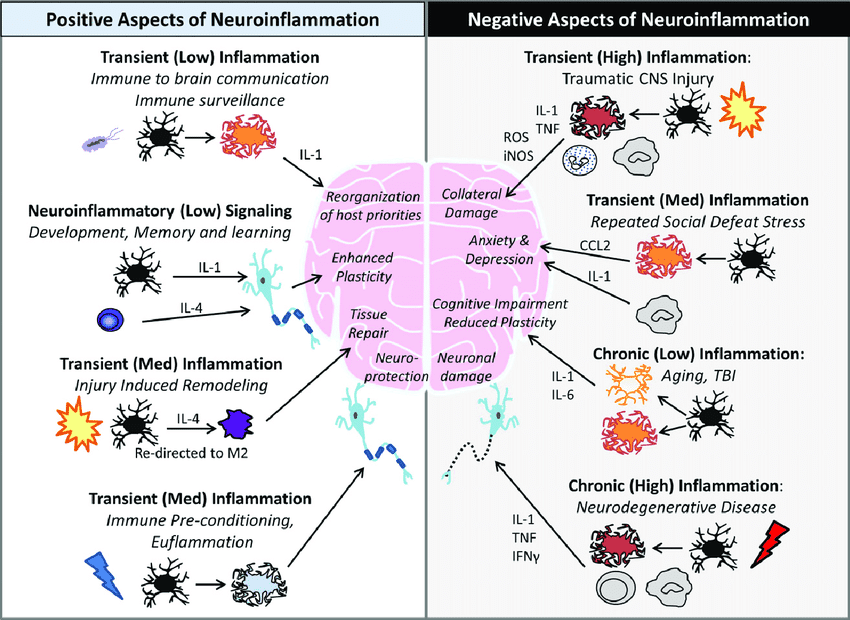
Since neuroinflammation has positive or negative outcomes in the nervous system, it can also trigger the body, making it dysfunctional. Studies reveal that neuroinflammation is mediated by the production of cytokines, ROS (reactive oxygen species), and secondary messengers that becomes the consequences of neuroinflammatory responses. This means that the inflammatory effects are taken into account depending on the intensity and duration of the immune signals in the nervous system, which can be either negative or positive. The positive aspects of neuroinflammation include:
Reorganization of host priorities (immune-brain communication)
While the negative aspects of neuroinflammation include:
Cognitive impairment (aging)
Collateral damage( traumatic injuries)
Neuronal damage (neurodegenerative diseases)
Repeated social defeat stress (anxiety, depression)
Simplified Explanation On Neuroinflammation-Video
Have you been feeling anxious or depressed? Have you been forgetful as of late? Are you experiencing inflammatory effects in your brain? Many of these symptoms are signs that you could suffer from neuroinflammation in the brain. The video above explains neuroinflammation and how it is linked to the immune system affecting the body. Since neuroinflammation may cause various health issues such as anxiety, stress, depression, and other well-known symptoms, studies reveal that neuroinflammation is a common feature of neurodegenerative diseases. To that point, the relationship between neuroinflammation and neurodegenerative diseases shows that neuroinflammation has been responsible for the abnormal secretion of proinflammatory cytokines to trigger the signaling pathways to the brain, making it dysfunctional.
The Link Between Neuroinflammation & Neurodegenerative Diseases
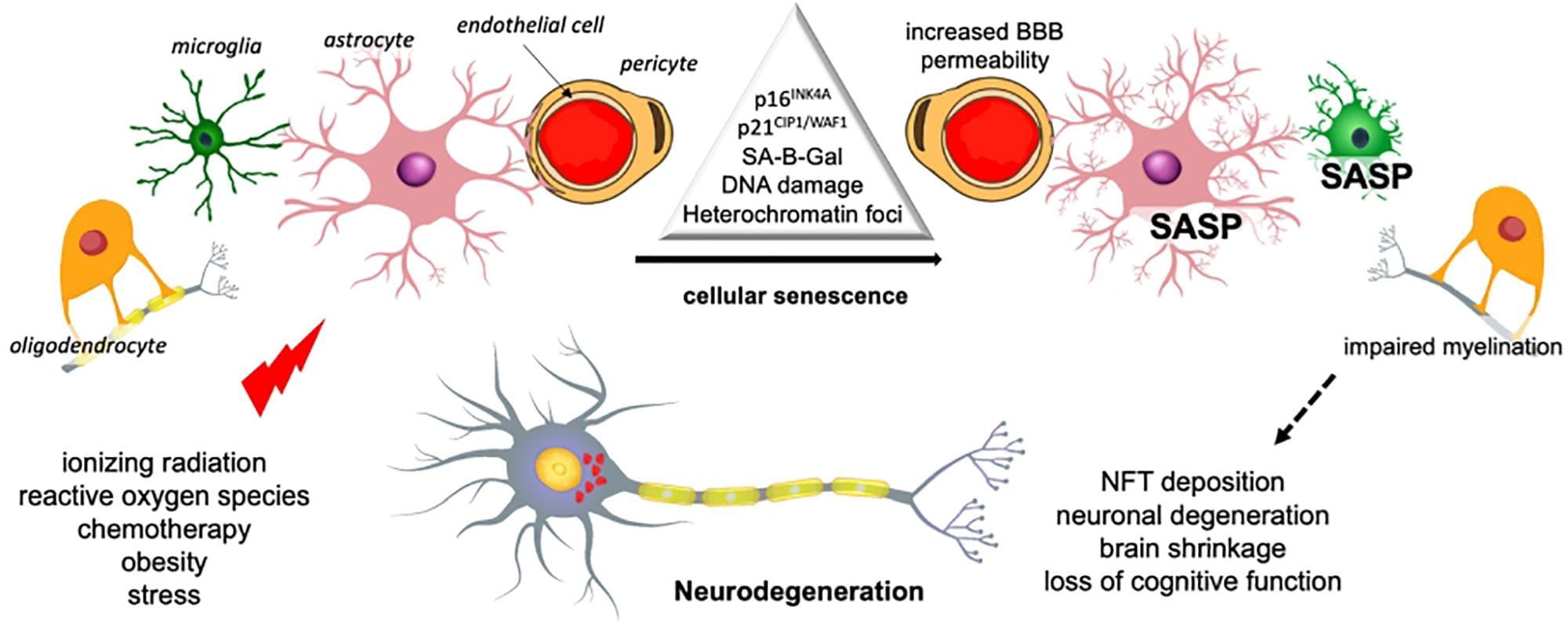
Since the brain is the primary command center for the body, the link between neurodegenerative diseases and neuroinflammation overlap and cause havoc in the body. Studies reveal that inflammatory and neurotoxic mediators are released in the brain, thus viciously triggering neuroinflammation and neurodegeneration in the body. When the body is dealing with neuroinflammation, one of the symptoms that are prominent in the body is chronic oxidative stress. Research studies have revealed that neuroinflammation has been associated with chronic oxidative stress, a vital feature of all neurodegenerative diseases causing genetic structural alterations. To that point, it results in neurodegeneration. Fortunately, there are ways to lower neuroinflammation associated with neurodegenerative diseases. Some of the ways that many people utilize to reduce neuroinflammation include:
All these small changes are remarkable in reducing neuroinflammation and managing neurodegenerative diseases in the body. This will help many individuals dealing with neuroinflammation associated with neurodegenerative diseases and can regain their health and wellness by managing it.
Conclusion
The brain is the primary command center that sends neuron signals to the body to function in everyday movement. The neuron signals travel from the brain to the spinal cord through the numerous nerve roots connected to the muscles, tissues, and ligaments to support the organs and joints. When environmental factors affect the body over time, it risks developing neuroinflammation associated with neurodegenerative diseases. Neuroinflammation is when the inflammatory mediators start to affect the brain, it can make the brain disrupt the neuron signals from traveling to the body and cause issues associated with neurodegeneration. Fortunately, incorporating different ways to reduce neuroinflammation can help manage neurodegenerative diseases and benefit the body.
References
Chen, Wei-Wei, et al. “Role of Neuroinflammation in Neurodegenerative Diseases (Review).” Molecular Medicine Reports, D.A. Spandidos, Apr. 2016, https://www.ncbi.nlm.nih.gov/pmc/articles/PMC4805095.
DiSabato, Damon J, et al. “Neuroinflammation: The Devil Is in the Details.” Journal of Neurochemistry, U.S. National Library of Medicine, Oct. 2016, https://www.ncbi.nlm.nih.gov/pmc/articles/PMC5025335/.
Guzman-Martinez, Leonardo, et al. “Neuroinflammation as a Common Feature of Neurodegenerative Disorders.” Frontiers in Pharmacology, Frontiers Media S.A., 12 Sept. 2019, https://www.ncbi.nlm.nih.gov/pmc/articles/PMC6751310/.
Kempuraj, D, et al. “Neuroinflammation Induces Neurodegeneration.” Journal of Neurology, Neurosurgery and Spine, U.S. National Library of Medicine, 2016, https://www.ncbi.nlm.nih.gov/pmc/articles/PMC5260818/.
Matsuda, Megumi, et al. “Roles of Inflammation, Neurogenic Inflammation, and Neuroinflammation in Pain.” Journal of Anesthesia, U.S. National Library of Medicine, Feb. 2019, https://www.ncbi.nlm.nih.gov/pmc/articles/PMC6813778/.
The brain’s main job is to keep the body moving and provide functionality to all the major organs through neuro signaling from the numerous nerve roots surrounding the entire body. As part of the central nervous system in the body, the brain has a casual relationship with the spinal cord, immune system, and gut system. However, as the body ages naturally, so does the brain, as many pathogens that affect the body over time affect the brain and its associates. Harmful pathogens that affect the body can disrupt the brain’s signaling process, causing the body to be at risk of developing neurodegenerative disorders. Today’s article looks at neurodegeneration, how it affects the body and the brain, and ways to improve brain health. We refer patients to certified providers specializing in neurological therapies to help many individuals dealing with neurodegeneration. We also guide our patients by referring to our associated medical providers based on their examination when it’s appropriate. We find that education is the solution to asking our providers insightful questions. Dr. Alex Jimenez DC provides this information as an educational service only. Disclaimer
What Is Neurodegeneration?
Have you been suffering from inflammation in your gut? How feeling aches and pains all over your body? Are you experiencing muscle stiffness in certain areas along your spine? Many of these issues are signs of many individuals at risk of developing neurodegeneration. Neurodegeneration is an age-dependent disorder affecting many individuals, especially the elderly. Many factors allow the progression of neurodegenerative disorders to affect the brain and body. Some of the common neurodegenerative disorders that do affect a person are:
Alzheimer’s Disease
Parkinson’s Disease
Huntington’s Disease
Dementia
Multiple and lateral sclerosis
These common neurodegenerative disorders affect the body over time by triggering inflammation and disrupting the brain signal to the different body locations.
How Does It Affect The Brain & The Body?
So how does neurodegeneration affects both the brain and the body? As stated earlier, the brain has a causal relationship with the gut, spinal cord, and immune system. The brain projects out neuron signals to ensure that the immune system is defending the body, the spinal cord provides the sensory-motor function to the spine, and the gut system regulates and maintains the body. When the body suffers from injuries or harmful pathogens are causing the neuron signals to go haywire, it can affect many different areas and even cause referred pain to the vital organs and associated muscles. An example will be if an individual suffers from traumatic brain injury associated with gut issues and inflammation. When the brain suffers from trauma or injury, many factors are potentially involved with the gut, causing numerous issues that can affect the body. Some of the problems associated with traumatic brain injury may cause:
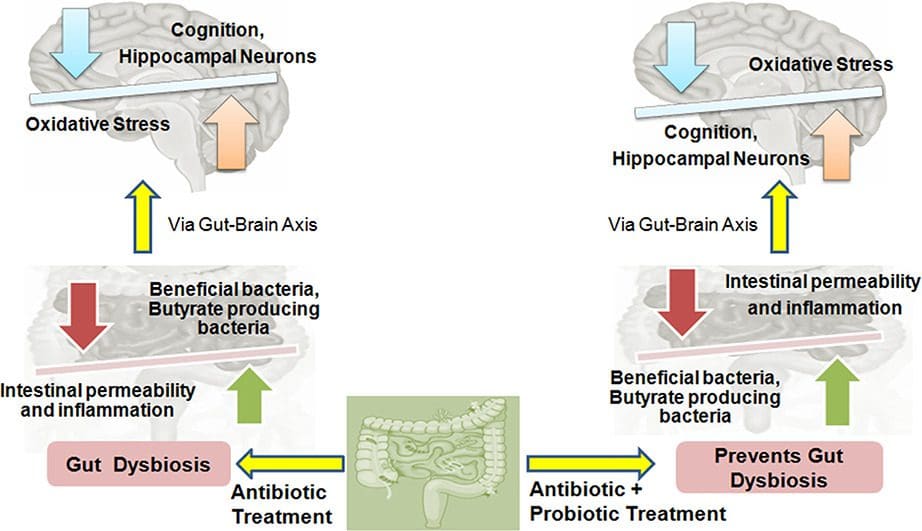
Acute changes in intestinal permeability
Increases permeability in the blood-brain barrier (BBB)
Continued and progressive neurobehavioral symptoms
Risk for hormonal compromise
Studies reveal that the pathology of neurodegenerative disorders remains unknown; however, many have considered that environmental factors may play a causal role. Environmental factors like lifestyle choices, eating habits, and physical activity impact a person’s life. When these factors harm the body, they may become the mediator for neurodegenerative disorders to progress and trigger issues in the body.
An Overview Of Neurodegenerative Diseases-Video
Are you experiencing brain fog more often than usual? Are you feeling inflammatory issues affecting your gut? What about feeling pain or muscle stiffness affecting your neck or back? Some of these issues are associated with neurodegenerative diseases affecting the body. The video above gives an overview of neurodegenerative diseases and how it affects the body. The pathway of neurodegenerative diseases is unknown, but environmental factors do cause an impact on the body, causing an overlap of risk profiles associated with many chronic issues. Luckily, there are many ways to potentially dampen the effects of neurodegenerative diseases from progressing further in the body.
Ways To Improve Brain Health
When it comes to brain health and preventing neurodegenerative disorders from progressing further, many people have found ways to improve their brain and their body. Studies reveal that providing potential therapeutic approaches for neurological conditions can help the brain intake new information and help the body function. The six pillars that are considered for brain health include:
Physical activity
Mental exercises
Healthy diet and nutrition
Social interaction
Ample sleep
Controlling vascular risk factors
Each pillar provides optimal brain health by making the individual look at their situation differently. For example, a person with gut issues associated with brain inflammation might change their dietary habits and incorporate more fruits and vegetables. Studies reveal that when individuals are associated with a sense of stress and loss from an impactful event tend to manage their stress levels. Incorporating healthy boundaries to lower stress levels can positively impact the brain by taking in a new hobby, talking with an old friend, and doing things that bring people joy, which could manage the progression of neurodegenerative disorders and provide optimal happiness.
Conclusion
The brain is the central controller of the body as it provides neuron signals to each of the major organs and muscles through neuro signaling from the surrounding nerve roots. When the body suffers from injuries or trauma from harmful pathogens, it can affect the brain’s health by disrupting the neuron signals. Other times, it could just be natural aging that affects the brain, causing neurodegenerative disorders. Neurodegenerative disorders associated with chronic issues may cause dysfunction in the body, causing an overlap of risk profiles of chronic diseases. Incorporating beneficial factors to promote brain health positively impacts keeping the brain healthy and slowing the progression of neurodegenerative disorders in the brain.
References
Brown, Rebecca C, et al. “Neurodegenerative Diseases: An Overview of Environmental Risk Factors.” Environmental Health Perspectives, National Institute of Environmental Health Sciences, Sept. 2005, https://www.ncbi.nlm.nih.gov/pmc/articles/PMC1280411/.
Gitler, Aaron D, et al. “Neurodegenerative Disease: Models, Mechanisms, and a New Hope.” Disease Models & Mechanisms, The Company of Biologists Ltd, 1 May 2017, https://www.ncbi.nlm.nih.gov/pmc/articles/PMC5451177/.
Mintzer, Jacobo, et al. “Lifestyle Choices and Brain Health.” Frontiers in Medicine, Frontiers Media S.A., 4 Oct. 2019, https://www.ncbi.nlm.nih.gov/pmc/articles/PMC6787147/.
Wang, Yongjun, et al. “What Is Brain Health and Why Is It Important?” BMJ (Clinical Research Ed.), BMJ Publishing Group Ltd., 9 Oct. 2020, https://www.ncbi.nlm.nih.gov/pmc/articles/PMC7555053.
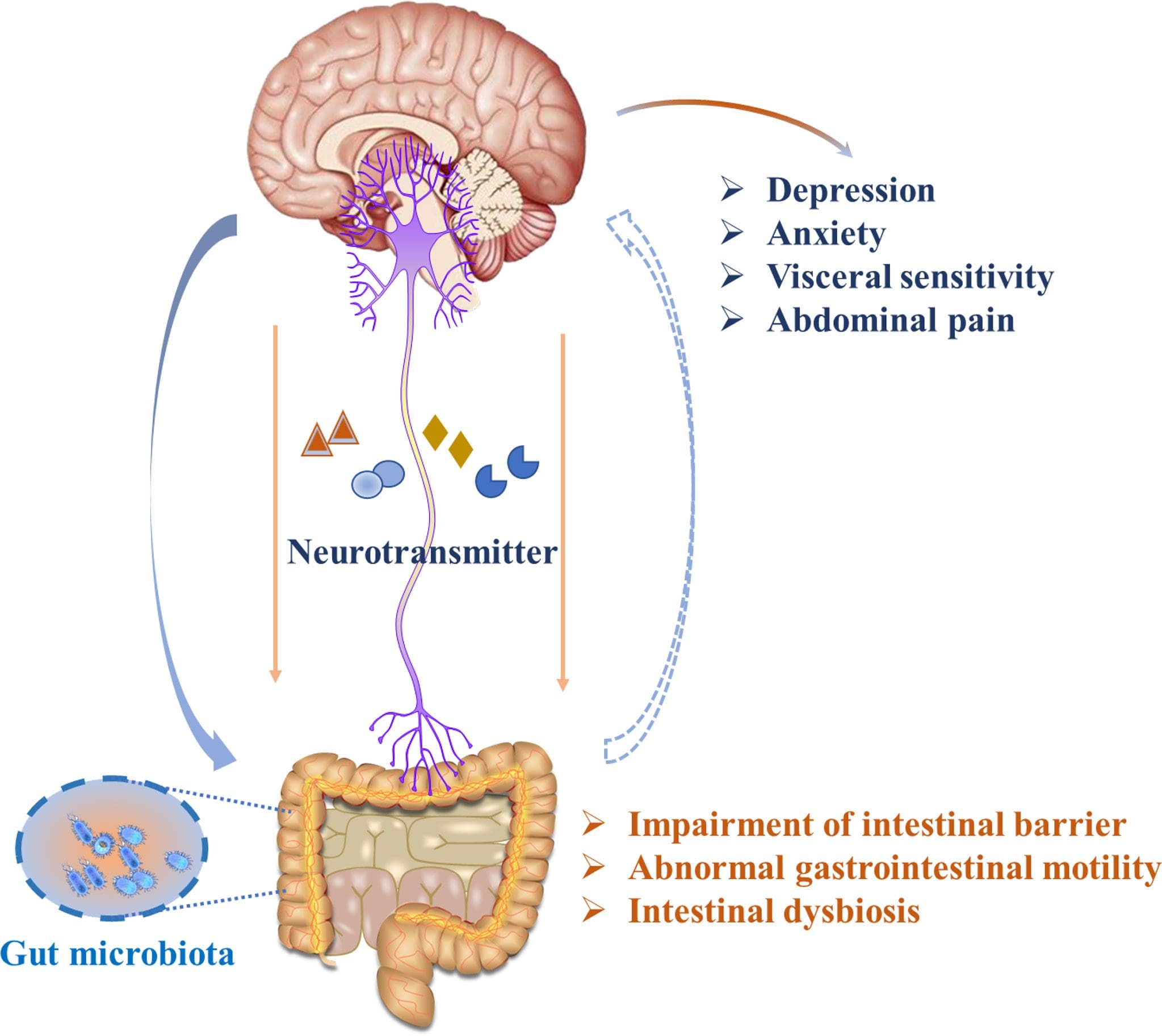
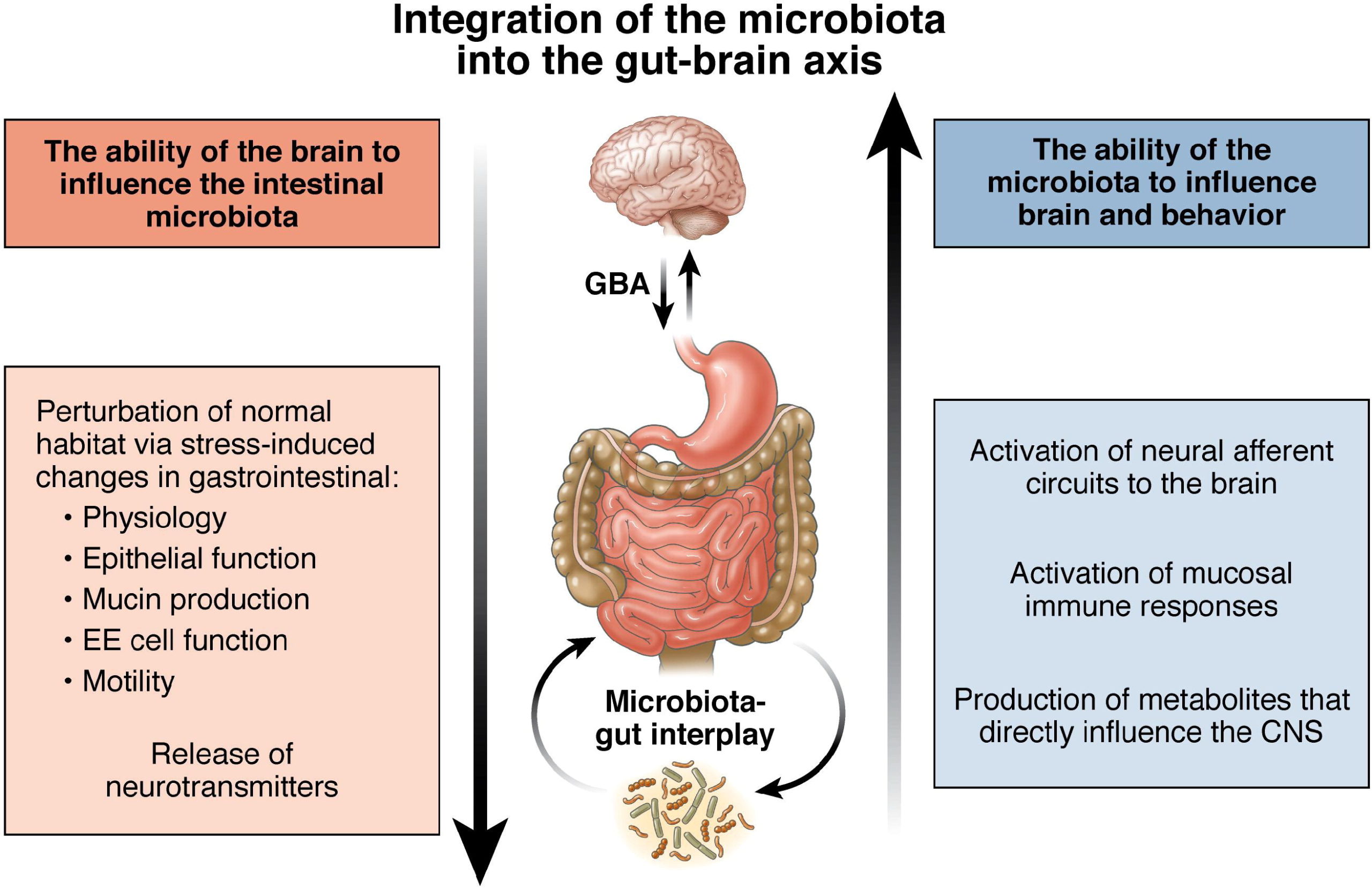
The gut-brain axis is fundamental to the body as it communicates bi-directional with the brain and the gut. Separately they provide different functions that are required of the body. The brain, part of the central nervous system, allows the neurons to travel to each overlapping nerve root while having a causal relationship with different muscles and organs connected to the spinal cord. While the gut, which is part of the gastrointestinal and digestive system, helps modulate the body’s homeostasis and regulates the immune system. The nerves, muscles, and organs correspond as the nerve pathways interconnect to the spinal cord. When injuries or traumatic events affect the body, it can lead the individual to suffer from pain affecting their body while increasing the risk associated within different locations. For example, chronic stress causing gut inflammation is associated with headaches or neck and back pain. Today’s article focuses on the gut-brain axis, what happens when chronic issues affect the gut-brain axis, and how somatovisceral pain affects the gut-brain axis. We refer patients to certified providers specializing in gastroenterology treatments that help those with issues that affect the gut-brain axis and overlapping problems impacting the body. We also guide our patients by referring to our associated medical providers based on their examination when it’s appropriate. We find that education is the solution to asking our providers insightful questions. Dr. Alex Jimenez DC provides this information as an educational service only. Disclaimer
How Does The Gut & Brain Work Together?
The way the gut and brain correlate together is quite remarkable. The gut allows food to be digested in the stomach to be bio-transformed into nutrients the body needs to function. While the brain sends neuron signals through the spinal cord, those signals help provide the sensory-motor functions to make the body move. Now, how do the brain and gut work together in the body? Well, studies reveal that the gut-brain axis correlates to the various systems like the autonomic nervous system, the HPA axis, and the nerves surrounding the gastrointestinal tract help the brain influence intestinal activity and regulate cognitive function. Each of these vital organs has a causal relationship where they:
Help with sleep regulation
Improve memory functionality
Helps coordinate physical and emotional well-being
Regulating inflammatory responses
When chronic issues affect the gut-brain axis, it can cause an overlap in risk profiles that rise in the body and not just in the brain or the gut. Studies reveal that issues that begin to affect the gut-brain axis can cause alteration within the bi-directional pathway and trigger other problems that correlate to the body.
Chronic Issues Affecting The Gut-Brain Axis
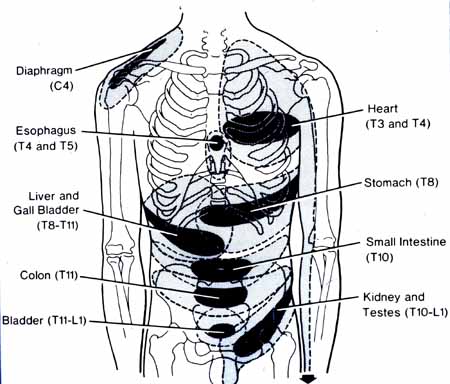
Have you been suffering from fatigue? How about reoccurring headaches that never seem to go away? Do digestive complaints like IBS, GERD, or gut inflammation affect more than your gut? These chronic issues can be various factors that impact the bi-directional connection of the gut-brain axis. Stress, gut inflammation, traumatic events, food allergens, autoimmunity, and metainflammation are some overlapping risk profiles associated with neck and back pain. Studies reveal that chronic stress in the brain can affect the gut’s composition and functionality by alternating intestinal permeability. When the gut microbiome is being affected, the harmful bacteria begin to overproduce and trigger the sympathetic branch of the nervous system to cause an imbalance of hormones to be released and be associated with stress-related muscle dysfunction in the body. So what does this implicates to the body? Let’s say, for example, that you have been experiencing pain in the cervical region of the spine, but your brain is telling the body that it is a headache. This is known as somato-visceral pain.
An Overview Of Somatosensory Tract-Video
Have you been suffering from cognitive and memory dysfunction? How about experiencing gastrointestinal issues that are affecting your gut? Or have you experienced any cramping, gnawing, or sharp pain that seems to be triggered by movement and appears in one area of the body? This is known as somato-visceral pain and is defined as soft tissues and muscles experiencing pain that can affect the internal organs. Somato-visceral pain is much easier to identify than viscero-somatic pain because visceral pain is caused by damaged internal organs associated with distress in different body locations. At the same time, somato-visceral pain is often associated with musculoskeletal pain. The video above explains the somatosensory tract that is in the body and how the body responds to the somatosensory system. The somatosensory system is located within the peripheral and central nervous systems. It is responsible for modulating the body’s sense of touch, vibration, temperature, and pain receptors that are located in the body. When traumatic events affect the somatic nerves, they can trigger changes in the gut-brain axis and cause alterations to the affected organs.
Somatovisceral Pain Affecting The Gut-Brain Axis
When dealing with chronic stress, the effects cause a dysfunctional gut-brain axis and cause issues affecting the two organs. Studies reveal that when chronic stress becomes an associated mediator for gut disturbances and dysregulation of the gut-brain axis, it can cause an overlap in risk profiles in the body. So what does this mean, and how is the body affected by somato-visceral pain? First, let’s look at what happens when the body is affected by chronic stress. When stress affects the gut and the brain, it can cause issues like IBS (irritable bowel syndrome) or headaches. Studies reveal that IBS is one of the most common gastrointestinal disorders that trigger visceral and somatic hypersensitivity on the sensory nerves. So the body experiencing sharp pain in the back or neck may be associated with IBS.
Now looking at headaches and their causes on the body, it is one example of somato-visceral pain. When a person is dealing with neck trauma due to an auto accident that causes whiplash can trigger cervicogenic headache. How do the two correlate with somato-visceral pain? Well, somato-visceral pain is when soft muscles and tissues are affected and can cause an impact on the internal organs. For cervicogenic headaches may trigger mechanical pain along the cervical spine to be aggravated by movement and be associated with musculoskeletal issues like rheumatoid arthritis, ankylosing spondylitis, or muscle strain on the upper cervical spine. Many individuals go to available treatments that can help them better understand the issue that is causing them to be in pain and how to alleviate them.
Conclusion
The gut-brain axis is fundamental in the body as it communicates bi-directional with the brain and the gut. These two organs help keep the body functioning as the brain provides neuron signals while the gut regulates homeostasis. The gut-brain axis helps the body by correlating with the various systems that help influence intestinal activity and control cognitive function. When traumatic factors affect the body’s soft tissues and muscles and trigger organ issues, this is known as somato-visceral pain. Somato-visceral pain is when the muscles are affecting the organs, and an example is cervical muscle strain associated with headaches. Providing much-needed information on available treatments can help many individuals when being examined by their physicians.
References
Appleton, Jeremy. “The Gut-Brain Axis: Influence of Microbiota on Mood and Mental Health.” Integrative Medicine (Encinitas, Calif.), InnoVision Health Media Inc., Aug. 2018, https://www.ncbi.nlm.nih.gov/pmc/articles/PMC6469458/.
Carabotti, Marilia, et al. “The Gut-Brain Axis: Interactions between Enteric Microbiota, Central and Enteric Nervous Systems.” Annals of Gastroenterology, Hellenic Society of Gastroenterology, 2015, https://www.ncbi.nlm.nih.gov/pmc/articles/PMC4367209/.
Martin, Clair R, et al. “The Brain-Gut-Microbiome Axis.” Cellular and Molecular Gastroenterology and Hepatology, Elsevier, 12 Apr. 2018, https://www.ncbi.nlm.nih.gov/pmc/articles/PMC6047317/.
Suslov, Andrey V, et al. “The Neuroimmune Role of Intestinal Microbiota in the Pathogenesis of Cardiovascular Disease.” Journal of Clinical Medicine, MDPI, 6 May 2021, https://www.ncbi.nlm.nih.gov/pmc/articles/PMC8124579/.
Yuan, Yao-Zong, et al. “Functional Brain Imaging in Irritable Bowel Syndrome with Rectal Balloon-Distention by Using Fmri.” World Journal of Gastroenterology, Baishideng Publishing Group Inc, June 2003, https://www.ncbi.nlm.nih.gov/pmc/articles/PMC4611816/.
One of the unique features of the body is when the gut and nervous systems have this communication partnership where information is transported back and forth throughout the entire body. The data transmitted to the brain and the gut travels through the nerve roots spread throughout the muscles, tissues, and ligaments that control the motor-sensory functions of the body. When the nerve roots become damaged or when there are gut issues affecting the organs in the gut system or even neurological disorders can cause the body to become dysfunctional and result in other matters affecting the muscles in the legs, arms, back, and neck. Today’s article looks at the functionality of the gut-brain axis, how this connection helps the body, and how disorders like inflammation and gut dysbiosis cause problems to the body and the gut-brain axis. Refer patients to certified, skilled providers specializing in gut treatments for individuals that suffer from gut dysbiosis and chronic inflammation. We guide our patients by referring to our associated medical providers based on their examination when it’s appropriate. We find that education is critical for asking insightful questions to our providers. Dr. Alex Jimenez DC provides this information as an educational service only. Disclaimer
Can my insurance cover it? Yes, it may. If you are uncertain, here is the link to all the insurance providers we cover. If you have any questions or concerns, please call Dr. Jimenez at 915-850-0900.
The Functionality Of The Gut-Brain Axis
Have you been experiencing inflammation in your gut? How about feeling tired constantly throughout the entire day? Do any of your joints or muscles ache or feel stiff? Many of these are signs that the gut-brain axis is affected by common factors that the body has encountered. There is evidence that the bi-directional signaling between the gastrointestinal tract and the brain is connected with the vagus nerve. Research studies have mentioned that the vagus nerve is the modulator of the gut-brain axis and is considered the primary component in the parasympathetic nervous system that is vital for maintaining homeostasis in the body. The vagus nerve helps the body by overseeing every bodily function like heart rate, digestion responses, immune responses, and sending the brain information about the state of the inner organs. The vagus nerve is also involved in the etiology of several metabolic and mental dysfunctions/disorders that the body encounters that affect the muscles and internal organs. Additional research studies have shown that the vagus nerve has anti-inflammatory properties that are activated from the HPA axis and release the hormone cortisol in the body. The macrophages in the spleen make tumor necrosis factor (TNF) a potent inflammation-producing molecule when the vagus nerve is stimulating the TNF production in the spleen, causing it to decrease. At the same time, the survival portion increases in the body.
How Does The Gut-Brain Axis Help The Body?
With the bi-directional that the gut and brain have on the body, it is evident that environmental factors like oxidative stress, inflammation, and mood disorders cause changes in the glutamatergic pathways and neurotrophins in the body. Research studies have mentioned that the gut-brain axis helps influence the autonomic nervous system by activating the immune system. When the immune system is activated, the body can generally function like muscle endurance, provide microbiota-derived SCFAs to the blood-brain barrier, and regulate the body’s homeostasis. When the gut-brain axis starts to become dysfunctional, the immune system will begin to increase its production of cortisol which can cause muscle stiffness and spasms to affect the body. When there is inflammation in the gut system, it can cause the muscles in the body to become weak, and it can affect the spine causing low back pain issues to develop over time. Whenever the gut-brain axis is affected by environmental factors, the body will begin to start causing trouble with these symptoms and making the individual miserable.
The Microbiome Being Affected By Inflammation-Video
Are you experiencing muscle stiffness or weakness in your lower back, neck, or other body parts? Have you experienced mood swings or felt anxious constantly? Many of these symptoms you are experiencing are dysfunctional gut-brain axis affecting your body. The video above explained what happens when the gut microbiome is affected by inflammatory factors causing gut dysbiosis and neurological disorders. Research studies have mentioned that the composition between the gut and the brain as they communicate helps shape the body. When a person starts changing their dietary habits and lifestyle, their gut composition will not only be affected, but their nervous system begins to change too. Unwanted factors can cause many disturbances in the body and, if not treated right away, can develop into chronic issues that affect the joints, muscles, and tissues.
Inflammation And Gut-Brain Dysbiosis
When the gut-brain system is affected by unwanted factors, various symptoms will begin to rise in the body and start wreaking havoc on specific organs, tissues, muscles, and joints that need the gut-brain axis to keep the body functioning. Not only can inflammation cause these unwanted factors, but gut dysbiosis can also affect the T-cells in the immune system. Research studies have mentioned that when inflammatory markers start to translocate harmful bacteria across the gut-epithelial barrier to the blood-brain barrier, it can contribute to multiple sclerosis on the spine. Additional research studies have found that a stroke-induced gut dysfunction in the body allows the commensal bacteria to infect the peripheral tissue, causing infections like pneumonia and urinary tract infections. When individuals start to figure out what is causing their gut-brain axis to become dysfunctional, they can begin to heal their bodies.
Conclusion
The gut and nervous systems have a special bi-directional connection known as the gut-brain axis. The gut-brain axis helps the body function by metabolizing the immune system and regulating homeostasis with the vagus nerve. The vagus nerve is part of the parasympathetic nervous system that allows every bodily function like heart rate, digestion, and immune response while sending information about the state of the inner organs to the brain. The vagus nerve also makes sure that the inner organs are functioning correctly. When unwanted environmental factors like inflammation or gut dysbiosis start to affect the gut-brain axis, it can wreak havoc on the internal organs and cause the body to become dysfunctional. When people notice that their body becomes dysfunctional, they will find treatments available to relieve these issues in their bodies and continue on their health and wellness journey.
References
Appleton, Jeremy. “The Gut-Brain Axis: Influence of Microbiota on Mood and Mental Health.” Integrative Medicine (Encinitas, Calif.), InnoVision Health Media Inc., Aug. 2018, https://www.ncbi.nlm.nih.gov/pmc/articles/PMC6469458/.
Bonaz, Bruno, et al. “Vagus Nerve Stimulation at the Interface of Brain-Gut Interactions.” Cold Spring Harbor Perspectives in Medicine, Cold Spring Harbor Laboratory Press, 1 Aug. 2019, https://www.ncbi.nlm.nih.gov/pmc/articles/PMC6671930/.
Breit, Sigrid, et al. “Vagus Nerve as Modulator of the Brain-Gut Axis in Psychiatric and Inflammatory Disorders.” Frontiers in Psychiatry, Frontiers Media S.A., 13 Mar. 2018, https://www.ncbi.nlm.nih.gov/pmc/articles/PMC5859128/.
Gwak, Min-Gyu, and Sun-Young Chang. “Gut-Brain Connection: Microbiome, Gut Barrier, and Environmental Sensors.” Immune Network, The Korean Association of Immunologists, 16 June 2021, https://www.ncbi.nlm.nih.gov/pmc/articles/PMC8263213/.
Günther, Claudia, et al. “The Gut-Brain Axis in Inflammatory Bowel Disease-Current and Future Perspectives.” International Journal of Molecular Sciences, MDPI, 18 Aug. 2021, https://www.ncbi.nlm.nih.gov/pmc/articles/PMC8396333/.
Stopińska, Katarzyna, et al. “The Microbiota-Gut-Brain Axis as a Key to Neuropsychiatric Disorders: A Mini Review.” Journal of Clinical Medicine, MDPI, 10 Oct. 2021, https://www.ncbi.nlm.nih.gov/pmc/articles/PMC8539144/.
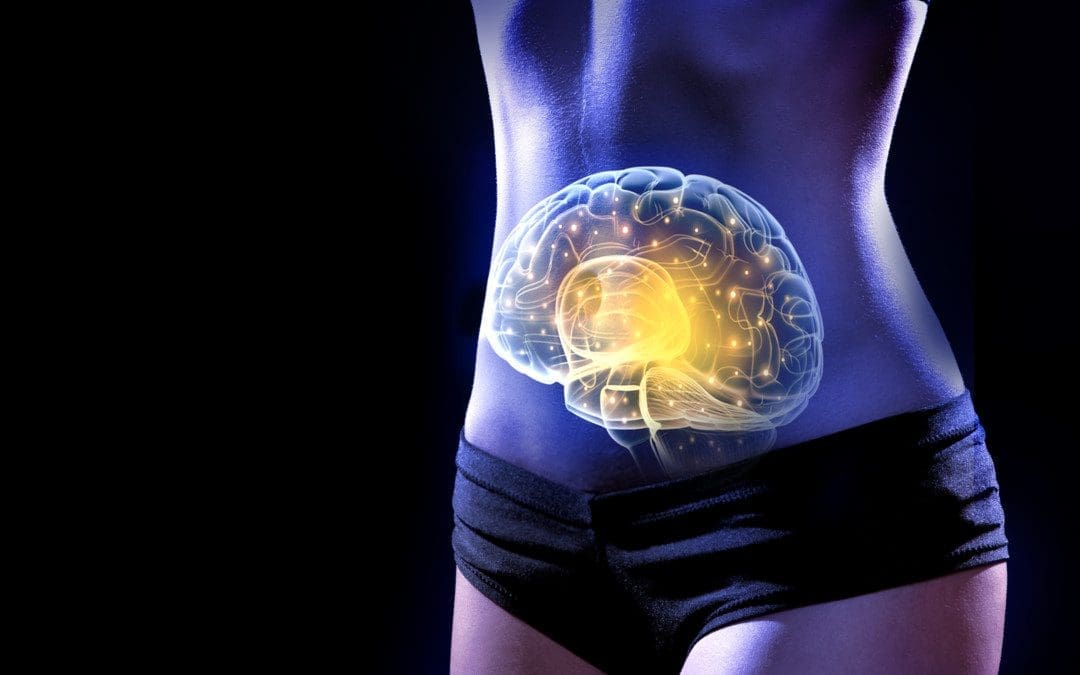
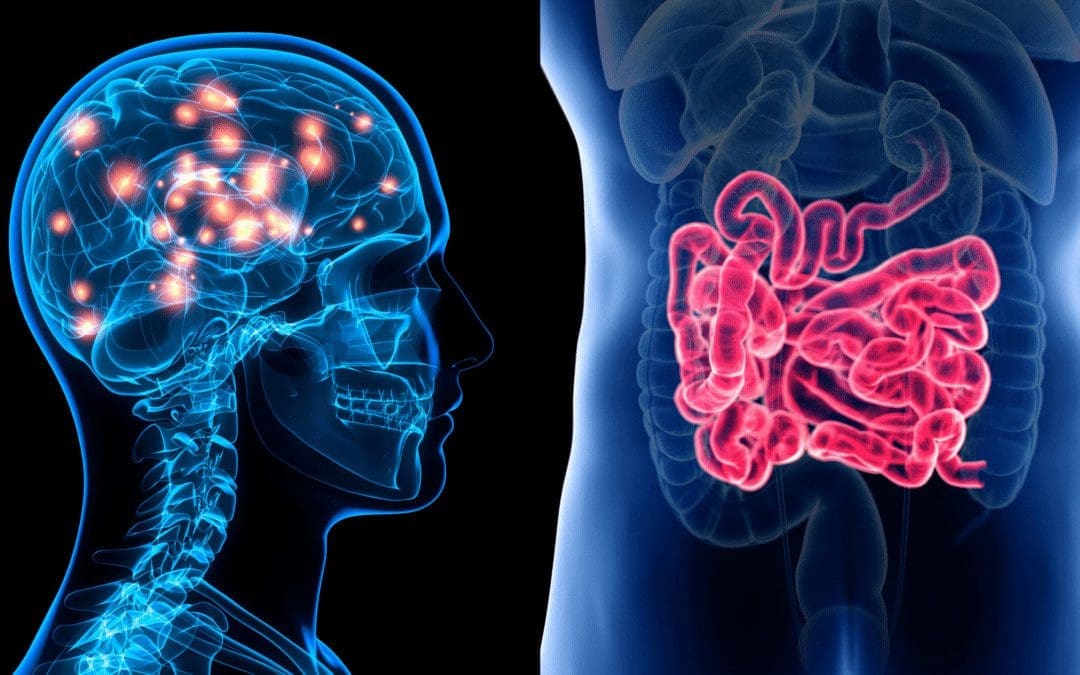
The gut microbiome is “the second brain” in the body as it helps regulate homeostasis and metabolize the immune system for functionality and to keep the body in motion. The brain is part of the nervous system, providing neuron signals constantly traveling all over the body. The brain and the gut have a communication partnership where they send information back and forth for the body to function normally. When the body gets injured, either the brain, the gut, or both can be affected, causing dysfunction and unwanted symptoms that can cause other issues to affect the other systems in the body. One of these injuries can affect the brain in a traumatic way, which can disturb the signaling to the gut microbiota and affect an individual’s quality of life. Today’s article looks at a traumatic brain injury known as a concussion, its symptoms, and how it affects the gut-brain axis in the body. Refer patients to certified, skilled providers specializing in gut treatments for individuals that suffered from concussions. We guide our patients by referring to our associated medical providers based on their examination when it’s appropriate. We find that education is critical for asking insightful questions to our providers. Dr. Alex Jimenez DC provides this information as an educational service only. Disclaimer
Can my insurance cover it? Yes, it may. If you are uncertain, here is the link to all the insurance providers we cover. If you have any questions or concerns, please call Dr. Jimenez at 915-850-0900.
What Is A Concussion?
Have you been headaches that pop out of nowhere and affect you daily? Have you been experiencing leaky gut or other gut disorder issues causing problems? Do you have trouble concentrating on the simple tasks at hand? Many of these symptoms are signs that you might be suffering from a concussion. Research studies have defined a concussion as a transient disturbance that traumatically induces brain function in the body. Concussions can vary depending on the severity of the injury. When a person suffers from a concussion, the neurotransmitters get disrupted as the brain’s electrolytes go through neurological dysfunction, and blood glucose metabolism decreases cerebral blood flow. Other research studies have found that a concussion does an axial rotation to the brain, which results in the brain jiggling and causes whiplash to the neck. This disruption will cause a biochemical injury that either alters the blood glucose metabolism or can cause derangement of the adenine nucleotides of the nervous system.
Its Symptoms
Research studies have found that when a person suffers from a concussion, the symptoms in its acute phase can drastically change and evolve into a chronic situation over time. Concussions usually occur in individuals that play a contact sport, where they bump each other in the heads, auto accidents that causes severe injuries that affect the neck and brain, or even a simple blow to the head. Other research studies have stated that the symptoms of a concussion can include:
Blurry vision
Headaches
Dizzyness
Mood changes
Light sensitivity
Concentration and memory complications
Additional research studies have mentioned that neuronal dysfunction can occur when a person suffers from a concussion as there are ionic shifts, impaired connectivity to the brain, and changes in the neurotransmitters from completing their jobs to provide sensory-motor functions to the entire body. When this happens, not only does the nervous system gets affected, but the gut system gets affected as well.
An Overview Of Leaky Gut & Concussions-Video
Do gut disorder symptoms seem to be affecting your quality of life? Have you become sensitive to light? Have you felt muscle stiffness in your neck? Or have you been suffering from frequent headaches? If you are experiencing any of these symptoms, it might be due to a concussion affecting your gut microbiota. The video above explains how a concussion and a leaky gut are linked. In an average functioning body, the gut and the brain have a bi-directional connection as they help send the neuron signals to each of the body systems and muscle tissues that make the body move. When traumatic forces like a concussion affect the brain, it can disrupt and change the neurotransmitters signals that can cause gut disorders in the microbiota. When gut disorders affect the gut microbiota, it can cascade a series of inflammatory effects that can affect the body’s homeostasis and immune function. Experiencing these symptoms in the body can drastically affect a person’s mood and quality of life if it is not taken care of immediately.
How The Gut-Brain Axis Is Affected By A Concussion?
Since the gut-brain axis has a communication partnership, this axis helps the body’s immunity, homeostasis, and metabolism function. When a concussion starts to affect the gut-brain axis, research studies have shown that the communication pathways are affected in the gut-brain axis as tit incorporates the afferent and efferent signals. The signals involved in the gut-brain axis include the hormones, neurons, and immune pathways that can result in chronic gastrointestinal dysfunction and disability to the body. Since the gut helps keep the body functional through homeostasis, the brain helps the neuron signals provide sensory functions. With a concussion, these signals are disrupted, affecting the body’s functionality and causing a change in a person’s mood.
Conclusion
Overall the gut-brain axis provides functionality to the body by maintaining the homeostasis and metabolism of the immune system. A person’s involvement in a traumatic accident can lead to brain injuries like a concussion that can impair the gut and brain relationship. A concussion can become severe when it is not treated right away and can affect a person’s quality of life in their health and wellness journey.
Giza, Christopher C., and David A. Hovda. “The Neurometabolic Cascade of Concussion.” Journal of Athletic Training, National Athletic Trainers’ Association, Inc., Sept. 2001, https://www.ncbi.nlm.nih.gov/pmc/articles/PMC155411/.
Mann, Aneetinder, et al. “Concussion Diagnosis and Management: Knowledge and Attitudes of Family Medicine Residents.” Canadian Family Physician Medecin De Famille Canadien, College of Family Physicians of Canada, June 2017, https://www.ncbi.nlm.nih.gov/pmc/articles/PMC5471087/.
Staff, Mayo Clinic. “Concussion.” Mayo Clinic, Mayo Foundation for Medical Education and Research, 17 Feb. 2022, https://www.mayoclinic.org/diseases-conditions/concussion/symptoms-causes/syc-20355594.
Tator, Charles H. “Concussions and Their Consequences: Current Diagnosis, Management and Prevention.” CMAJ : Canadian Medical Association Journal = Journal De L’Association Medicale Canadienne, Canadian Medical Association, 6 Aug. 2013, https://www.ncbi.nlm.nih.gov/pmc/articles/PMC3735746/.
Zhu, Caroline S, et al. “A Review of Traumatic Brain Injury and the Gut Microbiome: Insights into Novel Mechanisms of Secondary Brain Injury and Promising Targets for Neuroprotection.” Brain Sciences, MDPI, 19 June 2018, https://www.ncbi.nlm.nih.gov/pmc/articles/PMC6025245/.
IFM's Find A Practitioner tool is the largest referral network in Functional Medicine, created to help patients locate Functional Medicine practitioners anywhere in the world. IFM Certified Practitioners are listed first in the search results, given their extensive education in Functional Medicine