“Various problems with the sacrum make up or contribute to a significant portion of lower back problems. Can understanding the anatomy and function help prevent and treat back injuries?”
The Sacrum
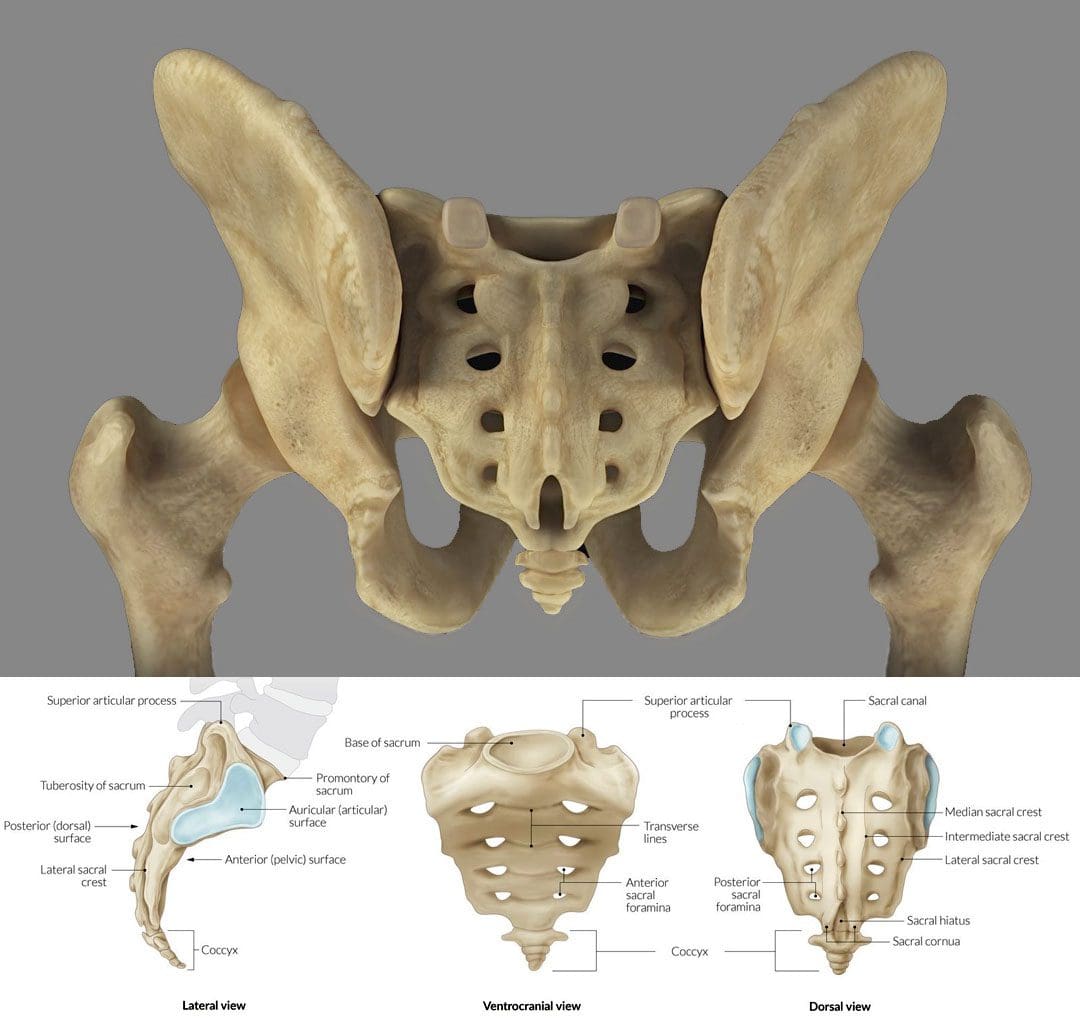
The sacrum is a bone shaped like an upside-down triangle located at the base of the spine that helps support the upper body when sitting or standing and provides pelvic girdle flexibility during childbirth. It comprises five vertebrae that fuse during adulthood and connect to the pelvis. This bone takes and endures all of the body’s pressure and stress from everyday activities and movements.
Formation
Humans are born with four to six sacral vertebrae. However, fusion does not take place in all sacral vertebrae simultaneously:
Fusion starts with the S1 and S2.
As the individual gets older, the overall shape of the sacrum begins to solidify, and the vertebrae fuse into a single structure.
The process usually starts in the mid-teens and finishes in the early to mid-twenties.
It is believed to start earlier in females than males.
The sacrum in a female is wider and shorter and has a more curved top or the pelvic inlet.
The male sacrum is longer, narrower, and flatter.
Structure
The sacrum is an irregular bone that makes up the back/posterior third of the pelvic girdle. There is a ridge across the front/anterior portion of the S1 vertebra known as the sacral promontory. Small holes/foramen on both sides of the sacrum are left over after the vertebrae fuse together. Depending on the number of vertebrae, there can be three to five foramen on each side, though there are usually four. (E. Nastoulis, et al., 2019)
Each anterior foramen is typically wider than the posterior or dorsal/backside foramen.
Each sacral foramina/plural of foramen provides a channel for the sacral nerves and blood vessels.
Small ridges develop between each of the fused vertebrae, known as transverse ridges or lines.
The top of the sacrum is called the base and is connected to the largest and lowest of the lumbar vertebrae – L5.
The bottom is connected to the tailbone/coccyx, known as the apex.
The sacral canal is hollow, runs from the base to the apex, and serves as a channel at the end of the spinal cord.
The sides of the sacrum connect to the right and left hip/iliac bones. The attachment point is the auricular surface.
Right behind the auricular surface is the sacral tuberosity, which serves as an attachment area for the ligaments that hold the pelvic girdle together.
Location
The sacrum is at the level of the lower back, just above the intergluteal cleft or where the buttocks split. The cleft starts at around the level of the tailbone or coccyx. The sacrum is curved forward and ends at the coccyx, with the curvature being more pronounced in females than males. It connects to the L5 lumbar vertebra by way of the lumbosacral joint. The disc between these two vertebrae is a common source of low back pain.
On either side of the lumbosacral joint are wing-like structures known as the sacral ala, which connect to the iliac bones and form the top of the sacroiliac joint.
These wings provide stability and strength for walking and standing.
Anatomical Variations
The most common anatomical variation applies to the number of vertebrae. The most common is five, but anomalies have been documented, including individuals with four or six sacral vertebrae. (E. Nastoulis, et al., 2019)
Other variations involve the sacrum’s surface and curvature, where the curvature differs widely between individuals.
In some cases, the first and second vertebrae do not fuse and remain separately articulated.
Failure of the canal to completely close during formation is a condition known as spina bifida.
Function
Studies on the sacrum are ongoing, but some proven functions include:
It serves as an anchor point for the spinal column to attach to the pelvis.
It provides stability for the body’s core.
It acts as a platform for the spinal column to rest on when sitting.
It facilitates childbirth, providing pelvic girdle flexibility.
It supports upper body weight when sitting or standing.
It provides extra stability for walking, balance, and mobility.
Conditions
The sacrum can be a main source or focal point for lower back pain. It is estimated that 28% of men and 31.6% of women aged 18 years or older have experienced low back pain in the past three months. (Centers for Disease Control and Prevention. 2020) Conditions that can cause sacrum pain symptoms include.
Sacroiliitis
This is a common condition of sacroiliac/SI joint inflammation.
A doctor only makes the diagnosis when all other possible causes of pain have been ruled out, known as a diagnosis of exclusion.
About half of all chordomas form in the sacrum, but the tumors can also develop elsewhere in the vertebral column or at the base of the skull. (National Library of Medicine. 2015)
Spina Bifida
Individuals can be born with conditions that affect the sacrum.
Spina bifida is a congenital condition that can arise from the malformation of the sacral canal.
Unlocking the Secrets of Inflammation
References
Gruss, L. T., & Schmitt, D. (2015). The evolution of the human pelvis: changing adaptations to bipedalism, obstetrics and thermoregulation. Philosophical transactions of the Royal Society of London. Series B, Biological sciences, 370(1663), 20140063. https://doi.org/10.1098/rstb.2014.0063
Nastoulis, E., Karakasi, M. V., Pavlidis, P., Thomaidis, V., & Fiska, A. (2019). Anatomy and clinical significance of sacral variations: a systematic review. Folia morphologica, 78(4), 651–667. https://doi.org/10.5603/FM.a2019.0040
Barros, G., McGrath, L., & Gelfenbeyn, M. (2019). Sacroiliac Joint Dysfunction in Patients With Low Back Pain. Federal practitioner : for the health care professionals of the VA, DoD, and PHS, 36(8), 370–375.
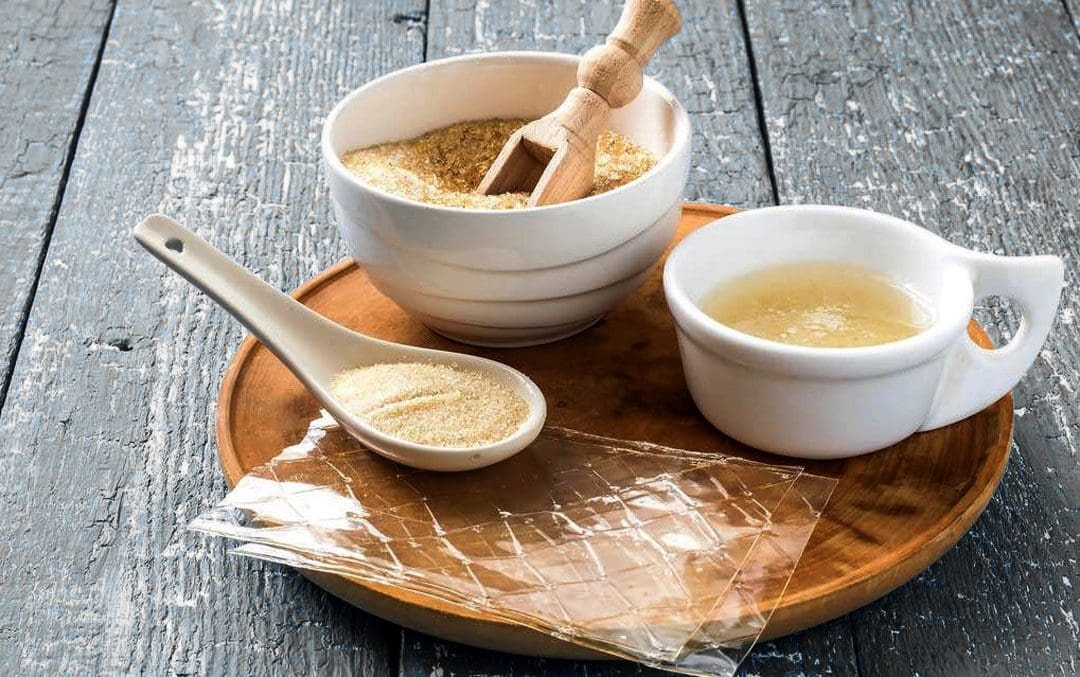
Gelatin is a stabilizer and thickener used to make desserts like fruit gelatin, pudding, mousse, marshmallows, candy, cakes, ice cream, and certain yogurts. It is also used in some shampoos and skincare products. Because animal products are used to make gelatin, it is not a vegan-friendly food, and even some non-vegans choose not to eat it. However, there are gelatin alternatives that are made from non-animal sources. The use of gelatin may provide certain health benefits, and there are some medical uses for pharmaceutical-grade gelatin.
Gelatin Health
Gelatin is affirmed as generally recognized as safe/GRAS by the U.S. Food and Drug Administration. Gelatin is made by boiling the skin, tendons, ligaments, or bones of animals – cows or pigs in water. This process releases collagen, a protein that provides structure and is the most abundant in the human body. Once the collagen is extracted, it is:
Concentrated
Filtered
Cooled
Extruded
Dried
Alternatives
Thickening agents can be made from different ingredients. These include:
Agar-agar
Also called agar, this thickener is made from cooked and pressed seaweed.
This gelling agent is available online and in some supermarkets in powdered, flaked, and bar form.
When cooking with it, substitute agar for gelatin using equal amounts if using the powder.
If using flakes, a tablespoon equals about a teaspoon of the powder.
Certain citrus fruits require more agar when substituting.
Agar does not gel well for recipes that include uncooked mangoes, papaya, and pineapple.
Pectin
Pectin is a gelling agent found naturally in apples and citrus fruits.
Food manufacturers use pectin to make some yogurts and candies and enhance fruit-based beverages.
It can also thicken jams, jellies, and other foods.
This thickener is usually for making softer gels and puddings.
Benefits
Improved Bone Health
A benefit of gelatin is the protection of bones; however, evidence supporting its use is limited.
An early study found that hydrolyzed gelatin, such as pharmaceutical grade, may help reduce pain symptoms in individuals with knee or hip osteoarthritis.
Researchers thought that it could have a beneficial effect on cartilage metabolism.
A study found that adding gelatin to an intermittent exercise program improved collagen synthesis and could aid in injury prevention and tissue repair.
Treatment of Diarrhea
Some studies have suggested that gelatin tannate, which contains tannic acid, can reduce chronic diarrhea.
One study found that using gelatin tannate and other products like probiotics could be effective.
However, further research is needed.
Recipe Alternative
Individuals following specific diets or nutritional plans can use gelatin to thicken foods instead of ingredients that they are avoiding or removing from their eating plan.
It can be used by those following low or no – carb or grain-free diets.
Individuals with wheat allergies, celiac disease, non-celiac gluten sensitivity, or who follow a gluten-free diet can use gelatin or other thickeners instead of flour.
Adding flour to foods like soups and stews can increase the carbohydrate count.
Cornstarch is one replacement that thickens when food is heated, like flour; however, gelatin thickens when food is cooled.
For example, some chefs use 1 ½ teaspoons of gelatin per cup of stock to thicken soups.
Nutrition
The USDA provides the following nutrition information for a single envelope or around one tablespoon/7 grams of gelatin.
Carbohydrates
There are about 30 calories per tablespoon, and none of the calories are from carbohydrates.
There are 0 grams of total carbohydrates, 0 grams of sugar, and 0 grams of fiber.
Because there are no carbohydrates, it will not impact blood sugar levels.
However, it is not usually consumed by itself.
It is commonly used to thicken desserts with sugar and carbohydrates that can elevate blood sugar levels.
Fats
There is no fat in a tablespoon serving of gelatin.
A 100-gram serving contains less than a gram of fat.
Protein
Gelatin provides about 6 grams of protein in one tablespoon serving.
It should not be considered a high-protein food.
Vitamins and Minerals
The powder does not contribute any significant micronutrients.
Does not provide vitamins or minerals.
Storage and Safety
It should be kept in a sealed container and stored in a cool, dry place.
It should stay fresh for about three years when unopened and stored correctly.
It should not be frozen.
Chiropractic Success Story
References
Blanco, Francisco J, and Ronald K June 2nd. “Cartilage Metabolism, Mitochondria, and Osteoarthritis.” The Journal of the American Academy of Orthopaedic Surgeons vol. 28,6 (2020): e242-e244. doi:10.5435/JAAOS-D-19-00442
Daneault, Audrey, et al. “Biological effect of hydrolyzed collagen on bone metabolism.” Critical Reviews in food science and Nutrition vol. 57,9 (2017): 1922-1937. doi:10.1080/10408398.2015.1038377
Florez, Ivan D et al. “Gelatin tannate for acute diarrhea and gastroenteritis in children: a systematic review and meta-analysis.” Archives of Disease in Childhood vol. 105,2 (2020): 141-146. doi:10.1136/arch dis child-2018-316385
Hölzl, Katja, et al. “Gelatin methacryloyl as an environment for chondrocytes and cell delivery to superficial cartilage defects.” Journal of tissue engineering and regenerative medicine vol. 16,2 (2022): 207-222. doi:10.1002/term.3273
Lopetuso, L et al. “Gelatin tannate and tyndallized probiotics: a novel approach for the treatment of diarrhea.” European Review for Medical and pharmacological sciences vol. 21,4 (2017): 873-883.
Shaw, Gregory, et al. “Vitamin C-enriched gelatin supplementation before intermittent activity augments collagen synthesis.” The American Journal of clinical nutrition vol. 105,1 (2017): 136-143. doi:10.3945/ajcn.116.138594
Tehranzadeh, J et al. “Cartilage metabolism in osteoarthritis and the influence of viscosupplementation and steroid: a review.” Acta radiologica (Stockholm, Sweden : 1987) vol. 46,3 (2005): 288-96. doi:10.1080/02841850510016027
Bone Broth Benefits: Bone broth is made by simmering the bones and connective tissue from just about any animal, including chicken, turkey, beef, pork, fish, lamb, bison, buffalo, and venison. It is a highly nutritious stock commonly used in soups, sauces, and gravies and recently as a health drink.Research has shown bone broth benefits, including increased immune system function and helping build up the body’s systems to overcome disorders like allergies, asthma, and arthritis. And the broth form allows the body to easily absorb minerals like calcium, magnesium, phosphorus, silicon, and sulfur.
Bone Broth Benefits
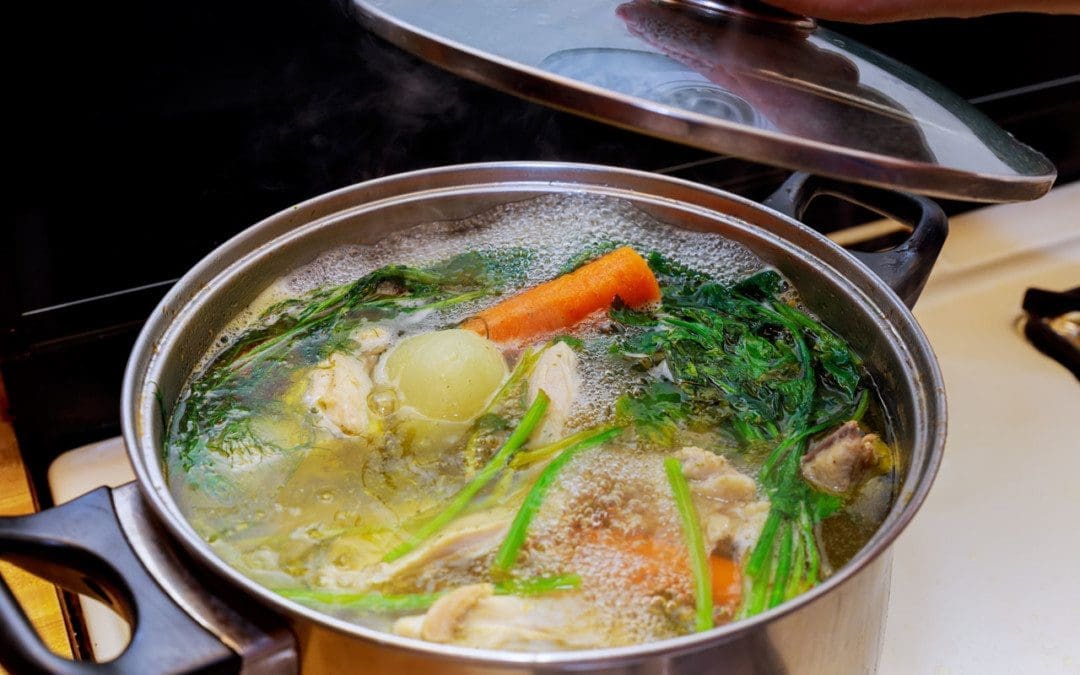
Bone broth dates back to prehistoric times when inedible animal parts like bones, hooves, and knuckles were turned into broth. It is important to understand that most store-bought stocks and broths are not made of bone or animals. Companies, instead, use lab-produced meat flavors. Homemade bone broth is made by simmering bones, water, and vinegar for 10 -12 hours, extracting the collagen from the bones into the liquid. This creates a rich form of stock. Bones are often roasted before making the broth.
Simple Recipe
Making bone broth is very simple, and there are many recipes online. A large pot, water, bones, and vinegar are all that is necessary to get started, here’s an easy recipe:
Ingredients
One gallon (4 liters) of water.
2 tbsp (30 mL) apple cider vinegar.
Adding vinegar is important because it extracts valuable nutrients out of the bones and into the water.
2–4 pounds (around 1–2 kg) of animal bones.
Salt and pepper, to taste.
Vegetables, herbs, or spices can be added to create and enhance flavor.
Garlic, onion, celery, carrot, parsley, and thyme can be added in step one.
Directions
Place all ingredients in a large pot or slow cooker.
Bring to a boil.
Reduce to a simmer and cook for 12–24 hours.
The longer it cooks, the better it tastes and provides more nutrition.
Let the broth cool.
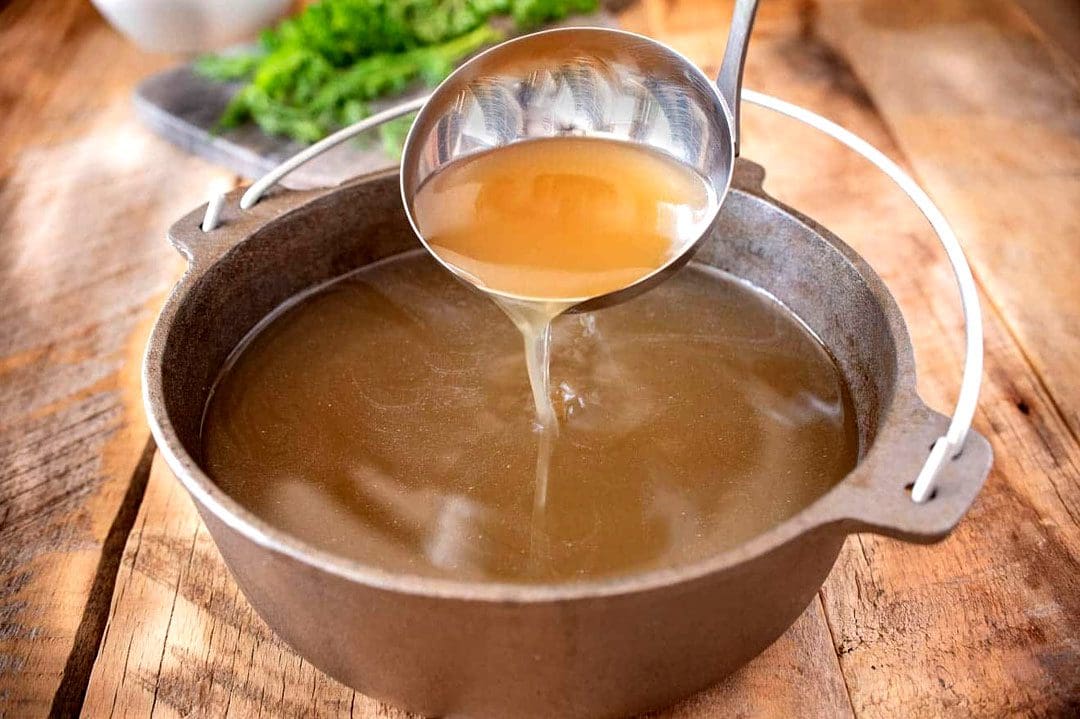
Strain into a large container and discard the bones.
Because of the long cooking, large amounts of collagen are extracted, making the bone broth gelatinous at room temperature.
Benefits
Digestion
Bone broth is a rich source of glutamine, an amino acid that improves digestion and gut health.
It can be particularly beneficial for people with digestive conditions such as leaky gut syndrome or inflammatory bowel disease.
Gelatin can also bind to water in the digestive tract, which helps foods move through the gut more easily.
Bone broth can benefit individuals with the following:
Leaky gut
Irritable bowel syndrome – IBS.
Inflammatory bowel disease/IBD like ulcerative colitis or Crohn’s disease.
Low Glycemic Index
Homemade vegetarian or meat-based broths are very low glycemic, with no added sugar, low in calories, and a great way to hydrate the body.
It can be a healthy snack between meals without an insulin spike that can lead to post-meal energy crashes.
Collagen Improves Hair, Skin, and Nail Health
Bone broth contains collagen. Collagen is a protein in structural and connective tissues that includes skin, bones, muscles, tendons, and ligaments.
The fibrous structure contributes to strength, shape, and elasticity and can fortify hair, skin, and nails.
Bone broth can be beneficial for pregnant women, as it can help preserve skin elasticity during pregnancy while the skin stretches and grows.
Anti-Inflammation
The amino acids glycine and arginine have anti-inflammatory effects.
Arginine may be especially beneficial for fighting chronic inflammation.
Protects Bones and Joints
Bone broth contains calcium for maintaining strong bones and preventing bone loss as the body ages.
Collagen also protects joints from age-related deterioration.
It can help individuals with bone and joint conditions like osteoarthritis.
Bones
Instead of throwing leftover bones from meals in the garbage, save them. They can be collected in a bag and stored in the freezer until ready to roast and cook. Individuals who don’t buy and eat whole chickens and bone-in meat can ask for them at the local butcher or farmers market. The meat department at most grocery stores will often have them. They’re inexpensive, and a butcher may even offer them for free. It is recommended to find pastured chicken or grass-fed beef bones as these are the healthiest and provide maximum health benefits.
Storage
Making broth in large batches is recommended, as it can only be stored safely in the refrigerator for up to 5 days.
To help the broth last longer, it can be frozen in small containers and heated up for individual servings as needed.
Functional Nutrition
References
Koutroubakis, I E et al. “Serum laminin and collagen IV in inflammatory bowel disease.” Journal of clinical pathology vol. 56,11 (2003): 817-20. doi:10.1136/jcp.56.11.817
Mar-Solís, Laura M et al. “Analysis of the Anti-Inflammatory Capacity of Bone Broth in a Murine Model of Ulcerative Colitis.” Medicina (Kaunas, Lithuania) vol. 57,11 1138. 20 Oct. 2021, doi:10.3390/medicina57111138
McCance, R A et al. “Bone, and vegetable broth.” Archives of disease in childhood vol. 9,52 (1934): 251-8. doi:10.1136/adc.9.52.251
Peterson, Orion J et al. “Neuroprotective Effect of Enriched Chicken Bone Broth as a Dietary Supplement in a Model of Migraine Mediated by Early Life Stress.” Journal of medicinal food vol. 23,12 (2020): 1259-1265. doi:10.1089/jmf.2019.0312
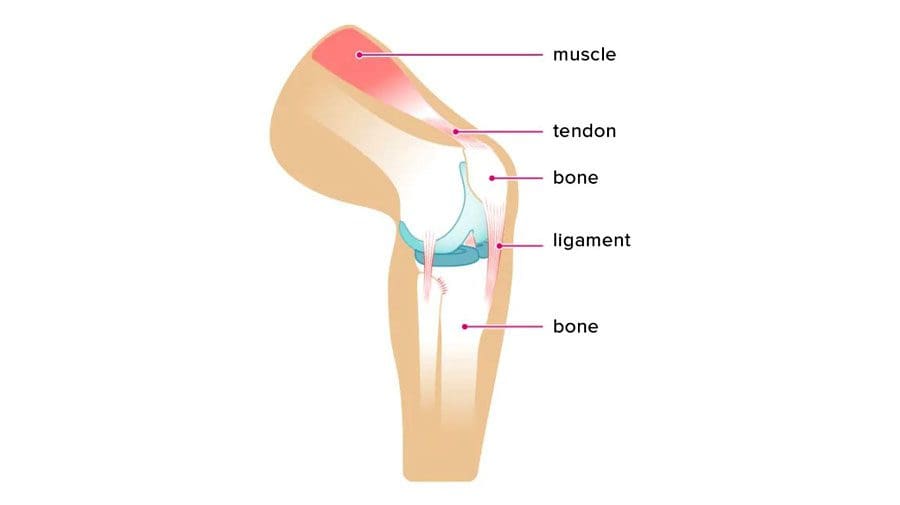
Tendons and Ligaments: A tendon is a fibrous flexible, strong tissue similar to a rope that attaches the muscles to the bones. Tendons allow for the movement of the body’s limbs and help prevent muscle injury by absorbing muscles’ impact when running, jumping, or performing other actions. Ligaments are bands of solid elastic tissue that connect bone to bone, hold structures together and keep them stable, support the joints and limit their movement.
Tendons and Ligaments
Tendons are strong and non-flexible.
Ligaments are flexible and elastic.
Both comprise collagen and living cells, essential in joints and bones and integral to locomotion.
Tendons allow body movement by transmitting force from muscle to bone, allowing the body to stand, walk, and jump.
Ligaments work by allowing for the full range of motion.
Ligaments are around the knees, ankles, elbows, shoulders, and other joints.
Connective Tissue
The collagen connective tissue that makes up tendons and ligaments is the same; their patterns are different.
Tendon fibers are laid out in a parallel pattern.
Tendon connective tissue needs to have more elasticity to help move the muscles.
Ligament fibers are laid out in a crisscross pattern.
Ligament connective tissue stabilizes and strengthens the bones’ joint structure.
Tendon Injury
A tendon that gets overstretched or torn is known as a strain. Common areas affected by strains are the:
Leg
Foot
Back
Strains often result from repetitive work movements, intense physical activity, and sports. Individuals who overuse their bodies without proper rest and muscle repair recovery have an increased risk of injury. Symptoms include:
Inflammation
Swelling
Pain
Cramping
Weakness
Ligament Injury
A ligament that gets overstretched or torn results in a sprain. Sprains can happen suddenly from a fall, awkward movement, or trauma. Sprains commonly occur in the:
Ankle
Knee
Wrist
Examples include:
Misstep causing the ankle to twist in an awkward position, snapping a ligament and causing unstableness or wobbliness.
There could be a popping sensation or the feeling of a tear when the injury occurs.
Wrist sprains often happen when reaching out and extending the hands to break a fall, and the wrist hyperextending back.
The hyperextension overstretches the ligament.
Symptoms of a sprained ligament include:
Inflammation
Swelling
Bruising
Pain
The joint may feel loose or weak and unable to take on weight.
The intensity of symptoms varies depending on whether the ligament is overextended or torn. Sprains are classified by grade:
Grade 1 – a mild sprain with slight stretching of the ligament.
Grade 2 – a moderate ligament tear, but not a complete tear.
Grade 3 – a complete ligament tear, making the joint unstable.
Chiropractic Care
Tendons and ligaments do not receive full blood circulation like other soft tissues. Depending on the severity of the injury, and the slower transfer of oxygen and nutrients, ligament and tendon injuries can take six to twelve weeks to heal, and repeatedly stressing the injured area from overuse can extend recovery. Chiropractic adjustments, and massage therapy, combined with corrective exercises and stretches, will reduce inflammation, decrease pain, improve the range of motion, increase nerve and muscle function, and strengthen the muscles. Chiropractic treatment involves:
Childress, Marc A, and Anthony Beutler. “Management of chronic tendon injuries.” American family physician vol. 87,7 (2013): 486-90.
Fenwick, Steven A et al. “The vasculature and its role in the damaged and healing tendon.” Arthritis research vol. 4,4 (2002): 252-60. doi:10.1186/ar416
Leong, Natalie L et al. “Tendon and Ligament Healing and Current Approaches to Tendon and Ligament Regeneration.” Journal of orthopedic research: official publication of the Orthopaedic Research Society vol. 38,1 (2020): 7-12. doi:10.1002/jor.24475
Scalcione, Luke R et al. “The athlete’s hand: ligament and tendon injury.” Seminars in musculoskeletal radiology vol. 16,4 (2012): 338-49. doi:10.1055/s-0032-1327007
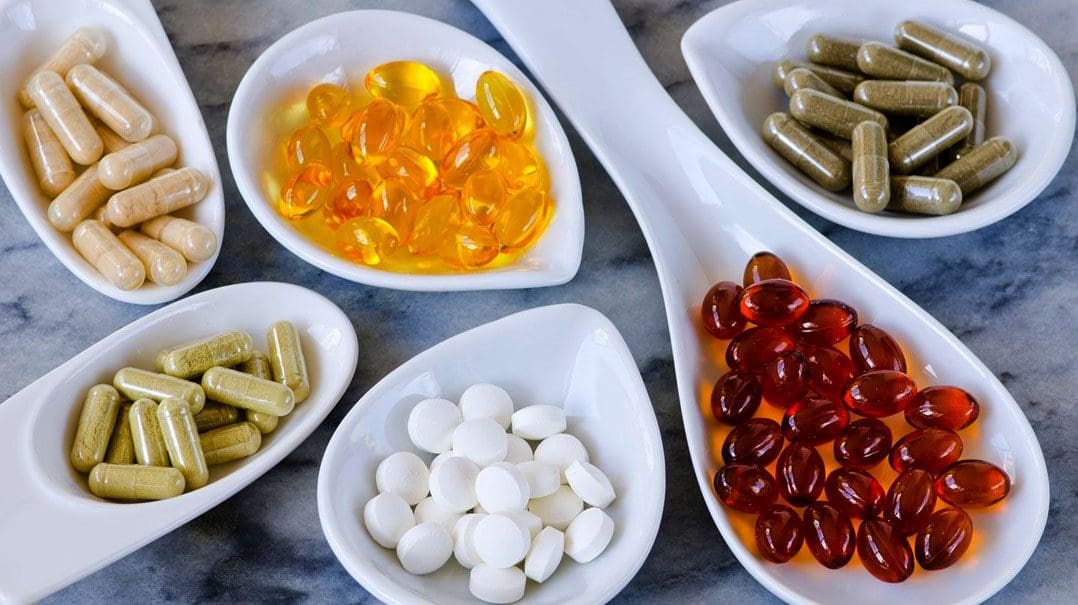
Chiropractic treatment focuses on the musculoskeletal and nervous systems. As with all body systems, specific nutrients protect and increase their functional strength. Various chiropractic-recommended supplements can help in the treatment of musculoskeletal issues and help transform an individual’s health.
Chiropractic Education
Chiropractors study food-based supplements that are bio-available to cells and are easily absorbed by the body. These food-based supplements and vitamins are seen as food by the body. Supplements are used in detoxification to overcome nutritional deficiencies and enhance an individual’s diet by taking nutrients to optimum levels. Immune system health can also be strengthened by keeping the body resistant to diseases.
Functional Nutrition
Chiropractic medicine study’s all the building blocks of the body that, include:
Holistic nutrition teaches that the body heals from within, which is why healing the gut first, is essential to healing the rest of the body and maintaining health.
Recommended Chiropractic Supplements
Dietary supplements that directly impact the health of the musculoskeletal and the nervous system.
Potassium
Potassium is an important regulator of nerve impulses.
Electrochemical signals or action potentials use potassium and sodium to generate responses from cells in the nervous system.
Potassium is necessary for turning off nerve impulses and preventing the uncontrolled signaling of nerves.
Uncontrolled signaling can lead to movement disorders.
Calcium
Calcium is necessary for the regulation of the action potentials throughout the body.
Calcium helps initiate action potentials and helps the cells return to a normal state afterward.
Calcium contributes to the development of the nervous system helping guide the nerve cells.
Calcium is a major element of bone health to repair bones’ and facilitate regrowth.
The body will take the calcium from the bones if there is a calcium deficiency.
Vitamin D
One of the most important nutrients for bone health.
Vitamin D helps promote bone development and growth.
Facilitates calcium absorption helping the body process and absorb the calcium.
B12 is essential to the function of the nervous system and the body’s metabolism.
B12 breaks complex carbohydrates into more simplistic glucose for basic functions.
B12 helps maintain the nerve insulator myelin, which is necessary for nerve transmission.
B12 deficiency has been linked to the loss of myelin and can lead to serious conditions like Alzheimer’s.
B12 shots deliver the nutrient directly to the bloodstream bypassing the absorption process necessary for oral supplements.
Vitamin K
Vitamin K helps balance and facilitate calcium absorption.
Vitamin K helps strengthen bones and increase bone density.
Often recommended for individuals with osteopenia and osteoporosis to help prevent fractures.
How To Choose Supplements
References
Lee, Mi Kyung, et al. “The use of nutritional guidance within chiropractic patient management: a survey of 333 chiropractors from the ACORN practice-based research network.” Chiropractic & manual therapies vol. 26 7. 20 Feb. 2018, doi:10.1186/s12998-018-0175-1
Nguyen, Douglas L. “Guidance for supplemental enteral nutrition across patient populations.” The American journal of managed care vol. 23,12 Suppl (2017): S210-S219.
Pludowski, Pawel, et al. “Vitamin D effects on musculoskeletal health, immunity, autoimmunity, cardiovascular disease, cancer, fertility, pregnancy, dementia and mortality-a review of recent evidence.” Autoimmunity reviews vol. 12,10 (2013): 976-89. doi:10.1016/j.autrev.2013.02.004
Song, Yong-Ak, et al. “Electrochemical activation and inhibition of neuromuscular systems through modulation of ion concentrations with ion-selective membranes.” Nature materials vol. 10,12 980-6. 23 Oct. 2011, doi:10.1038/nmat3146
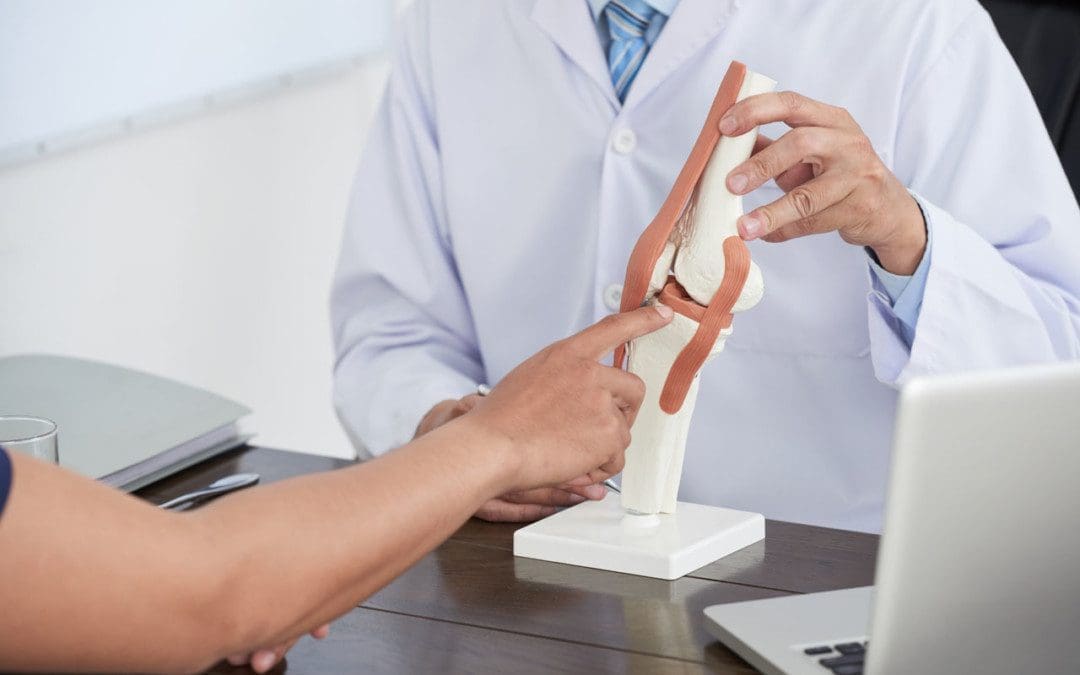
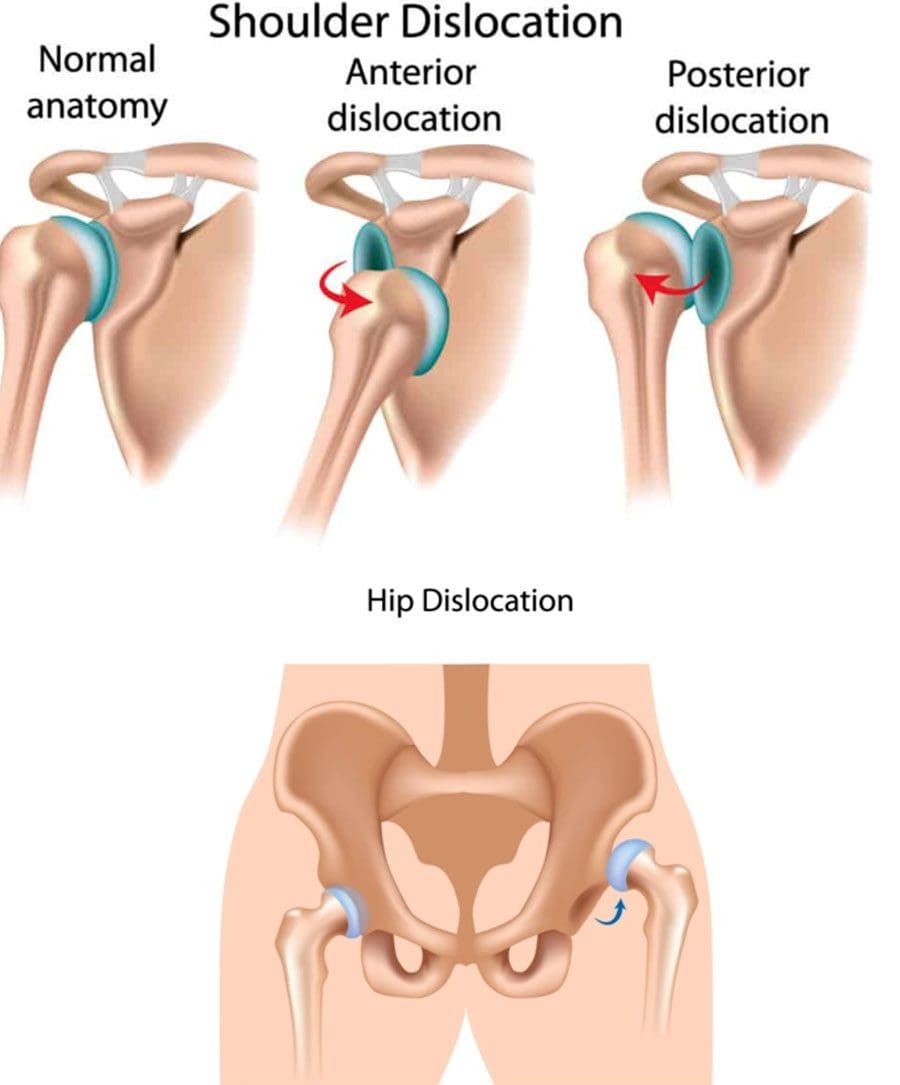
Dislocations impact the joint and are injuries that force/knock the bones out of position. Dislocations can be caused by a motor vehicle collision, falls, sports trauma, or weakened muscles and tendons. However, less impact/force is needed to dislocate smaller joints. Dislocations commonly occur at the shoulders, ankles, knees, hips, elbows, fingers and toes, and the jaw. The experience causes swelling, inability to move, and pain. A joint dislocation chiropractor can manipulate, reset, rehabilitate and strengthen the affected area and rebalance the body.
Joint Dislocation
The region where two or more bones come together is a joint. Each has a primary function, but their functions overlap. The joints allow the bones to move/articulate the skeletal system. Maintaining the body’s balance requires mobility and stability.
Mobility is the ability to move the body without restriction.
Stability is maintaining equilibrium, healthy posture, and support during movement.
The stable joints do not dislocate easily because their structures are not as flexible.
Mobile joints are at an increased risk, as they can move in almost any direction.
The kinetic chain is a sequence of joints forming an alternating pattern of stability and mobility that create a solid platform for dynamic movement. However, any joint can become dislocated, causing the affected area to become unsteady or immobile, strain or tear the surrounding muscles, nerves, and tendons which are the tissues that connect the bones to a joint.
A joint can be partially dislocated/subluxation or fully dislocated.
Joints dislocated previously have an increased risk of re-dislocating because the surrounding tissues that hold the joint have been torn or overly stretched.
Symptoms
Symptoms vary depending on the severity and location of the injury. Common symptoms include:
Instability
Loss of ability to move
Swelling
Bruising
Pain
Visible deformation
Increased Risk
Various factors can lead to joint dislocation, including:
Weakness of the supporting ligaments and muscles from natural wear and tear/age or lack of physical conditioning.
Older individuals with poor balance are more vulnerable to falls that can knock joints out of place.
Young children developing have more elastic supporting ligaments and are prone to falls, collisions, and other injuries.
Previous dislocations with overstretched or torn supporting tissues.
Repeated dislocations are likely to follow the shoulder, knee, and hip.
Physical activities like extreme sports, contact sports, or sports that involve quick body shifts, twists, and turns on the feet.
Physically demanding job.
Operating heavy machinery/equipment.
Joint hypermobility is common in children and around 5% of adults. It can be caused by weak or loose ligaments, weak or loose muscles, and/or shallow joint sockets.
Joint Dislocation Chiropractic
Treatment will vary based on the severity of the injury and the dislocated joint. Depending on the location and severity, a chiropractor will perform different movements/manipulations to realign the joint and strengthen the area.
Significant force could be necessary to pull the bones apart to realign them back into their proper position.
The joint may need to be pulled out and rotated slightly before being put back.
The focus is on increasing ligament strength.
Once the joint is back in place, it may need to remain immobile, possibly using a sling or splint to help fully heal the injury.
Physical therapy exercises will be recommended to strengthen the muscles and ligaments around the joint to support it optimally.
Shoulder Pain Chiropractic
References
Dizdarevic, Ismar, et al. “Epidemiology of Elbow Dislocations in High School Athletes.” The American journal of sports medicine vol. 44,1 (2016): 202-8. doi:10.1177/0363546515610527
Hodge, Duncan K, and Marc R Safran. “Sideline management of common dislocations.” Current sports medicine reports vol. 1,3 (2002): 149-55. doi:10.1249/00149619-200206000-00005
Prechel, Ulla et al. “The Treatment of Temporomandibular Joint Dislocation.” Deutsches Arzteblatt international vol. 115,5 (2018): 59-64. doi:10.3238/arztebl.2018.0059
Skelley, Nathan W et al. “In-game Management of Common Joint Dislocations.” Sports health vol. 6,3 (2014): 246-55. doi:10.1177/1941738113499721
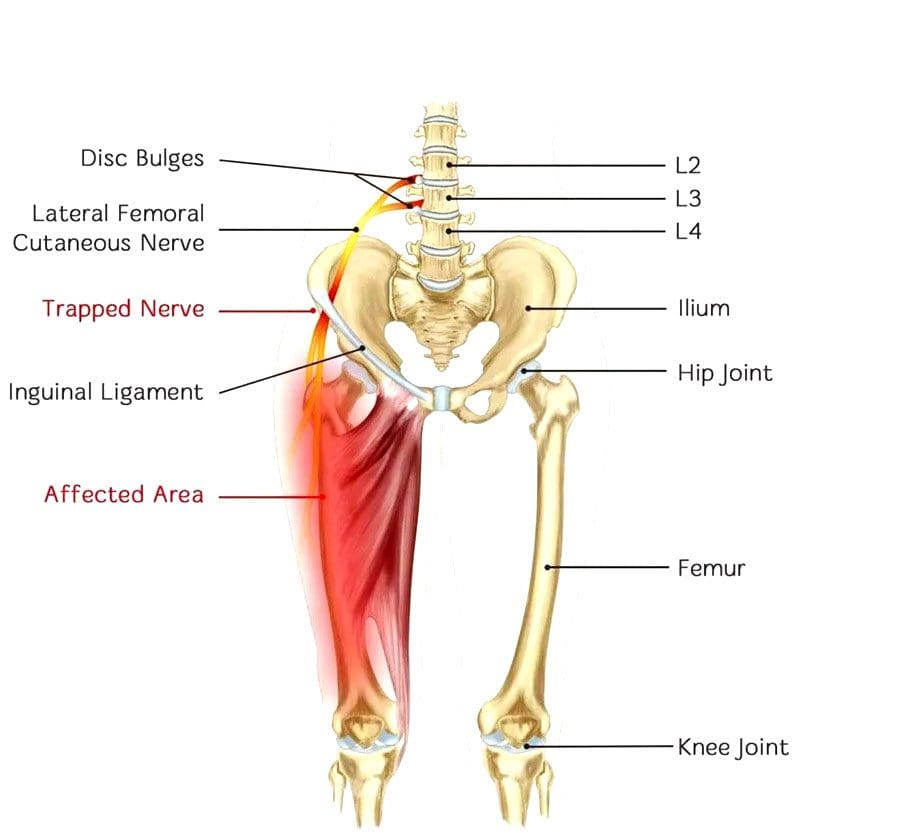
A pinched nerve in the hip can cause numbness, tingliness, weakness, and pain. A pinched/compressed nerve creates pressure that can result from a bone structural issue like hip misalignment or the nerve getting overly stretched, stuck, twisted, or kinked. The pressure obstructs the neural pathways and decreases neural activity. This causes pain. If discomfort or pain is present, chiropractic, physical rehabilitation, rest, exercise, and ice and heat can release and reset the nerve and help prevent re-injury.
Pinched Nerve In The Hip
A pinched or compressed nerve results from pressure being applied to the nerve. A pinched nerve in the hip often causes pain in the groin region, radiating down the inner thigh to the knee. The pain can feel like a dull ache or a sharp, burning pain. Individuals also report tightness, numbness, or a tingling sensation in the buttocks. The most common causes include:
Unhealthy posture.
Sitting for too long without moving around.
Misaligned bone or cartilage.
Muscle strain.
Pregnancy.
Obesity.
Inflamed tissue.
Herniated disc.
Arthritis.
Bone spurs.
Chiropractic
Different causes require different treatment approaches. For example, an obese individual could require chiropractic adjustments, specific exercises/stretches, and diet adjustments to address the whole body. The recommended treatment plans can vary but usually include:
Physical therapeutic massage.
Manipulative therapies of the joints and muscles.
Mobilization of the joints.
Soft tissue treatments.
Spinal decompression.
Exercise.
Walking and activity can worsen the pain when the hip presents with pain. This can cause the rest of the body to compensate by shifting the weight to the healthy side, which can cause even more pain in the back or legs or cause another injury. Regular chiropractic hip adjustments will improve posture, maintaining muscle and skeleton alignment that will prevent pinching nerves in the hip.
Chiropractic Hip Treatment
References
Ahuja, Vanita, et al. “Chronic hip pain in adults: Current knowledge and future prospective.” Journal of anaesthesiology, clinical pharmacology vol. 36,4 (2020): 450-457. doi:10.4103/joacp.JOACP_170_19
Christmas, Colleen, et al. “How common is hip pain among older adults? Results from the Third National Health and Nutrition Examination Survey.” The Journal of family practice vol. 51,4 (2002): 345-8.
“Free Communications: Case Reports: Hip.” Journal of Athletic Training vol. 38,2 Suppl (2003): S.73–S.74.
IFM's Find A Practitioner tool is the largest referral network in Functional Medicine, created to help patients locate Functional Medicine practitioners anywhere in the world. IFM Certified Practitioners are listed first in the search results, given their extensive education in Functional Medicine


 Bone Broth Benefits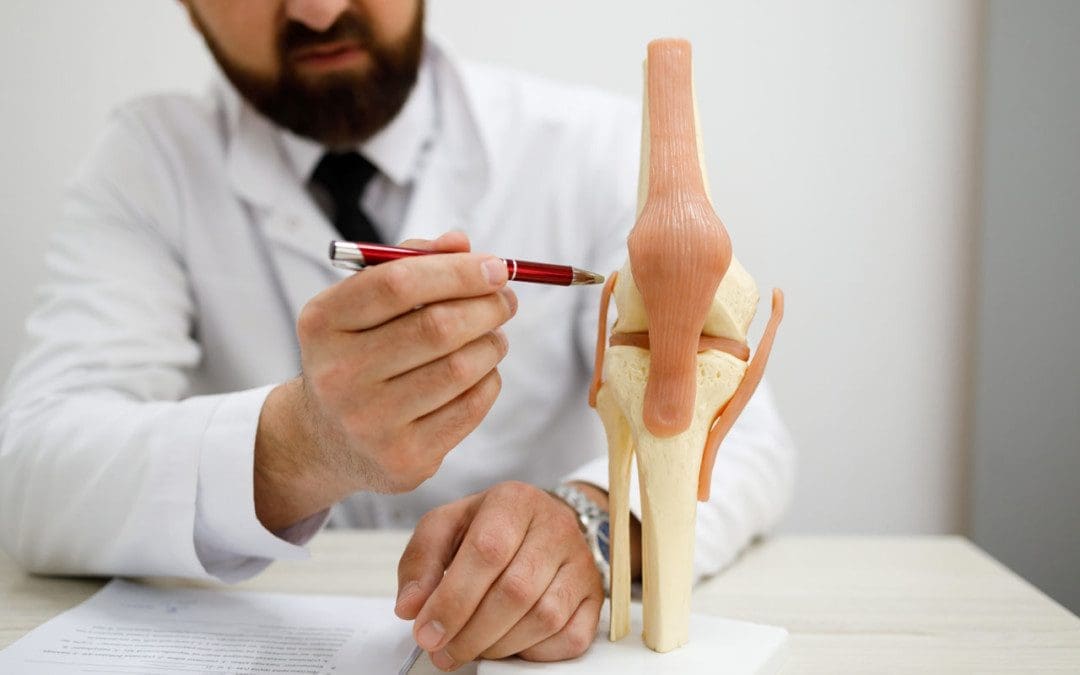
 Chiropractic Education