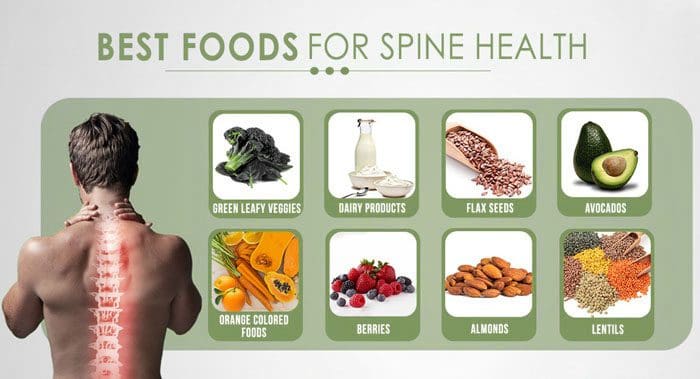
Eating healthy and spinal health are interconnected. Eating healthier will help to lose weight, and provide a healthier body mass index. This means more muscle mass, especially when integrated with more protein. The spine sustains and supports the whole torso and upper body. When weight increases in these areas it can cause an array of issues like subluxations, curvature problems, sciatica, and more. The extra muscle mass takes the added stress from any extra weight off of the spine. Strong muscles can carry the weight of the body, taking the pressure off the spine and keeping it healthy and operating in top form.
Making Healthy Adjustments
No matter where an individual is on their healthy eating plan, there are common practices that work for many and helps improve their diet. This involves integrating healthy food groups into the diet in different ways, and not giving up when mistakes are made, but learning from them. When developing new healthy habits it takes time, diligence, practice, and research to eat the right foods.
Fruits and Veggies
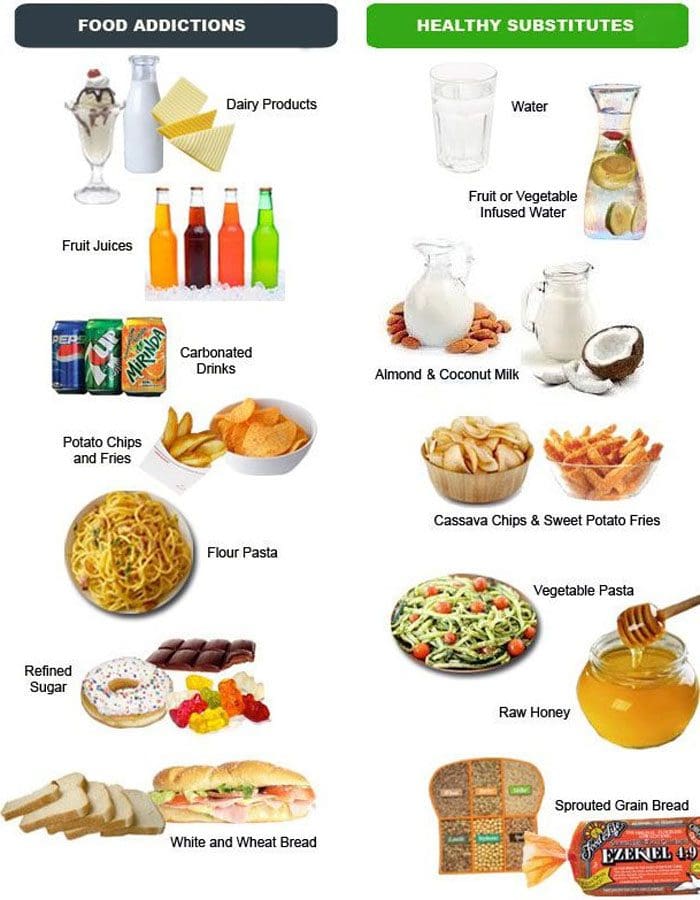
It is easier and tastier to forget the nutritious foods and go for the carbs, fats, etc. Rather than trying to add more vegetables, or eating fruit as a snack every day can be tough. An easier, and better way to integrate fruits and vegetables into one's diet is to substitute the carbs and fats for fruits and veggies in the main meals every day.
This could be spiralized zucchini, squash, or no-carb spaghetti instead of pasta spaghetti.
Instead of ice cream try real fruit sorbet.
Mashed cauliflower instead of white rice or mashed potatoes.
There are plenty of substitutes that are healthier and just as tasty and as the real thing.
Healthy recipes out there that can give you ideas on how to do this.
The benefit of substituting fruits and vegetables, rather than just adding them to a diet is individuals increase their health by reducing unhealthy dietary elements and adding healthy new ones at the same time. However, this does not mean doing it all at once. The goal is to gradually substitute these nutritious foods into everyday dishes for maximum health benefits.
More Fiber and Protein
It is important that the body gets enough fiber and protein as a healthy energy source. Many individuals can become dependent on:
Ingesting unhealthy foods all day every day takes a significant toll on the body. This includes:
Blood sugar
Weight
Energy
Mood
Fiber and protein are important because the two regulate the body's systems to promote healthy bodily functions.Fiber helps the digestive system and regulates carbohydrate breakdown. This means the energy obtained from any carb will last longer and will not increase blood sugar when integrated with fiber. Most individuals know that protein builds muscle. But it also makes the body feel full much longer than carbs or sugars do. This allows for natural regulation of how much is eaten during the day so an individual does not eat more than the body needs. Carbs and sugars are not filling and can become addictive. This means that they can be eaten all day long without feeling full and just load up with empty calories. A few ways to integrate fiber and protein into a diet:
Breakfast
Eggs
Turkey bacon
Whole wheat/multigrain toast
Lunch
Whole wheat wrap or sandwich
Dinner
Brown rice and beans are loaded with protein and fiber.
A great substitution for vegetarians/vegans for more protein or fiber
Reduce Sugar Intake
Reducing sugar intake or switching to balanced sugars from fruits, yogurt, etc. A diet high in sugar can wreck the body, causing:
Weight gain
Mood swings
Overeating
Other unhealthy effects
Sugar is fine when practiced in moderation. But when it becomes a daily habit, that’s when it can start affecting the body. The objective is to drink more water, and use substitutions when cravings present. Try:
Yogurt instead of ice cream
Healthy fruit drinks instead of soda
Tea instead of wine
Keep the indulgences to once or twice a week if possible.
Eating Healthy Benefits
A few of the benefits from eating healthy that will improve quality of life:
Improved digestive health
Weight loss
Reduced to no back pain
Reduced to no foot pain
Healthy sleep patterns
Less fatigue
Improved focus
Improved brain health
Clear skin
Reduced to no irritability
Body Composition
New Health Issues
Steady weight gain throughout life can lead to adult diabetes. This is brought on by more body fat and muscle loss. Loss of skeletal muscle mass is linked to insulin resistance. The less muscle is available, the less insulin sensitive the body becomes. Loss of muscle can cause other problems with age. One damaging condition, especially for women, is osteoporosis. This happens when old bone is reabsorbed rather than new bone being created. Both men and women can have decreased muscle mass with thinner, weaker bones. This increases the risk of osteoporosis and the risk of serious injury from falls. Prevention includes
Eat sufficient protein throughout the day. It is often best to space out protein intake across meals and not consume all at once to ensure the proper amount is being met daily. Regular body composition monitoring can help. The goal is to minimize muscle mass loss and fat mass gain as the body ages.
Disclaimer
The information herein is not intended to replace a one-on-one relationship with a qualified health care professional, licensed physician, and is not medical advice. We encourage you to make your own health care decisions based on your research and partnership with a qualified health care professional. Our information scope is limited to chiropractic, musculoskeletal, physical medicines, wellness, sensitive health issues, functional medicine articles, topics, and discussions. We provide and present clinical collaboration with specialists from a wide array of disciplines. Each specialist is governed by their professional scope of practice and their jurisdiction of licensure. We use functional health & wellness protocols to treat and support care for the musculoskeletal system’s injuries or disorders. Our videos, posts, topics, subjects, and insights cover clinical matters, issues, and topics that relate to and support, directly or indirectly, our clinical scope of practice.* Our office has made a reasonable attempt to provide supportive citations and has identified the relevant research study or studies supporting our posts. We provide copies of supporting research studies available to regulatory boards and the public upon request. We understand that we cover matters that require an additional explanation of how it may assist in a particular care plan or treatment protocol; therefore, to further discuss the subject matter above, please feel free to ask Dr. Alex Jimenez or contact us at 915-850-0900.
Dr. Alex Jimenez DC, MSACP, CCST, IFMCP, CIFM, CTG*
email: [email protected]
phone: 915-850-0900
Licensed in Texas & New Mexico
References
Cena, Hellas, and Philip C Calder. “Defining a Healthy Diet: Evidence for The Role of Contemporary Dietary Patterns in Health and Disease.” Nutrients vol. 12,2 334. 27 Jan. 2020, doi:10.3390/nu12020334
Locke, Amy et al. “Diets for Health: Goals and Guidelines.” American family physician vol. 97,11 (2018): 721-728.
Warensjö Lemming, Eva, and Liisa Byberg. “Is a Healthy Diet Also Suitable for the Prevention of Fragility Fractures?.” Nutrients vol. 12,9 2642. 30 Aug. 2020, doi:10.3390/nu12092642
Brain fog, memory problems, concentration, and the inability to form clear thoughts is an issue that many will face at some point. The progression of losing the ability to focus or think clearly can lead to decreased productivity with normal daily tasks, work, or taking care of a household. It can be a short-term issue experience caused by sleep deprivation or stress. However, if these issues are allowed to continue it can negatively change an individual's quality of life.
Affected Productivity Factors
Causes that can lead to poor productivity include:
The underlying issue/s associated with brain function and the ability to focus are connected to the spine being out of alignment. Individuals often have poor spinal alignment without even realizing it is happening. It affects the body’s blood and nerve transmitting abilities to complete normal daily tasks. Chiropractic treatment is an expert-based approach that focuses on restoring spinal alignment to increase an individual's health and brain function. Proper spinal alignment allows the nerves to relay messages clearly and optimally through the spinal cord to the brain. This allows for:
Clear thinking
Improved memory
Better decision making
Staying focused on tasks
Chiropractic Optimal Nerve Flow
When the central nervous system/brain/spinal cord is not transmitting properly it can lead to significant issues with concentration and productivity. When nerve energy and brain function is optimized productivity is improved. Research has shown that chiropractic can help:
Reduce the risk of disease
Prevent injuries
Prevent pain conditions
Improved quality of life
Chiropractic medicine can increase the ability to focus, optimize brain health, and more.
Body Composition
Tracing the sources of fatigue
There is a difference between being tired periodically from a long day and being tired daily. Being tired daily is also known as Chronic Fatigue Syndrome. This is a fatigue condition that has lasted longer than 6 months. It is typical to experience many of the symptoms of fatigue that disrupt the ability to achieve health goals like:
Weight loss
Muscle gain
Maintaining body weight
Symptoms include:
Constantly tired
Reduced appetite
Moodiness
Reaction time slows down
Memory Loss
Dizziness
The nature of hectic daily schedules can allow sources of fatigue to pile up. The objective is to find a balance between home, work, physical activity, diet, etc. Chiropractic medicine and health coaching can help develop an optimal plan to get healthy.
Disclaimer
The information herein is not intended to replace a one-on-one relationship with a qualified health care professional, licensed physician, and is not medical advice. We encourage you to make your own health care decisions based on your research and partnership with a qualified health care professional. Our information scope is limited to chiropractic, musculoskeletal, physical medicines, wellness, sensitive health issues, functional medicine articles, topics, and discussions. We provide and present clinical collaboration with specialists from a wide array of disciplines. Each specialist is governed by their professional scope of practice and their jurisdiction of licensure. We use functional health & wellness protocols to treat and support care for the musculoskeletal system’s injuries or disorders. Our videos, posts, topics, subjects, and insights cover clinical matters, issues, and topics that relate to and support, directly or indirectly, our clinical scope of practice.* Our office has made a reasonable attempt to provide supportive citations and has identified the relevant research study or studies supporting our posts. We provide copies of supporting research studies available to regulatory boards and the public upon request. We understand that we cover matters that require an additional explanation of how it may assist in a particular care plan or treatment protocol; therefore, to further discuss the subject matter above, please feel free to ask Dr. Alex Jimenez or contact us at 915-850-0900.
Dr. Alex Jimenez DC, MSACP, CCST, IFMCP, CIFM, CTG*
email: [email protected]
phone: 915-850-0900
Licensed in Texas & New Mexico
References
Craniocervical Junction Disorder. USC Spine Center Web site. http://spine.keckmedicine.org/treatments-services/craniocervical-junction-disorder/. Accessed August 25, 2017.
Anderson, Brian, and Adam Pitsinger. “Improvement in chronic muscle fasciculations with dietary change: a suspected case of gluten neuropathy.” Journal of chiropractic medicine vol. 13,3 (2014): 188-91. doi:10.1016/j.jcm.2014.01.002
Ross, Amanda J, et al. “What is brain fog? An evaluation of the symptom in postural tachycardia syndrome.” Clinical autonomic research: official journal of the Clinical Autonomic Research Society vol. 23,6 (2013): 305-11. doi:10.1007/s10286-013-0212-z
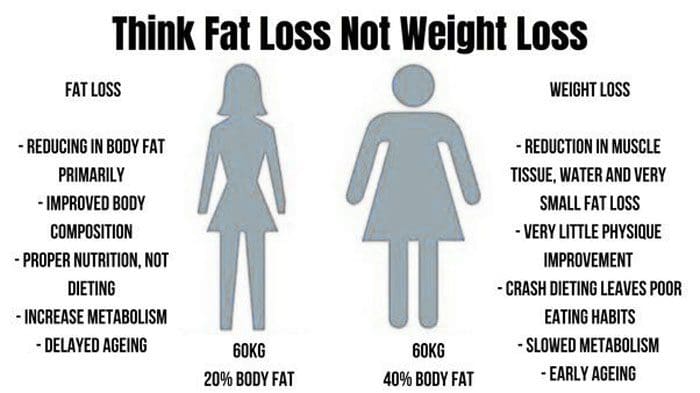
Understanding the difference between weight loss and fat loss will help promote a healthy change and improve an individual's wellbeing. Fat loss can be a part of losing weight. However, individuals lose more than just fat. Fat loss is the goal for most individuals, so taking a deliberate, focused approach will generate the best results. Here we discuss how individuals can optimize for fat loss.
Understanding The Difference
Weight loss is the overall reduction in body weight
Fat loss is a reduction in body fat
When losing weight, the body is not just losing body fat, and changes are being made to each component of body composition. This includes:
Body fat
Lean Body Mass
Body Water
This is also true for weight gain. An individual cannot control how much is lost but can influence what is lost.
Weight Loss
Hundreds of diet and exercise programs can help achieve fat loss, some better than others. The ones that tend to work better focus on the same thing: reducing energy intake from food/diet while increasing energy output through exercise and regular physical activity. This forces the body to compensate for the missing energy by breaking down the body's tissues, including fat and muscle. As an individual loses weight, they will also lose some muscle in the form of Lean Body Mass in addition to body fat.
Fat Loss
Body fat is a combination of essential fat and storage fat. Storage fat is adipose tissue that has accumulated for reserved energy. This type of fat changes with diet modification and regular exercise. Too much storage fat can negatively impact physical and mental wellbeing, so this should be the focus for better health.
Focus on fat loss and not weight loss
There is a clear association between obesity and chronic disease. Focusing on weight loss can lead to unintended consequences like eating disorders. This is why focusing on weight loss, and healthy body composition is critical. This is the recommended approach because it encourages the individual to move more and eat healthily.
Understanding health benefits of losing fat
Body fat percentage works better as a gauge of health than weight.
Weight is composed of lean body mass, body fat, and water, so any changes in these areas can lead to weight gain and not just fat loss. Excess body fat, specifically storage fat, has a close association with chronic diseases like:
Type 2 Diabetes
Hypertension
Heart Disease
Various Cancers
The key is understanding that a healthy body fat percentage will help reduce the risk of these diseases and improve mental health and overall health.
Different ways to measure fat loss
Tracking body fat loss means having body composition tracked and monitored. There are devices and methods for determining body composition, including:
For genuinely accurate results, get tested by a highly skilled professional who uses medical-grade tools for assessment. Cheap plastic calipers and at-home scales don't tend to be the best options.
Metabolism changes with weight loss
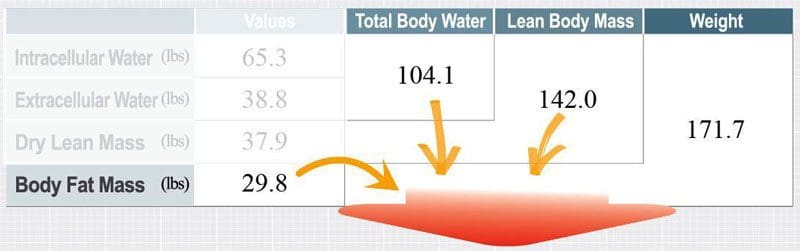
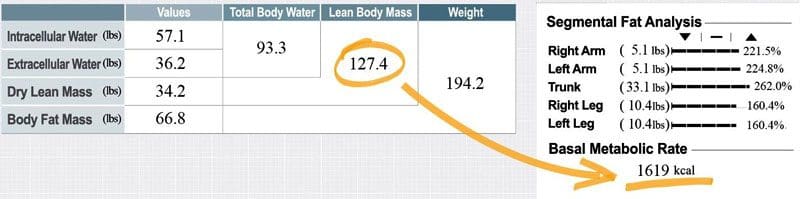
When losing weight, there is more loss than fat. One loss can be Lean Body Mass, which is critical because the amount of Lean Body Mass has directly influenced Basal Metabolic Rate or the body's metabolism. The Basal Metabolic Rate (BMR) is the number of calories the body naturally burns when resting. When focusing on weight loss and not making changes to minimize lean body mass loss, the individual decrease the size of their metabolism. However, if an individual continues with the same eating habits, this could be a setup for weight regain.
Weight loss can slow down metabolism.
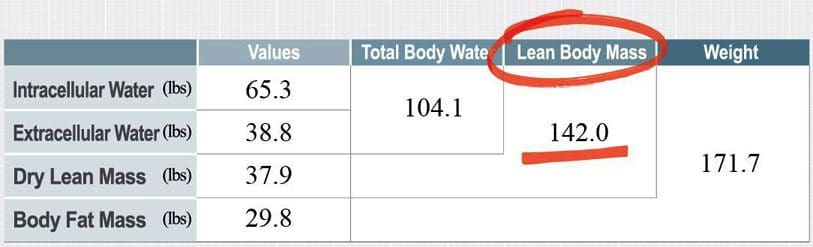
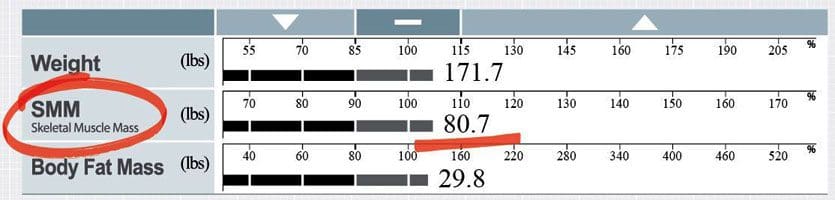
Here is an example of a typical set of body composition results of someone who would be clinically diagnosed as obese.
Along with weight and body fat mass measurements, the individual naturally developed muscles by carrying their body weight. This means that individuals that are obese also have relatively large metabolisms. Dramatic changes to Lean Body Mass and metabolism are not ideal, especially when the goal is maintaining a healthy body weight.
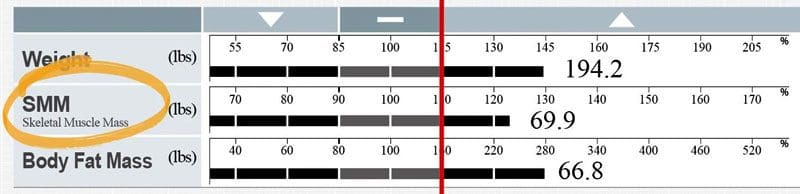
The weight and body fat bars on the above chart are significantly over average, and the Skeletal Muscle Mass bar. This is common for individuals that are obese. Individuals that are obese have developed this muscle by carrying a large amount of weight. Large amounts of muscle begin to build to move the heavy body. This is why it is essential to come up with a focused/customized approach for gaining strength, losing fat, and body recomposition, rather than just weight loss.
Stopping weight regain
Focusing on body composition, developing muscle, and Lean Body Mass is crucial. With weight loss, there will be some Lean Body Mass loss. This means a low metabolism and non-regulated eating habits can lead to regaining weight. With no development of Lean Body Mass and skeletal muscle to help grow the metabolism, there is an increased chance of weight retrieval. Along with continued changing eating habits after an individual reaches their target weight.
Building muscle, losing fat for healthy body composition
The main areas to focus on to change body composition, overall health, and wellbeing.
Focus on body composition, not on weight loss
Instead, track changes in body composition. This means optimizing programs for fat loss while minimizing Lean Body Mass loss. Weight loss will occur, but proper nutrition and strength training can reduce Lean Body Mass loss.
Develop new eating habits
An important step is understanding how to improve eating habits by choosing a diet plan that will be enjoyable. When optimizing for fat loss, it will take longer than weight loss. Effective dietary strategies go for half to one pound of fat loss per week. This is a manageable and sustainable goal that will not cause adverse effects on metabolism. Slow and steady is the better option and will lead to long-term changes.
Start strength training to increase metabolism.
Strength training/weight lifting is a great way to increase metabolism. Increased muscle benefits range from:
High ability to recover from disease/s
Reducing insulin resistance
Keeps the body mobile
Helps combat obesity by increasing BMR and metabolism
Body composition in the long-term
Fat loss is more important than weight loss and will lead to long-term changes. Understanding that working out smarter and finding out body composition numbers will promote getting fit while keeping the fat off. It will take longer than expected, but dropping 30 pounds in less than a year and then regaining it all back is counterproductive.Take the time to make minor, impactful adjustments that will lead to a lifetime of optimal health.
InBody
Dr. Alex Jimenez's Blog Post Disclaimer
The scope of our information is limited to chiropractic, musculoskeletal, physical medicines, wellness, and sensitive health issues and/or functional medicine articles, topics, and discussions. We use public health & wellness protocols to treat and support care for injuries or disorders of the musculoskeletal system. Our posts, topics, subjects, and insights cover clinical matters, issues, and topics that relate to and support directly or indirectly our clinical scope of practice.*
Our office has reasonably attempted to provide supportive citations and identified the relevant research study or studies supporting our posts. We also make copies of supporting research studies available to the board and or the public upon request. We understand that we cover matters that require an additional explanation as to how it may assist in a particular care plan or treatment protocol; therefore, to further discuss the subject matter above, please feel free to ask Dr. Alex Jimenez or contact us at 915-850-0900. The provider(s) Licensed in Texas& New Mexico*
References
Hall, Kevin D et al. Calorie for Calorie, Dietary Fat Restriction Results in More Body Fat Loss than Carbohydrate Restriction in People with Obesity. Cell metabolism vol. 22,3 (2015): 427-36. doi:10.1016/j.cmet.2015.07.021
Merlotti, C et al. Subcutaneous fat loss is more significant than visceral fat loss with diet and exercise, weight-loss promoting drugs and bariatric surgery: a critical review and meta-analysis. International journal of obesity (2005) vol. 41,5 (2017): 672-682. doi:10.1038/ijo.2017.31
Tobias, Deirdre K et al. Effect of low-fat diet interventions versus other diet interventions on long-term weight change in adults: a systematic review and meta-analysis. The Lancet. Diabetes & endocrinology vol. 3,12 (2015): 968-79. doi:10.1016/S2213-8587(15)00367-8
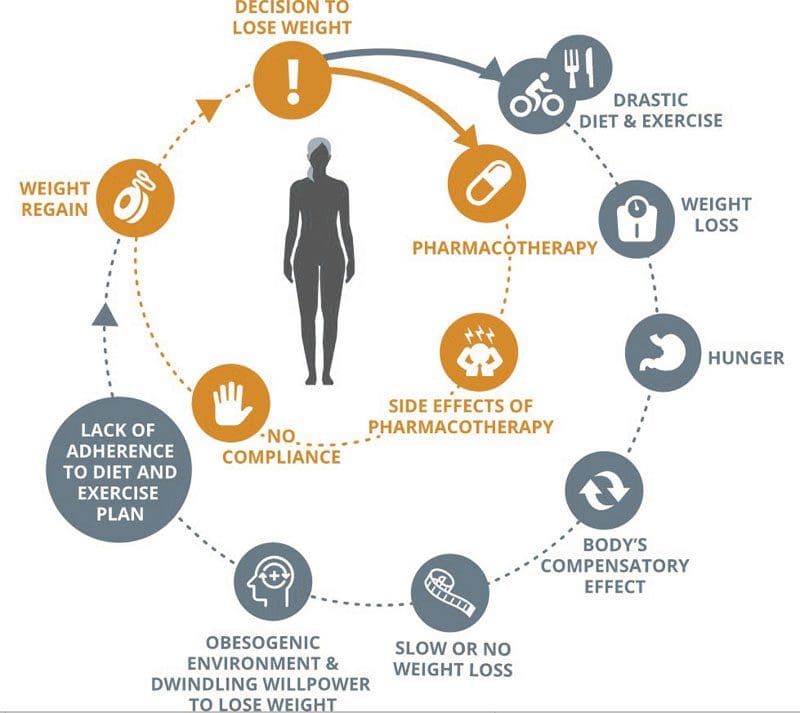
The human body is a complex system, that requires consistent development in all areas. When it comes to weight loss being too strict can cause the body to rebel. Examples are individuals that have lost weight, then put it right back on, or get stuck in a plateau. The objective is to step off the weight loss rollercoaster and embrace weight-loss strategies that work. Here, we explore a few evidence-based weight loss strategies that focus on long-lasting success.
Improve insulin sensitivity
When consuming carbohydrates, it is broken down into sugar.
The body needs a certain amount of sugar to function. However, it is a narrow safety range. If the level gets too high for too long, cellular damage happens. The role of insulin is to guide the excess sugar/glucose into the cells. However, more individuals are experiencing high blood insulin levels, called hyperinsulinemia. Possible symptoms can include:
Sugar cravings
Unusual weight gain
Frequent hunger
Excessive hunger
Unable to concentrate
Anxiety or feelings of panic
Lack of focus
Extreme fatigue
Insulin rises because the blood sugar does. It�s dangerous to let glucose levels stay elevated, which is why more insulin gets produced to bring the blood sugar down. Given enough time constant hyperinsulinemia can result in a condition called insulin resistance, where the cells become resistant to the effects of insulin and are less effective.
Insulin sensitivity and weight loss
A high level of insulin in the blood can trigger weight gain and make losing it difficult. Results of high insulin:
Stress and stress eating could be contributing to an expanding waistline. Examples could be eating a favorite meal while barely being conscious of the process or the inability to resist a chocolate bar after a long, distressing day. Research published in the Journal of Health Psychology found that stress-related eating has a preference for calorie-dense and highly tasty foods. And when stress levels rise, food cravings rise, triggering fat gain.
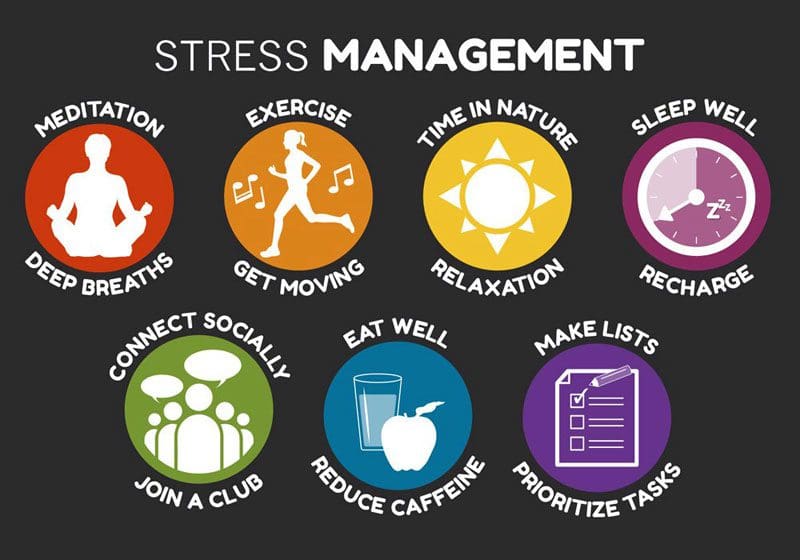
Reducing stress
There are a variety of techniques that can help the mind and body relax turning off the stress response. Here are some science-based favorites:
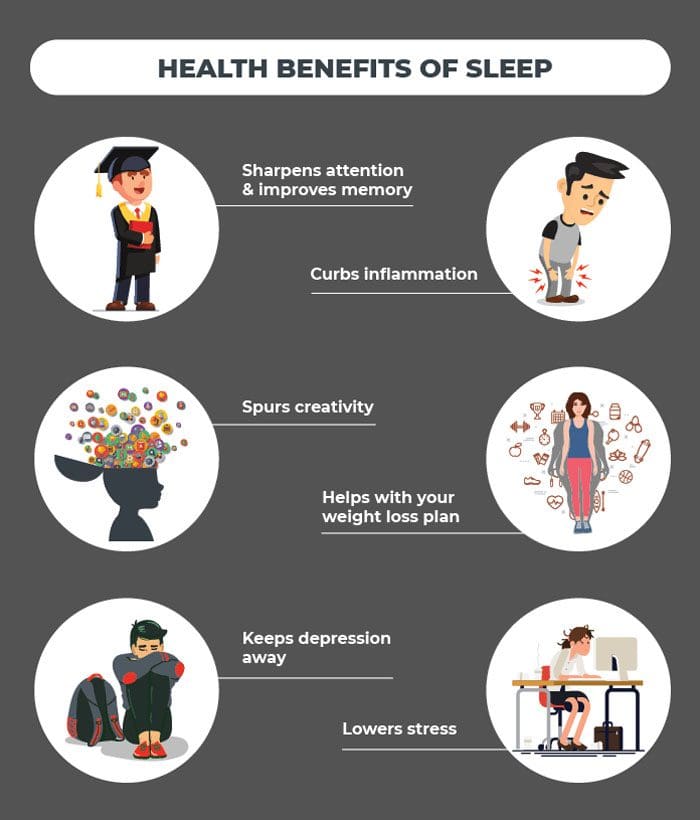
Proper sleep means sound sleep eight hours each night. Many individuals have convinced themselves that five or six hours is enough. Unfortunately, research shows otherwise. In a study published in PLOS Medicine, researchers studied the effects of short sleep duration on hormones that lessen or increase hunger, and on body mass index or BMI. They found the participants with short sleep had reduced leptin and elevated ghrelin which increases appetite and can contribute to weight gain.
Improving sleep quality
Developing a healthy sleep routine
Have the same sleep and waking time
Time to wind down
Meditate a little before sleep
Take a warm bath 90 minutes before bed
Avoid blue light at least 90 minutes before going to sleep
Limit caffeine intake as it can negatively affect sleep even when taken six hours before sleep
Avoid/limit alcohol in the evenings
Regular physical activity can help release stress and tension, tiring the body out so sleep comes naturally
30 to 40-minute endurance sessions a week are plenty. However, for some individuals, exercising too close to bedtime can have the opposite effect. Therefore, take note of whether this would be a problem.
High-Intensity Interval Training
There are a variety of approaches to exercising. But there is one evidence-based approach that has been proven to:
An increased amount of muscle increases the basal metabolic rate or BMR. This increases the body's ability to burn fat and lose weight. A loss of lean body mass lowers resting energy expenditure and increases fatigue and injury risk. For individuals trying to lose weight the metabolic decline triggered by a loss of lean body mass can cause regaining the fat previously lost. What this means is that when muscle mass drops so does metabolism along with the ability to keep the weight off.
When muscle mass increases the body can easily burn fat, making it possible to achieve and maintain a healthy weight. It�s important to remember that as the body's muscle mass increases the body needs more energy to nourish and support this new tissue. This means that higher calories are allowed, as not having enough calories becomes counterproductive. Muscle mass increase can be achieved by:
A healthy diet will help build muscle
Strength and resistance training
Taking protein supplements
Weight loss strategies takeaway
With the right approaches, permanent weight loss is possible. Instead of deprivation, focus on science-backed approaches that work:
This will make sticking to the weight loss strategies easier and will contribute to a happy, healthy life.
Body Composition
Dr. Alex Jimenez�s Blog Post Disclaimer
The scope of our information is limited to chiropractic, musculoskeletal, physical medicines, wellness, and sensitive health issues and/or functional medicine articles, topics, and discussions. We use functional health & wellness protocols to treat and support care for injuries or disorders of the musculoskeletal system. Our posts, topics, subjects, and insights cover clinical matters, issues, and topics that relate and support directly or indirectly our clinical scope of practice.*
Our office has made a reasonable attempt to provide supportive citations and has identified the relevant research study or studies supporting our posts. We also make copies of supporting research studies available to the board and or the public upon request. We understand that we cover matters that require an additional explanation as to how it may assist in a particular care plan or treatment protocol; therefore, to further discuss the subject matter above, please feel free to ask Dr. Alex Jimenez or contact us at 915-850-0900. The provider(s) Licensed in Texas& New Mexico*
References
Chao, Ariana et al. �Food cravings mediate the relationship between chronic stress and body mass index.��Journal of health psychology�vol. 20,6 (2015): 721-9. doi:10.1177/1359105315573448
Taheri, Shahrad et al. �Short sleep duration is associated with reduced leptin, elevated ghrelin, and increased body mass index.��PLoS medicine�vol. 1,3 (2004): e62. doi:10.1371/journal.pmed.0010062
The world of health and fitness has evolved with all kinds of technical jargon and terminology that can require a guide to get a handle on things. It can become confusing and terms like Lean Body Mass and Lean muscle can get mixed up. Body composition analysis allows an individual to understand their body in a much clearer way with insight into the body's health. Here we break down this technical terminology to get a basic understanding of how it is relevant to the body's health. Think of this as a combination glossary, and action guide. �
�
Guide to Basic Body Composition
Percent Body Fat Body/Fat Percentage
Percent Body Fat is a reflection of how much of the body's weight is made up of fat.
It is calculated by dividing the weight of body fat mass by total weight.
It helps to track progress whether trying to lose weight or gain muscle.
�
Takeaway
This percentage can be applied to set percent body fat ranges.
The healthy ranges are around 10-20% percent body fat for men and 18-28% for women.
�
Lean Body Mass/Fat-Free Mass Guide
Lean Body Mass is sometimes used interchangeably with Fat-Free Mass.
Lean Body Mass is the weight of everything in the body that is not fat.
This includes muscles, organs, bones, and body water.
Lean Body Mass plus Body Fat Mass make up entire body weight.
If the Lean Body Mass value is in pounds subtract this number from total body weight to get an approximation of Body Fat Mass.
Divide this number by body weight, results are percent body fat.
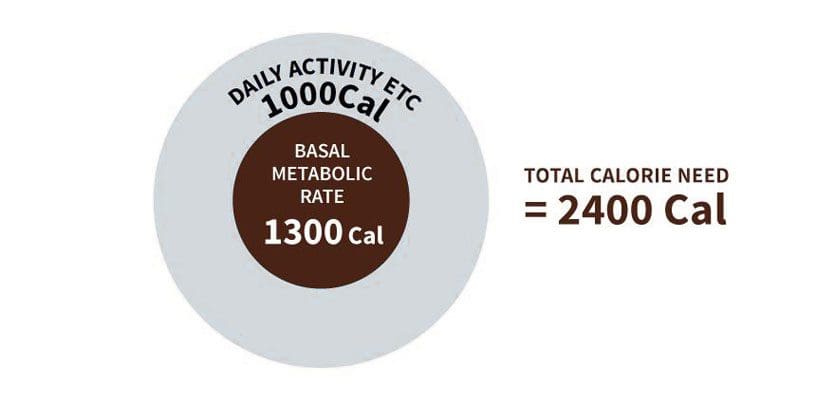
Lean Body Mass is closely related to the total number of calories the body needs every day.
The Lean Body Massforms the core of the body's metabolism, and this number can be used to help determine unique dietary needs.
No more basing nutrition off the 2,000-calorie diet. This is a poor one-size-fits-all approach to food intake.
�
Skeletal Muscle Mass Guide
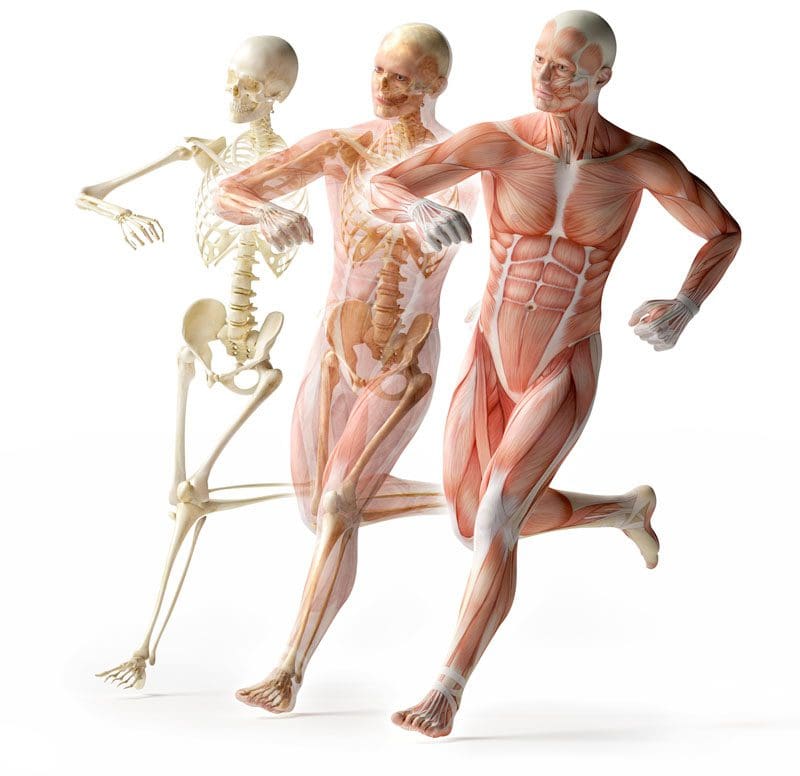
Skeletal muscle is one of four major muscle typesand governs all the movements that are consciously controlled. Everything from texting to deadlifting a barbell.
It is the muscle group that grows/builds when exercising.
Increased Skeletal Muscle Mass translates into increased strength.
When trying to build up the body and grow in size, this is the value to track and watch increase over time.
�
However, muscle is not just for strength.
Muscle is made up primarily of protein and can act as protein storage.
When the body is under severe stress like a traumatic injury, the recovery process is triggered and needs added protein, up to four times the amount.
When the body is not able to get the proper amount of protein from a normal diet, the body begins to get what it needs from the protein storage/muscles.
�
Basal Metabolic Rate/BMR
The Basal Metabolic Rate, or BMR, is the number of calories that the body needs to maintain Lean Body Mass. It is a significant component of overall metabolism.
An individual with more Lean Body Mass will have a higher Basal Metabolic Rate.
This is the reason why a 250-pound athlete needs to eat more than a 150-pound sedentary adult. Because the athlete has more Lean Body Mass.
�
BMR can help make a healthy diet plan designed for fat loss or muscle gain by helping understand how much energy/calories from food the body needs.
Using the TDEE as a baseline an individual can develop a nutritional plan based on body composition goals.
�
Body Water Guide
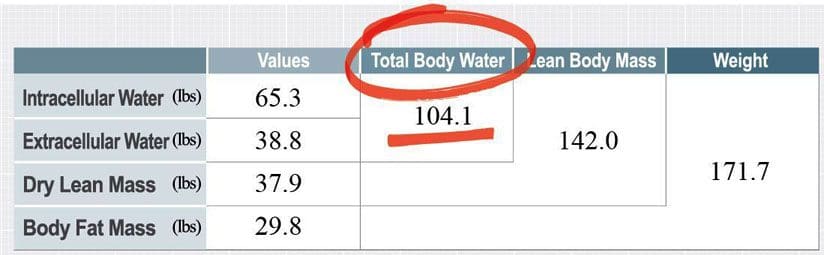
Body Water includes all the water in the body. This means everything from:
The water in the blood
Water in the organs
The water inside the bones
Body water can be subdivided into two types:
Intracellular
Extracellular
Intracellular means inside the cells and includes the water in the organs, muscles, composing 2/3 of total body water.
The remaining 1/3 is extracellular outside the cells and includes the water in the blood.
�
Takeaway
When the body is generally healthy it maintains a healthy balance of intracellular to extracellular water with a ratio of around 3:2.
When the balance becomes unbalanced or falls apart water monitoring becomes important.
For example, individuals with severe health problems, like kidney ailments/failure, are unable to rid the body of extracellular water. This causes a buildup of water and requires removal through procedures like dialysis.
�
Dry Lean Mass
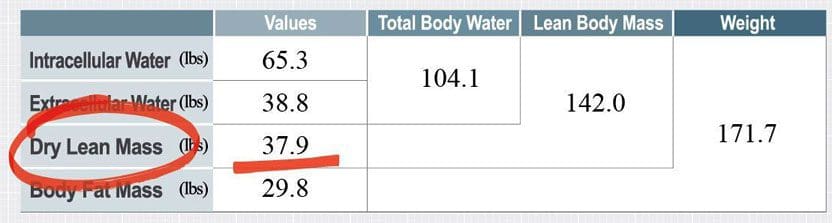
Lean Body Mass includes everything that�s not body fat and includes body water.
When all the water has been taken out what remains is known as Dry Lean Mass.
�
Lean Body Mass - Body Water = Dry Lean Mass
This amounts to the protein content of the muscles and the mineral content of the bones.
Most Dry Lean Mass will be found in these areas.
�
Takeaway
Water monitoring can help track real, physical changes in the body.
Lean Body Mass contains body water, and body water levels can be influenced by different factors like a recent workout or being low on carbohydrates.
Changes in body water are considered technical changes in Lean Body Mass.
When building muscle, the body is actually building new physical protein stores and reflects in Dry Lean Mass.
An increase in Lean Body Mass can signal muscle growth, or not.
However, an increase in Dry Lean Mass is a more favorable indicator that there is muscle growth.
�
Visceral Fat
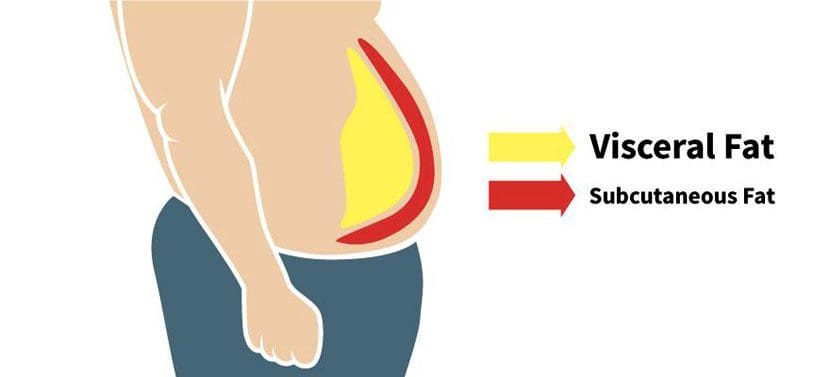
Two major categories of body fat.
Subcutaneous fat is the fat under the skin and is the type that can be seen.
The second type is called visceral fat.
This fat collects inside the abdomen and wraps around the internal organs.
�
Takeaway
Just because it cannot be seen does not mean it is not there.
If it is there it is something definitely worth knowing about.
This is because visceral fat is not just extra pounds but an active organ that secretes harmful hormones into the body that triggers never-ending inflammation.
The more visceral fat, the greater risk of inflammation.
Inflammation over time places added stress on the heart that can lead to cardiovascular problems.
�
Get Tested Today
Hopefully, this guide has clarified some of the common body composition terminology. This is a basic overview designed to provide essential information about body composition and how it applies. A general understanding can help in making healthy lifestyle choices, like deciding to lose weight or dietary adjustments.
Body Health
Dr. Alex Jimenez�s Blog Post Disclaimer
The scope of our information is limited to chiropractic, musculoskeletal, physical medicines, wellness, and sensitive health issues and/or functional medicine articles, topics, and discussions. We use functional health & wellness protocols to treat and support care for injuries or disorders of the musculoskeletal system. Our posts, topics, subjects, and insights cover clinical matters, issues, and topics that relate and support directly or indirectly our clinical scope of practice.*
Our office has made a reasonable attempt to provide supportive citations and has identified the relevant research study or studies supporting our posts. We also make copies of supporting research studies available to the board and or the public upon request. We understand that we cover matters that require an additional explanation as to how it may assist in a particular care plan or treatment protocol; therefore, to further discuss the subject matter above, please feel free to ask Dr. Alex Jimenez or contact us at 915-850-0900. The provider(s) Licensed in Texas& New Mexico*
References
Westerterp, Klaas R. �Exercise, energy balance, and body composition.� European journal of clinical nutrition�vol. 72,9 (2018): 1246-1250. doi:10.1038/s41430-018-0180-4
Borga, Magnus et al. �Advanced body composition assessment: from body mass index to body composition profiling.��Journal of investigative medicine: the official publication of the American Federation for Clinical Research�vol. 66,5 (2018): 1-9. doi:10.1136/jim-2018-000722
Making small adjustments to achieve a healthy lifestyle is not as difficult/complex as some may think. Here are some golden nutritional recommendations for longevity, and a healthy lifestyle. Understanding these golden suggestions is a first step towards developing and maintaining sustainable changes. Our health coach and nutritionist can develop an optimal customized nutritional program that is focused on teaching individuals how to promote lifelong transformations and become more connected with mind and body.
Vitamins
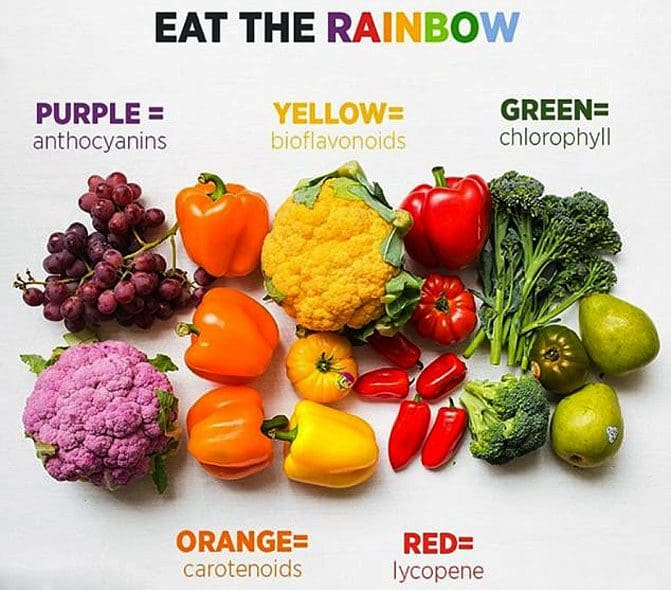
Consume plenty of fruits and vegetables at least six+ portions every day to ensure the body absorbs essential micronutrients, vitamins, minerals, phytochemicals, and fiber. A golden recommendation is to count the fruit and vegetable colors instead of calories. Eating the food rainbow is an ideal way to get a variety of vitamins.
Red foods
These foods contain phytochemicals and help reduce the risk of diabetes and heart disease. These include:
Tomatoes
Red peppers
Red onions
Strawberries
Cherries
Watermelon
Orange and yellow foods
These are packed with Vitamin A and Vitamin C to promote healthy skin and vision.
Pumpkin
Sweet potatoes
Carrots
Lemons
Are all ways to obtain orange and yellow nutrients.
Green foods
These are high in Vitamin K, antioxidants, and folates highly beneficial to bone health. These include:
Kale
Broccoli
Peas
Kiwi
Green grapes
Brussels sprouts
Blue and purple foods
These contain antioxidants that help with heart disease and protect the body's cells. Included are:
Added sugars and refined flour have none of the essential fiber and micronutrients the body needs to feel full. Whole grains are fiber-rich. This helps increase feeling full and satisfied, which helps block sugar cravings. Go for whole wheat flour instead of refined flour. Limit sugar intake by using the natural sweetness of fruits. Add fruits to meals to increase the sweetness if necessary.
Plenty of Water
Drinking half of an individual's body weight is essential each day. 10-12 ounces of water before a meal will help increase full satisfaction and make an individual more aware of the body�s hunger cues. Golden suggestion, use a reusable water bottle can help keep track of water intake throughout the day.
12/12 Meal Schedule
Schedule the three main meals within a 12-hour window to avoid snacking throughout the day. The body needs to rest, digest, and reset between meals and overnight.
Stop Eating 3 Hours Before Sleeping
The body's metabolism starts to slow down around 7-8 p.m. Research shows this timeframe falls in line when the body starts to tire and wind down. Allow the body to rejuvenate cells instead of wasting energy on digesting calories that don't get burned for energy while sleeping.
Daily Physical Activity
Daily exercise contributes to overall health and longevity. Regular exercise can help in the treatment of chronic illnesses and the prevention of cardiovascular diseases. Every day try to complete 50-60 minutes of low-impact physical activity, and 15-20 minutes of moderate-high intensity cardio. Each week make two of the 20-minute workouts to strength training.
After Workout Snacks
Recovery snacks 15-minutes after a workout will help keep cravings down. These include a healthy carbohydrate, lean protein, and healthy fat. 1-2 hours after a workout have the next balanced meal.
No Devices With Meals
Electronic devices distract from the body's natural hunger cues. Screens should be put away during meals to pay attention to the food and proper consumption. Watching TV or scrolling through social media has been shown to increase calorie intake.
Plenty of Sleep
Sleep deprivation alters the body's hormones that control/regulate hunger cues. When the body loses sleep, the body begins to crave more food more often. Even after the body has had the necessary nutrients. A golden recommendation is to develop a relaxing nighttime routine that will enhance the length and quality of sleep. The goal is for 8-10 hours of sleep a night.
Stress Reduction
Incorporate stress-reducing activities into a regular routine. Constant stress on the body can contribute to cardiovascular disease. Activities help take the mind off thoughts, memories, and events that cause stress and worry. These include:
The scope of our information is limited to chiropractic, musculoskeletal, physical medicines, wellness, and sensitive health issues and/or functional medicine articles, topics, and discussions. We use functional health & wellness protocols to treat and support care for injuries or disorders of the musculoskeletal system. Our posts, topics, subjects, and insights cover clinical matters, issues, and topics that relate and support directly or indirectly our clinical scope of practice.*
Our office has made a reasonable attempt to provide supportive citations and has identified the relevant research study or studies supporting our posts. We also make copies of supporting research studies available to the board and or the public upon request. We understand that we cover matters that require an additional explanation as to how it may assist in a particular care plan or treatment protocol; therefore, to further discuss the subject matter above, please feel free to ask Dr. Alex Jimenez or contact us at 915-850-0900. The provider(s) Licensed in Texas& New Mexico*
References
Braude L, Stevenson RJ. Watching television while eating increases energy intake. Examining the mechanisms in female participants. Appetite. 2014;76:9-16. doi:10.1016/j.appet.2014.01.005
Dimsdale JE. Psychological stress and cardiovascular disease. J Am Coll Cardiol. 2008;51(13):1237-1246. doi:10.1016/j.jacc.2007.12.024
Eckel-Mahan K, Sassone-Corsi P. Metabolism, and the circadian clock converge. Physiol Rev. 2013;93(1):107-135. doi:10.1152/physrev.00016.2012
Vina J, Sanchis-Gomar F, Martinez-Bello V, Gomez-Cabrera MC. Exercise acts as a drug; the pharmacological benefits of exercise. Br J Pharmacol. 2012;167(1):1-12. doi:10.1111/j.1476-5381.2012.01970.x
High-intensity interval training or bodybuilding? Getting to the gym, choosing a strength-training method, and figuring out which method is right for you can be frustrating and confusing. With all of the options available, there�s just no easy way to figure out which training regimen is right.
Here are two of the most popular training methods broken down. The principles behind each training method and how they influence body composition. The journey to getting healthy goes a lot smoother when knowing which training program will help reach optimal fitness goals.
Not all training programs are the same
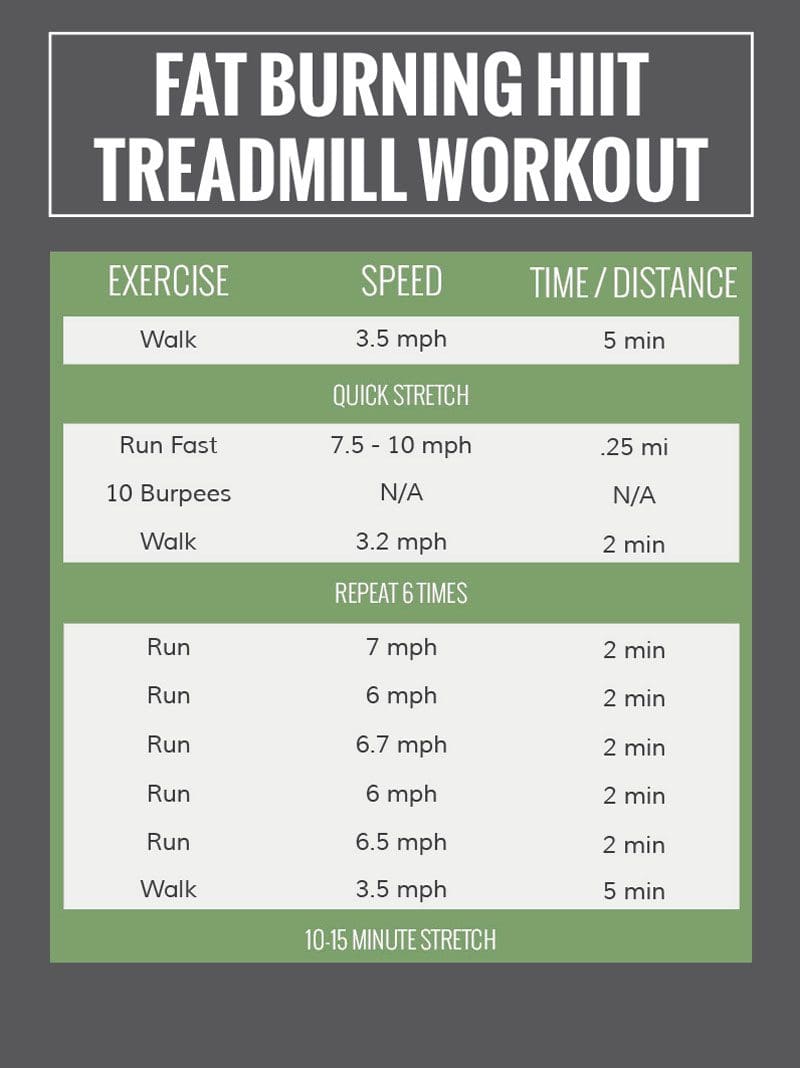
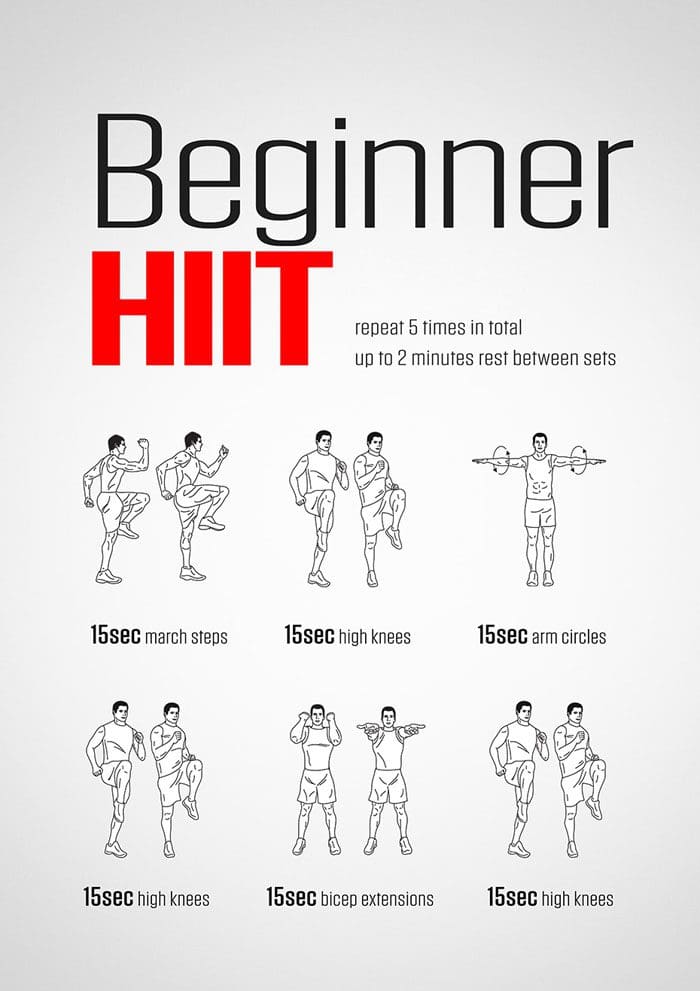
Bodybuilding is about physical appearance. This means big muscles and low body fat which is accomplished by heavyweight training workouts. High-Intensity Interval Training/HIIT workouts focus on performing high-intensity exercises in large volume repetitions quickly to raise an individual's heart rate, cycling between high intensity and rest. This is accomplished by using:
Light weights
Bodyweight
Cardio exercises
It�s important to understand that different training methods will affect body composition differently. Body composition is about painting an accurate picture of what�s going on in the body. The key is to break down:
What each training program looks like
What it does
How to choose the program that�s best for the individual
Gaining Lean Body Mass
Losing Fat Mass
Bodybuilding
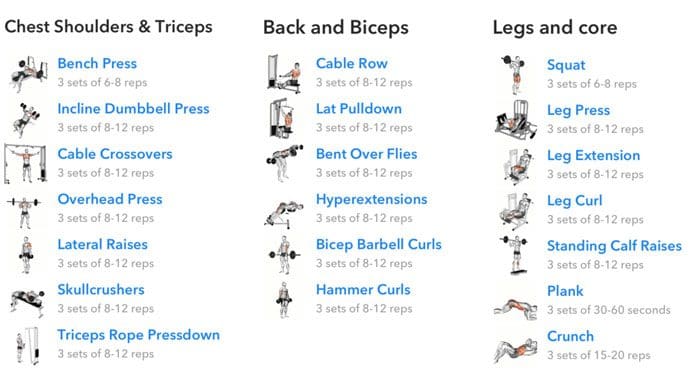
Bodybuilding at its core is about gaining muscle while minimizing body fat. Minimizing fat is a key to building a muscular-defined physique, and requires a detailed focus on protein and calorie intake. It is the emphasis on aesthetically increasing muscle size and reducing body fat. Bodybuilders focus on higher reps and lighter-weight workouts. This encourages muscle hypertrophy. Other factors in bodybuilding are:
Adequate cardio
Consistent protein intake
Calorie restrictions
These are important aspects of this type of regimen and building visually impressive musculature.
This impressive musculature is not only for looks, as it can help with fat loss as well. This is because resistance training/weight training can burn a lot of calories and lose a substantial amount of fat. A study by the Department of Exercise Science showed that 10 weeks of resistance training can reduce fat weight by 1.8kg and increase resting metabolic rate by 7%.
Body Composition
For the average person, if the focus is on building visible muscle while keeping a low body fat percentage, bodybuilding is a great choice. Ideal body composition focuses on keeping fat content to a minimum without compromise.
High-Intensity Interval Training/HIIT
Modern training programs like CrossFit utilize HIIT-style workouts. HIIT burns calories through workouts that significantly increase heart rate. The exercises are short, loaded with mini-breaks in between high-intensity sets designed to test cardio. The focus is on high repetitions. However, HIIT workouts are so intense that professional trainers recommend individuals only train 2-3 times a week, to avoid overstressing the body. There are bodybuilding exercises included like:
However, they are done with different goals in mind. The priority of a HIIT workout is to reduce fat, improve cardio, and developing some muscle.
Body Composition
Scientists from Ohio State University observed more than 40 subjects at all levels of cardio fitness. Over the next 10 weeks, the subjects completed a variety of HIIT workouts. The scientists realized that the individuals were developing a more capable cardio system, and their body fat percentages were dropping significantly.
If the goal is to get stronger and lose weight, then bodybuilding is the best option.
If the goal is to have stronger cardio and lose serious weight then HIIT workouts are the best option.
No matter what training program is chosen. Remember that achieving a healthy body composition that the individual feels comfortable with is the most important thing. Making positive changes and achieving optimal health is the objective. Both workout strategies can be incorporated into a regular strength training regimen. Both training methods can be challenging, but the health benefits are absolutely worth it. Contact us today to help figure out which training regimen will achieve optimal health.
InBody
Dr. Alex Jimenez�s Blog Post Disclaimer
The scope of our information is limited to chiropractic, musculoskeletal, physical medicines, wellness, and sensitive health issues and/or functional medicine articles, topics, and discussions. We use functional health & wellness protocols to treat and support care for injuries or disorders of the musculoskeletal system. Our posts, topics, subjects, and insights cover clinical matters, issues, and topics that relate and support directly or indirectly our clinical scope of practice.*
Our office has made a reasonable attempt to provide supportive citations and has identified the relevant research study or studies supporting our posts. We also make copies of supporting research studies available to the board and or the public upon request. We understand that we cover matters that require an additional explanation as to how it may assist in a particular care plan or treatment protocol; therefore, to further discuss the subject matter above, please feel free to ask Dr. Alex Jimenez or contact us at 915-850-0900. The provider(s) Licensed in Texas& New Mexico*
References
Ross, Leanna M et al. �High-intensity interval training (HIIT) for patients with chronic diseases.��Journal of sport and health science�vol. 5,2 (2016): 139-144. doi:10.1016/j.jshs.2016.04.005
Westcott, Wayne L. �Resistance training is medicine: effects of strength training on health.��Current sports medicine reports�vol. 11,4 (2012): 209-16. doi:10.1249/JSR.0b013e31825dabb8
IFM's Find A Practitioner tool is the largest referral network in Functional Medicine, created to help patients locate Functional Medicine practitioners anywhere in the world. IFM Certified Practitioners are listed first in the search results, given their extensive education in Functional Medicine