Can individuals incorporate ways to increase their vitamin C levels to boost their immune system against cold and flu season?
Introduction
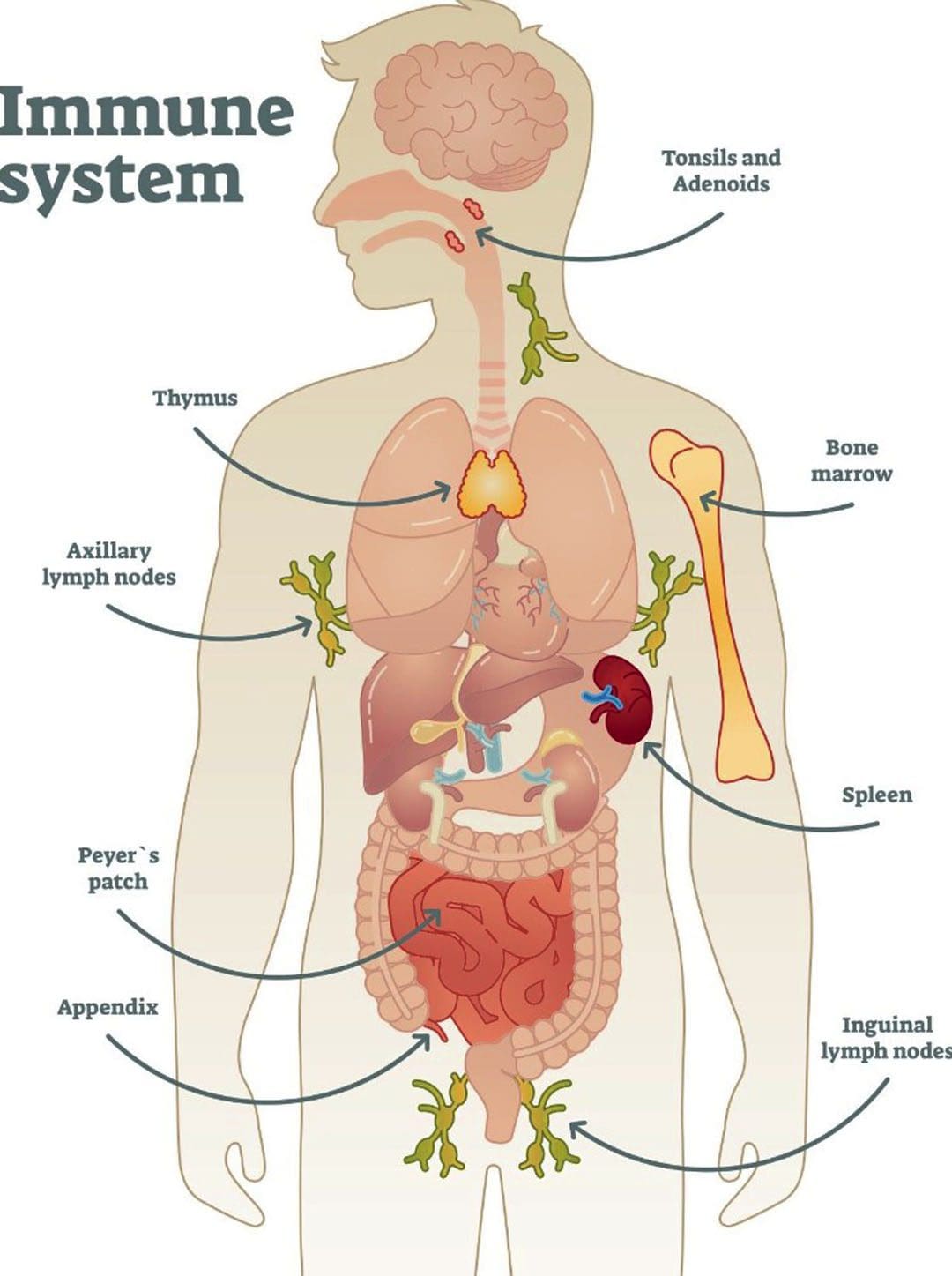
When it comes to the cold and flu season, the weather gets colder, and the immune system will flare up as numerous pathogens enter the body. Many individuals will begin to notice their bodies aching and deal with congestion and upper respiratory symptoms. This is due to viral infections that compromise the immune system and cause individuals to be sick. However, numerous ways exist to combat cold and flu season while boosting their immune system by increasing their vitamin C levels. Today’s article looks at how the immune system and pain correlate, how healthy nutrition relates to the immune system, and how people can naturally increase their vitamin C levels to fight cold and flu season. We talk with certified associated medical providers who inform our patients about how the immune system can be impacted by various pathogens that cause overlapping risk profiles associated with pain. While asking their associated medical provider intricate questions, we advise patients to incorporate ways to increase their vitamin C intake to boost the immune system and prevent cold and flu season from impacting the body. Dr. Alex Jimenez, D.C., includes this information as an academic service. Disclaimer.
The Immune System & Pain
How often do you feel so congested that your head is filled with cotton? Do you feel general aches and pains in your muscles that cause you to feel discomfort? Or have you noticed that your energy is lower than usual and is stressing you out? More often than not, many people who have dealt with these situations have often correlated with their immune systems. The immune system has a large network in the body that helps protect the individual from germs, heal the body from any infections and injuries, and develop antibodies to fight off pathogens. Sometimes, when the immune system becomes weak, it can lead to the development of autoimmune. This is because when pathogens compromise the immune system, they can adapt their response to modulate oxidative stress and trigger inflammation by enhancing the protein secretion towards the intra- and extra-cellular pathogens to enhance infections. (Iddir et al., 2020)
Additionally, when the immune system is compromised, it can cause the immune system to overproduce inflammatory cytokines and attack healthy cellular activities, leading to the development of autoimmune conditions and symptoms of musculoskeletal pain. When individuals with weak immune systems are dealing with musculoskeletal pain, some of the biomarkers that can contribute to its development include environmental factors (smoking, physical inactivity, obesity, etc.), chronic inflammation, and vitamin deficiency that can cause individuals to be in constant pain and discomfort. (Djade et al., 2022) Hence, boosting vitamin levels can benefit the immune system and body.
Optimizing Your Wellness- Video
Nutrition & The Immune System Connection
When boosting the immune system, many individuals can start slowly by changing their nutritional intake. As one of the strongest and adjustable environmental factors, having a proper dietary mindset can help many people reduce the burdens of chronic issues from reappearing. (Kiani et al., 2022) This is due to people who want to make small changes in their daily routine, who can start by eating nutritional foods that can help boost their immune system and bodies. This is because a bidirectional relationship between the duet and the immune system can be utilized in multiple approaches. (Venter et al., 2020) One of the best ways many individuals can improve their immune system during cold and flu season is by increasing and boosting their vitamin C levels.
How Vitamin C Can Help With Cold/Flu
Boosting vitamin C levels is an excellent way to help jumpstart the immune system. Vitamin C is hugely important in normal immune system functioning and has been used to prevent or treat viral infections. (Cerullo et al., 2020) This is because people can’t produce vitamin C naturally, so it has to be consumed for the body to maintain healthy vitamin levels. Additionally, vitamin C is a plant-based ingredient that promotes healing and provides immune-boosting properties that augment the chemotaxis and phagocytosis in the body while generating free radicals in the immune cells. (Gasmi et al., 2023) Another great thing about vitamin C is that it can be combined with vitamin D to reduce the load of the cytokine storm in the body and the viral load of the cold and flu. (Ish et al., 2020)
Ways To Increase Vitamin C Levels
There are ways to increase vitamin C levels in the body, which can benefit people who want to reduce the chances of cold and flu season impacting their routine.
Reduce sugar intake: Reduce excessive sugar intake by following a nutritional plan from a healthcare professional, which is customizable to the individual.
Incorporating Vitamin C: Many people can load up on high-quality Vitamin C containing bioflavonoids that can help decrease pro-inflammatory cytokines in the body. (Ramon et al., 2023)
Vitamin C-rich foods: Adding whole foods of Vitamin C like bell peppers, broccoli, citrus, and green leafy veggies can help boost vitamin C levels
Intermittent Fasting: Combining Vitamin C-infused lemon water with intermittent fasting can help the body boost immunity and improve blood sugar regulation.
Glutathione Boost: Incorporating vitamin C with glutathione can help recycle vitamin C into the body, boosting vitamin and supplement levels.
Incorporating these ways to boost vitamin C levels in the immune system can provide beneficial results during the cold and flu season while improving a person’s health and wellness journey.
References
Cerullo, G., Negro, M., Parimbelli, M., Pecoraro, M., Perna, S., Liguori, G., Rondanelli, M., Cena, H., & D’Antona, G. (2020). The Long History of Vitamin C: From Prevention of the Common Cold to Potential Aid in the Treatment of COVID-19. Front Immunol, 11, 574029. https://doi.org/10.3389/fimmu.2020.574029
Djade, C. D., Diorio, C., Laurin, D., & Dionne, C. E. (2022). An exploratory identification of biological markers of chronic musculoskeletal pain in the low back, neck, and shoulders. PLOS ONE, 17(4), e0266999. https://doi.org/10.1371/journal.pone.0266999
Gasmi, A., Shanaida, M., Oleshchuk, O., Semenova, Y., Mujawdiya, P. K., Ivankiv, Y., Pokryshko, O., Noor, S., Piscopo, S., Adamiv, S., & Bjorklund, G. (2023). Natural Ingredients to Improve Immunity. Pharmaceuticals (Basel), 16(4). https://doi.org/10.3390/ph16040528
Iddir, M., Brito, A., Dingeo, G., Fernandez Del Campo, S. S., Samouda, H., La Frano, M. R., & Bohn, T. (2020). Strengthening the Immune System and Reducing Inflammation and Oxidative Stress through Diet and Nutrition: Considerations during the COVID-19 Crisis. Nutrients, 12(6). https://doi.org/10.3390/nu12061562
Kiani, A. K., Dhuli, K., Donato, K., Aquilanti, B., Velluti, V., Matera, G., Iaconelli, A., Connelly, S. T., Bellinato, F., Gisondi, P., & Bertelli, M. (2022). Main nutritional deficiencies. J Prev Med Hyg, 63(2 Suppl 3), E93-E101. https://doi.org/10.15167/2421-4248/jpmh2022.63.2S3.2752
Ramon, R., Holguin, E., Chiriboga, J. D., Rubio, N., Ballesteros, C., & Ezechieli, M. (2023). Anti-Inflammatory Effect of Vitamin C during the Postoperative Period in Patients Subjected to Total Knee Arthroplasty: A Randomized Controlled Trial. J Pers Med, 13(9). https://doi.org/10.3390/jpm13091299
Venter, C., Eyerich, S., Sarin, T., & Klatt, K. C. (2020). Nutrition and the Immune System: A Complicated Tango. Nutrients, 12(3). https://doi.org/10.3390/nu12030818
Can correcting body misalignments and the elements of unhealthy posture help achieve a healthy posture?
Healthy Posture
Maintaining a healthy posture is more important than ever, as individuals from all walks of life realize how practicing awkward and unhealthy postures can wreak havoc on their bodies and quality of life. Unhealthy postures include rounding the upper and lower back, slouching, and forward head posture. Over time, these postures make daily activities more difficult or painful. Mobility, stability, and strengthening exercises can address unhealthy posture problems and issues, along with practicing correct sitting, standing, and resting postural habits to reinforce proper alignment daily. A chiropractic and physical therapy team can treat and train individuals to restore correct and healthy posture.
Body Alignment
Ideal posture involves correct body alignment or how the structural parts, such as the head, trunk, hips, knees, etc., relate to an individual’s form. Whether standing, sitting, lying down, or moving, body parts need to be balanced in relationship to each other to avoid unnecessary stress on the spine and musculoskeletal system. (Bone Health & Osteoporosis Foundation, 2024)
Posture Types
Posture is considered static when sitting or standing still and dynamic when moving. Both are categorized as active postures as they require the activation of stabilizing muscles to deal with gravity and maintain alignment. Lying down and remaining still is considered an inactive posture, as muscle involvement is minimal. However, both have the potential to be healthy or unhealthy.
Proper Body Alignment
An easy way to check proper alignment while standing is to stand against a wall with the base of the head, shoulder blades, and buttocks flush against the wall, with enough space for a hand wide enough to slide in between the wall and the small of the back. This exercise correctly lines up the head, shoulders, and hips to reduce or eliminate undue stress on the spine. Body balance is the foundation for active and inactive postures concerning workstations, industrial ergonomics, daily activities, and sports. (Mayo Clinic, 2023) Healthy alignment is a standard position in which all body joints are centered and balanced and the most mechanically efficient position for static or dynamic activities. Biomechanical efficiency (the ability to use the body’s muscles and joints to perform movements while minimizing energy use and maximizing output) enables the muscles surrounding the joints to work in balance and efficiently activate, which, in turn, helps reduce strain, tension, and injury. Balanced muscles also conserve energy, leading to better daily stamina.
Development of Imbalances
Individuals develop position and movement habits in joint positioning that have led to imbalanced muscles. When this is the case, some muscles can be chronically stretched, and others become chronically tight, all to hold the body up or move around, which can lead to postural conditions like upper crossed (Physiopedia, 2024) or lower crossed syndrome (Physiopedia, 2024) which often leads to pain and/or mobility issues.
Posture Assessment
The recommended way to determine if one’s posture is healthy or poor is by conducting a posture assessment. The examination looks at joint positions and gathers visual information about the planes into which parts of each joint move and the axes around which those movements occur (Singla D. and Veqar Z., 2014) (Debra Coglianese et al., 2006). In a posture assessment, body alignment is compared with the ideal standard, a plumb line, usually a string with a small weight attached to the bottom to help maintain straightness. The other end of the string is affixed to the ceiling to be used as an accurate reference for correct alignment. (Singla D. and Veqar Z. 2014) During a posture assessment, the patient stands next to the plumb line while the doctor or therapist compares the relative positions of the following areas:
Ears
Shoulder joint
Spine
Hip joint
Knee joint
Ankle joint
Feet
Any areas that don’t match the reference can indicate misalignments in one or several regions.
Making Corrections
Chiropractic care can help correct unhealthy posture by realigning the spine and strengthening the musculoskeletal system:
Spinal Adjustments
Chiropractors use their hands or instruments to apply controlled force to the spine to realign the vertebrae. This can help relieve pressure on muscles, ligaments, and nerves, which can improve posture.
Corrective Exercises
Chiropractors can create custom exercises to strengthen postural muscles and maintain proper alignment.
Massage Therapy
Chiropractors can use massage therapy to work on strained ligaments and soft tissue.
Guidance and Training
Chiropractors can teach patients how to move to encourage a neutral spine and provide strategies for maintaining healthy posture.
A posture corrector or brace can also help teach and engage the correct muscles to achieve proper alignment. However, it should not be relied on long-term because promoting and activating one’s stabilizing muscles is important rather than relying on a brace for prolonged periods.
Injury Medical Chiropractic and Functional Medicine Clinic
Achieving and maintaining proper posture requires consistent work and development. Retraining the body and maintaining its optimal health requires daily efforts through exercise, conscious position corrections, and ergonomics. Injury Medical Chiropractic and Functional Medicine Clinic works with primary healthcare providers and specialists to develop an optimal health and wellness solution. We focus on what works for you to relieve pain, restore function, and prevent injury. Regarding musculoskeletal pain, specialists like chiropractors, acupuncturists, and massage therapists can help mitigate the pain through spinal adjustments that help the body realign itself. They can also work with other medical professionals to integrate a treatment plan to resolve musculoskeletal issues.
Upper Cross Syndrome
References
Bone Health & Osteoporosis Foundation. (2024). Proper body alignment. https://www.bonehealthandosteoporosis.org/patients/treatment/exercisesafe-movement/proper-body-alignment/
Mayo Clinic. (2023). Mayo Clinic Q and A: Proper posture and body alignment. https://newsnetwork.mayoclinic.org/discussion/mayo-clinic-q-and-a-proper-posture-and-body-alignment/
Singla, D., & Veqar, Z. (2014). Methods of postural assessment used for sports persons. Journal of clinical and diagnostic research: JCDR, 8(4), LE01–LE4. https://doi.org/10.7860/JCDR/2014/6836.4266
Coglianese, D. (2006). Muscles: Testing and Function With Posture and Pain, ed 5 (with Primal Anatomy CD-ROM). Physical Therapy, 86(2), 304-305. https://doi.org/https://doi.org/10.1093/ptj/86.2.304
Can beginner workouts help individuals who want to improve their health by helping them lose weight and improve their quality of life?
Beginner Workouts
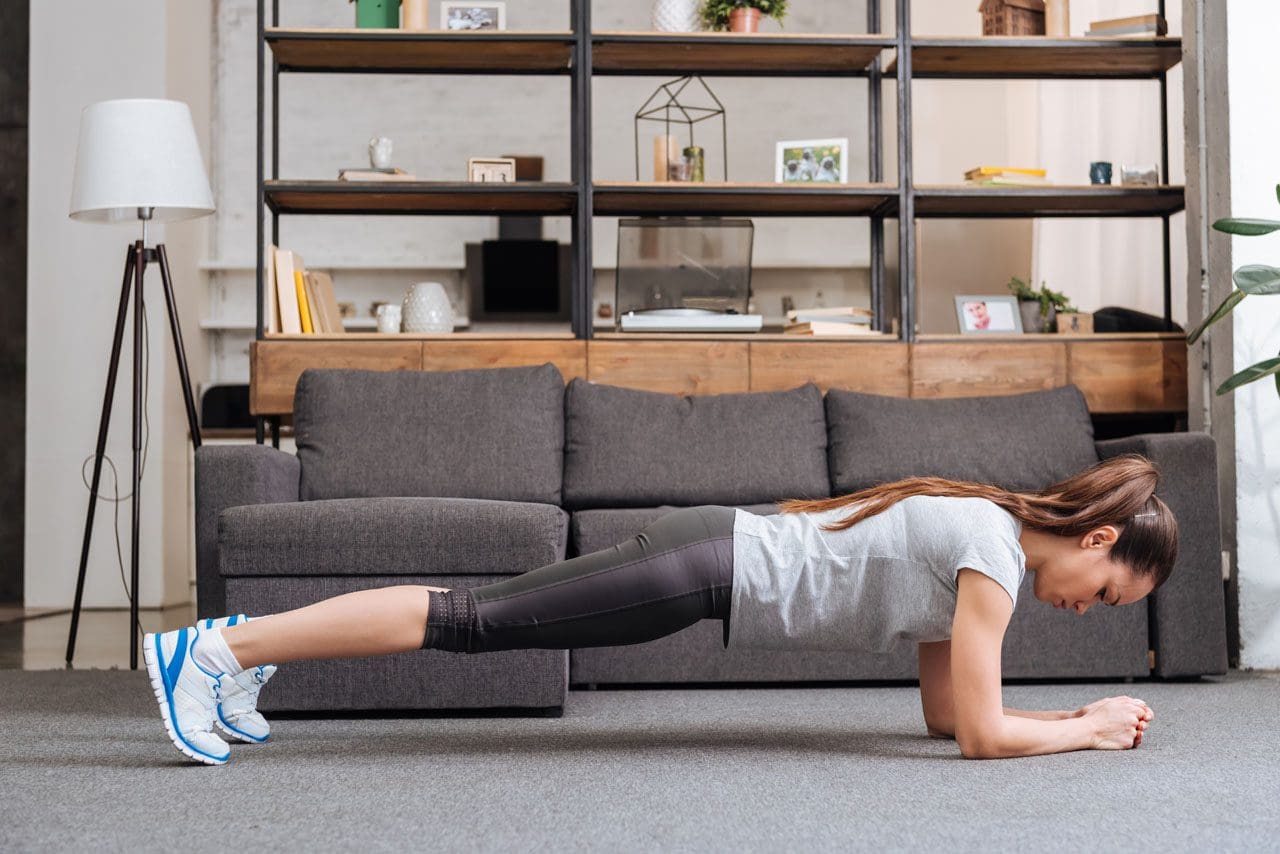
Individuals new to exercise do not need to go through intense workout sessions to gain the benefits of physical activity. Basic exercises and beginner workouts that can be done at home or outdoors, whichever is better or more convenient, are recommended when starting a fitness regimen to lose weight and improve overall health.
Health Benefits
Basic exercise sessions are the building blocks of a fitness program. They encourage habits that lead to significant weight loss and lifelong weight management skills. Here are a few workouts considered easy because they don’t require gym equipment, their intensity can be adjusted to match an individual’s physical activity level, and some can be done from a chair or bed for those who have trouble standing for long periods. Exercising offers immediate benefits, including increasing brain health and improving mood and long-term effects like decreased disease risk. (Centers for Disease Control and Prevention, 2024)
Easy Exercises
For individuals who are completely new to exercise, low-intensity activity sessions can help burn more calories so long as they don’t compensate for the hunger that the physical activity creates by eating more. Combining diet with exercise is essential if weight loss is the goal. This can involve learning to eat lean protein, fruit, and vegetables and watching portion sizes. Studies of low-intensity exercise show the body burns fat when performing basic exercise and physical activities. (Lee D. et al., 2021) Another study looked at the effect of beginner workouts on cortisol levels. Cortisol is a hormone associated with abdominal weight gain when levels stay elevated for long periods. The study found that low-intensity exercise decreased circulating cortisol levels. (Gerber M. et al., 2020) Beginner exercises to lose weight also help individuals (Vina J. et al., 2012)
Increase self-confidence
Decrease stress levels
Improve sleep
Establish healthy habits
Burn calories to stimulate weight loss and sustain weight management.
Develop strong muscles
Basic exercise remains a core component of fitness programs for many. This includes individuals with type 2 diabetes, metabolic syndrome, and cardiovascular disease. (Apostolopoulos V. et al., 2014)
Easy Workouts
Types of beginner workouts include:
Bodyweight training
Chair workouts
Dancing workouts
Online workouts
Shadowboxing
Stairclimbing
Aqua jogging
Biking
Walking
Gardening and yard work
At-Home
Set short-term goals to complete three workouts during the first week, then gradually add workout days until you can perform some form of physical activity on most days. The type of exercise chosen is less important than the consistency of the program.
Bodyweight Training
No special gym equipment is needed to burn calories and build stronger muscles.
Take 10 to 15 minutes for five incline push-ups against a surface that allows the body to be at an incline, such as a countertop, bathroom sink, etc.
Five chair squats
Five walking lunges or stationary lunges, holding on to a countertop for support.
Repeat the sequence two to three times.
Chair Workout
Individuals who are uncomfortable standing for long periods use a sturdy chair and complete 10 to 15 minutes of movement with a seated workout several times weekly.
Dancing
Put on music and dance for 15 to 30 minutes.
No choreography is necessary.
The important thing is to move to the music.
Online Workouts
Many online workouts are free, and most offer easy workouts for beginners.
Shadowboxing
Shadowboxing is easy, with no equipment required, and it helps to decrease stress.
Stairclimbing
Take 10 minutes to walk up and down a flight of steps.
Those who don’t have a staircase available can use a step or platform.
Outdoors
Exercising outside provides extra perks. There are stress-relieving benefits to breathing fresh air and enjoying the outdoors.
Aqua Jogging
Try pool running or aqua jogging for those with joint pain when walking for long periods.
Floatation devices keep the upper body afloat.
Once in the water, walk without letting your feet touch the bottom of the pool.
If no floatation device is available, individuals can walk in the water with their feet on the pool floor.
Biking
Take a leisurely spin around the neighborhood
Ride on a continuous path or track requiring 20 to 30 minutes of pedaling.
Walking
A 30-minute walk workout can be counted as daily exercise.
Walk slowly for five minutes.
Pick up the pace for 20 minutes
Cool down and walk slowly for five minutes.
Gardening or Yard Work
Spending time in the garden or yard is a great way to work muscles and burn calories.
Digging, weeding, raking, and mowing are all recommended activities that count as exercise for beginners.
Injury Medical Chiropractic and Functional Medicine Clinic
Remember, as a beginner, the point is to get the body moving, establish a workout routine, and gradually build confidence to increase exercise enjoyment and health benefits. Workouts for beginners, especially those who still need to maintain an exercise program, are designed to develop life-long habits of well-being. At Injury Medical Chiropractic and Functional Medicine Clinic, we focus on what works for you and strive to develop fitness and better the body through research methods and total wellness programs. These natural programs use the body’s ability to achieve improvement goals, and athletes can condition themselves to excel in their sport through proper fitness and nutrition. Our providers use an integrated approach to create personalized programs, often including Functional Medicine, Acupuncture, Electro-Acupuncture, and Sports Medicine principles.
Exercise Prescription
References
Centers for Disease Control and Prevention. (2024). Benefits of Physical Activity. Retrieved from https://www.cdc.gov/physical-activity-basics/benefits/?CDC_AAref_Val=https://www.cdc.gov/physicalactivity/basics/pa-health/index.htm
Lee, D., Son, J. Y., Ju, H. M., Won, J. H., Park, S. B., & Yang, W. H. (2021). Effects of Individualized Low-Intensity Exercise and Its Duration on Recovery Ability in Adults. Healthcare (Basel, Switzerland), 9(3), 249. https://doi.org/10.3390/healthcare9030249
Gerber, M., Imboden, C., Beck, J., Brand, S., Colledge, F., Eckert, A., Holsboer-Trachsler, E., Pühse, U., & Hatzinger, M. (2020). Effects of Aerobic Exercise on Cortisol Stress Reactivity in Response to the Trier Social Stress Test in Inpatients with Major Depressive Disorders: A Randomized Controlled Trial. Journal of clinical medicine, 9(5), 1419. https://doi.org/10.3390/jcm9051419
Vina, J., Sanchis-Gomar, F., Martinez-Bello, V., & Gomez-Cabrera, M. C. (2012). Exercise acts as a drug; the pharmacological benefits of exercise. British journal of pharmacology, 167(1), 1–12. https://doi.org/10.1111/j.1476-5381.2012.01970.x
Apostolopoulos, V., Borkoles, E., Polman, R., & Stojanovska, L. (2014). Physical and immunological aspects of exercise in chronic diseases. Immunotherapy, 6(10), 1145–1157. https://doi.org/10.2217/imt.14.76
Can individuals maintain proper hydration levels in their bodies to prevent spinal pain and other musculoskeletal conditions?
Introduction
When making small changes to better their health and wellness, many understand that eating nutritional foods, exercising, and finding ways to reduce the pain and stress that environmental factors have affected the body. However, there is also another crucial component to a person’s health and wellness, and that is staying hydrated. Many individuals sometimes don’t realize that the human body contains about 60% of the water, which helps every vital organ, muscle, tissue, and vertebra in the body to function. However, many individuals who do not consume enough water due to a stressful event, exercising, or just wanting to drink sugary drinks will feel pain and discomfort in their bodies. This can range from mild headaches to back pain. Today’s article focuses on what spinal pain correlates with the back, why staying hydrated can reduce spinal pain and ways to stay hydrated. We talk with certified associated medical providers who inform our patients to maintain proper hydration to reduce the chances of spinal pain affecting their bodies. While asking their associated medical provider intricate questions, we advise patients to incorporate daily hydration levels as part of their routine to reduce the chances of spinal pain from returning. Dr. Alex Jimenez, D.C., includes this information as an academic service. Disclaimer.
Spinal Pain Is Correlated With The Back
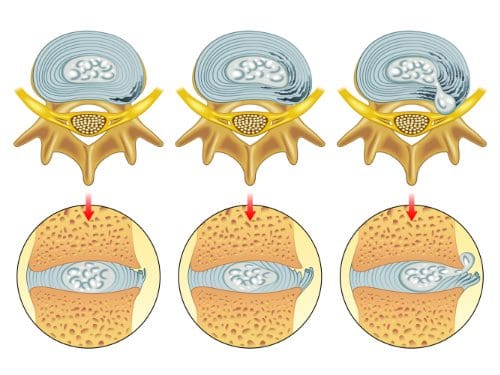
Do you feel constant aches or pains after a stressful day? Do you feel like chugging gallons of water but still feel thirsty? Or have you been noticing that you have been dealing with limited mobility that has been causing you pain and discomfort in your lower back? These pain-like scenarios are multifactorial and can correlate with spinal pain affecting the back. Now, many people wonder why spinal pain is associated with back pain. The spine is crucial in allowing the individual to be upright and move around during daily activities. The spinal vertebrae discs are between the bones, which would enable shock absorption when a person twists, bends, or flexes so the bones don’t rub together. However, when the body ages, the spine does, too, which causes the intervertebral disc to gradually fall and change the dynamics of the affected spine segments. (Kos et al., 2019) To that point, when the intervertebral disc becomes compressed due to degeneration, it can lead to the development of back pain.
Since low back pain is a multifactorial musculoskeletal condition, many individuals often develop low back pain from numerous environmental risk factors like physical labor, excessive sitting or standing, poor dieting, andphysical inactivity, which can cause individuals to have a loss of sensation, reduced reflexes, limited range of movements and tenderness can affect a person’s gait and posture. (Kabeer et al., 2023) When the spinal discs are being compressed, the water inside the disc becomes dehydrated and is linked to lower back pain. (Cheung et al., 2023) When the spinal discs are dehydrated in the spine due to improper hydration, it can lead to immobility, cause the disc to degenerate, and cause spinal structural defects that cause the surrounding muscles and tissues to have biomechanical instability and inflammation. (Hauser et al., 2022) When the body starts dehydrating, it retrieves water from the spine and other parts to sustain life and keep the vital organs functioning.
Eating Right To Feel Better- Video
Why Staying Hydrated Can Reduce Spinal Pain
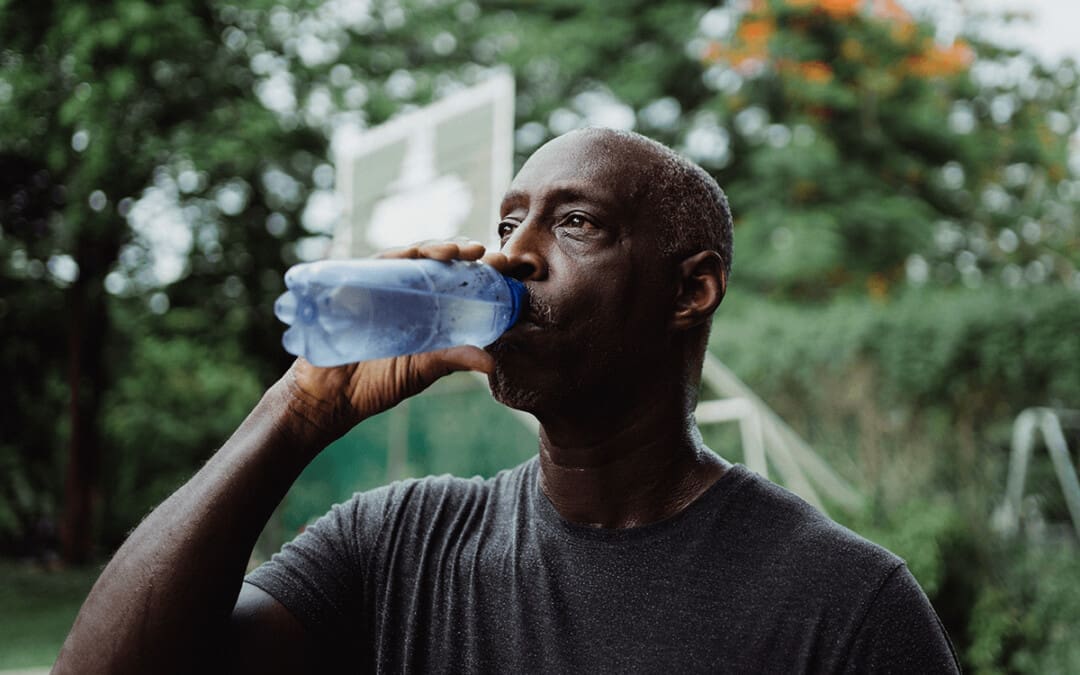
Proper hydration is key to reducing the chances of spinal pain. By staying hydrated with plain, pure water, individuals can stay focused, remove toxins from the body, aid in weight reduction, and reduce muscle and low back pain. (Nsiah-Asamoah & Buxton, 2021) Drinking at least 64 ounces of water a day can rehydrate the body and prevent future issues that can cause pain.Proper hydration allows the body to maintain cell activity and regulate body temperature, reducing the chances of pain affecting the body.
Ways to Stay Hydrated
There are ways to stay hydrated and allow the body to have proper hydration levels. Incorporating hydrating fruits and vegetables can help aid in proper hydration as these fruits and vegetables contain about 90% water and the essential nutrients. Additionally, when individuals try to get their hydration levels back up, they are encouraged to drink more fluids as they prefer, especially if they feel unwell. This is to ensure that the body is hydrated enough so that individuals can receive subcutaneous or intravenous fluid supplements combined with regular fluid intake. (Li et al., 2023) Another way many individuals can stay hydrated is to combine non-surgical treatments like chiropractic care and spinal decompression to help realign and lengthen the spine to reduce unwanted pressure on the spinal discs and rehydrate them. The combination of non-surgical treatments and drinking plenty of hydrating fluids can help many individuals dealing with back pain associated with the spine as they start to make small changes to their routine and can live a life pain-free.
References
Cheung, S. T. Y., Cheung, P. W. H., & Cheung, J. P. Y. (2023). Why Are Some Intervertebral Discs More Prone to Degeneration?: Insights Into Isolated Thoracic “Dysgeneration”. Spine (Phila Pa 1976), 48(12), E177-E187. https://doi.org/10.1097/BRS.0000000000004632
Hauser, R. A., Matias, D., Woznica, D., Rawlings, B., & Woldin, B. A. (2022). Lumbar instability as an etiology of low back pain and its treatment by prolotherapy: A review. J Back Musculoskelet Rehabil, 35(4), 701-712. https://doi.org/10.3233/BMR-210097
Kabeer, A. S., Osmani, H. T., Patel, J., Robinson, P., & Ahmed, N. (2023). The adult with low back pain: causes, diagnosis, imaging features and management. Br J Hosp Med (Lond), 84(10), 1-9. https://doi.org/10.12968/hmed.2023.0063
Li, S., Xiao, X., & Zhang, X. (2023). Hydration Status in Older Adults: Current Knowledge and Future Challenges. Nutrients, 15(11). https://doi.org/10.3390/nu15112609
Nsiah-Asamoah, C. N. A., & Buxton, D. N. B. (2021). Hydration and water intake practices of commercial long-distance drivers in Ghana: what do they know and why does it matter? Heliyon, 7(3), e06512. https://doi.org/10.1016/j.heliyon.2021.e06512
For pregnant individuals, dehydration during pregnancy increases the risk of health problems for the individual and the fetus. Is it possible to prevent dehydration by drinking more water and managing morning sickness?
Pregnancy Dehydration
Maintaining proper hydration is an important part of a healthy pregnancy. Dehydration during pregnancy can occur for several reasons. A pregnant body needs more water to support the increased physical demands. Pregnant individuals need more water than non-pregnant ones and risk losing more water throughout the day. (American College of Obstetricians and Gynecologists, 2023) Pregnant individuals need eight to 12 glasses of water daily to prevent dehydration. Risks of dehydration during pregnancy include:
Low amniotic fluid levels and preterm contractions.
Early symptoms can include decreased urination, increased thirst, and dry mouth.
Serious symptoms can include dizziness, confusion, fainting, and low blood pressure.
In severe cases, intravenous/IV intervention may be required to replenish fluids.
The body’s physiological changes during pregnancy cause it to require more water. Pregnant individuals need more water and lose more water throughout the day. Dehydration happens when the body loses more water than it takes in. Factors that contribute to dehydration during pregnancy include: (Song, Y. et al., 2023)
Increased Blood Volume
A pregnant body requires increased blood circulation.
Blood volume increases as much as 30% to 45%.
The body needs more water to keep up with the increased volume.
Changes In The Urinary System
The kidneys often increase slightly in size during pregnancy.
This causes changes in the urinary system, causing the body to lose more water.
Changes In The Respiratory System
The increased demands on the body cause increased breathing.
Each time the body exhales, it loses water through the breath.
Increased Metabolism
Pregnancy causes the adrenal and thyroid functions to become slightly hyperactive.
This leads to increased metabolism and sweating.
When the body loses water through sweat, dehydration risks increase.
Increased Nutrition
A pregnant individual requires 300 extra daily calories, which increases to 450 additional daily calories in late pregnancy.
Eating more means the individual needs added hydration to support digestion and prevent constipation.
Morning Sickness
Nausea and vomiting are common.
Morning sickness causes fluid loss, increasing the risk of dehydration.
If the body does not acquire enough water when mildly dehydrated further symptoms can present and include fatigue, dizziness, feeling overheated, and having Braxton Hicks contractions or tightening and release of the uterus that are not from labor contractions. (Mulyani E. Y. et al., 2021)
Emergency Symptoms
Severe dehydration can lead to serious pregnancy complications and require immediate medical care. Emergency signs and symptoms include: (National Library of Medicine, 2023)
Irritability
Confusion
Sunken eyes
Fainting
Low or no urine
Low blood pressure
Rapid heart and breathing rate
Shock
Risks
Staying hydrated is essential, and hydration status affects health and pregnancy outcomes. When pregnant, the body needs extra water to produce enough amniotic fluid, which fills the amniotic sac with the fetus. When amniotic levels are low, the fetus has little room to grow and move. This can lead to delayed growth and development and potential umbilical cord issues. If the umbilical cord becomes compressed, the baby cannot receive oxygen and nutrients, which can quickly lead to an emergency. (Song, Y. et al., 2023) Chronic, untreated dehydration during pregnancy increases the risk of complications and can include (Aziz M. M. et al., 2018) (Song Y. et al., 2023)
Preterm contractions
Decreased birth weight and length
Reduced head circumference and chest circumference
Neural tube defects – malformations in early development of the brain and spine.
Low milk production
Rehydrating and Adding Electrolytes
Individuals must drink eight to 12 glasses of water daily to prevent dehydration (American College of Obstetricians and Gynecologists, 2020). Rehydration with water and electrolytes, essential minerals the body needs for normal function, may also be recommended. Ask a healthcare provider if they recommend consuming electrolytes through sports drinks, Pedialyte, coconut water, or electrolyte powders.
Drink between meals if drinking water is difficult because of nausea or feeling full.
Always have a water bottle, and drink what is possible when nausea is not manifesting.
Other recommended sources can include milk, natural fruit juices, and broth.
To reduce water loss, avoid high-caffeine or sugar drinks.
Take frequent breaks and drink more water when in the heat.
Minor Dehydration Treatment
Most pregnant individuals can safely treat mild dehydration at home. Call a healthcare provider if there are any concerns about symptoms. To treat minor dehydration, rest in a cool area and replenish fluids. Drink water, a sports drink, or a rehydration solution like Pedialyte. If symptoms do not improve, contact a healthcare provider. (Song Y. et al., 2023)
Injury Medical Chiropractic and Functional Medicine Clinic
Fortunately, treating and preventing dehydration is possible by drinking plenty of water throughout the day, avoiding drinks with caffeine or sugar, and taking frequent breaks. Injury Medical Chiropractic and Functional Medicine Clinic works with primary healthcare providers and specialists to develop an optimal health and wellness solution. We focus on what works for you to relieve pain, restore function, and prevent injury. Regarding musculoskeletal pain, specialists like chiropractors, acupuncturists, and massage therapists can help mitigate the pain through spinal adjustments that help the body realign itself. They can also work with other associated medical professionals to integrate a treatment plan to improve the body’s flexibility and mobility and resolve musculoskeletal issues.
Pregnancy and Sciatica: How Chiropractic Can Help
References
American College of Obstetricians and Gynecologists. (2023). Nutrition during pregnancy. https://www.acog.org/womens-health/faqs/nutrition-during-pregnancy
Mulyani, E. Y., Hardinsyah, Briawan, D., Santoso, B. I., & Jus’at, I. (2021). Effect of dehydration during pregnancy on birth weight and length in West Jakarta. Journal of nutritional science, 10, e70. https://doi.org/10.1017/jns.2021.59
Song, Y., Zhang, F., Lin, G., Wang, X., He, L., Li, Y., Zhai, Y., Zhang, N., & Ma, G. (2023). A Study of the Fluid Intake, Hydration Status, and Health Effects among Pregnant Women in Their Second Trimester in China: A Cross-Sectional Study. Nutrients, 15(7), 1739. https://doi.org/10.3390/nu15071739
American College of Obstetricians and Gynecologists. (2023). Morning sickness: nausea and vomiting. https://www.acog.org/womens-health/faqs/morning-sickness-nausea-and-vomiting-of-pregnancy
National Library of Medicine. MedlinePlus. (2023). Dehydration. Retrieved from https://medlineplus.gov/dehydration.html
Aziz, M. M., Kulkarni, A., Tunde-Agbede, O., Benito, C. W., & Oyelese, Y. (2018). Are Women With Threatened Preterm Labor More Dehydrated Than Women Without It? Journal of obstetric, gynecologic, and neonatal nursing: JOGNN, 47(5), 602–607. https://doi.org/10.1016/j.jogn.2018.05.006
American College of Obstetricians and Gynecologists. (2020). How much water should I drink during pregnancy? https://www.acog.org/womens-health/experts-and-stories/ask-acog/how-much-water-should-i-drink-during-pregnancy
For individuals that are trying to change up their daily routine, can incorporating the beneficial properties of a HIIT workout reduce pain?
Introduction
When it comes to a person’s health and wellness, they need to exercise for at least 30 minutes. However, many individuals have hectic lifestyles, which correlates to a lack of time to work out, leading to various health conditions that can develop over time and lead to pain and discomfort. Around the world, many adults should get 150 to 300 minutes of exercise to reduce pain in their body system. This can include doing chores, exercising at home, or going to the gym. But people who want to get in a quick workout within their busy schedules can opt for a HIIT workout or high-intensity interval training. In today’s article, we will look at what HIIT is, its beneficial effects on the body, and how important it is to incorporate a HIIT workout as part of a daily routine. We talk with certified associated medical providers who inform our patients to include a HIIT workout in their daily routine. While asking their associated medical provider intricate questions, we advise patients to formulate a customized treatment plan to help with chronic pain affecting their bodies through various exercise routines. Dr. Alex Jimenez, D.C., includes this information as an academic service. Disclaimer.
What is HIIT?
Do you experience any weight changes that cause difficulty maintaining your ideal weight? How often do you feel stressed and tired after a hectic day that you don’t have time for yourself? Or do you feel unusual aches and pains in your body that make you feel fatigued throughout the day? When it comes to individuals making small changes in their health and well-being, try to work out with the minimum time they have but also achieve the benefits of a full workout, can try HIIT. HIIT, or high-intensity interval training, is defined by exercise activities that target 80% of the individual’s max heart rate with alternative explosive bursts of full-throttle efforts with rest periods. (Coates et al., 2023)
Additionally, a HIIT workout usually involves cardio and resistance training as part of its sub-categories. This is generally incorporated into gyms and fitness centers and still requires both a warm-up, recovery intervals, and cool-down to ensure that the body is getting the full beneficial properties and effects from a HIIT workout. This is because a HIIT workout involves an active, high-intensity training session that is less than 15 minutes long and helps improve cardiometabolic health and cardiovascular endurance. (Atakan et al., 2021)
Optimize Your Wellness- Video
The Beneficial Properties of HIIT
Since HIIT has beneficial properties, many individuals experiencing low back pain from stress, excessive sitting or standing, or lifting heavy objects can utilize HIIT workouts as part of their exercise routine. HIIT workouts for lower back pain can help through general resistance and core strength training, which helps improve muscle strength and decrease the pain and deconditioning of the trunk muscles. (Verbrugghe et al., 2020) The other beneficial properties of HIIT are that it can help improve a person’s cardiorespiratory system or stamina. This helps maintain healthy endurance levels and causes them to increase the length or intensity of a HIIT workout while enjoying the health benefits it can provide. (Martin-Smith et al., 2020)
Since HIIT has beneficial properties, many individuals experiencing low back pain from stress, excessive sitting or standing, or lifting heavy objects can utilize HIIT workouts as part of their exercise routine. HIIT workouts for lower back pain can help through general resistance and core strength training, which helps improve muscle strength and decrease the pain and deconditioning of the trunk muscles. (Verbrugghe et al., 2020) The other beneficial properties of HIIT are that it can help improve a person’s cardiorespiratory system or stamina. This helps maintain healthy endurance levels and causes them to increase the length or intensity of a HIIT workout while enjoying the health benefits it can provide. (Martin-Smith et al., 2020)
Incorporating HIIT As Part of A Routine
Additionally, anyone who wants to do a HIIT workout routine can do it since it is perfect for a quick workout in a short amount of time. Individuals with busy schedules can complete a workout with alternating bursts of exercises and rest periods that can build up a person’s endurance. With a HIIT workout, many individuals will begin to notice that they have more energy throughout the day and start making changes to improve their lives.
References
Atakan, M. M., Li, Y., Kosar, S. N., Turnagol, H. H., & Yan, X. (2021). Evidence-Based Effects of High-Intensity Interval Training on Exercise Capacity and Health: A Review with Historical Perspective. Int J Environ Res Public Health, 18(13). https://doi.org/10.3390/ijerph18137201
Coates, A. M., Joyner, M. J., Little, J. P., Jones, A. M., & Gibala, M. J. (2023). A Perspective on High-Intensity Interval Training for Performance and Health. Sports Med, 53(Suppl 1), 85-96. https://doi.org/10.1007/s40279-023-01938-6
Gjellesvik, T. I., Becker, F., Tjonna, A. E., Indredavik, B., Lundgaard, E., Solbakken, H., Brurok, B., Torhaug, T., Lydersen, S., & Askim, T. (2021). Effects of High-Intensity Interval Training After Stroke (The HIIT Stroke Study) on Physical and Cognitive Function: A Multicenter Randomized Controlled Trial. Archives of Physical Medicine and Rehabilitation, 102(9), 1683-1691. https://doi.org/10.1016/j.apmr.2021.05.008
Guimaraes, G. V., Ciolac, E. G., Carvalho, V. O., D’Avila, V. M., Bortolotto, L. A., & Bocchi, E. A. (2010). Effects of continuous vs. interval exercise training on blood pressure and arterial stiffness in treated hypertension. Hypertens Res, 33(6), 627-632. https://doi.org/10.1038/hr.2010.42
Martin-Smith, R., Cox, A., Buchan, D. S., Baker, J. S., Grace, F., & Sculthorpe, N. (2020). High Intensity Interval Training (HIIT) Improves Cardiorespiratory Fitness (CRF) in Healthy, Overweight and Obese Adolescents: A Systematic Review and Meta-Analysis of Controlled Studies. Int J Environ Res Public Health, 17(8). https://doi.org/10.3390/ijerph17082955
Verbrugghe, J., Agten, A., Stevens, S., Hansen, D., Demoulin, C., Eijnde, B. O., Vandenabeele, F., & Timmermans, A. (2020). High Intensity Training to Treat Chronic Nonspecific Low Back Pain: Effectiveness of Various Exercise Modes. J Clin Med, 9(8). https://doi.org/10.3390/jcm9082401
Can individuals dealing with pain and inflammation in their bodies can incorporate a ketogenic diet and have beneficial results?
Introduction
When it comes to a person’s health and wellness journey, many people often wonder where to start making changes in their bodies. Many people begin exercising not only to reduce stress levels in the musculoskeletal system but also to help clear their minds. This is a great cause, as any form of physical activity can help reduce muscle fatigue and weakness and strengthen the extremities and quadrants in the musculoskeletal system. However, even though exercising is part of the health and wellness journey, another component plays a crucial part in the health and wellness journey: eating nutritional foods and dieting. Now, dieting can be scary for some newcomers who are just entering their health and wellness journey, but when people start making small changes to their eating habits, like incorporating more vegetables and fruits in their meals, making more meals at home, and doing portion control to eat enough till they are full can provide beneficial results. These small changes can empower individuals to take control of their health and wellness journey. Dieting and changing eating habits can give useful results for people dealing with chronic issues correlated with environmental factors. In today’s article, we will look at a particular diet known as the ketogenic diet, its beneficial properties, and how to incorporate it to reduce chronic conditions affecting the body. We talk with certified associated medical providers who provide our patients’ information to assess how incorporating the ketogenic diet can help reduce chronic conditions. We also inform patients while asking their associated medical provider intricate questions to formulate customized treatment plans to help with chronic conditions by incorporating the ketogenic diet along with physical activities. Dr. Alex Jimenez, D.C., includes this information as an academic service. Disclaimer.
What Is the Ketogenic Diet?
Do you often feel extremely thirsty throughout the day, and do you chug at least a couple of gallons of water daily? Do you feel heat or see redness in various locations around your body that seem tender when touched? Or do your joints become stiff in the mornings when you wake up and feel better throughout the entire day? Often, people have a love-hate relationship with food. However, it all depends on what the person is eating and what environmental factors correlate with their food. So, when a person has chronic conditions that cause pain and inflammation in their joints, muscles, and organs, the negative side effects are that the food they consume can induce the inflammatory effects. In contrast, the positive impact of food can help individuals dampen the pain and inflammation in the body. (Fifi & Holton, 2020) Many individuals dealing with inflammation and pain in their bodies can incorporate a ketogenic diet to reduce the inflammatory effects.
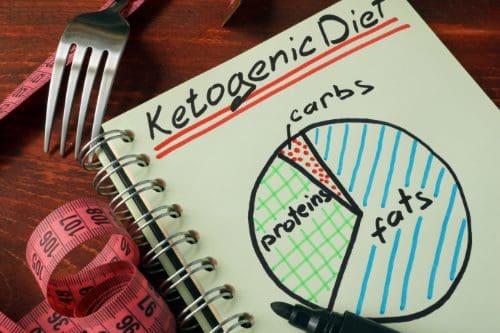
Now, what is the ketogenic diet? The ketogenic diet is where carbohydrates are low, and various levels of lean proteins and healthy fats induce ketosis. (McGaugh & Barthel, 2022) This, in turn, helps with alternating the metabolic pathways to induce weight loss, improve health conditions like lipid profile improvements, and reduce hyperglycemia. When environmental factors like obesity, sedentary lifestyles, or physical inactivity can cause chronic issues like lipedema, the body will cause overlapping risk profiles to induce inflammation. When the body is dealing with lipedema, it can cause the body to be in a constant inflammatory state that induces cell damage and cell death through apoptosis. Hence, when a person is going to do a ketogenic diet, it can help reduce the inflammatory effects while alleviating pain symptoms. (Verde et al., 2023)
Eating Right To Feel Better-Video
The Beneficial Properties Of A Ketogenic Diet
One of the beneficial properties that a person can take with a ketogenic diet is that it can help reduce cardiovascular diseases with its anti-inflammatory properties. Since a ketogenic diet helps place the body in a state of nutritional ketosis, incorporating omega-3 fatty acids can help the body exert systemic anti-inflammatory effects and begin healing. (Dynka et al., 2023) At the same time, the ketogenic diet can help individuals who are suffering from chronic conditions like epilepsy, diabetes, or obesity to not only induce weight loss but also help improve body composition. (Sjodin et al., 2020) This is because when individuals get a customized treatment plan incorporating the ketogenic diet, it must include physical activities that help strengthen muscles in the body’s quadrants. In contrast, the ketogenic diet helps slow down muscle glycogen depletion. Additionally, the ketogenic diet is beneficial by:
Reducing glucose levels so individuals with diabetes don’t need insulin.
When it comes to the ketogenic diet, many individuals have dealt with chronic conditions like epilepsy, diabetes, or cardiovascular conditions. Understand that incorporating a healthy diet filled with healthy fats, lean protein, plenty of fruits and vegetables, and physical activity can benefit many individuals in the long run. The ketogenic diet can help the liver by producing more ketone bodies to help with the production of ATPs and reduce ROS (reactive oxygen species); this, in turn, helps improve a person’s quality of life. (Abboud et al., 2021) Informing individuals who are dealing with chronic conditions that they must make small changes to their routines. This can be incorporated into their customized treatment plan and help reduce the pain-like effects from the person’s chronic conditions correlating to the inflammatory effects. The ketogenic diet can be a stepping stone to a person’s health and wellness and help them be motivated to see positive results.
References
Abboud, M., AlAnouti, F., Georgaki, E., & Papandreou, D. (2021). Effect of Ketogenic Diet on Quality of Life in Adults with Chronic Disease: A Systematic Review of Randomized Controlled Trials. Nutrients, 13(12). https://doi.org/10.3390/nu13124463
Dowis, K., & Banga, S. (2021). The Potential Health Benefits of the Ketogenic Diet: A Narrative Review. Nutrients, 13(5), 1654. https://doi.org/10.3390/nu13051654
Dynka, D., Kowalcze, K., Charuta, A., & Paziewska, A. (2023). The Ketogenic Diet and Cardiovascular Diseases. Nutrients, 15(15). https://doi.org/10.3390/nu15153368
Sjodin, A., Hellstrom, F., Sehlstedt, E., Svensson, M., & Buren, J. (2020). Effects of a Ketogenic Diet on Muscle Fatigue in Healthy, Young, Normal-Weight Women: A Randomized Controlled Feeding Trial. Nutrients, 12(4). https://doi.org/10.3390/nu12040955
Verde, L., Camajani, E., Annunziata, G., Sojat, A., Marina, L. V., Colao, A., Caprio, M., Muscogiuri, G., & Barrea, L. (2023). Ketogenic Diet: A Nutritional Therapeutic Tool for Lipedema? Curr Obes Rep, 12(4), 529-543. https://doi.org/10.1007/s13679-023-00536-x
IFM's Find A Practitioner tool is the largest referral network in Functional Medicine, created to help patients locate Functional Medicine practitioners anywhere in the world. IFM Certified Practitioners are listed first in the search results, given their extensive education in Functional Medicine