Can individuals with arthritis incorporate various natural remedies to reduce joint pain in their extremities and restore mobility?
Introduction
Regarding the body, joints allow the upper and lower extremities to be mobile. This allows the host to move, bend, flex, and rotate without feelings of pain and discomfort. However, as many people age, so do the body and joints, as wear and tear can cause limited movement and stiffen the body. When this happens, it can lead to inflammatory effects and joint disorders. When the joints develop limited mobility and have overlapping risk profiles, it can come in the form of arthritis. When it comes to arthritis can come into two forms: osteo and rheumatoid, and both forms can cause two different inflammatory effects on the joints, causing pain and discomfort to the individual. Luckily, there are natural ways to manage the overlapping pain profiles caused by arthritis. In today’s article, we will look at the difference between the two forms of arthritis and how various natural remedies can help reduce pain-like symptoms caused by arthritis. We associate with certified medical providers who inform our patients of how arthritis can affect the joints and cause pain-like symptoms to their extremities. While asking important questions to our associated medical providers, we advise patients to incorporate various natural remedies to reduce pain-like symptoms related to arthritis and restore joint health. Dr. Alex Jimenez, D.C., envisions this information as an academic service. Disclaimer.
Osteoarthritis Vs. Rheumatoid Arthritis
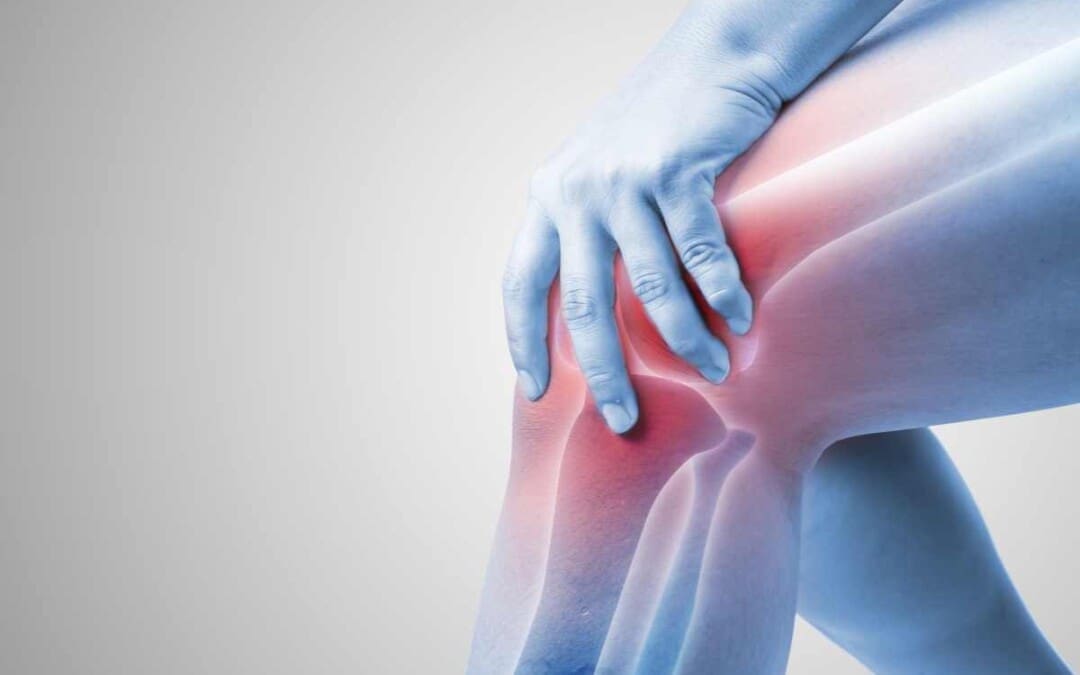
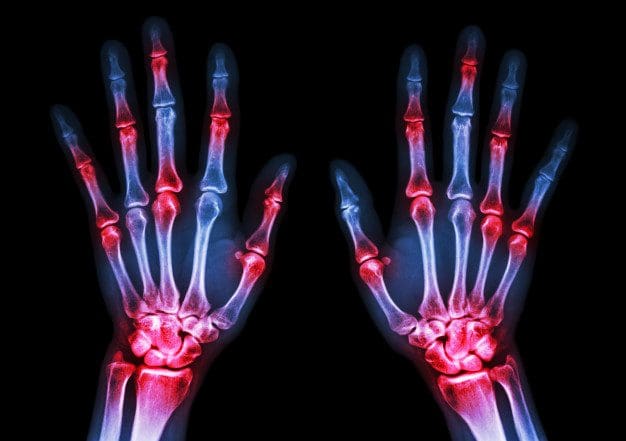
How often do you experience pain in your upper and lower extremities in the cold and feel better with the heat? Do you experience your fingers locking up constantly, making it difficult to grasp objects? Or do you notice swelling or redness in your joints, causing a decreased range of motion? When it comes to the joints dealing with these pain-like issues, it could be due to inflammation, causing the surrounding muscles, tissues, and tendons to become swollen. When it is not being treated, it can lead to the development of arthritis. Arthritis can come in two forms: osteoarthritis and rheumatoid arthritis. These two forms can affect the joints differently, confusing many individuals. Rheumatoid arthritis is a common autoimmune joint disease that causes hyperplasia of the joint tissue and synovial inflammation, which causes cortical bone loss and marginal bone erosion. (Liu et al., 2021) Osteoarthritis can develop when the cartilage between the bones wears down, and it causes the pain associated with inflammation that sensitizes the joint capsule. (Knights et al., 2023) At the same time, osteoarthritis is a well-known degenerative joint disease that is the main cause of disability in a person’s daily living. It has a multifactorial etiology affecting the joint structures. (Yunus et al., 2020) When dealing with either of these forms of arthritis, many people have found natural remedies to help manage the symptoms and reduce the pain.
Unlock The Secrets of Inflammation- Video
Natural Remedies For Arthritis
When it comes to reducing pain-like symptoms that are caused by arthritis and managing their associated symptoms, many people start to make small changes in their daily routine. Many people start changing their eating habits by incorporating anti-inflammatory and antioxidant foods to reduce inflammatory cytokines and help reduce the progression of arthritis. (Gioia et al., 2020) At the same time, changing dietary habits are a small part of creating healthy habits. Therapeutic exercises and braces for the joints can also help reduce the pain and progression of arthritis. (Siddiq et al., 2024) When people commit to a healthy diet full of antioxidants and anti-inflammatory properties and exercise, it can help reduce not only arthritis but also the co-morbidities associated with arthritis, like chronic musculoskeletal pain. (Sakamoto et al., 2023)
Turmeric & Magnesium
Another natural remedy that many people can incorporate to reduce arthritis affecting their joints is taking turmeric and magnesium supplements. Turmeric is part of the curcumin plant, a powerful antioxidant that can help reduce pain affecting the joints by decreasing the inflammatory status of arthritis. (Calderon-Perez et al., 2021) This is because turmeric and curcumin are natural oxygen scavengers and active nitrogen providers that effectively treat pain from arthritic joints. (Zeng et al., 2021) At the same time, magnesium supplements can help relieve pain and arthritic joints by achieving a holistic analgesic effect on the individual. (Zhu et al., 2024) By incorporating these supplements as part of a holistic treatment plan for individuals with arthritis in their joints, they can manage their symptoms and reduce pain.
References
Calderon-Perez, L., Llaurado, E., Companys, J., Pla-Paga, L., Boque, N., Puiggros, F., Valls, R. M., Pedret, A., Llabres, J. M., Arola, L., & Sola, R. (2021). Acute Effects of Turmeric Extracts on Knee Joint Pain: A Pilot, Randomized Controlled Trial. J Med Food, 24(4), 436-440. https://doi.org/10.1089/jmf.2020.0074
Gioia, C., Lucchino, B., Tarsitano, M. G., Iannuccelli, C., & Di Franco, M. (2020). Dietary Habits and Nutrition in Rheumatoid Arthritis: Can Diet Influence Disease Development and Clinical Manifestations? Nutrients, 12(5). https://doi.org/10.3390/nu12051456
Knights, A. J., Redding, S. J., & Maerz, T. (2023). Inflammation in osteoarthritis: the latest progress and ongoing challenges. Curr Opin Rheumatol, 35(2), 128-134. https://doi.org/10.1097/BOR.0000000000000923
Liu, Y. Q., Liu, Y., Chen, Z. Y., Li, H., & Xiao, T. (2021). Rheumatoid arthritis and osteoporosis: a bi-directional Mendelian randomization study. Aging (Albany NY), 13(10), 14109-14130. https://doi.org/10.18632/aging.203029
Sakamoto, J., Miyahara, S., Motokawa, S., Takahashi, A., Sasaki, R., Honda, Y., & Okita, M. (2023). Regular walking exercise prior to knee osteoarthritis reduces joint pain in an animal model. PLOS ONE, 18(8), e0289765. https://doi.org/10.1371/journal.pone.0289765
Siddiq, M. A. B., Oo, W. M., & Hunter, D. J. (2024). New therapeutic strategies in osteoarthritis. Joint Bone Spine, 91(6), 105739. https://doi.org/10.1016/j.jbspin.2024.105739
Yunus, M. H. M., Nordin, A., & Kamal, H. (2020). Pathophysiological Perspective of Osteoarthritis. Medicina (Kaunas, Lithuania), 56(11). https://doi.org/10.3390/medicina56110614
Zeng, L., Yu, G., Hao, W., Yang, K., & Chen, H. (2021). The efficacy and safety of Curcuma longa extract and curcumin supplements on osteoarthritis: a systematic review and meta-analysis. Biosci Rep, 41(6). https://doi.org/10.1042/BSR20210817
Zhu, Y., Shen, S., Cui, L., Wu, L., & Zhang, B. (2024). Magnesium sulphate and sodium bicarbonate as additives for periarticular local infiltration analgesia improve pain management after unicompartmental knee arthroplasty: a prospective, double-blind, randomized controlled trial. J Orthop Surg Res, 19(1), 764. https://doi.org/10.1186/s13018-024-05233-6
Can melatonin help many individuals dealing with sleep issues and help them stay asleep longer and feel refreshed in the morning?
What Is Melatonin?
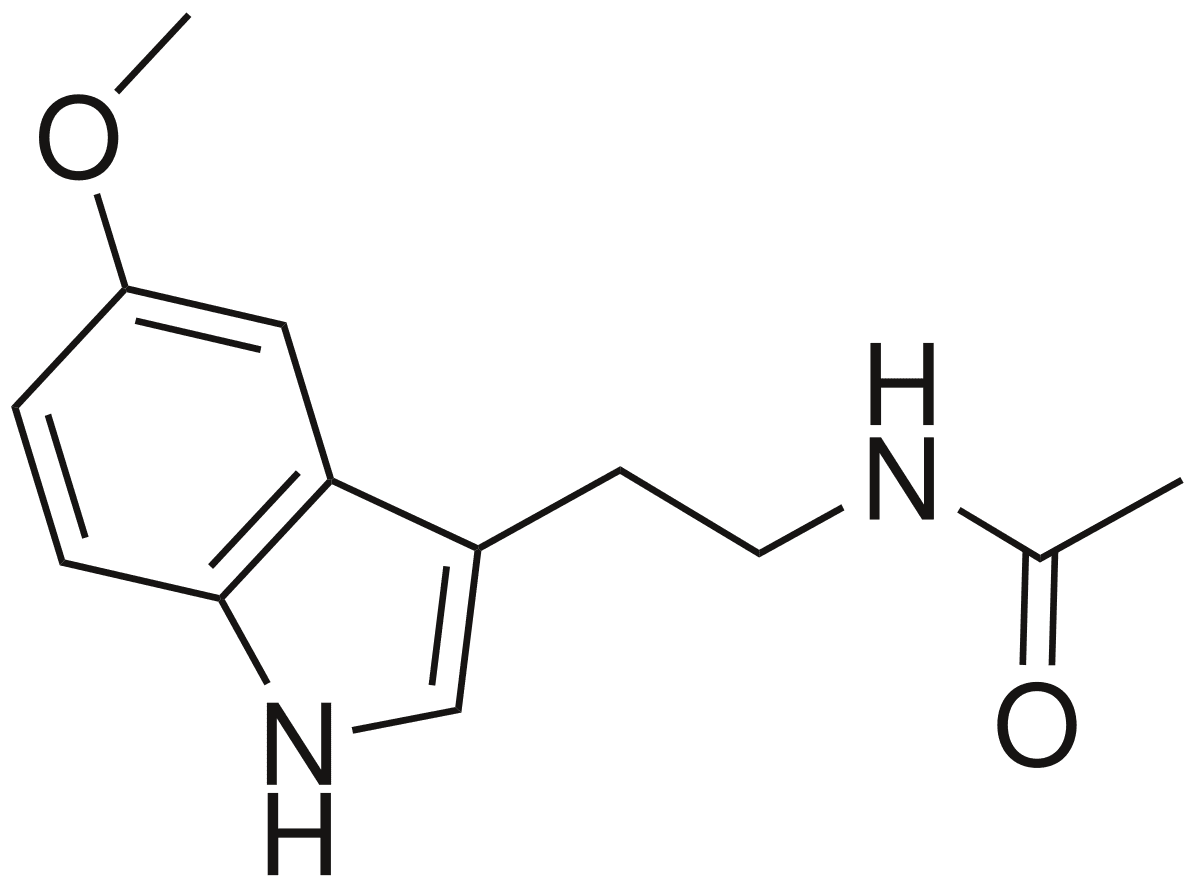
How often do you have trouble sleeping at night? Do you constantly toss and turn at night, which makes you stay awake even longer? Or do you feel continually stressed, and you feel more tired than before, and that is affecting your routine? Many people can fall asleep instantly when it comes to getting a good night’s sleep. However, when environmental factors like stress and insomnia start to affect the body,while causing many people to deal with restless sleep and symptoms of fatigue that affect their routine. Hence, why are many people taking a supplement known as melatonin to get a full night’s sleep? But what is melatonin, and how can it help improve sleep quality? Located and secreted in the pineal gland, melatonin is a hormone primarily synthesized to regulate the body’s sleep and wake cycle. (Savage et al., 2024) This hormone helps many people fall asleep, stay asleep, and wake up refreshed. At the same time, it is an antioxidant that dampens chronic inflammation and helps with the immune system. We associate with certified medical providers who inform our patients of the effects of melatonin as a supplement to reduce overlapping risk profiles affecting sleep quality. While asking important questions to our associated medical providers, we advise patients to incorporate various techniques to stay asleep longer and utilize melatonin when needed. Dr. Alex Jimenez, D.C., envisions this information as an academic service. Disclaimer.
Its Benefits
Melatonin is a hormone that is producedfrom the body’s pineal gland, and it can naturally command the circannual rhythm as its synthesis and exert its effect on the body’s biological rhythm and sleep initiation. (Boutin et al., 2023) There are many benefits that melatonin provides as it can:
Lengthen total sleep time
Reduce seasonal depression
Increase human growth hormone levels
Help with eye health
Treat GERD
However, many people have noticed that melatonin has hypnotic “effects” that are exerted through thermoregulatory mechanisms. Melatonin helps the body lower its core temperature, reduce arousal, and increase sleep propensity (Dawson & Encel, 1993). This allows many people dealing with sleep disorders to have a good night’s rest and feel better when waking up.
Eating Right To Feel Better- Video
How Melatonin Improves Sleep
When it comes to melatonin and improving sleep quality, many people with sleep disorders like insomnia, CRSD (Circadian Rhythm Sleep Disorder, and DSPD (Delayed Sleep Phase Disorder) use melatonin in pill and gummy form to administer the beneficial properties of improving sleep initiation and maintenance. (Cruz-Sanabria et al., 2023) At the same time, melatonin, especially exogenous melatonin, can be prescribed by a doctor or taken as a supplement in pill, tablet, or gummy form and has been the most frequently requested as a non-prescription sleep pain to promote total sleep time. (Costello et al., 2014) However, even though melatonin is used as a dietary supplement, it has to be regulated to what dosage the individual takes to reduce adverse effects. (Tuft et al., 2023) This is because taking too much melatonin can lead to the development of chronic conditions. If a person is taking medication, it can cause overlapping risk profiles for the individuals. Luckily, when it comes to reducing sleep disorders, taking melatonin for at least 30 minutes to an hour before bed can allow the body to relax and help kickstart the sleep-wake cycle for individuals to get that full night’s rest they deserve.
References
Boutin, J. A., Kennaway, D. J., & Jockers, R. (2023). Melatonin: Facts, Extrapolations and Clinical Trials. Biomolecules, 13(6). https://doi.org/10.3390/biom13060943
Costello, R. B., Lentino, C. V., Boyd, C. C., O’Connell, M. L., Crawford, C. C., Sprengel, M. L., & Deuster, P. A. (2014). The effectiveness of melatonin for promoting healthy sleep: a rapid evidence assessment of the literature. Nutr J, 13, 106. https://doi.org/10.1186/1475-2891-13-106
Cruz-Sanabria, F., Carmassi, C., Bruno, S., Bazzani, A., Carli, M., Scarselli, M., & Faraguna, U. (2023). Melatonin as a Chronobiotic with Sleep-promoting Properties. Curr Neuropharmacol, 21(4), 951-987. https://doi.org/10.2174/1570159X20666220217152617
Tuft, C., Matar, E., Menczel Schrire, Z., Grunstein, R. R., Yee, B. J., & Hoyos, C. M. (2023). Current Insights into the Risks of Using Melatonin as a Treatment for Sleep Disorders in Older Adults. Clin Interv Aging, 18, 49-59. https://doi.org/10.2147/CIA.S361519
Can choosing the right pillow help many individuals with neck pain get a full night’s sleep and reduce pain-like symptoms?
The Effects Of Neck Pain
How often do you feel stiffness in your neck and shoulders after being hunched for an extended period? Does it hurt when turning your neck from side to side? Or have you been suffering from constant headaches or migraines that are making you have a hard time falling asleep? As the second most common musculoskeletal condition, neck pain is a multifactorial disease developed through various risk factors that can impact a person. (Kazeminasab et al., 2022) The multiple muscles surrounding the neck are constantly overstretched and tight, which can cause pain and discomfort to the upper extremities due to environmental factors. Some environmental factors can range from improper posture to injuries that can affect the neck. When many people are experiencing neck pain associated with environmental factors, it can cause considerable personal pain and discomfort, disability, impaired quality of life, and, for adults, loss of time from work. (Ben Ayed et al., 2019) At the same time, when people experience neck pain, they can develop disruptive sleeping habits. We associate with certified medical providers who inform our patients of the effects of neck pain and how it can disrupt their sleeping habits. While asking important questions to our associated medical providers, we advise patients to incorporate various techniques to reduce neck pain and find ways to stay asleep longer. Dr. Alex Jimenez, D.C., envisions this information as an academic service. Disclaimer.
How Neck Pain Disrupts Sleep
Now, many people wonder how neck pain is associated with sleep. Environmental stressors like chronic stress from the workplace or natural disasters can cause a person to have tense neck muscles and can increase sleep disturbances. (Yabe et al., 2022) When environmental stressors impact the body, the musculoskeletal system becomes tight and tense in different body areas. In the neck, the muscles that surround the cervical can become tense and develop trigger points in muscle tissue, causing referred pain and discomfort. When neck pain causes disruptive sleep problems, it can cause impairment to the multifunctional protective role of sleep via physiological homeostasis and restoration. (Van Looveren et al., 2021) At the same time, some of the pain-like symptoms that can be increased with neck pain associated with disruptive sleep include: (Chin et al., 2021)
Soreness
Pain
Numbness
Difficulty in movement
However, there are ways to reduce the effects of neck pain and get a full night’s sleep, starting with the bedroom.
Low Back & Neck Pain Rehabilitation-Video
Choosing The Right Pillow For Neck Pain
Now, when it comes to getting a full night’s sleep, it is important to find the right mattress to stay asleep as well as feel refreshed. However, as important as it is to sleep in the right mattress when dealing with neck pain, finding the right pillow can do wonders for the neck and help people get enough sleep. When it comes to finding the right pillow, the individual needs to find a pillow with an appropriate height that can provide adequate support for the head and neck to reduce cervical spinal stress and relax the surrounding neck and shoulder muscles. (Lei et al., 2021) This is because when it comes to quality sleep, many people prefer sleeping positions, pillows, and mattresses aimed at comfort. Many pillows have a variety of materials that can help aid in comfort and help reduce neck pain. Some of the types of pillows include:
Memory foam
Polyfilled pillows
Down Pillow
Latex
Combo style
Finding the right pillow for neck pain allows the individual to have their neck fully supported while having the pillow in a lateral position to reduce neck fatigue and improve sleep quality (Son et al., 2020). By doing so, many people can finally get a good night’s sleep and wake up feeling better. By choosing the right pillow, many people will begin to be more mindful of their bodies and make small changes to their routine while getting the sleep they deserve.
References
Ben Ayed, H., Yaich, S., Trigui, M., Ben Hmida, M., Ben Jemaa, M., Ammar, A., Jedidi, J., Karray, R., Feki, H., Mejdoub, Y., Kassis, M., & Damak, J. (2019). Prevalence, Risk Factors and Outcomes of Neck, Shoulders and Low-Back Pain in Secondary-School Children. J Res Health Sci, 19(1), e00440. https://www.ncbi.nlm.nih.gov/pubmed/31133629
Chin, W. S., Chen, Y. C., Lin, T. T., Guo, Y. L., & Shiao, J. S. C. (2021). Short sleep and chronic neck and shoulder discomfort in nurses. J Occup Health, 63(1), e12236. https://doi.org/10.1002/1348-9585.12236
Kazeminasab, S., Nejadghaderi, S. A., Amiri, P., Pourfathi, H., Araj-Khodaei, M., Sullman, M. J. M., Kolahi, A. A., & Safiri, S. (2022). Neck pain: global epidemiology, trends and risk factors. BMC Musculoskelet Disord, 23(1), 26. https://doi.org/10.1186/s12891-021-04957-4
Lei, J. X., Yang, P. F., Yang, A. L., Gong, Y. F., Shang, P., & Yuan, X. C. (2021). Ergonomic Consideration in Pillow Height Determinants and Evaluation. Healthcare (Basel), 9(10). https://doi.org/10.3390/healthcare9101333
Son, J., Jung, S., Song, H., Kim, J., Bang, S., & Bahn, S. (2020). A Survey of Koreans on Sleep Habits and Sleeping Symptoms Relating to Pillow Comfort and Support. Int J Environ Res Public Health, 17(1). https://doi.org/10.3390/ijerph17010302
Van Looveren, E., Bilterys, T., Munneke, W., Cagnie, B., Ickmans, K., Mairesse, O., Malfliet, A., De Baets, L., Nijs, J., Goubert, D., Danneels, L., Moens, M., & Meeus, M. (2021). The Association between Sleep and Chronic Spinal Pain: A Systematic Review from the Last Decade. J Clin Med, 10(17). https://doi.org/10.3390/jcm10173836
Yabe, Y., Hagiwara, Y., Sekiguchi, T., Sugawara, Y., Tsuchiya, M., Yoshida, S., & Tsuji, I. (2022). Sleep disturbance is associated with neck pain: a 3-year longitudinal study after the Great East Japan Earthquake. BMC Musculoskelet Disord, 23(1), 459. https://doi.org/10.1186/s12891-022-05410-w
Can non-surgical treatments help individuals with piriformis syndrome reduce referred sciatica pain and help restore hip mobility?
Piriformis Muscle & Piriformis Syndrome
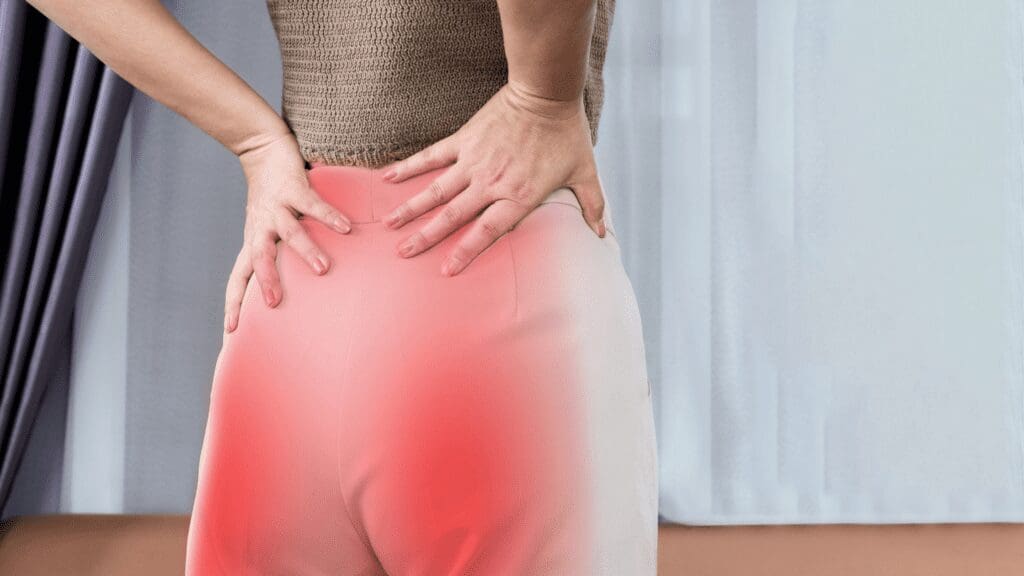
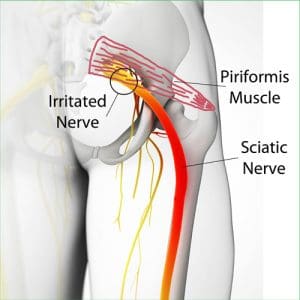
Within the lower extremities, various muscles, ligaments, tendons, and nerve roots allow the legs, hips, and thighs, enabling individuals to be mobile and help with good posture. One of the muscles, known as the piriformis muscle, is located in the gluteal region of the lower body, which helps the major muscles with every movement and allows the individual to walk, run, and rotate at the hips. (Chang et al., 2024) At the same time, the piriformis muscle is over the sciatic nerve, the longest and largest nerve that travels through the lower limbs down to the heel and provides motor-sensory function to the lower limbs. (Giuffre et al., 2024) Environmental factors like physical inactivity, excessive sitting or standing, lifting heavy objects, or improper posture can affect the piriformis muscle and develop musculoskeletal issues in the lower extremities. We associate with certified medical providers who inform our patients of the effects of piriformis syndrome, which affects their lower body extremities and causes pain and discomfort. While asking important questions to our associated medical providers, we advise patients to incorporate various non-surgical therapies to reduce the pain-like symptoms associated with piriformis syndrome. Dr. Alex Jimenez, D.C., envisions this information as an academic service. Disclaimer.
Have you experienced a pins and needles sensation in your hips and thighs that make it unbearable to walk? Do you feel radiating pain that travels down to your feet? Or have you noticed tightness in your hips and glutes region when stretching? When environmental factors impact the body, especially in the upper and lower extremities, they can cause overlapping risk profiles that can develop into chronic conditions. So, environmental factors affecting the piriformis muscle can lead to a musculoskeletal condition called piriformis syndrome. Piriformis syndrome is a somatic and neuropathic musculoskeletal condition caused by excessive or prolonged contraction of the piriformis muscle. (Jankovic et al., 2013) Many individuals who have dealt with piriformis syndrome will begin to report pain in the gluteal region that is causing sensations down the leg that can compress the sciatic nerve. (Hicks et al., 2024)
What Triggers Piriformis Syndrome?
Three causing factors can trigger piriformis syndrome in the lower extremities. Environmental factors like excessive movement, physical inactivity, or musculoskeletal conditions can compress the sciatic nerve over time, entrapping it and causing gradual pain. Additionally, trigger points in the muscles caused by repetitive strain can lead to muscle spasms or inflammation to irritate the sciatic nerve, which may present with a different musculoskeletal condition. (Pfeifer & Fitz, 1989) Finally, many people will begin to think that the pain they are experiencing is sciatica pain instead of piriformis syndrome.
Sciatica-Like Symptoms
Now, sciatica and piriformis syndrome are completely different but have similar symptoms that cause them to correlate. Sciatica is caused by spinal issues affecting the lower back that causes radiating pain down the leg. Piriformis syndrome only involves the piriformis muscle pressing one sciatic nerve area, causing overlapping risk profiles. Some of the common symptoms both sciatica and piriformis are associated with include:
Numbness
Tingling & burning sensations
Inflammation
Muscle spasms & tenderness
Pain & discomfort when sitting or standing
Sciatica: Causes, Symptoms, & Tips- Video
Non-Surgical Treatments For Piriformis
Luckily, numerous treatments are non-surgical and can help many individuals with piriformis syndrome find relief. Non-surgical treatments are affordable and non-invasive, customized to the person’s pain. With piriformis syndrome, non-surgical treatments can help improve pain and functionality back to the lower extremities and provide symptomatic relief from the piriformis muscle. (Vij et al., 2021) Some of the non-surgical treatments that are excellent for reducing pain-like symptoms associated with piriformis include:
Physical Therapy: Physical therapies allow the muscles to be mobilized and stretched and decompress the musculoskeletal structures. (Gandolfi et al., 2023)
Acupuncture: A trained acupuncturist incorporates small needles into the acupoints around the piriformis and provides anti-inflammatory effects. (He et al., 2023)
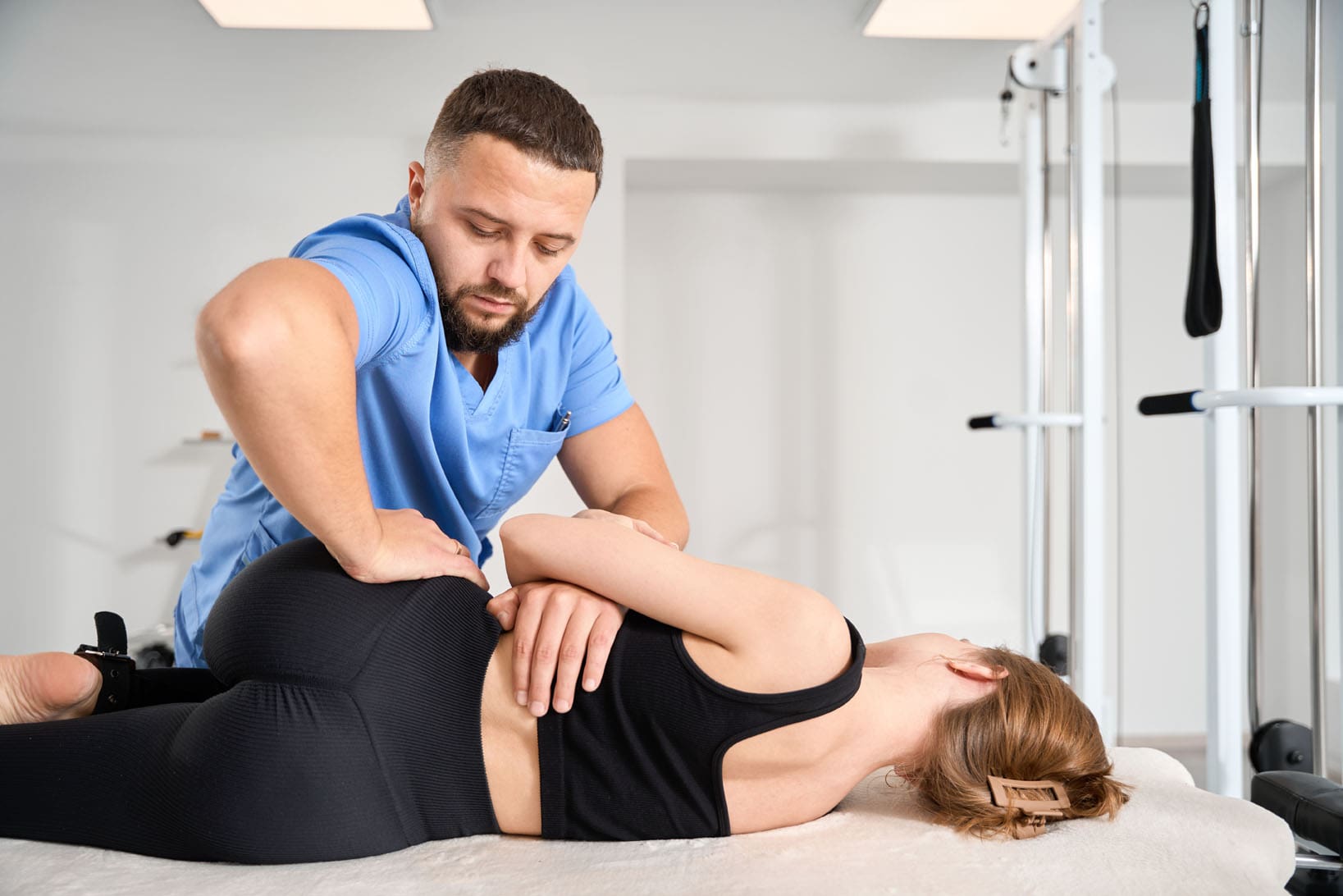
Chiropractic Adjustments: Chiropractors utilize mechanical and manual spinal manipulation to realign the body, stretch and strengthen the affected muscles, and alleviate pain.
Rest: Avoiding strenuous activities and sleeping on the right mattress can help reduce spinal pain associated with piriformis syndrome and improve sleep quality.
Incorporating these non-surgical treatments to reduce piriformis syndrome can help many individuals be more mindful of their bodies daily. They can be part of a daily routine in a person’s health and wellness journey in managing piriformis syndrome and reducing its pain-like symptoms. Doing so allows the lower extremities to be mobile again and the individual to be pain-free.
Gandolfi, M. G., Zamparini, F., Spinelli, A., & Prati, C. (2023). Asana for Back, Hips and Legs to Prevent Musculoskeletal Disorders among Dental Professionals: In-Office Yoga Protocol. J Funct Morphol Kinesiol, 9(1). https://doi.org/10.3390/jfmk9010006
Jankovic, D., Peng, P., & van Zundert, A. (2013). Brief review: piriformis syndrome: etiology, diagnosis, and management. Can J Anaesth, 60(10), 1003-1012. https://doi.org/10.1007/s12630-013-0009-5
Pfeifer, T., & Fitz, W. F. (1989). [The piriformis syndrome]. Z Orthop Ihre Grenzgeb, 127(6), 691-694. https://doi.org/10.1055/s-2008-1040313 (Das Piriformis-Syndrom.)
Vij, N., Kiernan, H., Bisht, R., Singleton, I., Cornett, E. M., Kaye, A. D., Imani, F., Varrassi, G., Pourbahri, M., Viswanath, O., & Urits, I. (2021). Surgical and Non-surgical Treatment Options for Piriformis Syndrome: A Literature Review. Anesth Pain Med, 11(1), e112825. https://doi.org/10.5812/aapm.112825
Can individuals with insomnia find various ways to reduce its effects, such as a full night’s rest and promoting healthy sleep habits?
Insomnia
Many people have often struggled to get a full night’s sleep occasionally, as environmental factors can keep them from falling asleep, making them tired throughout the day. In most cases, many individuals sometimes suffer from a chronic condition known as insomnia. Insomnia is a common sleep disorder, whether short-term or chronic, and it can negatively impact a person’s ability to sleep and stay asleep. (Dopheide, 2020) Insomnia can be in two forms: primary and secondary. Primary insomnia is a fairly common condition that can be resolved without treatment, while secondary insomnia is due to medication side effects or neurological issues that are causing sleep issues. Additionally, insomnia can be developed through various environmental factors like genetic variants, early life stress, major life events, and brain functions and structures that can cause individuals to be vulnerable and have insomnia. (Van Someren, 2021) We associate with certified medical providers who inform our patients of the effects of insomnia that can affect the body when they are not getting enough sleep. While asking important questions to our associated medical providers, we advise patients to incorporate healthy sleeping habits into their treatment plan to reduce insomnia and get proper sleep. Dr. Alex Jimenez, D.C., envisions this information as an academic service. Disclaimer.
How It Affects The Body
So, how does insomnia affect the body and a person’s daily routine? Well, when environmental factors start to impact a person, it can cause overlapping risk profiles in the body that can develop into mental disorders like depression. There is a bi-directional relationship between insomnia and depression, as it can cause sleep alterations that can affect the nervous system and develop into chronic conditions. (Riemann et al., 2020) Some of the symptoms that insomnia can affect the body include: (Naha et al., 2024)
Fatigue
Memory impairment
Cardiovascular disorders
Gastrointestinal disorders
PTSD
Daytime napping
However, there are ways to manage insomnia and reduce the co-morbidities.
Exploring Integrative Medicine-Video
Ways To Manage Insomnia
When managing and treating insomnia, many people must recognize the many environmental factors that can lead to its development. Since insomnia is linked with environmental factors, many people start making small routine changes to mitigate its effects. Many people can start by identifying the disorder and other co-morbidities contributing to its development. (Waterman & Selsick, 2023) This, in turn, helps doctors develop a customized treatment plan to manage their insomnia.
Sleep Habits
One of the ways many people deal with insomnia can begin with changing their sleep habits to help reduce the environmental factors affecting their sleep quality. Some of the changes include:
Make sure the bedroom is dark, cool, and has minimal noise
Incorporating these small changes in sleeping habits can help reduce the stressors contributing to insomnia.
Non-Surgical Treatments
Another way for individuals to manage their insomnia is by incorporating non-surgical treatments. Non-surgical treatments like mindfulness meditation, chiropractic care, and acupuncture can help many individuals calm the mind and body by combining deep breathing exercises. (Chan et al., 2021) At the same time, the body and muscles can begin to relax and even help stretch out tense muscles that are affected by insomnia. Many people can utilize non-surgical treatments as part of their routine to live healthy lives and have the best quality of sleep they deserve.
References
Chan, N. Y., Chan, J. W. Y., Li, S. X., & Wing, Y. K. (2021). Non-pharmacological Approaches for Management of Insomnia. Neurotherapeutics, 18(1), 32-43. https://doi.org/10.1007/s13311-021-01029-2
Dopheide, J. A. (2020). Insomnia overview: epidemiology, pathophysiology, diagnosis and monitoring, and nonpharmacologic therapy. Am J Manag Care, 26(4 Suppl), S76-S84. https://doi.org/10.37765/ajmc.2020.42769
Riemann, D., Krone, L. B., Wulff, K., & Nissen, C. (2020). Sleep, insomnia, and depression. Neuropsychopharmacology, 45(1), 74-89. https://doi.org/10.1038/s41386-019-0411-y
Van Someren, E. J. W. (2021). Brain mechanisms of insomnia: new perspectives on causes and consequences. Physiol Rev, 101(3), 995-1046. https://doi.org/10.1152/physrev.00046.2019
Waterman, L., & Selsick, H. (2023). Insomnia and its treatment should be given more importance. Br J Gen Pract, 73(733), 344-345. https://doi.org/10.3399/bjgp23X734421
Can individuals dealing with narcolepsy find ways to reduce its effects on the musculoskeletal system and improve sleep?
What Is Narcolepsy?
Around the world, many individuals have gotten 8 hours of sleep by doing errands to function throughout the day. Sometimes, it is important to take naps between certain hours of the day to give the body a chance to rest and continue for the rest of the day before going to bed. However, more individuals have experienced sleep disturbances like scrolling through their phones, dealing with chronic conditions like migraines or insomnia, or not having a proper sleep schedule that can negatively impact their sleep. One of the sleep disturbances is narcolepsy, which can cause individuals to have sleep issues throughout the day and even affect their musculoskeletal system. In today’s article, we will be looking at what narcolepsy is, its symptoms, how it affects the muscles, and what treatments can reduce narcolepsy and improve sleep. We associate with certified medical providers who inform our patients of the effects narcolepsy causes on a person and their bodies. While asking important questions to our associated medical providers, we advise patients to include various techniques to reduce the overlapping risk profiles related to narcolepsy and help improve their sleep quality. Dr. Alex Jimenez, D.C., envisions this information as an academic service. Disclaimer.
Do you often feel extremely tired throughout the day, and is it causing you to take a nap in weird places? Do your arms and legs feel weak from carrying various objects? Or do you feel general aches or pains in your neck, shoulders, and back? Many of these scenarios are associated with sleep disturbances that can affect the musculoskeletal system. One of the sleep disturbances is narcolepsy, characterized by the onset of rapid eye movement (REM) sleep that can correlate with the lack of orexin neurons from the central nervous system, thus causing daytime sleepiness. (Slowik et al., 2024) Narcolepsy has two forms depending on the severity of the condition: type 1 (narcolepsy with cataplexy) and type 2 (narcolepsy without cataplexy). Depending on the severity of narcolepsy, it can disrupt the brain from generating and regulating REM sleep and cause issues for the body when it is awake during the day. (Thorpy et al., 2024) This chronic sleep disorder can disrupt a person’s quality of life and affect their socio-economic lifestyle.
Symptoms
Narcolepsy has four main symptoms that can affect a person who is experiencing this condition. The four symptoms are:
Excessive daytime sleepiness causes people to fall asleep suddenly during mid-conversation or when doing activities.
Cataplexy: Sudden or temporary episodes of muscle weakness in the upper and lower musculoskeletal quadrants. (Sunwoo, 2021)
Sleep hallucinations: This can cause individuals to hallucinate visions, causing the symptoms to be mistaken for psychotic symptoms. (Hanin et al., 2021)
Sleep paralysis: When the individual is partly awake but cannot move.
Additionally, when narcolepsy starts to affect a person, it could lead to the development of comorbidities like obesity and musculoskeletal issues that may lead to sleep disturbances to take effect. (Maski et al., 2022)
How Does It Affect Muscles?
Now, narcolepsy can affect the musculoskeletal system as the central nervous system has neurons known as orexin to stimulate the body’s muscles, tissues, and vital organs. When narcolepsy starts to affect orexin, it can cause overlapping risk profiles to the muscles that become weak, and environmental factors like obesity and metabolic syndrome can complicate diagnosing narcolepsy. (Dhafar & BaHammam, 2022). Now, as environmental factors do play a huge part in the body, causing people to develop narcolepsy, it is important to realize that when muscle weakness can contribute to the issue, it can lead to disastrous consequences. Strong emotions that are associated with muscle weakness for narcoleptic individuals can cause their body to collapse and lead to cataplexy. Cataplexy in narcoleptic individuals often has a sequence starting from the top of the head down to the legs, causing muscle tone loss, and is frequently mistaken for seizures. (Latorre et al., 2022) Luckily, there are ways to manage narcolepsy and improve sleep quality.
The Non-Surgical Approach To Wellness- Video
Narcolepsy Treatments To Improve Sleep
When it comes to managing narcolepsy and its associated symptoms, many people can make small changes to their daily routine and incorporate treatment to improve their sleep quality and their lifestyle, too. Many individuals with narcolepsy take medication to not only stimulate their central nervous system neurons but also to reduce daytime sleepiness. Additionally, non-surgical treatments like chiropractic care can help stretch and restore muscle weakness associated with narcolepsy to help individuals manage their symptoms. Other treatments include:
Exercise regularly to reduce excessive daytime sleepiness
Eating a well-balanced, healthy meal
Incorporating these small changes as part of a daily routine can help mitigate narcolepsy and its associated symptoms. All in all, many individuals with narcolepsy can manage their symptoms and live a healthier life.
References
Dhafar, H. O., & BaHammam, A. S. (2022). Body Weight and Metabolic Rate Changes in Narcolepsy: Current Knowledge and Future Directions. Metabolites, 12(11). https://doi.org/10.3390/metabo12111120
Hanin, C., Arnulf, I., Maranci, J. B., Lecendreux, M., Levinson, D. F., Cohen, D., & Laurent-Levinson, C. (2021). Narcolepsy and psychosis: A systematic review. Acta Psychiatr Scand, 144(1), 28-41. https://doi.org/10.1111/acps.13300
Latorre, D., Sallusto, F., Bassetti, C. L. A., & Kallweit, U. (2022). Narcolepsy: a model interaction between immune system, nervous system, and sleep-wake regulation. Semin Immunopathol, 44(5), 611-623. https://doi.org/10.1007/s00281-022-00933-9
Maski, K., Mignot, E., Plazzi, G., & Dauvilliers, Y. (2022). Disrupted nighttime sleep and sleep instability in narcolepsy. J Clin Sleep Med, 18(1), 289-304. https://doi.org/10.5664/jcsm.9638
Can understanding the planes of motion help individuals adjust fitness training to maximize fitness for physical and sports performance and reduce the risk of injury?
Planes of Motion
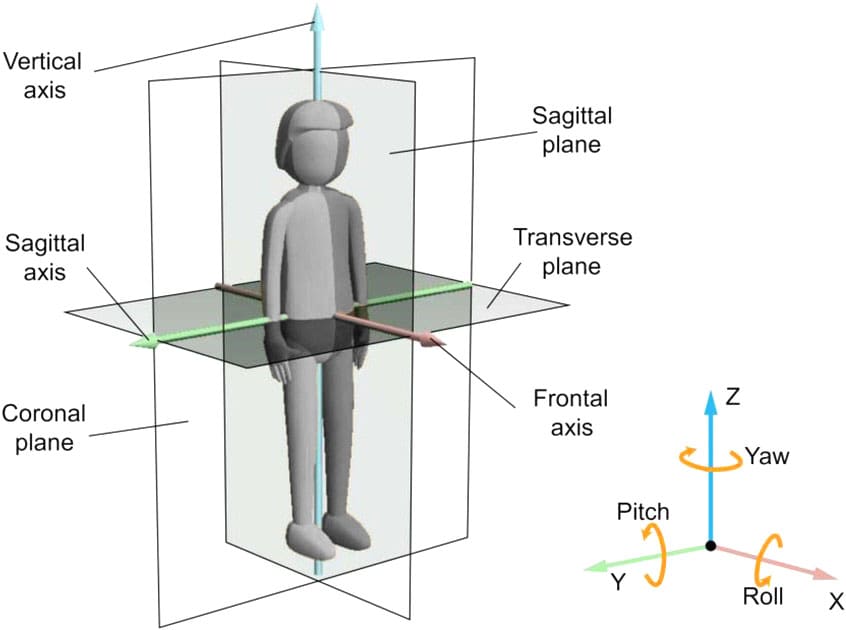
The body’s planes of motion are the sagittal, frontal, and transverse planes, which divide it into left and right, front and back, and top and bottom halves. The body moves in different dimensions during daily work, house chores, and physical activity/exercises. The movements in each plane correspond to forward/backward, side-to-side, and rotational motions. Think of each plane as an imaginary line or a pane of glass that divides the body into opposing segments when standing in the anatomical position. (National Academy of Sports Medicine, 2024)
Sagittal plane -Divides the body into right and left sides.
Frontal plane – Divides the body into front and back.
Transverse plane – Divides the body into top and bottom sections.
To determine the plane of motion of a particular movement, consider how the movement would interact with the imaginary lines or plates. When a movement runs parallel to the imaginary line, the movement is occurring in that plane of motion. For example, when going upstairs, the forward and upward movement at the hip, knee, and ankle occurs primarily in the sagittal plane because that movement runs parallel to the imaginary line that divides the body into right and left sides. Frontal plane movements occur while you walk up the stairs and reach for the handrail. The movement is in the frontal plane because the lateral hand reach runs parallel to the line, dissecting the body into front and back sections. If you turn around to look behind, the rotational movement occurs in the transverse plane because your upper torso runs parallel to the line, dissecting the body into an upper and lower section. Individual movements at any joint in the body can occur in a single plane or multiple planes. Complex movements usually happen in several planes of motion concurrently.
Sagittal Plane
Movement in the sagittal plane generally happens in front or behind. This is the most familiar plane of motion because many typical day-to-day activities happen within arm’s reach in front. Walking, texting, or computer work involves movement primarily in the sagittal plane. Several eating mechanics occur in the sagittal plane. Movements include:
Flexion – A bending movement that decreases the angle at a joint.
Extension – An extending movement that increases the angle at a joint.
Hyperextension – Extending the angle at a joint beyond neutral.
Dorsiflexion – Bending at the ankle so the top of the foot moves toward the shin.
Plantarflexion – Pushing the foot down and away from the body.
Many strength-training exercises in the sagittal plane include biceps curls, forward or reverse lunges, squats, vertical jumping, running, downward dog, and yoga chair poses.
Frontal Plane
The frontal plane divides the body into front/anterior and back/posterior sections. Frontal plane movements are lateral or side-to-side and include:
Abduction – Moving the body or a limb laterally and away from the body’s midline.
Adduction – Moving the body or a limb towards the body’s midline.
Elevation – Moving the shoulder blades up.
Depression – Moving the shoulder blades down.
Eversion – Rolling the foot towards the inside/medial side.
Inversion – Rolling the foot towards the outside/lateral side.
Frontal plane movements are less common than sagittal movements. For example, individuals walk forward more than side to side or reach for something in front rather than directly to the side. Frontal plane movements in fitness include side lunges, lateral shoulder raises, and side shuffles, and in yoga poses, standing side bends and the triangle.
Transverse Plane
The transverse plane divides the body into upper/superior and lower/inferior sections. Transverse plane movements generally involve rotation. Movement in this plane is less common. Exercise injuries most often occur during transverse/rotational movements. (National Academy of Sports Medicine, 2024) Movements include:
Rotation – Moving the torso or a limb around its vertical axis.
Pronation – Rotating the forearm or foot to a palm-side or foot-side down position.
Supination – Rotating the forearm or foot to a palm-side or foot-side-up position.
Horizontal Abduction – Moving the upper arm away from the body’s midline when elevated to 90 degrees.
Horizontal Adduction – Moving the upper arm towards the body’s midline when elevated to 90 degrees.
Typical everyday activities in the frontal plane include turning the head to look behind or turning a doorknob. Exercises in the transverse plane include hitting a golf ball, swinging a baseball bat, or performing a seated twist.
Training Within the Planes of Motion Benefits
Training in all three planes can help with movement in several ways, providing greater ease in life and sports.
Prepares Body for Daily Tasks
Many traditional strength-training programs focus on training one muscle at a time, often in a single plane of motion. For example, weight lifters might do bicep curls to primarily work the biceps in the sagittal plane, a chest fly exercise to primarily work the pectoral muscles in the transverse plane, or lateral raises to work the shoulders in the frontal plane. However, compound exercises have recently become much more common. Compound movements allow individuals to train several muscle groups simultaneously and in different planes of motion.
In this way, training activities mimic daily living activities. For example, individuals often lift several heavy bags of groceries and turn to open the car or trunk, involving both sagittal and transverse movement. Preparing the body for complex activities with compound exercises allows individuals to perform them more easily throughout the day.
Prepares Body for Sports and Physical Activities
Complex multi-planar movements help prepare for safe and effective physical activity and sports performance (National Academy of Sports Medicine, 2024). Researchers and experts understand that many physical and athletic activities require the body to move in different directions, often quickly and under high stress. Several studies have found that anterior cruciate ligament/ACL injuries are more likely to occur during multi-planar rather than single-planar movements. (Quatman C. E., Quatman-Yates C. C., & Hewett T. E. 2010) Training the body to perform multi-planar movements safely and effectively through exercise can help reduce the risk of injury during daily activities or stressful athletic competitions.
Encourages Variation For Full Body Strengthening
Individuals tend to fall into certain movement patterns, such as repeatedly performing the same fitness activity or exercises. This can cause them to have a favorite plane of motion. One way to break away from the same routine is to include movement from all planes of motion. For example, many abdominal workout machines help train in multiple planes of motion, challenging your body to move in different ways. Dumbbells, kettlebells, TRX straps, and bands allow individuals to move joints freely in various planes of motion and work several muscles.
Runners train primarily in the sagittal plane, even if they cross-train by swimming, cycling, or using cardio machines. For this reason, trainers and coaches often recommend doing some form of yoga or weight training that allows them to move their joints in different ways, including lateral movements or rotation. Even flexibility training should incorporate all three planes of motion. For example, walkers might choose to do a simple calf or hamstring stretch at the end of their workout but may also benefit from a seated spine rotation or a lying hip stretch.
Injury Medical Chiropractic and Functional Medicine Clinic
Understanding the concept and importance of training in the three planes of motion can help improve sports and physical performance and prevent musculoskeletal injuries. Chiropractic care aims to help individuals enhance movement with less pain due to condition, after injury, or surgery. Injury Medical Chiropractic and Functional Medicine Clinic works with primary healthcare providers and specialists to build optimal health and wellness solutions. We focus on what works for you to relieve pain, restore function, prevent injury, and help mitigate issues through adjustments that help the body realign itself. They can also work with other medical professionals to integrate a treatment plan to resolve musculoskeletal problems.
The Difference of Using Custom Foot Orthotics
References
National Academy of Sports Medicine. (2024). Sagittal, Frontal and Transverse Body Planes: Exercises & Movements. NASM. https://blog.nasm.org/exercise-programming/sagittal-frontal-traverse-planes-explained-with-exercises?utm_source=blog&utm_medium=referral&utm_campaign=organic&utm_content=ReasonsToBecomeCES
Quatman, C. E., Quatman-Yates, C. C., & Hewett, T. E. (2010). A ‘plane’ explanation of anterior cruciate ligament injury mechanisms: a systematic review. Sports medicine (Auckland, N.Z.), 40(9), 729–746. https://doi.org/10.2165/11534950-000000000-00000
IFM's Find A Practitioner tool is the largest referral network in Functional Medicine, created to help patients locate Functional Medicine practitioners anywhere in the world. IFM Certified Practitioners are listed first in the search results, given their extensive education in Functional Medicine