For people struggling to control their blood glucose levels, the most common concern is, how can you regulate blood sugar levels? Maintaining healthy blood sugar levels can be complicated and unyielding. Along with food and beverages, our blood sugar levels fluctuate in response to a huge variety of unique factors. Exercise, psychological stress, the previous night’s rest, and genetics all play a role in the human body’s effort to closely regulate the degree of glucose circulating in the blood. Additionally, no matter whether or not somebody has a blood glucose dysregulation problem or full-blown diabetes, that morning meal we call breakfast actually sets the stage for your day.
What is often known as the “Dawn Phenomenon” occurs between 4:00 AM to 8:00 AM when the human body produces sufficient amounts of glucagon, cortisol and epinephrine to boost blood glucose as a natural procedure before waking up in the morning. And science supports those people who prefer to eat a hearty breakfast as soon as they wake up. One study that monitored the sugar profiles of healthy people during the day saw that the largest increase in blood glucose occurs right after breakfast. Just about every nutritionist, dietitian and endocrinologist recommends eating a high-protein breakfast so as to restrain the naturally-occurring spike in sugar during the daytime. As mentioned previously, these meals, as well as other variables, will dictate the difference in blood glucose levels throughout the day, which directly impacts the way the human body works and an individual’s overall awareness of their health and wellness.
When Maintaining Healthy Blood Sugar Levels is Difficult
A consistently higher blood sugar level has a deleterious impact on organ function. Risks for diabetes, further heart disease, stroke, kidney disorders, vision impairment and cardiovascular issues that can result in infections and amputation of recurrence increase when blood sugar is uncontrolled. Intense oscillations in blood sugar may stem from many hormonal imbalances, specifically where there is a lack of insulin manufacturing, as in the case of type I diabetes, or an inability to use insulin correctly, commonly referred to as insulin resistance. Either type of diabetes is recognized and monitored with many evaluations, but the most prevalent one is the HbA1C. As a mark of longer-term glucose levels, the HbA1C suggests the average proportion of the particular hemoglobin subtype A1C that has glucose bound to it, glycated or glycosylated, producing a glycoprotein. Since hemoglobin cells normally die off after 120 days, this process firmly reflects the typical plasma glucose level over in the past 90 days. This diagnostic tool proves more helpful than a diagram of blood sugar, which shows great vacillations through the day. Individuals with diabetes or more lengths of hyperglycemia, as noticed in patients diagnosed with metabolic syndrome, have increased HbA1C levels. It’s projected that in 2015 over 7 million cases of diabetes and insulin resistance went undiagnosed. The famed incidence of those conditions is alarming as the trend is nearing 10 percent of the populace.
Regulating Blood Glucose Levels with Nutrition
Though genetics�are not something people can control, nutrition, diet and other lifestyle variables are within your reach. Eating a balanced diet of low-glycemic, high fiber, and also low-saturated fat meals is recommended for individuals with glycemic control health issues. Combining foods which contain all three macronutrients, such as proteins, fats, and carbohydrates, can also be valuable in regulating blood glucose levels. This list of foods provides a wonderful start to a healthy diet and a platform for preventing those wild swings in sugar throughout the day:
All colors and varieties of fresh fruits and vegetables
Legumes, such as kidney beans, black beans, chickpeas, and lentils
Whole grains, such as brown rice, quinoa, barley, and millet
Olive oil
Tomatoes
Fermented, organic and raw dairy
Cold-water wild fish, such as salmon, mackerel and sardines
Tempeh, tofu and natto
Cage-free, organic eggs
Green and black tea
Supplemental nutrients and botanicals to help encourage wholesome glucose levels and supply a hypoglycemic effect are currently being studied and comprise of:
Magnesium
Chromium, as chromium picolinate
Vanadium
Alpha lipoic acid
Gymnema sylvestre
Fenugreek
Bitter melon
Cinnamon
Berberine
Berberine functions on multiple fronts. It was found to substantially improve glucose levels by an average of 9.5 percent down to 7.5 percent, as effective as metformin from 9.15 percent down to 7.7 percent, in a research study to find out its effectiveness and safety in type 2 diabetes patients. Furthermore, it had the effect of enhancing both entire cholesterol and low-density lipoprotein cholesterol in the evaluation and analysis.
Dr. Alex Jimenez’s Insight
Diabetes has become one of the fastest growing diseases in the United States, where it is prevalent among both children and adults. With the increase in cases each year, the numbers of individuals seeking treatment and a potential cure are also rising. Fortunately, research studies have found that maintaining healthy blood sugar levels can help stabilize a case of diabetes. Proper nutrition, as well as natural remedies and botanicals, including alternative treatment options, such as chiropractic care, have been determined to help regulate healthy blood glucose levels, improving an individual’s quality of life.
While there are many other ways in which healthy blood sugar levels can be achieved, recent research studies have also determined that chiropractic care may be able to control blood sugar levels, potentially regulating type 2 diabetes. According to these, the key to managing blood glucose levels can be found in the connection between the central nervous system and blood sugar levels in the human body. Chiropractic care focuses on the use of spinal adjustments and manual manipulations to correct spinal misalignments, or subluxations. It has been demonstrated that spinal misalignments, or subluxations, can interfere with important communications signals from the brain to the spinal chords as well as the rest of the body. By carefully restoring the natural integrity of the spine, chiropractors can help regulate healthy blood sugar levels and improve overall health and wellness.
Sleep disorders, such as obstructive sleep apnea, commonly related to obesity and metabolic syndrome, can hinder good quality sleep, and also have been considered as a risk factor for diabetes. Although there isn’t any clearly defined correlation between sleep and glucose control, there are multiple pathways involved together with a cascade of metabolic functions which could result in metabolic derangements when disturbed.
To remain steady on what could be a roller coaster ride of blood sugars, a high priority should be given to a well-balanced diet plan, replete with proper nutrition and supplementation, and the close observation of lifestyle and genetic aspects. The scope of our information is limited to chiropractic as well as to spinal injuries and conditions. To discuss the subject matter, please feel free to ask Dr. Jimenez or contact us at�915-850-0900�.
Curated by Dr. Alex Jimenez
Additional Topics: Back Pain
Back pain is one of the most prevalent causes for disability and missed days at work worldwide. As a matter of fact, back pain has been attributed as the second most common reason for doctor office visits, outnumbered only by upper-respiratory infections. Approximately 80 percent of the population will experience some type of back pain at least once throughout their life. The spine is a complex structure made up of bones, joints, ligaments and muscles, among other soft tissues. Because of this, injuries and/or aggravated conditions, such as herniated discs, can eventually lead to symptoms of back pain. Sports injuries or automobile accident injuries are often the most frequent cause of back pain, however, sometimes the simplest of movements can have painful results. Fortunately, alternative treatment options, such as chiropractic care, can help ease back pain through the use of spinal adjustments and manual manipulations, ultimately improving pain relief.
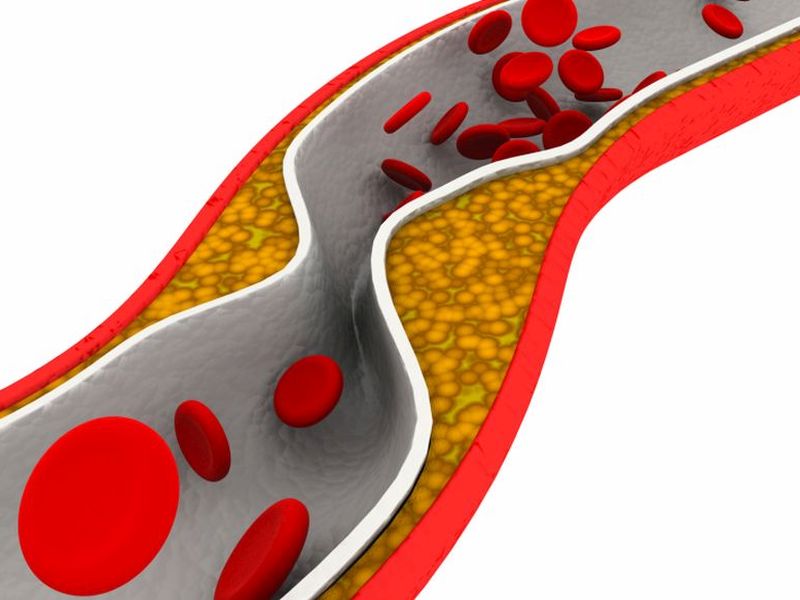
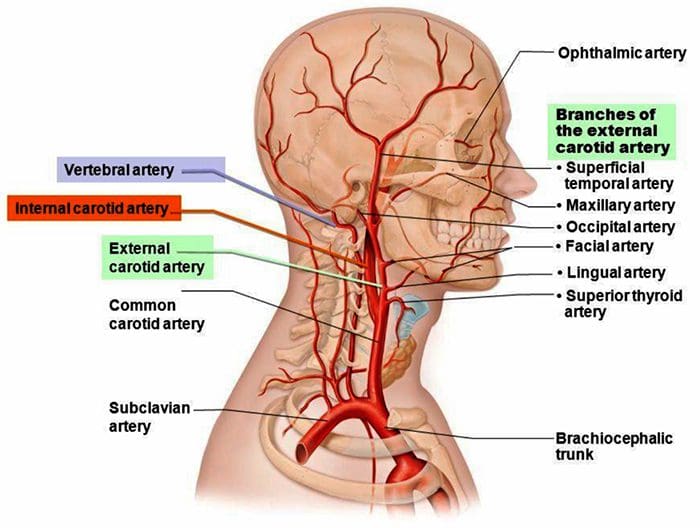
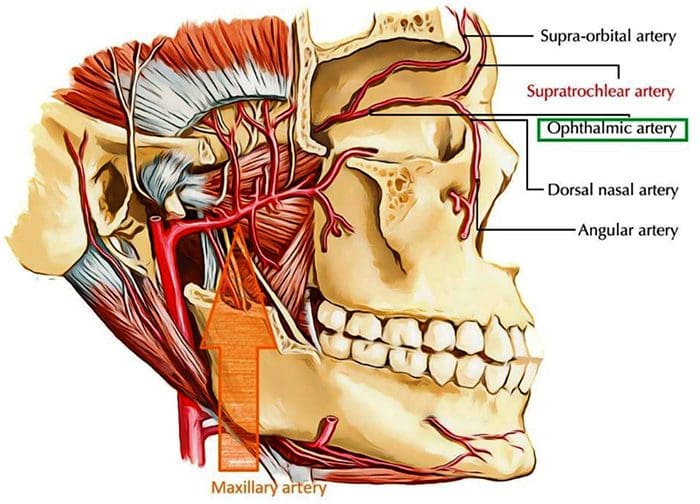
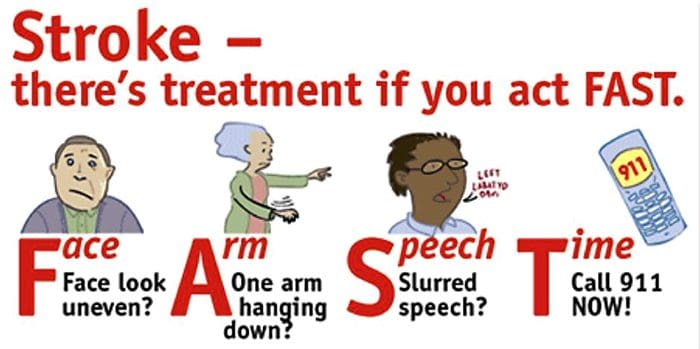
Cerebrovascular disease is a designated group of conditions that can lead to cerebrovascular event/s, i.e. stroke. These events affect the blood supply and vessels to the brain. With a�blockage, malformation, or hemorrhage�happens,�this�prevents brain cells from getting enough oxygen, which can cause brain damage. Cerebrovascular diseases can develop in different ways. These include deep vein thrombosis (DVT) and atherosclerosis.
Types of cerebrovascular disease: Stroke, transient ischemic attack, aneurysms, and vascular malformations
In the U.S. cerebrovascular disease is the fifth most common cause of death.
Cerebrovascular Disorders
The Brain
Makes up ~2% of the body weight
Accounts for ~10% of the body�s oxygen use
Accounts for ~20% of the body�s glucose use
Receives ~20% of the cardiac output
Per minute, requires ~50-80cc of blood per 100g of grey matter brain tissue and ~17-40cc of blood per 100g of white matter
Bilateral or unilateral sensory and motor deficits
Syncope
Weakness in the distribution of a motor cranial nerve one side of the head with a contralateral hemiparesis (medial brainstem damage)
Damage to a sensory cranial nerve & Horner�s syndrome on one side of the head and loss of contralateral pain and temperature sensation in the body (lateral brainstem damage)
Long-Term Symptoms Depend On Area Affected
Monocular visual obscuration (amaurosis fugax) that is due to retinal ischemia
Rehab needs depend upon the area of brain tissue that was affected by the stroke
Speech therapy
Restriction of functioning limbs
Balance and gait exercises
Encourages neuroplastic restructuring
Symptoms may improve within the first 5 days due to reduction in edema
Edema may cause herniation through the foramen magnum which can cause brainstem compression and death � patients with this problem may require craniectomy (last resort)
Sources
Alexander G. Reeves, A. & Swenson, R. Disorders of the Nervous System. Dartmouth, 2004.
Swenson, R. Cerebrovascular Disorders. 2010
Ingesting high-concentration hydrogen peroxide as a “natural cure” or cleansing agent may land you in the emergency room, health experts caution.
Of particular concern are alternative drinking “therapies” that proactively promote the health benefits of potent peroxide. These so-called “super water” cures are anything but curative, researchers said, with ingestion leading to heart attack, stroke, and in some cases, death.
“Alternative medicine practices are not always safe,” said study lead author Dr. Benjamin Hatten. He’s currently an assistant professor in the department of emergency medicine at the University of Colorado School of Medicine.
“In addition to the lack of scientific evidence of benefit, ingestion of high-concentration peroxide can be life-threatening. This product is much more dangerous than the household hydrogen peroxide that comes in a brown bottle and is used by the public to clean wounds,” Hatten said. He conducted this research while at Oregon Health & Science University.
The current investigation looked at both the accidental and intentional consumption of industrial-concentration peroxide in formulations of 10 percent or more. That’s different from the low-concentration (3 to 5 percent) hydrogen peroxide liquid that people find in drug stores to safely treat external wounds and for cosmetic purposes.
The study included 10 years of information from 2001 and 2011. The information was from the U.S. National Poison Data System and the American Association of Poison Control Centers (AAPCC).
Nearly 300 cases of high-concentration peroxide poisoning were identified
Just under 14 percent of the patients experienced a partial or total blockage of blood flow to the heart (an embolism). Almost 7 percent either died following peroxide ingestion or suffered long-term disability. Both figures, said Hatten, were “much higher than anyone expected.”
Problems Occurred As Long As 25 Hours Following Peroxide Ingestion
What’s more, significant injury — ranging from seizures, respiratory distress, strokes, heart attacks and altered mental states — wasn’t always immediately apparent.
And phony medicine aside, Hatten emphasized the dangers of accidental risk.
“Many of these cases occur when patients store undiluted or minimally diluted high-concentration peroxide in unlabeled containers or fill an old beverage bottle,” he explained. This raises the risk of someone confusing peroxide for water.
“If a consumer insists on consuming high-concentration peroxide for its purported health benefits,” Hatten said, “please keep it locked away in a clearly marked bottle to prevent accidental injury or death.”
And he added that anyone finding someone in distress after possibly ingesting high concentration peroxide should contact emergency services (EMS), find a health care provider, or reach out to their local poison center at 1-800-222-1222.
Dr. Eric Lavonas, a spokesman for the American College of Emergency Physicians, said that “tragically, cases of people who suffer strokes and other severe injuries from drinking high-concentration hydrogen peroxide are not rare.”
Why?
“When you consider that drinking a tablespoon of 35 percent ‘food grade’ [industrial] hydrogen peroxide suddenly releases more than 1.5 quarts of gas into the stomach, it’s not surprising that there are going to be some serious injuries,” Lavonas said.
That sudden release of a large amount of gas makes the stomach stretch. Eventually, the stomach can’t stretch anymore and the person who ingested the peroxide can’t belch fast enough, but the gas has to go somewhere. Sometimes the stomach ruptures. More commonly, the gas enters the arteries and veins, he said.
“Gas bubbles in a liquid rise, and when they get to a small blood vessel, the vessel gets blocked. Because of gravity, this means the most common place to see damage is the brain. The bubbles themselves don’t last very long, but the stroke can be permanent,” Lavonas explained.
Lavonas’ bottom line: “I’m not sure there is any proven health benefit to consuming hydrogen peroxide.”
The study was published recently in Annals of Emergency Medicine.
SOURCES: Benjamin W. Hatten, M.D., M.P.H., assistant professor, section of medical toxicology, department of emergency medicine, University of Colorado School of Medicine, Aurora; Eric Lavonas, M.D., emergency medicine physician and medical toxicologist, Denver Health, Denver, Colo., and spokesman, American College of Emergency Physicians; Jan. 30, 2017, Annals of Emergency Medicine, online
News stories are written and provided by HealthDay and do not reflect federal policy, the views of MedlinePlus, the National Library of Medicine, the National Institutes of Health, or the U.S. Department of Health and Human Services.
Up to 50% of individuals who�ve experienced a whiplash, a neck injury most commonly caused during an automobile accident, often develop chronic symptoms. Medical diagnosis demonstrate certain people can have a higher chance to develop chronic whiplash symptoms from others. A recent study shows a possible explanation suggesting the reason for this percentage of chronic pain in a particular percent�
IFM's Find A Practitioner tool is the largest referral network in Functional Medicine, created to help patients locate Functional Medicine practitioners anywhere in the world. IFM Certified Practitioners are listed first in the search results, given their extensive education in Functional Medicine






 http://madeinkibera.com/lingual-arterie-anatomie
 https://en.wikipedia.org/wiki/Circle_of_Willis
 http://teachmeanatomy.info/neuro/vessels/arterial-supply/

 http://roho.4senses.co/stroke- syndromes/common-stroke- syndromes-chapter-9-textbook-of- stroke-medicine.html