Should individuals wanting to engage in the exercise start with a warm-up and end with a cooldown to prepare the muscles for optimal performance and post-workout recovery?
Warming Up, Cooling Down
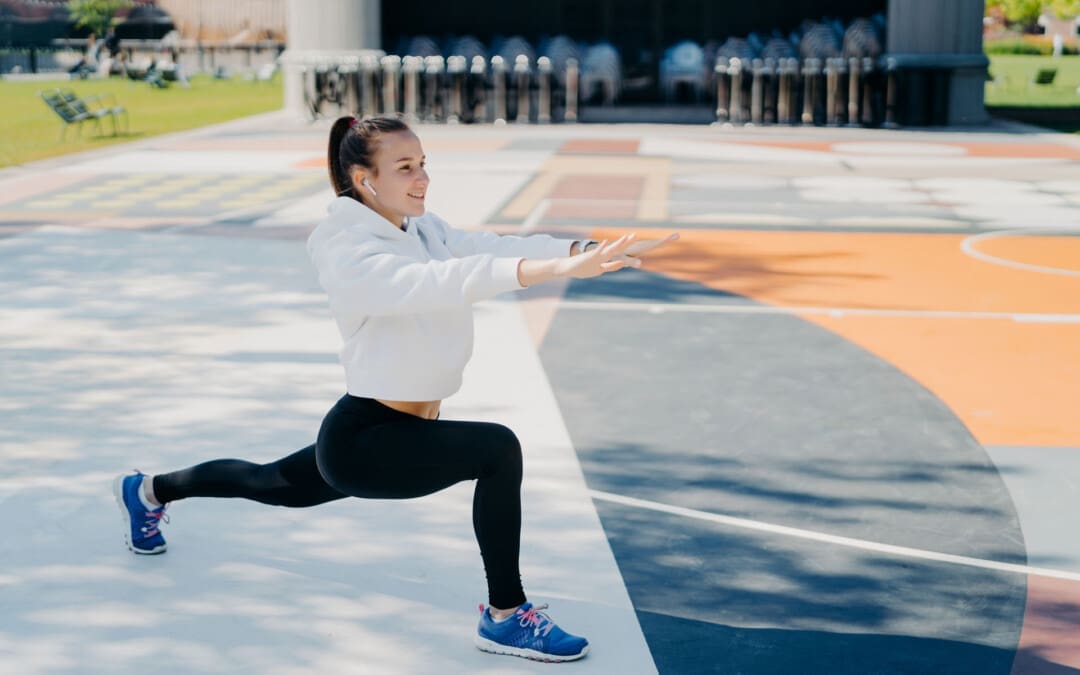
Warming up 5 to 10 minutes before exercise is beneficial for pumping blood to the muscles and preparing them for a run. Dynamic or active stretching and light aerobic activity are a few ways to warm up. This could be active stretching, such as walking lunges, brisk walking, or riding a stationary bike for a few minutes before running. However, individuals should avoid static stretches before running, as they can increase the risk of injury. The minimum length of time for an effective cooldown session is five minutes. Depending on the intensity of the workout, individuals may choose to extend that to 10 minutes.
Steps for a Running Warmup
Do five to 10 minutes of light aerobic exercise to loosen up muscles.
Walk briskly, march, jog slowly, or cycle on a stationary bike.
Don’t rush.
Perform dynamic stretches and movements during the warmup, including walking lunges, jumping jacks, or toe touches.
Begin the run with a slow jog and gradually increase speed.
Slow down if you run out of breath.
This is part of knowing how fast you should run; starting too fast is a common mistake.
Pay attention to posture and form.
Ensure you are using the best technique before speeding up.
Warm Up Benefits
When warming up, the blood vessels dilate. The increased blood flow primes the muscles with oxygen and prepares them to perform at their best. Blood flow also increases the temperature in the muscles for enhanced flexibility. Allowing the heart rate to increase gradually is beneficial, instead of going full max heart output by jumping full speed into the running. (The American Heart Association, 2024)
Properly Cooling Down
At the end of the run:
Cool down by walking or slowly jogging for five to 10 minutes.
Breathing and heart rate should gradually return to normal.
Drink water or an electrolyte-infused drink to rehydrate the body.
Benefits of a Cooldown
The cool-down keeps blood flowing throughout the body at a consistent level. Stopping immediately can cause light-headedness because heart rate and blood pressure can drop rapidly. Winding down slowly allows heart rate and blood pressure to fall gradually. The cooldown is also a good mental transition from the intensity and accomplishing the workout.
Before or After Stretching
Stretching evidence shows it doesn’t have the benefits once thought. Static stretching before, during, or after exercise has not been shown to prevent injury or delayed onset muscle soreness. (Herbert R. D., de Noronha M., & Kamper S. J. 2011) Stretching cold muscles is not recommended. However, there is some evidence that dynamic or active stretching after a warmup can benefit performance. Active stretching is done with exercises that take the muscles through their full range of motion and mimic the actions that will be done during the workout. (Van Hooren B., & Peake J. M. 2018)
Stretching After Running
Standard stretching includes the hamstring stretch, quad stretch, calf stretch, low lunge stretch, IT band stretch, butterfly stretch, hip and backstretch, arms and abs stretch, and triceps stretch. Tips for proper stretching:
Don’t Bounce
Avoid bouncing, as this mimics pulling a rubber band back and forth. You want the muscle to stay stretched.
Hold the stretch for 15 to 30 seconds.
Don’t Stretch Through Pain
Don’t stretch beyond the point where tightness is felt in the muscle.
Do not push through muscle resistance.
Never stretch to the point of pain.
Stretch Whole Body
Don’t just stretch the areas with tightness and/or soreness.
Stretch the whole body equally to prevent injury.
Don’t Hold Your Breath
Take deep breaths during the stretch.
Stay relaxed and breathe in and out slowly.
If starting a new fitness routine, consult your healthcare provider to determine the optimal running warmups and stretching exercises.
Injury Medical Chiropractic and Functional Medicine Clinic
Injury Medical Chiropractic and Functional Medicine Clinic works with primary healthcare providers and specialists to build optimal health and wellness solutions. We focus on what works for you to relieve pain, restore function, prevent injury, and help mitigate issues through adjustments that help the body realign itself. They can also work with other medical professionals to integrate a treatment plan to resolve musculoskeletal problems.
The Science of Motion
References
The American Heart Association. (2024). Warm up, cool down. https://www.heart.org/en/healthy-living/fitness/fitness-basics/warm-up-cool-down
Herbert, R. D., de Noronha, M., & Kamper, S. J. (2011). Stretching to prevent or reduce muscle soreness after exercise. The Cochrane database of systematic reviews, (7), CD004577. https://doi.org/10.1002/14651858.CD004577.pub3
Van Hooren, B., & Peake, J. M. (2018). Do We Need a Cool-Down After Exercise? A Narrative Review of the Psychophysiological Effects and the Effects on Performance, Injuries and the Long-Term Adaptive Response. Sports medicine (Auckland, N.Z.), 48(7), 1575–1595. https://doi.org/10.1007/s40279-018-0916-2
Are there blood tests for individuals with chronic and severe back pain symptoms that can help healthcare providers diagnose?
Blood Tests To Help Diagnose Back Pain
If a healthcare provider suspects an infection or inflammatory arthritis is the cause of back pain, blood tests may be used to diagnose. When trying to find the cause of back pain, a healthcare provider will examine the patient’s medical history, perform a physical examination, and, if necessary, order diagnostic tests. (Dansie E. J. and Turk D. C. 2013) For example, the National Institute of Arthritis and Musculoskeletal and Skin Diseases says that MRIs can reveal abnormalities in the spine. Still, a person may not feel pain or experience any other symptoms. The NIAMS also says healthy, pain-free individuals can have elevated SED levels. A high sedimentation rate or sed rate, also known as an erythrocyte sedimentation rate (ESR) test, can indicate inflammation in the body. (National Institute of Arthritis and Musculoskeletal and Skin Diseases, 2023)
Commonly Used Tests
Blood tests that can help diagnose back pain include:
Complete Blood Count – CBC
This test can indicate inflammation or infections.
Sed Rate or Erythrocyte Sedimentation Rate
This test measures inflammation by analyzing how red blood cells settle through plasma.
If the SED rate indicates that inflammation is present, the possibility of an underlying cause may be some form of arthritis or a tumor, which is rare.
A genetic marker in the blood that is more common in individuals with ankylosing spondylitis and reactive arthritis. (McMichael A. and Bowness P. 2002)
This marker may be tested if the healthcare provider suspects either disease.
Ankylosing spondylitis is an inflammatory arthritis affecting the sacroiliac joints, hips, and spine. (Sieper J. et al., 2002)
Injury Medical Chiropractic and Functional Medicine Clinic
At Injury Medical Chiropractic and Functional Medicine Clinic, we focus on what works for you to relieve pain and restore function. Regarding musculoskeletal pain, specialists like chiropractors, acupuncturists, and massage therapists can help mitigate the pain through spinal adjustments that help the body realign itself. Our areas of practice include Chronic Pain, Personal Injury, Auto Accident Care, Work Injuries, Back Injury, Low Back Pain, Neck Pain, Migraine Headaches, Sports Injuries, severe sciatica, Scoliosis, Complex Herniated Discs, Fibromyalgia, Chronic Pain, Complex Injuries, Stress Management, Wellness and nutrition, Functional Medicine Treatments, and in-scope care protocols. They can also work with other associated medical professionals to develop a personalized treatment plan to help relieve muscle pain, improve the body’s flexibility and mobility, resolve musculoskeletal issues, and prevent future pain symptoms from reoccurring.
Integrative Medicine Approach
References
Dansie, E. J., & Turk, D. C. (2013). Assessment of patients with chronic pain. British journal of anaesthesia, 111(1), 19–25. https://doi.org/10.1093/bja/aet124
National Institute of Arthritis and Musculoskeletal and Skin Diseases. (2023). Back Pain. Retrieved from https://www.niams.nih.gov/health-topics/back-pain
Harrison M. (2015). Erythrocyte sedimentation rate and C-reactive protein. Australian prescriber, 38(3), 93–94. https://doi.org/10.18773/austprescr.2015.034
Sproston, N. R., & Ashworth, J. J. (2018). Role of C-Reactive Protein at Sites of Inflammation and Infection. Frontiers in immunology, 9, 754. https://doi.org/10.3389/fimmu.2018.00754
McMichael, A., & Bowness, P. (2002). HLA-B27: natural function and pathogenic role in spondyloarthritis. Arthritis research, 4 Suppl 3(Suppl 3), S153–S158. https://doi.org/10.1186/ar571
Sieper, J., Braun, J., Rudwaleit, M., Boonen, A., & Zink, A. (2002). Ankylosing spondylitis: an overview. Annals of the rheumatic diseases, 61 Suppl 3(Suppl 3), iii8–iii18. https://doi.org/10.1136/ard.61.suppl_3.iii8
Hamdulay, S. S., Glynne, S. J., & Keat, A. (2006). When is arthritis reactive?. Postgraduate medical journal, 82(969), 446–453. https://doi.org/10.1136/pgmj.2005.044057
Can fruit help with a sweet craving for individuals trying to limit sugar?
Fruits Low In Sugar
Fruits and their natural sugars: Whether following a low-carbohydrate diet or having diabetes and watching your A1C, many have heard that fruit is either bad or okay because of its natural sugars. Sugars in fruit are natural. How they affect blood sugar depends on various factors, like which foods they’re paired with and if diabetes is a factor. Counting carbs or noting the glycemic index or glycemic load of foods being eaten, understanding low-sugar fruits can help make choices that best fit your dietary needs. Certain fruits are considered lower in sugar because they contain fewer carbohydrates and sugar, allowing you to consume a larger portion.
One serving of fruit has about 15 grams of carbohydrates.
A serving is one small apple, half a medium-sized banana, or a cup of berries.
Fruits like berries can be eaten in more significant portions for the same amount of carbohydrates but less sugar.
Fruits
Low-sugar fruits include:
Lemons and Limes
Rhubarb
Apricots
Cranberries
Guava
Raspberries
Blackberries
Kiwi
Figs
Tangerines
Grapefruit
Natural Sugar
How much fruit an individual eats may differ if they follow a specific low-carb meal plan or are counting or modifying their carbohydrate intake because of diabetes. Adults should consume two cups of fruit or juice or a half-cup of dried fruit daily. (U.S. Department of Health and Human Services and U.S. Department of Agriculture, 2015) Most fruits have a low glycemic index/GI because of the amount of fiber they contain and because the sugar is mostly fructose. However, dried fruits like raisins, dates, sweetened cranberries, melons, and pineapples have a medium glycemic index. Sweetened dried fruits have an even higher glycemic index.
Fruits from Lowest to Highest Content
Fruits are a healthy way to satisfy a sweet craving. The fruits listed are ranked from lowest to highest sugar content, providing a quick way to assess sugar content. The fruits lowest in sugar have some of the highest nutritional values, plus antioxidants and other phytonutrients.
Limes and Lemons
Limes contain:
1.1 grams of sugar
7 grams of carbs
1.9 grams of fiber per fruit
Lemons contain:
1.5 grams of sugar
5.4 grams of carbs
1.6 grams of fiber per fruit
Rhubarb
Rhubarb contains:
1.3 grams of sugar
5.5 grams of carbs
2.2 grams of fiber per cup
Apricots
Apricots contain:
3.2 grams of sugar
3.8 grams of carbs
0.7 grams of fiber per small apricot
Apricots are available fresh in spring and early summer. They can be eaten whole, skin and all. However, watch portions of dried apricots as they shrink when dried.
Cranberries
Cranberries contain:
3.8 grams of sugar
12 grams of carbs
3.6 grams of fiber per cup when fresh.
While they’re low in sugar, be aware that they are usually sweetened when dried or used in a recipe.
Guavas
Guava contains:
4.9 grams of sugar
7.9 grams of carbs
3 grams of fiber per fruit
They can be sliced or dipped in salty sauce, including the rind.
Berries
These fruits generally have the lowest sugar content and are among the highest in fiber, antioxidants, and other nutrients. Berries, lemon, and lime can be added to flavor water.
Raspberries
Raspberries contain:
5.4 grams of sugar
14.7 grams of carbs
8 grams of fiber per cup
Eat a handful, or use them as a topping or ingredient. Fresh in summer or frozen year-round.
Blackberries
Blackberries contain:
7 grams of sugar
13.8 grams of carbs
7.6 grams of fiber per cup
Strawberries contain:
7.4 grams of sugar
11.7 grams of carbs
3 grams of fiber per cup
Berries are excellent choices for a snack, a fruit salad, or an ingredient in a smoothie, sauce, or dessert.
Blueberries
Blueberries contain:
15 grams of sugar
21 grams of carbs
3.6 grams of fiber per cup
While blueberries are higher in sugar than other berries, they’re packed with powerful antioxidants.
Kiwis
Kiwis contain:
6.2 grams of sugar
10.1 grams of carbs
2.1 grams of fiber per kiwi
Kiwis have a mild flavor, and the seeds and skin can be eaten.
Figs
Figs contain:
6.5 grams of sugar
7.7 grams of carbs
1.2 grams of fiber per small fig
These figures are for fresh figs, and it may be harder to estimate for dried figs of different varieties, which can have 5 to 12 grams of sugar per fig.
Tangerines
Tangerines contain:
8 grams of sugar
10.1 grams of carbs
1.3 grams of fiber per medium fruit
These low-sugar citrus fruits have less sugar than oranges and are great for salads. They are also portable, making them healthy additions to packed lunches and snacks.
Grapefruit
Grapefruit contains:
8.5 grams of sugar
13 grams of carbs
2 grams of fiber per half fresh grapefruit
Individuals can enjoy fresh grapefruit in a fruit salad or by itself, adjusting the amount of sugar or sweetener.
Low-Carb Diets
Individuals following a low-carb eating plan should remember that while some popular diet plans factor in the glycemic index or glycemic load of foods, others only factor in the number of carbohydrates.
20 Grams of Carbohydrates or Less
Individuals will likely not consume fruit or rarely substitute it for other food items with less than 20 grams of carbohydrates daily.
Nutrients are obtained from vegetables.
Some diets don’t even allow low-sugar fruits in the first phase.
20-50 Grams of Carbohydrates
These eating plans allow 20 to 50 grams of carbs daily, allowing room for one daily fruit serving.
50-100 Grams of Carbohydrates
If the eating plan allows 50 to 100 grams of carbs per day, individuals may be able to follow the FDA guidelines for two fruit servings a day, as long as other resources of carbohydrates are limited.
Other popular plans, like the Paleo diet and Whole30, don’t place a limit on fruit.
Although not necessarily a low-carb diet, Weight Watchers also allows fruit.
In general, individuals following a low-carb diet are recommended to try to eat fruits low in sugar.
Diabetes
Fruit choices when managing diabetes will depend on the type of diet being followed. For example, when counting carbohydrates, individuals should know that 1/2 cup of frozen or canned fruit has about 15 grams of carbohydrates.
Enjoy 3/4 to 1 cup of fresh berries, melon, or 17 grapes for the same carbs.
If using the plate method, add a small piece of whole fruit or 1/2 cup of fruit salad to the plate.
When using the glycemic index to guide food choices, remember that most fruits have a low GI and are encouraged.
Melons, pineapples, and dried fruits have medium GI index values, so watch portion size.
Individuals with diabetes may want to consult their primary doctor or a registered dietitian to help design an eating plan that incorporates fruit appropriately.
Body In Balance: Chiropractic, Fitness, and Nutrition
References
U.S. Department of Health and Human Services and U.S. Department of Agriculture. 2015–2020 Dietary Guidelines for Americans. 8th Edition. December 2015. Available at http://health.gov/dietaryguidelines/2015/guidelines/
Postural orthostatic tachycardia syndrome is a medical condition that causes lightheadedness and palpitations after standing. Can lifestyle adjustments and multidisciplinary strategies help reduce and manage symptoms?
Postural Orthostatic Tachycardia Syndrome – POTS
Postural orthostatic tachycardia syndrome, or POTS, is a condition that varies in severity from relatively mild to incapacitating. With POTS:
The heart rate increases dramatically with body position.
This condition often affects young individuals.
Most individuals with postural orthostatic tachycardia syndrome are women between the ages of 13 and 50.
Some individuals have a family history of POTS; some individuals report POTS began after an illness or stressor, and others report it began gradually.
It usually resolves over time.
Treatment can be beneficial.
Diagnosis is based on assessing blood pressure and pulse/heart rate.
Symptoms
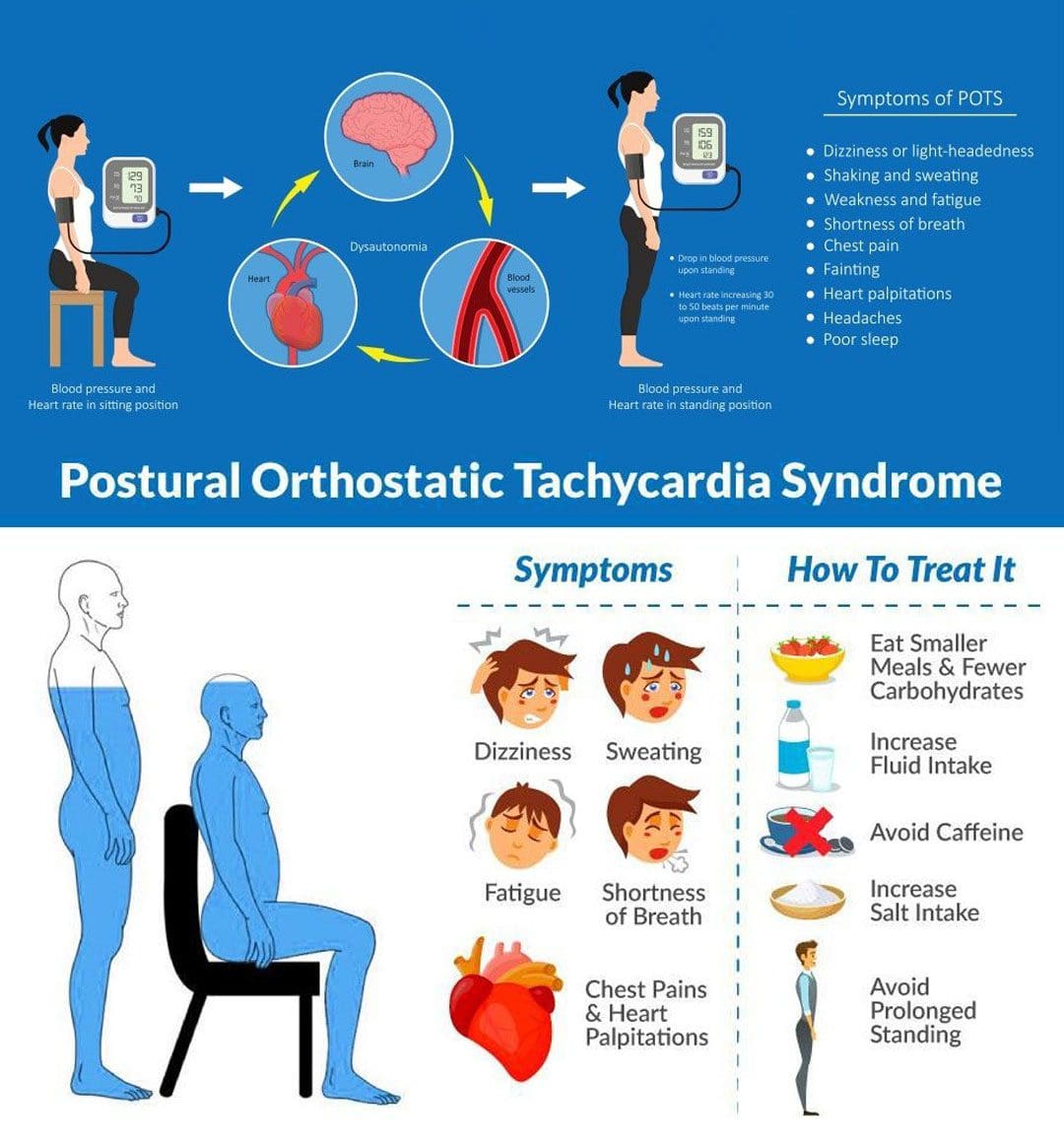
Postural orthostatic tachycardia syndrome can affect young individuals who are otherwise healthy and can begin suddenly. It usually happens between the ages of 15 and 50, and women are more likely to develop it than men. Individuals can experience various symptoms within a few minutes of standing up from a lying or seated position. The symptoms can occur regularly and daily. The most common symptoms include: (National Institutes of Health. National Center for Advancing Translational Sciences. Genetic and Rare Diseases Information Center. 2023)
Anxiety
Lightheadedness
A feeling like you’re about to pass out.
Palpitations – sensing rapid or irregular heart rate.
Dizziness
Headaches
Blurred vision
Legs turn to reddish-purple.
Weakness
Tremors
Fatigue
Sleep problems
Trouble concentrating/brain fog.
Individuals may also experience recurrent episodes of fainting, usually without any trigger/s other than standing up.
Individuals can experience any combination of these symptoms.
Sometimes, individuals cannot handle sports or exercise and may feel light-headed and dizzy in response to mild or moderate physical activity, which can be described as exercise intolerance.
Associated Effects
Postural orthostatic tachycardia syndrome can be associated with other dysautonomia or nervous system syndromes, like neurocardiogenic syncope.
Individuals are often co-diagnosed with other conditions like:
Chronic fatigue syndrome
Ehlers-Danlos syndrome
Fibromyalgia
Migraines
Other autoimmune conditions.
Bowel conditions.
Causes
Usually, standing up causes blood to rush from the torso to the legs. The sudden change means less blood is available for the heart to pump. To compensate, the autonomic nervous system sends signals to the blood vessels to constrict to push more blood to the heart and maintain blood pressure and a normal heart rate. Most individuals do not experience significant changes in blood pressure or pulse when standing up. Sometimes, the body is unable to perform this function correctly.
If blood pressure drops from standing and causes symptoms like lightheadness, it is known as orthostatic hypotension.
If the blood pressure remains normal, but the heart rate gets faster, it is POTS.
The exact factors that cause postural orthostatic tachycardia syndrome are different in individuals but are related to changes in:
The autonomic nervous system, adrenal hormone levels, total blood volume, and poor exercise tolerance. (Robert S. Sheldon et al., 2015)
Autonomic Nervous System
The autonomic nervous system controls blood pressure and heart rate, which are the areas of the nervous system that manage internal bodily functions like digestion, respiration, and heart rate. It is normal for blood pressure to drop slightly and the heart rate to speed up a little when standing. With POTS, these changes are more pronounced.
POTS is considered a type of dysautonomia, which is diminished regulation of the autonomic nervous system.
Several other syndromes are also thought to be related to dysautonomia, like fibromyalgia, irritable bowel syndrome, and chronic fatigue syndrome.
It isn’t clear why the syndrome or any of the other types of dysautonomia develop, but there seems to be a familial predisposition.
Sometimes the first episode of POTS manifests after a health event like:
Pregnancy
Acute infectious illness, for example, a severe case of influenza.
An episode of trauma or concussion.
Major surgery
Diagnosis
A diagnostic evaluation will include a medical history, a physical examination, and diagnostic tests.
The healthcare provider will take blood pressure and pulse at least twice. Once while lying down and once while standing.
Blood pressure measurements and pulse rate lying down, sitting, and standing are orthostatic vitals.
Typically, standing up increases the heart rate by 10 beats per minute or less.
With POTS, heart rate increases by 30 beats per minute while blood pressure remains unchanged. (Dysautonomia International. 2019)
The heart rate stays elevated for over a few seconds upon standing/usually 10 minutes or more.
Symptoms happen frequently.
Lasts more than a few days.
Positional pulse changes are not the only diagnostic consideration for postural orthostatic tachycardia syndrome, as individuals can experience this change with other conditions.
During this test, blood pressure and pulse are measured several times when lying on a table and when the table is moved to an upright position.
Differential Diagnosis
There are various causes of dysautonomia, syncope, and orthostatic hypotension.
Throughout the evaluation, the healthcare provider may look at other conditions, like dehydration, deconditioning from prolonged bed rest, and diabetic neuropathy.
Medications like diuretics or blood pressure medication can cause similar effects.
Treatment
Several approaches are used in managing POTS, and individuals may require a multidisciplinary approach. The healthcare provider will advise regularly checking blood pressure and pulse at home to discuss the results when going in for medical checkups.
Fluids and Diet
Drinking non-caffeinated fluids can keep the body hydrated.
A healthcare provider can calculate the right amount of fluids that are needed each day.
Overnight dehydration is common, so it is especially important to drink fluids first thing in the morning, preferably before getting out of bed and standing.
Exercise and physical therapy can help the body learn to adjust to an upright position.
Because it can be challenging to exercise when dealing with POTS, a targeted exercise program under supervision may be required.
An exercise program may begin with swimming or using rowing machines, which do not require upright posture. (Dysautonomia International. 2019)
After a month or two, walking, running, or cycling may be added.
Studies have shown that individuals with POTS, on average, have smaller cardiac chambers than individuals who don’t have the condition.
Regular aerobic exercise has been shown to increase cardiac chamber size, slow heart rate, and improve symptoms. (Qi Fu, Benjamin D. Levine. 2018)
Individuals must continue an exercise program for the long term to keep symptoms from returning.
Medication
Prescription medications to manage POTS include midodrine, beta-blockers, pyridostigmine – Mestinon, and fludrocortisone. (Dysautonomia International. 2019)
Ivabradine, used for the heart condition of sinus tachycardia, has also been used effectively in some individuals.
Conservative Interventions
Other ways to help prevent symptoms include:
Sleeping in the head-up position by elevating the head of the bed off the ground 4 to 6 inches utilizing an adjustable bed, blocks of wood, or risers.
This increases the blood volume in circulation.
Performing countermeasure maneuvers like squatting, squeezing a ball, or crossing the legs. (Qi Fu, Benjamin D. Levine. 2018)
Wearing compression stockings to prevent too much blood from flowing into the legs when standing can help avoid orthostatic hypotension. (Dysautonomia International. 2019)
Conquering Congestive Heart Failure
References
National Institutes of Health. National Center for Advancing Translational Sciences. Genetic and Rare Diseases Information Center (GARD). (2023). Postural orthostatic tachycardia syndrome.
Sheldon, R. S., Grubb, B. P., 2nd, Olshansky, B., Shen, W. K., Calkins, H., Brignole, M., Raj, S. R., Krahn, A. D., Morillo, C. A., Stewart, J. M., Sutton, R., Sandroni, P., Friday, K. J., Hachul, D. T., Cohen, M. I., Lau, D. H., Mayuga, K. A., Moak, J. P., Sandhu, R. K., & Kanjwal, K. (2015). 2015 heart rhythm society expert consensus statement on the diagnosis and treatment of postural tachycardia syndrome, inappropriate sinus tachycardia, and vasovagal syncope. Heart rhythm, 12(6), e41–e63. https://doi.org/10.1016/j.hrthm.2015.03.029
For individuals with aches and pains throughout their body, can a foot detox help bring relief?
Foot Detox
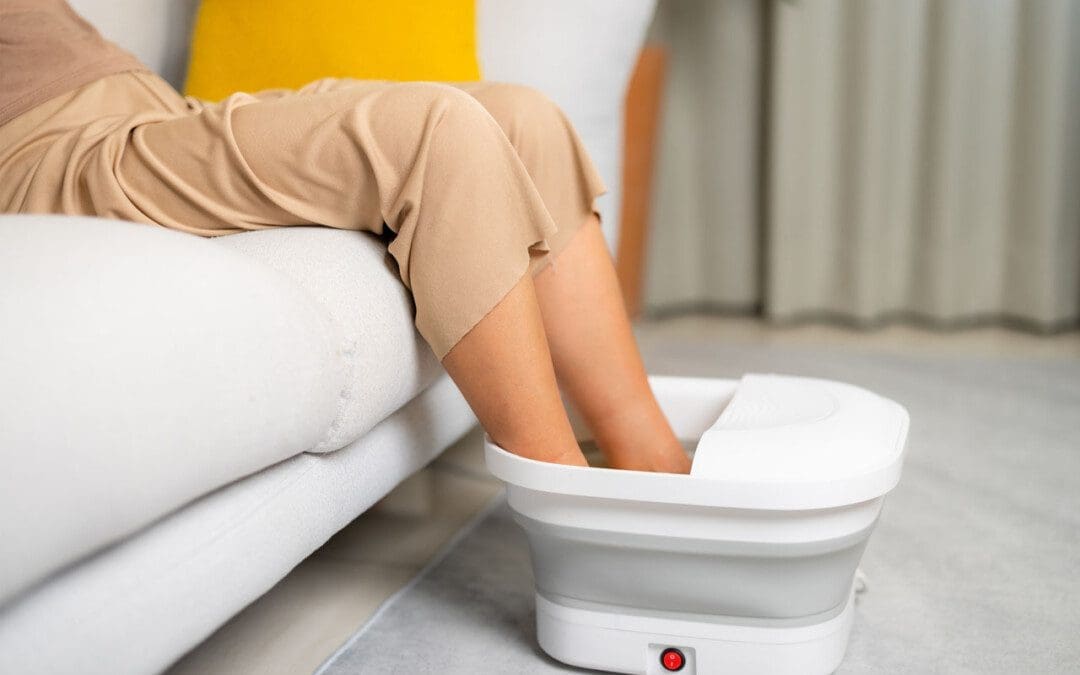
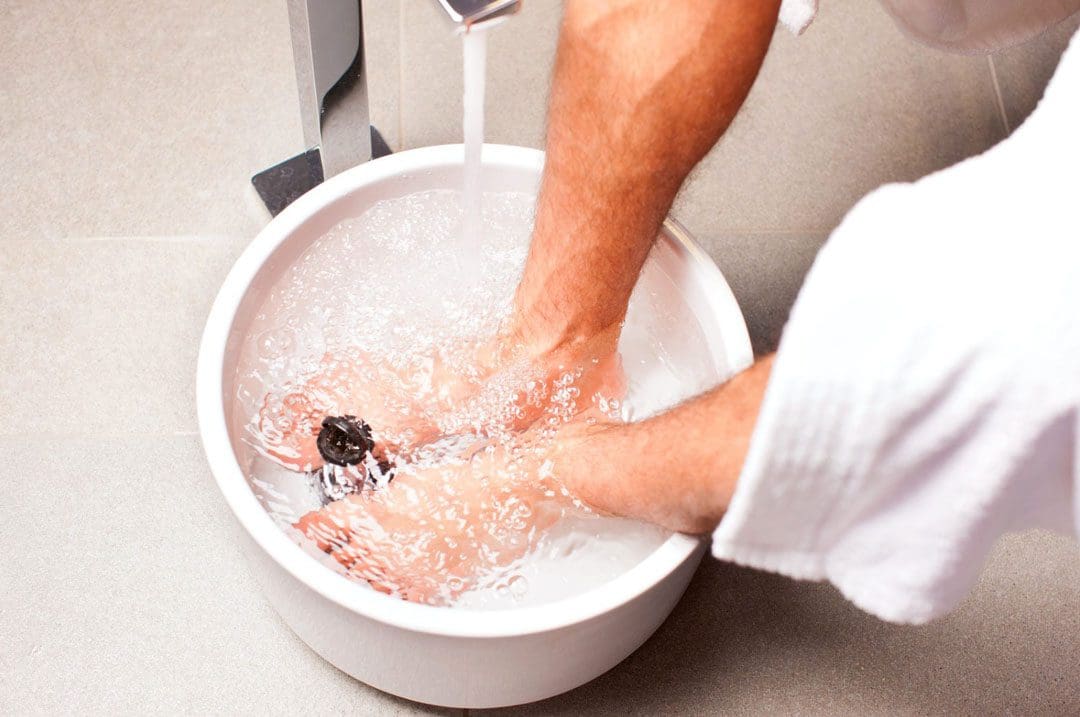
A foot detox involves soaking the feet in an ionic bath to help remove toxins from the body. They can also be performed using acupressure, scrubs, foot masks, and pads. Combined with eliminating toxins, detox is also believed to help enhance blood circulation and provide body pain and discomfort relief. However, current evidence is limited and there has been no evidence to support that toxins can be released from the feet using an ionic bath. However, they have been found to provide other benefits, which include:
Relaxation
Lower stress levels
Enhanced skin health and hydration.
Reduced inflammation in individuals with skin disorders.
Foot detoxes are considered generally safe, but individuals are recommended to speak to their healthcare provider.
Potential Benefits
The potential health benefits include:
Reduces inflammation and swelling.
Improves stress levels and mood.
Can help with weight management.
Can help with heart health and increased blood circulation.
However, most reports surrounding the benefits of foot detox are not proven by research investigating whether the health claims are scientifically accurate. One study in 2012 found that foot detoxes did not produce the intended results and could not help remove toxins from the body. (Deborah A. Kennedy, et al., 2012) Other research surrounding foot baths and massages showed that they could help reduce symptoms of mood disorders like schizophrenia because of the relaxing effect they produce. (Kazuko Kito, Keiko Suzuki. 2016)
Ways Toxins are Removed From the Body
Toxins are filtered out of the body in a variety of ways. Breathing out expels carbon dioxide from the body. Another way is through the body’s natural processes. The body has organs and other systems to filter out and release toxins.
Specific organs, such as the liver, kidneys, and lymph nodes, filter and remove harmful and unneeded substances. (UW Integrative Health. 2021)
The health claims surrounding toxin removal through the feet are currently insubstantial because no evidence supports the effectiveness and the anecdotal evidence is not based on science.
Foot detoxes can be an enjoyable experience that can help relieve sore feet, relax the body, and offer relief for certain foot ailments. They could be an excellent addition to a self-care routine. Some of the most commonly used natural foot detoxes include the following.
Epsom Salt Foot Bath
Combining Epsom salts with warm water and soaking the feet for 20–30 minutes can help promote relaxation.
Apple cider vinegar foot baths are made by diluting 1 cup of vinegar in warm water and soaking the feet for 20–30 minutes.
There is limited research available to confirm the health claims.
The studies that have been done have found the reverse effect, that bathing the feet in apple cider vinegar and water can irritate the skin. (Lydia A Luu, et al., 2021)
Baking Soda and Sea Salt
Sea salt combined with baking soda dissolved in a bath and soak the feet for up to 30 minutes. While research is limited, some evidence supports the health benefits associated with sea salt that include: (Ehrhardt Proksch, et al., 2005)
Reduces inflammation in skin conditions, like atopic dermatitis.
Foot baths should be avoided for the following:
There are open sores on the feet that could be irritated by salt and other foot bath ingredients.
Individuals with a pacemaker or any electrical body implant.
Pregnant women.
Consult a healthcare provider before trying any new health protocols.
Foot Orthotics Benefits
References
Kennedy, D. A., Cooley, K., Einarson, T. R., & Seely, D. (2012). Objective assessment of an ionic footbath (IonCleanse): testing its ability to remove potentially toxic elements from the body. Journal of environmental and public health, 2012, 258968. https://doi.org/10.1155/2012/258968
Kito, K., & Suzuki, K. (2016). Research on the Effect of the Foot Bath and Foot Massage on Residual Schizophrenia Patients. Archives of psychiatric nursing, 30(3), 375–381. https://doi.org/10.1016/j.apnu.2016.01.002
UW Integrative Health. Improving your health by removing toxins from your body.
Akyuz Ozdemir, F., & Can, G. (2021). The effect of warm salt water foot bath on the management of chemotherapy-induced fatigue. European journal of oncology nursing: the official journal of European Oncology Nursing Society, 52, 101954. https://doi.org/10.1016/j.ejon.2021.101954
Vakilinia, S. R., Vaghasloo, M. A., Aliasl, F., Mohammadbeigi, A., Bitarafan, B., Etripoor, G., & Asghari, M. (2020). Evaluation of the efficacy of warm salt water foot-bath on patients with painful diabetic peripheral neuropathy: A randomized clinical trial. Complementary therapies in medicine, 49, 102325. https://doi.org/10.1016/j.ctim.2020.102325
Luu, L. A., Flowers, R. H., Gao, Y., Wu, M., Gasperino, S., Kellams, A. L., Preston, D. C., Zlotoff, B. J., Wisniewski, J. A., & Zeichner, S. L. (2021). Apple cider vinegar soaks do not alter the skin bacterial microbiome in atopic dermatitis. PloS one, 16(6), e0252272. https://doi.org/10.1371/journal.pone.0252272
Proksch, E., Nissen, H. P., Bremgartner, M., & Urquhart, C. (2005). Bathing in a magnesium-rich Dead Sea salt solution improves skin barrier function, enhances skin hydration, and reduces inflammation in atopic dry skin. International journal of dermatology, 44(2), 151–157. https://doi.org/10.1111/j.1365-4632.2005.02079.x
Kanwar A. J. (2018). Skin barrier function. The Indian Journal of Medical Research, 147(1), 117–118. https://doi.org/10.4103/0971-5916.232013
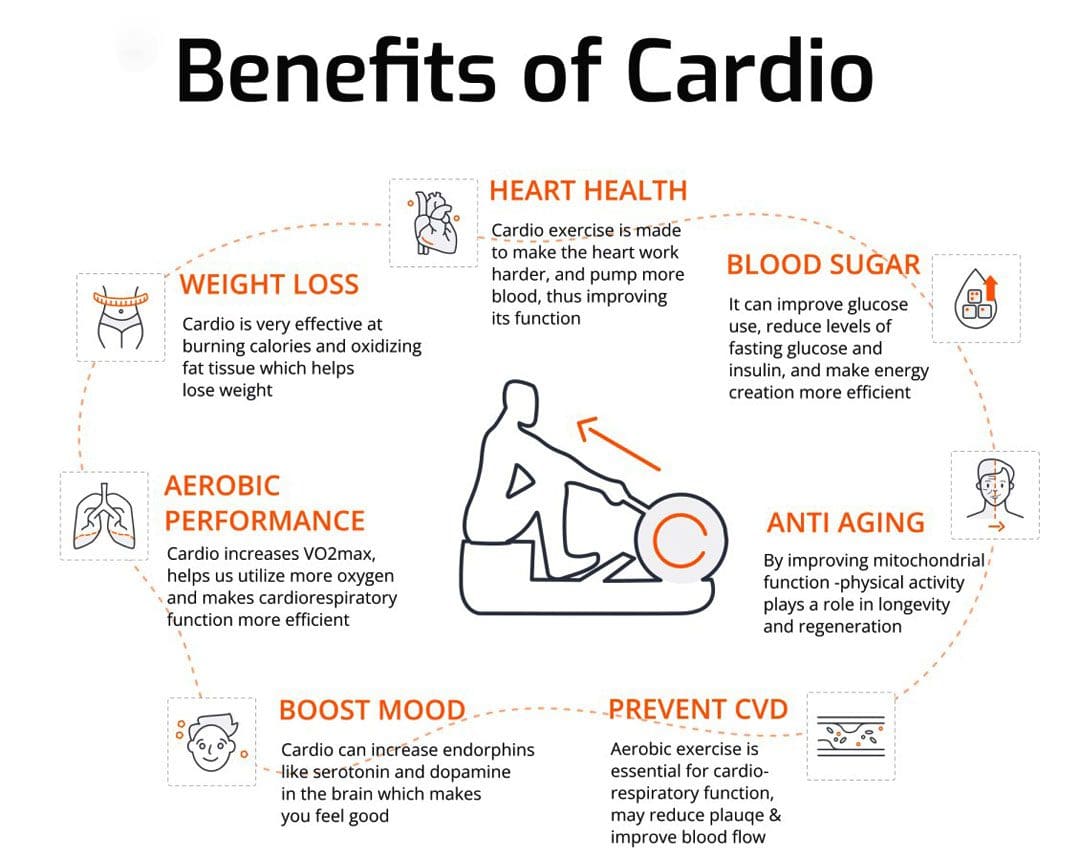
Aerobic Exercise Health: The body adapts differently to different types of exercise. Aerobic, cardio, and endurance all refer to activities stimulating heart and breathing rates to provide the muscles with oxygenated blood. The oxygen is delivered by blood pumped from the heart through the arteries and returns to the heart through the veins. This explains all the heavy breathing during workouts. Aerobic exercise increases energy production in the muscle cells and blood delivery in the cardiovascular system.
Aerobic Exercise Health
The Heart
All the muscles get to rest on and off when in use. The heart is a unique muscle that pumps blood through the body that never gets time off. This is why it is important to strengthen the heart. With aerobic exercise, the heart’s chamber/left ventricle gets larger, producing more blood per pump to the rest of the body. This improves cardiac output for the blood pumped by the heart per minute. When the heart is stronger, pumping more blood per beat means it doesn’t have to beat as rapidly. A lower resting heart rate is associated with a reduced risk of cardiovascular disease and promotes long and healthy life.
Vascular
Each time the heart beats, blood pumps from the left ventricle into the aorta and flows into a branching vessel network. Every artery in the body provides resistance to the circulation that the heart pushes against. The resistance provided can vary, depending on overall health and health conditions.
Aerobic exercise training reduces the workload by reducing arterial stiffness.
Aerobic exercise increases heart rate, pushing more blood through the arteries.
The inner wall of the arteries recognizes the increased blood flow causing the arteries to widen.
With regular training, the arteries acclimate and become more effective at expanding with each rush of blood.
No aerobic activity can cause the arteries to stiffen, causing circulation problems.
Aerobic exercise impacts the vascular system by promoting capillary growth.
Capillaries are microscopic vessels where oxygen diffuses from red blood cells to the muscle and other cells.
The body stimulates a molecule called vascular endothelial growth factor to grow additional capillaries to regulate energy demand more efficiently.
Older individuals benefit from aerobic activity similarly to young individuals.
Metabolic
Along with cardiovascular benefits, aerobic exercise increases the muscles’ energy production. The energy is produced in muscle cells primarily through an oxidative energy system. Oxidative energy production takes place within cells called mitochondria. Once blood delivers oxygen to the muscle cells, it can be used to produce energy that powers the muscles.
Aerobic exercise training improves the muscle cells’ ability to burn fat by generating more mitochondria and enhancing functionality.
Following each training session, the body burns more fat than usual.
Aerobic training can increase resting metabolic rate, resulting in more calories burned.
It can increase post-exercise oxygen consumption/EPOC, resulting in increased calorie burn after training in addition to calories burned during exercise.
Muscle
The muscles adapt from aerobic training. Muscles are made up of various fiber types.
Aerobic exercise training primarily influences type 1 fibers, known as slow-twitch fibers.
The name comes from the proteins responsible for their contractions.
Relative to type 2a fibers/fast-twitch, type 1 fibers contract more slowly but have an increased capacity to contract over and over for longer.
Aerobic training results in hypertrophy of type 1 muscle fibers by adding more slow-twitch proteins.
Strengthening the heart and making arteries more flexible directly impacts health and physical function. Aerobic exercise strengthens and trains the heart to circulate blood efficiently. Injury Medical Chiropractic and Functional Medicine Clinic can develop a personalized health plan for your needs.
Aerobic Exercise Health: Dance Workout
References
Arbab-Zadeh, Armin, et al. “Cardiac remodeling in response to 1 year of intensive endurance training.” Circulation vol. 130,24 (2014): 2152-61. doi:10.1161/CIRCULATIONAHA.114.010775
Gavin, Timothy P et al. “No difference in the skeletal muscle angiogenic response to aerobic exercise training between young and aged men.” The Journal of physiology vol. 585, Pt 1 (2007): 231-9. doi:10.1113/Physiol.2007.143198
Hellsten, Ylva, and Michael Nyberg. “Cardiovascular Adaptations to Exercise Training.” Comprehensive Physiology vol. 6,1 1-32. 15 Dec. 2015, doi:10.1002/cphy.c140080
Nauman, Javaid, et al. “Temporal changes in resting heart rate and deaths from ischemic heart disease.” JAMA vol. 306,23 (2011): 2579-87. doi:10.1001/jama.2011.1826
Popel, A S. “Theory of oxygen transport to tissue.” Critical reviews in biomedical engineering vol. 17,3 (1989): 257-321.
Seals, Douglas R et al. “Aerobic exercise training and vascular function with aging in healthy men and women.” The Journal of physiology vol. 597,19 (2019): 4901-4914. doi:10.1113/JP277764
High Blood Pressure and Physical Activity: Blood pressure flows throughout the body to meet metabolic demands. During periods of physiological stress like physical activity, exercise, or feeling overwhelmed, blood pressure can increase for a short period but is not considered dangerous or unhealthy. However, when an individual’s baseline resting blood pressure readings stay high, the risk of developing serious health conditions increases. High blood pressure is reversible with lifestyle adjustments and physical activity for a more healthy and sustainable level.
High Blood Pressure and Physical Activity
Everything individuals need to know and understand about high blood pressure includes:
Common causes
Healthy readings
Monitoring pressure
Beneficial activities to lower blood pressure and improve health.
Blood pressure measures the force exerted on the circulatory system. Blood pressure changes throughout the day, depending on the following:
Nutrition
Activity levels
Stress levels
Medical comorbidities
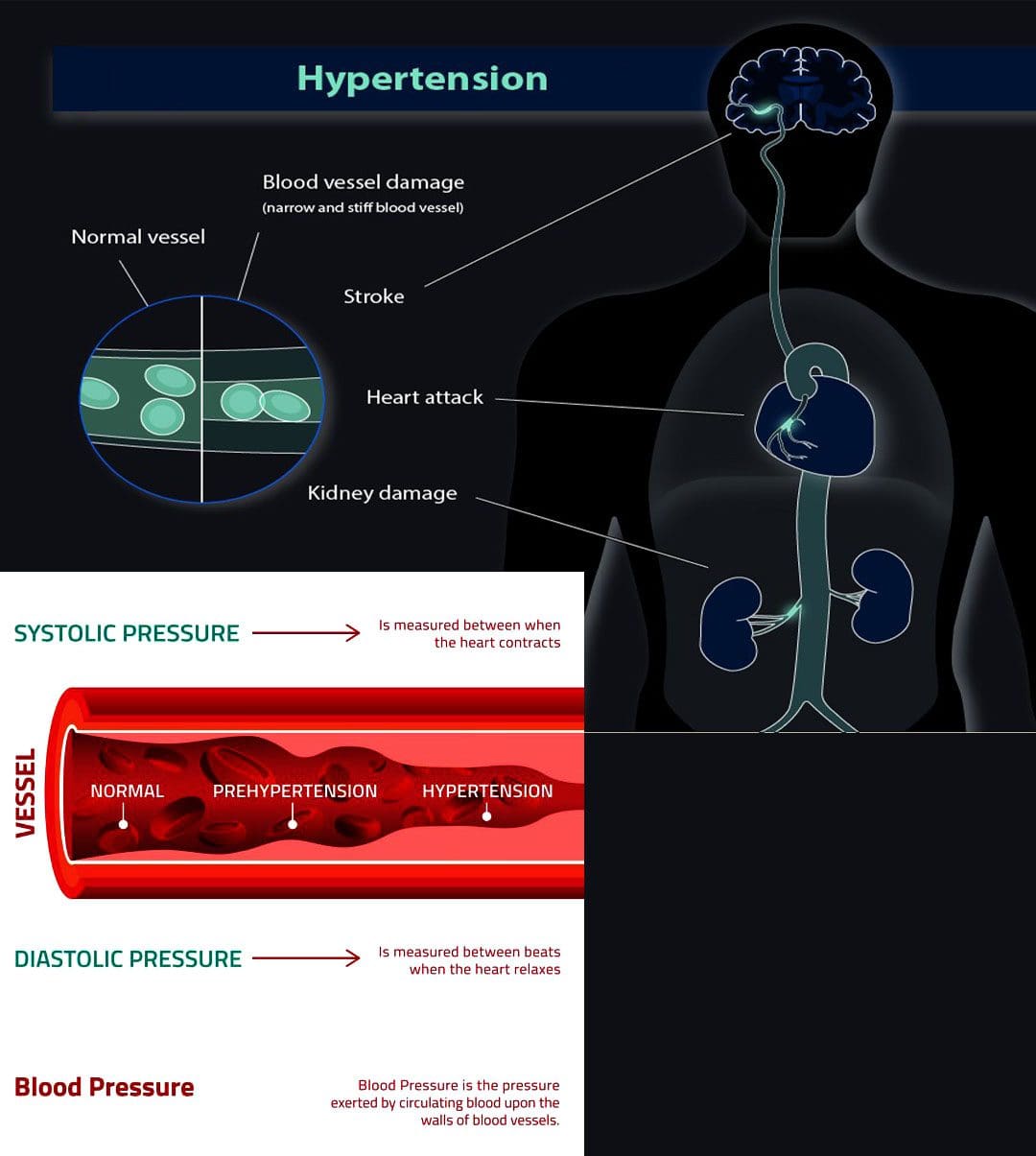
Unlike heart rate or temperature, blood pressure is two separate measurements. Typically seen as a fraction, for example – 120/80 mmHg, each number gives the medical provider information about the function and health of the vascular system:
Systolic
Written as the top number of the measurement, systolic blood pressure refers to the force exerted against the blood vessels during a heartbeat.
This value represents the highest pressure on the arteries, veins, and capillaries.
Diastolic
The bottom number/measurement, the diastolic reading, represents the pressure the vascular system is subjected to between heartbeats.
In most cases, elevated diastolic blood pressure values are seen in individuals with high systolic blood pressure.
Readings
According to the CDC, a healthy blood pressure reading is 120/80 mmHg. As blood pressure changes throughout the day, it is recommended to have a baseline level/when at rest to remain as close as possible to these values. When baseline levels remain high, the risk of developing serious medical complications increases. Criteria for different stages of diagnosis include:
Elevated blood pressure – 120-129 mmHg / 80 or less mmHg.
Stage 1 hypertension – 130-139 mmHg / 80-89 mmHg.
Stage 2 hypertension – 140 or higher mmHg / 90 or higher mmHg.
Prolonged exposure to high pressure damages the vessels and heart.
Measurements
The first step to assessing baseline blood pressure is taking regular and accurate readings. An automatic blood pressure cuff and monitor at home can record readings to determine baseline values. Various factors can contribute to inaccurate readings. Here are a few tips for avoiding inaccuracy:
Keep the arm being measured at the height of the heart.
Avoid taking blood pressure after exercise or stress.
Double-check readings on the opposite arm when possible.
Try to take readings at a similar time during a rest period.
After each reading, record values in a journal for the primary care provider.
Performing daily blood pressure readings for a few weeks can be beneficial to determine baseline levels.
Physical Activity
Aerobic activities increase the body’s need for oxygen. Getting the muscles active and moving during physical activity increases the demand for oxygen, which is why breathing and heart rate increase. The cardiovascular system includes the heart, arteries, and veins. Additional stress is added when the system goes through aerobic activity to maintain metabolic levels, improving strength and endurance. Regular aerobic exercise can decrease high baseline pressure because a stronger heart and vascular system do not need to exert as much energy to maintain cell function. Aerobic activities include:
Brisk Walking
A low-impact aerobic exercise, brisk walking, has been shown to reduce baseline systolic blood pressure in individuals who participated in supervised walking sessions over six months.
Gardening
Gardening activities like digging and lifting are considered moderate-intensity exercises. It is a recommended low-impact option for individuals of all ages.
Bicycle Riding
Cycling has been shown to offer short and long-term benefits for managing blood pressure.
It is common for pressure to increase while biking; studies have shown that regular cycling can reduce baseline systolic and diastolic blood pressure over six months.
It is recommended to start slow. As confidence builds and cardiovascular endurance increases, longer and more regular bike rides become easier to integrate into a routine.
Dancing
All forms of dancing can help to improve cardio endurance and strength, which has been shown to reduce systolic and diastolic blood pressure readings.
Whether line dancing, partner dancing, or dancing alone, dancing regularly can help reduce stress and blood pressure levels.
Hypertension Nutrition
References
Cardoso, Crivaldo Gomes Jr, et al. “Acute and chronic effects of aerobic and resistance exercise on ambulatory blood pressure.” Clinics (Sao Paulo, Brazil) vol. 65,3 (2010): 317-25. doi:10.1590/S1807-59322010000300013
Conceição, Lino Sergio Rocha, et al. “Effect of dance therapy on blood pressure and exercise capacity of individuals with hypertension: A systematic review and meta-analysis.” International journal of cardiology vol. 220 (2016): 553-7. doi:10.1016/j.ijcard.2016.06.182
Hollingworth, M et al. “Dose-response associations between cycling activity and risk of hypertension in regular cyclists: The UK Cycling for Health Study.” Journal of human hypertension vol. 29,4 (2015): 219-23. doi:10.1038/jhh.2014.89
Mandini, Simona, et al. “Walking and hypertension: greater reductions in subjects with higher baseline systolic blood pressure following six months of guided walking.” PeerJ vol. 6 e5471. 30 Aug. 2018, doi:10.7717/peerj.5471
Sapra A, Malik A, Bhandari P. Vital Sign Assessment. [Updated 2022 May 8]. In: StatPearls [Internet]. Treasure Island (FL): StatPearls Publishing; 2022 Jan-. Available from: https://www.ncbi.nlm.nih.gov/books/NBK553213/
IFM's Find A Practitioner tool is the largest referral network in Functional Medicine, created to help patients locate Functional Medicine practitioners anywhere in the world. IFM Certified Practitioners are listed first in the search results, given their extensive education in Functional Medicine