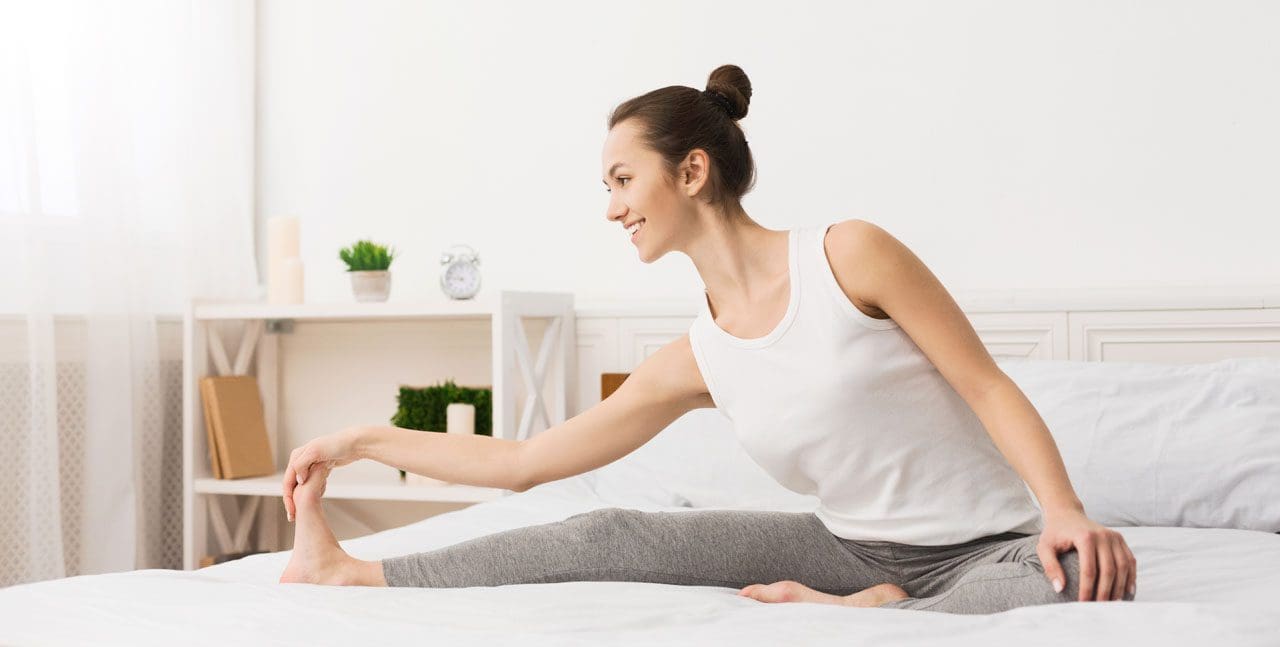
What type of exercise is recommended for individuals who want to exercise before bed?
Exercising Before Bed
Exercising sounds like a good way to tire the mind and body before bed. However, research shows that moderate to vigorous exercise later in the day can negatively impact sleep quality. (Alkhaldi E. H. et al., 2023)
To improve sleep, it is recommended that you exercise in the morning or earlier in the day, at least four hours before bed.
Individuals who exercise later should aim for lighter activities, such as non-strenuous walking or gentle, restorative yoga.
Light physical activity, like a slow walk after dinner, is OK.
Advantages
Daily exercise improves sleep quality. (Johns Hopkins Medicine, 2025) Mild exercise before bed and engaging in light activities like walking or stretching can positively affect health (Hijikata Y, Yamada S. 2011). These include:
Decrease muscle tension
Improve digestion
Improve blood sugar regulation
Relax the mind and body
Disadvantages
The nervous system naturally switches between active and calm. It is ready to work and engage in physical activities when it is active. When it is resting, sleep occurs. Activating the nervous system before bed can affect sleep, and exercising can affect body temperature, producing sleep challenges. Typically, body temperature decreases as the body prepares for sleep. Exercising before bed can increase core temperature and disrupt the process. (Szymusiak R. 2018) Moderate or vigorous physical activity close to going to sleep can: (Alkhaldi E. H. et al., 2023)
Make it more difficult to fall asleep
This leads to more waking up during the night.
Decrease sleep quality
Recommended Types of Exercise
Pre-bedtime activities should not be vigorous or engaging enough to make the body and mind more alert. Some exercises to calm the body and mind before bed include: (Sleep Foundation, 2023)
Restorative Yoga
Yoga Nidra and other low-intensity yoga can help promote sleep.
More intense forms of yoga, such as vinyasa/flow, should be done earlier.
Tai Chi
A Chinese practice that incorporates slow, gentle movements and focuses on breathing to promote peace and relaxation.
Slow Walking
Walking at a leisurely pace can help the body unwind and relax.
A slow heart rate and breathing indicate that the activity is calming and not stimulating.
Exercises to Avoid
Moderate to high-intensity workouts before bed that increase breathing and heart rate can disrupt sleep. Individuals who struggle to fall asleep or get restful sleep should try reducing the intensity of certain exercises or avoiding them one to two hours before bed. Examples of moderate to vigorous exercises include: (American Heart Association, 2024)
Gardening or heavy yard work
Running
Brisk walking
Cycling
Dancing
Sports activities
Working Out In The Evening
Sometimes, exercising later in the day or close to bedtime is the only time to get physical activity. If this is the case, late exercise is better than no exercise at all, but there are ways to lessen its impact on sleep, including:
Light physical activity, like walking, can be done up to an hour before bed.
Do more intense exercises at the beginning of the workout.
End the workout with a cooldown, like walking or stretching, to relax the mind and body.
Know how your workout schedule impacts your sleep, and adjust as necessary.
Injury Medical Chiropractic & Functional Medicine Clinic
Injury Medical Chiropractic and Functional Medicine Clinic works with primary healthcare providers and specialists to develop an optimal health and wellness solution. We focus on what works for you to relieve pain, restore function, and prevent injury. Regarding musculoskeletal pain, specialists like chiropractors, acupuncturists, and massage therapists can help mitigate the pain through spinal adjustments that help the body realign itself. They can also work with other medical professionals to integrate a treatment plan to resolve musculoskeletal issues.
Optimizing Your Wellness
References
Alkhaldi, E. H., Battar, S., Alsuwailem, S. I., Almutairi, K. S., Alshamari, W. K., & Alkhaldi, A. H. (2023). Effect of Nighttime Exercise on Sleep Quality Among the General Population in Riyadh, Saudi Arabia: A Cross-Sectional Study. Cureus, 15(7), e41638. https://doi.org/10.7759/cureus.41638
Johns Hopkins Medicine. (2025). Exercising for better sleep. https://www.hopkinsmedicine.org/health/wellness-and-prevention/exercising-for-better-sleep
Hijikata, Y., & Yamada, S. (2011). Walking just after a meal seems to be more effective for weight loss than waiting for one hour to walk after a meal. International journal of general medicine, 4, 447–450. https://doi.org/10.2147/IJGM.S18837
Szymusiak R. (2018). Body temperature and sleep. Handbook of clinical neurology, 156, 341–351. https://doi.org/10.1016/B978-0-444-63912-7.00020-5
Sleep Foundation. (2023). Bedtime routines for adults. https://www.sleepfoundation.org/sleep-hygiene/bedtime-routine-for-adults
American Heart Association. (2024). American Heart Association recommendations for physical activity in adults and kids. https://www.heart.org/en/healthy-living/fitness/fitness-basics/aha-recs-for-physical-activity-in-adults
Harvard Health Publishing. (2024). Does exercising at night affect sleep? https://www.health.harvard.edu/staying-healthy/does-exercising-at-night-affect-sleep
What is the recommended way to choose a mattress for individuals with back pain?
Back Pain Mattress
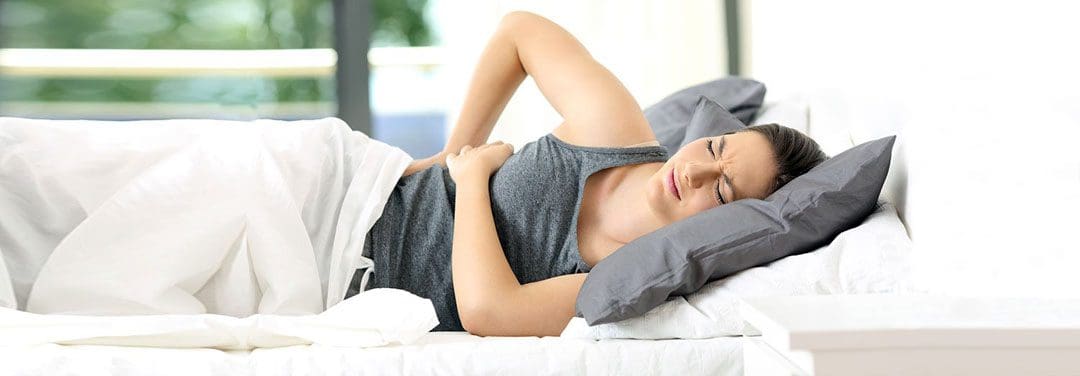
When choosing a back pain mattress, one size does not fit all in selecting one for those with spine pain. Several other factors play a role, as well. However, whether a firm or soft mattress is the best option for individuals whose back pain keeps them up at night, most health experts say the choice is yours and that the mattress that makes you feel most comfortable is likely the best option. The research says that medium firmness seems to provide the most painless sleep. A review gathered information from 24 controlled trials where participants used soft, medium-firm, firm, or custom-inflated mattresses. The results showed that medium-firm and self-adjusted mattresses were best for sleep comfort, quality, and spinal alignment. (Radwan A. et al., 2015)
Medical Status
Selecting the back pain mattress best suited to your spinal condition is more than just how hard or soft the mattress is. Individuals and their healthcare providers should thoroughly review their medical history to tailor the mattress to their needs. Before purchasing a mattress, check the following:
Age
Medical history
Injuries current and past
Current diagnosis or diagnoses
Disease and/or Conditions
Sleeping preferences
For example, symptoms of spinal stenosis tend to present themselves when one is standing and walking but not when lying down. For this reason, mattress firmness is not a big issue only for people with spinal stenosis. However, it must be taken into consideration for those who have degeneration along with spinal stenosis.
Individuals with spinal arthritis without stenosis, disc problems, or non-specific back pain need to consider the relative firmness or softness of the back pain mattress. People with these conditions do better with more support, i.e., a firmer mattress. While everyone needs some back support when they sleep, those who have undergone multiple back surgeries often need less. The tissues have been altered and may be stiffer after several surgeries. In this case, a softer mattress may be more suitable and comfortable.
Mattress Age
Mattress springs break down over time, which makes the bed softer. This can aggravate the spine and back muscles. Based on this, investing in a new mattress makes sense, or pain and stiffness can worsen with the current one. While this will vary among individuals, medical research may help shed some light: A study measured the comfort and quality of sleep for 27 participants with low back pain and stiffness. The participants recorded their sleep comfort and quality in their beds for 21 days and then with a new prescribed mattress and bedding system, which they used for 12 weeks. The study found that the participants showed significant and progressive improvement in back pain and stiffness on the new mattresses and improved sleep quality significantly. (Jacobson B. H. et al., 2010)
Sleeping Position
The position usually slept in makes a difference in the support needed for the back pain mattress. Some recommendations for back sleepers, side and fetal position sleepers, and stomach sleepers:
Side Sleepers
Most people are side sleepers.
They sleep in the fetal position with their knees drawn up toward their chest.
This position tends to place pressure on the hips and shoulders.
For side and fetal sleepers, a slightly softer mattress is recommended.
The foam the mattress is made of conforms to the body, especially in the thoracic and lumbar regions of the spine.
Stomach Sleepers
For the stomach sleeper, soft mattresses can irritate the back.
A soft mattress encourages the abdomen to sink into the bed.
The resulting position is known to increase the arch in the lower back and cause pain.
A medium-firm surface is good for stomach sleepers.
The idea is to derive support from the chosen mattress without the abdominal sinking.
The sinking effect is amplified if you have a large abdomen.
For thin individuals, sinking may not be as much of an issue.
Back Sleepers
For support, place a thin, rolled towel or pillow under the knees and lower back of those who sleep on their backs.
A pillow/s under these areas will help support them and provide more comfort.
Researchers divided the participants according to their usual sleep position. They were assigned to a medium-firm mattress with foam and latex layering based on their preferred sleep position. The participants rated their sleep comfort and quality daily for three months. The researchers found that the new mattresses improved back pain and stiffness. For this reason, they concluded that sleep surfaces relate to sleep discomfort and that replacing a mattress with one uniquely suitable to your spinal condition can reduce and relieve pain. (Jacobson B. H. et al., 2010)
Injury Medical Chiropractic and Functional Medicine Clinic
Choosing the right back pain mattress ultimately comes down to personal preference. Individuals should try various mattresses and see which one they like best. Individuals who struggle with sleep or other sleep disorders that impact their ability to get restful sleep should consult with their healthcare provider about getting an assessment and treatment. Injury Medical Chiropractic and Functional Medicine Clinic can help individuals recover and regain the benefits of quality rest through healthy sleep practices and lifestyle accommodations. We build optimal health and wellness solutions with primary healthcare providers and specialists. We focus on what works for you to relieve pain, restore function, prevent injury, and help mitigate issues through adjustments that help the body realign itself. They can also work with other medical professionals to integrate a treatment plan to resolve musculoskeletal problems.
Chiropractic Care Can Transform Pain Into Relief
References
Radwan, A., Fess, P., James, D., Murphy, J., Myers, J., Rooney, M., Taylor, J., & Torii, A. (2015). Effect of different mattress designs on promoting sleep quality, pain reduction, and spinal alignment in adults with or without back pain; systematic review of controlled trials. Sleep health, 1(4), 257–267. https://doi.org/10.1016/j.sleh.2015.08.001
Jacobson, B. H., Boolani, A., Dunklee, G., Shepardson, A., & Acharya, H. (2010). Effect of prescribed sleep surfaces on back pain and sleep quality in patients diagnosed with low back and shoulder pain. Applied ergonomics, 42(1), 91–97. https://doi.org/10.1016/j.apergo.2010.05.004
Can Pilates exercise movements be performed in bed for individuals recovering from illness or injury?
Bed Pilates
Pilates exercises can be practiced in bed. Joseph Pilates’ exercises and equipment, such as his patented V-shape bed, were designed to help rehabilitate injured individuals who had to stay on or near a bed. After a healthy night’s sleep, Pilates exercises dynamically stimulate circulation and the nervous system. They can also be used to calm the mind and body before going to bed.
Those with health concerns should check with their healthcare provider before starting any exercise program to ensure safety.
Beginners are recommended to learn the Pilates principles and movement fundamentals.
Here are a few Pilates mat exercises adapted for individuals who need or prefer to exercise in bed. A firm mattress is recommended, as a soft mattress will mess up the correct form, making the exercise ineffective.
Spine Twist
This exercise helps improve the flexibility of the spine and core, making it easier to move around, and supports healthy posture. (Geremia J. M. et al., 2015) Pilates exercises like the spine twist have been found to reduce low back pain and disability. (Notarnicola A. et al., 2014) To perform:
Sit up in bed, torso straight, abs engaged, and inhale.
Exhale as you turn your head and shoulders to the right.
Keep your torso straight, and imagine growing taller through the turn.
Inhale as you return to the starting position.
Exhale and turn to the other side.
Repeat five times on each side.
Tendon Stretch
The tendon stretch helps by improving flexibility in the hamstrings and calves. (Chinnavan E., Gopaladhas S., & Kaikondan P. 2015) To perform:
Sit up straight, legs straight out.
Bring heels together and use a towel to pull your feet towards you while pushing your heels away.
Hold for three seconds.
Next, without the towel, point your toes away.
Hold for another three seconds.
Do ten reps.
Double-Leg Stretch
The double-leg stretch is an intermediate exercise that works the abdominals and the core. If this move feels difficult, start with one leg at a time. Another option is to keep the knees slightly bent instead of extending the legs fully. To perform:
Bring both knees to your chest and, with your hands, press down on the ankles to stretch the lower back.
Pull in the abdomen.
Exhale and extend the arms up and the leg or legs as far out in front as possible.
Hold the position for ten seconds and then release.
Do ten reps.
Pelvic Curl
The pelvic curl builds strength in the lower back and core. To perform:
Bend knees and place feet on the bed hip-distance apart.
Curl your pelvis, squeeze the glutes, and lift your body.
A hip-opening exercise, or frog, can be done while lying down or sitting in bed. Hip openers help keep the spine and hips flexible and in alignment. To perform:
Bring the soles of your feet together and as close to the torso as possible.
Let the knees open up as far as possible, and that feels comfortable.
While in the stretch, breathe in and out as deep as possible.
If sitting, place hands on ankles and use forearms to push down on the knees for added stretch.
Injury Medical Chiropractic and Functional Medicine Clinic
Chiropractic care aims to help individuals improve movement with less pain due to condition, after injury, or surgery. A chiropractic therapy team can assess your condition and develop a customized treatment plan to expedite pain relief and improve mobility. Injury Medical Chiropractic and Functional Medicine Clinic works with primary healthcare providers and specialists to build optimal health and wellness solutions. We focus on what works for you to relieve pain, restore function, prevent injury, and help mitigate issues through adjustments that help the body realign itself. They can also work with other medical professionals to integrate a treatment plan to resolve musculoskeletal problems.
Home Exercises for Pain Relief
References
Geremia, J. M., Iskiewicz, M. M., Marschner, R. A., Lehnen, T. E., & Lehnen, A. M. (2015). Effect of a physical training program using the Pilates method on flexibility in elderly subjects. Age (Dordrecht, Netherlands), 37(6), 119. https://doi.org/10.1007/s11357-015-9856-z
Notarnicola, A., Fischetti, F., Maccagnano, G., Comes, R., Tafuri, S., & Moretti, B. (2014). Daily pilates exercise or inactivity for patients with low back pain: a clinical prospective observational study. European journal of physical and rehabilitation medicine, 50(1), 59–66.
Chinnavan, E., Gopaladhas, S., & Kaikondan, P. (2015). Effectiveness of pilates training in improving hamstring flexibility of football players. Bangladesh Journal of Medical Science, 14(3), 265–269. https://doi.org/10.3329/bjms.v14i3.16322
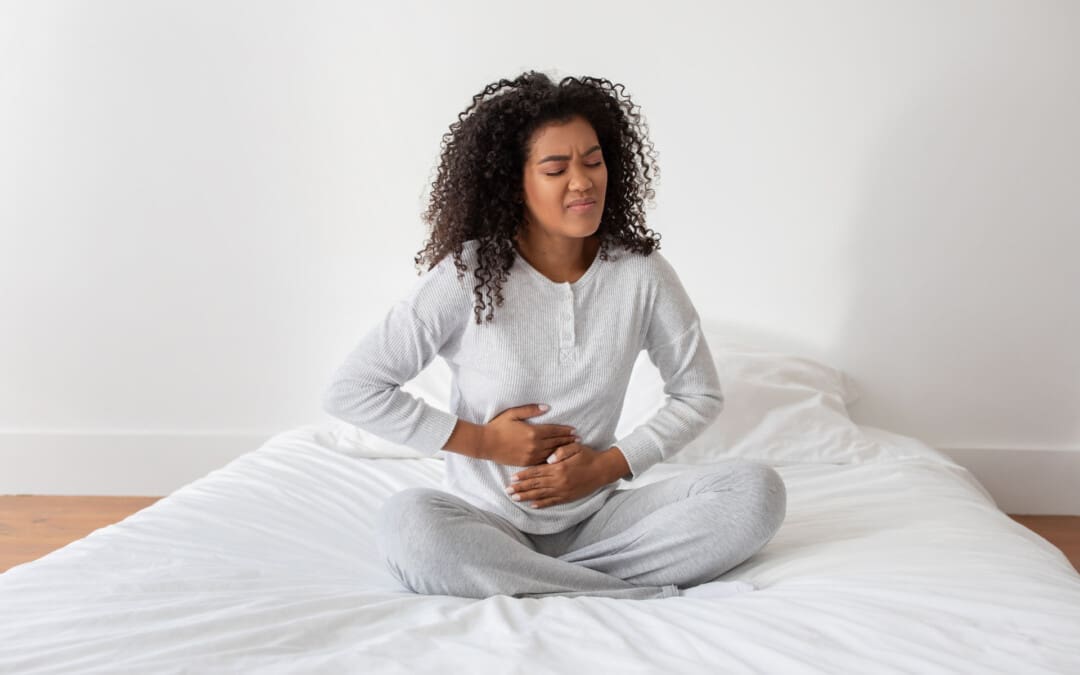
Individuals who wake up with a burning feeling in the chest or throat, along with a bitter taste, more than likely are experiencing morning or waking heartburn. Can simple steps, like not having any food three hours before going to bed, help prevent heartburn when waking up?
Waking Up With Heartburn
Heartburn is characterized by a burning sensation in the chest and neck and an acidic, bitter taste. It occurs when stomach acid flows into the esophagus tube that connects the throat to the stomach and often happens when lying down. Heartburn is a symptom of acid reflux, a digestive disorder that occurs when the stomach contents back up into the esophagus. Waking up with heartburn throughout the night or when waking in the morning is common during pregnancy and after drinking alcohol. (UCSF Health, 2024) But chronic acid reflux can also be a sign of a health condition like gastroesophageal reflux disease (GERD) and hiatal hernia, or another condition may cause it and can be triggered by stress, certain foods, and other factors.
Causes
Having occasional heartburn is normal. However, frequently waking up with heartburn may indicate gastroesophageal reflux disease (GERD). Other possible causes of this condition and factors that may contribute to frequently waking up with heartburn include: (National Library of Medicine, 2023)
Increased stress
Wearing belts or clothes that are tight around the waist.
Medications include sedatives, bronchodilators, beta-blockers, calcium channel blockers, and tricyclic antidepressants.
Pregnancy
Hiatal hernia – the top area of the stomach pushes through an opening in the diaphragm.
Sleeping and Heartburn
Research shows a relationship between sleep disorders like insomnia and an increased risk of acid reflux (Qin S. et al., 2023). A study of over 6,000 people found that those who woke up less often during the night were 50% less likely to experience heartburn than those with disrupted sleep.
When symptoms are constant, it’s important to see a healthcare provider.
See a Healthcare Provider
If heartburn persists long-term, it can lead to inflammation, breathing problems, and narrowing of the esophagus. Seeing a healthcare provider is recommended if lifestyle adjustments don’t help or symptoms continue despite taking over-the-counter antacids. Other symptoms that need professional diagnosis include: (National Institute of Diabetes and Digestive and Kidney Disease, 2020)
Chest pain or difficulty breathing, like wheezing or hoarseness
Loss of appetite, nausea, vomiting
Unexpected weight loss
Difficulty swallowing
Signs of blood in the digestive tract or stool
Tell a healthcare provider when and how you are experiencing symptoms. It may be helpful to keep a journal of frequency, specific symptoms, times when waking up with heartburn, what foods and the time of day when eating, and any other information.
Heart Attack Symptoms
Heartburn can feel like the chest pain associated with a heart attack. See a healthcare provider if you’re unsure if your heart or digestive system is causing the discomfort. Seek emergency medical attention if you have any of the following (American Heart Association, 2022)
Squeezing pressure, fullness, or pain in the center of the chest that lasts several minutes or stops and returns
Shortness of breath with or without chest pain
Pain in either or both arms, the back, neck, jaw, or abdomen
Other signs include lightheadedness, nausea, and breaking out in a cold sweat
Diagnosis
A healthcare provider can diagnose heartburn and related conditions based on the following (UCSF Health, 2024)
Discussing symptoms
X-rays, or imaging tests, that look at the esophagus, stomach, and small intestine
An esophageal pH monitoring test that checks how often and how long stomach acid stays in the esophagus
An upper endoscopy procedure where a small tube with a camera is inserted down the mouth to examine the esophagus and stomach
Stop eating at least three hours before going to bed
Lose weight
Avoid spicy, high-fat, and acidic foods
Limit coffee and other forms of caffeine
Avoid carbonated drinks and alcoholic beverages
Staying hydrated helps with overall digestion. However, drinking too much water at once can make heartburn worse. Drinking small amounts throughout the day and avoiding sparkling water is recommended since carbonated drinks can trigger heartburn. (Harvard Health Publishing, 2023)
Injury Medical Chiropractic and Functional Medicine Clinic
Lifestyle and dietary changes, as well as medications, may be used to treat the condition. See a healthcare provider if your heartburn is persistent or accompanied by other symptoms. A healthcare provider can determine the most effective treatment strategies. Injury Medical Chiropractic and Functional Medicine Clinic works with primary healthcare providers and specialists to develop an optimal health and wellness solution. We focus on what works for you to relieve pain, restore function, prevent injury, and help mitigate issues through adjustments that help the body realign itself. They can also work with other medical professionals to integrate a treatment plan to resolve musculoskeletal problems.
National Library of Medicine. (2023). Heartburn. Retrieved from https://medlineplus.gov/ency/article/003114.htm
Qin, S., Wang, C., Wang, X., Wu, W., & Liu, C. (2023). Causal association of gastroesophageal reflux disease with obstructive sleep apnea and sleep-related phenotypes: a bidirectional two-sample Mendelian randomization study. Frontiers in neurology, 14, 1283286. https://doi.org/10.3389/fneur.2023.1283286
National Institute of Diabetes and Digestive and Kidney Disease. (2020). Symptoms and causes of GER & GERD. Retrieved from https://www.niddk.nih.gov/health-information/digestive-diseases/acid-reflux-ger-gerd-adults/symptoms-causes
American Heart Association. (2022). American Heart Association. Heartburn or Heart Attack? https://www.heart.org/en/health-topics/heart-attack/angina-chest-pain/heartburn-or-heart-attack
Harvard Health Publishing. (2023). 9 at-home treatments for acid reflux. https://www.health.harvard.edu/newsletter_article/9-ways-to-relieve-acid-reflux-without-medication
Individuals in post-surgery recovery or dealing with illness or an injury can experience weakened muscles and endurance that can cause temporary loss of sleeping mobility and not being able to move around normally because of weakness, decreased range of motion, or pain. Can they benefit from physical therapy to help get back to normal functional mobility?
Sleeping Mobility
For individuals who are hospitalized or homebound from injury, illness, or surgical recovery, a physical therapist will assess various areas of functional mobility. These include transfers – from sitting to standing positions, walking, and sleeping mobility. Sleeping mobility is the ability to perform specific motions while in bed. A therapist can assess sleeping or bed mobility and recommend strategies and exercises to improve movements. (O’Sullivan, S. B., Schmitz, T. J. 2016) A therapist may have the individual use specific devices, like an over-the-bed trapeze or a sliding board, to help move around.
All of these movements require strength in different muscle groups. By checking out individual motions in sleeping mobility, a therapist can work out specific muscle groups that may be weak and require targeted exercises and stretches to restore mobility to normal. (O’Sullivan, S. B., Schmitz, T. J. 2016) Individuals visiting a therapist in an outpatient clinic or rehabilitation area may have the individual work on sleeping mobility on a treatment table. The same motions on the treatment table can be done in the bed.
Importance
The body is meant to move.
For individuals who cannot move comfortably on their bed, the body may suffer disuse atrophy or the wasting away of muscular strength, which can lead to increased difficulties. Not being able to move can also lead to pressure ulcers, especially for individuals who are severely deconditioned and/or remain in one position for a long period. Skin health may start to break down, leading to painful wounds that require specialized care. Being able to move around in bed can help prevent pressure ulcers. (Surajit Bhattacharya, R. K. Mishra. 2015)
Improvement
A physical therapist can prescribe specific exercises to strengthen muscle groups and improve sleeping mobility. The muscles include:
Shoulder and rotator cuff muscles.
Triceps and biceps in the arms.
Gluteus muscles of the hips.
Hamstrings
Quadriceps
Calf muscles
The shoulders, arms, hips, and legs work together when moving the body around the bed.
Various Exercises
To improve bed movement, physical therapy exercises can include:
Physical therapists are trained to assess these motions and functions and prescribe treatments to improve body movement. (O’Sullivan, S. B., Schmitz, T. J. 2016) Maintaining appropriate physical fitness can help the body stay active and mobile. Performing mobility exercises prescribed by a physical therapist can keep the right muscle groups working properly, and working with a physical therapist can ensure the exercises are correct for the condition and are performed properly.
Bhattacharya, S., & Mishra, R. K. (2015). Pressure ulcers: Current understanding and newer modalities of treatment. Indian journal of plastic surgery : official publication of the Association of Plastic Surgeons of India, 48(1), 4–16. https://doi.org/10.4103/0970-0358.155260
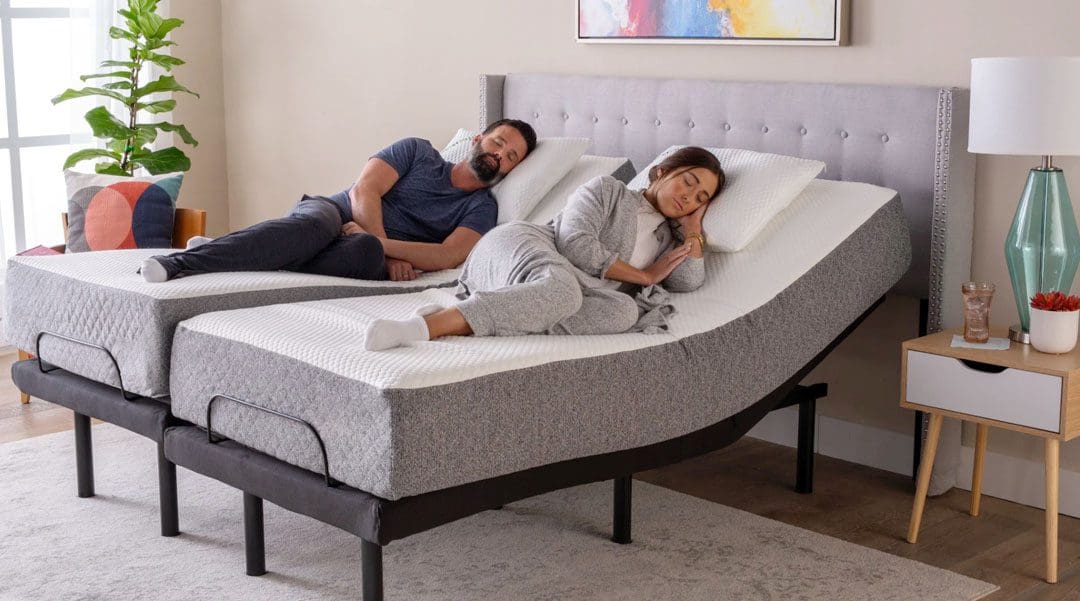
Getting healthy sleep can be difficult when dealing with back problems or recovering from surgery. It can be difficult, if not impossible, to get and stay comfortable long enough to sleep on a regular flat mattress. It is worth considering an adjustable bed as an alternative. Because of their lifestyle and health benefits, these beds are growing in popularity to meet an individual’s spine, posture, and sleeping needs.
Adjustable Bed
An adjustable bed can raise and lower a mattress’s orientation to different angles, allowing the upper body to rest at a slight incline, such as 30 to 45 degrees, with support under the knees as they bend at a slight angle. The body can feel better in an inclined or semi-upright position rather than lying flat. Individuals with back or neck problems or joint conditions like shoulder arthritis have reported feeling better in this position.
Features
The number of adjustments varies from model to model. Available features include:
Adjustable firmness for the low back/lumbar area.
Adjustments may be made by remote control.
Some offer massage options.
Zero gravity – NASA invented the zero gravity position to reduce pressure on astronauts during takeoff. In this position, the head and knees are raised above the heart, making the body feel weightless.
Adjustable beds are sold in single, queen, and king sizes.
Split queen and king sizes allow the settings to be customized for each side of the bed.
Benefits
Snoring
Over 90 million Americans snore during sleep.
The main cause of snoring is the blockage of the windpipe while sleeping, which can be caused by several factors, but most commonly by the weight of the neck on the windpipe, preventing the individual from breathing properly.
An adjustable bed allows for an inclined position, decreasing the pressure on the windpipe, reducing snoring, and allowing for a more relaxing sleep.
Asthma
Asthma can disrupt healthy sleep and make breathing difficult at night.
COPD and chronic lung conditions can worsen over time, impacting sleep quality.
Lying flat often irritates these lung conditions.
Sleeping with the head and feet in a raised position makes breathing easier.
Posture
Unhealthy posture causes soreness, stiffness, tightness, headaches, and other health issues.
Adjustable beds provide postural support to the spine and can improve posture and increase overall health.
Back Problems
80% of individuals deal with various back issues and symptoms.
Adjustable beds provide support and alignment to the spine by allowing the mattress to conform to the body’s contours.
This can prevent sciatica, enabling the nerves to relax and rest without added body pressure.
For those with sciatica, pain can be alleviated by using a raised leg position to take the stress off the nerves and increase circulation.
Lowering the bed up and down can help stretch the back.
Digestion
An adjustable bed can help with digestion issues.
An inclined position prevents indigestion and acid reflux and helps the body process food more efficiently.
A six-inch raise is recommended to increase digestion.
Individuals who go to bed on a full stomach should raise the incline as there is more digestive activity.
Inflammation, Swelling, and Injury Recovery
When dealing with neuromusculoskeletal injuries, doctors often recommend elevating the injured part of the body to speed up recovery.
An adjustable bed lifts or raises the mattress and elevates the limbs while maintaining a neutral/natural sleeping position.
Pregnancy
Physical and hormonal changes during pregnancy can cause back discomfort symptoms, sciatica, circulation issues, and swelling.
Pregnant women can use the zero gravity position to reduce swelling, alleviate back pain, and improve circulation.
This position also makes back sleeping safer for the mom and baby.
Individuals should research all the styles and features available to find what works for them.
Ten Benefits
References
Ancuelle, Victor, et al. “Effects of an adapted mattress in musculoskeletal pain and sleep quality in institutionalized elders.” Sleep science (Sao Paulo, Brazil) vol. 8,3 (2015): 115-20. doi:10.1016/j.slsci.2015.08.004
Söderback, I, and A Lassfolk. “The usefulness of four methods of assessing the benefits of electrically adjustable beds in relation to their costs.” International journal of technology assessment in health care vol. 9,4 (1993): 573-80. doi:10.1017/s0266462300005493
Tetley, M. “Instinctive sleeping and resting postures: an anthropological and zoological approach to the treatment of low back and joint pain.” BMJ (Clinical research ed.) vol. 321,7276 (2000): 1616-8. doi:10.1136/bmj.321.7276.1616
Verhaert, Vincent, et al. “Ergonomics in bed design: the effect of spinal alignment on sleep parameters.” Ergonomics vol. 54,2 (2011): 169-78. doi:10.1080/00140139.2010.538725
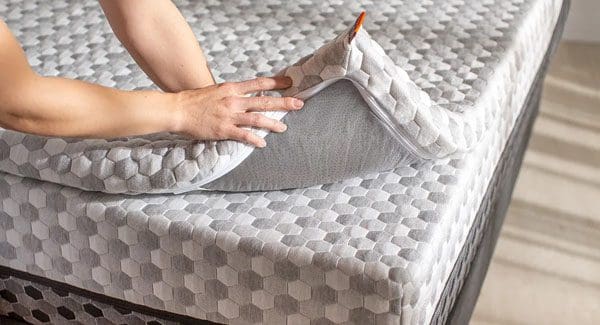
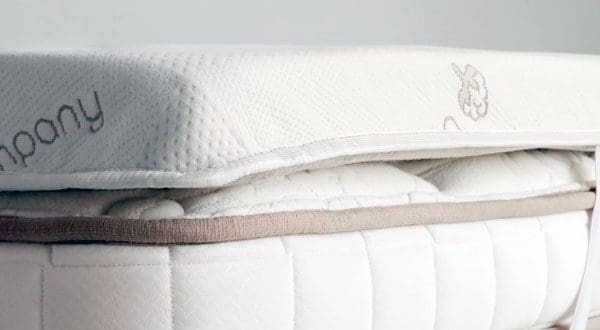
A mattress topper for back pain can help by conforming closely to the body, correctly aligning the spine, and providing relief to the pressure points. The right quality mattress topper can provide relief when sleeping and can help keep the spine in proper alignment. Chiropractor Dr. Jimenez shares some top mattress toppers for back pain including:
Pros
What to consider when buying
Determine if a mattress topper is the best solution
Layla Memory Foam
Best Temperature Neutral
The Layla Memory Foam Topper is 2-inches thick and made from memory foam infused with copper. It’s enclosed in a polyester cover and becomes denser under deep compression points, like the hips and shoulders.
The Layla brand is known for coming with cooling copper-infusion technology improving airflow and blood circulation. The copper helps an individual sleep cooler than most memory foam and is available at a reasonable price. All sizes cost less than $400 and come with free shipping and returns, a 120-night trial, and a 5-year warranty.
Snuggle-Pedic Memory Foam
Best Memory Foam
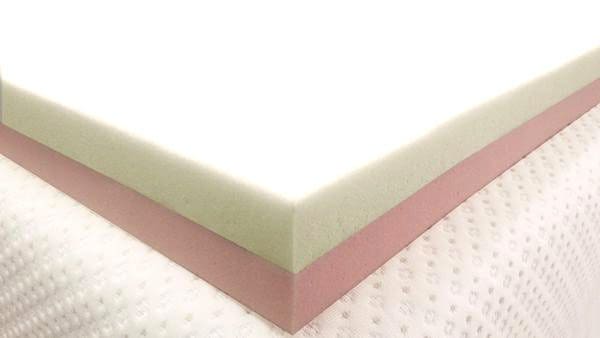
The Snuggle-Pedic is a two-layer structure, with softer memory foam on the outer layer and a firm channeled base layer for spinal support. It is a versatile design that makes it appropriate for back, side, and stomach sleepers. Memory foam mattress toppers can be too soft, providing no support, or too firm. This topper finds the balance. One side is soft-to-the-touch, with the other providing twice the support. This double layer system is soft but supportive. It is available in all sizes for less than $300 and comes with free shipping, returns, and customizations.
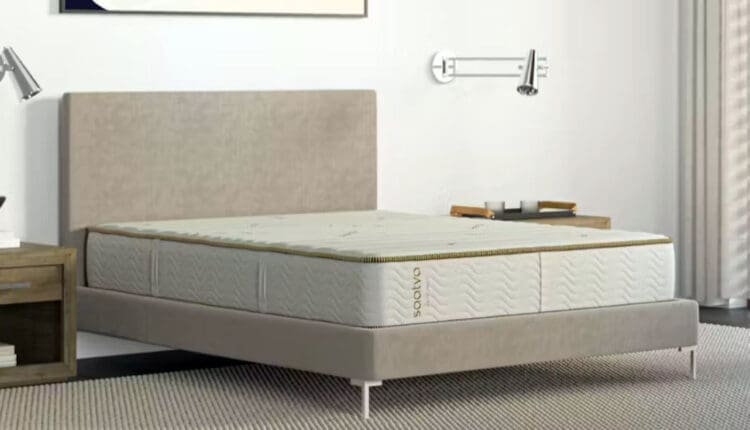
Saatva Latex Mattress Topper
Best Latex
The Saatva is 1.5 inches of latex and is covered in organic cotton. The latex has ventilation to aid in breathability and the cotton cover adds to the overall temperature neutrality. For individuals that prefer all-natural materials, this latex topper is recommended. The latex used is Talalay latex and is natural and breathable. It also has ventilation spots and is hypoallergenic. For individuals that sleep hot, want a natural option, or have allergies, this could be an option. It comes with a 120-night trial period, free shipping and costs less than $350 in all sizes.
Zinus Memory Foam
Best For Side Sleepers
TheZinus topper measures four inches thick. It is a simple design with 2 inches of gel memory foam that is highly durable. Under the gel foam is a 2-inch-thick layer of support foam for added durability and support. This is an affordable option. The dual-layer provides cooling comfort, durable support and is designed to fit under any deep-pocket sheets. Side sleepers with hip and shoulder pain can appreciate the top layer�s softness and benefit from the durability of the bottom layer, preventing cradling and sinking.
Linenspa
Fastest Relief
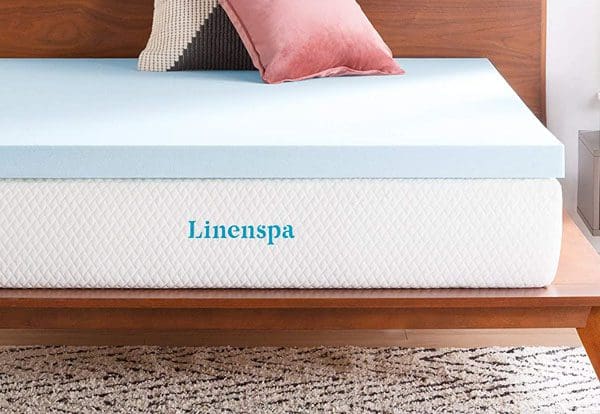
The Linenspa is made with three inches of memory foam that conforms to the body’s curves while sleeping. This mattress topper is infused with temperature-regulating gel beads that evaporates any heat. It is available in two-inch, three-inch profiles and the foam is made to distribute weight evenly. With every size available for less than $105, this is a comfortable and affordable way to rejuvenate a worn mattress or soften a mattress that is too hard.
What to Look For
Mattress toppers can be beneficial for providing relief for aches and pains, but the best topper for back pain requires knowledge about materials, styles, and features that will provide relief. An overview of what to look for:
Materials
Memory foam and latex are ideal for pressure relief because they conform to the body�s curves without sagging. Look for high-quality materials, like American Talalay latex and open-cell foam.
Body Conformity Amount
The ideal amount of conformity provides pressure relief for painful areas. An ideal level depends on weight and sleeping positions. Look for details about the mattress weight, type, and sleeping style.
Sleeping Position
Sleeping on the back is a way to naturally align the spine, but a firm topper that does not sag is needed to provide the proper support.
Stomach sleepers need a topper that does not sag in the midsection, which can lead to neck pain.
Side sleepers need a topper that conforms to the contoured areas, like the shoulders and hips.
Price
Prices for mattress toppers vary. There are high-quality mattress toppers available for $150. For luxury, prices will be in the $300s and above.
Durability
Sagging is the main issue to avoid. Optimal spinal support is the objective. Do the research, read reviews, consult a chiropractor, and take plenty of time before investing.
Thickness
Toppers differ in thickness and can measure from one to seven inches thick. Thicker does not mean more comfortable and thicker toppers tend to be softer. Thinner toppers are usually firmer, which is better for back and stomach sleepers. What feels right depends on an individual’s sleeping position, weight, and size, however, most toppers fall in the two to three-inch thickness range.
Back Pain Causes
Back pain can range from a dull ache to sharp sensations and can be the result of an auto accident, work injury, or personal injury that has developed over time. A sedentary lifestyle also contributes to low back pain. The following conditions are common sources of back pain:
Regardless of the cause or source, a mattress topper, which is more supportive than a mattress pad, can help alleviate back pain when sleeping, leading to a minimization of symptoms and improved quality of life.
Possible Option
Aching muscles, shooting/stabbing pain, reduced range of motion, and flexibility are detrimental to work, and home life. Whatever the case, there�s an option out there. An overview of mattress topper benefits:
The current mattress is old or not supportive enough, but don�t want to invest in a new mattress.
The current mattress is too firm, but a partner is comfortable on it. Mattress toppers are available in split sizes to soften/firm up one side.
A sedentary lifestyle has increased the frequency of dull low-back pain. A topper can help with back pain prevention.
Improve the comfort of a guest bed without spending too much. Similar to the first scenario, a mattress topper can be an upgrade for just several hundred dollars.
One of the most affordable sleep innovations today, but remember that durability, materials, and sleep factors, like weight, position, and height, should all be considered.
Composition of The Body
Sleep Stages
Sleep researchers are divided into two types of sleep: REM sleep is when dreams occur and NREM sleep which is non-REM sleep. NREM sleep is divided into stages:
Stage 1
Stage 1 makes up just 5-10% of a sleep cycle and is known as light sleeping. In this stage, the brain remains semi-conscious and is in between wakefulness and sleep. The brain waves start to elongate from alpha to theta waves.
Stage 2
Stage 2 is the bulk of the sleep cycle and makes up around 55%. In this stage, the body/brain is fully asleep and brain waves slow down even more.
Stage 3
Stage 3 is the deepest sleep state and is marked by elongated brain waves and slowed brain activity. It is also called short wave sleep. Slow-wave sleep makes up 15-25% of sleep but is the most important sleep state for body composition because most of the body’s restoration happens during this cycle.
REM/Rapid Eye Movement
This is the stage where dreams occur. It�s very distinct from the other three in that brain activity becomes more active. An individual passes through these sleep stages every 90 minutes. Getting 7-8 hours of sleep every night means going through 4-5 cycles. Going through a complete sleep cycle ensures an individual will go through Stage 3, which has a significant effect on body composition.
Dr. Alex Jimenez�s Blog Post Disclaimer
The scope of our information is limited to chiropractic, musculoskeletal, physical medicines, wellness, and sensitive health issues and/or functional medicine articles, topics, and discussions. We use functional health & wellness protocols to treat and support care for injuries or disorders of the musculoskeletal system. Our posts, topics, subjects, and insights cover clinical matters, issues, and topics that relate and support directly or indirectly our clinical scope of practice.*
Our office has made a reasonable attempt to provide supportive citations and has identified the relevant research study or studies supporting our posts. We also make copies of supporting research studies available to the board and or the public upon request. We understand that we cover matters that require an additional explanation as to how it may assist in a particular care plan or treatment protocol; therefore, to further discuss the subject matter above, please feel free to ask Dr. Alex Jimenez or contact us at 915-850-0900. The provider(s) Licensed in Texas& New Mexico*
References
Bolash R, Drerup M. How to Beat Insomnia When You Have Chronic Pain. Cleveland Clinic Web site. https://health.clevelandclinic.org/2015/12/managing-insomnia-for-those-with-chronic-pain/. Published December 18, 2015. Accessed April 18, 2017.
Improving Sleep: Special Health Report. Boston, MA: Harvard Medical School; 2015.
What is Sleep? American Sleep Association Web site. https://www.sleepassociation.org/patients-general-public/what-is-sleep/. Accessed April 18, 2017.
IFM's Find A Practitioner tool is the largest referral network in Functional Medicine, created to help patients locate Functional Medicine practitioners anywhere in the world. IFM Certified Practitioners are listed first in the search results, given their extensive education in Functional Medicine